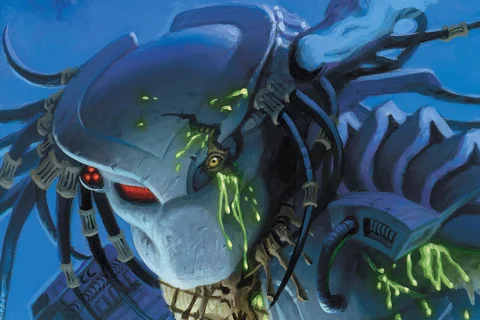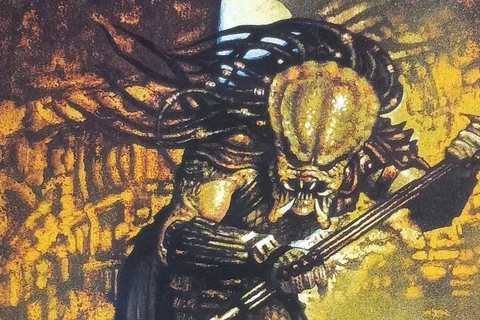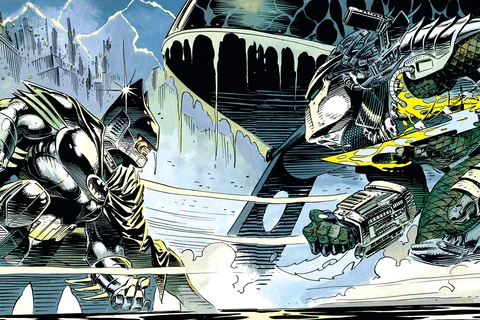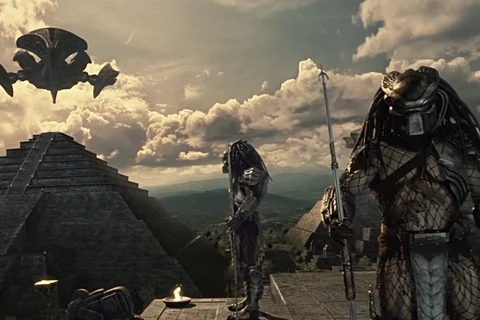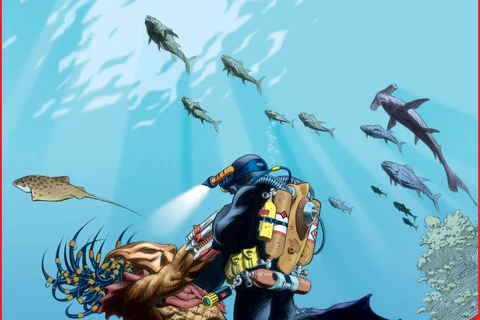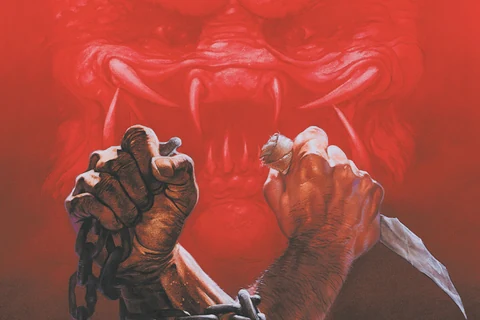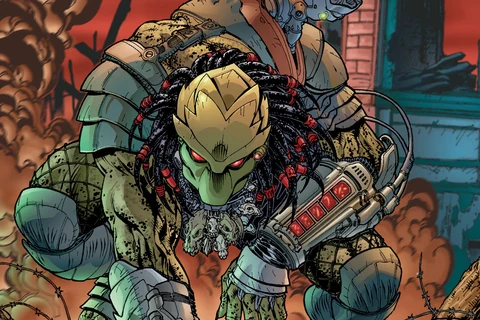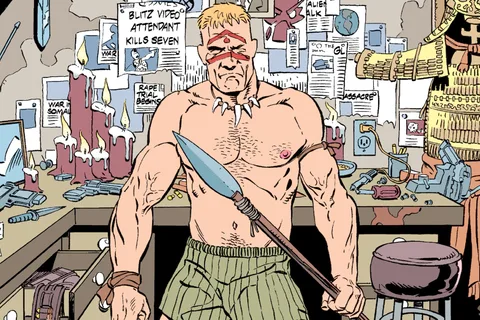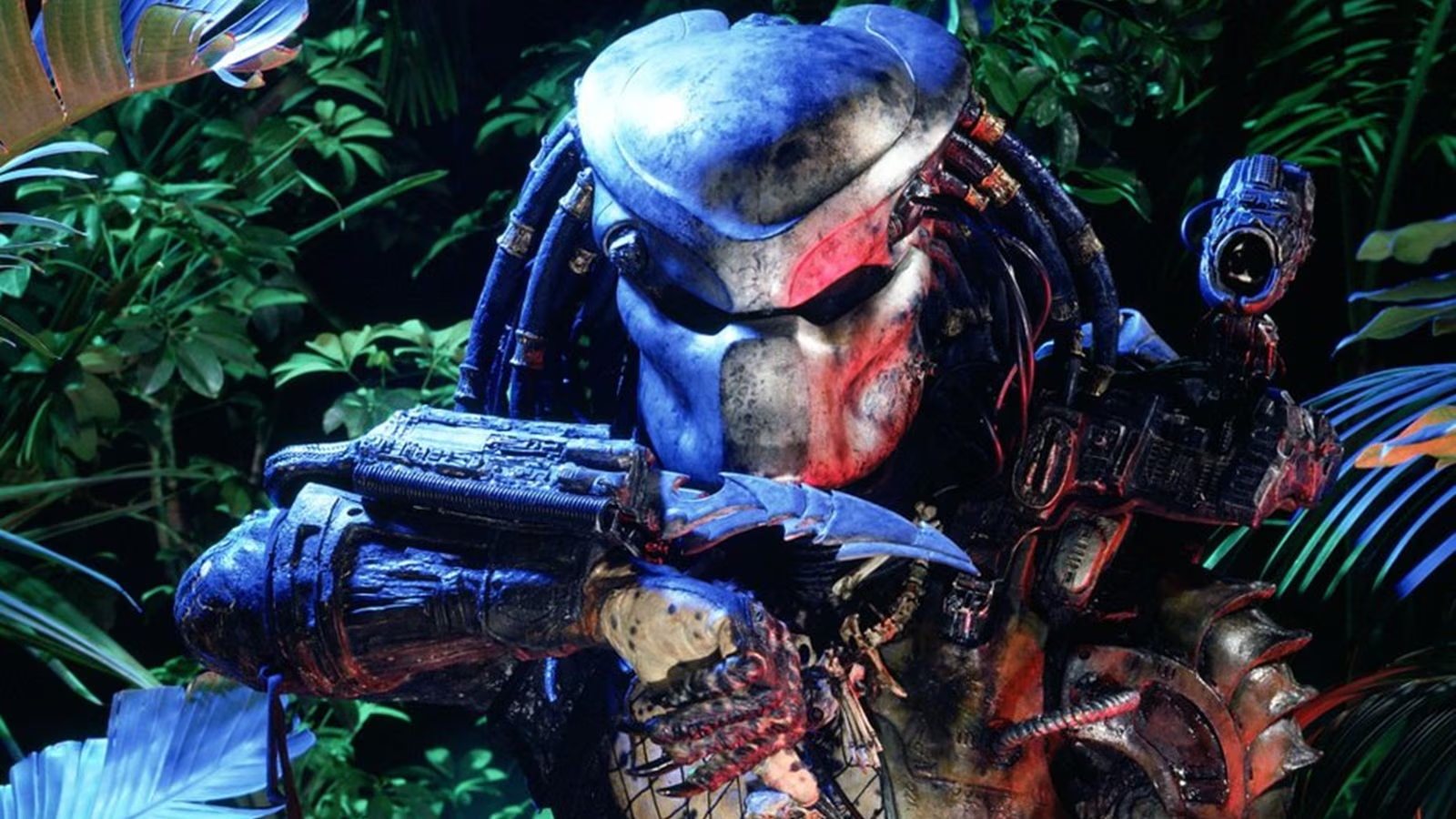

The Yautja, known to humans as the Predators, are an extraterrestrial warrior species defined by ritualized hunting, advanced technology, and a rigid code of honor. For centuries, they have traveled the galaxy in search of worthy prey, testing themselves against dangerous species while collecting trophies as proof of their victories. Their society values strength, experience, and self-discipline, and individual status is earned through combat rather than birthright. Although often encountered as solitary hunters, the Yautja possess a complex culture rooted in clans, tradition, and hierarchy. This ultimate guide explores the Yautja in full, beginning with their origins and expansion across the galaxy. It examines their culture and social structure, ranks and honor system, anatomy and biology, weapons and technology, and the many subspecies and genetic variants seen throughout Predator lore. It also covers how the hunter was written and how the on-screen look was built.
Origins Of The Yautja Species
The origins of the Yautja are explored across films, comics, novels, and games, with expanded lore filling in details that the movies only hint at. This section covers how the Predator species evolves, rebels against its former masters, and develops the hunting culture that defines it. For a deeper look at timelines, continuity differences, and early Yautja history, see our complete Yautja origins guide.
Origin Of The Term "Yautja"
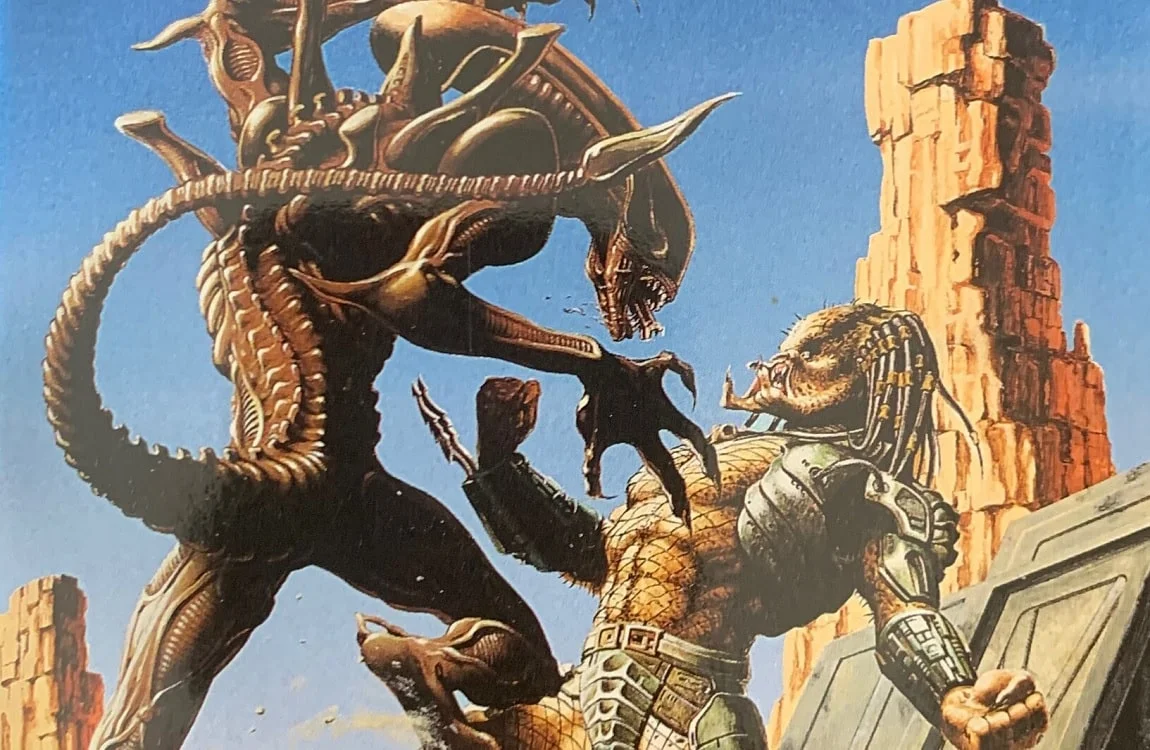
The Predator species is commonly referred to as "Yautja", a name that often confuses newcomers to the franchise. The term originated in the novel Aliens vs. Predator: Prey, written by S. D. Perry and Steve Perry and based on the first Aliens vs. Predator comic series. In the novel, "Yautja" is the name the Predators use for themselves. While Prey closely followed the comic's storyline, it expanded heavily on Predator culture, history, and language. As a result, the term became widely adopted in Predator novels and fan communities, particularly across Predator-focused wikis. However, "Yautja" rarely appears in Predator games or comics. Even the 2022 film Prey, despite sharing the novel's title, avoided using the name altogether, much like previous Predator movies.
Evolution On Yautja Prime
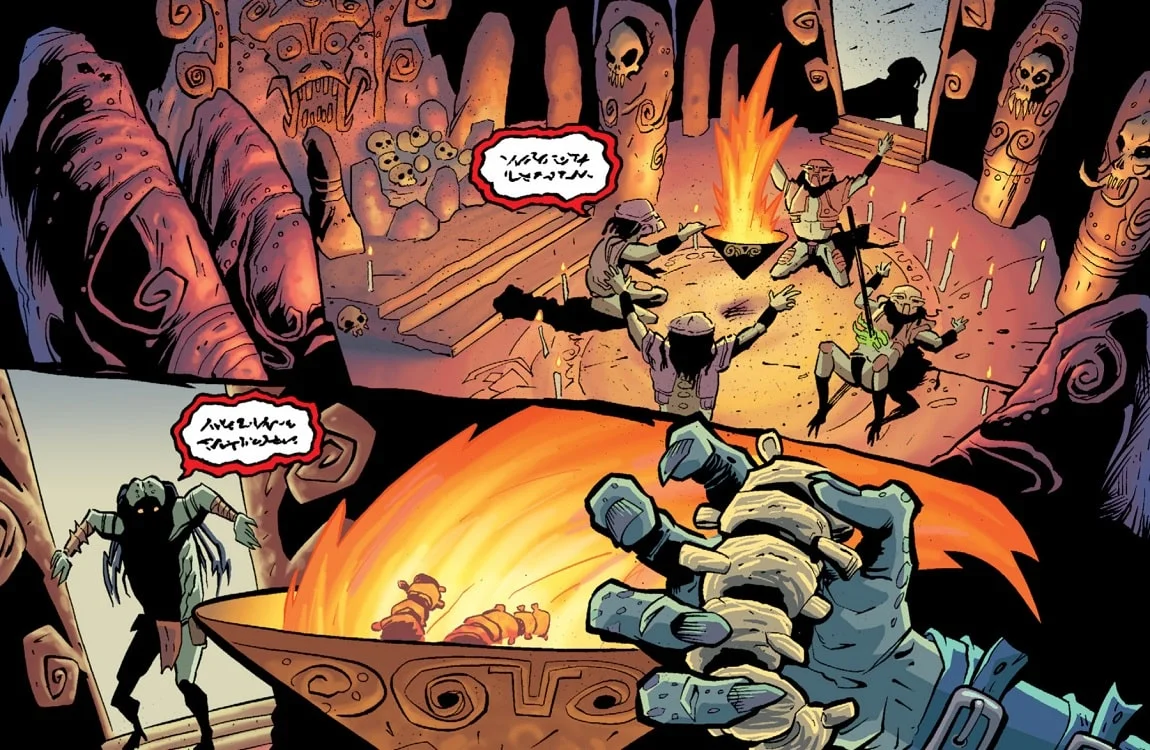
Much like humanity, the Predators evolved naturally on their homeworld, Yautja Prime, over millions of years. The comic Predator: Homeworld suggested that their earliest ancestors were reptile-like creatures that lived in vast swamp regions. Over time, these beings left the swamps and spread across the planet, forming primitive tribal societies that laid the groundwork for the clan-based Yautja culture. Despite their reptilian traits, there was never any indication that Predators laid eggs, as they were always born live. Their aggressive instincts shaped a survival-of-the-fittest mentality where strength determined leadership, most often among males, though female Predators would later prove themselves as formidable warriors as well.
Rebellion Against The Amengi
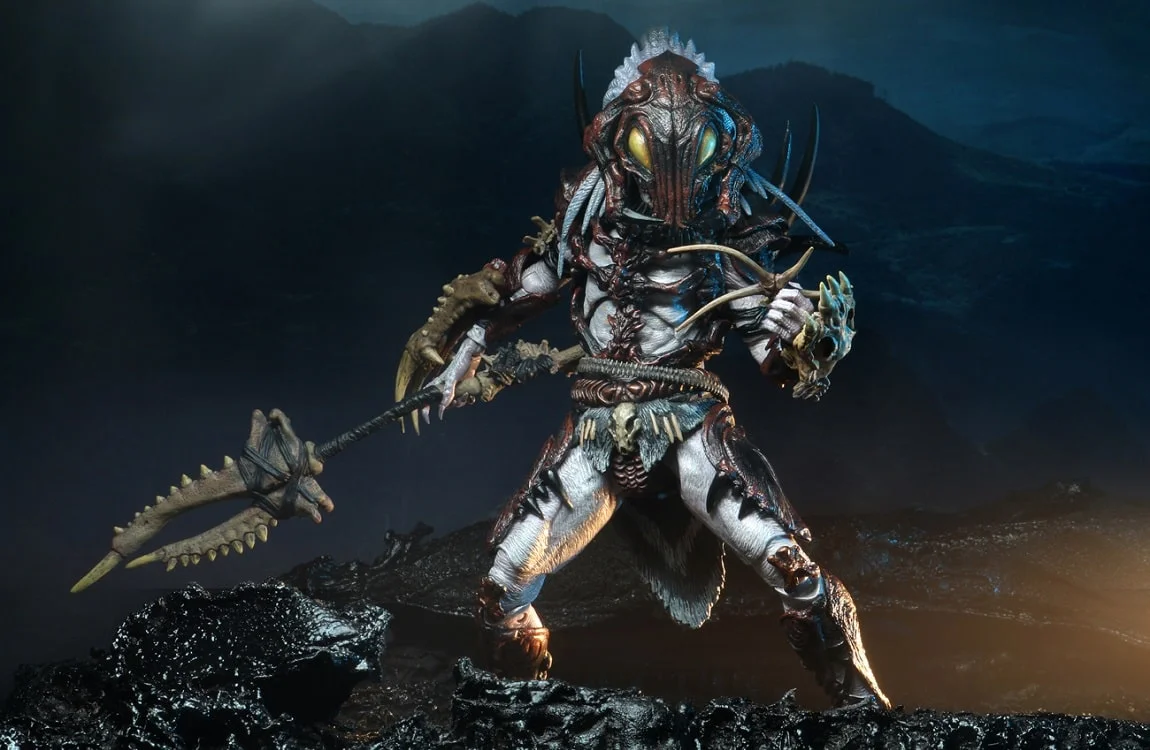
Expanded Predator lore tied the origins of the Yautja to a brutal rebellion against an insectoid species known as the Amengi. At the time, the Predators, then called the Hish, were technologically primitive and enslaved by the Amengi, who used them as laborers and gladiators for their own amusement. That changed when an extraordinary albino Predator later known as the Alpha led a massive uprising. A devastating war followed, completely overturning the balance of power. The Amengi were either wiped out or enslaved, while the Predators seized their advanced technology and adapted it for themselves. This rebellion marked the Yautja's first true experience with large-scale warfare and secured their independence as a species.
Developing A Hunting Culture
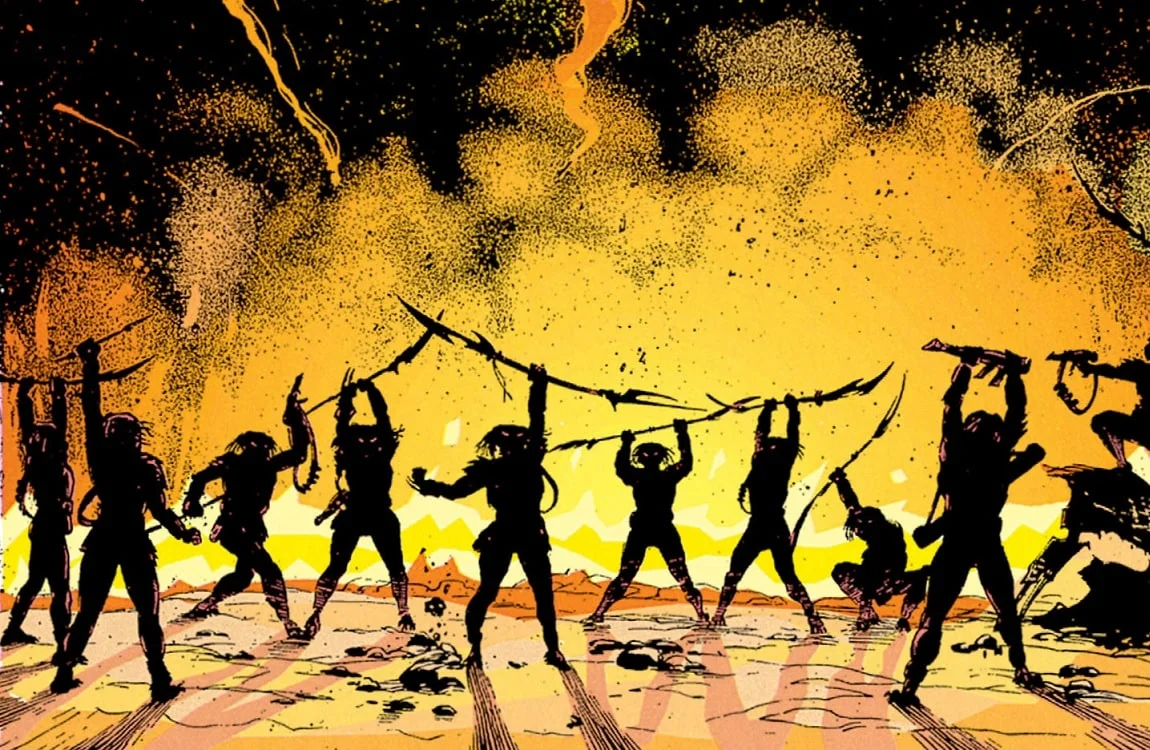
The Predators were aggressive long before their enslavement, but the rebellion against the Amengi solidified them into a true warrior society. Early traditions focused on mastering melee combat with weapons like spears, wristblades, and swords, but stolen Amengi technology soon introduced plasma casters, smart discs, and other advanced tools. With this power, the Yautja embraced the hunt as the core of their identity. A structured Yautja hierarchy emerged, where the most skilled hunters became Elites and the most experienced veterans earned the rank of Elder. The Hunt followed strict rules of honor, sparing the innocent and targeting only worthy prey.
Spreading Across The Galaxy
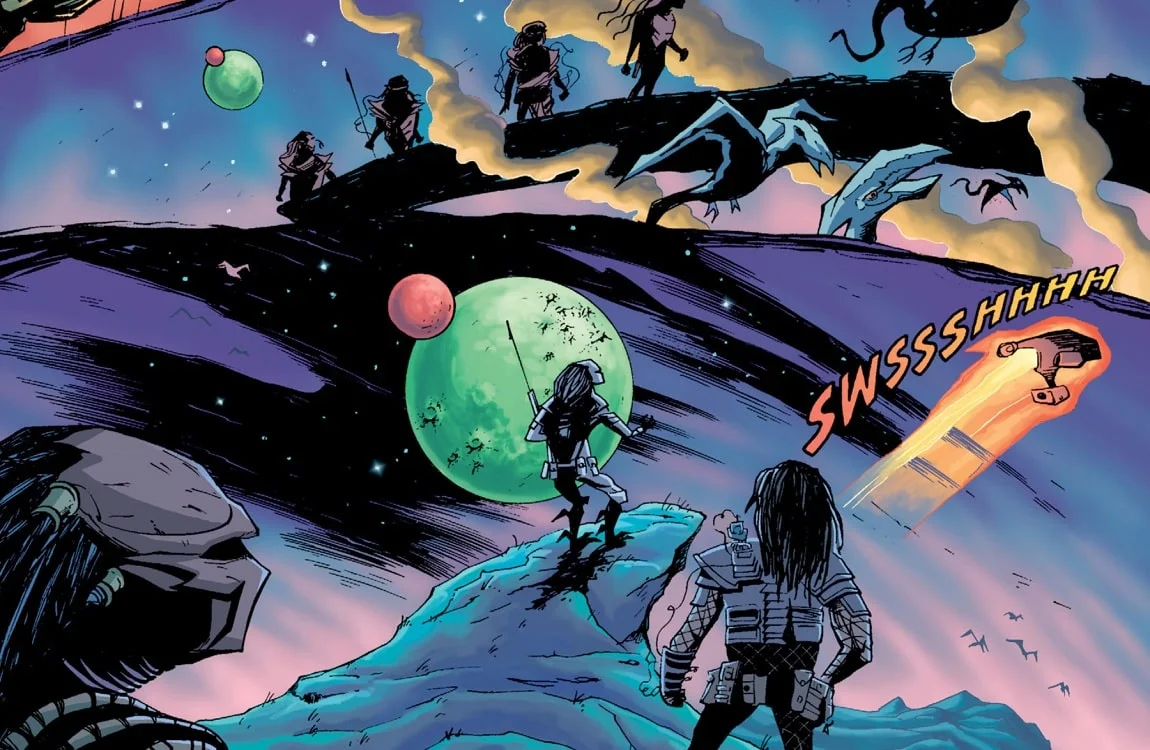
After overthrowing the Amengi and cementing their hunting culture, the Yautja expanded beyond their homeworld. Using captured technology, they spread across the stars and established what became known as the Yautja Empire. Predator ships varied widely in appearance but often shared sleek, organic, fish-like designs. Massive motherships carried entire clans between systems, while smaller scout ships allowed for faster exploration. Some Predator clans even constructed permanent deep-space habitats where Yautja could live when not actively hunting.
First Hunt Of Xenomorphs
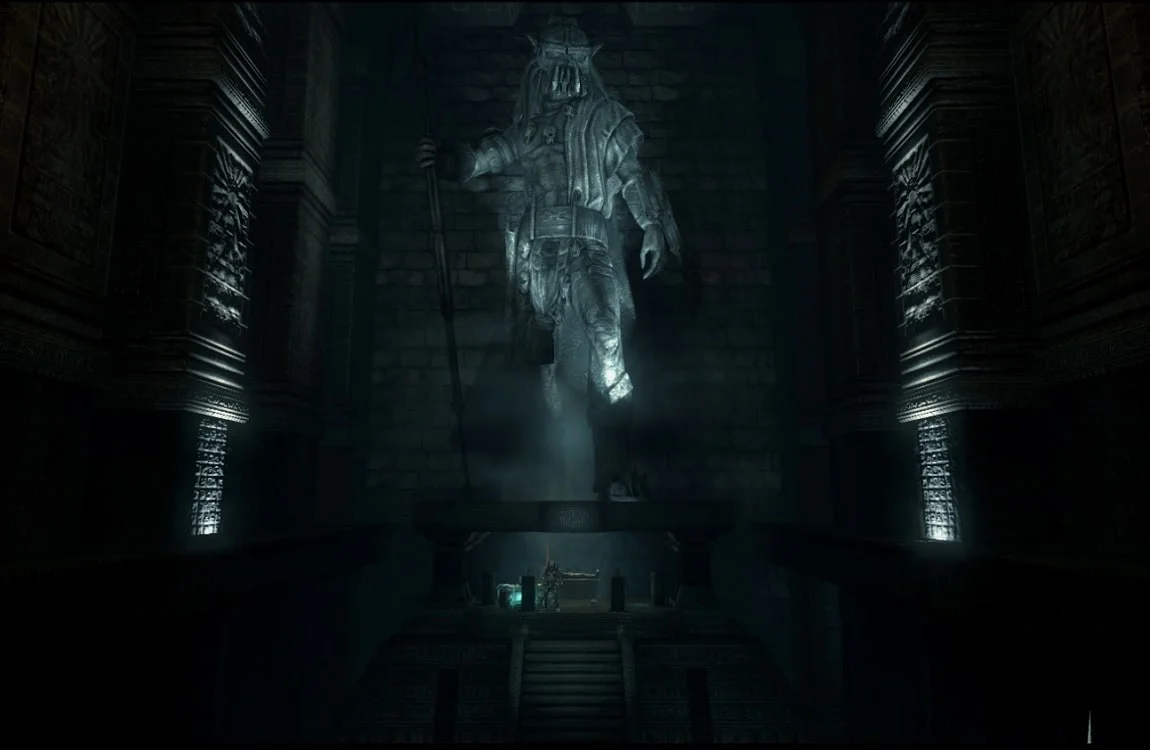
While the Alpha was recognized as the first true Yautja, it was Lord Predator who achieved one of the most important milestones in their history by becoming the first to successfully hunt Xenomorphs, creatures the Yautja called "Serpents." This hunt elevated the act to near-religious significance, with victories honored through clan symbols, most often depicted as a thunderbolt. Lord Predator's legacy was preserved through statues, most notably on the planet BG-386, the setting of Aliens vs. Predator (2010). His body rested in a sarcophagus within a massive temple, later visited by Dark Predator, who ultimately destroyed the site to contain a growing Xenomorph infestation.
Predator Domination Of Earth
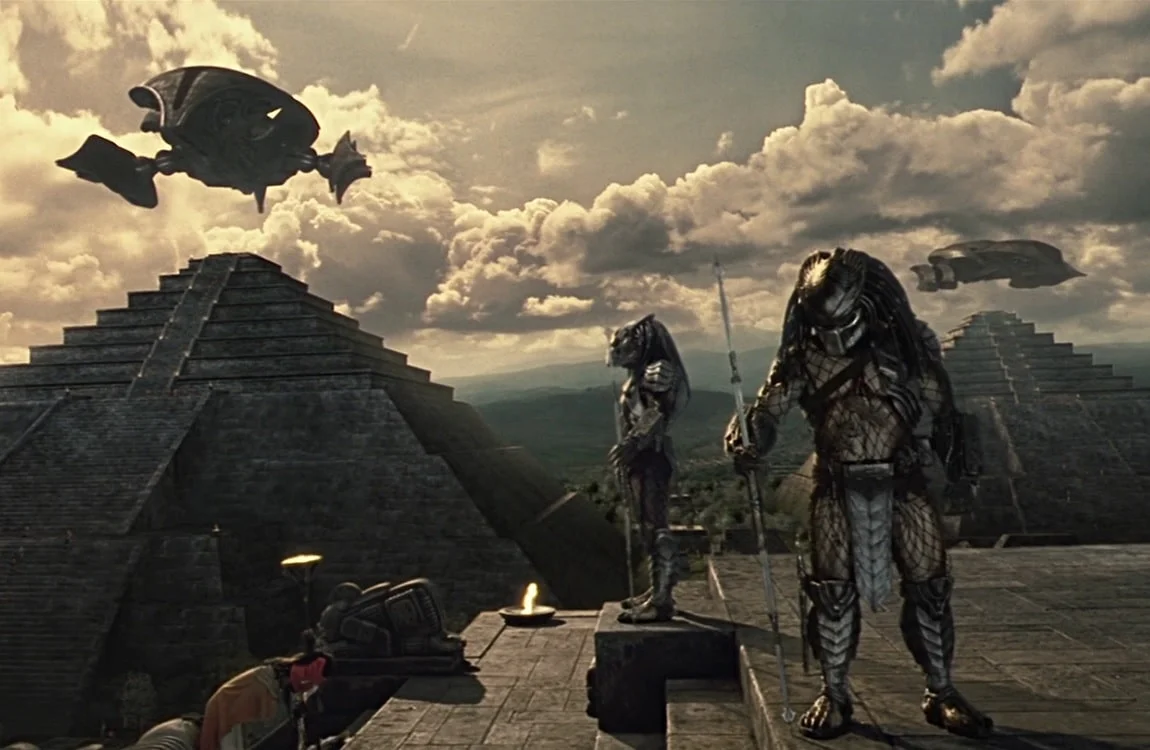
During their expansion across the galaxy, the Predators eventually discovered Earth, leading to a strange era in which humans worshipped them as gods. According to the Predator timeline, around 2000 BC the Yautja arrived in Northern Cambodia aboard massive spacecraft. Humans, awed by their presence, were instructed to build enormous temples in their honor, later known as the Temples of the Gods. In return, the Predators demanded sacrifices, sometimes exposing humans to facehuggers to create Xenomorphs for hunting. This arrangement collapsed when the Xenomorph population spiraled out of control, forcing the Predators to activate a catastrophic self-destruct device that obliterated the temple and everything surrounding it.
Yautja Civil Wars
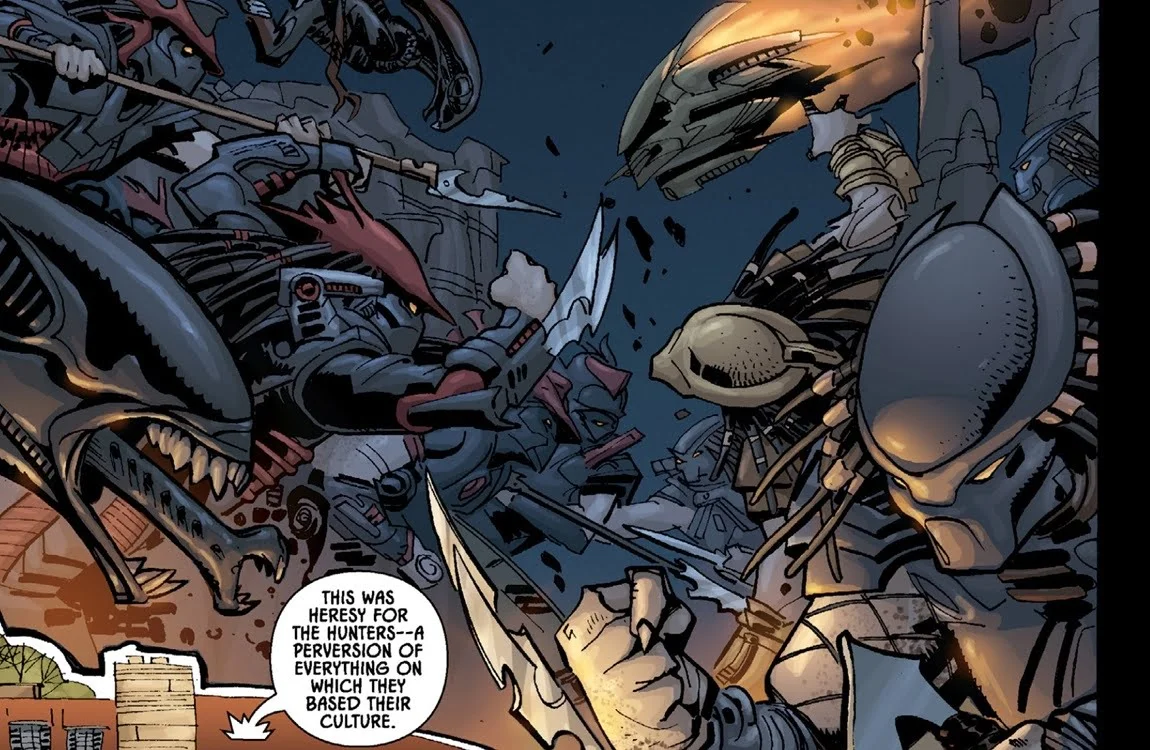
For a species built on clan loyalty and honor, some of the Yautja's bloodiest conflicts were fought against their own kind. Across the expanded lore, at least three major civil wars erupted when factions strayed too far from traditional hunting values. The first saw the Jungle Hunter clans battle the Killer Predators, Bad Blood Yautja who treated slaughter as entertainment and used Xenomorphs as weapons. The second conflict involved the Jungle Hunters and the Super Predators, a rival subspecies with very different methods and priorities. The third war unfolded on Yautja Prime itself, when the hybrid Upgrade Predators turned on the faction that included the Fugitive Predator, proving that Yautja history was far messier than a simple rise to noble hunters.
Yautja Culture And Society
Yautja culture is built around ritualized hunting, clan loyalty, spirituality, and an unforgiving Honor Code that governs every aspect of their lives. This section introduces the foundations of Predator society, including religion, language, family structure, and social customs. Our in-depth Yautja culture guide explores these traditions in greater detail using examples from across Predator lore.
Predator Religion
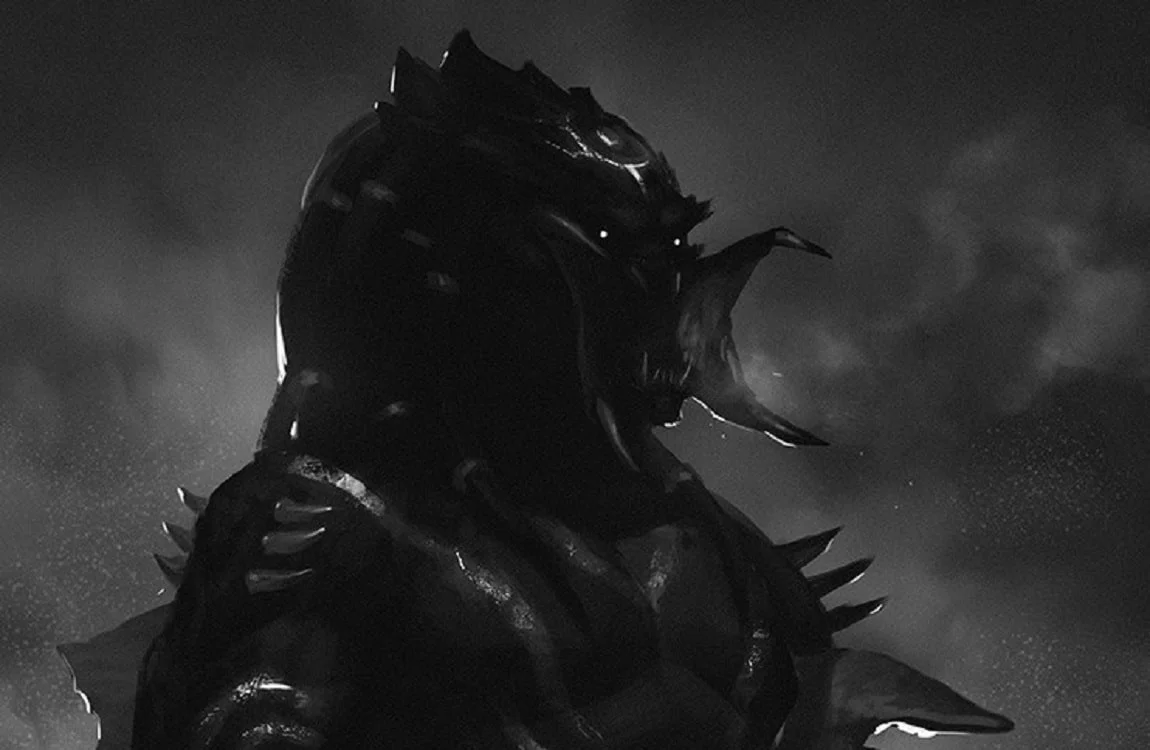
At the core of Yautja society was a deeply ingrained system of spirituality and honor centered on the concept of The Hunt. The Predator religion treated hunting as a sacred act that defined their purpose and place in the universe. Yautja believed that proving themselves as warriors earned them a place in the afterlife alongside their ancestors. Rituals and ceremonies were performed before and after hunts to honor the fallen and seek favor from their gods. The central Yautja deity was the Black Warrior, a grim, reaper-like figure representing Death itself. Rather than fearing this god, the Predators embraced death as an inevitable and honorable outcome of a worthy life.
Predator Language
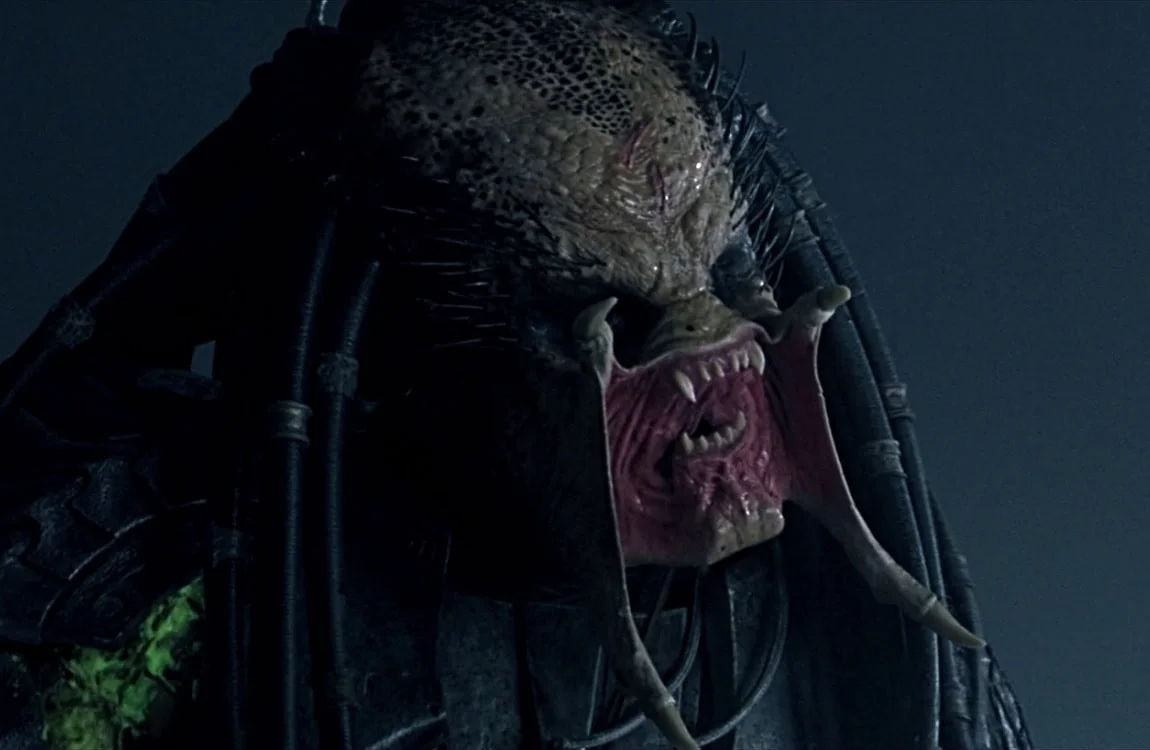
The Yautja language was a complex form of communication built from clicks, roars, body language, and vocal mimicry. Predators were capable of understanding and imitating human speech, a trait that made encounters with them even more unsettling. Their language was used not only to coordinate hunts, but also to intimidate prey and assert dominance. The Yautja also possessed a written language composed of symbols commonly displayed on wrist gauntlets and bio-mask interfaces. These markings were used for numbering, countdowns such as self-destruct timers, and fully formed words or phrases.
Predator Eating Habits
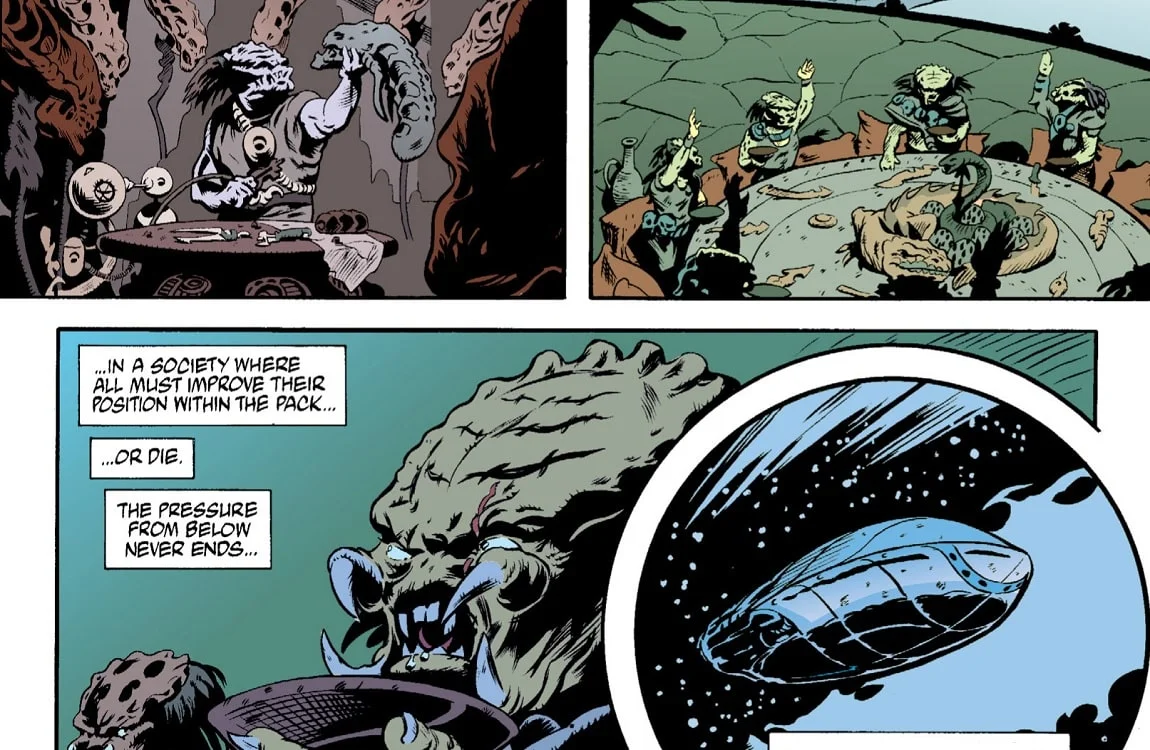
The Yautja were carnivorous and appeared to favor meat similar to beef, often consuming raw flesh during hunts when efficiency mattered more than decorum. Yautja eating habits during combat situations were typically fast, bloody, and pragmatic. Outside of hunts, however, Predators enjoyed cooked meals aboard their ships or on their homeworld and occasionally held ceremonial feasts to mark important events. While the idea of Yautja consuming human flesh was considered unlikely, there were documented cases of humans being forced to consume Predator meat instead. Some evidence also pointed to cannibalism among uncultured Predators, a behavior associated with Bad Bloods and widely condemned within Yautja society.
Predator Mating Habits
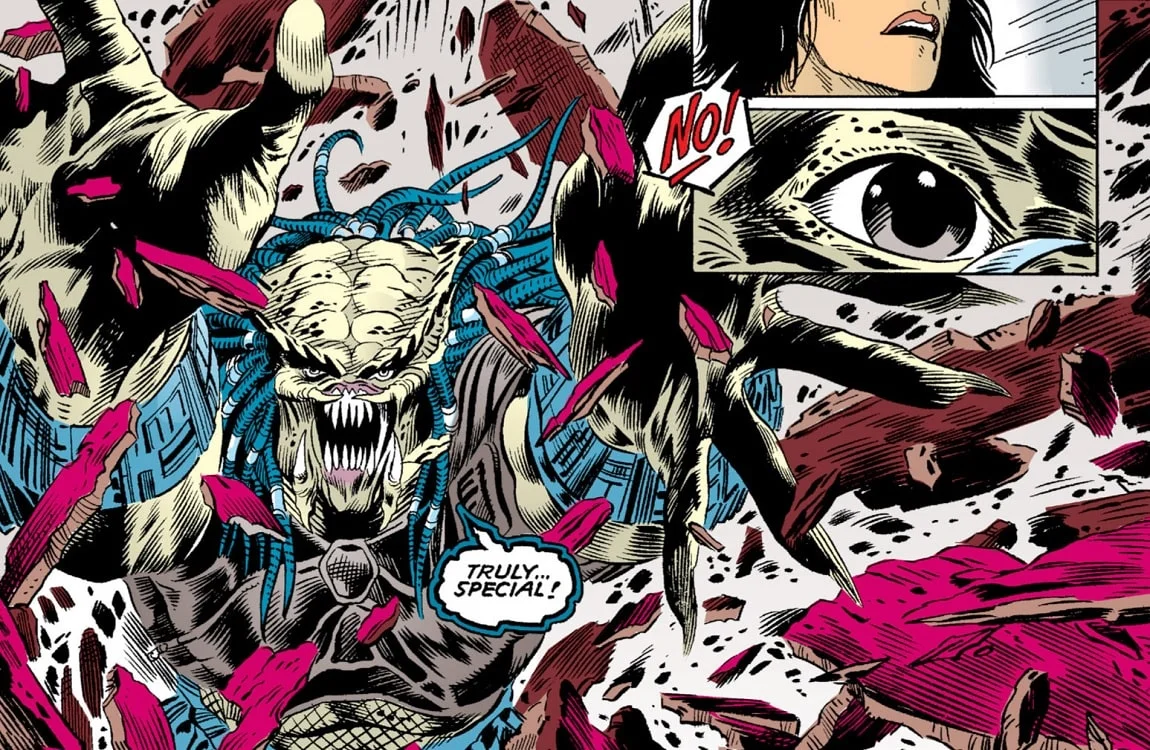
Mating among the Yautja was considered pleasurable, with female Predators often described as the more aggressive participants. One of the most infamous female Yautja was Big Mama from Aliens vs. Predator: Deadliest of the Species, known for her size and ferocity. While she was larger than most males, this was portrayed as an exception rather than the norm. Sister Midnight in Witchblade/Aliens/Darkness/Predator: Mindhunter had a leaner frame and clearer female anatomy. Yautja reproduction resembled that of mammals rather than reptiles, with children born live instead of hatching from eggs. Predator babies, often called Pups or Spawnlings, were born with umbilical cords and enclosed in blue amniotic sacs. Among the Hish-Qu-Ten subspecies, offspring were born in larger groups and were specifically referred to as Spawnlings.
Family Life
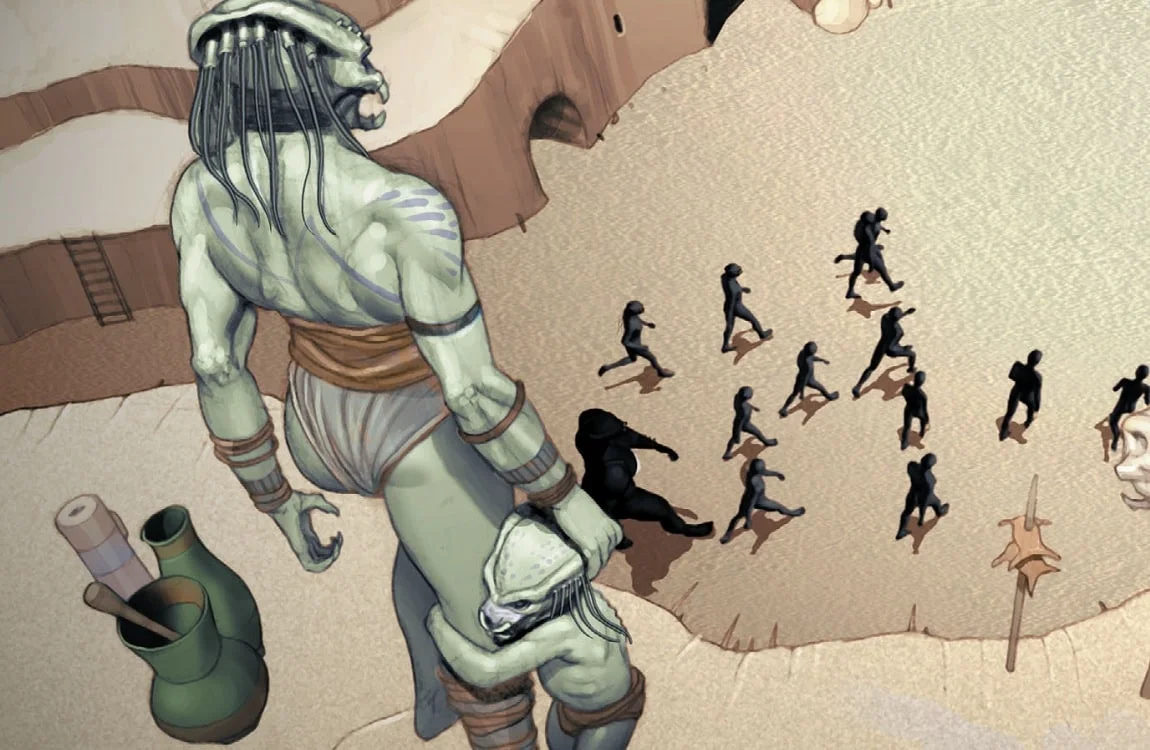
Family bonds played an important role in Yautja society, particularly between parents and their offspring. Young Predators were trained by elders from an early age, learning hunting, combat, and survival skills through direct mentorship. These relationships reinforced lineage and legacy, with traditions and knowledge passed down across generations. Older children, known as Younglings, began formal training early, often compared to the Spartan Agoge. Due to their long lifespans, family ties could last centuries, making one of the greatest disgraces the act of hunting down one's own child after they became a Bad Blood.
Yautja Law And Honor Code
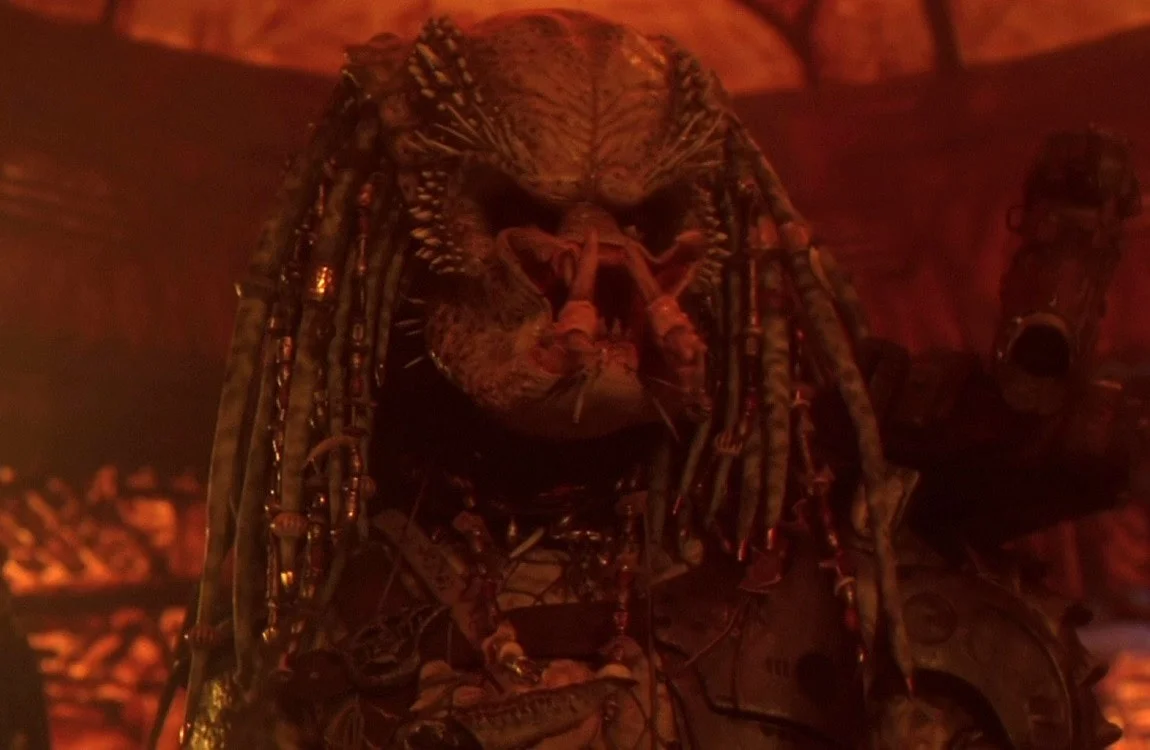
Yautja society was governed by an ancient and unforgiving honor code that dictated behavior both on and off the hunt. This code regulated weapon use, prey selection, and interactions with clan members and other species. Violations carried severe consequences, most often exile or execution, with offenders labeled as Bad Bloods. There was no centralized justice system, as enforcement fell to Elders and veteran warriors who acted as judges and executioners. This rigid interpretation of Yautja law was exemplified by Njohrr Predator in Predator: Badlands, who ordered the execution of his weaker son Dek to preserve honor.
The hunt used those same prey rules. It was forbidden to kill children and pregnant women, even when they looked armed. In Predator 2, the City Hunter scanned a boy in a Los Angeles cemetery who pointed a toy gun, then left after the bio-mask read the weapon as harmless. He also spared Detective Leona Cantrell on the metro after the scanner showed she was pregnant, the same hunt rule Simon Hawke's novelization treats as poor game management. A human who killed a hunter in fair combat could be honored instead of skinned. After Mike Harrigan killed the City Hunter, Greyback gave him the Raphael Adolini flintlock and let him live.
Sleeping Habits
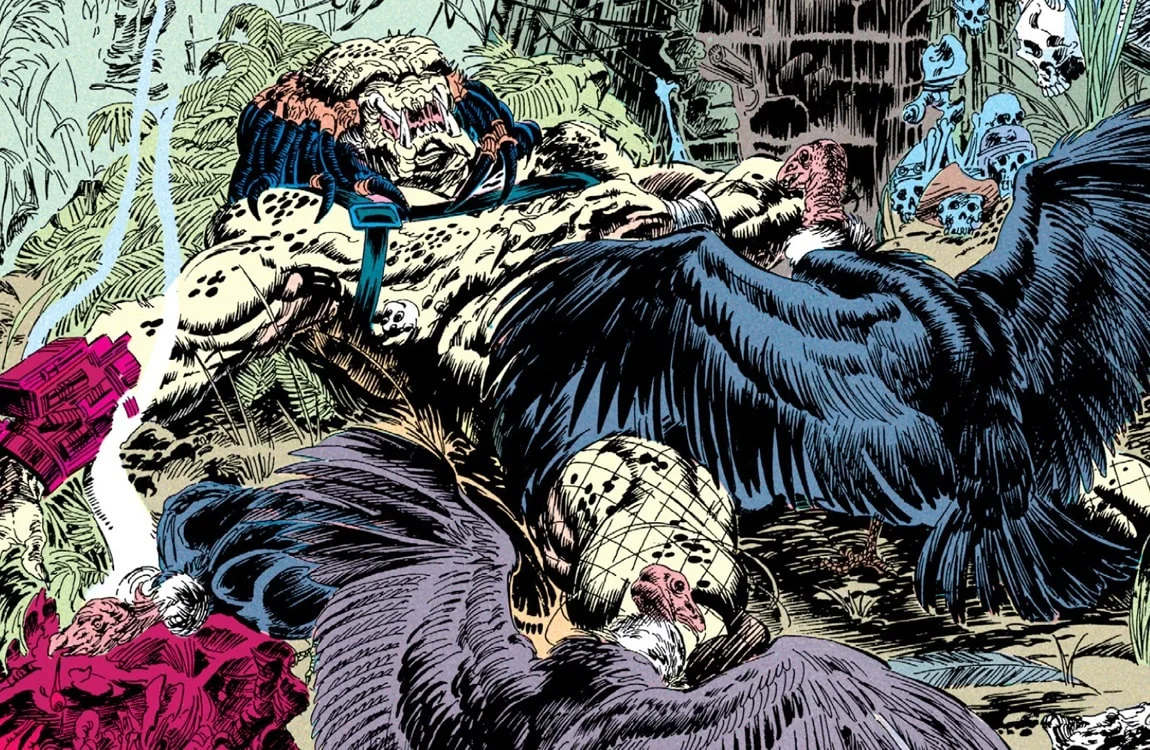
Like humans, the Yautja required sleep to recover from battle and heal their injuries. Although rarely shown sleeping on screen, the Jungle Hunter was seen resting against a tree while treating his wounded leg in the original Predator film. In the comic Predator: Big Game, a deranged Yautja slept in a makeshift nest surrounded by human trophies in the New Mexico desert. Dedicated sleeping quarters appeared in Aliens vs. Predator: War, though these may have been modified for the human Predator Machiko Noguchi. The use of hypersleep capsules was also documented, most notably in Predator: Deadliest of the Species by Big Mama Predator.
Fun And Entertainment
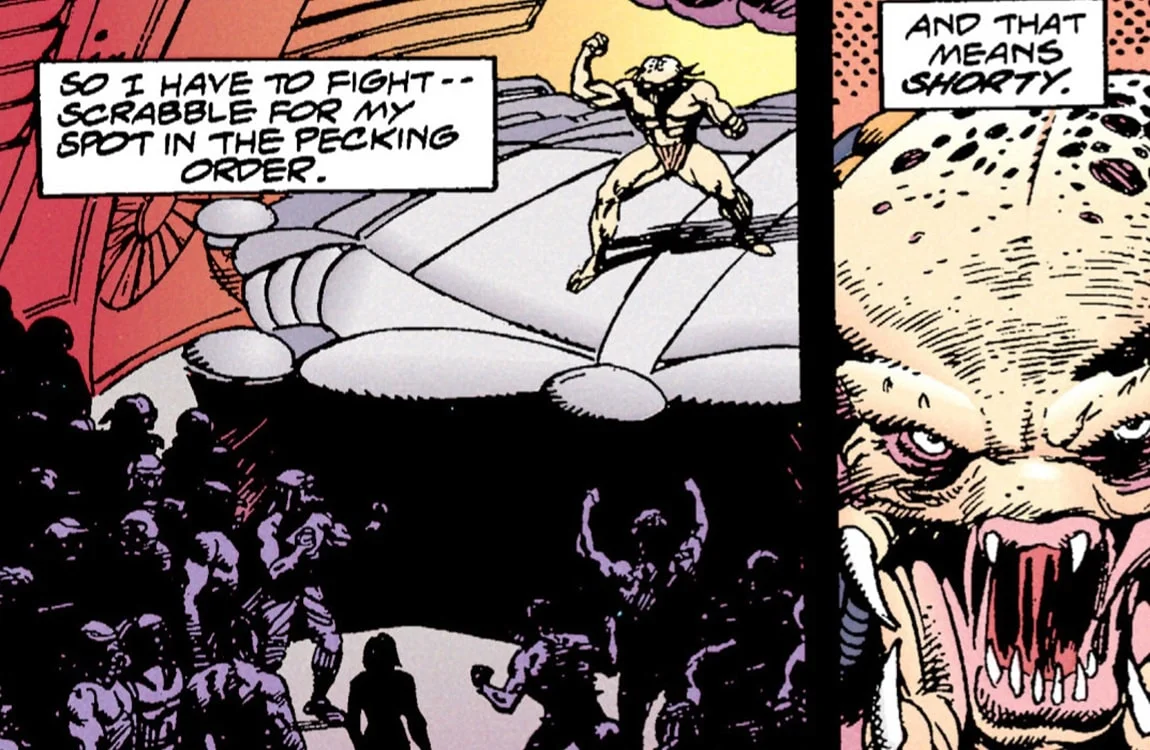
For entertainment, the Yautja enjoyed both watching and participating in gladiatorial-style combat between clan members. These fights were usually non-lethal, though serious injuries were not uncommon, as shown in the Aliens vs. Predator comics. Predators were also known to gather socially, sharing stories and legends around fires, particularly within tribal communities depicted in Superman and Batman versus Aliens and Predator. In addition, Yautja displayed a taste for dark humor and were observed laughing or chuckling at ironic or grim situations.
Training
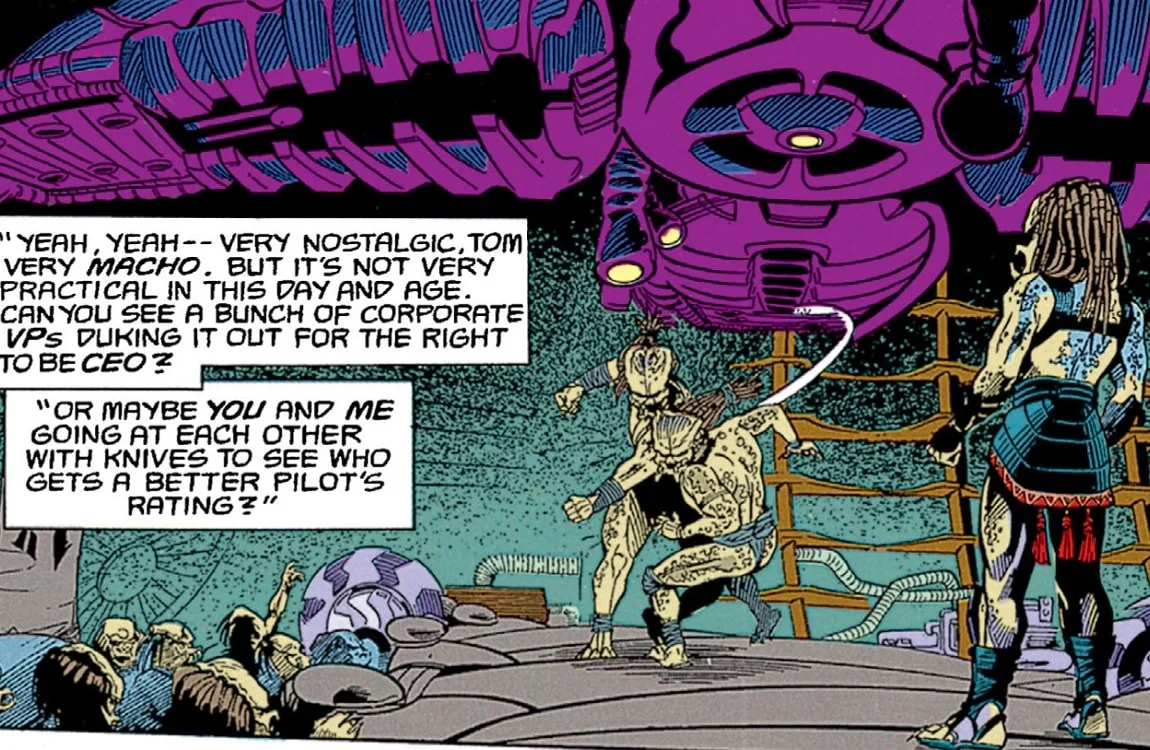
Training was central to Yautja life and began early in a Predator's development. Young Yautja endured intense physical and mental conditioning designed to prepare them for the realities of hunting and warfare. Instruction covered everything from advanced weaponry to stealth, agility, and survival techniques. Once deemed ready, Young Bloods embarked on their first hunt to become blooded. Many did not survive this rite of passage, often dying during or just before the blooding ritual, frequently at the claws of Xenomorphs.
Socializing
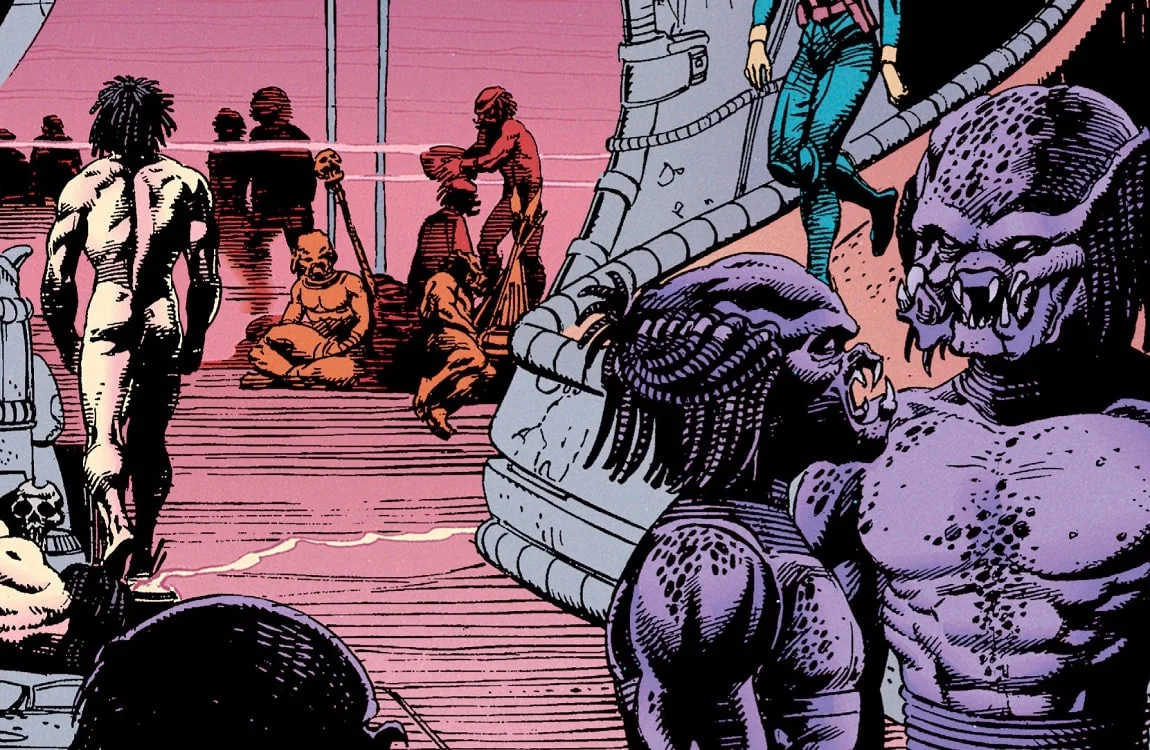
Despite their reputation as solitary hunters, Yautja society extended well beyond the hunt. Social bonds and clan camaraderie were valued, with gatherings providing opportunities to share stories, celebrate victories, and engage in friendly competition. These interactions reinforced unity among individuals who often spent long periods alone. The Yautja also practiced diplomacy and were capable of negotiating with other species, including humans. Numerous examples existed of Predators teaming up with humans, usually as temporary alliances formed to combat Xenomorph threats.
Relationship With Xenomorphs
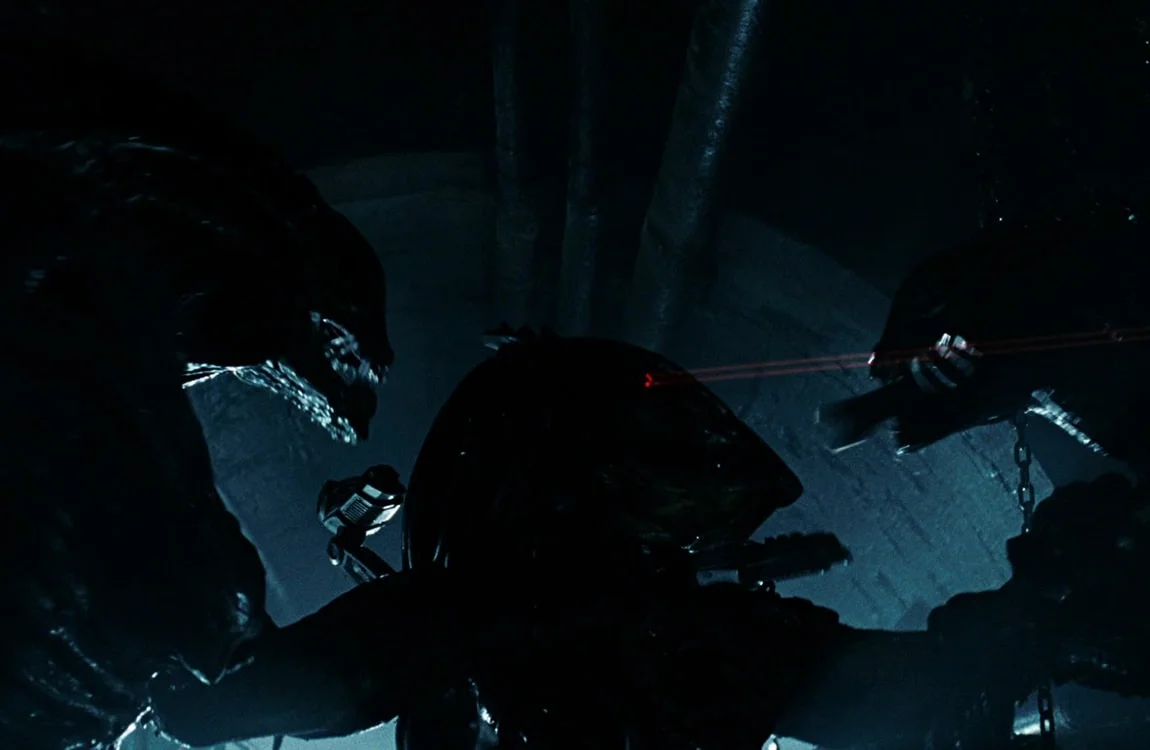
The Yautja called Xenomorphs Serpents, or Kiande Amedha, hard meat, the prey that proved a hunter. Lord Predator was the first to take that hunt, and later clans kept Queens and eggs in temples so Young Bloods could earn their marks. A kill was finished by painting clan signs on skin and bio-mask with the creature's acid blood. Trophy rooms ranked adult Xenomorph skulls above almost any other prize. When a hunt spilled into a city, specialists such as Wolf were sent to wipe the infestation, as he did in the Gunnison sewers.
Relationship With Humans
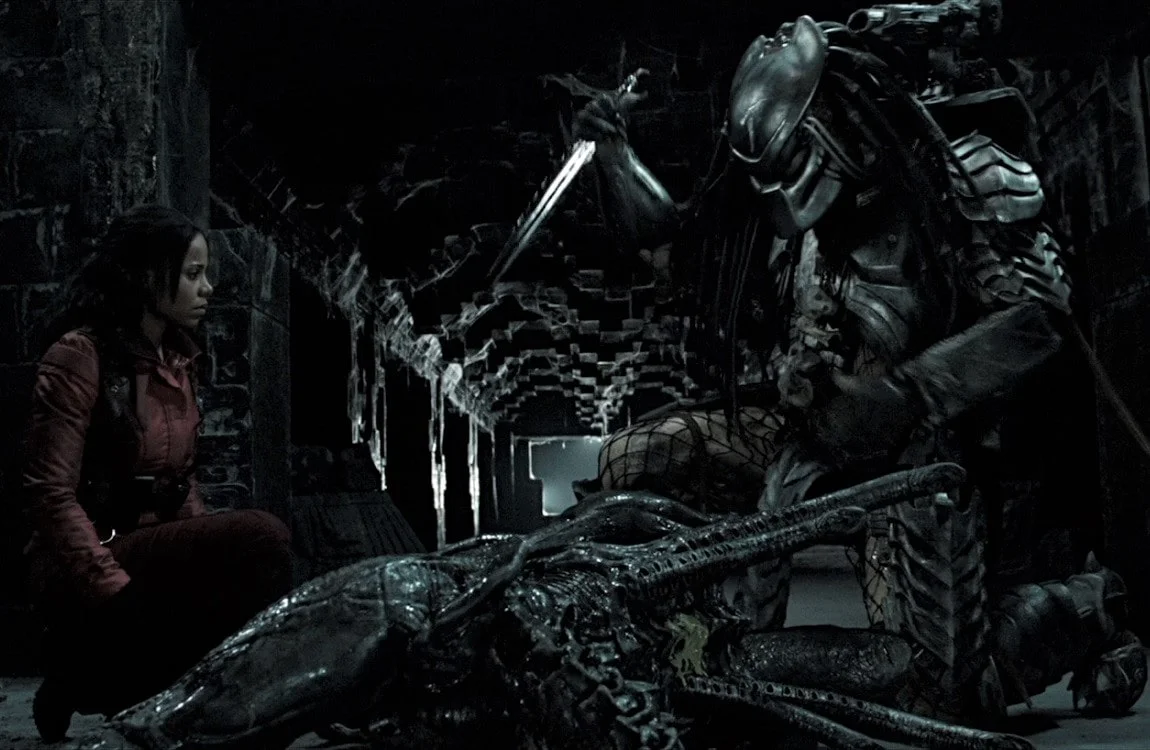
Contact with humans was usually a hunt. Soldiers, hunters, and city fighters were taken for sport and skulls. In the old temple era the Yautja also used people as labor and as hosts for Serpent hunts. A human who fought well could be spared, marked, or given a trophy instead of becoming a trophy skull. When a greater threat appeared, Scar fought beside Alexa Woods through the Antarctic hive, then marked her with the blooding sign after they killed the Queen. Other humans, including Machiko Noguchi, lived among clans after proving themselves in the same way.
Yautja Clans And Tribes
Yautja clans represent the core social and political units of Predator society, grouping hunters by lineage, shared traditions, and long-standing bloodlines. Each clan maintains its own customs, leadership structure, and hunting territories, and some develop reputations that endure for centuries across the galaxy. This section highlights several notable clans, while our complete Yautja clan list documents many more and explores how they differ across Predator lore.
The Lost Tribe
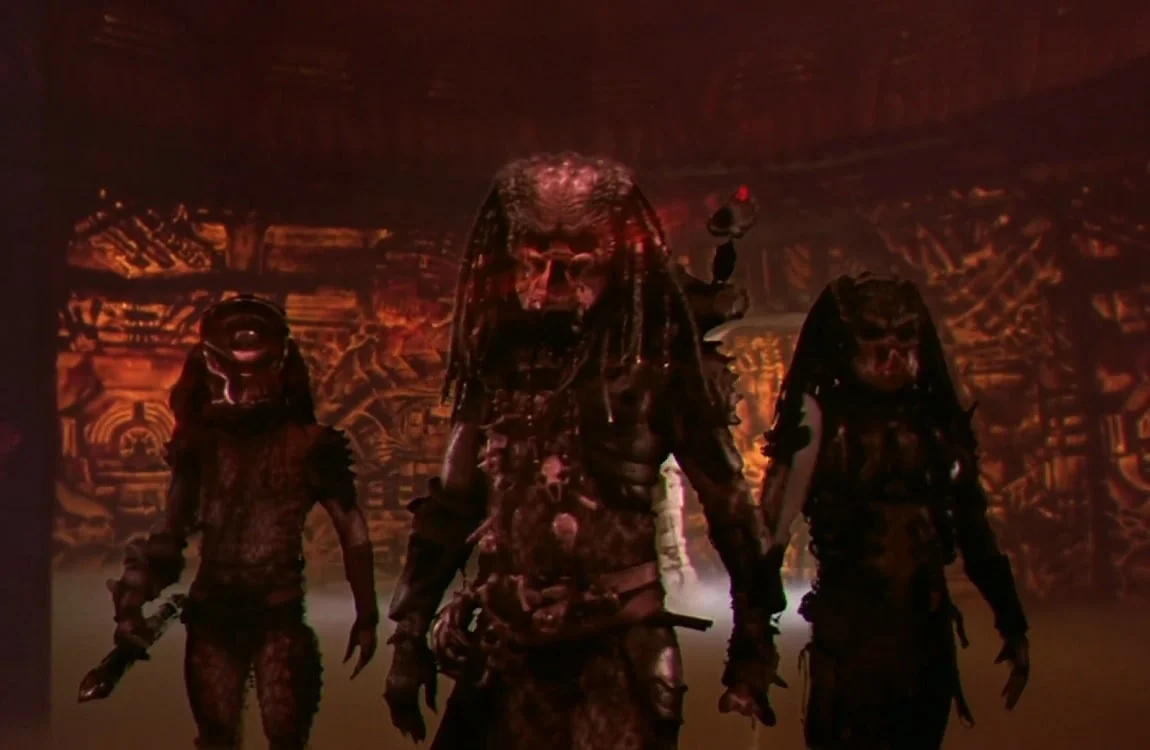
The Lost Tribe from the end of Predator 2 was arguably the most famous and most accomplished Predator clan. They arrived in Los Angeles during a heatwave, but only one of them, the City Hunter, entered the city. The rest likely stayed aboard the ship, watching and judging his progress. The trophy wall on their vessel showed just how experienced the clan was, including prizes like a Xenomorph skull and even what appeared to be a dinosaur trophy. Their Elder, Greyback, had a long hunting history of his own, with lore placing him in Guinea in the 17th century during clashes with pirates. After the City Hunter died, the Lost Tribe departed Los Angeles and was never seen again. A fun behind-the-scenes detail was that the clan's nickname stuck because several Predator suits were stolen after filming.
Jungle Hunter Clan
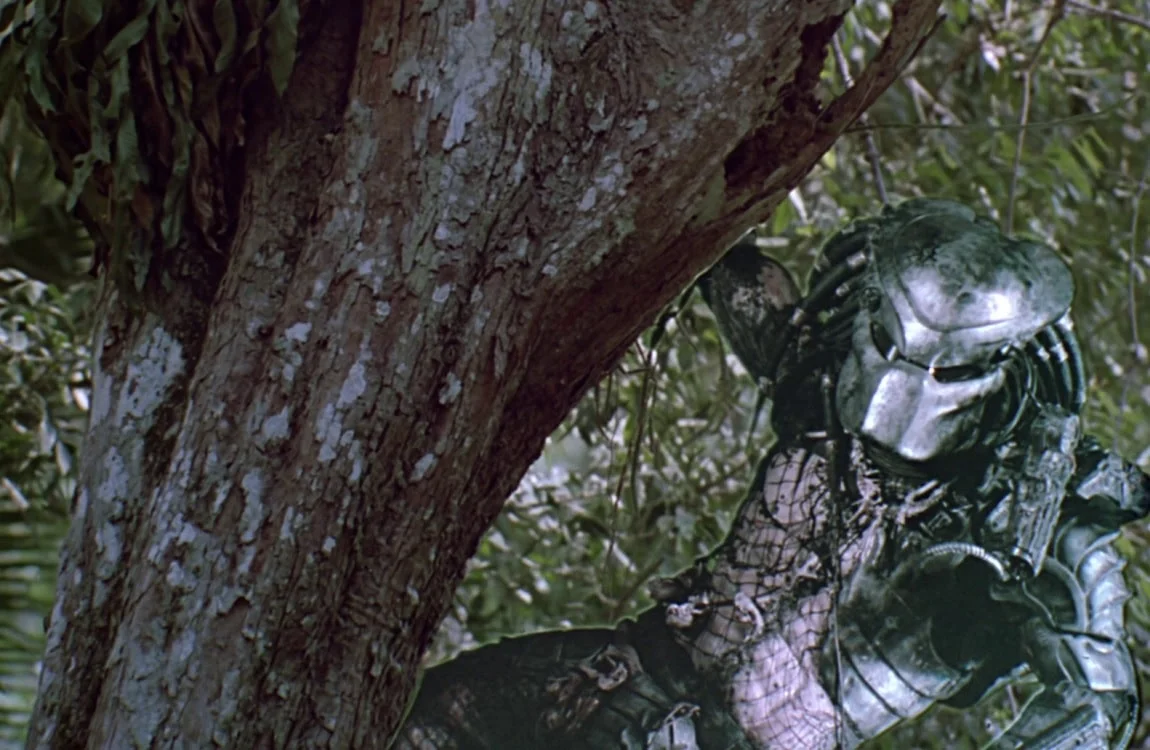
The Jungle Hunter Clan was the classic, mainstream Predator clan, with members appearing across multiple films and spin-offs. They often hunted alone, as seen with the original Jungle Hunter who fought Dutch and the Crucified Predator from Predators. Comics frequently described them as "traditional hunters", and they carried long-running blood feuds with both the Killer Predator and Super Predator clans that stretched across centuries. True to their name, they favored tropical jungle environments, followed a strict honor code, and leaned toward more traditional Yautja weaponry instead of flashy gadgets. They were also strongly associated with the classic bio-mask design made iconic in the first Predator film.
Elite Clan
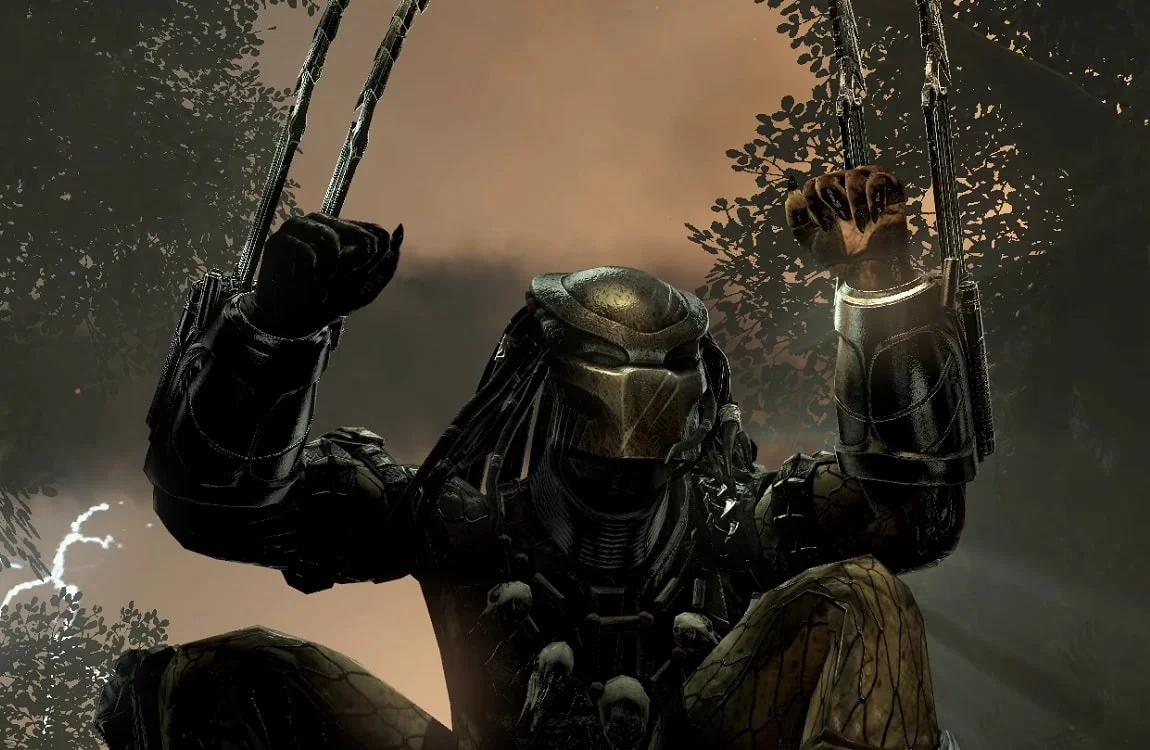
The Elite clan was a small group of high-ranking Yautja who hunted across multiple worlds, including BG-386 from the Aliens vs. Predator (2010) game. They respected Xenomorph hunts above almost anything else, and joining the clan required killing a Xenomorph in melee combat. Their most famous member was Dark Predator, often portrayed as one of the most formidable Yautja ever. Not every Elite hunter survived that level of danger, though: Wolf (not to be confused with Wolf from AvP: Requiem) fought Specimen 6 and lost, was impregnated by a facehugger, and later gave birth to a Predalien. Other notable members included Spartan and the Serpent Hunter Predator, a Yautja known for wearing a Xenomorph-styled mask.
Njohrr's Clan
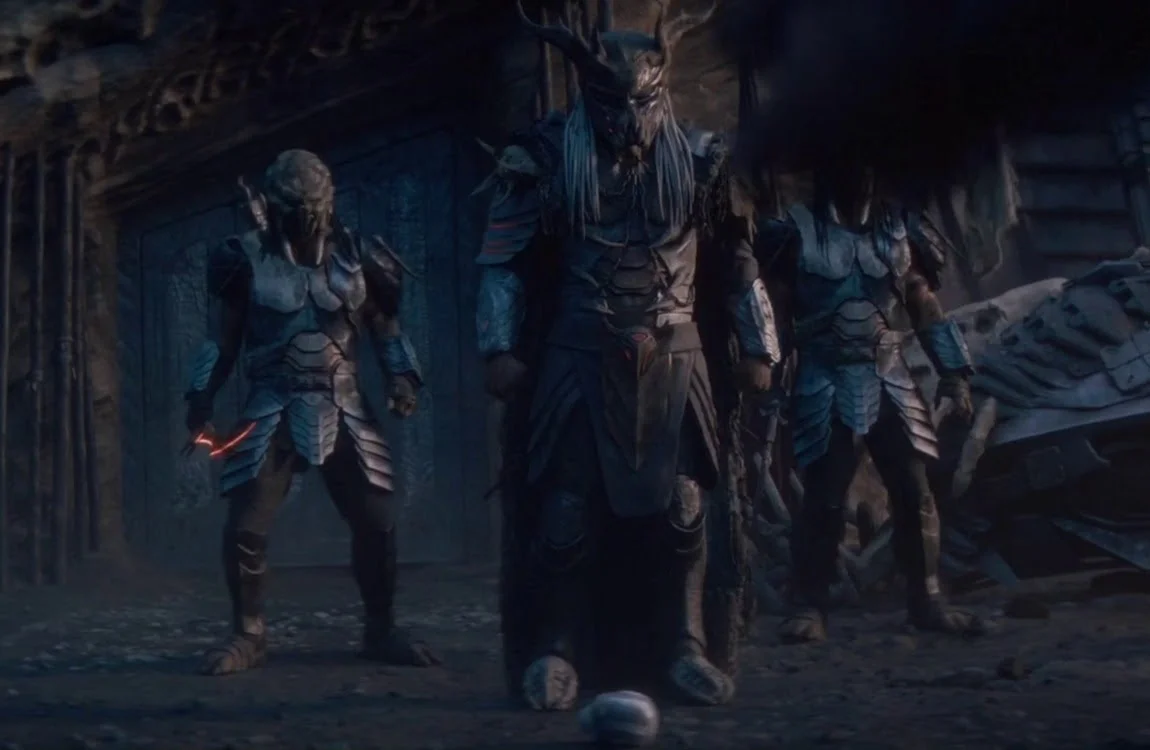
Njohrr's clan from Predator: Badlands was a Yautja Prime clan made up of at least a dozen members and led by the hardline clan leader Njohrr. The clan followed traditional hunting law closely, but Njohrr's obsession with strength pushed it toward collapse. After deciding his son Dek was a weak "runt", Njohrr ordered his son Kwei to execute him, which instead triggered open conflict inside the clan. Kwei resisted and fought Njohrr, leading to Kwei's death and Dek's escape to the "Death Planet" of Genna on board his brother's hunting ship. Later, Dek returned and killed Njohrr and two of his enforcers with help from Bud, the child of the unkillable Kalisk. It remained unclear whether Dek took control afterward or whether leadership passed to Dek's mother.
Yautja Ranks And Hierarchy
Yautja society follows a strict hierarchy where status is earned through combat experience rather than birth. This section explains the major Predator ranks, from Younglings and Young Bloods to Elders and rare positions of authority. For a complete breakdown of each rank, how they are earned, and notable examples, visit our complete Yautja ranks guide.
Yautja Youngling
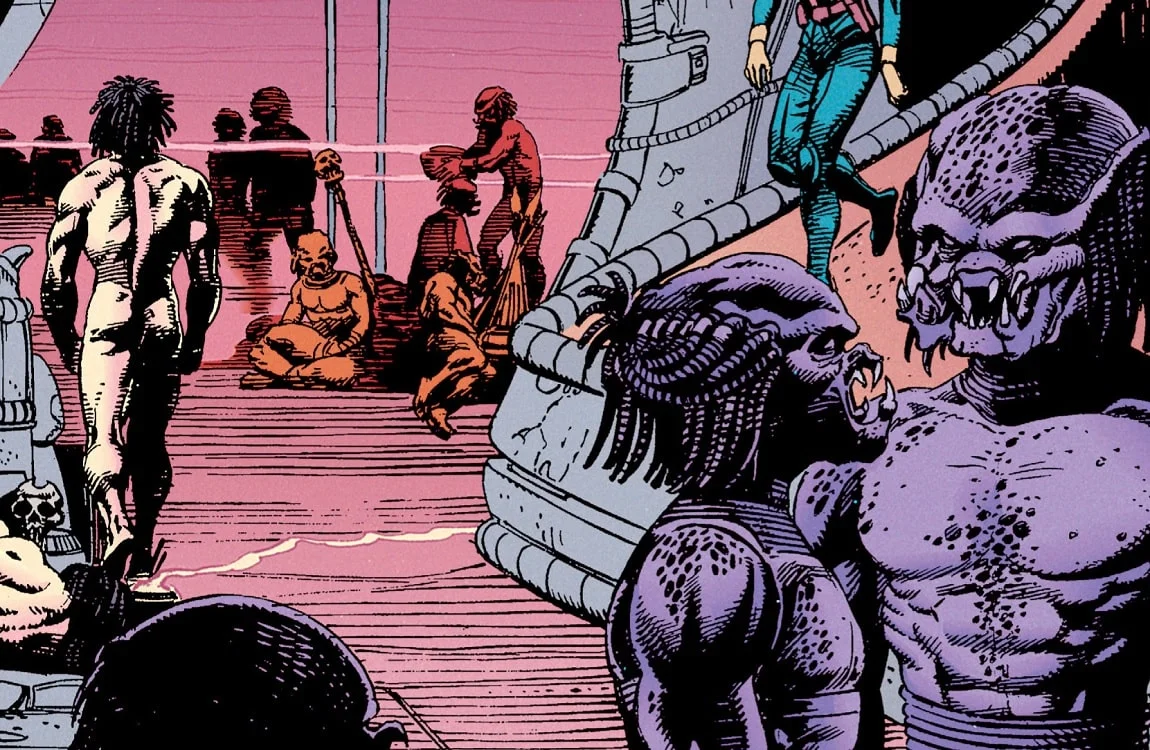
Even the youngest Yautja held a defined place within the Predator hierarchy. Predator infants and toddlers, often referred to as sucklings, spent their earliest years alongside their mother and siblings. As they entered their early teens, they officially became Younglings, marking their first step into the structured rank system. Although still closely tied to their families and clans, Younglings already began basic training focused on hunting fundamentals and combat discipline. They were observant, respectful toward elders, and eager to learn, though some showed rebellious or aggressive behavior similar to human teenagers. Physically, Younglings were smaller and leaner than adults and often sported short dreadlocks. At this stage, they were not issued armor and relied only on simple Predator weapons for training.
Young Blood Predator
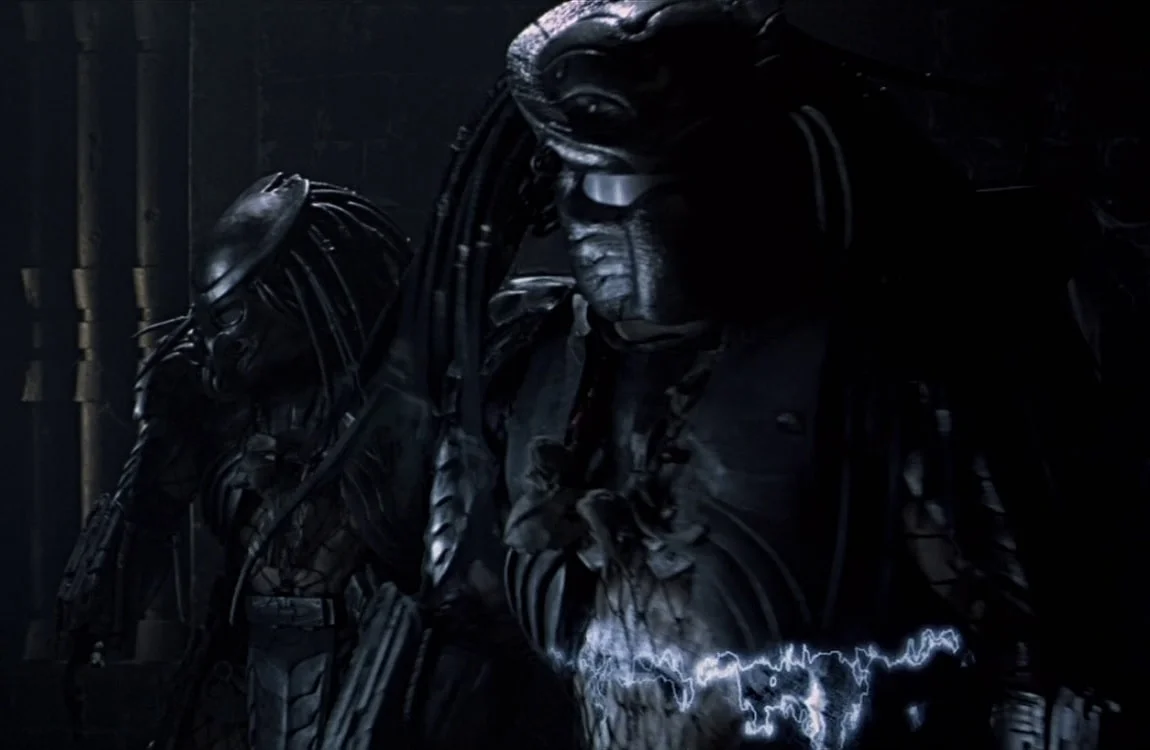
Young Blood Predators were juvenile Yautja who had not yet earned the title of Blooded. These hunters had completed their early training but had not succeeded in an official hunt, which traditionally involved facing Xenomorph prey. While inexperienced, Young Bloods were already skilled with a wide range of weapons. They often favored melee combat to make the hunt more challenging and honorable. Their first hunts were extremely dangerous, and many Young Bloods died before completing the ritual. This was seen during the Antarctic events of 2004 in Alien vs. Predator. Of the three Young Bloods involved, Celtic and Chopper were killed by Xenomorphs, while Scar survived long enough to advance.
Blooded Predator
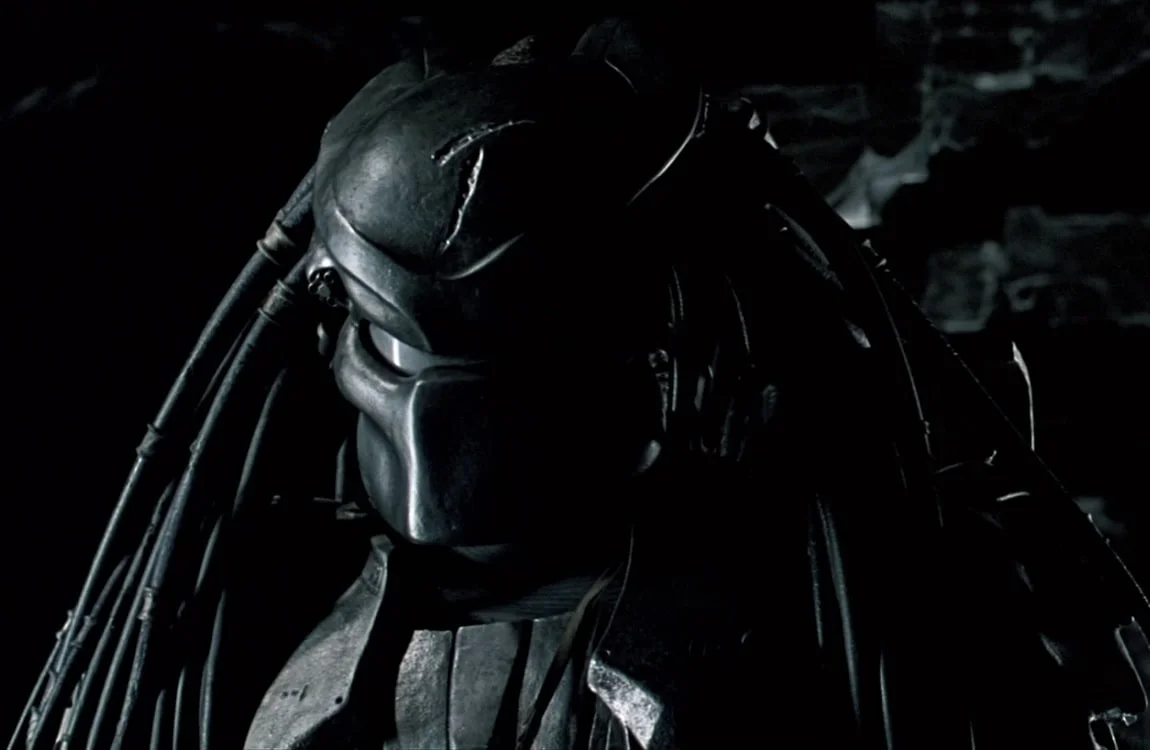
Achieving the rank of Blooded was a major milestone within Yautja society. In most clans, this status was earned by killing a Xenomorph and completing the sacred blooding ritual. The hunter marked their body and bio-mask with a clan symbol using Xenomorph acid. This permanently signified their success as a true hunter. In the first Alien vs. Predator film, Scar was the only Young Blood to reach this rank. He accomplished this by killing a Xenomorph and anointing himself using the creature's severed finger. Blooded Predators made up a large portion of Yautja society. In rare cases, even humans were granted Blooded status.
Elite Predator
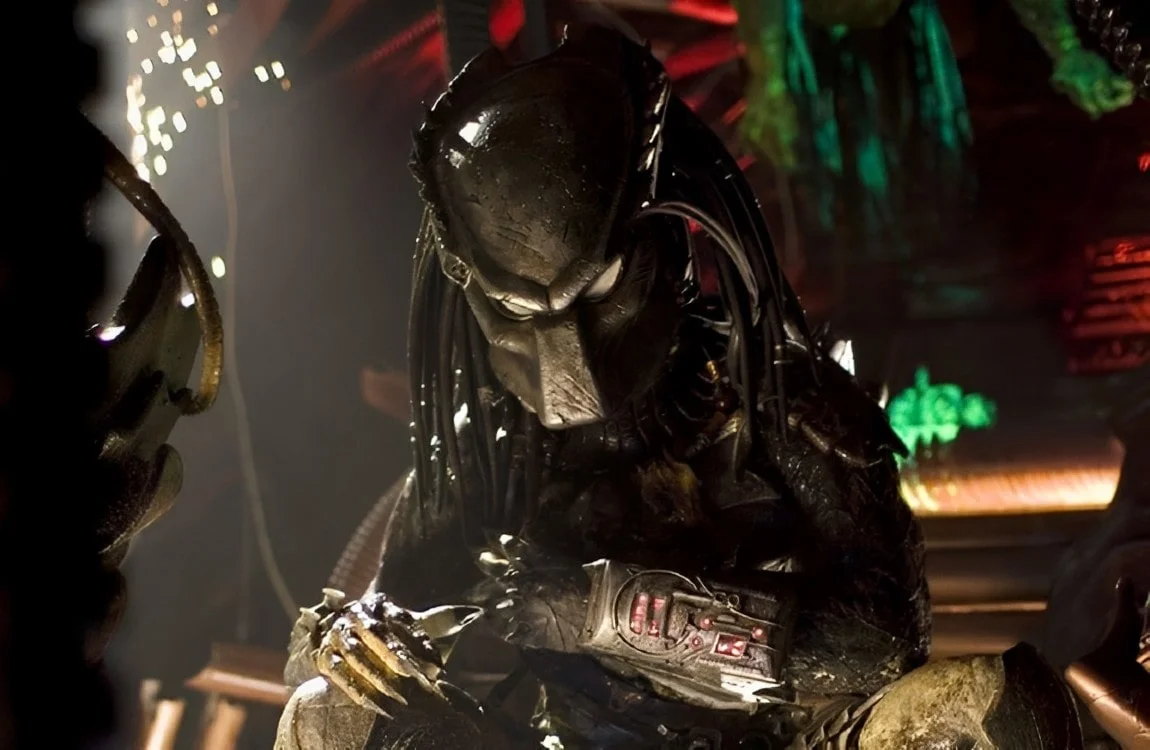
Elite Predators were veteran hunters who had surpassed the rank of Blooded but had not yet become Elders. These warriors possessed extensive experience and impressive trophy collections. They had completed numerous hunts across different worlds. Elites were often entrusted with specialized or high-risk missions. These included mentoring Young Bloods, eliminating Xenomorph infestations, or recovering stolen or abandoned Predator equipment. Well-known examples included Wolf from Aliens vs. Predator: Requiem and Dark Predator from the 2010 Aliens vs. Predator video game.
Elder Predator
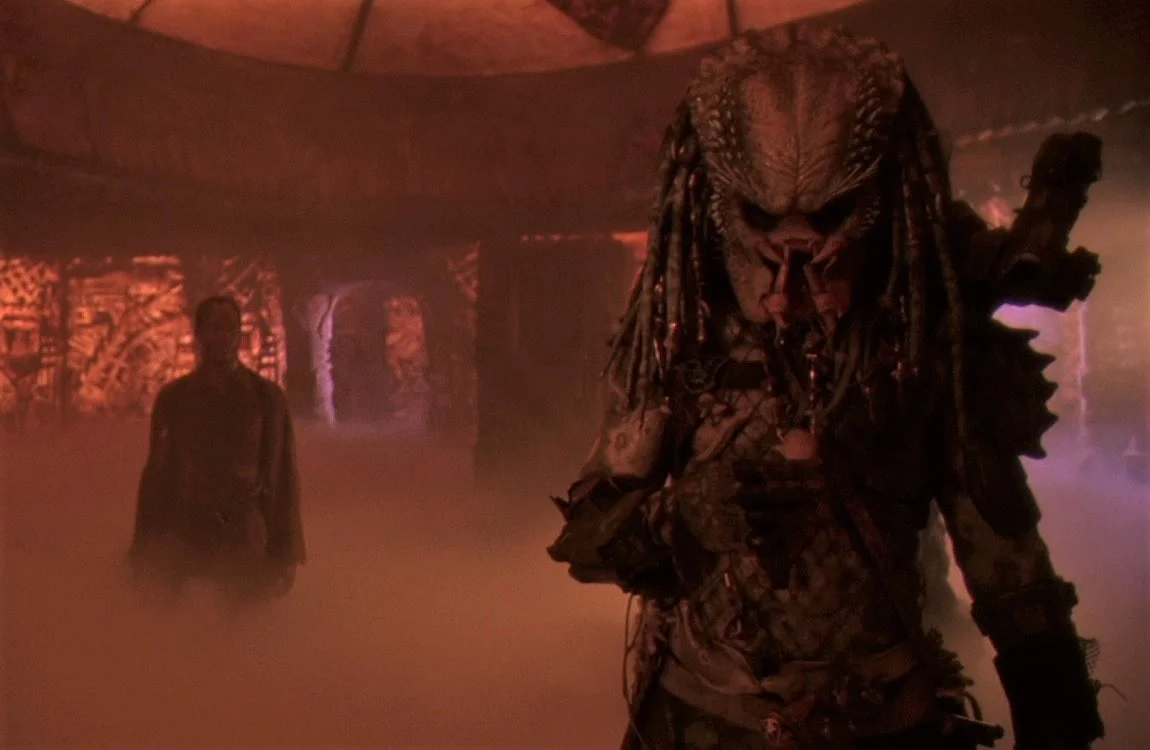
Elder Predators served as leaders and authority figures within Yautja clans. Having survived centuries of hunts, they accumulated vast collections of trophies and unmatched experience. Rather than participating directly, Elders often observed hunts from the background. They judged the actions and conduct of younger hunters. The first Elder appeared at the end of Predator 2 as part of the Lost Tribe. Another Elder appeared in Alien vs. Predator. In both cases, the Elders witnessed the death of a Yautja hunter. They honored the surviving human with a trophy.
Yautja Clan Leader
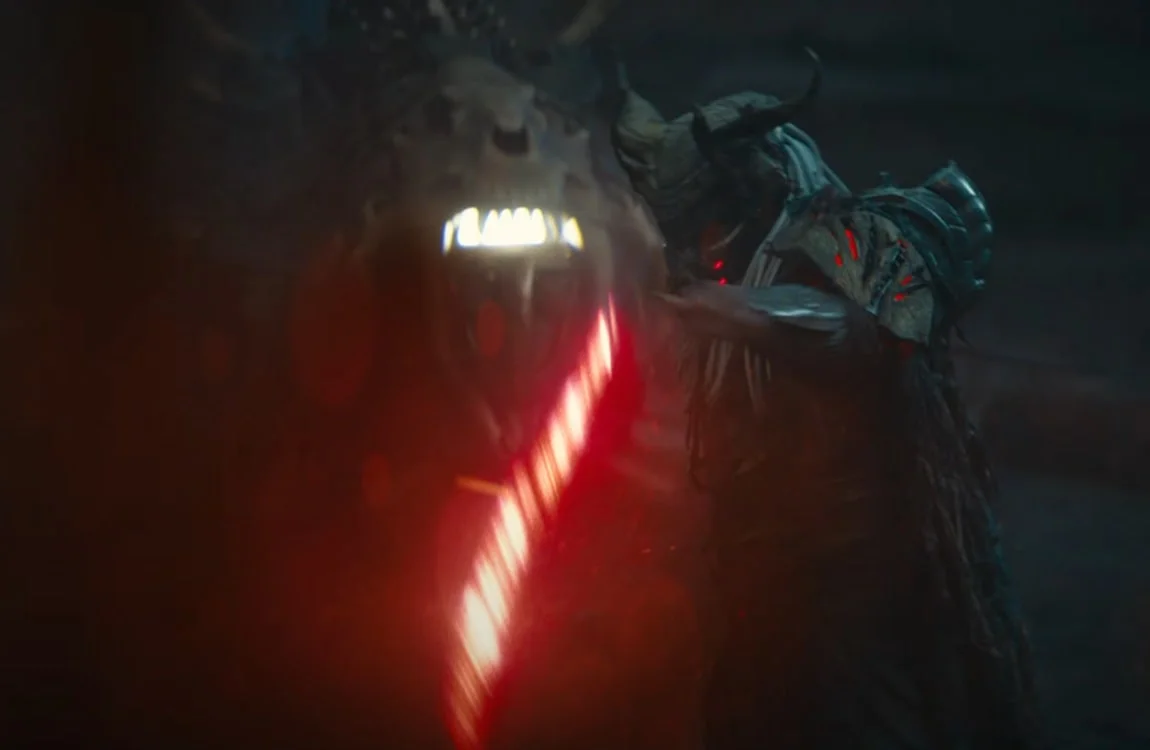
The Predator Clan Leader was responsible for leading a single clan. This role involved enforcing the Honor Code and overseeing hunts, discipline, and internal affairs. The relationship between Clan Leaders and Elders varied across expanded lore. Some sources suggested overlapping roles or shared authority. Clan Leaders were generally younger than Elders and Ancients. They could be either male or female, though males were depicted more often. Clan Leaders were often identified by horned bio-helmets and red ceremonial capes. They frequently sat upon thrones built from Xenomorph remains. Njohrr, a Clan Leader featured in Predator: Badlands, ordered his older son Kwei to execute his weaker son Dek.
Bad Blood Predator
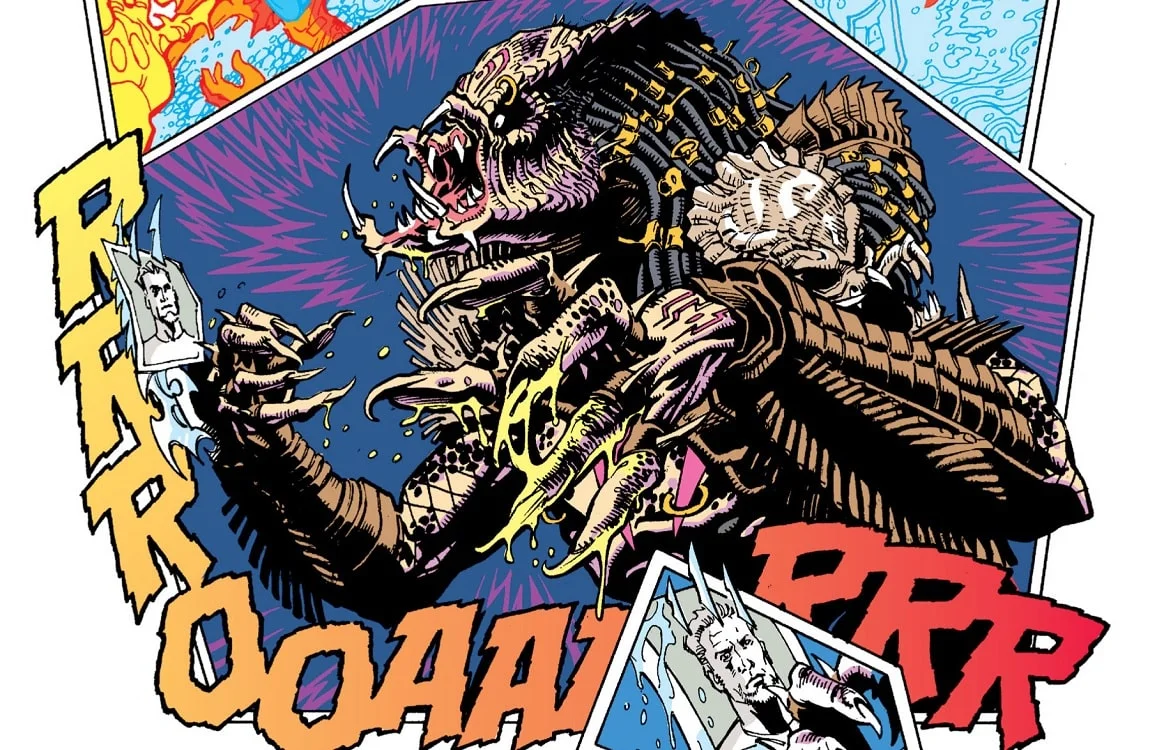
Bad Blood Predators were outcasts who violated Yautja law through extreme crimes. These included murder, dishonorable behavior, and slaughter of innocents. Bad Bloods were often mentally unstable. They engaged in indiscriminate killing and hunted anything they encountered. One notorious Bad Blood from Predator: Bad Blood murdered members of his own clan. He stole a spacecraft and fled to Earth. There, he hunted humans in the Pine Barrens. An enforcer Predator was sent to stop him. The enforcer was killed, demonstrating how dangerous Bad Bloods could be.
Ancient Predator
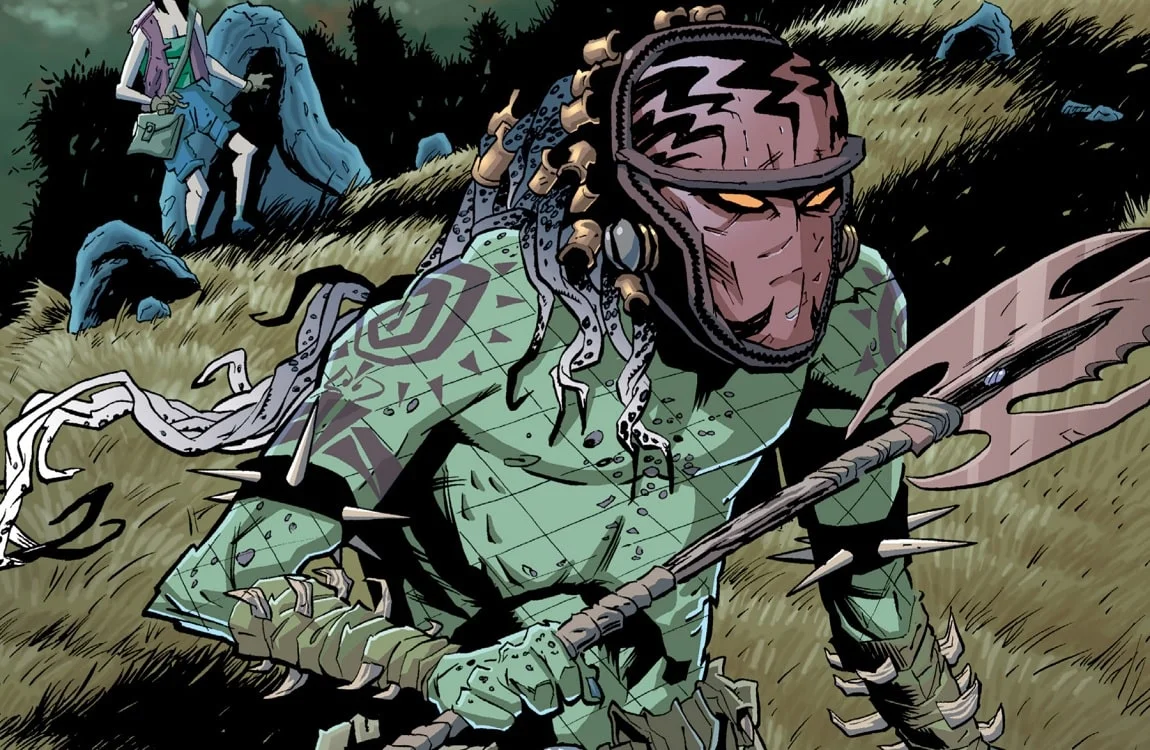
Ancient Predators were rare Yautja who had lived for centuries or even millennia. They had moved beyond the role of clan elders. Most lived alone and followed their own paths. Younger Yautja revered them for their wisdom and influence on Yautja culture. Ancient Predators appeared in several stories. One featured in Predator: Homeworld hunted renegade Predators on Earth. In Aliens vs. Predator 2: Primal Hunt, an Ancient was found frozen in a stasis field. This confirmed the extreme length of their lifespan.
Predator King
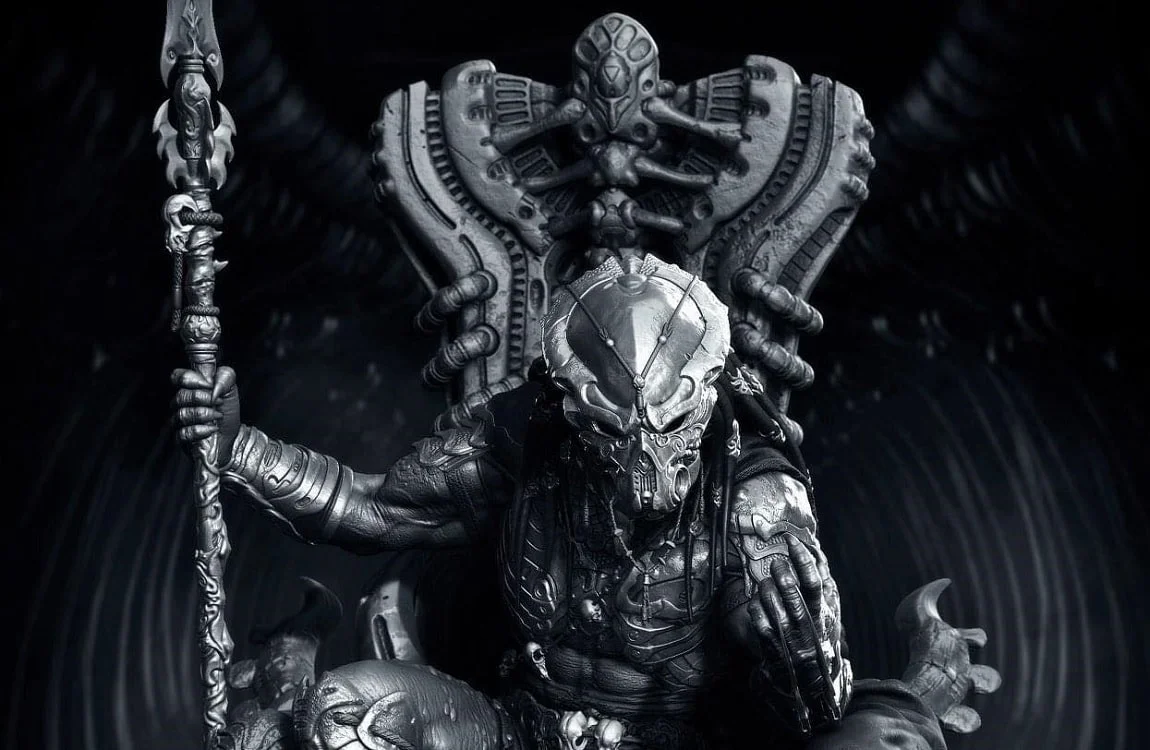
At the top of the Yautja hierarchy stood the elusive Predator King. This rank was extremely rare within Predator lore. The Predator King held authority over multiple clans within a defined region of space. While Elders governed individual clans, the Predator King coordinated large-scale hunting efforts. The Rage War trilogy featured a version of this role. In that story, Kalakta, a thousand-year-old Predator, led his species against the Rage. The Predator King concept gained popularity among fans. It was later immortalized as a statue by XM Studios.
Yautja Anatomy And Biology
The anatomy of the Yautja reflects their role as apex hunters, combining immense strength, resilience, and biological advantages over most prey species. This section examines the core physical traits of the Predator race, including blood, skeletal structure, senses, and internal organs. Our even more detailed Yautja anatomy guide expands on these features and compares them across different Predator types.
Yautja Blood
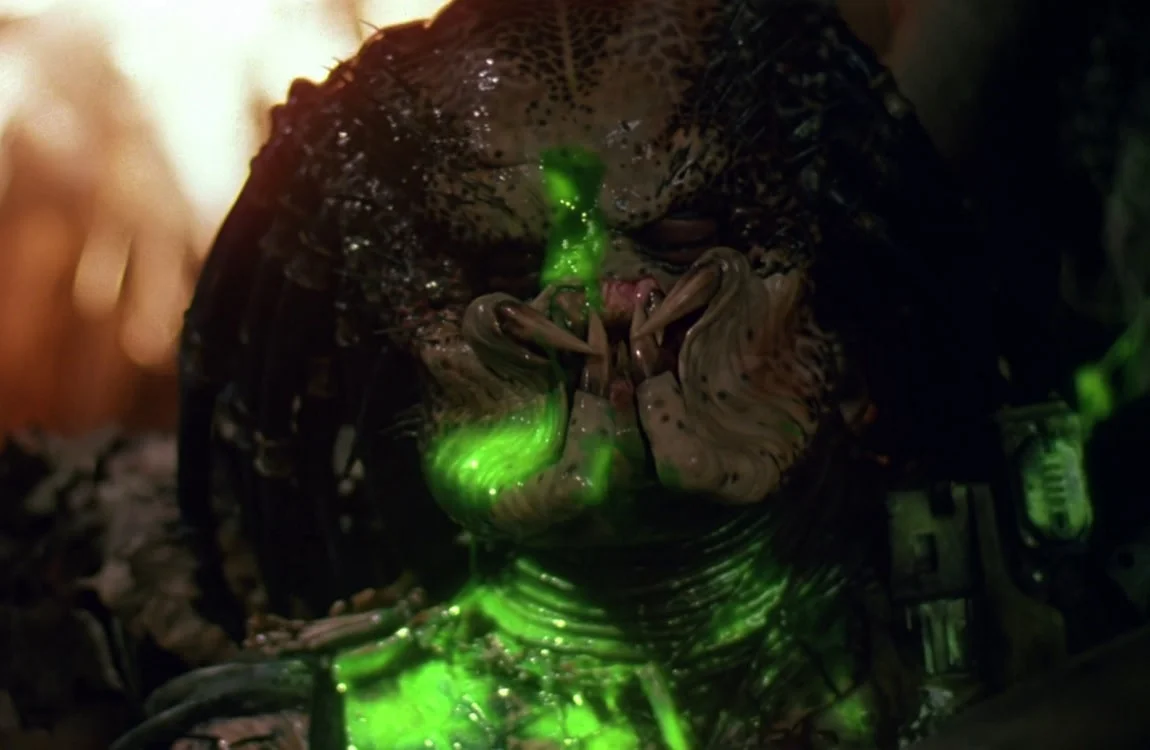
The Predator blood is a bright green bioluminescent fluid. Compared to Xenomorph blood, which is acidic, Yautja blood is said to be alkaline and can even neutralize some of the Alien acid that splashes onto them during combat. Predators can lose a lot of blood and still keep functioning. Yautja blood is warm and non-toxic like human blood, and some sources claim it has healing properties if used as a serum for humans. Behind the scenes, the glowing effect is created with glow sticks mixed with K-Y Jelly lubricant.
Yautja Skull and Bones
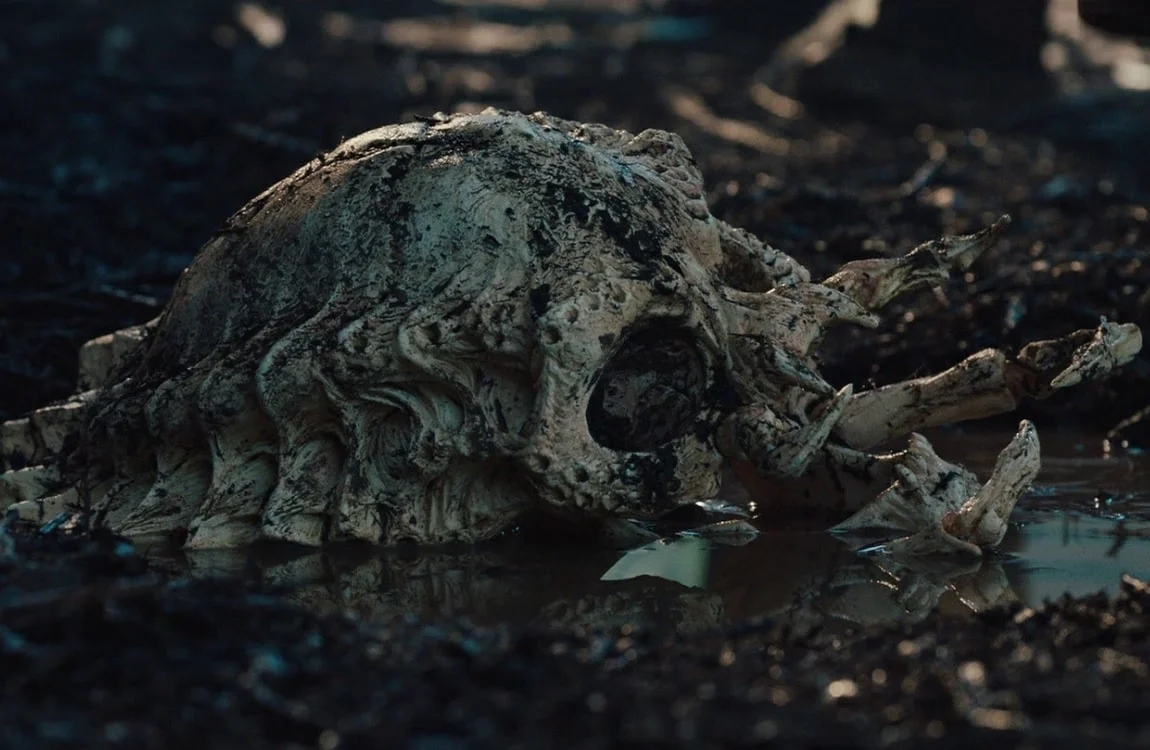
Predator bones are bigger and sturdier than human bones. They also appear white in color, as seen with the skull shown in Predators. Even with tougher bones, Predators are still often dismembered and even decapitated, so they can still fall victim to sharp blades. The bones also heal well in some stories, such as when an Engineer breaks Ahab's arm and it appears to heal in just a few days. Predators like to keep the bones and especially the skulls of their victims, even when the trophies come from members of their own species.
Yautja Skin
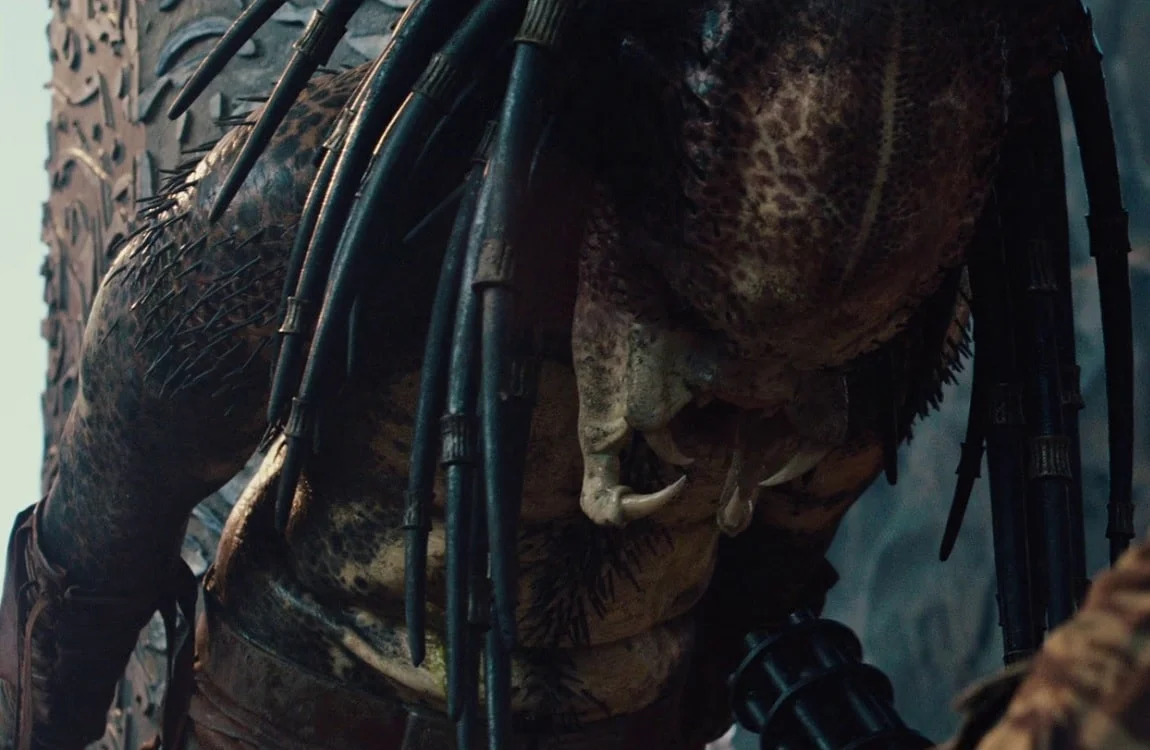
The color of the skin of the Yautja depends on the type of Predator and other factors. The most well-known Predator, the Jungle Hunter, has brownish skin. A white-skinned Predator also exists, such as the Alpha Predator seen in Predator: Hunting Grounds. The skin is most likely thicker than human skin and helps absorb damage from melee weapons and bullets. The arms and chest are covered in small spike-like protrusions, which look like smaller versions of the dreadlocks. Aside from armor and fishnets, Predators do not wear clothing and generally prefer to hunt in warm climates.
Yautja Eyes And Vision
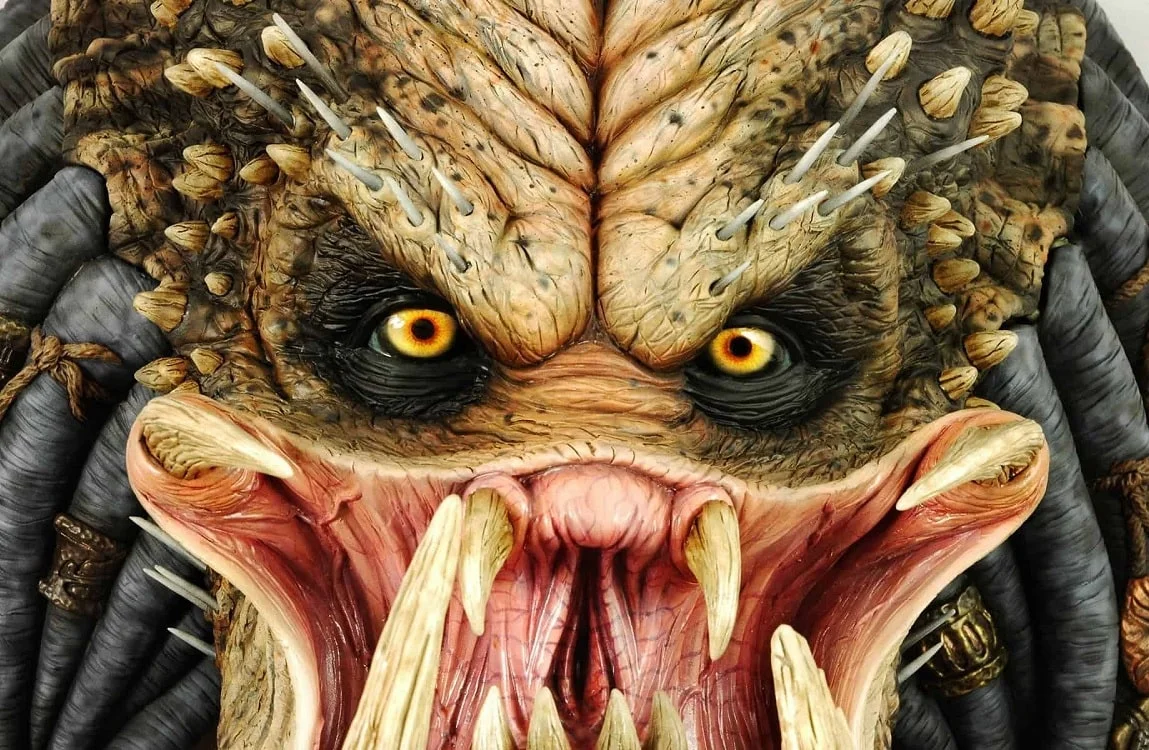
Most commonly, the Yautja have yellow or green eyes, with a black pupil in the middle. The regular vision of the Predators is somewhat blurry and distorted with a reddish tint, but their bio-masks compensate by providing multiple vision modes suited for different situations. Some Predators, including the City Hunter and Assassin Predator, seem to view in thermal vision even without their bio-masks. This can be explained by certain Yautja having enhanced or upgraded eyesight. The Assassin Predator can even see a tactical display with an English-to-Yautja translator in his augmented vision.
Yautja Dreadlocks
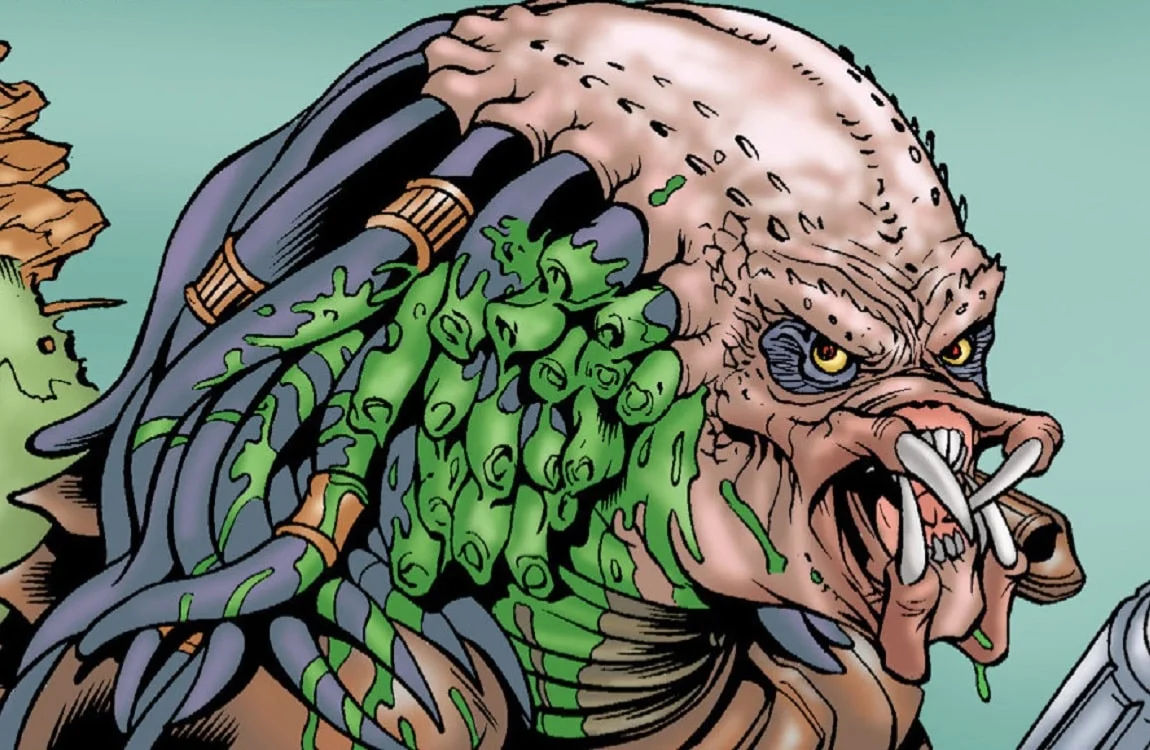
The Predators are well-known for their long dreadlocks, which serve as the Yautja version of hair. Like human hair, they can be styled and decorated. Some sources indicate that Yautja dreadlocks have blood flowing inside them, which would make them difficult to cut. Some Predators have their dreadlocks removed against their will, such as the captured Stone Heart Predator, who has them removed as part of a brainwashing program meant to turn him against his own kind. Like in humans, dreadlocks grow with age and can turn grey or white in Elder and Ancient Predators. One of the Predators with the longest known dreadlocks is the Shaman Predator, a member of the Lost Tribe.
Yautja Mandibles
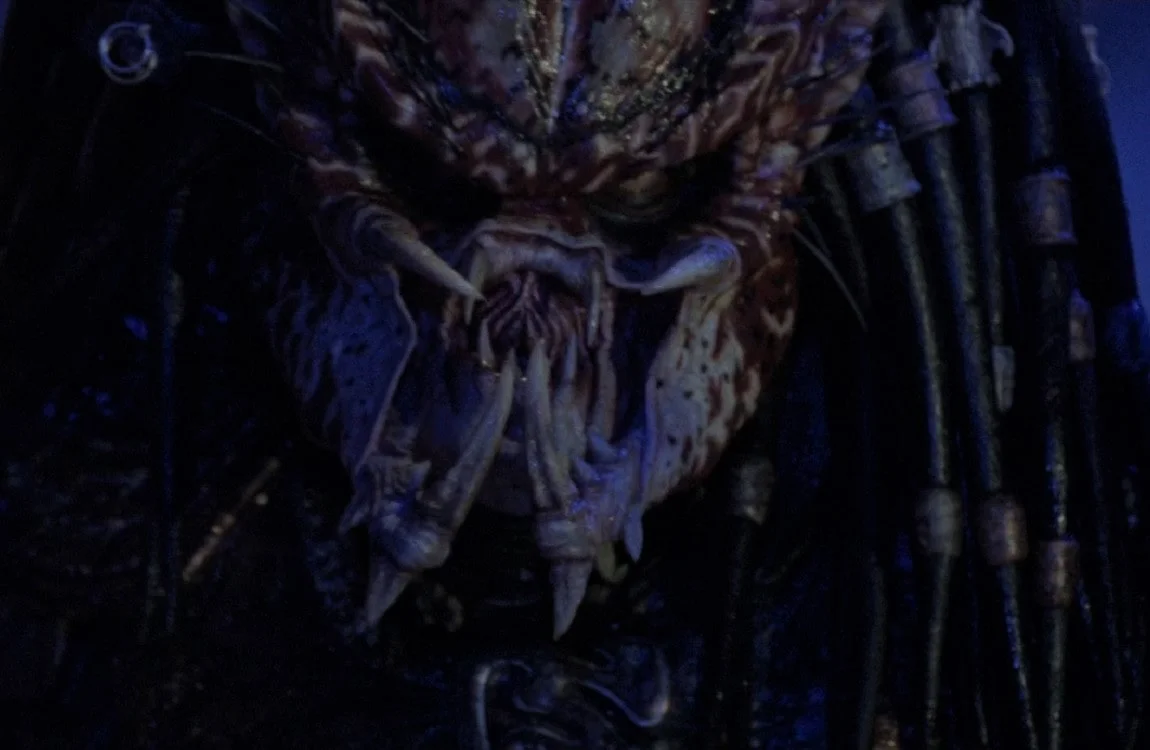
The Predator mandibles are another iconic feature of the Yautja. These crab-claw-like appendages make a clicking sound that can intimidate prey and they are also part of the Yautja's complex language. The tusks can be broken and they do not grow back, as seen with Greyback from Predator 2. The mandibles can also be used as a last-resort weapon, such as when the Assassin Predator bites off the head of a Stargazer soldier. In a neutral state, especially when wearing a mask, the mandibles are typically held closed.
Yautja Ears And Hearing
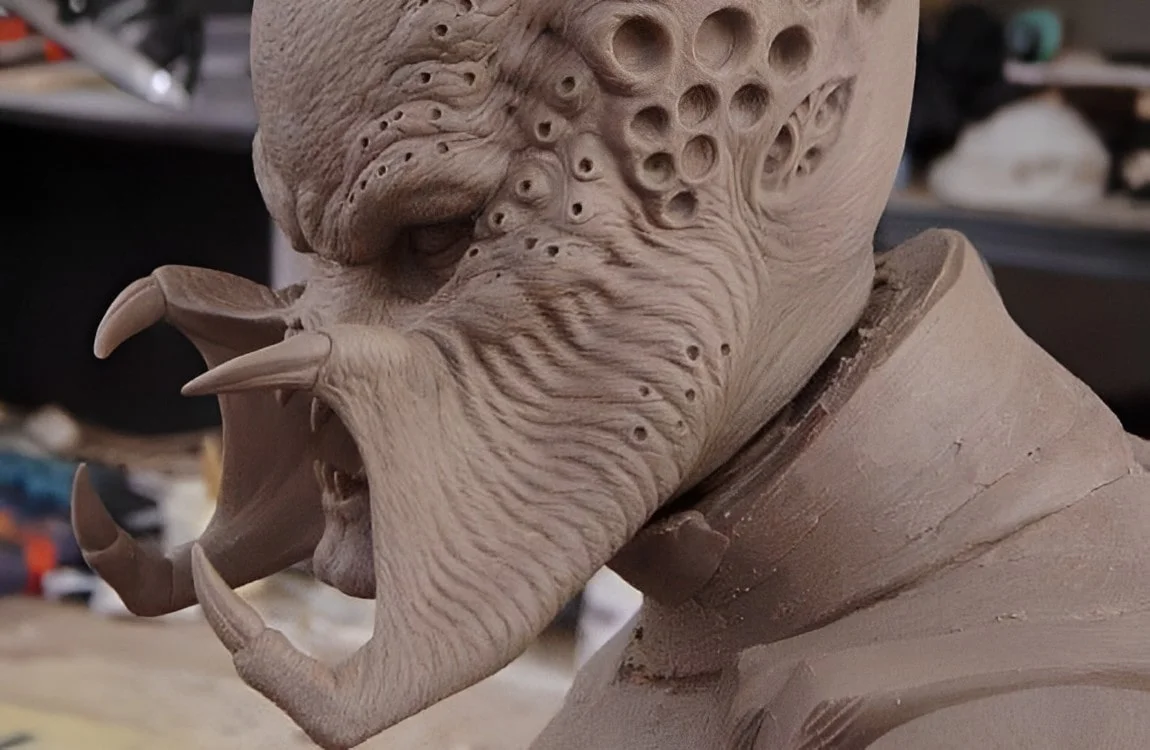
The Yautja have excellent hearing and they do have ears, which are hidden behind their dreadlocks. Predator hearing is further enhanced by their bio-masks. The ears are best seen on the sculpted head of the Fugitive Predator, created by StudioADI. They appear as small oval openings on both sides of the head, just under the holes for the dreadlocks. Unlike humans, Yautja ears do not protrude outside the body. It is unclear whether the ears help with balance, or if that is one of the functions of the dreadlocks instead.
Yautja Claws
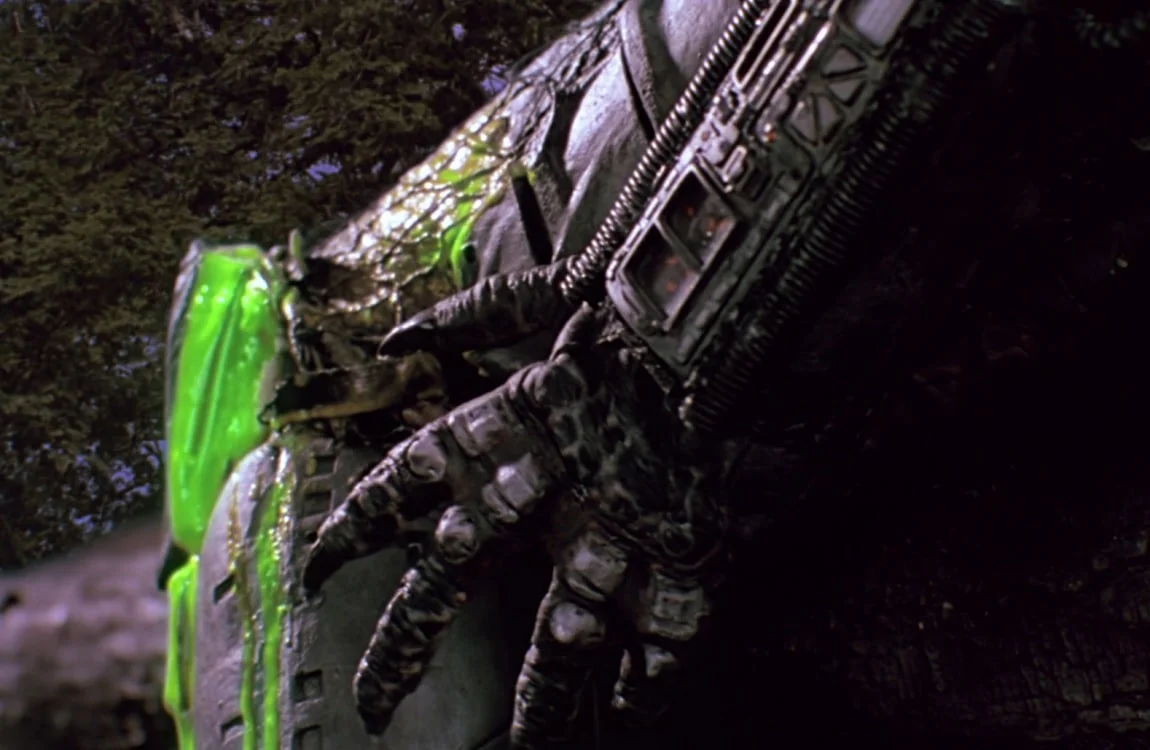
Predators have five fingers on each of their clawed hands, including a thumb. They have long black nails that can be used in defense, though they usually prefer wristblades instead. Some Predators are known to have more than two arms. One example is the Four-Armed Predator from the Predators sequel comic, who is possibly a genetic mutant. Yautja also tend not to wear gloves, even in cold Antarctic temperatures.
Yautja Feet
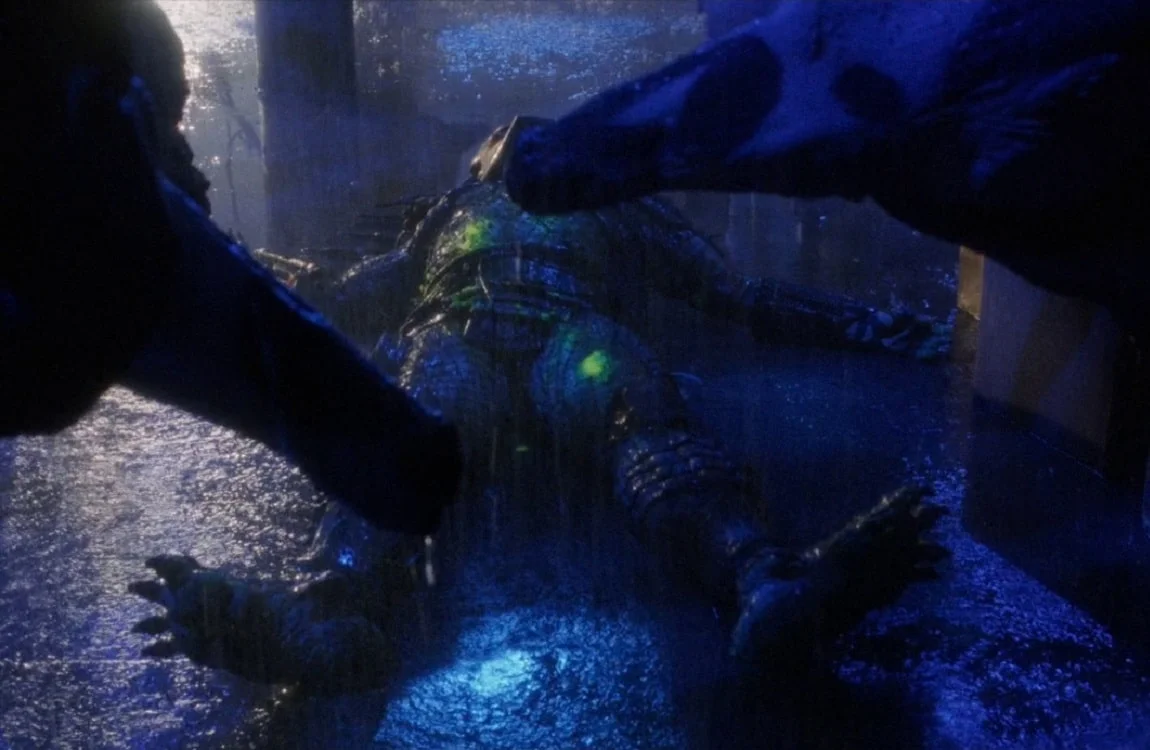
Predators have five toes on their feet. The fifth toe sits on the side of the foot and is often difficult to see, so Predators are sometimes mistakenly thought to have only four toes. Like their fingers, the toes are covered with sharp nails and the Yautja often hunt barefoot or wear sandal-like footwear. Their feet are large and the Yautja would make great swimmers. This may connect back to their reptilian past in the swamps of Yautja Prime.
Yautja Internal Organs
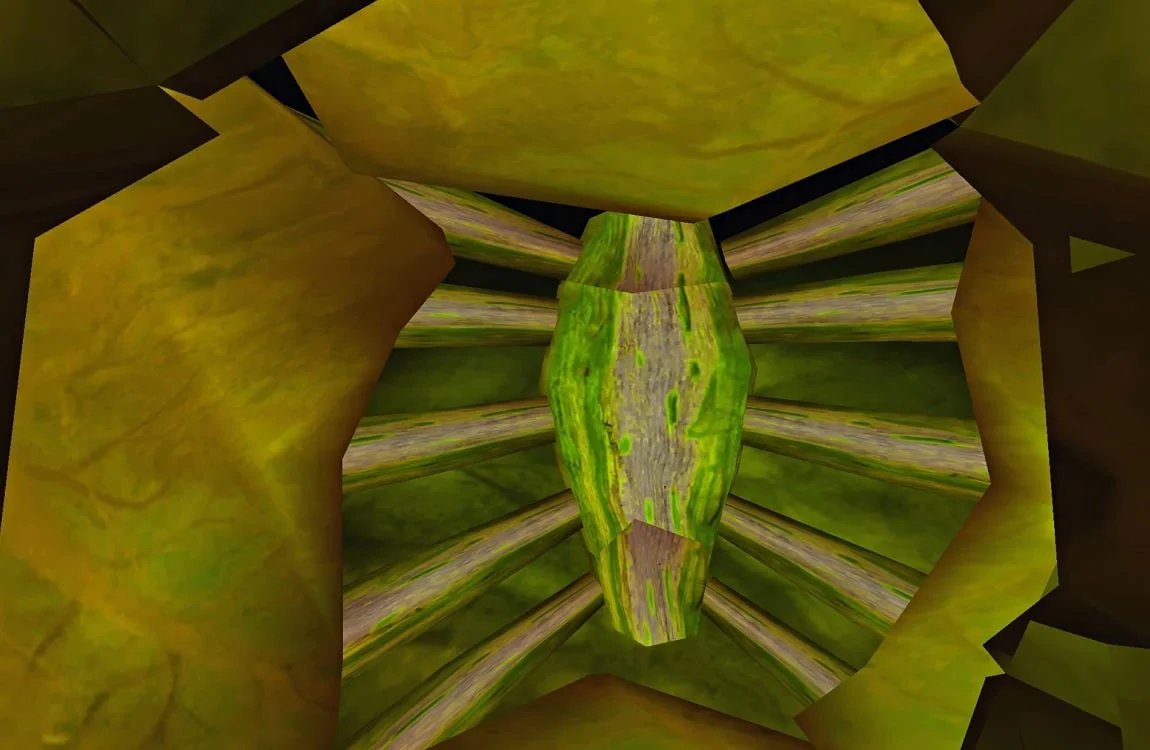
It can be assumed that the Predator's internal organs mirror the basic human ones. A rare glimpse into Yautja internals happens in the Aliens vs. Predator 2: Primal Hunt expansion where we see a POV of a Predalien chestburster chewing its way out of a Predator's chest. The chestburster rips through lungs, ribcage, and flesh of an Ancient Predator, killing him instantly. Paul Monette's Predator novel described a quadruple heartbeat, later taken as four hearts, and this is one reason they can sustain so much damage. It has also been said that eating a Predator's heart gives an unnaturally long life to a human. The Predator subspecies called Hish-Qu-Ten also have an exotic organ named the Kill Gland that produces hormones that can send the Predator into a crazed frenzy.
Yautja Reproductive Organs
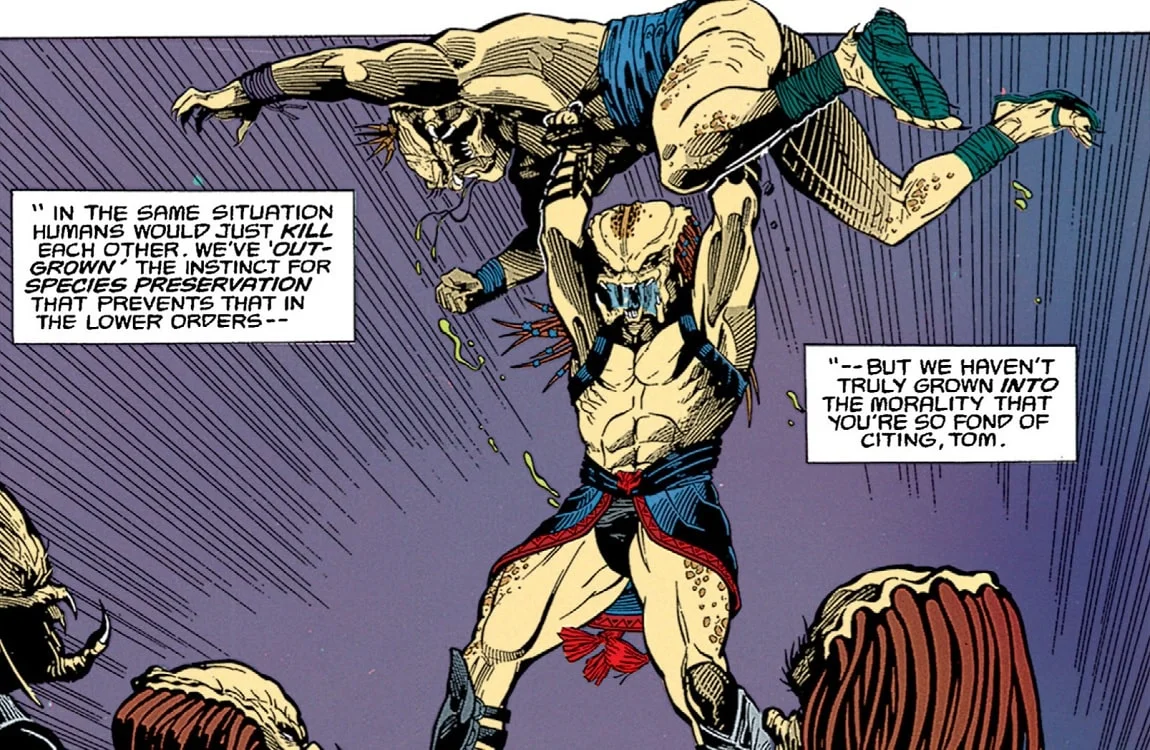
The main species of Yautja are not asexual and have distinct reproductive organs tied to biological sex. However, the Hish-Qu-Ten subspecies are asexual and can randomly change their sex, which can happen at inappropriate times, including in battle. For regular Yautja, reproduction is similar to humans, with male and female mating, though the act can be more aggressive than in our own species. Females have an orifice between their legs that serves as a channel for childbirth. Males most likely have gonads and a phallic reproductive organ, though this is never shown directly in lore. Both males and females protect the crotch area with armor, which points to its importance and vulnerability. Female Yautja also have breasts and nipples, which are not present in males.
Yautja Lungs And Breathing
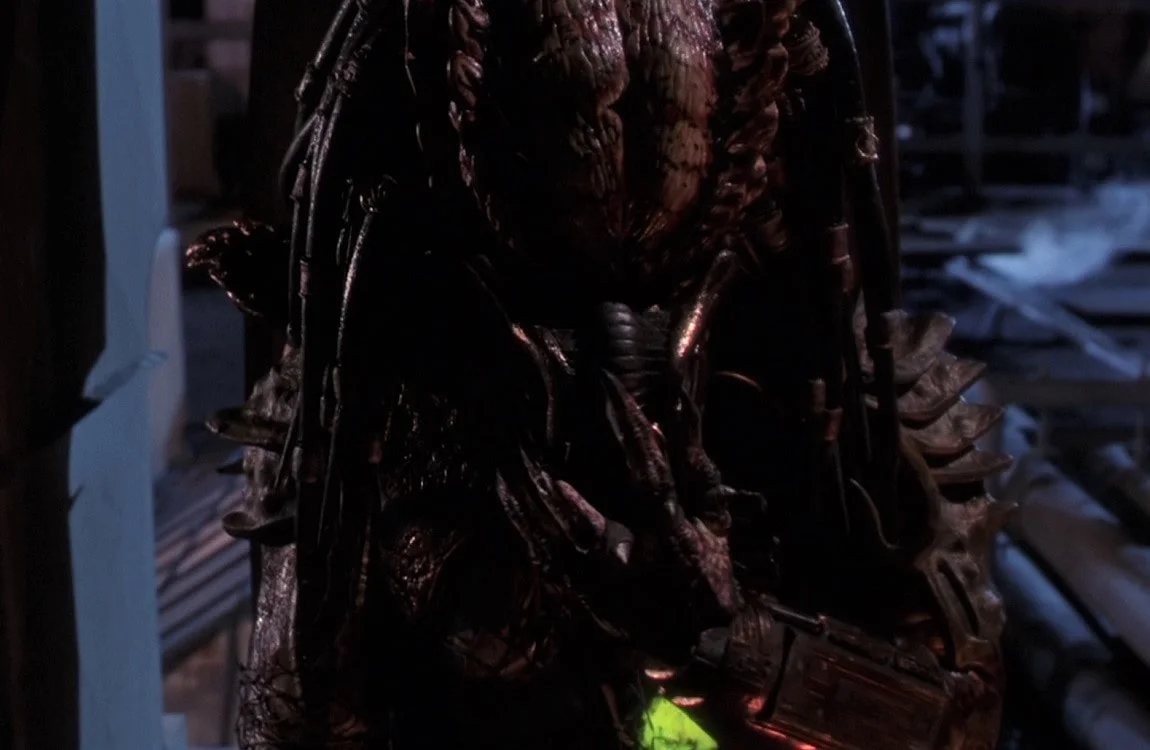
The Predators have lungs and can breathe in Earth's atmosphere, but not indefinitely. Their bio-masks help them breathe in hostile environments, including space and underwater. Some sources say the natural mixture of gases Predators need has higher nitrogen and methane than Earth's atmosphere. The City Hunter is shown having breathing difficulty after losing his primary bio-mask and he resorts to a secondary breathing mask. He is also wounded in the chest and the polluted air of Los Angeles may be having an effect as well. The Upgrade Predator spends extended time on Earth without a mask, which suggests his lungs and vision are enhanced enough to handle it.
Yautja Digestion And Eating Habits
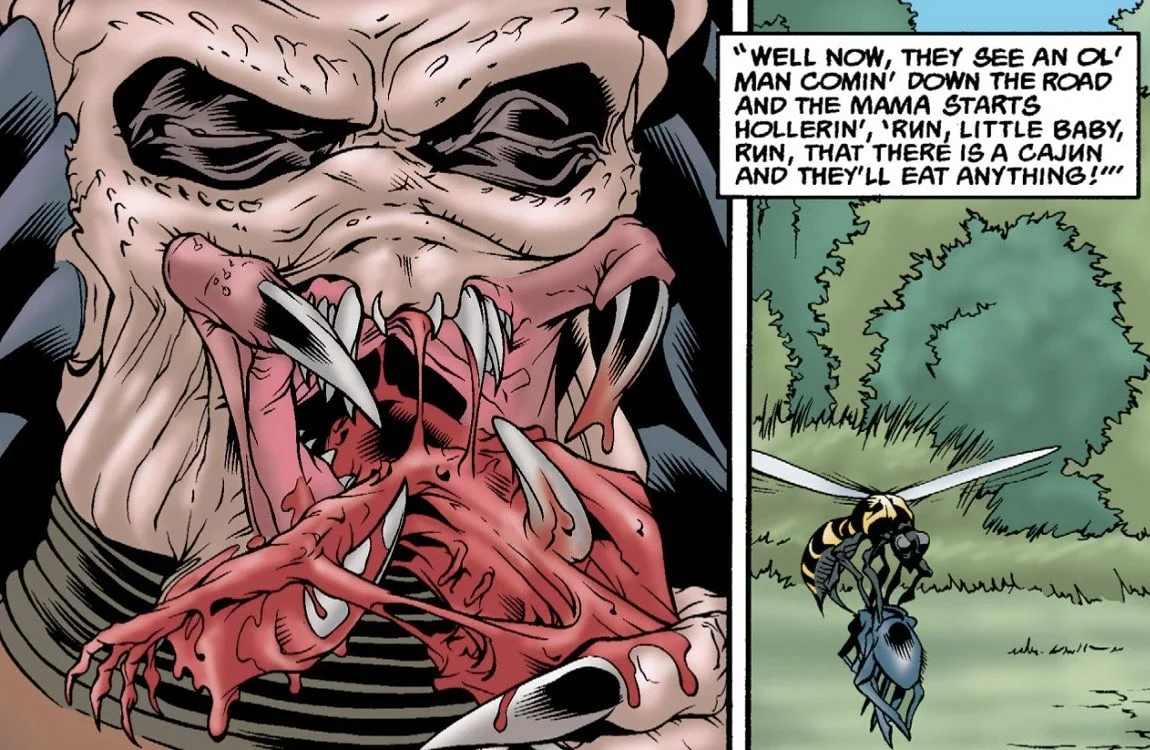
The Yautja are carnivorous creatures that mostly eat meat, often devouring it raw while on their hunts. As mentioned in Predator 2 by Peter Keyes, they have a taste for beef, but they are also seen eating muskrats, wild boars, sheep, and goats. Eating is a messy process that involves the mandibles, with blood splattering and large chunks of meat being swallowed whole. The Predator's digestive system likely handles raw meat and larger pieces well, converting it into the energy needed for their impressive strength. Some older Yautja are also shown taking a more conservative approach, chewing on roots, cooking stews, or preparing ceremonial dinners on Yautja Prime. There is some evidence of Yautja cannibalism and even humans being eaten, but there are more cases of humans eating Yautja meat in hopes of extending their lifespan.
Yautja Height and Weight
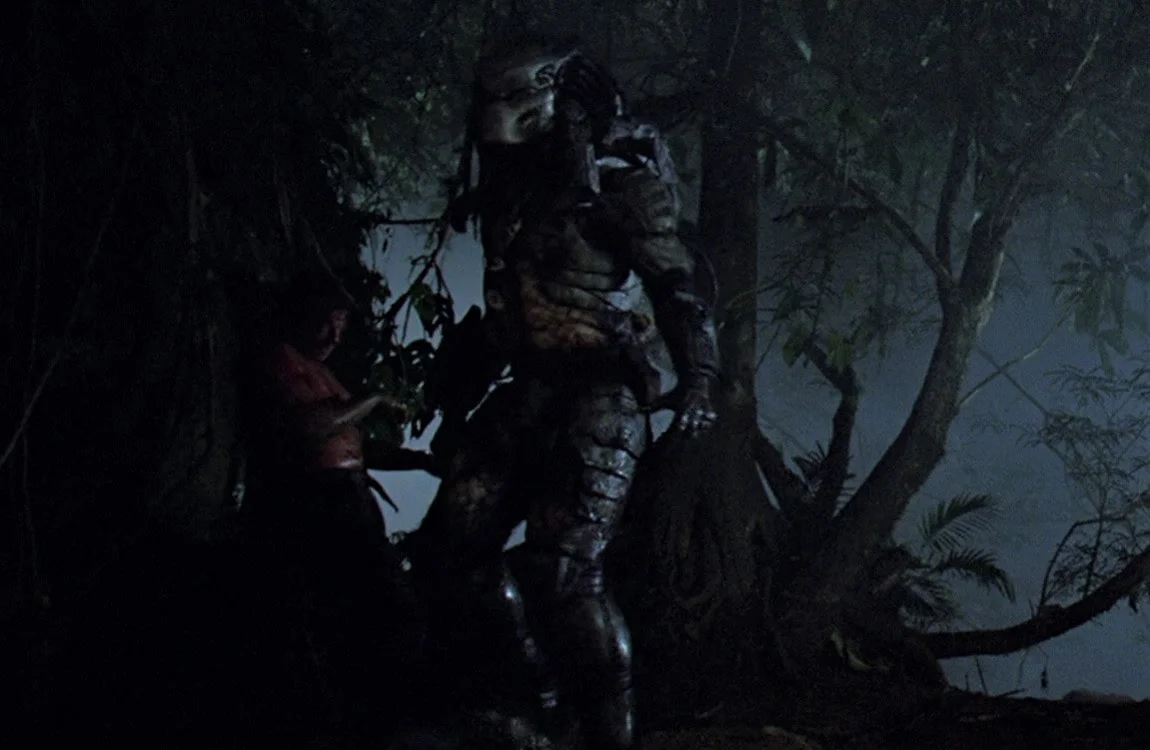
Predator height is about 2 to 3 meters, depending on the individual Yautja and its type. One of the shortest notable Yautja is Shorty from the Aliens vs. Predator: War comic, who is about 2 meters tall. The tallest Yautja types like the Upgrade, Infected, and Gladiator can be slightly above 3 meters. Predator weight is harder to pin down, but a rough estimate puts them at two to three times the weight of a human. An average Predator like the Jungle Hunter weighs around 250 kg, which is more than twice the weight of Dutch. All that mass gives them a major strength advantage in unarmed combat.
Yautja Strength
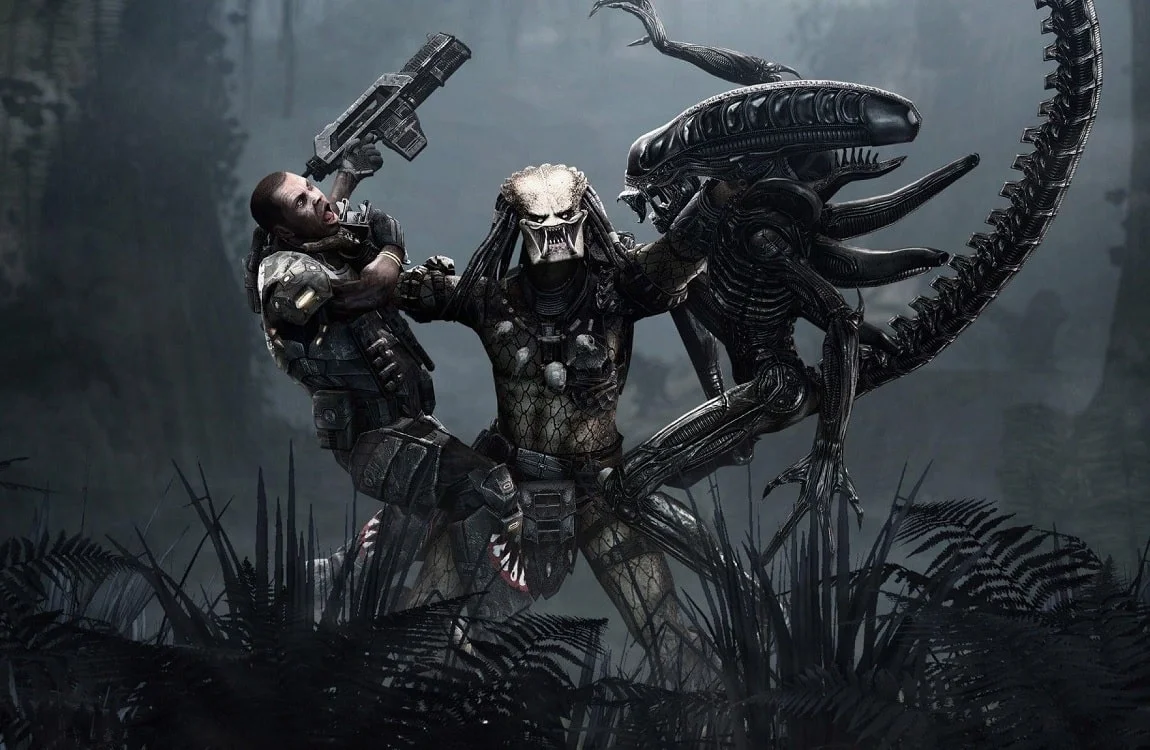
Predators are shown to be incredibly strong in both the movies and the expanded universe. Lifting a 100 kg human with one hand is easy for an adult Yautja. Some are even shown lifting a human and a Xenomorph with both hands. The Feral Predator raises a defeated grizzly bear above his head, an animal with an average weight of about 250 kg, or around 550 pounds. Their lightning-fast reflexes and powerful muscles allow Predators to rip human spines out and punch through concrete walls or steel doors. With extraordinarily strong leg muscles, Predators can also jump far higher than humans and leap from tree to tree in the jungle. Their jump height is often shown as roughly 5 to 10 meters, or 15 to 30 feet, which is measurable in Predator games.
Predator Age, Lifespan and Mortality
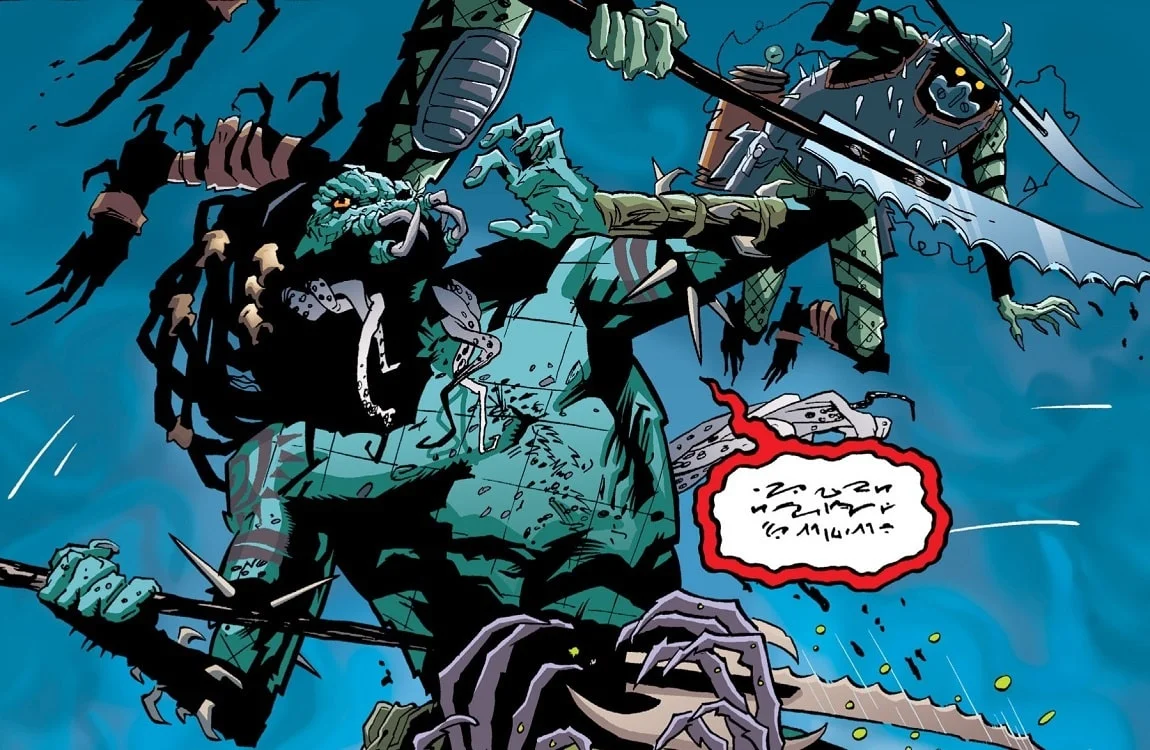
The Yautja can live at least several centuries, and some are known to live for several millennia. Often they do not live through their hunts and die in combat, and no Predator has yet survived the full events of a Predator movie. Like humans, dreadlocks turn grey and skin gets wrinkled with age. Experienced Predators often carry heavy scarring and may be missing an eye, a tusk, or even a limb. With age, strength and reflexes can wither, but the mind stays sharp and experience gives them an edge over most opponents. One of the oldest known Yautja is the Ancient Predator from Predator: Homeworld, who dispatches three young bad bloods in single combat. Predators are not immortal, and some individuals die from diseases linked to old age.
Yautja Intelligence
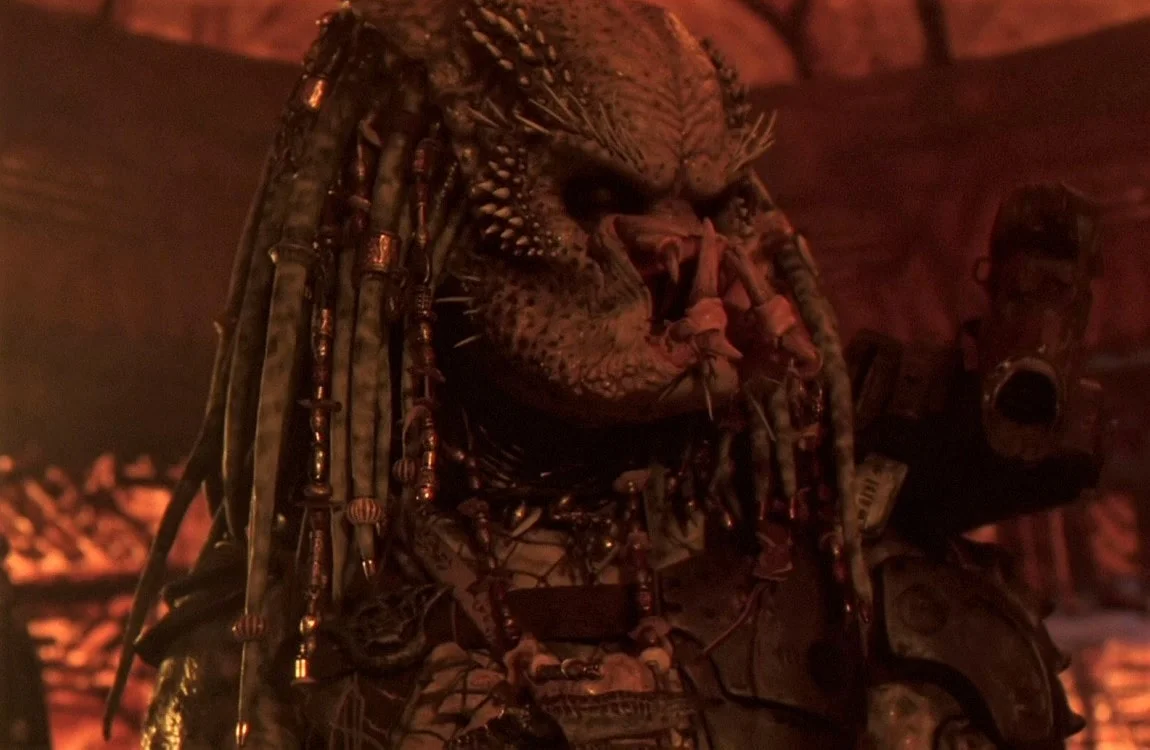
Yautja intelligence is roughly the same as a human, or sometimes portrayed as slightly less, but Predators have one major advantage. Since their lifespan spans hundreds of years, they gather far more experience and knowledge over the course of a lifetime. The most intelligent Yautja are often Elder Predators who survive countless hunts and pass their knowledge down to younger hunters. Younger Predators are driven by emotion and aggression and that often gets them killed on early hunts.
Yautja Healing Factor
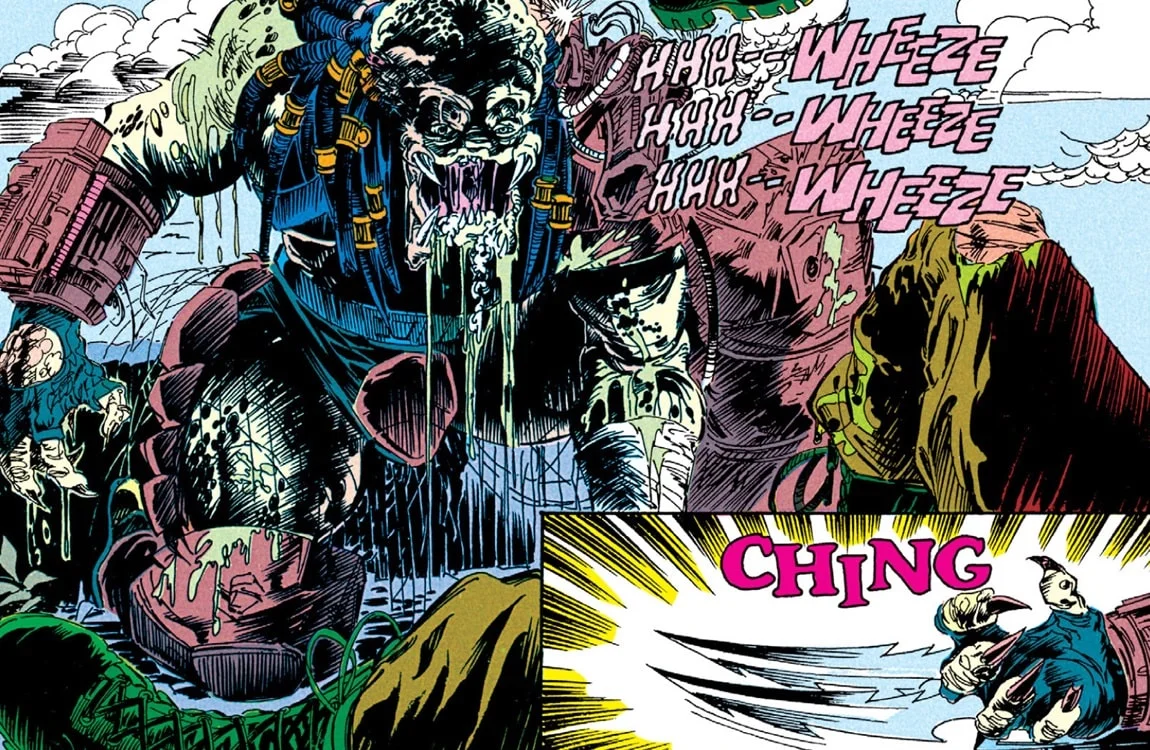
The Yautja possess a remarkable regenerative ability that enables them to recover from injuries quickly and continue the hunt. This resilience is often linked to tough anatomy, redundant systems, and efficient blood circulation. Yautja also have a high tolerance for pain, which lets them keep moving through injuries that would incapacitate a human. It is not uncommon for a Predator to lose a limb and still keep fighting, dealing with blood loss afterward. At the same time, this healing factor does not make them invincible. It may be temporary, similar to an adrenaline surge, and after combat they still need proper medical treatment to survive.
Yautja Technology
Yautja technology ranks among the most advanced in the galaxy, blending brutal efficiency with ceremonial tradition. This section introduces the weapons, armor, ships, and hunting equipment commonly used by Predators. For a complete inventory of Yautja technology, including variants and lore appearances, see our full Predator technology guide.
Yautja Weapons
Predator weapons are designed for both ritualized hunting and outright warfare, ranging from traditional melee blades to advanced plasma-based technology. This section highlights the most commonly seen Yautja weapons, while our complete Predator weapons guide provides a far more exhaustive breakdown of variants, usage, and appearances across Predator lore.
Wristblades
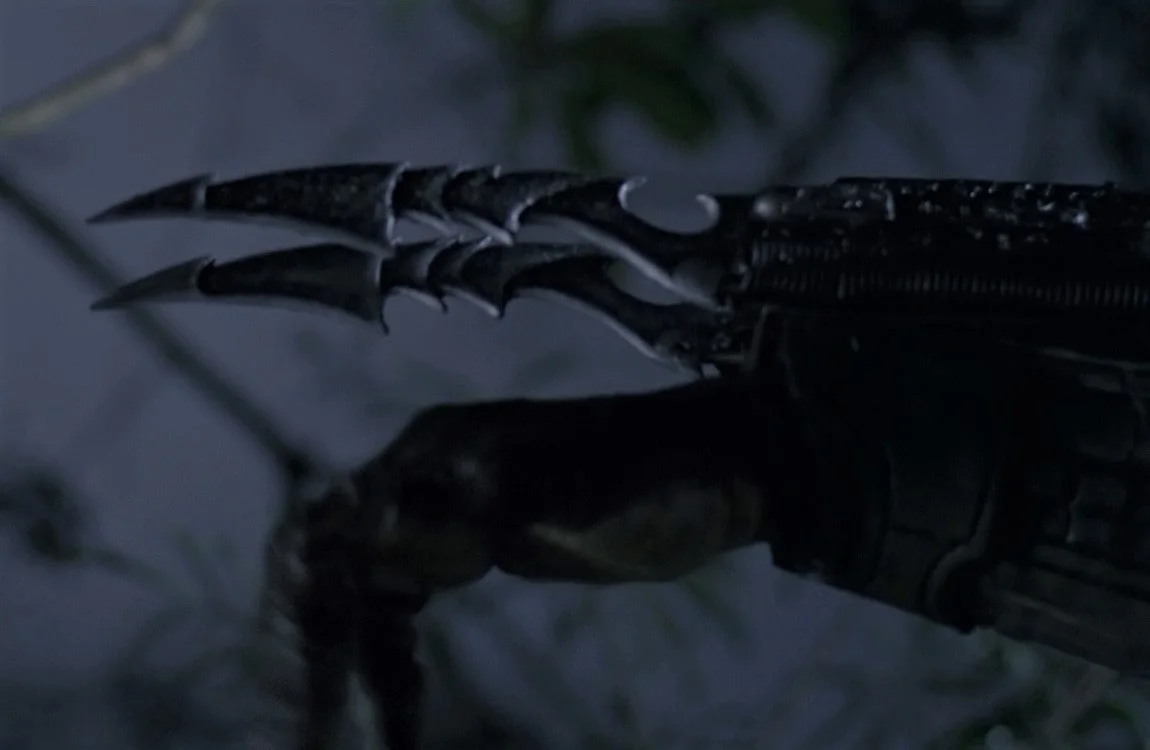
The wristblades are one of the Predator's most well-known weapons. They are built for melee combat and come in a wide range of shapes and sizes. Young Blood Predators are known to use oversized variants when fighting Xenomorphs up close. Despite how often they are used against Aliens, the wristblades are not acid-resistant. The blades extend from the forearm and are razor-sharp for maximum damage. They also make spine extractions easier, since they can cut cleanly through flesh and bone.
Self-Destruct Device

The Yautja self-destruct device is a last resort weapon and it belongs at the end of the list for a reason. Predators carry it on hunts as a way to commit honorable suicide and destroy their advanced tech before anyone can take it. It is not meant to be an offensive weapon, even though some Predators are known to remove it and escape the blast. The explosion is sometimes described as the size of 300 city blocks, although that may be an exaggeration. Dutch Schaefer survives the blast at the end of the first Predator movie. The self-destruct device shows up in every Predator movie and in most games.
Shoulder Cannon
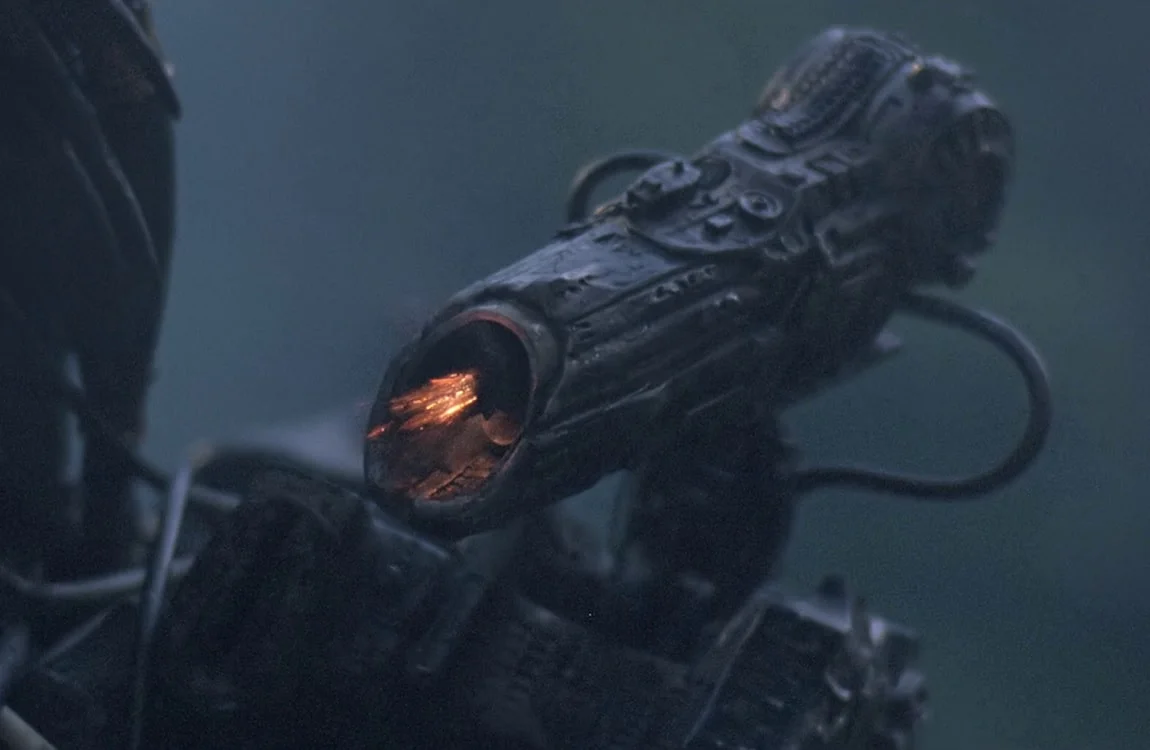
The shoulder cannon is the Predator's deadliest ranged weapon. It can track multiple targets at once and is linked to the laser sight inside the Predator's bio-mask. The cannon fires a plasma bolt and the power level can be adjusted. The weapon, also known as the Plasmacaster, draws from the Predator's main power supply and can be recharged. It appears in every Predator movie. Some Predators are even known to carry a cannon on each shoulder, like Wolf.
Smart Disc
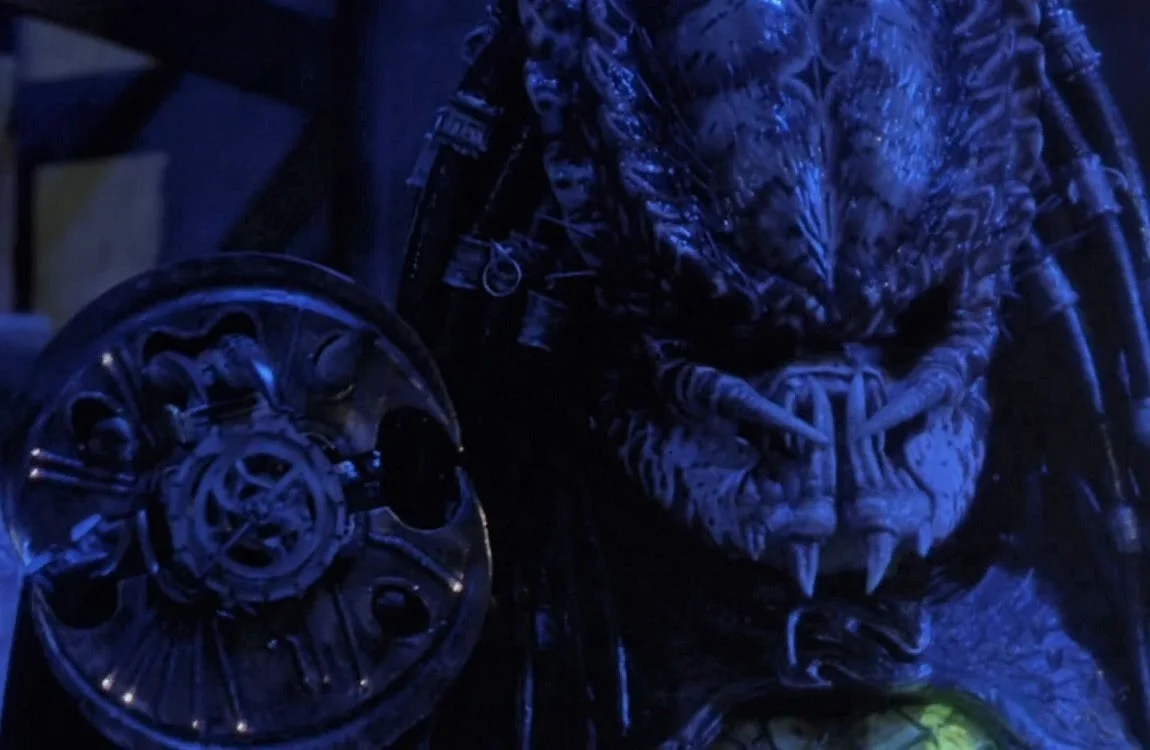
The smart disc is an advanced throwing weapon that uses an internal power source to spin and return to the user. It is extremely sharp and can cut through most obstacles. Predators usually carry the disc on their legs. Mike Harrigan famously uses it to kill the City Hunter and earn the respect of the remaining Lost Tribe Predators. The disc shows up in Predator 2 and in most of the Aliens vs. Predator games. Like in the movies, Predators need to keep track of it and avoid losing it mid-fight.
Spear
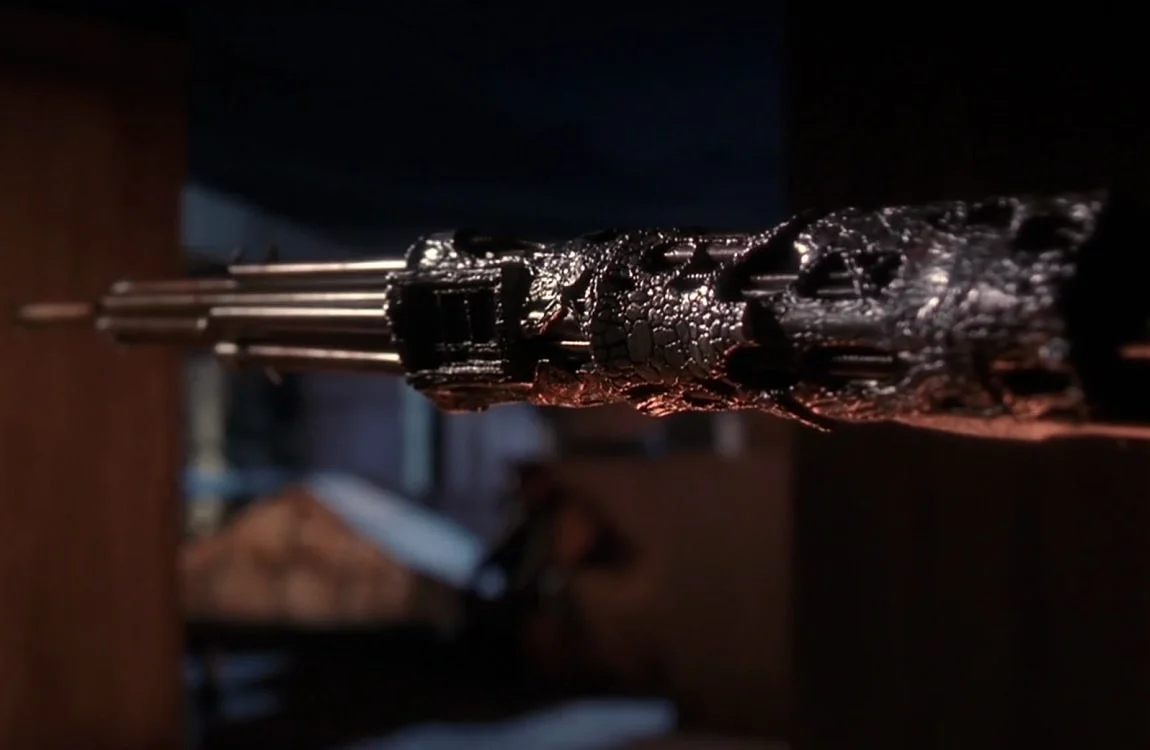
The spear (also called the combistick) is a retractable weapon that works for both throwing and melee combat. It is sharp, heavy, and strong enough to impale most enemies. It also demands real skill to throw accurately and with enough force, which is why it is often associated with the strongest Predators. After a throw, the spear should be recovered so it cannot be used against its owner, as happens in Predator 2. It is especially effective against combat androids in the Aliens vs. Predator (2010) PC game.
Whip
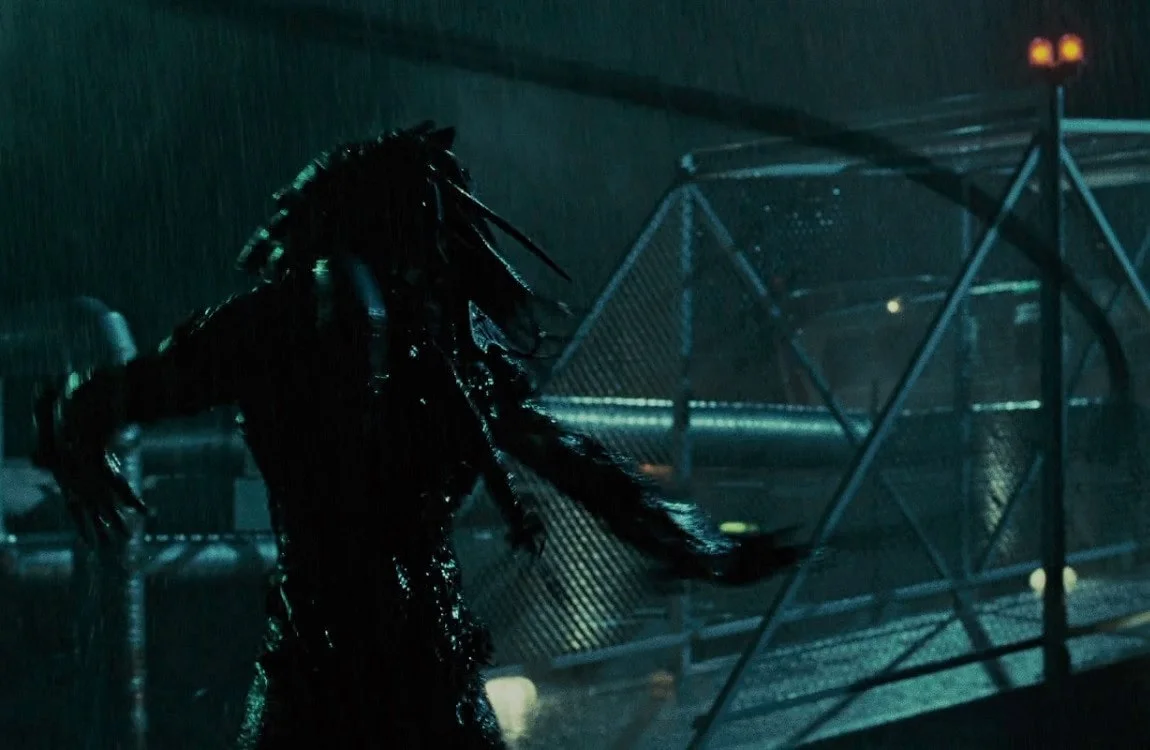
The whip is a short-range weapon designed mainly for killing Xenomorphs. It is made from a Xenomorph tail and it is one of the few Predator weapons that resists acid. The whip wraps around the victim and can slice it apart. Wolf uses it effectively in Aliens vs. Predator: Requiem, but it rarely appears elsewhere. A female Predator uses a torture whip in the Predator: Rage War book that includes small blades with insect eggs hidden beneath them. The eggs hatch inside the wounds and cause excruciating pain.
Shuriken
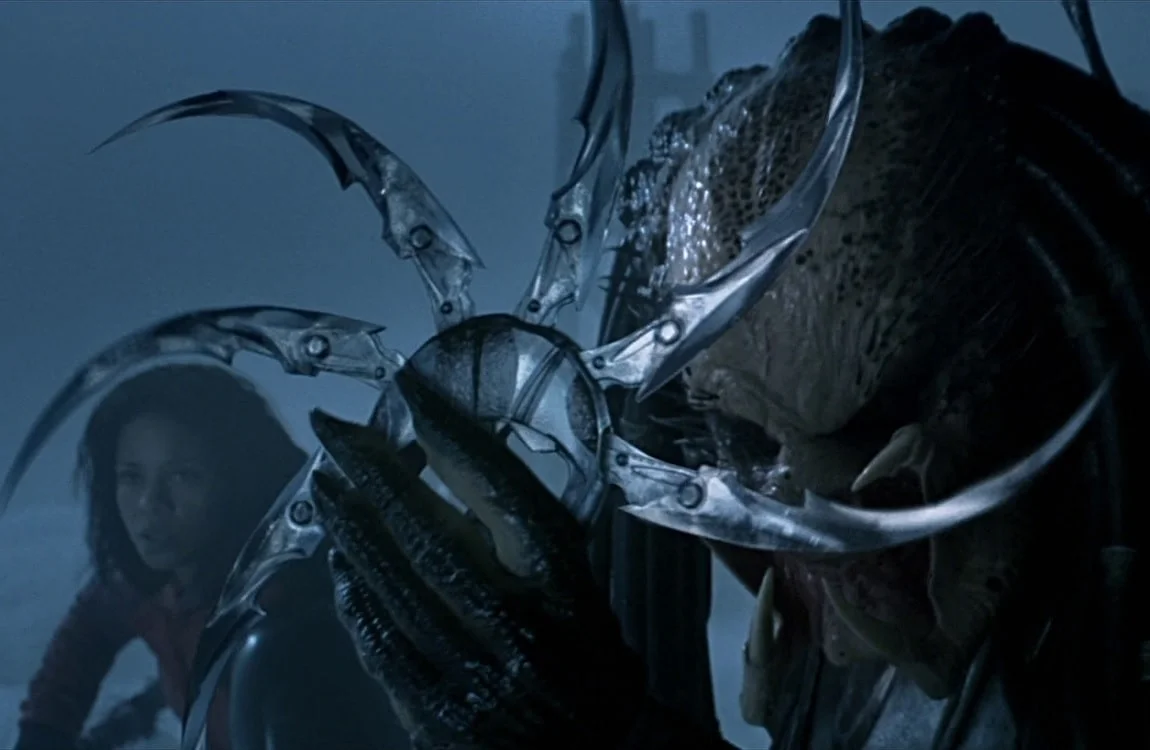
The shuriken is a flashier weapon that first appears in the Alien vs. Predator movie and is credited to director Paul W. S. Anderson. Some Predator types wear it retracted on their legs and can snap it open to full size instantly. It works as both a melee and throwing weapon. The shuriken is sharp enough to cut an Alien's head in half. The Scar Predator uses it against the Alien Queen, but it is not enough to bring her down. The weapon later returns in The Predator, where it is used by the Fugitive Predator.
Netgun
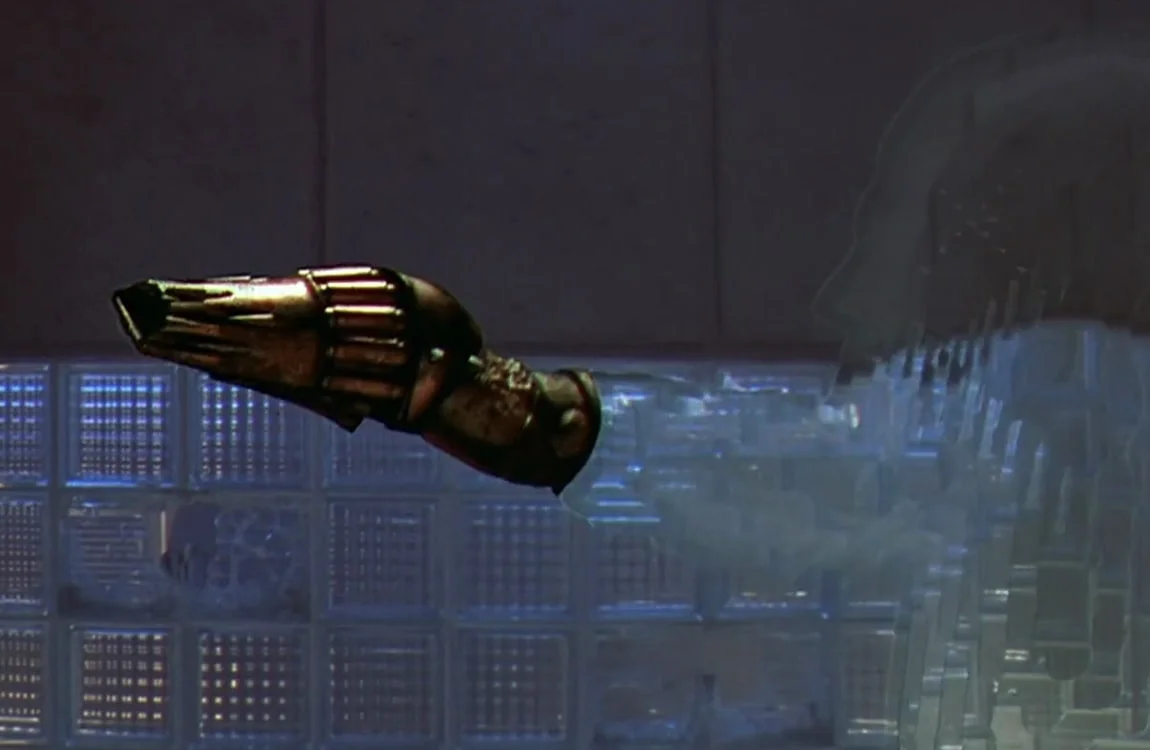
The Yautja netgun is one of the most terrifying Predator weapons, and the results are often too gruesome to show in detail. It fires a metallic net that wraps around the target and begins to tighten. The victim is sliced by the net's sharpened edges, often leading to a slow and painful death. The net is not acid-resistant and Xenomorphs are known to escape after bleeding acid through it. Some Colonial Marines have also been able to cut themselves free with a knife. The netgun appears in Predator 2, the first Alien vs. Predator movie, and the Aliens vs. Predator 2 PC game.
Pistol
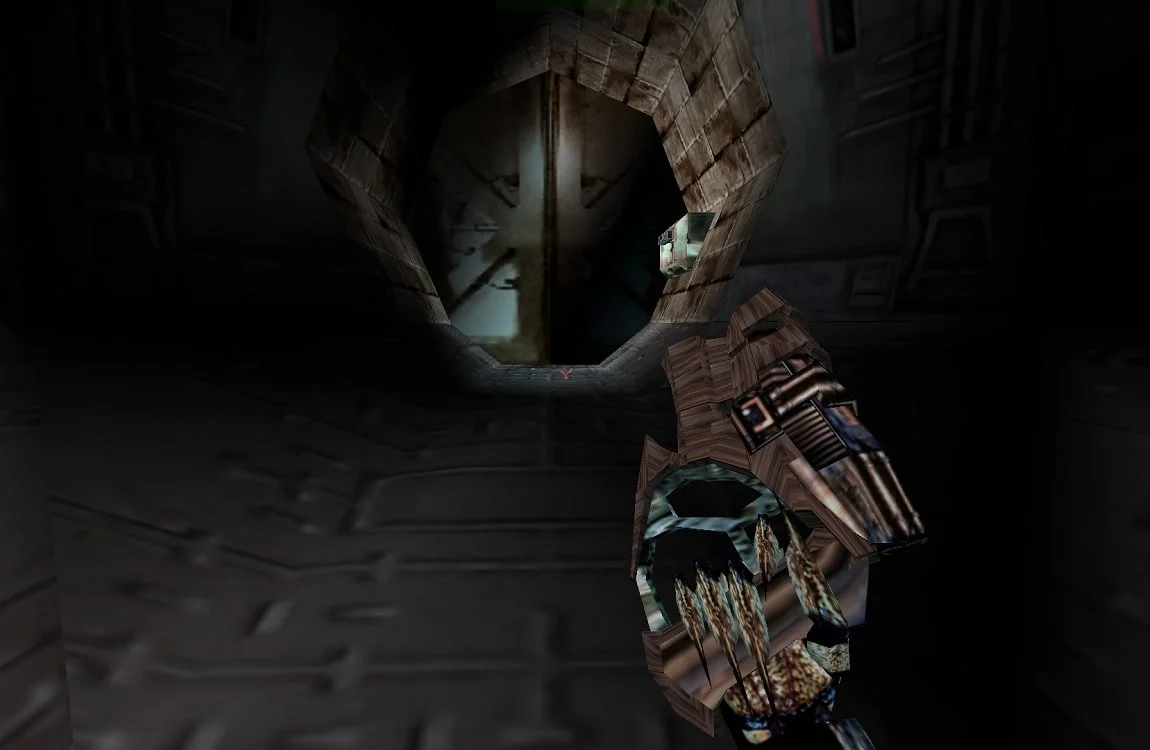
The Predator plasma pistol fires an electric charge that can incapacitate and kill enemies. It is especially useful against Aliens, who often freeze up and do not bleed acid when hit by it. The pistol does not carry its own ammo and uses the same power source as the shoulder cannon. It appears in the first two Aliens vs. Predator PC games, but it is missing in the more recent ones. A similar plasma weapon appears in Aliens vs. Predator: Requiem, but it lacks the electric charge that makes the pistol so useful.
Yautja Equipment
Yautja equipment supports Predators during hunts and includes stealth systems, life-support gear, medical tools, and ceremonial items. These tools complement Yautja weapons and are designed to enhance survivability, mobility, and tactical awareness in hostile environments. For even more Yautja tools, look over our comprehensive Yautja equipment guide.
Cloak
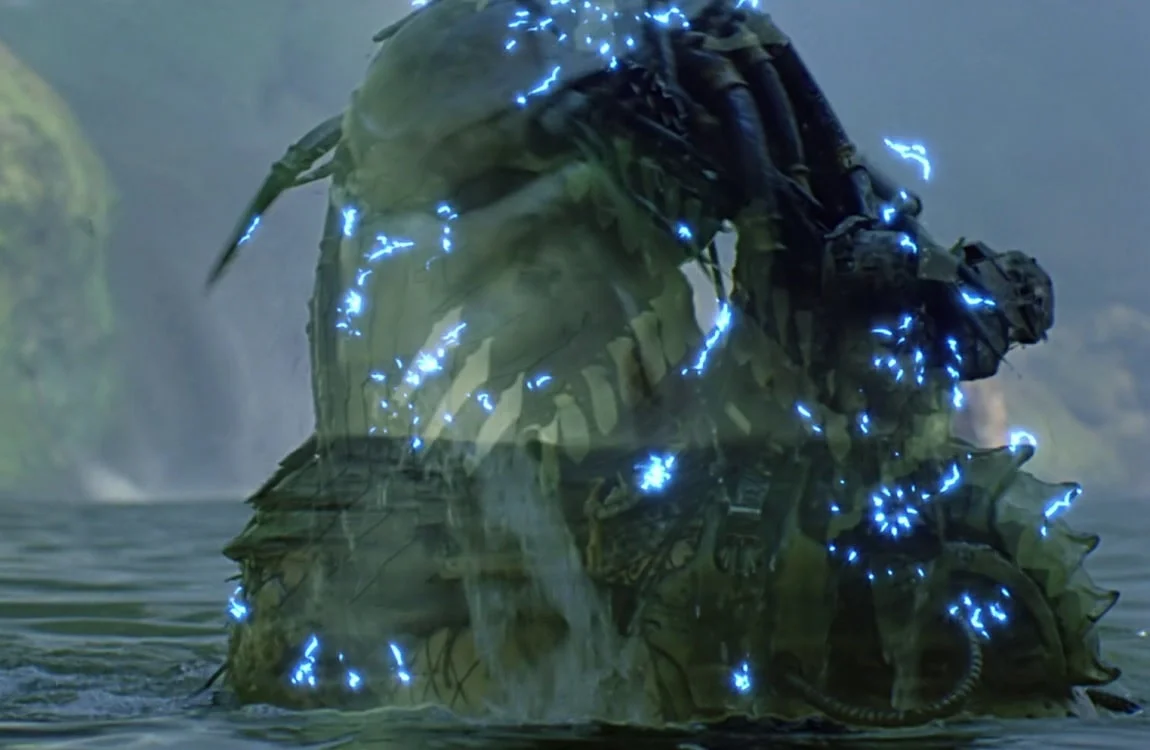
The Predator cloak allows the hunter to render himself almost invisible to the naked eye, giving near-perfect camouflage in most environments, including the jungle. The cloak "bends light" around the Yautja, so observers usually see only a shimmering distortion where the Predator is standing. That distortion is almost impossible to notice if the Predator stays still. One drawback is that the cloak drains the shared energy from the Predator's power pack, so it cannot be used indefinitely. It also malfunctions in water and likely becomes unreliable during heavy rainfall. Yautja often stalk prey with the cloak enabled, but many choose to reveal themselves just before the kill.
Wrist Gauntlet

The wrist gauntlet functions like a portable mini-computer and is usually worn on the left forearm. It is typically operated with the right hand and contains a wide range of tools for hunting and survival. Depending on the story, it can remote-control Predator ships, monitor weapon power levels, activate the self-destruct, and even project holograms. Aliens vs. Predator 2 suggested the gauntlet was difficult to remove and that taking it off could kill the Predator. That idea is later contradicted in Alien vs. Predator, where Scar removes his gauntlet easily and turns it into a makeshift bomb to destroy the Alien-infested temple. The gauntlet also displays Yautja symbols, and these symbols "count down" during the self-destruct sequence.
Bio-Mask
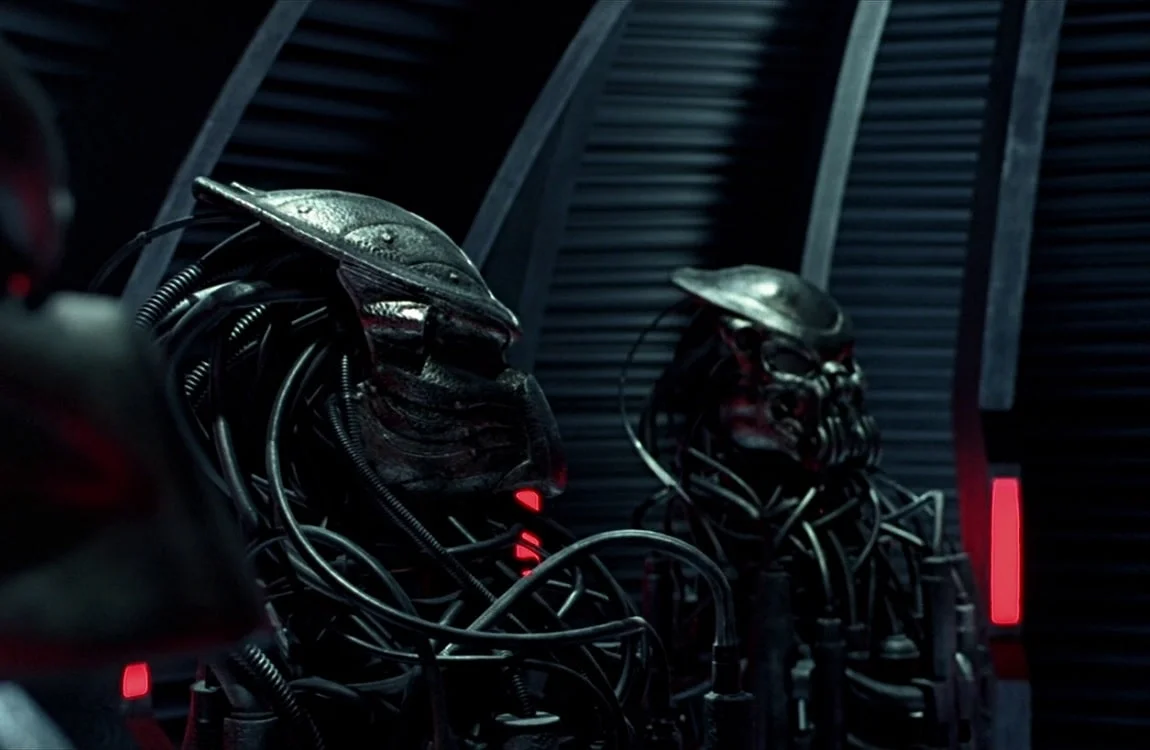
Besides the wrist gauntlet, the bio-mask is one of the most important pieces of Predator technology. It is also a prized trophy for anyone who kills or captures a Predator. The mask helps the Predator breathe in hostile environments, likely including space, and it provides multiple vision modes. The most famous mode is thermal vision, but other depictions include Xenomorph vision, ultraviolet vision, and tech vision. Nearly every Predator has a unique bio-mask design, and many are customized with paint, carved symbols, or battle damage. The bio-mask also offers some protection for the Predator's face against bullets and stabbing weapons. Despite that, it still fails to stop a Xenomorph head-bite in the lore.
Armor
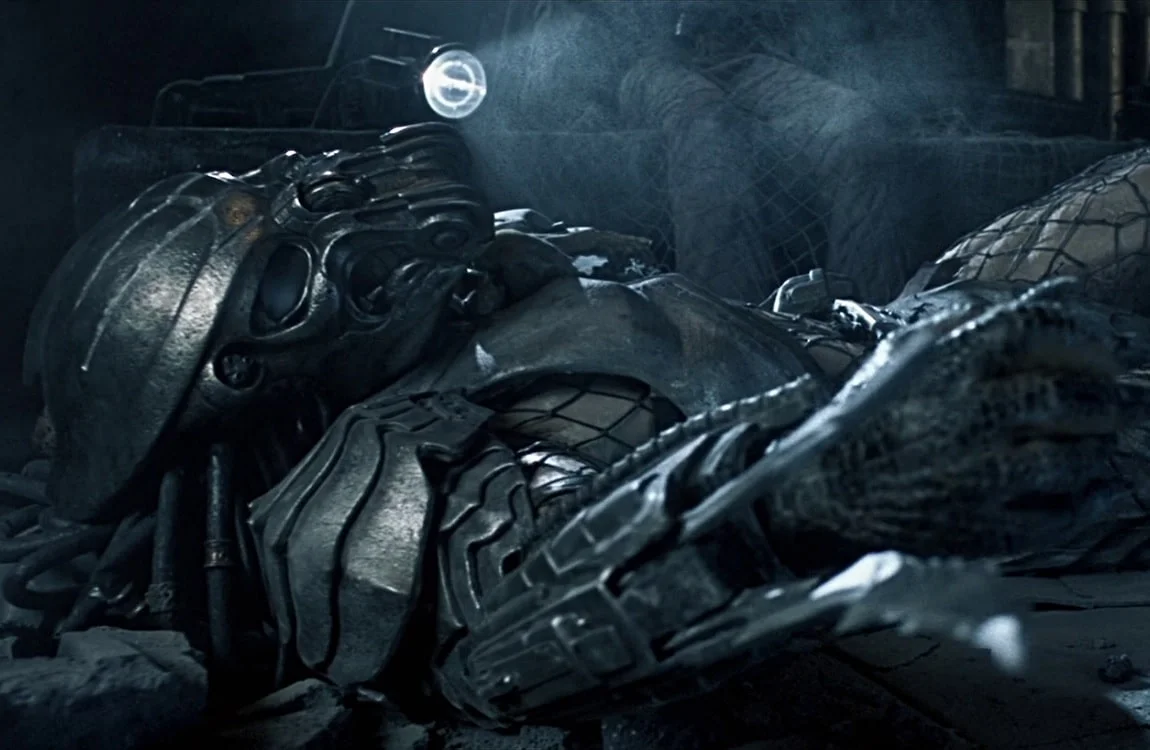
The Predators use a wide variety of armor, ranging from completely unarmored hunters to heavily armored builds and even full bodysuits like the Predator Killer. The Jungle Hunter's armor looks almost randomly distributed, but the most protected areas are the crotch and the left chest. That layout suggests the Yautja focus armor on the most vital and vulnerable organs. The Young Blood Predators from the first Alien vs. Predator movie are among the most heavily armored hunters shown in the films. They wear chest armor on both sides and their arms are almost completely covered. That level of plating likely restricts mobility and can hinder their fighting style. Even so, the protection is limited, since Xenomorph acid is able to eat through at least part of the armor.
Medicomp
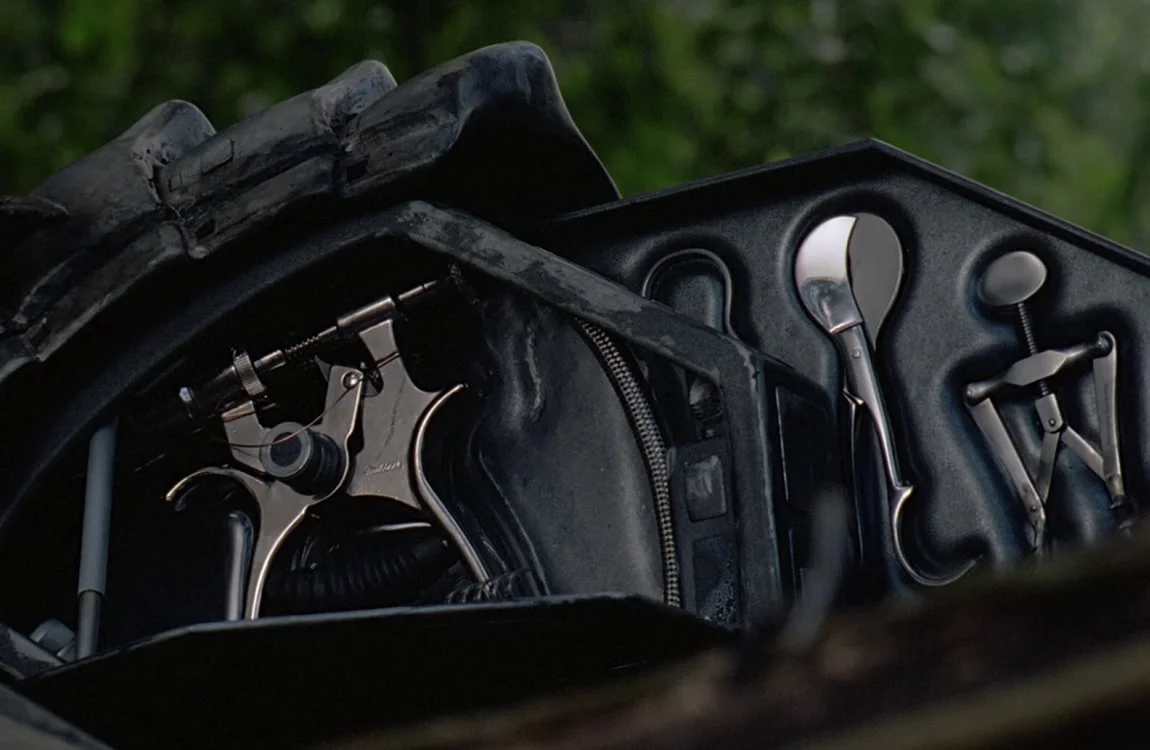
The medicomp (also known as medikit) is the Predator's primary field healing device. It contains medical tools for quick first aid, stopping bleeding, administering painkillers, and even cauterizing wounds from severed limbs. The Jungle Hunter carries a basic medicomp in his shoulder satchel and uses it to treat a bullet wound in his leg after being shot by Mac. The City Hunter has a larger medicomp with more advanced tools and is able to create a blue healing paste by heating random substances. He applies that paste to his bleeding stump after Harrigan slices off his left arm. Predator lore also includes other healing gear, such as the two healing syringes from Aliens vs. Predator Classic and the health shards from Aliens vs. Predator (2010).
Predator Ships
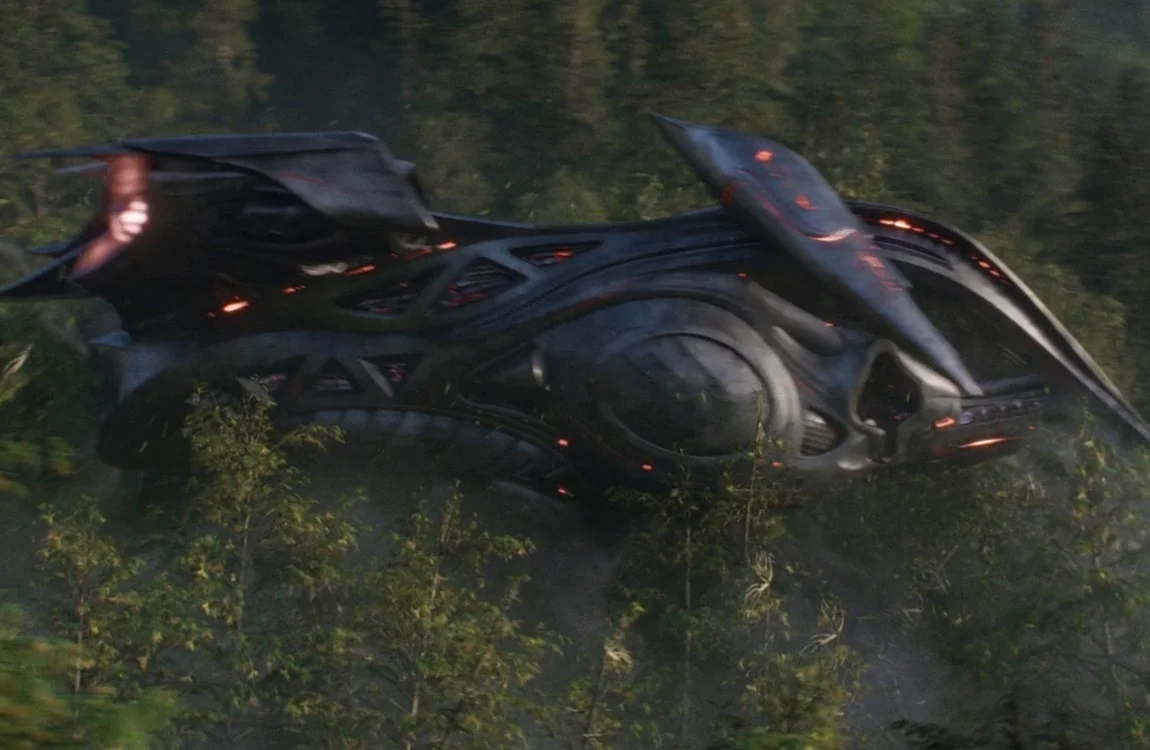
The Predator ship is one of the most remarkable pieces of Yautja technology. These ships can transport individual Predators or entire clans across the galaxy using faster-than-light travel. The largest vessels are motherships, and they often carry smaller scout ships docked underneath. Scout ships can deploy drop pods to deliver Predators to a planet and begin a hunt quickly. When a Predator ship lands, it is usually concealed, either cloaked in a forest or submerged beneath the water of a lake. Like individual hunters, Yautja ships also have self-destruct systems so the technology does not fall into enemy hands.
Predator Vehicles
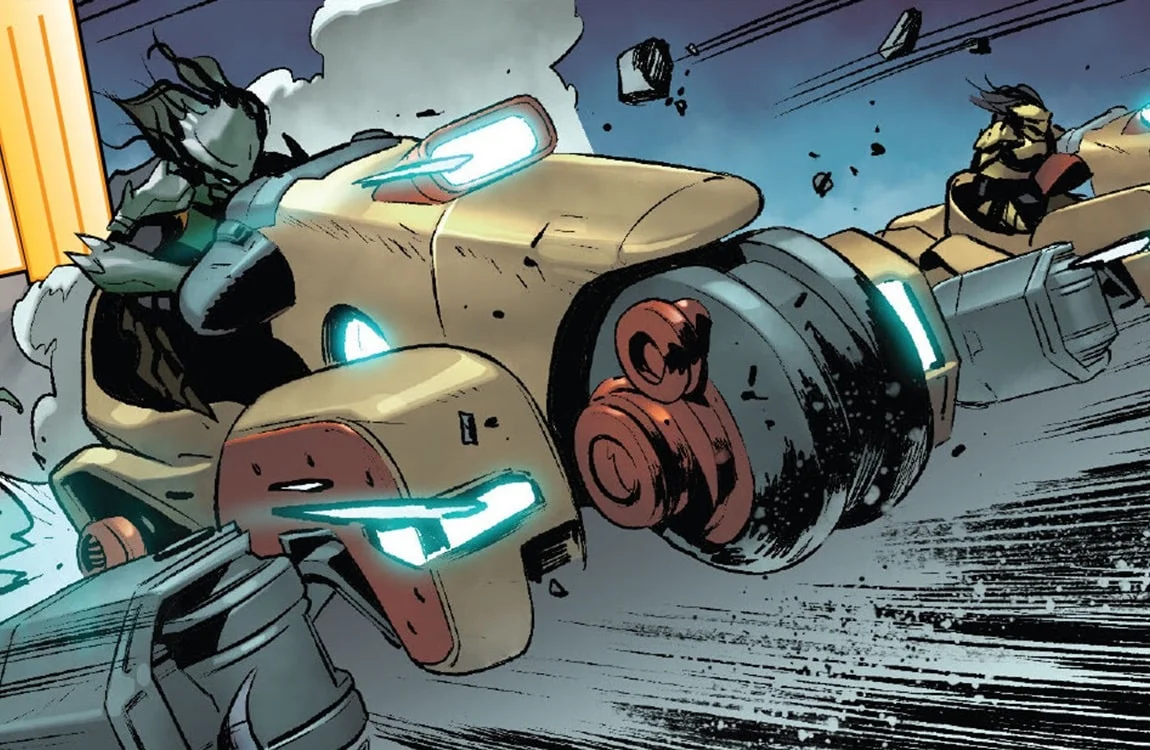
Alongside weapons, gear, and starships, the Predators sometimes use land-based vehicles. This is relatively rare and tends to happen in environments where ships cannot fit, but fast transport is still needed, such as narrow canyons or forests with thick overhead cover. Many Predator vehicles are armed with plasma weapons and use hover technology rather than wheels. One of the best-known examples is the Yautja bike. The bike appears in the JLA vs. Predator comic and later shows up again in Predator: The Last Hunt.
Yautja Subspecies And Genetic Variants
Predator lore features multiple Yautja subspecies and genetic variants, each with distinct physical traits, hunting styles, and philosophies. This section provides an overview of the major Predator types seen across films, comics, novels, and games. Our comprehensive Predator types guide examines these subspecies in greater depth and explains how they fit into Yautja history and continuity.
Classic Predator
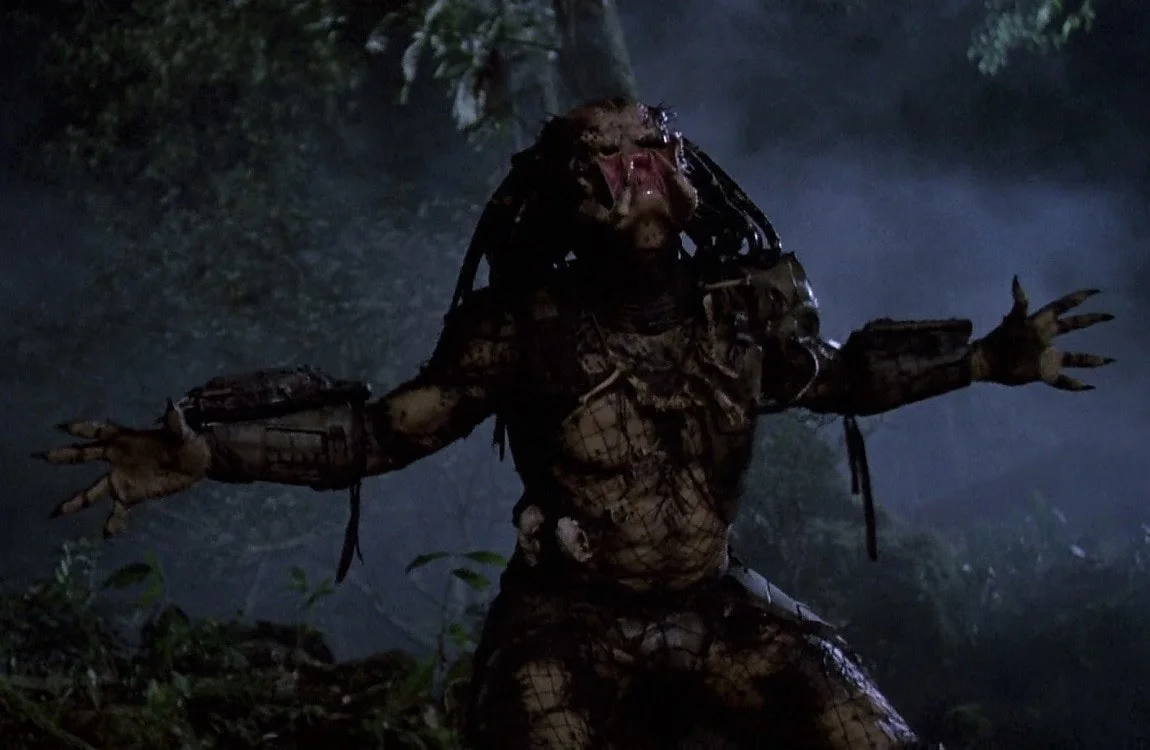
The classic Predator is the most well-known Predator type. They prefer to use fewer weapons than other types, rely on little armor, and choose to mostly hunt humans in hot climates. Classic Predators follow a strict honor code and are often seen as "traditional hunters" who usually hunt alone. They typically stick to the shoulder cannon and wristblades as their main weapons. The Jungle Hunter is the most famous classic Predator, but this type also shows up in Predators as the one bound to a tree. Classic Predators also appear in several comics, with Predator: Big Game being one of the most notable examples.
Super Predator
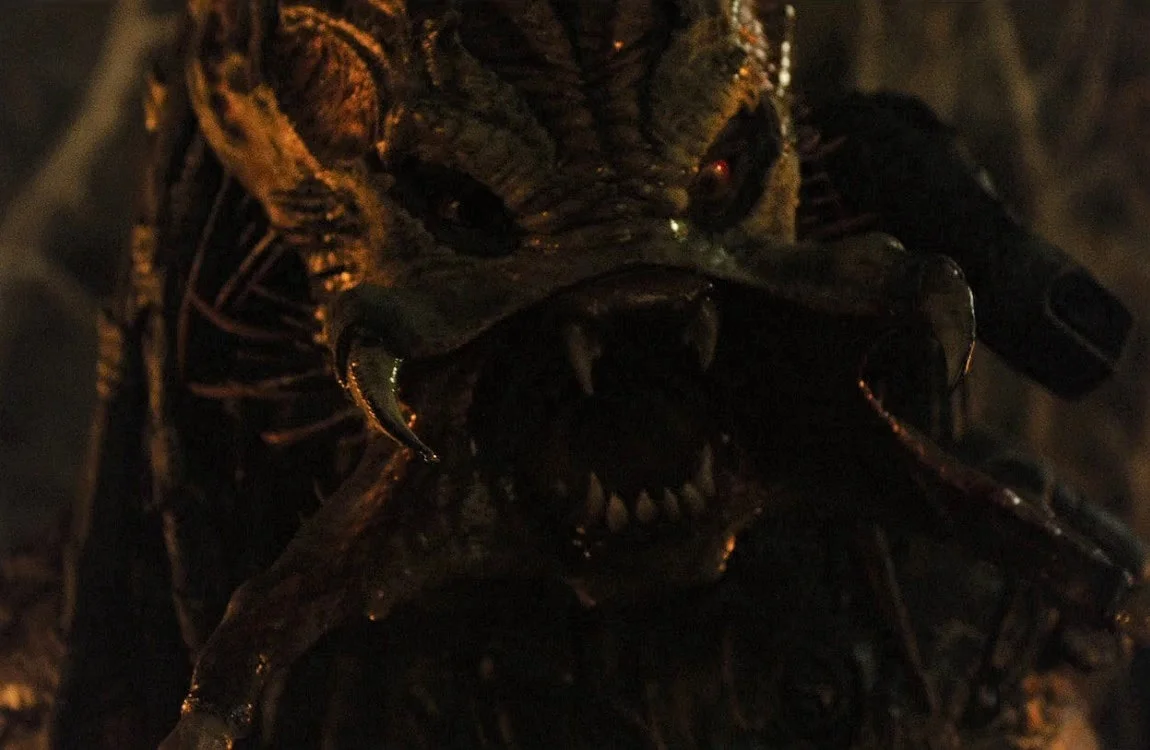
The super Predators are a different Yautja subspecies that is physically stronger and more vicious than regular Predators. They have red eyes and a more reptilian appearance. Their dreadlocks sweep back more sharply and their faces are longer than those of classic Predators. When hunting, super Predators tend to rely on traps and Hell-Hounds to flush prey out into the open. In Predators, three super Predators, Berserker, Tracker, and Falconer, run hunts on the Game Preserve planet. All three are ultimately killed by humans.
Fugitive Predator
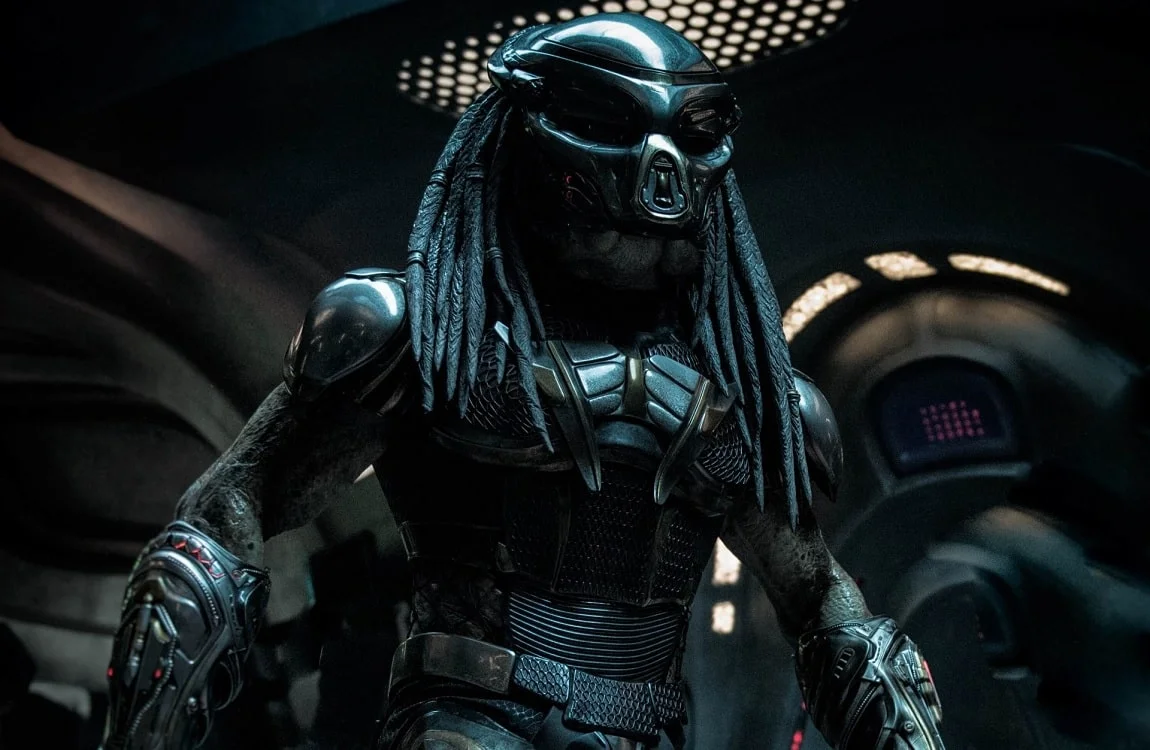
It is not entirely clear whether the Fugitive Predator counts as a distinct Yautja type. He could simply be an Elite Predator who becomes a Bad Blood and ends up being hunted by the Assassin Predators. However, the expanded Yautja lore suggests there are others like him who share the same armor style, motivations, and spliced DNA that set them apart from other Predators. The prequel novel Predator: Hunters and Hunted includes the Florida Hunter, who left his mask with Stargazer, and it is later recovered by the Yautja in the film. More fugitives appear in the Archie vs. Predator II comic series, where they once again feud with the assassins. The Fugitive is also a playable Predator type in Predator: Hunting Grounds, where it is released as DLC. The Emissary Predators also share similar masks, but they choose to wear human military-styled armor instead.
Assassin Predator
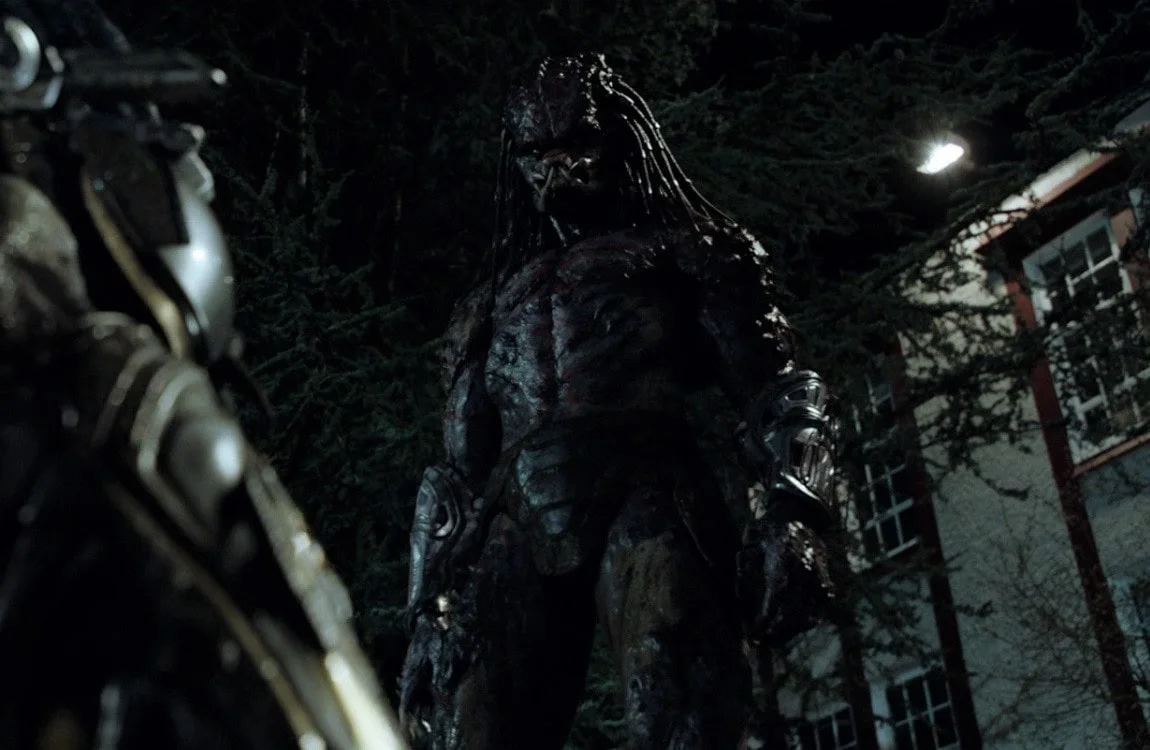
The Assassin Predators, also known as hybrid Predators, are a group of Yautja that genetically enhance themselves with traits taken from species across several planets, including Earth. They are among the physically largest Predator types, even bigger than the super Predators and roughly comparable in size to black-goo-infected Predators. They are dispatched to hunt down other Predators, as seen in The Predator when a lone Assassin is sent to kill the Fugitive Predator. In that hunt, the Assassin takes down the Fugitive with relative ease. Assassin Predators also employ Predator dogs that help track and corner targets during hunts.
Feral Predator
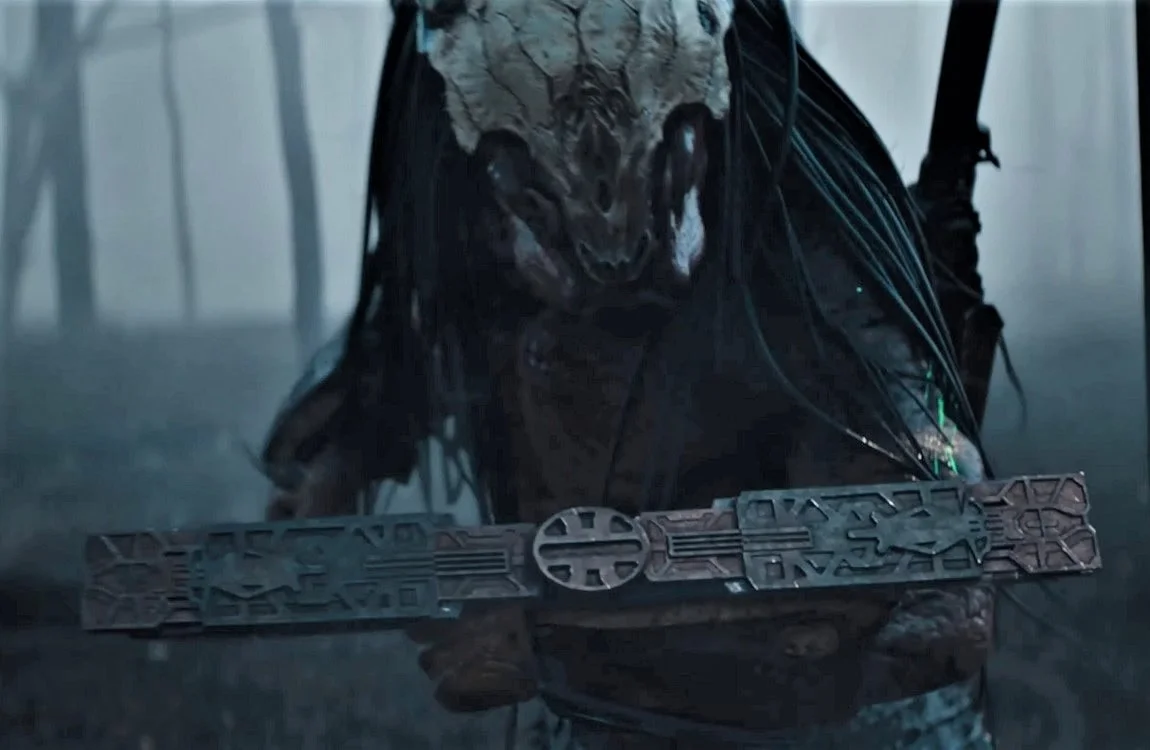
The Feral Predator is a recent Predator type introduced in Predator: Prey. Director Dan Trachtenberg explains that this Predator comes from a different hemisphere of the Predator Homeworld and represents a slightly different breed. While some modern Predator stories lean toward the biggest and strongest hunters, the Feral Predator is slimmer and more agile. He also feels more tribal in design, moving away from the heavy metallic armor seen in the Alien vs. Predator films. The Feral Predator wears a bone mask and uses a gauntlet shield, which is a piece of Predator equipment not seen before in the movies. He also uses the Predator bow, a weapon that is introduced in Predator: Hunting Grounds.
Black Goo Infected Predator
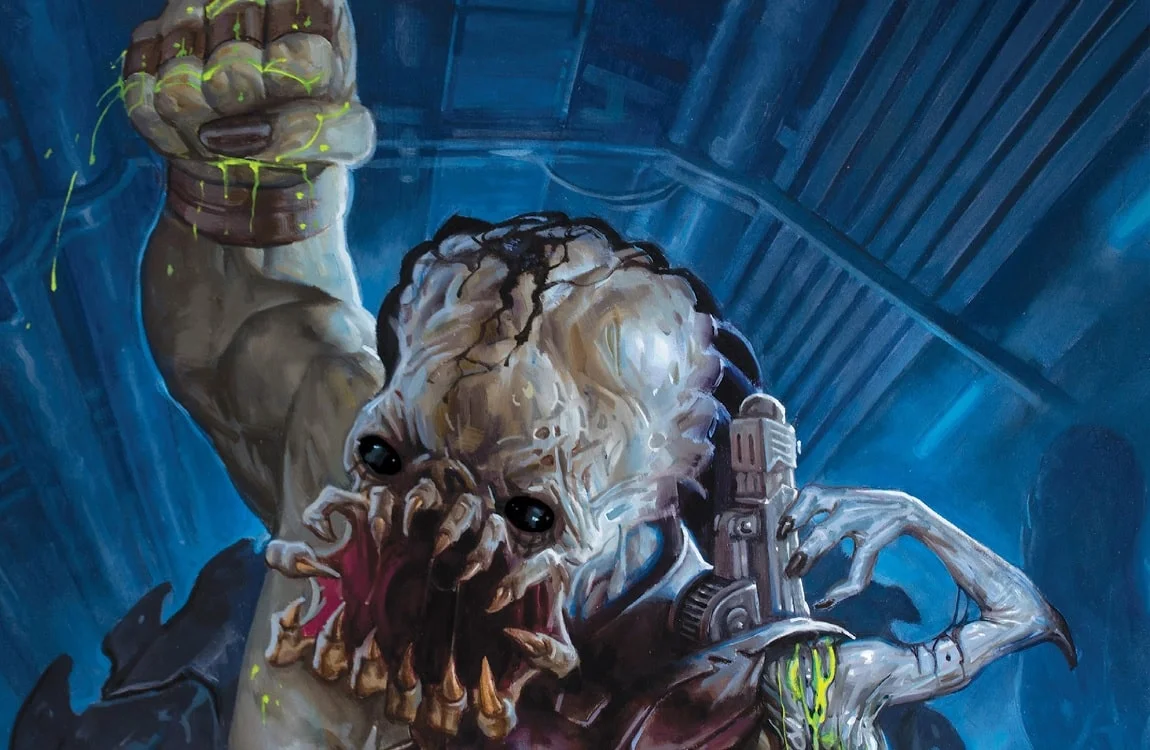
The infected Predator is a type of Yautja that is infected by the Black Goo produced by the Engineers. Although Predators are notoriously resilient to viruses, the black goo mutates the Predator and turns him into a mindless killing machine. The mutation makes the Predator physically bigger and stronger. It can also grow extra arms, which pushes the body even further beyond normal Yautja limits. With the mutation's strength, this Predator type can defeat most opponents in unarmed combat, including Aliens. The infected Predator appears in Alien vs. Predator: Fire and Stone.
Female Predator
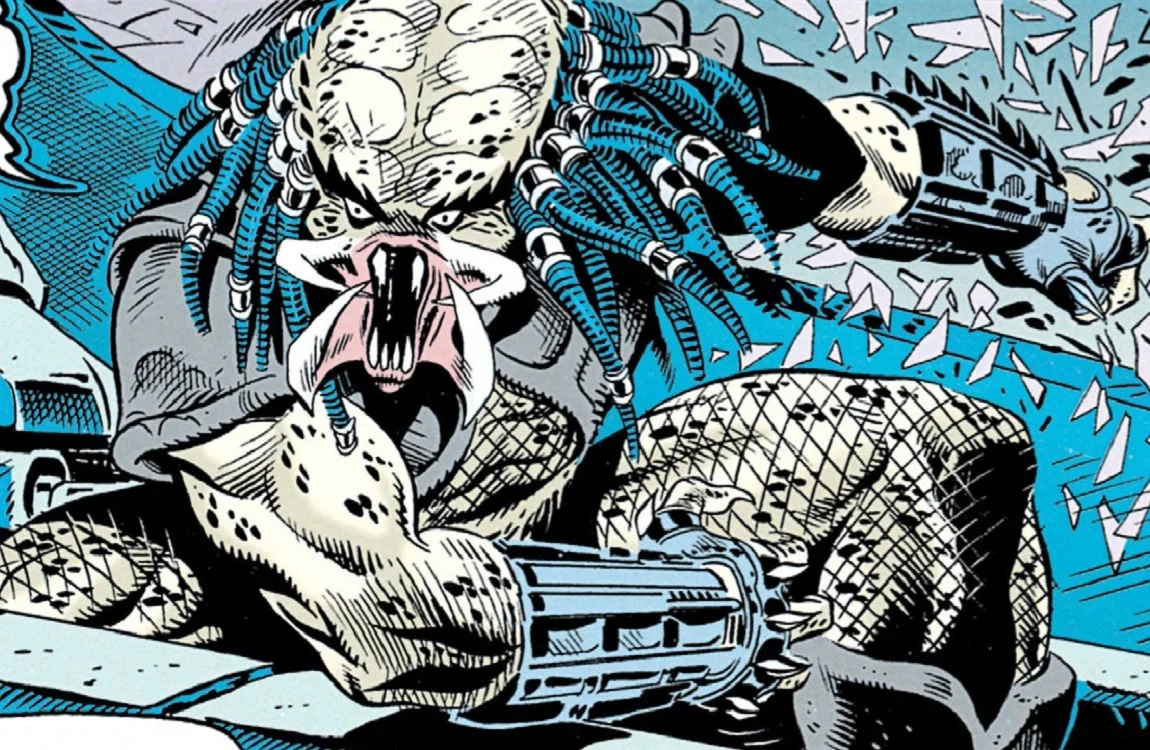
Like many other species, Predators can be classified into two genders, male and female. Female Yautja are relatively rare, since most human and Xenomorph encounters involve male members of the species. The first prominent female Predator is Big Mama from the AvP: Deadliest of the Species comic series. She is bigger than most males and is portrayed as especially aggressive, with a strong maternal drive to protect her children. Later, Predator: Hunting Grounds introduces several other female Predators, including customizable huntresses, the Valkyrie Predator, and the Cleopatra Predator. These females are leaner in build, but they are more agile and just as ferocious as the males.
Hish-Qu-Ten
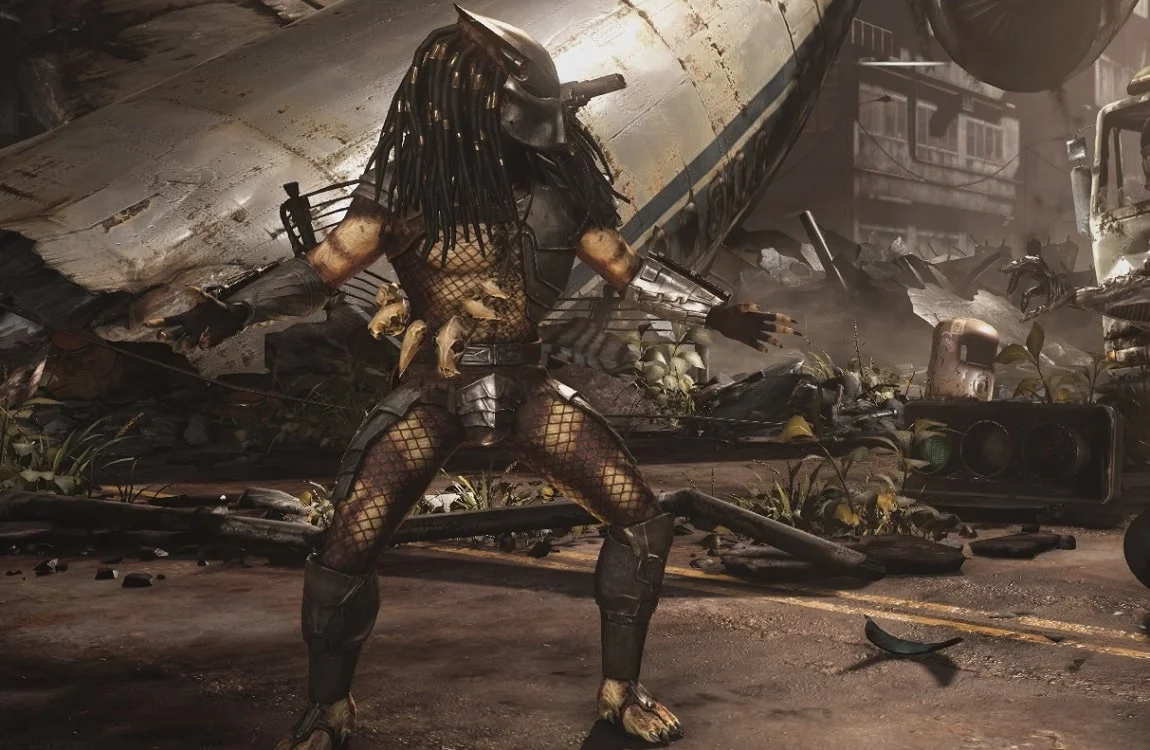
The Hish-Qu-Ten are an uncanny offshoot of the Yautja and are often portrayed as less intelligent and less honorable than their Predator relatives. They are first introduced in the controversial novel Predator: Forever Midnight. In that story, they are depicted as a clan that slaughters unarmed women and children, changes sex at random intervals, and has "kill glands" that can trigger a mindless frenzy. Later lore retcons the Hish into an ancestor species to the Yautja, as shown in the backstory of the Alpha Predator in Predator: Hunting Grounds. The Hish-Qu-Ten variant also appears in Mortal Kombat XL.
Human Predator
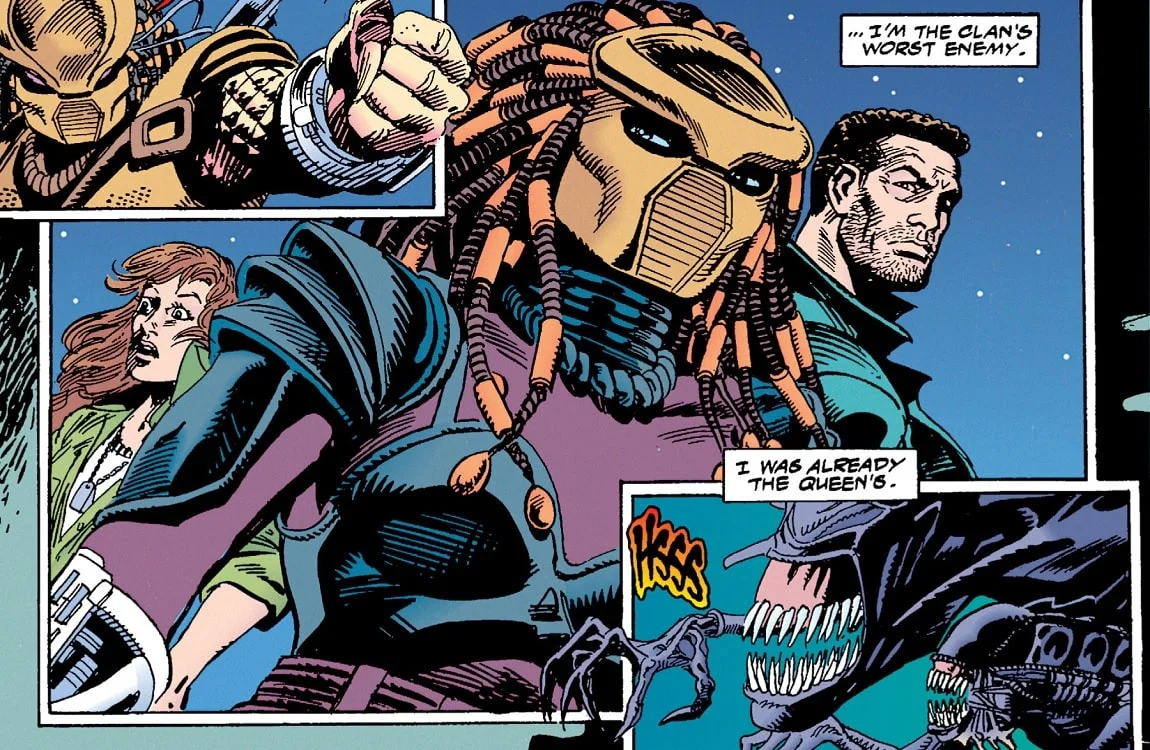
As mentioned earlier, a human can be blooded as well and become a human Predator who can wear Yautja gear and even use a specially fitted bio-mask. Blooded humans are usually accepted into the Predator ranks with some reluctance and may be allowed to live alongside other Yautja. Even so, the idea can cause tension, especially among lower-ranking hunters. In Alien vs. Predator, Scar marks Alexa Woods with a blooded symbol on her cheek after she kills a Xenomorph in melee combat. Machiko Noguchi is perhaps the most famous blooded human, since she lives and hunts with Predators for at least a year in the expanded lore.
Behind The Scenes
The Classic look, the later subspecies, and the honor rules all start from one written hunter. Brothers Jim Thomas and John Thomas invented that hunter on the page first, and the films then had to find a face and a suit that could carry a whole species.
Writing The Hunter
The Thomas brothers wrote their first script, titled Hunter, over about three months in 1983. The core idea was a sport hunter from another planet, taking trophies the way humans hunt big game in Africa. They decided the most dangerous prey was man, and that the hardest human to hunt was a trained combat soldier. Their knowledge of military operations in Central America put the hunt in a jungle war rather than a city or a spaceship. An early version used a brotherhood of alien hunters chasing many kinds of prey. They cut that down to one species and one hunt, so the creature could stand for a whole warrior culture instead of several unrelated aliens.
On the page, the hunter skinned victims and took skulls because trophies meant status among his own kind. He spared the unarmed, used heat vision, and vanished with a cloak that one of the brothers drew from a dream of a chrome figure inside a reflective sphere. Early drafts treated the body as unstable. Paul Monette's 1987 novelization, written from that script, made the hunter a shapeshifter with scale-changing camouflage, a spear, and a web trap, and no plasma caster. The finished film kept the sport, the trophies, the mimicry, and the wrist bomb, and the credits simply called the creature the Predator.
The brothers returned for Predator 2 and put a clan, an elder, a hunting ship, and a trophy wall on screen, which is how a lone jungle killer became a people with ranks and a history of Earth hunts. Dark Horse comics then told hunts from the hunters' side. The 1994 novel Aliens vs. Predator: Prey gave the species the name Yautja. Feature films avoided that word until Predator: Killer of Killers and Predator: Badlands.
Design And Redesign
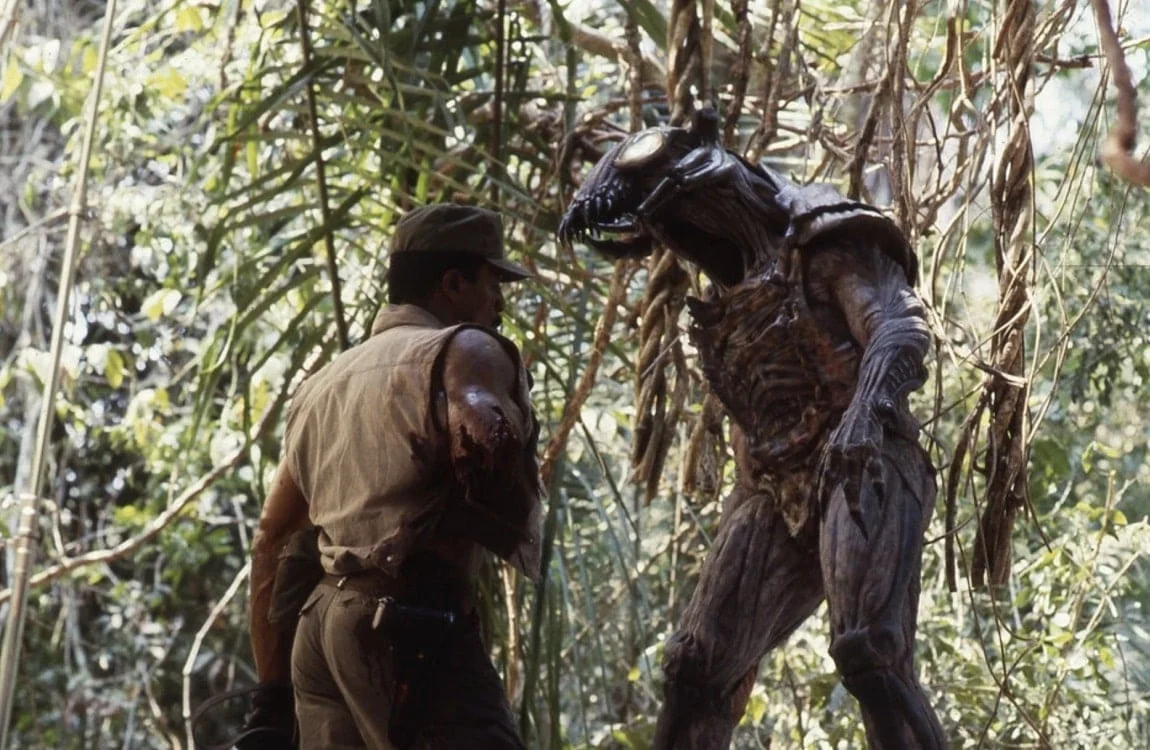
The first costume did not match the hunter the Thomases had written. Boss Film Studios built an insect-like suit for Jean-Claude Van Damme during the 1986 shoot around Palenque and Puerto Vallarta, Mexico. The approved Boss design used long arm extensions, a stretched neck, a dog-like head, and a single eye, plus about twelve inches of leg extensions that gave the creature satyr-like rear-bent legs. Van Damme was cast so martial-arts footwork could make the hunter move like a ninja, but the stilts failed on wet jungle slopes. A red hold-out suit was also built so the cloak could be photographed. After about six weeks of shooting, director John McTiernan shut the production down.
Arnold Schwarzenegger recommended Stan Winston Studio. Winston's crew had about six weeks to replace the failed creature with a hunter who could stand next to Dutch's team. Winston started from a Rastafarian warrior painting in producer Joel Silver's office and gave the silhouette quills that read as dreadlocks. On a flight to Japan after Aliens, James Cameron suggested adding mandibles while Winston was drawing the head, and those tusks stayed on later hunters. Seven-foot-two Kevin Peter Hall, who had played Harry in Harry and the Hendersons and was trained in mime, performed in the foam-latex suit and used tribal dance steps in the final fight. The hero head was animatronic, Hall wore yellow contact lenses, and Peter Cullen supplied many of the clicks and growls.
For Predator 2, Winston built a new individual of the same species, with a shallower forehead, a horned brow ridge, extra fangs, and darker skin, so the City Hunter would not read as a recast Jungle Hunter. An unused first-film helmet later appeared on the Guardian Predator.
Later Shops And Performers
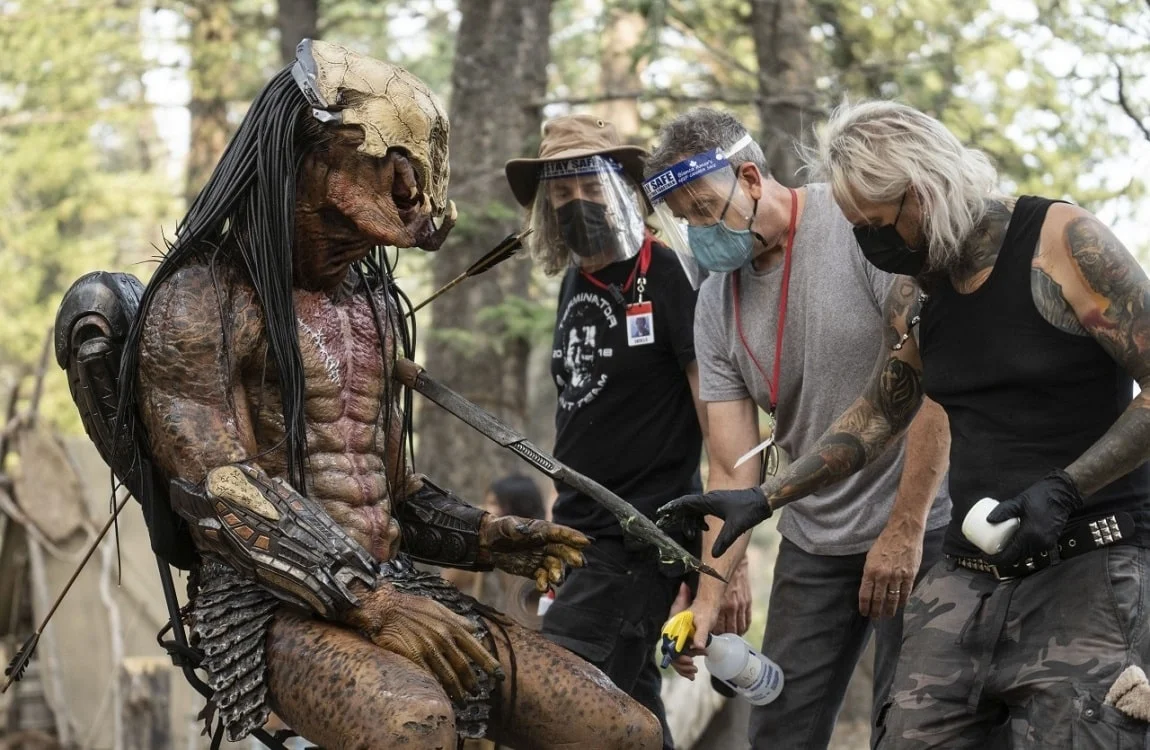
After Stan Winston Studio finished the first two films, later pictures went to other creature shops. Winston alumni Alec Gillis and Tom Woodruff Jr. built the hunters at Amalgamated Dynamics (ADI) for the Alien vs. Predator movies, The Predator, and Prey. Predators in 2010 went to KNB EFX Group. Seven-foot-one Ian Whyte performed Scar in 2004 and Wolf in 2007.
On the 2022 Prey shoot, Dane DiLiegro wore the ADI Feral suit on location in Alberta, and a digital face replaced the animatronic head in the finished cut. For Predator: Badlands, Dimitrius Schuster-Koloamatangi played Dek in a Studio Gillis body suit, while Weta drove the mandibles and eyes from his motion-capture performance.
Conclusion
The Yautja are a technologically advanced extraterrestrial species whose culture revolves around ritualized hunting, honor, and clan-based hierarchy. Across films, comics, novels, and games, they are depicted as a diverse race with distinct ranks, subspecies, weapons, and traditions shaped by centuries of warfare and exploration. Their anatomy, technology, and social structure reflect a society built around survival and the pursuit of worthy prey. For a complete alphabetical archive of Yautja hunters, clans, weapons, creatures, and lore concepts, browse the Yautja Encyclopedia.
External Sources
- Wikipedia: Predator (fictional species)
- Stan Winston School: Making the Predator
- GamesRadar: The Story Behind Predator
Tag Categories: Yautja Society | Yautja Behaviour | Predator Lore