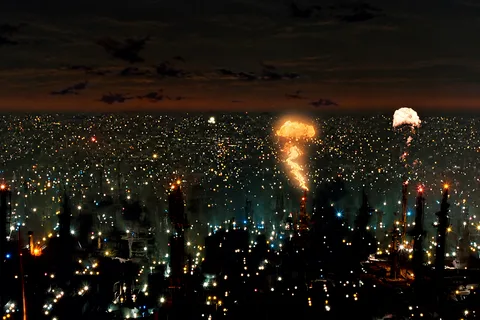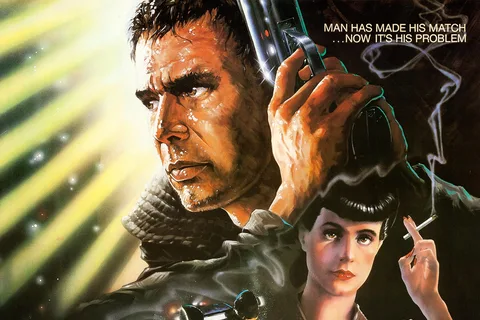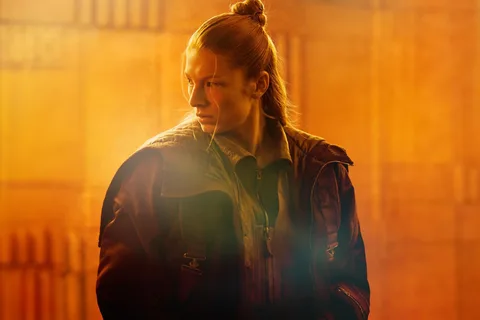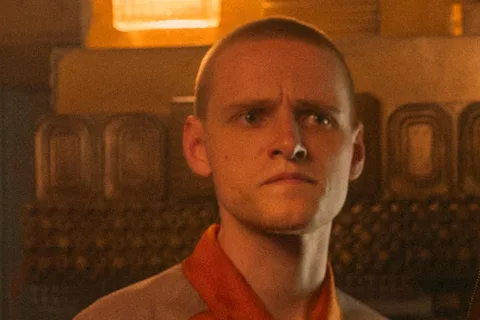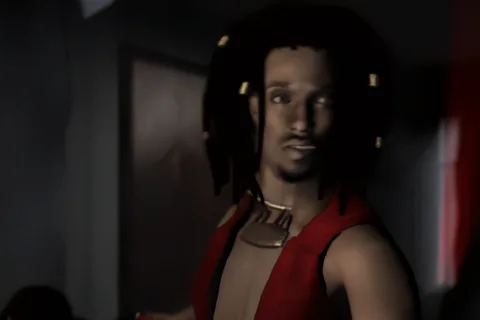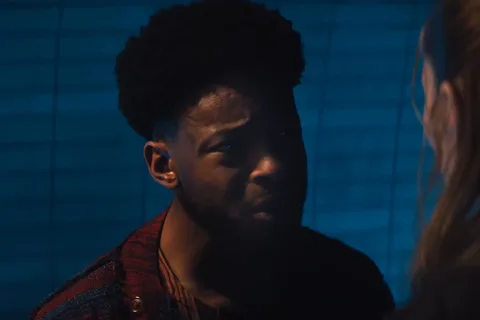

The Off-World Colonies are the human settlements beyond Earth in the Blade Runner universe, the new life that the blimps advertise over Los Angeles. The 1982 film made them the reason replicants exist, a frontier built on slave labor and fought over by replicant soldiers. By 2049, Niander Wallace claimed nine new worlds, and the campaign on Calantha had produced veterans who later hid on Earth. Scripts, comics and games named more colonies, from the Moon and Mars to Arcadia and the Argentine Moons. The idea itself began with the Mars colonies of Philip K. Dick's Do Androids Dream of Electric Sheep?, where every emigrant received an android servant.
The Emigration Process
A New Life Awaits You
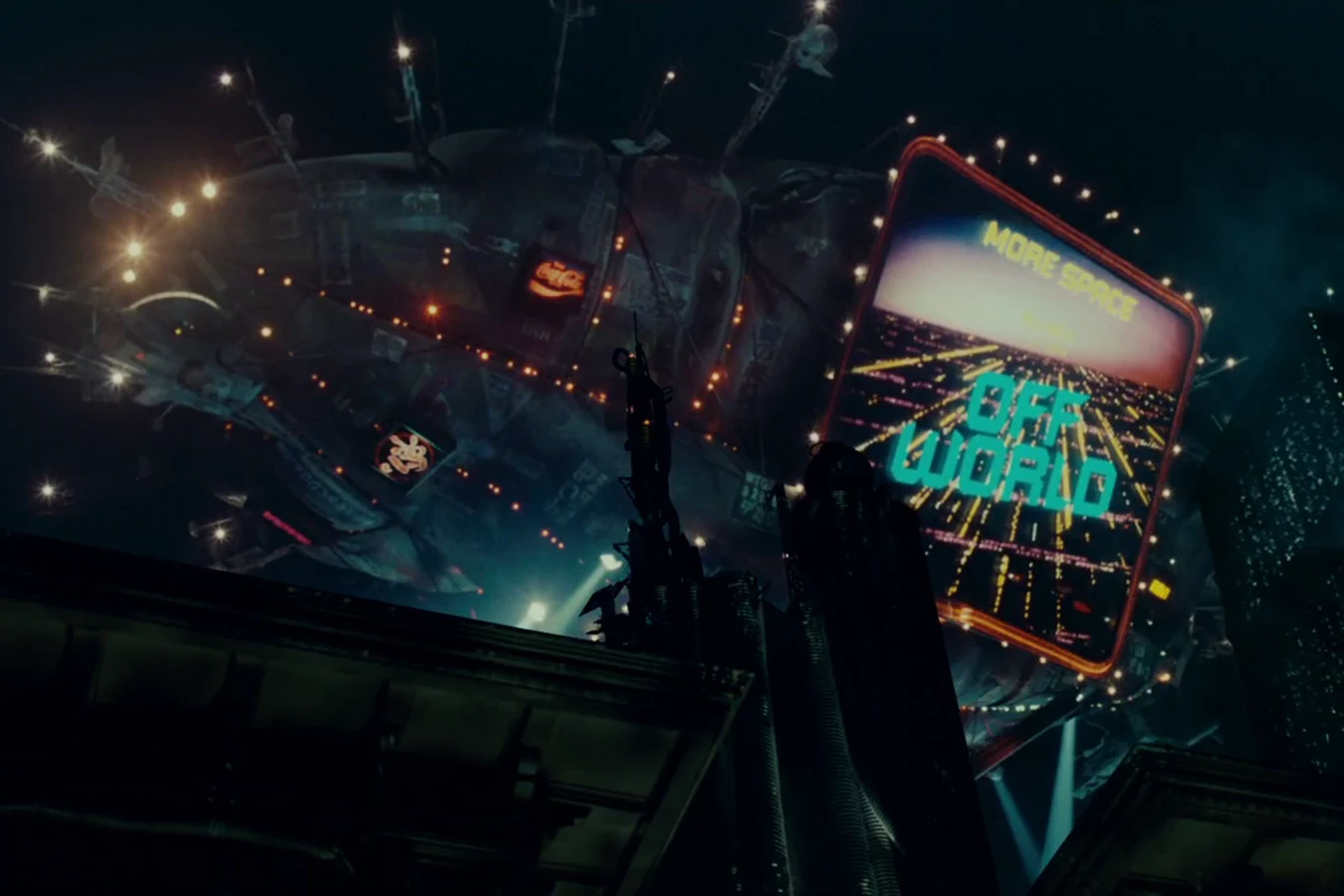
Blade Runner moved the story to Los Angeles in 2019 and never showed a colony on screen. Its opening crawl explained that replicants were used off-world as slave labor in the hazardous exploration and colonization of other planets. The colonies reached ordinary people through advertising, as a blimp drifted over the city promising that a new life awaited in the Off-world colonies. Emigration was not open to everyone. J.F. Sebastian stayed behind because he could not pass the medical, and the streets below the blimps belonged to those too poor, sick or unlucky to leave Earth.
The Carrot And The Stick
The recruitment pitch rested on a reward. The blimp announcement, pieced together from dialogue across versions of the 1982 film, promised a new climate, recreational facilities, easy advancement and great pay, plus a loyal, trouble-free companion given free on arrival. Emigrants could use the custom-tailored, genetically engineered replicant as a personal body servant or a tireless field hand. Hampton Fancher's July 1980 draft had already put the offer on a restaurant television, a free humanoid robot with a choice of seventy-nine personality types. In Dick's novel, U.N. law gave every emigrant an android servant of their choice.
The stick was Earth itself. In the novel, radioactive dust left by World War Terminus drove the United Nations to make emigration a survival policy, sold with the slogan "Emigrate or degenerate!" Those damaged by the dust were classed as specials and barred from emigrating, the fate of John Isidore in the novel and of Malcolm Reed in the prequel comic Dust to Dust. Those who stayed faced a dying planet, its animals nearly extinct and its cities emptying as the healthy left.
Replicant Labor
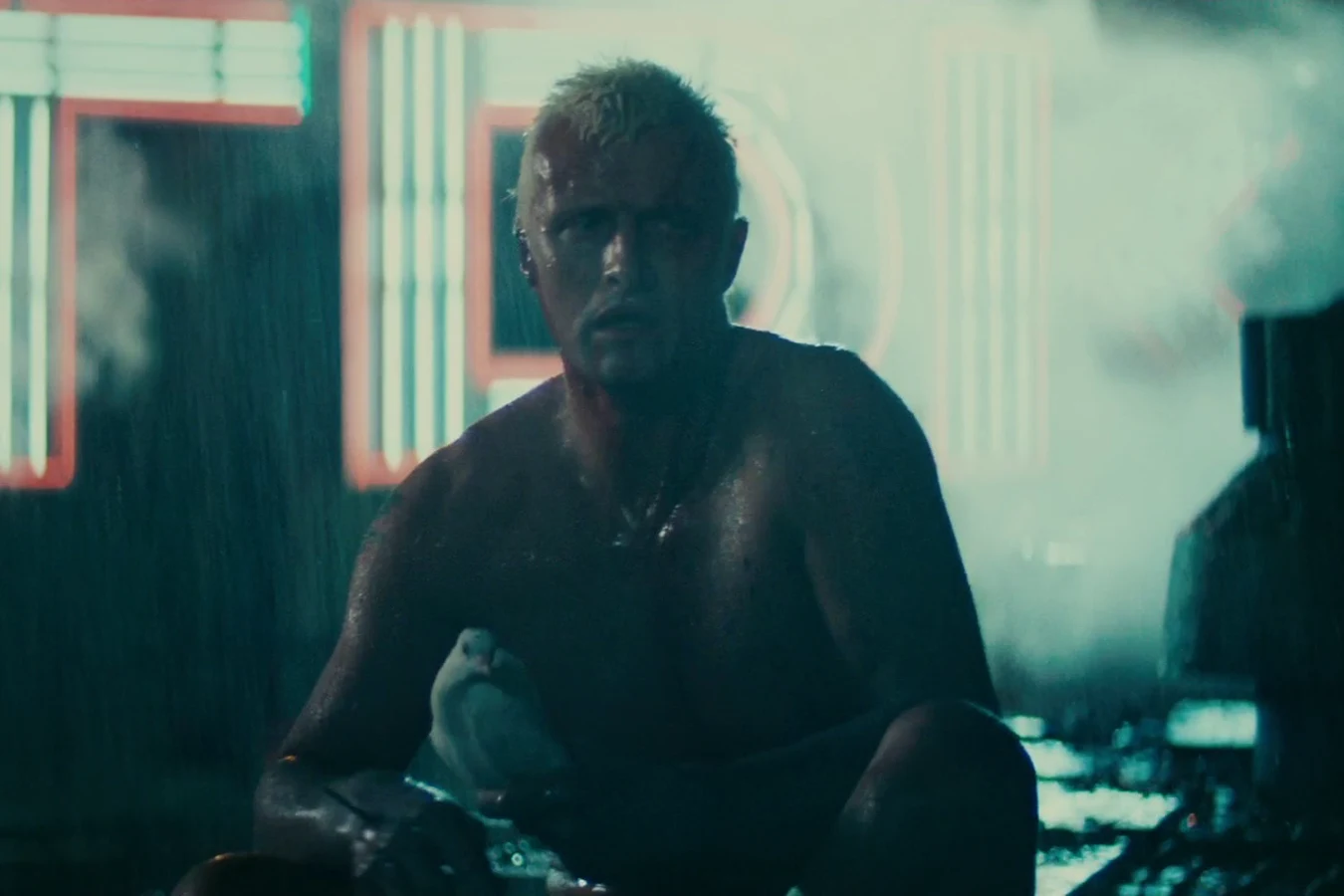
Every replicant in the film came from that frontier, and Bryant summed up Leon as an ammunition loader on intergalactic runs. Captain Harry Bryant told Deckard that an escape from the Off-world colonies two weeks earlier had left 23 people slaughtered, and that the fugitives had jumped a shuttle. Zhora had been trained for an off-world kick murder squad, while Pris was a basic pleasure model. The Tyrell Corporation built them to order, and a bloody off-world mutiny by Nexus-6 combat models had made replicants illegal on Earth. Their leader, Roy Batty, was a combat model built for the wars of the colonies.
Westwood's 1997 Blade Runner game, set alongside the film in 2019, added detail from the streets. Replicants were used off-world for combat and for high-risk industrial deep-space probes. Its clues included radiation goggles from the Off-World Wars, and a veteran named Crazylegs said he had lost the use of his legs defending people off-world. The noodle dish nu-sooch was soya mixed with off-world lichen. Clovis brought his group to Earth on a hijacked moonbus and called his followers to the heavens to fulfil their destinies Off-World, and the game also mentioned an off-world penal colony.
Nine New Worlds
Blade Runner 2049 showed what the colonies had become thirty years later. Luv said the outer colonies would never have flourished had Wallace not bought Tyrell, and Wallace boasted that his replicants had taken humanity to nine new worlds. He saw every leap of civilisation as built on a disposable workforce and complained that he could only make so many, which was why he wanted replicants that could breed. On Earth, adverts promised a connection to Off-world any time, any place, and Luv told one customer that Off-world was waiting. The Wallace Corporation now held the replicant trade that kept the colonies running.
Most people never went. At an orphanage in San Diego, Mister Cotton put children to work stripping old machines for nickel he said was meant for the colonial ships, and for the grand life Off-world they would never see. Ana Stelline said her parents had passes to leave, but she took sick and stayed behind. Even Sapper Morton carried a colonial medical kit marked as military issue, and it led K to guess at once where the protein farmer had served.
The Off-World Emigration Program
Free League's Blade Runner: The Roleplaying Game gives the fullest history of the colonies. Its Off-World Emigration Program began in the late 1990s, with the Moon and Mars as the first habitable colonies. Johnson & Murikami built the climate control that made settlement possible, and Shimago-Domínguez built the interorbital frigates that carried emigrants there. By the third generation of replicants, the complimentary servant had become a staple of colonial life. After Wallace's protein arrived in 2025, colonisation expanded to nine worlds plus mining outposts, each major colony run by a megacorporation, and Nexus-8 replicants were reserved for off-world use. When the Blackout struck Earth, many industry titans moved off-world.
By the game's 2037, emigration ran under U.N. oversight but was managed by megacorporations such as Shimago-Domínguez and Shimata. Applicants faced bone density and intelligence tests, and many took emigration loans at 36 percent interest. Workshare programs funded terraforming crews, mining, labor camps and colonial defense. The old slogan "Emigrate or degenerate!" survived, because Earth still outbred the colonies ten to one. Those who failed were branded Specials and often smuggled out on fake visas, while deep-space mining settlements turned into warzones as megacorporations fought over them with expendable replicant armies.
Colonization Defense Program
The Colonization Defense Program was the U.N.'s military arm in Blade Runner: The Roleplaying Game, funded partly through workshare contracts. The rules call it the only thing keeping the megacorporations from open warfare. Before the Blackout, the corporate wars over colonies and mining camps were fought almost entirely by Nexus replicants on both sides, and rumours of a bloody off-world mutiny spread back to Earth. In the films, the veterans of such wars include Freysa and Sapper, who left the colonies behind and went into hiding on Earth.
All Known Off-World Colonies
Few colonies are named on screen. The 1982 film's blimps advertised the Off-world colonies only in general terms, so most names come from early scripts, tie-in comics, novels and the roleplaying game, and no single source maps them all.
Calantha
Calantha is the best-known colony battlefield of the films. In Blade Runner 2049, K asked Sapper whether he had served there and told him it must have been brutal, and Lieutenant Joshi later noted that Sapper went AWOL after Calantha. Mariette told K that Freysa Sadeghpour had fought with Sapper there. The Free League roleplaying game describes Calantha as a hellscape where replicants died in droves for megacorporations that tracked their losses with the indifference of a bean counter. Its Replicant Rebellion expansion makes Freysa a combat engineer who served there with Sapper.
Black Out 2022 and Titan's comics spell the name Kalanthia. In the short, five Nexus-8 models escaped from the colony, and their leader Iggy Cygnus said he saw the truth on its fields before his group caused the Blackout of 2022 in Los Angeles. Blade Runner: Origins opened in 2007 with the siege of Kalanthia, where the soldier Cal Moreaux held a hangar corridor and the survivors around him proved to be early replicants from a sealed Tyrell box. Blade Runner: Tokyo Nexus flashed back to the colony three and a half Earth years before its main story, when two soldiers fought there before escaping.
Tannhäuser Gate And Orion
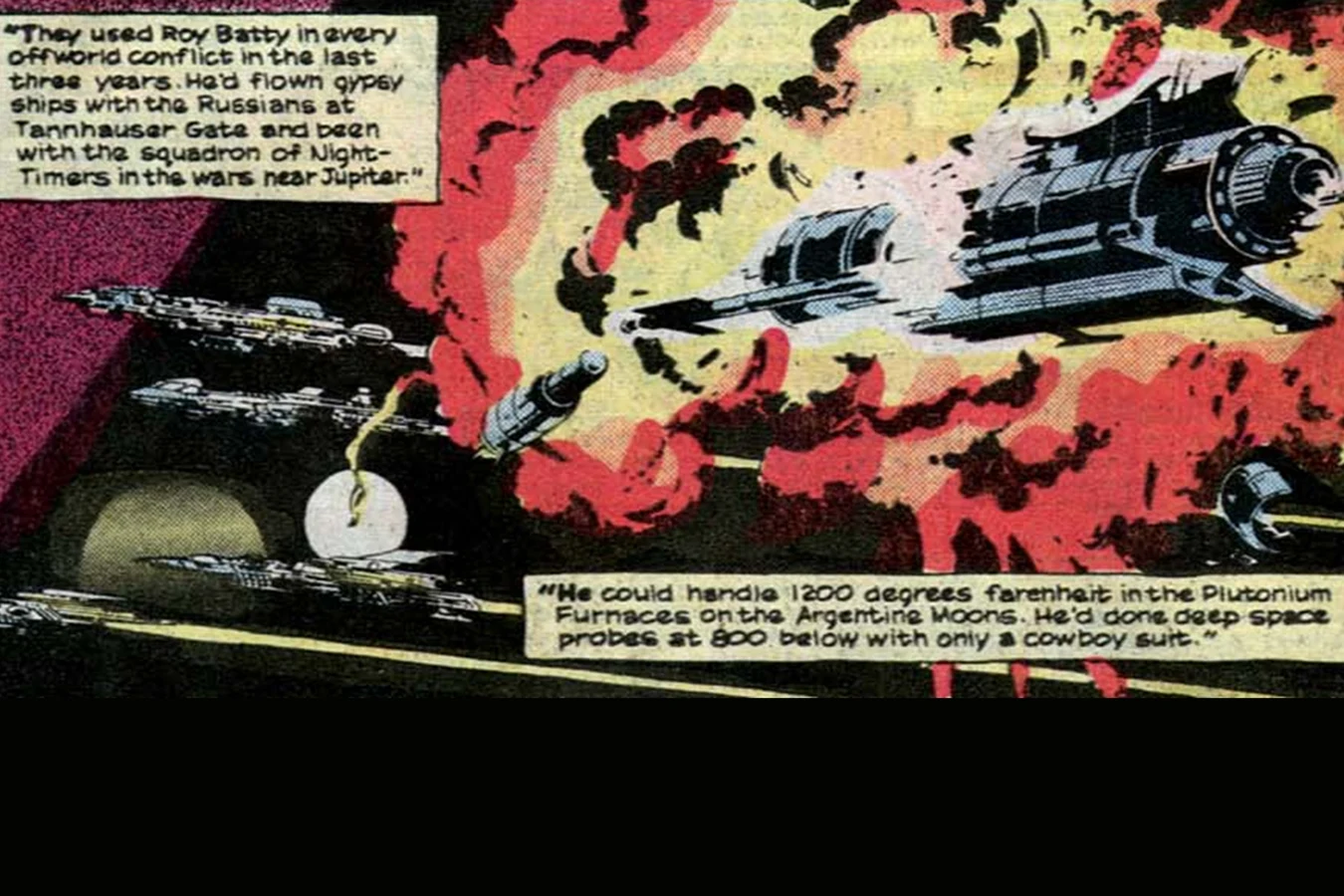
The Tannhäuser Gate and the shoulder of Orion were the two places Roy named in his last speech in the 1982 film. He saw attack ships on fire near one and C-beams glittering in the dark near the other, and the film never said what or where either place was. Marvel's 1982 {E('BladeRunnerMarvelComic','comic adaptation')} added that Roy flew gypsy ships with the Russians at the gate, and its splash page showed the battle behind those words, with burning warships over a distant moon. Both were battlefields rather than settlements, remembered only by the replicant who fought there.
Mars
Mars is the oldest colony in the Blade Runner stories, even though the 1982 film never names it. In Dick's novel, New America was the chief U.S. settlement there, and the Rosen Association built its Nexus-6 androids at a parent factory on the planet. The roleplaying game makes Mars and the Moon the first habitable colonies of the emigration program in the late 1990s, kept livable by Johnson & Murikami climate control. In K. W. Jeter's Blade Runner: Replicant Night, Deckard waited in a U.N. emigrant transit colony on Mars, where no transports had left for the far colonies in years.
The Moon
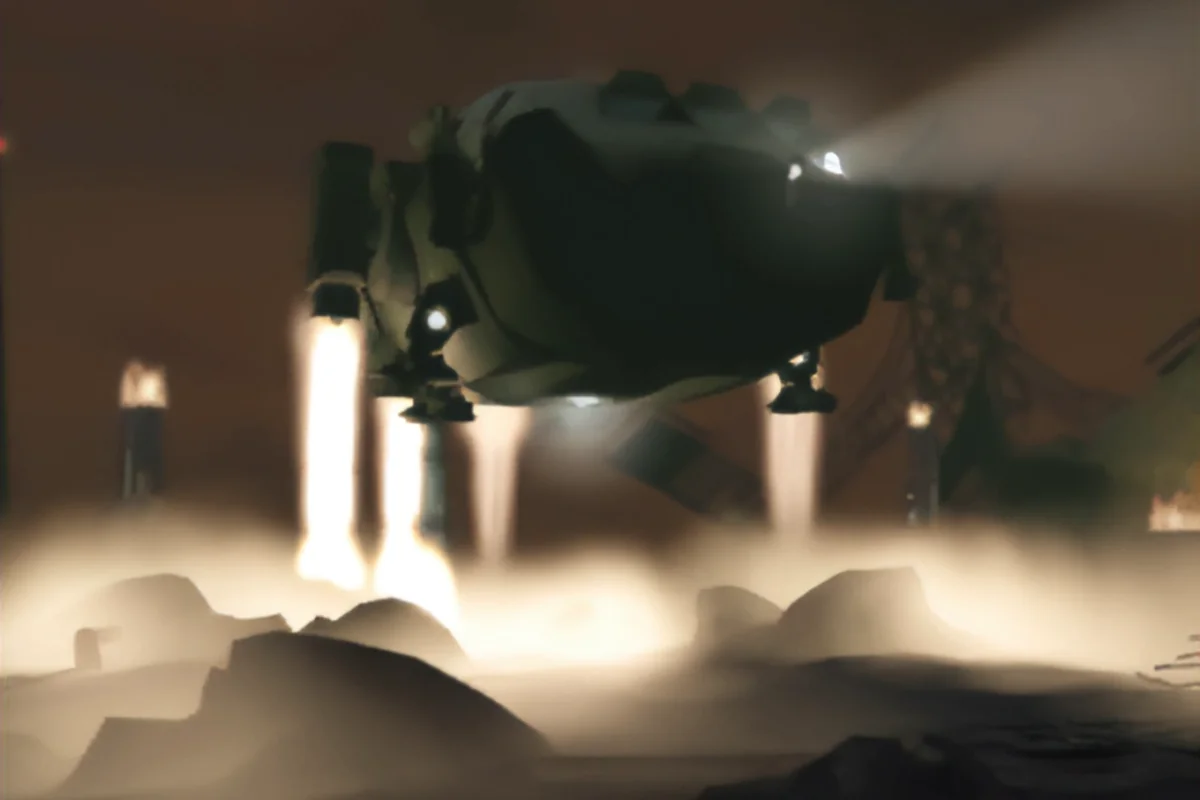
The Moon was the first colony of the roleplaying game's Off-World Emigration Program, settled alongside Mars in the late 1990s. After Wallace's protein arrived in 2025, it became a spaceport, transit hub and protein producer. Travel between Earth and orbit ran on moonbuses, small shuttles for off-world transits. In the starter case file Electric Dreams, a towering moonbus descended on the ruined Hollywood Sign to carry fugitive Nexus-8s toward Arcadia. In Westwood's 1997 game, Clovis's replicants came down on a hijacked moonbus that crashed in the Kipple, and in one ending McCoy left aboard it with them, bound off-world.
Dominguez-Shimata Colony
The Dominguez-Shimata Colony is the one settlement the 1982 production named on its blimps. In the February 1981 screenplay by Hampton Fancher and David Peoples, the blimp said the colony wanted supervisory recruits and families, and promised a Johnson and Murikami California Climate and the famous Elysium Crater Resort. Marvel's 1982 adaptation kept the blimp's call that the colony needs you. The 1992 Director's Cut added a blimp line crediting the announcement to the Shimata-Dominguez Corporation, helping America into the new world, a line first heard in the workprint. The roleplaying game splits the name between two megacorporations, Shimago-Domínguez and Shimata.
The 1982 children's book Blade Runner: A Story of the Future treated Dominguez and Shimata as two separate space colonies, with a blimp offering each qualified emigrant a free Tyrell Nexus replicant to serve them there. Bryant told Deckard that the four escaped replicants had killed twenty-three people when they broke loose on Dominguez, before hijacking a space shuttle to Earth. In Blade Runner: Black Lotus, set in 2032, a blimp announcement credited Shimago-Domínguez with helping America into the new world, and Niander Wallace Jr. told the retired blade runner Joseph that his off-world arrangements were complete.
Argentine Moons
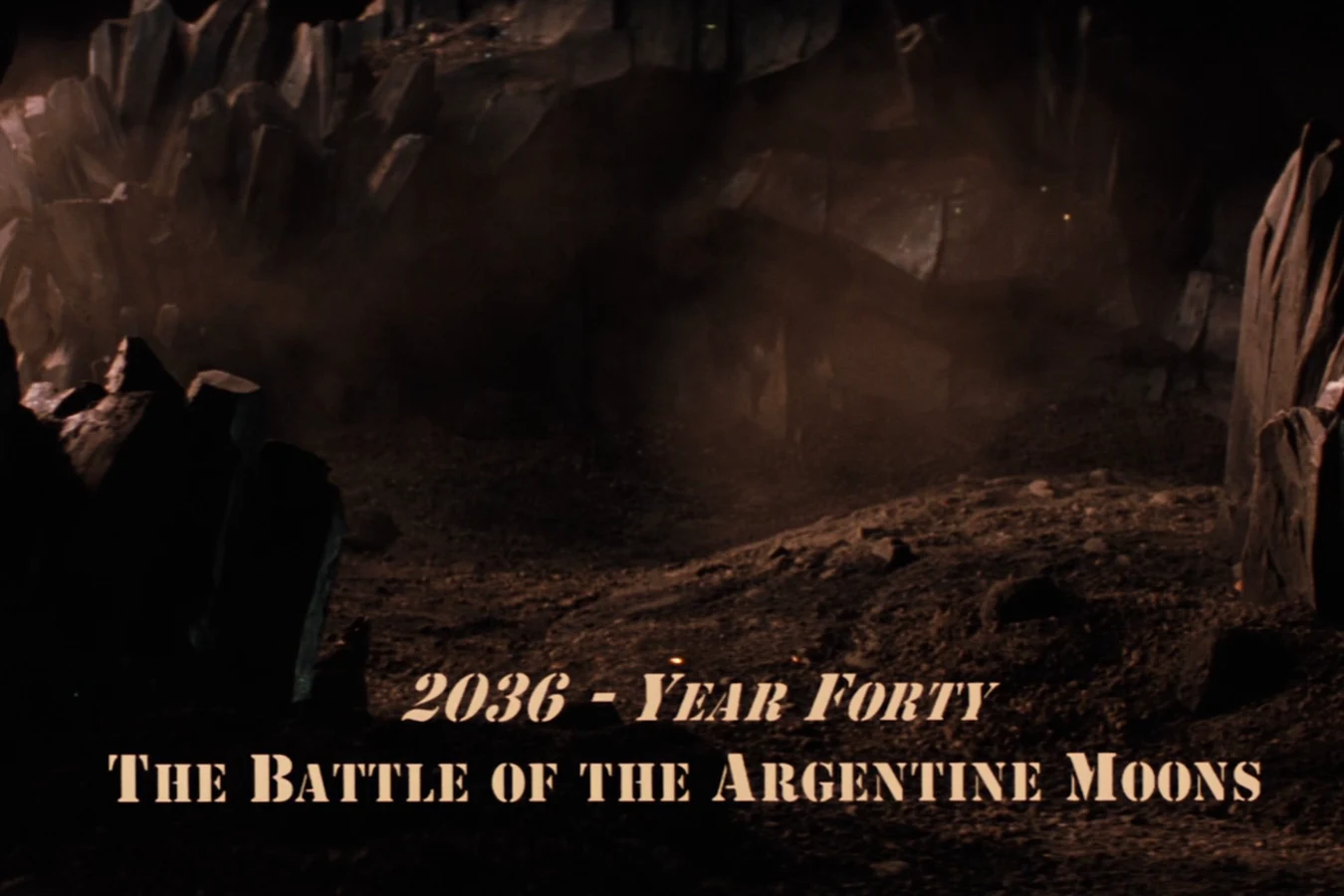
The Argentine Moons come from Marvel's 1982 adaptation rather than the film. Deckard's narration said Roy could handle 1,200 degrees Fahrenheit in the plutonium furnaces there, and that was the only detail the comic gave. Neither the July 1980 nor the February 1981 screenplay mentions them. The name turned up again in Soldier, the 1998 film written by David Peoples, whose hero's service record listed a Battle of the Argentine Moons.
Jupiter
Jupiter is named only in Marvel's 1982 adaptation, in Deckard's narration about Roy's service record. The record said Roy had been used in every offworld conflict of the last three years, and among them was his service with the squadron of Night-Timers in the wars near Jupiter. The same passage placed him with the Russians at Tannhauser Gate and credited him with deep space probes at 800 degrees below zero with only a cowboy suit. Together the details make Roy a veteran of the outer solar system as well as of the battles he remembers in the film.
Titan
Titan was where the replicant Mack had been put to work in Titan Comics' Blade Runner 2039. In a 2018 flashback, Ash cornered him on a Los Angeles rooftop and read out his record, model number N6MCK-22503, assigned to construction on Titan and missing for three months. She suggested that he had decided dying on Earth beat serving on Titan, and when he insisted that he was a person, she told him he was parts and fired. Mack survived, and in 2039 he helped Ash search for Isobel, giving her covering fire against Luv and the blade runner Rash before he was shot dead.
Arcadia
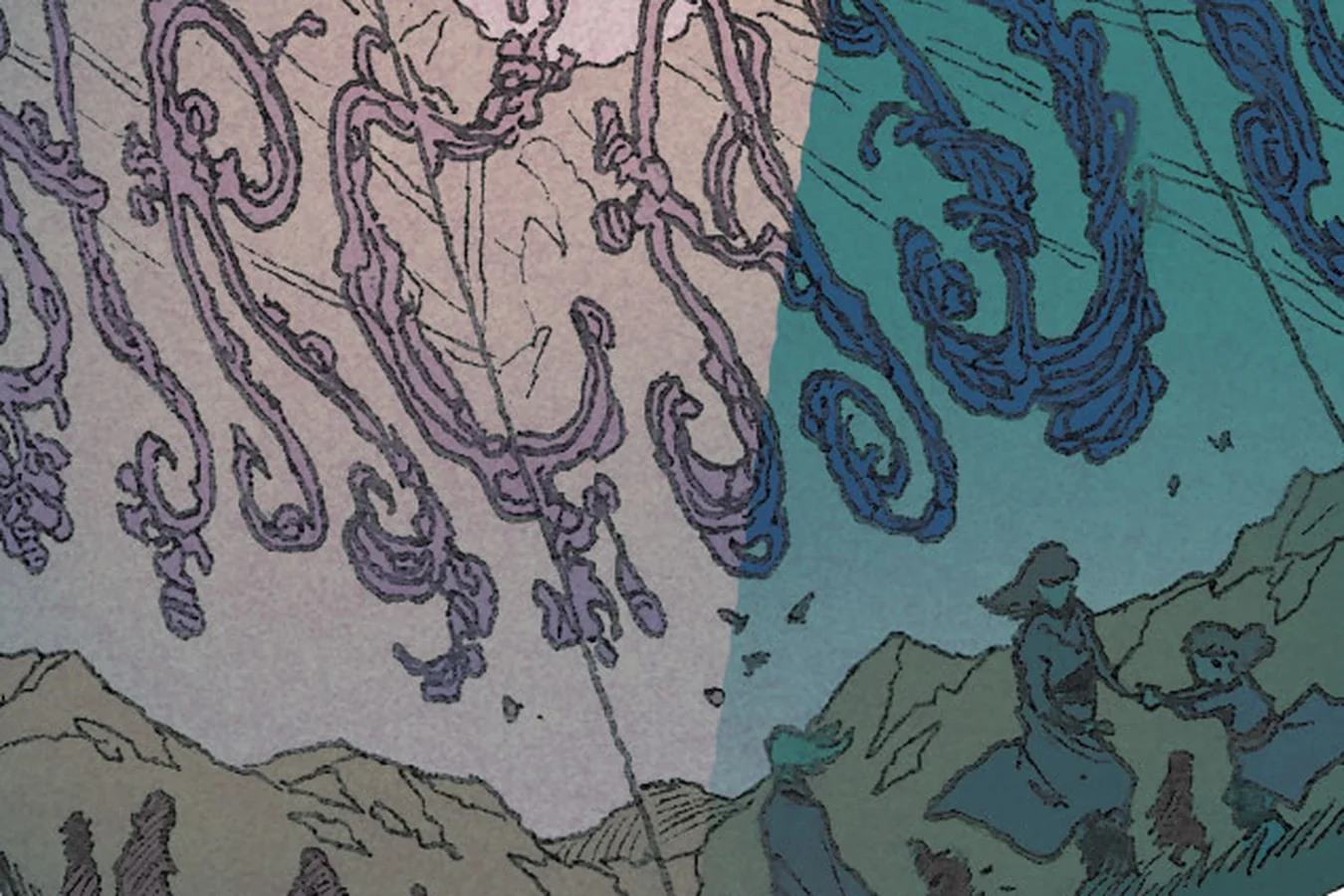
Arcadia was the colony ordinary people hoped to reach. In Titan's Blade Runner 2019, its brochure promised settlement on a limited basis for qualified applicants and told readers that heaven waited for them off-world. In 2020, the former blade runner Ash read that brochure to the young Cleo Selwyn as a bedtime story. Six years later, the Hartawan at Ramanuja warned Cleo that Arcadia was a place of plenty only for those who already had it, while posters for the weekly transport papered the station's transit hall. Cleo and Isobel Selwyn finally set off for Arcadia together as Ash returned to Earth.
Isobel raised Cleo there, but in Blade Runner 2039 the Wallace Corporation's people found her on Arcadia, and she led them away from Cleo. She later told Ash that her family was still there. In Electric Dreams, a Shimago-Domínguez leaflet promised a new life in Arcadia to the replicant Leah, whose implanted memories, designed by Lilith Tyrell, were of a happy family life in an off-world colony. She planned to escape there with six fugitive Nexus-8s.
Ramanuja
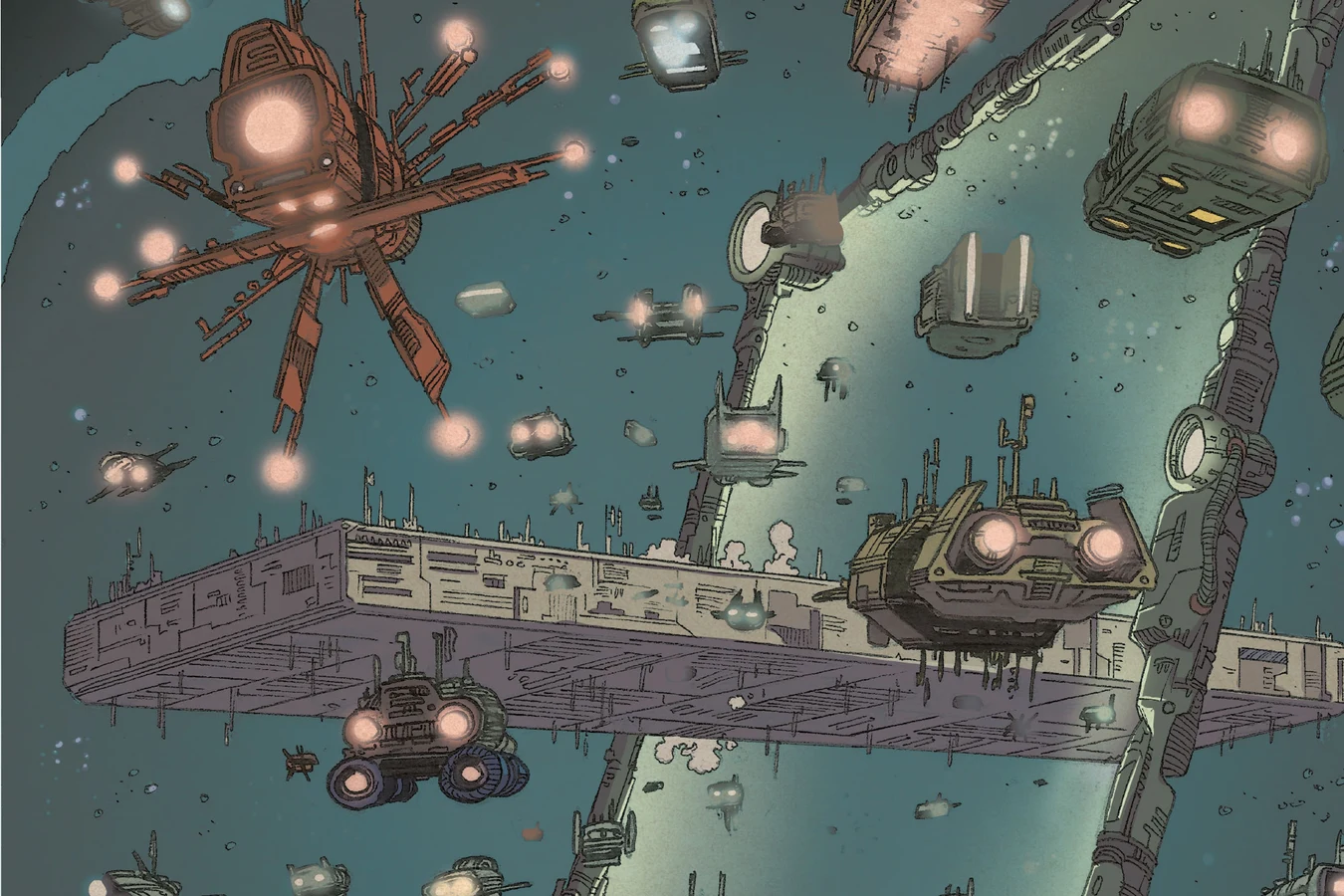
Ramanuja Station was the busiest crossroads in Titan's comics. In Blade Runner 2019, it was reached through a gate that demanded a valid cipher, and it served as a hub of a hundred trade routes and a haven for people who wanted to get lost. It had a borough called the Maze and a transit hall for ships bound for Earth. In 2026, the rogue Nexus-8 leader Pellam brought his group there to have their serial-numbered eyes removed.
Cerium Belt
The Cerium Belt was one of the places Freysa Sadeghpour named in Titan's Blade Runner 2019. She told Ash that she had completed five tours on Kalanthia and the Cerium Belt before four more on Vidar brought her total to nine. That service taught the former combat medic to repair spinal braces as readily as field wounds, and she recognized Ash's rig as an expensive Tyrell model built for the Alcazar Group. Back on Earth, she helped replicants who had escaped from the colonies live out their lives in peace.
Vidar
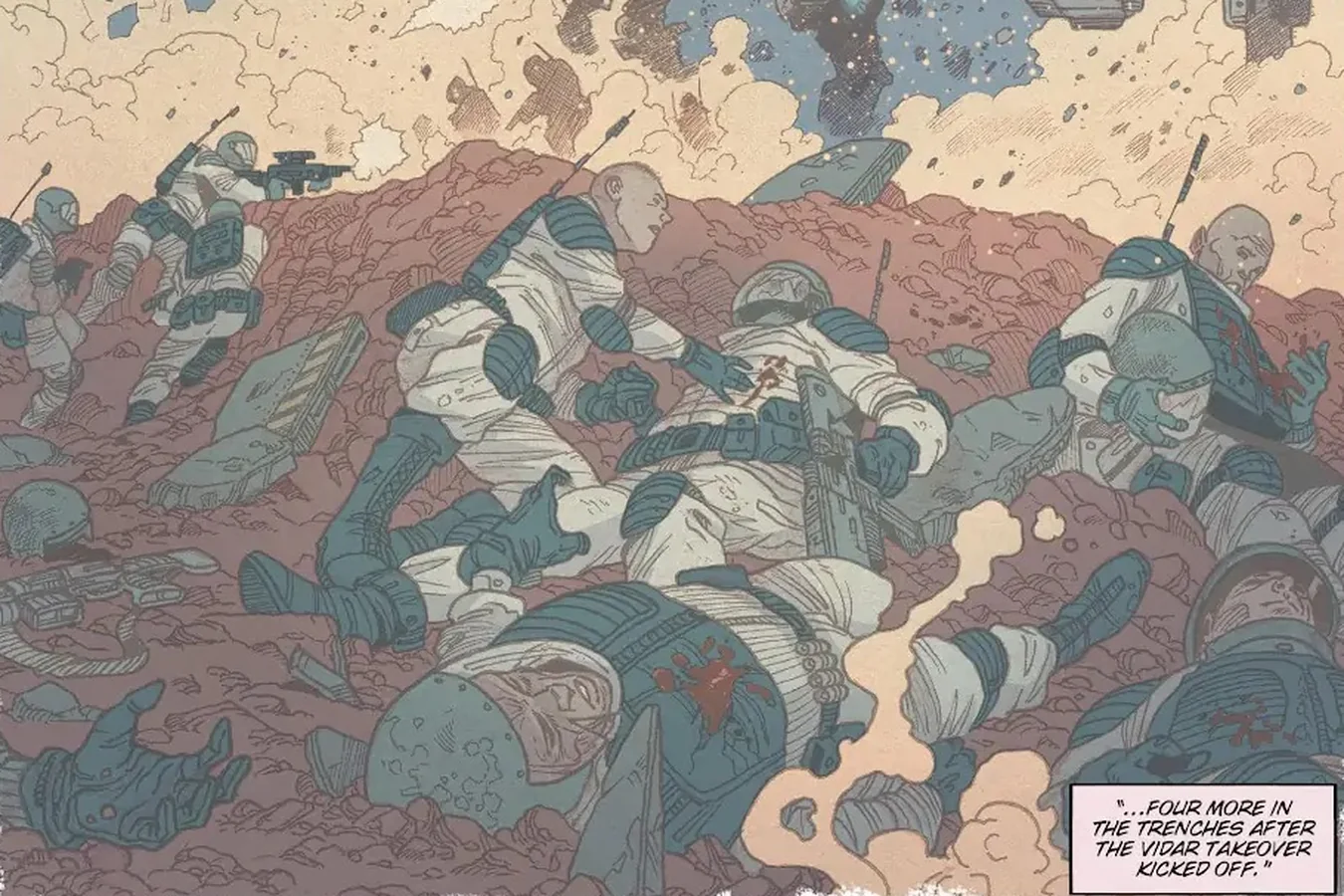
Vidar was the third war zone that Freysa Sadeghpour named when she told Ash about her service in Blade Runner 2019. After her tours on Kalanthia and the Cerium Belt, she spent four more in the trenches once the Vidar takeover kicked off, bringing her total to nine. Her flashback showed the fighting there, with armoured soldiers dying in trenches cut through red, rocky ground while giant walking war machines advanced through the smoke above them. Freysa served in those trenches as a combat medic.
Mining Colonies
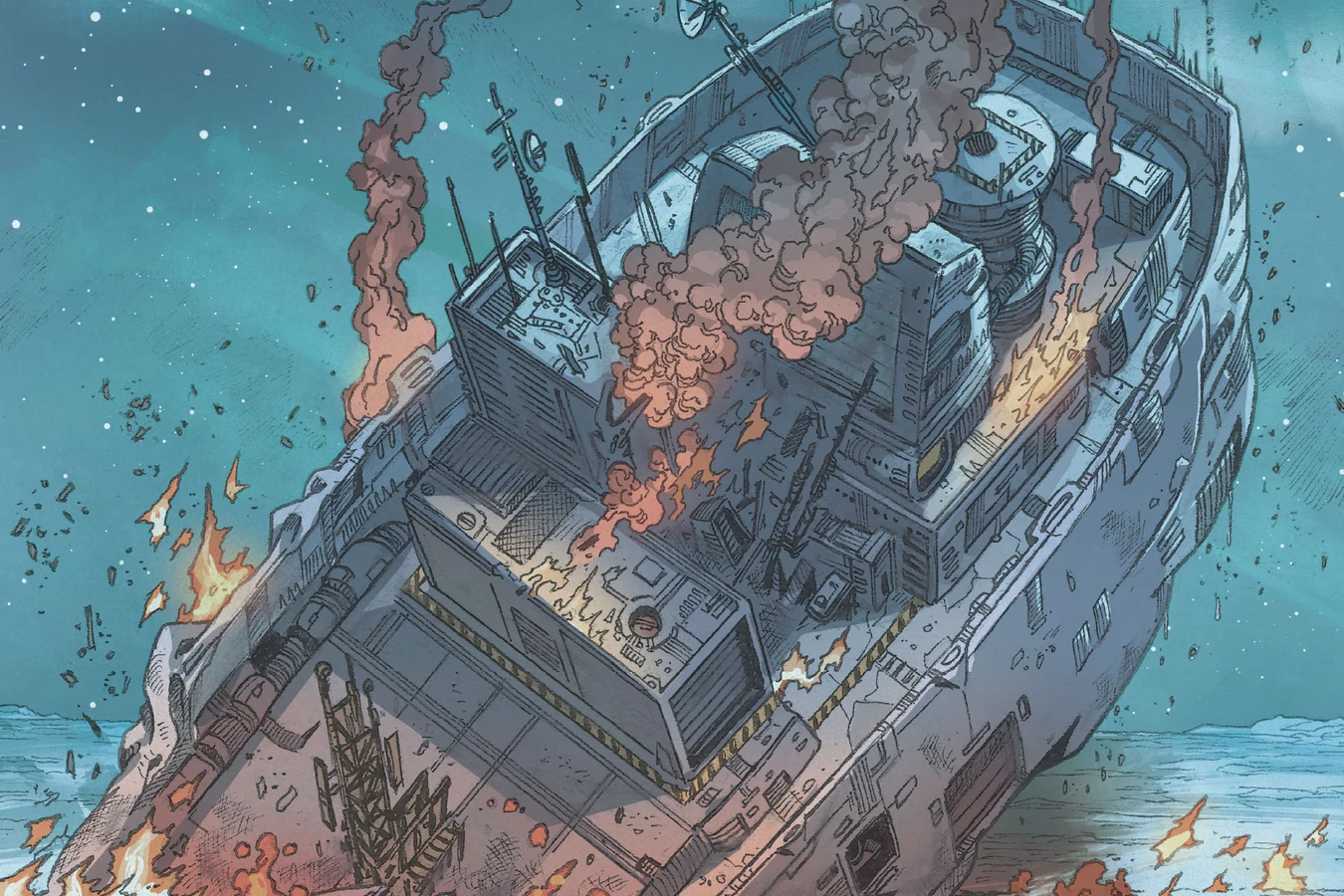
By 2026, replicant production had been banned, and the surviving Nexus-8s lived out their lifespans serving owners off-world, many of them in the mining colonies. Ash was hiding there with Cleo Selwyn, working as a shift supervisor under the name Darja Kady while Cleo passed as a boy named Ian Kady. That year rogue Nexus-8s attacked the colony, freed the other replicants and wrecked the ship the two were stationed on. Their leader Pellam took the group, with Cleo and the miner Padraic, on to Ramanuja Station.
Off-World Ice Mines
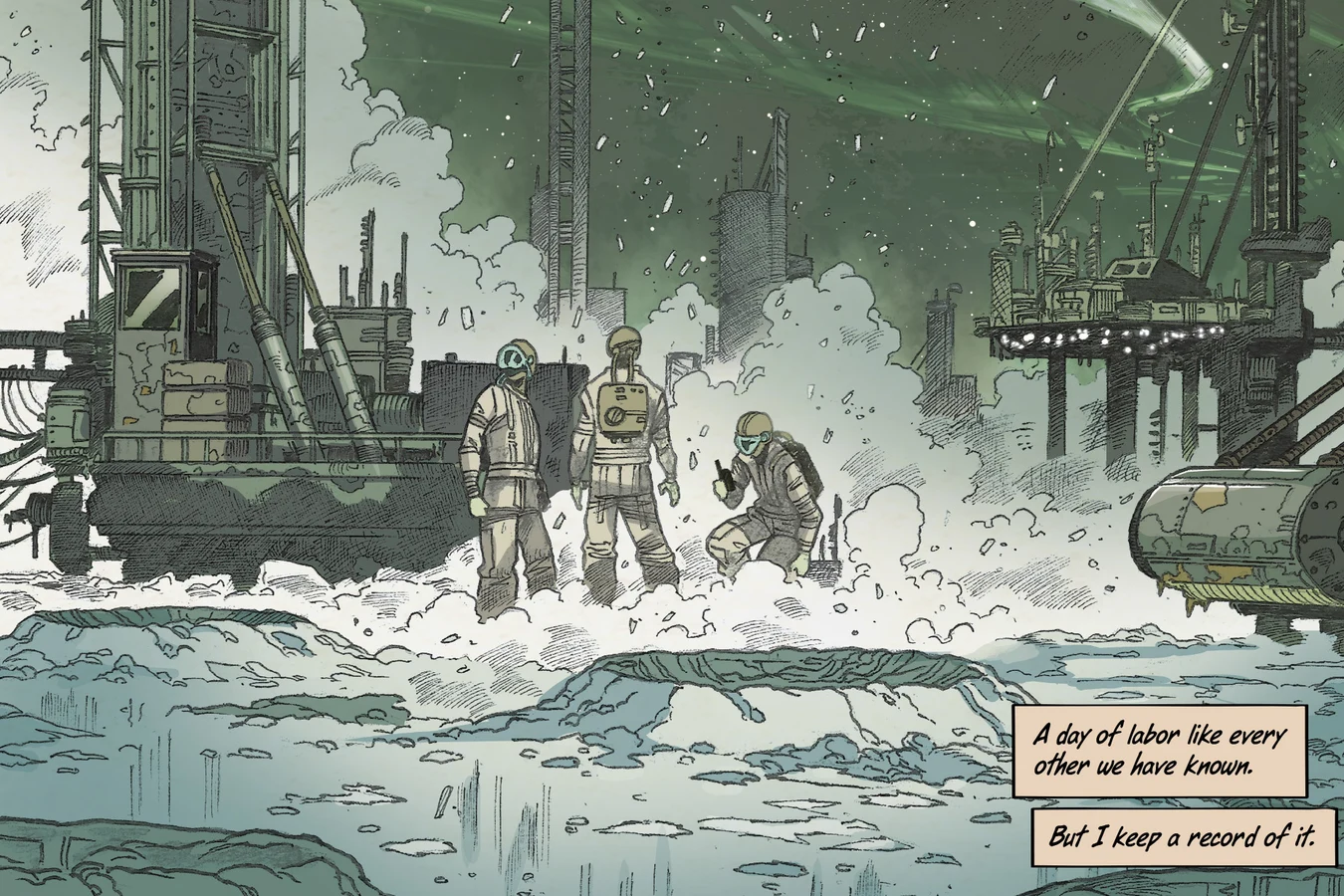
The Off-World ice mines were worked by the Heidecker-Vostro mining company, which crewed them with Nexus-8 replicants. On one ice field, a crew that included the young miner Padraic drilled into ground full of geothermal activity. When a blast of molten rock killed one worker, Padraic noted in his battered notebook that the others would not remember it and that nothing unusual would be logged. A young trader called the Rabbit, really Cleo in disguise, sold the miners small luxuries, and Padraic once paid with a glowing red stone he had found in the mine.
Mesa Echo Erebus
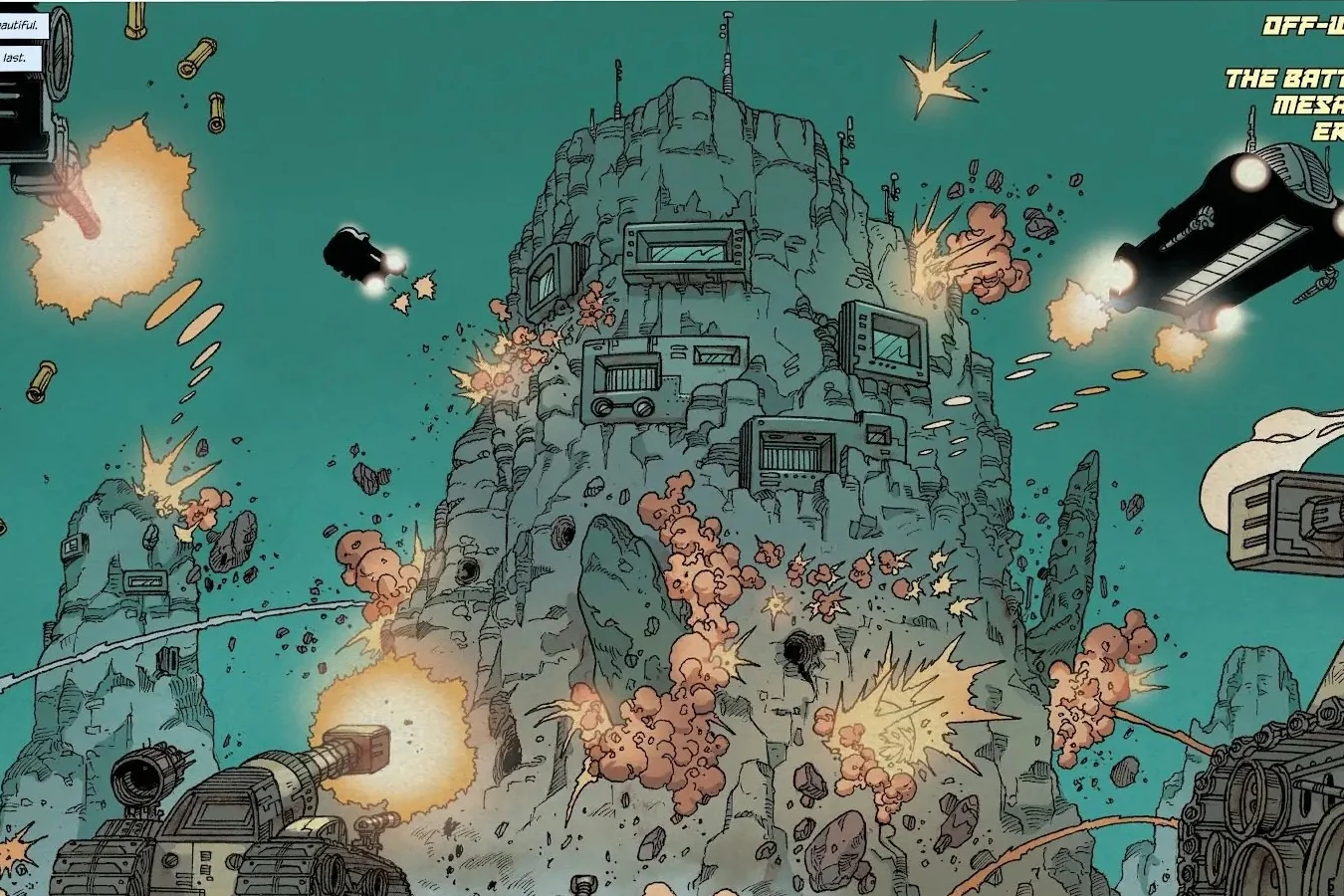
Mesa Echo Erebus was the last Off-World battle of Freysa Sadeghpour, fought in 2021 and recalled in Titan's Blade Runner 2029. Tanks and gunships fought around a fortress built into the rock, and Freysa, serving as a combat medic, was wounded there. Yotun, a Nexus-6 combat model, was one of the soldiers who pulled her out. In 2029, after he had outlived his expiration date and tried to make Los Angeles the seat of a replicant revolt, he reminded her that he had saved her that night, and the memory of the battle returned to her during his attack on the city.
Freysa, combat medic serial number 8-32943, was patching up a wounded soldier named Chiro when the battle turned, even though the rules told her not to waste medicine on a sure kill. An explosion then caught her, and her last memory of the fight was of angels falling, the soldiers who carried her off the mesa. Yotun later revealed that after escaping to Earth in 2017, he had gone back to the colonies to recruit replicants to his vision and save those he could from the slaughter they had been sold into.
Rakenu
Rakenu was the site of an off-world military campaign named in Blade Runner 2029. The replicant Ambrose served there as a combat model until 2025, when he went missing from the campaign and turned up on Earth as a care worker at the Doheny Care Facility, part of the Heidecker-Vostro health consortium. In 2029, his employer uncovered inconsistencies in his hiring, and a blade runner named Hendriks began a Voight-Kampff test in the manager's office. News reports then branded him a dangerous and unstable combat model, missing since the Rakenu campaign in 2025.
Avalon
Avalon is named in Titan's Blade Runner 2019 comics, in the story of how Ash got her spinal brace. In 2009, nineteen-year-old Ash walked into the backstreet shop of Doctor Zhang, a cybernetics dealer who kept a collection of skulls brought back from Avalon. She had saved for years toward the brace he had built for her. When Zhang tried to trade a discount for favors, she paid him instead with a bag of black-market cybernetics and a set of compromising photographs she had found.
Kalanthia Transport Depot
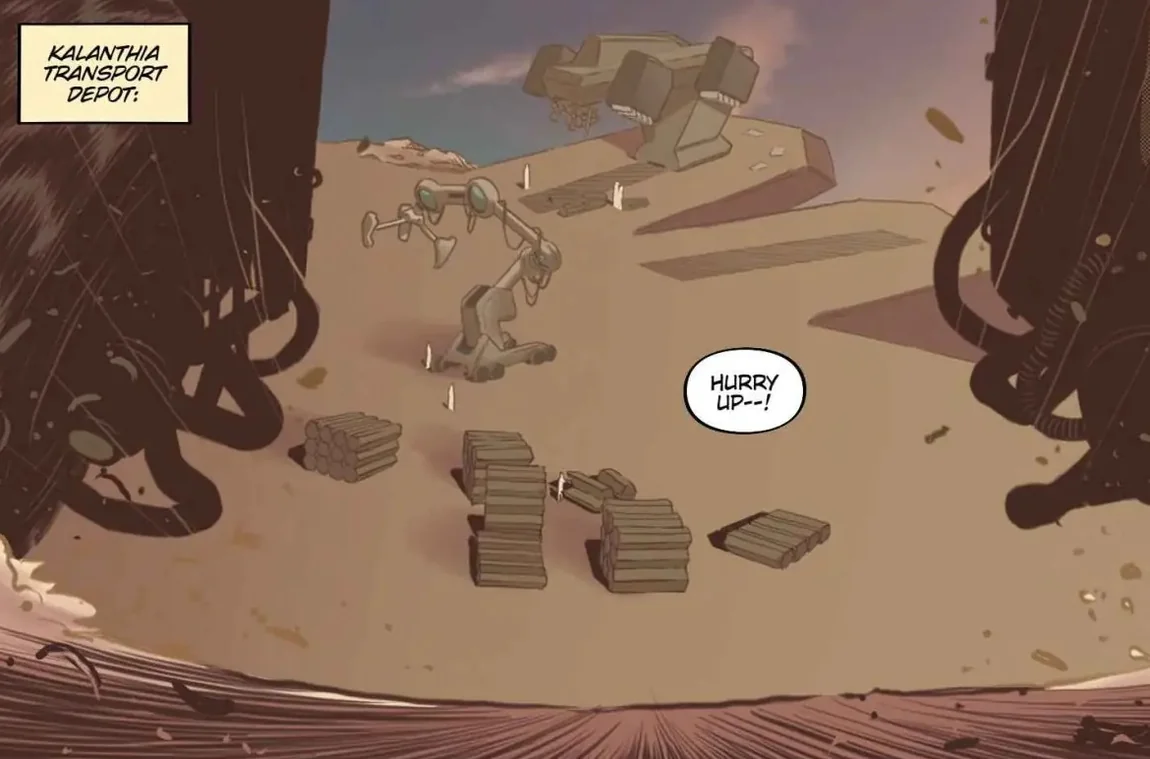
The Kalanthia Transport Depot was the colony's way off-world in Blade Runner: Tokyo Nexus. Mead, a human Marine, and the combat replicant Stix shared a neural link through the Tyrell Corporation's Aurora Program before they deserted the war on Kalanthia. They fled their barracks for the motor pool and raced across the desert in a buggy, pursued by Tyrell guards, until they reached the depot. There they found their old acquaintance Benny working as a space trucker, and he hid them in a freight crate so they could leave the colony and escape to Tokyo.
Orbiting Spaceports
In the roleplaying game, emigrants left Earth in stages. Sector 12 of Los Angeles surrounded LAX, the spaceport for off-world flights, alongside the Warehouse District and the docks along the Sea Wall, and moonbuses carried passengers from there to orbiting spaceports. Shimago-Domínguez built the interorbital frigates that took emigrants on to the colonies. The Black Lotus comic Las Vegas added that its city had once been North America's largest embarkation point for the off-world colonies.
Outer Hollywood
Outer Hollywood was an orbital studio station in Replicant Night, with crescent-shaped soundstages and a rusting mirror bank. Director Urbenton of Speed Death Productions hired Deckard there to advise a restaging of his 2019 hunt, on sets that included a copy of the Tyrell interview room. Deckard rented a skiff to get back to the station after one trip to the surface. By the end of the novel, a replicant child born at Outer Hollywood was put on the next transport to the outer colonies.
Proxima
Proxima was the farthest destination named in Dick's novel, which mentioned practice transmissions sent toward it. The Salander 3 was bound there but turned back a sixth of the way, and the Rosen Association later used the voyage as a cover story. In Replicant Night, Wycliffe claimed that the U.N. launched colonisation only after the Salander 3 returned, with Tyrell holding the exclusive franchise. The same novel revealed that a child named Rachael had slept for years inside the wreck of the ship.
Unnamed Colony From Blade Runner 2099
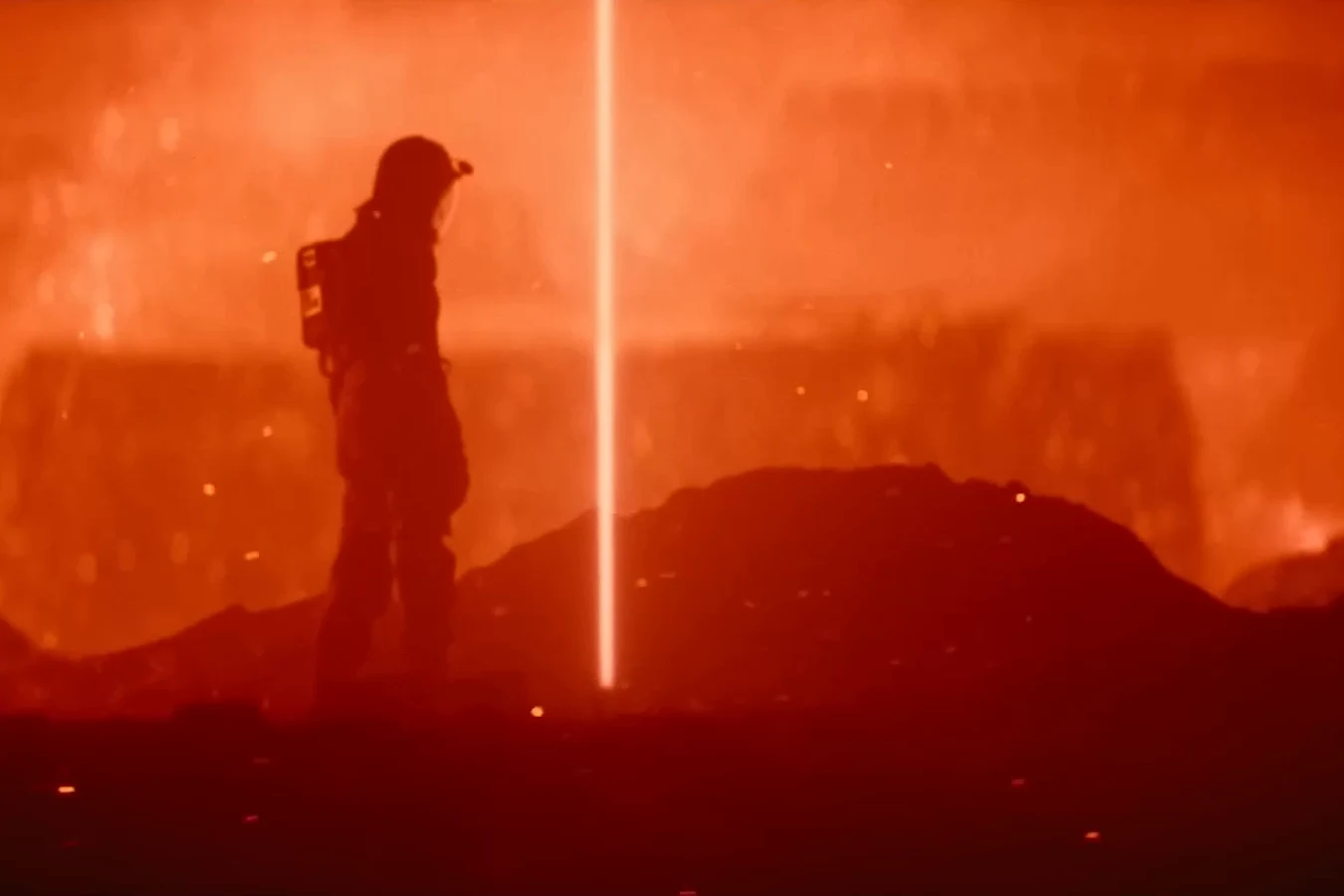
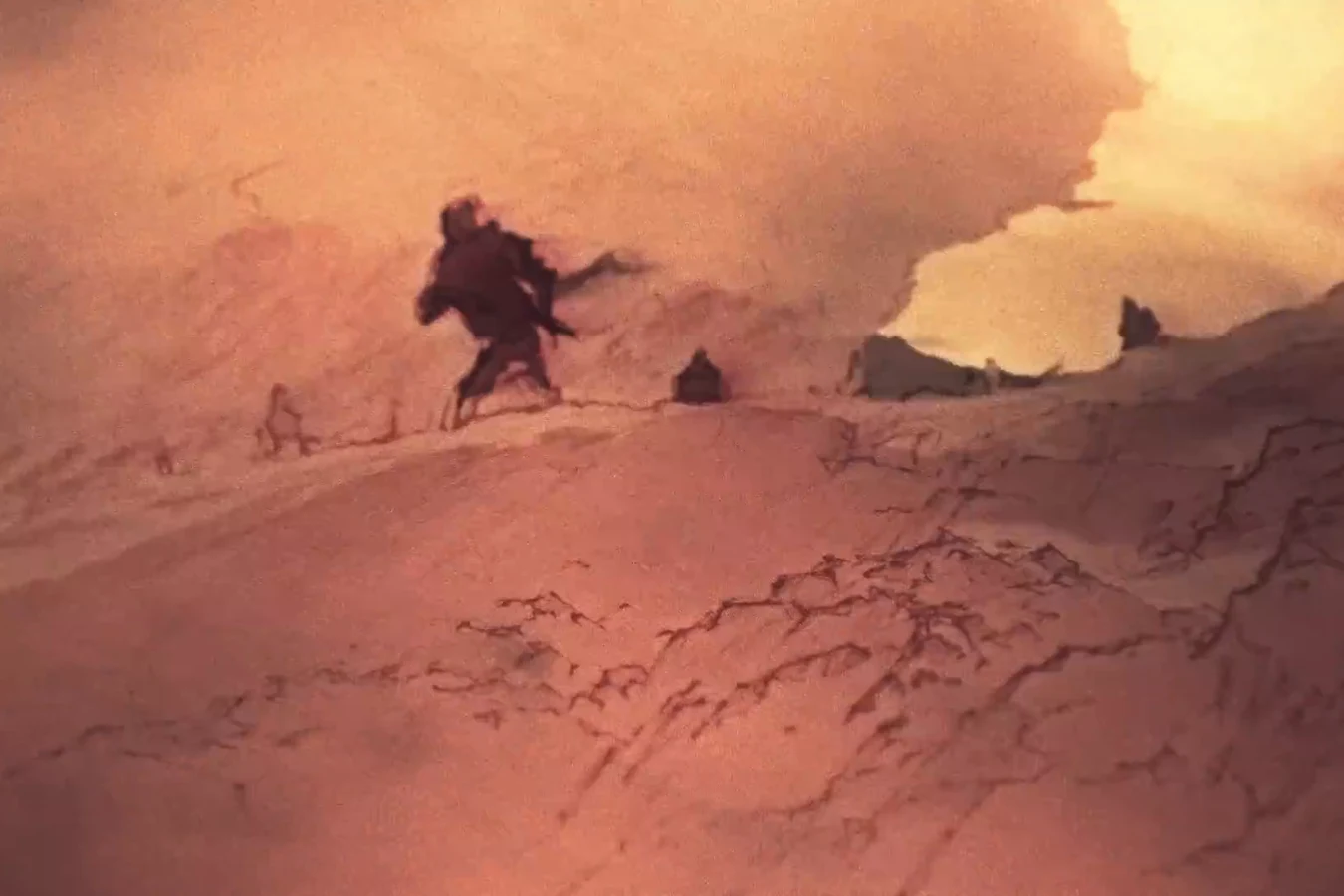
Blade Runner 2099 is set fifty years after 2049, in a Los Angeles that replicants held after a war the humans lost. Its first Prime Video teaser also showed a suited figure crossing red rocky ground beside a vertical beam of light, under a sky full of drifting embers, in a place the footage never names. The series' lead replicant, Olwen, came from off-world, where she terraformed planets and was called a birther of worlds. That off-world past left her more room for empathy as she hunted humans in the city the replicants now held.
Outer Colonies
The outer colonies were the far worlds named in the films and expanded in Jeter's novels. In the 1982 film, Pris was a basic pleasure model for military clubs in the outer colonies, and in 2049 Luv credited Wallace with making them flourish. In Replicant Night, slaves there had risen against their masters, and the replicants controlled the territory. Marley claimed that outer-colony replicants lived past four years and reproduced, and Eye and Talon had stockpiled replicants shipped to colonies in the outer star systems.
Origins In The Novel
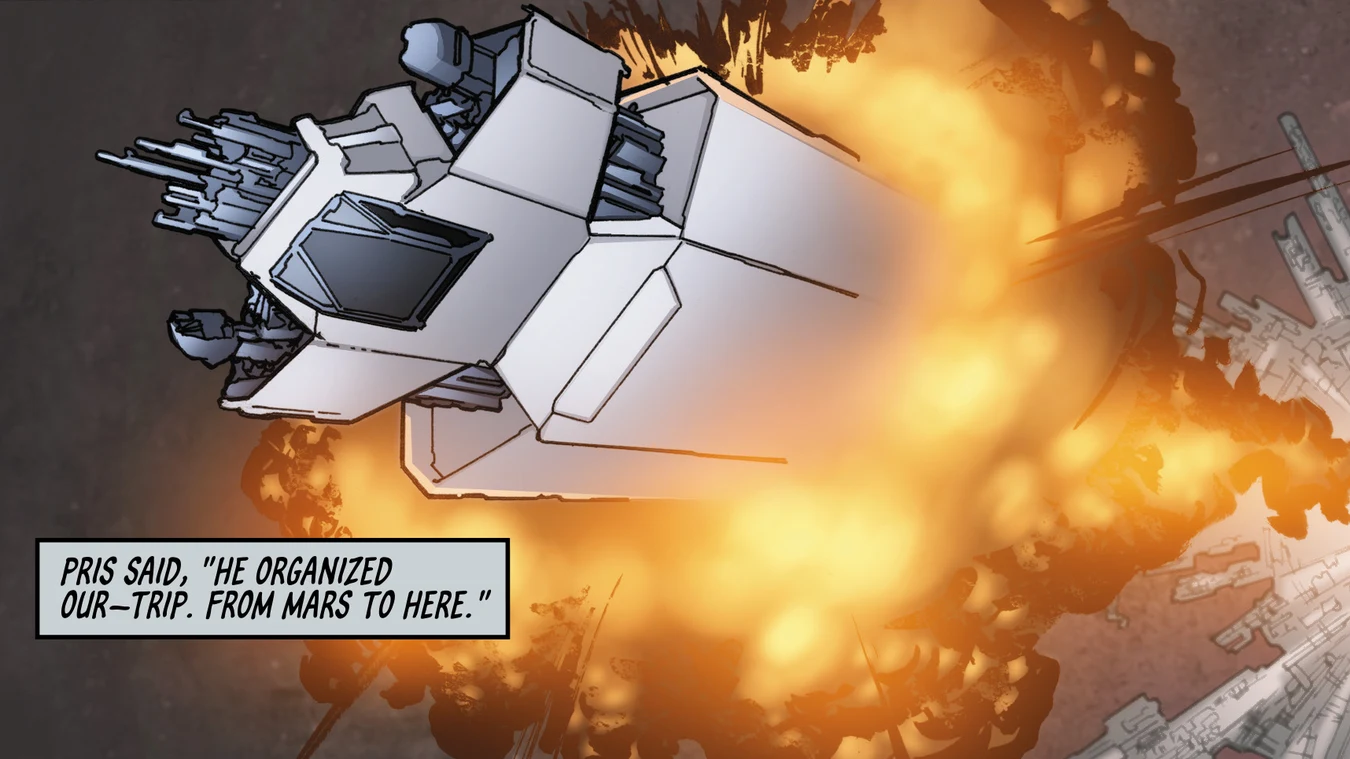
Emigrate Or Degenerate
Dick's novel traces the colonies to a meager colonization program that already existed before World War Terminus. After the war, radioactive dust drove the United Nations to turn emigration into survival policy. The Synthetic Freedom Fighter, a wartime weapon, was modified into the organic android and became, in the novel's words, the mobile donkey engine of the colonization program. U.N. law gave every emigrant an android subtype of their choice. The book sums up the policy as the android servant as carrot and the radioactive fallout as stick, under the slogan "Emigrate or degenerate!"
The ties between colony and factory ran deep. The Rosen Association built its Nexus-6 androids at a parent auto-factory on Mars, under colonial law rather than Earth's. Its spokesman argued that android manufacture was so bound to colonization that if one failed, the other would fail with it, and that the company only produced what the colonists wanted. Television carried the same pitch. Buster Friendly broadcast to the colony planets, and a government interview had Maggie Klugman, a colonist in New New York, praise the dignity of owning a servant.
Life On Mars
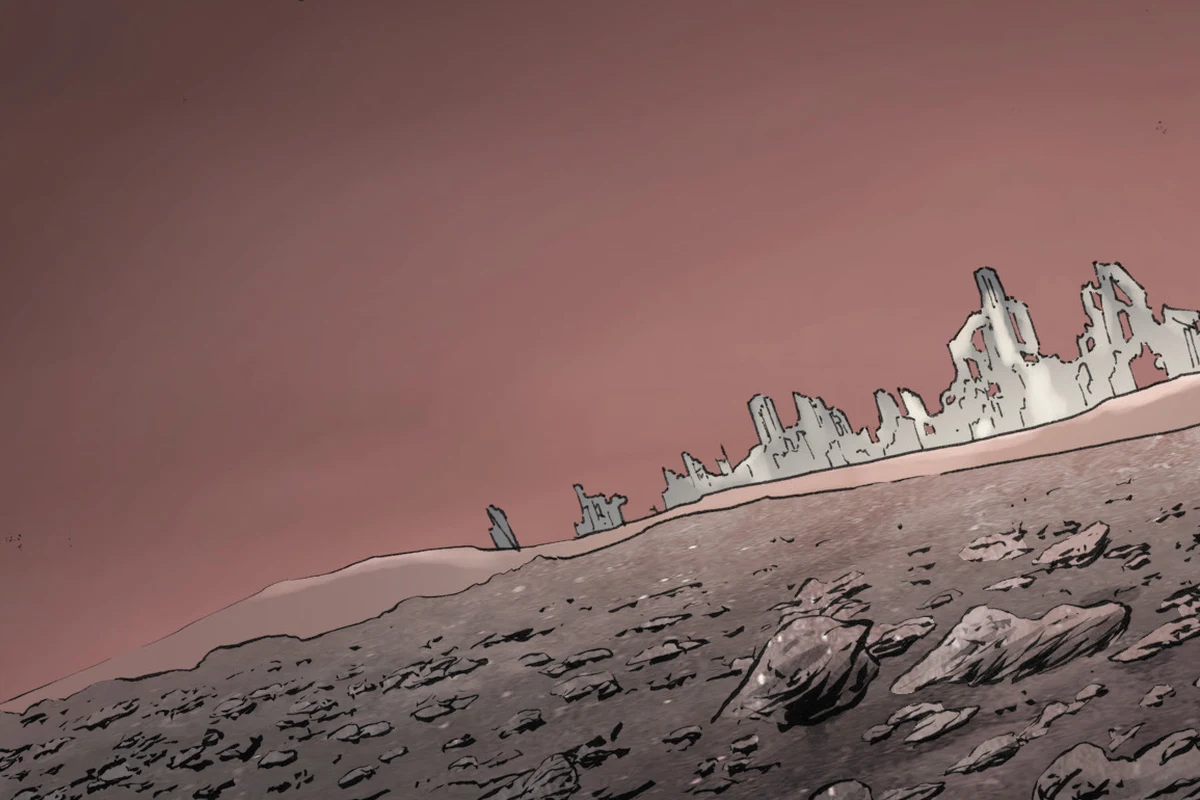
New America was the chief U.S. settlement on Mars, and New New York another colony town where emigrants built new lives around their androids. The escaped androids remembered Mars differently. Pris Stratton told John Isidore that all Mars was lonely and was never conceived for habitation, and that pre-colonial fiction was smuggled there to pass the time. Roy Baty and his wife Irmgard ran a drugstore near New New York before they fled. Phil Resch claimed colonists kept android mistresses, and Rick Deckard pictured Luba Luft toiling on a fundamentally uninhabitable colony world.
The Salander 3
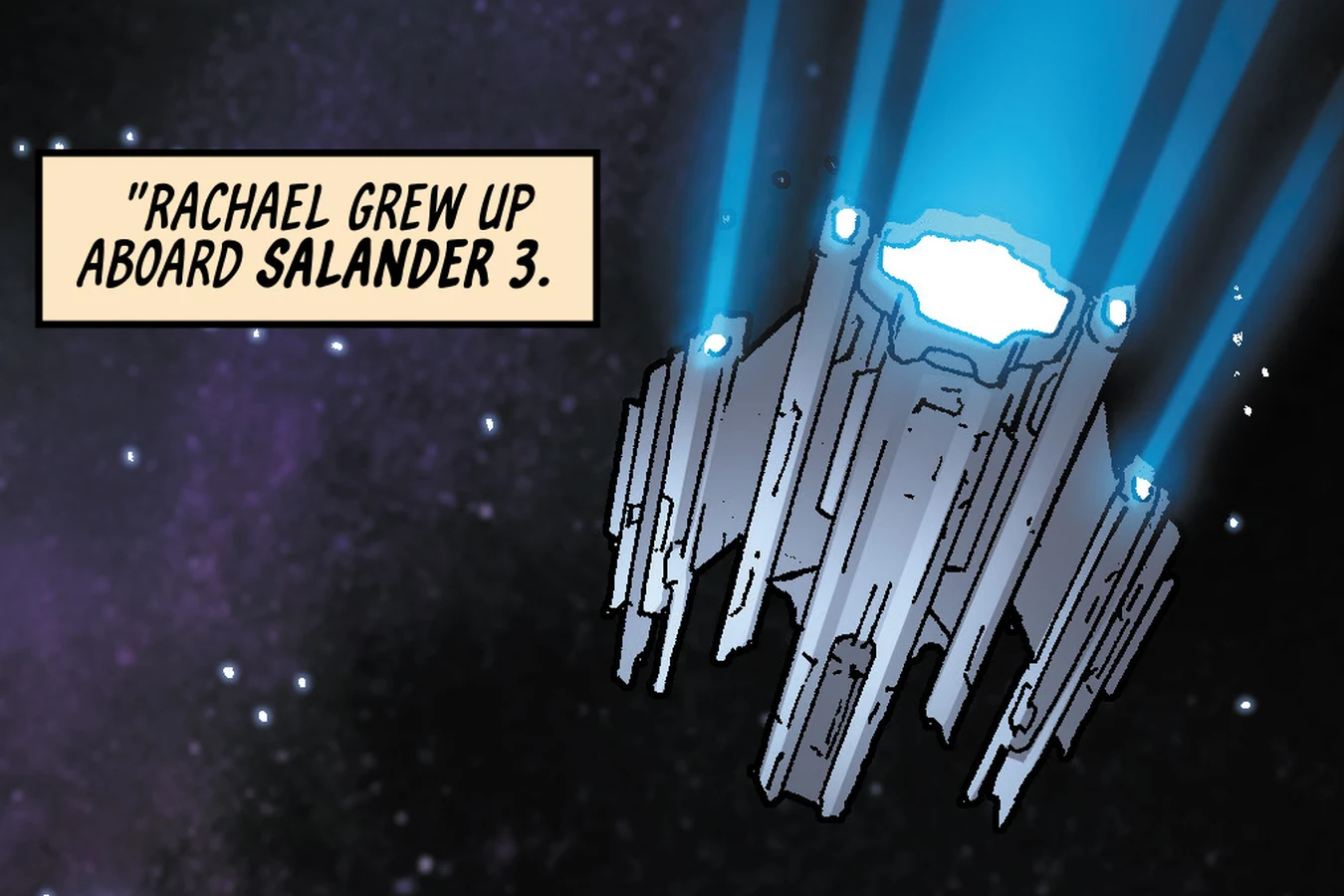
The novel also reaches beyond Mars, with practice transmissions sent toward Proxima. The Salander 3 was a ship bound there that never reached its destination. Eldon Rosen used it as a cover story for Rachael Rosen, claiming she was born aboard and spent fourteen of her eighteen years there with nine adult crew. The ship had turned back a sixth of the way to Proxima, and the story was meant to explain why Rachael failed the Voight-Kampff test. In the BOOM! Studios comic adaptation, the panel of the ship in deep space carries his claim.
Dust To Dust
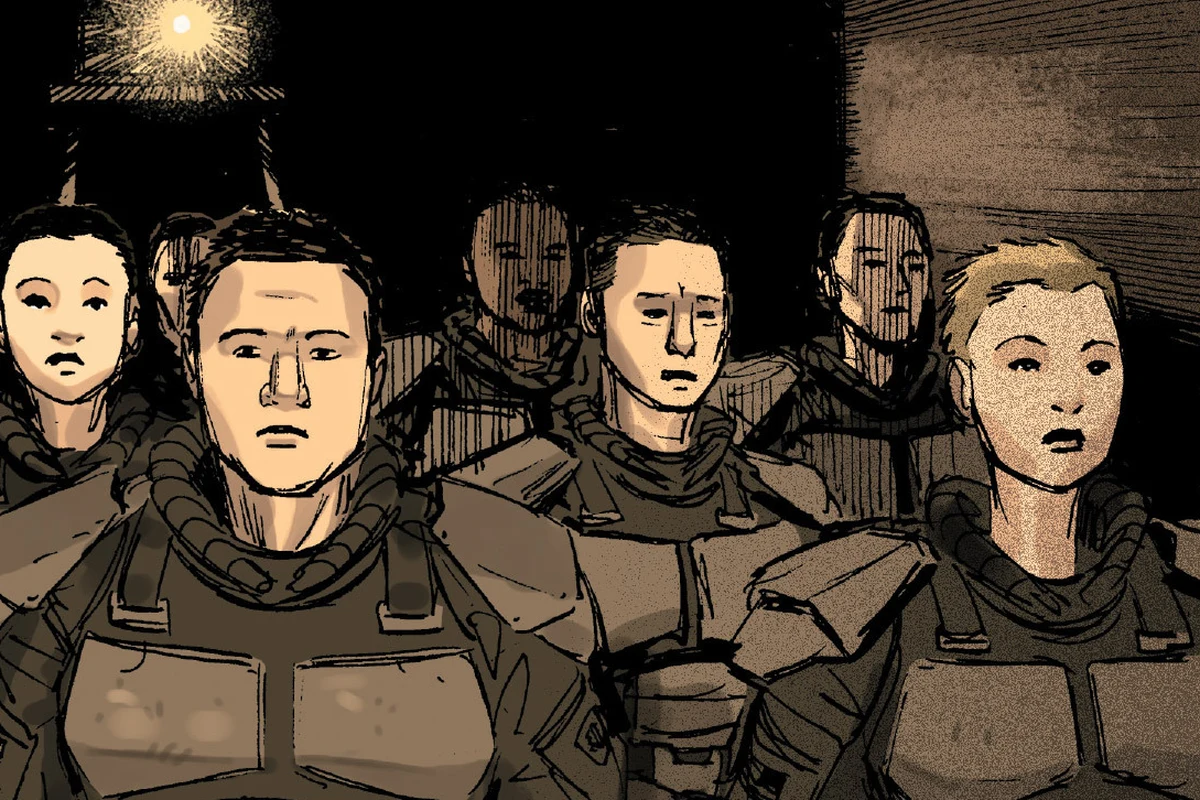
BOOM! Studios' 2010 miniseries Do Androids Dream of Electric Sheep?: Dust to Dust is a prequel to the novel, written by Chris Roberson with art by Robert Adler. It showed who the colonies left behind. Its narration said the unluckiest survivors of the fallout were those changed by the exposure, the ones rendered special. The papers of Malcolm Reed from the Institute of Special Trade Skills of America carried a red stamp marking him a special, ineligible for emigration or reproduction. The same label that the novel gives John Isidore shut Reed out of the new life that the colonies promised.
The series also showed the war machines that came before the colonial workforce. Its C-V combat androids were built for World War Terminus by the Grozzi Corporation, and Roberson described the story as set when androids made for the battlefield were turned into the colonial workforce. A year after the main story, the television news covered Grozzi's falling stock alongside the premiere of Buster Friendly and an advert for the Penfield mood organ. It was the same broadcast culture that sold emigration in the novel.
K. W. Jeter's Novels
The Edge Of Human
K. W. Jeter wrote three authorized sequels to the 1982 film, and they make the colonies far darker. In Blade Runner 2: The Edge of Human from 1995, Sarah Tyrell said the U.N. demanded humanlike slaves who could suffer, because that was its pitch for the colonies. She warned of garrison states armed against their own slaves, or fields of bones on other planets if the replicants rebelled and the U.N. had to sterilize the place. The Tyrell complex was built to U.N. specifications so the company could be the colonies' exclusive replicant supplier.
Hints of trouble ran through the book. Characters spoke of things happening in the colonies that the authorities kept from Earth, and of the off-world colonies that were left. Isidore claimed that Pris was human, born off-world, probably in one of the U.N.'s Martian colonies, where breakdowns ran high. Escapees moved through an underground railway at the Van Nuys Pet Hospital, and Deckard and Rachael finally left Earth from the San Pedro off-world terminal.
Replicant Night
Blade Runner: Replicant Night from 1996 opens with Deckard living in a U.N. emigrant transit colony on Mars, a bottleneck where no transports had left for the far colonies in years. The voice of Roy Batty, speaking from a briefcase, explained why. In the outer colonies, slaves had risen against their masters, and while the humans had the guns, the replicants had the numbers and controlled the territory. The U.N. stopped emigrants from going on, and Deckard reflected that slaughtered colonists would never report back to Earth.
Other characters push the story further. Wycliffe said the U.N. launched colonisation after the Salander 3 returned, with Tyrell holding the exclusive franchise. Marley claimed that outer-colony replicants lived past four years and had begun to reproduce, while human colonists were sterile and failing empathy tests. In his words, the replicants were the humans now. None of these claims was confirmed, but by the end a U.N. bureaucrat put Deckard and a replicant child born at Outer Hollywood on the next transport to the outer colonies.
Eye And Talon
Blade Runner 4: Eye and Talon from 1998 follows Iris Knaught on Earth but keeps the colonies at the centre of its politics. With Tyrell shut down, the U.N. emigration program ran on stockpiled replicants held in suspension, and the supply was running out. Transport modules suspended replicant lifespans so they could be shipped to colonies in the outer star systems. Officials argued that humanity had to move to the star colonies or die out, so the Voight-Kampff test had to be seen to work, and blade runners mattered as public relations for emigration.
Behind The Scenes
Philip K. Dick published the novel in 1968, during the Cold War, and his colonies are sold on television like a household product. The 1982 film dropped Mars as a named setting and kept off-world as a place seen only through advertising and replicant memory. Rutger Hauer cut Roy's scripted final speech down and added its closing line about tears in rain, keeping the attack ships and C-beams as the only words the film spends on the off-world wars.
Hampton Fancher's July 1980 draft explained the colonies in Deckard's narration. Every government that could was racing to populate its colonial territory, and because overpopulation and the greenhouse effect were not enough incentive, owning a human lookalike became the lure. By the February 1981 draft with David Peoples, the blimp named the Dominguez-Shimata colony and its Elysium Crater Resort, and Deckard's wife had gone offworld. Neither draft mentions the Argentine Moons, which appear in Marvel's 1982 adaptation instead, and the 1998 film Soldier, also written by Peoples, later listed a Battle of the Argentine Moons in its hero's service record.
Blade Runner 2049 contradicts Jeter's novels, so their replicant-held outer colonies are not part of the film canon. The Free League game is licensed from Alcon Entertainment and built around the Wallace era, which is why its Calantha, nine colonies and Colonization Defense Program fit the later films closely. The colony timeline across the films, comics and games is placed in order in the Blade Runner timeline, from the first Mars settlers to the Wallace era.
Conclusion
The Off-World Colonies are the promise at the centre of Blade Runner, always advertised and almost never seen. Dick made them a reward for leaving a poisoned Earth, the films made them the reason replicants were built, and later works filled them with mining camps, corporate wars and the battlefield of Calantha. Jeter imagined the endpoint, colonies lost to the replicants who built them, while Wallace still dreams of owning the stars. Every version asks who the new worlds are really for.
Appearances
- Do Androids Dream of Electric Sheep? by Philip K. Dick (1968)
- Do Androids Dream of Electric Sheep? comic adaptation (BOOM! Studios, 2009-2011)
- Do Androids Dream of Electric Sheep?: Dust to Dust (BOOM! Studios, 2010)
- Blade Runner (1982 film)
- Marvel Super Special #22: Blade Runner (Marvel Comics, 1982)
- Blade Runner 2: The Edge of Human by K. W. Jeter (1995)
- Blade Runner: Replicant Night by K. W. Jeter (1996)
- Blade Runner (Westwood Studios video game, 1997)
- Blade Runner 4: Eye and Talon by K. W. Jeter (1998)
- Blade Runner 2049 (2017 film)
- Blade Runner Black Out 2022 (2017 short)
- Blade Runner 2019 (Titan Comics, 2019-2020)
- Blade Runner: Origins (Titan Comics, 2021-2022)
- Blade Runner: Black Lotus (2021-2022 series)
- Electric Dreams (Free League, 2022)
- Blade Runner: The Roleplaying Game (Free League, 2022)
- Blade Runner 2039 (Titan Comics, 2022-2024)
- Blade Runner: Tokyo Nexus (Titan Comics, 2024-2026)
- Replicant Rebellion (Free League, 2026)
- Blade Runner 2099 (Prime Video, 2026)
Tag Categories: Blade Runner Lore | Blade Runner Locations