Blade Runner (1997): Full Game Overview

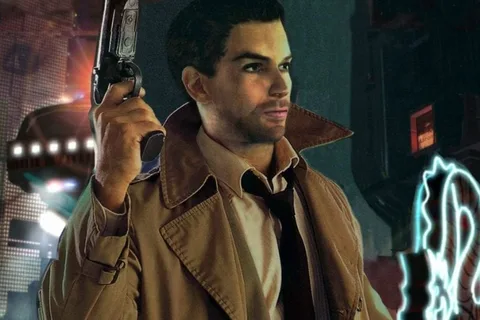
Blade Runner is a 1997 point-and-click adventure developed by Westwood Studios and published by Virgin Interactive for Windows. The player controls rookie blade runner Ray McCoy through the same November 2019 Los Angeles week as Ridley Scott's 1982 film, on a separate hunt that crosses Deckard's path without retelling his four retirements. McCoy starts on an animal-murder case at Runciter's Animals and tracks a replicant group led by Clovis. His choices lead to one of thirteen endings.
Campaign
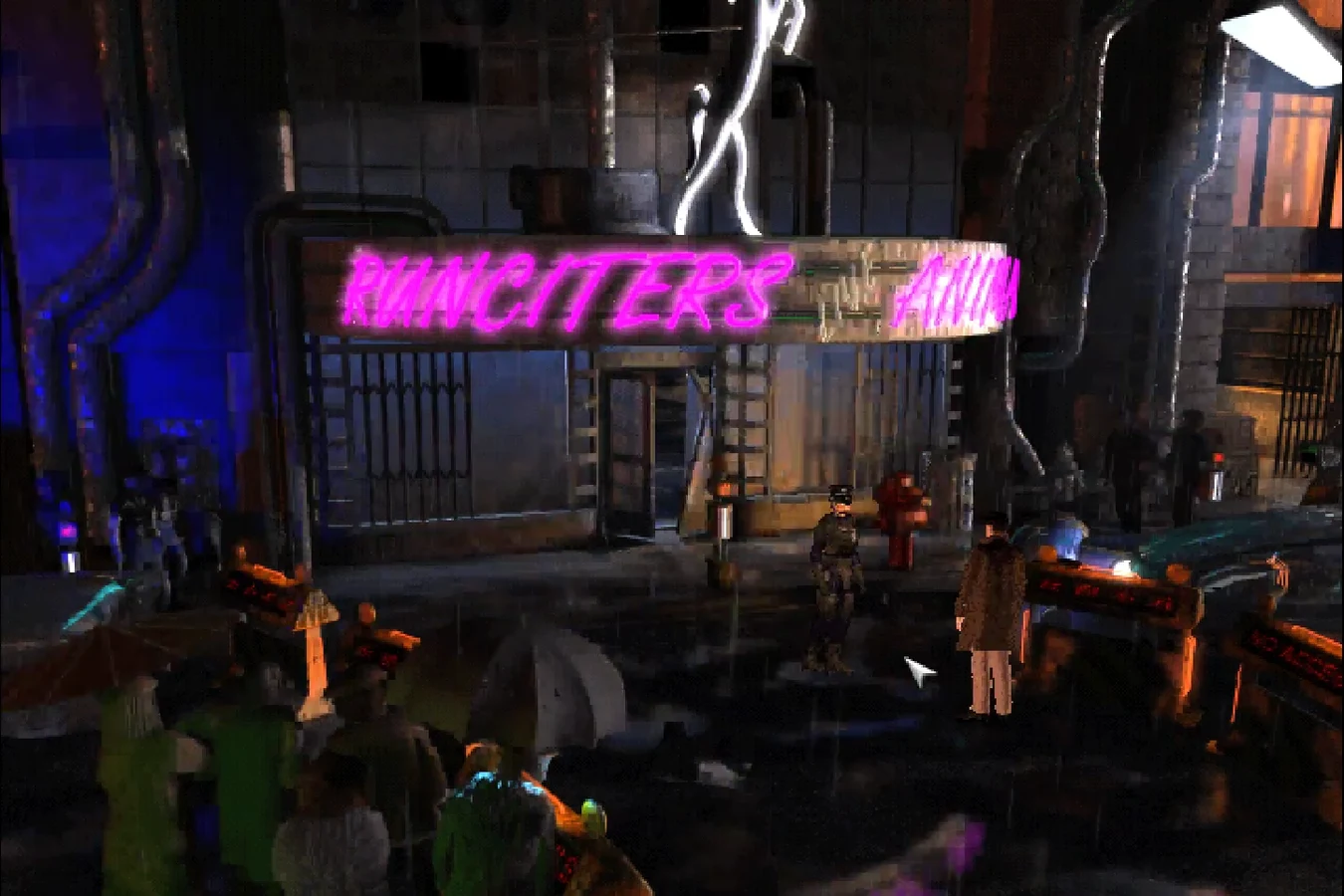
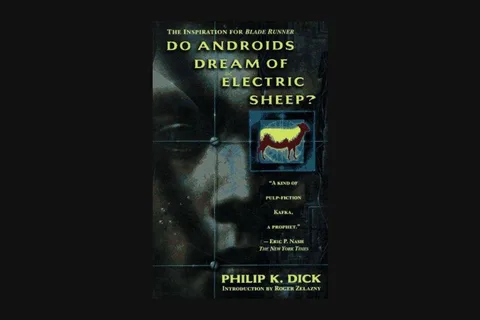
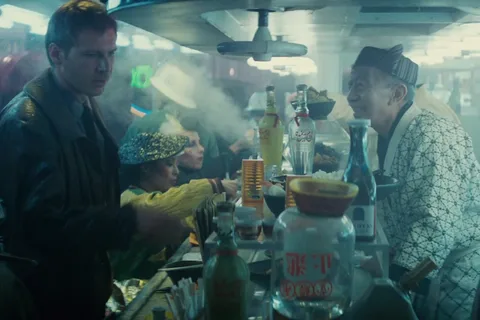
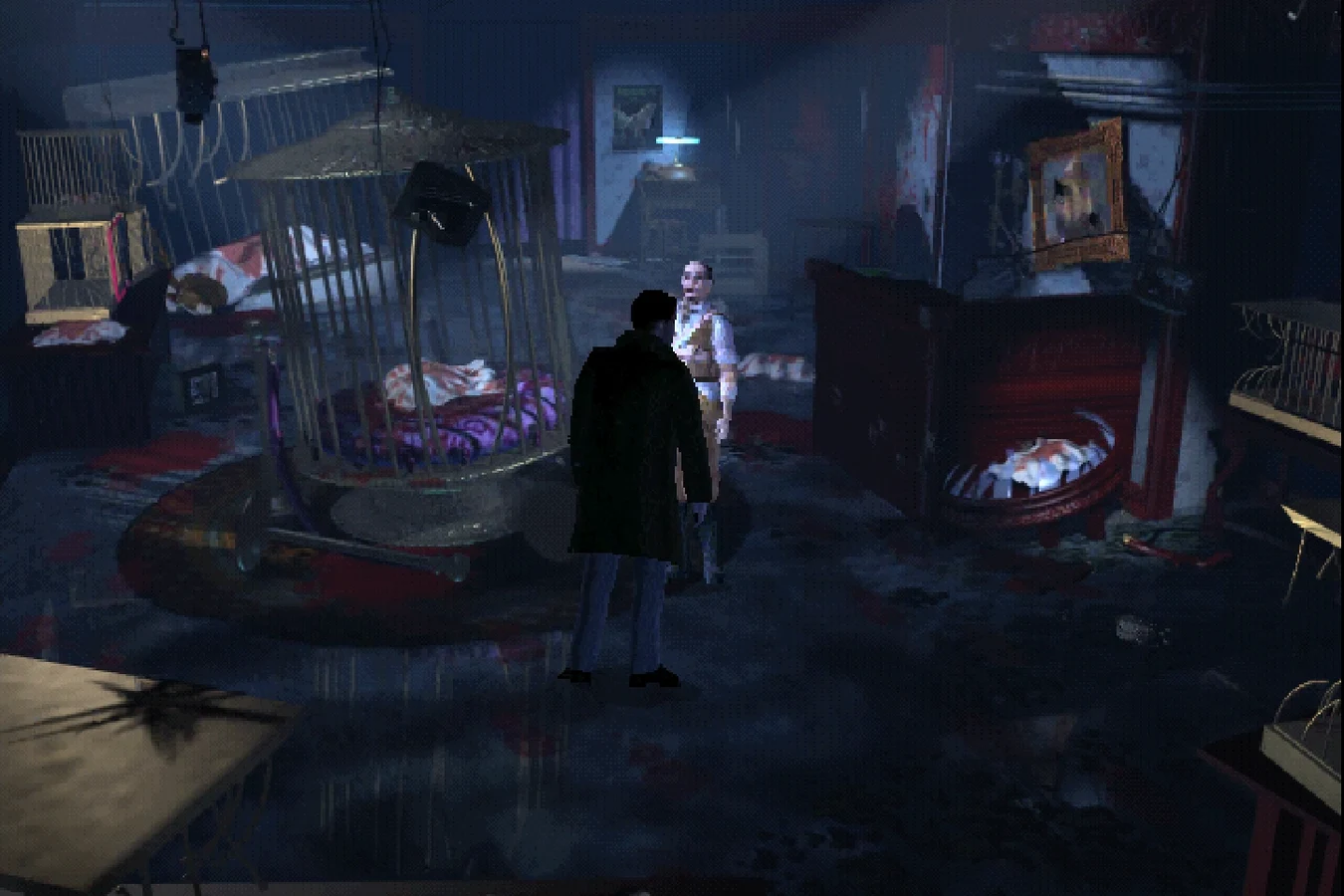
Ray McCoy was at the White Dragon Noodle Bar shortly after Deckard's case started, then took a public complaint that the new lieutenant treated as a real replicant hunt. Someone had wrecked Runciter's Animals and killed stock that included a tiger. In 2019 Los Angeles a living animal was rare enough that the crime sat close to murder, a beat the film left thinner than Philip K. Dick's novel. McCoy talked to the officer on the tape, pulled chrome and shell casings from the wet street, and went inside to question Glen Runciter about a clerk named Lucy Devlin.
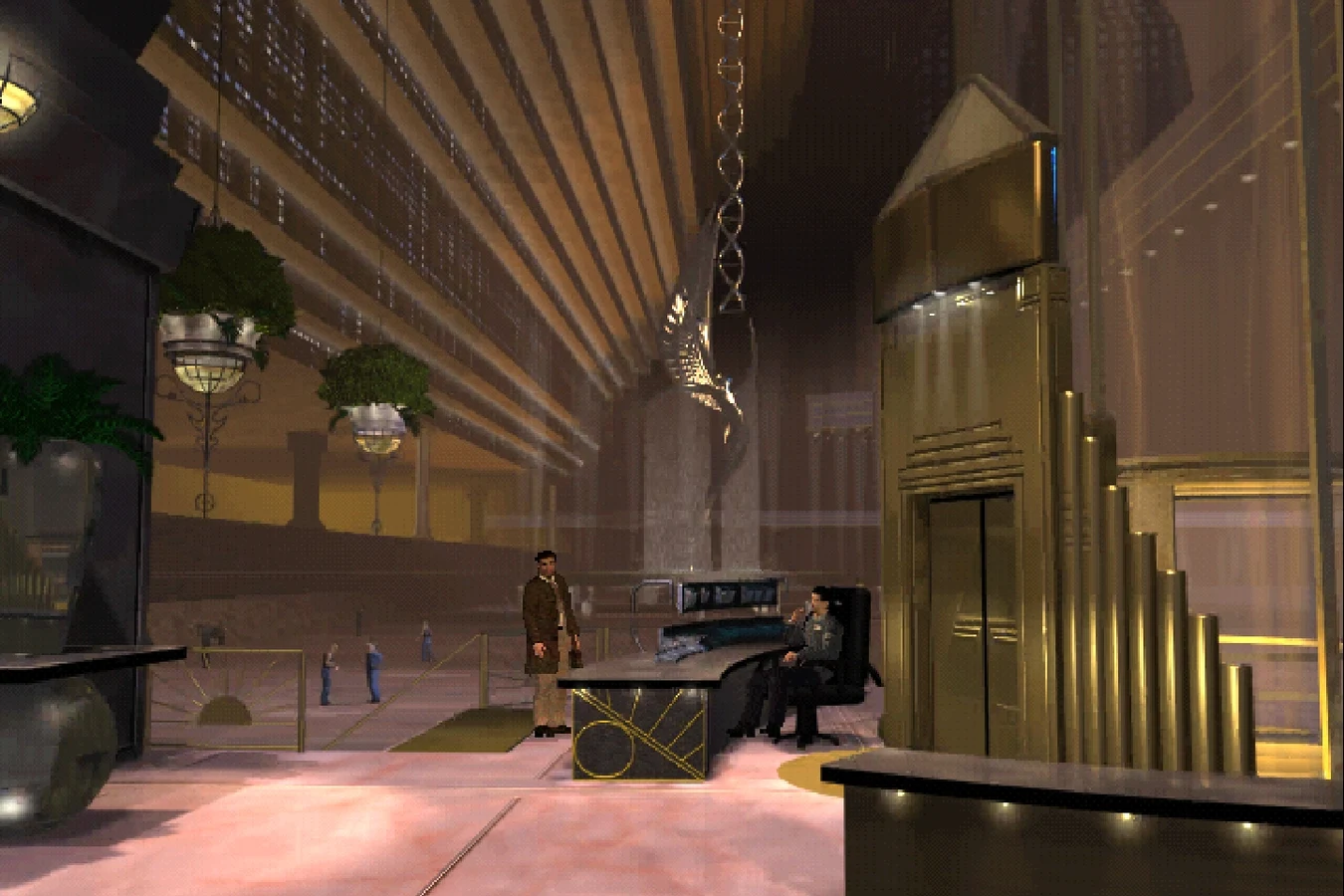
The trail ran through Chinatown, Animoid Row, the police tower, and the Tyrell pyramid while Deckard worked the Batty group in the same city. Lieutenant Edison Guzza ran the blade runner unit with Captain Bryant on sick leave. Guzza later framed McCoy for a civilian killing to hide his own deals with the escaped replicants. McCoy went into hiding, reached the twin designers Luther and Lance, and used their file on Guzza to force a meeting in the sewers. Guzza was shot there. McCoy could run or finish him.
Clovis led the moonbus group that had come back to Earth. Sadik, Zuben, Izo, and others moved on their own clocks while McCoy searched crime scenes, so a late spinner trip could miss a witness or a shooting. Only Clovis and the cook Zuben were replicants on every playthrough. The other suspects could test human or replicant from one new game to the next. Thirteen endings sat on three lines. McCoy could hunt the group as a human, side with them as a replicant, or leave the city alone, with the dancer Dektora, or with Lucy. The game never states whether McCoy himself is human.
Key Characters
The cast mixes new detectives and replicants with film faces who return in short scenes. Deckard appears in the city and on reports, without a speaking part. Westwood hired several of the 1982 actors to voice those cameos, while McCoy, Crystal, Guzza, and Clovis were new roles written for the game.
- Ray McCoy was a rookie blade runner who lived with a real dog named Maggie. Mark Benninghofen voiced him.
- Crystal Steele was a senior blade runner who treated replicants as targets and could close the hunt with McCoy or against him. Lisa Edelstein voiced her.
- Edison Guzza ran the unit during Bryant's sick leave, sold information to the escaped group, and framed McCoy. Jeff Garlin voiced him.
- Clovis led the moonbus replicants, quoted William Blake, and opened the case by wrecking Runciter's shop. Mark Rolston voiced him.
- Lucy Devlin worked the counter at Runciter's shop and could leave Los Angeles with McCoy in some endings. Pauley Perrette voiced her.
- Dektora danced at Early Q's club and was another possible companion if McCoy left the force. Signy Coleman voiced her.
- Gaff offered advice in the tower. Javier Grajeda voiced him, credited as Victor Gardell.
- Sean Young, Brion James, James Hong, Joe Turkel, and William Sanderson returned as Rachael, Leon, Chew, Tyrell, and Sebastian.
Gameplay And Tools
Blade Runner is a third-person point-and-click hunt that runs in real time. Other characters keep their own schedules while McCoy searches a room, so a clue can move or a suspect can leave if he stays too long. The main work is collecting evidence, not combat. A grey cursor walks him, a green cursor talks or uses an object, a blue cursor changes rooms, and a red cursor appears only when the pistol is out. Conversation can be set to Polite, Normal, Surly, Erratic, or User Choice. User Choice opens question menus. The other settings pick the tone for him.
Clues go into the Knowledge Integration Assistant, or KIA, which sorts crime scenes, suspects, and loose items. Photographs open in the ESPER machine so McCoy can push into a still and pull a face or a badge from the background. The Voigt-Kampff test can lock a subject as human or replicant if the questions stay inside the pressure limit. A failed or unfinished test leaves the choice to arrest, shoot, or walk away. Other blade runners upload their own finds to the tower mainframe, so a later visit can drop new KIA entries McCoy never collected himself.
Development
The Blade Runner Partnership wanted a game and spent years sorting rights before Virgin Interactive hired Westwood. The Ladd Company, Run Run Shaw, and the Partnership each held a different piece of the film, and production records from the 1982 shoot were incomplete. Louis Castle programmed and art-directed the project. He pitched a new story inside the film's city instead of a scene-by-scene remake, which let the team skip film footage and film audio they were not allowed to use. Donny Blank produced. David Leary and David Yorkin wrote. Syd Mead sent original concept art, and Westwood built every location from the film or from those drawings.
Westwood called the result a real-time 3D adventure. Characters used a voxel renderer that did not need a 3D accelerator, and the city held about 140 rooms. Motion capture supplied tens of thousands of moves, then artists thinned those clips by hand so the machine could play them. The script grew to about 500 pages because suspect identities and goals changed from one playthrough to the next. Testers ran the campaign thousands of times to see the combinations. Frank Klepacki wrote a new score by ear from the Vangelis cues, since Westwood could not license the film masters. Harrison Ford and Ridley Scott did not take part.
Release And Reception
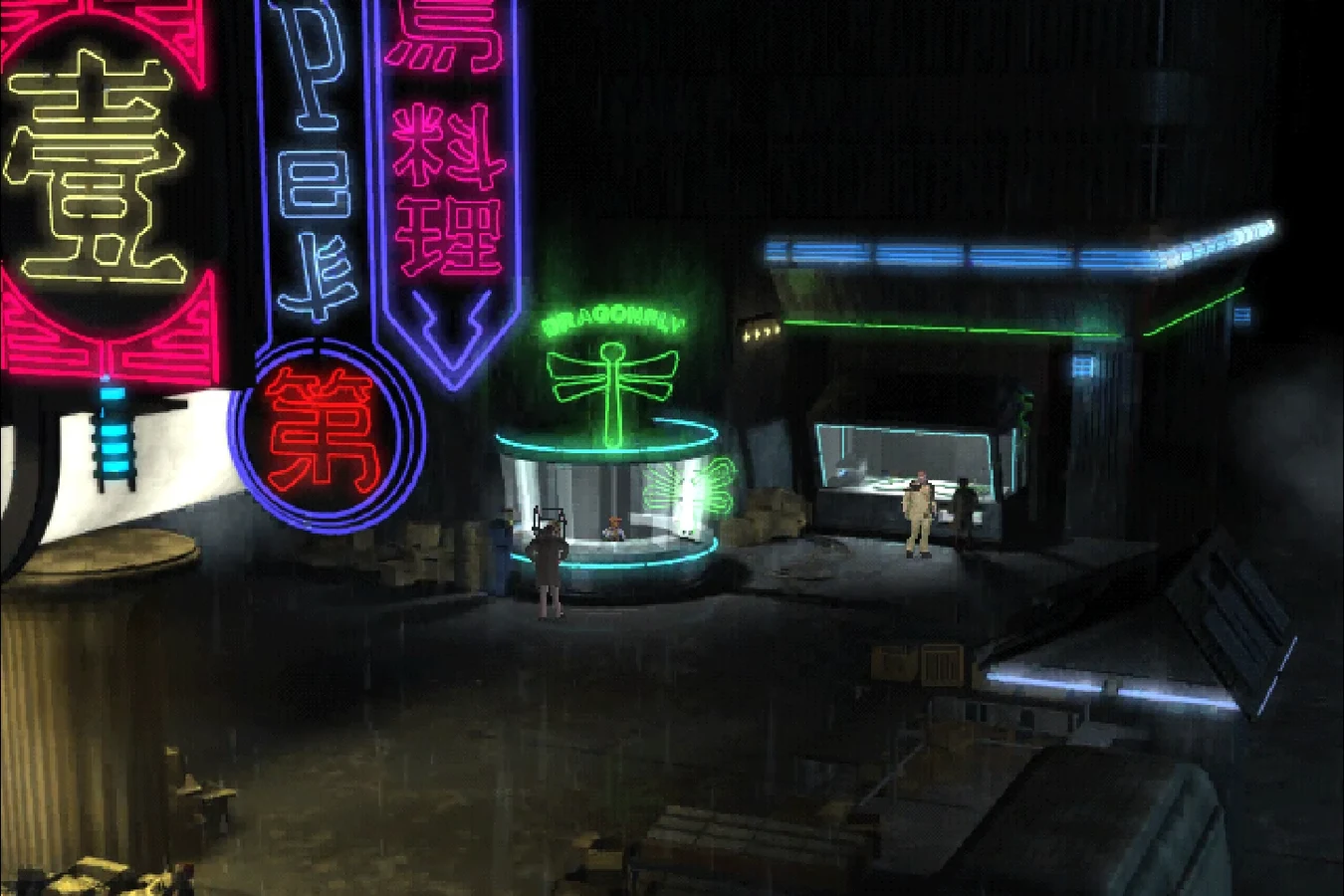
Virgin Interactive released the Windows disc in North America on 13 November 1997 and in Britain on 26 November 1997, the same month as the film's fifteenth anniversary. The game sold more than a million copies and won the Academy of Interactive Arts & Sciences award for PC Adventure Game of the Year. Critics praised the city, the real-time suspects, and the way the endings followed earlier choices. The usual complaints were the blocky close-up figures and a hunt that could stall if a clue was missed.
GameRankings later averaged the reviews at 77%. GameSpot scored it 6/10. Adventure Gamers gave it 4.5/5, Next Generation 4/5, and RPGFan 93%. Virgin asked Westwood for a sequel. The studio dropped that plan on cost. Rights fights then kept the four-disc Windows original off digital storefronts until GOG listed it in December 2019.
Enhanced Edition
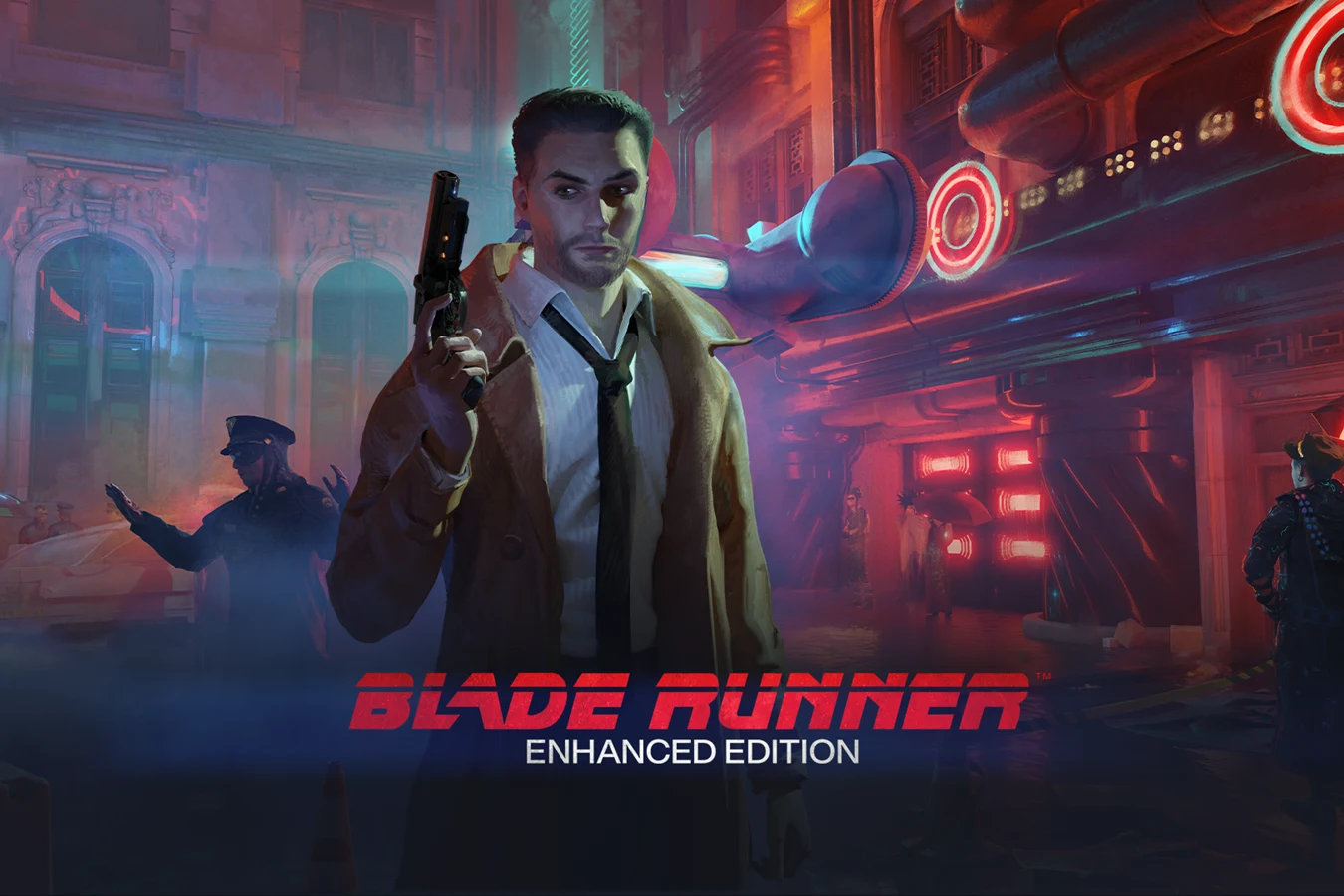
Nightdive Studios and Alcon Entertainment announced a remaster in March 2020, then delayed it that October after the team found how many voxel character models had to be rebuilt and how little archived source code remained. They moved the hunt onto Nightdive's KEX Engine and shipped Blade Runner: Enhanced Edition on 23 June 2022 for Windows, Nintendo Switch, PlayStation 4, and Xbox One, in the film's fortieth-anniversary year. Steam and GOG carried the PC build. Limited Run Games sold physical Standard and Collector's Edition discs for PlayStation 4 and Switch.
The cutscenes were reconstructed and upscaled to 4K at 60 frames a second. The 1997 videos had run at about 15. The new build added widescreen HD output, SMAA anti-aliasing, anisotropic filtering, modern keyboard and gamepad support, and a revised KIA clue screen. PlayStation 4 Pro and Xbox One X could output at 4K. Nightdive also restored the original Spanish, German, French, and Italian translations and added Chinese subtitles. The story, the thirteen endings, and McCoy's unresolved human-or-replicant status stayed the same as the Westwood disc.
Conclusion
Blade Runner is Westwood Studios and Virgin Interactive's 1997 Windows adventure set beside the 1982 film. It puts Ray McCoy through the Runciter animal case and Clovis's moonbus group, then ends in one of thirteen outcomes that never settle whether McCoy is human. The Enhanced Edition later brought that same hunt to current machines after a long gap off store shelves.
External Sources
Tag Categories: Blade Runner Lore