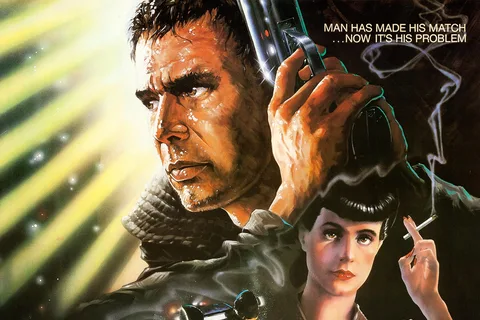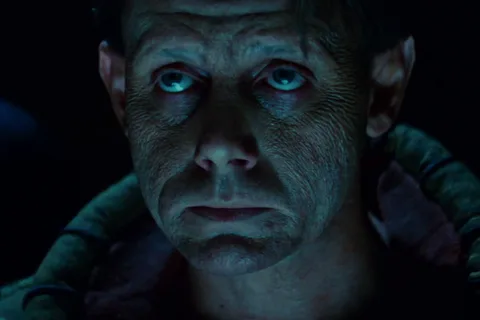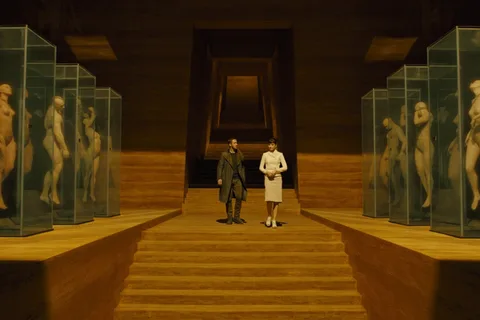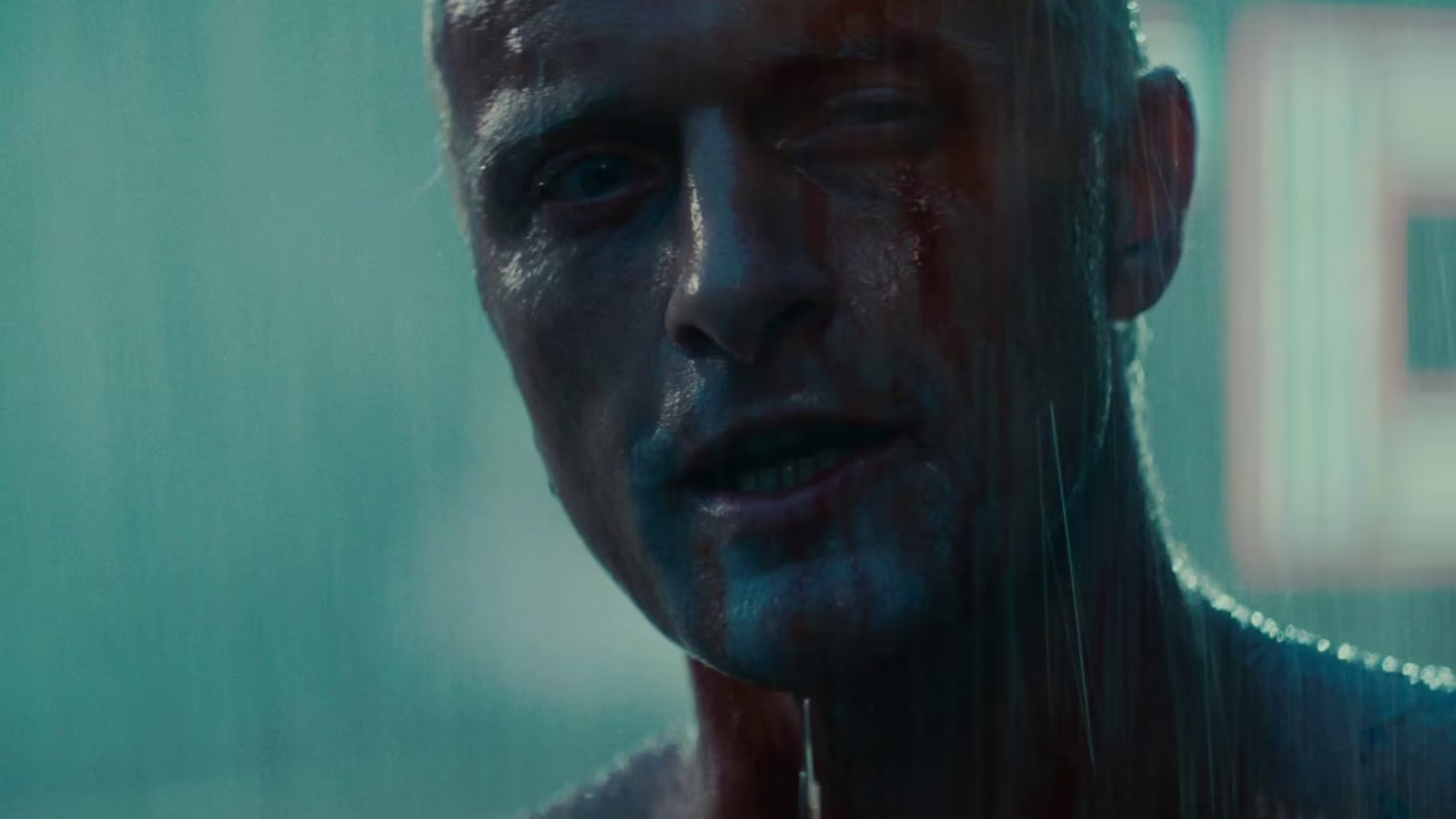

Roy Batty was the Nexus-6 combat model who led a band of escaped replicants to Earth in Ridley Scott's Blade Runner, played by Rutger Hauer. Built for the wars of the Off-world colonies and given only four years to live, he came to Los Angeles in November 2019 to force his makers to give him more time. His search led him from an eye designer's frozen lab to the penthouse of Eldon Tyrell, whom he killed when he learned that nothing could be done. On his last night he hunted the blade runner Rick Deckard through the Bradbury Building, then saved his life and died in the rain.
Biography
Origins
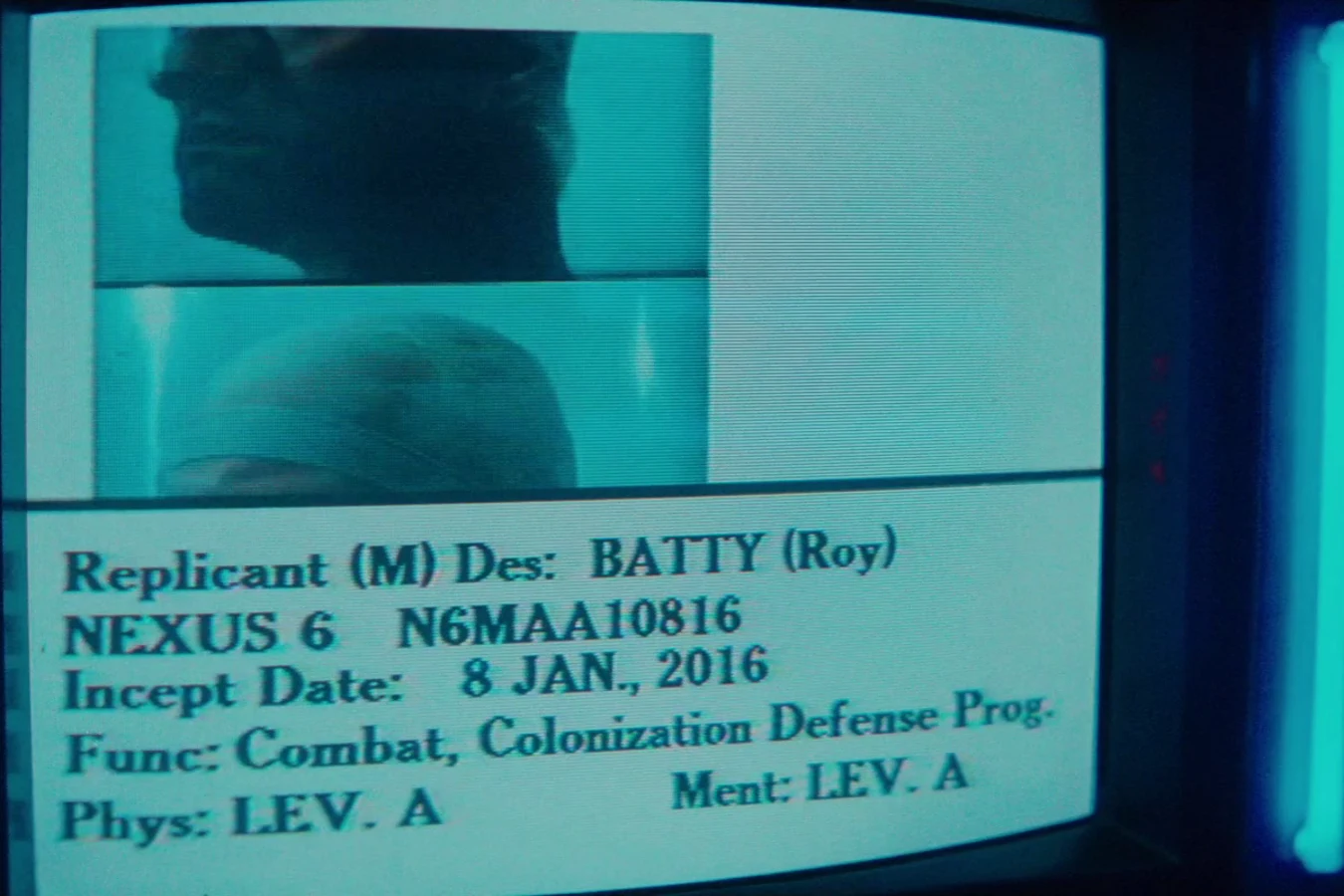
Roy was a Nexus-6 replicant, serial number N6MAA10816, made by the Tyrell Corporation with an incept date of 8 January 2016. His police file listed him as a combat model for the Colonization Defense Program, rated at level A for both physical and mental ability. Captain Bryant's briefing called him a combat model of optimum self-sufficiency. Like every model of his generation, as set out in the history of the Nexus line, he was given a fixed lifespan of four years so that the emotions replicants developed over time would never have long to grow. By the time he reached Earth he had less than two months of that span left.
He was sent to fight in the conflicts of the Off-world colonies, and his memories held battles and sights no human on Earth had seen. He remembered attack ships burning off the shoulder of Orion and beams of light glittering in the dark near the Tannhäuser Gate. Those years made him a soldier who could think for himself, and they also made him a leader. When the other replicants of his line rebelled, it was Roy they followed, and the plan to reach Earth was his.
The Escape To Earth
In 2019 Roy and five other Nexus-6 models, among them Pris, Zhora and Leon Kowalski, killed twenty-three people Off-world and seized a shuttle, murdering its crew and passengers. The shuttle was found drifting off the coast of Los Angeles, and the fugitives had already slipped into the city, where replicants were forbidden on pain of death. Two weeks later an attempt to break into the Tyrell Corporation cost the group at least one of its members, killed in an electrical field. Leon had found work inside the company under a false name, but his cover ended when he shot the blade runner Dave Holden during a Voigt-Kampff test. The survivors went to ground in the city's crowded streets, each looking for another way to the man who had made them.
The police brought the retired blade runner Rick Deckard back to hunt the four who were left. Captain Bryant showed him Roy's file and named him as probably the leader of the group. Roy wanted what none of the others could get alone, a meeting with his maker and a way to stop the clock inside their cells. He kept Leon close and sent Pris to find an easier way in, while he went looking for anyone who could tell him how the Nexus-6 had been built. Every step was a race, because the deadline for all four of them was the same.
Chew's Eye Lab
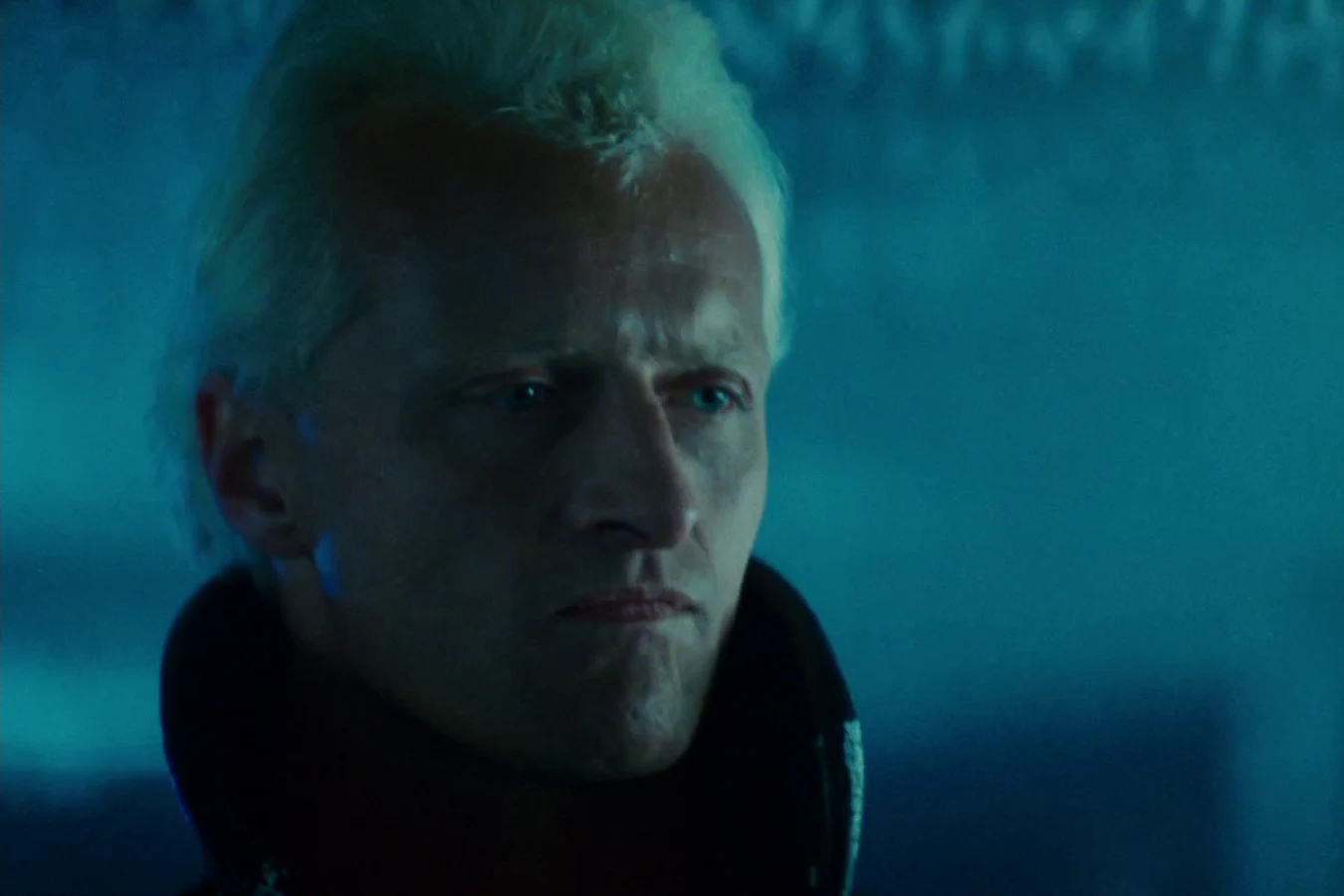
Roy and Leon began with Hannibal Chew, the old genetic engineer who designed eyes for the Tyrell Corporation in a freezing lab in Chinatown. The lab was kept so cold that frost covered the tanks, and Chew worked wrapped in a heated suit. Roy walked in reciting a misremembered line of William Blake about fiery angels falling, as calm as if he were paying a social call. Leon pulled the old man away from his work and tore open his suit, and the two replicants barely seemed to notice the cold that was freezing Chew. Chew, panicking, shouted that they had no right to be there and that the cold was ruining his eyes.
Roy questioned him calmly about morphology, longevity and incept dates, the facts of how long a Nexus-6 was built to live. Chew could only insist that he knew nothing about such things and simply made eyes. Roy told him that he had designed their eyes, and that those eyes had seen things Chew could never imagine, while the replicants draped a pair of his own frozen eyes over his shoulder. Shivering and terrified, Chew said that only Tyrell knew the answers, and that the way to reach him was J.F. Sebastian, a genetic designer who worked closely with him. Roy left the old man to the cold, now holding the first real lead to his maker.
Sebastian's Apartment
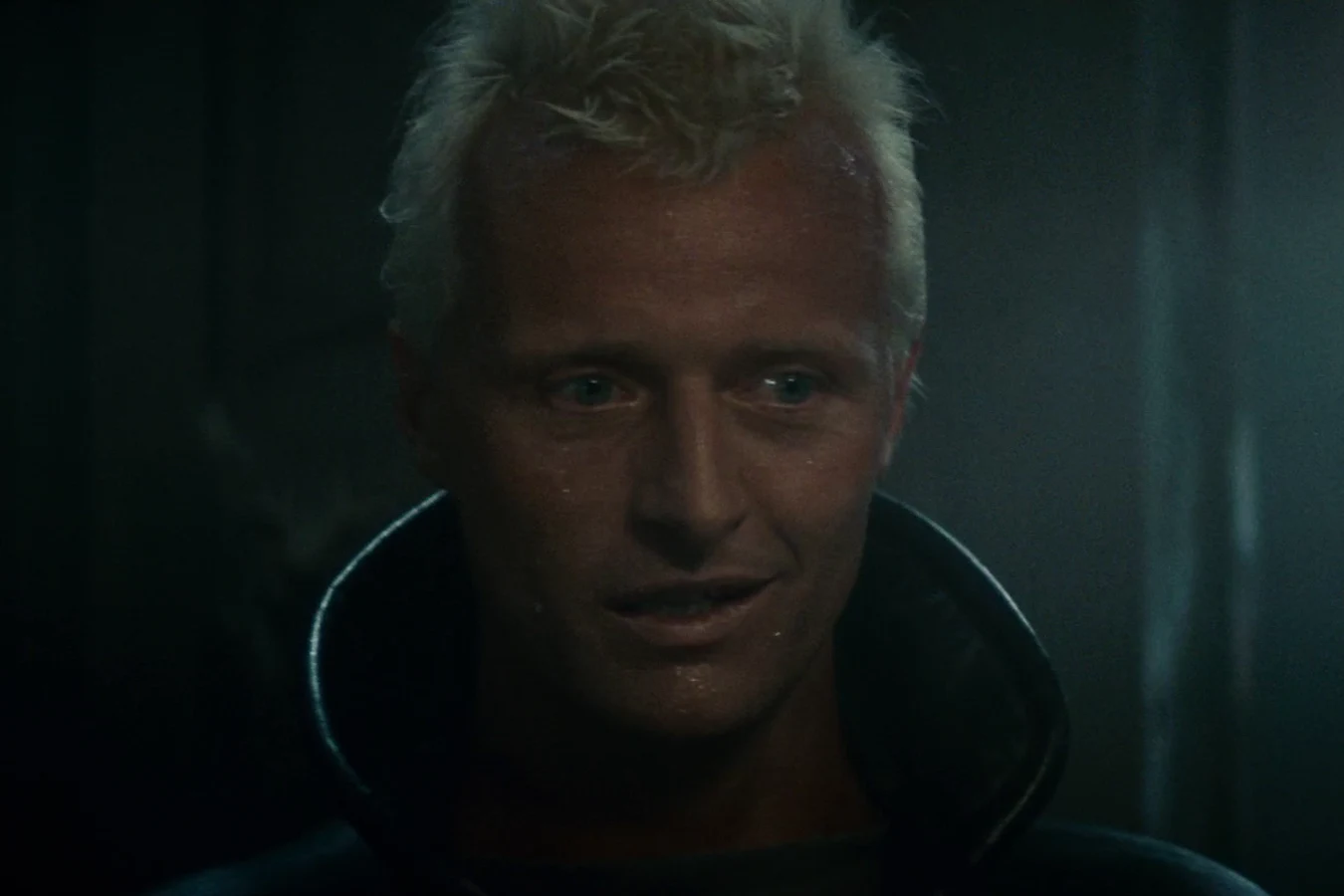
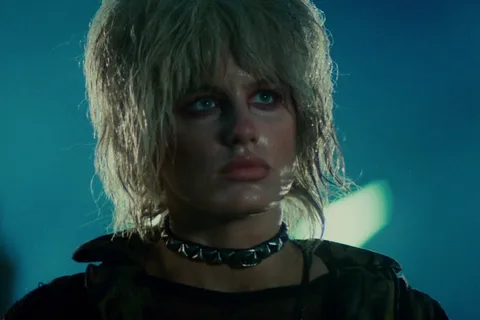
Pris had already won Sebastian's trust and moved into his rooms in the decaying Bradbury Building, where he lived among the living toys he built. Roy arrived the next morning, wet from the rain, kissed her, and told her that Leon and Zhora were dead and that the two of them were all that was left. When Pris answered that they were stupid and would die, he told her they would not. He was barely able to share the news, and for a moment the leader of the group seemed close to breaking. Then he turned his attention to their host and the toys that filled the apartment, as curious as a child.
Sebastian guessed that his guests were Nexus-6 replicants, and Pris proved it with a display of thought and strength while Roy encouraged her. Roy pointed out that they had a lot in common, since Sebastian suffered from Methuselah syndrome, an accelerated decrepitude that aged his body far too fast. He explained that they needed Tyrell's help, and that without it Pris did not have long to live. When he saw an unfinished game of chess that Sebastian was playing against Eldon Tyrell, he studied the board and quietly found the winning line. Sebastian reluctantly agreed to take him to the pyramid, using the chess game as his excuse for calling on his employer late at night.
Meeting His Maker
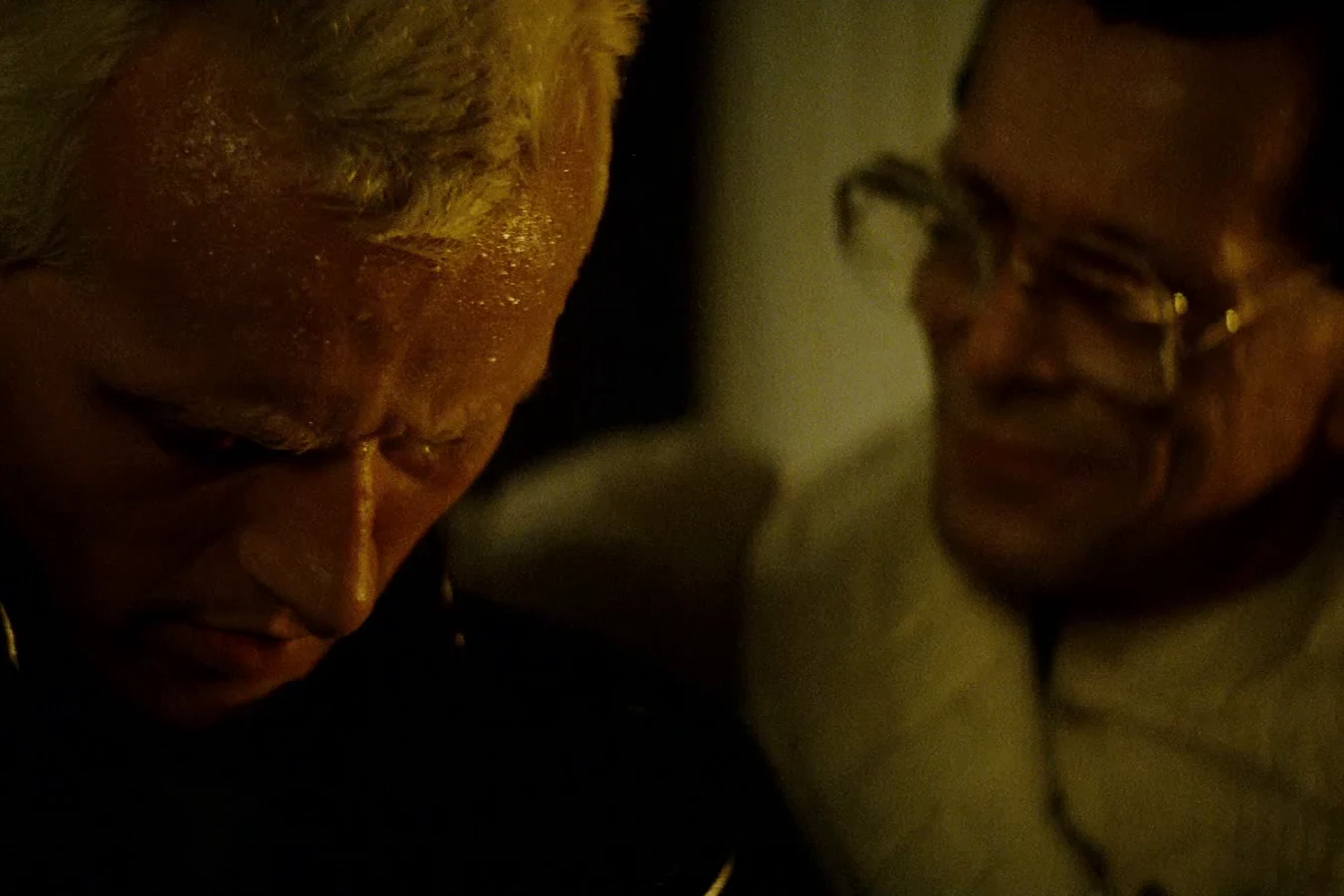
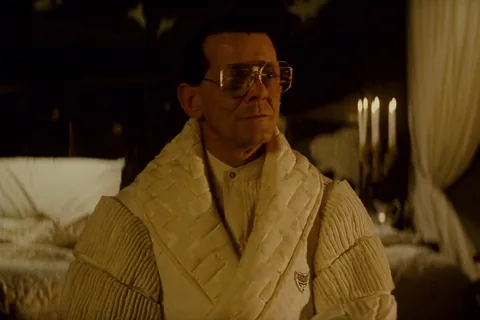
Sebastian called up from the elevator with Roy's moves, and Tyrell was surprised enough by the checkmate to let him come up. In the candlelit bedroom Roy stepped out from behind Sebastian, and Tyrell calmly said he was surprised his creation had not come sooner. Roy asked for more life, and he argued his case like an engineer, proposing one technical fix after another for the death built into his cells. Tyrell answered each one, explaining that every method the company had tried had killed its subject.
Tyrell told Roy that he had been made as well as possible, but not to last, and praised him as the prodigal son of the Nexus line. Roy confessed that he had done questionable things, and Tyrell answered that he had also done extraordinary things. Then Roy took his maker's face in his hands, kissed him, and crushed his skull with his thumbs. Sebastian tried to run, and his body was later found with Tyrell's, while Roy rode the elevator down from the pyramid alone.
The Death Of Pris
While Roy was at the pyramid, Deckard came to the Bradbury Building, having traced the murders of Tyrell and Sebastian there. Pris was waiting for him among Sebastian's mannequins, disguised as one of the dolls with her face painted white. She attacked him with her legs and hands, nearly breaking his neck, before he shot her twice. Her body convulsed violently on the floor before she died, and Deckard was left shaken among the toys. He had no idea that Roy was already on his way back.
Roy returned to find her body on the floor among the dolls. He knelt over her, stroked her hair and kissed her, and for a long moment he simply grieved. Then he let out a howl of rage and pain that echoed through the empty building. She had been the last of his companions, and with her death he was alone. From that moment the hunt for him became his hunt for Deckard.
The Hunt For Deckard
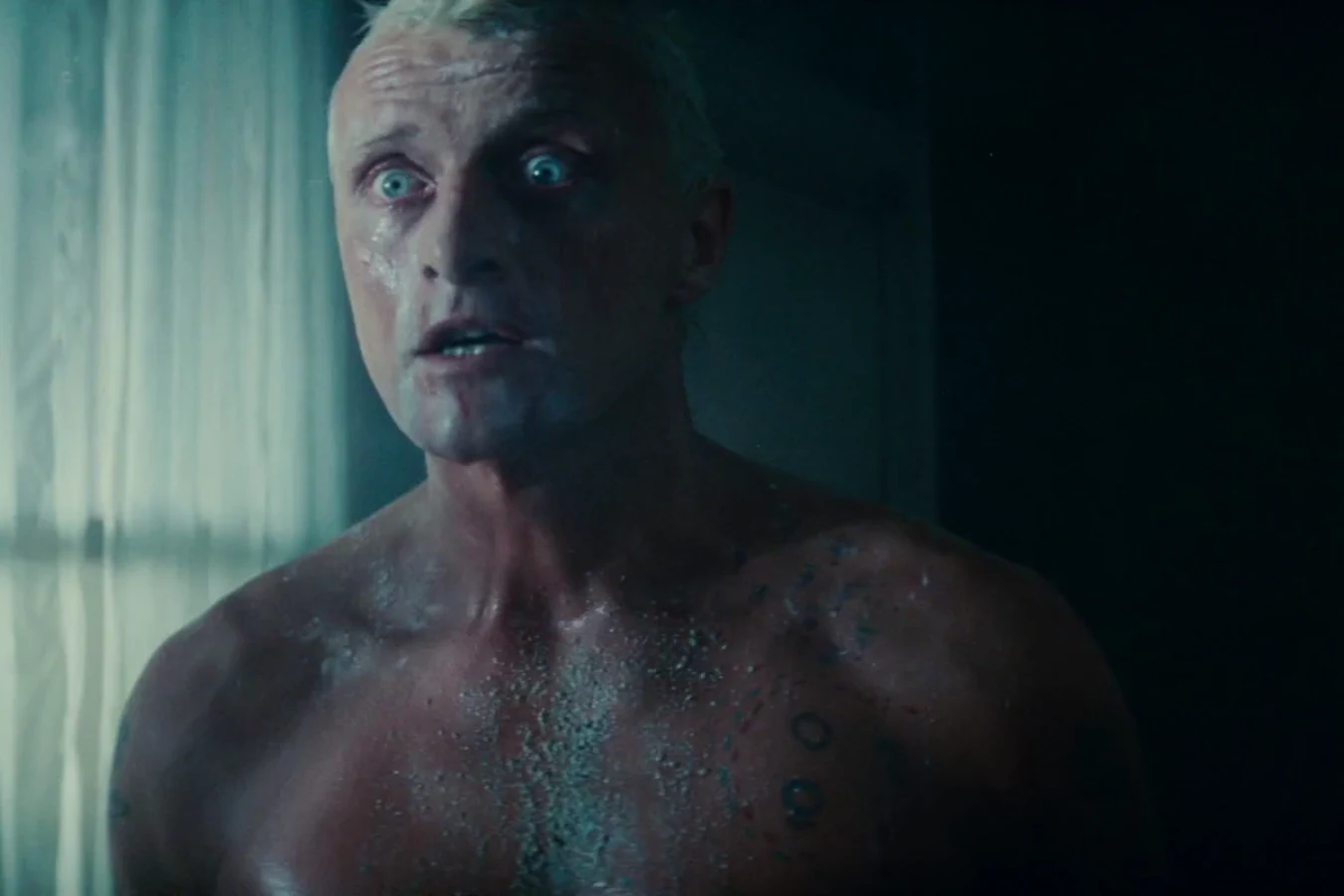
Roy turned the fight into a game, taunting Deckard for firing on an unarmed opponent and asking whether that was how the blade runner played. He seized Deckard's gun hand through a wall and broke two of his fingers, one for Zhora and one for Pris, then gave him a few seconds' head start. He stripped off his shirt and stalked the wounded man from room to room, howling like a wolf and smashing his head through a wall to reach him.
His body was beginning to fail as the end of his four years arrived, and his hand started to stiffen. To keep it working he drove a rusty nail through his own palm, and the pain bought him a little more time. Deckard fled upward and climbed up the outside of the building to the roof in the pouring rain, and Roy followed him without effort.
Saving Deckard
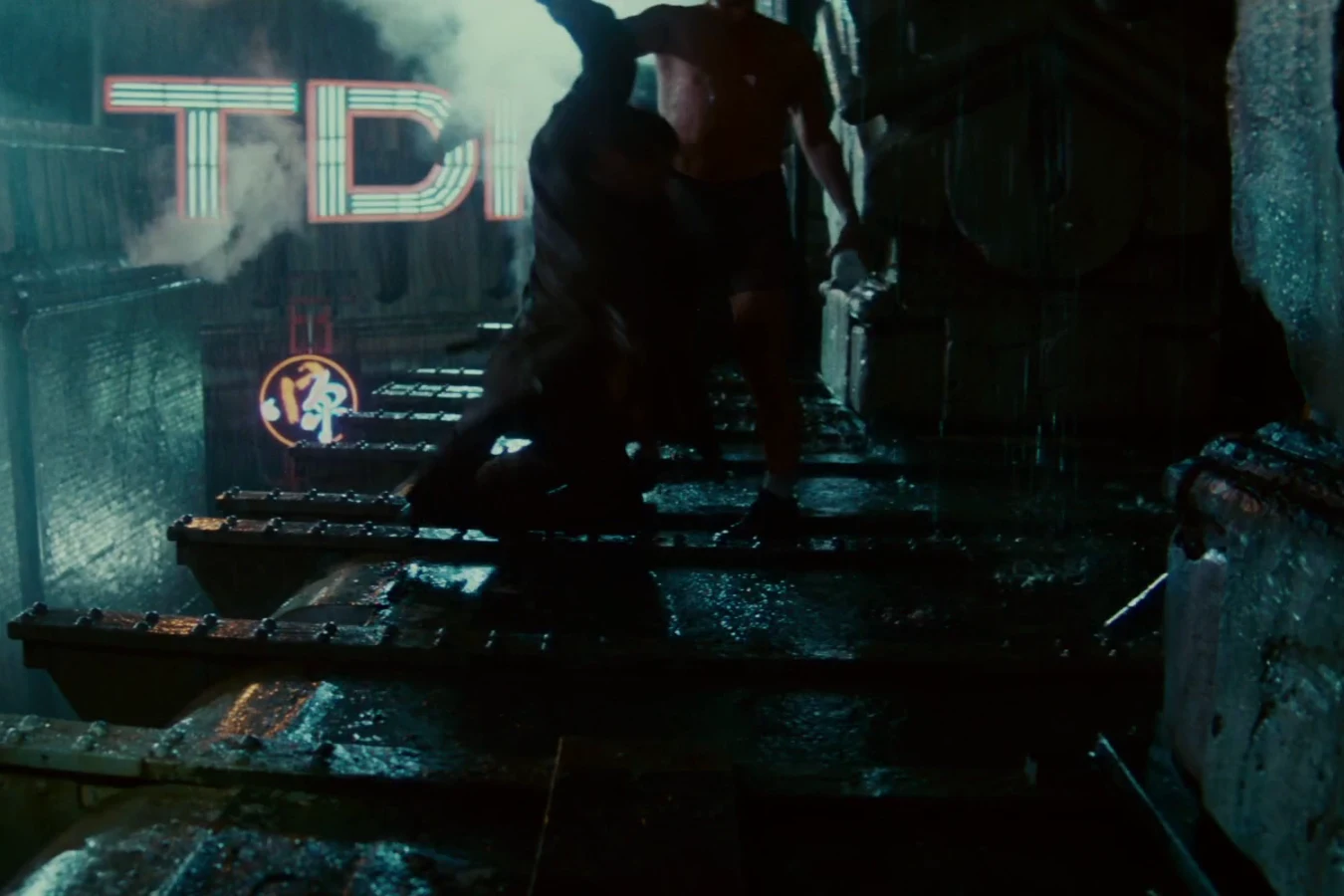
Deckard tried to leap across the gap between buildings and fell short, left hanging from a steel beam high above the street. Roy leapt across easily, carrying a white dove he had found, and looked down at the blade runner as his grip slipped. He told Deckard that living in fear was what it meant to be a slave, the life he and his kind had known. Deckard spat at him as his last act of defiance, and then his fingers slipped. Roy caught his wrist with his nailed hand at the last moment and hauled him onto the roof with one arm. Then he set the blade runner down in the rain and sat facing him, the dove still held against his chest.
Tears In Rain
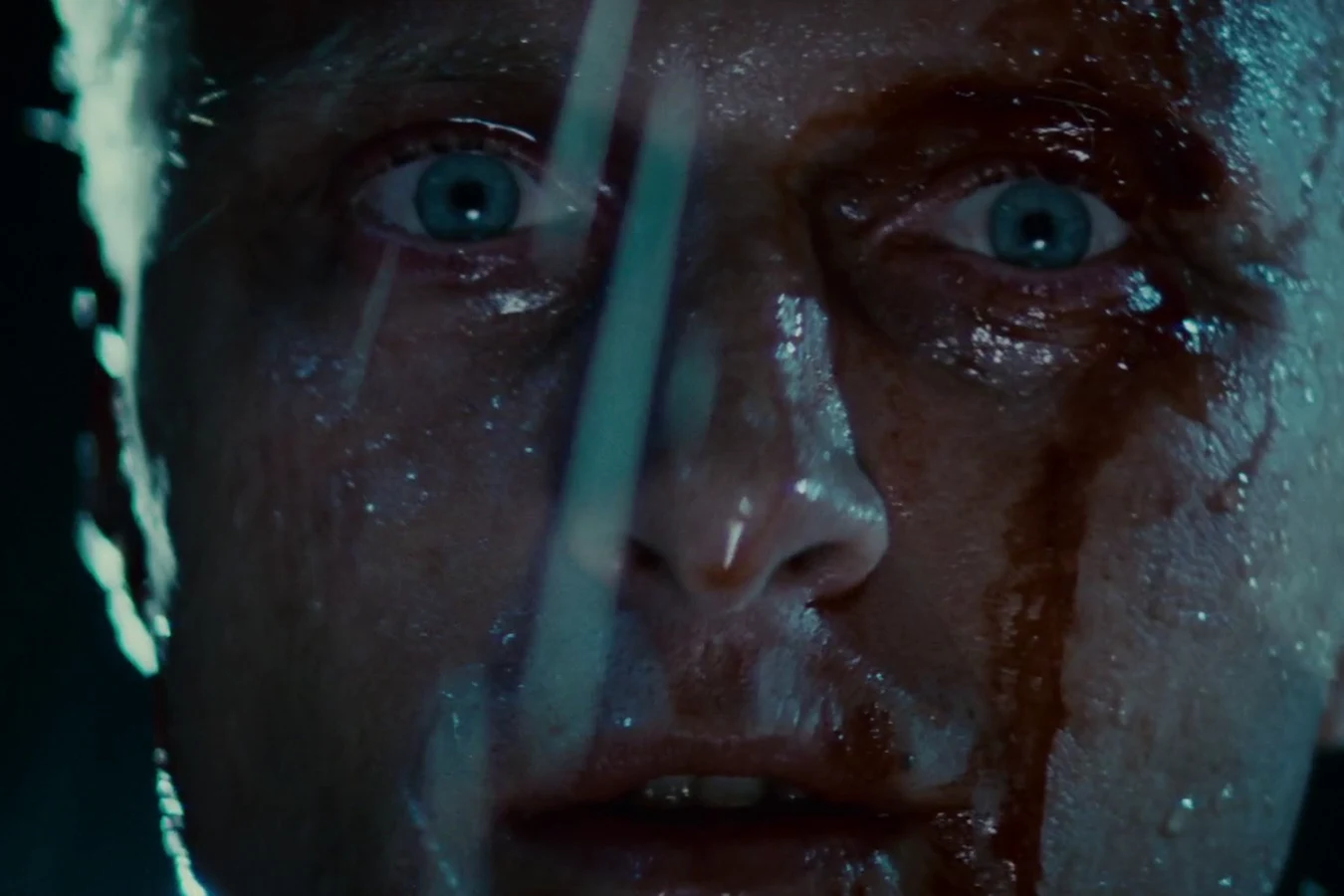
Roy sat down in the rain in front of the man who had come to kill him and spoke about what he had seen. He described attack ships burning near Orion and beams of light in the dark near the Tannhäuser Gate, memories that no one else carried. All those moments, he said, would be lost in time like tears in rain, and then he said that it was time to die.
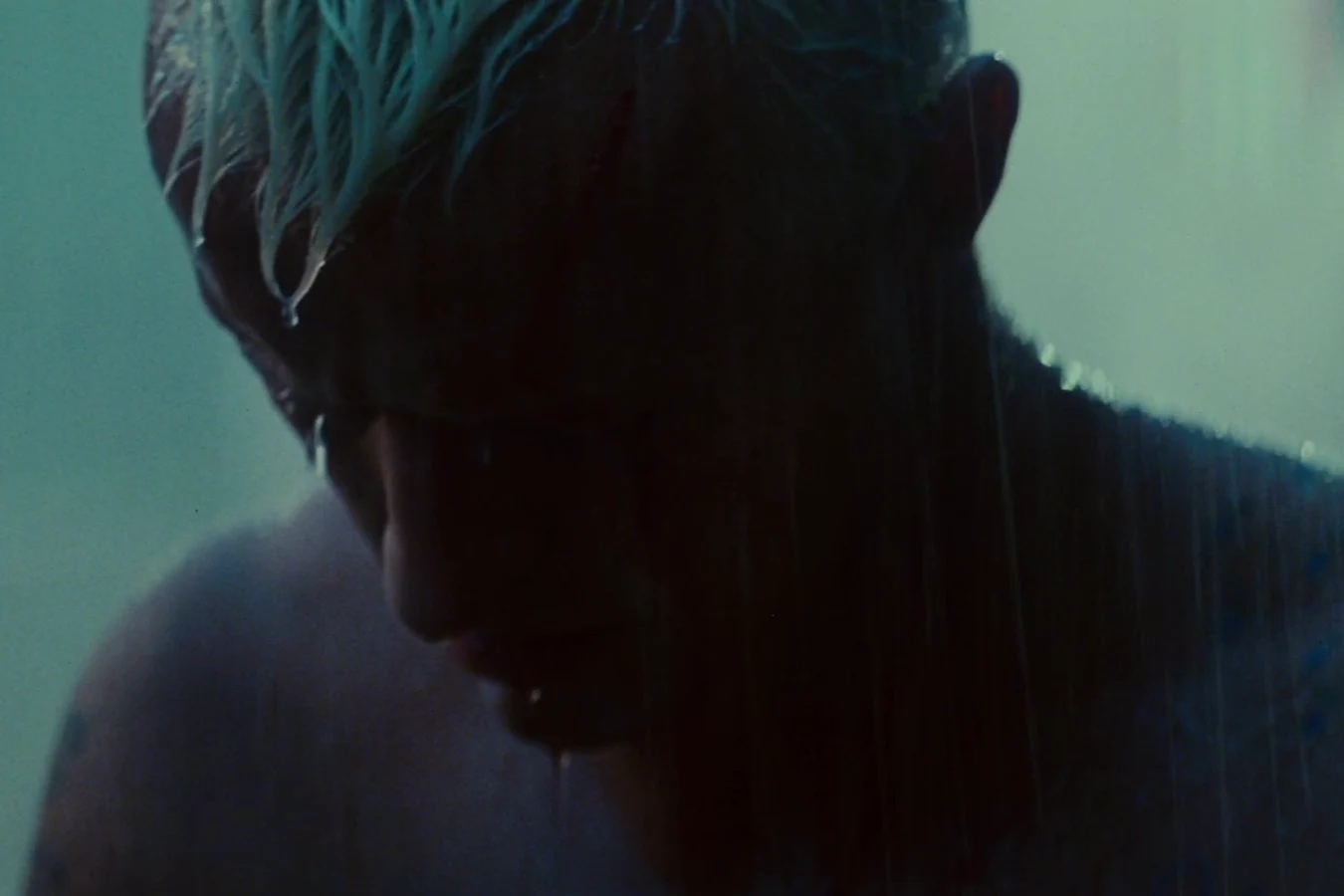
He bowed his head and died as his lifespan ran out, and the dove flew from his hand into the sky. Deckard sat beside him in silence, his broken hand held against his chest. Deckard later reflected that Roy had loved life in those last moments, not just his own but anyone's, even his. All he had wanted were the same answers everyone wanted, where he came from, where he was going and how long he had. The replicant who had come to Earth for more time spent the end of it saving the life of his hunter.
Aftermath
Gaff arrived by spinner shortly after Roy died and found Deckard sitting beside the body in the rain. He tossed Deckard his gun and told him that his work was done. Then he reminded him that Rachael, a replicant herself, would not live either, though no one lived forever. Roy's death closed the case of the escaped Nexus-6 models, with all four survivors now dead. Deckard went back to his apartment and left the city with Rachael, carrying with him what Roy had shown him about the worth of a single life.
Personality
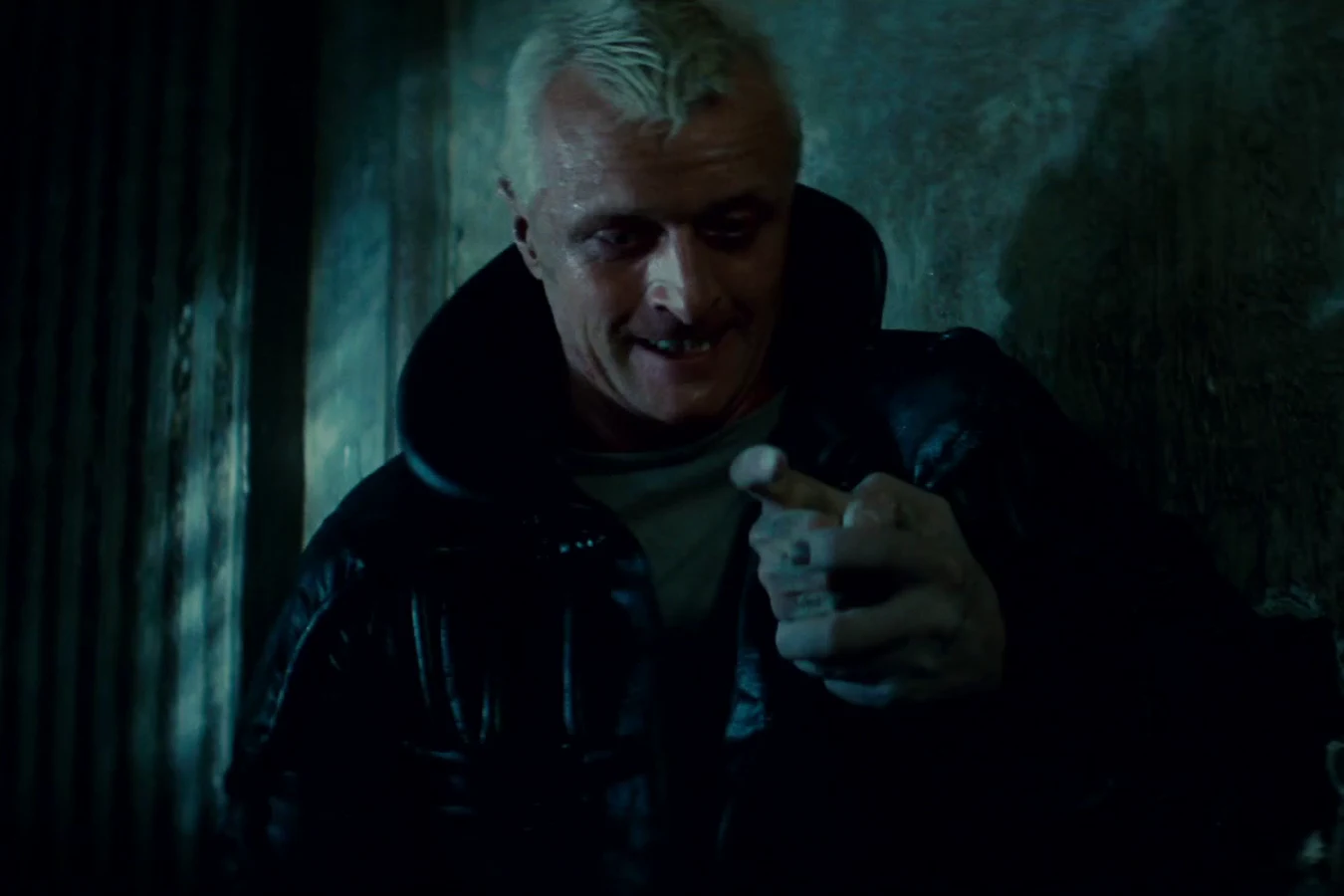
Roy was brilliant, charismatic and dangerous, a soldier who spoke like a poet and fought like an animal. He was capable of extreme violence, and he killed his maker and toyed with Deckard with an almost playful cruelty. Yet he loved the replicants who followed him, especially Pris, and he wept and raged over her body. His anger was aimed at the men who had made him to die, and his violence came from fear and grief as much as from his design.
He was also intensely curious and hungry for experience, prizing the memories that made him who he was. He knew that his life was ending from the moment he reached Earth, and every step he took was a struggle against that fact. In the end he accepted it, and his final act of mercy showed that he had become more human than the people hunting him. In the novel the same leader is colder and more calculating, and the comparison makes the film's Roy all the more striking.
Other Appearances
Marvel Blade Runner Comic
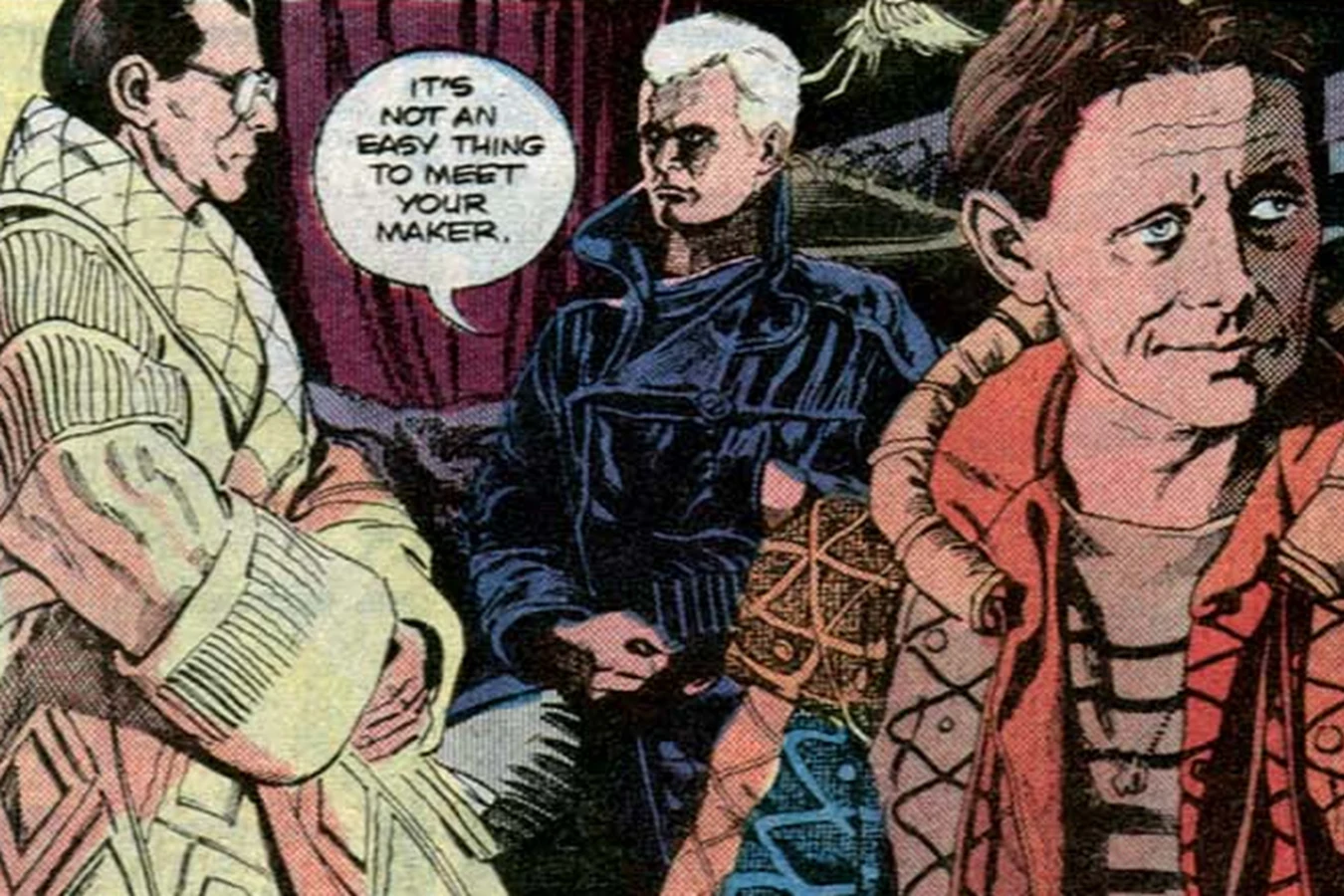
In Marvel's comic adaptation, written by Archie Goodwin and drawn by Al Williamson, Roy is named as a combat model and the leader of the four survivors. He and Pris press Sebastian into helping, and he goes up to the penthouse with him to demand more life. Tyrell explains that the systems that made him exceptional cannot be changed after manufacture, and Roy embraces his creator and kills him. The comic adds details of his military record, claiming he served in every Off-world conflict and survived 1,200 degrees in the plutonium furnaces of the Argentine Moons. It also has him boast of deep-space probes at minus 800 degrees, carried out in nothing more than a cowboy suit.
The comic follows the film's rooftop ending closely, with Roy driving a nail through his wounded hand as his body fails. He pulls Deckard onto the roof instead of letting him fall, then sits dying in the rain with a white pigeon and remembers battles on distant worlds. Unlike the film, the comic shows some of those memories as panels, picturing the fighting near the Tannhäuser Gate.
Do Androids Dream Of Electric Sheep?
In Philip K. Dick's 1968 novel Do Androids Dream of Electric Sheep?, the character is named Roy Baty, a Nexus-6 android built by the Rosen Association rather than the Tyrell Corporation. He is a large man with intelligent eyes and flat, broad features that give him a brutal look, dressed in a rumpled shirt and stained trousers. He is not a lone soldier but a married man, the husband of another android, Irmgard Baty. He never meets his maker, and the novel gives him no rooftop, no dove and no final speech. Where the film builds the story around him, Dick keeps him in the background until the last chapters.
Life On Mars
According to Pris, Roy and Irmgard ran a drugstore in a settlement near New New York on Mars, where he worked as the pharmacist and she sold skin creams and ointments. Pris depended on him for drugs, especially the synthetic painkiller silenizine, during her first lonely months on the colony. Deckard doubted the story, suspecting the pharmacy was a cover and that Roy had really been a field hand with ambitions. Dave Holden's notes described him as aggressive, with an assertive air of false authority and a taste for mystical ideas. He had stolen and experimented with mind-fusing drugs, claiming he wanted to give androids a group experience like the fusion of Mercerism, which they could never share.
Roy was the one who proposed the group escape, justifying it with his own creed about the sacredness of android life. The fugitives killed their owners and came to Earth together, voting on decisions as they had done aboard their ship. On Earth they scattered, and bounty hunters began picking them off one by one. By the day of the novel, Polokov, Garland, Luba Luft, Anders and Gitchel had all been retired. That left only Roy, Irmgard and Pris, who had taken shelter in an almost empty building in the suburbs of San Francisco.
Hiding With Isidore
Roy and Irmgard reached Pris after she sent them word, and in the doorway they met J.R. Isidore, a chickenhead who was the building's only other tenant. Roy delivered the news of their friends' deaths almost as if it pleased him to watch Pris's shock. Using electronics stripped from their ship, he wired the halls with microphones and an alarm built around a Penfield mood organ that would flood any intruder with panic. In explaining that the alarm would ignore Isidore but trigger for any other human, he let slip that the three of them were androids. Isidore, lonely and grateful for company, promised to protect them anyway.
When the group voted on whether to stay, Irmgard and Pris chose to make their stand in the building. Roy alone voted to kill Isidore and hide somewhere else, reasoning that the others had died because they had trusted the wrong person. Irmgard told him he trusted too much in his own intelligence, and Roy finally gave in, saying he was exhausted. That evening, while Isidore watched in horror, Pris and Irmgard cut the legs off a spider he had found, using Irmgard's cuticle scissors, and Roy held a lit match to the creature. None of the three androids could understand why the little man was so upset.
The Mercer Exposé
The androids gathered around Isidore's television for a broadcast by Buster Friendly, who had promised a great revelation. Friendly exposed Wilbur Mercer as an actor and his world as a sound stage, and declared Mercerism a swindle. Roy watched intently and was openly delighted, announcing that it was obvious why the religion existed. To him the exposé proved that human empathy was a fraud, and that the experience he had once tried to recreate with drugs had never been real. Isidore, shaken by the broadcast and the mutilated spider, slipped into a hallucination while the androids watched him.
Death In The Apartment
When the alarm went off, Roy sent Isidore away and waited with Irmgard in the dark apartment. Deckard knocked, pretending to be Isidore, then entered once Pris had already been retired on the stairs. Roy fired at him and missed, then slipped his laser to Irmgard and retreated into another room, hoping she could take Deckard from behind. Deckard shot Irmgard by the door, and Roy let out a cry of anguish at her death. Deckard then shot him, and his body crashed into the kitchen table, bringing down dishes and flatware.
Dick's Roy dies in a cramped apartment rather than on a rooftop, and he never spares his hunter or reflects on what he has seen. He is calculating and cold, contemptuous of human feeling, yet his last cry for his wife shows he was capable of some kind of love. He is only one of six androids Deckard retires that day, and the book moves on almost at once. The tragic, poetic replicant of the film was built from this figure by the screenwriters and Rutger Hauer. The comparison shows how much of Blade Runner's heart lies in the changes made to him.
BOOM! Studios Comic
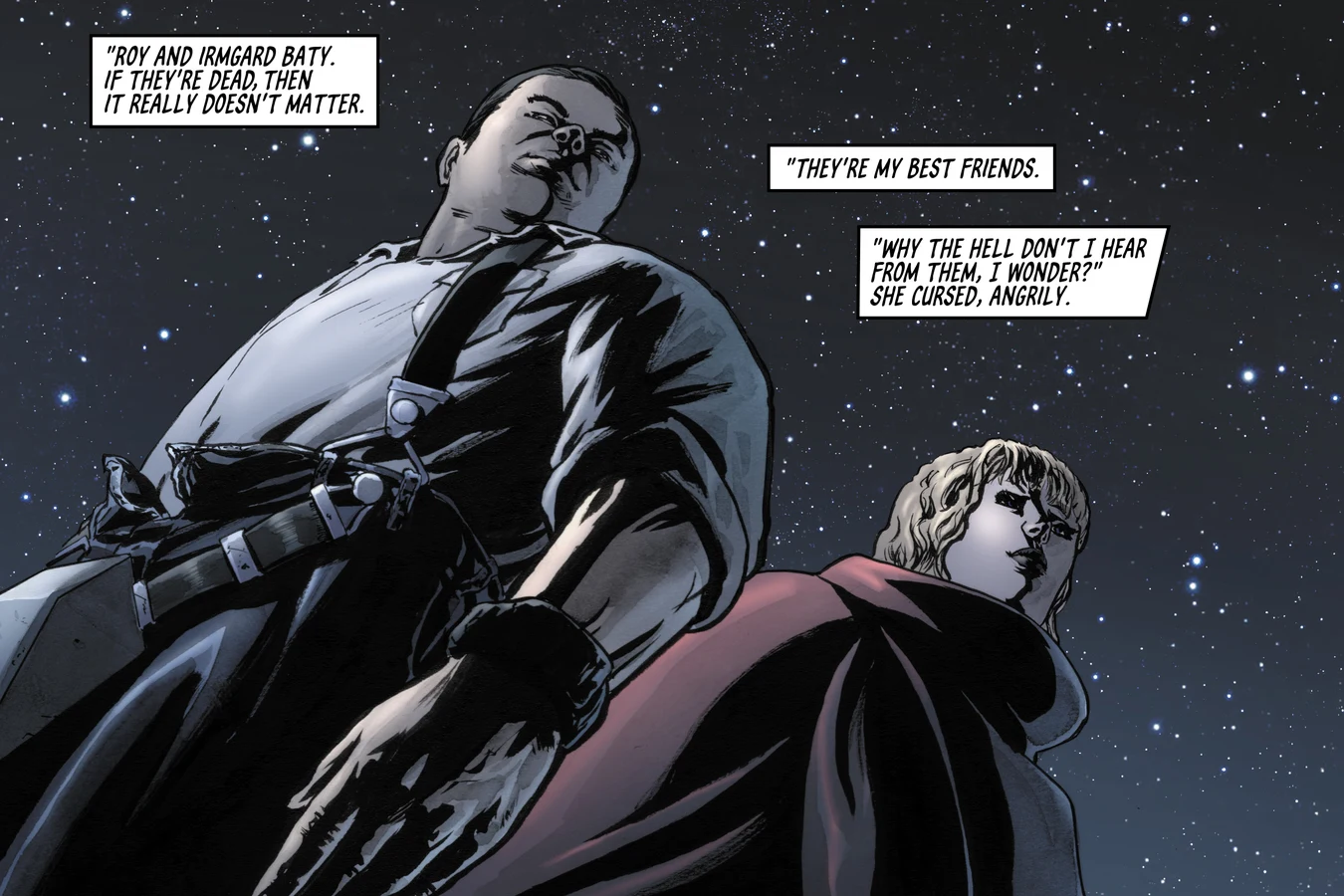
BOOM! Studios' 24-issue comic adaptation of the novel, drawn by Tony Parker, sets Dick's complete text beside its art. It shows Roy and Irmgard arriving at Pris's apartment, with Roy as a large man with intelligent eyes and flat features in a rumpled shirt and stained trousers. He delivers the news of the other androids' deaths almost with pleasure and proposes the alarm system made from junk off their ship.
The comic also draws his casual cruelty, holding a lit match to a spider whose legs Pris had cut off. His death comes at the end of the hunt, when Rick shoots him and his body crashes into the kitchen table. Next to the film's rain-soaked ending, this Roy dies small and unremembered, which is exactly the point of Dick's book.
In The KW Jeter Books
K.W. Jeter's sequel novels introduced a second Roy Batty, the human templant on whom the replicant had been modeled. In these books the Tyrell Corporation had used the original Batty for an entire production run of military replicants, of which the film's Roy was one. The human Batty was a white-haired mercenary, as ruthless as his copies and far stranger. His story runs through the first two sequels and is remembered in the third.
The Edge Of Human
In Blade Runner 2: The Edge of Human, the human Batty broke the wounded blade runner Dave Holden out of hospital and had an artificial heart and lungs put into him. He told the stunned Holden that he was the real Roy Batty and that his replicant copy had simply died when its four years ran out. He had been hired by Sarah Tyrell to find a missing sixth replicant from the original escape, and he suspected Deckard might be that replicant. He explained that a congenital fault in his brain, calcium deposits webbed through the centers of fear, turned terror into pleasure for him. Situations that frightened other people thrilled him, which made him a far stranger man than the soldier built in his image.
Batty also claimed that the replicants who had fled with his copy, including Pris, Zhora and Kowalski, had known exactly what they were. He used Holden as a partner while pursuing his own agenda, and his violence grew as the hunt closed in on Deckard. The chase ended on a broken freeway, where Batty was strangling Deckard with his bare hands. Holden shot him in the head to save Deckard's life. Even then, as the next book would reveal, he was not entirely gone.
Replicant Night
In Blade Runner: Replicant Night, Batty's mind survived inside a black leatherette briefcase marked RMD. Police technicians had performed a deep core retrieval from the surviving cells of his brain and spine and downloaded what remained into the storage unit. Holden carried the case as a courier, and Batty kept up a stream of mocking commentary from inside it, complaining about being stuck in a box with a handle. He revealed that the U.N. had used him as templant for Nexus-6 combat models to fill its armies Off-world, which was why the replicant Batty had been so hard to kill. The case also carried a packet with instructions that sent Deckard on to the next stage of the plot against him.
After Holden's death the briefcase passed to Deckard, who found himself talking to the voice of the man who had once tried to strangle him. Deckard reminded himself that it really was Batty inside, not just a recording. The case was finally shot to pieces in a raid on a U.N. bar, and the last of the human Batty's download was destroyed. With it went the final link between the original man and the replicants made in his image.
Eye And Talon
In Blade Runner 4: Eye and Talon, Roy appears only in memory, through a character named Carsten who had known the original templant. Carsten describes the human Batty as downright vicious, which was exactly why the Tyrell Corporation valued him as the model for its military-aggressor replicants. Carsten questions how quickly the replicant Batty accepted Tyrell's explanations in the penthouse, suggesting he had some other purpose there. The book also notes that Tyrell had been killed by Roy and that the corporation was gone.
Behind The Scenes
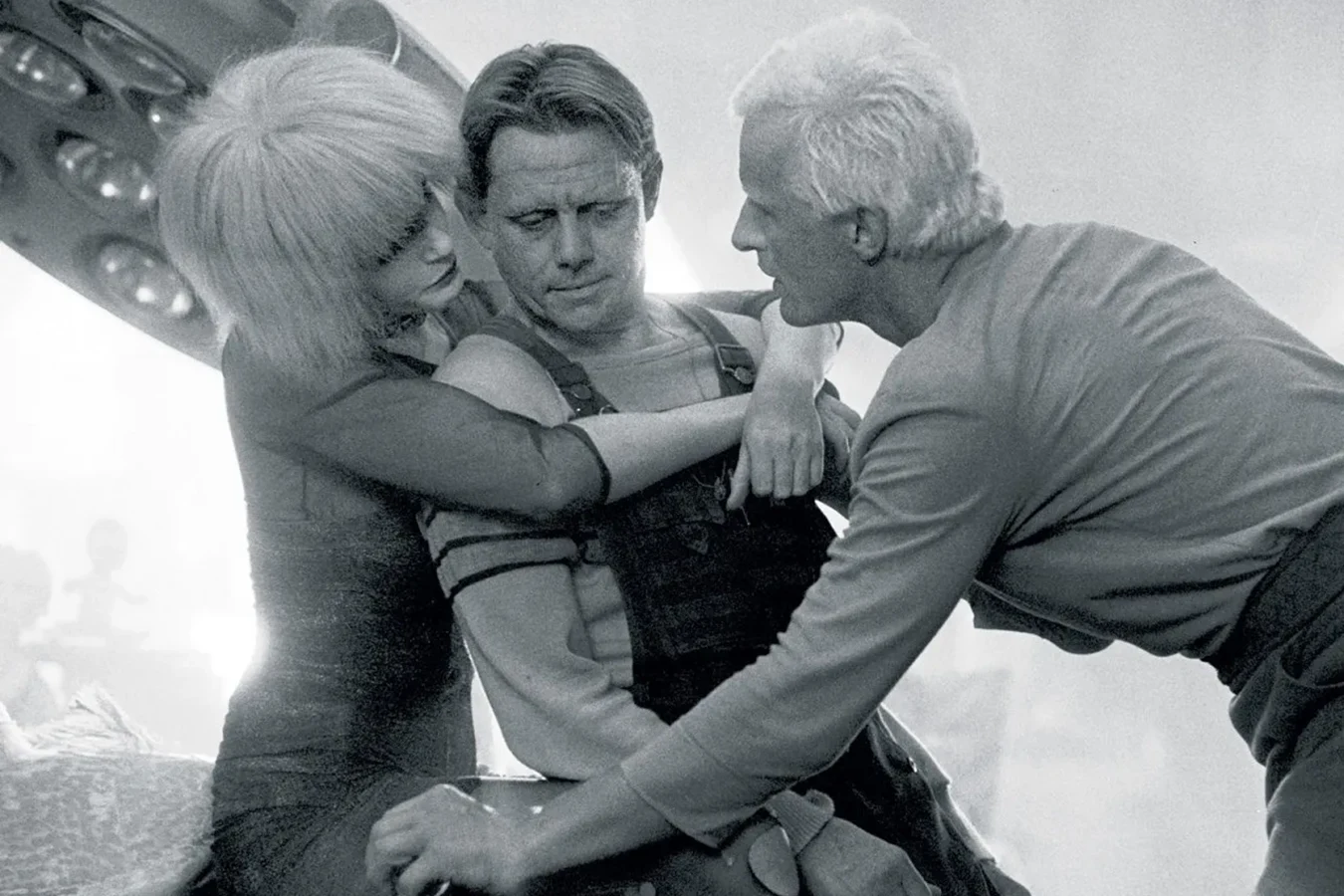
Ridley Scott cast the Dutch actor Rutger Hauer after his assistant Katy Haber screened his films Turkish Delight, Katie Tippel and Soldier of Orange for him, and Scott signed Hauer without ever having met him. At their first meeting Hauer arrived with bleached-white hair in a high crew cut, huge sunglasses, pink satin trousers and a white sweater with a fox on it, leaving Scott briefly horrified. Hauer had worried that replicants would be pale, alien figures, until Scott assured him they would look like ordinary people. Philip K. Dick saw production stills and said Hauer was exactly the Batty he had imagined, cold and flawless, only more so.
Hauer said he and Scott built Roy's poetry and playfulness around the idea of a four-year-old experiencing everything for the first time, such as his delight in Sebastian's toys. Scott insisted that Roy should never hesitate, and Hauer later explained that Roy saved Deckard as a pure reflex, which Scott confirmed on set. The kiss Roy gives the dead Pris, pushing her tongue back into her mouth, was Hauer's idea, as was the dove he carries during the final chase. Hauer reasoned that Roy had explored the empty rooms beforehand and knew birds roosted there, and that releasing it could show his death without any acting. Ford and Hauer did their own work for the rescue, with a hidden harness and crane lifting Ford as Hauer raised him by the wrist.
In Hampton Fancher's early scripts Deckard killed Batty, and one draft ended with Roy's dead hand dragging Deckard toward the edge of the roof. David Peoples changed the ending so that Roy saved his hunter, and also wrote an unfilmed opening in which Batty climbed out of a pile of dead replicants in an Off-world junkyard. Hauer cut the longer written speech the night before filming, arguing that a dying replicant had no time for a farewell, and added the closing image of tears in rain. Crew members recalled people weeping on set when he finished, on the final night of principal photography with the dawn already breaking.
The dove was too wet to fly, so Scott later filmed another bird for the release shot at Elstree Studios in England. Different cuts change small details, and in the Final Cut Roy calls Tyrell father where the theatrical version used an obscenity. In stage productions of the novel Roy has been played by Christian Pedersen and Rafael Goldstein, and Danny Sapani voiced him in a radio adaptation. Hauer died in 2019, the year in which the film is set.
Famous Quotes
- "Fiery the angels fell."
- "If only you could see what I've seen with your eyes."
- "There's only two of us now."
- "Can the maker repair what he makes?"
- "I want more life, father."
- "I've done questionable things."
- "Not very sporting to fire on an unarmed opponent."
- "This is for Zhora. This is for Pris."
- "Quite an experience to live in fear, isn't it? That's what it is to be a slave."
- "I've seen things you people wouldn't believe."
- "All those moments will be lost in time, like tears in rain. Time to die."
Conclusion
Roy Batty was a weapon who learned to want more than the four years he had been given. He killed his maker, avenged his companions and terrified the man sent to retire him, then chose mercy in his final moments. Dick's Roy Baty died as a cold fugitive, the comics followed both versions closely, and Jeter turned his name into a human and a voice in a briefcase. In the film he remains the heart of the story, the replicant whose death in the rain made the question of what is human impossible to ignore.
Appearances
- Do Androids Dream of Electric Sheep? (1968, as Roy Baty)
- Blade Runner (1982)
- Marvel Super Special #22: Blade Runner (Marvel Comics, 1982)
- Blade Runner 2: The Edge of Human (1995, human templant)
- Blade Runner 3: Replicant Night (1996, human templant's mind)
- Blade Runner 4: Eye and Talon (2000, mentioned)
- Do Androids Dream of Electric Sheep? (BOOM! Studios, 2009-2011, as Roy Baty)
Tag Categories: Blade Runner Lore | Blade Runner Characters | Replicant Characters