
Zhora was a Nexus-6 replicant in Ridley Scott's Blade Runner, played by Joanna Cassidy. Retrained for political homicide and an Off-world kick murder squad, she came to Earth with the escaped group led by Roy Batty. In Los Angeles she hid in plain sight as Miss Salome, a snake dancer at Taffey Lewis's club. In November 2019 Rick Deckard followed a snake scale from Leon Kowalski's hotel room to her dressing room, and she became the first replicant he retired on the case.
Biography
Inception
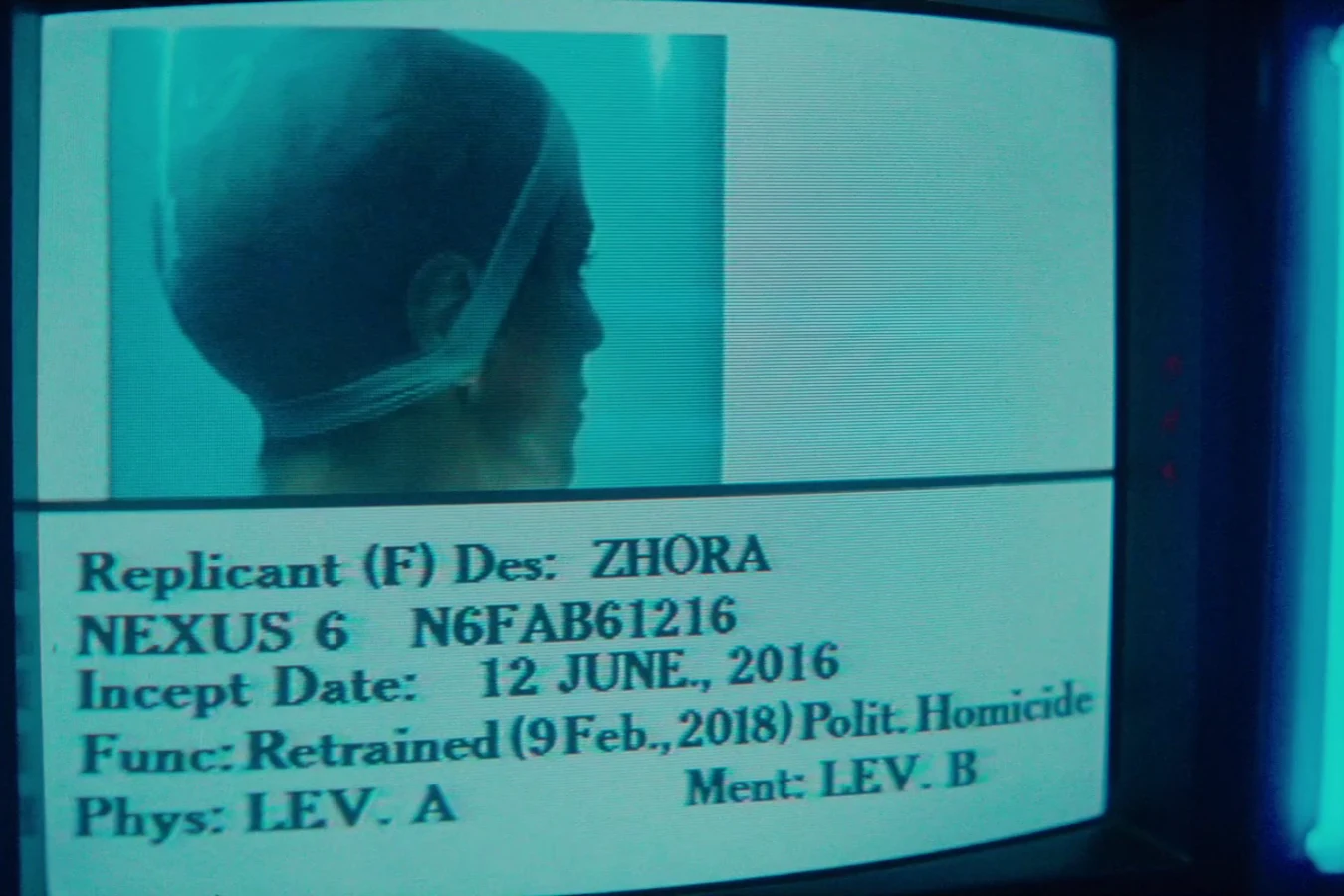
Zhora was a Nexus 6 female replicant built by the Tyrell Corporation, serial N6FAB61216, with an incept date of 12 June 2016. Her police file rated her physical level A and her mental level B, and listed her function as retrained on 9 February 2018 for political homicide. She had been trained for an Off-world kick murder squad, an assassin built for the colonies rather than for life on Earth. Captain Harry Bryant described her to Deckard as both a beauty and a beast when he went through the files of the escaped replicants. Like every Nexus 6, she carried a built-in four-year lifespan, a fail-safe added because the designers feared the replicants would develop emotions of their own. By the time she reached Earth in November 2019, that limit was close to running out.
Earlier Life
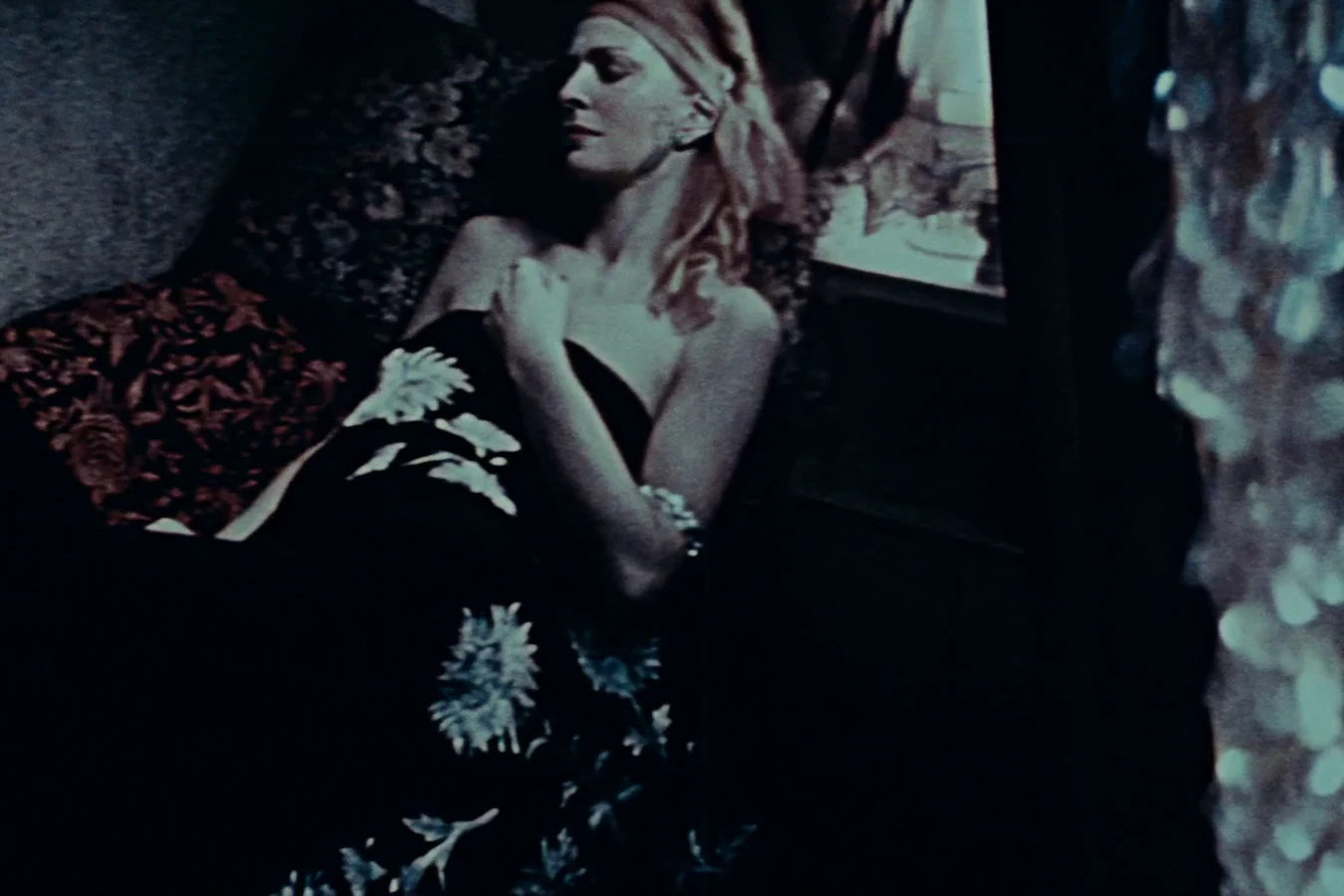
Zhora was one of six replicants, three male and three female, who escaped from the Off-world colonies in late 2019. The group slaughtered 23 people, hijacked a shuttle, and abandoned it off the coast of Los Angeles, where an aerial patrol found it drifting with no crew aboard. Two of the six were killed running through an electrical field when they tried to break into the Tyrell Corporation, leaving Zhora, Leon, Roy Batty and Pris at large. While Roy looked for a way to extend their lives, Zhora found work as an exotic dancer and earned her own living in the city. A photograph from Leon's room at the Hunterwasser hotel, enlarged in Deckard's Esper machine, showed her asleep with a snake tattoo on her neck. A scale found in Leon's bathtub came from a manufactured snake, and its serial number led Deckard to the snake maker Abdul Ben-Hassan. Ben-Hassan had sold the snake to Taffey Lewis, which brought the hunt to The Snake Pit in the Fourth Sector, the club where Zhora worked.
Miss Salome And The Snake
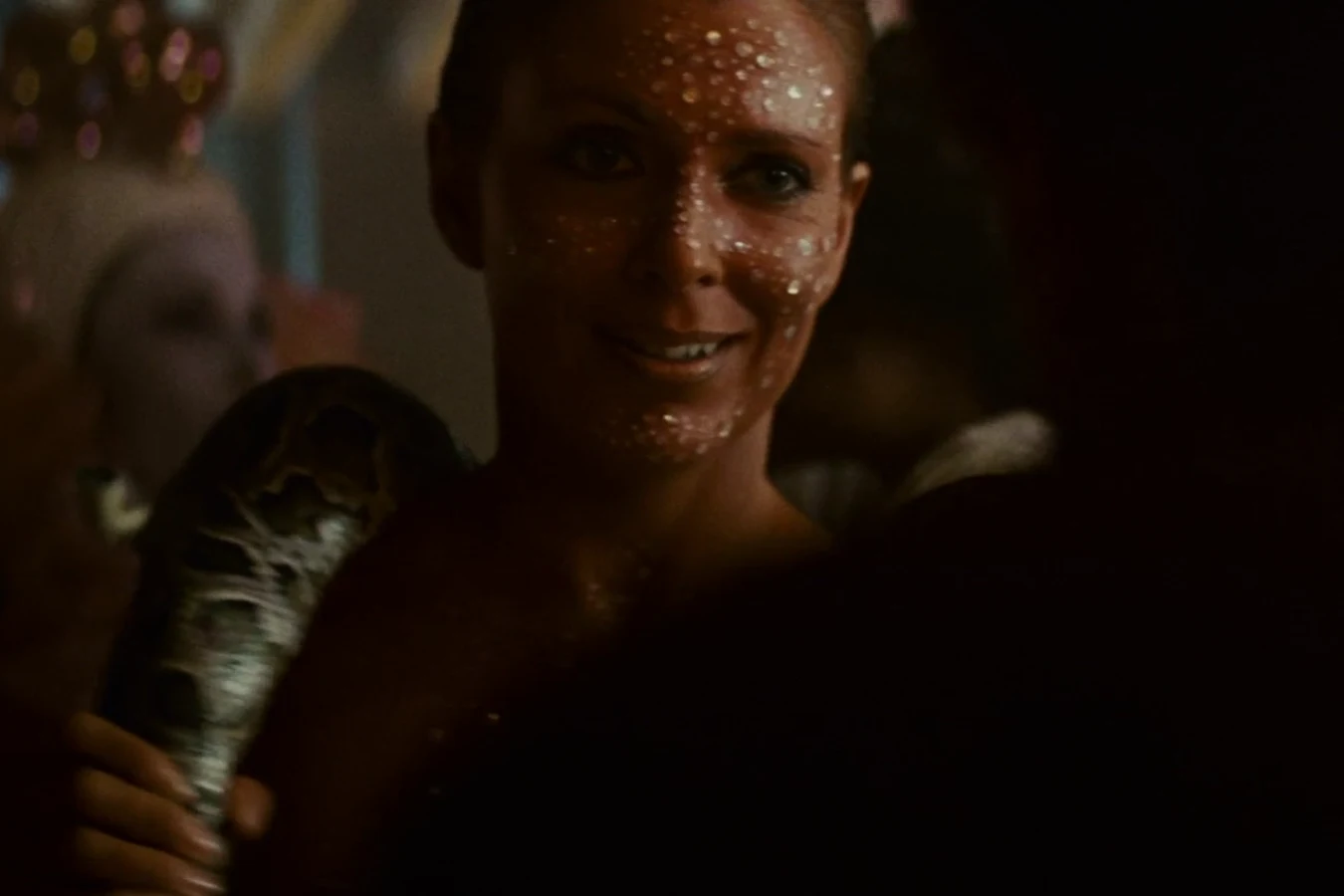
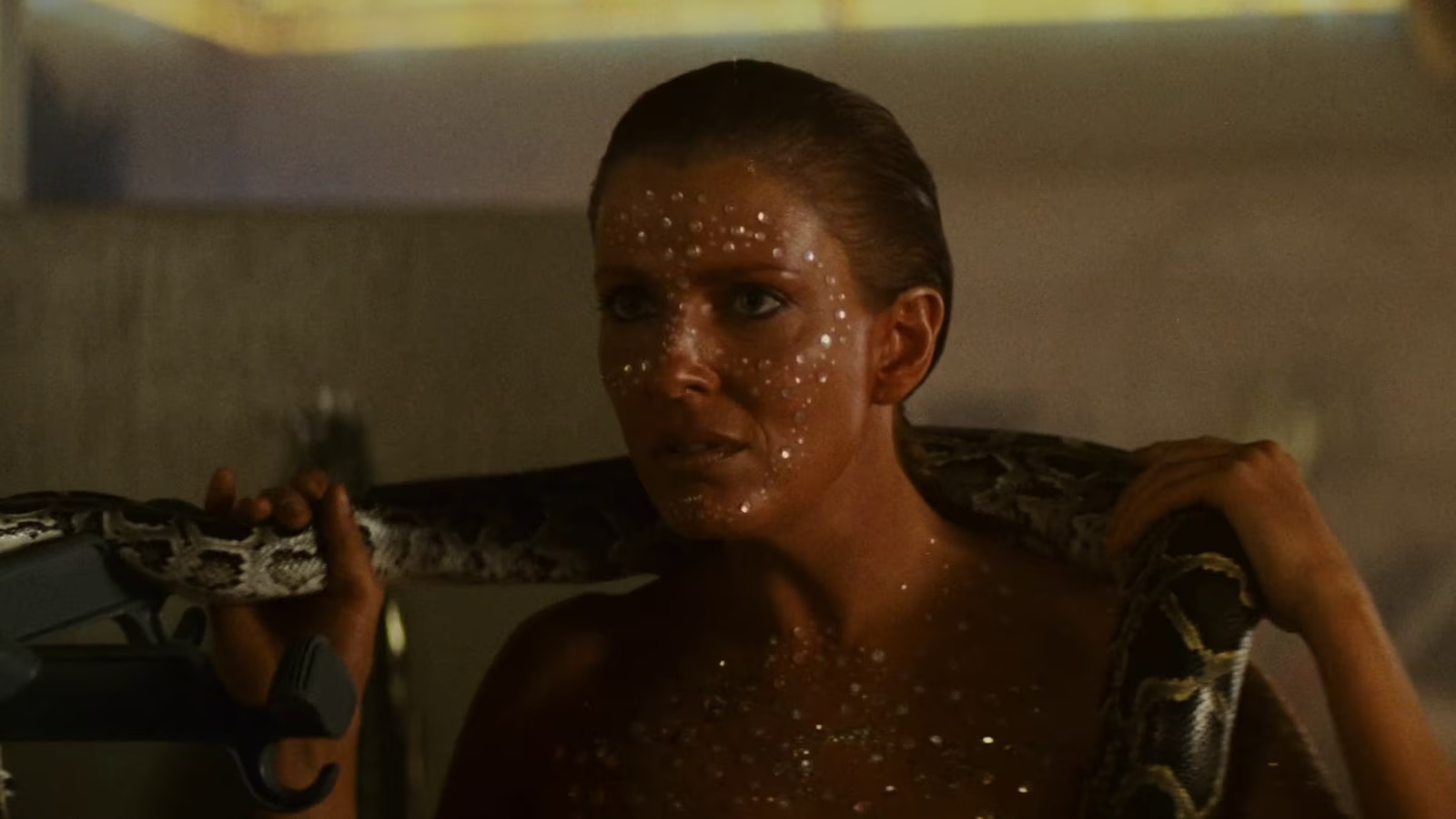
At Taffey Lewis's club, Zhora performed under the stage name Miss Salome, a snake dancer billed as a woman who took her pleasure from the serpent that once corrupted man. She performed with her body painted and spangled with sequins, and her partner on stage was a large python. The snake was an artificial animal, since a real one was far beyond what a club dancer could afford. Its maker had stamped a serial number into every scale, the detail that let a single scale lead Deckard to her. Deckard waited in the crowded Fourth Sector bar during the announcement of her act and called Rachael from there, asking her to join him. She declined, and Deckard went backstage alone to find Miss Salome.
Dressing Room Attack
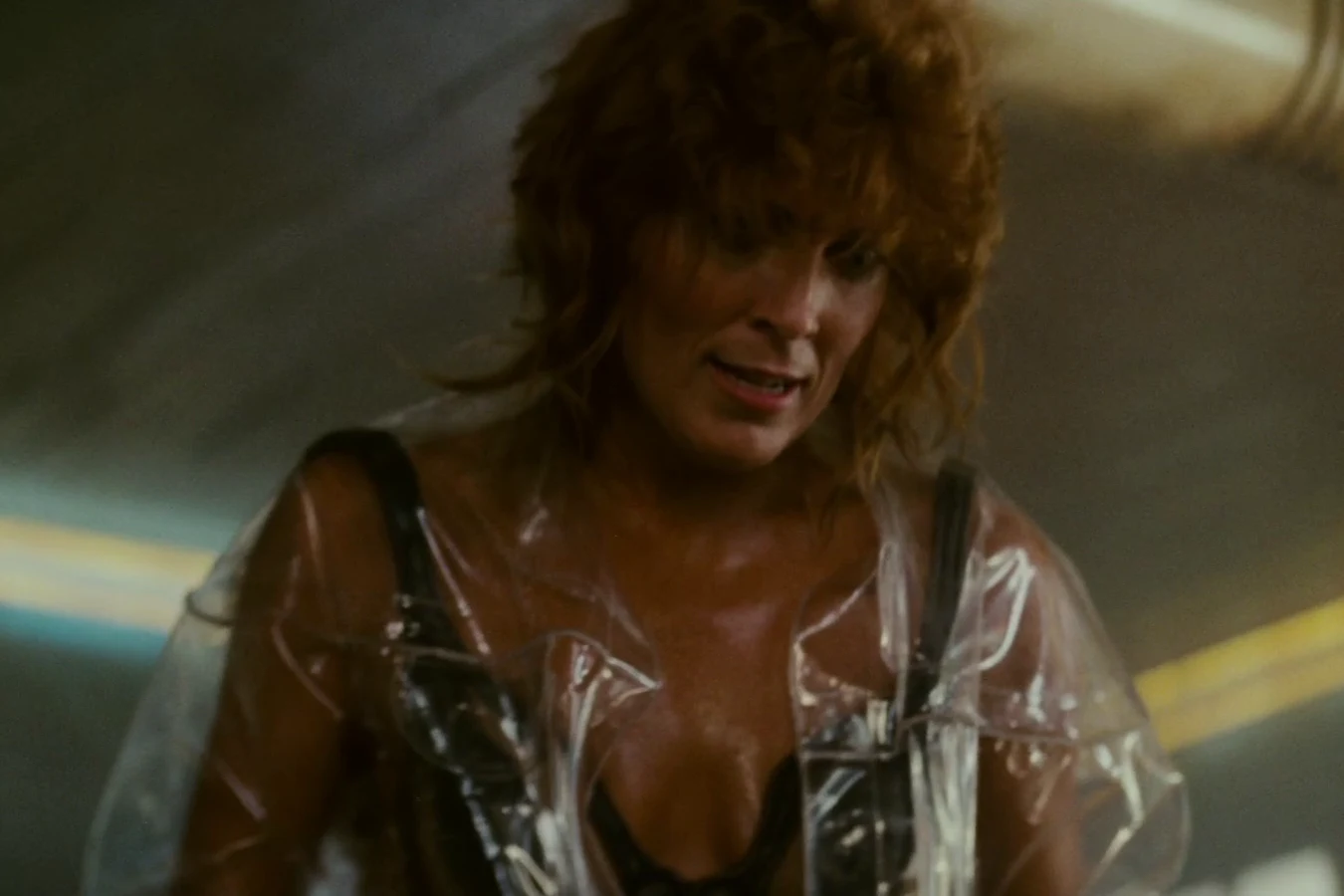
Deckard approached Zhora at her dressing room door posing as a union representative, then switched to a cover story about a Confidential Committee on Moral Abuses. He claimed to be checking performers' dressing rooms for spy holes drilled by men who wanted to watch women undress, and she let him in while she showered. When he asked whether her snake was real, she told him it was artificial and that she could never afford a real one on a dancer's wages. Zhora saw through the act and recognized him as a blade runner, but kept up the conversation while she dried off and dressed. She played along with his questions and drew him close, waiting until he was off his guard.
Once she had her boots on, Zhora attacked without warning, striking Deckard to the floor with her elbows and hands. She pulled on a clear plastic raincoat, knelt over him, and began to strangle him with his own necktie, showing the strength of a model built for murder squads. Several other dancers walked into the dressing room before she could finish him, and she broke off the attack. With her cover exposed, she ran from the club into the night streets of the Fourth Sector. Deckard recovered, drew his gun, and went after her.
The Chase
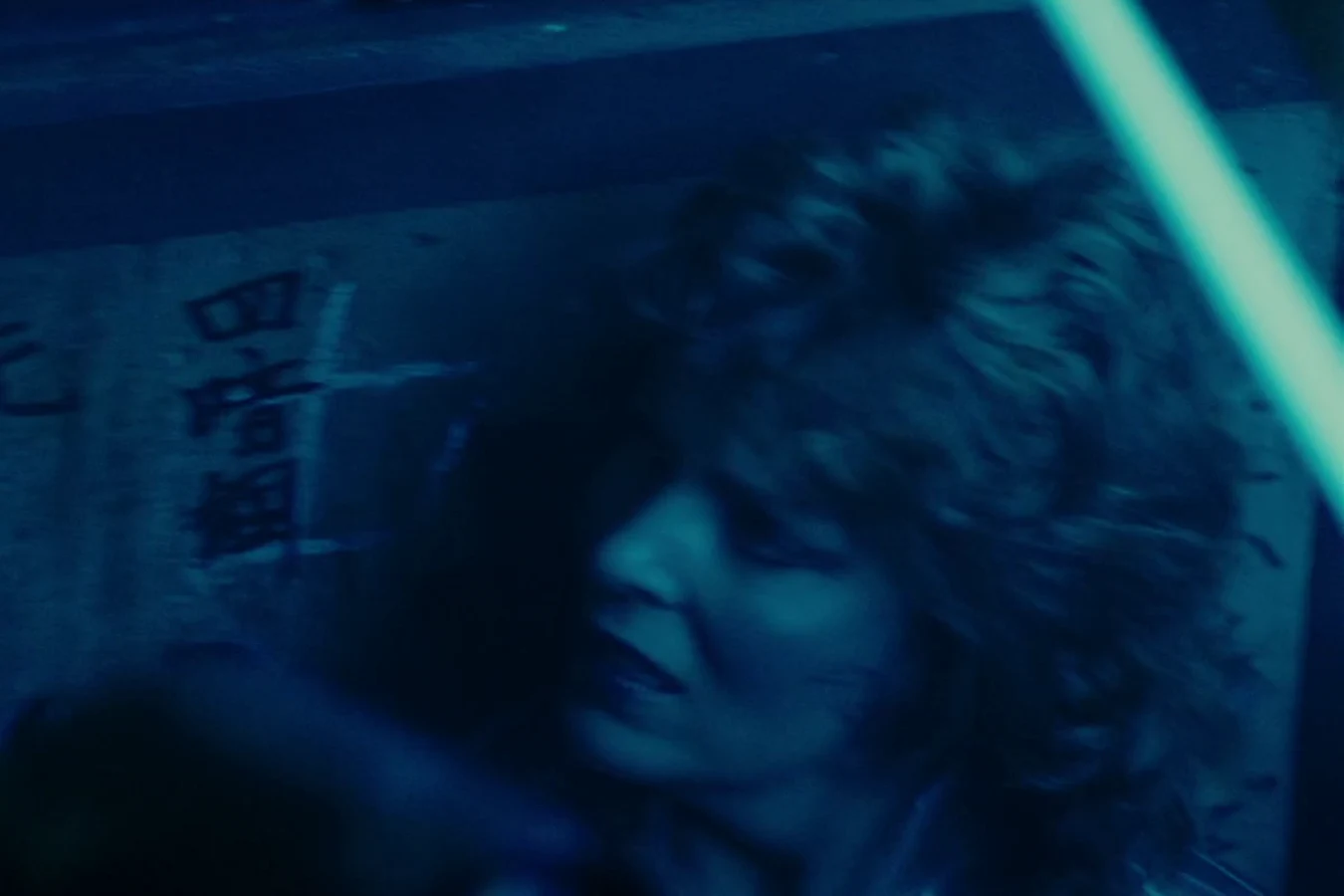
Zhora fled into the crowded, rain-soaked streets of the Fourth Sector at night, still wearing her clear raincoat. The sidewalks were packed with pedestrians under umbrellas, and she used the crowd as cover, weaving through the traffic and over parked cars. Deckard followed with his gun drawn but could not risk a shot while so many people stood between them. Leon was in the same crowd and saw the pursuit, though neither of them knew it. Zhora was stronger and faster than any human, yet she could not shake the blade runner behind her. Deckard finally got a clear shot as she ran along a less crowded row of brightly lit shop windows.
Death Through The Glass
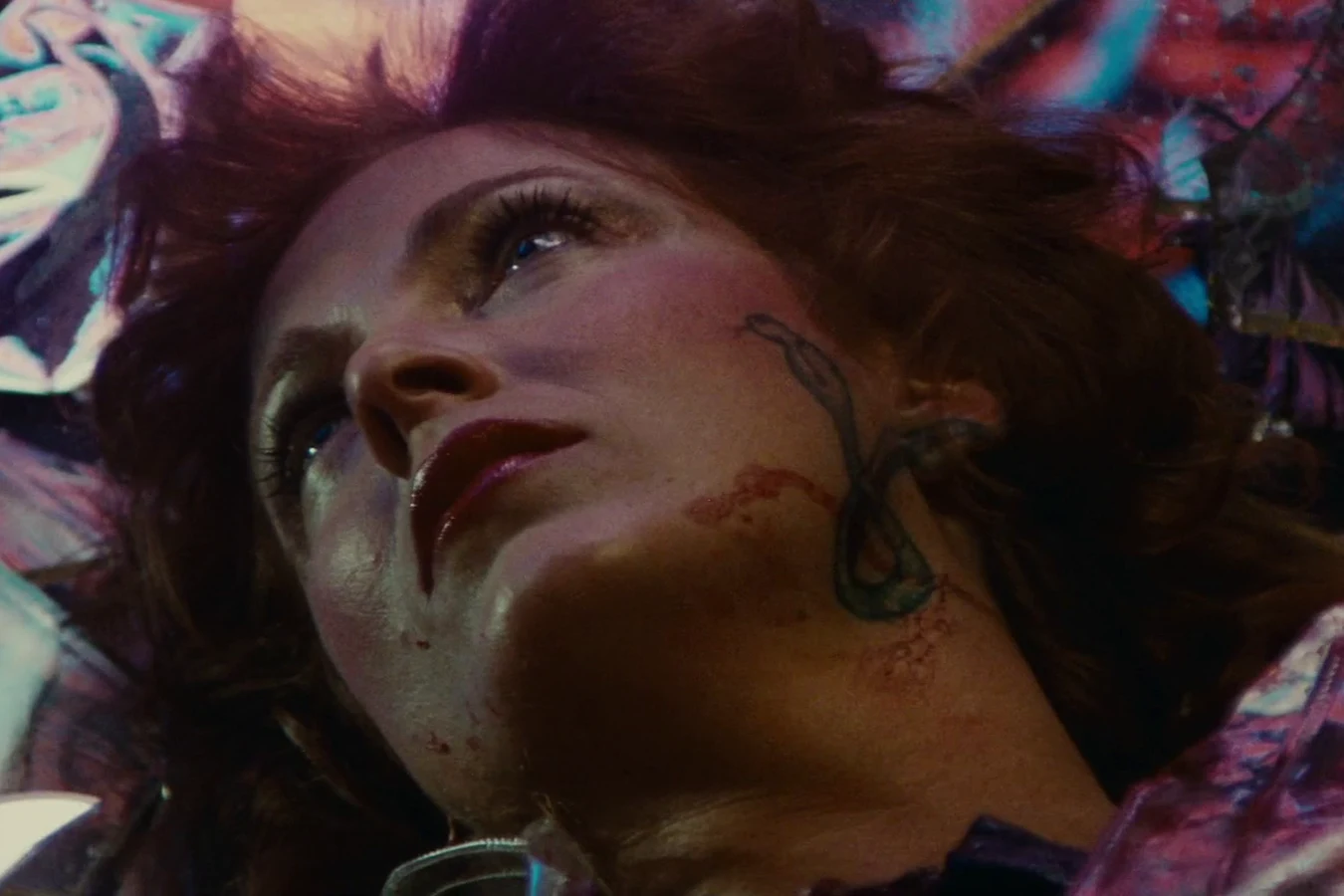
Deckard shot Zhora in the back, and she crashed through a series of plate-glass display windows, falling among the mannequins. Badly wounded, she got up and kept running until another shot sent her through the last window, where she died in a shower of glass. Police arrived to clear the crowd, and the snake tattoo on her neck matched the photograph Deckard had found in Leon's room. Bryant arrived soon afterward, praising Deckard's work and counting four replicants left to retire. Zhora was the first of the fugitives Deckard killed in November 2019. Leon had watched her die, and he caught Deckard minutes later, nearly killing him before Rachael shot Leon with Deckard's gun. Roy Batty later avenged both her and Pris when he broke Deckard's fingers in Sebastian's building.
Personality
Zhora was the most independent of the group, earning her own living on a club stage instead of hiding with Roy. She was quick-witted and dry with Deckard, answering his act with "Are you for real?" and enjoying how far he would go with it. She was also a trained killer, and she let him in only until she was ready, then went for him with her elbows, hands and his own tie. Once the fight turned against her she ran rather than finish it, and the chase showed her as frightened as any pursued woman in the crowd. Leon cared for her, and her death set both him and Roy against Deckard.
Other Appearances
Marvel Blade Runner Comic
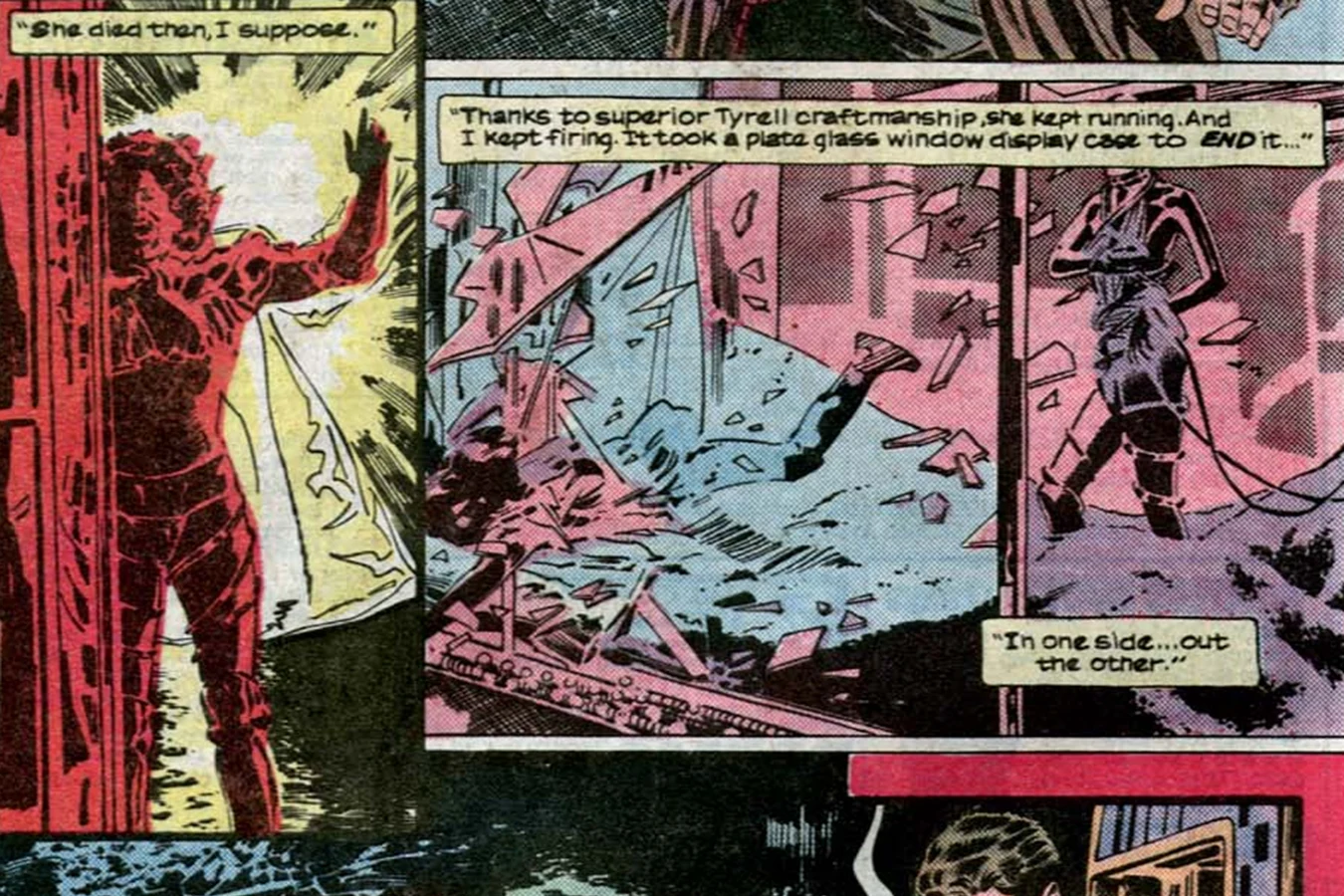
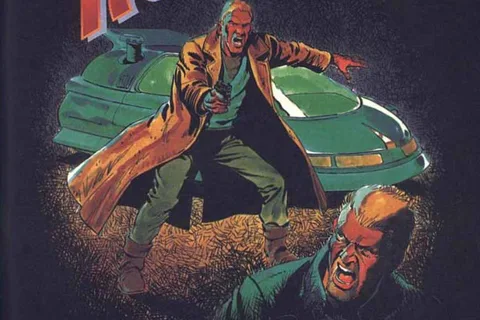
Marvel's Super Special #22 named Zhora among the four escapees, trained for an assassination squad. A specialist traced Leon's scale to a genetically manufactured snake, and its serial number led Deckard through a dealer to her nightclub act. Deckard went backstage claiming to investigate men who spied on performers, and once she saw what he was she attacked and fled into the streets. His narration says that thanks to superior Tyrell craftsmanship she kept running and he kept firing, and that it took a plate glass window display case to end it. "In one side... out the other."
Westwood Blade Runner 1997
Zhora never appears on screen in Westwood's 1997 Blade Runner, which runs parallel to the film. Her death is news in the game's Los Angeles, mentioned in a news report and by the comedian Gordo Frizz. Gordo works at Taffy Lewis' on Nightclub Row, the club that billed her snake act, and was brought on to replace the main act after Deckard shot her. Taffy Lewis himself is never seen. The game's exotic dancer Dektora fills a role close to Zhora's.
In The KW Jeter Books
K. W. Jeter's sequels remember Zhora as Deckard's first kill of the 2019 hunt. In Blade Runner 2: The Edge of Human, Bryant's file logs "the females Zhora and Iris" as numbers four and five, and she is described as "the brunette Zhora." Deckard recalls her crashing through one plate-glass window after another, with her blood mingling with the rain. The novel also imagines the Prisses, the Zhoras and the Roy Battys warehoused together as production models.
Blade Runner 3: Replicant Night recalls crowds watching "the replicant Zhora's bullet-driven terminal arc" through the store windows. It traces the whole chase back to the moment she wheeled about in her dressing room at Taffy Lewis's club. On the orbiting studio, director Urbenton complains that he could not bring a real snake into orbit for the dressing-room scene of his restaging. The template for the Batty model sums up Zhora, Pris and the Kowalski replicant as replicants who knew what they were, and it did not help them.
Blade Runner RPG
Free League's Blade Runner RPG leaves Zhora unnamed but builds her death into the history of The Snake Pit, set out among the Sector 1 locations of its 2037 Los Angeles. The core rulebook describes the Snake Pit as a variety club infamous for its strong drinks, five-star entertainment and sordid history. Decades earlier, one of its performers was retired on the street and later revealed as a fugitive Nexus-6 conspirator behind the infamous 2019 Tyrell Corporation murder spree. Owner Taffey Lewis turned that infamy into free publicity, and his sultry club became a sensation that still draws the best stage performers in the city. The club is one of the locations on the book's Sector 1 case table, and the rules use Taffy Lewis himself as an example, questioned by a blade runner about a suspected Nexus-8 seen at his bar.
Do Androids Dream Of Electric Sheep?
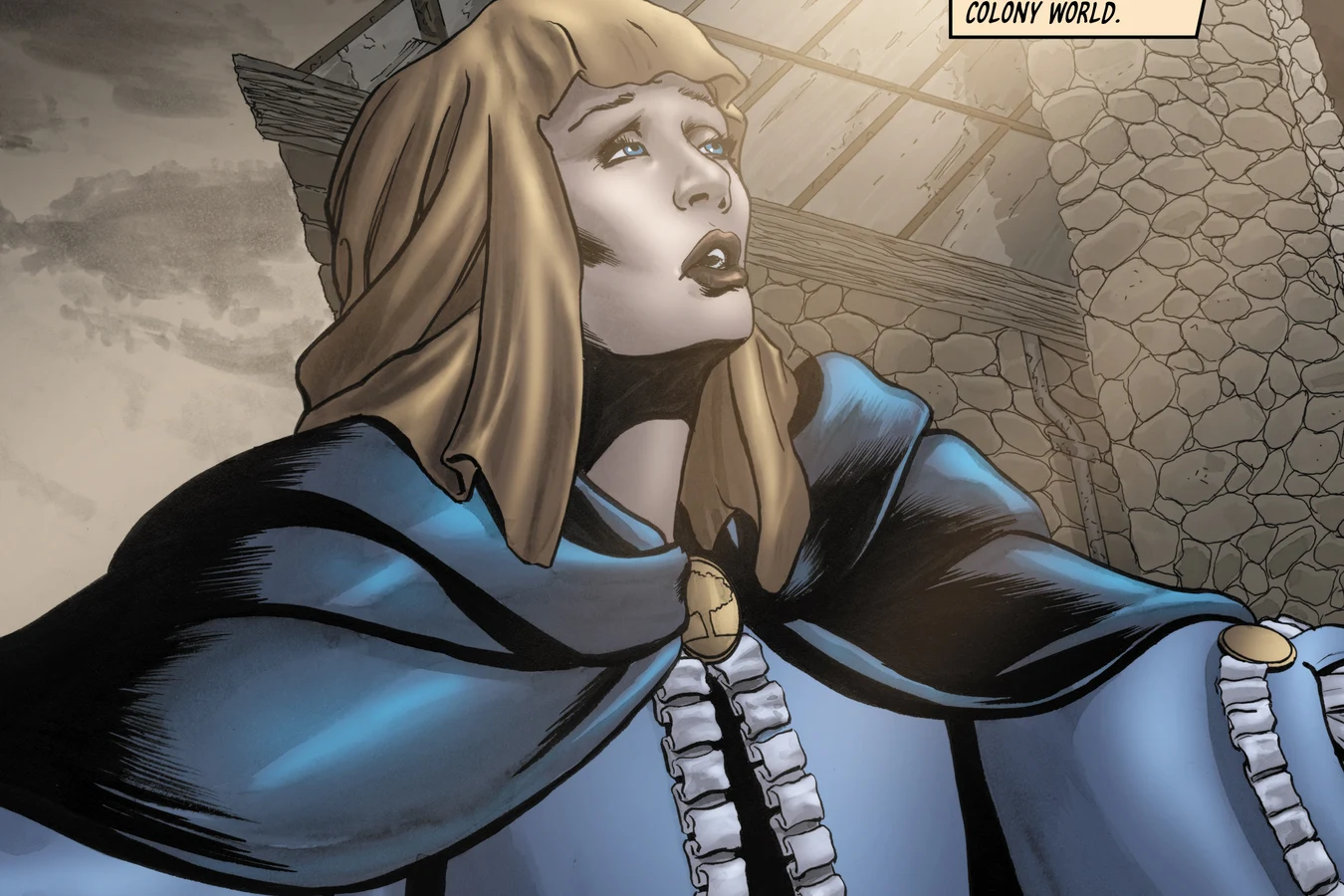
Zhora does not exist in Philip K. Dick's Do Androids Dream of Electric Sheep?, and her closest counterpart is the opera singer Luba Luft. Luba was next on Holden's list after Polokov, and her poop sheet gave her apparent age as twenty-eight. Rick found her rehearsing Pamina in Mozart's The Magic Flute at the old War Memorial Opera House and judged that her voice rated with the best in his historic tapes. In her dressing room she turned the Voigt-Kampff questions back on him, pulled a laser tube, and called the police, and Officer Crams took Rick to the Mission Street station run by Garland.
Rick and Phil Resch later found her at a museum looking at Edvard Munch's Puberty, and Rick bought her a book of Munch's work with his own money. In the elevator Resch shot her in the stomach, and Rick finished her with his own laser tube, then burned the book. Her death left him feeling empathy for androids, because Luba Luft had seemed genuinely alive. BOOM! Studios' comic adaptation shows her on stage as Rick wonders why androids flee to Earth, singing Don Giovanni and Le Nozze instead of toiling on a barren colony world.
Behind The Scenes
Joanna Cassidy had already appeared in Bullitt and The Outfit before Blade Runner, and went on to Under Fire and Who Framed Roger Rabbit. Paul M. Sammon's Future Noir records that she called herself "a total jock" and saw Zhora as a rebel going up against the majors who did not really belong to anybody. She read about Queen Victoria and Joan of Arc to build the character. The python in the dressing room was her own snake, a four-year-old male Burmese python named Darling, and she kept more than six snakes at home.
Scott fought for an erotic snake dance, the stage set was built, and Mentor Huebner drew a version using Claymation and a snake, budgeted at over $200,000. The producers refused, so the dance was never filmed, and Cassidy later posted her own interpretation of it online in 2012. The dressing-room scenes took three nights, with body paint and sequins in latex that took four people three hours a day to apply. Cassidy did her own fighting with Harrison Ford, drawing on her karate training, and refused a double for running over the cars, which left her switching from high heels to flats mid-chase.
Stunt double Lee Pulford went through the breakaway glass from the Warner Bros. prop department, and the Final Cut digitally replaced Pulford's face with Cassidy's. The woman on the Esper daybed is a stand-in, not Cassidy. The shooting script and the storybook A Story of the Future had Zhora hit by a bus after Deckard shot her. Cassidy wanted Zhora sympathetic in her last run, with little cries of terror as she fled, and writer Hampton Fancher's early drafts had the replicants tap the police computer, which explains how Roy knew about her death.
Famous Quotes
- "Are you for real?"
- "Of course it's not real. Think I'd be working in a place like this if I could afford a real snake?"
- "So if somebody does try to exploit me, who do I go to about it?"
- "You're a dedicated man. Dry me."
Conclusion
Zhora was the replicant Deckard found by following Leon's snapshots and scale, and the first he retired in the 2019 hunt. Her file marked her a political assassin, but the film found her dancing with an artificial snake and fighting him off with her bare hands. Marvel kept her death in the display windows, the 1997 game left her as news on Nightclub Row, and the novel has only Luba Luft. Her death through the glass turned Leon and Roy against Deckard.
Appearances
- Blade Runner (1982)
- Marvel Super Special #22: Blade Runner (Marvel Comics, 1982)
- Blade Runner: A Story of the Future (1982)
- Blade Runner (Westwood Studios, 1997, mentioned)
- Blade Runner 2: The Edge of Human (mentioned)
- Blade Runner 3: Replicant Night (mentioned)
- Blade Runner RPG (Free League, mentioned)
Tag Categories: Blade Runner Lore | Blade Runner Characters | Replicant Characters