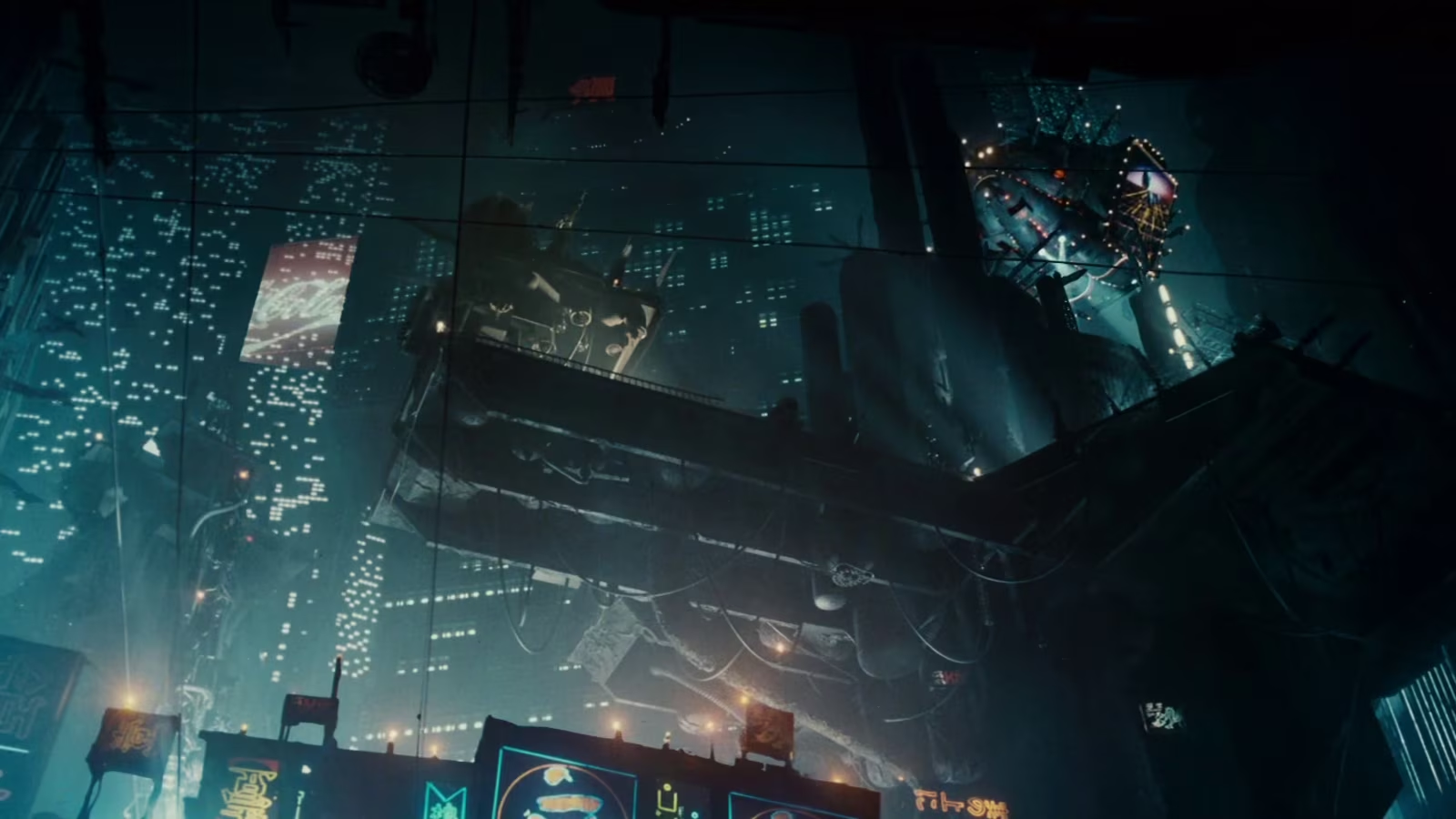

Blade Runner has one main canon: the film continuity that began with Ridley Scott's 1982 film and that Alcon Entertainment expanded with Blade Runner 2049 and the works around it. Beside it run two lesser-known lines, kept apart from the films in much the way Star Wars fans now treat the old Legends stories: the world of Philip K. Dick's Do Androids Dream of Electric Sheep?, where the story began, and K. W. Jeter's authorized sequels that began with The Edge of Human. Each tells its own version of what happened to Rick Deckard after the hunt. Two outside works sit at the edges of that map. Scott's Alien shares props, screen graphics, and in-jokes with Blade Runner, and the 1998 film Soldier carries Blade Runner references in its script.
Film And Book Continuities
The film continuity and the two lesser-known book lines split at the same point: what happened to Deckard and Rachael after the 2019 hunt. The film line answers with Rachael's pregnancy and the 2049 search for her child, the novel line never leaves 1992 San Francisco, and Jeter's books follow Deckard into hiding and off Earth. Each line is consistent inside itself, but they cannot be read as one history.
Main Film/Alcon Continuity
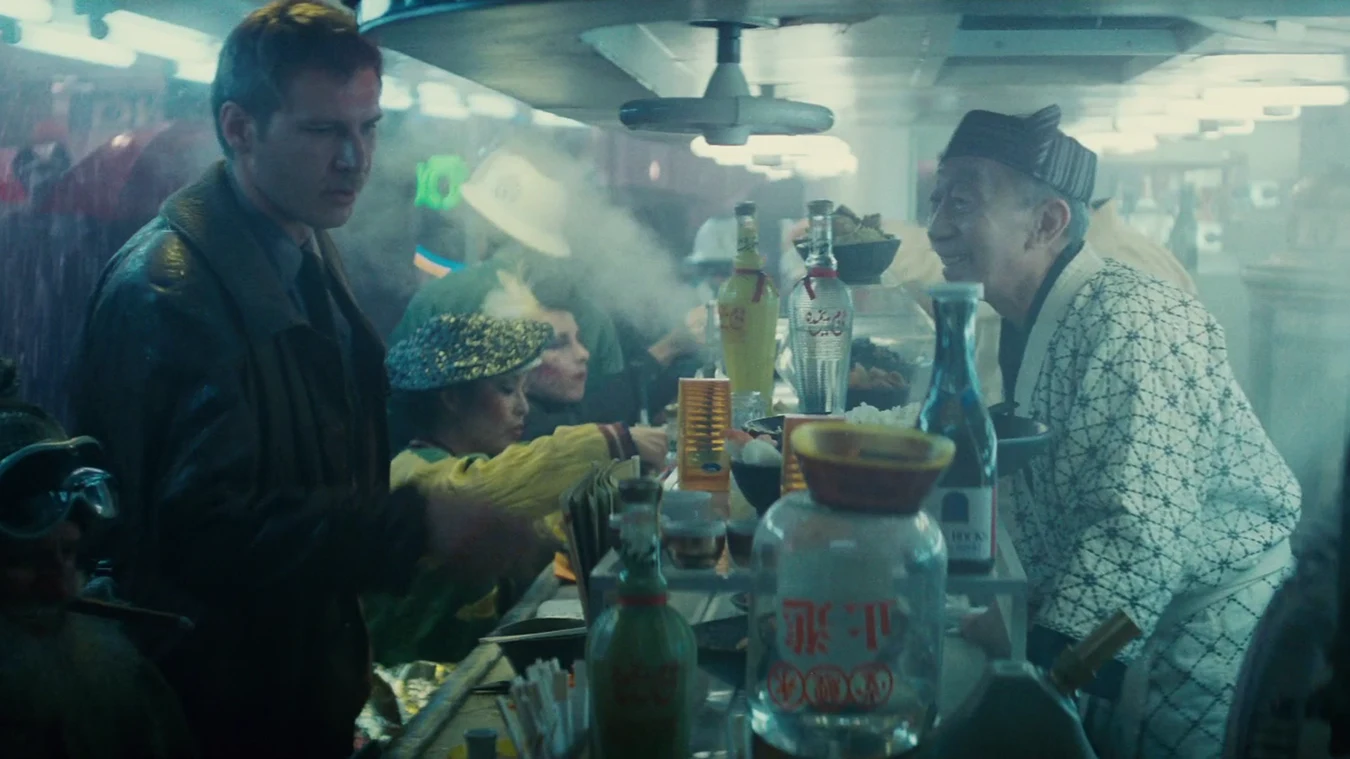
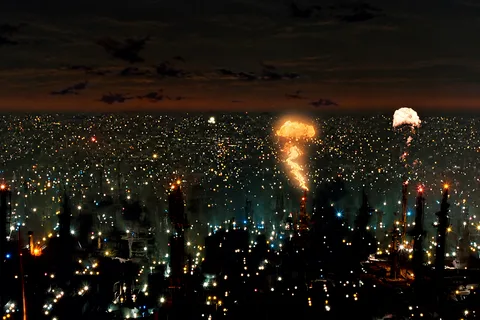
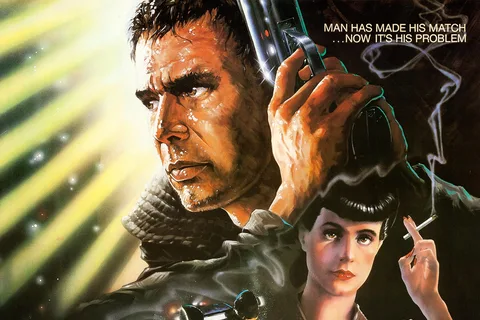
The film continuity starts with Ridley Scott's Blade Runner and its November 2019 hunt in Los Angeles, and Alcon Entertainment's sequel era built most of the line around it. Blade Runner 2049 is the anchor, three prelude shorts fill the thirty years between the films, and Titan's comics, the anime Black Lotus, two games, and Free League's roleplaying game reach back to 2009 and forward to the 2030s. The adaptations of the 1982 film count where they agree with it, and Prime Video's Blade Runner 2099 carries the line furthest forward. The Blade Runner timeline follows the same works year by year.
- 2009: Blade Runner: Origins (Titan comic), in which Cal Moreaux becomes the first blade runner
- 2015: Blade Runner: Tokyo Nexus (Titan comic), with Mead and Stix in Tokyo
- November 2019: Blade Runner (1982 film), Deckard's hunt for Roy Batty's replicants
- November 2019: Marvel's Blade Runner (1982 comic) and A Story of the Future (1982 novelization), both retelling the film
- November 2019: Blade Runner (1997 Westwood game, Enhanced Edition 2022), rookie Ray McCoy's case beside Deckard's
- 2019: Blade Runner 2019 (Titan comic), Ash's hunt for Cleo Selwyn
- 2022: Black Out 2022 (2017 anime short), the blackout that erased replicant records
- 2023: Blade Runner: Revelations (2018 VR game), Harper's hunt for the replicant Eve
- 2029: Blade Runner 2029 (Titan comic), Ash against Yotun
- 2032: Blade Runner: Black Lotus (2021-2022 anime), Elle's hunt up to Niander Wallace
- 2032: Black Lotus: Leaving L.A. (Titan comic), Elle stranded in Fracktown
- 2032: Black Lotus: Las Vegas (Titan comic), Elle in the ruined casinos
- 2033: Blade Runner 2033: Labyrinth (unreleased Annapurna Interactive game)
- 2036: 2036: Nexus Dawn (2017 short), Wallace's hearing on new replicants
- 2037: Blade Runner: The Roleplaying Game (2022 Free League tabletop game), LAPD Replicant Detection Unit cases
- 2039: Blade Runner 2039 (Titan comic), Ash, Cleo, and Luv
- 2048: 2048: Nowhere to Run (2017 short), Sapper Morton in the city
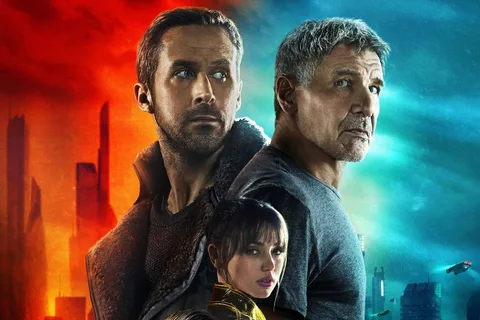
- 2049: Blade Runner 2049 (2017 film), K's search for Rachael's child
- 2099: Blade Runner 2099 (2026 Prime Video series), Cora and Olwen in a replicant-held Los Angeles
DADOES Continuity
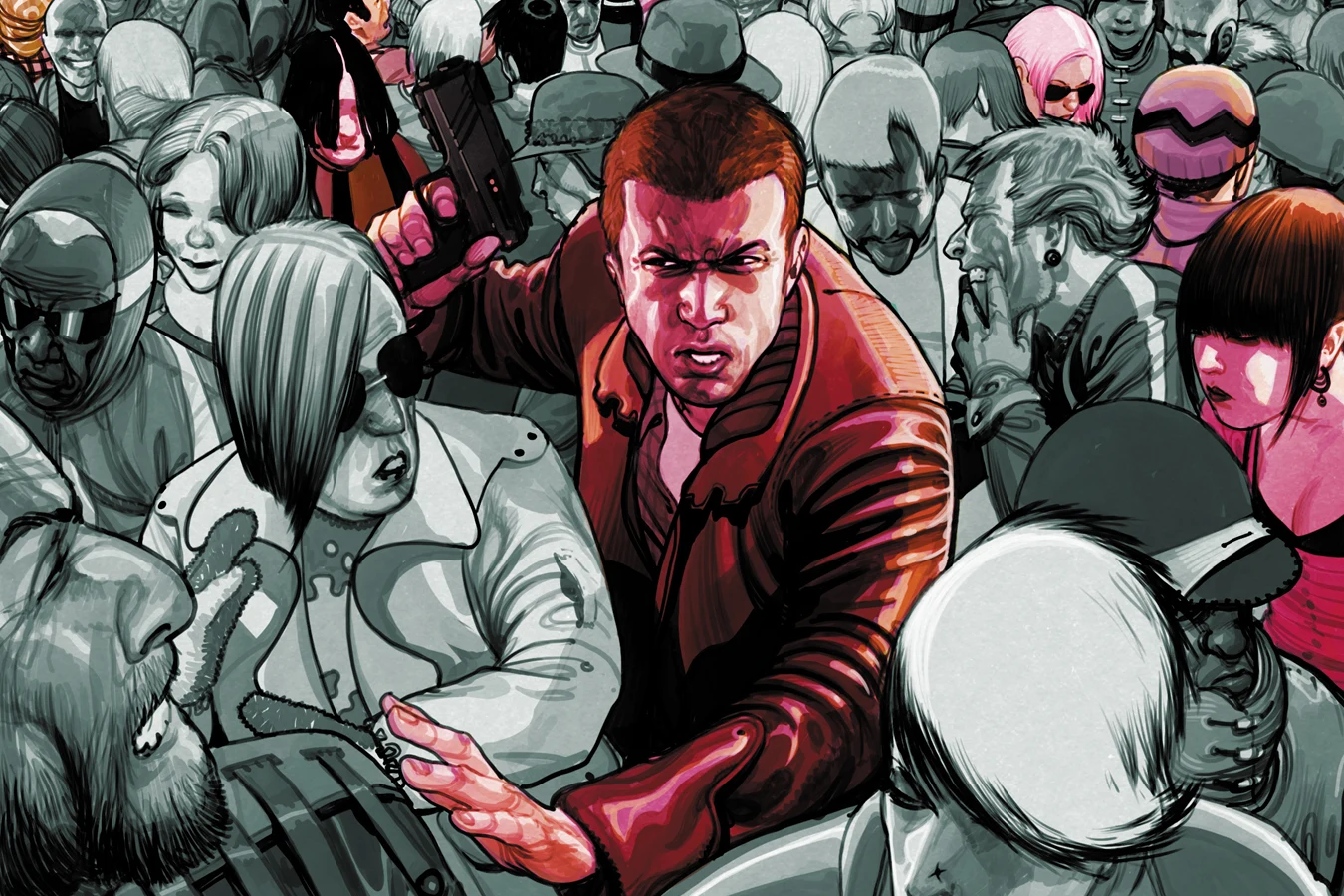
The DADOES continuity is the world of Philip K. Dick's 1968 novel Do Androids Dream of Electric Sheep?. Rick Deckard is a married San Francisco bounty hunter in January 1992, living with his wife Iran under the fallout of World War Terminus, where kipple piles up in empty buildings and owning a real animal is a mark of status. Deckard keeps an electric sheep on his roof and longs for a living one, while people share pain through Mercerism and the empathy box. Dick first tried that idea in his 1964 short story The Little Black Box, where followers grip an empathy box to share Wilbur Mercer's suffering on his walk toward death. The androids, or andys, are Nexus-6 models built by the Rosen Association, and his hunt for six of them runs through the opera singer Luba Luft and a rival police station.
Ridley Scott's film kept Deckard, Rachael, Roy Batty, Pris, and the empathy test, but it moved the hunt to 2019 Los Angeles, dropped Iran, Mercerism, and the animal market, and renamed the androids replicants. BOOM! Studios' 24-issue comic adaptation, published from 2009 to 2011, printed Dick's full text beside the art, so it belongs to this line rather than the film's. Chris Roberson's prequel Dust to Dust goes back to the years just after the war, and no film, short, or game takes place in this version of events.
- After World War Terminus: Dust to Dust (2010 BOOM! comic), Charlie Victor and Malcolm Reed hunting rogue androids as the dust kills the last animals
- January 1992: Do Androids Dream of Electric Sheep? (1968 novel), Deckard's day retiring six Nexus-6 androids
- January 1992: Do Androids Dream of Electric Sheep? (24-issue BOOM! comic), Dick's full text set beside Tony Parker's art
Jeter Continuity
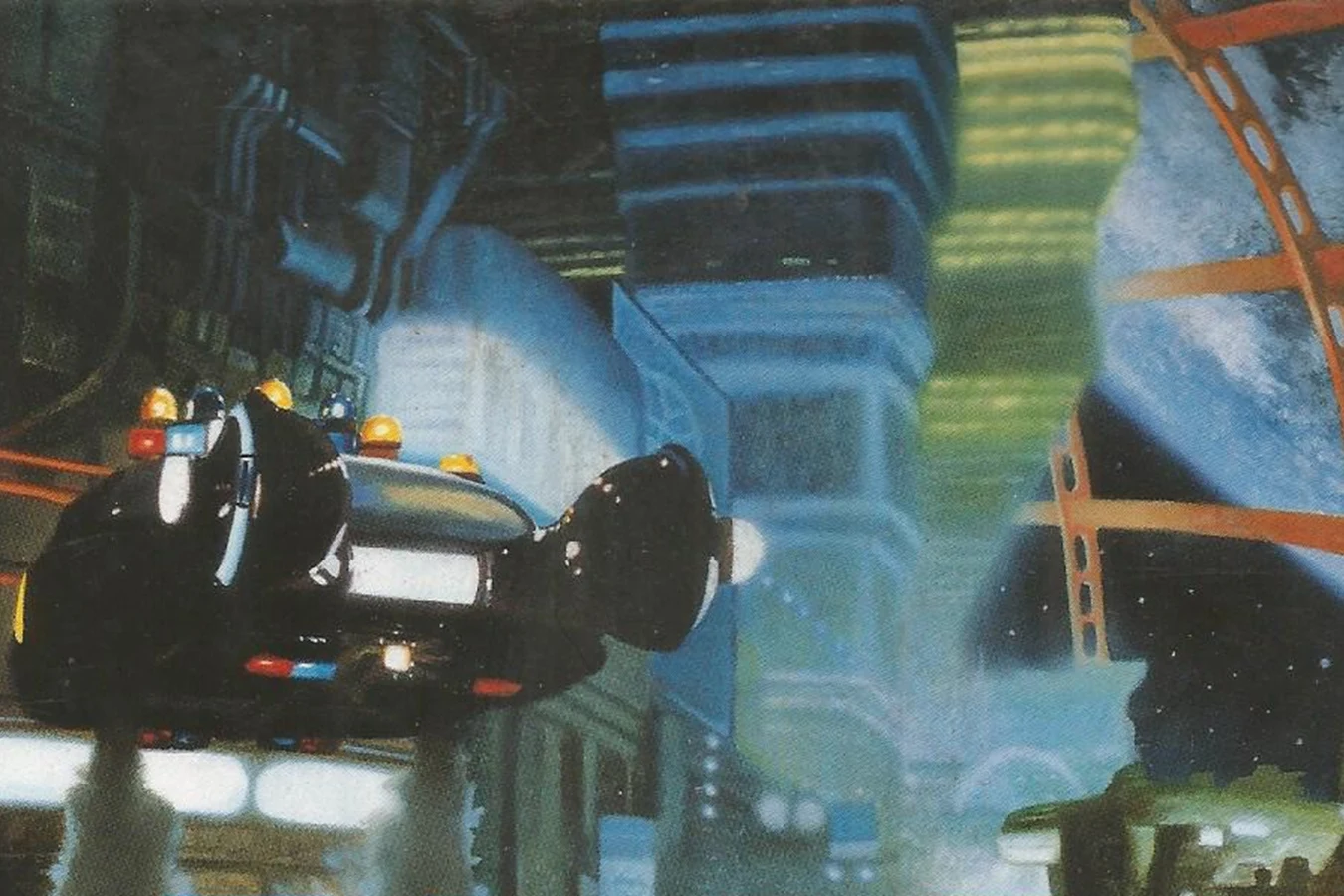
Philip K. Dick died in March 1982, a few months before Blade Runner reached cinemas, and the sequels to the film came from his friend K. W. Jeter, who had met him in the 1970s and became the model for Kevin in VALIS. Dick championed Jeter's novel Dr. Adder, and Jeter later coined the word "steampunk" in a 1987 letter to Locus. His three authorized sequels, published by Bantam Spectra in the United States and by Orion and Gollancz in Britain, continue the 1992 Director's Cut rather than the theatrical film, building on its "sixth replicant" error and on Rachael's limited lifespan.
In Blade Runner 2: The Edge of Human (1995), Sarah Tyrell, the human model for Rachael, pulls Deckard out of hiding in Oregon to hunt the missing sixth replicant. Blade Runner 3: Replicant Night (1996) takes him off Earth to advise a restaging of his last hunt, where he finds a child named Rachael asleep in the wreck of Salander 3. Blade Runner 4: Eye and Talon (2000) follows blade runner Iris Knaught after Eldon Tyrell's owl, until the trail leads to Deckard and the child.
Blade Runner 2049 and the later Alcon works ignore the Jeter books and contradict them at every turn. In the film line Rachael dies giving birth in 2021, Gaff is still alive in 2049, and Deckard spends three decades alone in a ruined Las Vegas instead of hunting replicants for Sarah Tyrell. The novels remain authorized, but they now stand as a history of their own beside the films.
- 1992: Blade Runner: The Director's Cut, the version of the 1982 film the novels continue
- 1995: Blade Runner 2: The Edge of Human (novel), Sarah Tyrell and the sixth replicant
- 1996: Blade Runner 3: Replicant Night (novel), Outer Hollywood and Salander 3
- 2000: Blade Runner 4: Eye and Talon (novel), Iris Knaught and Scrappy the owl
Connected Continuities
Two other works sit close to Blade Runner without joining any of its continuities. Alien shares a director and a few winks with Blade Runner, and Soldier shares a screenwriter and a handful of names. AvP Central treats both as neighbours, not as part of Blade Runner canon.
Alien
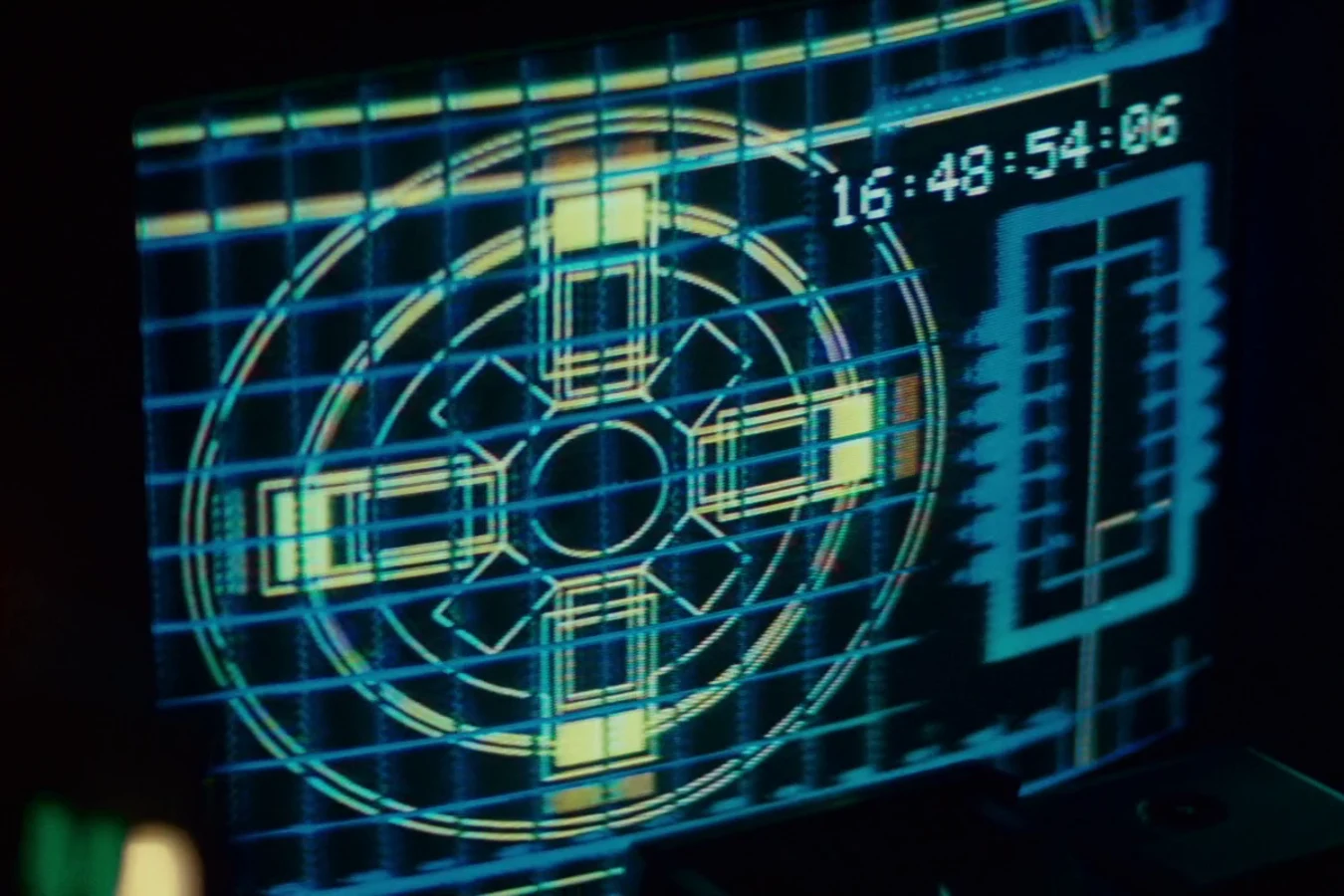
AvP Central does not consider Alien and Blade Runner to be a shared universe, though Ridley Scott has played with the idea. In his Blade Runner DVD commentary, as quoted by Collider, he spoke of "almost like a connective tissue" between the films and said the city "could easily be the city that supports the crew that go out in Alien." The firmest link is on screen: when Gaff's Spinner starts up, a monitor flashes "PURGE", a graphic taken from Alien's shuttle footage. Editor Terry Rawlings told Paul M. Sammon in Future Noir that Scott liked its look, so the team used the original negative, and Typeset In The Future spotted Alien's shuttle-disconnect display in the same scene.
Other links are paper jokes. The Nostromo crew dossiers on the 1999 Alien DVD give Dallas an earlier posting on the U.S.C.S. Shusett for the Tyrell Corporation, as covered in the Nostromo crew profiles. The "Peter Weyland Files" on the Prometheus Blu-ray mention a rival who sat atop a pyramid over a city of angels and sold genetic abominations off-world, and producer Charles de Lauzirika later said, "That was me having fun and being cutesy." The two worlds also fit badly. Alien's androids, such as Ash, leak white fluid, while Blade Runner's replicants are bioengineered people who bleed red, and 2019 Los Angeles sits a century before Alien's 2122 with no Weyland-Yutani in sight.
Soldier
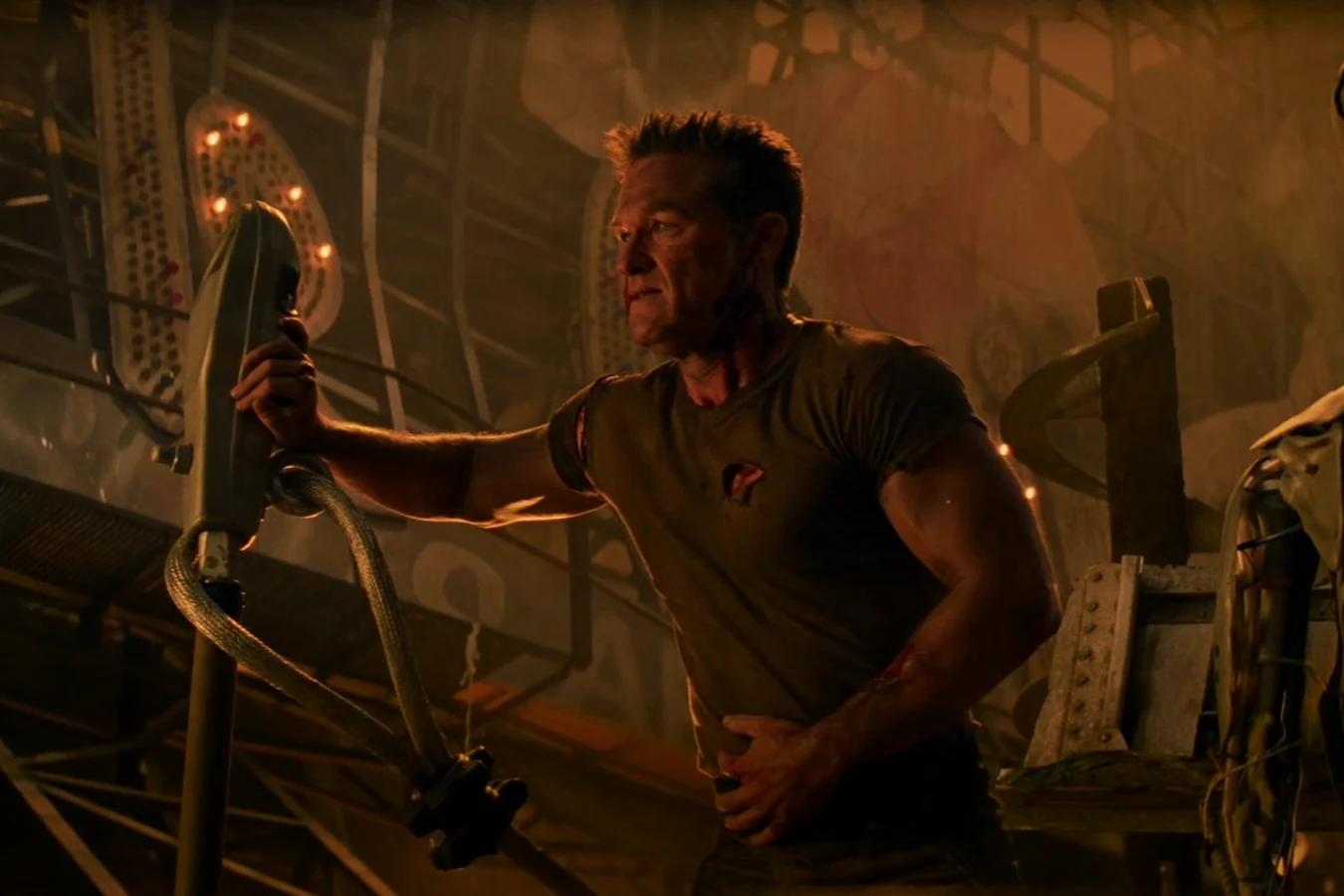
Soldier (1998) is not based on a Philip K. Dick story but on an original screenplay by David Webb Peoples, who co-wrote Blade Runner, and it was directed by Paul W. S. Anderson, who called it a "sidequel" set in the same universe. Kurt Russell plays Todd, a soldier raised from birth for war, and the film's background slips in Blade Runner names. Todd's service record lists the Tannhäuser Gate and the Shoulder of Orion from Roy Batty's last speech, the Argentine Moons battle comes from the Marvel adaptation, and a Spinner lies in the junk on the waste planet Arcadia 234.
David L. Snyder, Blade Runner's art director and Soldier's production designer, called the film "a kind of extension of Blade Runner, or a brother or a sister to that film". Peoples himself rejected the idea. In Soldier: From Script to Screen, asked whether it was a side-quel, he answered, "No, I never had any thoughts about that," and said he wrote the script in 1984 after seeing The Terminator. The references read as nods added in production, and Soldier stays outside every Blade Runner continuity.
Conclusion
Blade Runner canon is the main film continuity plus two lesser-known book continuities, all starting from the same hunt. Dick's novel keeps Deckard in fallout-choked San Francisco, Jeter's books carry Scott's Director's Cut into a line of their own, and the Alcon era turned the 1982 film into the main timeline through 2049 and 2099. Alien and Soldier sit beside those lines: one shares a director, screen graphics, and a Tyrell joke, the other shares a writer and a few battle names. Neither makes a shared universe, but both reward viewers who catch the nods. Character pages such as Zhora follow one figure through the film, the Marvel comic, the 1997 game and the novels.
External Sources
- Locus on K. W. Jeter, Philip K. Dick, and steampunk
- The Encyclopedia of Science Fiction on K. W. Jeter
- Collider on Ridley Scott and the Alien and Blade Runner connection
- /Film on the Alien easter egg in Blade Runner
- Entertainment Weekly on the Prometheus Blu-ray Blade Runner reference
- JoBlo on Soldier and Blade Runner
Tag Categories: Blade Runner Lore