
Mercerism was the public religion of post-World War Terminus Earth in Philip K. Dick's Do Androids Dream of Electric Sheep?. Followers gripped the handles of a black empathy box and fused with Wilbur Mercer as he climbed a barren hill under a rain of stones. The fusion joined living minds into one shared climb, and it could leave real bruises. Late in the novel, television host Buster Friendly proved on air that Mercer was a bit player named Al Jarry filmed on a sound stage. The story still refused a simple answer: Mercer admitted the fraud, then kept lifting his followers, and Deckard later said Mercer was not a fake unless reality itself was. In Blade Runner 2099, the human lead Cora shares the name of Mercer's foster mother from that same novel biography.
What Is Mercerism?
Mercerism taught that all life was one, and that a person proved worth by sharing suffering and by refusing to kill anything except killers. On Dust-choked Earth after World War Terminus, that creed filled the gap left by emptied churches and by a planet where real animals had become rare status objects. Owning an animal, even an electric fake kept secret, was how many people showed they could feel what Mercer asked of them. The United Nations and both American and Soviet police praised the faith in public, because shared empathy cut crime. Androids could not fuse with Mercer, and that hard line became one more way humans claimed to differ from the machines they hunted.
Followers called themselves Mercerites. They did not gather in temples so much as they gripped identical black boxes in private rooms on Earth and on the colony planets. The religion's central image was always the same: an old man in robes toiling up a lifeless hill while unseen antagonists threw stones. Fusion made that image into a group body. When one user was hit, the others felt the blow.
The Empathy Box
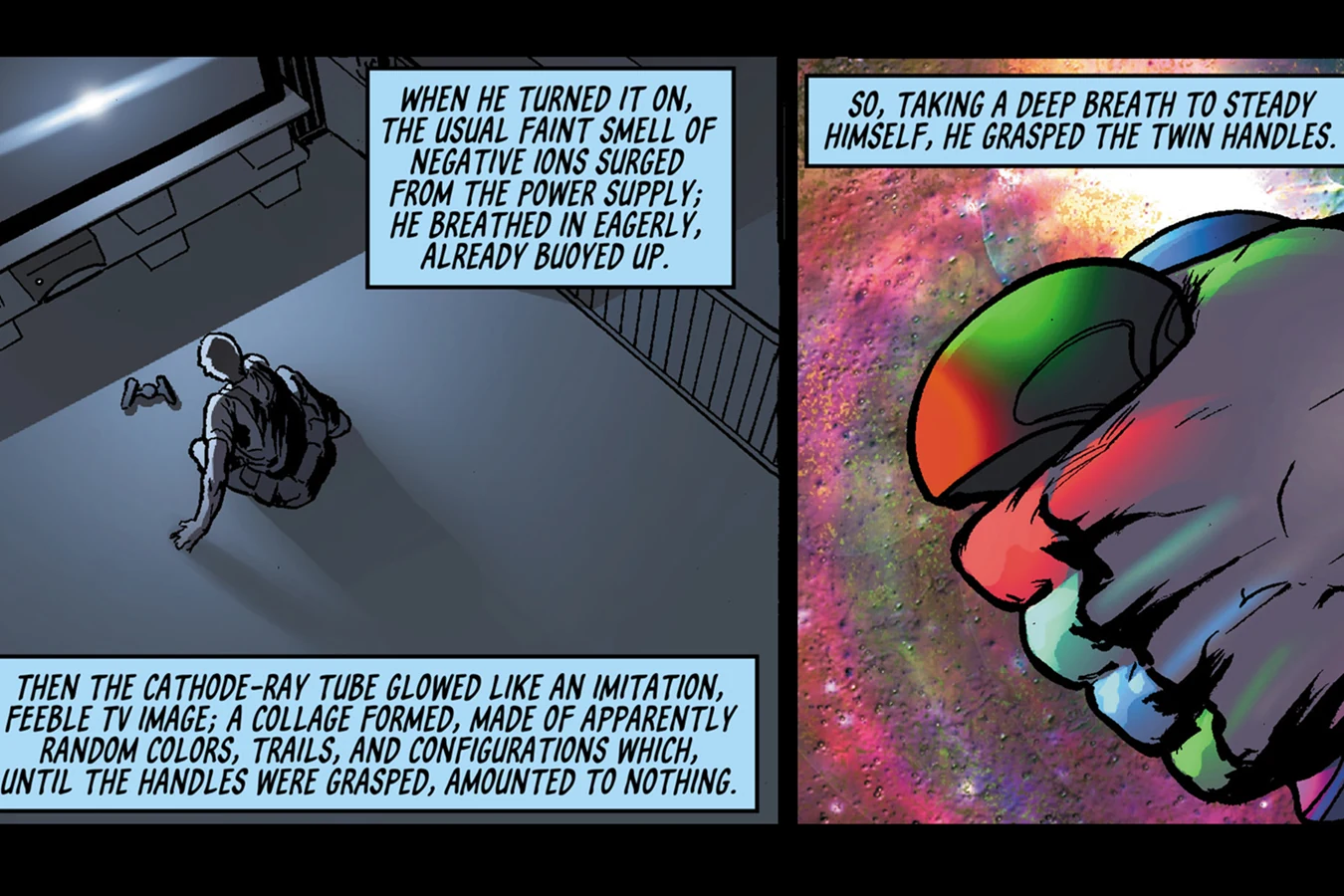
The empathy box was a black household device with twin handles. A Mercerite gripped both handles at once, crossed over out of the room in a sudden jolt, and stood inside Mercer's landscape of drab hill, loose stones, and alien sky. The novel calls that join fusion: physical merging with mental and spiritual identification, so the climber's feet scraped the same stones the user felt under their own shoes. It is a different machine from the Penfield mood organ, the console the Deckards dial (594, for instance) to set their mood. The mood organ adjusts feeling, while the empathy box shares it.
Inside fusion the user did not climb alone. Other Mercerites already on their boxes shared the same ascent. Their voices arrived as a distant babble, and when a rock struck Mercer the bruise or cut landed on a living wrist or ear back in someone's apartment. Iran Deckard once returned with a dark bruise where a stone had hit during fusion. Rick Deckard later took a rock on the ear in her place and bled in his own living room while still holding the handles.
Empathy boxes first appeared on Earth the same year Mercer laid down the rule that a Mercerite should kill only the killers. In daily life the box competed with the always-on cheer of Buster Friendly's show for control of a person's attention. Specials such as J. R. Isidore, barred from emigrating, still owned boxes and treated fusion as the one place where loneliness broke. The novel never explained who manufactured the boxes or who paid for the original films of Mercer. That silence mattered later, when Buster Friendly asked who had spawned the hoax on the Sol System.
Wilbur Mercer
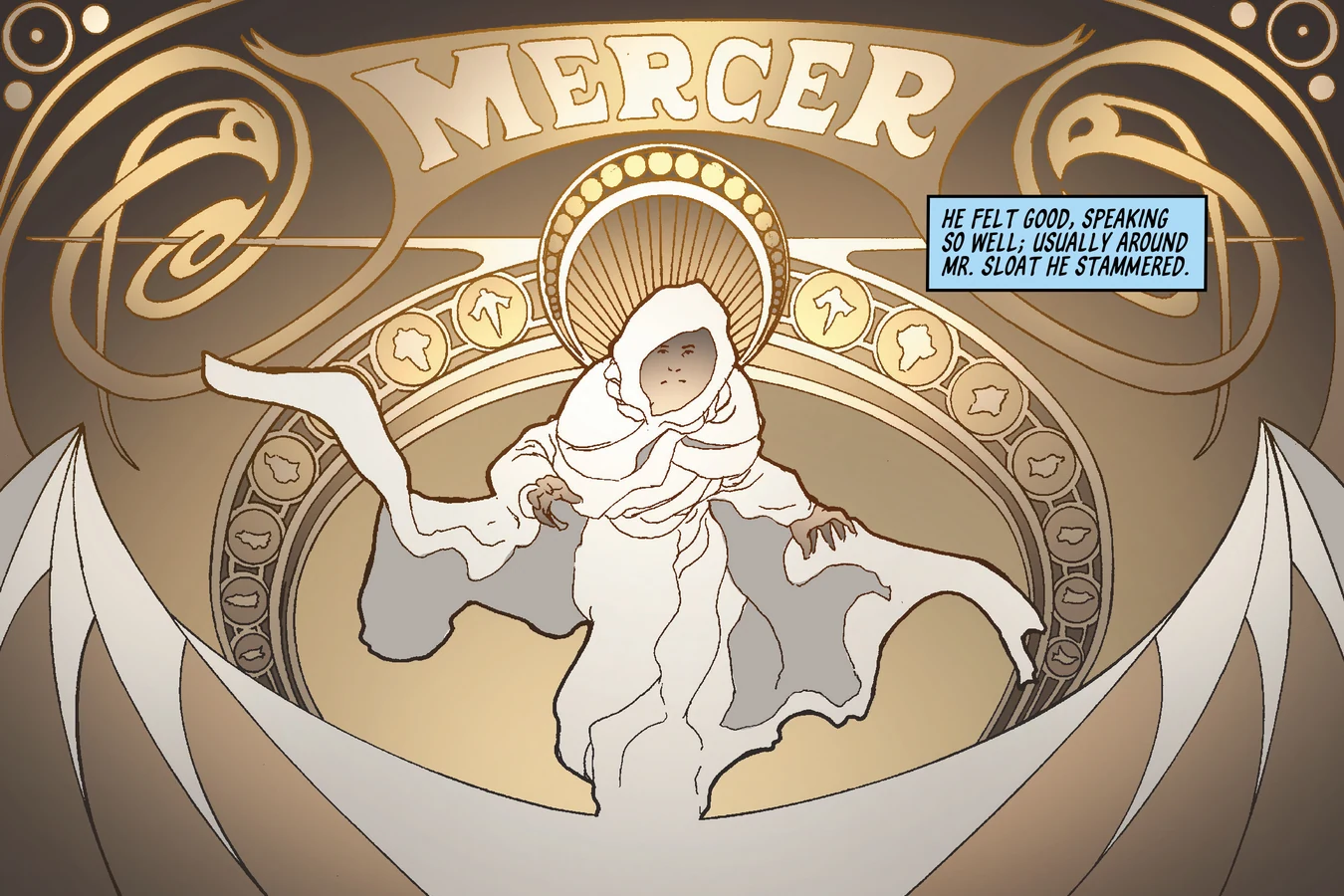
Wilbur Mercer was the martyr at the center of the faith: an elderly, robed figure who existed for followers as the climb itself. Through the box he was at once one old man and a compound of every living user gripping the handles at that moment, so his steps and cuts were never only his. He spoke rarely, suffered constantly, and offered no salvation in the usual sense - only the next stone and the shared bruise. When Deckard asked what Mercer was for, Mercer answered that he was there to show that the climber was not alone.
Mercer's Mythic Past
Inside fusion, Mercer remembered an earlier life before the curse. Foster parents named Frank and Cora Mercer had found him as a child on an inflated air-rescue raft, either off New England or near Tampico. He had loved animals and, for a time, could reverse death and restore them. At sixteen local law ordered him to stop. He kept doing it in secret until an old woman reported him. Killers then bombarded a nodule in his brain with radioactive cobalt and plunged him into the tomb world, a pit of corpses and bones where the donkey and toad he loved had already gone extinct. He could not rise until those bones grew back into living creatures, and only then did the ascent under the stones begin.
The Climb
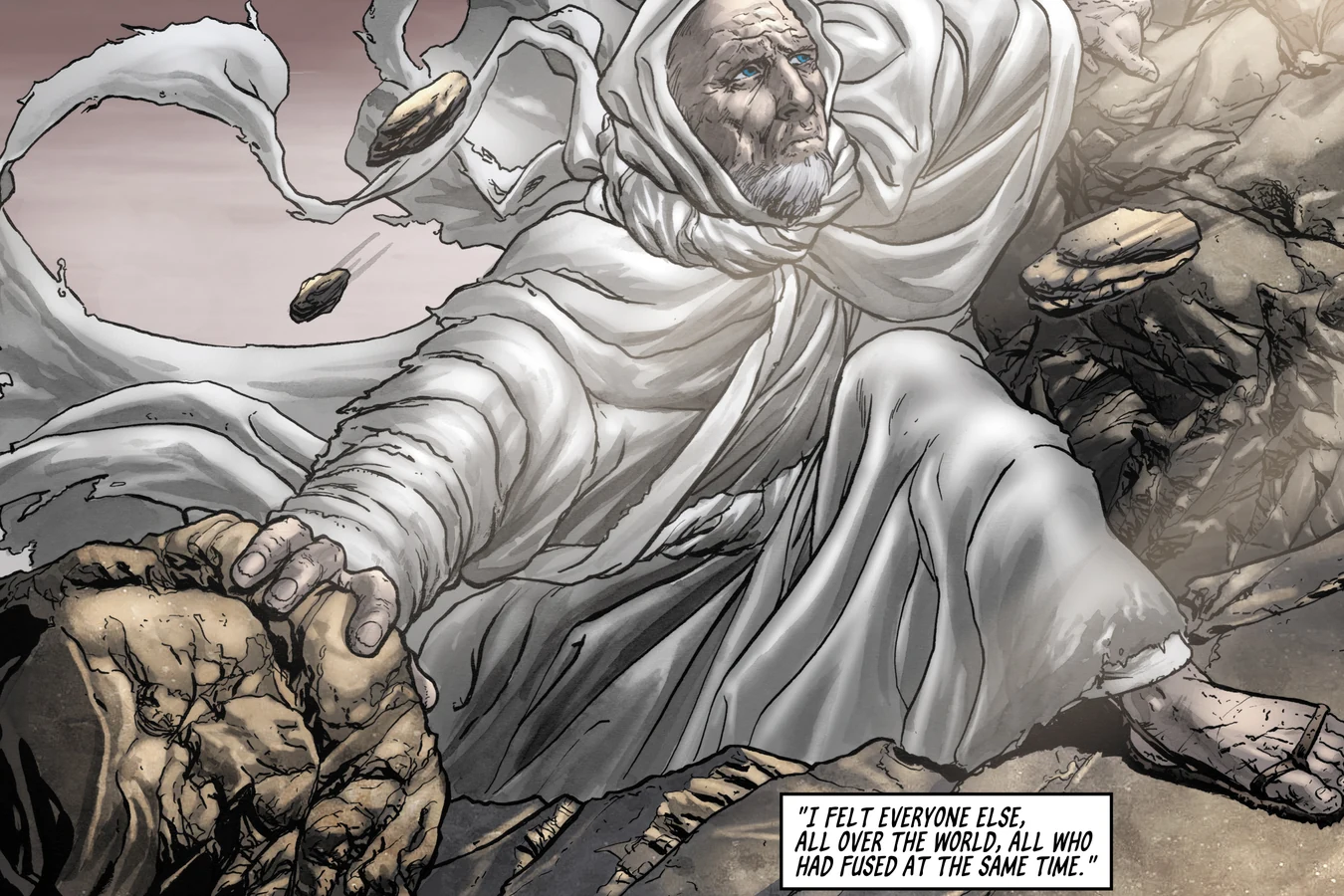
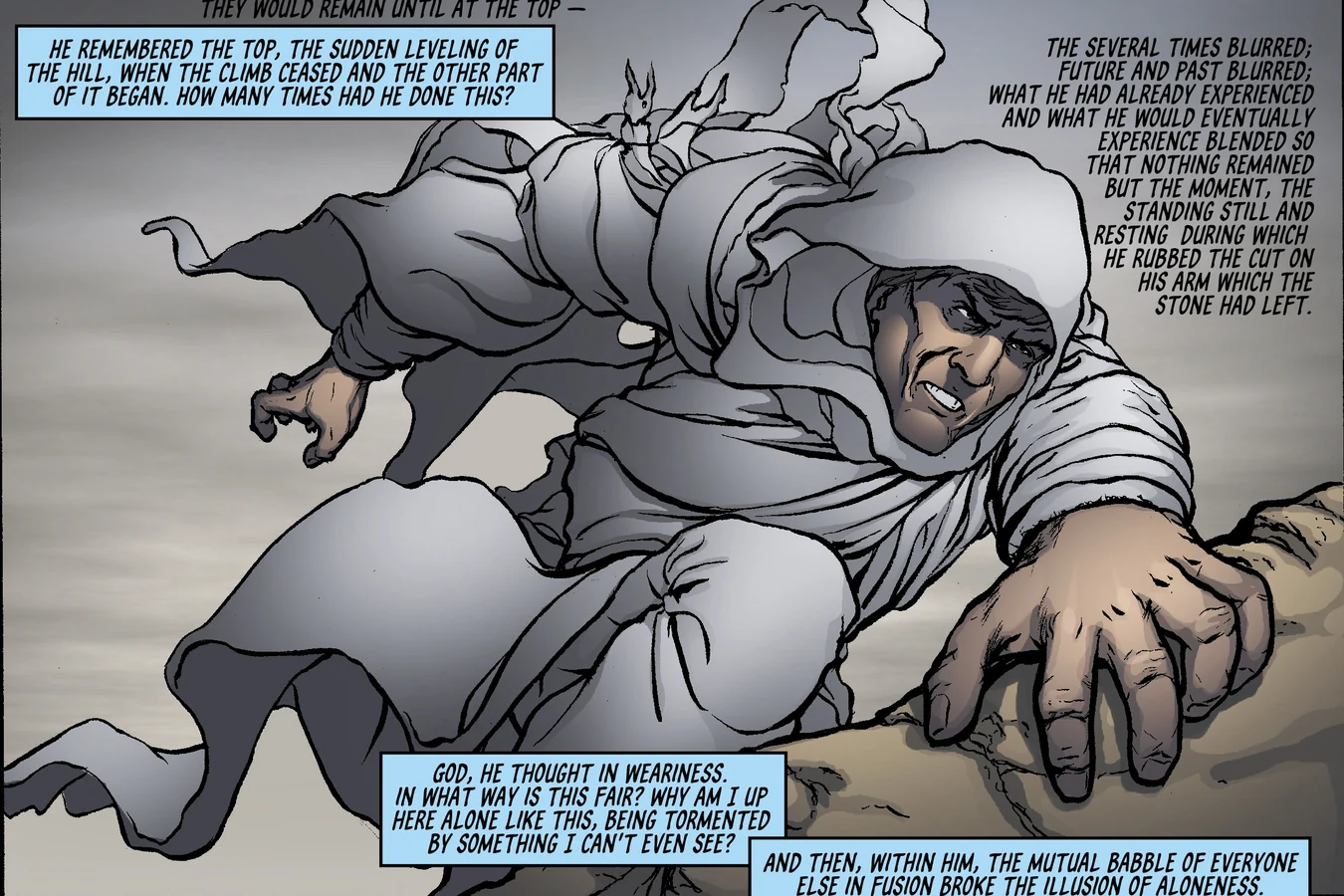
The climb never ended in comfort. Mercer plodded up a hillside of loose stones under a sunless, unearthly sky, and every fused user climbed with him. Step by step the ascent felt nearly imperceptible, yet followers told themselves they stood higher than yesterday. The top, when it came, leveled into another ordeal rather than a reward. Past and future blurred until only the present scrape of feet and the need to keep moving remained.
Stones And Shared Pain
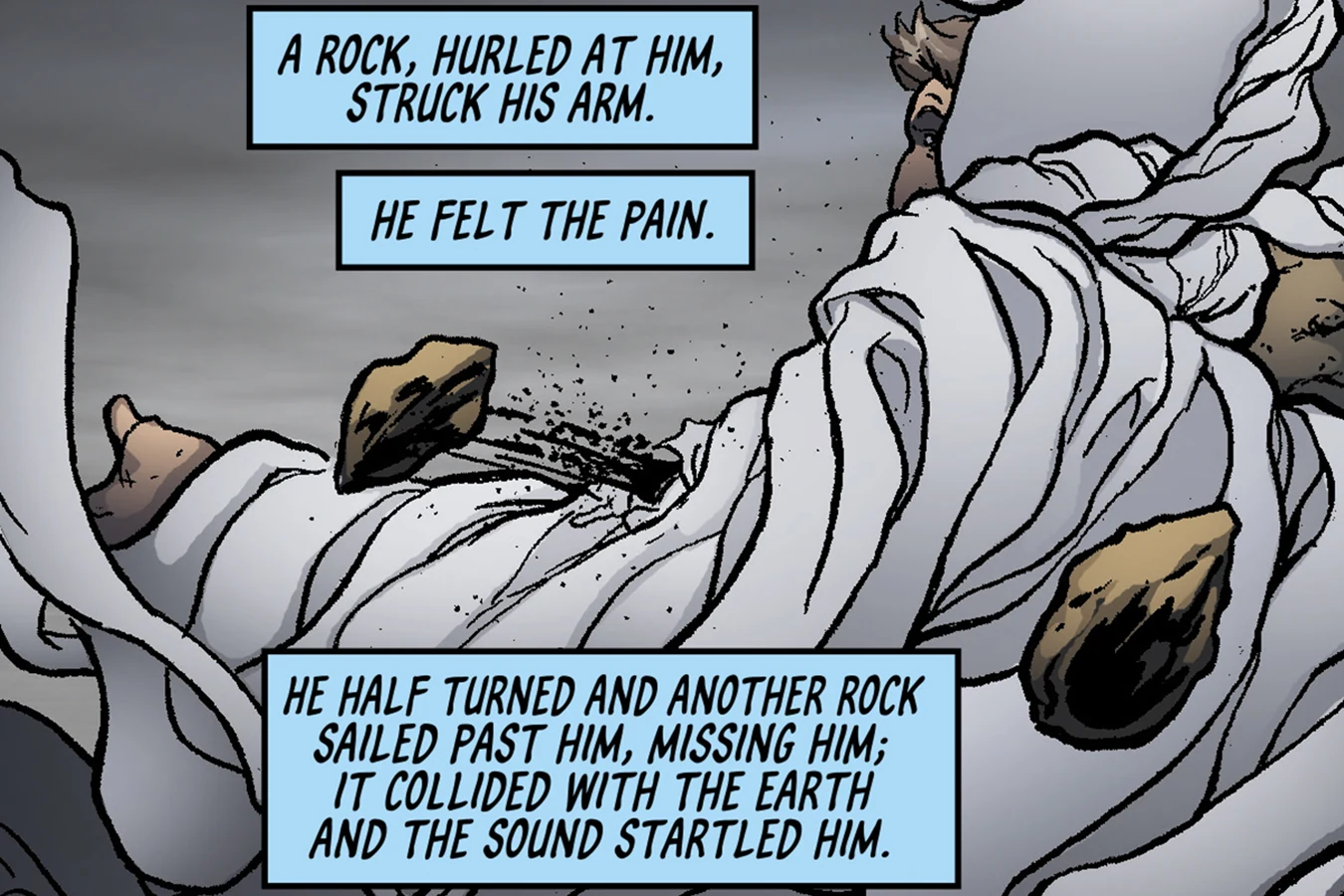
Unseen antagonists at the edge of vision hurled stones throughout the ascent. A rock could cut Mercer's arm, and every person in fusion felt the same strike on the same arm. The shared voice inside the climb answered the pain together and then pushed the compound body onward. That mechanism made Mercerism more than television: the box did not only show suffering, it distributed it. Deckard's ear and Iran's wrist were ordinary household proof that the stones reached back into apartments on Earth.
Death And Resurrection
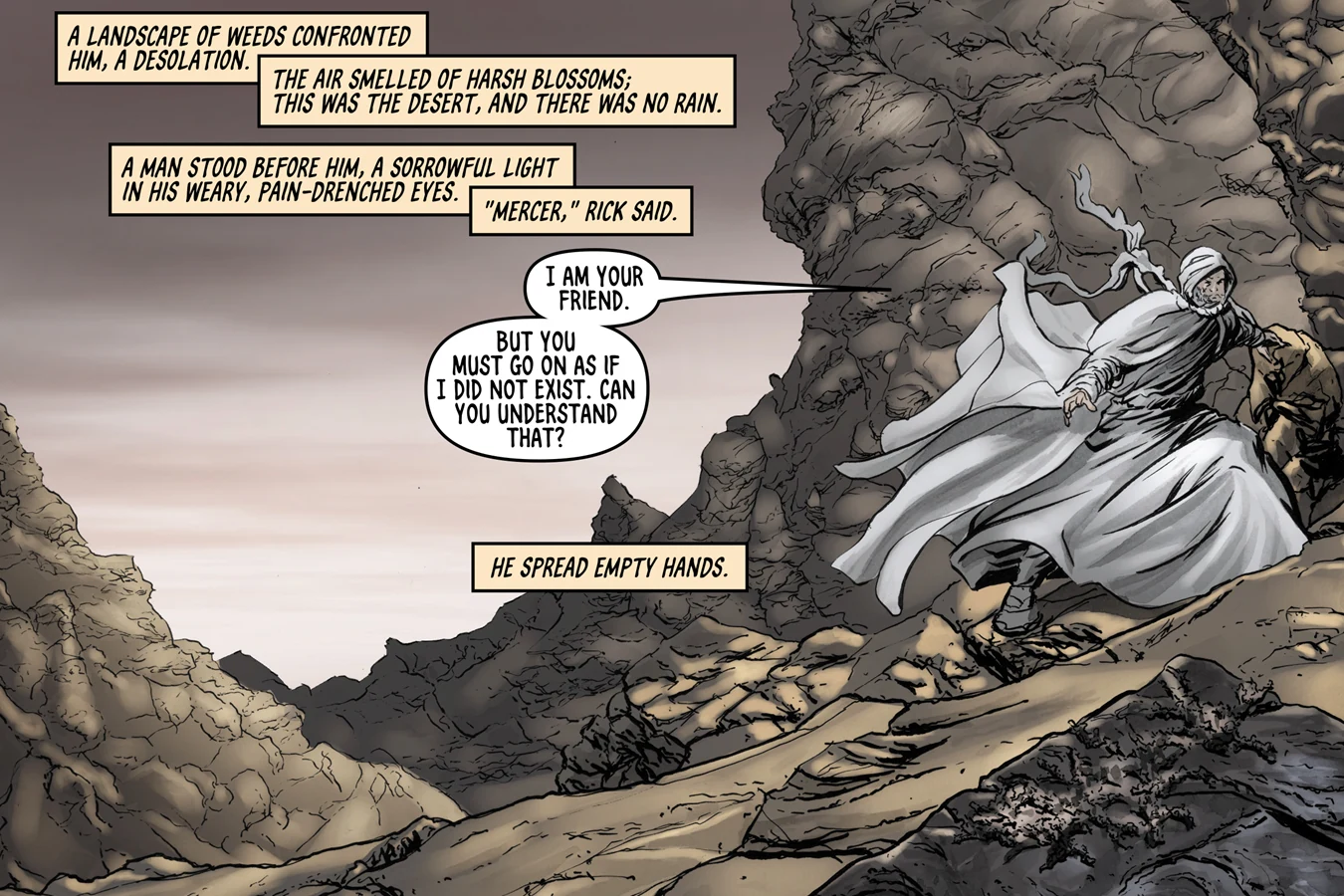
At the top of the hill Mercer was struck down and sank into the tomb world, a pit of corpses and bones. He then rose again, and the fused followers rose with him. Isidore clung to that cycle when he argued that Mercer was eternal and that Buster Friendly would ultimately lose. The resurrection was not a one-time miracle but a repeated rhythm built into every fusion, and the torment near the summit was dangerous enough that elderly users had died of it. Even after the television expose, Isidore still met Mercer in that barren place and was lifted out of the tomb world once more.
Rivalry With Buster Friendly
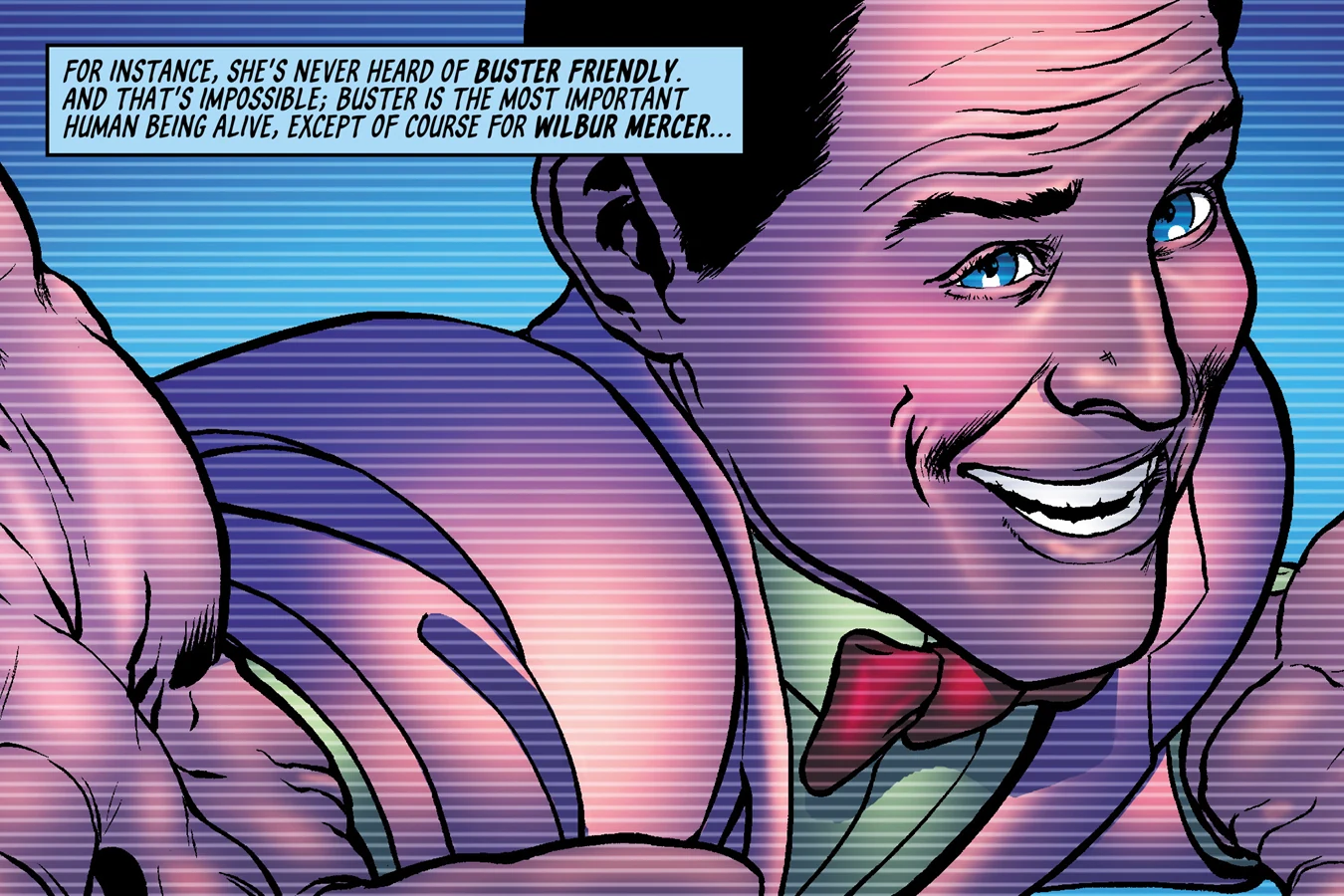
Buster Friendly and His Friendly Friends filled almost a whole day of broadcast time and mocked empathy boxes in small, constant jabs. Isidore decided the host and Mercer were fighting for control of human minds: guffaws on one side, shared pain on the other. Hannibal Sloat told him Buster was already winning, and also that Buster, like Mercer, seemed immortal, which explained a forty-six-hour daily schedule no ordinary man could sustain.
The U.N. still preferred Mercerism's effect on crime, while the androids preferred Buster, because an expose of Mercer would cut the one experience they could not fake. Buster teased that expose hours ahead of time, joking about beer on a mountainside and rock nicks he did not have. Isidore heard the studio audience laugh and felt helpless rage. The rivalry was not a debate between priests. It was a ratings war against a religion that required silence, handles, and bruises.
Exposed As Fraud
The novel stages the expose in Isidore's apartment while Pris Stratton mutilates a spider and the Batys listen for the line that will free them from human claims of empathy. What follows is both a media takedown and a theological test.
Buster Friendly's Television Expose
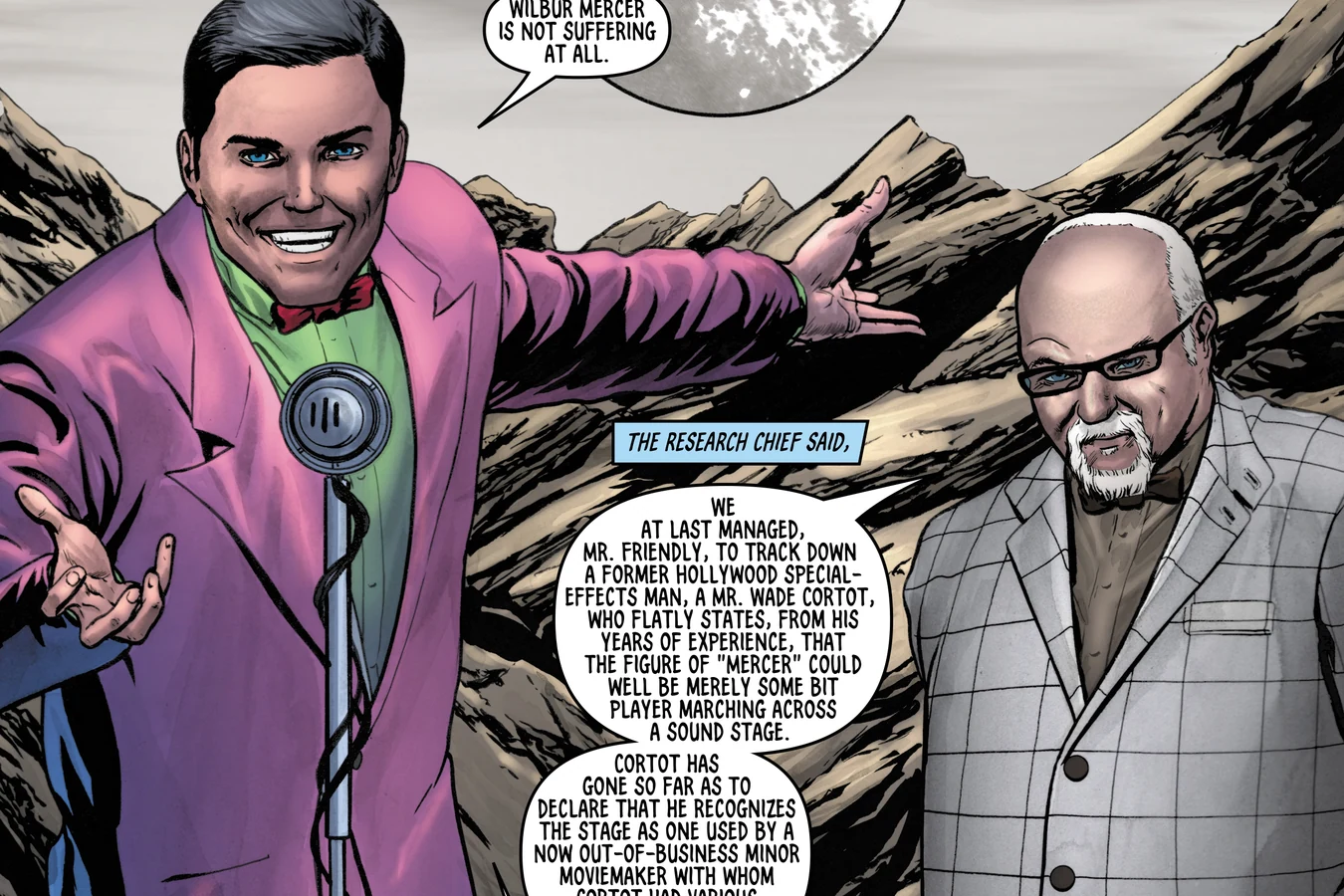
Buster's research team magnified the gray sky behind Mercer and found brush strokes on a painted moon. They argued that the weeds, the soil, and even the stones were faked, and that soft plastic rocks could not cause authentic wounds. Former Hollywood effects man Wade Cortot said the figure looked like a bit player walking a sound stage from a defunct studio. Buster told the Sol System that Wilbur Mercer was not suffering at all. Roy Baty waited for the plain sentence he needed: Mercerism is a swindle.
Al Jarry And The Sound Stage
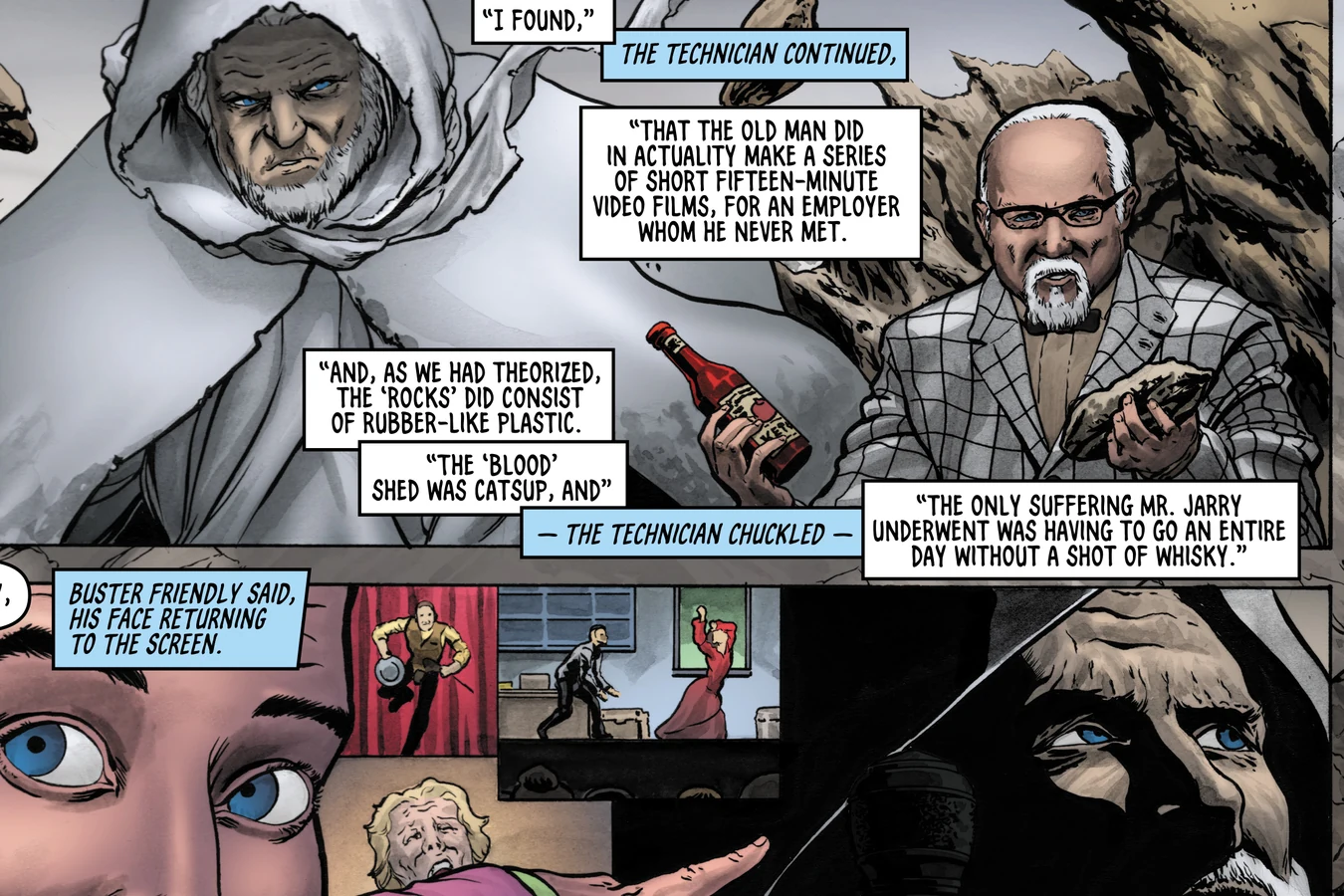
The researchers named the actor Al Jarry, an old bit player living in a kipple-filled house in East Harmony, Indiana. Jarry had shot a series of fifteen-minute films for an employer he never met. The rocks were rubber-like plastic, the blood was catsup, and his worst suffering on set was a day without whisky. Buster concluded that Mercer did not exist, that the holy landscape was a cheap sound stage already vanished into kipple, and that someone had run a swindle on the whole system. He left open the political fear that a manageable fused entity could serve a would-be dictator, while Irmgard Baty cut through to the android point: without Mercer, humans had only their word that empathy was real.
Was Mercerism Still Real?
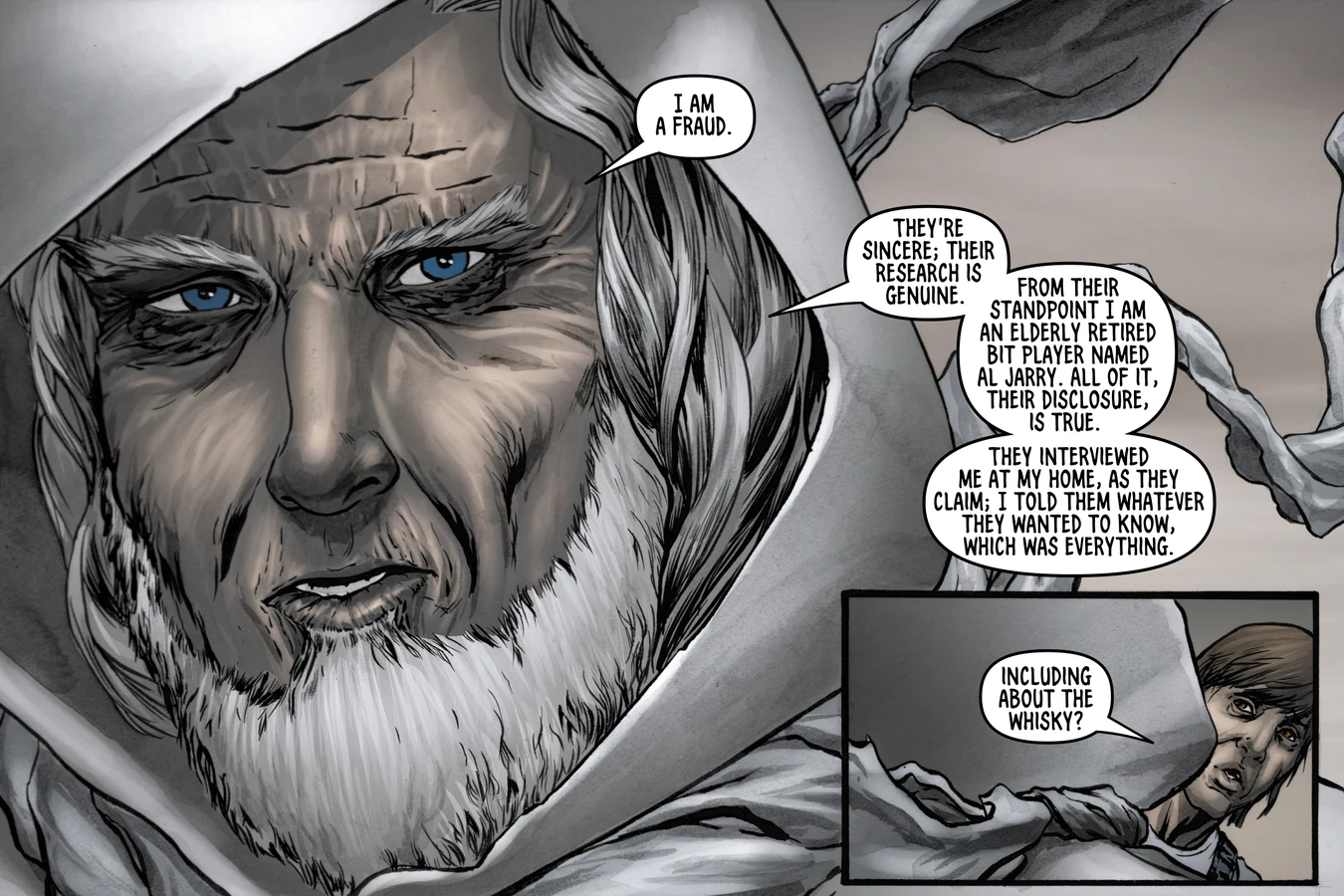
Dick refused to let the catsup settle the question. When the tomb world rose around Isidore after the spider's death, Mercer met him on the hillside and answered him directly. Yes, the sky was painted. Yes, from the androids' standpoint he was Al Jarry, and their disclosure was true, whisky and all. "I am a fraud," Mercer said - and then said that nothing had changed, because Isidore was still there and Mercer was still there.
Mercer restored the mutilated spider in his closed hand and promised to keep lifting Isidore from the tomb world. Isidore later set a living spider loose in the dead garden outside, unsure whether it was the same animal, but sure it moved. Deckard, after the hunt, told Iran that people were saying Mercer was a fake, then answered his own doubt: Mercer was not a fake unless reality was a fake. He had already heard Mercer tell him there was no salvation, only the duty to go on and the proof that he was not alone. Fraudulent origin and lived fusion were allowed to stand in the same book.
In Do Androids Dream Of Electric Sheep?
In the 1968 novel, Mercerism frames almost every human relationship Deckard and Isidore have. Iran schedules mood settings and fusion around empty apartments and Buster's noise. Isidore explains the faith to Pris, who has never owned a box, and later watches her and the Batys celebrate Buster's reveal while they destroy the spider he tried to save. Deckard uses the box before his last three retirements. Mercer tells him he will be required to do wrong wherever he goes, then a rock cuts his ear. After the job he sinks into a Mercer-like identification in the desert, finds a toad he takes for a sacred rarity, and brings it home - only to learn it is electric, another fake that still mattered to the people holding it.
In The BOOM! Studios Comic
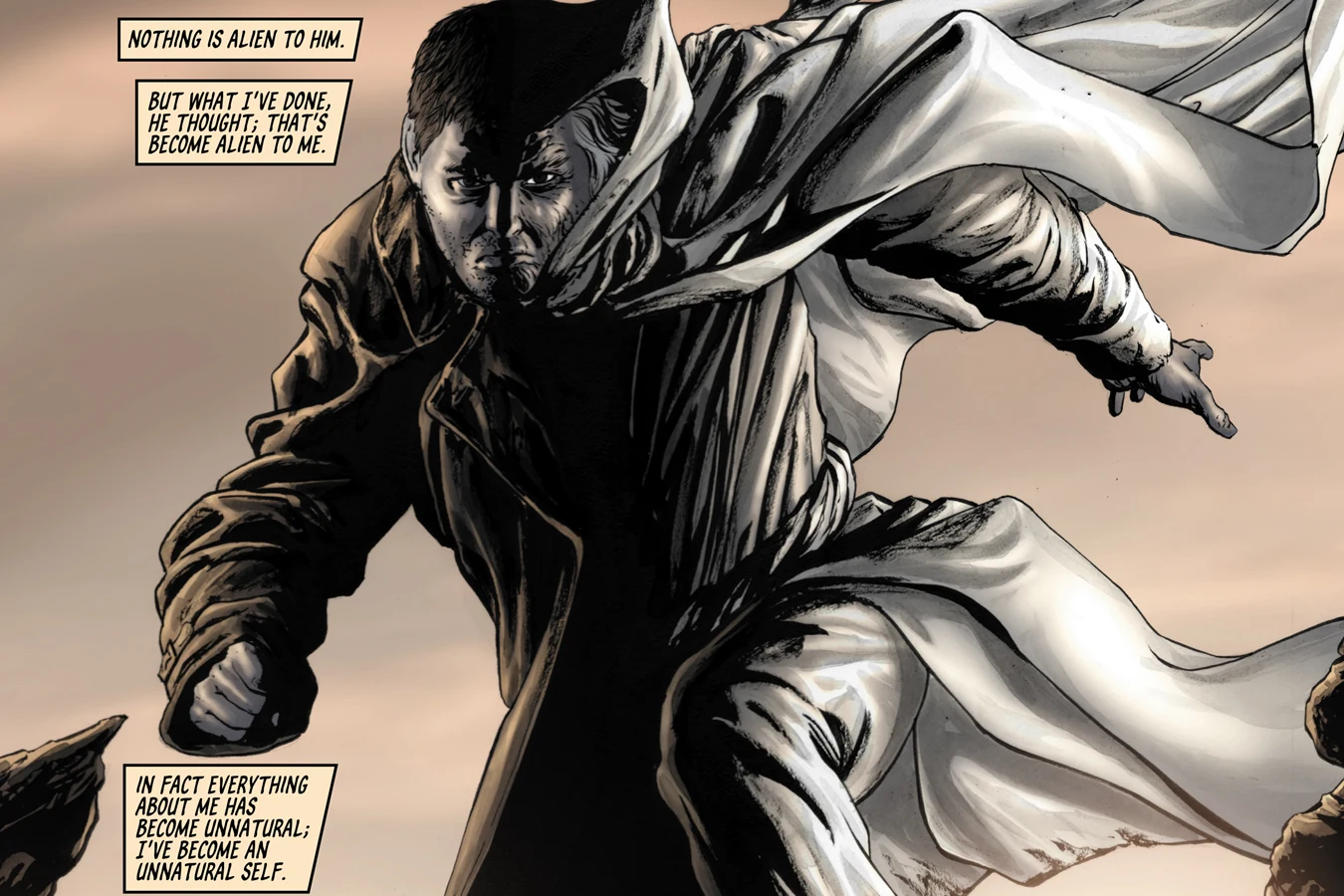
BOOM! Studios' Do Androids Dream of Electric Sheep? comic adaptation reprinted Dick's text and drew the climb, the box, and the expose in full. Wilbur Mercer appears as a white-bearded man in tattered robes. The hillside is all dust, scree, and bad sky. Buster Friendly becomes a garish on-screen showman presenting prop rocks and lab talk while Pris works on the spider in the same chapter rhythm as the novel.
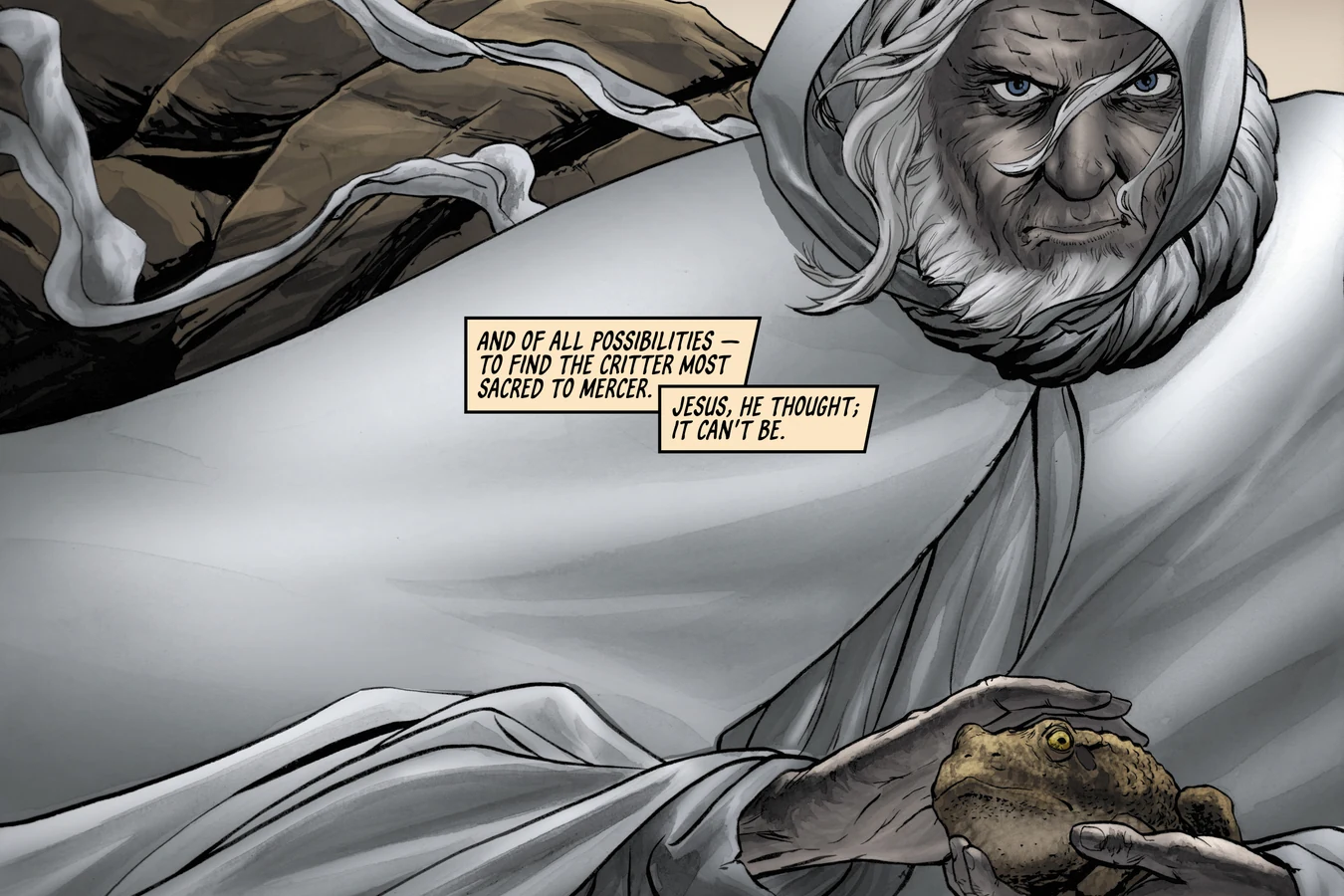
The comic does not invent a different theology so much as it locks the novel's beats to faces: Mercer's blue eyes in fusion, Isidore's horror at the scissors, the restored spider in Mercer's palm. Panel art makes the shared bruise and the sound-stage props equally literal, which sharpens the fraud question without resolving it. When Mercer holds the toad after the desert crawl, the page treats the animal as sacred weight in his hands, then lets the electric reveal land as hard as the novel's ending.
In Dust To Dust
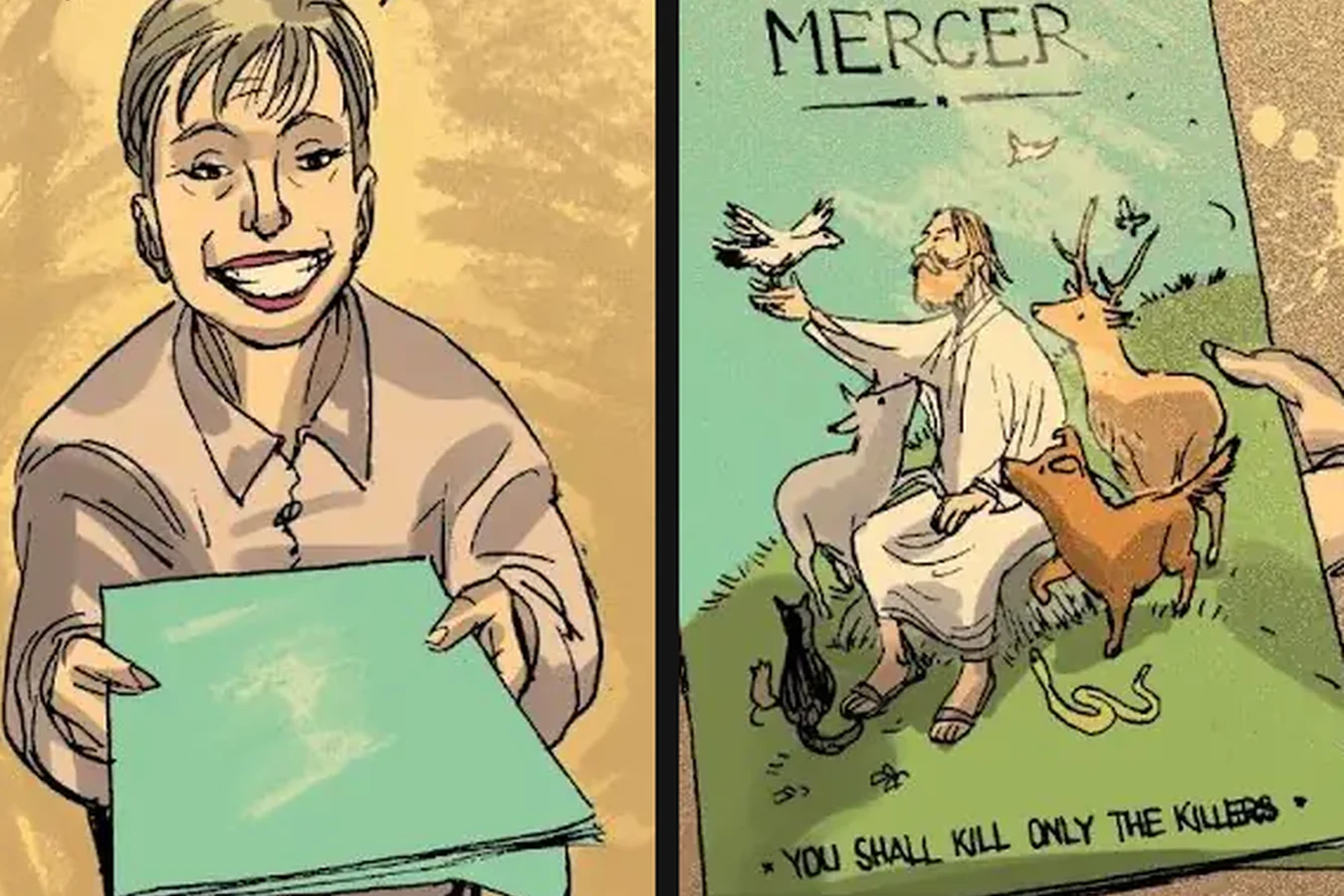
BOOM! Studios' prequel Dust to Dust set Mercerism earlier, while the dust was still new and empathy boxes were still arriving in shipments. Biologist Samantha Wu met a Mercerist named Betty who pressed a pamphlet on her. The cover showed a robed Mercer among animals and carried the line "You shall kill only the killers." At the lab, Dr. Martin Penfield wanted a human subject inside an fMRI while using a box, because he had grown up around fundamentalist Mercerists and wanted machine-readable proof of fusion. Samantha agreed, entered the barren hillside, and climbed behind Mercer as the stones came down.
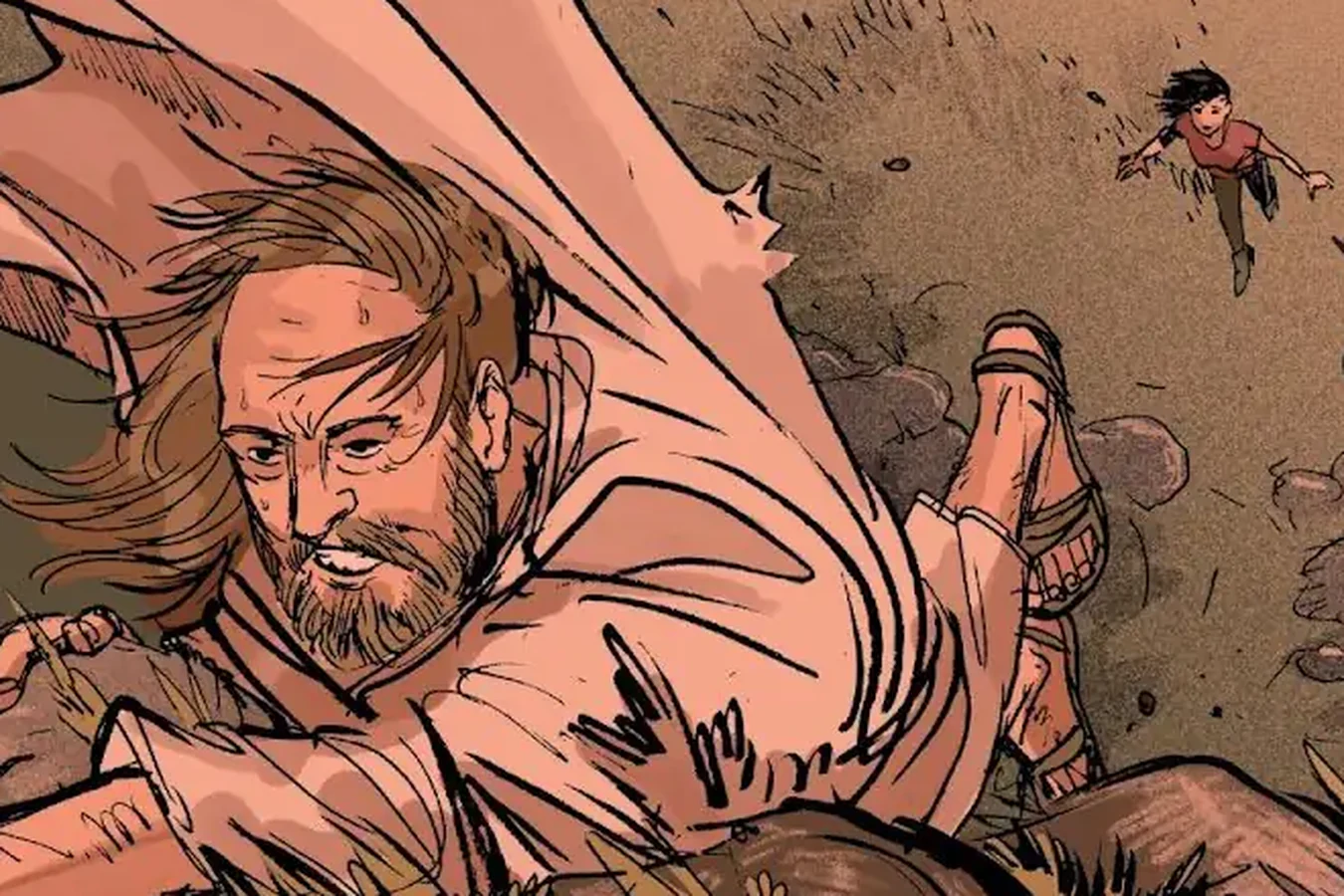
She came out calling the experience real and transcendent. Penfield's scans showed the box overstimulating the temporal lobe, and he compared the effect to striking an android brain with a low-level EMP that might leave something like emotion behind. Dust to Dust therefore treats Mercerism as both street religion and laboratory problem, years before Deckard and Isidore. It does not stage Buster Friendly's expose. It shows the faith while boxes are still spreading.
In Blade Runner 2099

Amazon's Blade Runner 2099 trailer imagery put Mercerism back into the city the 1982 film and Blade Runner 2049 had left out. One trailer shot puts a figure in a scarf alone on a jagged peak against a blinding golden sky, a composition that heavily hints at Mercerism even without an empathy box in frame. Another coastal Los Angeles view carries a luminous hillside hologram of a lone climber while tower signs elsewhere in the same campaign name Buster Friendly and ask, "Have You Felt With Mercer."
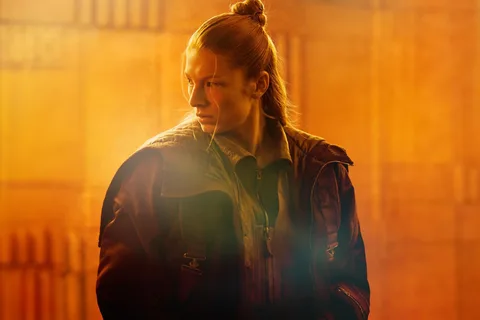
Those boards and climb images do not yet spell out whether 2099's Mercerism is sincere faith, corporate nostalgia, android satire, or another swindle. They do confirm that the series is willing to use Dick's religion and Dick's television host as living texture in a replicant-run Los Angeles. The human lead Cora also shares the name of Mercer's foster mother from the novel.
Behind The Scenes
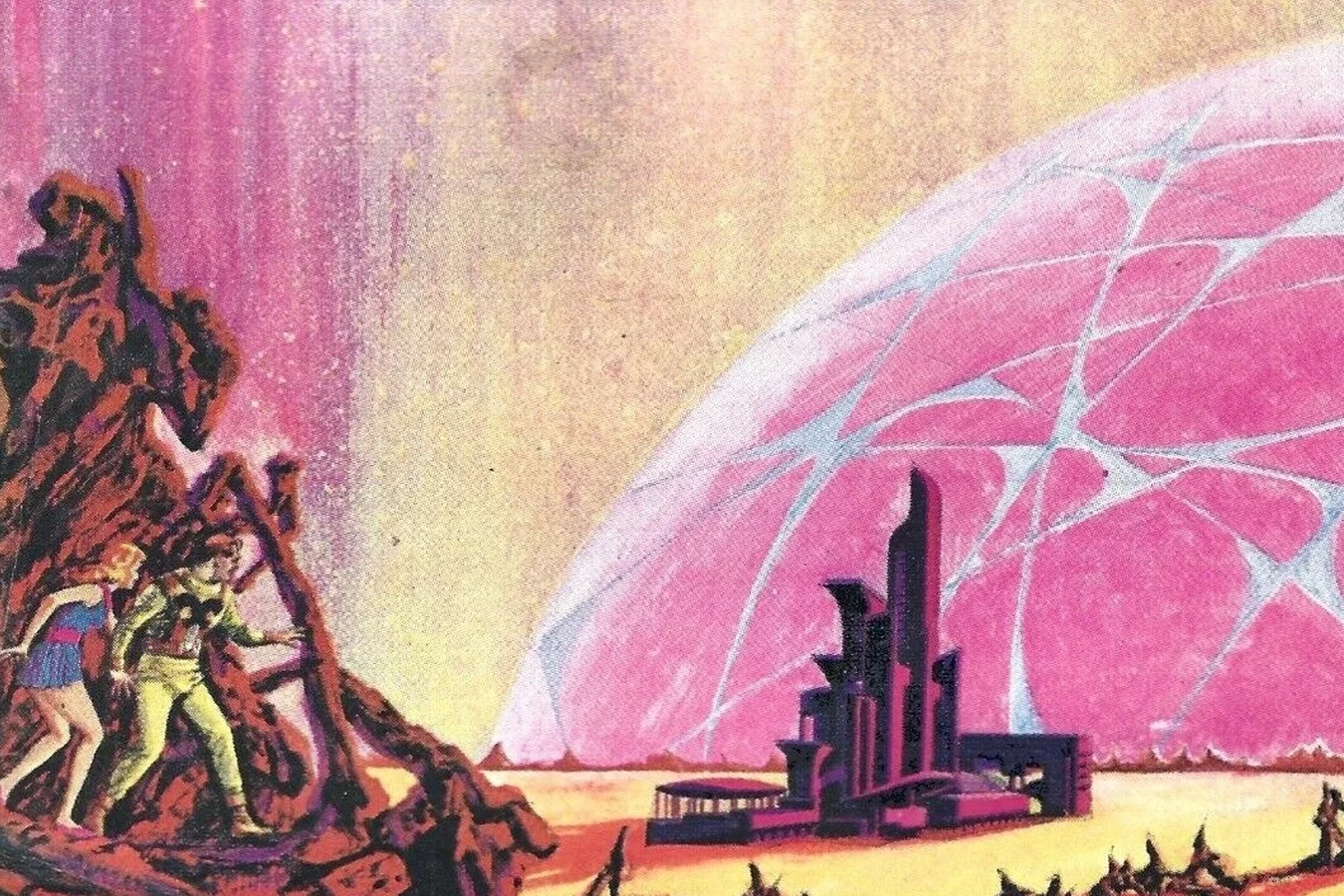
Mercerism began in Philip K. Dick's novelette "The Little Black Box," published in the August 1964 issue of Worlds of Tomorrow, edited by Frederik Pohl, with interior art by George Schelling. The magazine cover advertised the story by name beside Gray Morrow's painting for a different tale in the same issue. In the short story, empathy boxes spread a fast-growing movement that unsettles state power. Officials worry that Mercer may be non-terrestrial, and the text never presents him as a Hollywood fiction the way the later novel's expose does. The black box already joins users to his suffering as he walks toward the place of his death. Dick later wrote that he reused the idea in Do Androids Dream of Electric Sheep?, and that the story put the political threat of a shared caritas even more sharply than the novel.
Conclusion
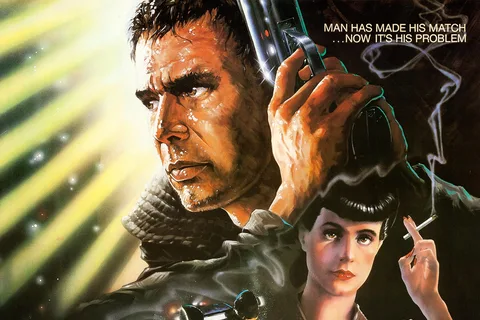
Mercerism asked postwar leftovers to share one endless climb and to treat empathy as proof of being human. Buster Friendly answered with laboratory stills, a bit player's name, and catsup blood. Dick let both voices stand: Al Jarry was real, and so was the bruise on Iran's wrist, the spider in Mercer's hand, and Deckard's refusal to call the old man a fake. Comics drew that paradox. Dust to Dust pushed it into the lab. Blade Runner 2099 put the climb back on Los Angeles glass. The novel's Mercerism never appears in Ridley Scott's Blade Runner. The film dropped the religion, the box, and Buster Friendly. The hill remains the same question the box always asked - not whether the set was painted, but whether anyone else is climbing with you.
Appearances
- "The Little Black Box" by Philip K. Dick (Worlds of Tomorrow, August 1964)
- Do Androids Dream of Electric Sheep? by Philip K. Dick (1968)
- Do Androids Dream of Electric Sheep? comic adaptation (BOOM! Studios)
- Do Androids Dream of Electric Sheep?: Dust to Dust (BOOM! Studios, 2010)
- Blade Runner 2099 (Prime Video; trailer imagery)
Tag Categories: Blade Runner Lore