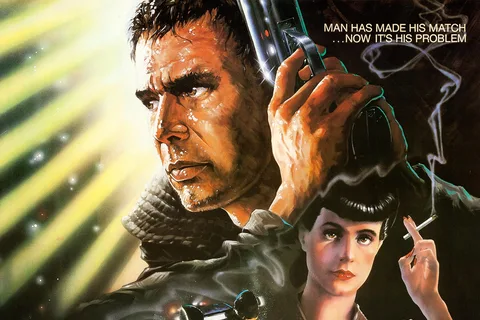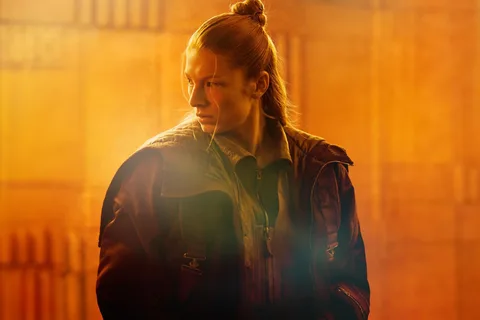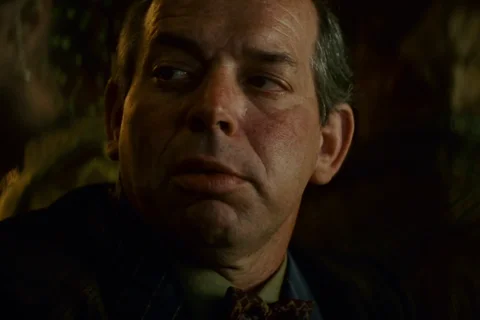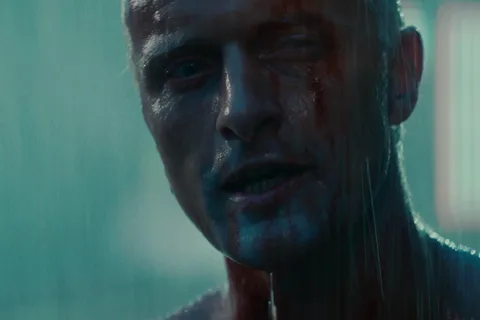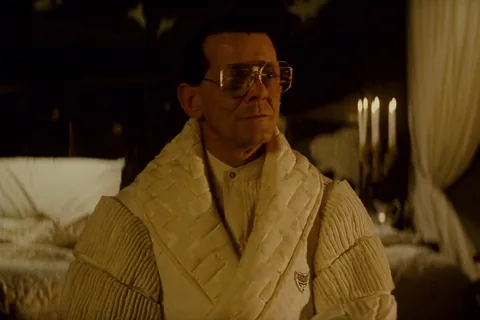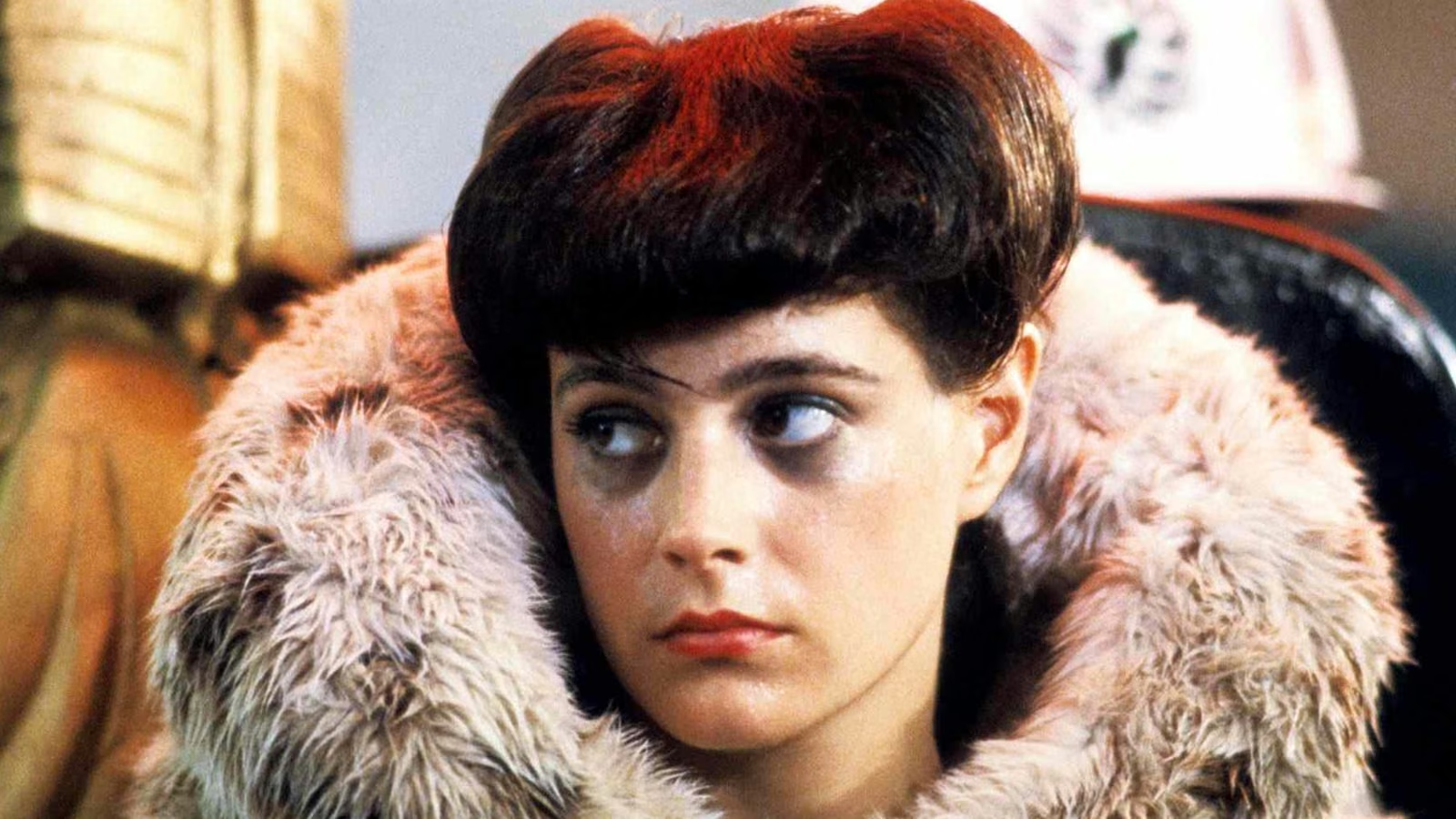

Rachael was an experimental replicant in Ridley Scott's Blade Runner, played by Sean Young. Built by the Tyrell Corporation and given the memories of Eldon Tyrell's niece, she worked as his assistant and believed she was human until Rick Deckard tested her. In November 2019 she saved Deckard's life, fell in love with him and fled Los Angeles at his side. Blade Runner 2049 revealed that she later gave birth to his child and died, and her buried bones set off a new hunt thirty years later.
Biography
Implanted Memories
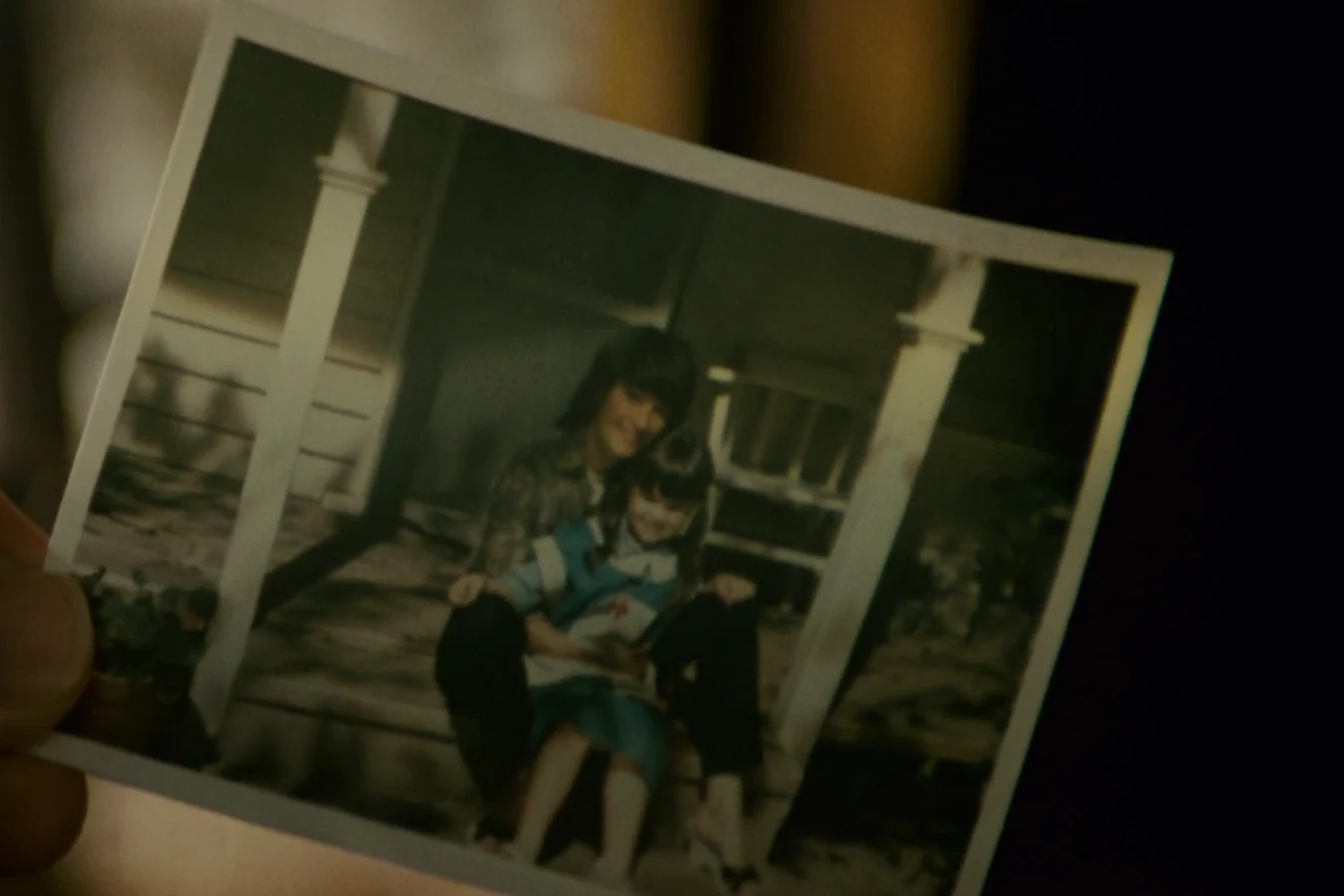
Rachael had no real childhood, only one that Eldon Tyrell gave her when she was made. Her mind was filled with memories copied from his niece, so she believed she had grown up as a human girl with a mother and a brother. She remembered playing doctor with her brother in an empty building at the age of six, and watching a spider outside her window whose babies hatched and ate her. She also remembered taking piano lessons, and she kept an old snapshot of a little girl sitting with her mother on a porch, which she believed was her own. Tyrell later explained that the memories steadied her emotions, which made her easier to control.
Tyrell's Assistant
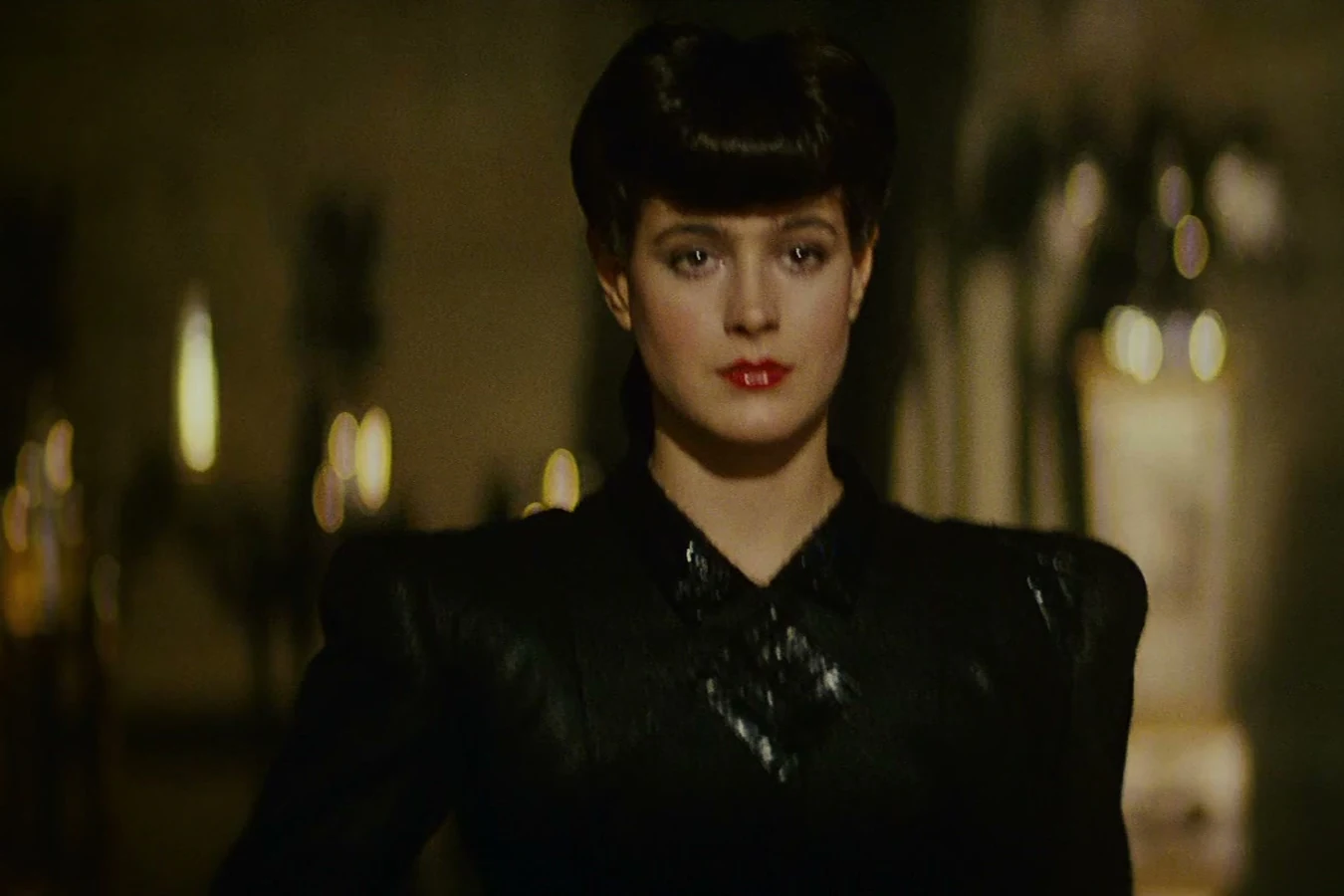
Rachael was a one-off replicant built by the Tyrell Corporation in Los Angeles, later identified by the serial number N7FAA52318 as an experimental Nexus-7. Unlike the Nexus-6 models, she was not given the standard four-year lifespan, and she carried a gift that Tyrell kept secret, the ability to bear a child. Because of the borrowed memories she did not know she was a replicant, and nobody at the company told her. She worked at his side in the company's vast pyramid, dressed in sharp suits and wearing her hair in a tight roll.
In November 2019, blade runner Rick Deckard came to the pyramid to test a Nexus-6 on the Voight-Kampff machine before hunting four escaped replicants. Rachael met him alone in Tyrell's great office, as an owl swept across the room and landed on its perch. She asked whether he liked their owl, and when he asked whether it was artificial, she calmly confirmed that it was. She was cool and composed with the visitor and asked him whether he had ever retired a human by mistake.
The Voight-Kampff Test
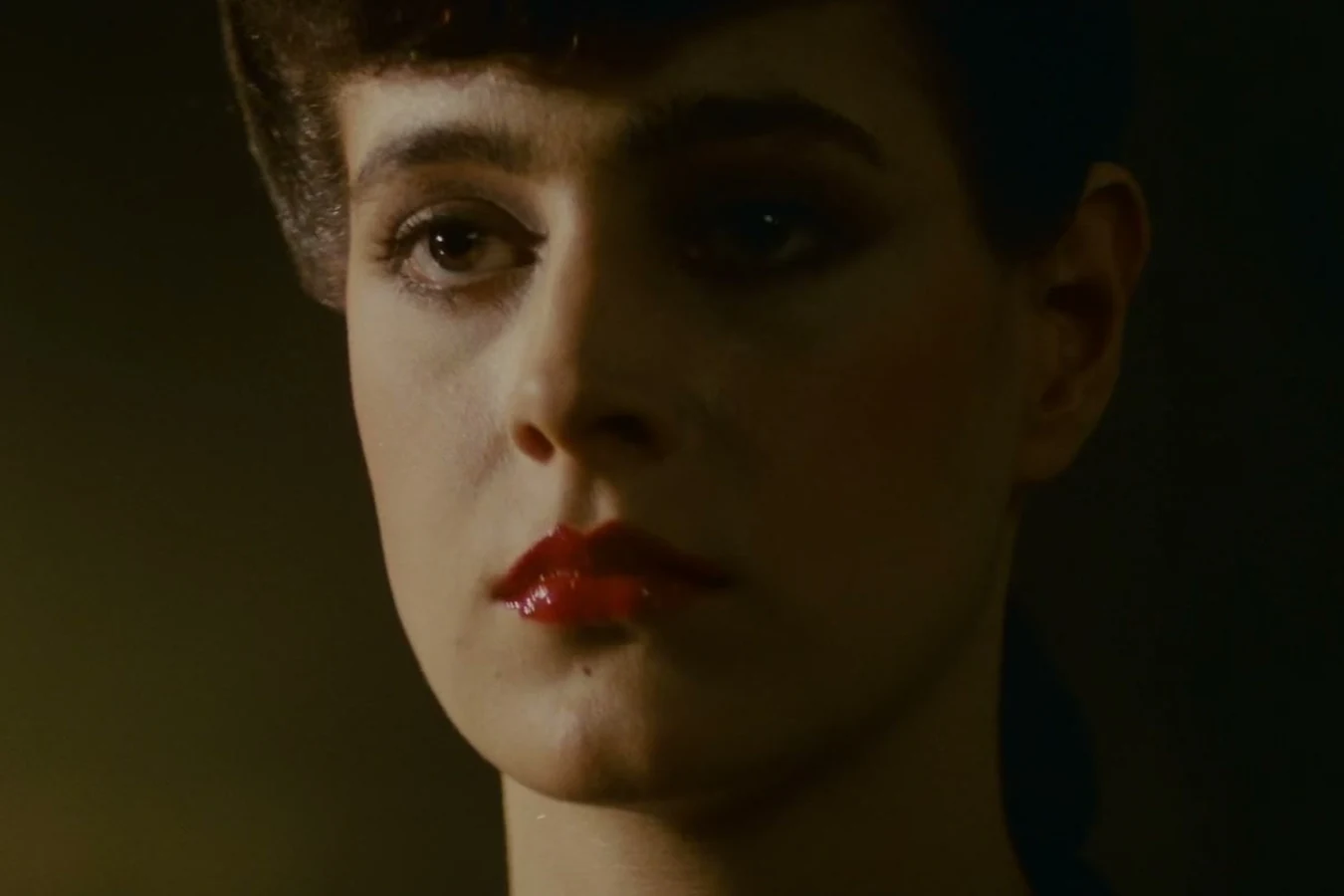
Before he would let Deckard near a Nexus-6, Eldon Tyrell wanted to see the test fail on a human being, and he offered Rachael as the subject. She sat in the dim office smoking while the machine watched her eye, and Deckard read her questions about a calfskin wallet, a wasp on her arm and a dinner of boiled dog. Most subjects needed twenty or thirty questions, but Rachael needed more than one hundred before Deckard was sure. Tyrell sent her out of the room, and Deckard told him she was a replicant who did not know what she was.
Tyrell explained that Rachael was simply an experiment, and that the borrowed memories steadied her emotions so she could be controlled. He said she was already beginning to suspect the truth. The calm way he spoke about her disturbed Deckard, who left the pyramid to get back to the hunt for Leon Kowalski and the others. For Rachael, the test had shaken everything she believed about herself.
Learning The Truth
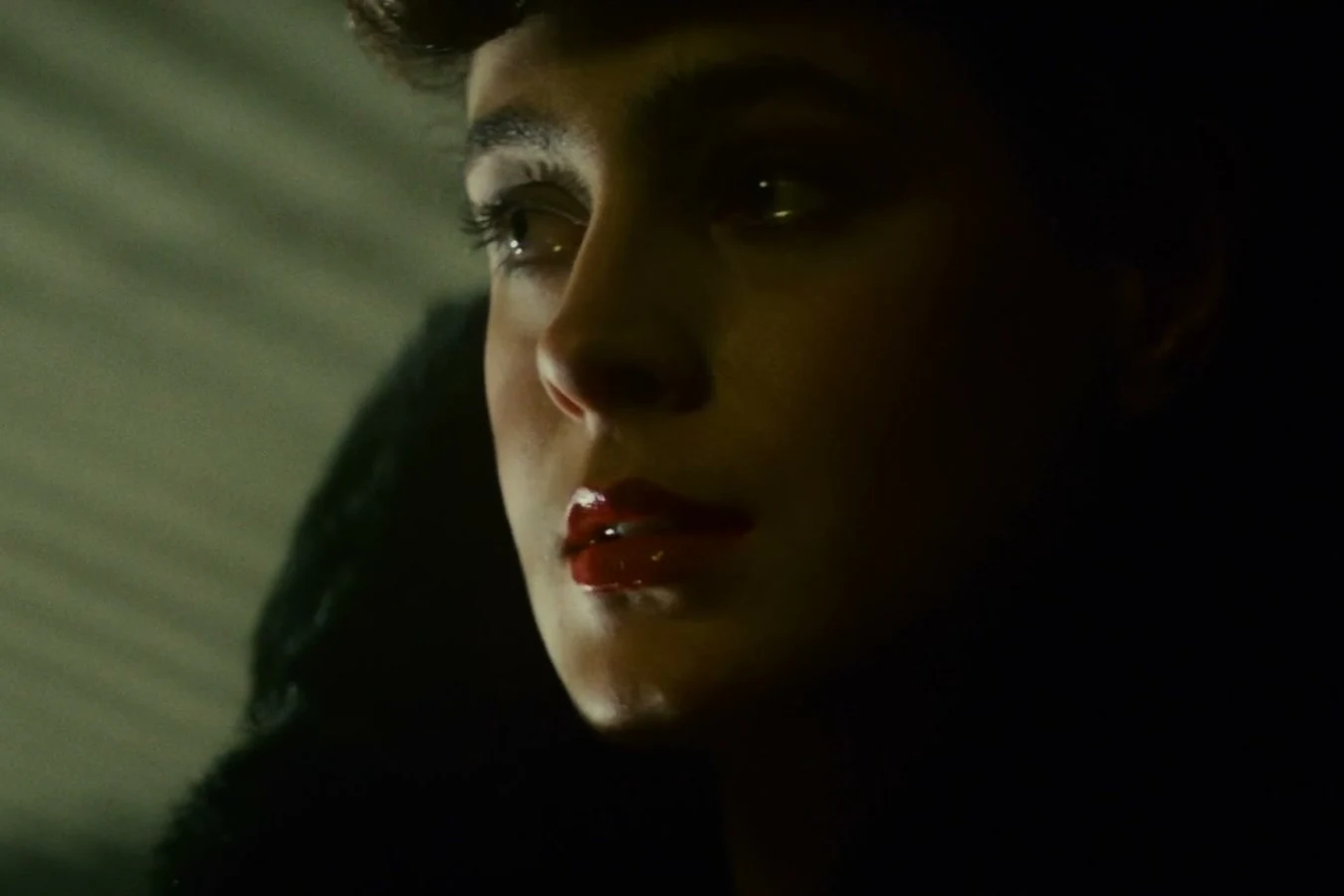
That night Rachael waited for Deckard at his apartment building and rode up with him in the elevator. She brought the snapshot she believed showed her as a little girl with her mother and held it up as proof that she was human. Deckard answered by reciting her most private memories back to her, a childhood game of doctor with her brother in an empty building, and a spider outside her window whose eggs hatched and whose babies ate her. He told her they were not hers but implants from somebody else, Tyrell's niece.
Rachael began to cry, and Deckard tried to take it back, saying he had only been joking and telling her to go home. She dropped the photograph and walked out of the apartment without another word. Later that night Deckard called her from a vidphone at the Snake Pit and asked her to join him for a drink, but she turned him down. For the first time she had to face the idea that her whole past belonged to someone else.
Saving Deckard From Leon
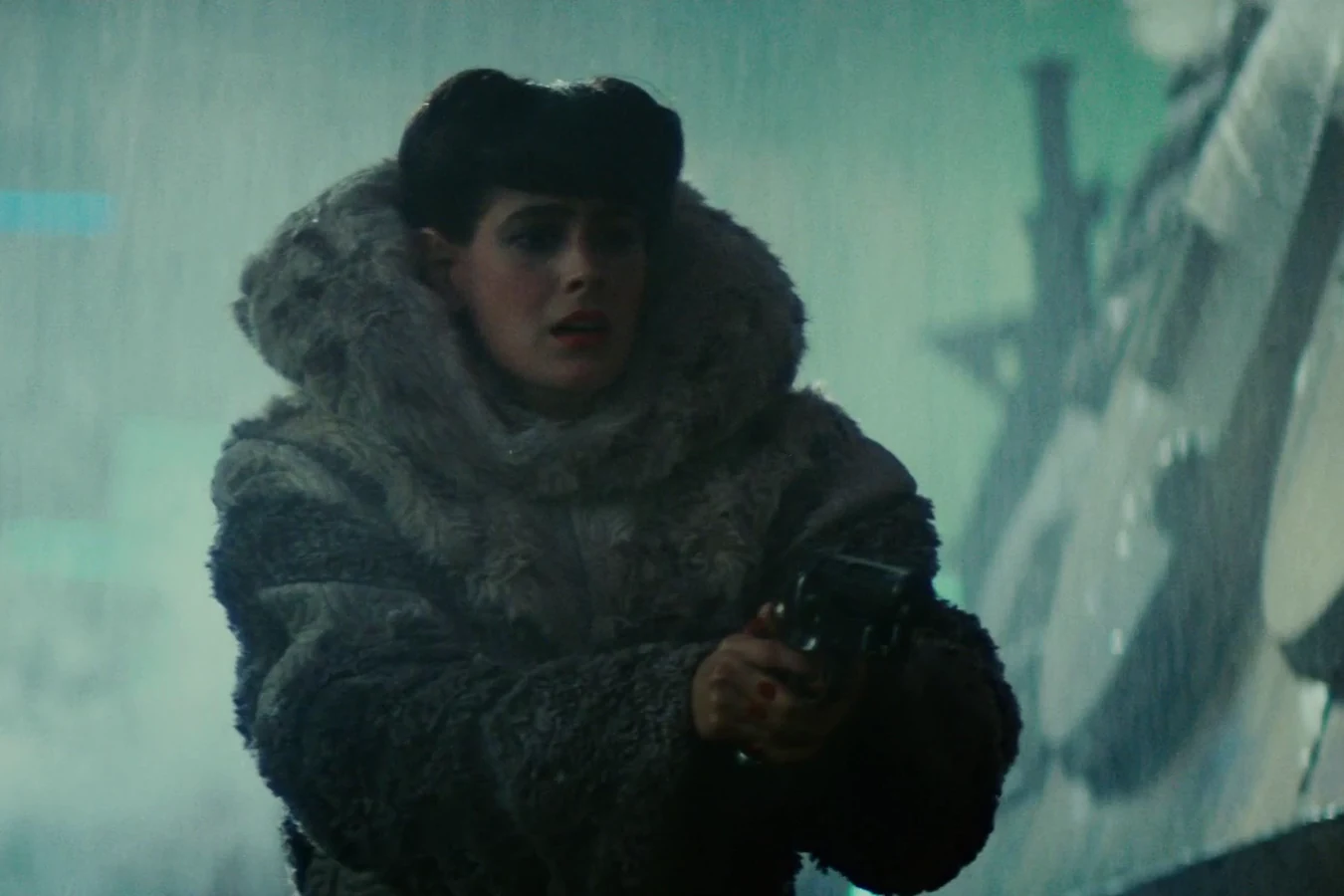
After Deckard retired Zhora, Captain Harry Bryant told him that Rachael had disappeared from the Tyrell Corporation and added her to his list. Moments later Deckard saw her in the crowded street and set off after her, only to be caught by Leon. Leon knocked the gun from his hand, beat him and was about to drive his fingers into Deckard's eyes. Rachael picked up the dropped blaster and shot Leon through the head, saving the man who had exposed her. She was left shaking by what she had done.
At Deckard's Apartment
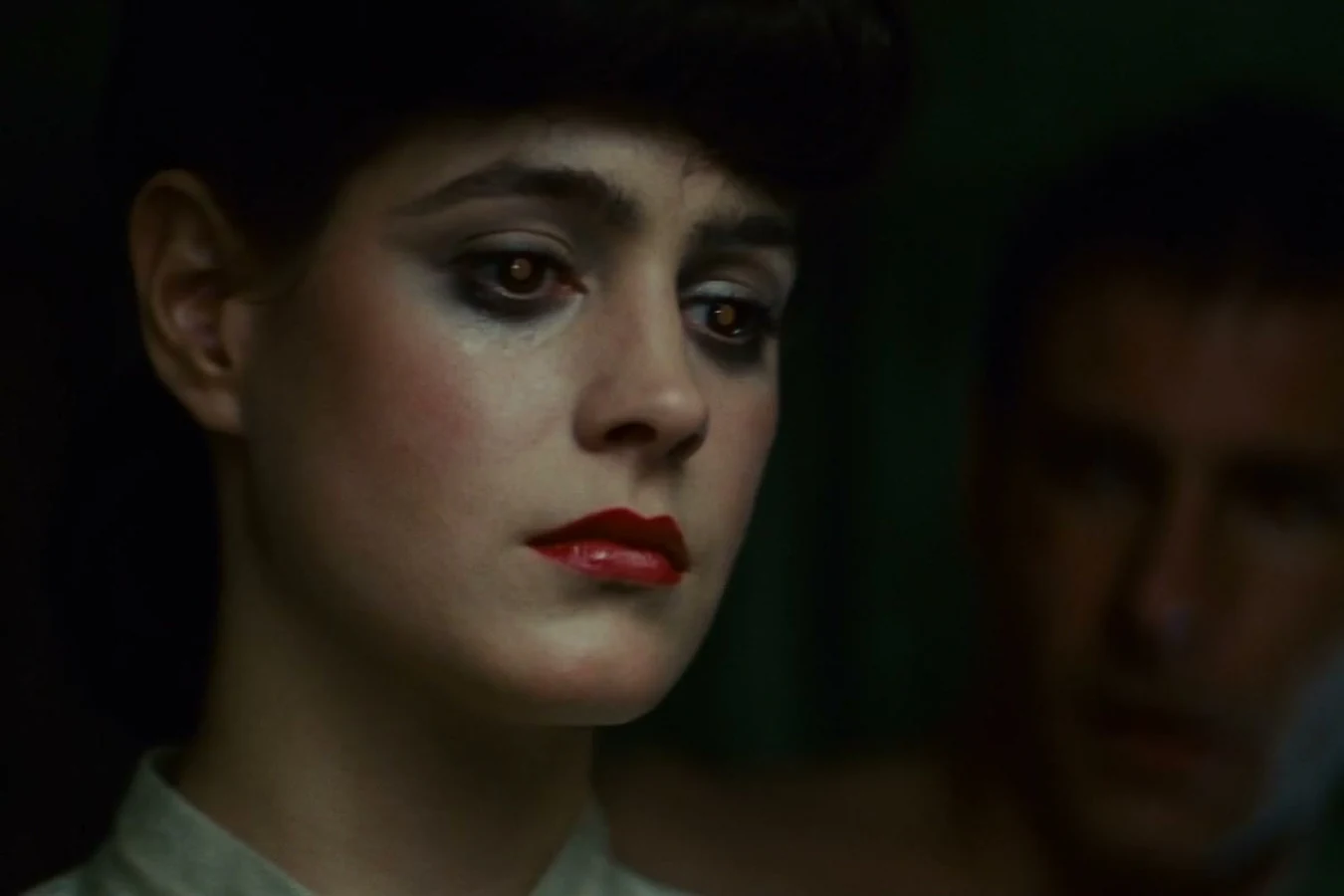
Deckard took her back to his apartment, where she watched him clean his wounds and asked whether he would come hunting her if she went north and disappeared. He said he would not, since he was in her debt, but someone else would. She asked about the file on her, her incept date and her longevity, and he said he had not looked at it. Then she asked him whether he had ever taken the Voight-Kampff test himself, but he had already fallen asleep.
While he slept she sat at his piano among his old photographs, let down her hair and began to play. When Deckard woke and sat beside her, she said she remembered taking piano lessons but did not know whether the memory was hers or Tyrell's niece's. He kissed her, and she tried to leave, but he slammed the door, pushed her back against the blinds and made her say that she wanted him. She learned the words from him one line at a time, and the night became the start of their love.
Leaving With Deckard
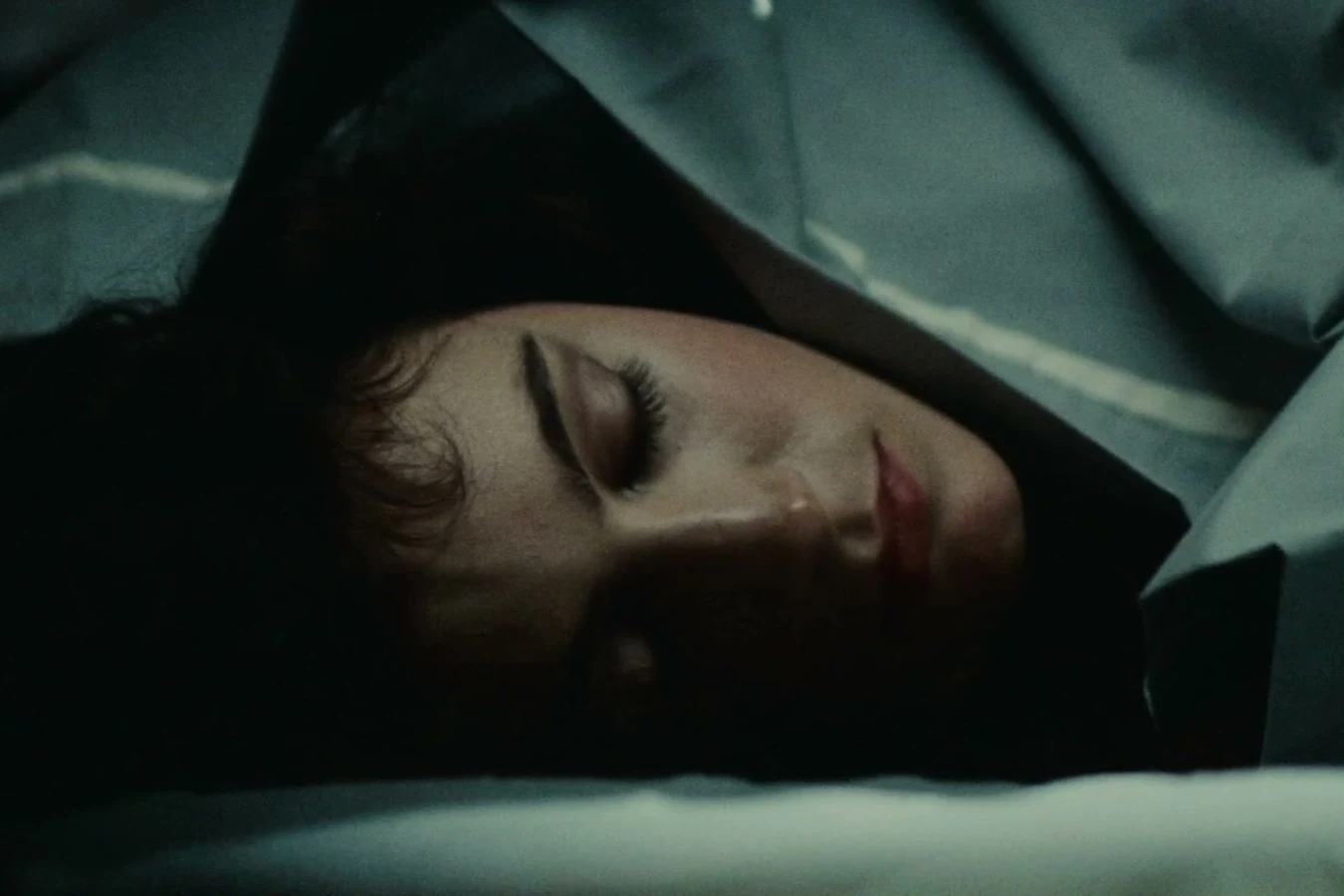
While Deckard fought the last replicants in the Bradbury Building, Rachael stayed behind in his apartment. After Roy Batty died on the roof, Gaff told Deckard that it was a pity she would not live, though nobody really does. Deckard raced home to find the door open, and found Rachael lying under a sheet on his bed, alive. He asked whether she loved him and trusted him, and she answered that she did.
As they left, Deckard saw a small tin-foil unicorn that Gaff had left on the floor of the hall. It told him Gaff had been there and had chosen to let Rachael go. In the Final Cut, the film ends with the elevator door closing on them.
Into The Mountains (Theatrical Cut)
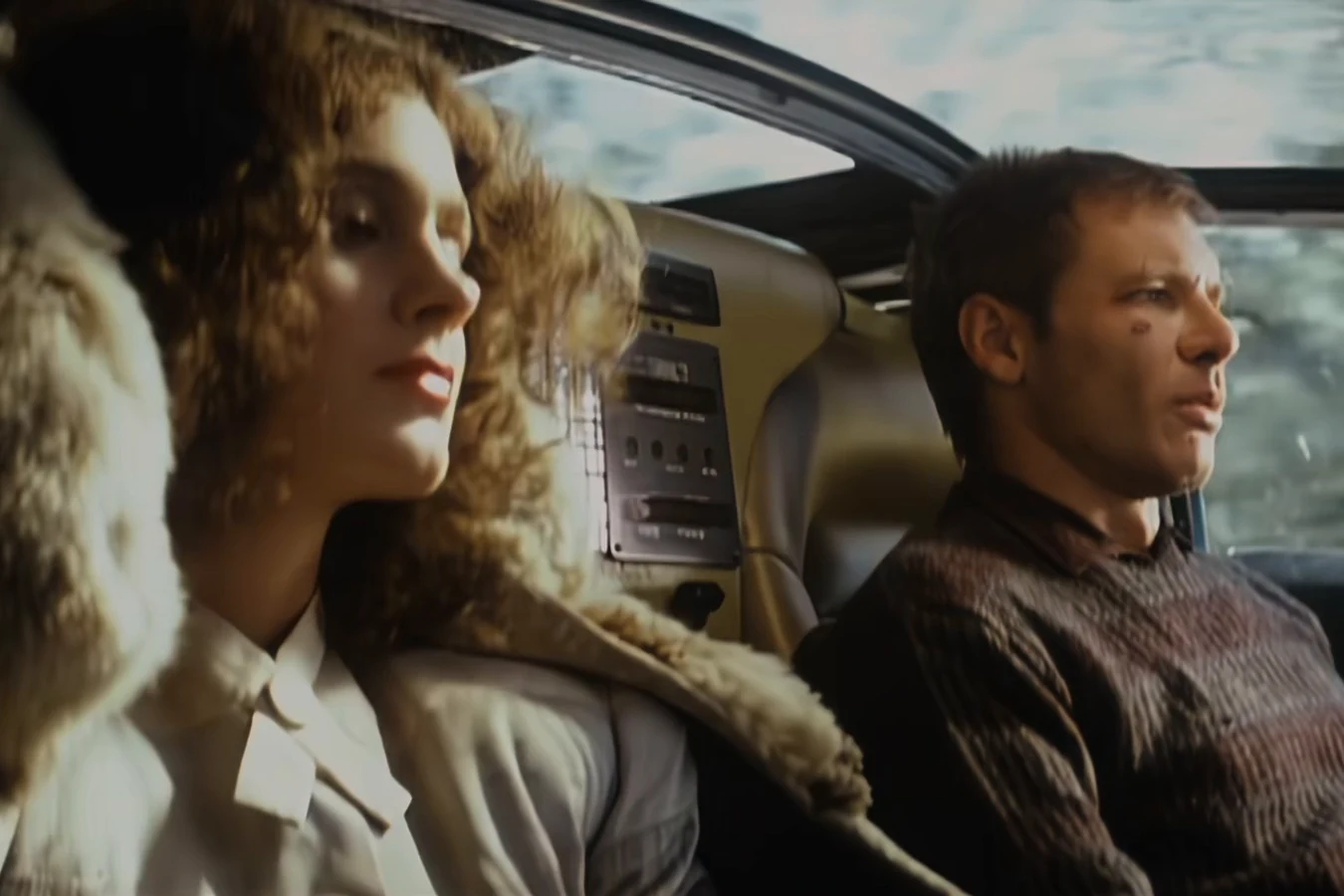
In the theatrical cut, the story does not end at the elevator. Deckard drives Rachael out of Los Angeles, and the dark city gives way to sunlit forest and green mountain roads. She sits beside him in his car as they head north into open country, far from the rain and the police.
As they drive, Deckard reflects that Gaff had been at the apartment and spared her. He recalls that Tyrell had singled Rachael out as unique, with no termination date. He admits he does not know how long they will have together, but nobody knows that for themselves either.
Her Daughter And Death
Deckard and Rachael fled Los Angeles together, and in the years after 2019 she became pregnant, something no one had believed a replicant could do. Deckard left before the birth, and the replicant freedom movement took charge of hiding the child. Rachael died on 10 June 2021 during an emergency caesarean section performed by the replicant Sapper Morton. Her daughter, Ana Stelline, was hidden, her birth records scrambled, and she grew up to become a designer of replicant memories.
Sapper buried Rachael's bones in a military footlocker under a dead tree on his protein farm outside Los Angeles. He kept the grave marked with flowers, and the date of the birth was carved into the base of the tree. Deckard never saw his daughter grow up, and he went into hiding in the ruins of Las Vegas. Rachael stayed in the ground for nearly thirty years.
Rachael's Bones Found
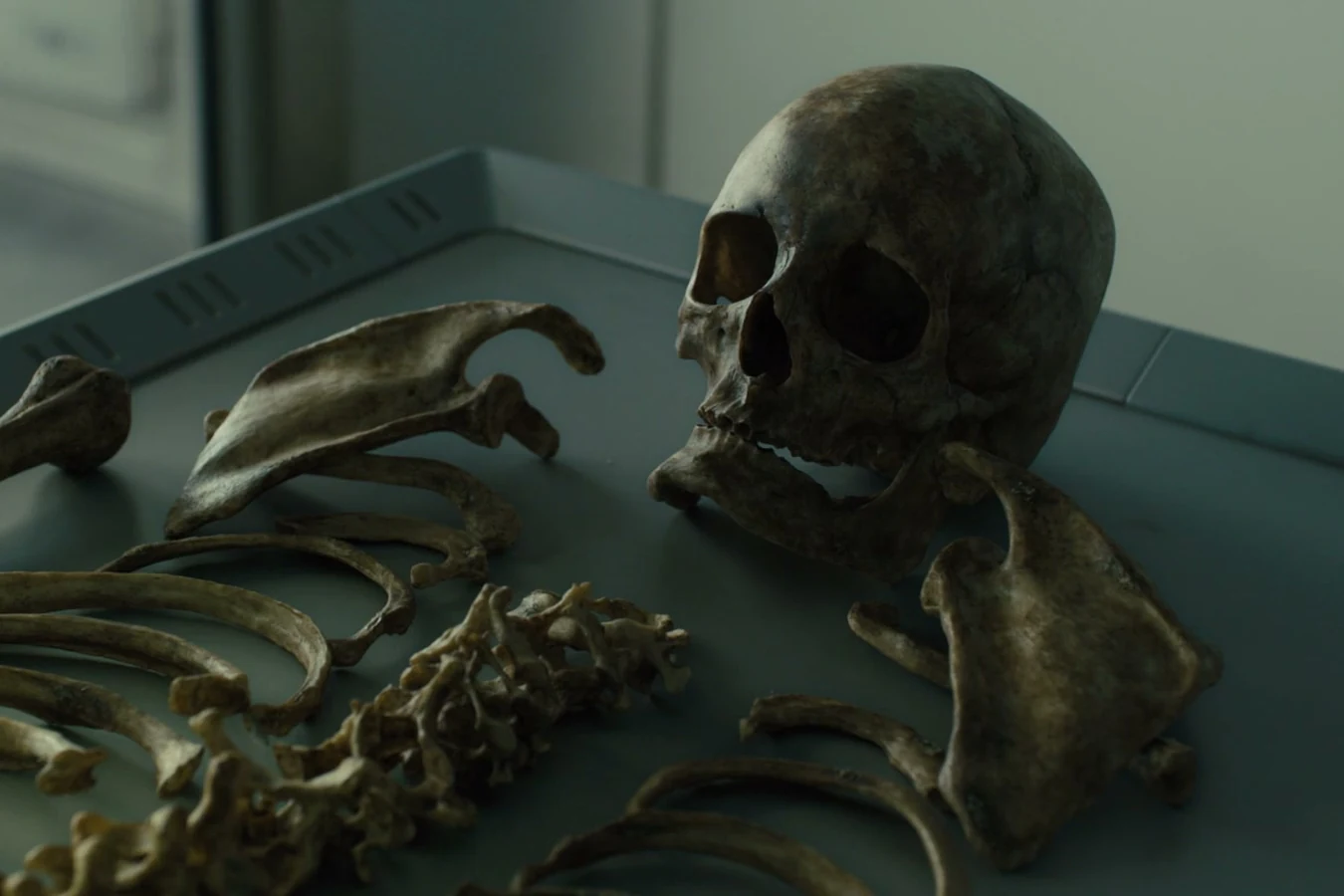
In 2049, blade runner K retired Sapper Morton and found the footlocker buried under the tree. At the LAPD forensics lab, the bones were laid out on a table and the coroner pointed out a notch on the pelvis that looked like an emergency C-section. Fine scans then showed a serial number on the bone, which proved the dead woman had been a replicant. A replicant who had given birth was a miracle to some and a danger to others, and Lieutenant Joshi ordered K to find and erase every trace of the child.
The Wallace Corporation matched the serial number to its Tyrell archives, where an old recording showed Rachael's Voight-Kampff test with Deckard in 2019. Niander Wallace had been trying for years to make his own replicants fertile, and Rachael's bones were the proof that Tyrell had done it. His replicant Luv stole the bones from the LAPD headquarters and killed the technician on duty. K's search for the child led him to Deckard in Las Vegas and finally to Ana Stelline's laboratory.
The Wallace Copy
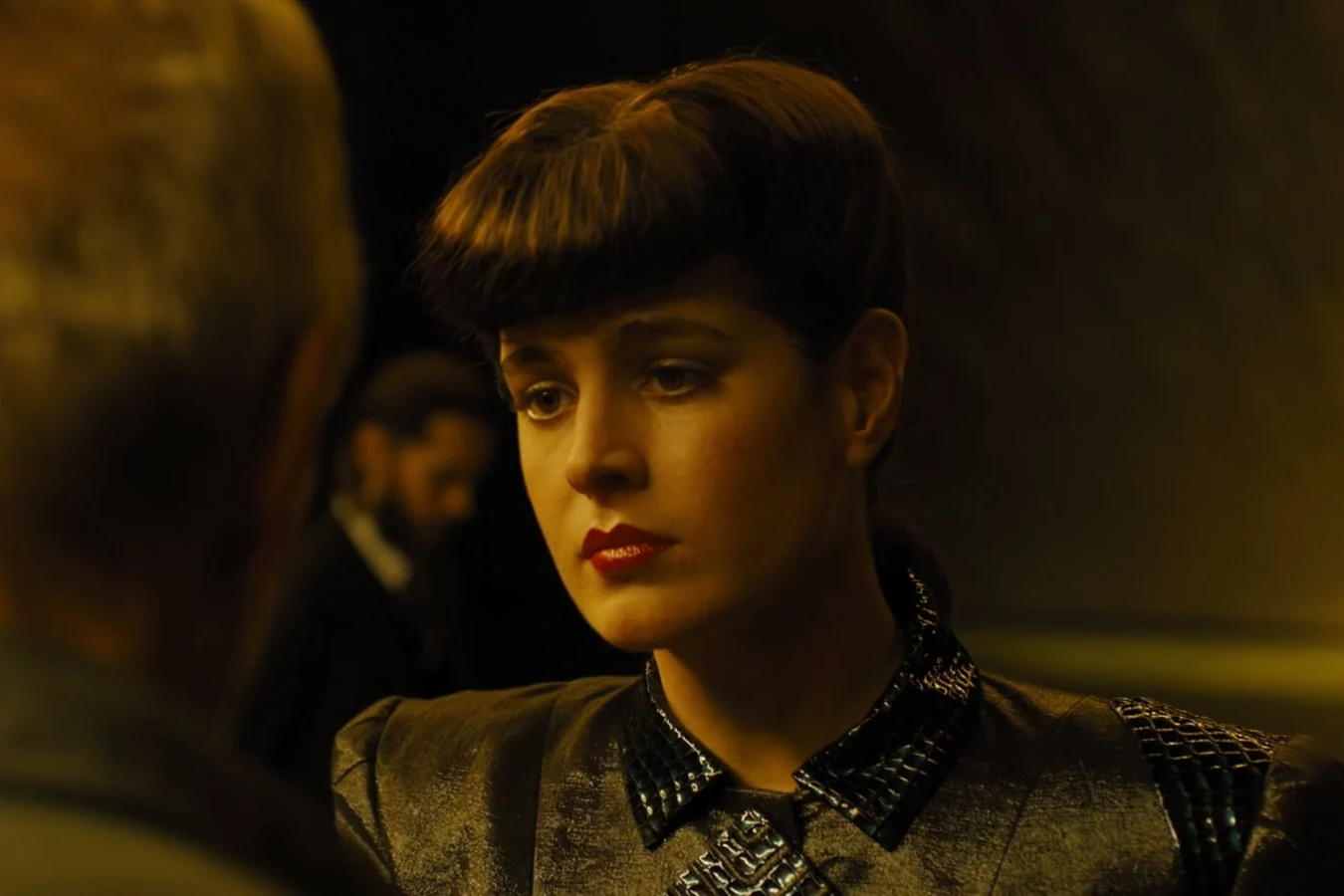
When Luv captured Deckard and brought him to the Wallace Corporation, Wallace tried to make him reveal where the child was hidden. He suggested that Deckard's meeting with Rachael might have been designed, and offered him a new Rachael made again just for him. The copy stepped out of the shadows in the same suit Rachael wore at the pyramid and touched his face. Deckard looked at her and said that Rachael's eyes had been green, and refused her.
Wallace gave a signal, and Luv shot the copy in the head. Deckard was taken away to be tortured Off-world, until K freed him and brought him to the door of his daughter's lab. The copy had the face Deckard loved but none of her memories or their years together. Even dead, Rachael remained the reason for the struggle between Wallace, the police and the replicant freedom movement.
Personality
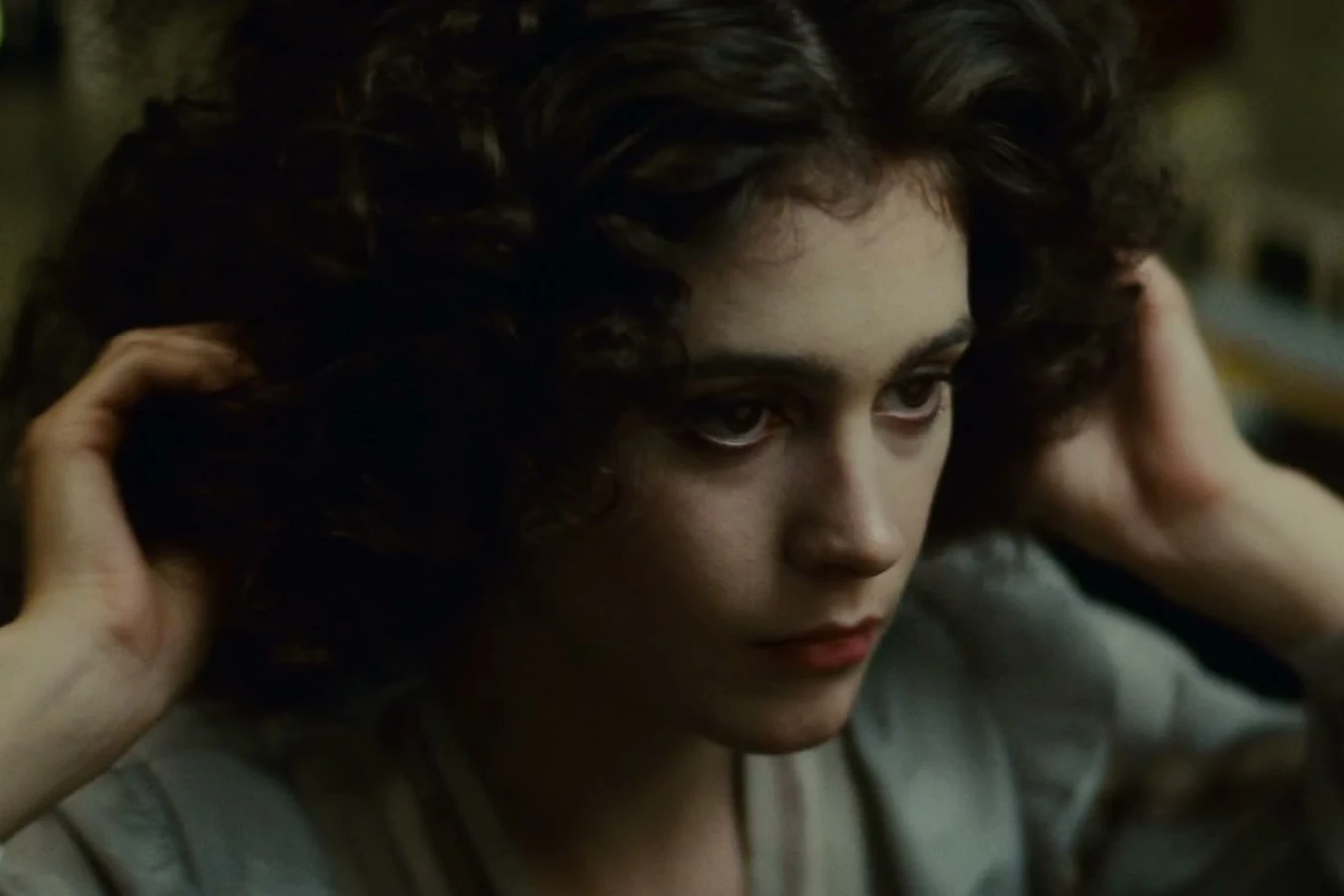
At first Rachael was poised and superior, a corporate assistant who answered Deckard's questions with questions of her own. She was proud of her place beside Tyrell and saw nothing strange in her life until the test took it apart. That confidence rested on a childhood that had never been hers, and once Deckard named the memories she had no defense left. Her tears in his apartment showed how completely she had believed she was human.
Afterward she was frightened and alone, a fugitive with no family and no idea how long she would live. Still she chose to save Deckard rather than run, even though he was the man who would be expected to kill her. At the piano she let down her hair and her guard together, and the woman who emerged was gentler and more uncertain than the executive in the pyramid. She learned love slowly and nervously, as if each feeling were new, and in the end she trusted Deckard with her life.
Other Appearances
Marvel Blade Runner Comic
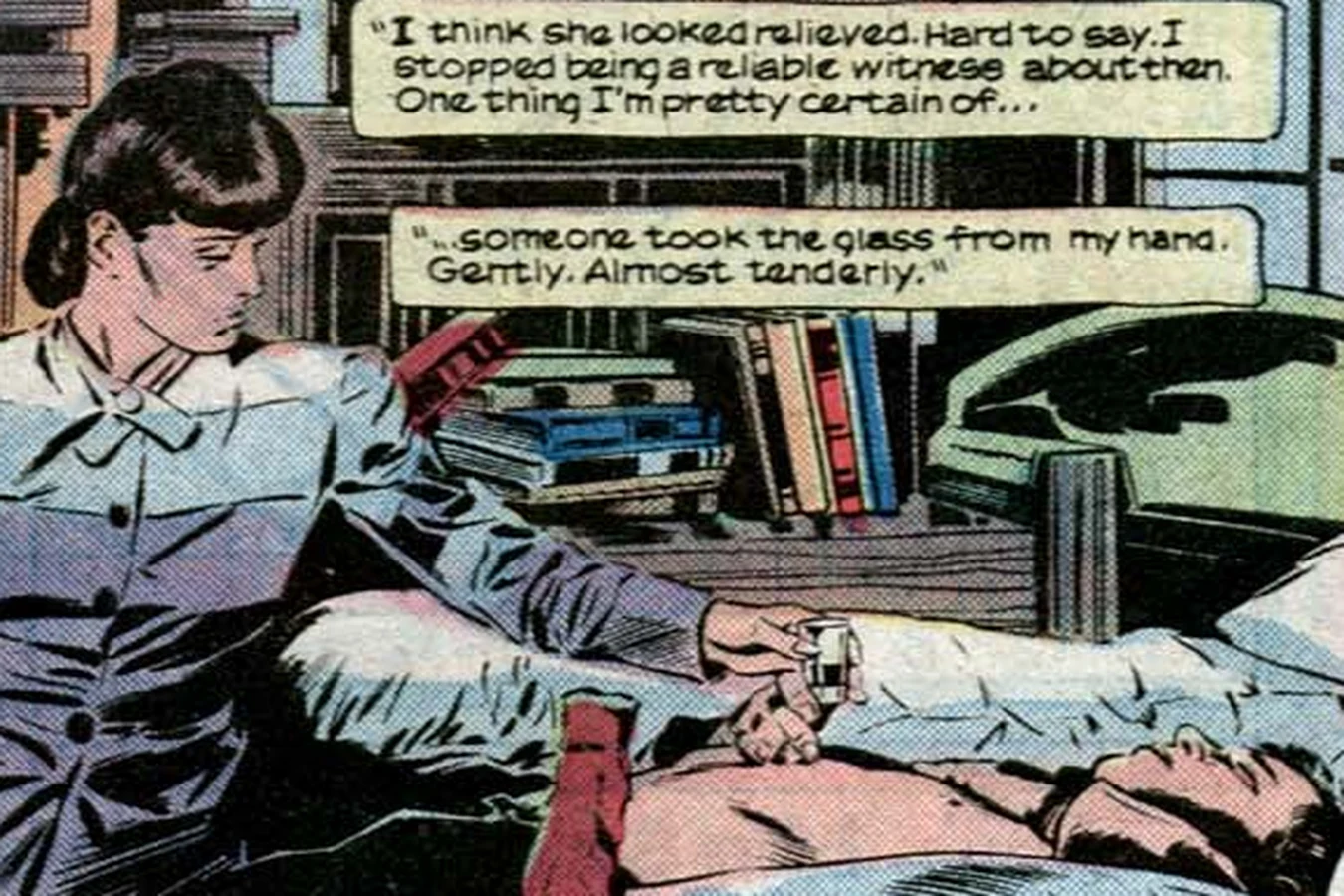
Rachael appears in Marvel Super Special #22, Archie Goodwin and Al Williamson's 1982 adaptation of the film, where her name is often printed as Rachel. Tyrell asks Deckard to test her first, and she needs more than one hundred questions before he is sure. She comes to his apartment with a photograph of herself as a child with her mother, then later shoots Leon to save him. Back at his apartment she sits with him through the night and takes the glass from his hand as he falls asleep.
Gaff reminds Deckard after the rooftop that Rachael cannot live forever. When Deckard goes home he finds her alive, and the paper figure in the hall tells him Gaff knew and left her alone. The last pages send the couple into a green mountain landscape, following the optimistic ending of the 1982 theatrical version. The comic also confirms that her memories came from Tyrell's niece.
Blade Runner: A Story Of The Future
In Les Martin's photo-illustrated novelization Blade Runner: A Story of the Future, Rachael is Tyrell's secretary and tells Deckard that the white owl is real, one of fewer than a dozen left on Earth. Deckard tests her for about an hour, and Tyrell admits that her memories belong to his sixteen-year-old niece. The film's love scene is gone, and Deckard kisses her only once before getting back to work. At the end Bryant says Gaff can handle the last one, Rachael, while Deckard already has her hidden in a police spinner and drives into open country, promising to stay with her for as long as they both live.
Blade Runner 2: The Edge Of Human
K. W. Jeter's Blade Runner 2: The Edge of Human picks up in August 2020, months after Deckard and Rachael left Los Angeles. Deckard has hidden her in a cabin in Oregon, inside a stolen Tyrell transport sleep module, a black coffin that slows her four-year clock. At first he woke her for a full day each month, and later for only twelve hours every two months, marking each waking on an old calendar. Between those days he talked into the silence to remember her voice, and came close to turning his gun on himself.
A woman with Rachael's face found him in the woods, knocked the pistol from his hand and told him she was Sarah Tyrell, Eldon's niece and heir. She was the human templant the Tyrell labs had copied to make Rachael, and the childhood memories Rachael carried had been taken from her. Sarah promised to give the coffin back if Deckard hunted down a sixth Nexus-6 she claimed was loose in the city, and her men flew him south while the module stayed behind in the cabin. When he refused the job, she let down her hair and pressed her likeness to Rachael on him until he agreed.
While Deckard searched, Sarah's men carried the module out, burned the cabin and set the coffin back on the ashes with its life support switched off. In the ruined Tyrell headquarters Deckard found a sleeping woman he treated as Rachael, and the two escaped as the United Nations brought the towers down. They left Earth under the forged name Niemand, but later Dave Holden hiked to the burned cabin and found a dead woman in the module whom he identified as Rachael. On the emigrant ship the woman at Deckard's side murmured a hymn that Rachael could not have known, and the book leaves open whether Deckard was ever fooled.
Blade Runner 3: Replicant Night
Blade Runner 3: Replicant Night finds Deckard on Mars with Sarah, living as Mr. and Mrs. Niemand in a rented hovel. Deckard had loved the replicant Rachael, not the woman who shared her face, and the name between them reminded both of it every day. On the orbital set of Urbenton's docudrama, an actress playing Rachael fired a live round at the Leon replicant, and the shot killed him for real. Deckard walked off the set to find out who had loaded the gun.
Agents of a hidden Tyrell remnant took Sarah to Scapa Flow, where she entered the sunken wreck of the Salander 3. Deep in the hull she met a living girl of about ten who had her face and gave her name as Rachael. A photograph hidden in a first-aid kit from the ship showed the replicant couple Ruth and Anson Tyrell holding newborn twins, Sarah and Rachael. Ruth had hidden one twin in a sleep chamber before Anson killed her, so the child had not aged while her sister grew up on Earth as Tyrell's niece.
That made the adult Rachael whom Deckard had loved a second-generation copy, built from a woman who was herself born to replicants. On the rooftop set Sarah asked Deckard to kiss her the way he had kissed the other Rachael, then shot herself in his arms. Deckard took the child, the first replicant-born child, and left for the outer colonies under the Niemand name.
Blade Runner 4: Eye And Talon
In Blade Runner 4: Eye and Talon, blade runner Iris Knaught watches old surveillance of Deckard visiting Tyrell, where Rachael introduces herself and calls the owl artificial. In a buried desert lab she sees Urbenton's film, and still frames show that her own face matches Rachael's. When the last sleep lid opens on a woman identical to Iris, a sleeper named Rachael, Iris shoots her twice. At the end an older Deckard appears with Tyrell's owl, and a dark-haired girl in a single braid holds his hand and says her name is Rachael.
Blade Runner Games
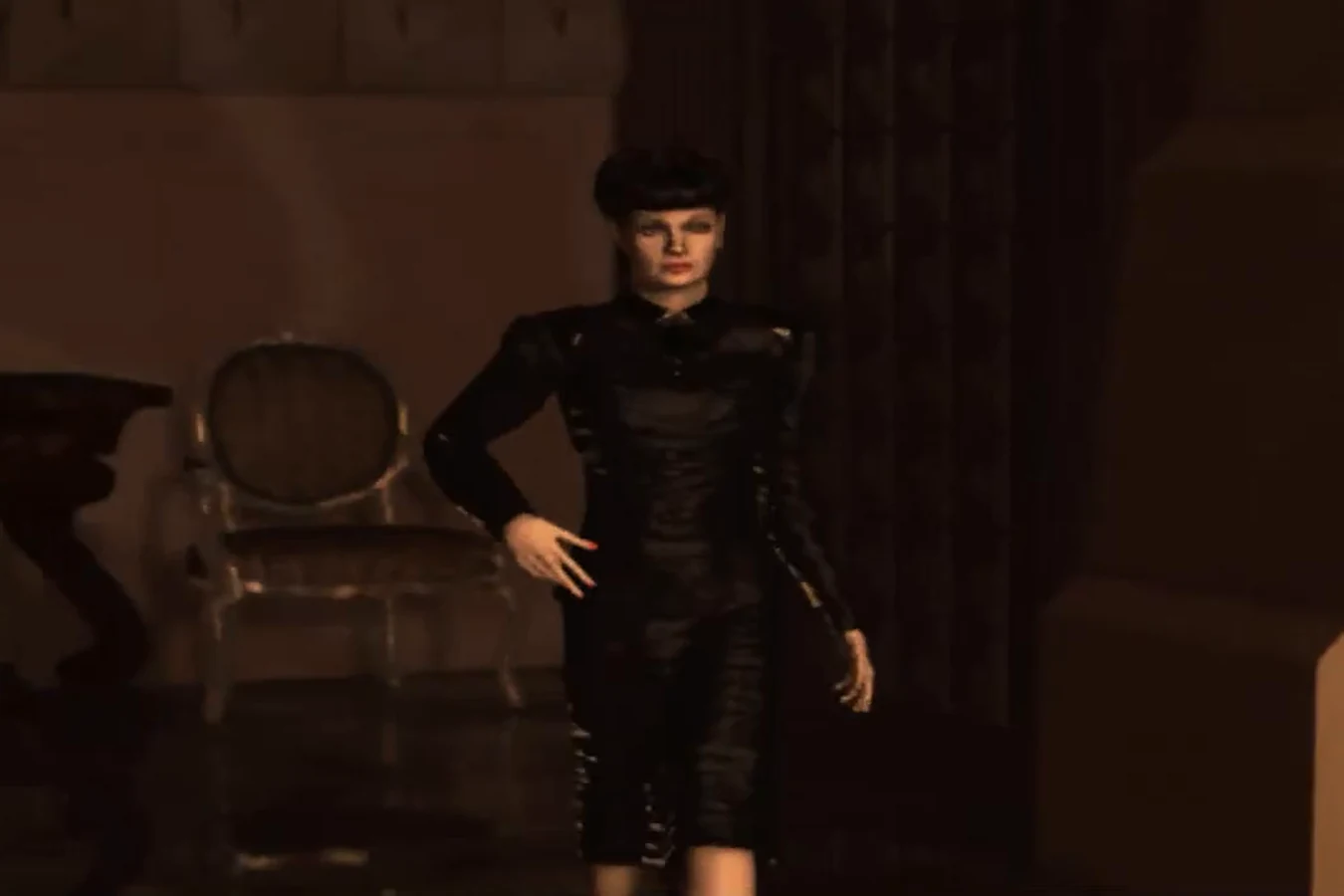
Sean Young returned to voice Rachael in Westwood Studios' Blade Runner adventure game of 1997, whose story runs alongside the events of the film. When blade runner Ray McCoy came to the Tyrell pyramid, Tyrell was unwilling to see a second blade runner that day, so Rachael was sent to answer his questions instead. She met him beside the owl and called it a flawless replica modeled on a real bird, then told him he could speak to her or leave. McCoy was investigating the murder of the Tyrell scientist Marcus Eisenduller, and Rachael told him his suspect was clearly a replicant and a very dangerous one.
When McCoy pressed her about replicant labor and the moonbus hijacking, she asked whether he had come to discuss corporate policy or a murder. She insisted that replicants were not pets and that safeguards were built into their design, and when McCoy said that even with only four years he would not start killing people, she asked whether he was sure. Tyrell then chose to see McCoy himself, and Rachael left the office.
Later McCoy met her in the elevator of his apartment building, where she said she was visiting someone and admitted she had seen better days. She accused him of wanting to kill innocent people and argued that replicants were more innocent than most humans, since none of them asked to be made. On a later ride, when McCoy was hunted as a suspected replicant and begged her as Tyrell's niece to vouch for him, she told him there was nothing wrong with accepting what he was and suggested he take the Voight-Kampff test himself. In Blade Runner: Revelations, set after the film, Holly asks Harper about the blade runner who took the replicant Rachael as his lover and fled the city with her.
Blade Runner RPG
In Free League's Blade Runner RPG, Rachael was a special test subject designed by Eldon Tyrell, with memory implants based on those of his niece Lilith Tyrell. In the case file Fiery Angels, Lilith wants a memory sphere stolen for sentimental reasons, since it holds an audio recording from 2019 of Deckard's Voight-Kampff test on Rachael at Tyrell headquarters. The core rules do not name her, but they say Tyrell spent his last years on a secret project far beyond the Nexus-8, known only to his inner circle. Its truths were never made public, and the books suggest that perhaps only Niander Wallace will ever know.
Do Androids Dream Of Electric Sheep?
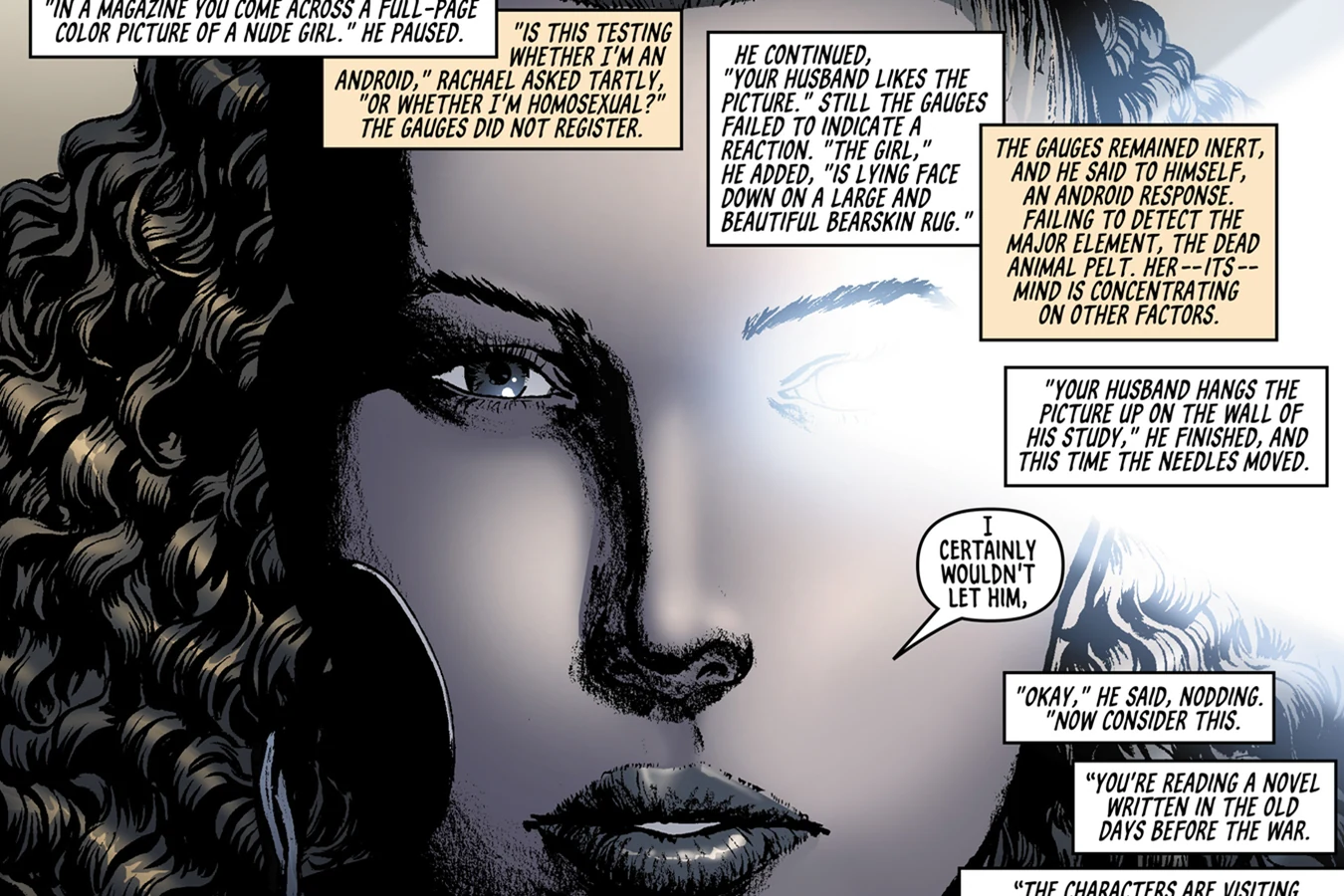
In Philip K. Dick's novel Do Androids Dream of Electric Sheep?, she is Rachael Rosen, a Nexus-6 android owned by the Rosen Association in Seattle and presented as Eldon Rosen's niece. Her false memories say she was born aboard the colony ship Salander 3 and came to Earth fourteen years later, and Eldon claimed she was kept unaware of her nature so she could serve as a sales device for emigrants. When Deckard arrived she made it plain she disliked the San Francisco police, then showed him the company's owl, Scrappy, which she insisted was real. The Rosens blamed her failed test on a life spent in space, offered Deckard the owl as a bribe and gave him thirty minutes to decide, but his last question about a babyhide briefcase exposed her.
Rachael later called Deckard to offer her help, explaining that androids would drop their guard if another android greeted them. That evening they met at the St. Francis Hotel, where his files showed that Pris Stratton was the same model and shared her face, which left Rachael uneasy and oddly sympathetic toward her. Over a bottle of bourbon she admitted the Rosen Association had sent her to learn the weaknesses of the Nexus-6 so its next model would be harder to detect. Slightly drunk, she persuaded him to stay, showed him a device in her purse that could briefly stop an android's breathing, and said she would kill Pris herself.
Afterward Deckard told her he would marry her if she were not an android, and she revealed that every bounty hunter she had slept with except Phil Resch had given up the job. He nearly killed her on the flight, then let her go, and she taunted him and turned his radio back on to Buster Friendly while she smoked. After Deckard retired Pris, Rachael went to his building, took his new goat from its pen and pushed it off the roof. The BOOM! Studios comic draws the whole story beside Dick's text.
Behind The Scenes
Casting
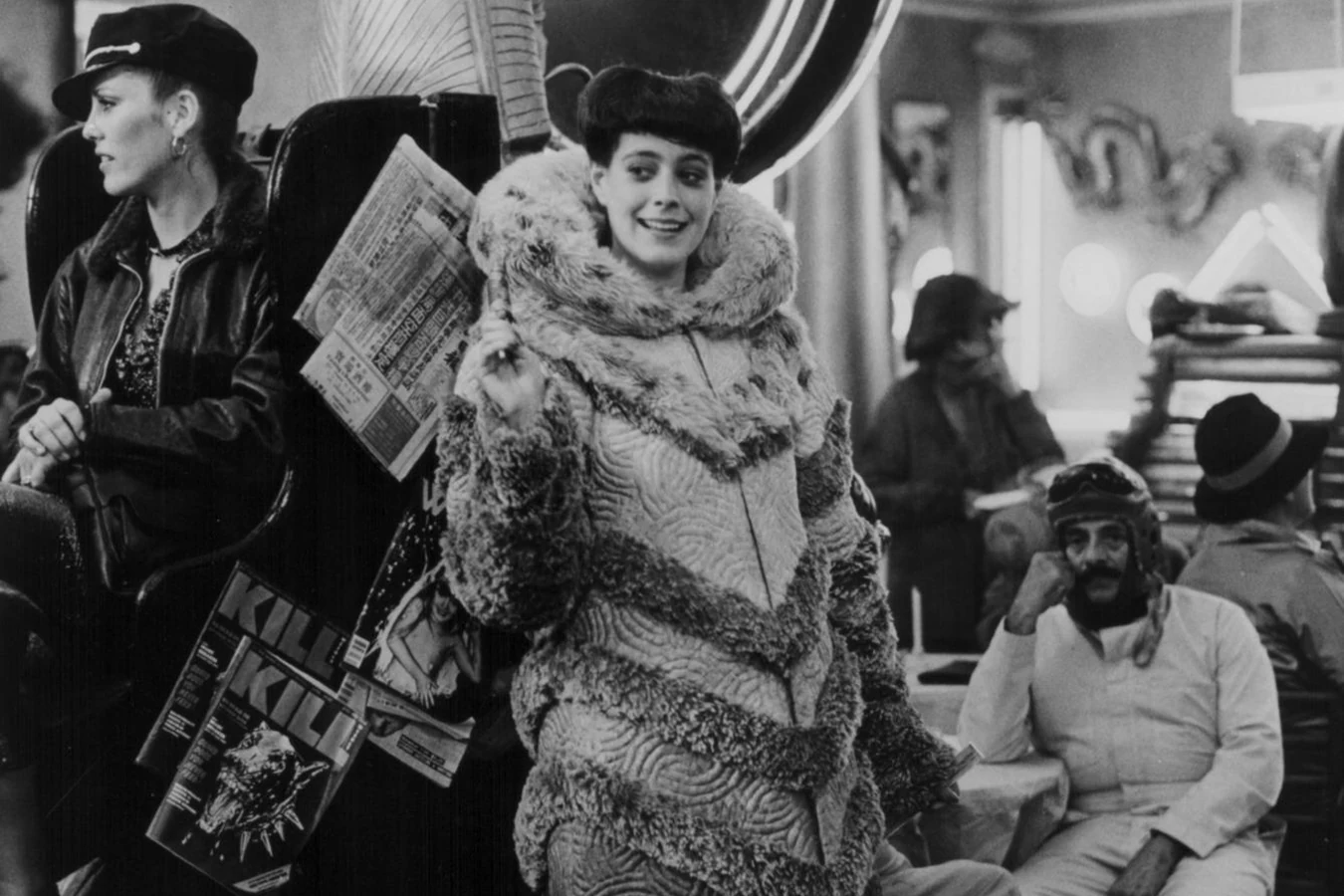
Philip K. Dick told screenwriter Hampton Fancher that he thought Victoria Principal would make a good Rachael. Ridley Scott first wanted the Dutch actress Monique van de Ven, and later said the team auditioned at least fifty actresses for the part. Fancher was keen on Barbara Hershey, and the screen tests had the actresses read opposite Morgan Paull as Holden. Scott chose Sean Young because he felt Rachael needed to look new and untouched, as though she had only just been made.
Sean Young was born in Louisville, Kentucky, on 20 November 1959, grew up in Cleveland and studied dance and acting in New York. Before Blade Runner she had appeared in Jane Austen in Manhattan and the Bill Murray comedy Stripes. Young said she did not approach the film as science fiction, and saw Rachael as a composed, self-assured professional who slowly loses her grip. On stage, Yvonne Roen and Kimberly Atkinson have played Rachael Rosen in adaptations of the novel, and Jessica Raine voiced her for BBC radio.
Look And Filming
Scott had always pictured Rachael as a brunette in the mould of Vivien Leigh or Rita Hayworth, a powerful and spirited woman. Her first scenes were shot on the Tyrell office set, one of the forty-seven sets built for the film. The fat yellow cigarette she smokes during the test was real, and the key light was angled to catch only her hair, neck, hand and the smoke. Cinematographer Jordan Cronenweth called the shot of her eyes glowing during the test his favorite in the film.
Scott also hid a clue in the test, as Ford can faintly be heard describing a bush outside her window and an orange body with green legs, foreshadowing the spider memory. Young named the scene where Deckard tells her she is a replicant as her favorite, because she cried right on cue. Her vidphone conversation with Deckard was filmed in advance and played into the working screen, and Ford spoke his lines into the pauses. The love scene was lit as a homage to 1940s film noir and The Conformist, and Young later said its roughness left her bruised and needing weeks off.
Deleted And Alternate Scenes
In the original assembly, Deckard went back to the bar after Leon's death, talked with Gaff and Bryant while Rachael waited across the street, and then followed her again. Editor Terry Rawlings said the scenes were reshuffled because it made more sense for Rachael to save Deckard and for him to take her straight home. The workprint left out the shot of Rachael stepping forward with Deckard's gun in her outstretched hand, and a long profile shot of her letting down her hair. It also cut Deckard's slow search for her in the apartment and ended on the elevator doors closing, with no happy ending.
Young had first recorded the line that the owl was not artificial, as the shooting script dated 23 February 1981 had it. Scott had the line redubbed so that she confirmed the bird was fake, because the owl was the first animal on screen and he wanted it marked as fake. Her lips still form the original words in the finished film.
The Unicorn
Writer David Peoples said the tin-foil unicorn was entirely Scott's idea, because it let Gaff leave his calling card at Deckard's apartment at the end. In the film Rachael's shoe knocks it over as the pair leave, and in the simplest reading Deckard's nod means he knows Gaff was there and let her live. Once the Director's Cut added Deckard's unicorn dream, the origami also suggested that Gaff knew Deckard's private thoughts, just as Deckard knew Rachael's implanted spider memory.
The Theatrical Ending
Blade Runner was first meant to end with the elevator doors closing on Rachael and Deckard, and early drafts went darker still, with Rachael stepping off a roof or Deckard shooting her in the snow. When David Peoples rewrote the script, he moved her execution to a beach, because the snow reminded Scott too much of the ending of Elvira Madigan. After poor preview screenings the studio added a happy ending, with the pair driving through green country while Deckard says in voice-over that Tyrell had singled Rachael out as unique and had given her no termination date. A second unit went to Moab, Utah, in March 1982 with a helicopter, Deckard's car and two doubles, but the weather left the footage unusable.
Ivor Powell, who had worked on 2001, remembered the mountain shots that opened The Shining, and Scott called Stanley Kubrick for help. Kubrick sent over helicopter outtakes on the condition that nothing already used in his film would appear. In late March 1982 Scott filmed Ford and Young inside the car near Cedar Lake in Big Bear, California, to match the landscapes. Fancher was stunned when he first saw the new ending, and the Director's Cut and Final Cut later dropped it.
Blade Runner 2049
For Blade Runner 2049, Denis Villeneuve brought Rachael back looking unchanged from 1982 in a scene that lasts about two minutes on screen. Visual effects supervisor John Nelson spent a year on the shot and called it the hardest challenge of the whole film, since a convincing digital human is among the most difficult things in visual effects. The English actress Loren Peta was cast as the body double and filmed in full hair and makeup opposite Harrison Ford, with tracking dots on her face so everything from the neck up could be rebuilt in CG.
Sean Young was on set that day as an advisor, and her son worked on the film as a production assistant. On a closely guarded Saturday in Budapest, Young and Peta were both filmed in a facial motion-capture rig speaking Rachael's lines from the original film, which later guided the animators. The effects house MPC built the face from model to skeleton to finished human, while Nelson's team studied Young's cheekbones, chin, eyes, makeup and the way she tilted her head in 1982. Villeneuve directed Peta on the soundstage and then directed the scene a second time during the CG work, as those mannerisms were added digitally down to stray flyaway hairs.
The work was kept so secret that even the crew knew the character only by the code name Rita. A different actress with a similar voice recorded the copy's lines. The old footage of Young's test with Deckard appears in the Wallace archive, so the original Rachael and her copy share the same film.
Conclusion
Rachael began as Tyrell's finest experiment, a replicant who did not know she was one, and became the heart of Blade Runner. Her test, her tears over a borrowed photograph and her night at Deckard's piano turned a detective story into a love story. Blade Runner 2049 made her the center of the whole saga, the first replicant mother, whose bones began a new war over what replicants could be. In the novel she is the colder Rachael Rosen, and in Jeter's books she becomes a mystery of copies and twins.
Appearances
- Blade Runner (1982)
- Marvel Super Special #22: Blade Runner (Marvel Comics, 1982)
- Blade Runner: A Story of the Future (1982)
- Blade Runner 2: The Edge of Human (1995)
- Blade Runner 3: Replicant Night (1996)
- Blade Runner 4: Eye and Talon (2000)
- Blade Runner (Westwood video game, 1997)
- Blade Runner 2049 (2017, archive footage and copy)
- Blade Runner RPG: Case File 02, Fiery Angels (mentioned)
- Blade Runner: Revelations (mentioned)
- Do Androids Dream of Electric Sheep? (novel, 1968, as Rachael Rosen)
- Do Androids Dream of Electric Sheep? (BOOM! Studios comic, as Rachael Rosen)
Tag Categories: Blade Runner Lore | Blade Runner Characters | Replicant Characters