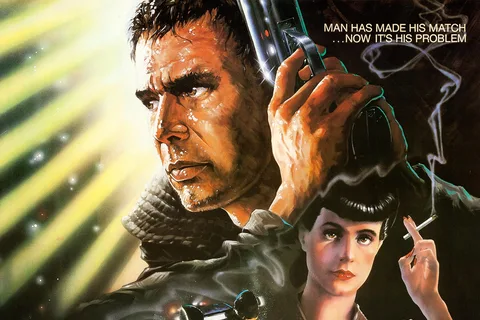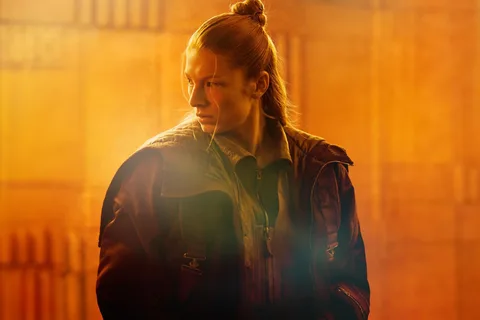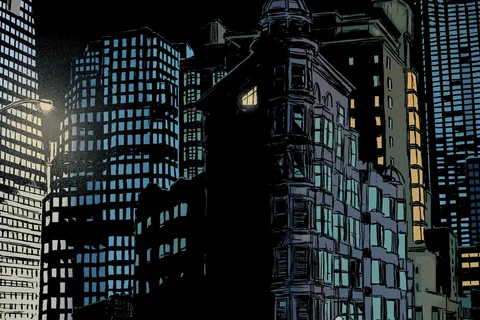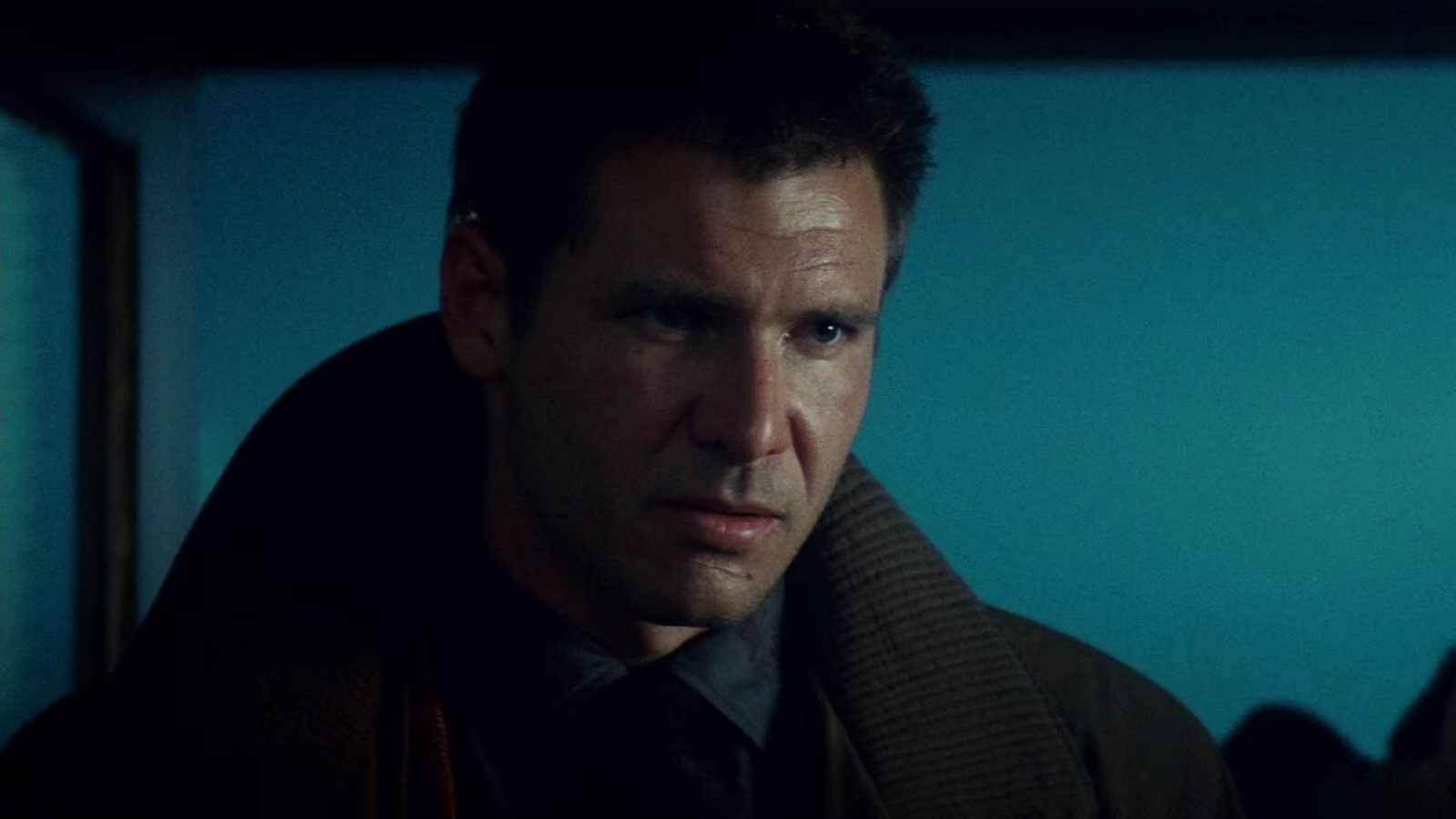

Rick Deckard was a blade runner in Ridley Scott's Blade Runner, played by Harrison Ford. Pulled out of retirement in November 2019 to hunt four escaped Nexus 6 replicants in Los Angeles, he fell in love with the replicant Rachael and fled the city with her. Thirty years later he was found hiding in the ruins of Las Vegas, and his daughter became the centre of a new hunt. Whether Deckard himself was a replicant was never settled.
Biography
Earlier Life
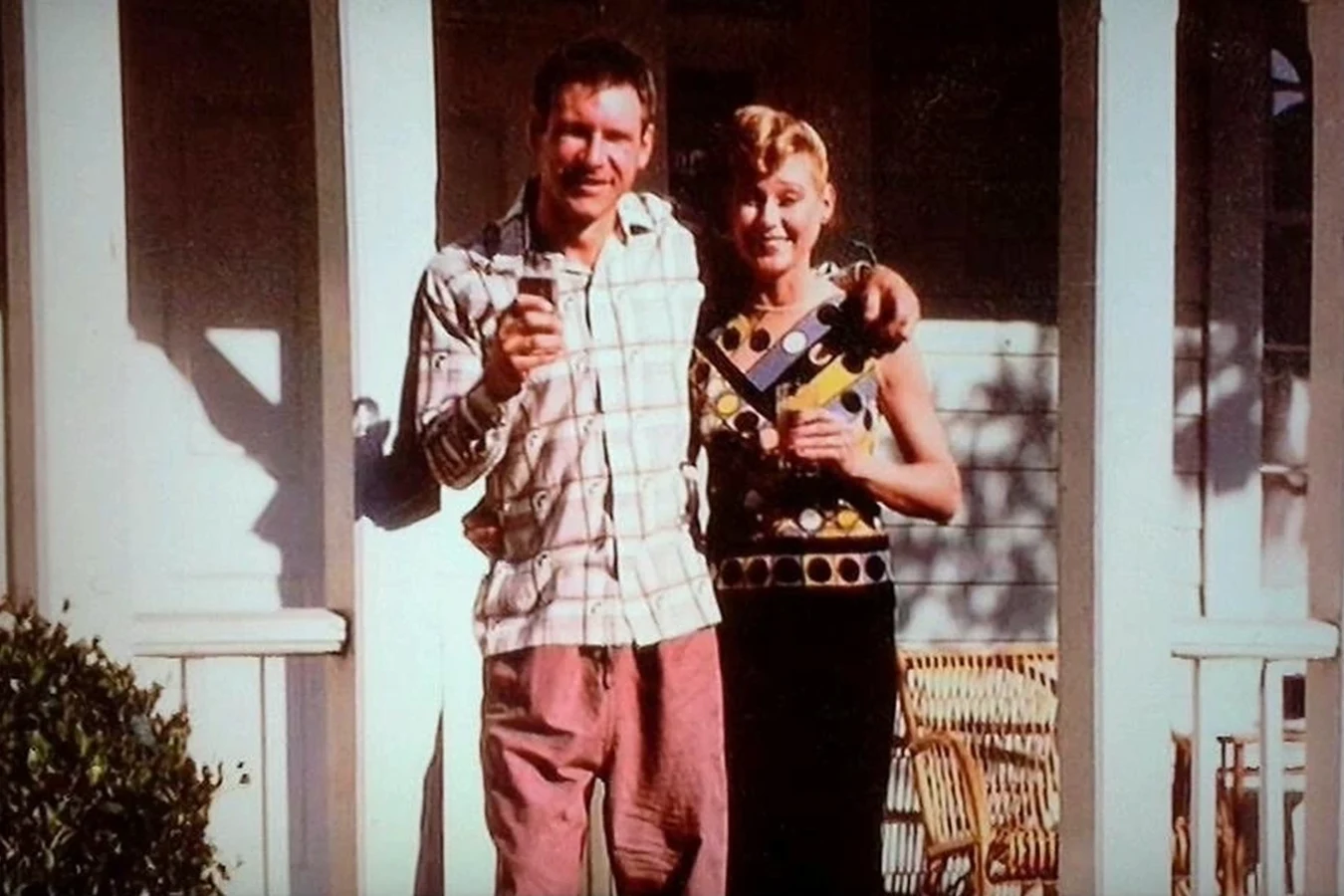
Before 2019 Rick Deckard worked as a blade runner for the Los Angeles police, hunting replicants who had come to Earth illegally, as told in Blade Runner from 1982 and its sequel Blade Runner 2049. In the theatrical cut narration he remarked that his ex-wife had called him Sushi, or cold fish, and he lived alone in a high apartment filled with old photographs. A deleted scene photograph showed him beside a woman on a porch. In the 1968 novel by Philip K. Dick he was married to Iran, a depressed woman who spent her days with the mood organ, and the marriage held together without much warmth.
The Marvel comic adaptation gave his past a darker edge. At the noodle stand Gaff told him, through a translating counterman, that he had been a blade runner in Four Sector and that after the slaughter of the steel shop people had called him Mister Nighttime. The counterman added that there was only one Boogeyman. Deckard did not deny it and only said that sometimes a man had no choice at all. The lines came from the screenplay by Hampton Fancher and David Peoples dated 23 February 1981, where Gaff said the same in Japanese, and the finished film dropped them.
Pulled Back By Gaff And Bryant
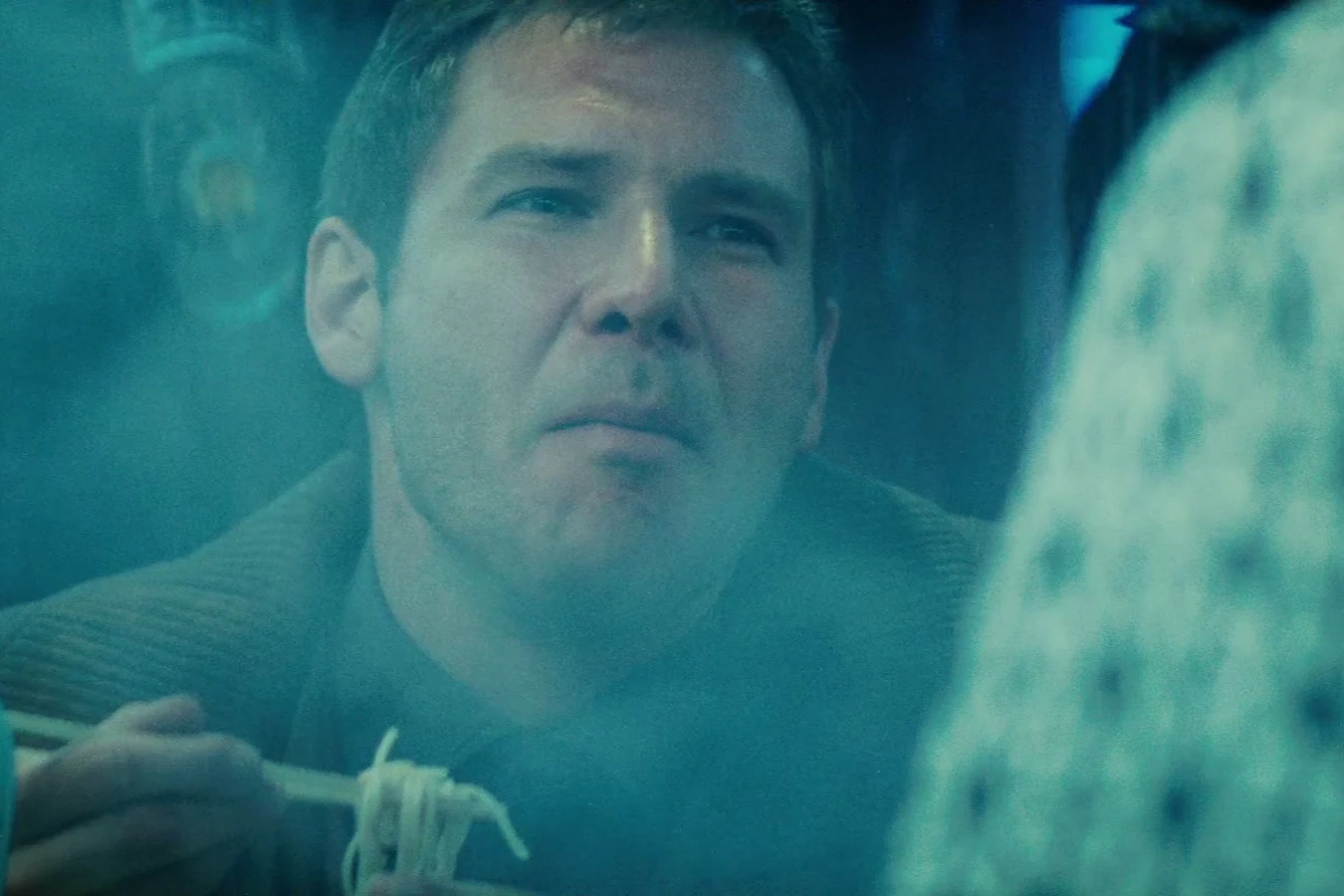
In November 2019 Deckard had quit the force and was eating at a street noodle bar when Gaff arrived and took him in. At police headquarters Harry Bryant told him that four replicants had come to Earth after killing twenty three people on an off world colony. They had tried to break into the Tyrell Corporation, and one of them had shot the blade runner Dave Holden during a test. Deckard refused at first, but Bryant made it clear that anyone who was not police was little people, so he took the case.
Bryant showed him the files on Leon, Zhora, Pris and Roy Batty, all Nexus 6 models with a four year lifespan. The Tyrell Corporation had given the new line enough time to develop emotions of their own, which made them harder to spot. Bryant wanted Deckard to test a Nexus 6 to see whether the Voight-Kampff machine could identify one at all. Gaff followed him through most of the case, folding small paper figures and saying little.
Testing Rachael At The Pyramid
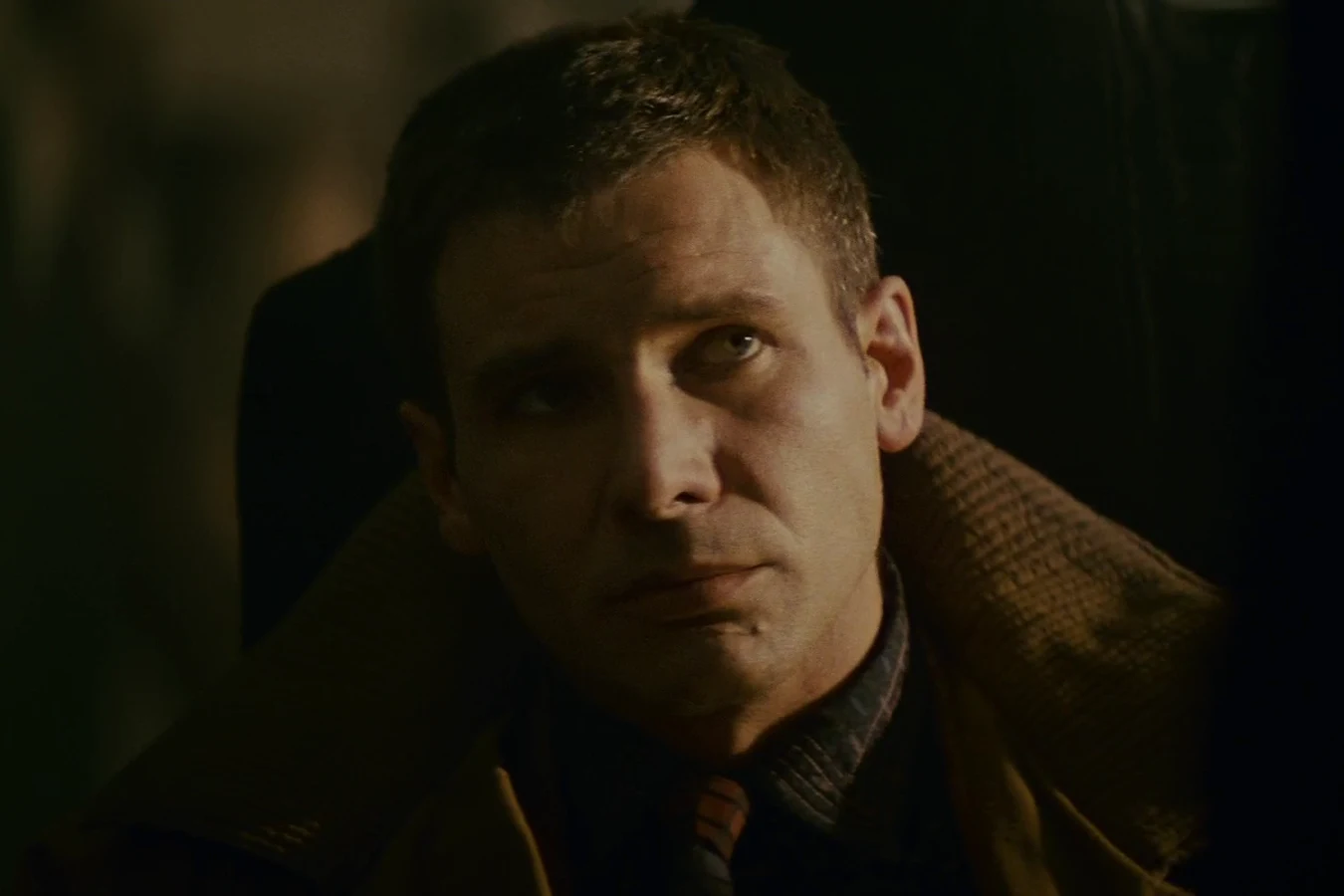
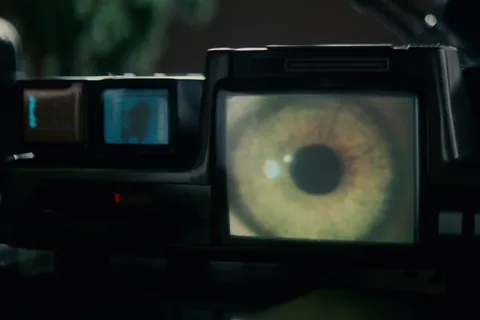
At the Tyrell pyramid Deckard met Eldon Tyrell and his assistant Rachael. Tyrell asked him to try the test on a human first and offered her as the subject. Deckard asked her a long series of questions about animals, a wasp on her arm and a dinner of boiled dog, while the machine watched her eyes. It took more than a hundred questions before he was sure she was a replicant, where most models gave themselves away after twenty or thirty.
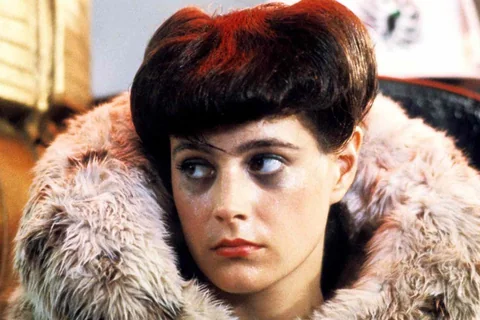
Tyrell explained that Rachael was an experiment who did not know what she was, and that her memories had been copied from his niece. Deckard was disturbed that a replicant could be built to believe she was human. Later she came to his apartment with a family photograph to prove her past was real. He coldly recited her private childhood memories back to her, including the spider outside her window, and she left in tears. He soon regretted it and told her it was a bad joke.
Tracing Leon's Photograph
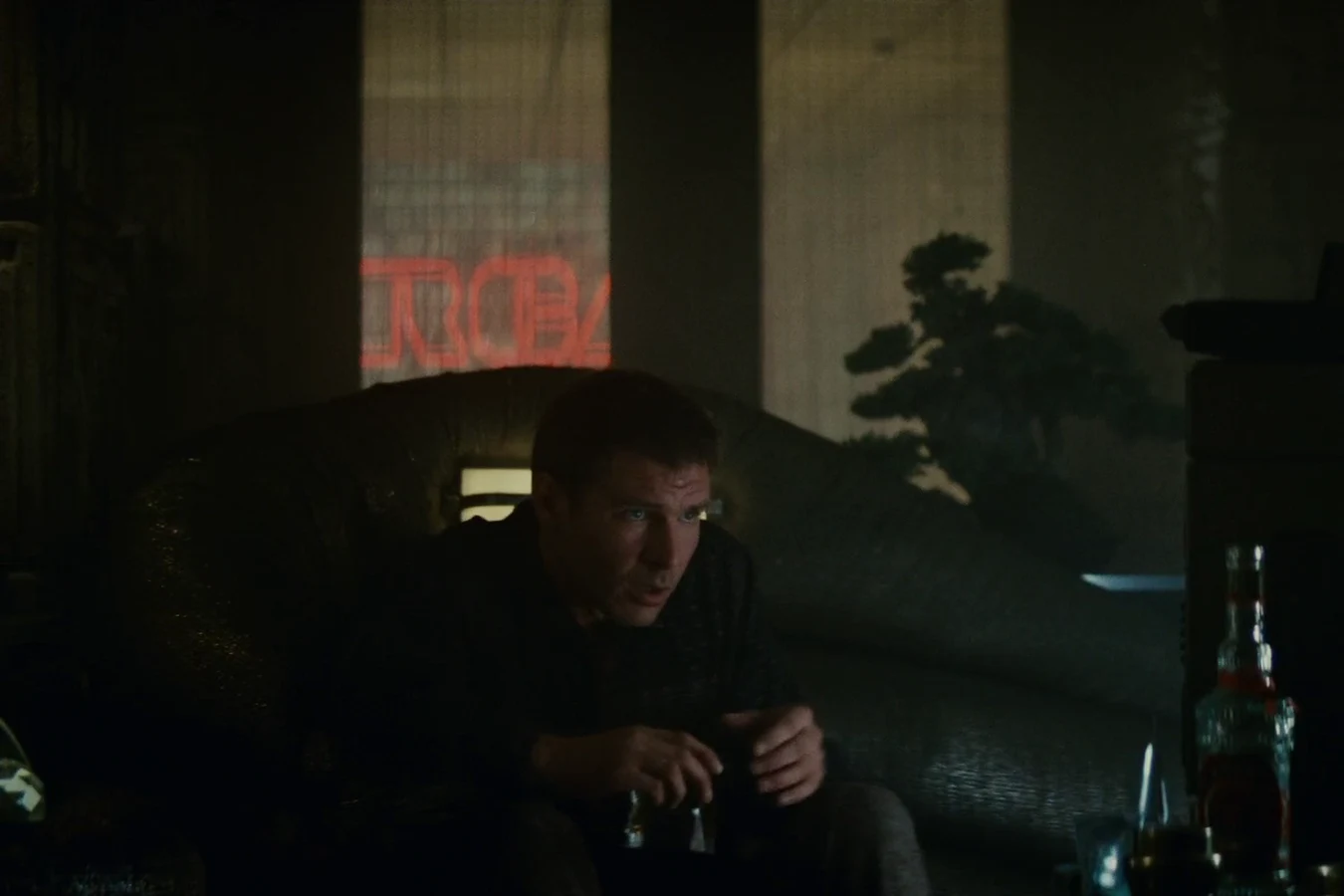
Searching the hotel room of Leon Kowalski, Deckard found a set of photographs and a small scale from an animal. At home he fed one photograph into his Esper machine, zoomed into a mirror and found a woman asleep in another room. A Cambodian woman at the street market examined the scale under a microscope and told him it came from an artificial snake. The maker's serial number led him to Abdul Ben-Hassan, who named the club owner Taffey Lewis as his buyer.
At the club Deckard found Zhora dancing with a snake on stage and went to her dressing room pretending to be from the American Federation of Variety Artists. She saw through the act, struck him down and fled into the crowded street. Deckard chased her through the rain and shot her in the back. She crashed through a series of shop windows and died among the mannequins. Afterwards he narrated that retiring a woman in the back felt wrong, even a replicant.
Beaten By Leon
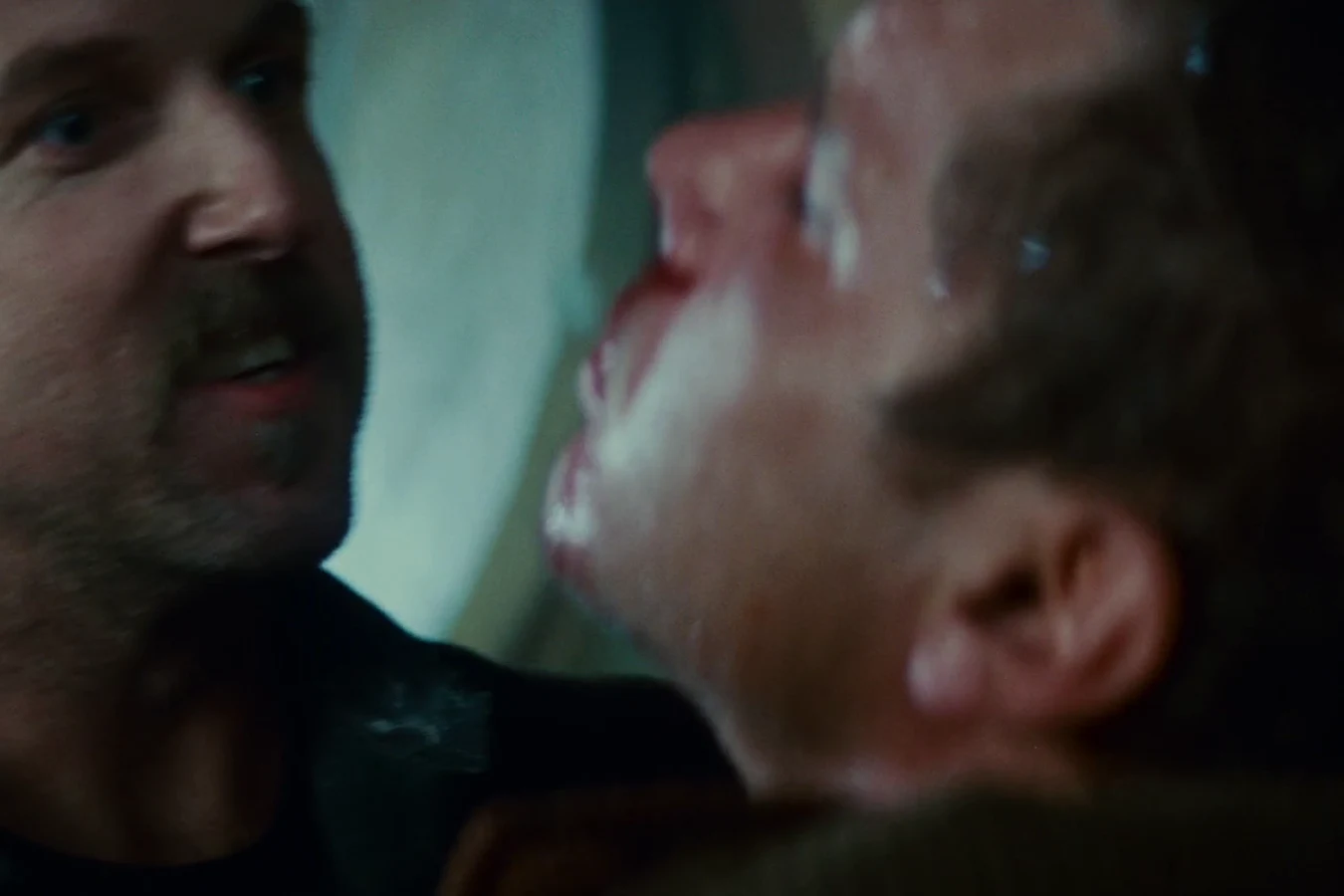
Moments after Bryant told him that Rachael had disappeared from Tyrell and was on his list, Deckard saw her in the crowd. Before he could follow her, Leon knocked the gun from his hand and dragged him into an alley. Leon beat him badly and prepared to push his fingers through his eyes, asking how it felt to live in fear. Rachael picked up Deckard's gun and shot Leon in the head, saving him.
Leon had been the replicant who shot Holden during his Voight-Kampff test at the Tyrell Corporation, and he blamed blade runners for the short life he had been given. In the alley he asked Deckard how old he thought he was, and before reaching for his eyes he told him to wake up, because it was time to die. After the shot, Deckard found Rachael shaking in the rain beside the body. He took the gun back from her and drove her to his apartment, where he poured himself a drink and rinsed the blood from his mouth.
Falling For Rachael
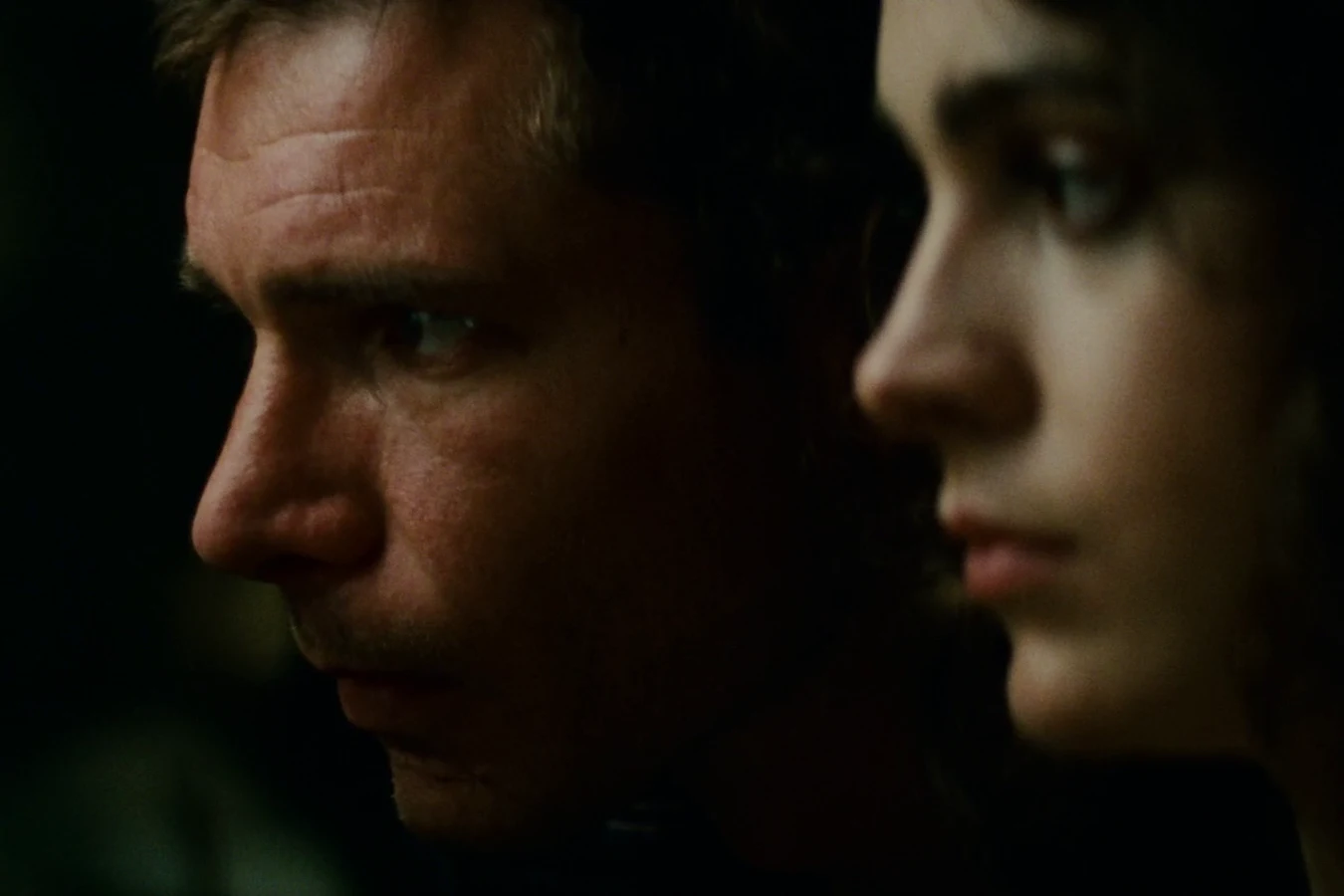
Deckard took Rachael back to his apartment, where she asked whether he would hunt her. He said he would not, because she had saved him, but that someone else would. She asked if he had ever taken the test himself, and he fell asleep without answering. Waking, he found her at his piano with her hair let down, and she told him she remembered lessons without knowing whether they were her own. He kissed her and pushed her to say that she wanted him.
Rachael told him she was not sure she could feel what he wanted, because she did not know which of her feelings were her own. She admitted she could not be sure her piano lessons had ever happened. When she tried to leave, Deckard slammed the door, pushed her against the window blinds and made her repeat that she wanted him to kiss her and put her hands on him. Soon afterwards Bryant called with news that Tyrell and Sebastian had been found dead, and Deckard left for the Bradbury Building, leaving Rachael alone in the apartment.
Retiring Pris
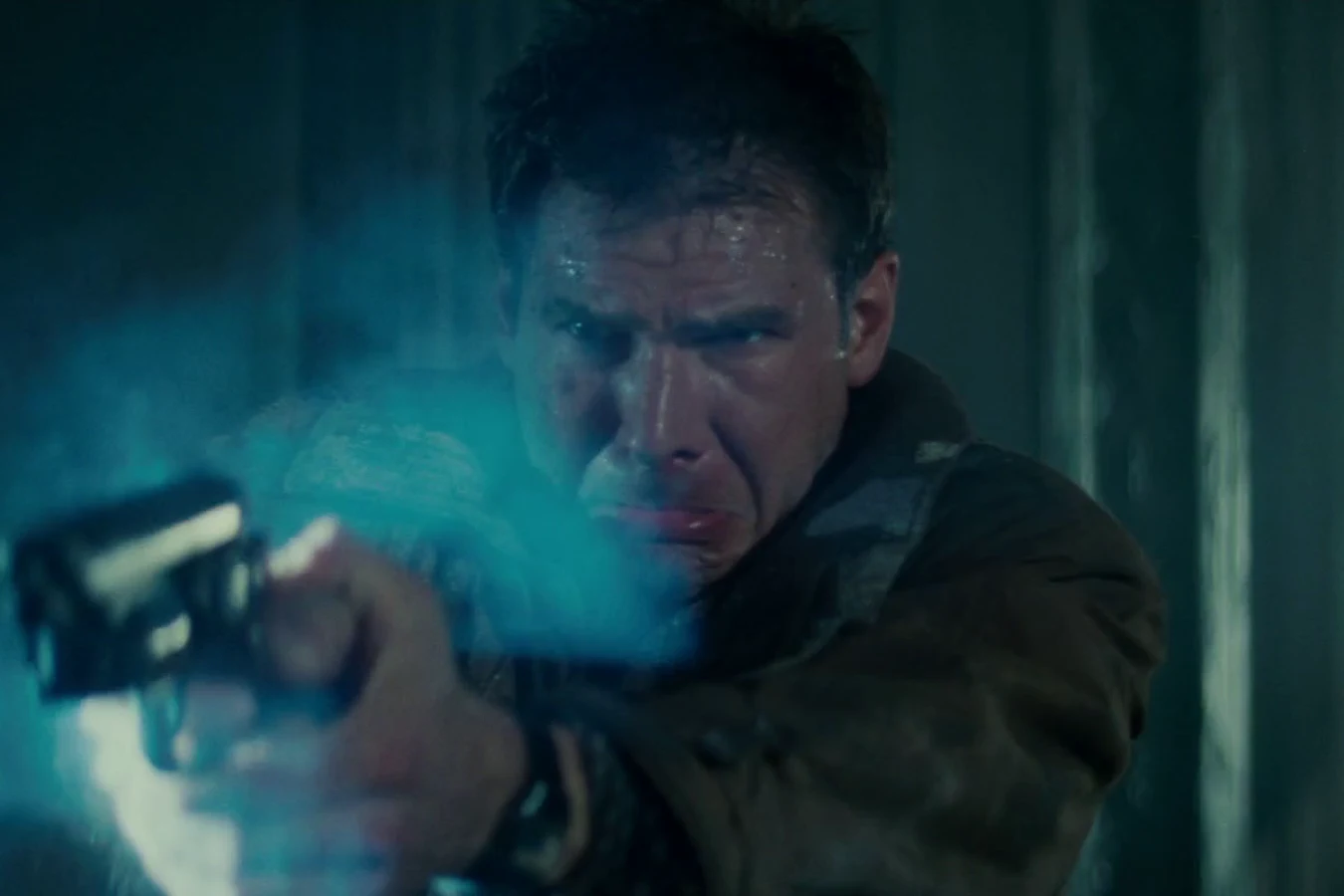
The last two replicants had found Tyrell through the genetic designer J.F. Sebastian, and Roy had killed both men. Deckard went to Sebastian's apartment in the Bradbury Building, which was full of animated toys. Among them Pris stood motionless, made up like a doll, then leapt at him and locked his neck between her legs. He reached his gun and shot her as she somersaulted toward him for a second attack, and she thrashed on the floor until he fired again.
Sebastian's apartment was crowded with his mechanical friends, mannequins and toys, and Pris had hidden among them under a veil with her face painted white. Deckard crept through the dark rooms with his gun drawn, passing the toys that marched and greeted him. When he lifted the veil she struck at once, threw him across the room and twisted his head between her thighs until he nearly blacked out. Her death came only moments before Roy returned to the building and found her body on the floor.
Hunted By Roy Batty
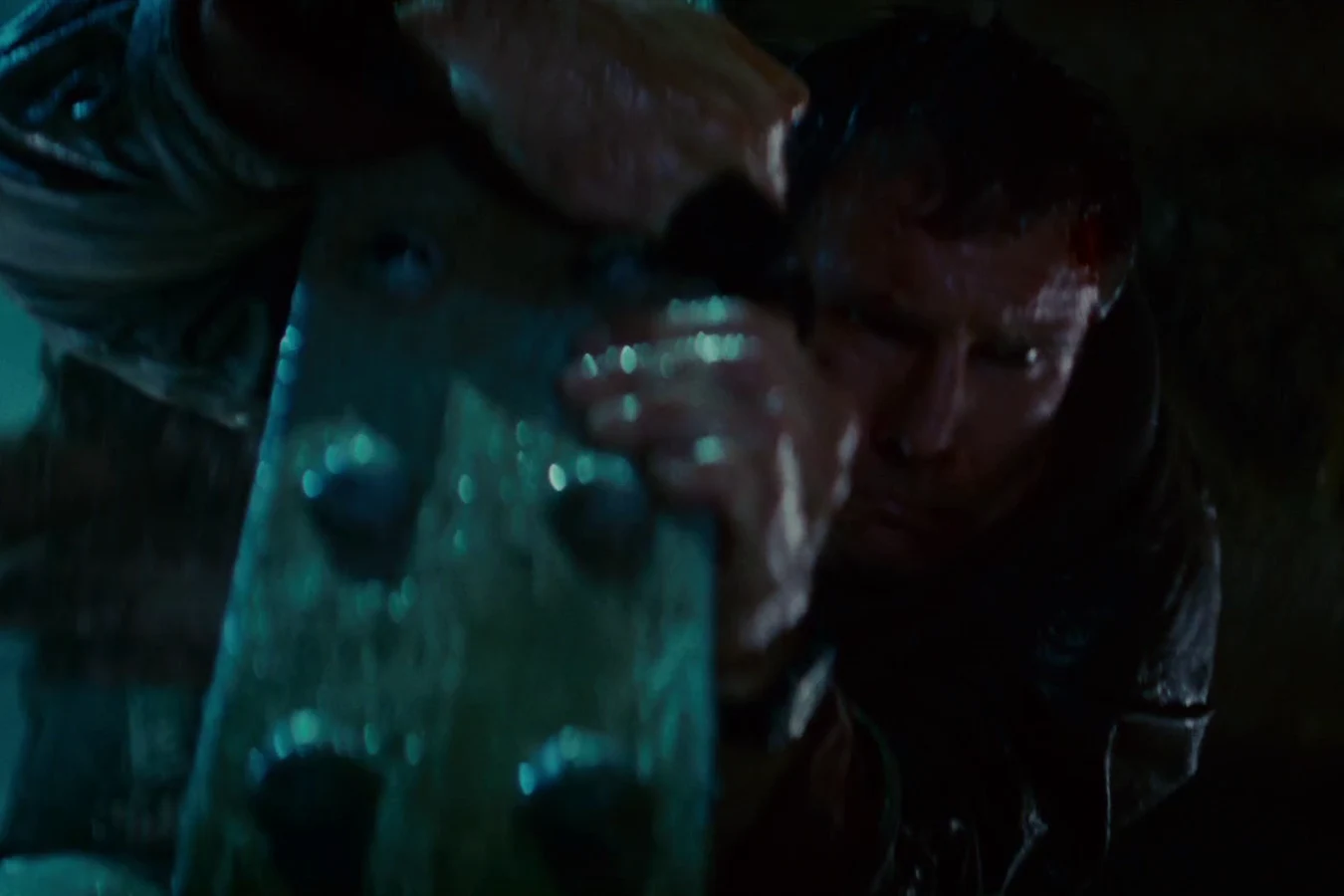
Roy Batty returned to find Pris dead and turned the hunt around. He broke two of Deckard's fingers in revenge for her and Zhora, then gave him a head start. Deckard fled through the decaying building while Roy taunted him and howled like a wolf. He reset his broken fingers, climbed out through a window and reached the roof. He tried to leap to the next building and fell short, ending up hanging from a beam above the street.
Roy's body was failing as his four years ran out, so he drove a nail through his own palm to keep his hand working. He punched through a bathroom wall to grab Deckard by the head, and Deckard struck him with a pipe and ran. When Deckard fired at him through the walls, Roy mocked him that it was not very sporting to fire on an unarmed opponent. Hanging above the street, Deckard heard Roy tell him that it was quite an experience to live in fear, and that this was what it meant to be a slave.
Spared On The Rooftop
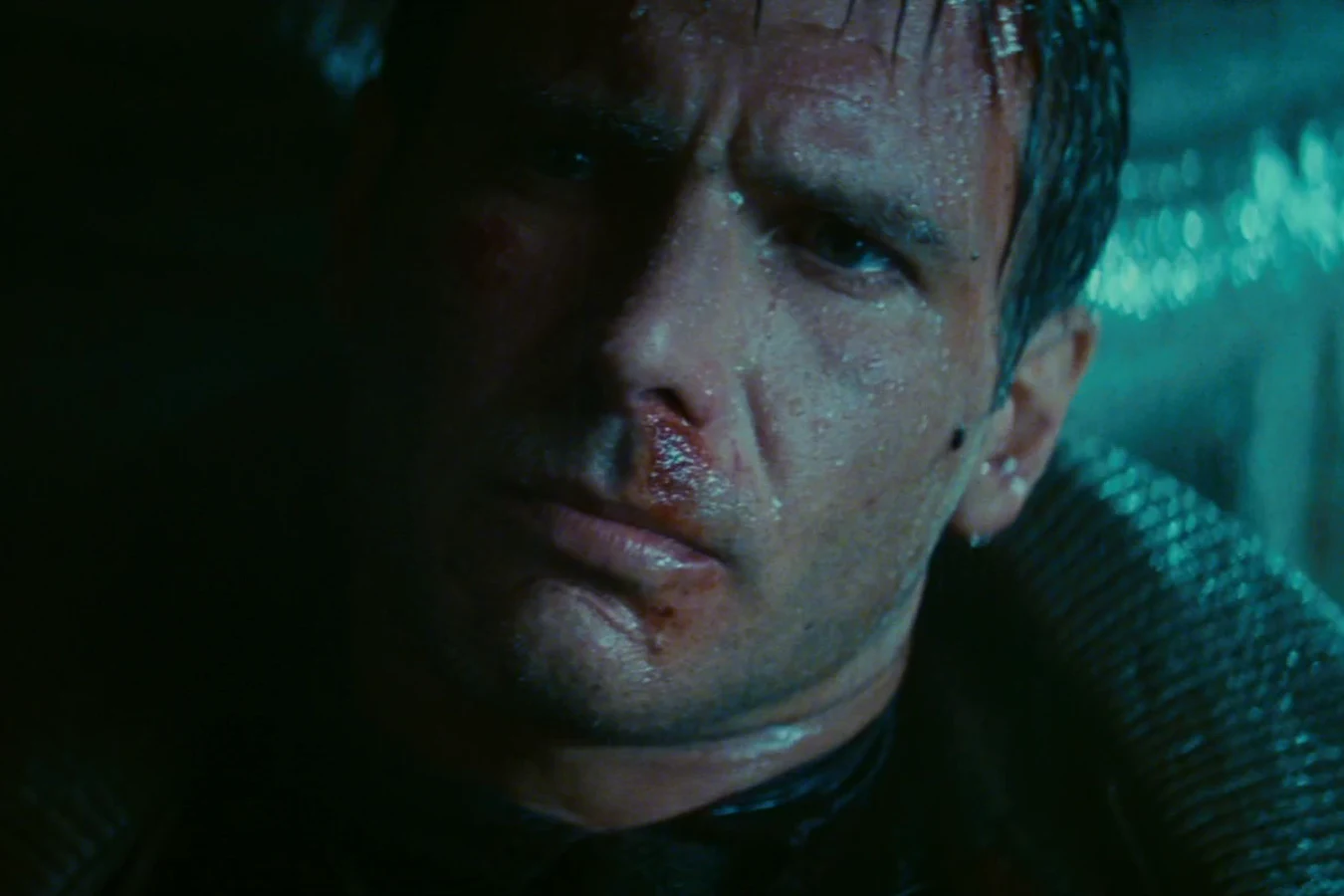
As Deckard's grip failed, Roy caught him by the arm and lifted him onto the roof. With his lifespan at its end, Roy spoke of attack ships on fire off the shoulder of Orion and of the things he had seen that would be lost like tears in rain. He died beside Deckard and let a white dove fly away. In the theatrical narration Deckard reflected that Roy had loved life more than ever in his last moments. Gaff arrived and threw his gun to him, and called out that it was too bad she would not live, but then again, who does?
Deckard did not move as Roy bowed his head and died in the rain on the rooftop. The dove Roy had carried rose into the grey sky above the city. Exhausted and holding his broken hand, Deckard was found there by Gaff, who arrived in a police spinner and told him he had done a man's job. Deckard told him that he was finished, and Gaff's remark about Rachael sent him racing back to his apartment, uncertain whether she would be alive or dead when he got there.
The Origami Unicorn
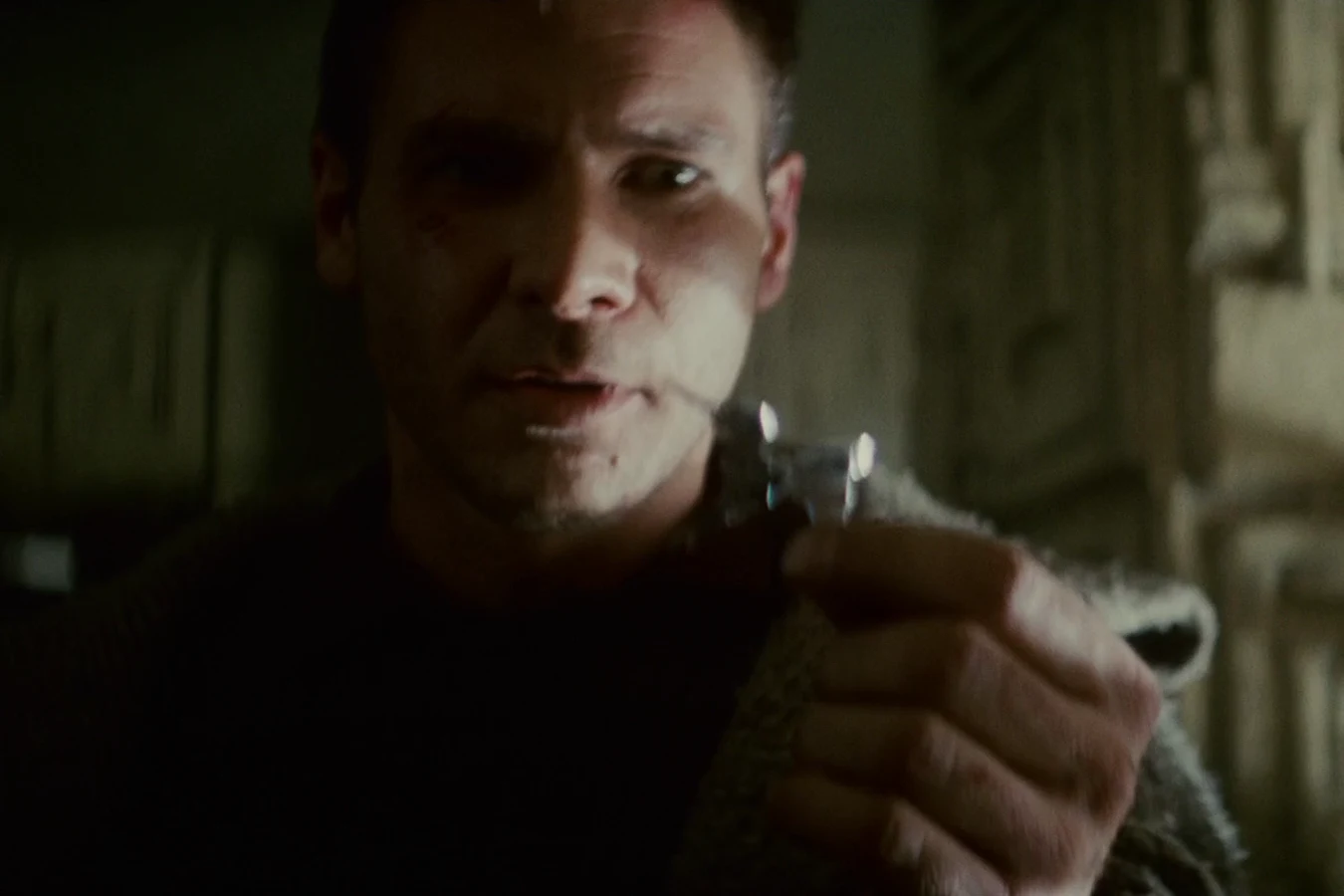
Deckard rushed home and found the door open. Rachael was alive and asleep under a sheet, and he asked her whether she loved him and trusted him. As they left, he saw a small tin foil unicorn on the floor in the hall, left there by Gaff. It meant Gaff had been there and let her live. In the Director's Cut and the Final Cut, Deckard had earlier daydreamed about a unicorn running through a forest, so the figure suggested Gaff knew his private dreams, which could mean they were implanted. Deckard nodded to himself and the elevator doors closed.
Gaff had left a trail of small figures through the case. He folded a chicken while Deckard refused the assignment in Bryant's office, and a matchstick man with an erection after the search of Leon's hotel room. The silver unicorn outside the apartment was the last of them. Deckard said nothing, but he remembered Gaff's words about Rachael on the rooftop. Whether he was human or a replicant, the unicorn told him that someone had been there before him, had chosen not to retire Rachael, and had left him free to run with her.
Into The Mountains (Theatrical Cut)
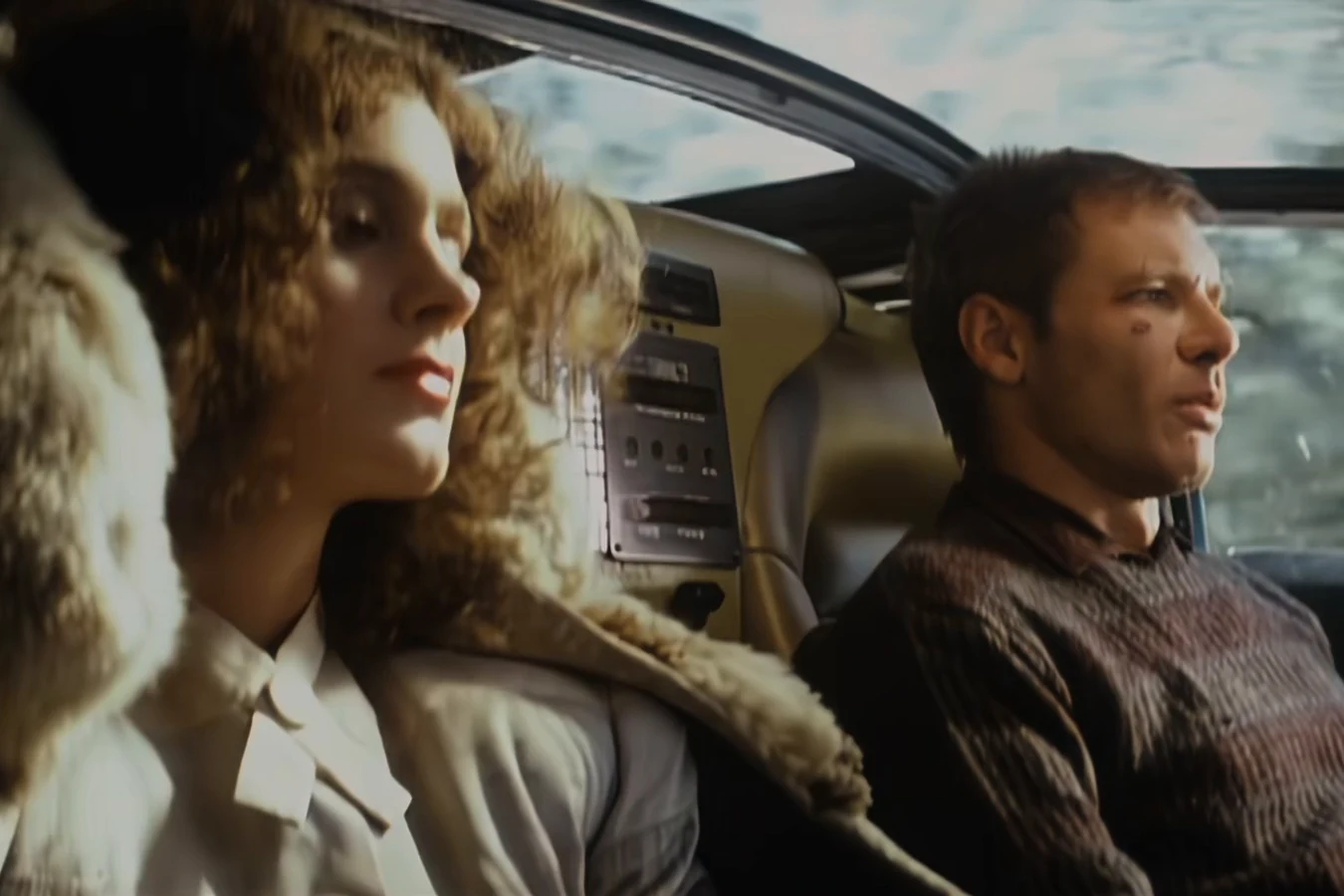
The 1982 theatrical cut gave the couple a lighter ending. They drove out of the city through green mountains in daylight, footage taken from outtakes of Stanley Kubrick's The Shining. In the narration Deckard said that Gaff had let her live, and that Tyrell had told him Rachael was special, with no termination date. He said he did not know how long they would have together, but asked who did. This version had no unicorn dream and left no question about his own nature.
The theatrical narration explained what Deckard thought about the future. He believed Rachael was special, made without a fixed termination date, and that they might have years together rather than days. The final shots of the spinner gliding above forests and mountains gave the film a sense of escape that the later cuts removed. Blade Runner 2049 would later show that the escape was real but short, and that the couple's life outside the city ended in loss.
Thirty Years In Hiding
Blade Runner 2049 filled in the years after the escape through the evidence K uncovered. Rachael became pregnant, something no replicant was thought able to do. The couple found shelter with the replicant Sapper Morton on his protein farm outside Los Angeles, where she gave birth. There were complications and she died, and her bones were later found in a box buried beneath a dead tree on the farm. The date 6.10.21 was carved into the tree's roots. The film did not show whether Deckard was with her when she died.
A replicant who later led the resistance told K that she had been present at the birth. Deckard told K that he had scrambled the records so that no one could trace the child, then handed her to the replicant underground and walked away, because staying close would only lead hunters to her. The Blackout of 2022 wiped most digital records soon afterwards and helped bury the trail. Deckard eventually retreated to the irradiated ruins of Las Vegas, where he lived alone for decades and never met his daughter.
Found In Las Vegas
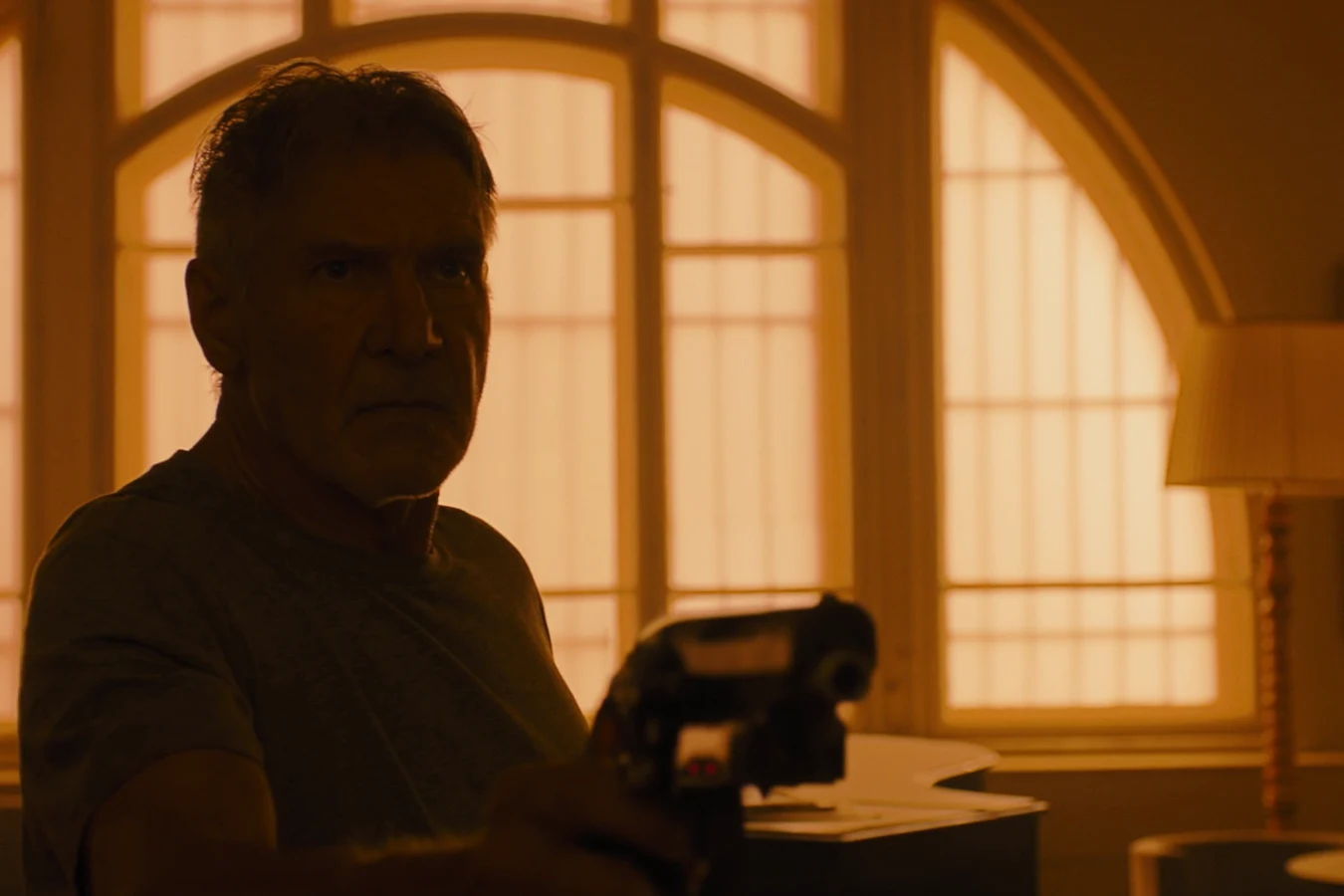
By 2049 Deckard lived alone in an abandoned casino hotel in the radioactive ruins of Las Vegas, with a dog and hives of wild bees. The blade runner K traced him there through radiation traces on a small wooden horse. Deckard ambushed him and they fought through a showroom where holograms of Elvis Presley flickered on stage. Over a bottle of whisky Deckard told K that he had left the child behind to protect her, that sometimes to love someone you had to be a stranger.
The casino was half lit and littered with rubble, and Deckard kept a large dog that wandered the halls with him. When K asked whether the dog was real, Deckard told him to ask the dog. He admitted that he had been a cop and that he had set things up so that the child could not be found, even by him. Before they could talk further, Luv's men landed outside the hotel, and Deckard tried to slip away while K fought them in the dark corridors.
Captured By Wallace
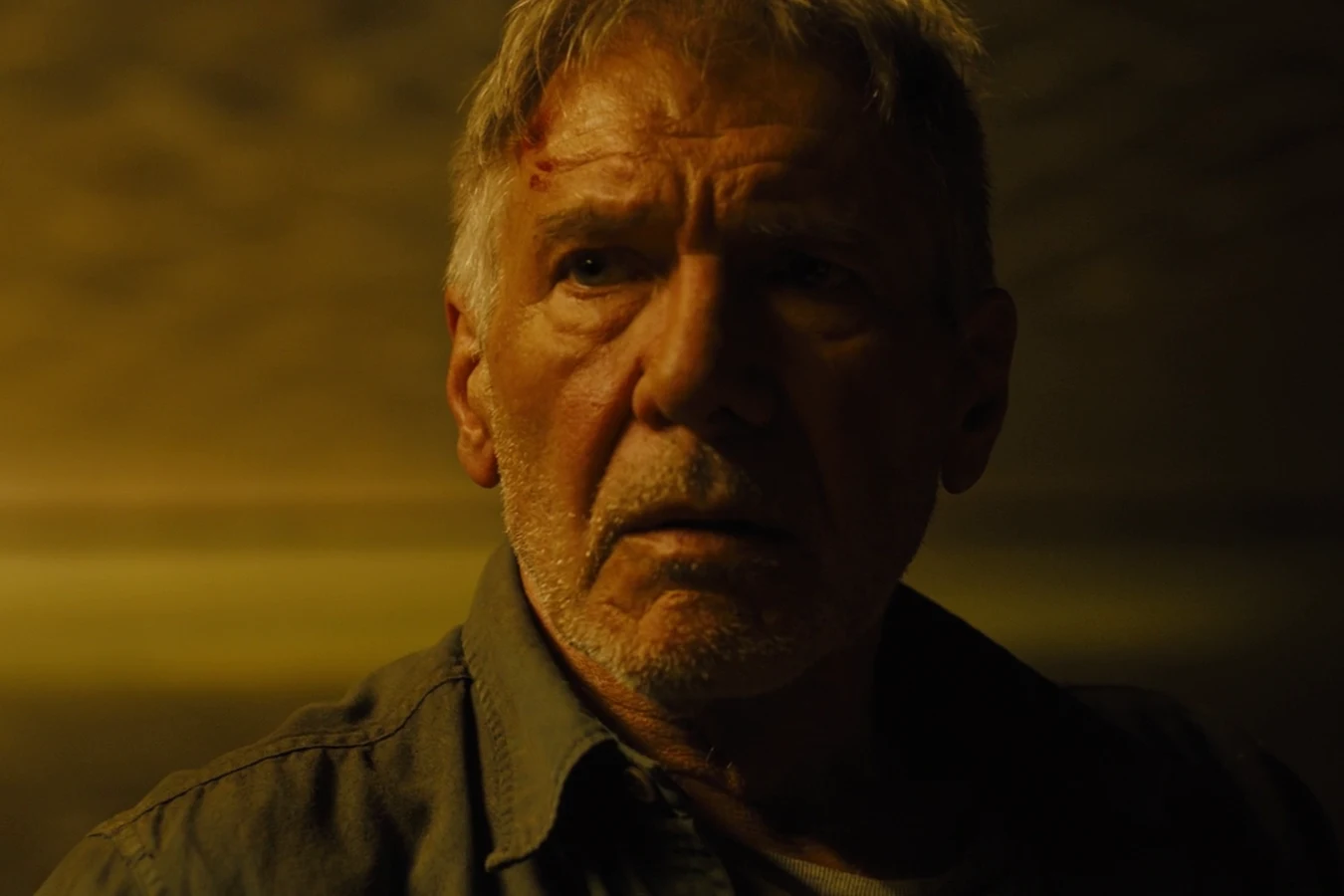
Luv, the enforcer of Niander Wallace, tracked K to Las Vegas, wrecked the casino and took Deckard away. Wallace wanted the secret of replicant birth and questioned him about Rachael. He suggested that Deckard's meeting with her might have been designed by Tyrell, and that Deckard himself might have been made to love her. He then offered a new copy of Rachael in exchange for the child's location. Deckard refused, saying her eyes had been green, and Luv shot the copy dead.
Wallace showed Deckard an old audio recording of his first meeting with Rachael at the Tyrell pyramid, the Voight-Kampff test that had brought them together in 2019. He asked whether it had ever occurred to Deckard that this was why he had been summoned, a meeting arranged so that a replicant could conceive. Deckard answered that he knew what was real. The copy of Rachael stood before him in her old dark suit, and he turned his back on her moments before Luv shot her.
Saved From The Water
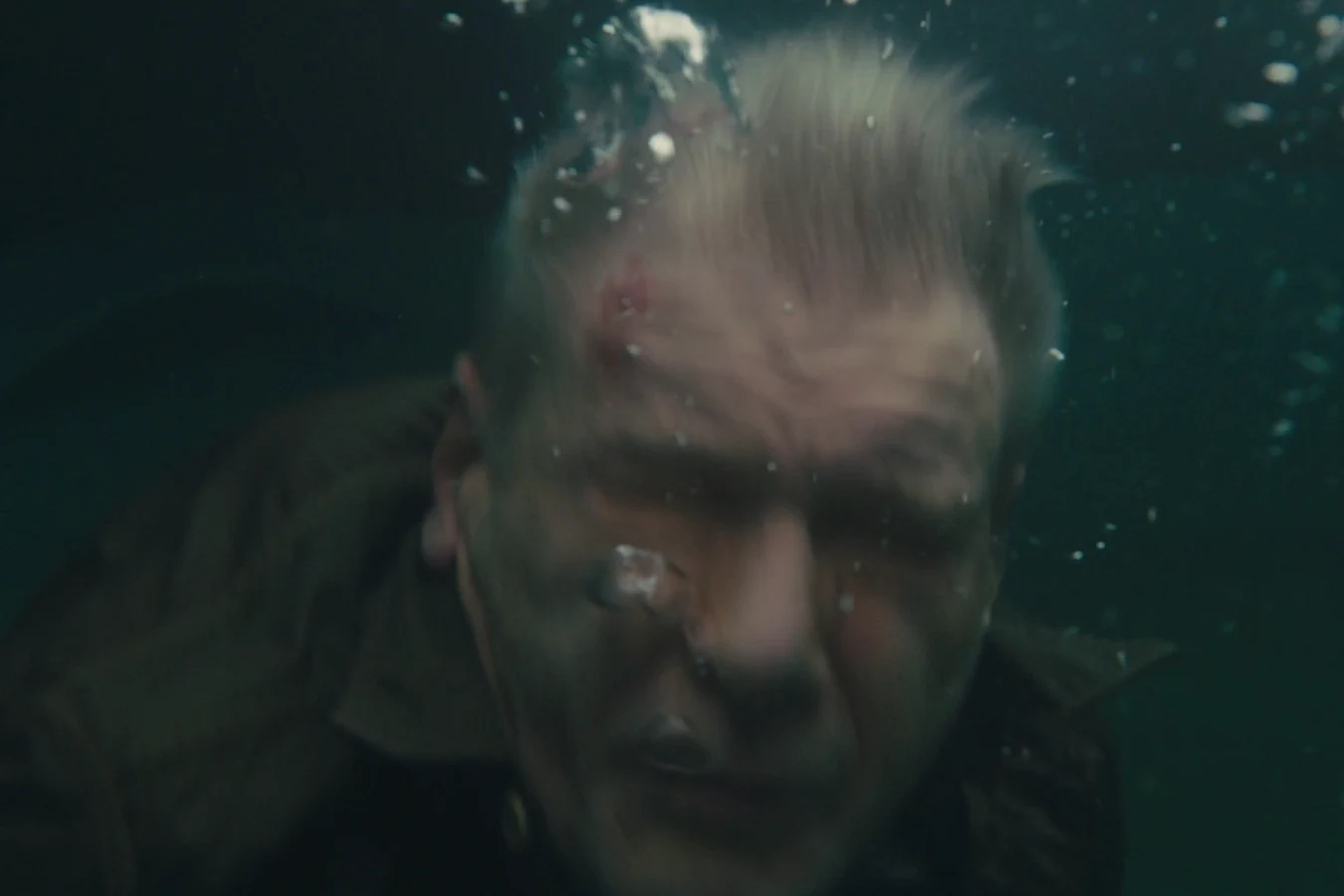
Wallace ordered Deckard taken off world to be tortured. K, freed by the replicant resistance, shot down the convoy at the sea wall, and the spinner crashed into the surf. While K fought Luv, the water rose inside the cabin and Deckard was trapped in his restraints. K finally killed Luv, broke Deckard free and dragged him onto the beach. To keep him safe from both Wallace and the rebels, K arranged for it to look as if Deckard had died in the crash.
The fight in the flooding cabin was brutal. Luv stabbed K in the side and nearly drowned him, but K finally held her under the water until she died. He then turned to Deckard, cut through his restraints and hauled him out as the cabin filled. On the shore, the two men lay exhausted in the rain beside the sea wall. K told him that the world would believe he had died in the crash, so neither Wallace nor the resistance would come looking for him again.
Meeting Ana Stelline
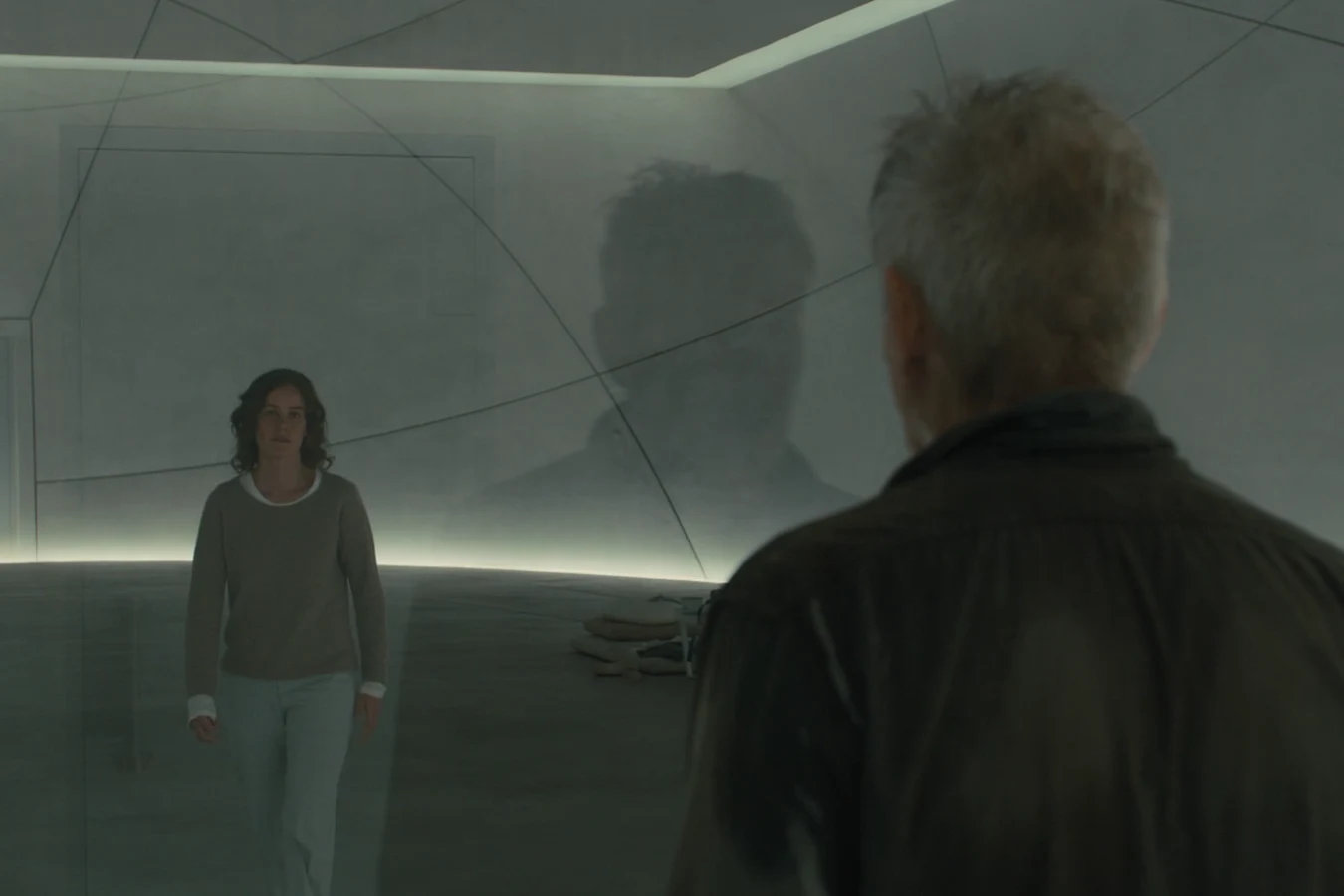
K took Deckard to the laboratory of Ana Stelline, a memory designer who lived sealed in a sterile dome because of a weak immune system. She was his daughter. K gave him the small wooden horse and told him to go and meet her. Deckard walked into the room where she was making a memory of snow falling and placed his hand on the glass between them. Outside on the steps, K lay down in the snow as Deckard met his child for the first time.
K had first believed that he was the child, because a memory of hiding a wooden horse turned out to be real. Ana had made that memory from her own childhood, and the replicant resistance confirmed that she was the daughter of Deckard and Rachael. When Deckard asked why K was doing this for him and who he was to him, K only handed him the horse. The meeting ended the thirty years of distance Deckard had chosen to keep his daughter safe.
Personality
Deckard was weary, guarded and sarcastic, a man who drank alone and took little pleasure in his work. He was good at hunting replicants but disliked what it made him, and the theatrical narration described him as an ex cop and ex killer. He could be cruel, as when he recited Rachael's memories to her, and forceful in his attraction to her. His time with her and his rescue by Roy Batty softened him and left him doubting the line between human and replicant.
In old age he was more bitter and more protective. He had spent decades alone for the sake of a daughter he never met, and he would not be bought with a copy of the woman he loved. Wallace's suggestion that his love had been arranged for him did not shake his loyalty to the memory of Rachael. His willingness to stay a stranger to Ana showed how far he would go to protect the people he cared about.
Other Appearances
Marvel Blade Runner Comic
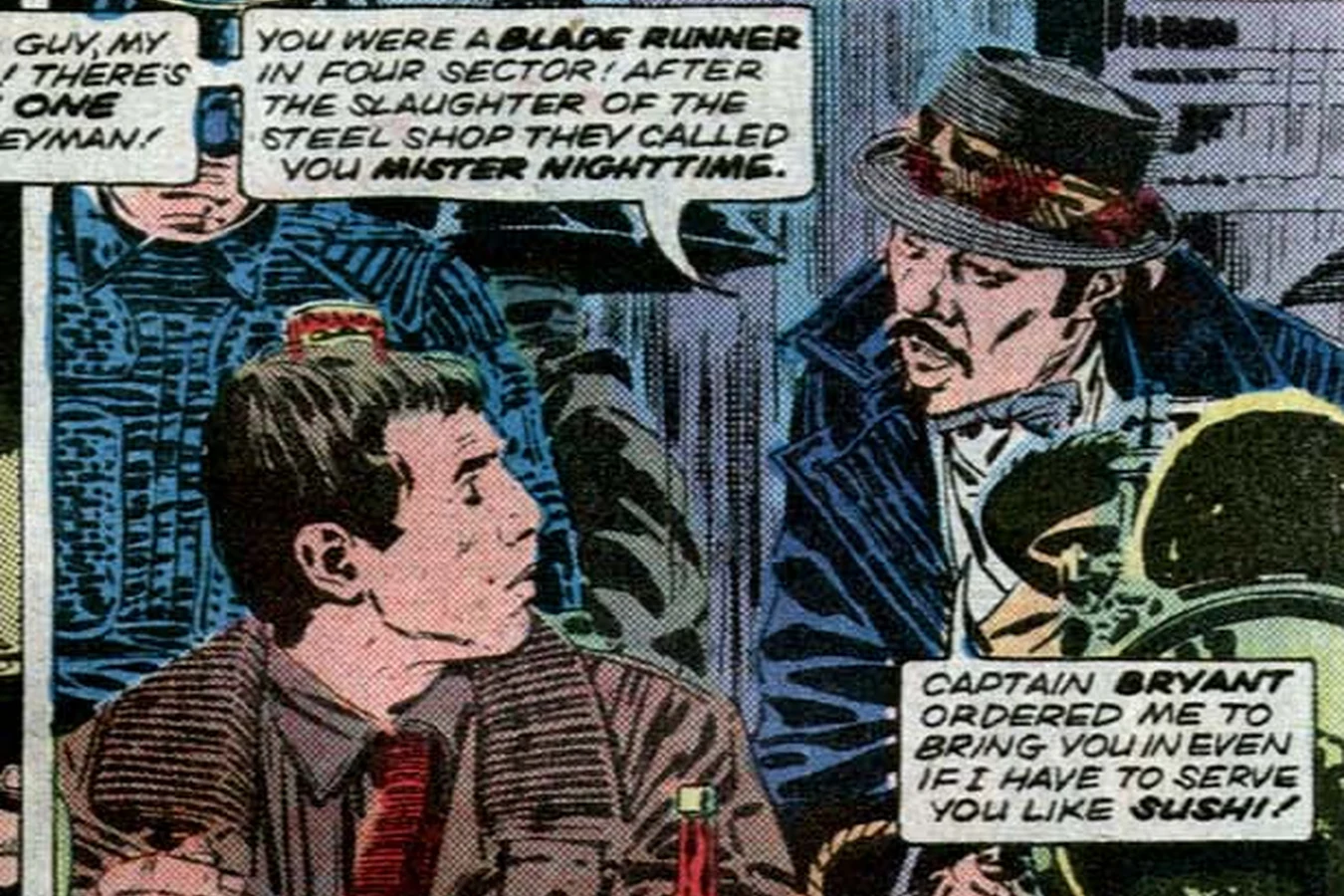
Archie Goodwin and Al Williamson adapted the film for Marvel Super Special #22 in 1982, later reprinted as a two issue series. Working from an earlier version of the script, the comic kept the full noodle bar exchange in which Gaff called Deckard Mister Nighttime and Bryant threatened to serve him like sushi. It followed his hunt in the same order as the film and used the narration heavily, ending with him and Rachael escaping into the countryside.
Blade Runner: A Story Of The Future
Blade Runner: A Story of the Future was a 1982 children's book retelling of the film by Les Martin. It followed Deckard's hunt for the four replicants in simple language, softening the violence while keeping the key events. He met Rachael at Tyrell's, survived Leon and Roy, and left the city with her at the end, as in the theatrical cut. The book presented him as a human detective with no hint of the replicant question.
Blade Runner 2: The Edge Of Human
K. W. Jeter continued the story in Blade Runner 2: The Edge of Human in 1995. Some time after the film, Deckard lived in a cabin in the Oregon woods with Rachael asleep inside a black Tyrell transport module. These modules carried replicants to the colonies with most of their lifespan unspent, and he hoped the slowed time would let her stay with him longer. The Tyrell agent Andersson tracked him down there and flew him back to Los Angeles. Sarah had chosen Andersson for his efficiency and his habit of keeping his mouth shut.
His new employer was Sarah Tyrell, the niece of Eldon Tyrell, who had inherited the whole corporation. She told him her uncle had used her as the templant, the source model, for Rachael. She hired Deckard to find a sixth escaped replicant from the group he had hunted, whose identity Bryant had purged from police files. Deckard soon learned that Bryant had been murdered, and that Gaff had died from a gunshot to the stomach. An image of Bryant on a monitor had talked to him for a while, a computer replica built to deceive him.
Dave Holden, kept alive by artificial lungs, received a visitor who called himself Roy Batty. The man was the human templant for the Nexus-6 that Deckard had faced on the rooftop, a mercenary with the same white hair. Sarah had first hired this Batty, and he drew Holden into the search for the sixth replicant. Both men came to suspect that Deckard himself might be the missing one. The hunt ended in the ruined earthquake zone, where Batty chased Deckard up a toppled freeway, and Holden collapsed below as the two men fought on its broken edge. Batty did not survive the night.
Deckard also met a stammering, lab coated man named Isidore with a cat, who lectured him on how blade runners burned out. J. F. Sebastian had survived as a legless, one armed man who cared for what was left of Pris, and her body was destroyed a second time in front of Deckard. Sarah finally told him over a monitor that there might never have been a sixth replicant at all, perhaps a slip by a drunken Bryant. She had taken Rachael from the module, which shortened the little time Rachael had left, and Deckard watched her sleeping and dying.
The novel ended with a twist that Holden worked out alone. Visiting the burned cabin, he found Rachael's body untouched inside the module with its life support switched off. The woman Deckard had taken off Earth as Mr and Mrs Niemand was Sarah, who had posed as Rachael while a replica of herself spoke on the screen. Holden wondered whether Deckard had been fooled at all, or whether he had simply got what he wanted. The book left that question, like the question of his own origin, without an answer.
Blade Runner 3: Replicant Night
In Blade Runner 3: Replicant Night from 1996, Deckard and Sarah lived on Mars in the cramped emigrant colonies as Mr and Mrs Niemand. Life there was hard, and Holden later thought Deckard looked as if he had spent the year in prison. Deckard took work as a technical adviser on a video about his own hunt, made by the director Urbenton. The production restaged the alley fight with Leon using actors, and a fake Rachael fired the gun on cue. Urbenton made clear that he had not wanted Deckard on the set and that the money people had forced him on the shoot.
The shoot used real replicants as expendable players, and Deckard complained to Urbenton about how they were treated. Holden reached Mars carrying a black briefcase that spoke with the voice and personality of Roy Batty. Deckard later travelled to the Outer Hollywood station on what he called a delivery job, keeping the gun he had held on to after leaving the police. A trip back to Los Angeles took him into a ruined downtown that he came to see through the eyes of Sebastian.
Sarah Tyrell followed her own past to the Salander 3, the interstellar ship her parents had sailed toward Proxima before it turned back. She relived the moment her mother ran through the ship with her as a baby, fleeing her father. Meanwhile a figure named Marley told Deckard that replicants had begun to have children of their own, and warned that the authorities wanted to use him as a trigger for a hidden kill pattern. The book ended with Deckard holding papers in the name of Niemand and a little girl born at Outer Hollywood.
The girl was the first replicant child, and she carried the name and face of Rachael, his lost love. A colonial official told him that he did not matter and that only the girl did, and offered passage to the stars. Deckard admitted that he could not tell whether the man was human, and that he was unsure about himself as well. He accepted the job anyway and promised himself that he would take the child wherever the transport went, leaving within twelve hours.
Blade Runner 4: Eye And Talon
Blade Runner 4: Eye and Talon in 2000 followed the blade runner Iris Knaught, and Deckard did not take part in most of the story. He appeared in the closing chapters, carrying Tyrell's owl and travelling with a girl named Rachael. He admitted that he had taken the owl from Iris's apartment to save her. He told her the stars above were not Earth's and that she had never been in the real Los Angeles, then led her to a waiting spinner.
Blade Runner Video Game
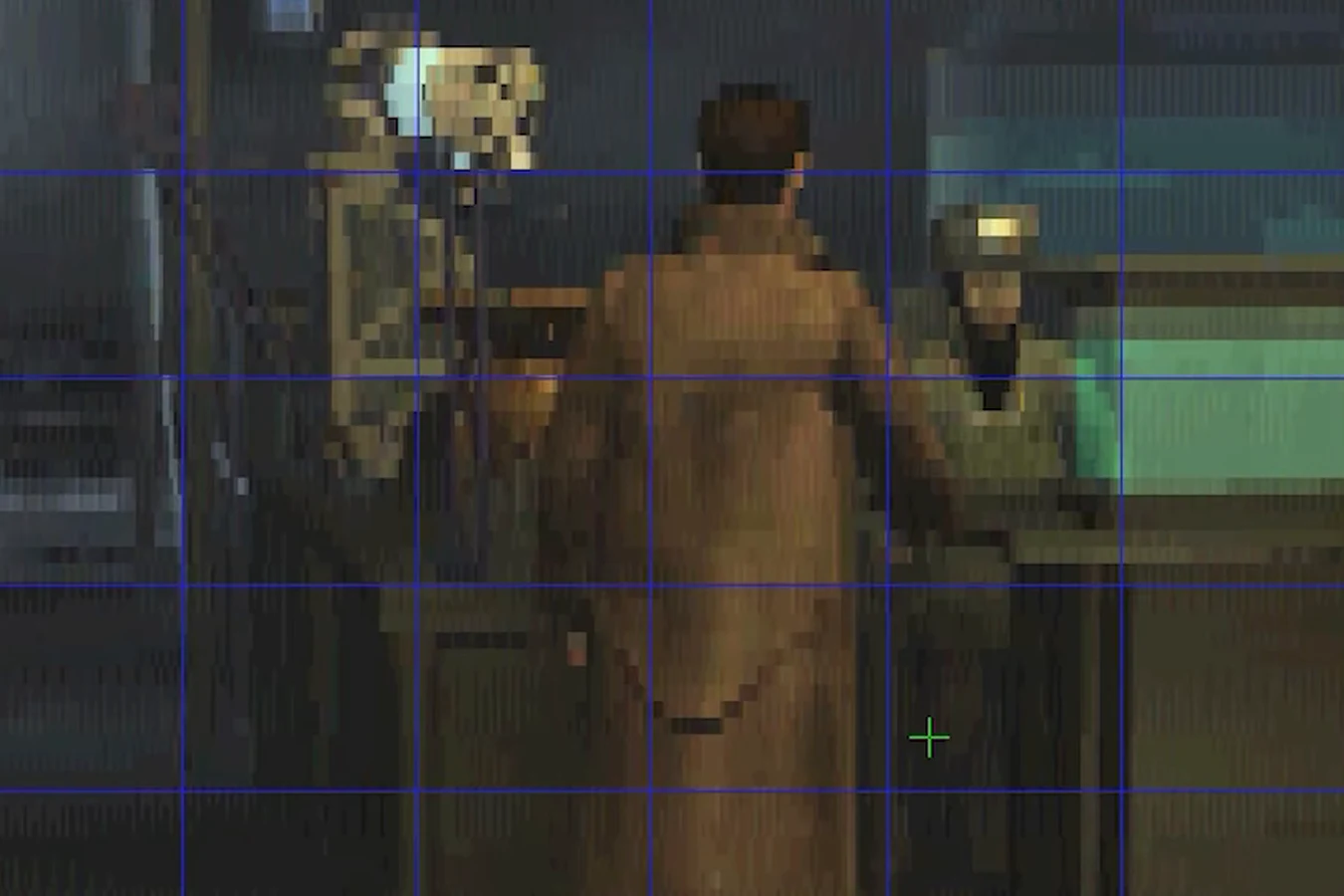
Westwood's Blade Runner game from 1997 followed the rookie Ray McCoy on a separate case running at the same time as the film. Deckard did not appear as a character. He could be glimpsed from behind in a photograph, showing the snake scale to the Cambodian woman at the market, which placed McCoy's investigation in the same days as his hunt. Characters such as Gaff and Bryant linked the two stories.
Blade Runner RPG
Free League's Blade Runner RPG was set in 2037, years after Deckard had vanished, and he was not a playable character. The core book mentioned him only in its opening, describing how he chose love over duty and left everything behind. The case file Fiery Angels included a memory sphere holding the recorded audio of his 2019 Voight-Kampff test on Rachael. It was one of the few direct traces of him left in the setting. His disappearance with Rachael formed part of the background that the setting's blade runners inherited.
Do Androids Dream Of Electric Sheep?
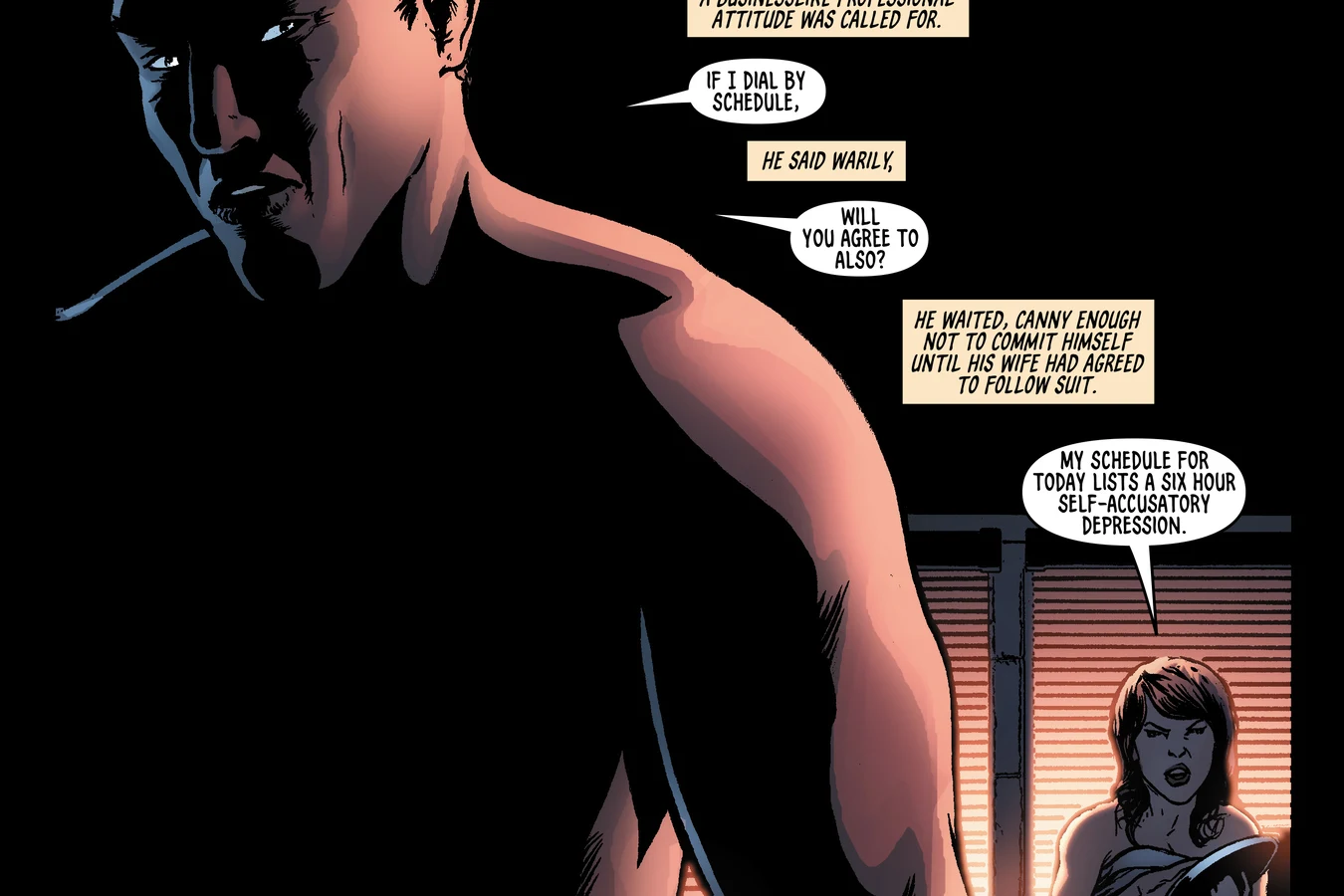
In Do Androids Dream of Electric Sheep? Deckard was a bounty hunter for the San Francisco police in a world emptied by World War Terminus. Most animals had died out and owning a real one was a mark of status and empathy. Deckard could only afford an electric sheep on his roof and longed for a real animal. His colleague Dave Holden had retired two of eight escaped Nexus 6 androids before being wounded, leaving six for Deckard, and the bounty money would buy him a real goat.
His marriage to Iran was cold. Both used a Penfield mood organ to dial their emotions, and the book opened with a quarrel after Deckard set his own for a good mood while Iran scheduled a six hour self accusatory depression. She felt the empty building around them and chose despair on purpose. Deckard tried to dial her into a better state, but she resented him for it and for the work he did. Their argument over the machine set the tone for a man who wanted to feel something real.
Before starting the hunt, Deckard flew to Seattle to test the Nexus 6 on staff of the Rosen Association, which built the androids. Eldon Rosen offered his niece Rachael Rosen as a subject, and when Deckard identified her as an android, the Rosens tried to trick him into believing his test had failed on a human. He saw through it. Later Rachael helped him with the hunt, slept with him and then admitted that she had done the same with other bounty hunters so they could no longer bring themselves to kill androids.
The six were Max Polokov, Luba Luft, Garland, Pris Stratton, and Roy and Irmgard Baty. Deckard found Luba Luft singing in The Magic Flute at the opera, and she had him arrested and taken to a police station on Mission Street, which turned out to be a fake run by androids under Garland. There the bounty hunter Phil Resch shot Garland and escaped with Deckard. Resch then killed Luba Luft in a museum after Deckard had bought her a book of Munch prints, and Deckard tested Resch, who proved human, and began to doubt his own feelings for androids.
The last three hid in a decaying apartment building with J.R. Isidore, a man of low intelligence who befriended them. Pris cut the legs off a spider Isidore had found, to see whether it could walk on four. On the same day the television host Buster Friendly revealed that Wilbur Mercer, the figure at the centre of Mercerism, was an actor on a film set. That night Deckard entered the building and retired Pris, Roy and Irmgard one after another, ignoring Isidore's pleas.
He spent his reward on a black goat, and Rachael pushed it off his roof. Exhausted, he drove into the desert, had a vision of Mercer and found a toad, an animal thought extinct. He brought it home in joy until Iran found the control panel in its belly. Deckard accepted that the electric things had their lives too, and Iran ordered artificial flies for it while he slept. BOOM! Studios later adapted the full text as a 24 issue comic series with art by Tony Parker.
Behind The Scenes
Casting Harrison Ford
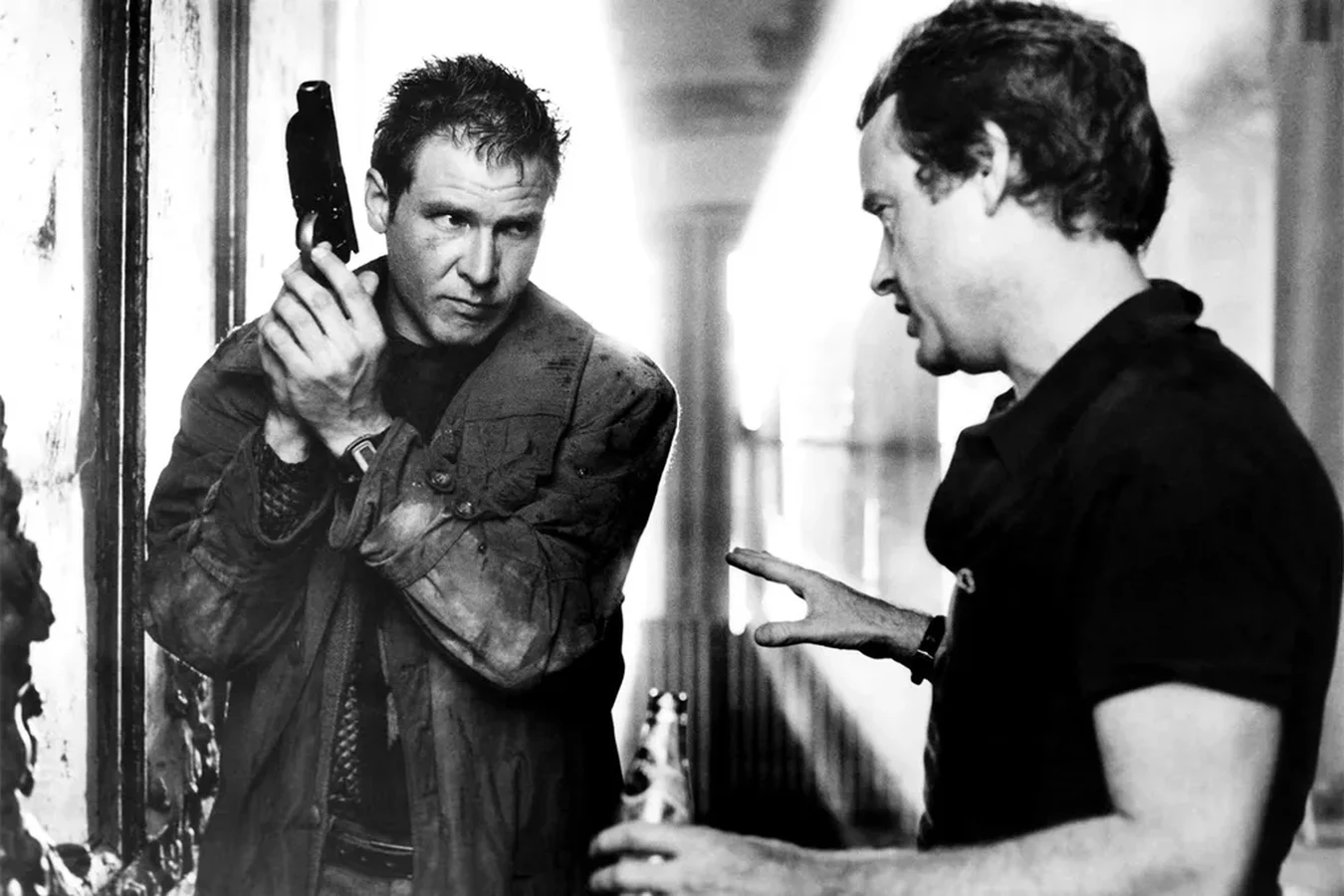
Hampton Fancher wrote Deckard with Robert Mitchum in mind, picturing the tired detective he had played in Farewell, My Lovely. Dustin Hoffman was attached for a time and worked on the part with Ridley Scott, but left in October 1980 over money and his wish for a more socially conscious film. Spielberg's praise of Harrison Ford reached the producers, and Scott and Michael Deeley flew to London to watch rushes from Raiders of the Lost Ark. Ford signed late that month.
Early drafts had pictured Deckard in a trench coat and fedora like a 1940s private eye. Because Ford had just worn a hat as Indiana Jones, the hat was dropped and he was given a short brush cut instead. Scott at first wanted to introduce Deckard retiring a replicant at a remote farmhouse, an idea that later opened Blade Runner 2049 with K. Fancher's earliest drafts also ended with Deckard releasing a desert turtle, and pictured him as a more bureaucratic figure.
The shoot was hard on Ford. Most of it took place at night on the Warner Bros. backlot in Burbank, under constant artificial rain and smoke, and Scott spent long hours on the look of each shot. Ford later said the relationship with the director was difficult and that he felt little was asked of him as an actor. He saw Deckard as an ordinary man doing an ugly job, and that view shaped the tired, guarded performance that later audiences came to admire.
The Voiceover
Scott wanted narration early, and Fancher's July 1980 draft and David Peoples's December 1980 draft both had it. After poor reactions at test screenings in Denver and Dallas, the studio insisted on a full voiceover to explain the story. Ford recorded the narration several times, with versions written by Daryl Ponicsan, Peoples and finally Roland Kibbee under the producer Bud Yorkin. Ford said years later that it was in his contract to do the voiceovers but he hated them, and some on the crew believed he read them flatly on purpose.
The narration survived in the 1982 theatrical cut, along with the happy ending in the mountains. Ridley Scott removed both for the 1992 Director's Cut, which also added the unicorn dream. The 2007 Final Cut kept that version and became the one Scott considered definitive. Lines about his ex-wife and his past as a killer were lost along with the narration, which is why so little of his earlier life appears in the film itself.
Human Or Replicant
Whether Deckard was a replicant became the most argued question about the film. Fancher had once ended the script with Deckard's hand cramping at the piano like Batty's, as a metaphor for shared mortality. A narration line in the Peoples draft wondered who designed ones like him, and Peoples meant it philosophically, but Scott read it as literal. Scott added the unicorn dream and a brief glow in Deckard's eyes, and he later said plainly that Deckard was a replicant.
Others disagreed. Fancher disliked the glowing eyes as a cheap trick and preferred the question left open, and producer Michael Deeley said he never thought Deckard was a replicant. Ford had understood him as human and resisted the idea during filming. In the novel a fake police station raised the doubt briefly, but Deckard remained human. Blade Runner 2049 kept the ambiguity, with Wallace raising the question without answering it, and the Blade Runner canon guide treats the matter as unresolved.
Returning In Blade Runner 2049
Harrison Ford returned to the role in 2017 after Fancher and Michael Green wrote the sequel for director Denis Villeneuve. During production the character was known by the codename Bill. Concept art showed Deckard on a farm near Las Vegas before the casino setting was chosen. His scenes were shot in Budapest, where the ruined casino was built as a studio set. The film was careful never to confirm what Deckard was.
Conclusion
Rick Deckard began as a reluctant hunter and became the man who loved a replicant and gave up everything to protect their child. Across the films and novels charted in the Blade Runner timeline, his story kept returning to one question, whether the man sent to judge what was human was human himself. The films never settled it, and that open question, along with Ford's tired, guarded performance, made him one of the most debated heroes in science fiction.
Appearances
- Do Androids Dream of Electric Sheep? (novel, 1968)
- Blade Runner (1982)
- Marvel Super Special #22: Blade Runner (Marvel Comics, 1982)
- Blade Runner: A Story of the Future (1982)
- Blade Runner 2: The Edge of Human (1995)
- Blade Runner 3: Replicant Night (1996)
- Blade Runner (Westwood video game, 1997, photograph)
- Blade Runner 4: Eye and Talon (2000)
- Blade Runner 2049 (2017)
- Blade Runner RPG (mentioned)
- Blade Runner RPG: Case File 02, Fiery Angels (recording)
- Do Androids Dream of Electric Sheep? (BOOM! Studios comic)
Tag Categories: Blade Runner Lore | Blade Runner Characters | Blade Runner Detectives