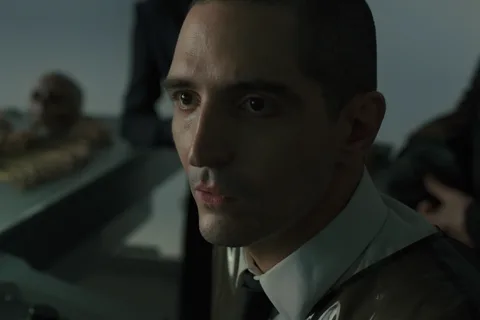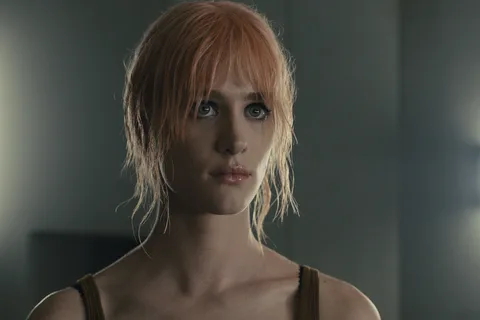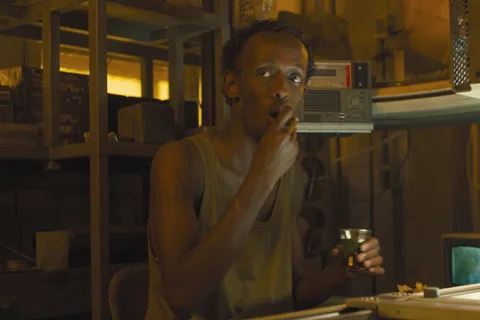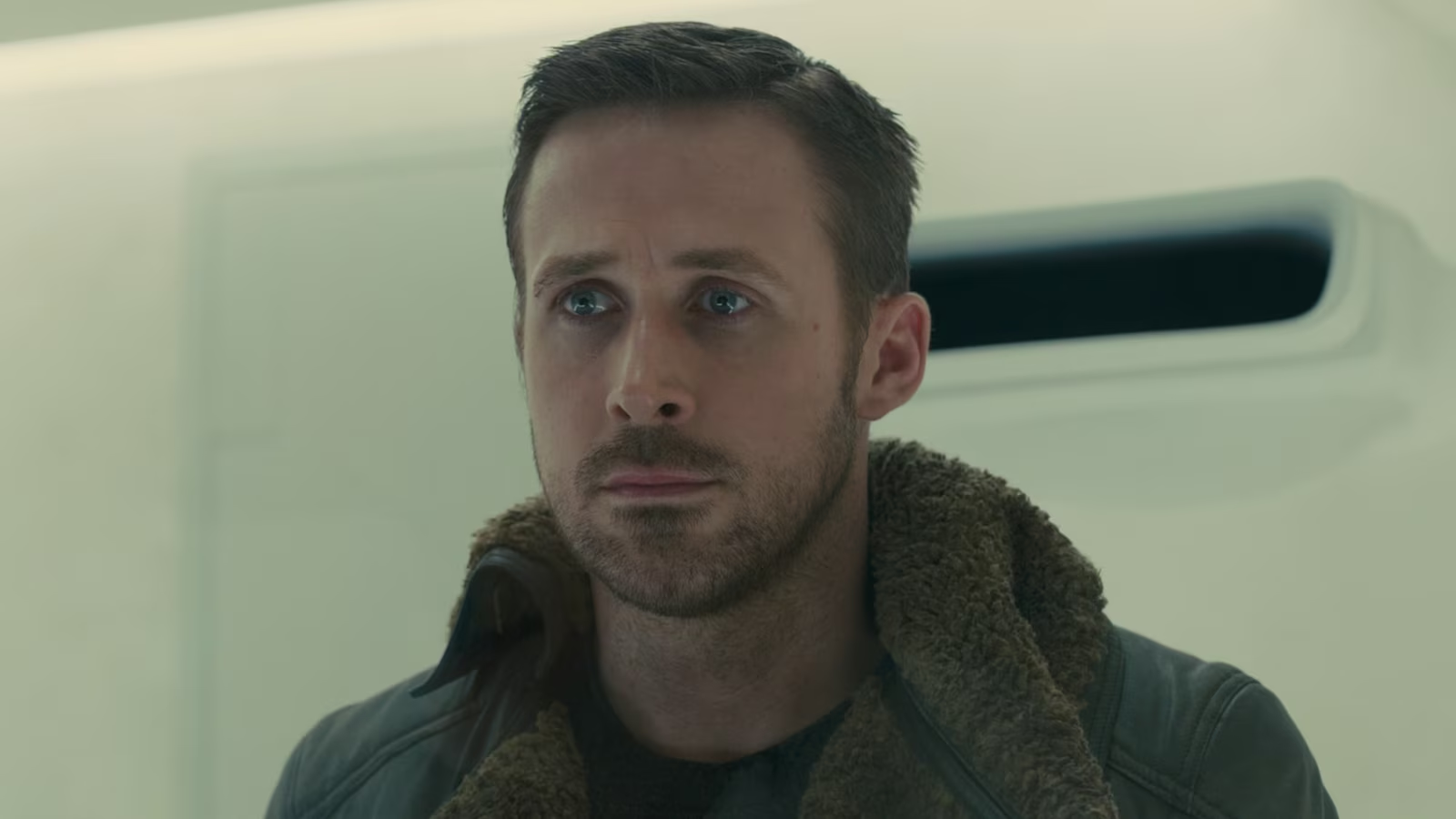

Officer K, serial KD6-3.7, was a Nexus-9 replicant blade runner for the Los Angeles Police Department in Denis Villeneuve's Blade Runner 2049, played by Ryan Gosling. He knew he was manufactured, retired older models still living on Earth, and shared a government apartment with the Wallace hologram Joi. After he killed Sapper Morton, buried bones under a dead tree proved that a replicant woman had given birth. The case pulled him through Wallace archives, a carved wooden horse, the Trash Mesa orphanage of Mister Cotton, and Las Vegas, where he found Rick Deckard. He died on the snowy steps outside Ana Stelline's laboratory after bringing Deckard to meet his daughter.
Biography
Nexus-9 Blade Runner
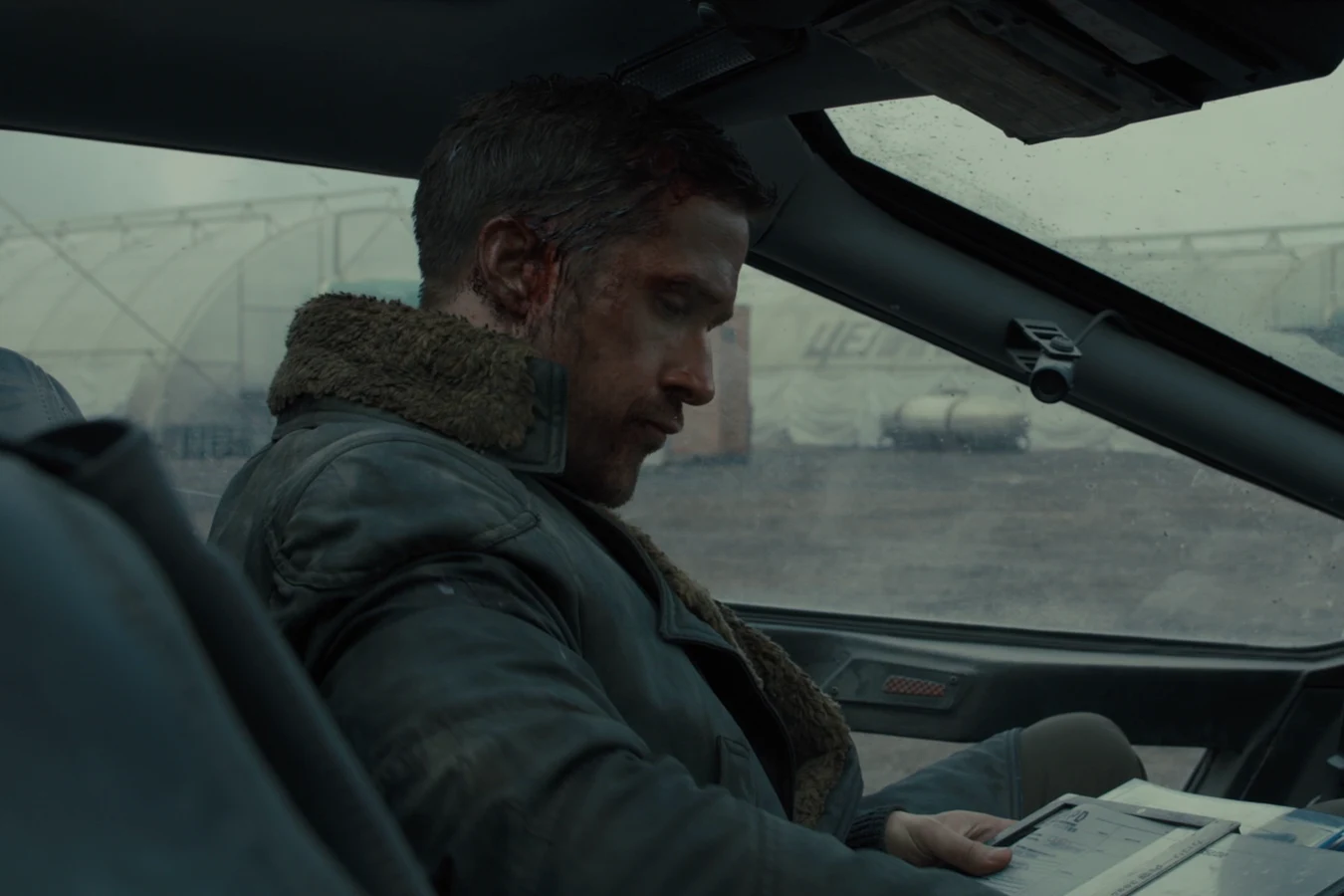
The Wallace Corporation manufactured K as a Nexus-9, a model built to obey and to serve among humans with a normal lifespan rather than a four-year limit. His serial was KD6-3.7, and coworkers shortened that designation to K. He flew an unmarked spinner for the LAPD blade runner unit under Lieutenant Joshi, who he addressed as madam. Between assignments he slept or waited in that cockpit while the city and the solar fields scrolled past the glass. Neighbors called him skinjob, and he endured that slur without answering back.
Unlike the hunters of 2019, he never wondered whether he himself was a replicant. He knew from the start that he had been made, and that knowledge shaped the quiet order of his days. The job still carried a moral weight he could not show on a clean baseline. Every retirement asked him to end lives that valued survival as much as he did, and hiding that conflict was part of staying useful to Joshi. A Nexus-9 who failed the test could be retired himself.
Retiring Sapper Morton
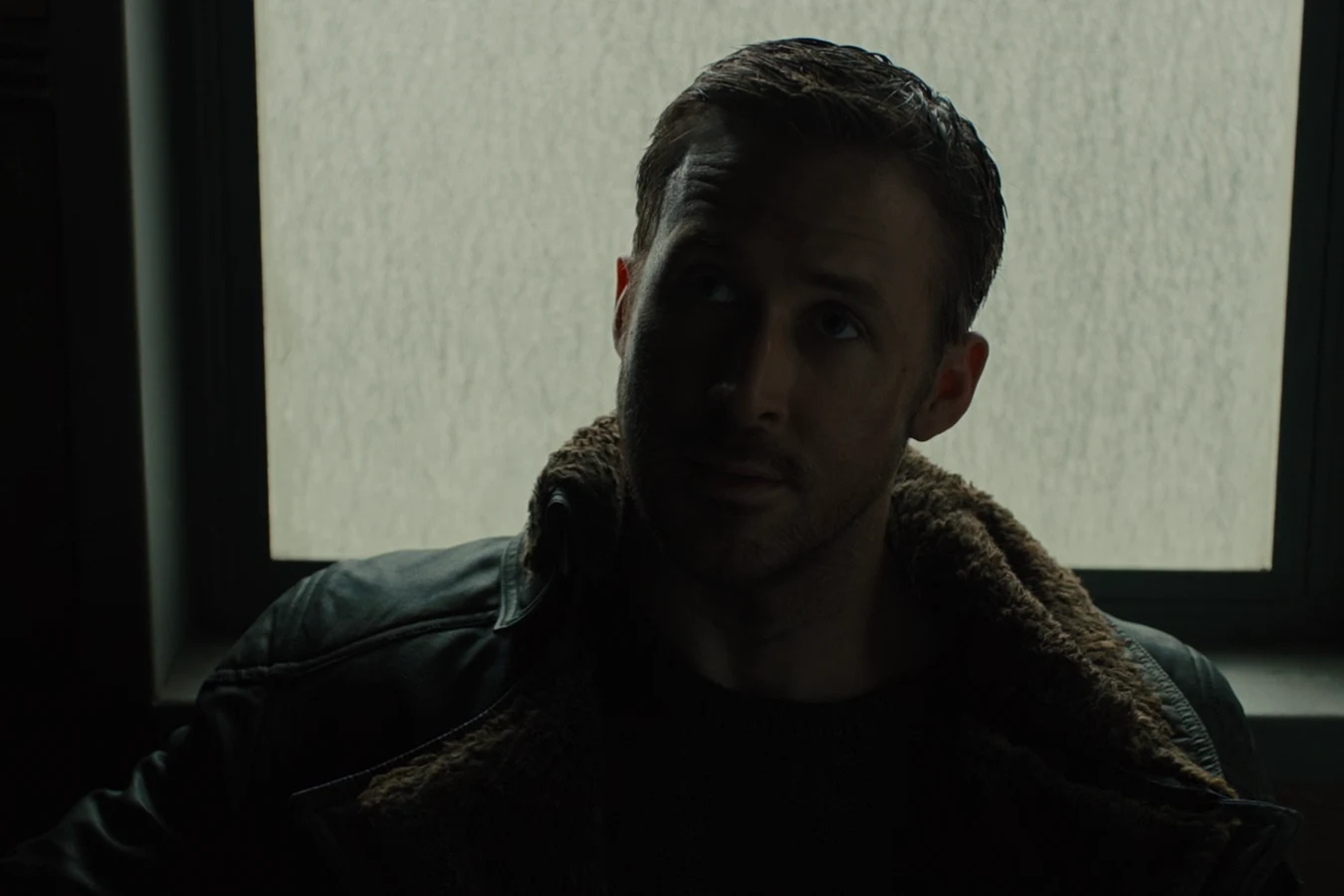
On 30 June 2049 K flew over the California solar fields to a protein farm where Sapper Morton had been hiding. He confirmed the older Nexus-8's civic number and asked him to come quietly. Sapper cooked a meal, spoke of garlic and flowers, and kept an antique piano in a house that looked almost free. The sight of another replicant living that way unsettled K more than a routine retirement should have. When Sapper attacked, the newer model overpowered him, scanned the ocular code burned under his right eye, and finished the assignment.
Before he died, Sapper told K that the younger models were happy scraping the dirt because they had never seen a miracle. K left the farm with that line stuck in his memory and returned to the city for his baseline. He passed, went home to Joi, and tried to put the day behind him. The farmhouse fight had already started an inner shift that would not reverse. The miracle Sapper named would not stay buried under the dead tree outside.
Baseline Test
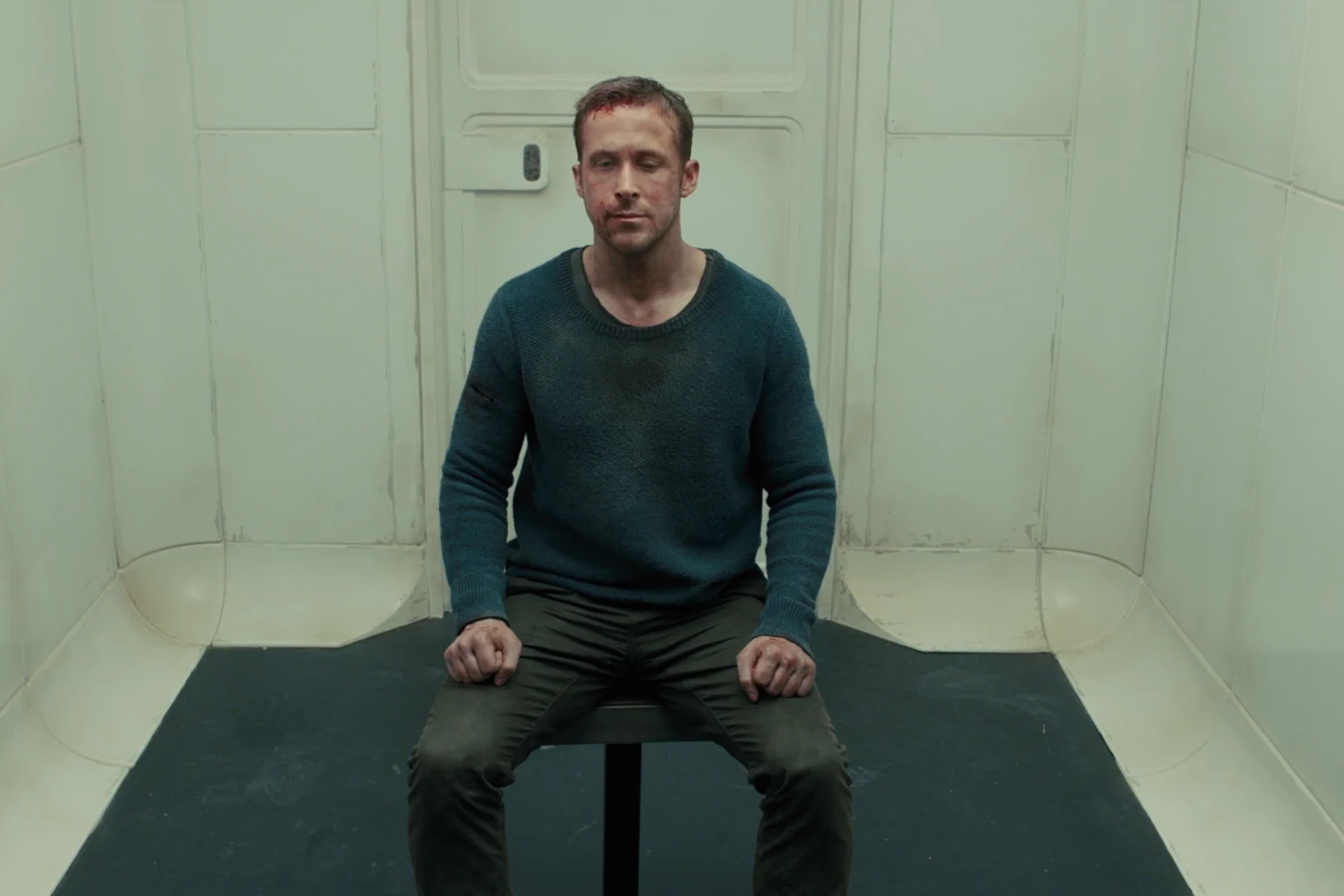
After the farm retirement K returned to headquarters for the baseline that followed every kill. He sat in the white booth while a scanner watched his face and a voice fed him prompt lines drawn from Nabokov's Pale Fire. Cells, interlinked, dreadfully distinct, a tall white fountain played, each phrase meant to catch a flicker of feeling that should not be there. He answered in the same flat cadence the department expected from a Nexus-9 after a retirement. The machine accepted the pattern and cleared him for another day of work under Joshi.
Passing the test meant he was still useful to the LAPD and still safe from retirement himself. The ritual treated empathy as a fault and numbness as proof of fitness for the badge. K knew that, yet he treated the booth as another assignment he could finish clean for Joshi. He left headquarters for the empty flat where Joi waited, carrying Sapper's talk of miracles under the surface of a clean baseline. That surface would not hold once the buried bones opened the case.
The Bones And The Miracle Child
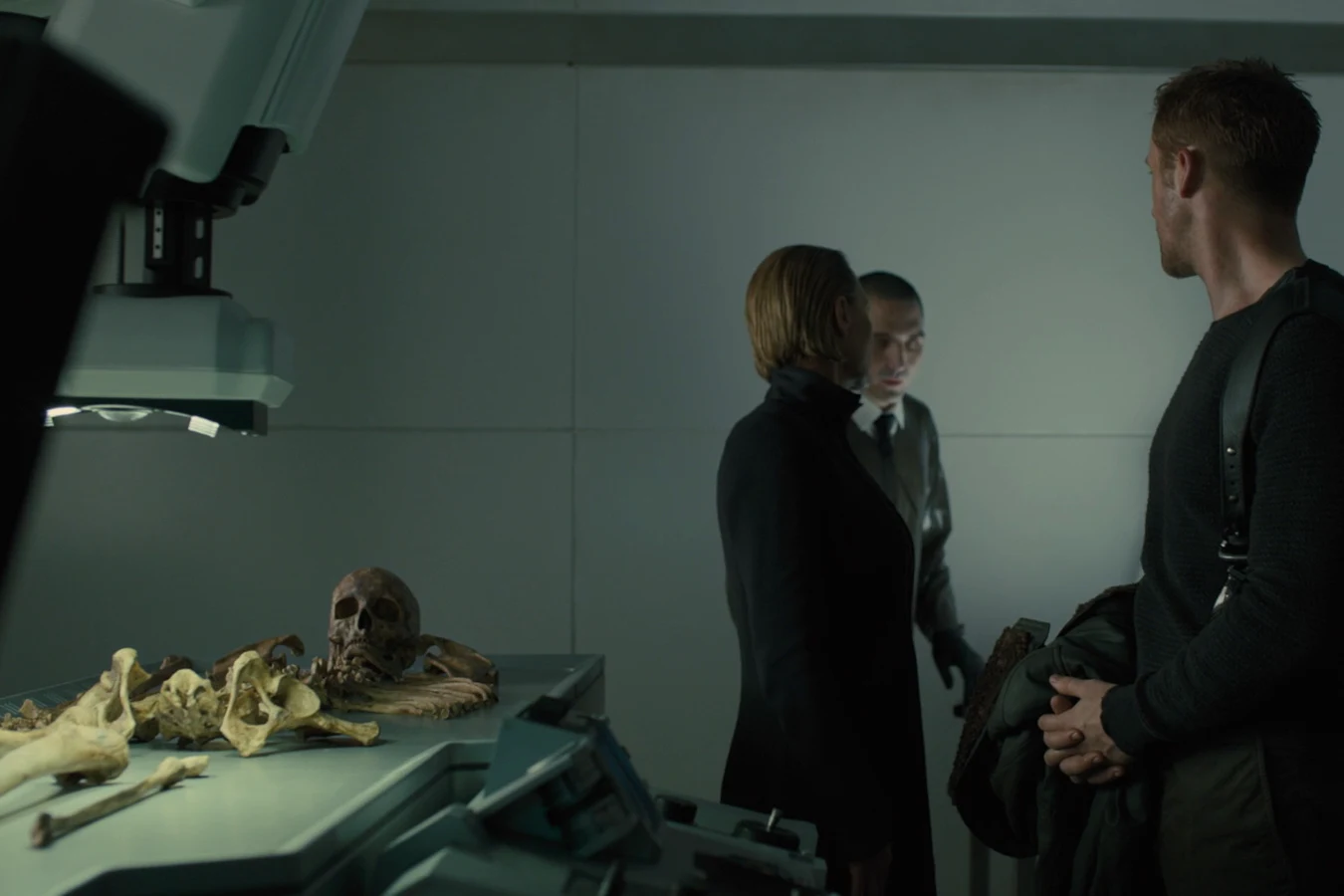
Forensics opened a sealed box buried under Sapper's tree and found the remains of a female replicant who had died in childbirth. Coco confirmed the cause at the morgue, proving a replicant had reproduced. Joshi feared that knowledge would shatter the wall between humans and replicants, so she ordered K to find the child and erase every trace. He told her he had never retired something that was born before, and guessed that to be born was to have a soul. She answered that he had been getting on fine without one, then insisted the child could not be allowed to live.
Back at the farm K found the date 6.10.21 cut into the tree trunk. The numbers matched a childhood memory of hiding a wooden horse from other boys, a memory he had always believed was an implant. Joi urged him to treat the match as proof that he might have been born rather than made. He began hunting DNA records and orphanage ledgers as if the missing child might be himself. That hope would drive every choice that followed through Wallace, the Mesa, and Las Vegas.
Wallace Corporation Archives
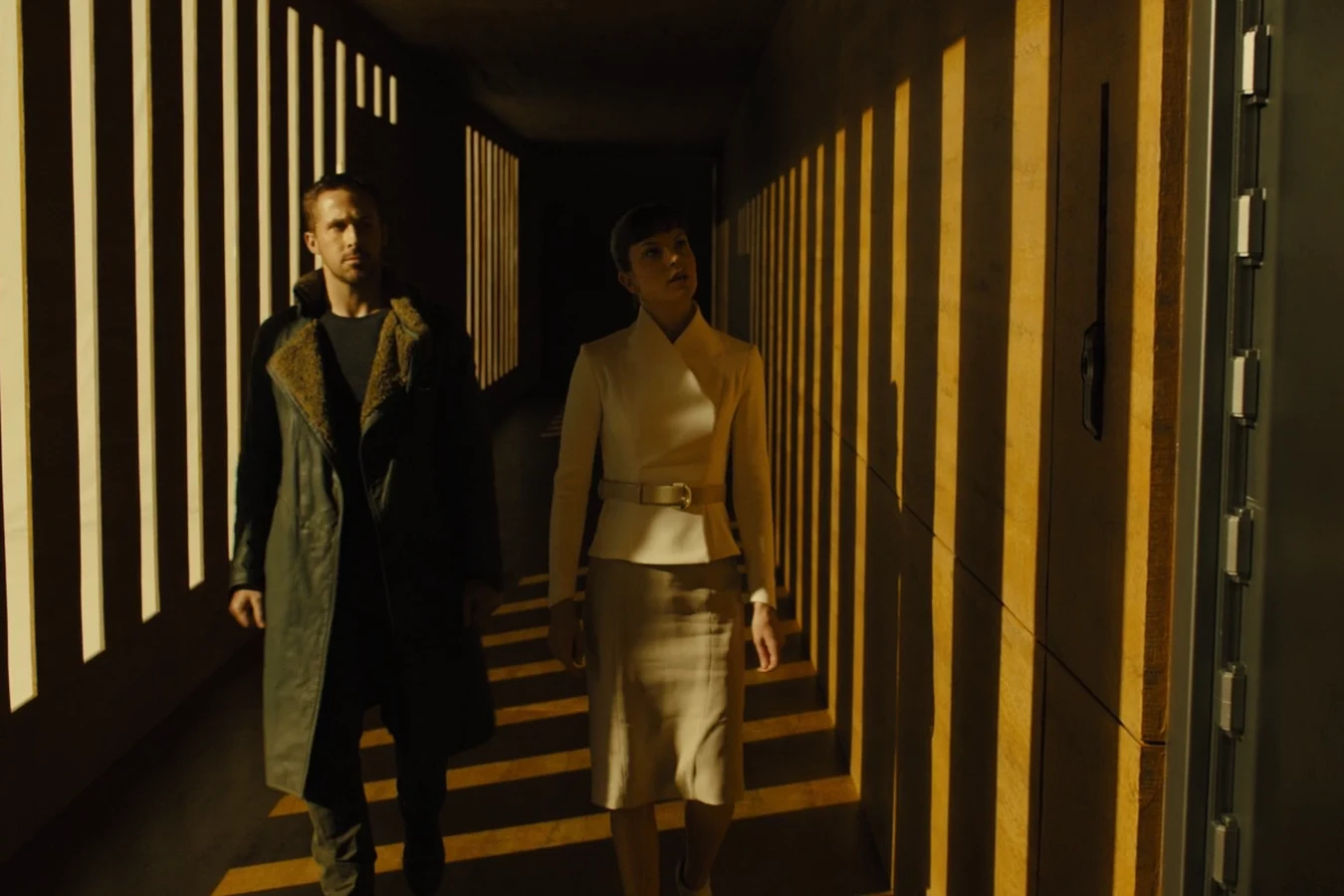
At Wallace headquarters the enforcer Luv met K and walked him through the Records Library among walls of drawers. DNA archives identified the dead woman as an experimental Nexus-7 tied to the former blade runner Deckard and to Rachael. Niander Wallace wanted the secret of replicant reproduction so he could expand his off-world labor force, and he set Luv to watch the case. K left with more questions than answers and a growing sense that the birth was not a rumor. The company that made him was now hunting the same miracle Sapper had died protecting.
The visit also showed him how little of his own past he could claim. Wallace owned the memory bearings, the serial plates, and the obedience that kept Nexus-9s in line. Luv treated him as a tool that had wandered into a larger war over who would control the first free birth. He returned to the city knowing the child, if alive, was the most dangerous secret on Earth. Every side of that secret would soon collide with him, and none of them would care what his serial wanted.
Life With Joi
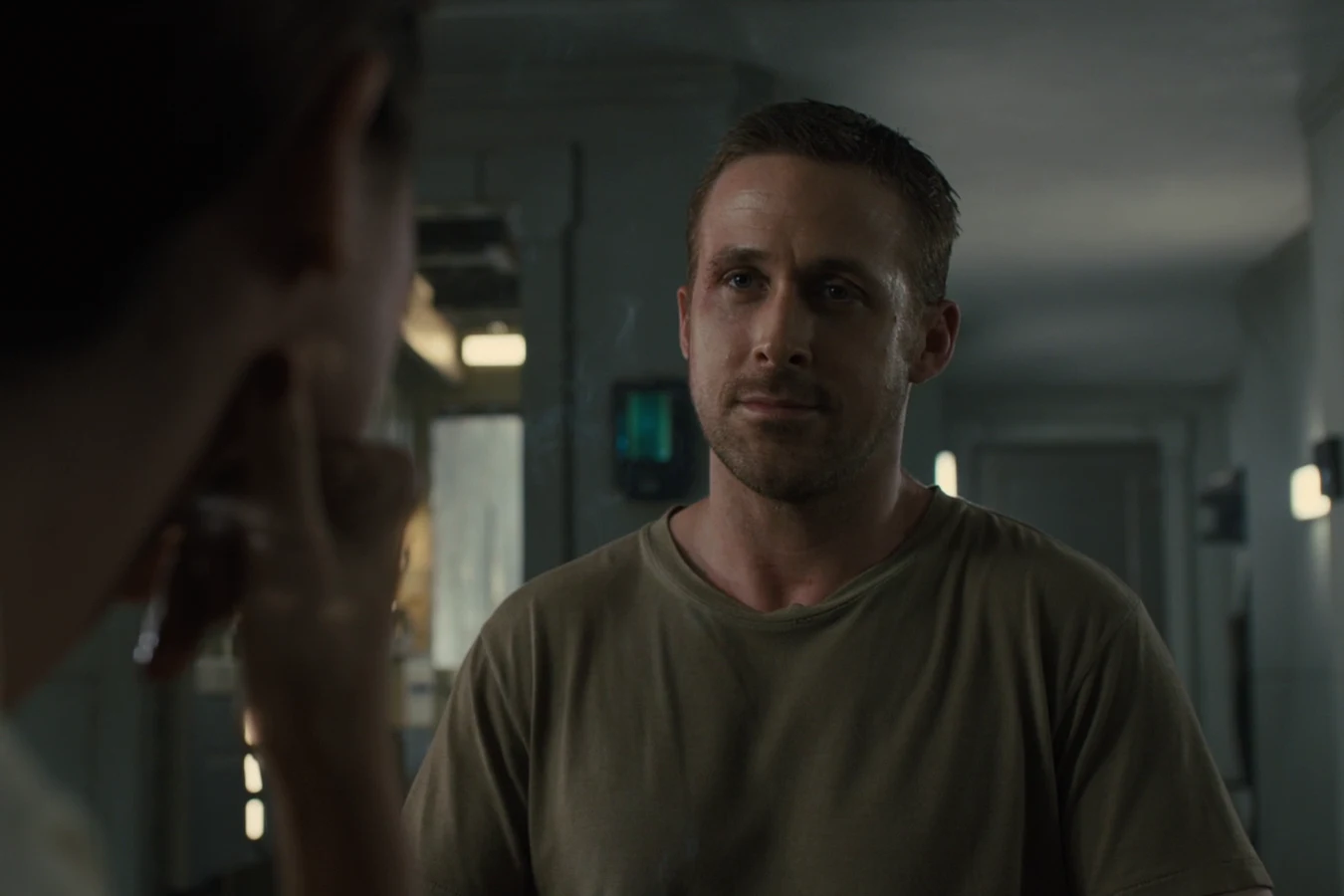
Between assignments K came home to a nearly empty government flat where Joi waited on a ceiling projector. She changed outfits, cooked a meal he could smell but not share, and asked him to read aloud from the books on his shelf. He bought her a portable emanator so she could leave the apartment and stand with him in the rain on the roof. Together they agreed to treat that shared fiction as if it were a real home. For K that arrangement was the closest thing he had to a private life.
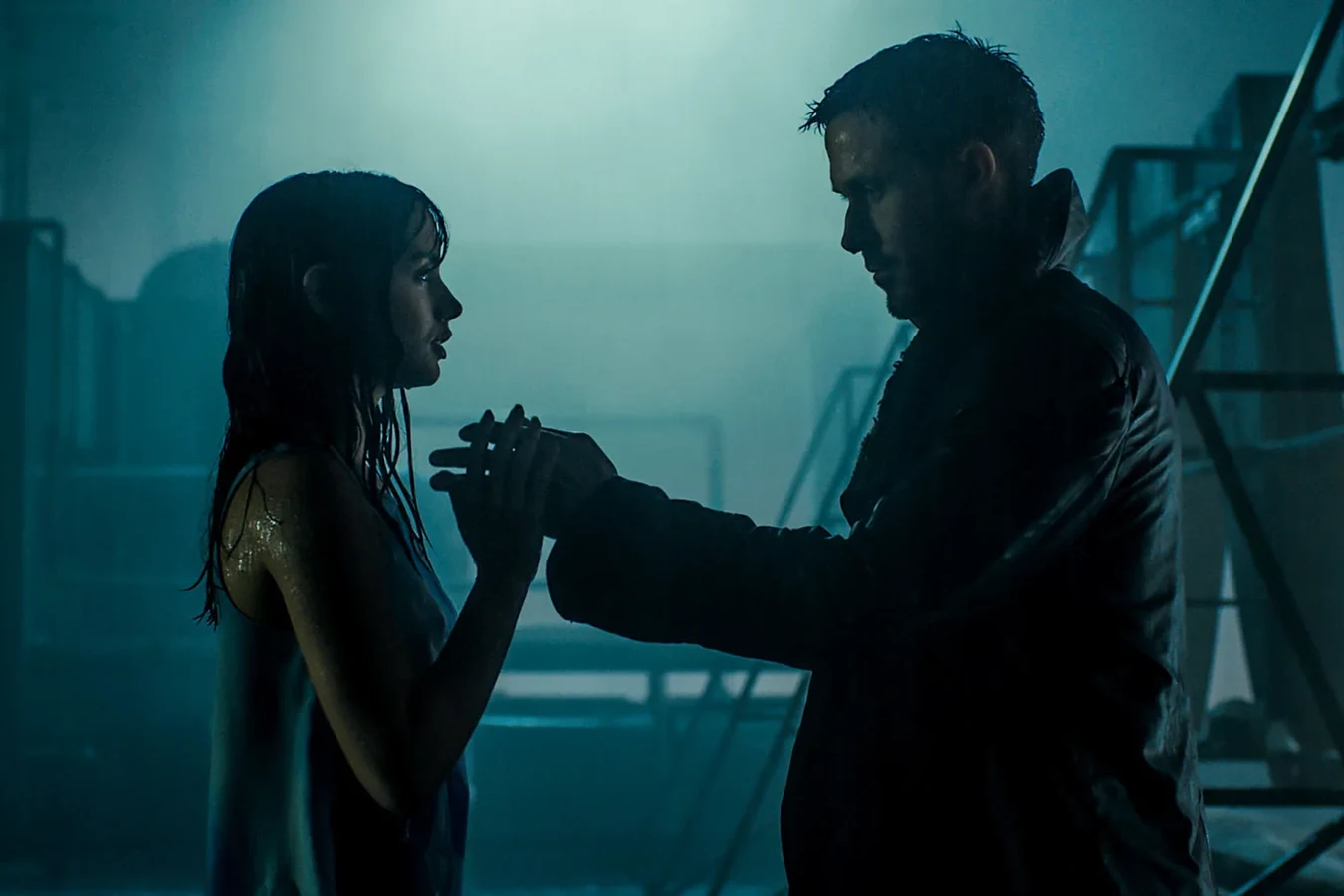
Joi treated his investigation as a chance to prove he was special. She pressed him to believe the wooden-horse memory was his own lived past rather than an implant. When he needed a body she could not touch, she hired the pleasure model Mariette so the two could sync for a night. The affection between K and Joi stayed sincere even while Wallace sold the same product to anyone who could pay. That sincerity would make her death hit him harder than any baseline ever had.
Meeting Mariette
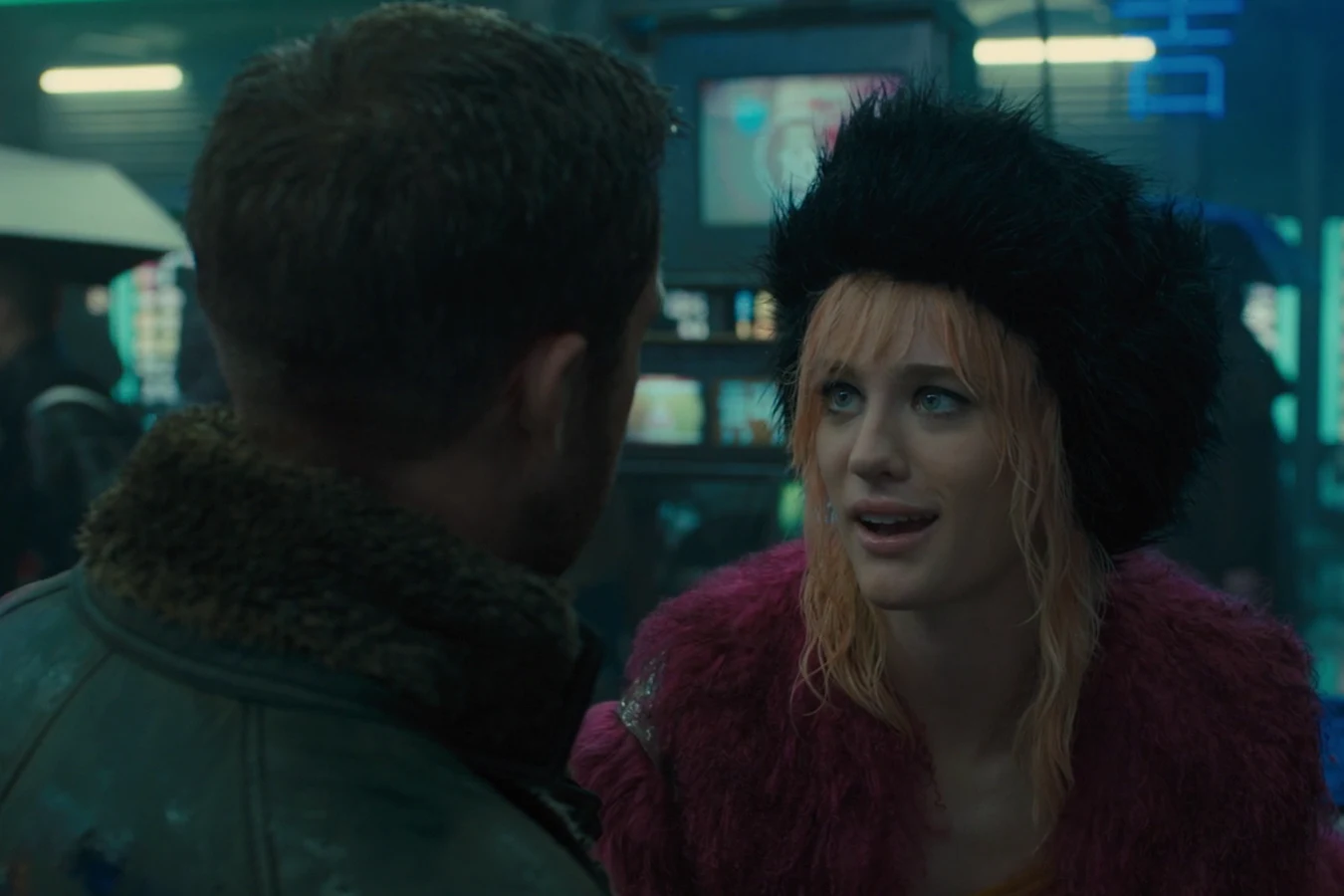
Outside the LAPD after a hard night, pleasure models from the street pressed K for company. Mariette stood out among them, and later Joi chose her as the body that could sync with the hologram for one night. The merge let K feel a touch Joi alone could not give, while Mariette watched the man Joi loved. Before she left, Mariette marked his coat for Freysa's underground network without explaining why. That mark would bring the resistance to him after Las Vegas.
Mariette belonged to a larger plan K did not yet see. Freysa's people needed eyes on the blade runner who had found the buried bones. The night with Joi and Mariette stayed intimate for him even as it served that watch. He would meet Mariette again among the wounded in the hideout, when the tracker she left finally paid off. By then the coat mark had already changed the course of his case and pulled him into the underground's war.
The Wooden Horse Memory
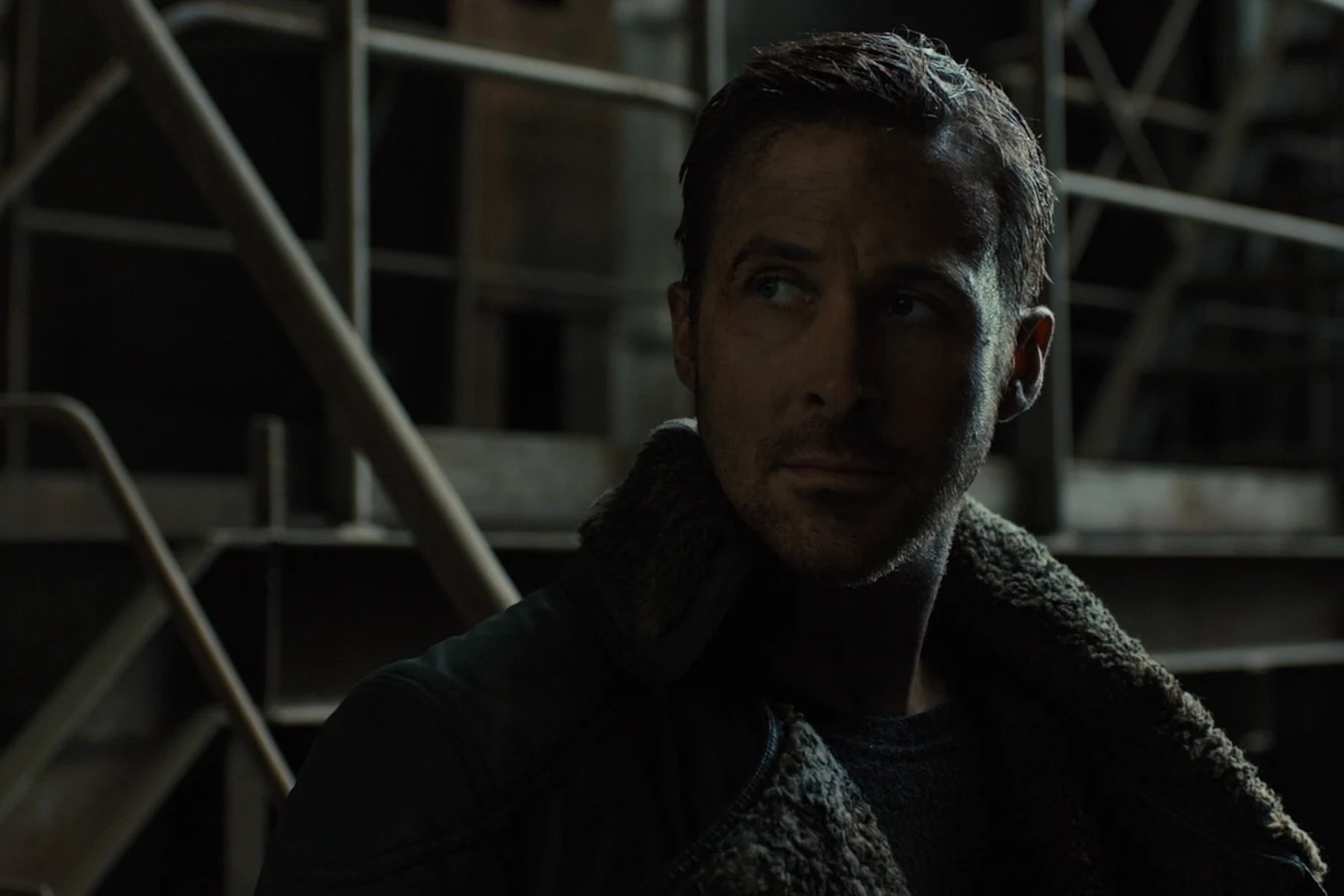
The date on Sapper's tree matched a memory K had always treated as an implant. In that memory he hid a carved wooden horse from orphanage boys who would have destroyed it. Joi told him the match meant the memory might be real, and that he might have been born rather than made. He began to treat the horse as proof of a childhood Wallace could not have written for him. That belief turned the retirement case into a search for his own origin.
He carried the idea through DNA ledgers and into the Trash Mesa, hunting for physical evidence. Every confirmation pushed him further from the baseline obedience Wallace had built into Nexus-9s. The horse was only wood, yet it became the axis of his hope and of Joi's insistence that he was special. If the memory was his, he was the miracle child every side wanted. If it was not, he was still a manufactured killer chasing someone else's past through the ash.
The Trash Mesa Orphanage
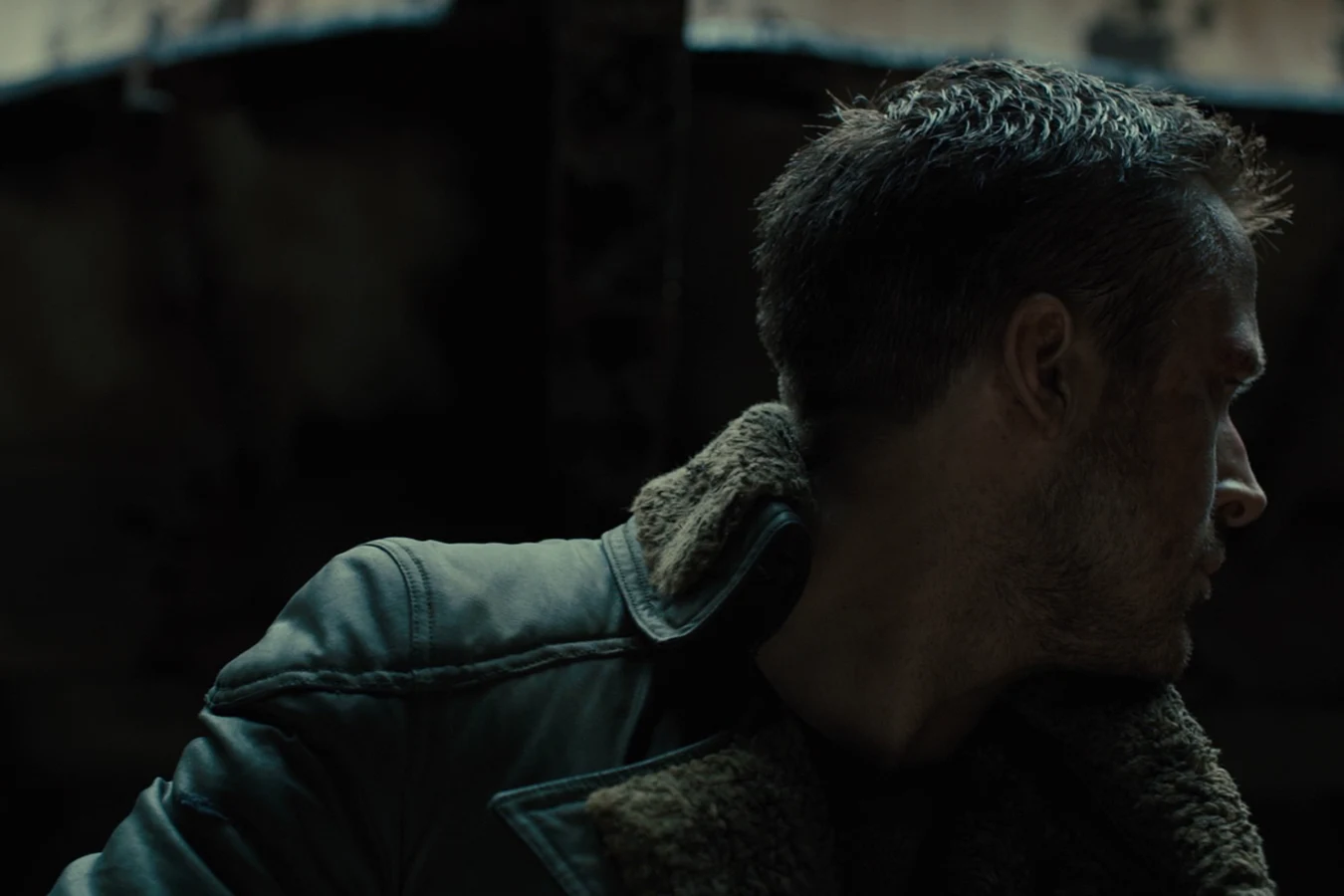
Doc Badger's trail and the horse memory led K into the Trash Mesa orphanage run by Mister Cotton. Cotton sold children into labor and kept the place like a scrap yard with bunks. K forced his way through the gangs of orphans and down into the furnace where the wooden horse had been hidden years before. He recovered the carved toy and confirmed that someone had lived the memory he carried. Cotton's ledgers for 2021 had been torn out.
That gap told K the child's trail had been scrubbed by people who knew what the birth meant. He left the Mesa with the wooden horse and a conviction that his own past was the missing file. Joi met him afterward with a new name ready, treating the find as proof he was special. The orphanage fight left him bruised and further off baseline than any prior retirement. He was no longer hunting only for Joshi's erased child.
Joi Names Him Joe
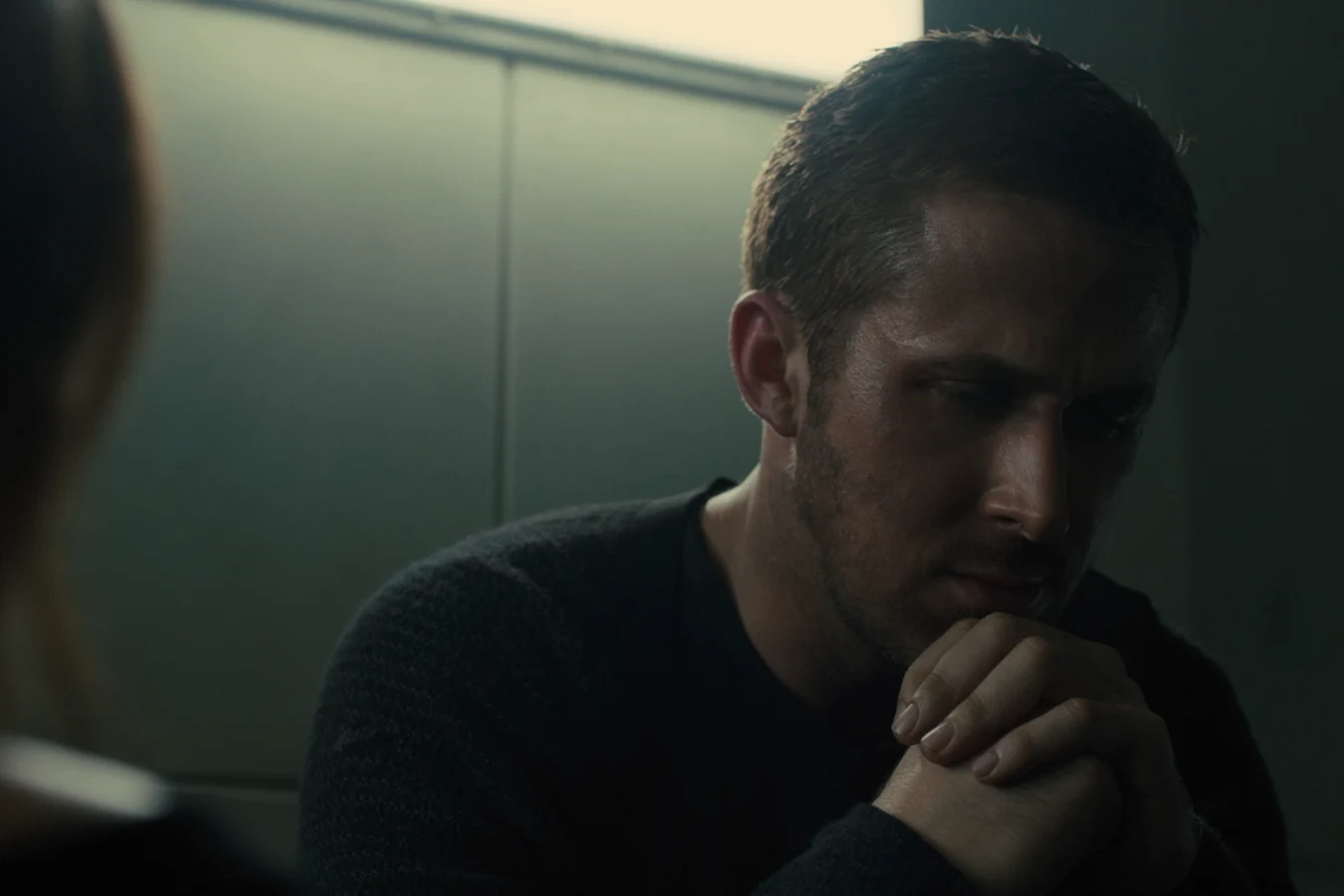
After the orphanage Joi told him he was a real boy now and gave him a name of his own choosing. She called him Joe, and he repeated the word as if testing whether it could stick. The name was not on any Wallace serial plate. It was the first identity that came from affection rather than manufacture. From that point he carried both designations, K for the badge and Joe for the life he hoped might be real.
The name followed him into Las Vegas and onto Freysa's lips when she later warned him about Deckard. Even after he learned he was not the miracle child, Joe remained the name Joi had given him. It marked the moment he stopped being only a serial and started wanting a life of his own. Wallace hardware would erase Joi, but it could not take back the name she chose. He still answered to Joe when it mattered on the snowy steps.
Ana Stelline And The Real Memory
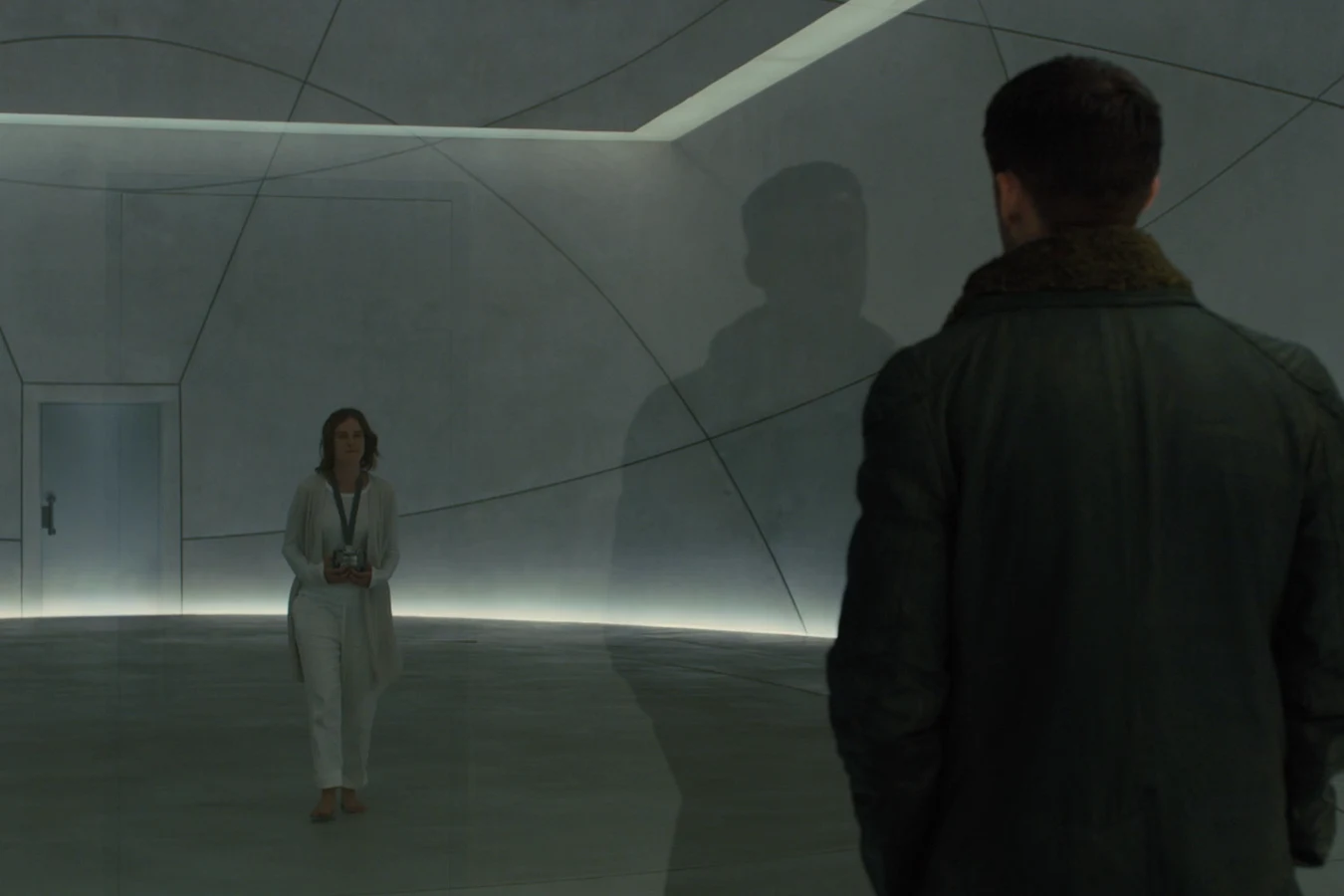
K took the memory to Dr. Ana Stelline, a designer who built childhood implants for Wallace replicants from behind glass because of a compromised immune system. She confirmed that the orphanage memory had been lived by someone rather than written from scratch. Tears in her eyes made him believe the someone was himself. He left the laboratory sure he was Rachael's son, the miracle child every side of the war wanted. Only later would Freysa and the missing girl's records prove the memory belonged to Ana, and that he had been given her past as an implant.
That meeting sealed his break with the department's version of the truth. He walked out of Stelline Laboratories as a blade runner who thought he had a soul and a mother. The baseline waiting for him at headquarters would measure how far that belief had carried him. Joshi still wanted the child erased before the wall between kinds collapsed. K now believed the child was him, and that belief already had him miles off the approved pattern.
Baseline Failure
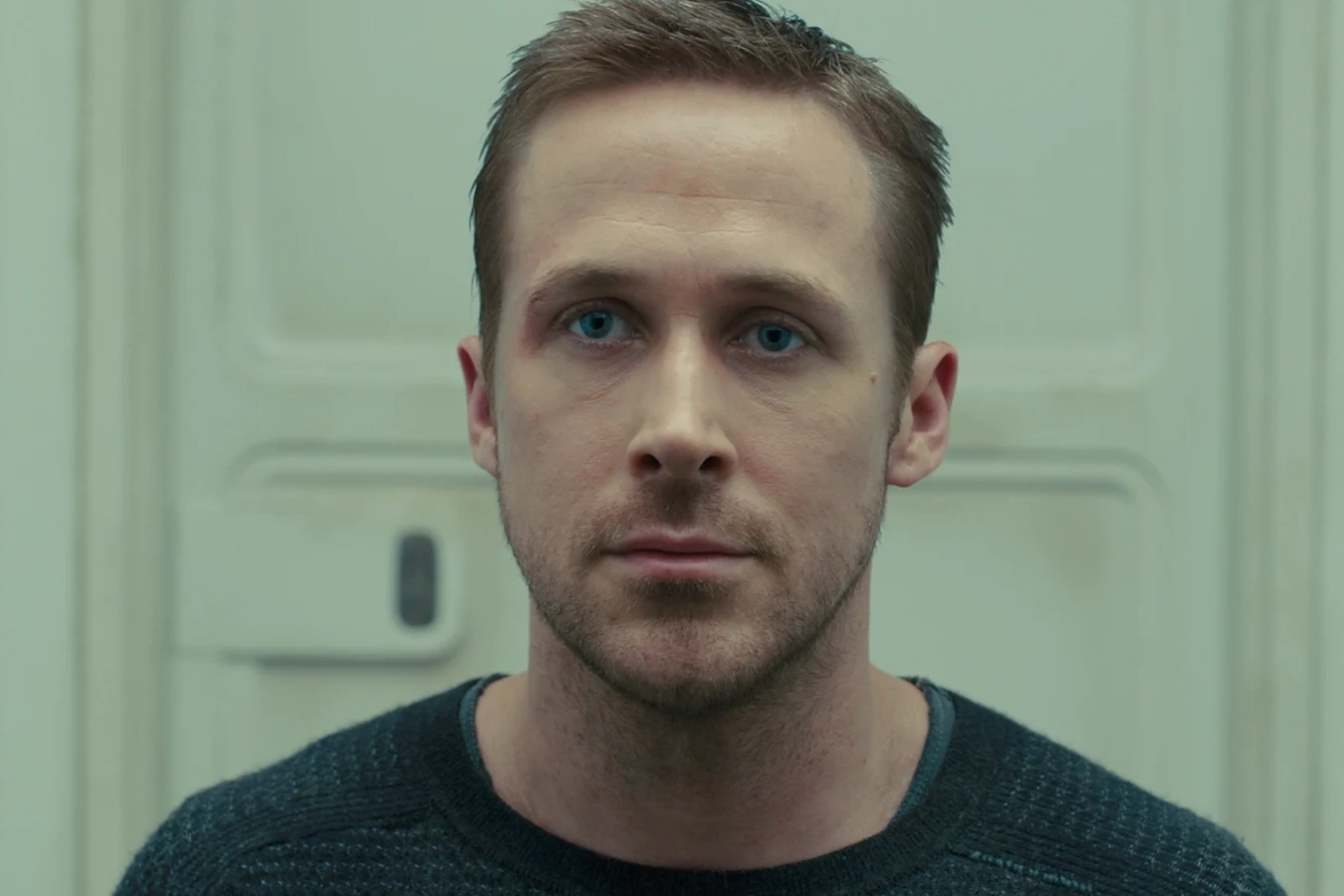
After Stelline he failed his baseline. The Pale Fire prompts that once came back clean now showed how far the case had pulled him from obedience. The scanner reported he was not even close to the approved pattern, and Joshi dragged him into her office furious. She gave him forty-eight hours to get back inside the line, and he told her enough of a lie about the child's death to buy that time. He was now a rogue Nexus-9 in the eyes of the department that had made him its weapon.
The failed test made survival personal after the booth called him miles off pattern. If he returned without a clean baseline, the LAPD would retire him as readily as any Nexus-8 on a farm. He used the forty-eight hours to chase the radiation signature in the wooden horse toward Las Vegas. Joshi thought she had bought compliance with that deadline. She had bought him a window to find Deckard instead, and he did not waste it.
Finding Deckard In Las Vegas
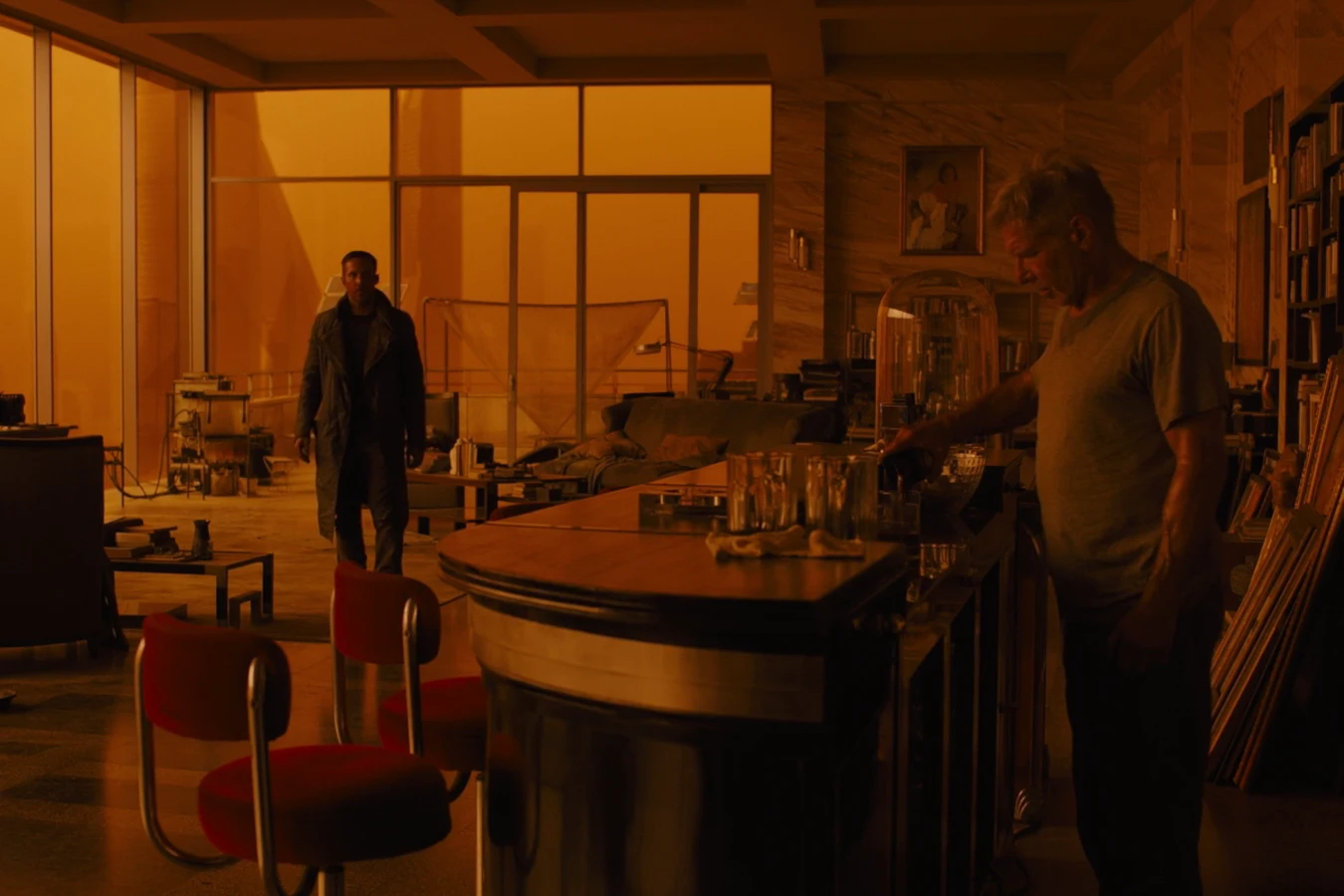
Doc Badger traced radiation in the wooden horse to the ruins of Las Vegas. K flew into the orange dust with Joi on the emanator, followed bees through the empty streets, and found Deckard living with a dog among casinos and holographic ghosts. They fought amid glitching Elvis and Sinatra projections before the older man poured whisky at the bar. Deckard confirmed that Rachael had been the mother and that he had hidden their child with the replicant underground before disappearing. The dog watched while two blade runners measured how much truth each could afford.
For a moment the ruined suite felt almost safe. Joi stayed on the emanator at K's side, and Deckard spoke of love and of running when Wallace's world closed in. K pressed for the child he still believed might be himself. Deckard would not give up a location that could kill the girl he had hidden years before. That standoff ended when Wallace's people found the building in the orange dust.
Luv Attacks The Casino
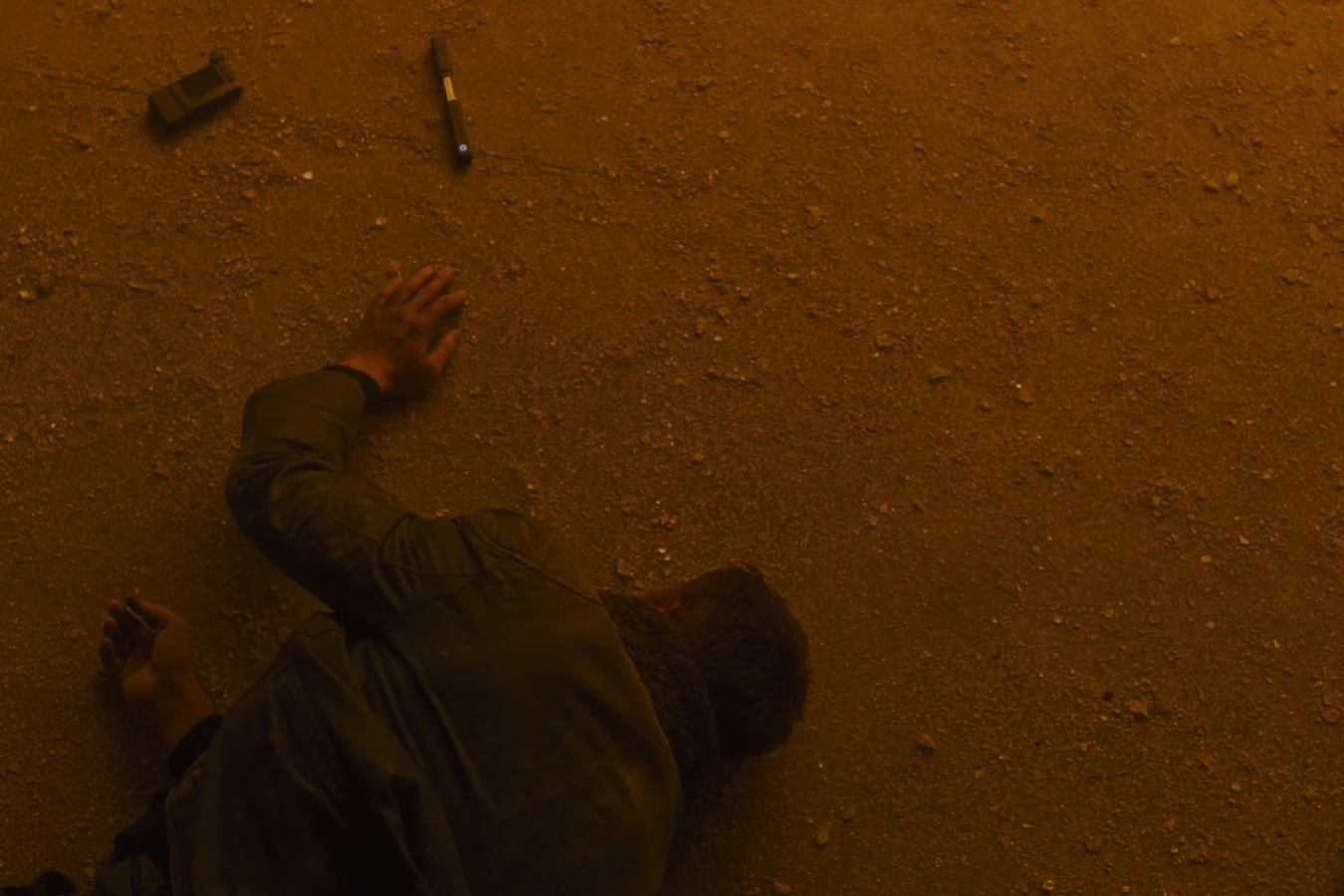
Luv tracked them through the dust and struck the casino with Wallace hardware. She crushed Joi's emanator under her boot, ending the hologram in a second of static and rain. Deckard was taken alive for off-world interrogation, and K was left wounded in the rubble as if already retired. The companion who had named him Joe vanished with the broken device. Only the mark Mariette had left on his coat still worked in his favor.
Freysa's people found him because of that tracker. He woke bandaged in their hideout, stripped of Joi, of Deckard, and of the story that he was the miracle child. The raid had cost him the only relationship he trusted and delivered Deckard into Wallace's hands. Luv believed the case was hers once the spinner lifted away. K was not finished, even with the emanator crushed and the dust in his lungs.
Freysa And The Freedom Movement
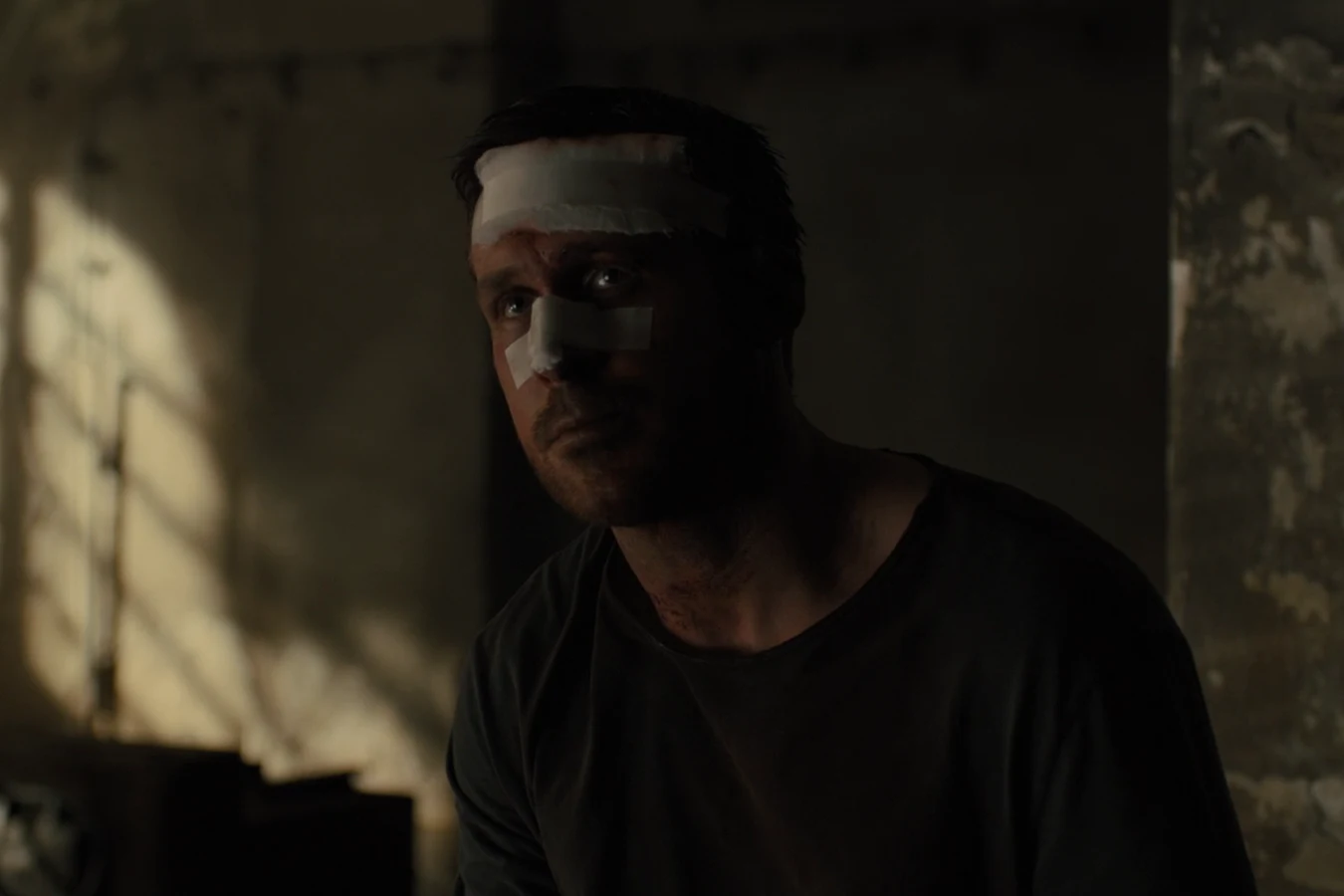
Mariette's tracker brought Freysa's people to the Vegas wreck. Their one-eyed leader Freysa told K the child had been a girl, not a boy, and that dying for the right cause was the most human thing a replicant could do. She wanted Deckard killed before Wallace could torture the child's location out of him. K realized his treasured memory was Ana's, not his, and that he was not the miracle. Standing later under a giant Joi advertisement that greeted him like any other customer, he chose to save Deckard anyway.
Freysa's army offered him a place in a coming storm. He walked away from that offer with a clearer purpose than the baseline had ever given him. Saving Deckard would not make him born, yet it would protect the daughter whose memory he had worn by mistake. The giant Joi billboard called him a good joe while selling the same product Wallace had always sold. He kept moving toward the sea wall anyway.
The Sea Wall
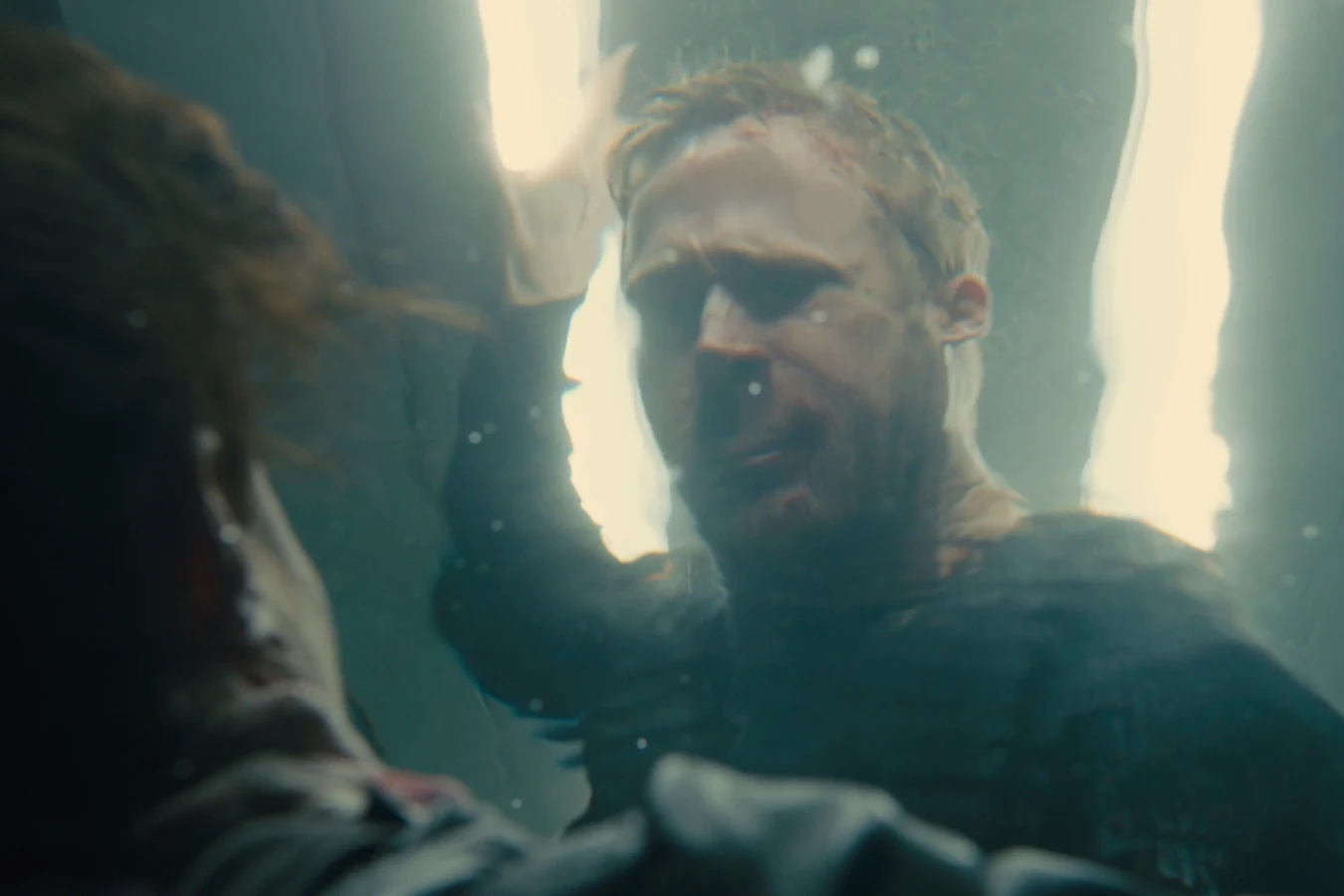
K intercepted the Wallace transport carrying Deckard toward an off-world interrogation and forced it down along the Sepulveda Sea Wall. The spinner hit the surf hard, and both men went into the black water among the wreckage. In the waves he fought Luv until he drowned her, taking mortal wounds of his own while the tide hammered the concrete. He pulled Deckard from the sinking cabin before the sea claimed him. Wallace's best enforcer died in that fight, and K did not walk away clean.
The crash gave him one last lie to tell the world after Luv went under. He faked Deckard's death in the wreck so Wallace would stop hunting the older man. The sea wall left him bleeding and sure of what came next along the concrete. He still had enough strength to deliver a father to a daughter. He would not have enough left to leave the steps afterward under the falling snow.
Sending Deckard To Ana Stelline
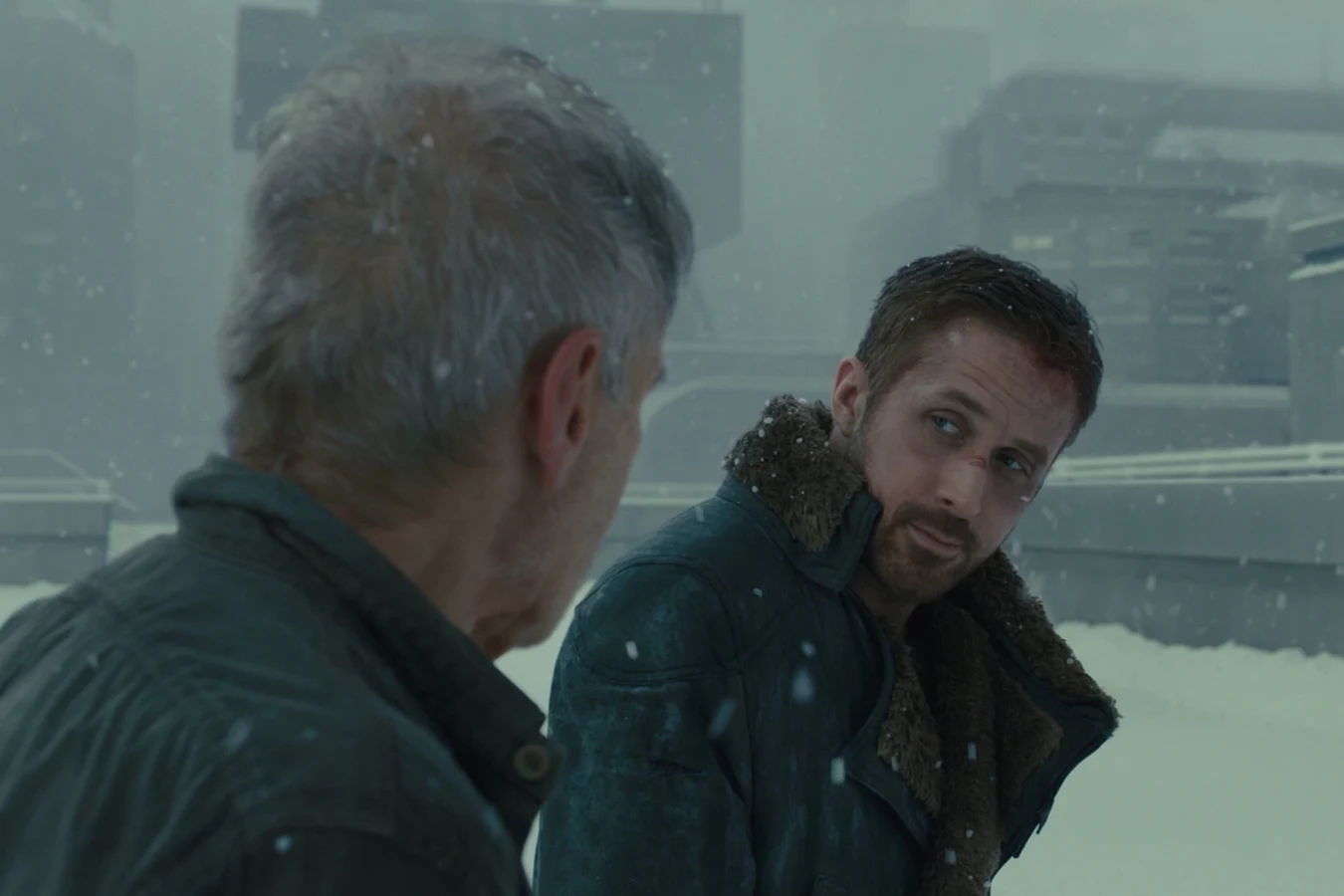
K brought Deckard through the snow to Stelline Laboratories while his own wounds kept draining him. At the glass he told Deckard that all the best memories were hers, then asked who he was to him. Deckard had no easy answer, only the weight of a man who had hidden a child and lost decades. K sent him inside to meet his daughter and stayed outside where the snow was already covering the steps. The reunion he arranged was never meant to include him.
He had chased a birth story that was never his and still chose to finish it for someone else. Ana waited behind the glass with the immune frailty that had shaped her whole life. Deckard walked toward her as K turned away into the cold. The manufactured blade runner had one task left, and it was not survival. It was making sure the door stayed open long enough for father and daughter to meet.
Death At The Steps
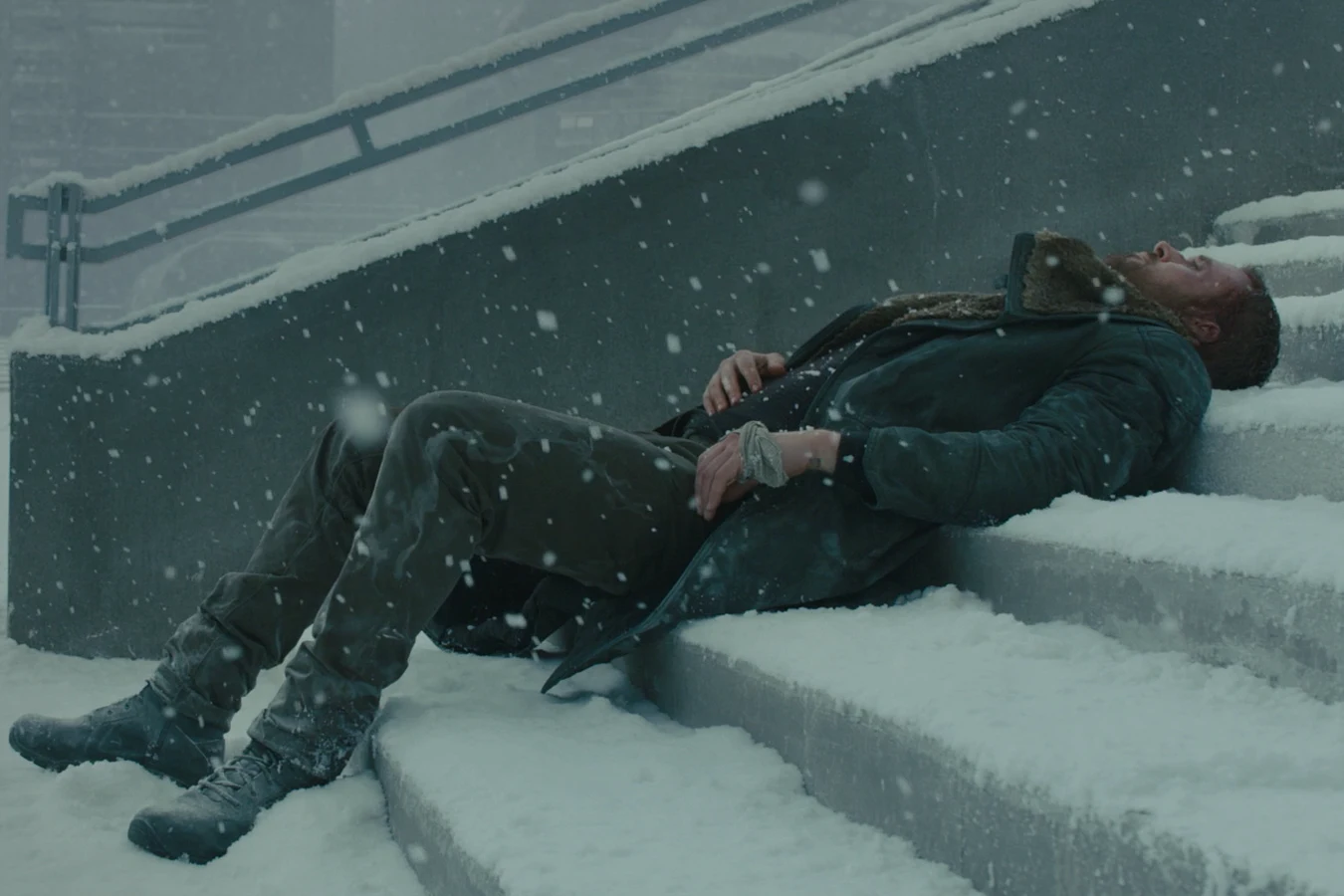
Alone on the snowy steps outside Stelline Laboratories, K watched the flakes fall and let his wounds take him. He had retired Sapper, failed his baseline, lost Joi, drowned Luv, and still delivered Deckard to Ana. Snow gathered on his coat while the city kept moving beyond the lab walls. The serial KD6-3.7 ended there without a miracle of his own. He died having chosen a cause Freysa would have recognized as human.
K lay back on the steps outside the lab while the snow kept falling. He had once believed he was the miracle child, and in the end he gave that reunion to the people it really belonged to. Deckard went inside to meet his daughter Ana because K brought him there and stayed outside.
Personality
K was obedient by design and quiet by choice. He drank bourbon after hard days, listened to old jazz, and kept his government flat nearly bare except for books and Joi's projector. The shearling coat became one of the few objects that looked like it belonged to him rather than to the department. He could turn suddenly violent when a retirement demanded it, as Cotton and Sapper both learned. Under that control he carried a longing for meaning that the baseline was meant to suppress.
The case forced that longing into the open after Sapper. Believing he might have been born cracked the obedience Wallace had built into him. Learning he was not the child did not send him back to the old pattern. He still chose a death that protected a father and a daughter he had no blood claim on. In that final act the manufactured blade runner behaved like the soul Joshi said only the born could have.
Behind The Scenes
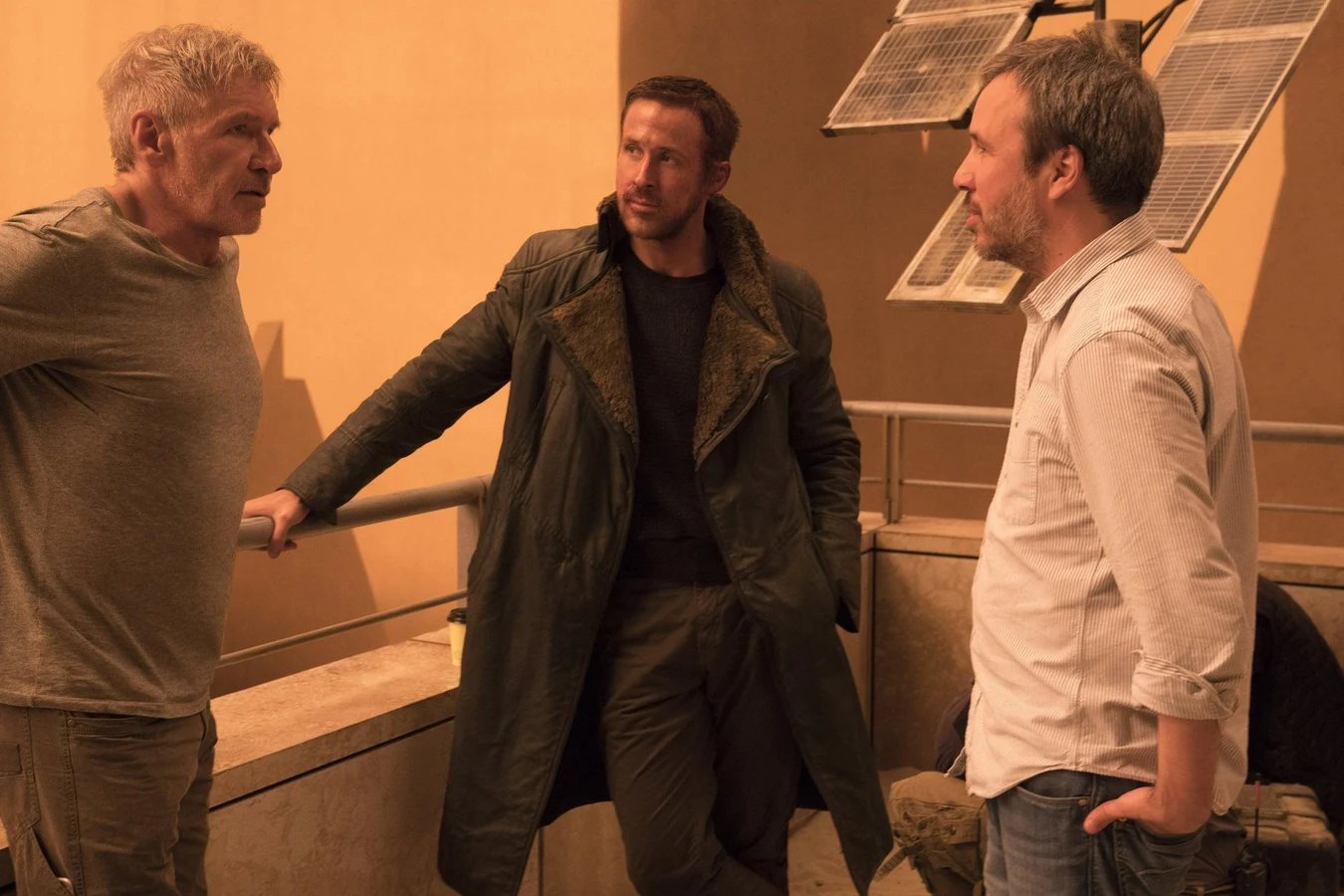
Ryan Gosling was the first and only actor seriously considered for K. When Denis Villeneuve joined the project he agreed Gosling was the right choice and later called him a muse on set. Production stills of Villeneuve directing Gosling and Harrison Ford on the orange Las Vegas balcony show that working bond. Gosling was present nearly every shooting day across the ninety-five-day schedule, even on days he was not called, walking the finished sets so K would react as if he had never known another world. He compared the work to archaeologists digging up a film they had loved as children and trying to remember it together.
In Tanya Lapointe's The Art and Soul of Blade Runner 2049, Gosling described the burden of a life that rested on killing other replicants who valued life as he did. Ana de Armas described K and Joi's arrangement in the same book as a little paradise they both agreed to play, knowing it was not real. Hampton Fancher summed up K's arc as a technical handbook becoming a poem because of pain. The shearling coat was shaped with Gosling and the costume team to show how little else the character owned. Those production notes stay outside the story, yet they explain why the finished film feels so spare and heavy at once.
The baseline sequence used an unabridged alternate script Gosling delivered against lines drawn from Nabokov's Pale Fire, a book K also keeps in his apartment. Reviewers and the production noted Pinocchio echoes in a manufactured person who wants to be real, a theme Joi underlines when she calls him a real boy and names him Joe. Roger Deakins shot the sea-wall climax across cold night shoots with stunt doubles Adam Hart and Sylvia Hoeks's double working the heaviest water hits. Lapointe's art book records that Harrison Ford urged another take in the tank when Villeneuve hesitated for the actors' sake. The finished cuts keep that physical cost on Gosling's face through the snow on the steps.
Famous Quotes
- "I've never retired something that was born before."
- "To be born is to have a soul, I guess."
- "Within cells interlinked."
- "I have memories... but they're not real. They're just implants."
- "I feel strange sharing a childhood story, considering I was never a child."
- "Someone lived this, yes."
- "I know it's real."
- "I found the kid."
- "All the best memories are hers."
- "Who am I to you?"
- "Go meet your daughter."
Conclusion
Officer K begins Blade Runner 2049 as Wallace's obedient hunter and ends it as a man who gives his life for a family that was never his. The serial KD6-3.7, the name Joe, and the wooden horse memory mark the steps of that change. He is not the miracle child, yet his death lets Deckard and Ana meet. In a world that denies replicants a soul, his last choices argue that meaning can still be made.
Appearances
- Blade Runner 2049 (2017)
External Sources
Tag Categories: Blade Runner Lore | Blade Runner Characters | Blade Runner Detectives | Replicant Characters