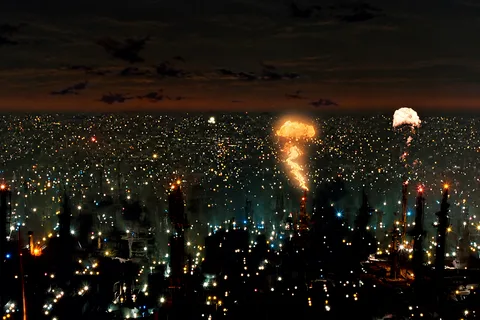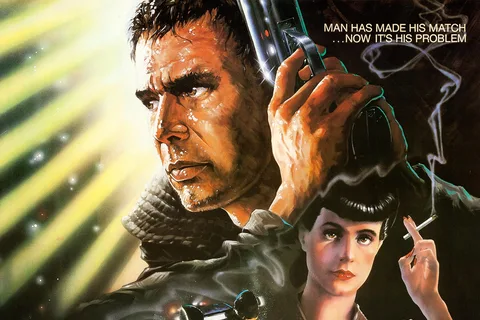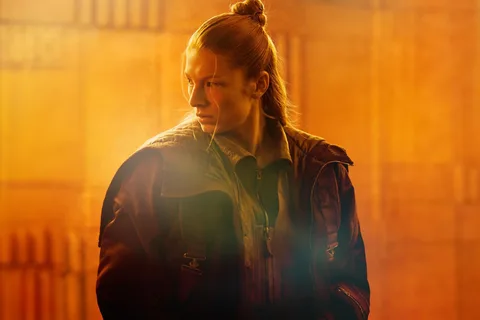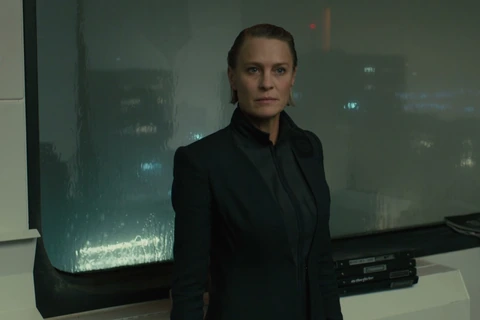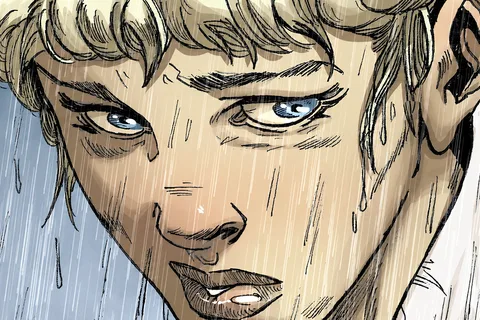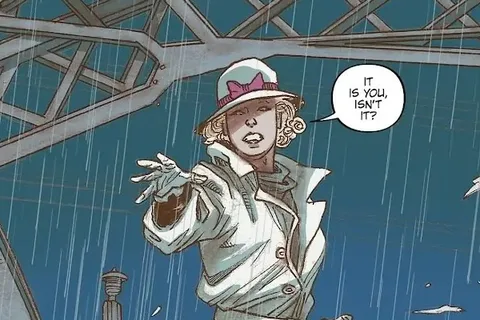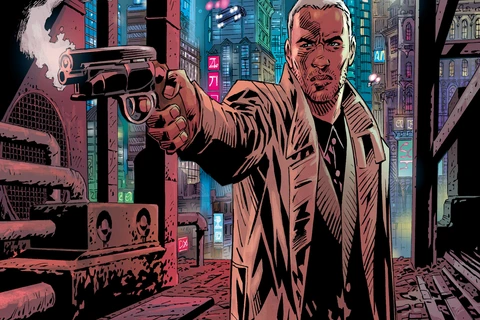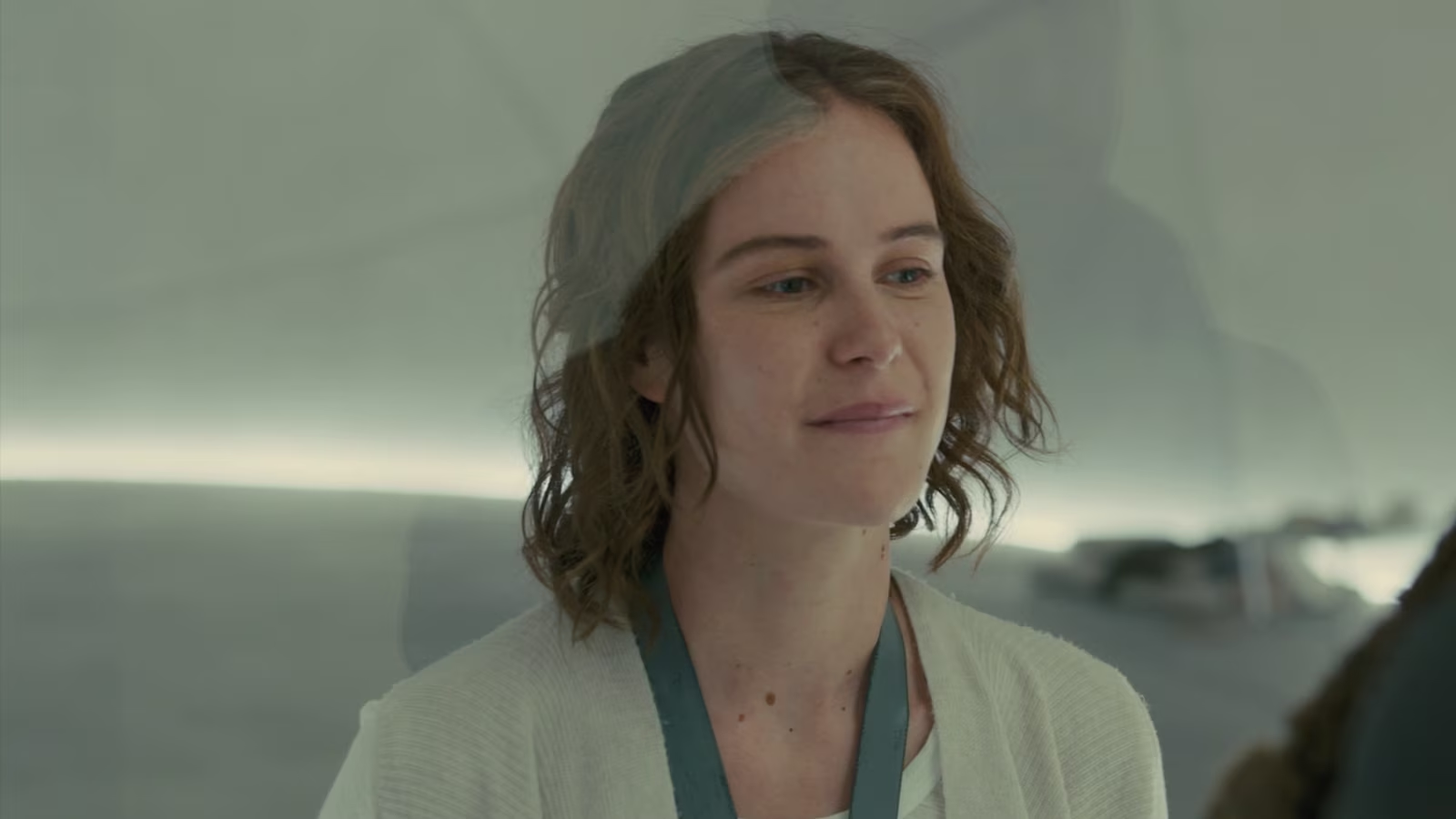

Dr. Ana Stelline was the daughter of Rick Deckard and Rachael, born rather than manufactured, in Denis Villeneuve's Blade Runner 2049. She survived a hidden childhood and became a designer of implanted memories for replicants, working from a sterile laboratory because of a compromised immune system. Officer K consulted her while searching for the child whose birth had been concealed for nearly three decades. The childhood experience he thought belonged to him was hers, and his investigation eventually brought her father to the glass barrier around her room.
Biography
Birth And Hidden Childhood
Ana was born on June 10, 2021, after her parents had fled Los Angeles. Rachael died in childbirth, and Sapper Morton, a former combat medic, helped deliver the baby by emergency caesarean. Freysa witnessed the birth and later recalled dressing the daughter in blue before she was taken away. Deckard had already separated from Rachael to protect her and their child, leaving others to arrange their safety. He did not raise Ana, and his decision kept him from knowing where she eventually lived or what name she used.
The Replicant Freedom Movement concealed her trail with false records. The files suggested that twins with identical DNA had been born, with the girl dying from a genetic disorder while the boy survived. Deckard had helped show the group how to scramble records and cover its tracks. Ana passed through the orphanage in the San Diego waste district, where children worked among discarded machinery. The false male identity later drew the search away from Ana, although the orphanage's missing records left gaps that could not be explained from its surviving register.
The Orphanage Memory
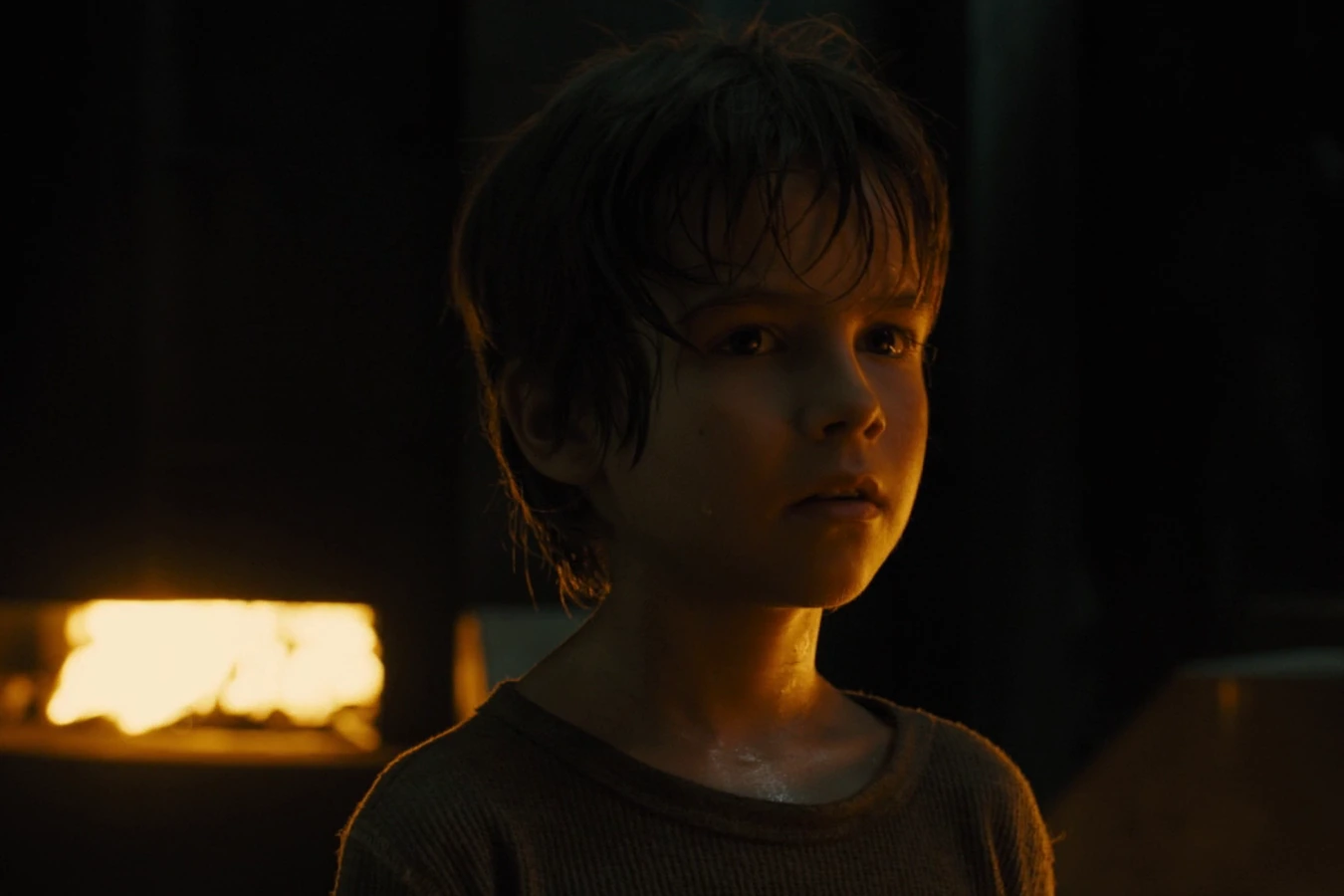
During her childhood, Ana treasured a small wooden horse. Other children chased her through the orphanage and wanted to take it, so she hid the toy in a dark furnace before they caught her. She endured the beating without surrendering its hiding place. The memory later existed inside K as an implanted childhood experience, making the fear and attachment feel like part of his own history. When he returned to the orphanage as an adult, he recognized the route and recovered the horse from the place where she had left it.
The real horse made an apparently artificial childhood seem physically verifiable. K had already found the birth date carved into the wood and connected it with the investigation at Morton's farm. After he recovered the toy, he needed someone who could distinguish a designed memory from an actual event. That inquiry led him to its original owner without his realizing who she was. Ana's experience had been given to him as a memory implant, but the film did not explain how that particular recollection had reached his manufactured mind.
Immune Disorder And The Sterile Dome
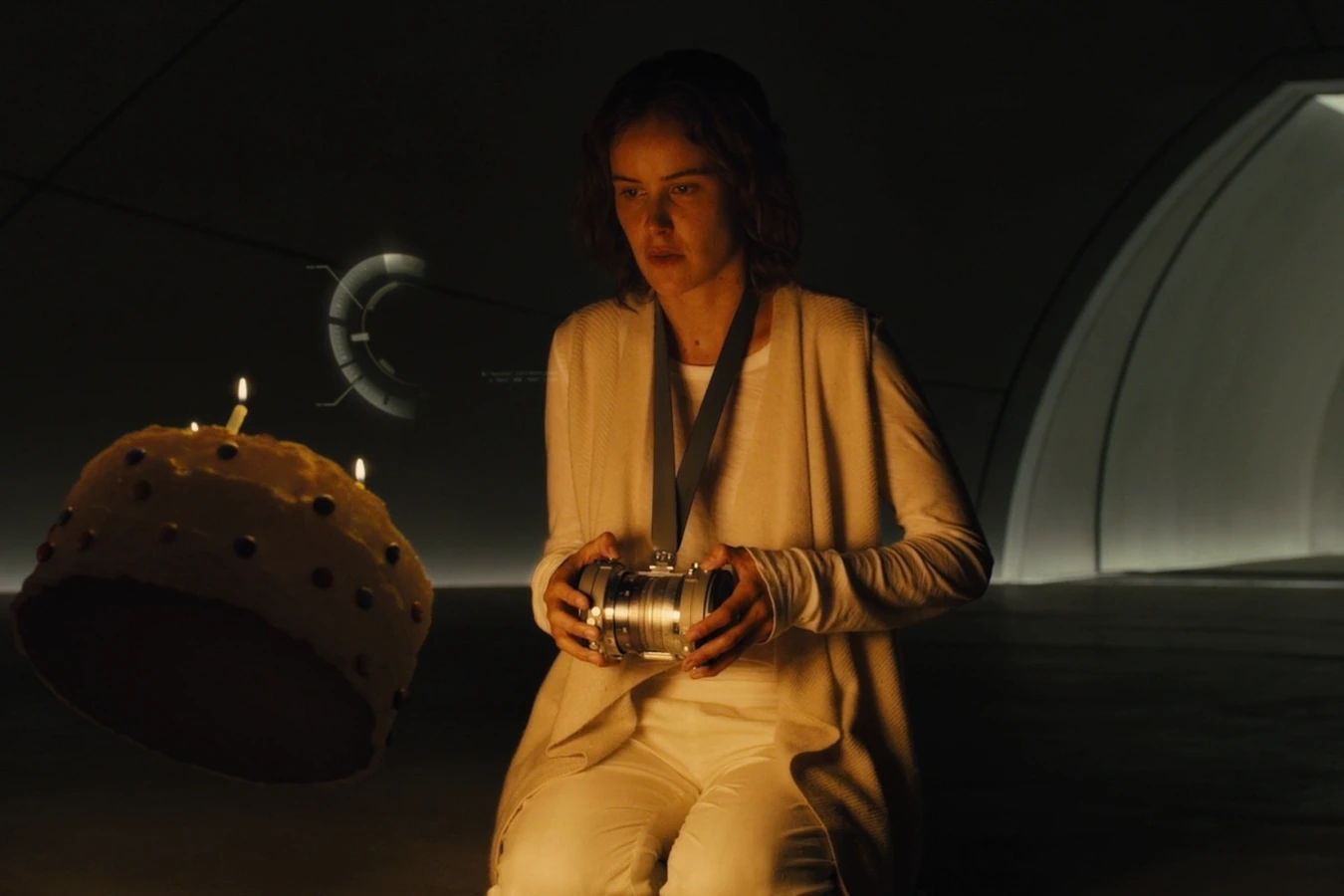
According to the account she gave K, Ana had been confined to a sterile chamber at eight because her immune system was compromised. Her parents had obtained passes for a new life off-world, but she became sick and could not accompany them. The room had been supplied with things intended to keep her happy, yet it could not provide the company she missed. She remembered being accustomed to crowds before that separation. By 2049, visitors spoke to her through glass rather than entering the protected space in which she lived and worked.
The enclosure limited physical contact without preventing Ana from building an independent career. She could receive a visitor, operate her equipment and surround herself with constructed landscapes while remaining apart from the outside world. Her explanation described illness as the reason for this arrangement. The film did not establish that the disorder was fabricated, even though her isolation also helped keep the hidden daughter out of public view. K accepted her account during their conversation, and she treated the chamber as a long-standing restriction rather than a temporary medical precaution.
Memory Designer For Wallace
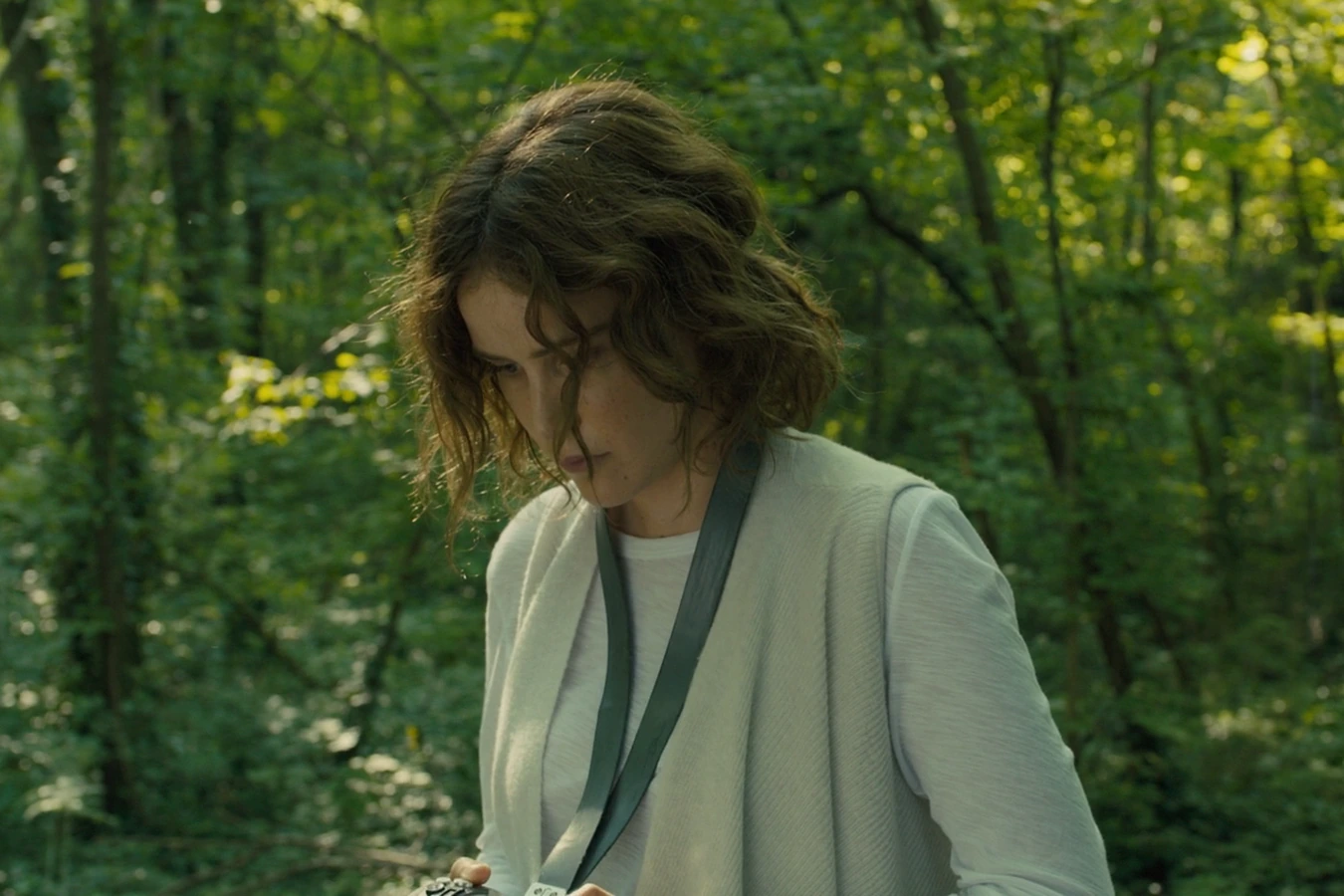
By 2049, Ana supplied memories to Niander Wallace's replicant business as a subcontractor. He had offered to buy her out, but she kept the independence available to her instead of becoming wholly absorbed into his company. Her work gave manufactured adults the impression of a childhood and helped stabilize their emotional responses. She explained that she could not improve the futures awaiting replicants, who performed work others avoided, but she could give them pleasant memories. The kindness she described also served a commercial system that needed dependable products.
Using a handheld control, Ana shaped imagined environments and adjusted the people within them. She worked on a children's birthday party while listening to K's questions, and she admitted that she loved such celebrations. When he praised the authenticity of her work, she explained that memory depended on feelings rather than a perfect accumulation of detail. Wallace needed her ability to make these invented experiences feel emotionally convincing. She also said that using actual memories was illegal, a rule that made the presence of her orphanage experience inside K especially significant.
Meeting K
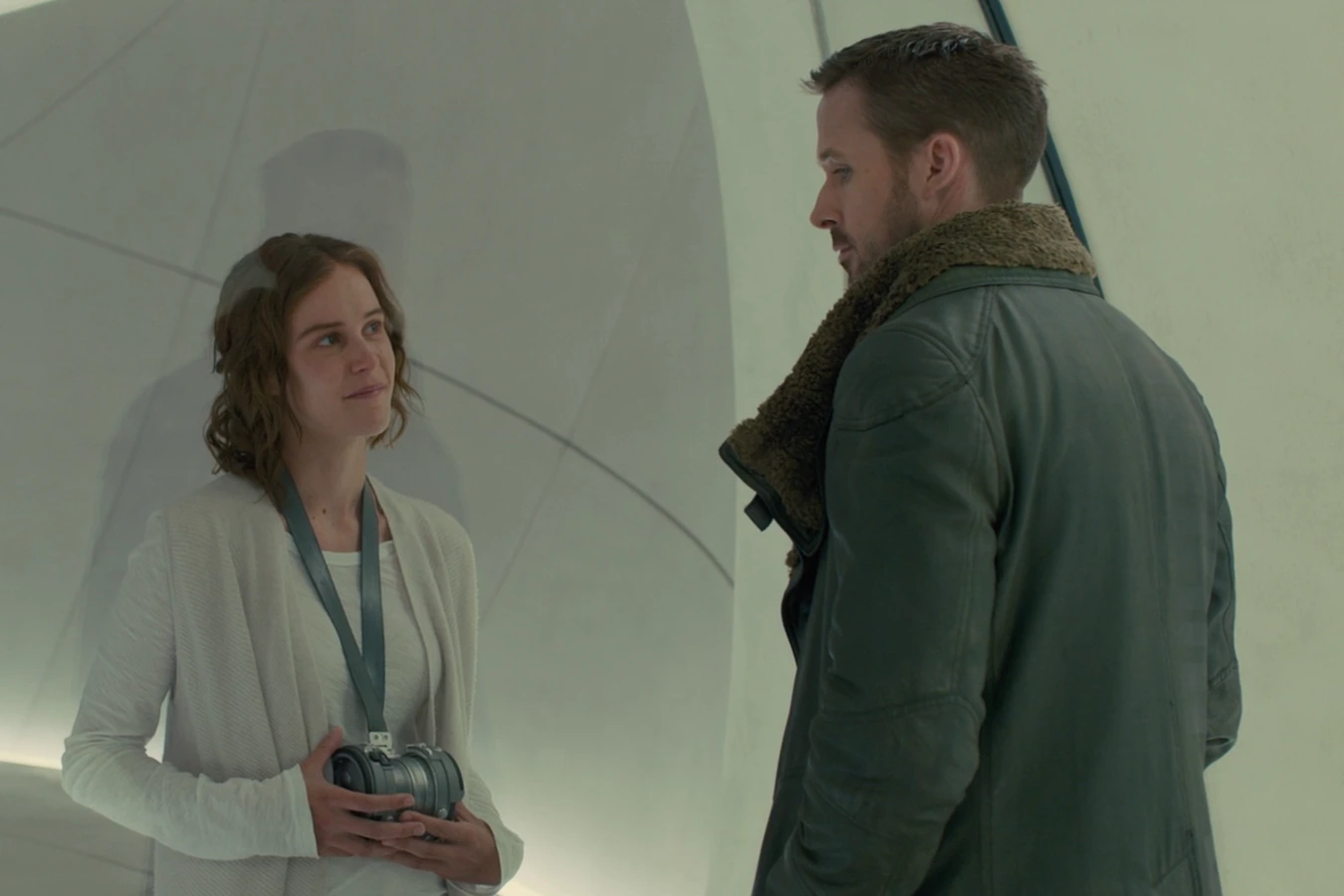
K arrived at the laboratory while investigating the child born to Rachael. His superior, Lieutenant Joshi, wanted that child erased, while Wallace's enforcer Luv pursued the same secret for her employer. Ana welcomed the unusual request for assistance and continued working as they talked. He asked whether she could tell if a remembered event had really happened, then used the laboratory's viewing equipment to present the orphanage experience. Ana watched the recollection of the horse and furnace, recognizing something that belonged to her own past.
Tears formed as Ana confirmed that someone had lived the event and that it had happened. She did not tell K that it was her memory, nor did she identify him as Rachael's child. K nevertheless took her confirmation as evidence that his own childhood had been real. He left the encounter shaken and later failed his police baseline test. Only after Freysa told him that Rachael had borne a daughter did he put the pieces together and understand why the memory designer had responded with such personal emotion.
Reunion With Deckard
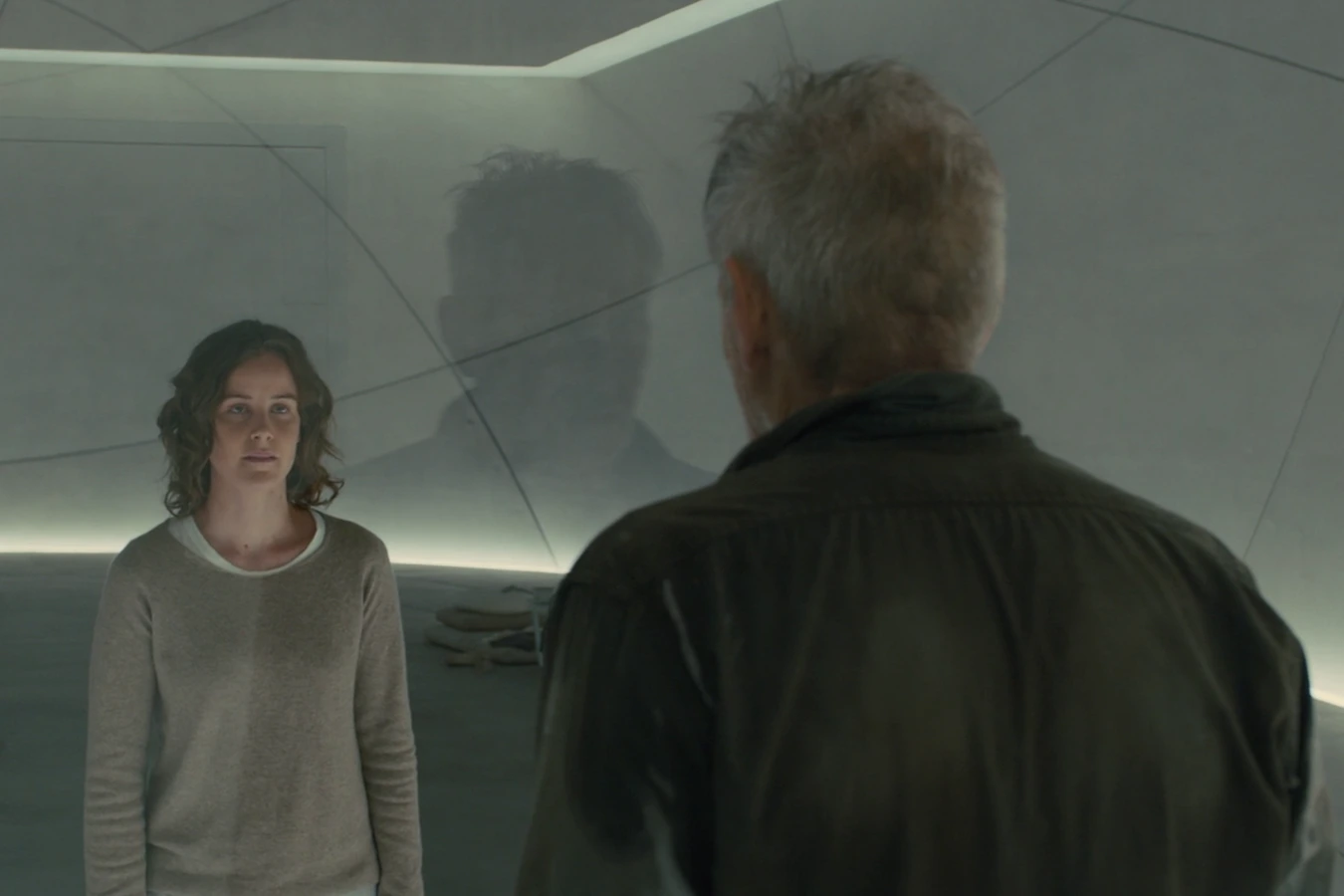
After learning the child's identity, K rescued Deckard from Luv and brought him to the laboratory. He told Deckard to treat his apparent death in the attack as protection and encouraged him to meet his daughter. The wooden horse passed into Deckard's hands as the connection between the orphanage memory and the hidden child became clear. Ana remained inside the chamber, surrounded by artificial falling snow. She had not taken part in the fight or the rescue that made this visit possible, and K stayed outside the building.
Deckard entered the visitor area and saw his daughter through the glass for the first time. Ana approached him, still separated from physical contact by the barrier that enclosed her daily life. He raised his hand to the glass while she spoke about the beauty of the snow. The film ended without showing a conversation about her parents, the false records or the movement that had concealed her. Their meeting established that she had survived and that her father had finally found her, without resolving what their relationship would become afterward.
Personality
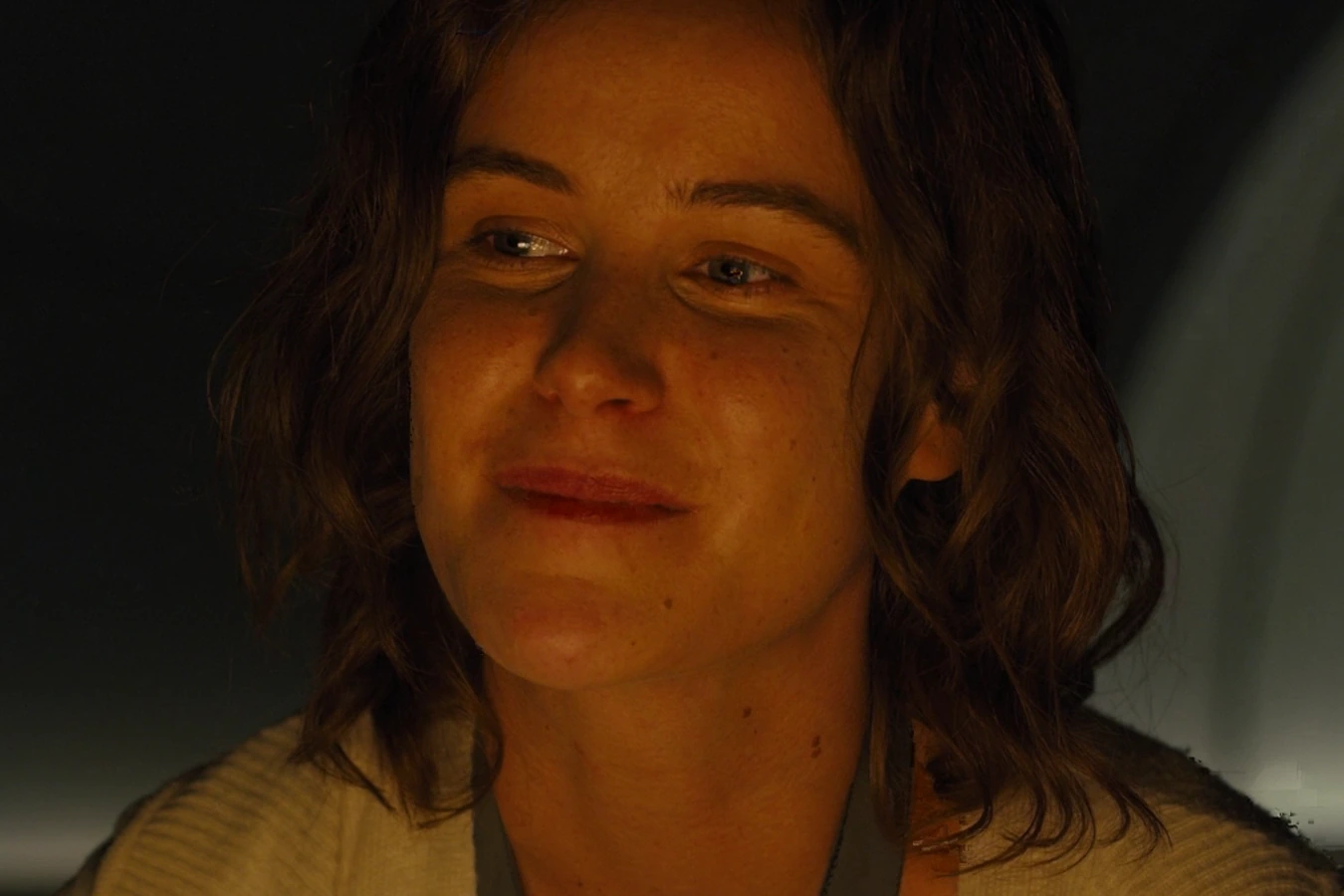
Ana showed warmth toward a visitor whose work normally placed him outside human sympathy. She welcomed K's request for help, listened while continuing her designs and described good memories as something kind she could give replicants. Her affection for birthday parties contrasted with the solitary life she described behind glass. She also valued her independence enough to refuse Wallace's offer to buy her out. These choices gave her an identity beyond the secret of her birth, as a skilled professional who still cared about the experiences her work created for others.
Her response to the orphanage memory revealed feelings that her controlled surroundings had not erased. Ana could discuss the technical difference between an invention and a lived experience, yet she became tearful when confronted with her own childhood. She allowed K to know that the event was real without explaining its personal meaning to her. The film left her knowledge of the larger concealment uncertain. It showed neither a confession that she understood her parentage nor evidence that she had deliberately sent him on his mistaken search for a special identity.
Behind The Scenes
Carla Juri portrayed Dr. Ana Stelline in Denis Villeneuve's Blade Runner 2049, released in 2017. The character's scenes placed Juri behind the laboratory glass opposite Ryan Gosling as K and, at the conclusion, Harrison Ford as Deckard. Her performance connected the apparently routine memory consultation with the later discovery of the child's identity. The same encounter therefore carried two meanings, first as an expert confirming K's evidence and later as a woman recognizing an experience from her own childhood that he had mistaken for his.
The birthday memory was created with live children filmed against bluescreen rather than entirely animated figures. Visual effects supervisor John Nelson described a five-camera arrangement that allowed the team to adjust the children's movement independently of the main camera. BUF handled the effects, including the ability to freeze, reverse and advance individual actions. Villeneuve selected restrained changes for the finished scene. That method let Ana appear to control the timing of a remembered celebration while preserving the ordinary gestures and expressions that made the gathering feel like a plausible childhood event.
Conclusion
Ana Stelline survived the death of her mother, a concealed childhood and years of isolation to become the artist behind other people's remembered lives. Her birth gave the replicant freedom movement evidence that its people could reproduce, while her talent supplied the company that exploited them. The memory of a wooden horse linked those two parts of her history and led K toward the truth. His final choice brought her father to the laboratory, leaving her alive and reunited with him when the film's account of her life ended.
Appearances
- Blade Runner 2049 (2017)
Tag Categories: Blade Runner Lore | Blade Runner Characters | Replicant Designers