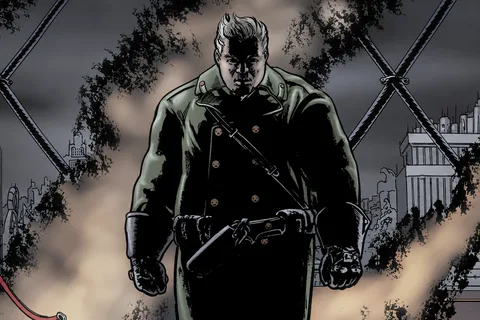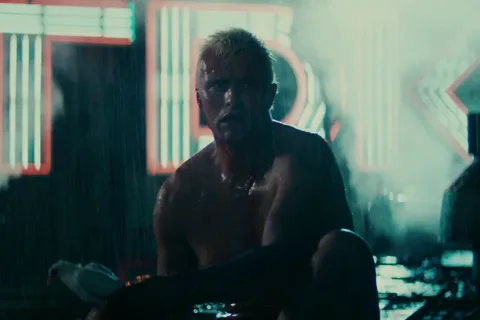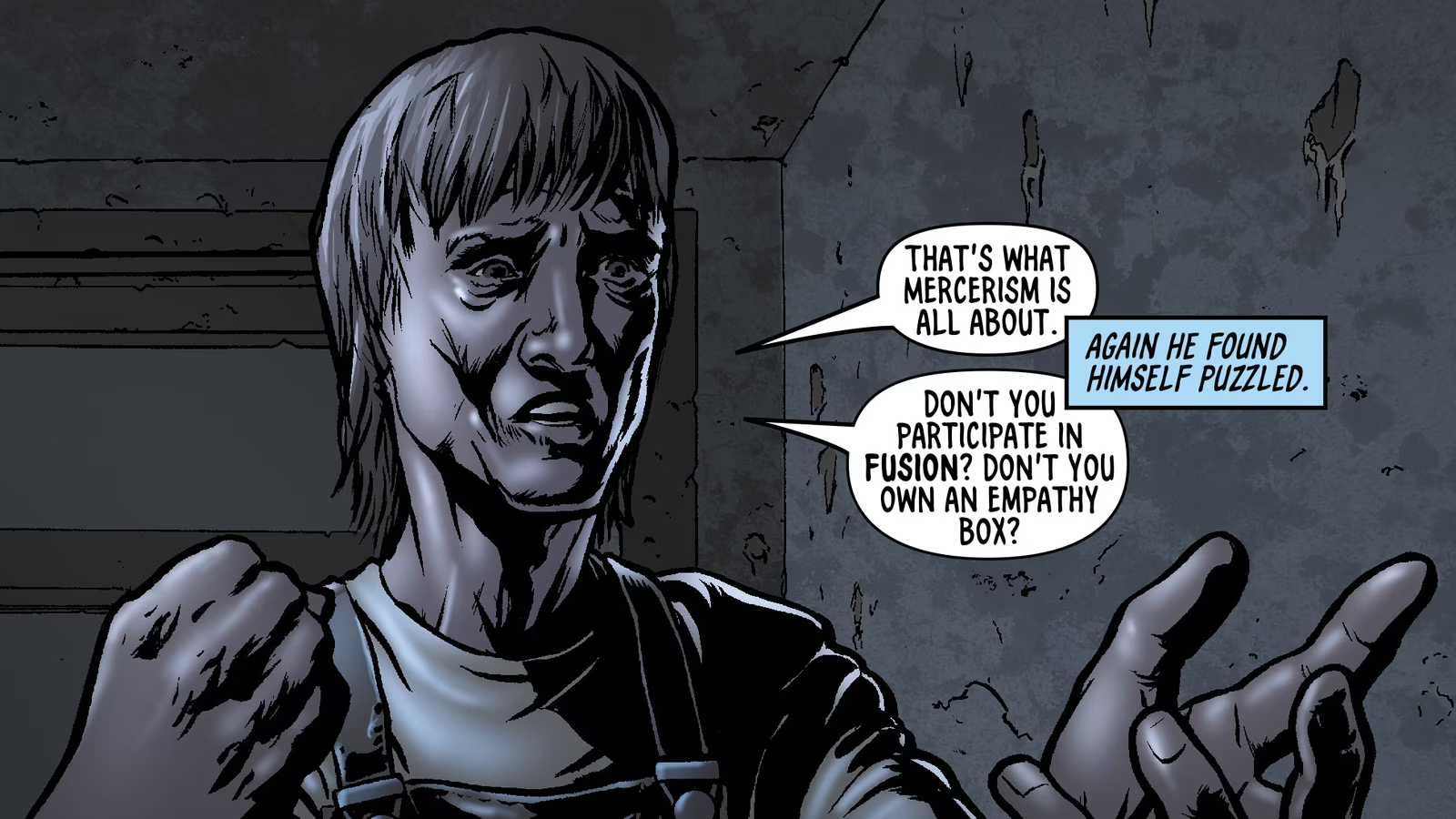

John R. Isidore was a human pet hospital driver who sheltered fugitive androids in Philip K. Dick's Do Androids Dream of Electric Sheep?. Radiation damage left him classified as a special and unable to emigrate from Earth, where he lived alone in a decaying apartment building near San Francisco. He welcomed Pris Stratton and the Batys despite learning that they were androids, then refused to help Rick Deckard find them. K. W. Jeter reintroduced a different version of Isidore as a Los Angeles hospital proprietor who helped escaped replicants assume human identities.
Biography
Earlier Life And Isolation
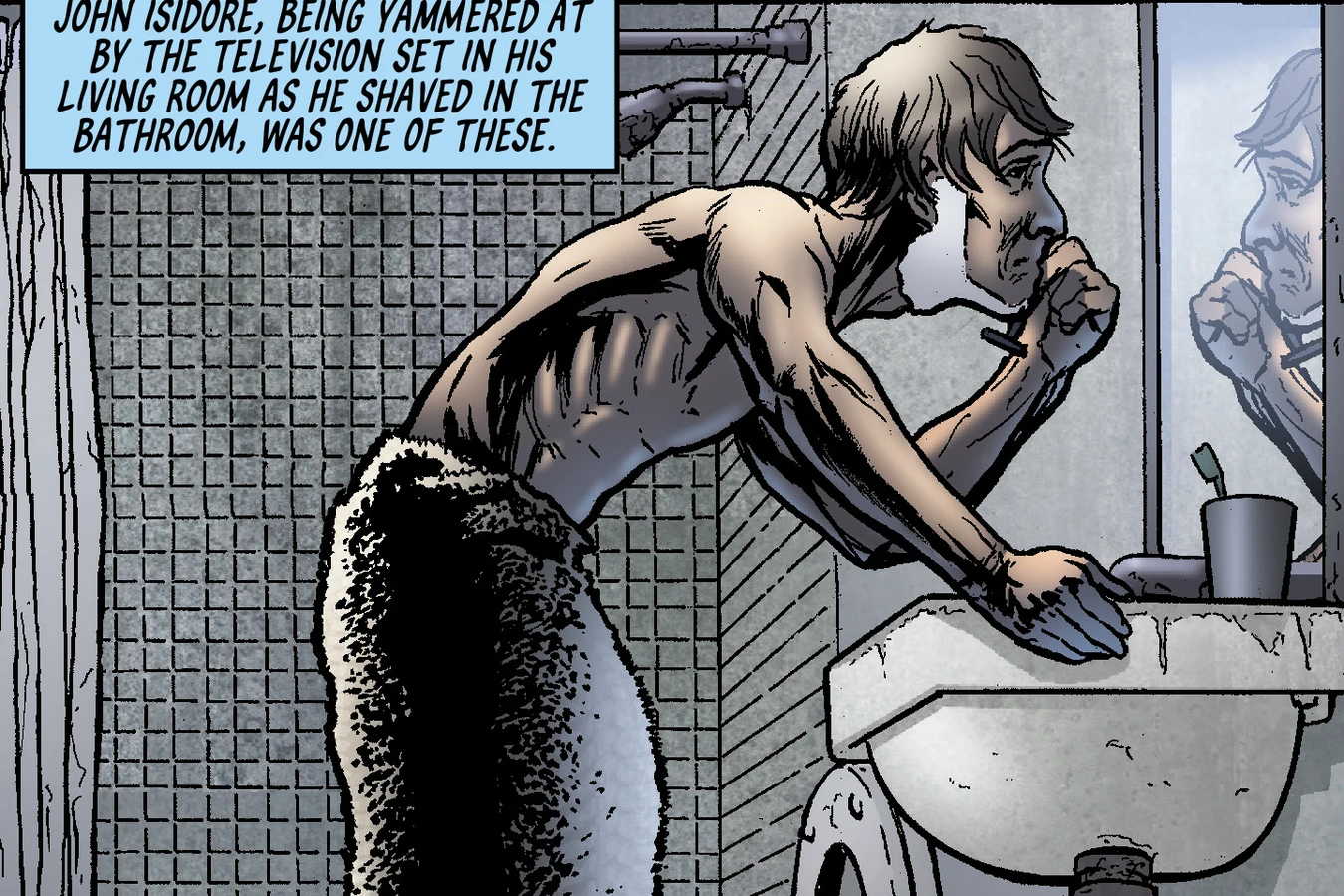
John R. Isidore settled on the peninsula south of San Francisco after World War Terminus. Radioactive dust eventually reached the area, and the other residents of his enormous apartment building died or emigrated. Exposure damaged his health and intellectual abilities, and he failed the mental assessment that determined whether a person could leave Earth. Classified as a special and subjected to the derogatory label chickenhead, he was barred from emigration and marriage. He remained in the deserted building while its abandoned apartments filled with dust and decaying possessions.
Isidore maintained his own apartment amid the accumulating Kipple, his term for useless objects that multiplied wherever people ceased resisting disorder. The silence elsewhere in the building disturbed him, and television and radio supplied much of his daily company. He also practised Mercerism, using an empathy box to share Wilbur Mercer's struggle up a barren hillside with other participants. During one experience a thrown stone injured his arm, leaving a wound after he released the handles. His participation gave him contact with others despite the restrictions imposed on specials.
Meeting Pris Stratton
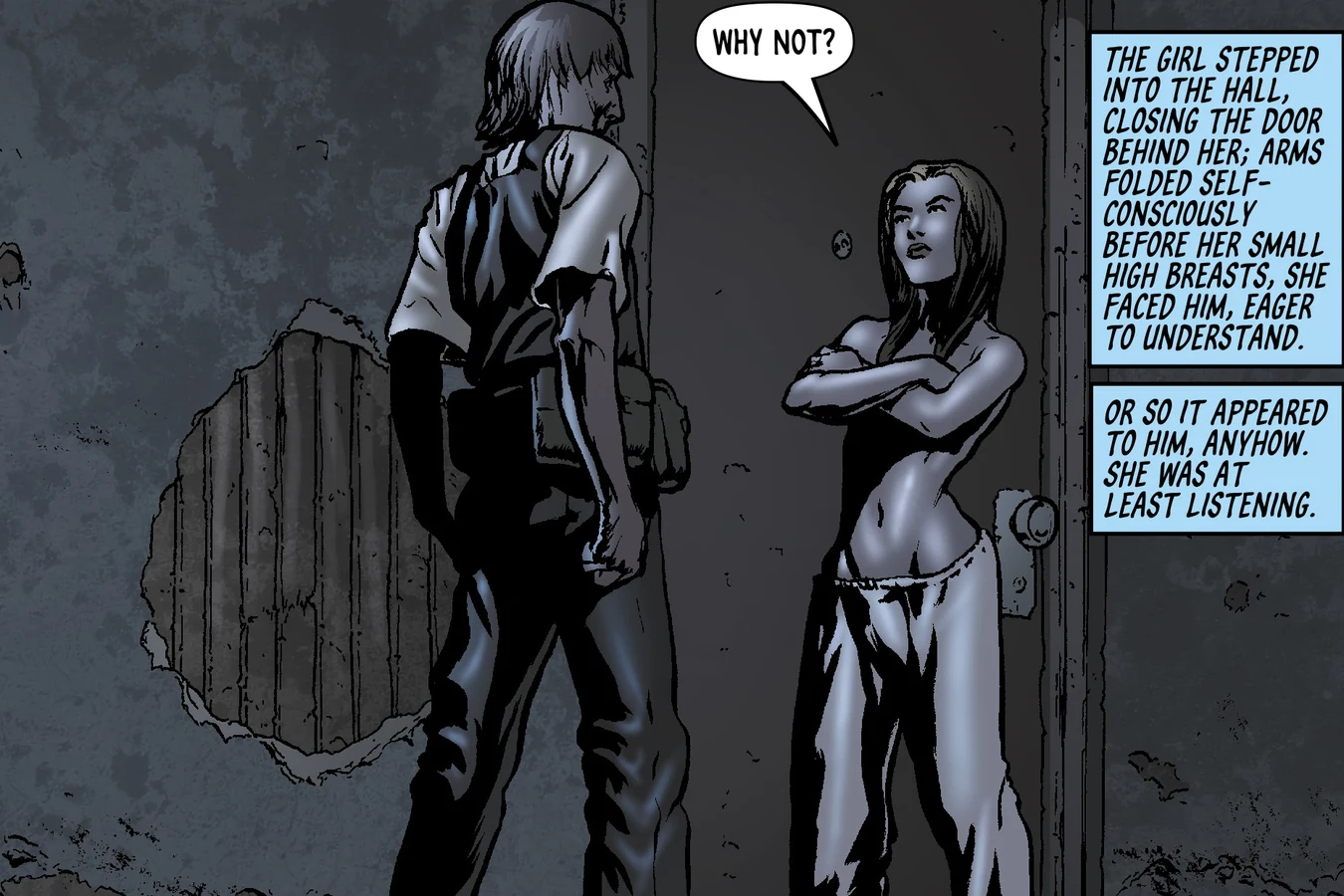
Isidore heard Buster Friendly's television programme coming from a neighbouring apartment and took a cube of margarine downstairs as a welcoming gift. The new tenant, Pris Stratton, initially feared the interruption and opened her door only after he introduced himself. He offered to help her unpack and find usable furniture in the empty apartments, explaining why their neglected contents had deteriorated. Her willingness to enter those rooms alone surprised him, since his own attempt had discouraged him from exploring the building.
Pris's unfamiliarity with ordinary customs puzzled Isidore, particularly her lack of knowledge about Buster Friendly and her apparent indifference to the empathy box. He revealed his classification while explaining that Mercer accepted people like him, then tried to minimise the severity of his impairment when he noticed her reaction. She briefly identified herself as Rachael Rosen before changing the name to Pris Stratton. Although her dismissiveness upset him, she accepted his offer to help furnish the apartment, and he hoped that their acquaintance would develop into companionship.
Work At The Pet Hospital
Isidore worked as a collection and delivery driver for Van Ness Pet Hospital, a business that repaired artificial animals under the appearance of a veterinary practice. Its proprietor, Hannibal Sloat, employed the technician Milt Borogrove to service the creatures brought in by their owners. Isidore travelled between customers in the firm's vehicle, wearing a white uniform and carrying animals in protective cages. The arrangement concealed the nature of the business from casual observers in a society where owning a living animal carried considerable prestige.
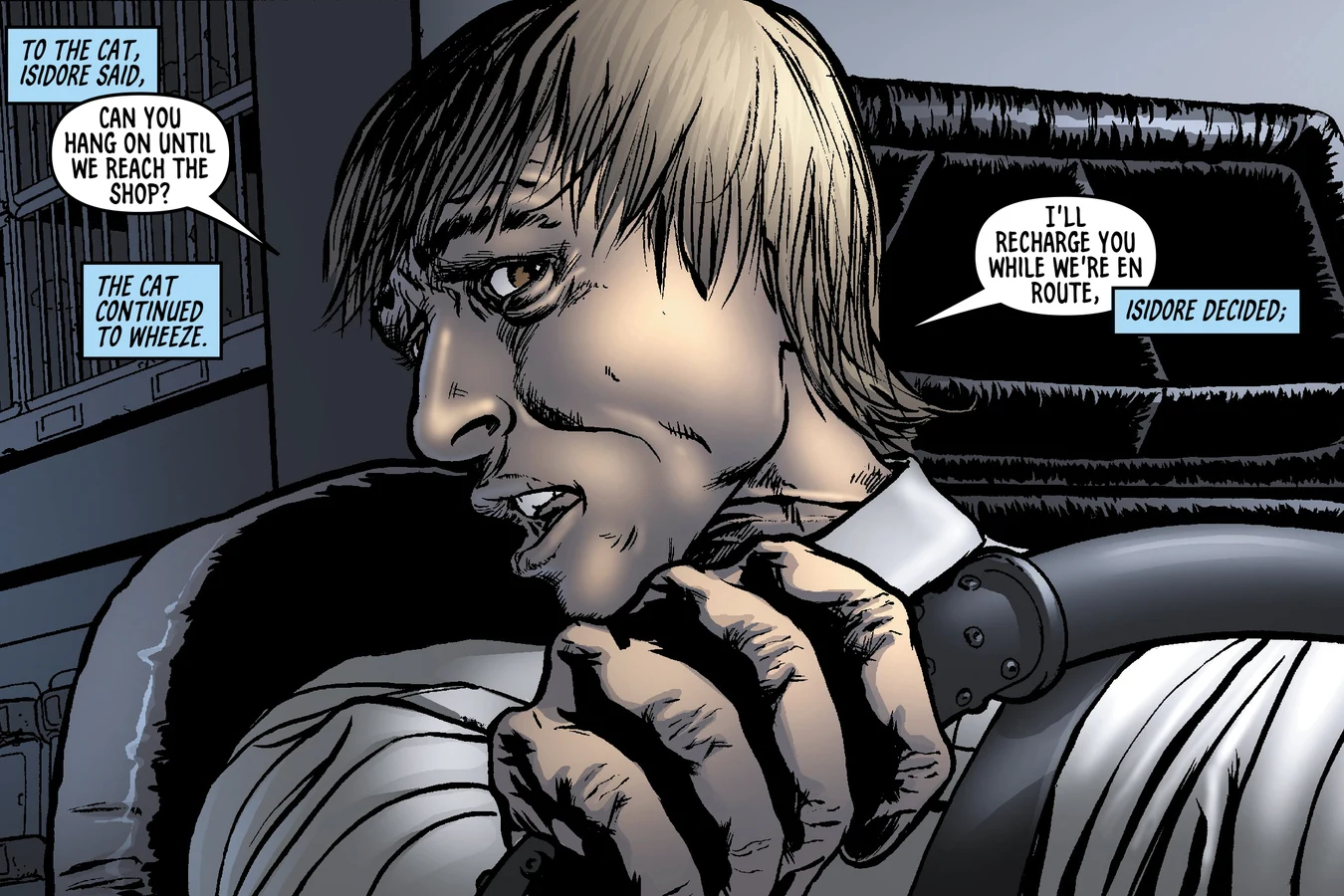
On one collection, Isidore received an ailing cat whose breathing sounded painfully real. Believing that its simulated illness resulted from electrical failure, he landed the vehicle and searched its fur for charging terminals and a control panel. He could find neither and considered disconnecting a battery cable to prevent further damage. The cat stopped breathing before he reached the hospital. Even while convinced that he was handling an artificial creature, he had found its distress difficult to bear and questioned whether he could continue doing such work.
Horace's Death
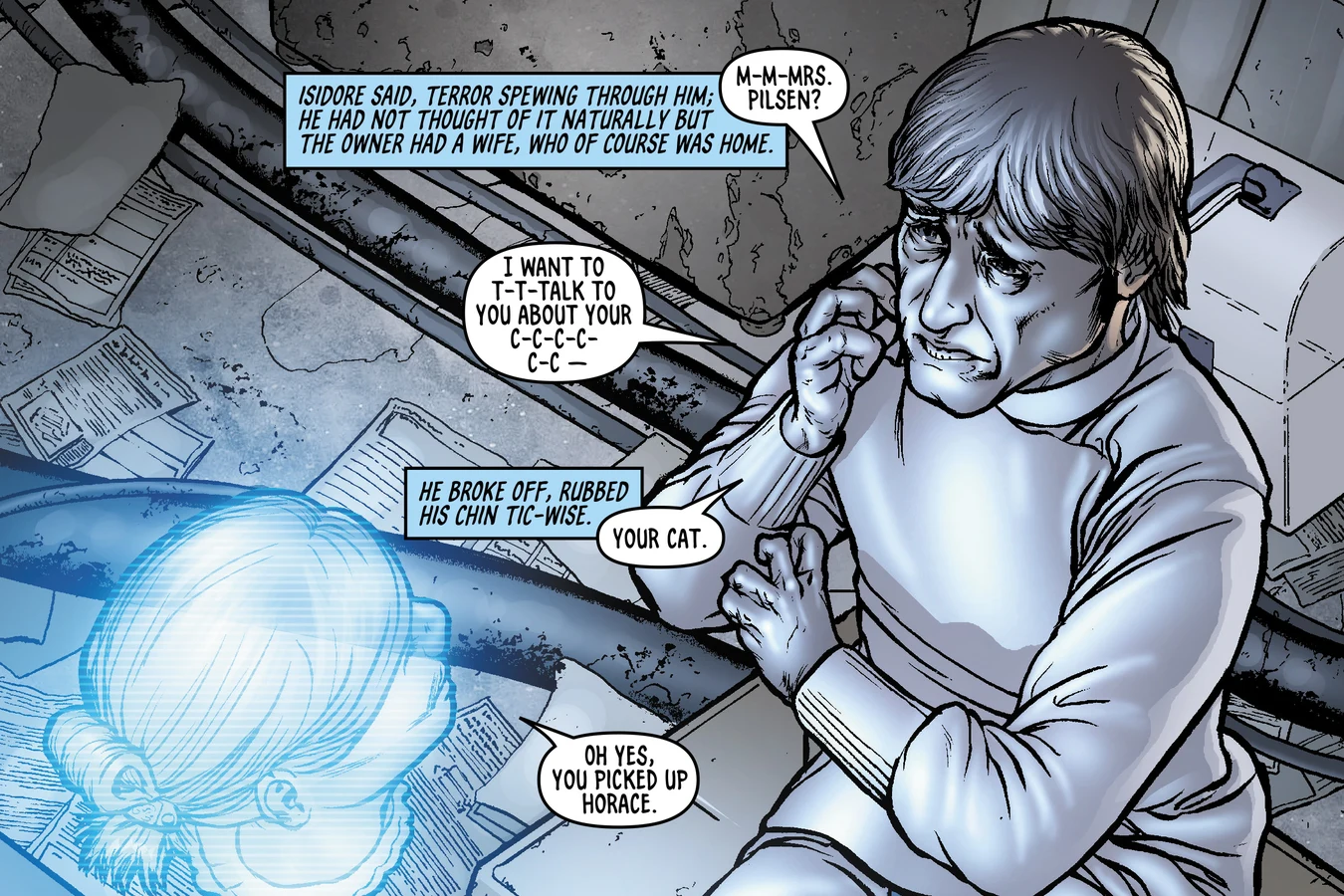
At the hospital, Sloat discovered that Horace was a living cat rather than a damaged imitation. Isidore's mistake provoked an angry response, although Milt argued that the advanced illness might have killed the animal regardless of the delay. Sloat insisted that Isidore telephone the owner himself, threatening dismissal despite his fear of using the videophone. Isidore objected to being called a chickenhead and pointed out that the dust had affected his employer too. He made the call expecting the owner to be absent, but reached Mrs. Pilsen instead.
Isidore told Mrs. Pilsen that Horace had died and offered a replacement, then suggested commissioning an exact artificial duplicate when she explained her attachment to the original cat. Milt took over the conversation, and Mrs. Pilsen eventually chose the replica to spare her husband the news of Horace's death. Sloat acknowledged that Isidore had handled the difficult exchange reasonably well and assigned him the follow-up discussion with Wheelright & Carpenter. The experience gave Isidore confidence, and he left work feeling more capable than he had earlier that day.
Dinner With Pris
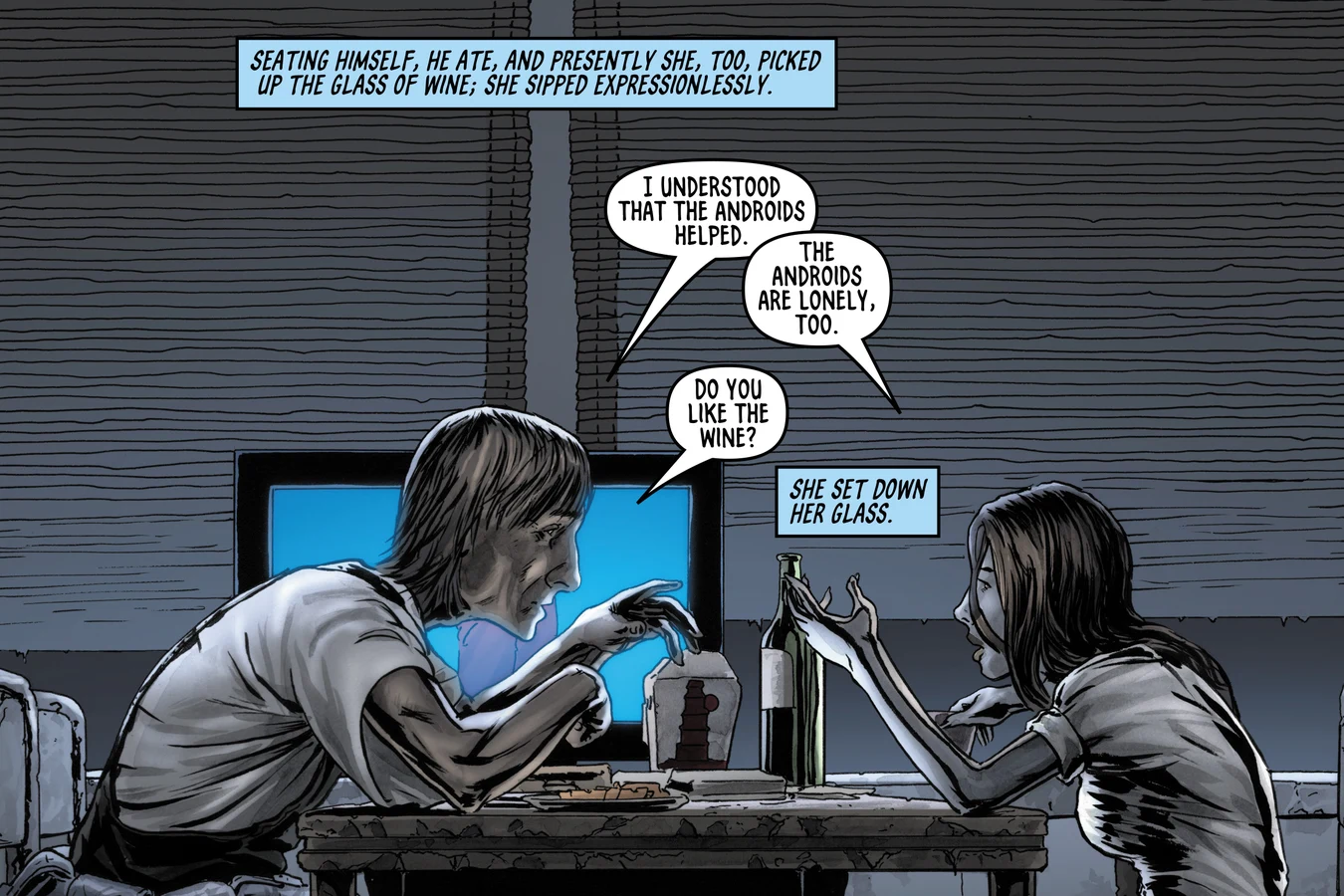
On his way home, Isidore bought rare natural food with Two Weeks' Salary borrowed in advance from Sloat. He also retrieved a bottle of Chablis that he had stored in a bank safety deposit box, saving it for the possibility of meeting a woman. He brought the food and wine to Pris, prepared the meal himself and listened as she described friends being pursued by bounty hunters. Unfamiliar with sanctioned android retirement, he doubted that such killings could occur under the ethical principles he associated with Mercerism.
Isidore offered to obtain a weapon and take leave from work to protect Pris. While they ate, she described the loneliness of Mars and the old science-fiction stories that colonists read to imagine better worlds. He expressed interest in finding some of those stories for himself and listened without recognising the full implications of her account. Their evening was interrupted by Roy Baty and Irmgard Baty, whose arrival delighted Pris. Following her written instructions, Isidore answered the door and admitted the couple.
Sheltering The Fugitives
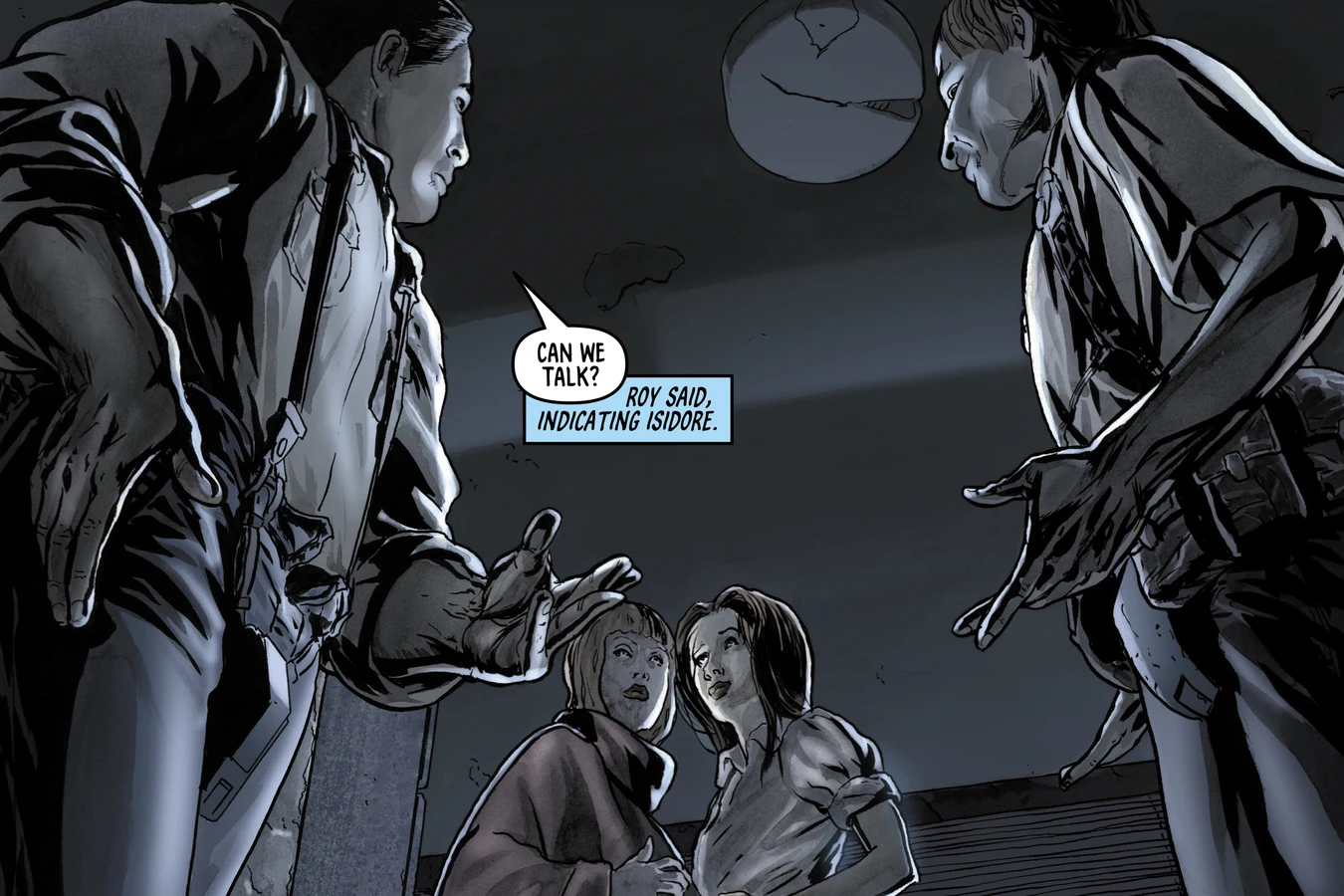
The Batys reported that the other fugitives had been killed, including Luba Luft, and proposed hiding together in the building. Isidore questioned whether gathering in one place was safe, but offered Pris his apartment and promised to protect all three. Irmgard defended him when Pris disparaged his intelligence and thanked him for helping them. Roy Baty installed a listening device and an alarm that could project overwhelming panic at an intruder. He treated the possibility of frightening Isidore as an acceptable consequence of the arrangement.
Roy's explanation of the alarm allowed Isidore to recognise that his guests were androids. The discovery did not change his offer of shelter: he compared their exclusion from Earth with his own inability to emigrate and admired their intelligence. Pris moved upstairs, and he offered to obtain reading material while they waited. The androids discussed whether to trust him, with Irmgard arguing that he valued their friendship too much to betray them. Isidore transferred Pris's belongings and television, aware that they might be exploiting him but unwilling to lose their company.
The Spider And Mercer
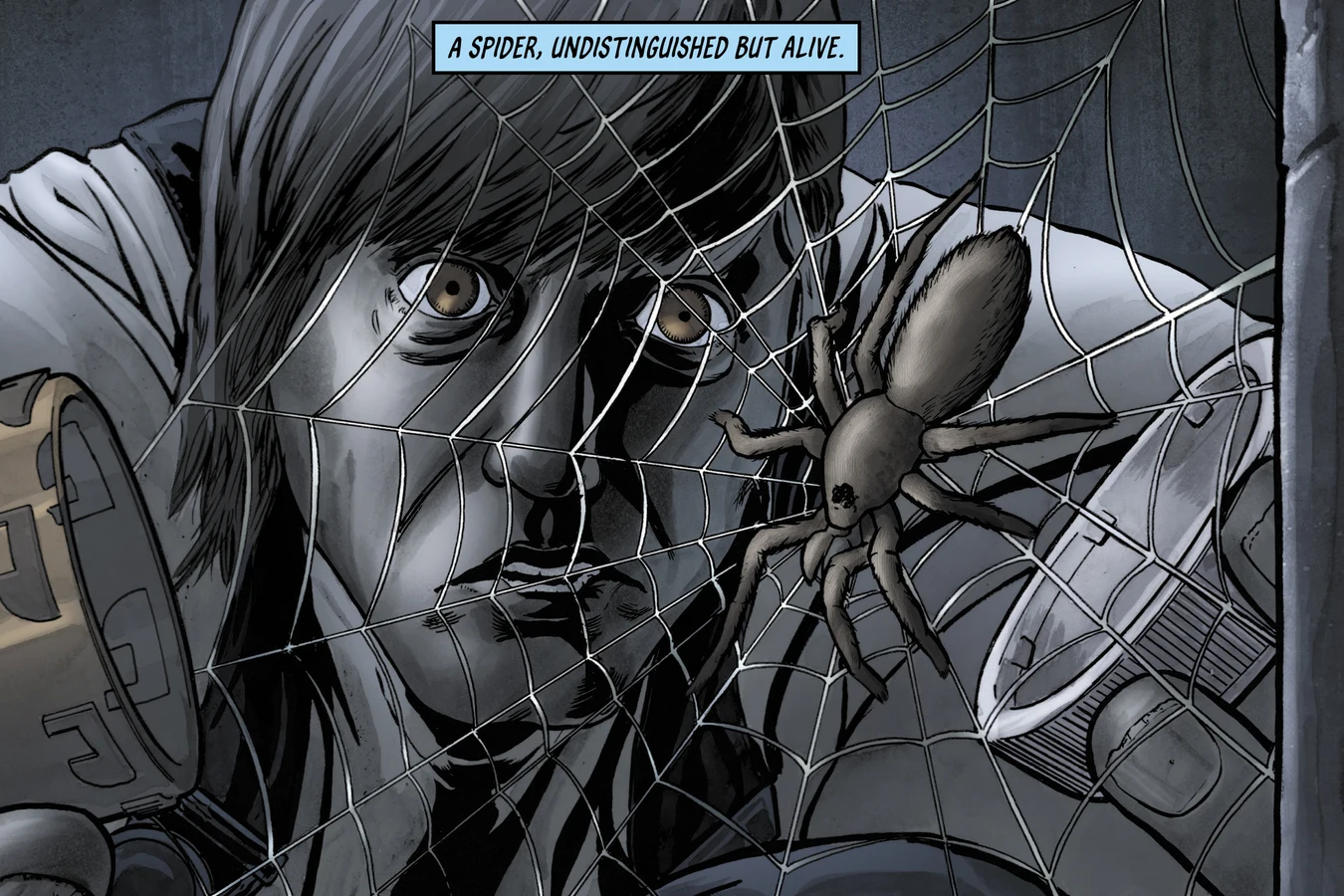
While carrying Pris's possessions upstairs, Isidore discovered a living Spider on the steps and caught it in a medicine bottle. He brought it to the apartment as the androids watched Buster Friendly's promised expose of Mercerism. Pris examined its eight legs and questioned whether it needed so many, then used Irmgard's scissors to remove them despite Isidore's pleas. The others showed curiosity about the creature's ability to move after the injuries. When Pris continued mutilating it, Isidore pushed her aside and drowned the spider in the sink.
The spider's death coincided with Buster's announcement that Wilbur Mercer was an actor filmed on an artificial landscape. Overwhelmed, Isidore experienced the apartment breaking down around him and found himself in Mercer's desolate tomb world. Mercer acknowledged the facts of the broadcast but told him that their shared experience had not ended. He returned the spider with its missing legs restored. When the androids' alarm interrupted the encounter, Isidore discovered himself holding the empathy box's handles; afterward, he carried a living spider outside and released it among the weeds.
Deckard's Arrival
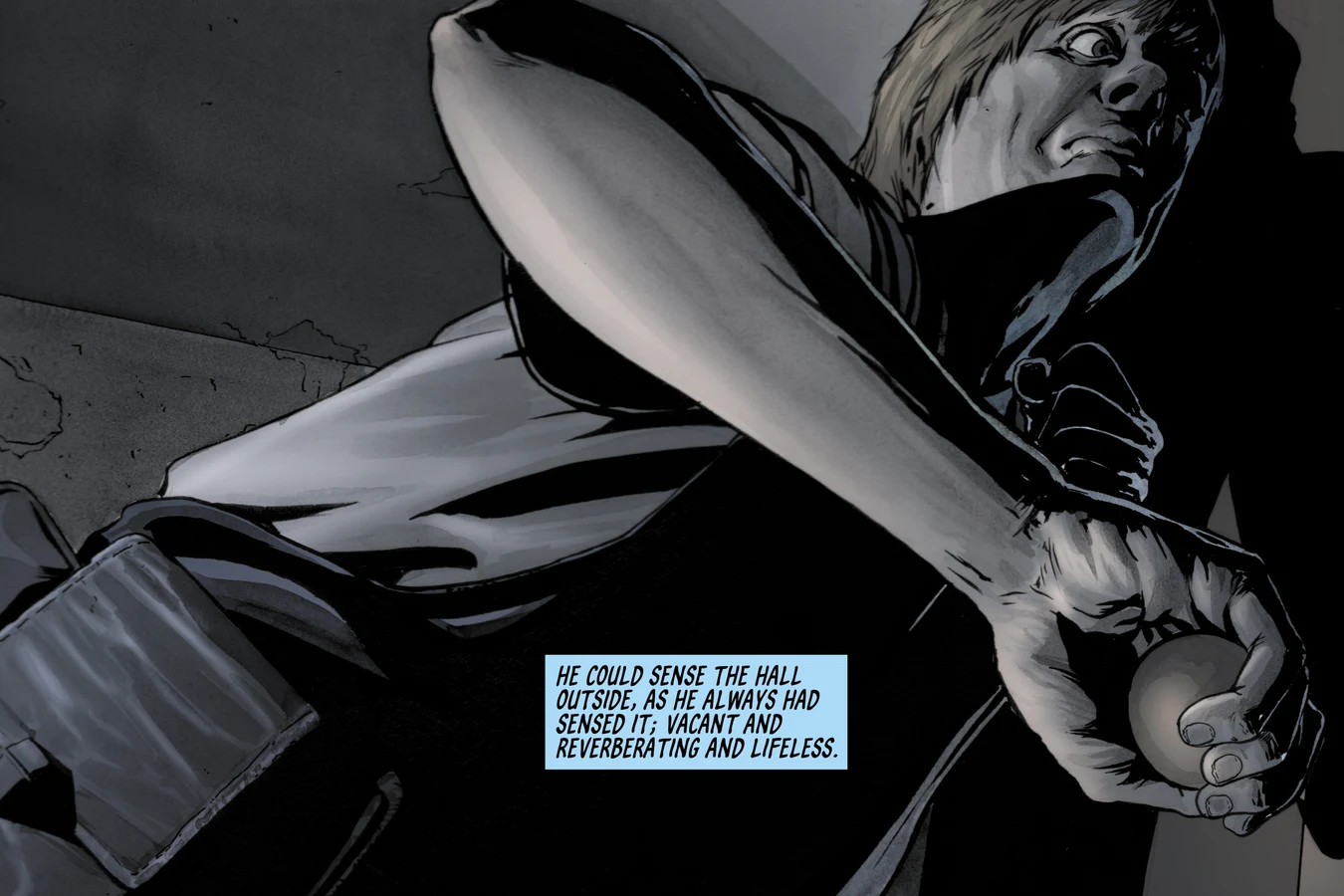
The alarm prompted the androids to extinguish the lights and send Isidore to the door. They instructed him to identify the apartment as his own, deny that anyone else was there and demand a warrant. He went into the corridor and then outside to release the spider, where he encountered Rick Deckard. The bounty hunter identified himself and asked about the three fugitives. Isidore acknowledged that he was looking after them, but refused to identify their floor or lead Deckard to the apartment.
Isidore warned Deckard that killing the androids would prevent him from sharing Mercer's experience again. Deckard abandoned the interrogation and searched the building with detection equipment. After killing Pris on the stairs, he approached the Batys' hiding place and imitated Isidore's stammer, referring to his employment at the pet hospital to encourage them to open the door. The deception brought him into contact with the remaining fugitives, whom he killed during the confrontation. Isidore did not assist the search or withdraw his protection after learning what the guests were.
Leaving The Building
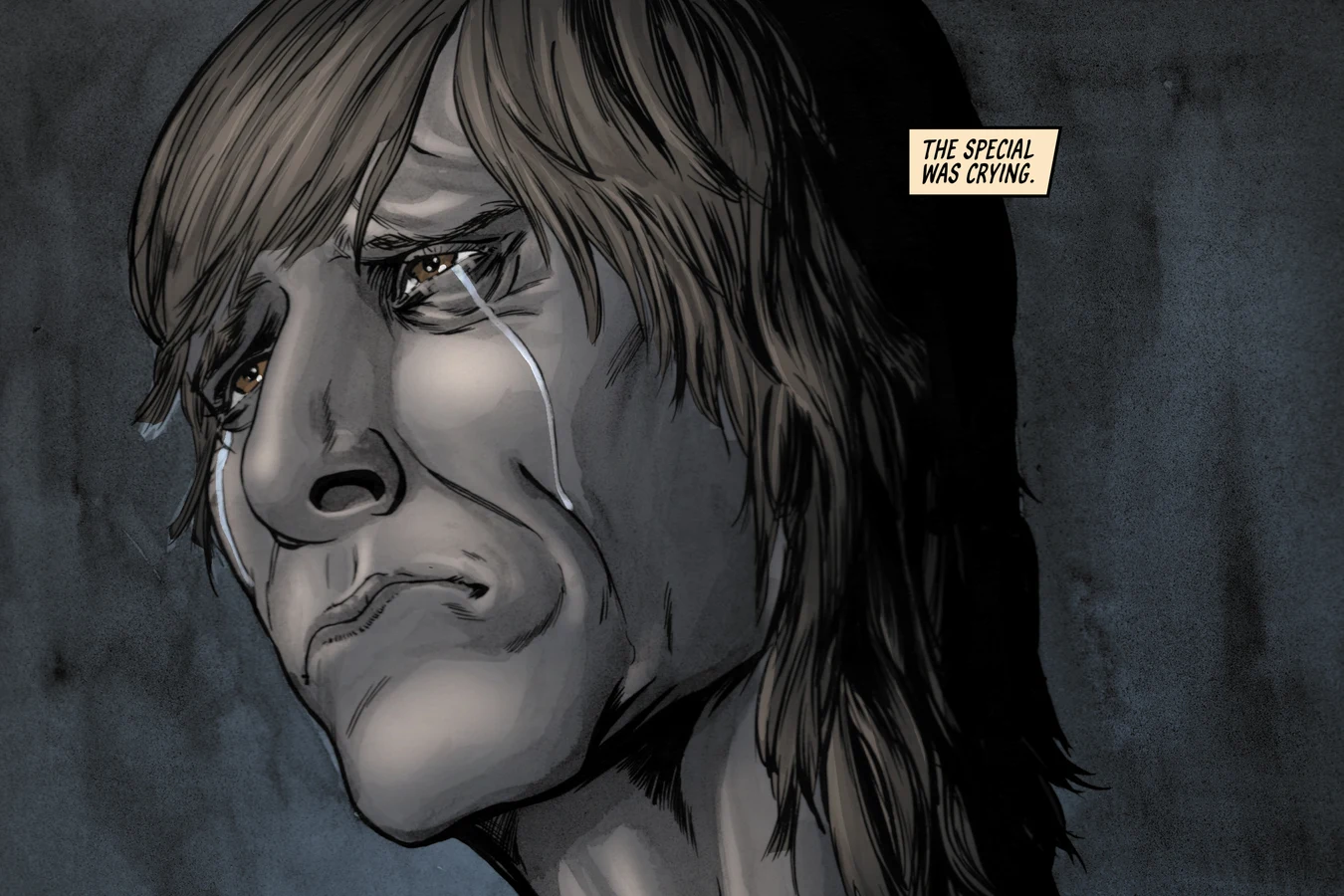
Isidore found Pris dead on the stairs and returned to the apartment in tears. Deckard advised him to avoid the bodies while the police cleared the rooms and suggested using another apartment temporarily. Isidore instead announced that he would leave the building and move farther into town, where he could live among more people. When Deckard mentioned a possible vacancy in his own building, Isidore rejected the offer because he did not want to live near him. He survived the encounter but lost the companions whose arrival had ended his isolation.
K. W. Jeter Continuity
The Van Nuys Pet Hospital
In K. W. Jeter's Blade Runner 2: The Edge of Human, Isidore operated the Van Nuys Pet Hospital in Los Angeles after inheriting the business from Hannibal Sloat. The hospital also served as the final stop in an escape network for replicants returning from the colonies. Isidore altered involuntary responses, including pupil movements and blushing, so that his patients could pass the Voigt-Kampff test. He also implanted new memories, enabling escaped replicants to believe themselves human and removing knowledge that might expose them.
Sarah Tyrell arranged for Deckard to meet Isidore, who challenged the bounty hunter's confidence in identifying replicants and described humans killed after false test results. He also presented postmortem evidence that Pris had been human, an allegation belonging to Jeter's version of events. Isidore warned that Deckard could face prosecution and refused to provide a hiding place that would endanger the hospital's other responsibilities. Throughout their conversation he cared for a mechanical cat whose exposed framework did not diminish his affection for it.
Death At The Hospital
Andersson, a Tyrell security agent working for Sarah, returned to the hospital with orders to kill Isidore. Recognising what was about to happen, Isidore asked to leave his office and stand among the animals in the central corridor. He put his mechanical cat down so that it would not be struck, and Andersson shot him from behind. Isidore had anticipated an attack and implanted a device near his heart that activated when he died, opening the cages, kennels and exits to release the animals.
The hospital's living and artificial animals fled into the streets, while several remained close to Isidore as he died. His mechanical cat returned to his face, and he attempted to reassure the creatures gathered around him. The killing ended his personal work at the hospital but did not eliminate the records of the replicants he had helped. Those records became important in Jeter's next novel, where other participants in the escape network tried to recover the identities and memories concealed by his treatment.
The Replicant Records
Blade Runner 3: Replicant Night revealed the importance of Isidore's Records, an encrypted collection of the escaped replicants' original identities, replacement identities and implanted memory triggers. The information was carried in a briefcase containing the downloaded consciousness of the human Roy Batty. According to Batty, sympathisers intended to use it to awaken disguised replicants on Earth to their origins and connect them with the colonial rebellion. The explanation established that Isidore had operated within a wider support network rather than as a solitary benefactor.
The records included individual Anamnetic Triggers, phrases capable of overcoming the artificial identities and restoring awareness of a replicant's past. Their value therefore went beyond locating the people who had passed through the hospital: they offered a means of contacting individuals who did not know that they had been disguised. Isidore had encrypted the information, and the briefcase linked access to Deckard. His work consequently affected the struggle between the authorities and the replicant insurgency after his death, despite the destruction of his hospital operation.
Personality & Traits
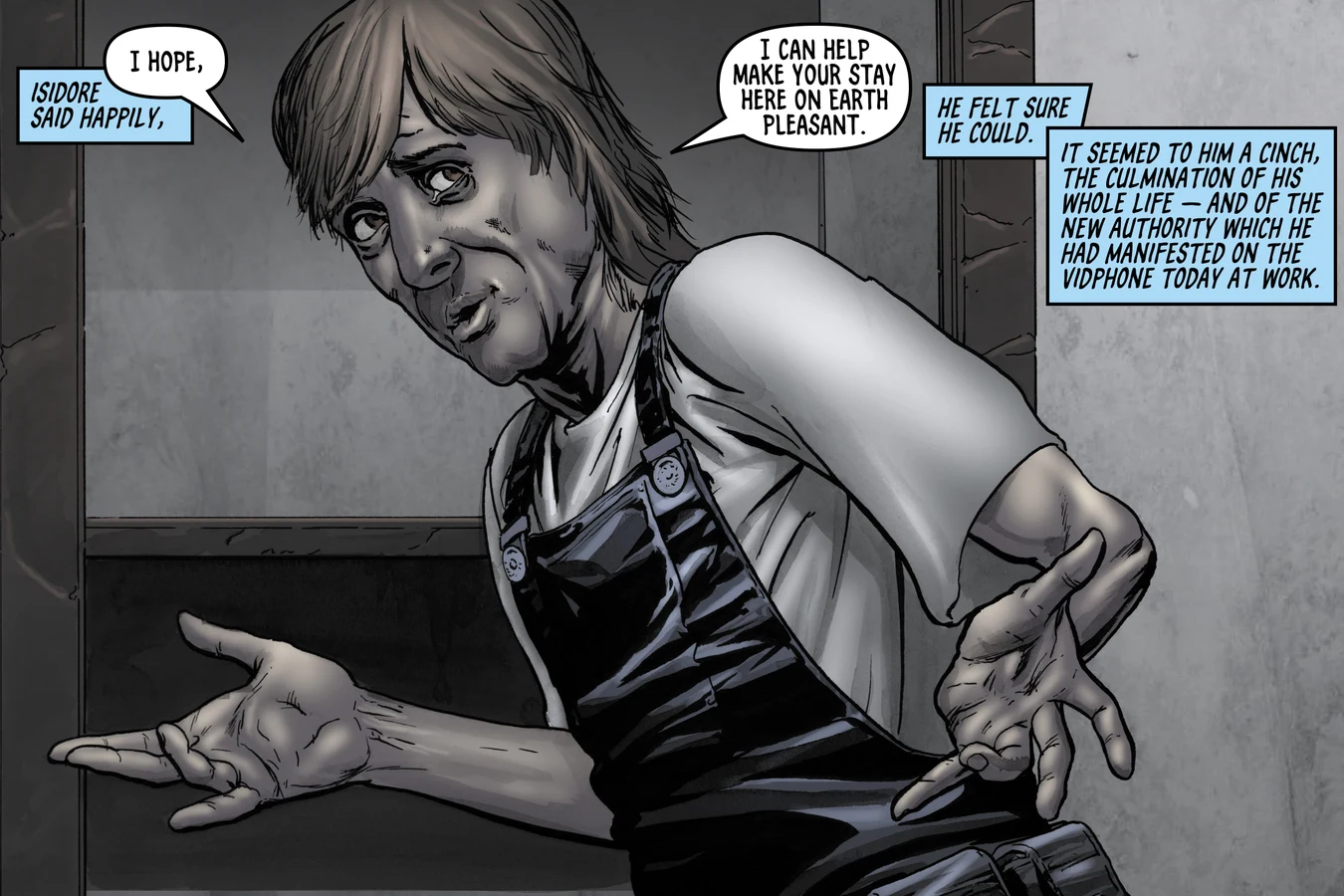
Isidore was gentle, anxious and eager for companionship. His concern for suffering extended to artificial animals, whose simulated illnesses distressed him even when he believed their bodies were mechanical. He valued living creatures without judging their usefulness or price, and the androids' treatment of the spider horrified him. Mercerism gave him a way to share other people's experiences and affirmed his inclusion in a community that otherwise discriminated against specials. He resented the chickenhead label and objected when Sloat used it, although his stammer and lack of confidence often made confrontation difficult.
Loneliness made Isidore vulnerable to people who accepted his help without returning his affection. He recognised that the fugitives were exploiting him, but valued their presence and admired abilities that he believed superior to his own. His willingness to trust them did not make him incapable of independent judgement: he questioned the safety of their plans and refused to guide Deckard to their hiding place. At work, encouragement helped him manage a conversation he had feared. Jeter's version retained his affection for artificial creatures while becoming more assertive, technically accomplished and openly critical of blade runners.
Behind The Scenes
Philip K. Dick introduced Isidore in the 1968 novel as a second principal viewpoint alongside Deckard. His intellectual classification restricted his place in human society, while his concern for animals and the android fugitives connected him to the novel's treatment of empathy. BOOM! Studios' comic adaptation, published from 2009 to 2011, illustrated the same story, including his employment, friendship with Pris and experience with the spider. The images of the younger, long-haired Isidore accompanied that adaptation rather than Jeter's hospital proprietor.
J. F. Sebastian was loosely based on Isidore in Ridley Scott's Blade Runner. Both men were isolated and unable to leave Earth, and both offered shelter to Pris, but Sebastian became a genetic designer with an ageing disorder rather than a radiation-impaired driver. Jeter subsequently included both Sebastian and Isidore as separate people in his sequel continuity. His Los Angeles Isidore inherited Sloat's business and acquired technical expertise absent from Dick's account; the Van Nuys hospital, his death and his encrypted records should therefore be distinguished from the original Van Ness driver's history.
Conclusion
John Isidore offered the fugitives company and protection despite their dismissive treatment of him. Their cruelty to the spider devastated him, but he refused to identify their hiding place when Deckard arrived. After their deaths, he chose to leave his isolated building and seek human neighbours. Jeter's version pursued a similar commitment through a different life, modifying escaped replicants to protect them from detection and releasing the hospital's animals as he died. Both versions treated artificial creatures as deserving care, although their circumstances and final fates differed.
Appearances
- Do Androids Dream of Electric Sheep? (1968)
- Blade Runner 2: The Edge of Human (1995)
- Blade Runner 3: Replicant Night (1996, mentioned)
- Do Androids Dream of Electric Sheep? (BOOM! Studios comic, 2009-2011)
Tag Categories: Blade Runner Lore | Blade Runner Characters