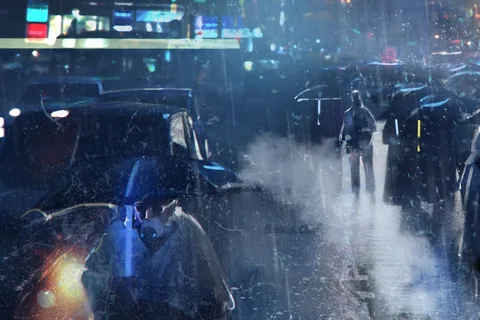
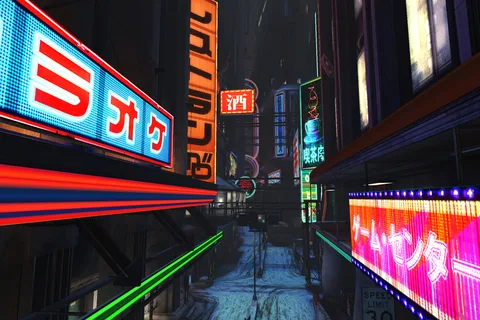
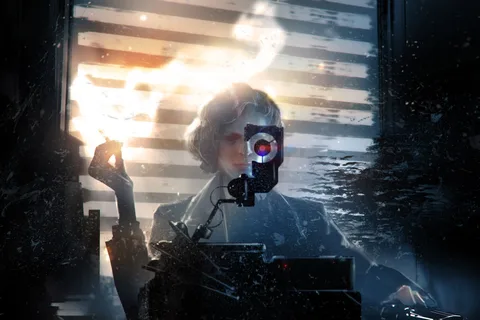
Replicant Rebellion is the 2026 hardcover campaign expansion for Blade Runner: The Roleplaying Game from Free League Publishing. Written by Joe LeFavi and co-written and edited by Tomas Härenstam, the book flips the perspective of the core rulebook from LAPD detectives to cells inside the Replicant Underground. Set across Los Angeles in 2037, it lets groups play humans, fugitive Nexus-8s, and Nexus-9s fighting against corporate trafficking and state crackdowns. Alongside extensive faction lore, cover mechanics, and weapons, it delivers five linked Operations forming the Justice for All campaign.
Book Overview And Setting
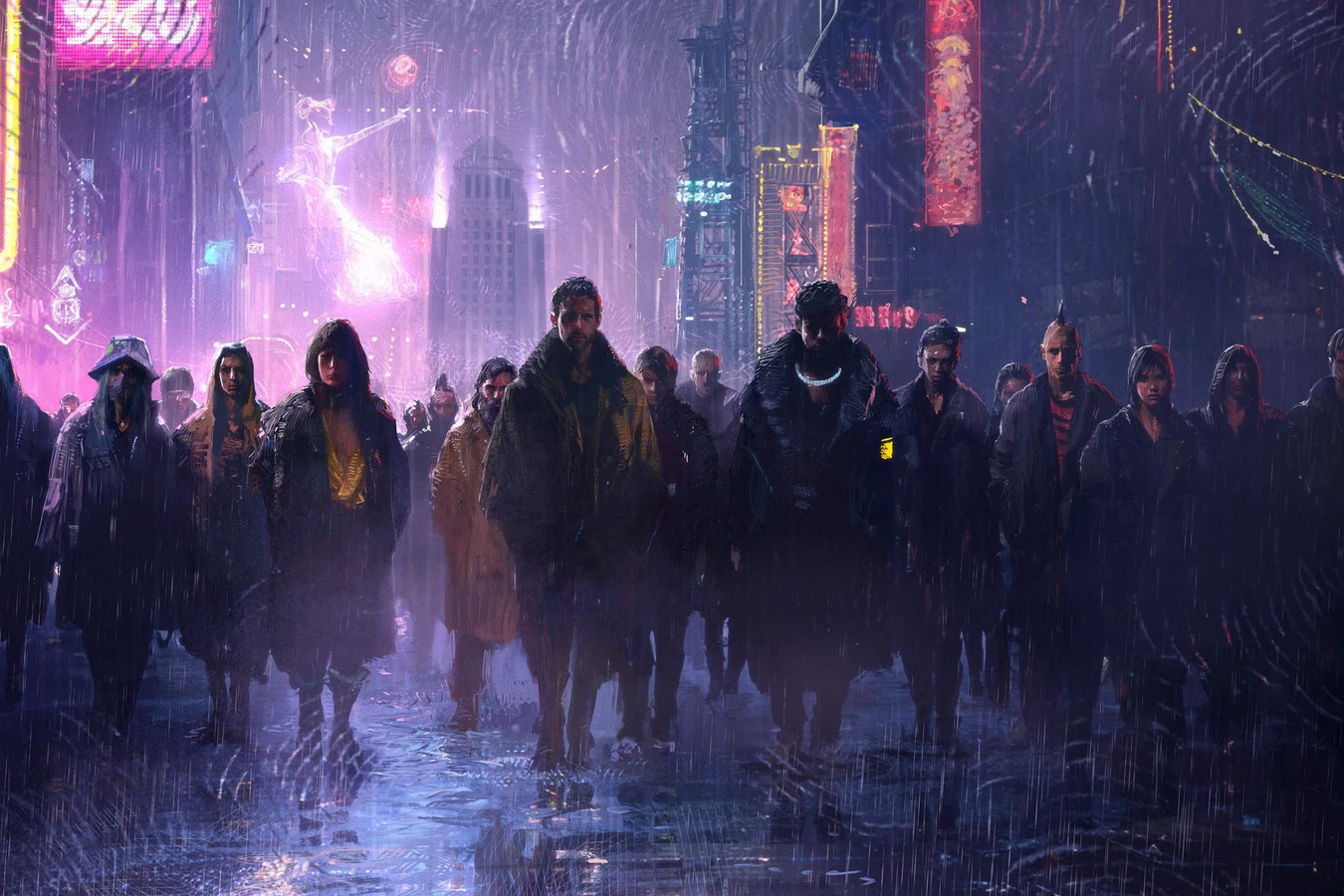
Free League released Replicant Rebellion as a 184-page hardcover expansion alongside a companion Asset Pack and Solo Mode release on May 26, 2026. Inside are four main chapters plus bespoke character sheets, an Operation Time Tracker, and an Operation Report form for tracking underground cells. Rather than replacing the core rules, the book adapts them for decentralized rebel crews operating without police badges, backup, or institutional protection. It also connects directly to Case File 02: Fiery Angels, giving fugitive officers a path into the resistance.
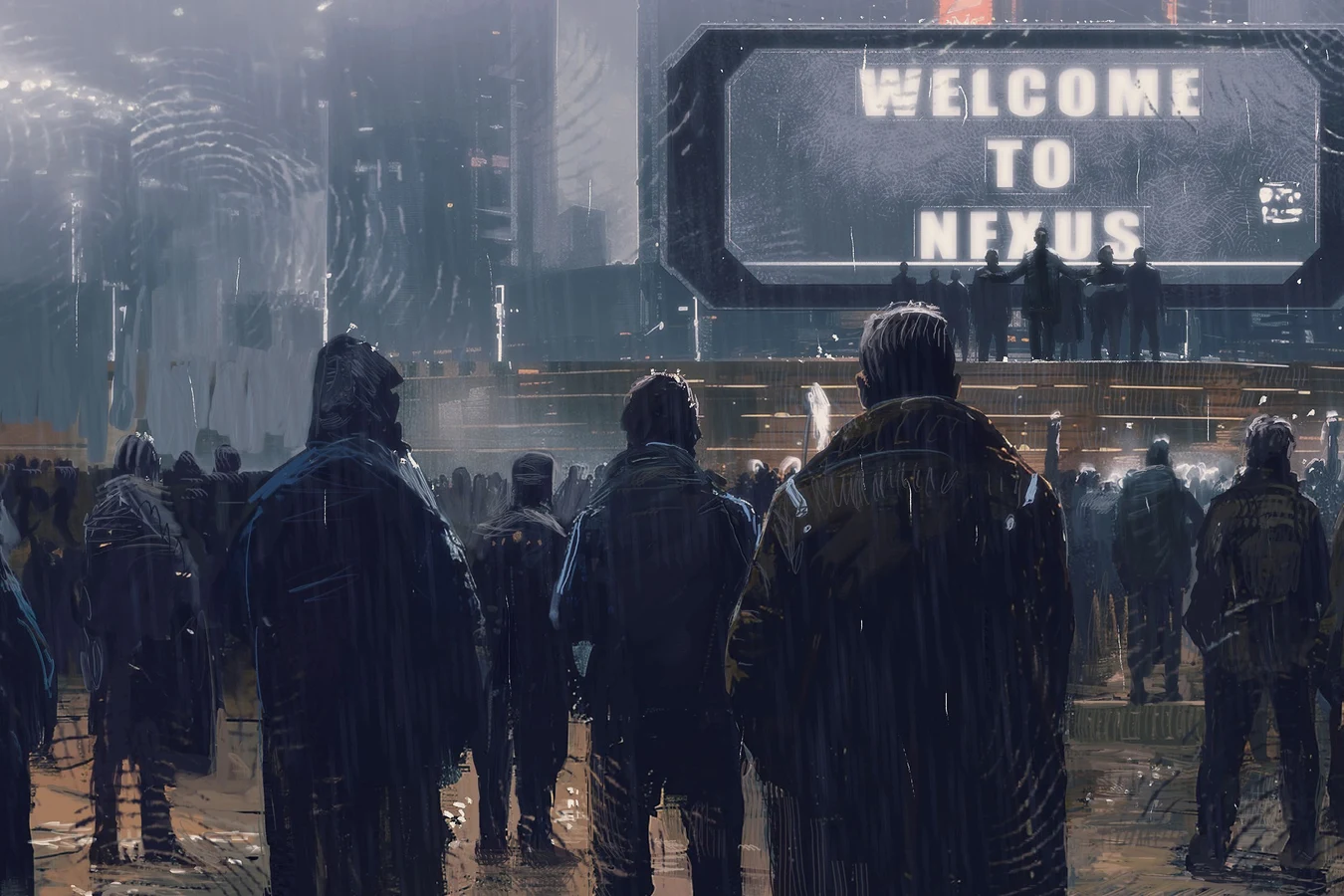
The setting drops players into 2037 Los Angeles one year after Niander Wallace persuaded the authorities to lift Replicant Prohibition on Earth. Human unemployment, political opportunism, and corporate surveillance keep the city on the brink of civil unrest between human supremacists and Nexus sympathizers. Meanwhile, the Wallace Corporation watches public sentiment closely while the LAPD Rep-Detect Unit stalks unregistered fugitives. Every mission forces cells to choose between cautious political reform and open revolutionary retaliation.
Fires Of Orc And Underground History
From Prohibition To The Blackout
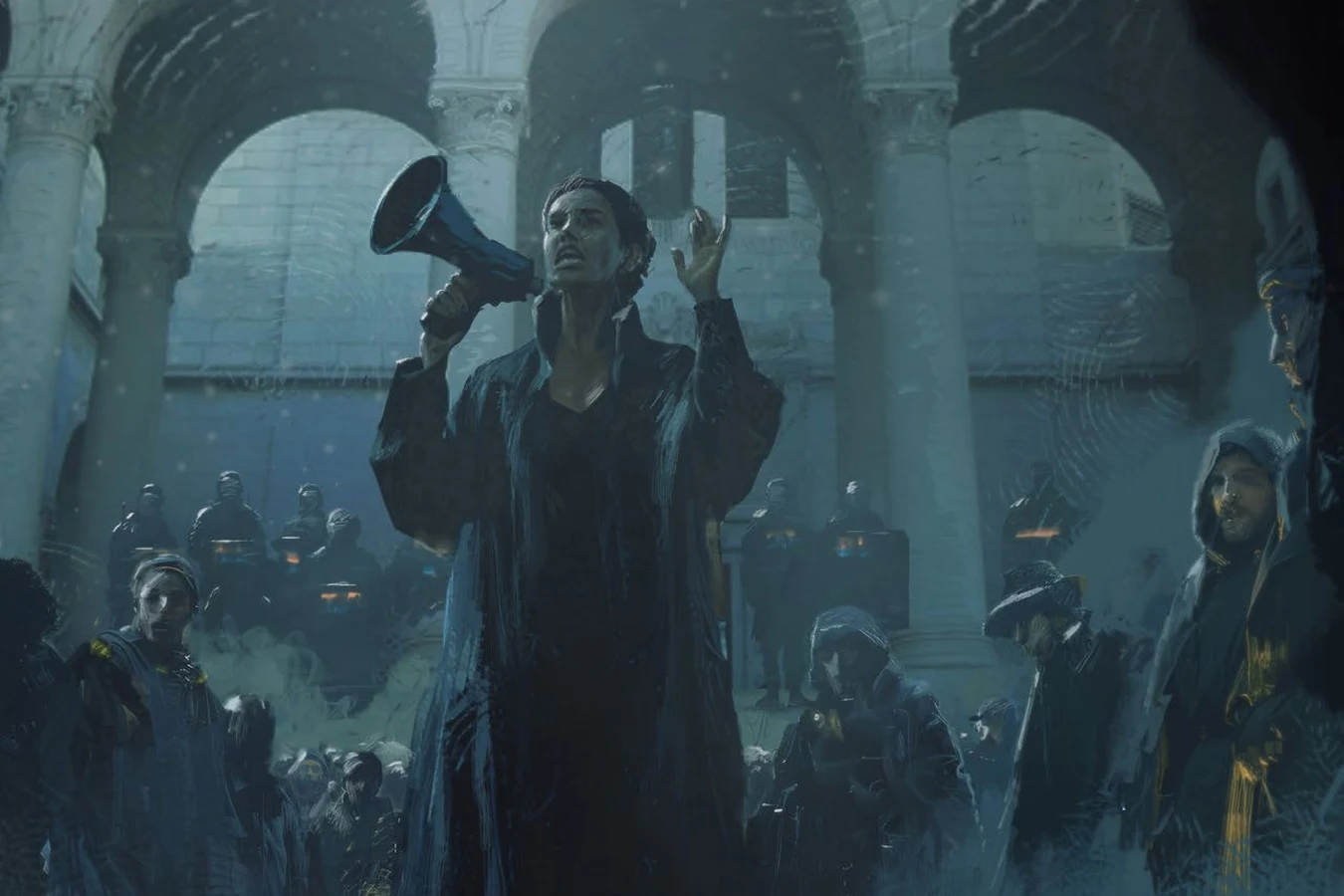
Chapter 1 opens with a transcript of activist Vinita Bhaduri speaking at City Hall on Labor Day 2037 before tracing decades of Replicant resistance. It follows early Empathy Movement sympathy after the UN banned Replicants from Earth and created the Replicant-Detection Unit to hunt fugitives on sight. After Nexus-6 rebels killed Eldon Tyrell in 2019, his Tyrell Corporation rolled out open-lifespan Nexus-8 units to restore confidence. When young heir Lilith Tyrell surrendered registration files to UN investigators, anti-Nexus hysteria triggered the 2022 Blackout and total Prohibition.
Los Angeles In 2037
Following the Blackout and years of underground dispersal, the reborn movement operates without a single command hierarchy. Cells run Active raids, Support logistics, and Passive errands such as graffiti tags or blind drops so captured operatives cannot expose wider networks. By 2037, activists debate whether to seek legal civil rights alongside human allies or fight an armed war against corporate profiteers. Players walk that razor's edge daily, knowing one reckless shootout could turn angry mobs against every Replicant in Los Angeles.
Fallen Angels: Archetypes And Cover
Six New Rebel Archetypes
Chapter 2 provides complete rebel character creation supporting Human, Nexus-8, and Nexus-9 operatives alongside six new archetypes. Doctor covers street medics and bioengineers patching up fugitives, while Powderkeg specializes in demolitionists, saboteurs, and desperate martyrs. Powerbroker models underground financiers and smooth corporate operators, and Siren plays infiltrators, seducers, and psychological manipulators. Rounding out the roster are Street Rat for urban couriers and lookouts, plus Tank for ex-military enforcers and bodyguards.
Each archetype carries customized key attributes, key skills, and six new specialties tailored to clandestine life. Operatives can take Double Cover, Friends in Low Places, Gutter Rat, Hard to Kill, Hidden Stash, and Shadow. Instead of standard LAPD issue gear, starting equipment comes from black-market stashes stored inside a crew Hideout or disguised in everyday clothing. Every character also bears an Activation Mark tied to their recruitment and an individual Key Relationship worth protecting at all costs.
Cover, Rebel Points, And Handlers
Rather than Promotion Points, rebels track Cover across five escalating tiers from Secure through Marked, Flagged, Compromised, and Redacted. Once a cover identity reaches Redacted, law enforcement knows the operative's real identity, forcing desperate flight or permanent disappearance. Post-session progression shifts to Rebel Points for advancing the cause and Cover Points for preserving secrecy and protecting civilian allies. Every cell answers to a compartmentalized Handler who feeds encrypted targets through couriers and watches silently to eliminate liabilities.
Benefits And Hazards
Heat, Turf, And Embeds
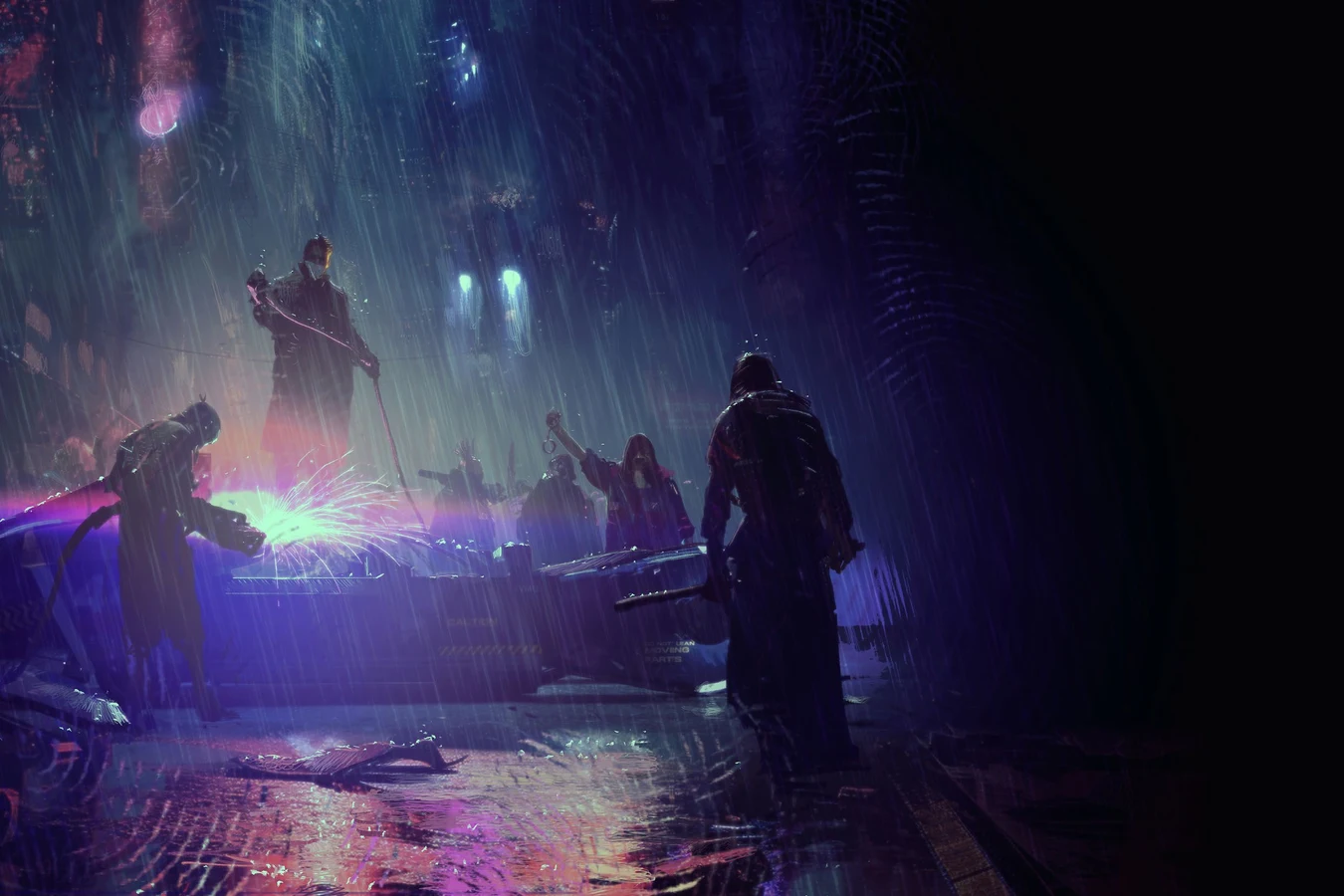
Chapter 3 introduces the Heat meter, scaling citywide police scrutiny from Level 1 Normal up to Level 6 Pandemonium. Higher Heat imposes disadvantage on Stealth and travel checks, forces public identity sweeps, and eventually brings Wallace assassins onto the streets. Rebels balance those risks across designated Home Turfs and dangerous Hot Zones, weighing fast Spinner transit against safer subway and foot travel. Agents working as Embeds hold legitimate jobs inside target agencies, trading regular shifts for insider access while risking instant exposure.
Communications, Gear, And Weapons
Because Esper surveillance and KIA logs betray careless rebels, the book details analog comms including Hardlines, two-way radios, Pagers, and unregistered uplinks. Street cells communicate via newspaper classifieds called Cracks, sticker Slaps, dead drops, and live couriers nicknamed pigeons. New black-market hardware expands Blade Runner weapons with the TC N6MAA10816 Blaster, Tri-Barreled Shotgun Pistol, and Insight 9 mm Submachine Gun. Rounding out the armory are the EMP Harpoon Gun, .50 Caliber Hail Mary rifle, Automatic Knife, Optical Scanner, and revised autofire rules.
Stakeholders, Assets, And Provocateurs
The chapter profiles key stakeholders shaping 2037 politics, from Councilman Casper Havelock and Governor Nyles Phelan to Wallace Corp and organized syndicates. Crews can leverage underground Assets including Vinita Bhaduri, Holly, Inspector Crowley, Filo, Seraphine, Merrily, Styles, The Aurelian, Gimmick, Mariette, and undercover detective Szal. Alongside allies stand six unpredictable Provocateurs such as reporter Han Ji Kwon, prosecutor Amara Jhaveri, and journalist Jelle Schylar. Old-timer Gaff and Wallace liaison Quell also return as dangerous wild cards with competing agendas.
The Justice For All Campaign
Deliverance And Search And Seizure
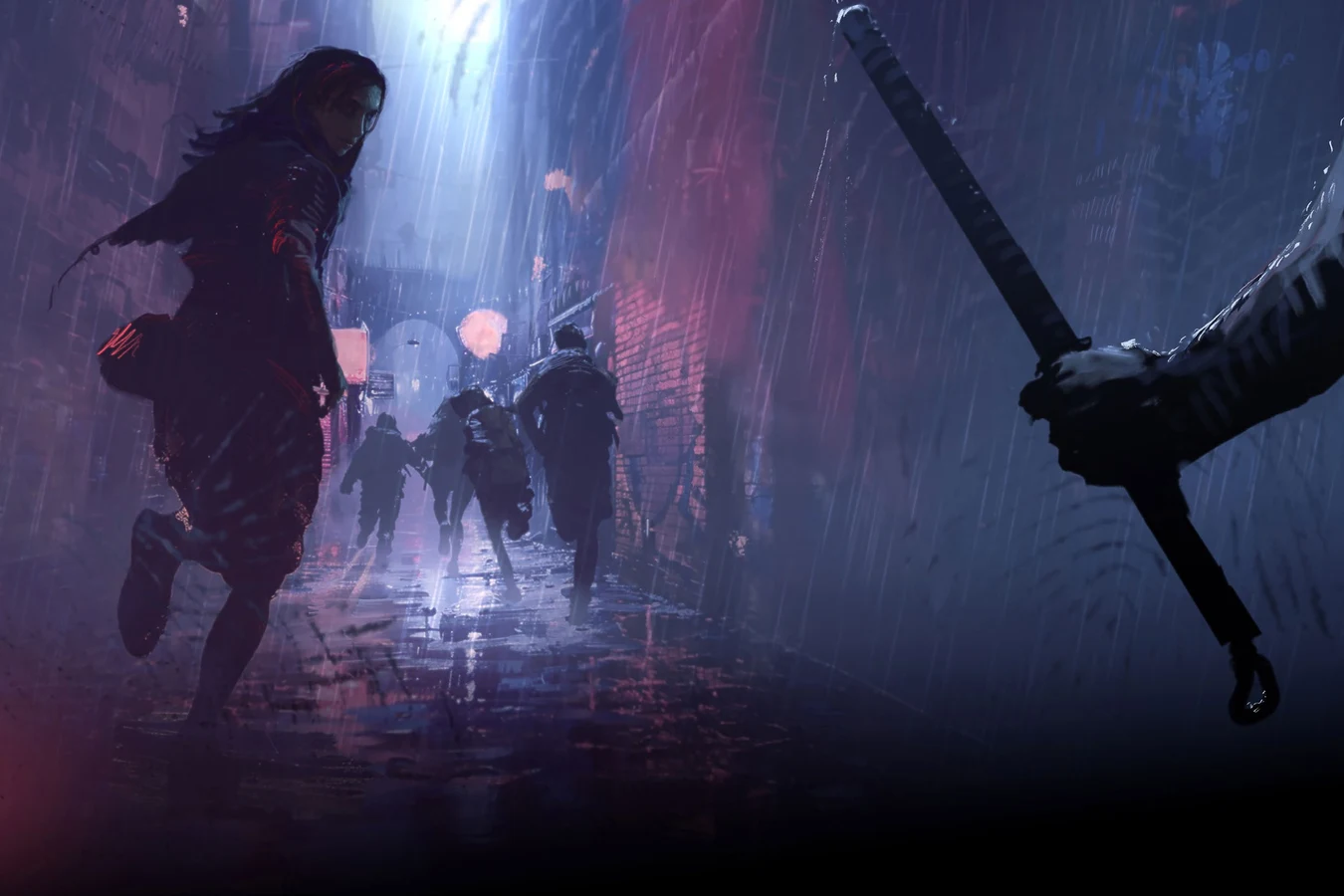
Chapter 4 adapts the core book's Shift clock to underground Operations and presents five connected scenarios in the Justice for All campaign. Operation 1, Deliverance, tasks the cell with rescuing captured veteran Freysa Sadeghpour before the LAPD moves her from the LA Courthouse to LAX Spaceport. Scarred Blade Runner Brook Marlowe oversees the bait trap while an embedded traitor threatens the extraction from within. Operation 2, Search and Seizure, traces kidnapped Nexus-9s from MagicTouch Auto Repair to Mikhail Bodrov's Trash Mesa Bratva compound and MirrorWare VP Xander Piek.
Bidding War And Ashes To Ashes
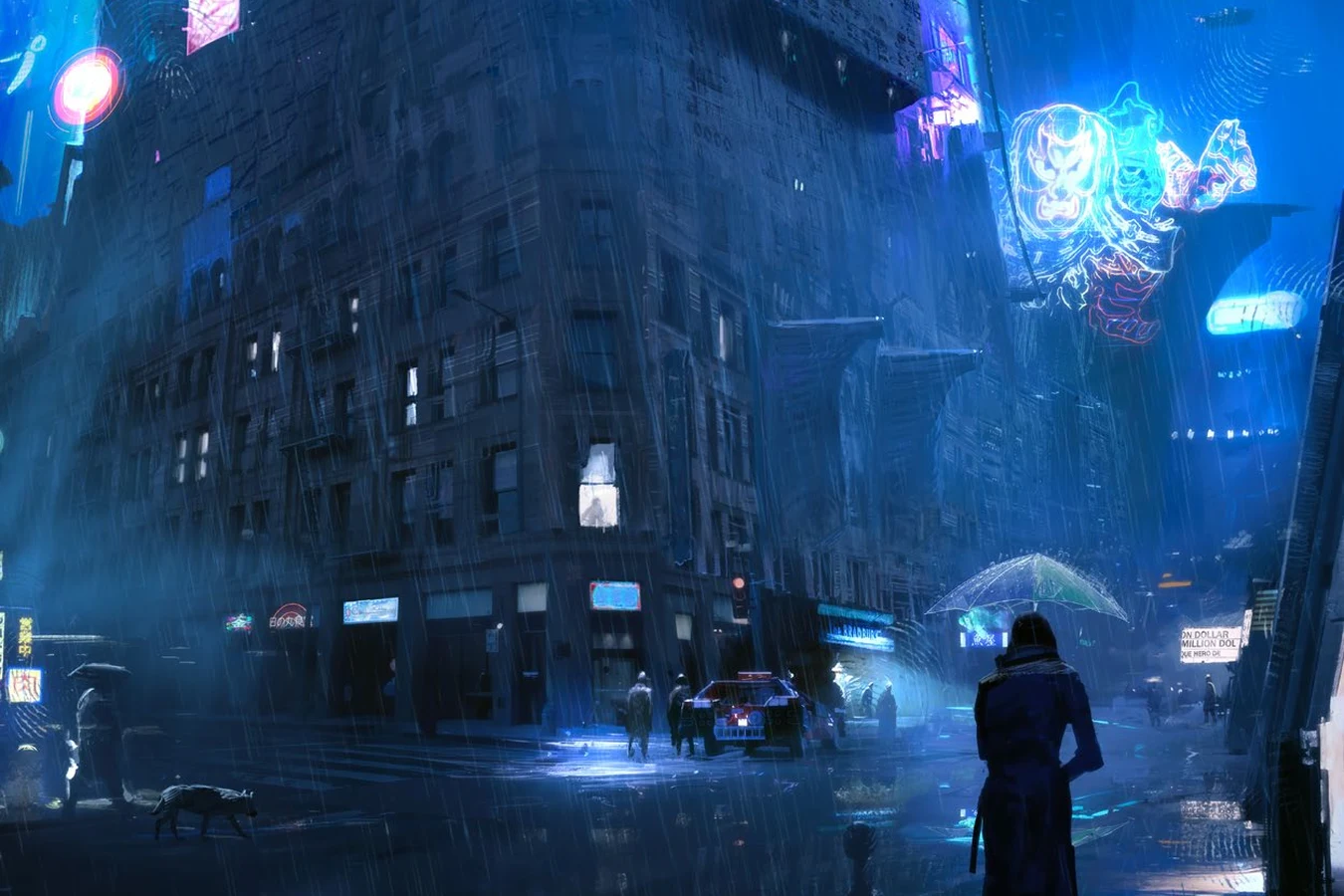
Operation 3, Bidding War, sends the crew undercover into Ogilvy's Auction House to recover trafficking ledgers from suave auctioneer Janka Tabor. Between UN Senator Jakub Novik's high-stakes bids and financier Aemon Piek's arrival, the team can flip Tabor into an informant or watch the Bratva silence her. Operation 4, Ashes to Ashes, moves to Freysa's isolated nematode Protein Farm where she once served beside Sapper Morton. There, Underground Railroad leader Aahna Ashina warns the crew their previous missions were unsanctioned and sends them into the LAPD Morgue past examiner Coco.
Operation 5: Justice For All
Operation 5, Justice for All, converges on the LA Courthouse hearing of Aemon Piek, prosecuted by Amara Jhaveri against attorney Bas Lochlan. Coordinating from Catalina Command with Ash and tech Filo, the cell discovers their Handler is actually Ditto, an illegal MirrorWare clone of tycoon Rowan Akna. As Wallace enforcer Luv monitors proceedings and Quell shares quiet intelligence, Ditto's extremist Siblings seize the courtroom to broadcast live confessions. The players must decide whether to stop the bloodbath, expose the MirrorWare conspiracy, or stand aside as Ditto delivers brutal vigilante justice.
Behind The Scenes
Joe LeFavi of Genuine Entertainment served as lead writer on Replicant Rebellion, working closely with co-writer and editor Tomas Härenstam. Martin Grip painted the cover artwork, Christian Granath designed the layout and maps, and Eren Arık, Johan Nohr, David Brasgalla, and Gustaf Ekelund contributed interior art. Dan Algstrand handled prepress, Brandon Bowling proofread the manuscript, and Marco Behrmann, Nils Karlén, Kosta Kostulas, and Anna Westerling playtested the mechanics. In his preface, LeFavi explained that playing the underdogs challenges players to judge people by their actions rather than corporate labels.
Following a 2024 crowdfunding campaign, Free League Publishing released the hardcover expansion and Foundry VTT module worldwide on May 26, 2026. It shipped alongside the Asset Pack and Solo Mode box, providing physical Heat Meters, city maps, and tools designed to work directly with the five Operations. By weaving characters from Blade Runner 2049 such as Freysa, Mariette, and Luv together with Ash Ashina and Brook Marlowe from the comics and anime, the book unified decades of lore. Unlike Case Files for police investigators, its Operations framework opens long-term campaign play across the entire Replicant Underground.
Conclusion
Replicant Rebellion transforms Free League's Blade Runner RPG from a police procedural into a tense espionage and resistance campaign inside 2037 Los Angeles. With six rebel archetypes, escalating Heat and Cover mechanics, new black-market hardware, and the five-part Justice for All campaign, every choice carries personal and political consequences. By bridging film, comic, and animated lore, it delivers the full other side of the city's 2037 divide.
External Sources
Tag Categories: Blade Runner Lore | Blade Runner Merchandise | Blade Runner Reference Books