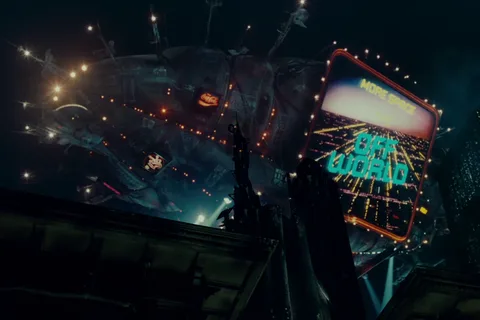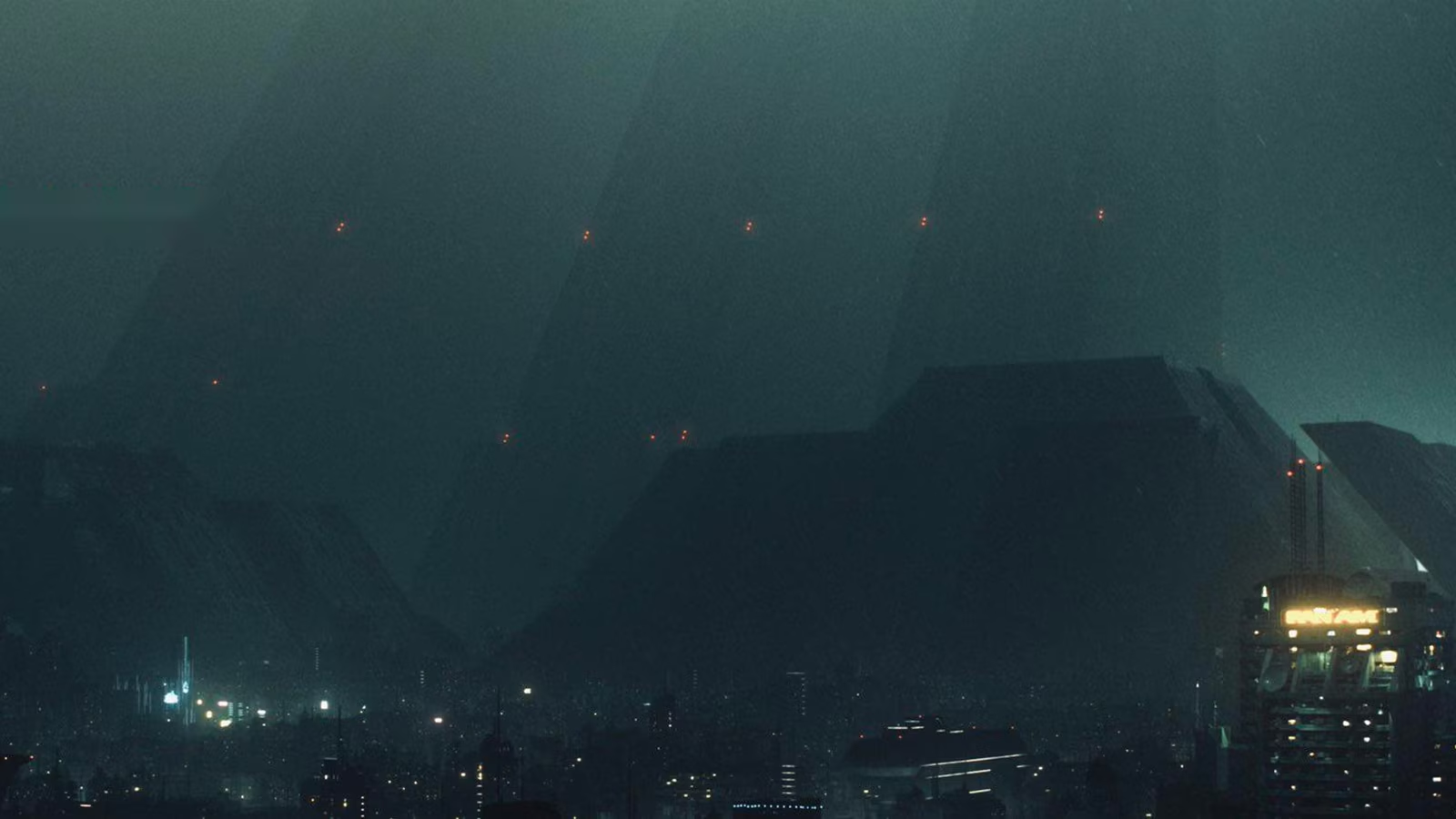

The Wallace Corporation was a biotechnology and technology conglomerate founded by Niander Wallace Sr. and later controlled by his son, Niander Wallace Jr.. It rose to prominence through synthetic food production, acquired the assets of the Tyrell Corporation and restored large-scale replicant manufacture after the prohibition. Its businesses included Nexus replicants, digital companions, communications and memory technology. By Blade Runner 2049, its headquarters dominated Los Angeles and its manufactured workers supported humanity's off-world expansion.
History
Foundation And The Food Crisis
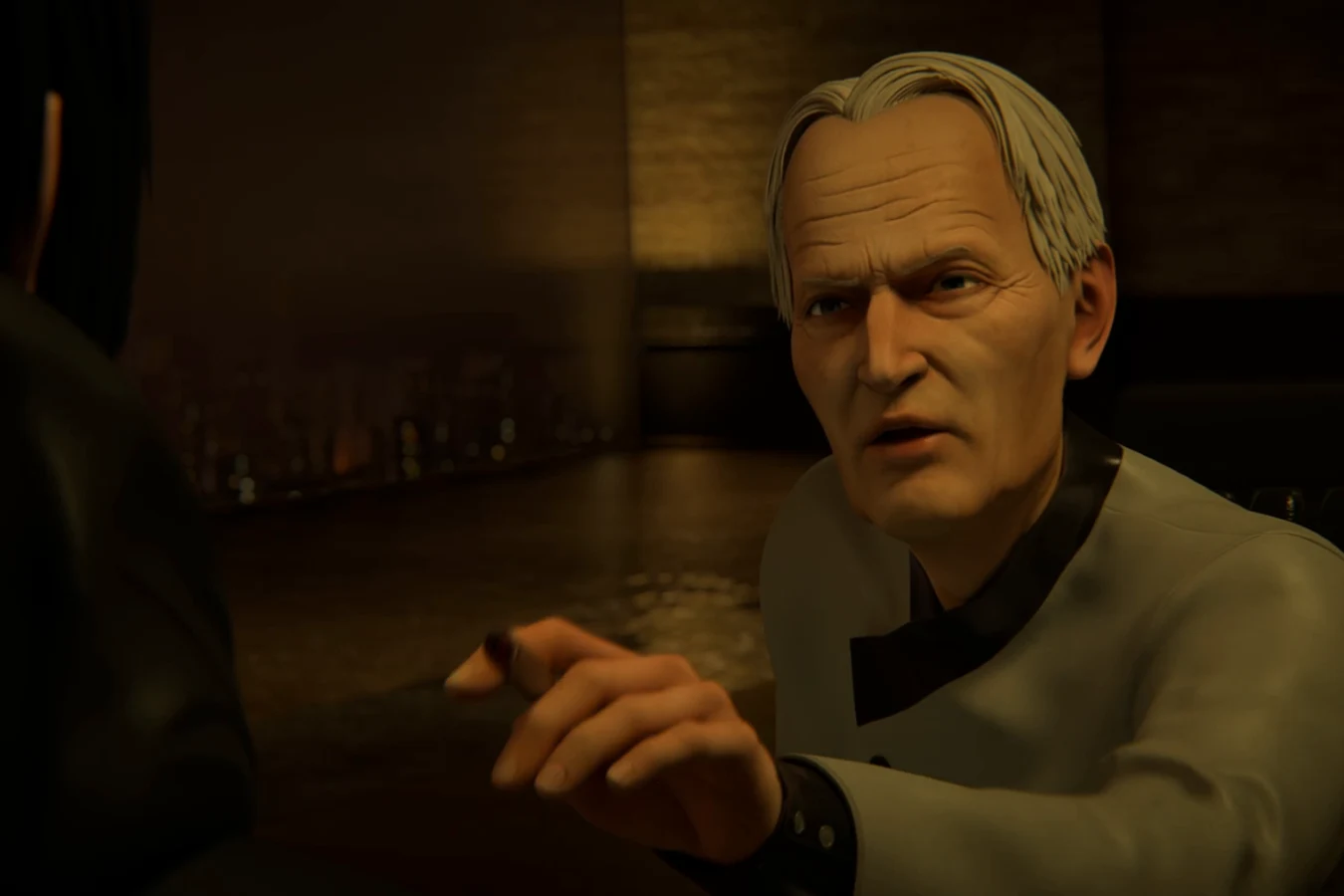
Niander Wallace Sr. founded the company and supplied the business connections, political access and financing behind its early growth. His son worked in bioengineering, where he developed a bioreactor and synthetic protein capable of being cultivated despite the toxic condition of Earth's soil. The breakthrough became public in 2025, when conventional farming could no longer reliably feed the population and shortages threatened both Earth and its colonies.
Rather than reserve the invention for a single closed market, Wallace Jr. released its patents without charge. The food crisis eased, investment flowed toward the company and the family acquired an exceptional public reputation. Wallace Sr. expanded its commercial influence while his son continued scientific development. In the later public account of the company, the food breakthrough supported its claim that further Wallace technologies could rescue society from decline.
Acquisition Of Tyrell Assets
The Blackout of 2022 destroyed records, damaged the economy and intensified hostility toward replicants. A subsequent Prohibition shut down the legal replicant industry, and Tyrell fell into bankruptcy. Wallace acquired the defunct company's assets in 2028, including its patents and proprietary research. The purchase gave the new owner a foundation for developing its own models and access to surviving material from the earlier Nexus program.
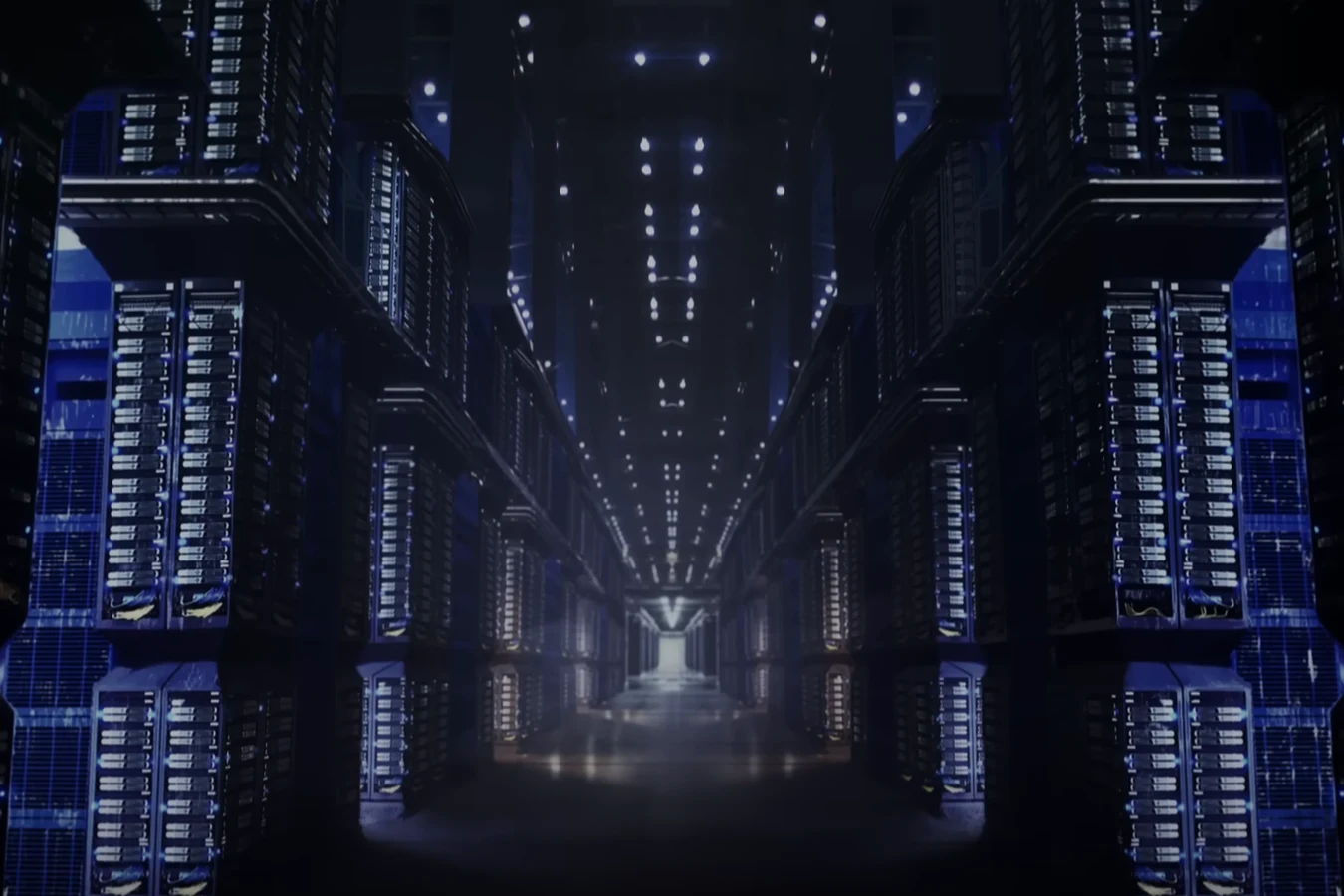
The acquisition also transferred the remnants of Tyrell's Records. The surviving files were incomplete because of the Blackout, but they retained manufacturing information, registration details and fragments of older research. Wallace later maintained archives for both companies' creations. Its possession of those records made it an important point of contact for police investigations into older replicants, even when the company that had manufactured them no longer operated.
The Doll Hunt And Leadership Change

In Blade Runner: Black Lotus, set in 2032, Wallace Sr. organized the Doll Hunt with influential associates. The company supplied obedient replicants for the test, and the participants hunted them in the desert. The survivor Elle returned to Los Angeles with artificial memories and began pursuing those responsible. Her actions threatened both the company's concealed activities and its campaign to make replicant production acceptable again.
Wallace Sr. responded by locking his son out of the laboratory and preparing to sell the Tyrell Program. Wallace Jr. had instead engineered Elle's involvement in a plan to remove his father. After she infiltrated Wallace Tower, the elder Wallace shot her repeatedly and dismissed the suffering of replicants. Elle turned his own gun against him and killed him in the penthouse. His son became chief executive, gained control of the company and continued his replicant research.
Legalization Of The Nexus-9
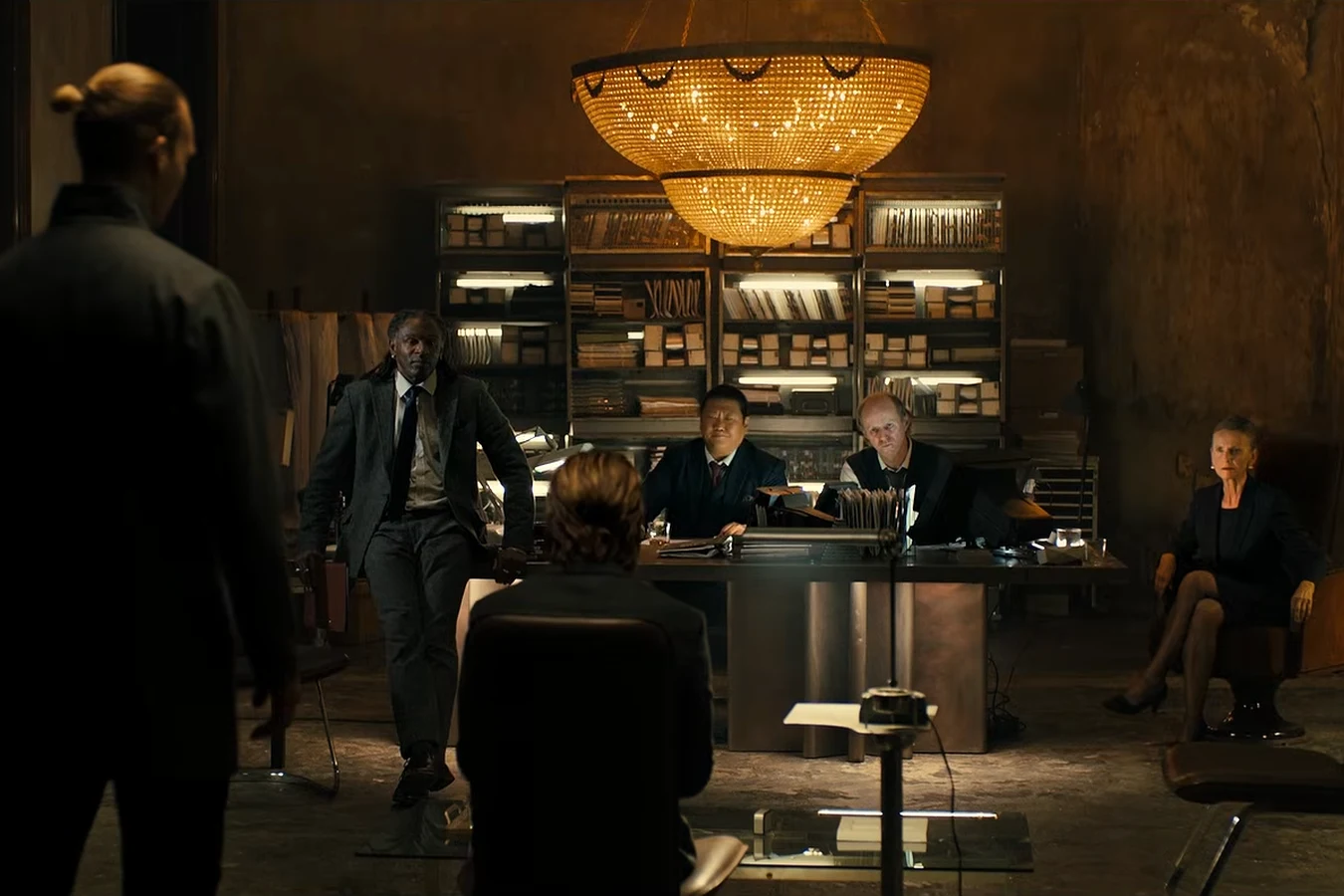
The prohibition remained an obstacle to Wallace's Nexus-9 business. In 2036: Nexus Dawn, Wallace Jr. appeared before lawmakers to argue that humanity needed a new workforce for its colonies. He presented a replicant whose obedience was meant to distinguish the model from earlier generations. Ordered to choose between its own life and Wallace's, the demonstration unit killed itself while the lawmakers watched.
The ban was lifted in 2036, allowing the company to manufacture Nexus-9s under the new legal arrangement. The Blade Runner RPG described the following year's Replicant Reintegration Program, under which new models entered society with limited rights. Wallace supported their use in industry, defense and colonial development while campaigning to reassure the public. The company's position depended on the belief that its new replicants were obedient and safe.
The Selwyn Research
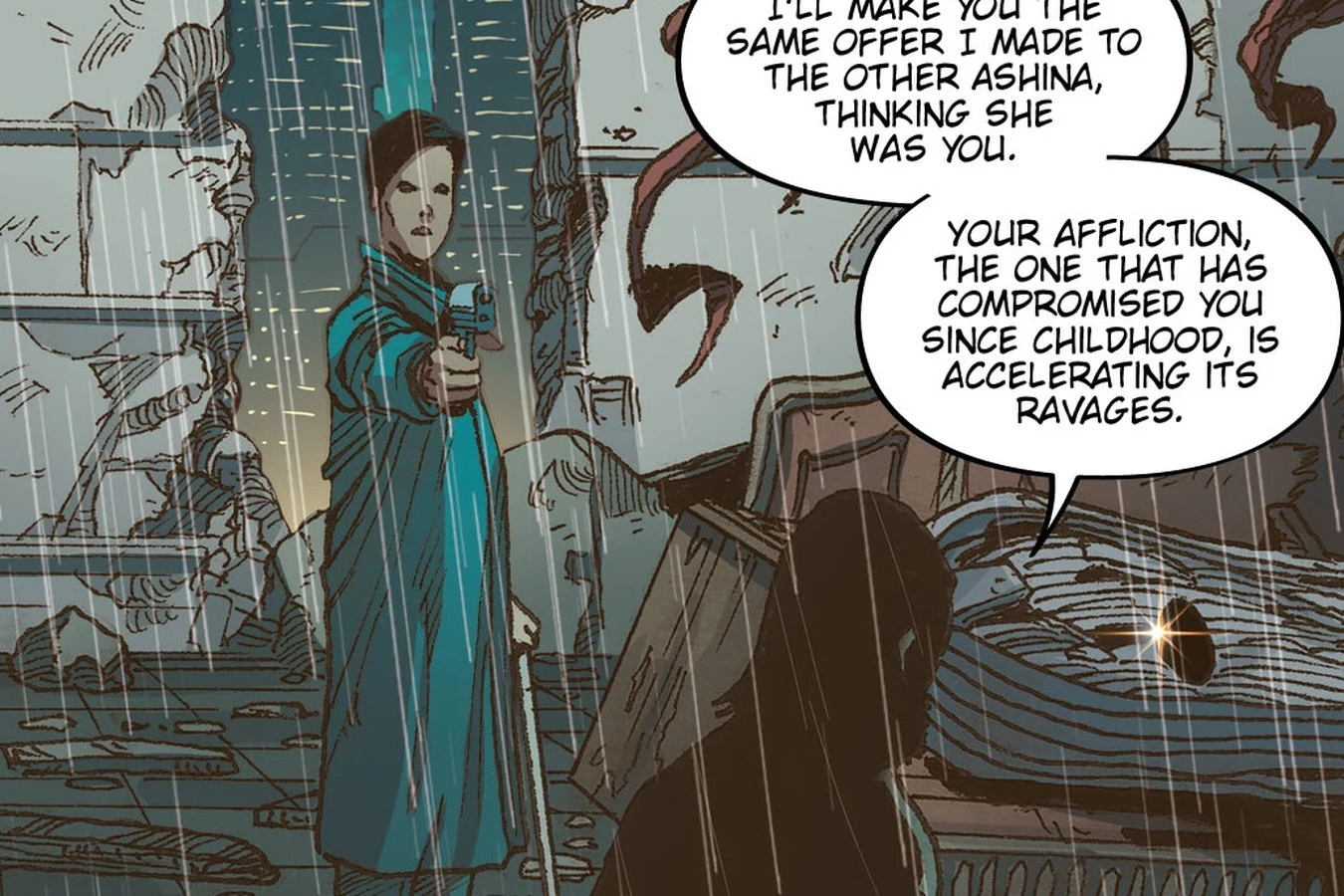
In Blade Runner 2039, the company pursued the Fertility Research of Alexander Selwyn. Wallace sent Luv, a Nexus-9 serving with the LAPD, to find Isobel Selwyn, the replicant copy of Selwyn's wife. The assignment brought her into conflict with Aahna Ashina and the replicant underground. Wallace later supplied Rash, a replicant copy of Ash, to assist the investigation.
The search involved surveillance, attacks on fugitives and attempts to recover the missing Research Files. Ash eventually obtained a meeting with Wallace and traded Selwyn's work for a promise that Cleo Selwyn and Isobel would be left alone. She refused his offer to cure her illness. The agreement delivered material he wanted without establishing that the company had solved replicant reproduction. Its pursuit of that objective continued into the events of 2049.
The Search For Replicant Reproduction
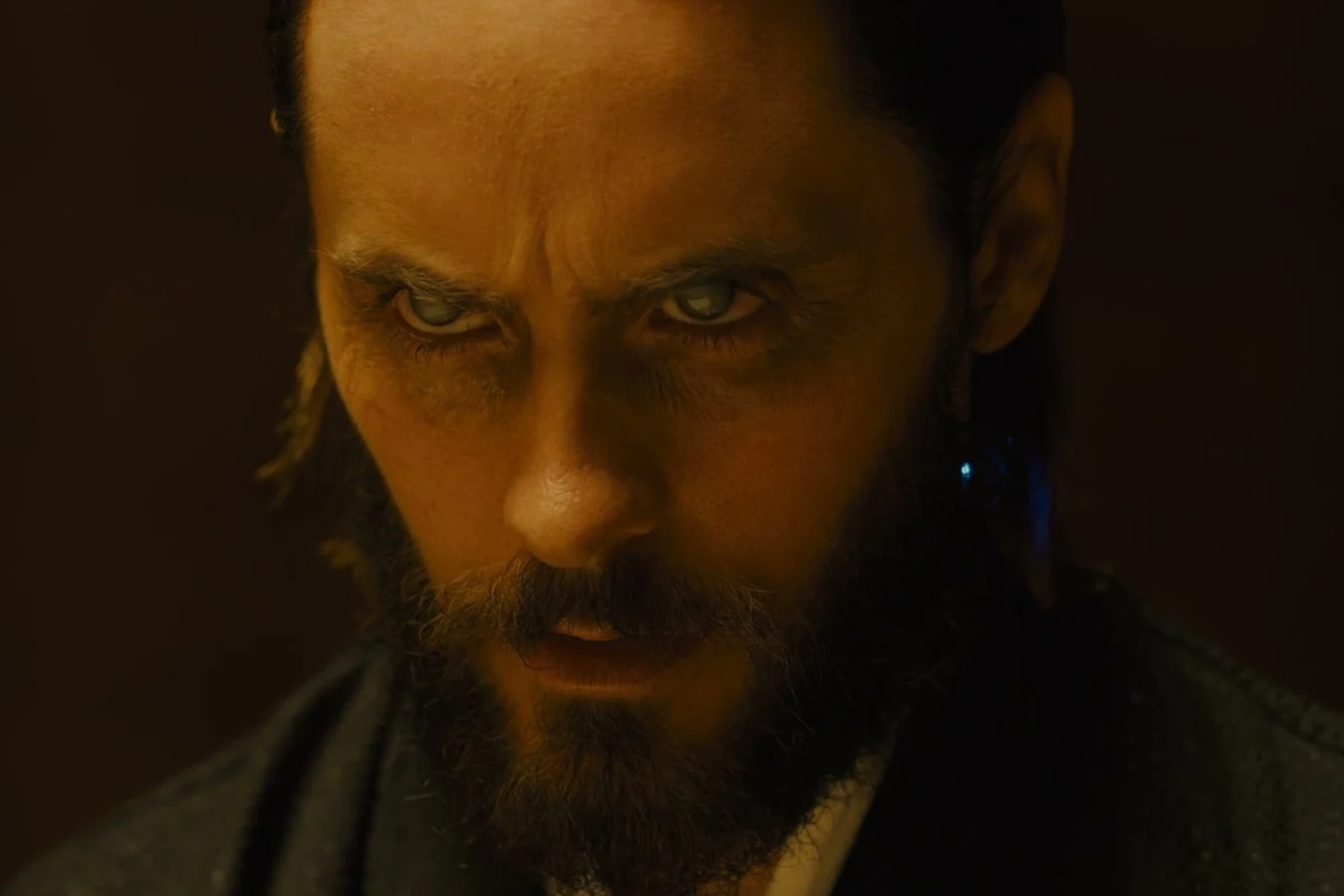
By 2049, Manufacturing Capacity limited Wallace's plans for further expansion. He wanted replicants capable of producing children, which would allow the workforce to grow beyond the rate his facilities could manufacture it. The discovery that Rachael had given birth supplied evidence that Tyrell had achieved something Wallace had not. Her remains drew the company into K's investigation of the missing child.
Luv took the remains from the police and followed the investigation toward Rick Deckard. Wallace attempted to use Deckard's attachment to Rachael by presenting a newly made Replica of her. When the offer failed, he ordered Deckard taken off-world for interrogation. Luv was killed during the transport interception, and Deckard escaped. Wallace remained in control of the company, but the child's identity and location stayed beyond his reach.
Products And Operations
Synthetic Food And Bioengineering
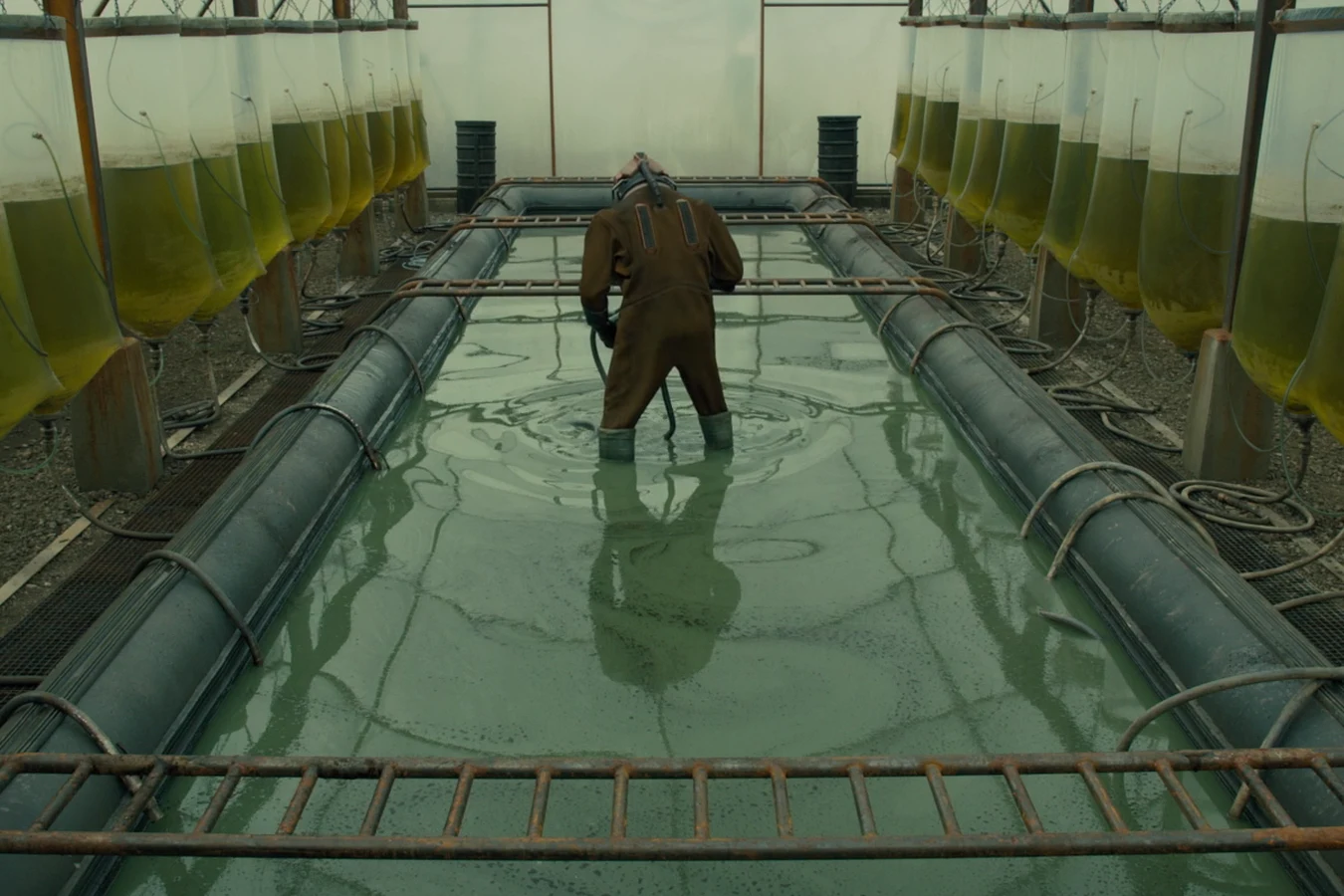
The company's original rise depended on Synthetic Protein and the machinery needed to grow it. The 2025 invention addressed contamination in Earth's soil, allowing food production in conditions that had defeated ordinary agriculture. Its importance extended beyond feeding Los Angeles. A more dependable food supply also supported the rebuilding economy and renewed expansion into off-world settlements.
The freely distributed Patents brought Wallace influence without requiring exclusive ownership of every farm using the process. Public gratitude made the corporation attractive to financiers and gave its leadership political credibility. That reputation later helped Wallace gain hearings for technologies associated with far greater public fear, especially replicants. Its food research and labor business belonged to the same corporate expansion, though they involved different products and legal restrictions.
Replicant Production
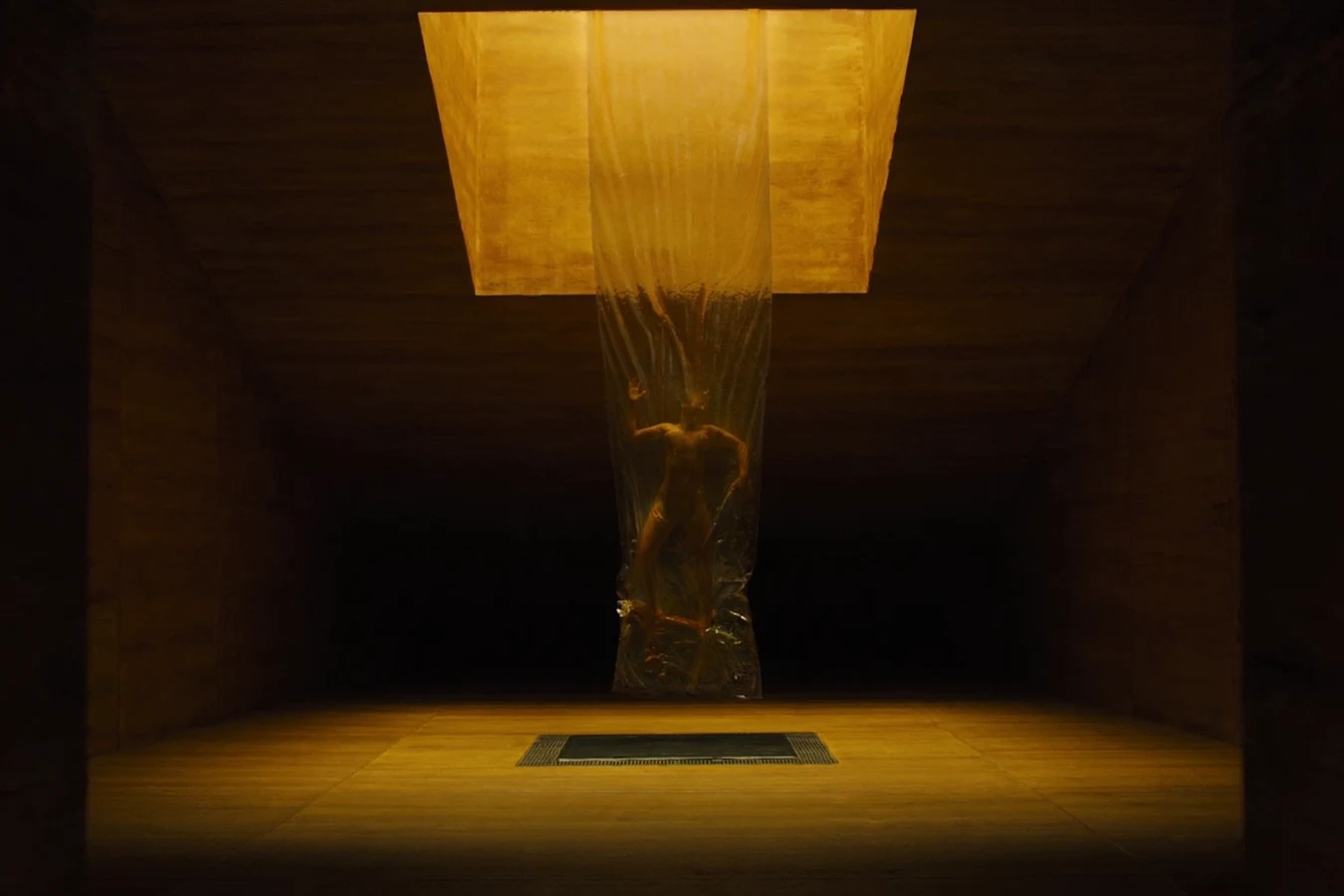
Wallace manufactured biological workers rather than conventional metal robots. Its Nexus replicants were produced as Adults with selected appearances, abilities and occupational functions. Customers could obtain workers suited to specific requirements, while manufactured personalities and implanted experiences supported their assigned roles. The company supplied off-world clients as well as authorized users on Earth, including police departments employing replicant blade runners.
At the headquarters' Creche, Wallace inspected prototypes emerging from sealed birth bags. His evaluation concerned obedience and the pursuit of an improved model, not merely the number of units produced. Older Nexus examples were preserved in tanks in a separate reliquary. These bodies represented the technological line inherited from Tyrell, while the current production program supplied Wallace's own commercial and political ambitions.
Memory Engineering
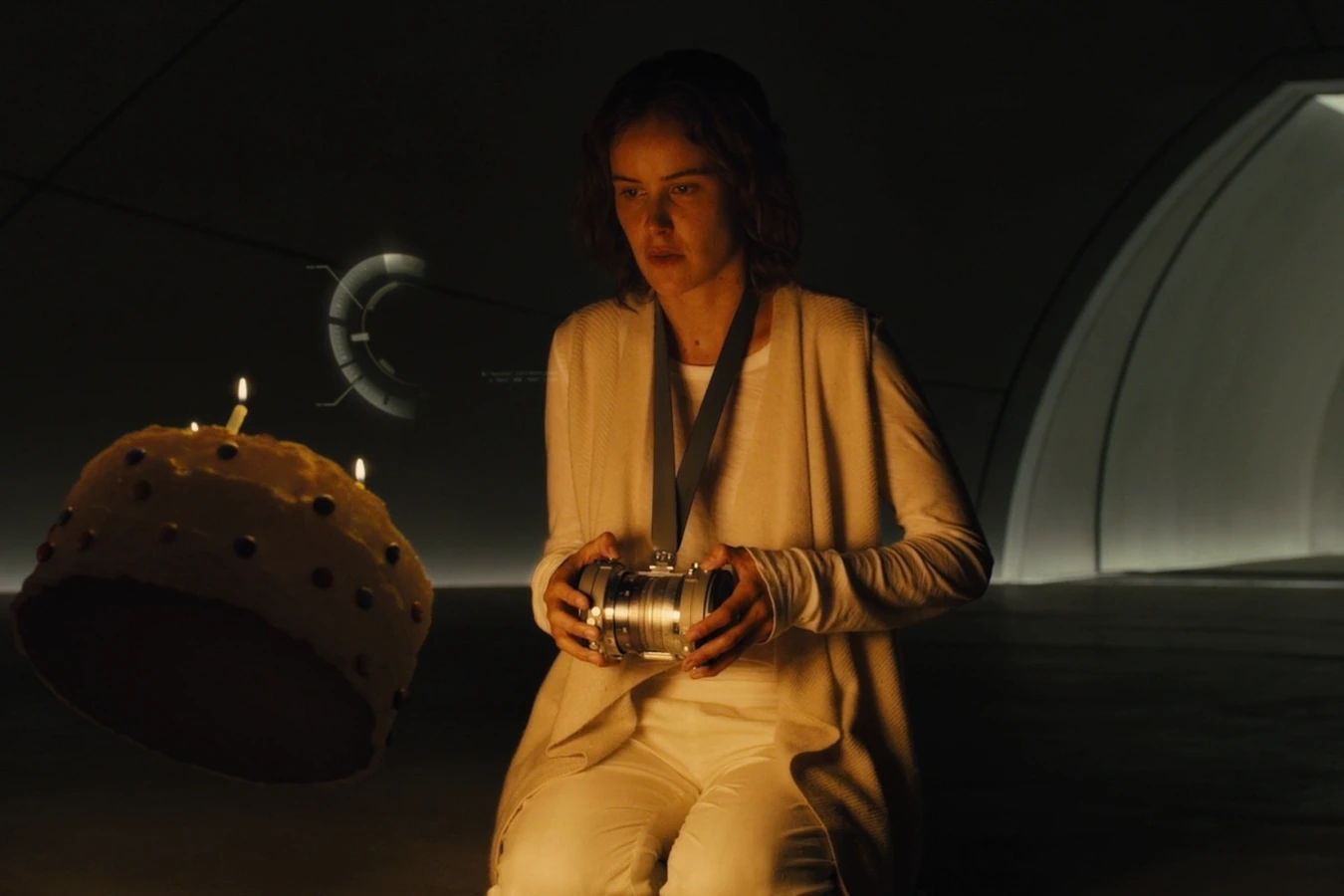
Memory Implants gave new replicants a personal history before they began their working lives. The company used specialists who designed experiences intended to provide emotional grounding, identity and a reference for dealing with people. These experiences could influence behavior without being events the recipient had lived through. The process made memory engineering part of the wider Nexus industry, alongside biological manufacture.
The corporation's Memory Labs could assist police in examining a replicant's original implants, although they could not simply read every new memory acquired after its incept date. Dr. Ana Stelline supplied particularly convincing designs from her independent facility. She was a specialist associated with Wallace's manufacturing system rather than an executive stationed in the towers. Using actual human memories in the implants was illegal.
Digital Companions And The Data Network

Wallace also sold Digital Companions, known as DiJis, including the commercial Joi model. The systems projected responsive human figures and offered customizable appearance, conversation and companionship. Home installations used fixed projectors, while portable emanators allowed a companion to accompany its owner outside. The product was marketed to humans and replicants, with K owning a Joi unit in his apartment.
The Wallace Data Network extended the company's reach into communication, news and information services. In the RPG's 2037 setting, digital companions also worked in police dispatch, training and administrative support. Their convenience encouraged users to entrust them with intimate and professional information. The corporation benefited from the data generated by this ecosystem, while its advertised assistance increased dependence on Wallace systems in homes, offices and public institutions.
Political And Police Influence
Replicant Reintegration And Public Relations
The Replicant Reintegration Program made public acceptance a business necessity. A serious Nexus-9 scandal could undermine the basis on which the prohibition had been repealed. Wallace promoted its products as reliable and obedient while opposing the older models and unauthorized copies that threatened its reputation or patents. Its legal and public relations divisions protected the distinction between approved Wallace workers and dangerous synthetic fugitives.
The company also used acquisitions and pressure against Competitors in the synthetic technology market. Its advantages included capital, proprietary research, political access and a workforce tailored to its needs. Public trust in the food breakthrough did not remove hostility toward replicants themselves. Wallace could therefore receive credit for restoring prosperity while the manufactured people carrying out its work faced suspicion, exploitation and violence.
The LAPD And Corporate Security
Wallace's interests frequently overlapped with the LAPD Rep-Detect Unit. Blade runners retired prohibited older models, investigated synthetic crimes and enforced protections affecting Wallace's patents. As part of the arrangement supporting legalization, the corporation supplied records and technical assistance. Its staff could help identify a suspect or locate an incept record, but the same cooperation also gave corporate representatives access to active investigations.
In the RPG, Quell served as a principal contact between the corporation, the United Nations and the police. Wallace officials could offer resources or exert pressure when a case threatened the company's preferred account of Nexus-9 behavior. In Black Lotus, its own security apparatus controlled access to Wallace Tower through guards, cameras, locked elevators and identity scanners. These arrangements protected the leadership while also being vulnerable to manipulation from within the family.
Headquarters And Facilities
The Wallace Towers
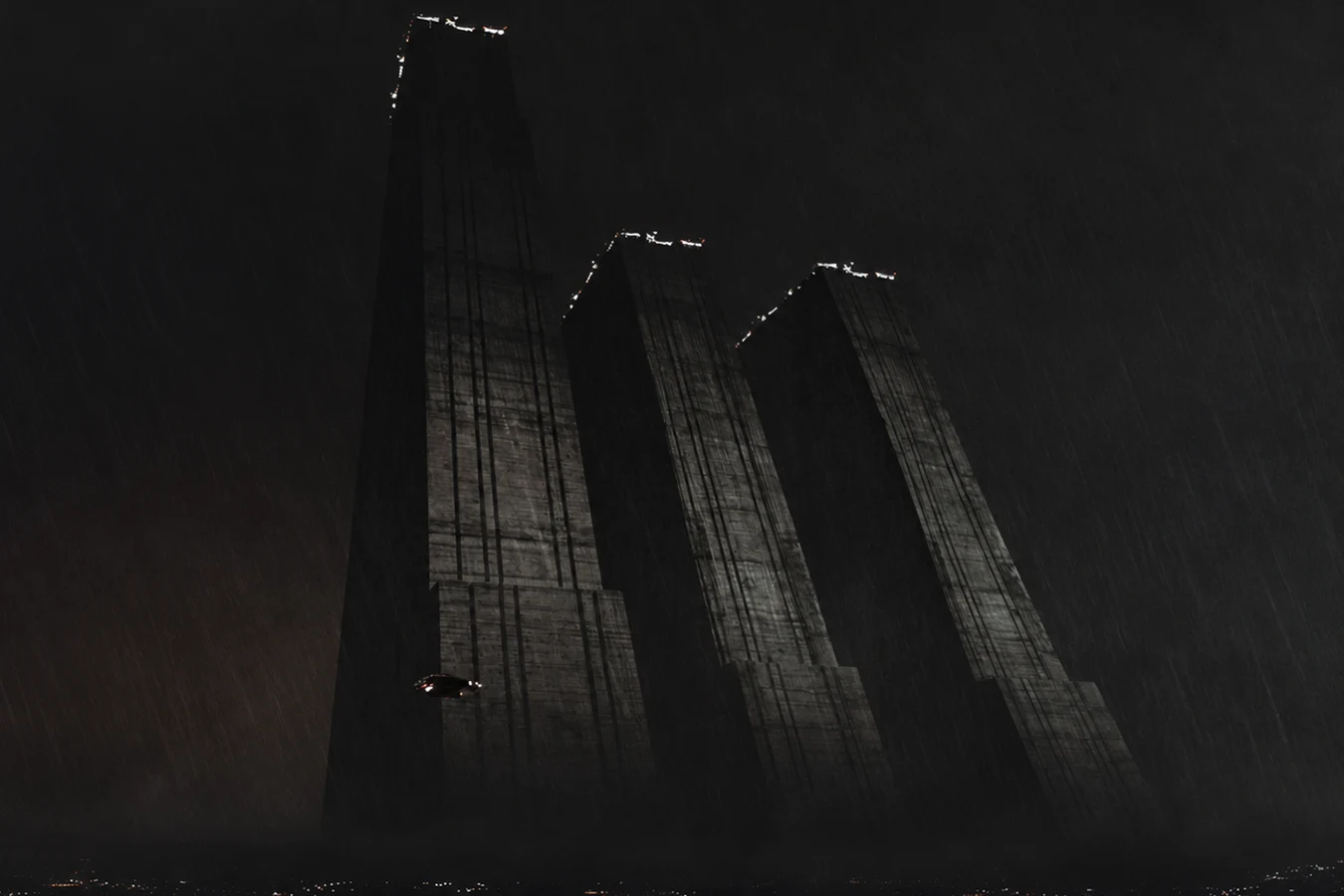
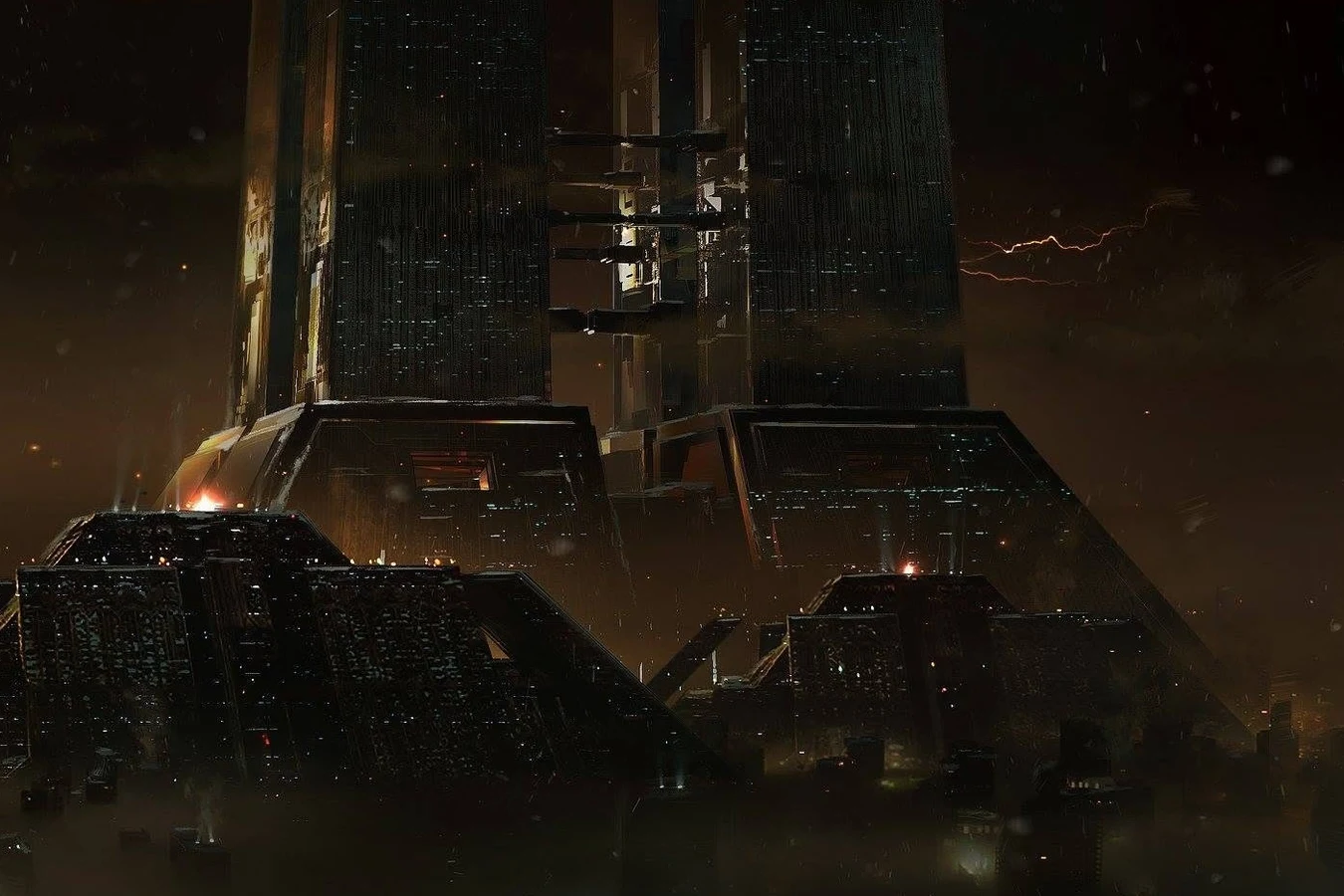
The company's Los Angeles Headquarters comprised three monumental towers rising above the former Tyrell buildings. Their broad, blade-like forms dominated the skyline. The Art and Soul of Blade Runner 2049 described the design as intended to endure rising sea levels for thousands of years. Their height and shape belonged to an architecture built to remain above a city threatened by environmental collapse.
Inside, the corporation maintained Research And Administrative Facilities, archives and private executive rooms. Space, wood, controlled illumination and large expanses of water contrasted with the cramped apartments and polluted streets outside. The interior did not depend on ordinary sunlight entering through windows. Artificially directed light moved across large bare surfaces, while access routes and changes in level separated visitors from the executive chambers.
The Records Library
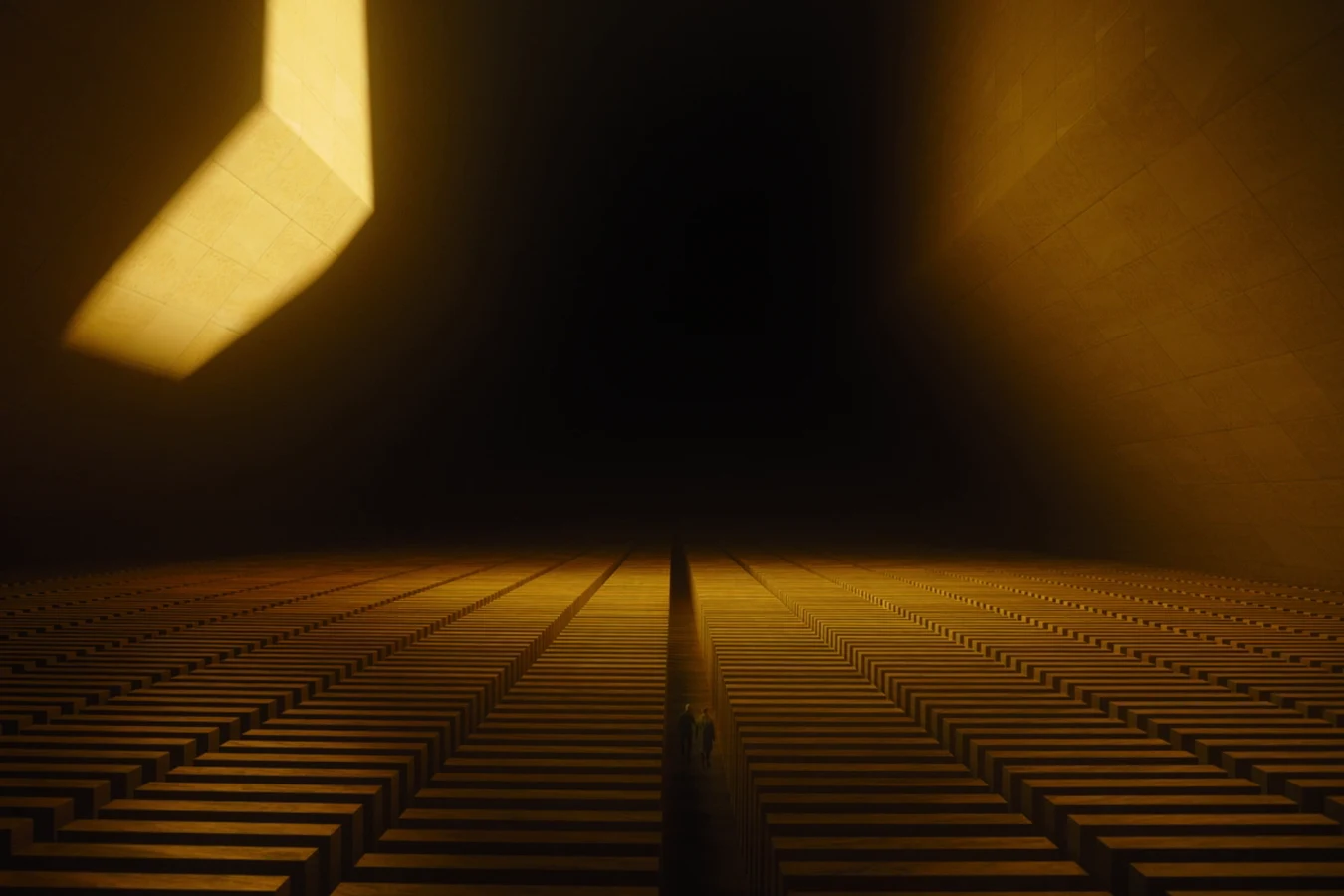
The Records Library stored information about existing and retired replicants in extensive rows of physical cabinets. Its holdings included Wallace production records and the surviving Tyrell material inherited through the acquisition. Physical storage reduced dependence on a single vulnerable digital system after the Blackout. The RPG described satcrystal backups, with many of the older records incomplete because the earlier registration database had been damaged.
Detectives could search using a Serial Number Or DNA Signature. A surviving file might reveal an incept date, appearance, engineering specifications and the model's designed physical or mental capabilities. The records therefore supported both identification and assessment of a fugitive. The company's control of this information made its archive useful even to investigators who distrusted Wallace's motives.
Reception And The Memory Vault
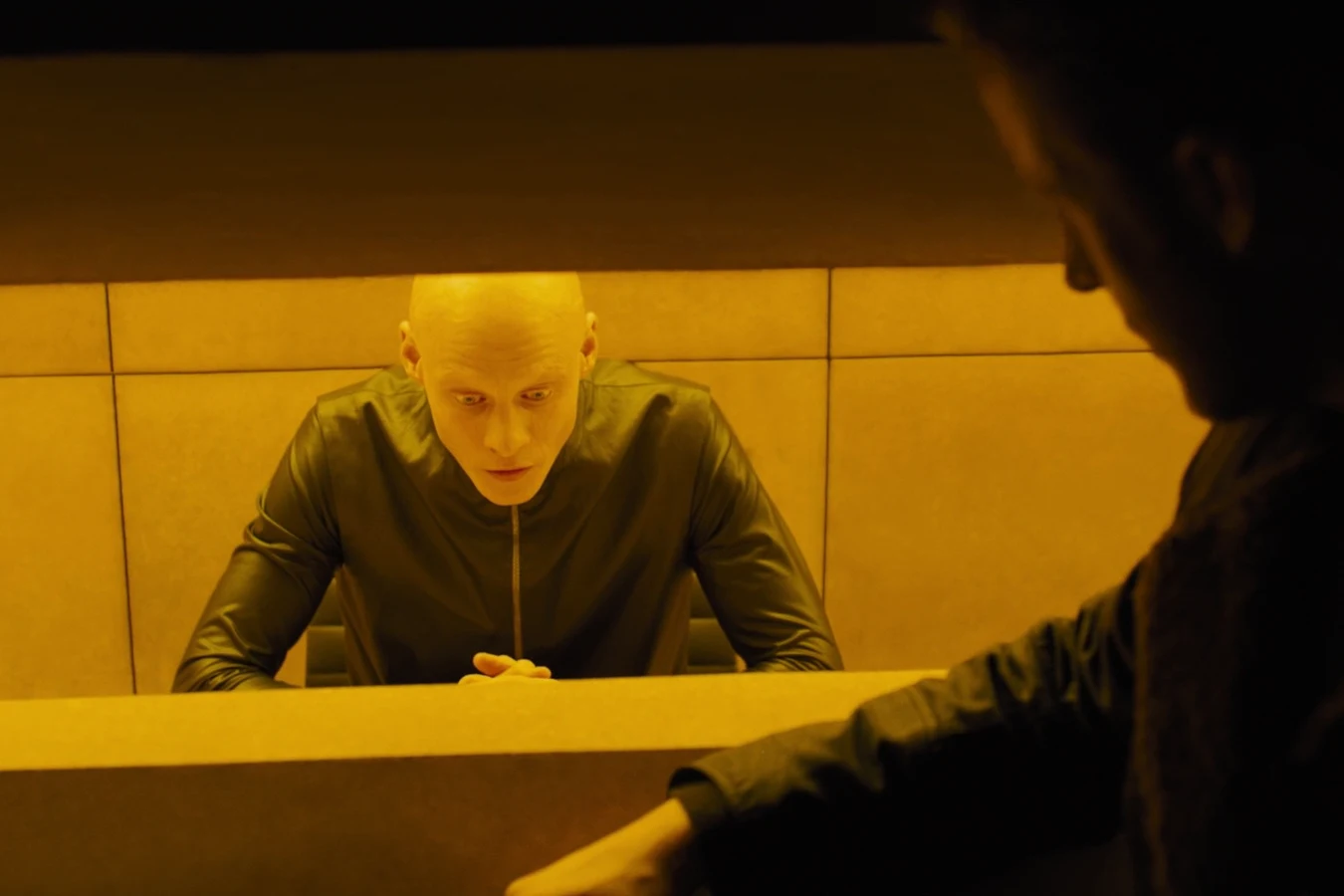
A File Clerk handled visitors and searches at the illuminated reception desk. When K brought fragments of Rachael's remains to the company in 2049, the surviving serial information led into its older records. Luv then became involved in the inquiry. The apparently routine request gave Wallace access to a discovery with implications for both Tyrell's past and his own attempts to develop reproducing replicants.
More sensitive remnants were stored in the refrigerated Memory Vault. Its encrypted glass spheres, called Memory Bearings, preserved recordings from before the Blackout. A secure player could display their contents, including older interviews and tests. Clear spheres indicated better preservation, while clouding suggested deterioration and possible corruption. The vault preserved fragments of research that the ordinary registration files could not fully replace.
Executive Chambers And The Creche
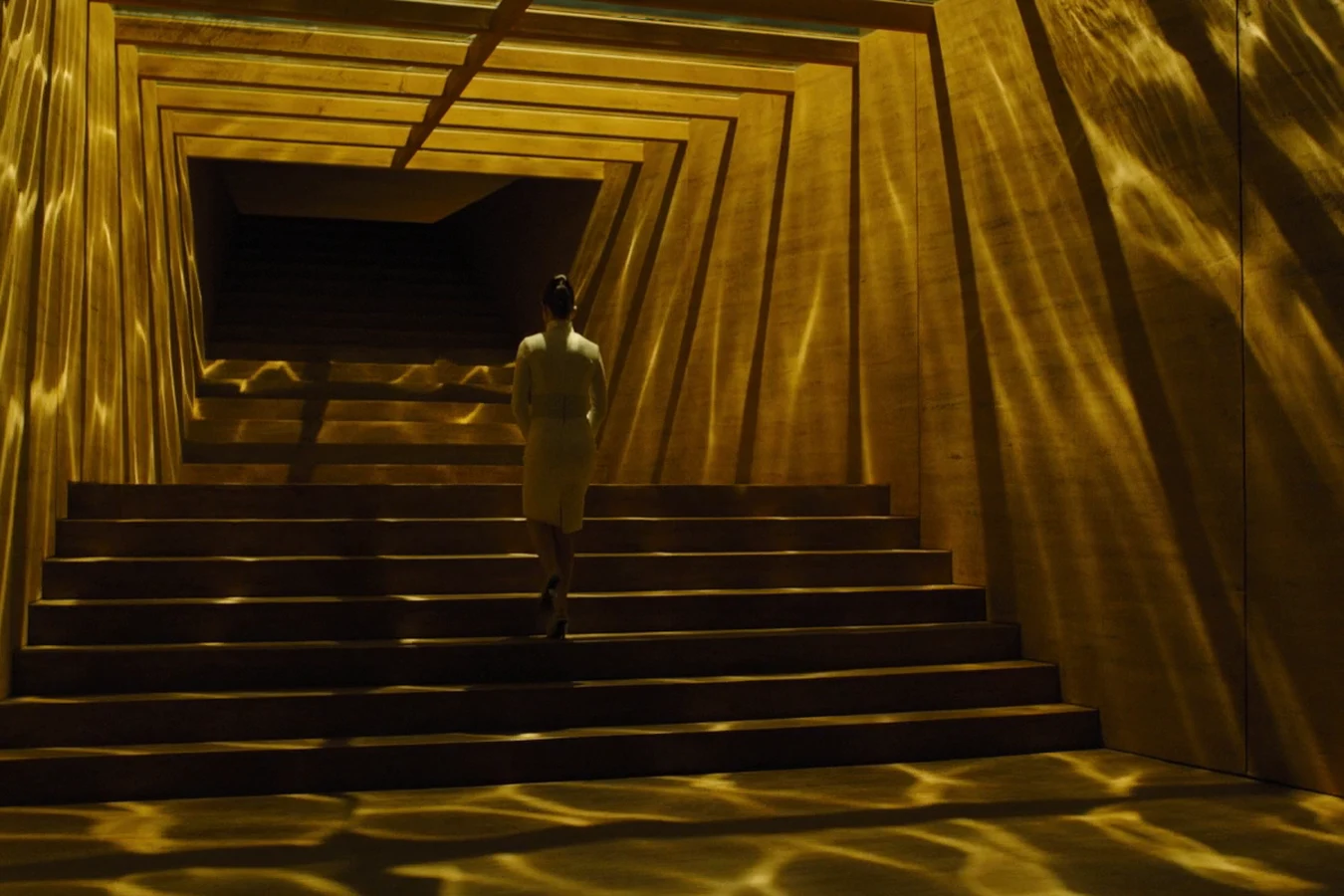
Wallace's Executive Chamber stood within a large pool, approached by a stairway rising from below the water level. Visitors crossed stepping stones to reach him. Luv's office was underneath the pool, where light passing through the water moved across her ceiling. The upper rooms combined personal accommodation, corporate authority and direct access to the facilities in which Wallace inspected his creations.
The nearby Nexus Reliquary displayed older replicant bodies in tanks, while the creche provided the space for examining newly made units. Wallace's blindness did not prevent these inspections. His Halo implant received information from a Barracuda drone, providing an artificial form of sight. The rooms and their equipment allowed him to review the inherited Nexus line and evaluate the results of his own program within the same headquarters.
Leadership And Personnel
- Niander Wallace Sr.: The founding chief executive and father of the later CEO. He expanded the company's financial and political influence, organized the Doll Hunt and attempted to dispose of the Tyrell research operation before Elle killed him in 2032.
- Niander Wallace Jr.: The bioengineer behind the synthetic food breakthrough and later chief executive. He directed the Nexus-9 program, sought legal approval for its production and pursued the means of replicant reproduction.
- Luv: A named Nexus-9, corporate representative and enforcer. She worked as a blade runner in the 2030s, handled sensitive assignments for Wallace and later pursued the investigation into Rachael's child. K killed her at the sea wall in 2049.
- Quell: Designation QL440-52.1, a Nexus-9 with an incept date of 26 September 2036. The RPG identified her as vice president of public relations, a member of Wallace's Dix Huit inner circle and a key liaison with the United Nations and Rep-Detect Unit.
- Hignight: The security chief at Wallace Tower in Black Lotus. He coordinated guards and access restrictions during Elle's infiltration, including the lockdown that sealed Wallace Sr. inside his penthouse.
- Dr. M: A memory specialist involved in the Doll Hunt and the implanted experiences used on its replicant subjects. Elle confronted and killed him after learning more about the experiment.
- The File Clerk: The archive employee who assisted K with his request concerning a pre-Blackout replicant. His work connected the public reception desk with the company's extensive private records.
Behind The Scenes
Tanya Lapointe's The Art And Soul Of Blade Runner 2049 documented the headquarters, archives and manufacturing spaces developed for the company. The designs were intended to distinguish Wallace's organization from Tyrell while making its greater scale visible. Dennis Gassner's production design and Roger Deakins's lighting gave the interiors abundant space and controlled illumination that ordinary people in the city could not obtain.
Designing And Filming The Towers
The Headquarters Design took roughly a year of research and development. An early proposal arranged three angled towers to form a conspicuous W, but Denis Villeneuve wanted a less literal presence above Los Angeles. The eventual design retained three immense blade-like structures. Its proposed resistance to rising water levels belonged to the concept for the corporation's long-term survival, rather than a measurement stated by a character in the film.
Weta Workshop constructed the Tower Miniature at one-six-hundredth scale, with the model reaching approximately four meters in height. Alex Funke described that size as practical for working the surface detail and textures. The miniature was filmed in New Zealand, and effects work added the surrounding city, flying vehicles and atmosphere. Snow and rain were incorporated to place the structures within the environmental conditions of 2049.
Building The Interiors
Wallace's Office Set was constructed within a pool holding about three feet of water. Deakins used a circular rig containing 286 incandescent lights to create moving illumination, while reflected light animated the walls. Jared Leto's voice reverberated through the large practical space. The stairway and stepping-stone approach were built to make visitors appear to rise out of the water before crossing toward Wallace.
The Records Library Set combined practical construction with digital extensions. The crew built one hundred cabinets approximately twelve feet tall and labeled the drawers by hand, although only one drawer needed to open. The extended rows were added in post-production. Luv's office lighting used water above the set and a custom ripple-making apparatus, producing changing patterns across the room beneath Wallace's pool.
The Replicant Effects
The preserved bodies in the Nexus Reliquary were physical props made from scans and three-dimensional prints of people. Water inside the tanks was added digitally because filling each practical tank would have made it extremely heavy. The arrangement allowed the camera to move through an inherited history of replicant designs without placing the full weight of water around every body on the set.
The Birth Bag sequence used practical effects supervised by Gerd Nefzer's team. Actress Sallie Harmsen entered a vacuum-sealed bag while breathing through a tube under stunt supervision. The suspended bag was lifted, the vacuum released and she dropped to the floor. The process created the emergence of an adult replicant within Wallace's clinical manufacturing space, rather than showing a conventional infant birth.
Conclusion
The Wallace Corporation developed from a family-led biotechnology business into a dominant supplier of food technology, replicants and digital services. Its purchase of Tyrell's assets connected the older Nexus program with a new manufacturing system. Under Wallace Jr., political lobbying, information services and close dealings with the police supported that expansion, while the search for replicant reproduction remained central to the company's ambitions in 2049.
Appearances
- Blade Runner 2049 (2017)
- 2036: Nexus Dawn (2017)
- Blade Runner Black Out 2022 (2017, mentioned)
- Blade Runner: Black Lotus (2021-2022)
- Blade Runner 2039 (2022-2024)
- Blade Runner: Black Lotus: Leaving L.A. and Las Vegas (comics)
- Blade Runner: The Roleplaying Game (2022)
Tag Categories: Blade Runner Lore