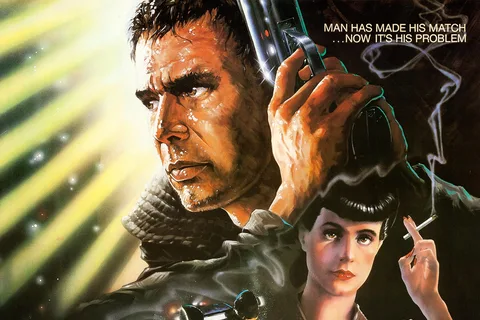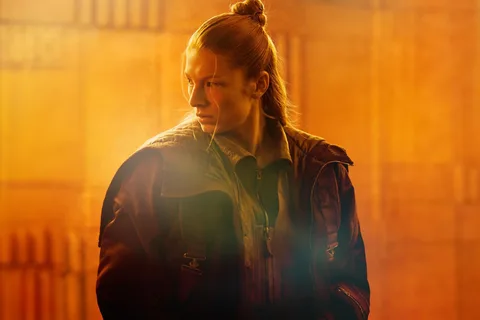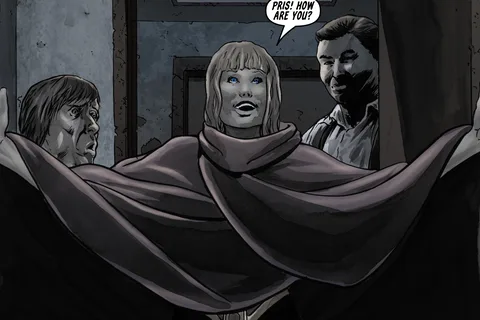

Iran Deckard was the human wife of bounty hunter Rick Deckard in Philip K. Dick's Do Androids Dream of Electric Sheep?. She lived with him in San Francisco after World War Terminus, struggled with depression, and used a Penfield mood organ and an empathy box. Their troubled marriage continued through Rick's hunt for escaped androids, the purchase and loss of a living goat, and his return with an artificial toad. The film Blade Runner retained a much smaller counterpart: an unnamed ex-wife remembered in Deckard's narration and a photograph.
Iran Deckard In Blade Runner
Deckard's Former Wife
In Ridley Scott's Blade Runner, Deckard had an ex-wife whose name was never given. The theatrical versions included his recollection that she had called him Sushi, meaning cold fish. By the time of the film's investigation they were divorced, and he lived alone among the photographs in his apartment. The reference preserved the idea of an unsuccessful marriage without including Iran's continuing role in his home life.
The Photograph And Off-World Departure

A photograph on Deckard's piano showed him with a woman on a porch, recalling the marriage before their separation. Deleted material gave the picture greater attention and expanded his account: his wife had left him for a man who had made money in the off-world colonies. The February 23, 1981 screenplay also included a conversation in which Rachael asked about a picture of his wife and he explained her departure. The off-world explanation was additional material, rather than part of the theatrical Sushi voiceover.
The film did not identify the woman in the picture as Iran, or show the novel's mood-organ arguments, goat, or electric toad. Its unnamed former wife should therefore be distinguished from Dick's named character rather than given all of Iran's history. In the novel Iran remained married to Rick and waited for him at home; the film placed that marriage in his past before his relationship with Rachael.
Deckard's Wife In The Blade Runner Comic
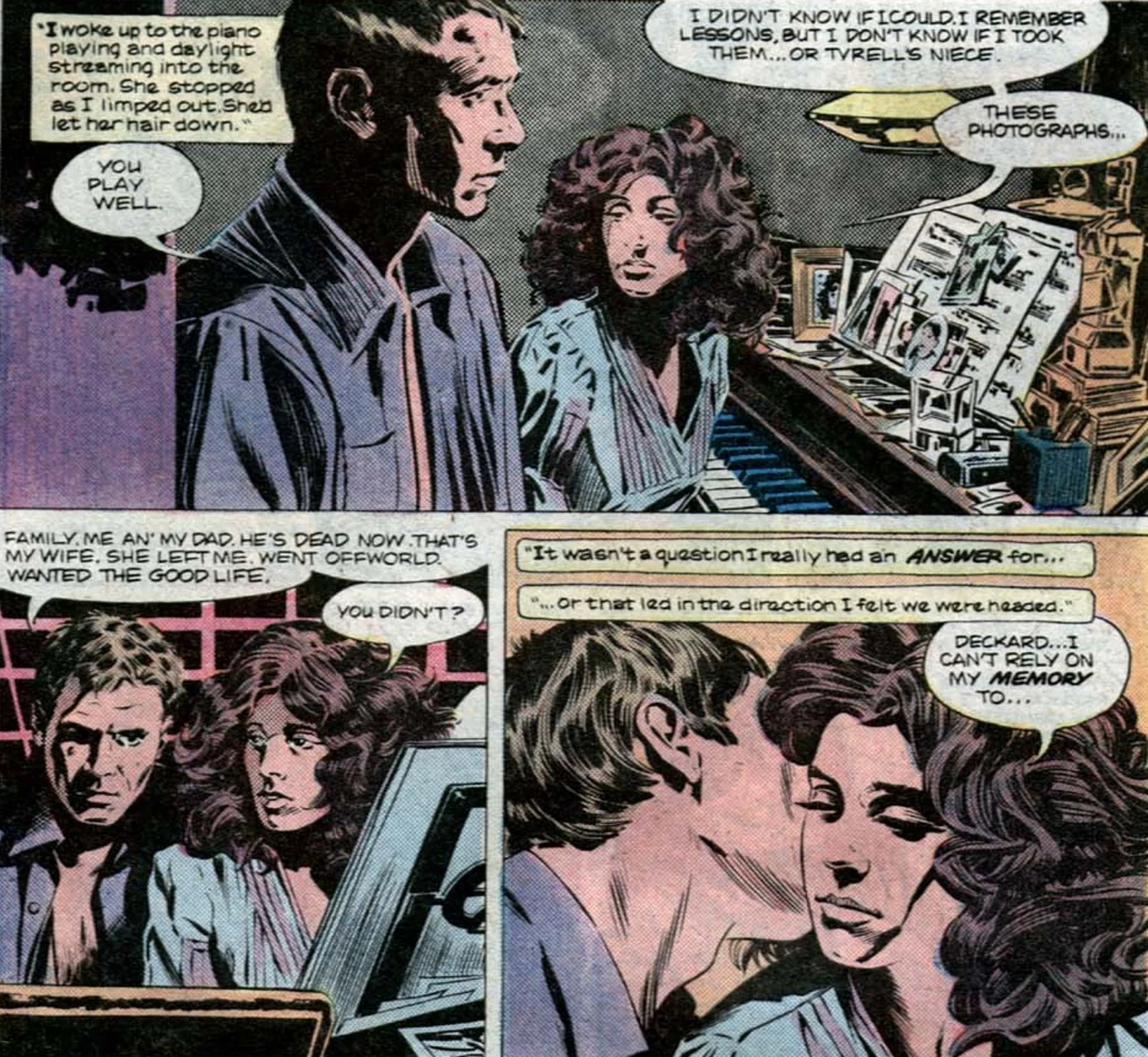
Marvel's Blade Runner comic adaptation retained a more direct conversation about Deckard's former marriage. Looking through his family photographs with Rachael, he identified his wife and explained that she had left him, gone off-world, and wanted a better life. Rachael questioned whether he had wanted the same thing. The exchange gave the comic's unnamed ex-wife an explicit departure without identifying her as Iran or importing the novel's domestic events.
The Woman In The Vehicle Theory
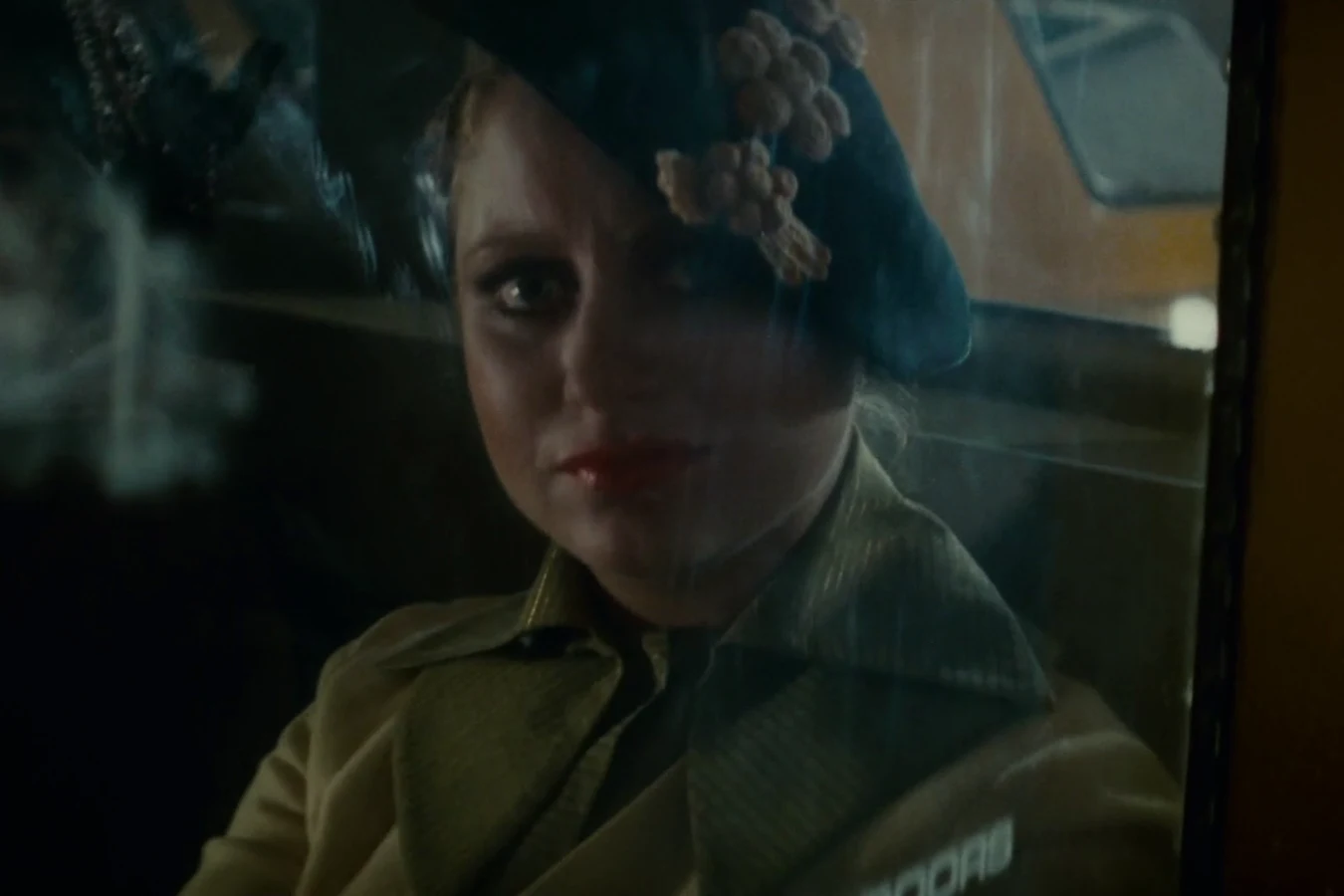
During Deckard's pursuit of Zhora, an unidentified woman looked out from a vehicle as he passed. A fan theory connected this appearance with the woman in his marriage photograph, suggesting that the passerby might be his former wife. The scene supplied no name, dialogue, or exchange establishing a personal connection between them, so the proposed encounter remained an interpretation of the film.
A fan discussion proposed Pam Rose as the performer in the photograph and linked that suggestion to the woman in the taxi. The thread provided no production credit or confirmation from the performer establishing either identification. Even a shared performer would not by itself establish that the two appearances represented the same character, and the theory remained unconfirmed.
Iran Deckard In Do Androids Dream Of Electric Sheep?
Marriage And The Mood Organ
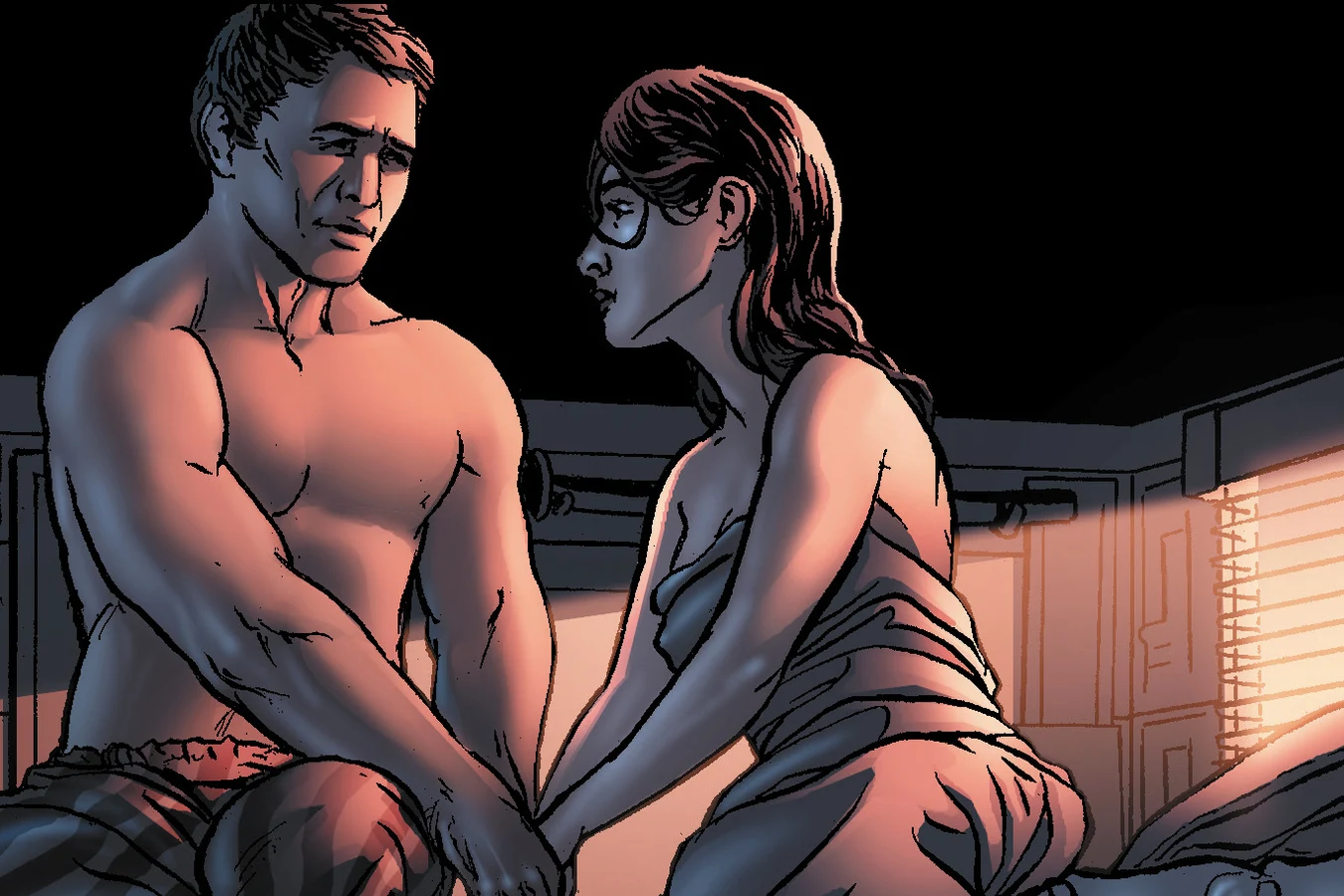
Iran lived with Rick in a partly occupied San Francisco apartment building after World War Terminus. They owned an electric sheep that replaced a living animal, and Iran cared deeply about the embarrassment of concealing the substitution. Their marriage had suffered enough for them to consider separating two years before Rick's assignment against the Nexus-6 fugitives. She also objected to his profession, treating the killing of androids as murder rather than accepting his distinction between them and humans.
Both spouses used a Penfield mood organ to influence their emotional states, but Iran resisted Rick's attempts to decide hers for her. Hearing the silence of the empty apartments after switching off Buster Friendly's television program had disturbed her. She believed that feeling nothing in response to the world's loss of life was itself unhealthy, and scheduled periods of despair rather than permanently suppress that reaction. Rick feared that she would become trapped in the depression despite the automatic reset she had arranged.
Their morning argument ended with Rick setting her console to a mood of approval of his judgment while preparing himself for work. Iran changed her setting after he left and returned to her scheduled depression. When he called following his encounter with Polokov, she was too despondent to respond to his excitement about the bounty money he expected to earn. She worried about their marriage and the possibility of an android killing him, but he interpreted her response as a lack of support.
The Goat And Mercerism
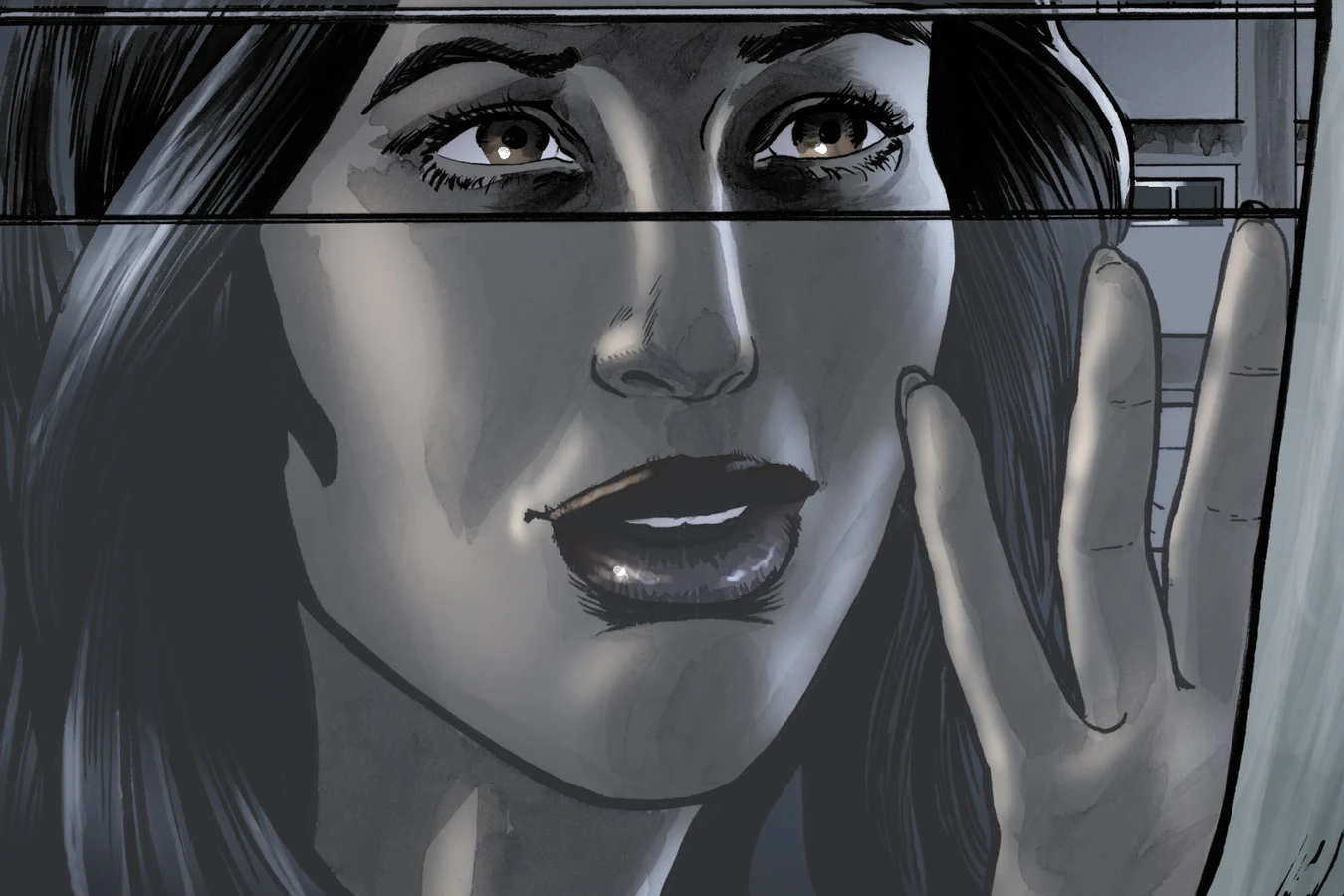
That evening Rick surprised Iran with a black Nubian goat bought with his bounty earnings. She initially objected to being excluded from such an important purchase, then became delighted when she saw the animal on the roof. Owning a living creature relieved her shame about their electric sheep and briefly lifted her depression. She wanted to share their happiness through Mercerism, persuading Rick to return downstairs to the empathy box rather than remain with the goat.
Iran regarded fusion with Wilbur Mercer as a way to share both suffering and joy with other people. She had experienced the happiness of another animal owner through the box, as well as the grief of someone whose animal had died. She believed that the Deckards owed others the chance to receive their good fortune, even if they encountered distress in return. She also showed Rick a bruise sustained during an earlier experience of Mercer's climb, accepting the physical pain as part of the shared encounter.
Rick then tried to explain his growing empathy for androids and his wish to leave bounty hunting, but Iran questioned how they would meet the goat's monthly payments. Her love for the animal did not remove her alarm at its cost or the interest in the purchase contract. She answered a call from Harry Bryant before returning to the empathy box, and Rick subsequently took her place at its handles. After a rock struck his ear during fusion, Iran wiped away the blood with a handkerchief and later wished him luck as he left to finish the assignment.
The Loss Of The Goat
While Rick completed his hunt, Rachael Rosen visited the apartment building and pushed the goat from the roof. Their neighbor Bill Barbour summoned Iran, and they called the police, but the animal was dead before they could help. Iran saw the visitor clearly enough to describe her thin build, dark hair, fish-scale coat, and large purse. Rachael made no attempt to hide her identity, allowing Rick to recognize who was responsible when he returned.
Iran waited on the roof to break the news to her husband, explaining that the goat had been deliberately killed rather than fallen ill. She asked him to come downstairs and remain with her, but he left again in his hovercar. She was also troubled by Buster Friendly's claim that Mercer was a fraud and asked whether it could be true. With the animal gone and Rick absent, she returned to the mood organ without finding the desire to select a setting.
Rick's Return And The Toad
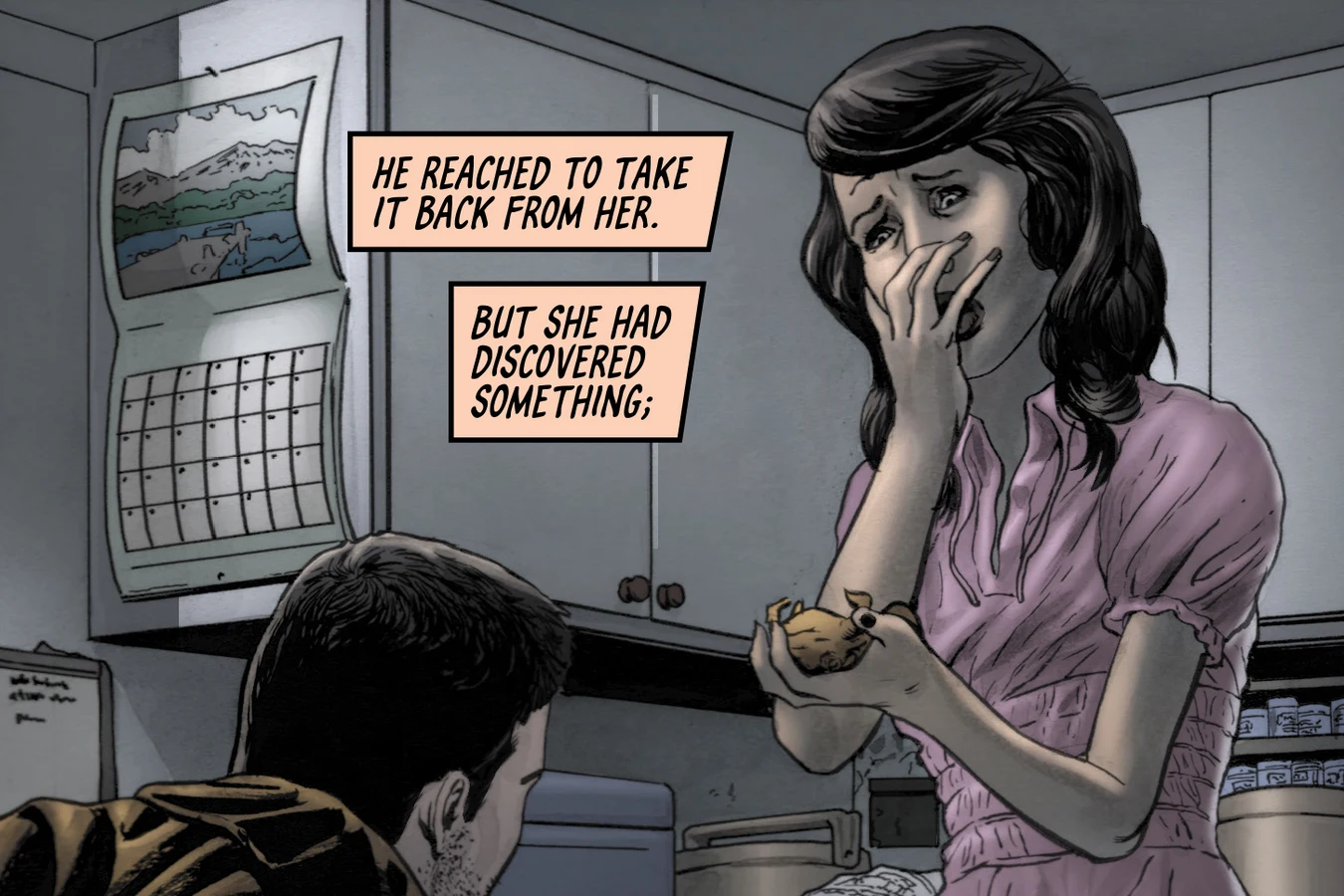
When Rick came back the following morning, Iran's relief at seeing him gave her a change of mood without using the organ. He was exhausted, injured, and covered in dust, but carried a box with unusual excitement. She made him coffee and learned that he had found a toad in the desolate country near the Oregon border. Because toads were thought extinct, he regarded the discovery as something extraordinary after the losses of the previous day.
Iran overcame her discomfort at handling the toad and examined its underside. With a fingernail she found and opened a small control panel, revealing that it was electric. Rick's disappointment made her regret telling him so abruptly, but he preferred knowing the truth and accepted that artificial creatures also had lives of their own. She offered the mood organ as a way to feel better, then turned her attention to getting him to rest when he declined.
Caring For The Electric Toad
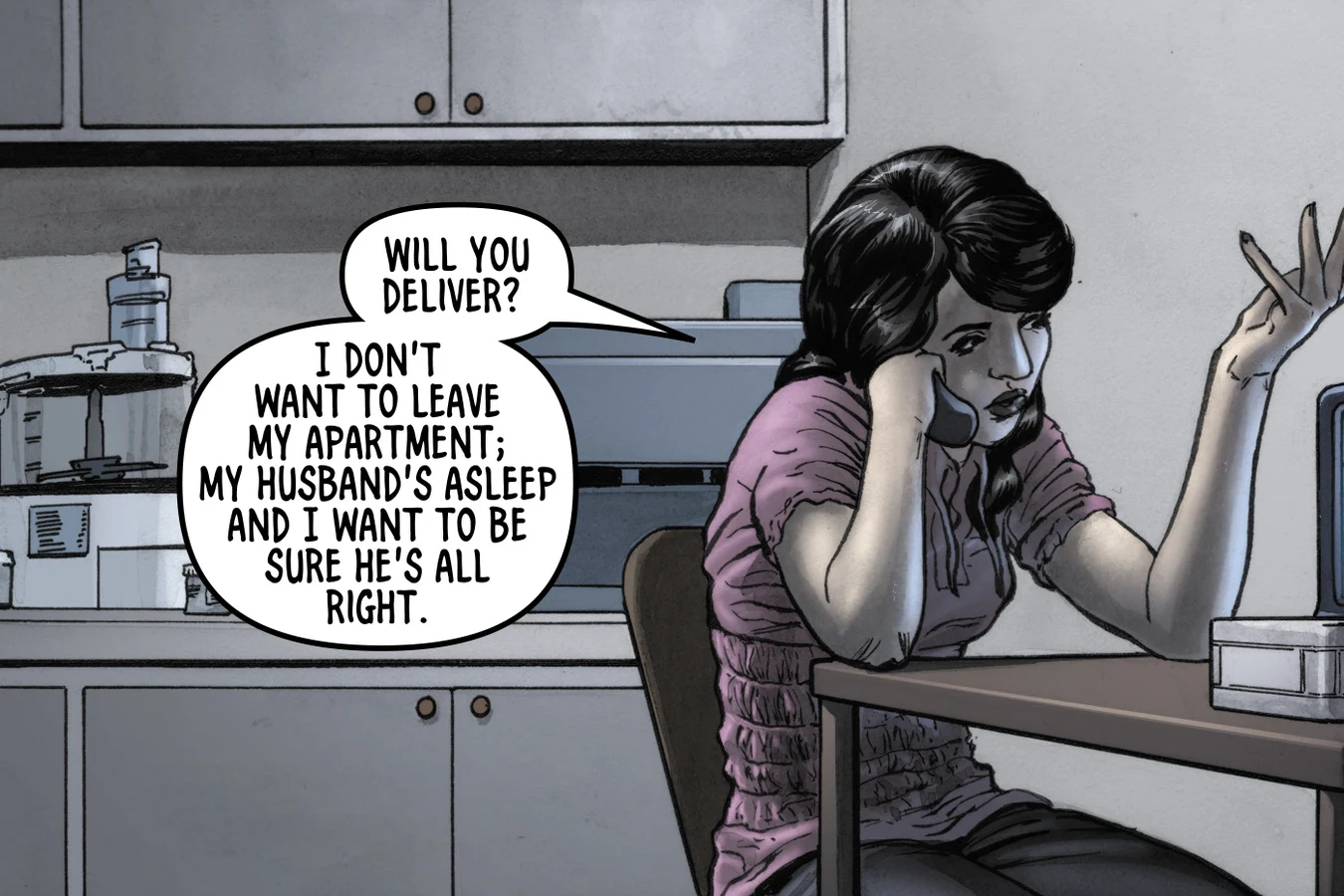
After putting Rick to bed, Iran returned to the kitchen and considered what the artificial animal would need. She searched the telephone directory for electric-animal accessories and ordered a pound of artificial flies that could fly and buzz. When the salesperson offered a mixed assortment of insects, Iran retained the order for flies and requested delivery. She did not want to leave the apartment while Rick slept because she wanted to be sure he was all right.
The salesperson also recommended habitat equipment and periodic adjustment of the toad's tongue mechanism. Iran agreed to the maintenance arrangements because Rick was devoted to the animal and she wanted it to function properly. Discovering its artificial nature did not make her discard it or dismiss the comfort it had brought him. She arranged its care while protecting his opportunity to recover from the hunt.
Life After The Hunt
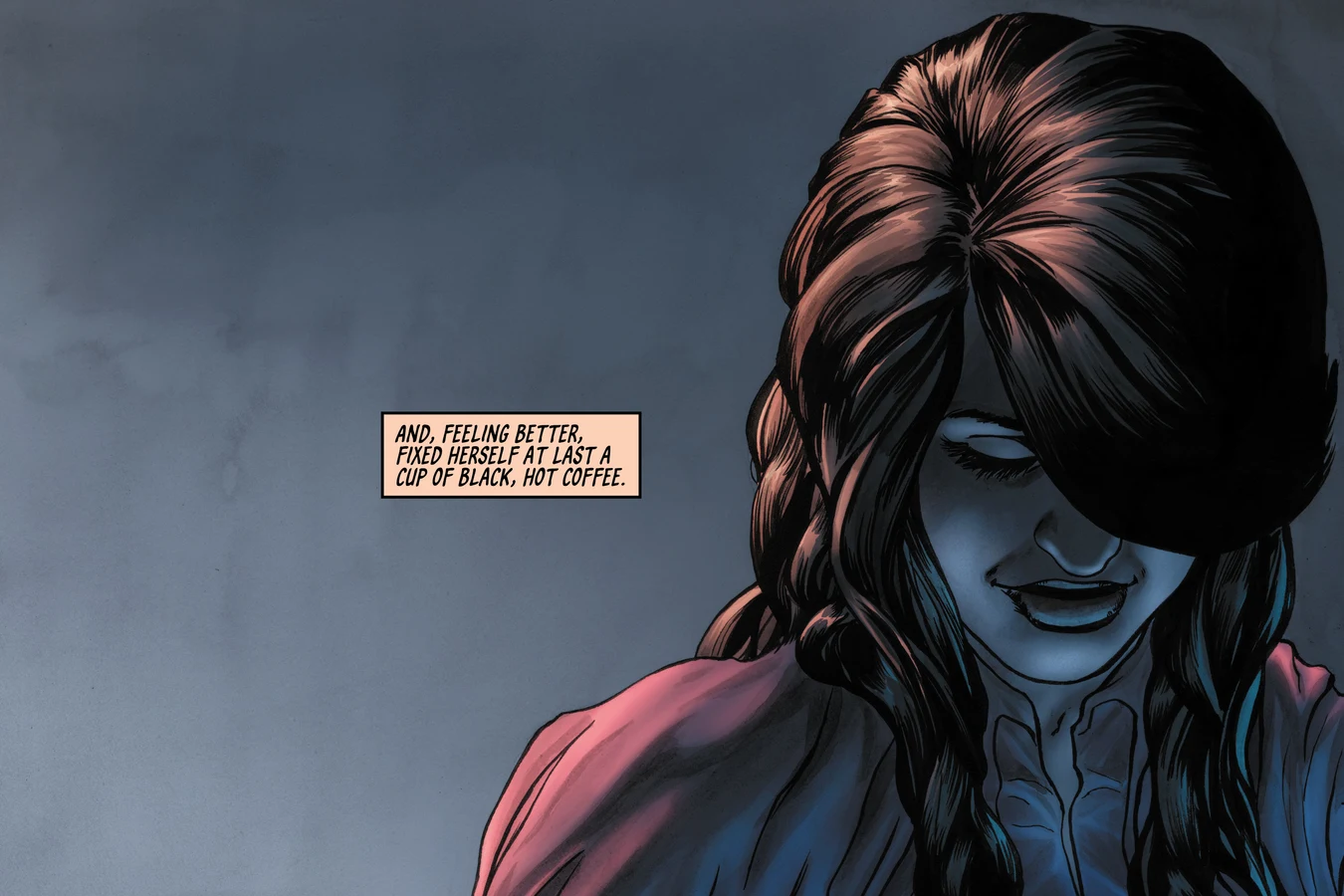
Before he slept, Iran reassured Rick that his assignment was over and that she was glad he had returned home. She no longer responded to him with the hostility of their morning quarrel and answered his questions about whether he had acted wrongly. She offered a setting intended to bring peace, but found that she did not need to activate the mood organ: he fell asleep naturally. Iran watched to make sure he would not wake in fear, then ordered the toad's supplies and finally made coffee for herself. Both remained alive and together at home at the end of the account.
Behind The Scenes
Philip K. Dick introduced Iran in the 1968 novel Do Androids Dream of Electric Sheep?, published by Doubleday. Her part connected Deckard's professional violence with domestic life, emotional conditioning, Mercerism, and the care of animals. The adaptation into Blade Runner removed most of those events and changed the wife who shared his apartment into a former spouse. The film did not supply Iran's name for that woman.
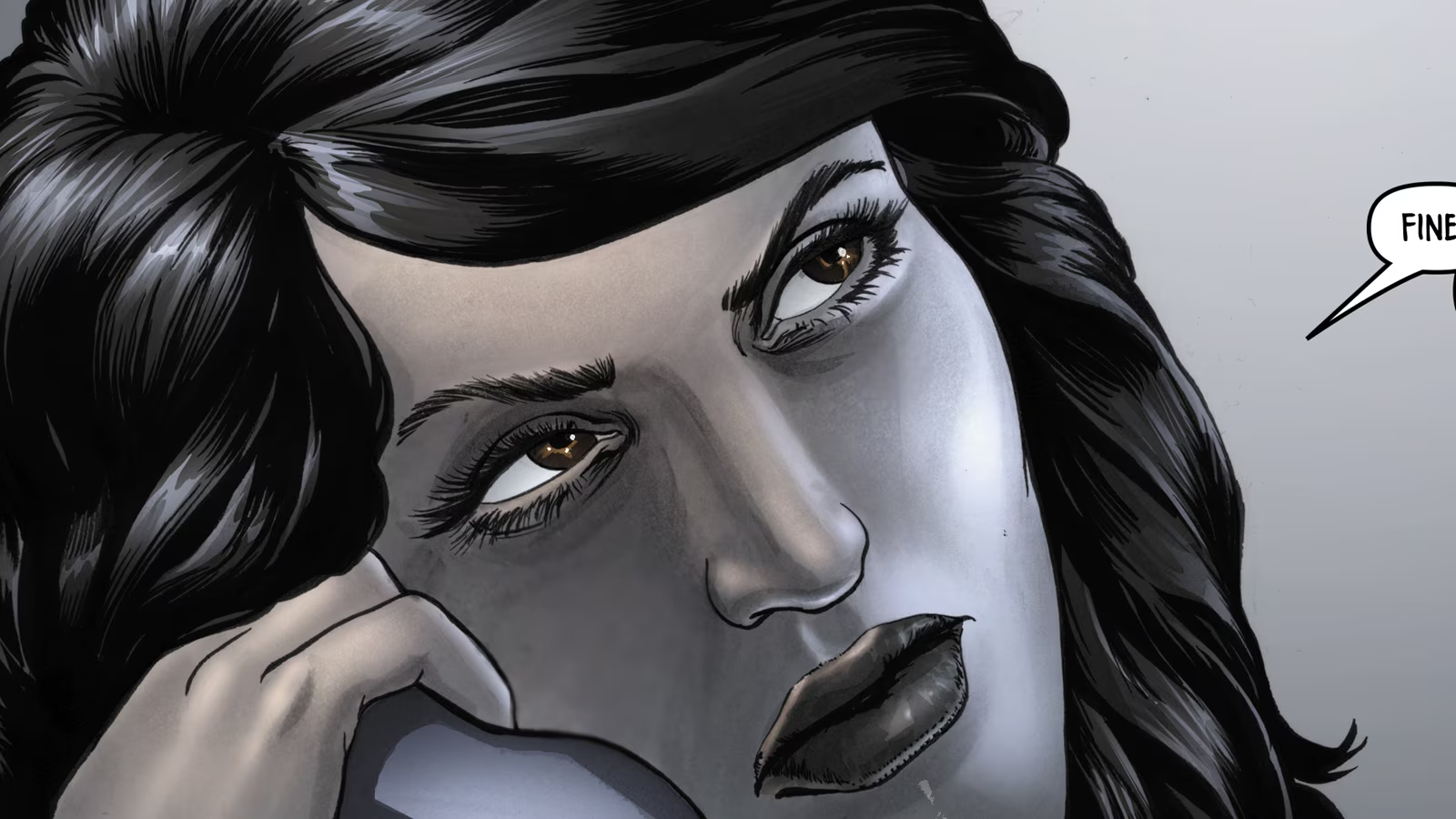
Iran also appeared in BOOM! Studios' Do Androids Dream of Electric Sheep? comic, illustrated by Tony Parker and published in twenty-four issues from 2009 to 2011. That adaptation followed the novel's married Deckards and retained Iran's mood-organ dispute, response to the goat, and discovery of the electric toad. It depicted her as a dark-haired woman in the San Francisco setting rather than expanding the unnamed ex-wife's history in the film.
Conclusion
Iran Deckard shared her husband's concern for living animals while questioning the violence that financed their household. The goat's arrival briefly relieved her despair, its death brought another loss, and Rick's return gave her a reason to care for both him and the artificial toad. She remained with him at the end of the novel, providing reassurance and practical help after the hunt that had strained their marriage.
Appearances
- Do Androids Dream of Electric Sheep? by Philip K. Dick (Doubleday, 1968).
- Do Androids Dream of Electric Sheep? (BOOM! Studios comic, 2009-2011).
- Blade Runner (1982; unnamed ex-wife counterpart, photograph and theatrical narration).
Tag Categories: Blade Runner Lore | Blade Runner Characters