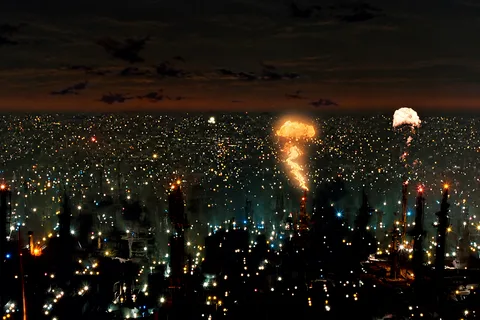
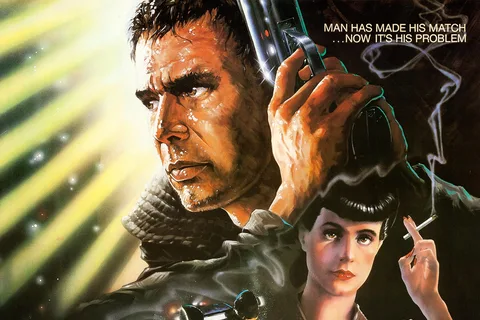
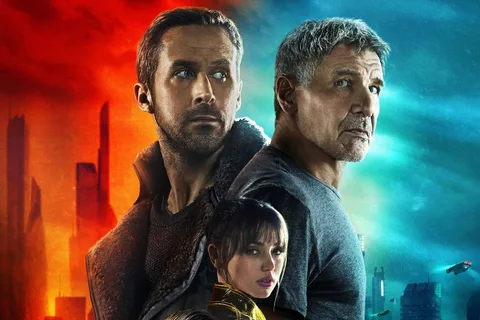
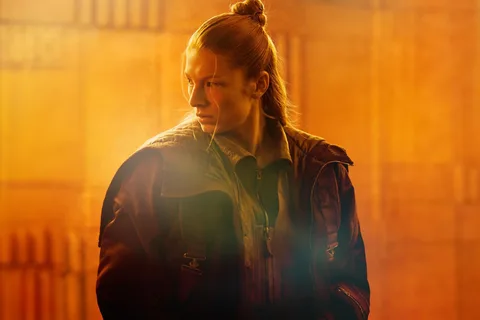
Blade Runner 2049: Replicant Pursuit is a 2017 virtual reality chase experience developed by Turtle Rock Studios and published by Alcon Interactive Group with Oculus for Samsung Gear VR and Oculus Go. Released on 21 July 2017 ahead of Blade Runner 2049, it puts players inside an LAPD Spinner above Los Angeles. Dispatched after a rogue Nexus-8 fugitive who stole a vehicle, the player scans passing traffic and pursues the suspect through neon canyons until a collision forces both craft down.
Story And Mission
The Briefing And Launch
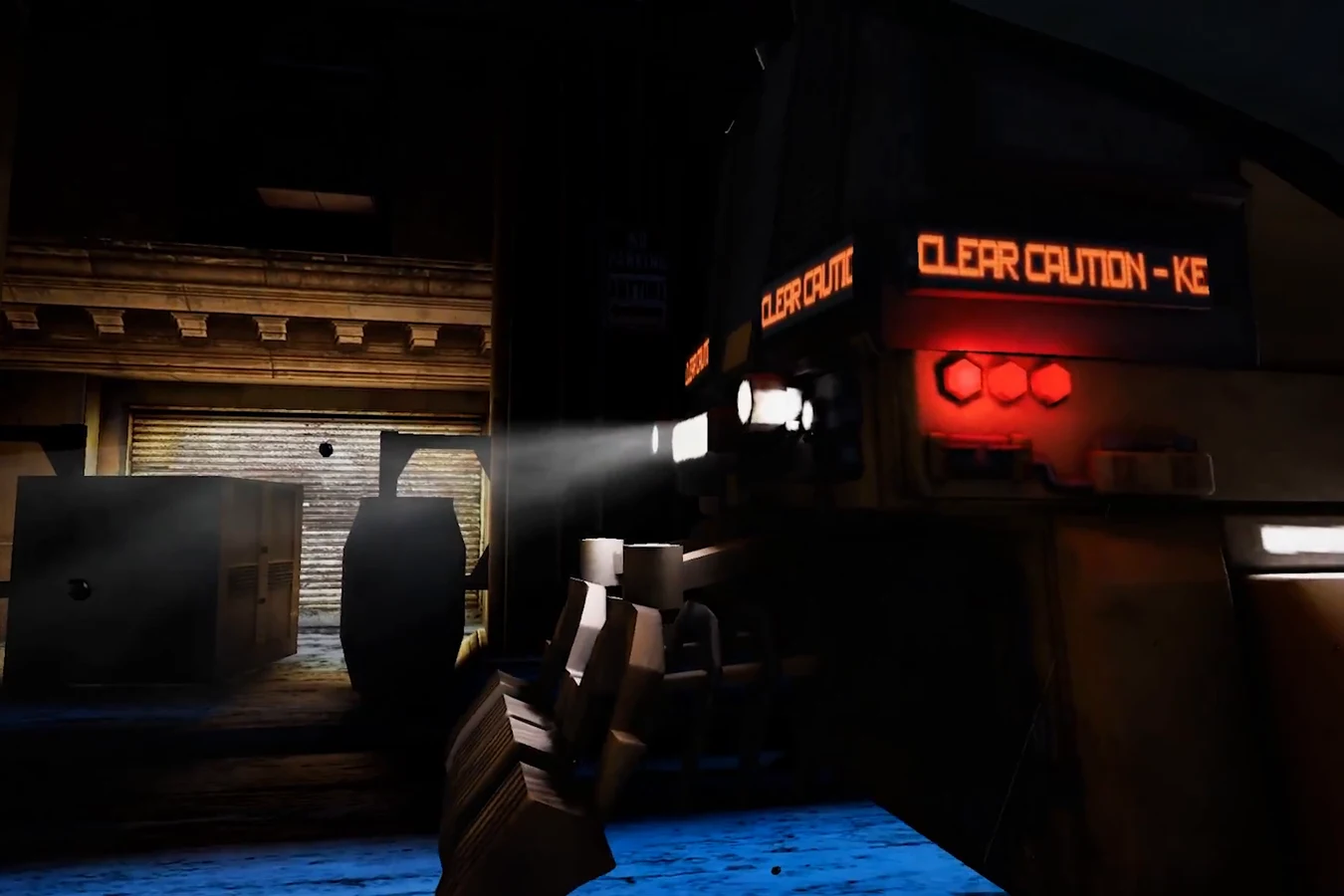
The mission opened inside a parked police Spinner in a dark Los Angeles launch bay, where an incoming video call from an LAPD superior interrupted the pilot. The officer warned the blade runner to sober up quickly because an older replicant had broken into the Wallace Corporation building, killed two workers, and left six in the hospital. Having stolen a Spinner in the player's patrol sector, the fugitive had gone airborne into heavy city traffic. Dispatch explained that the suspect was an older Nexus-8 model who had been hiding out in the city for years before the attack.
Before the Spinner lifted out of the garage behind another patrol unit, the superior confirmed that headquarters had an identification on the stolen vehicle. The player received strict orders to use the cockpit's optical scanner to check every passing Spinner in the area without starting a fight. Again and again, dispatch repeated the instruction not to engage the target directly once he was spotted. Climbing into the rain-swept skyline above 2049 Los Angeles, the Spinner joined the crowded aerial lanes between towering LAPD skyscrapers.
Scanning And The Pursuit
Once airborne, the player looked around the night sky to align the cockpit's green targeting reticle with passing vehicles, clearing innocent drivers and LAPD patrols until the rogue replicant's red Spinner appeared. Confirming the match, the commanding officer warned that the fugitive might already have spotted the patrol car. Dispatch told the pilot to maintain a discreet distance and shadow the stolen craft to learn where the runaway was heading. Instead of holding back, the blade runner overrode the cautious approach and closed the gap through Los Angeles traffic.
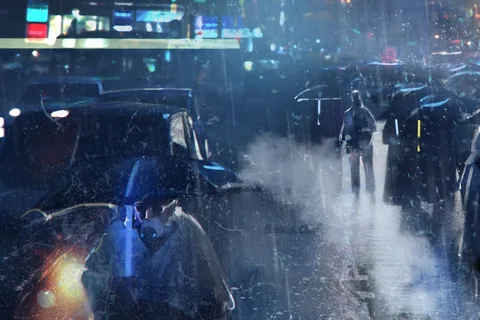
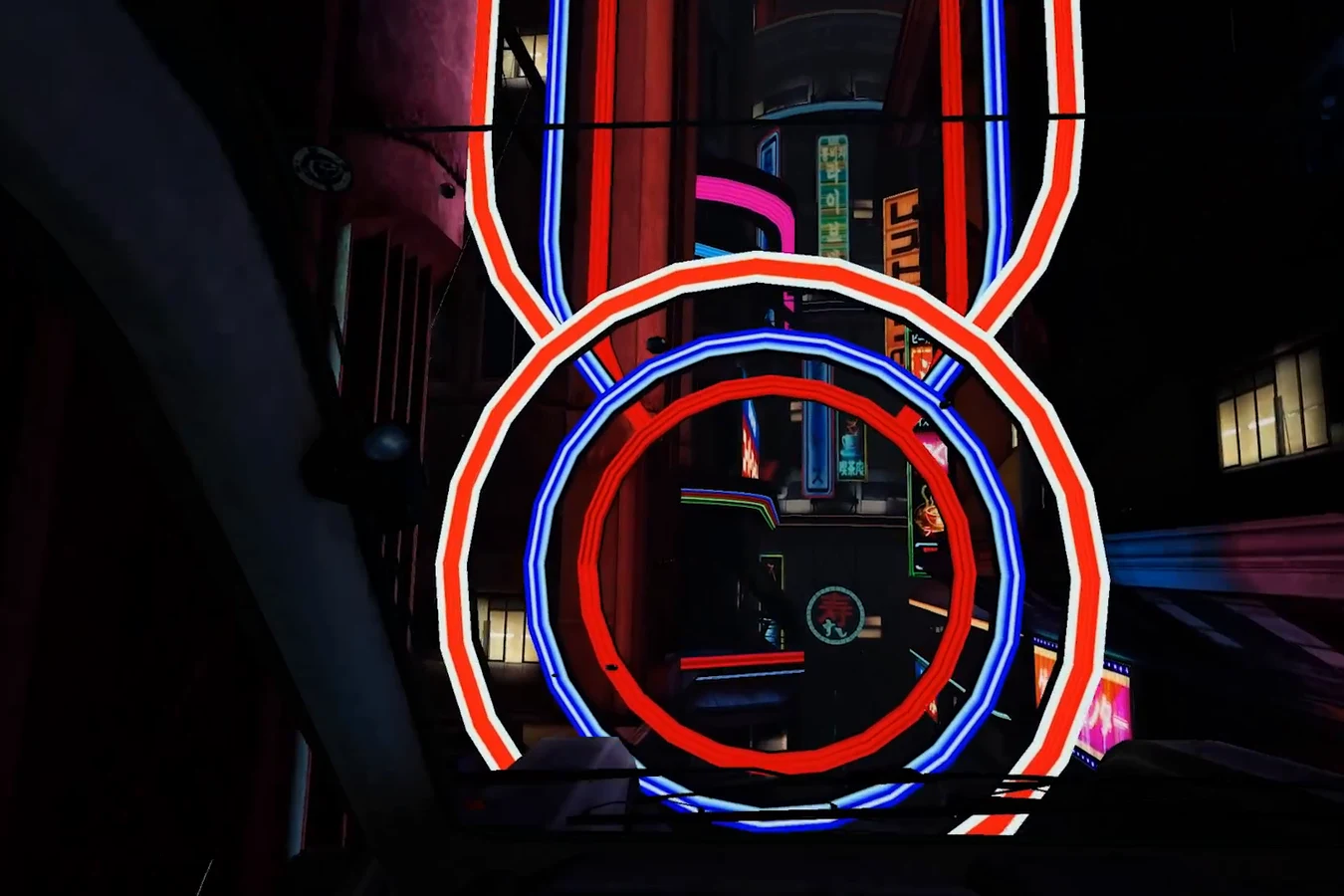
As the pursuit accelerated, the superior repeatedly barked orders over the radio demanding to know what the pilot was doing and ordering an immediate disengage. The chase plunged off the open skyline into narrow neon-lit canyons, threading beneath glowing red and blue concentric rings and weaving past towering storefronts. Giant holographic advertisements for Atari, Coca-Cola, Johnnie Walker, and Joi swept past the canopy as the red Spinner banked sharply ahead. Neither warning from headquarters slowed the chase as the two flying cars traded near-misses between steel towers.
The Collision
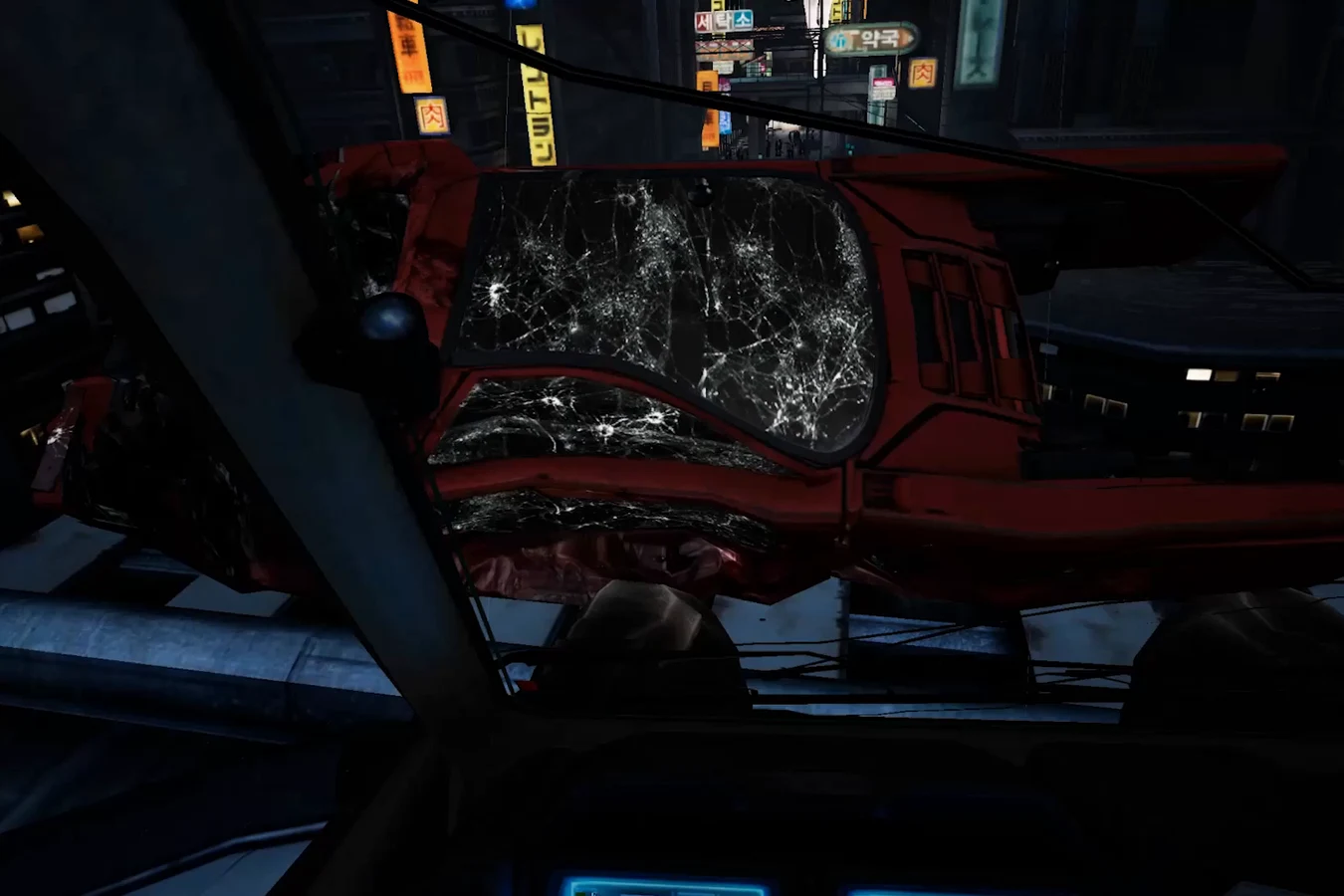
With dispatch still shouting orders to stand down, the cornered Nexus-8 driver began forcing the duel at close range. The red Spinner cut violently across the player's flight path, trading scrapes beside another passing LAPD patrol craft while neon billboards streaked past the side windows. Both vehicles dropped down toward the lower street levels where pedestrians and ground signs crowded the narrow alleys. In the closing seconds, the fugitive's red car slammed directly across the player's cracked windshield, spinning out of control in a shower of sparks.
Both Spinners crashed down onto the wet asphalt of a neon-lit Los Angeles street, bringing the five-minute mission to an abrupt halt. The screen faded to a blue To Be Continued title card rather than showing the arrest or retirement on foot. At the live convention booth, that ending handed directly over to the physical street set outside, where visitors stepped past a wrecked Spinner prop in police tape. The unfinished cliffhanger was meant to lead into the follow-up virtual reality chapters planned before the film's theatrical debut.
Gameplay And Mechanics
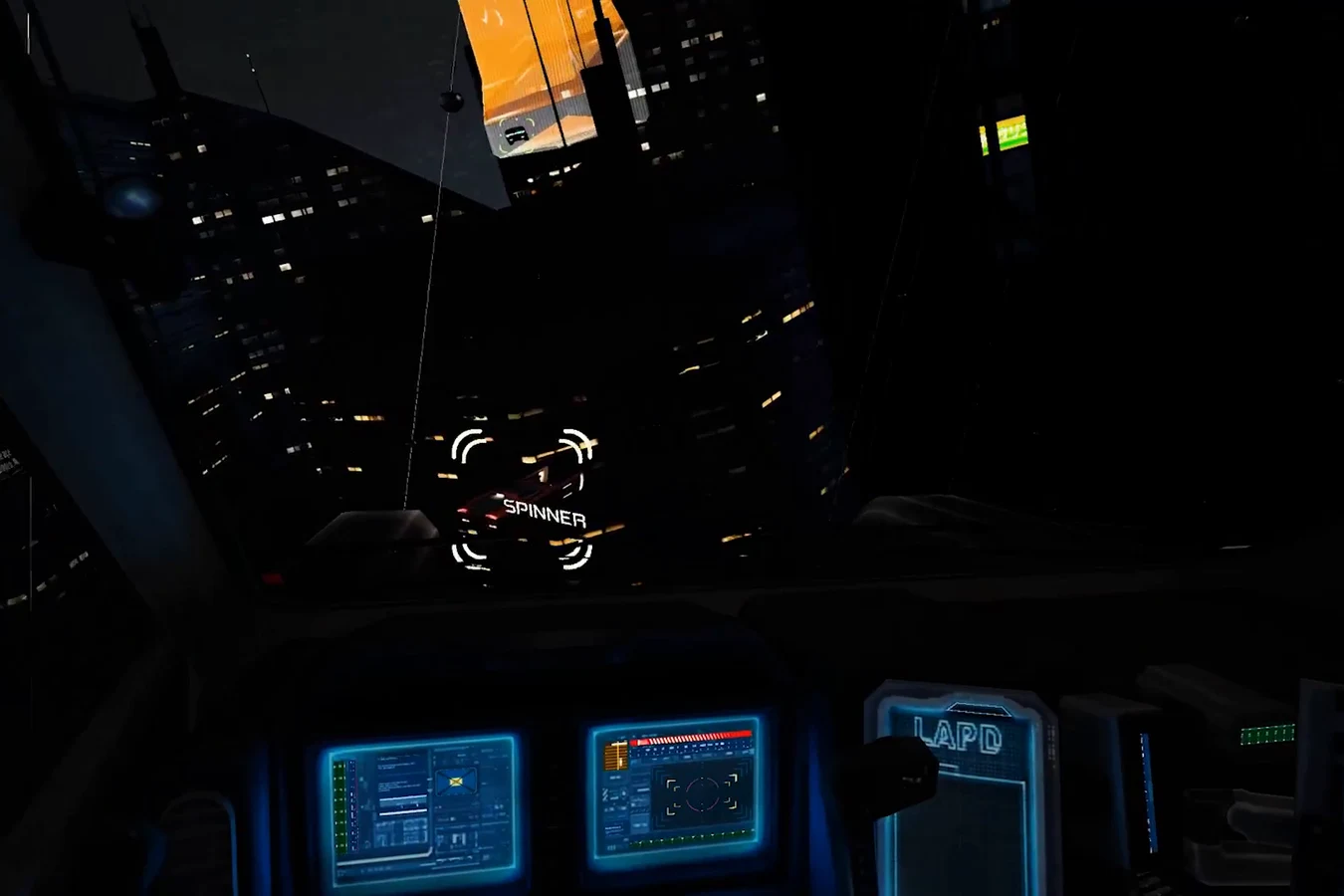
Replicant Pursuit is a seated, single-player virtual reality ride lasting roughly four to five minutes from briefing to crash. Most of the flight runs on a scripted aerial track through the city, leaving steering, throttle, and braking under automated control. The player's main interaction takes place from the pilot's seat, looking around the Spinner canopy to aim a head-tracked optical scanner at nearby traffic. Locking gaze onto another craft triggers a brief scan readout that marks cleared units in green, though the mission also advances automatically if a player misses a target.
Cockpit menus offer minimal settings limited to toggling subtitles, adjusting audio volume, and resetting a seated gaze orientation. Although Samsung Gear VR supported the handheld motion controller, reviewers noted that clicking it had little effect on flight beyond basic menu selection. The experience focused on first-person spatial presence inside the heavy, dashboard-lit cabin rather than open-world flight freedom. Blue LAPD telemetry monitors, windshield wipers, and overhead canopy struts frame every turn as oncoming traffic and holographic ads rush past the glass.
Development And Art
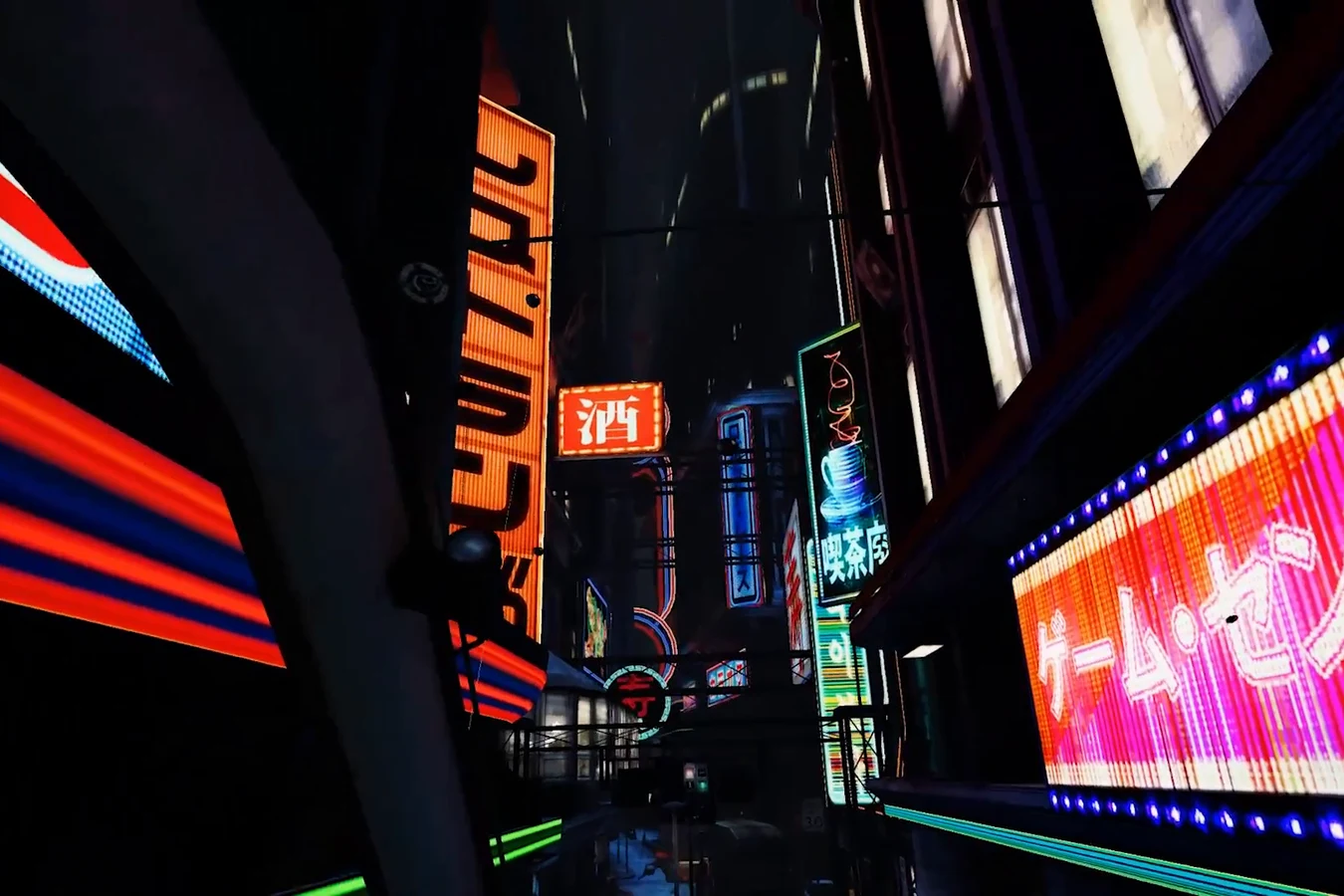
Turtle Rock Studios, known previously for Left 4 Dead, Evolve, and the mobile VR horror anthology Face Your Fears, developed the project in partnership with Alcon Interactive Group and Oculus. Oculus head of experiences Colum Slevin said the partners wanted a standalone narrative piece rather than a simple film advertisement. Environment artist Matt Olson modeled and textured the entire Los Angeles cityscape and the interior of the Spinner, while Scott Knapp handled lighting across the neon streets. Their work filled the skyline with wet concrete corridors, dense signage, and towering legacy brands drawn from Blade Runner.
Sound design paired engine rumble and cockpit radio chatter with synth themes echoing Vangelis's score from the original film. Alcon and Oculus conceived the project as the opening chapter in a three-part virtual reality series from three separate developers tied to the 2017 movie. Magnopus followed in October 2017 with Blade Runner 2049: Memory Lab, a longer live-action capture investigation for Gear VR and Oculus Rift. A third announced experience never arrived, leaving Replicant Pursuit and Memory Lab as the only released entries in that promotional trio.
Comic-Con Installation And Release
Blade Runner 2049: Replicant Pursuit debuted at San Diego Comic-Con on 20 July 2017 inside a free public pavilion across from the convention center. Inside that walkthrough space, guests strapped on Gear VR headsets while seated in rows of D-BOX motion simulator chairs that tilted, rumbled, and jolted in sync with the Spinner's turns and final impact. When the headsets came off, a dividing wall lifted to reveal a physical street set featuring a crashed Spinner prop, live actors in costume, and a replica of the White Dragon Noodle Bar. Visitors could pick up noodles, undergo improvised Voight-Kampff screenings, and explore the gallery without needing a convention badge.
The public digital release followed on 21 July 2017 as a free download on Oculus Home for Samsung Gear VR, later carrying over to Oculus Go. Several early trade previews at Comic-Con mistakenly reported that the chase was also launching on Oculus Rift. In reality, Replicant Pursuit remained exclusive to Oculus's mobile headsets, while only Memory Lab received a Rift desktop release alongside its mobile build. Its brief runtime and free distribution positioned it alongside Blade Runner Black Out 2022 on the wider promotional Blade Runner timeline.
Reception
Critics who tried the experience at San Diego Comic-Con praised its visual scale and audio atmosphere while criticizing its limited interactivity and comfort. UploadVR admired the nostalgic synth soundscape and invasive holographic billboards, noting that the light gaze scanning kept convention visitors engaged when paired with the D-BOX motion rigs. The Verge similarly found the Spinner cockpit and neon skyline faithful to the films, though it warned that Gear VR's mobile hardware limited sharpness and felt far flatter on a living-room couch without motion seating. Both outlets treated the five-minute flight primarily as an atmospheric appetizer for the physical Comic-Con set and the upcoming sequel.
Polygon was far more critical, praising the detailed billboards and imposing LAPD architecture while calling the rapid acceleration and sharp braking intensely nauseating. Its reviewer wrote that trying to turn their head to scan passing vehicles while the on-rails Spinner lurched between skyscrapers quickly caused severe motion sickness. Players looking back on Oculus Home and YouTube similarly appreciated the free cockpit tour of 2049 Los Angeles and the dramatic crash finale. Compared with deeper games such as Blade Runner (1997) or Blade Runner: Revelations, it plays more like a theme-park simulator ride than a detective adventure.
Conclusion
Blade Runner 2049: Replicant Pursuit gave fans their first virtual reality flight inside a 2049 police Spinner, months before Denis Villeneuve's sequel reached theaters. Its five-minute chase traded detective work for a scripted aerial pursuit of a rogue Nexus-8, built around gaze scanning, towering holographic ads, and a jarring street-level crash. Though short, linear, and rough on motion-sensitive players, its neon skyline and D-BOX Comic-Con staging made it a memorable transmedia tie-in. Later titles such as Revelations, Blade Runner: Rogue, and the uncompleted Blade Runner 2033: Labyrinth returned to slower investigative storytelling, leaving Turtle Rock's ride as the series' sole VR flight showcase.
External Sources
- Meta Quest Blog announcement for Blade Runner 2049: Replicant Pursuit
- UploadVR SDCC 2017 hands-on with Replicant Pursuit
- The Verge review of the Blade Runner 2049 VR installation
- Polygon hands-on preview of Blade Runner 2049: Replicant Pursuit
- Matt Olson environment and Spinner art gallery on ArtStation
Tag Categories: Blade Runner Lore | Blade Runner Games