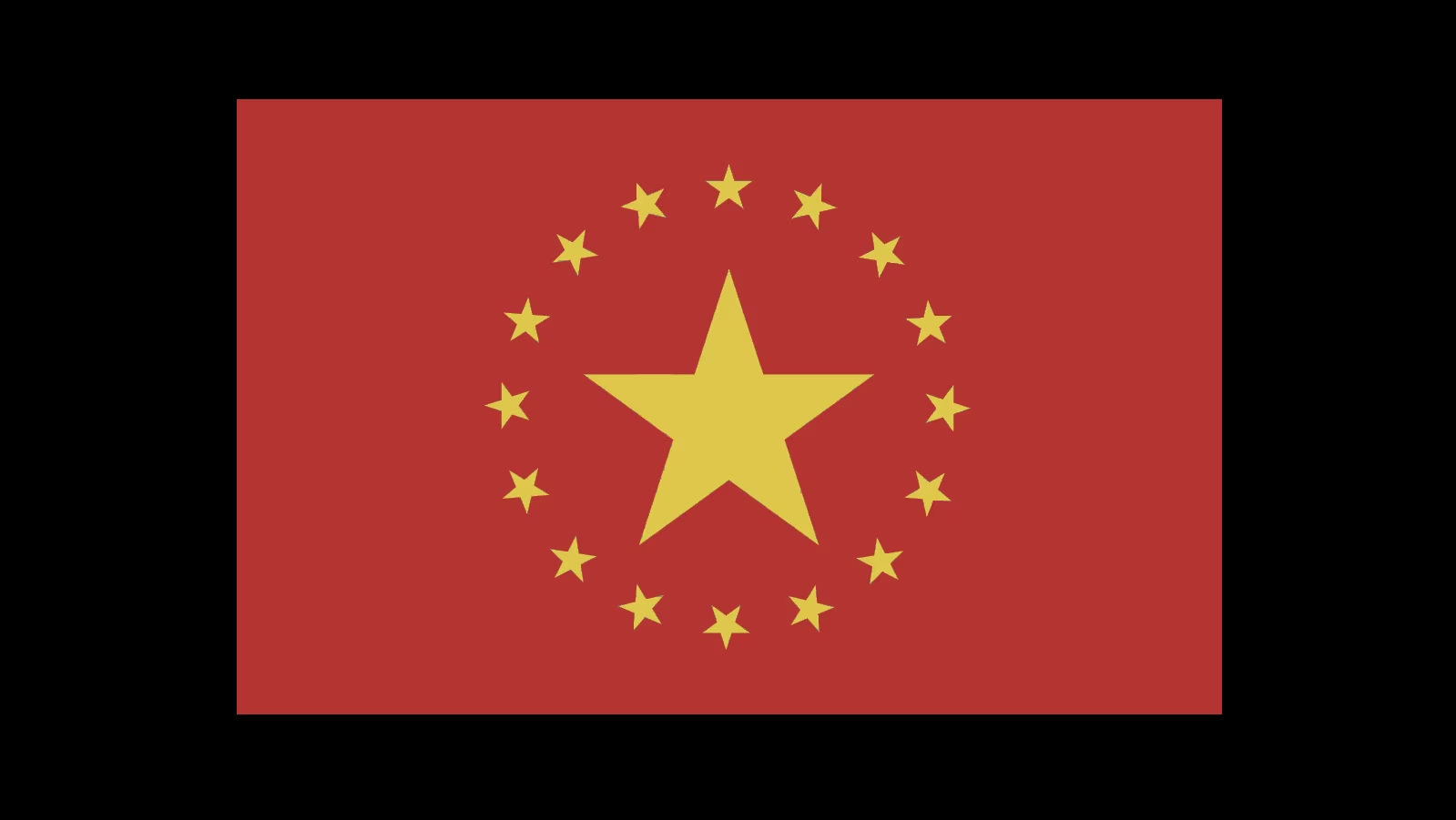

The Union of Progressive Peoples was the socialist bloc of the 22nd century, the third of the great colonial powers beside the United Americas and the Three World Empire. It formed after the Torin Prime revolt, when Germany and Spain joined Russia, while China helped the new union take shape and left its own Chinese/Asian Nations Cooperative outside the charter for a time. By the 2180s the Union held a vast stretch of resource-poor space, sent its own citizens to new colonies whether they had chosen to go or not, and was in a cold war with the United Americas along the Frontier. Its capital was Rodina Station, and its forces were the People's Army, the Space Operating Forces, and the Ministry of Space Security.
Formation
Andrew E.C. Gaska's Colonial Marines Operations Manual follows the break from the Torin Prime revolt, which showed a weakness in the new United Americas. What remained of the European states came apart. Germany and Spain joined Russia and created the socialist Union of Progressive Peoples. China had built the Chinese/Asian Nations Cooperative and the Chinese Arm, and it helped that union form because it wanted the United Nations Interplanetary Corps to come apart. The Union's charter rejected corporations. The Cooperative's economy depended on corporate factories inside its territory, so China left the Cooperative separate. Joining the two systems was going to take time. Russia, Germany, and Spain were unhappy with that delay, and they could not hold the Union without Chinese support.
Free League's Alien: The Roleplaying Game dates the same union to the early 22nd century and names China and Russia as the founders, with Vietnam, Germany, Spain, and other Asian and Eastern European states joining later. In that account the Union was an answer to the Three World Empire and the United Americas, and it refused to deal with Weyland-Yutani or any other corporation. Androids were in use in the member states when the Union formed. They were never given citizenship. More than sixty years later they were machines and the property of the state. The game's timeline places that founding in the wake of the early colonial conflicts, among them the loss of the troop carrier UAS Archangel at Thedus, where more than 15,000 people were killed.
The operations manual follows the Union into the 2150s, when Hyperdyne cut supply runs to the Hyades Cluster during the Core Conflict and those mining colonies went without food. The camps revolted and seceded to the Union. Hyperdyne asked the United Americas to intervene even though the worlds lay past the twenty-parsec limit, and Colonial Marines fought Union troops there until the ceasefire of 2165. In 2164 the Union absorbed the Cooperative. With that territory and the colonies it had annexed from single nations and from the Three World Empire, the Union called the 2100s the Progressive Century.
Government
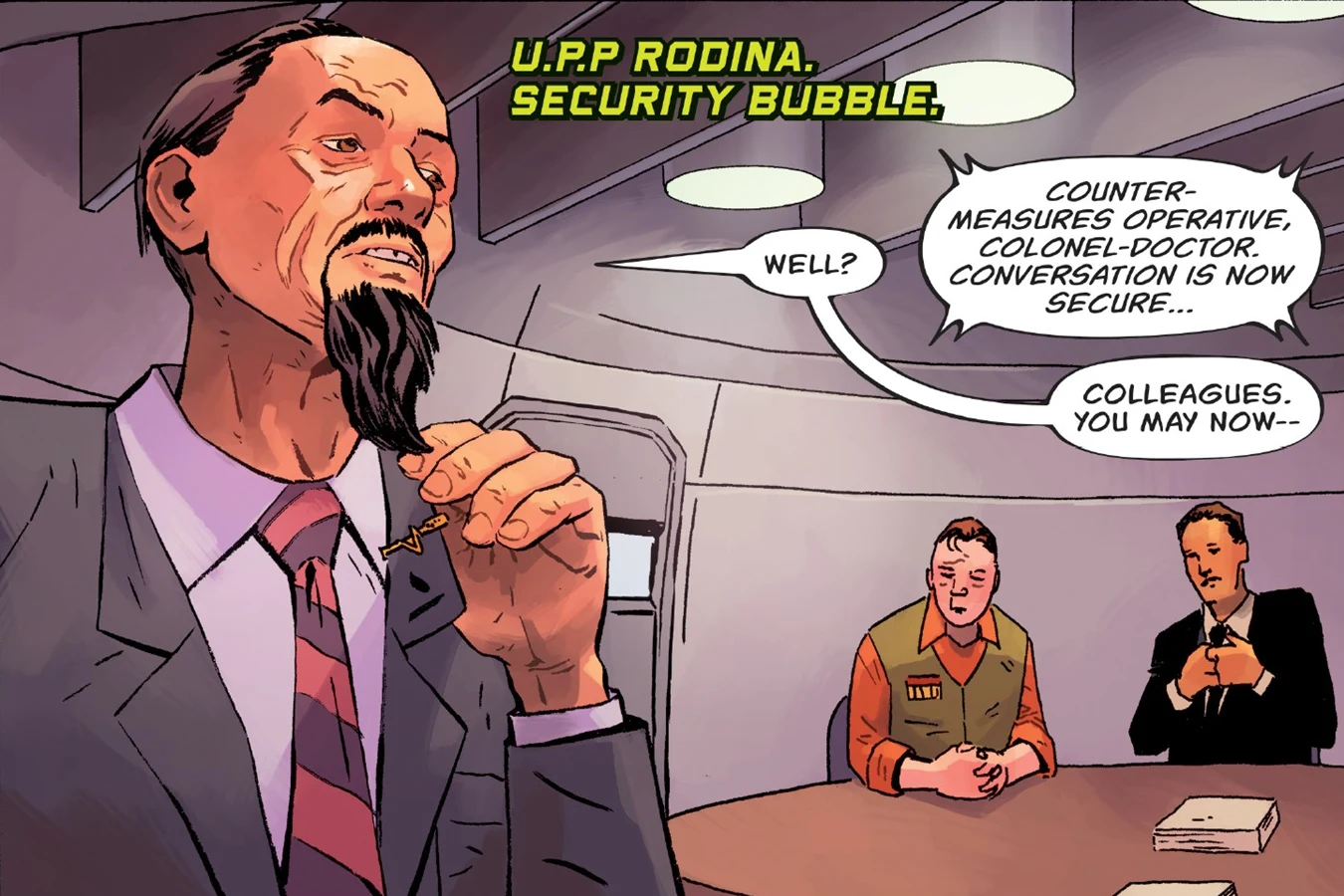
The roleplaying game describes a socialist government in which the workers controlled the means of production. A president was head of state, and a premier presided over the state council. A Governor General and a naval task force oversaw the Frontier, and each colony had its own mayor. Governor General Pham Dinh was a Navy commander near the end of her career in the 2180s. Younger officers treated a Frontier posting as a chance to advance. For Dinh it was a punishment, and she wanted a return to her home colony, where her daughter and grandchildren lived. She looked for resource-rich worlds for the Union's poor citizens, and she would go to war to hold a Union claim.
Citizens did not choose who left when a new planet was found. Colonization ships went out at once to ease the crowding on older member worlds, and the people assigned to those ships were sent for the good of the Union. The Union never built atmospheric processors and did not terraform. On a world where people could not breathe the open air, it put the colony underground or inside habitation domes. The few naturally habitable worlds it held were overcrowded. Named worlds in the roleplaying game include New Kiev, Qi Xi III, 17 Phei Phei, Xiang Colony, and the Chiu and Wan An outposts.
Later fiction adds the Eitr mine Shānmén, where an Engineer Juggernaut dumped Black Goo on the colony in 2186, in Alien: Inferno's Fall. The Union also auctioned the water world LV-991. Iran's National Data Corporation won that bid and renamed the site Hasanova. Most of the planets inside Union borders were poor in resources, so the Union pushed farther into the Frontier in search of worlds it could use. That push worried the United Americas, which posted a large share of its navy and Colonial Marines on the border. Many of the alarms were false. A two-person marshal office could watch a Union fleet enter a neighboring system and then learn the ships were a colonization expedition.
Armed Forces
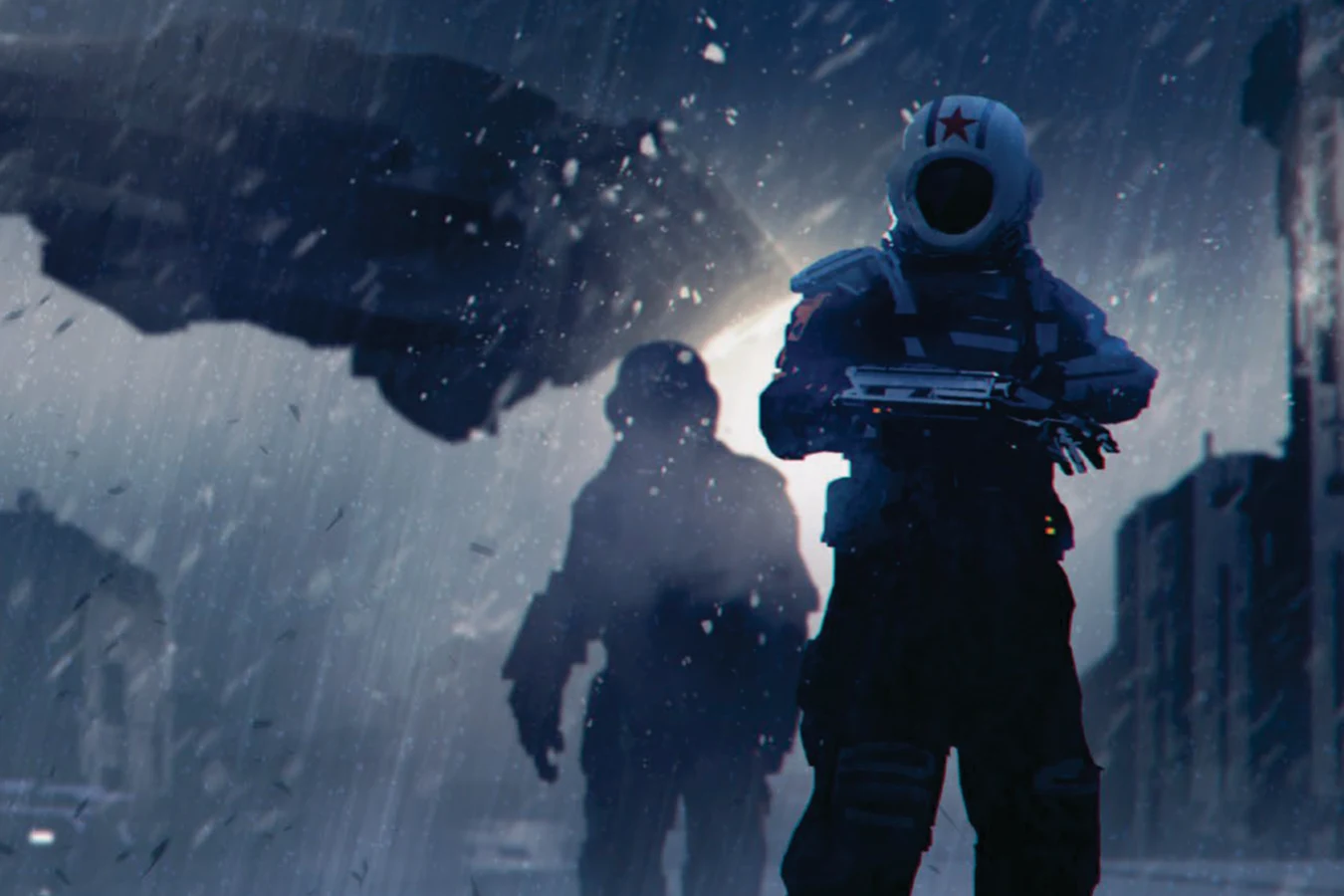
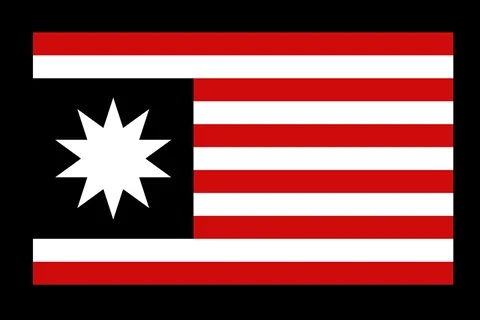
The operations manual describes the combined forces of the member states as the largest human military assembled up to that time, and it splits them into three services. Helmets, dropships, and the flag carried a gold or red star. The flag itself was a red field with one large gold star inside a ring of smaller gold stars. Norcomm was the firearms arm of the People's Army. Its QSZ-203 pistol, a short-recoil weapon in 5.8mm, became the standard sidearm when the Union absorbed the Cooperative in 2164. The service rifle was the Norcomm AK-4047 pulse rifle, built as a cheaper and tougher counterpart to the M41A, and the Norcomm RPG122 was a single-shot rocket launcher without a telescopic sight.
The People's Army
The People's Army, abbreviated UPPA, was the Union's mass force for surface war, planetary defense, and assaults between planets. Every adult citizen owed five years of service, so most of the army was made of ordinary people serving that term and nothing more. Training was adequate, and soldiers gave up when a fight turned deadly. The army's advantage was its size. In a large battle the Space Operating Forces often took command of these regular units.
Space Operating Forces
The Space Operating Forces were the Union's answer to the Colonial Marines, trained for zero-gravity fighting and for the first response when a Union colony was attacked. They had their own fleets, their own dropships, and two-story armored trucks, and they went in ahead of an invasion or an annexation. The roleplaying game gives them an AK-model pulse rifle and wrist-mounted suit guns for firing while they wore compression armor. They used androids in combat after the 2151 New Deal had banned synthetics from that role. The Union found a store of David 7 synthetics on the old Corinth Colony, refurbished them as Davydovich Syem combat androids, and fielded them across the Frontier. It also took Seegson Type 3E Working Joes and rebuilt them as Fighting Joes, tied to a 1VAN/3 mainframe.
Ministry Of Space Security
The Ministry of Space Security was the secret police and the intelligence service. It placed spies in the United Americas and the Independent Core System Colonies, smuggled out weapon plans and vehicle designs, and sent liaisons to unhappy colonies to talk them into defecting. It also ran psychological and biological experiments that the operations manual describes as work done for the people and often at the people's expense. The Ministry watched the Union's own citizens. When a Ministry officer arrived, that officer took command of the operation no matter what rank the army or the Space Operating Forces had on the scene. The commandos did not like that arrangement, and they complied with it.
Ships
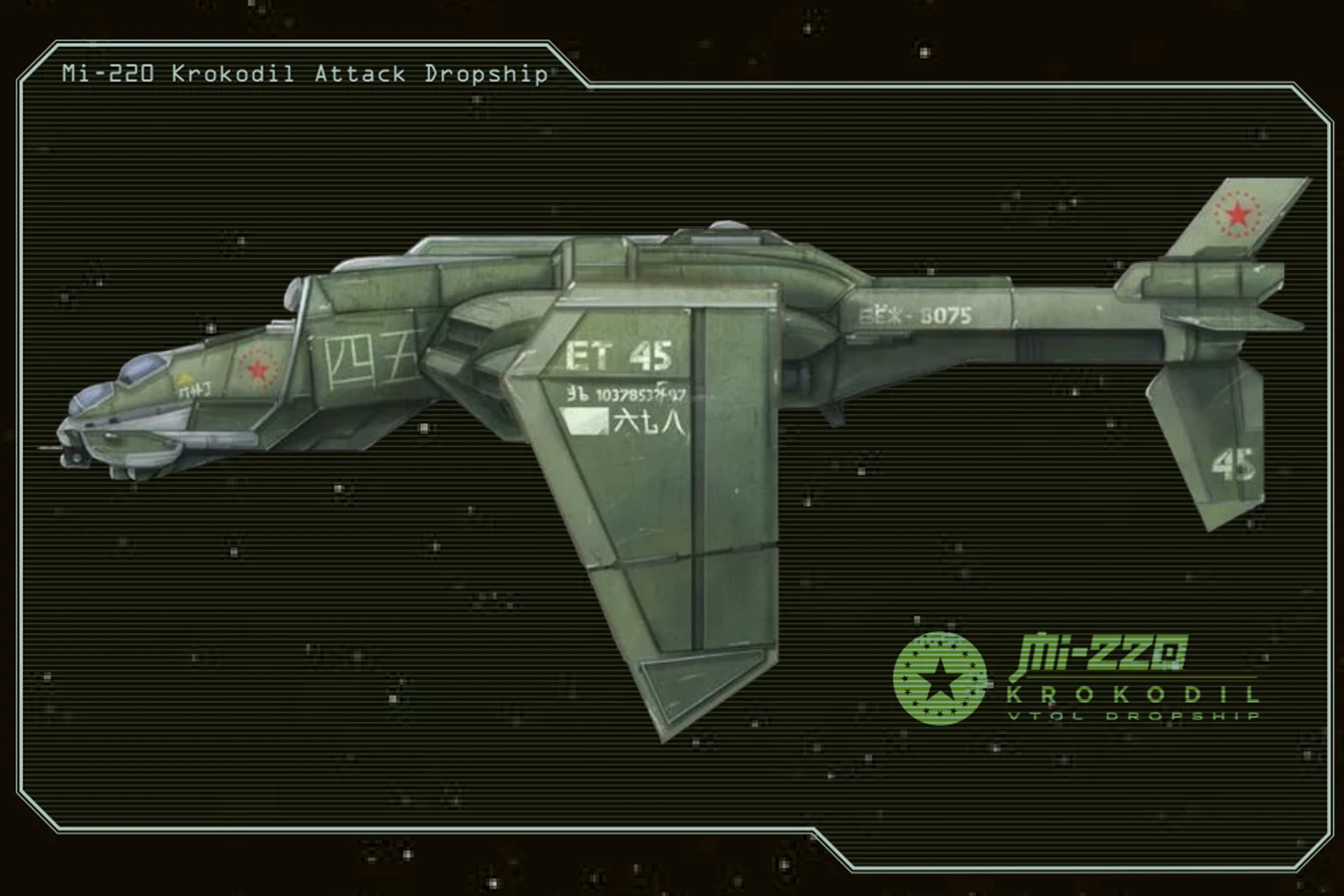
Mi-220 Krokodil
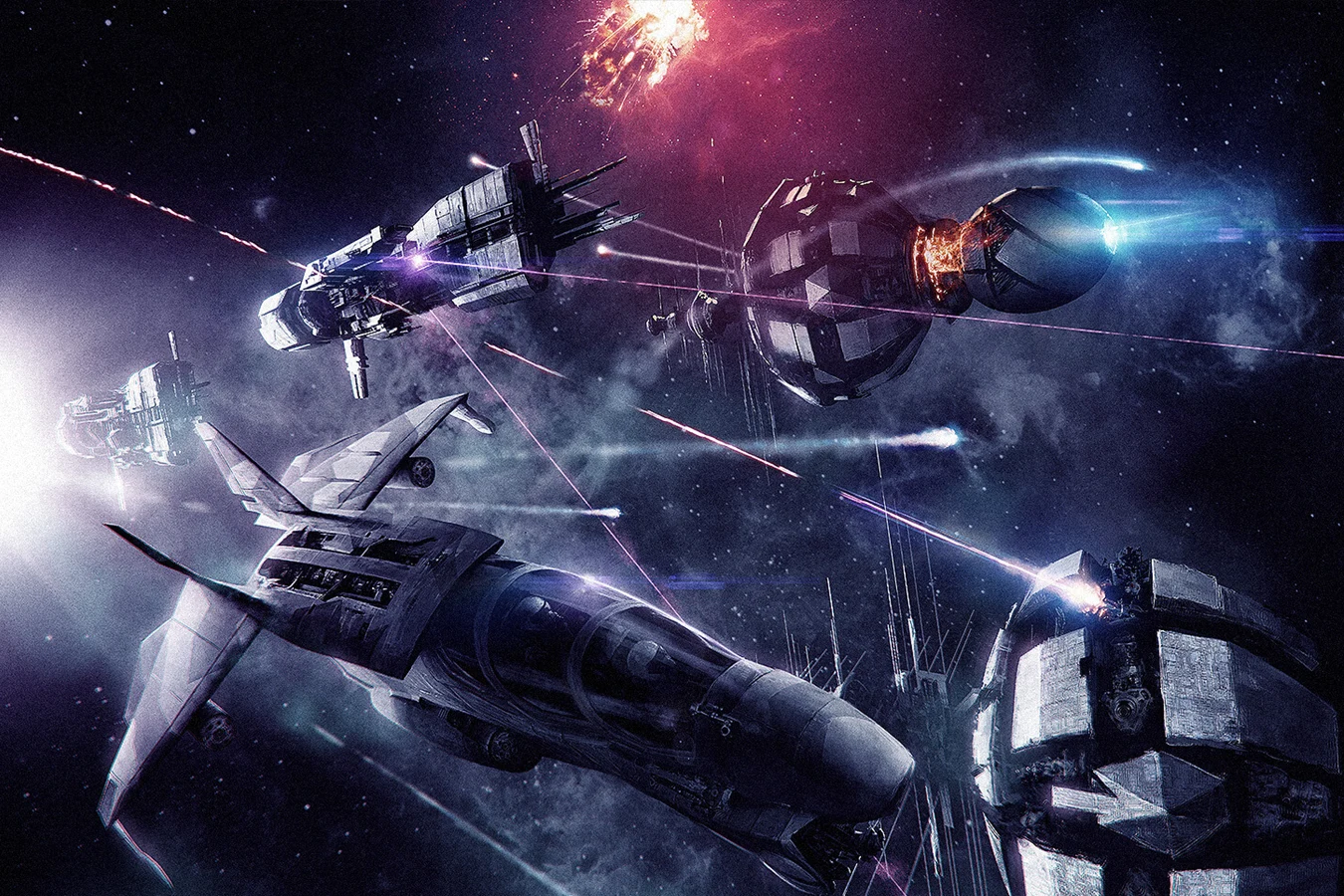
The Mi-220 Krokodil was the attack dropship built as an answer to the Cheyenne. It was about twice as large, heavier in armor, and more heavily armed, and about a third slower, with a top speed of Mach 8 and a length of 33.2 meters. The double-bubble cockpit followed the old Russian Hind D attack helicopter. The fuselage hung under a large wing with docking cradles that carried two Ox transports on the outside, which made the Krokodil a poor shape in freefall and an easy target for ground guns during atmospheric entry. Missiles were mounted on the wings, and the guns were in a chin turret. The lower cockpit was for the pilot and gunner. The upper cockpit was an observation post and a command center, with a second set of controls if the pilots below were lost. A winch and two tow hooks could snag an Ox for a fast extraction. A Krokodil carried fifteen passengers.
DS-3 Accipiter And MiG-730
The DS-3 Accipiter was a second dropship, plate grey, with no folding wings, a gatling gun, and two rocket pods. A tachyon shunt let it jump as far as 1.2 parsecs, which made it useful for quiet insertions, and its top speed was Mach 10. The MiG-730 was the common interceptor, a cramped single-seat fighter 18.5 meters long with a top speed of Mach 18. It could land on a planet and could not climb back to orbit on its own, so it needed a lifter. Pilots wore a full spacesuit because the cockpit was only partly pressurized. Its guns were two 20mm gatling cannons and six Amur medium air-to-air missiles.
VP-153D Kremlin
Union military ships used the prefix SSV, for Security Space Vessel, and civilian ships used PSV, for People's Space Vessel. The VP-153D Kremlin-class hunter-destroyer was the Union's large warship after the fleet fights at Arcturus, Tientsin, and the Red Line. Norcomm-Liu built it. It was 900 meters long, with a crew of eighteen, or one 1VAN/3 computer plus four Davydovich androids, and room for 200 troops. A spherical Rohrmann faster-than-light drive was mounted at the rear, a bulbous cargo and weapons section filled the middle, and a command dart led the bow. Marine pilots nicknamed the profile a fatboy.
The command section could break away as its own sublight craft if the drive or the weapons failed, with a shield dish facing aft. A typical Kremlin carried six MiGs, four Ox transports, and two Krokodils. Seegson held that the Russian 1VAN/3 was a copy of APOLLO. The weapons package was Vietnamese and the drive was German. Frigate-buster electromagnetic-pulse missiles were meant to cripple a Conestoga reactor, beside particle beams and orbital mines.
Vehicles
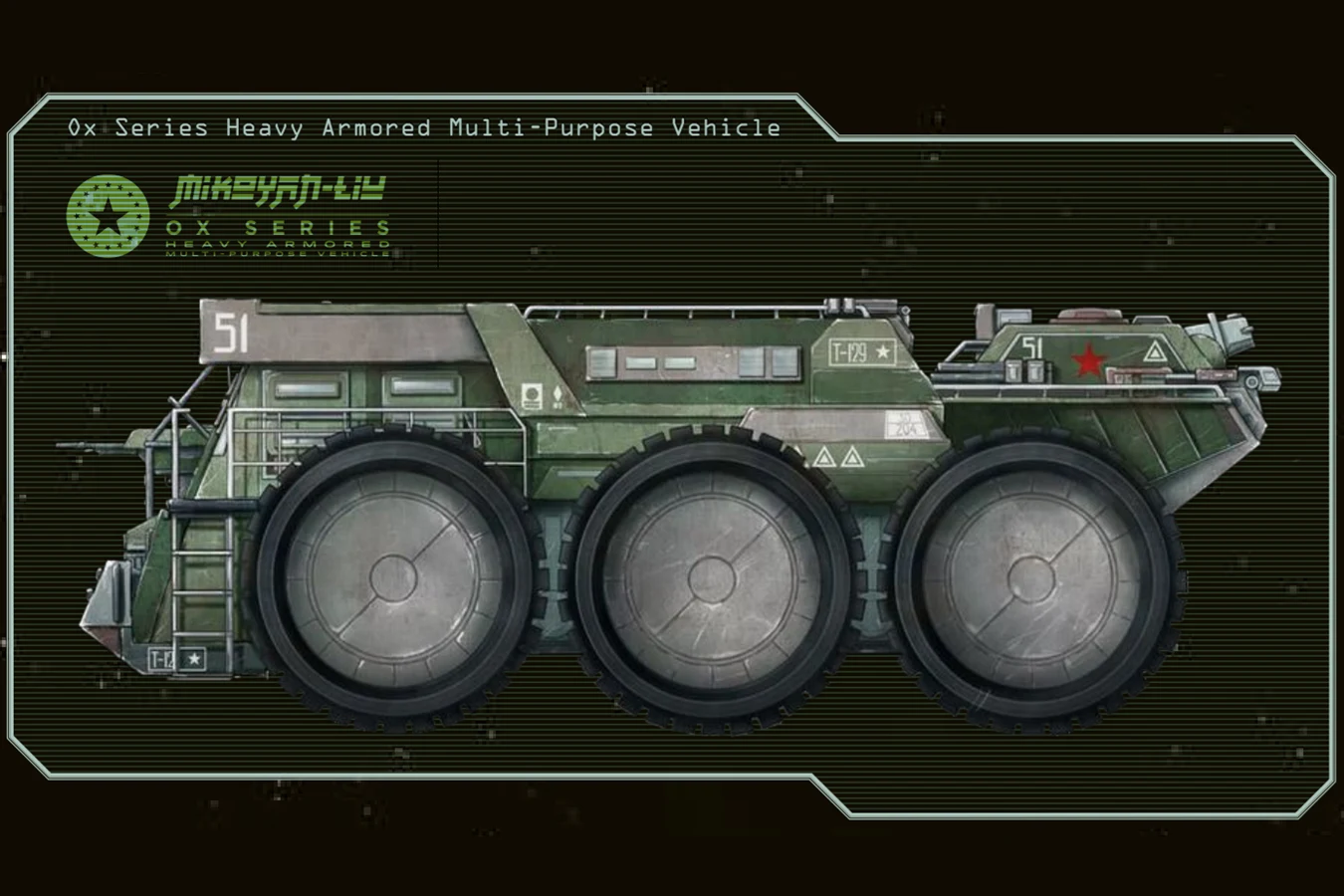
Mikoyan-Liu Ox
The Mikoyan-Liu Ox was a six-wheeled heavy truck three meters tall and 16.1 meters long, built on a construction-truck chassis, with a top speed of 68 kilometers an hour. The cab and crew compartment were sealed, so the truck could run underwater or in vacuum. Weapons changed with the mission. A standard fit was three 20mm gatling turrets, a phased-plasma pulse cannon, and a flame unit. In transport form it carried up to twenty-six people, enough for two commando squads, and the same hull served as a cargo truck, mobile artillery, or a command post. Surplus trucks, stripped of guns, turned up on United Americas and Three World Empire colonies because they were cheap to obtain.
Cold War With The United Americas
The Dog War In The Chinese Arm
In the early 2160s the operations manual has the United Americas push into the Chinese Arm after the Jĭngtì Lóng Corporation produced evidence that the Cooperative was storing biological weapons and testing them on political prisoners. That fight was the Dog War, named for the Canes Venatici constellation. China asked the Union for help. The Union gave the Cooperative a place to retreat and held a line called the Red Line, then joined the fighting when Allied Frontier Force troops reached it. Major battles at O'Bannon's World, Plymouth, and Sahara ended without a clear winner.
Nuclear Strikes Wreck Tientsin
On 8 Eta Boötis A III, called Tientsin, the local government pledged itself to the United Americas. Former Cooperative loyalists asked the Union for help and staged a coup. The Union accused the commercial survey ship USCSS Endeavor of spying and destroyed it. Colonial Marines went in to support the old government. Colonists on the main island armed themselves against both sides. The ground war ended with nuclear strikes that wrecked the planet's ecology, and both powers then withdrew. In 2165 Tientsin was granted independence, and the cold war settled in between the Union and the United Americas.
The Pang Ho Treaty Splits The Chinese Arm
The Pang Ho Treaty of 2163 broke the Chinese Arm into United Americas territory and Chinese sectors, and it absorbed the remaining Cooperative sectors into the Union. A demilitarized Borderline Region followed the Red Line, about one parsec wide and six parsecs long. Worlds there governed themselves and were not allowed a military. Colonial marshals and the people's armed police shared a constabulary. Cooperative refugees had two years to leave the old Chinese Arm under United Americas escort. Colonists who stayed could take United States citizenship and were placed on a government watch list. The Jĭngtì Lóng Corporation founded New China in Independent Core space for refugees who wanted neither the Union nor the United Americas.
The Frontier War Opens
Weyland-Yutani later blamed a Space Operating Forces nuclear strike for the loss of Hadley's Hope on LV-426 in 2179, and denied that any bioweapon had been there. The roleplaying game records the same rumor from the other direction, that the company had been developing a bioweapon and that an enemy state had nuked the colony from orbit. By the middle of the 2180s the operations manual has the cold war turned into open fighting. The Union was claiming American systems, unknown parties were destroying border colonies with a black biochemical agent, and the Union annexed the 61 Cygni system as the Frontier War opened. Both powers moved into each other's territory looking for bioweapon work.
The 2202 United Systems Merger
S. D. Perry's Alien: The Weyland-Yutani Report has the United Americas and the Three World Empire join in 2202 as the United Systems, together with China, Heelal Yo, and four member states of the Independent Core System Colonies. Aliens: Fireteam Elite records colonial forces expecting the Union to treat that merger as a threat while the treaties were being negotiated.
Rodina Station
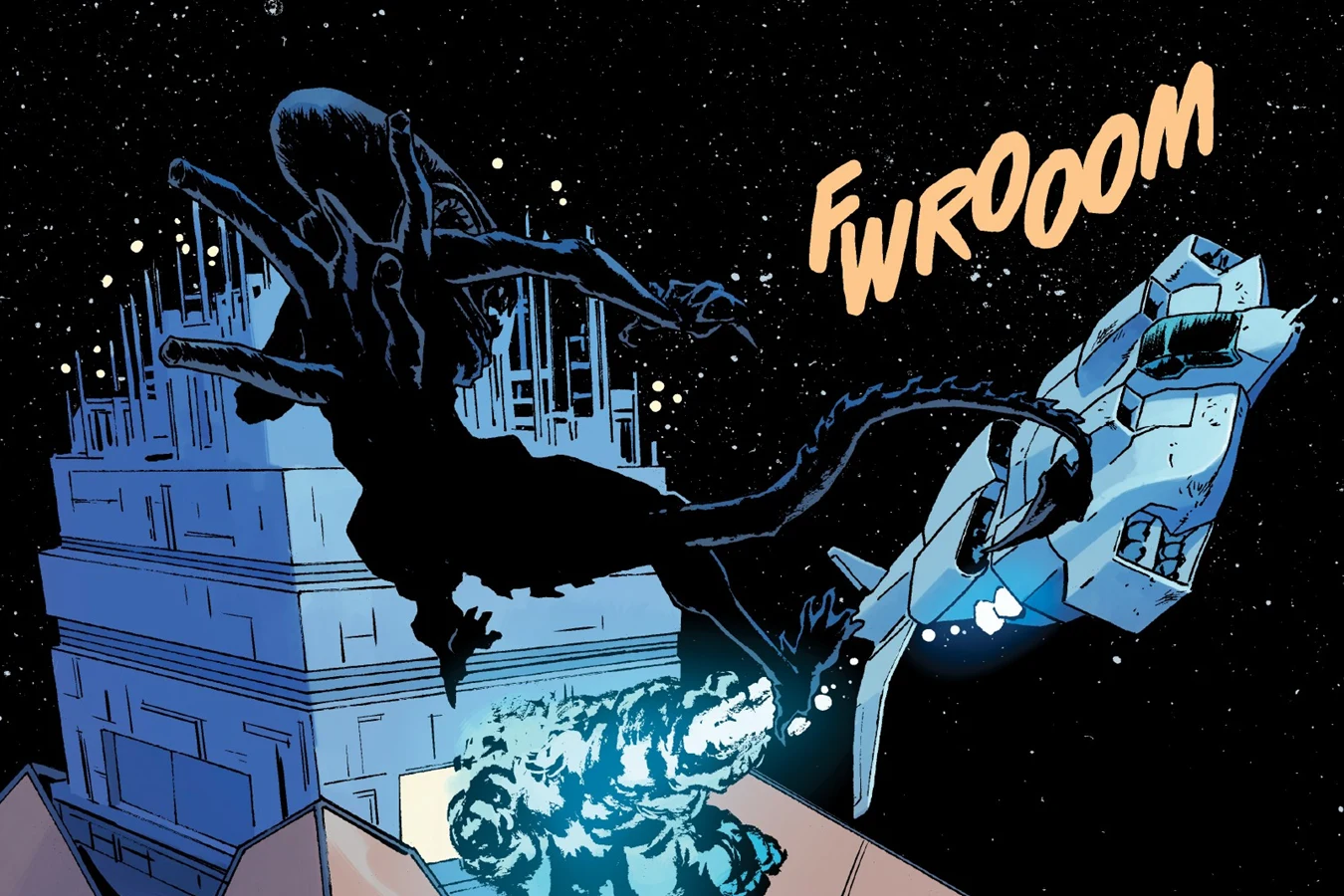
Pat Cadigan's novel of William Gibson's unused Alien 3 script calls Rodina Station the first and only interstellar capital of the Union. Four years after the mission to LV-426, a navigation error carried the USS Sulaco into a Union sector. Hardwired treaty rules prevented the ship's nuclear warheads from being armed, and the ship was due to leave the sector the same day. Four shifts of border-watch crews tracked it. The Benevolent Civilizations Treaty required governments to take in travelers in distress or face an embargo. The Union preferred to avoid contact with the United Americas and the corporations, and the station depended on trade. Rodina's intelligence office treated the Marine ship as a chance find and sent an older interceptor to land on the hull.
Commandos Boris Lenko, Luc Hai, and Ashok boarded through a cargo lock. Luc Hai was a Vietnamese soldier the station called Lucky. They found the discarded legs of the synthetic Bishop in dried white fluid and forced his capsule. An egg had grown from the hole in his torso. A Facehugger struck Boris's helmet, and acid ate the deck. Luc Hai shot the Facehugger and put Boris out through an emergency airlock. Ashok took Bishop's upper half back to Rodina as confiscated equipment. People on the station had been taught to treat artificial persons as machines. Diplomat Irina Duchamps later returned Bishop with cheap new legs and ordered Luc Hai not to speak with him, while Colonel-Doctor Timur Suslov and researcher Lara Braun cloned the same cells under a science cover.
When that clone stock broke containment, Braun was cocooned and a Chestburster came out of her. Suslov was cocooned beside her. Adult Xenomorphs bent blast-proof steel while Luc Hai and Ashok jammed a hatch. She later counted Ashok among the dead. Luc Hai reached a fueled interceptor as the battlecruiser SSV Nikolai Stoiko destroyed the station with a nuclear weapon. She lived through the blast without a vacuum suit and took a fatal radiation dose. The operations manual places a contagion on Rodina in 2179, the year Hadley's Hope was lost, and names the same cruiser as the ship that destroyed the station under a sterilization order. It pairs that loss with the reactor failure of the first Anchorpoint and the destruction of Rim Colony.
Behind The Scenes
William Gibson wrote the Union into his first-draft Alien 3 script in 1987, for producers Walter Hill and David Giler, when the sequel was an open assignment and Sigourney Weaver's return was not settled. Rodina Station, the boarding of the Sulaco, and the Nikolai Stoiko are in that draft. Pat Cadigan's 2021 Titan novel, Alien 3: The Unproduced Screenplay, is the prose version of the first draft. Dark Horse's comic of 2018 and 2019, and Audible's 2019 Alien III drama, follow Gibson's second draft instead. Aliens: Infestation later put Union troops back on a drifting Sulaco, and on LV-426.
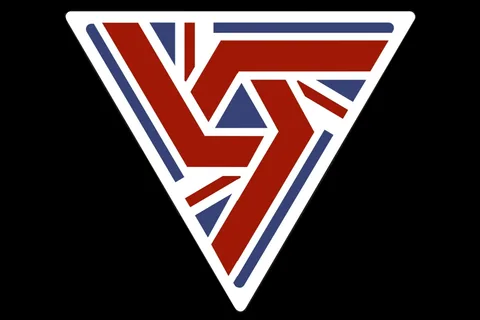
Free League's Alien: The Roleplaying Game in 2019, and the Evolved Edition in 2025, turned the name into a full government, with member states, a president and a premier, a Frontier under a Governor General, and a refusal to work with corporations. Andrew E.C. Gaska's Colonial Marines Operations Manual in 2021 added the People's Army, the five-year term of service, the Ministry of Space Security, the 2164 absorption of the Cooperative, and the Kremlin, Krokodil, and Ox. The red field and gold star on the flag match the star marked on Union helmets and dropships in that game's art.
Conclusion
The Union of Progressive Peoples was the socialist colonial power of the 22nd century, formed from Russia, Germany, and Spain with China's help, and later enlarged by the Cooperative and by colonies that left corporate rule. It did not terraform, it did not deal with Weyland-Yutani, and it treated androids as state property. Its People's Army was a mass of short-service citizens, its Space Operating Forces were the commando fleet, and its Ministry of Space Security could take command of both. The cold war with the United Americas ran through Tientsin, the Hyades, and the Frontier. In the Gibson line, the Union destroyed its own capital, Rodina Station, after cells taken from the Sulaco broke loose there, and the battlecruiser Nikolai Stoiko fired the nuclear weapon that ended the station.
Appearances
- Alien 3: The Unproduced Screenplay by Pat Cadigan, from William Gibson's 1987 first draft (Titan Books, 2021)
- William Gibson's Alien 3 (Dark Horse Comics, 2018–2019)
- Aliens: Infestation (WayForward, 2011)
- Alien: The Roleplaying Game (Free League, 2019) and the Evolved Edition (2025)
- Colonial Marines Operations Manual by Andrew E.C. Gaska (Free League, 2021)
- Alien: Into Charybdis by Alex White (Titan Books, 2021)
- Aliens: Fireteam Elite (Cold Iron Studios, 2021)
- Alien: Inferno's Fall by Philippa Ballantine (Titan Books, 2022)
- Alien: Colony War by David Barnett (Titan Books, 2022)
- Aliens: Bishop by T. R. Napper (Titan Books, 2023)
- Alien: Enemy of My Enemy by Mary SanGiovanni (Titan Books, 2023)
- Alien: Seventh Circle by Philippa Ballantine (Titan Books, 2025)
- Alien: Cult by Gavin G. Smith (Titan Books, 2025)
Tag Categories: Alien Universe Governments | Colonial Marine Lore | Alien Lore