
Hadley's Hope was the main human settlement on LV-426, also called Acheron, and the central battleground of Aliens. Built as a Weyland-Yutani "shake-and-bake" terraforming colony, it housed 158 people across roughly sixty or seventy families before contact was lost in 2179. In Aliens, the Marines found the colony abandoned, held out in Operations and Medlab, then lost most of the site when the Atmosphere Processor detonated.
History Of The Colony
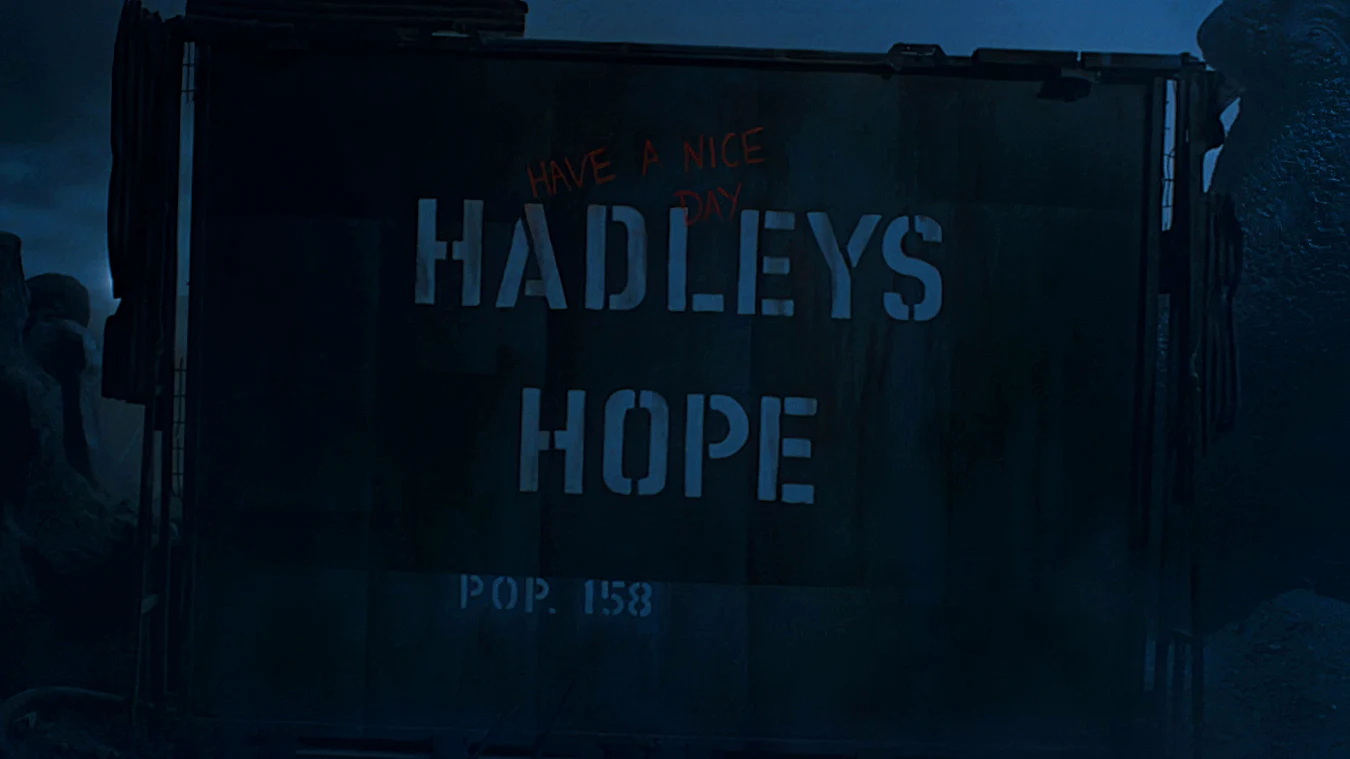
Weyland-Yutani and the Extrasolar Colonization Administration founded Hadley's Hope on LV-426 around 2157 as a "shake-and-bake" terraforming colony. First administrator Curtis Hadley gave the settlement its name, and early colonists nicknamed the moon Acheron after the mythic river of pain. Construction of the nearby Atmosphere Processor followed soon after, and for roughly two decades the plant pushed the thin air toward something humans could breathe outdoors for longer shifts.
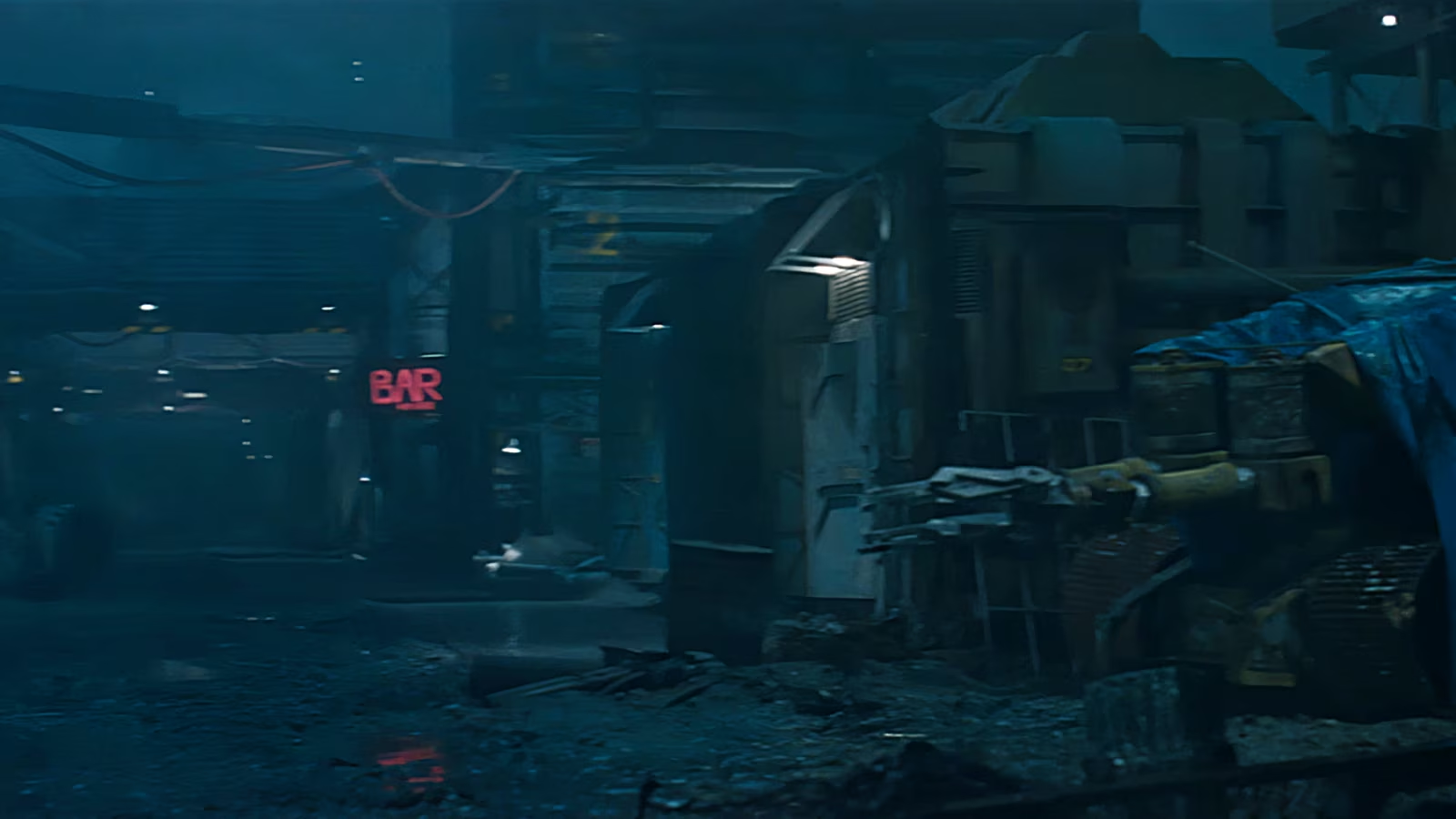
Prefabricated modules formed a main complex of housing, workshops, Medlab, and offices, with a rough "frontier town" strip that included a bar and other small services. Day-to-day work mixed processor maintenance, mineral prospecting, and survey logistics, while storms and electrical weather still kept most people indoors when they were not on assignment. Remote stations around the campus housed small crews for longer runs, and by 2179 the settlement held about 158 people across sixty or seventy families. Decades later, Jackson's Star on LV-410 followed a similar Weyland-Yutani shake-and-bake layout: company town, hard outdoor weather, and an Atmosphere Processor beside the settlement.
Administration And Colonists
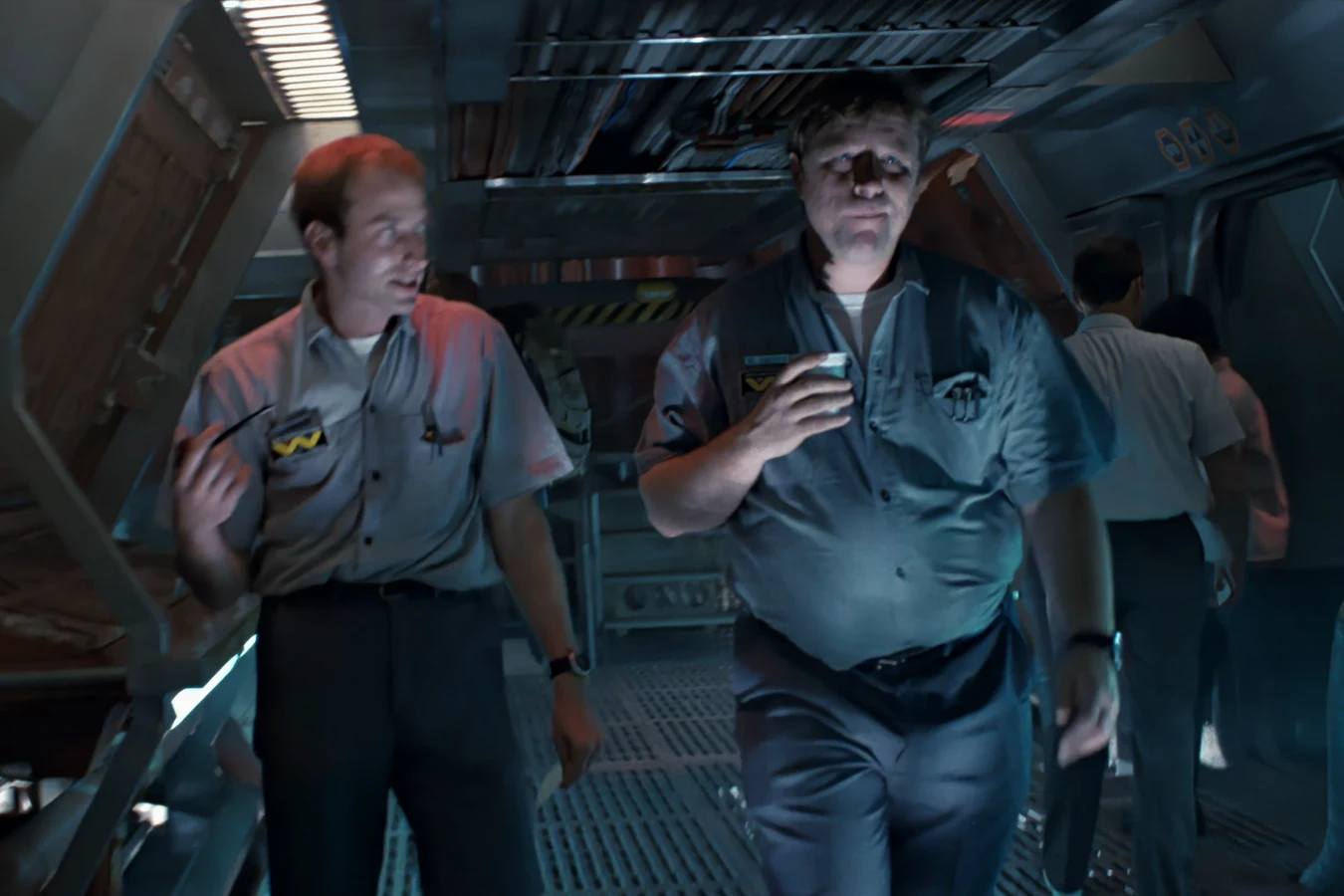
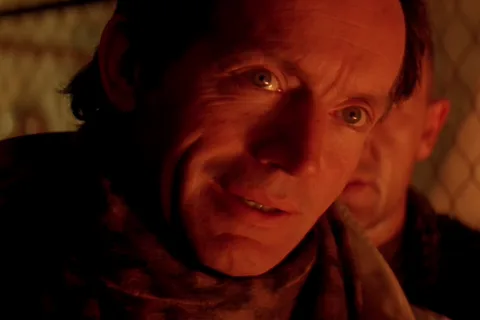
After Curtis Hadley, company managers stayed the public face of a town that still belonged to Weyland-Yutani on paper. Later administrators kept the same job: keep the Atmosphere Processor running, push survey quotas, and report upward when frontier life got messy. Aliens showed that pressure at the end of the line through Al Simpson, the colony boss who answered Burke's request to send a team out to the derelict coordinates. His assistant operations manager, Brad Lydecker, handled the day-to-day Ops floor beside him, including the call from the Jorden survey team after they hit something past the Ilium Range.
Prospectors, technicians, Medlab staff, and families filled the same corridors among the named Hadley's Hope colonists. Aliens: River of Pain filled in more of that earlier stretch: kids like Newt growing up on Acheron, survey crews rotating through remote stations, and Company contracts that kept every household on a corporate clock. The novel also put a Colonial Marine security detail on site under Captain Demian Brackett, alongside colonists and Weyland-Yutani staff. Brackett had earlier had an affair with Newt's mother, Anne Jorden, before she married Russ. That conflicts with Aliens, where the Sulaco team read the colony damage as hits from small arms fire and gave no sign that Marines had already been based there.
Xenomorph Outbreak
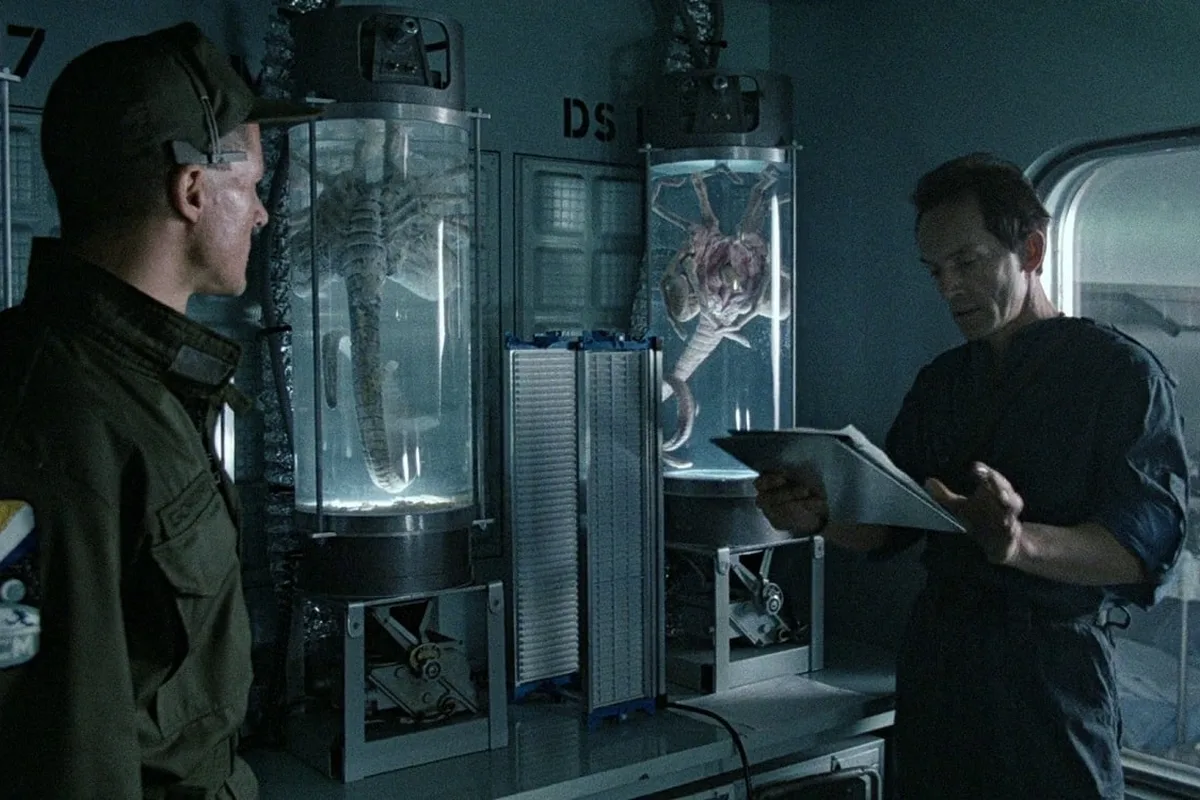
On 12 June 2179, Carter Burke pushed the colony to investigate coordinates tied to the derelict ship first found by the Nostromo crew. Prospectors including Russ Jorden entered the egg chamber first. A Facehugger sealed onto Russ and was brought back into Medlab, where the infection left the colony's medical staff with no good options. A second team sent out to the same coordinates was also subdued and impregnated, and about a day after Russ's attack a Chestburster killed him inside the ward. Colony records later showed at least one other failed Facehugger removal: colonist John Marachuk died when staff tried to cut the creature off, either from acid blood or from the Facehugger choking him with its tail.
The newborn Xenomorphs did not stay in the residential blocks. They began taking colonists alive toward the Atmosphere Processor, where a hive took shape in the heat-exchange levels under an Alien Queen. An armed rescue team sent after the missing people was overwhelmed and used as more hosts. The colony's communications uplink was cut next, leaving Hadley's Hope unable to call for help.
Last Stand
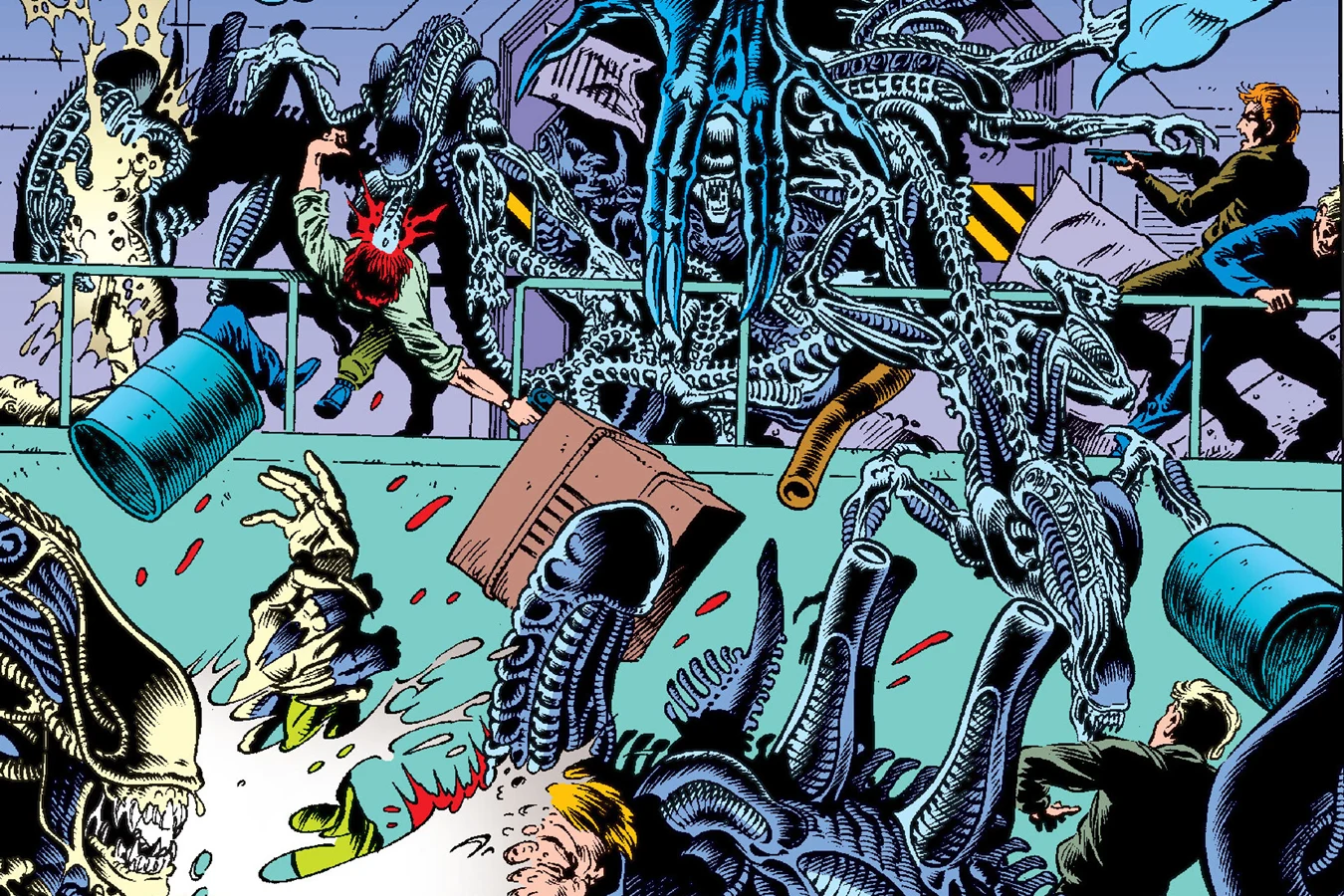
Aliens: Newt's Tale filled in the colony's final hours after the hive began dragging people away. Survivors, including Anne Jorden and her children Tim and Rebecca "Newt" Jorden, fell back into Operations, sealed the barricades across the control block and its storage rooms, and waited for Marine relief that never came in time. When cries for help sounded outside, the colonists opened the barricade to pull supposed survivors in. The Xenomorphs had staged the trap and poured through the door.
When the Xenomorphs attacked, Anne shoved Newt into an air vent, then stayed to fight. Tim grabbed a gun and fired on a Drone. Both he and Anne died in that room, Tim when the creature's acid blood sprayed across his face. Newt was the only one who made it into the ductwork, where she hid for weeks until the Sulaco Marines found her. Of the original 158 colonists, she was the only survivor still alive in the complex when the Marine mission arrived. In the Fire and Stone continuity, other colonists had already gotten clear of the hive aboard the freighter Onager, only to crash later on LV-223 with Xenomorphs still aboard.
The Colony Map
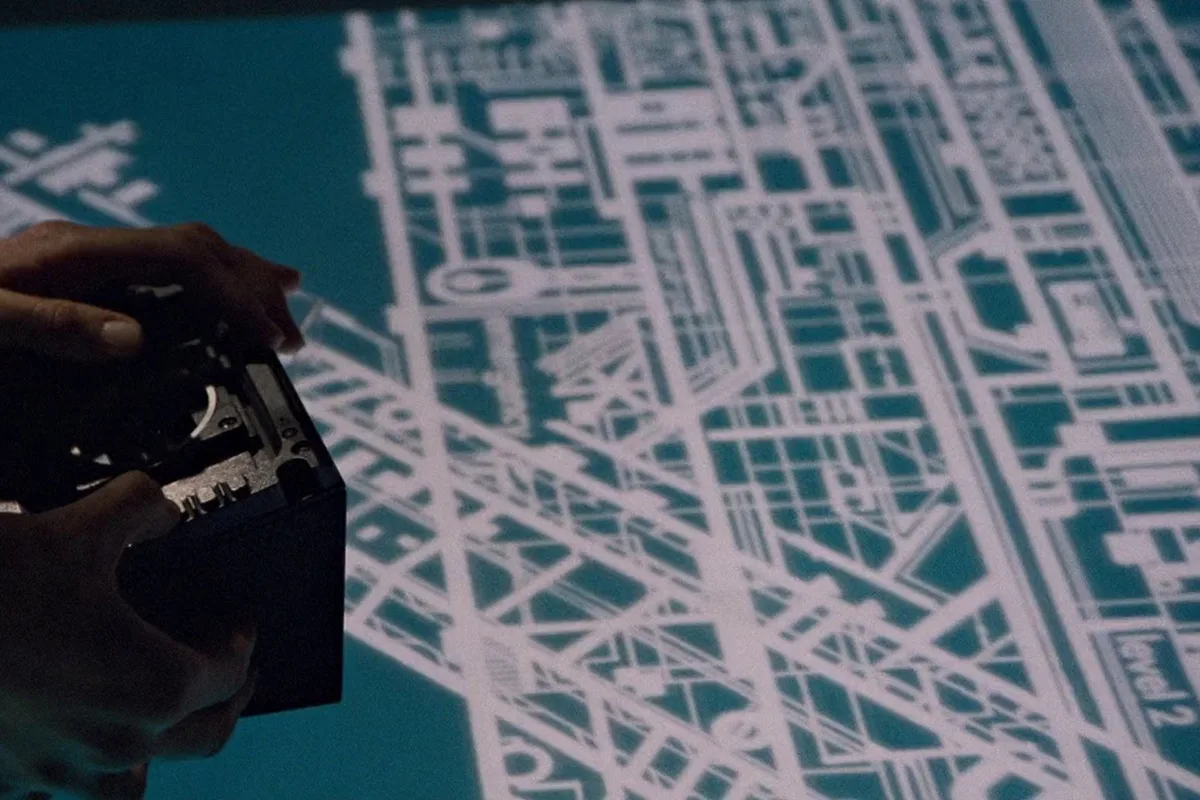
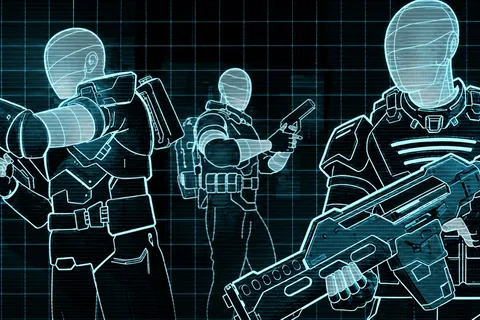
When the Colonial Marines reached the site, PFC Hudson pulled colony memory banks and threw a full complex map onto the Operations screen. The floorplan packed residential blocks, laboratories, industrial structures, and corridor links into one dense schematic that was hard to read under combat pressure. It was still enough to orient a defense of the main complex, and it showed that Hadley's Hope was never a single building: it was a linked industrial campus with the Atmosphere Processor sitting outside the residential core.
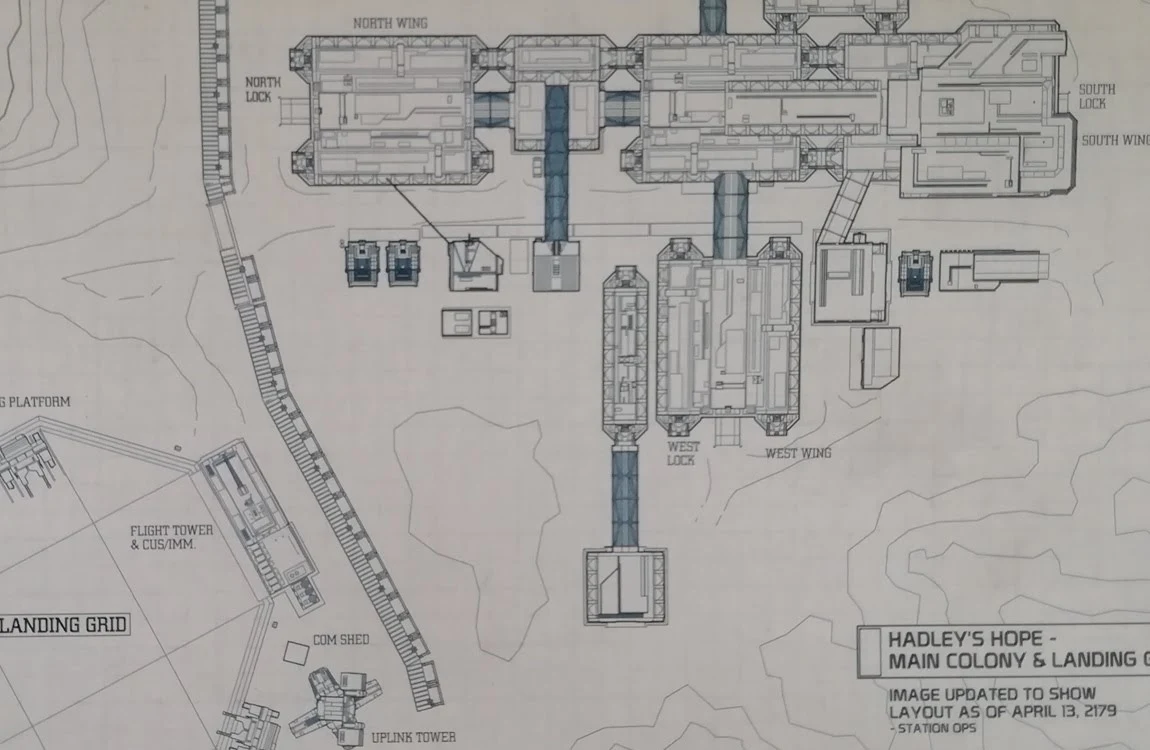
A clearer layout of that campus appeared in Alien: The Blueprints by Graham J. Langridge. The book mapped the main complex in more detail than the Ops screen graphic, with Operations, Medlab, North Lock, and the uplink approach laid out as linked blocks of one settlement.
Operations
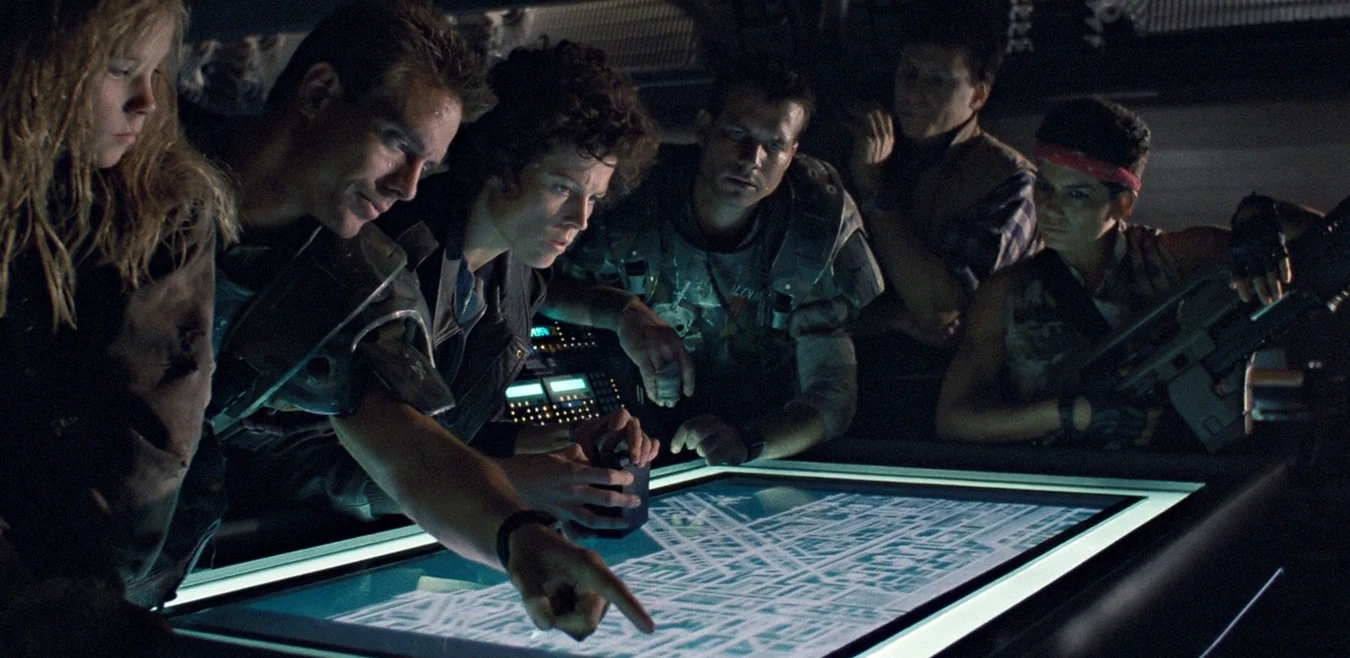
Operations was the colony control hub. Atmospheric readings, power distribution, and ship communications all ran through that block before the outbreak, and in Aliens it became the last holdout. The survivors welded shutters, stacked barricades, and watched motion trackers while Hicks' remaining team tried to turn an office complex into a firebase. The Operations schematic also marked the corridor where the sentry guns were planted, the choke point between the main complex and the processor approach.
Under the floor, a service pipe gave Bishop a path toward the uplink assembly so he could remote-drop a second Cheyenne, "Smart Ass", from the USS Sulaco. The same underfloor runs later let Aliens get into Operations past the welded shutters. When the hive breached the block, Vasquez and Gorman died covering the retreat while Ripley got Newt and Hicks out of the complex.
Medlab
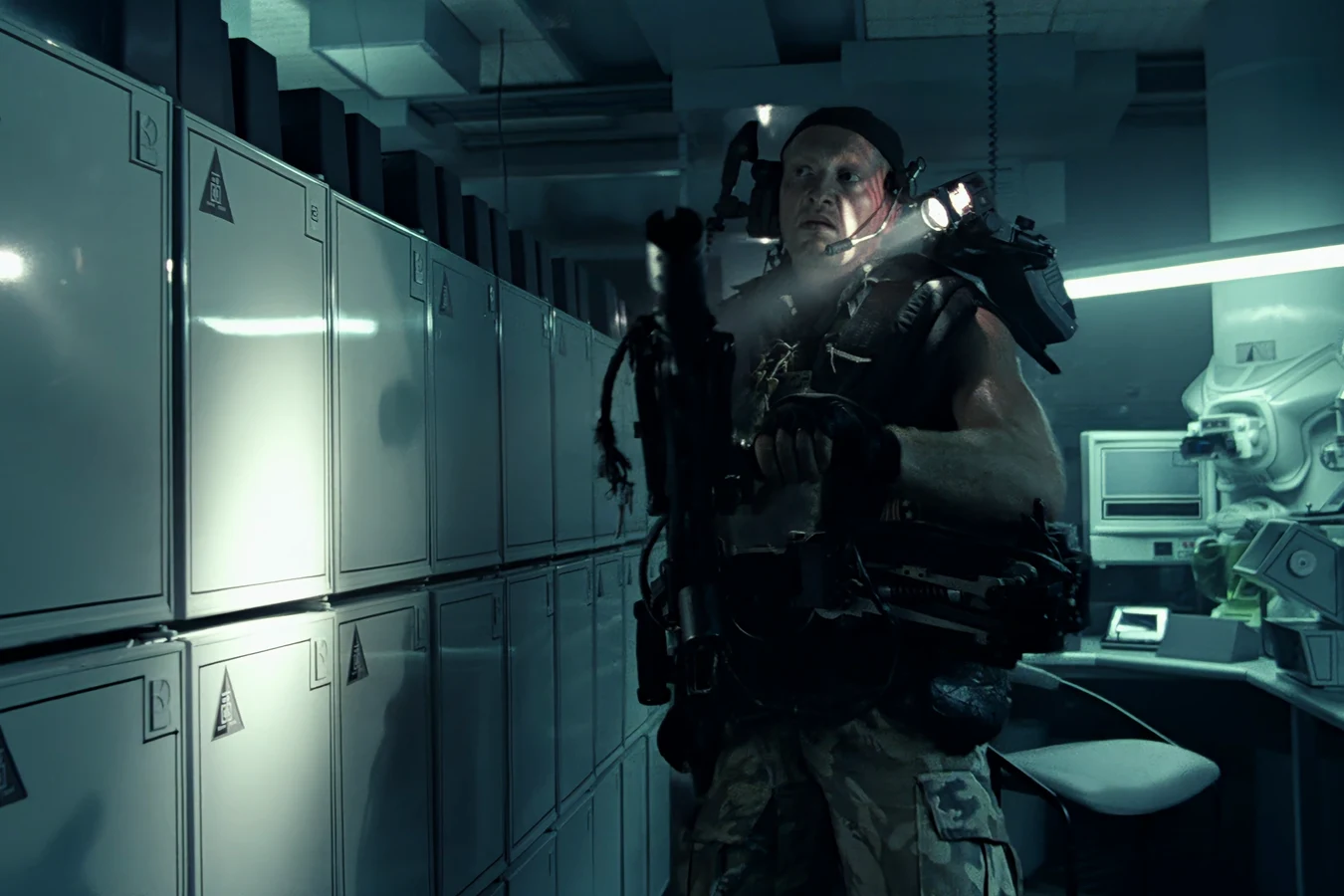
Medlab sat adjacent to Operations and handled everyday colony medicine: exams, injuries, and isolation beds. After the first cases came back from the derelict, colony staff stored live Facehuggers in stasis tubes there and logged failed removal attempts, including the John Marachuk report Bishop later pulled up. The Marines then used the ward as a holding area for Newt. Burke locked Ripley and Newt inside and released two of those Facehuggers, hoping to smuggle impregnated hosts past quarantine.
Landing Area
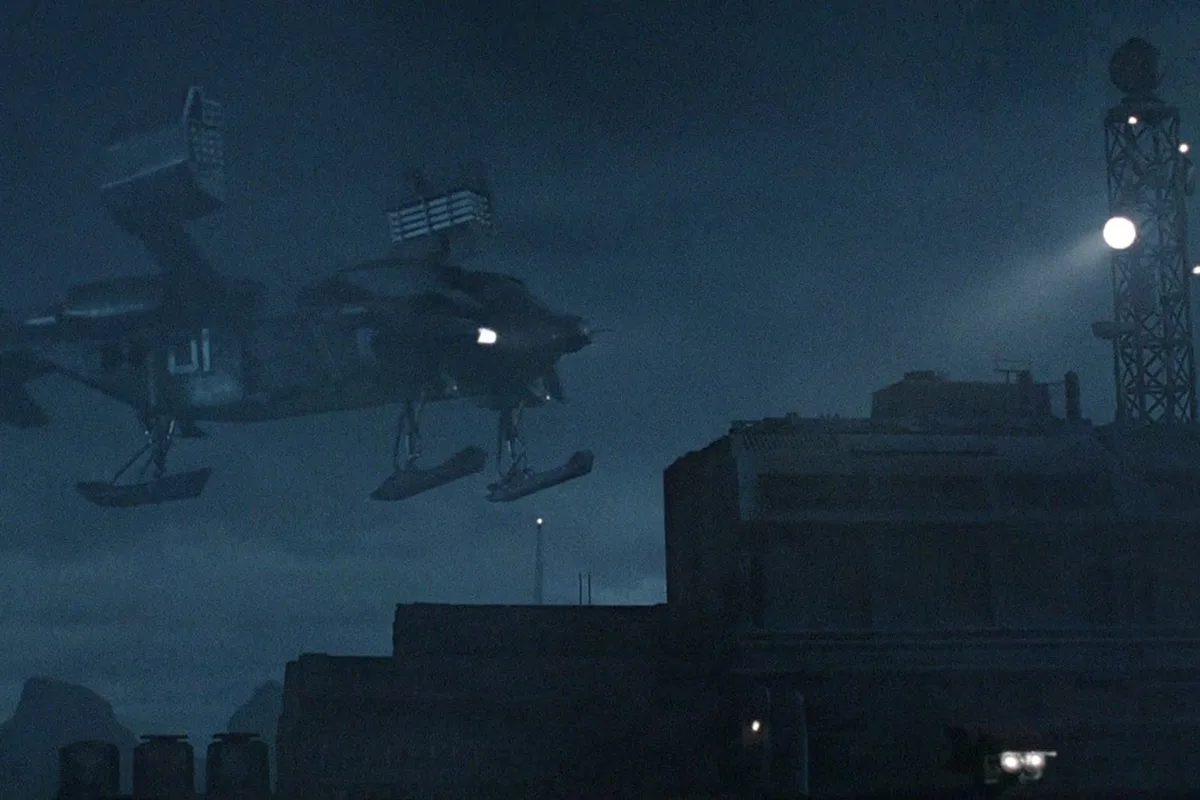
Hadley's Hope was never a deep-space port. Freight and personnel moved through limited pads, roads, and the landing grid meant for terraforming crews and occasional Company traffic. The Marines arrived the same way: a UD-4 Cheyenne put down outside the main complex and unloaded the APC for the first sweep through North Lock and the empty streets. From those approaches the town looked abandoned rather than fortified, so the team pushed inward before they knew the hive was under the Atmosphere Processor.
The uplink and comlink structures sat toward that landing side of the campus, close enough that Bishop's pipe was supposed to bring him "almost to the up-link assembly." When Ferro and Spunkmeyer's dropship later crashed during the failed extract, the Marines lost their only airlift and a clean way out of the colony. Ripley and Hicks later fled back out through North Lock and were picked up by Smart Ass, remote-piloted in by Bishop.
Atmosphere Processor
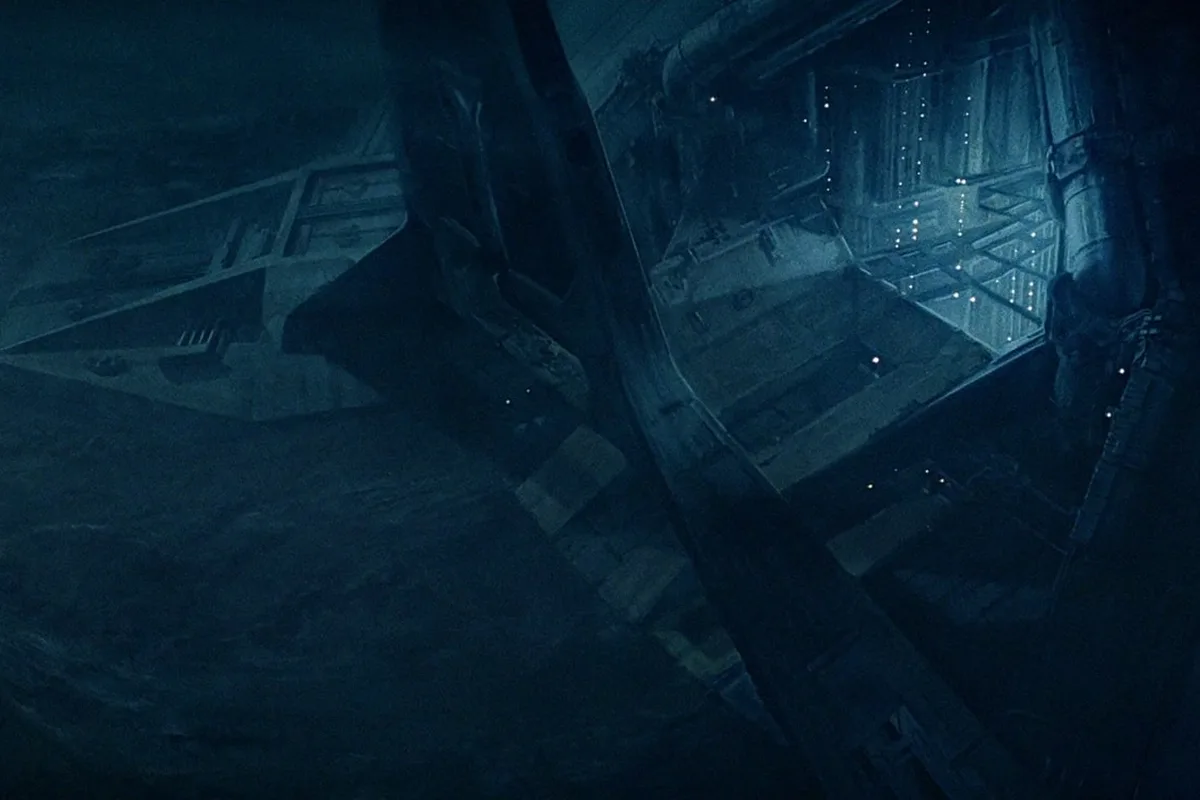
The Atmosphere Processor was the reason Hadley's Hope existed: a Weyland-Yutani plant built to push Acheron's air toward something humans could breathe over decades of continuous operation. Cameron's early Aliens drafts imagined a ring of automated processors across the moon; the finished film used one large tower beside the colony instead. Day-to-day, the plant was supposed to run with limited crew oversight, which left a tall, hot industrial stack open for the hive to occupy.
During the outbreak the plant became the hive. The Marines tracked colonist personal data transmitters into the primary heat exchanger and down to sub-level three, where cocooned hosts were packed into the machinery. Deeper still, the Alien Queen had nested among the lower tanks and egg chamber, with resin covering walkways, ducts, and reactor spaces. Most of the missing colonists were already there as hosts; only a few Marines made it back out of that level alive.
Destruction
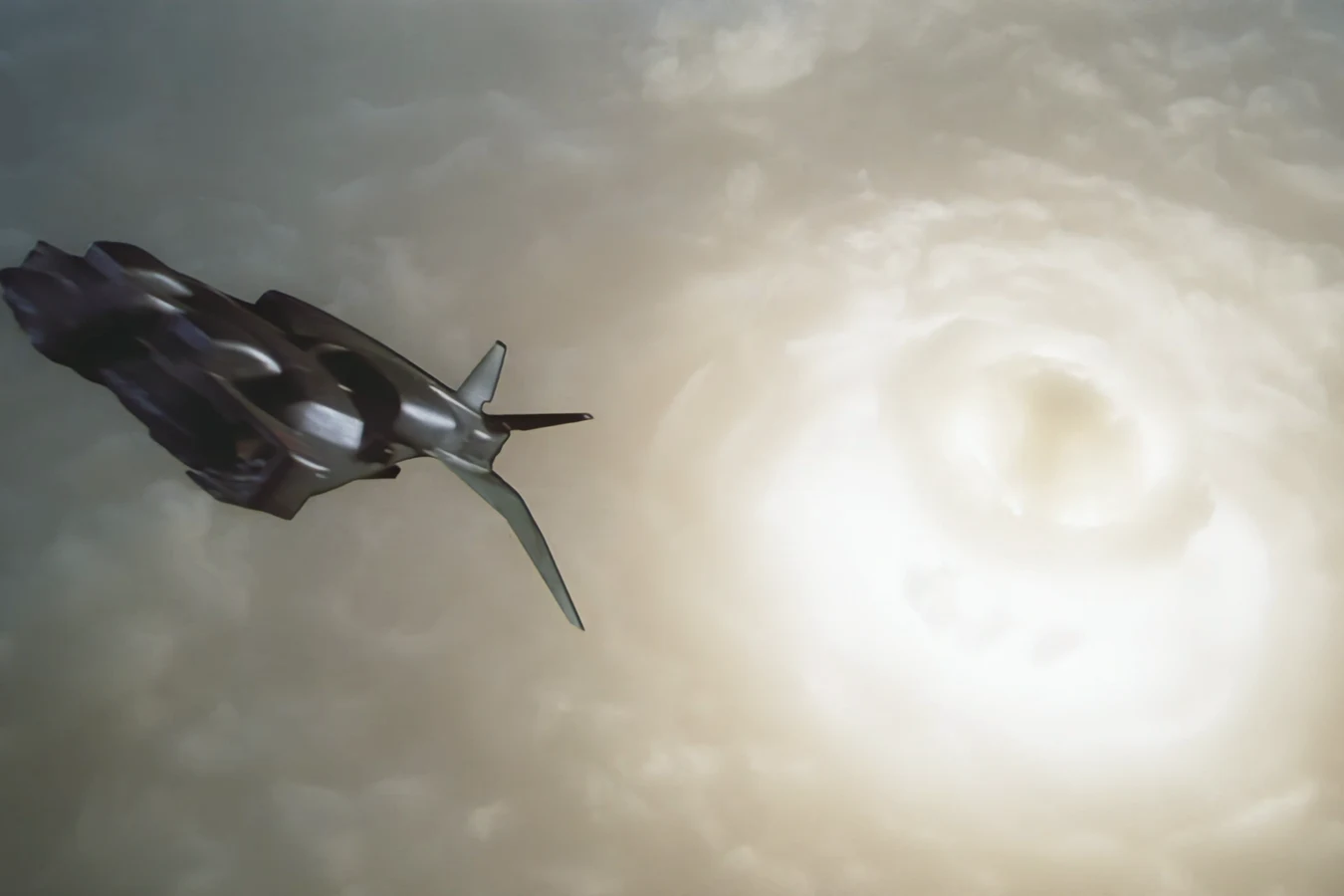
Ferro's crash and Marine smartgun fire damaged the Atmosphere Processor beyond recovery. The plant tried to cool itself with emergency venting, but that only bought a little more than four hours before the reactor went critical. When the countdown ran out, the blast wiped the processor and tore through large parts of Hadley's Hope in an explosion Bishop sized as "Nebraska." Hicks, Ripley, Newt, and Bishop barely cleared the blast radius aboard the second dropship.
Partial Survival In Expanded Lore
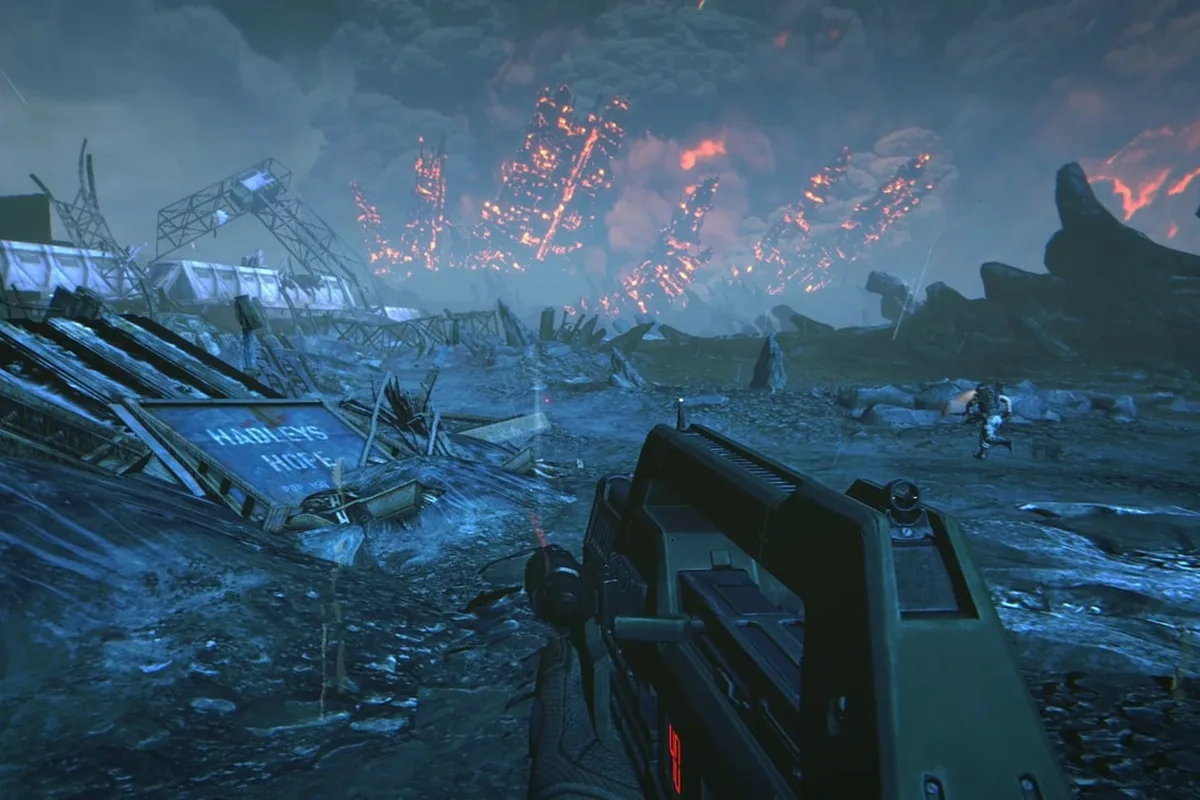
Aliens: Colonial Marines was set 17 weeks after Aliens. Marines from the USS Sephora returned to Hadley's Hope and found large parts of the colony still standing, including streets, Operations, and hive spaces. A blast Bishop had sized as Nebraska should have erased the whole area; the game instead left the settlement only lightly damaged and still walkable. Weyland-Yutani was already on site, running research around the derelict and the ruined colony. In the same continuity, the Sulaco broke up in Acheron's atmosphere and dumped large sections of wreckage nearby.
Nuclear Winter
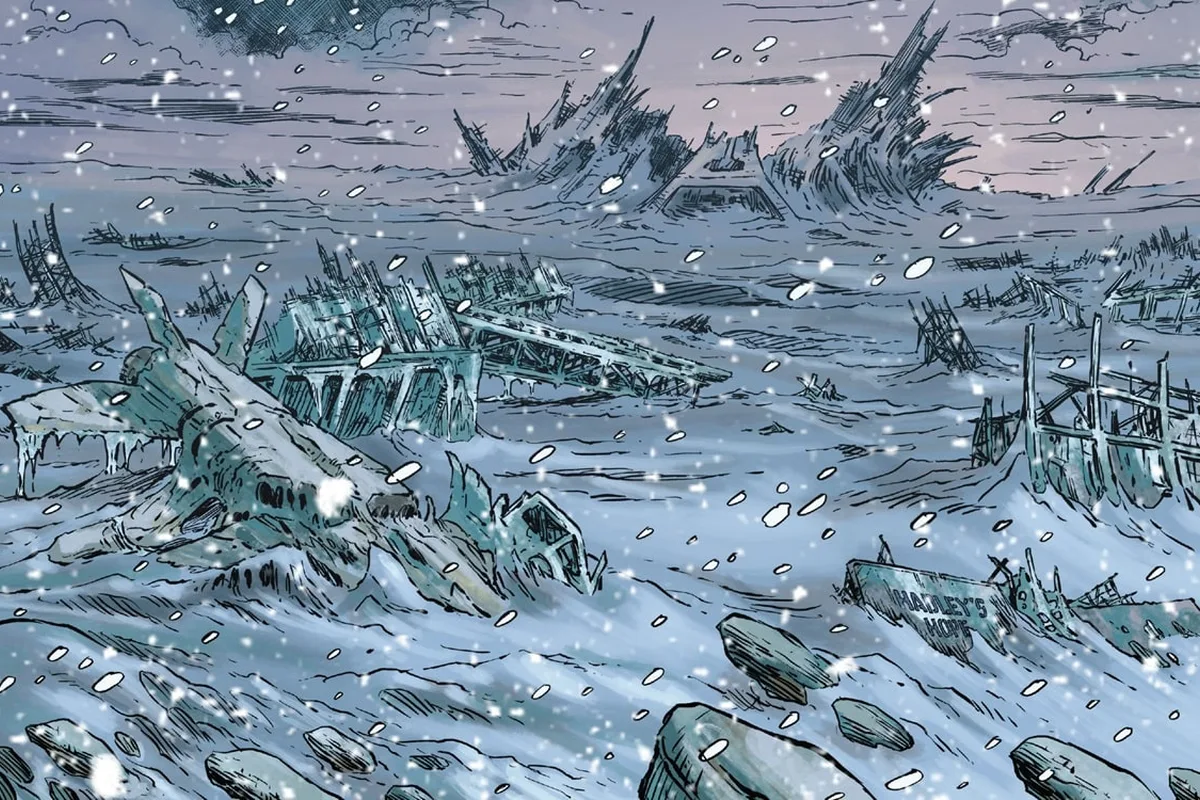
Aliens: Aftermath, set in 2214, treated the processor blast as the start of a lasting climate disaster rather than a clean wipe. Ash-like snow fell over the ruins, the air was no longer breathable without protection, and the site sat in a dead zone Weyland-Yutani preferred to keep off the maps. Thirty-five years after Aliens, investigative journalists from the outlaw group Renegade XM still found walkable streets, sealed rooms, and colony systems that could be coaxed back online.
Cutter Vasquez, nephew of Jenette Vasquez, led the team into the wreckage for Marine mission records and for answers the Company had scrubbed. Inside they found an irradiated Xenomorph that had survived the Atmosphere Processor blast, glowing white from the site's radiation. Colony mainframes also pointed them to Subject Zero, a Hadley's Hope colonist recorded as the first impregnation case and left in cryosleep under the ruins. Cutter had been hired to recover that host; opening the chamber freed a Chestburster, while the irradiated adult hunted the rest of the team.
Behind The Scenes
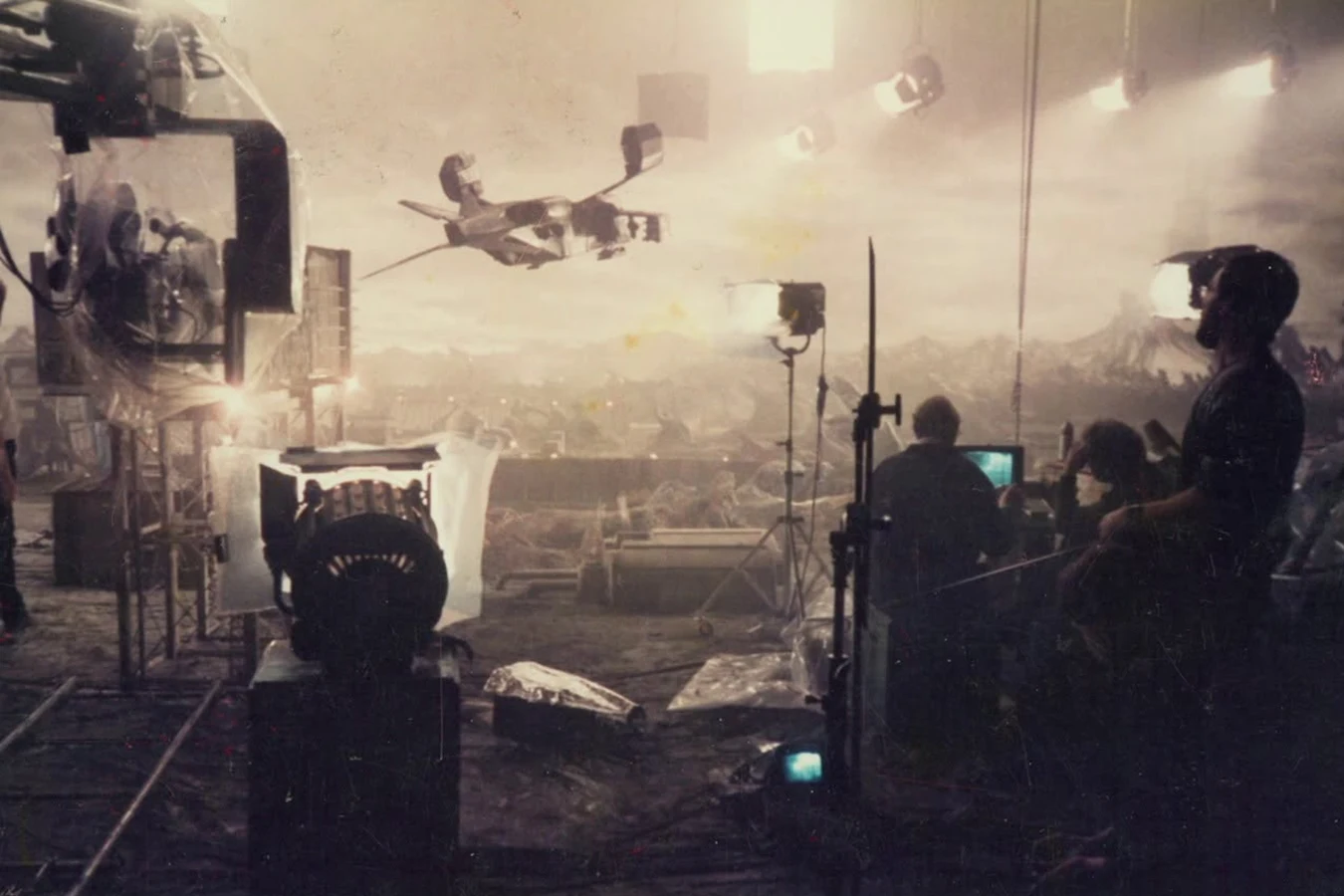
For Aliens, artist Ron Cobb developed Hadley's Hope from preliminary sketches by James Cameron. The colony was designed as modular prefab units that could be bolted together as the population grew: a main complex, a "frontier town," and the Atmosphere Processor behind a storm wall. Full-size interiors plus 1/6 and 1/50 miniatures were built at Pinewood Studios. Like the Nostromo set on the first film, Operations, Medlab, and the connecting corridors formed one contiguous walkable stage rather than disconnected rooms.
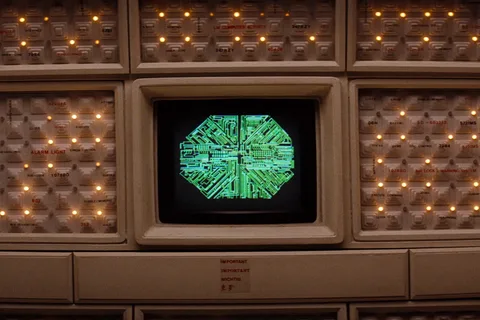
Corridor walls were dressed with rejected CRT television backs bought in bulk. The Operations computer banks came from British Airways mainframes discarded during a Heathrow ticketing upgrade. That scrap was free to wreck with pyrotechnics during the hive assault. The Atmosphere Processor interiors were shot at the disused Acton Lane Power Station in west London after a planned oil-refinery location fell through. Cameron liked the grated catwalks that let the camera see the full height of the plant.
Conclusion
Hadley's Hope lasted roughly twenty years on LV-426 before the 2179 outbreak emptied it. The Marines found only Newt still alive in the complex; the Atmosphere Processor then detonated and destroyed the plant along with much of the settlement. Games and comics later reused the ruins, but the colony itself ended in Aliens.
Appearances
- Aliens (1986)
- Aliens: Newt's Tale (1992)
- Aliens: Colonial Marines (2013)
- Aliens: River Of Pain (2014)
- Aliens: Fire and Stone (2014)
- Alien: The Blueprints (2019)
- Aliens: Aftermath (2021)
Tag Categories: Alien Universe Colonies | Alien Lore