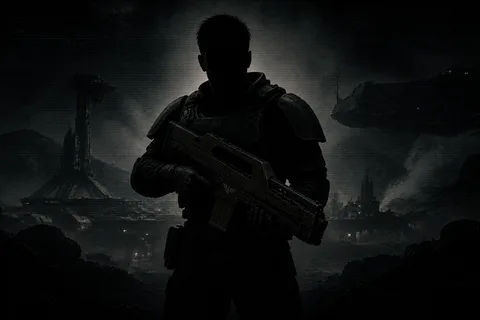
Aliens: Colonial Marines (2013): Game Overview

Aliens: Colonial Marines is a first-person shooter developed by Gearbox Software and published by Sega. Released in February 2013, it was marketed as a direct sequel to Aliens (1986), placing players in the boots of Colonial Marine Corporal Christopher Winter during the 118th Battalion's disastrous mission to investigate the drifting USS Sulaco. The campaign moves from the Sulaco's corridors to the ruins of Hadley's Hope on LV-426, the Derelict Ship, and a Weyland-Yutani research complex built around the Engineer vessel.
Game Overview
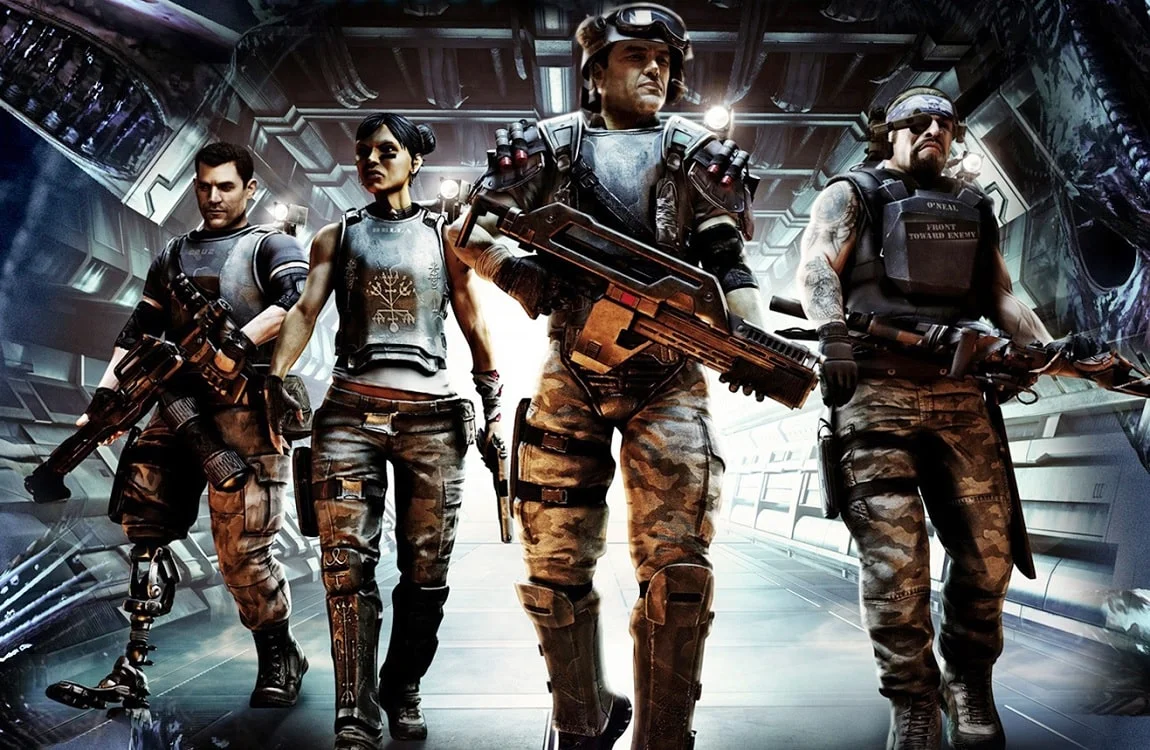
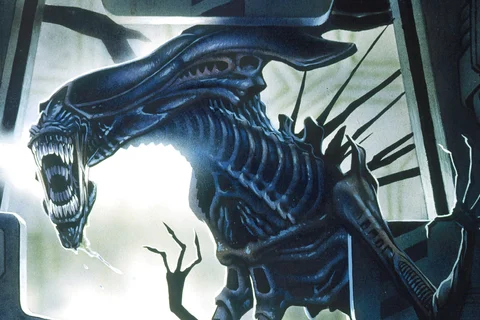
Aliens: Colonial Marines is built around squad-based first-person combat with co-op support for up to four players. Winter and his fireteam fight through familiar Aliens locations while using Pulse Rifles, smartguns, motion trackers, sentry guns, and flamethrowers against waves of Xenomorphs and Weyland-Yutani security forces. The game also introduced several new Xenomorph variants, including the Spitter, the Lurker, Crusher, Boiler, and the massive Raven.
Visually and tonally, the project aimed to recreate the look of James Cameron's film, from the orange shoulder pads of the marines to the industrial decay of Hadley's Hope. Marketing promised a story that would explain what happened after Ripley, Hicks, and Newt left LV-426, but the finished product became one of the franchise's most contested licensed games.
Plot Summary
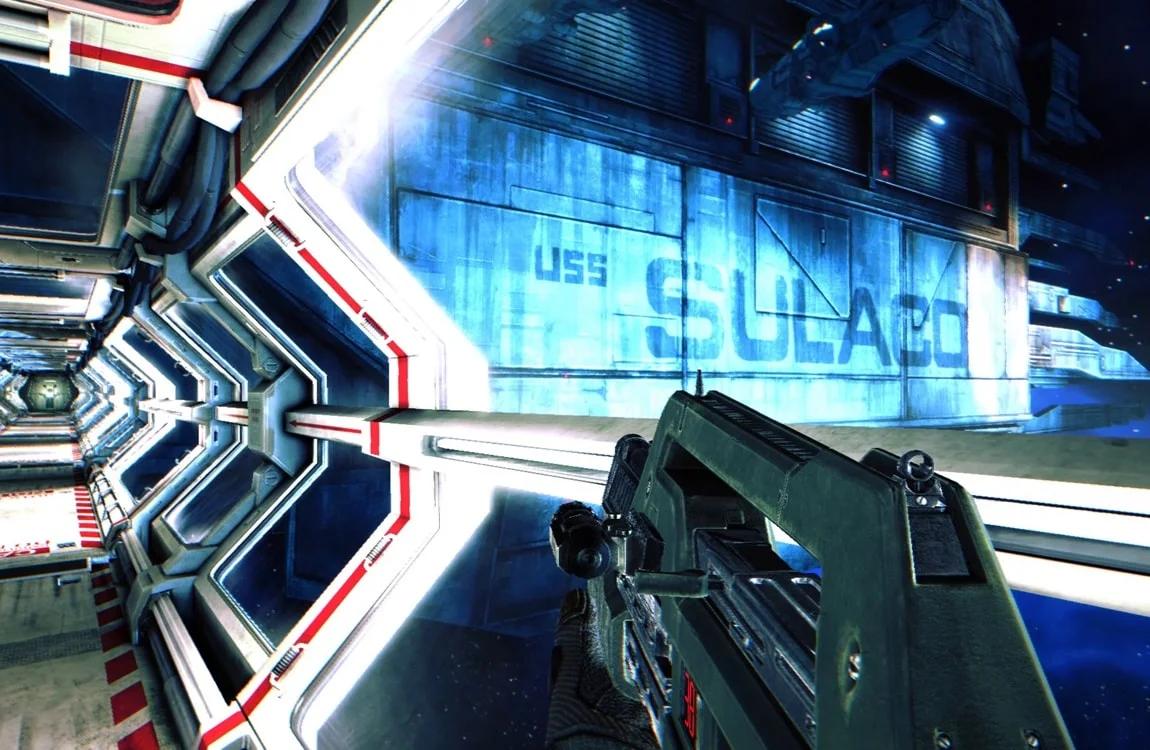
The story begins when the USS Sephora, commanded by Captain Jeremy Cruz, detects the USS Sulaco drifting near LV-426 seventeen weeks after the events of Aliens. Corporal Christopher Winter's squad boards the Sulaco and finds signs of a recent Xenomorph infestation, Weyland-Yutani interference, and evidence that the ship's fate is far more complicated than official records suggest. After the Sulaco is damaged in combat, the marines descend to the surface of LV-426, where Hadley's Hope has been partially rebuilt and a new hive has formed around the Derelict.
As the campaign continues, Winter learns that Weyland-Yutani has been experimenting on Xenomorphs beneath the Engineer wreck and manipulating the aftermath of the original mission. The game controversially retconned Corporal Hicks's death from Alien 3, revealing that he was captured and replaced with a body double while Weyland-Yutani moved him into stasis. Winter eventually fights a second Queen on LV-426, defeats Weyland-Yutani forces led by Michael Weyland, and escapes the planet with a rescued Hicks aboard a mysterious FTL-capable vessel.
Key Characters
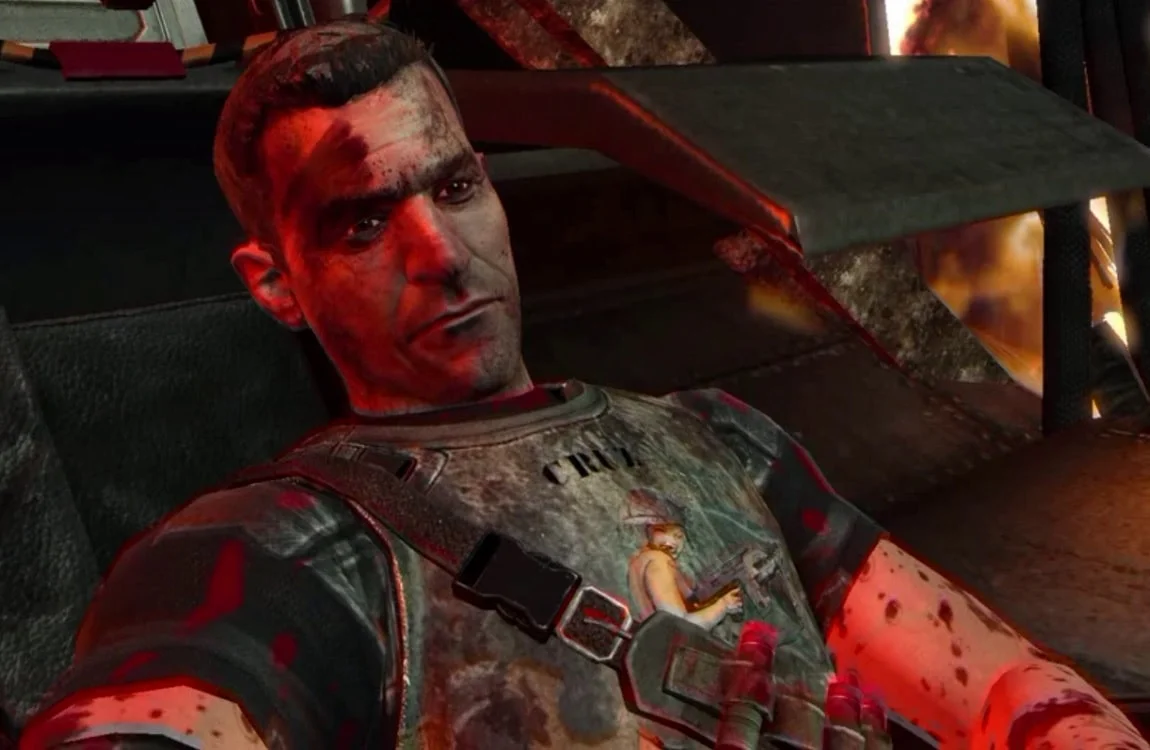
The game's story centers on the Sephora marines, Weyland-Yutani personnel, and returning figures from the film series.
- Corporal Christopher Winter - The playable protagonist and Xenomorph fighter aboard the USS Sephora.
- Captain Jeremy Cruz - Commanding officer of the Sephora and leader of the 118th Battalion operation.
- Private Peter O'Neal - Winter's squadmate and one of the main supporting marines in the campaign.
- Private Bella Clarison - A marine infected by a Facehugger whose chestburster scene became one of the game's most memorable set pieces.
- Private Reid and Private Stone - Additional members of Winter's fireteam.
- Michael Weyland - A Weyland-Yutani executive tied to the company's LV-426 research program.
- Bishop - A synthetic android voiced by Lance Henriksen who assists the marines during the campaign.
- Corporal Dwayne Hicks - Appears in the Stasis Interrupted DLC and the ending, rewritten into the post-Aliens timeline.
- PFC William Hudson - His cocooned body is found under Hadley's Hope with a chestburster wound.
- The Raven - A huge Xenomorph boss that Winter killed from a P-5000 Power Loader late in the campaign.
- The Second Queen - A new Xenomorph Queen ruling the hive beneath the Derelict on LV-426.
USS Sephora And LV-426
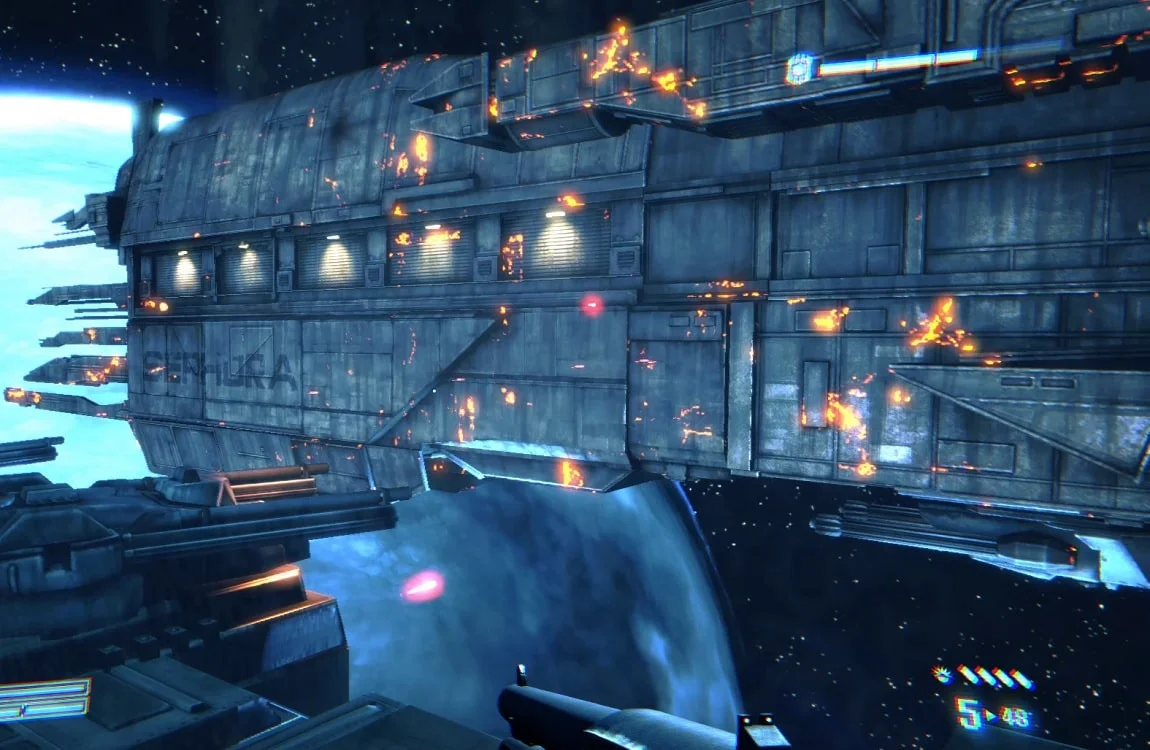
The USS Sephora was a Conestoga-class warship and sister vessel to the Sulaco, carrying roughly four hundred marines from the 118th Battalion when it arrived at LV-426. Its motto, "Oorah to Ashes," became a recurring line in the campaign, while the marines also repeated the promise to leave no one behind before breaking it in the finale. The ship itself is heavily damaged during the opening act, forcing the survivors to continue the mission from the Sulaco and then from the surface.
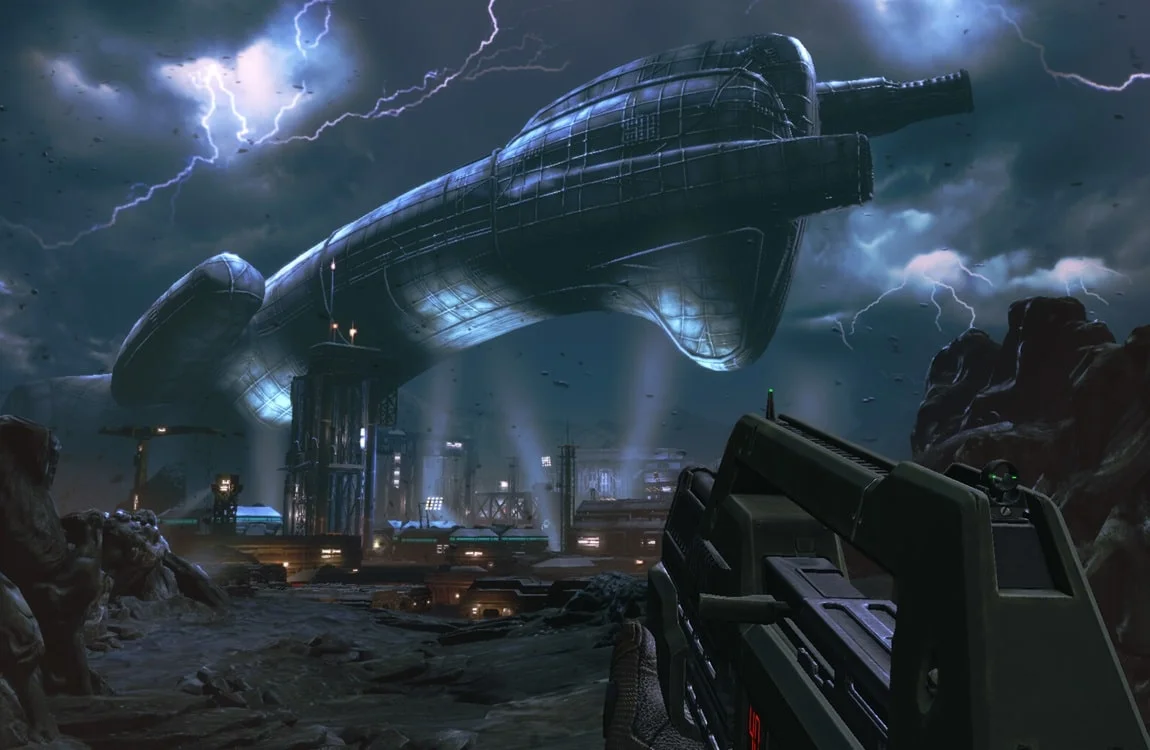
On LV-426, the game revisits the colony, the Derelict, and the Engineer crash site with a Weyland-Yutani research installation wrapped around the Space Jockey vessel. This layout echoed earlier Alien games such as Aliens versus Predator Classic, but Colonial Marines expanded the idea into a full campaign hub with hive zones, corporate labs, and military checkpoints. The campaign connected the Sulaco, Hadley's Hope, and Colonial Marine operations on LV-426 in ways few other Alien games had attempted.
Our gameplay clip below shows the Engineer Derelict Ship in Aliens: Colonial Marines, including the Weyland-Yutani research presence built around the same crash site that started the original LV-426 outbreak.
Xenomorphs And Enemies
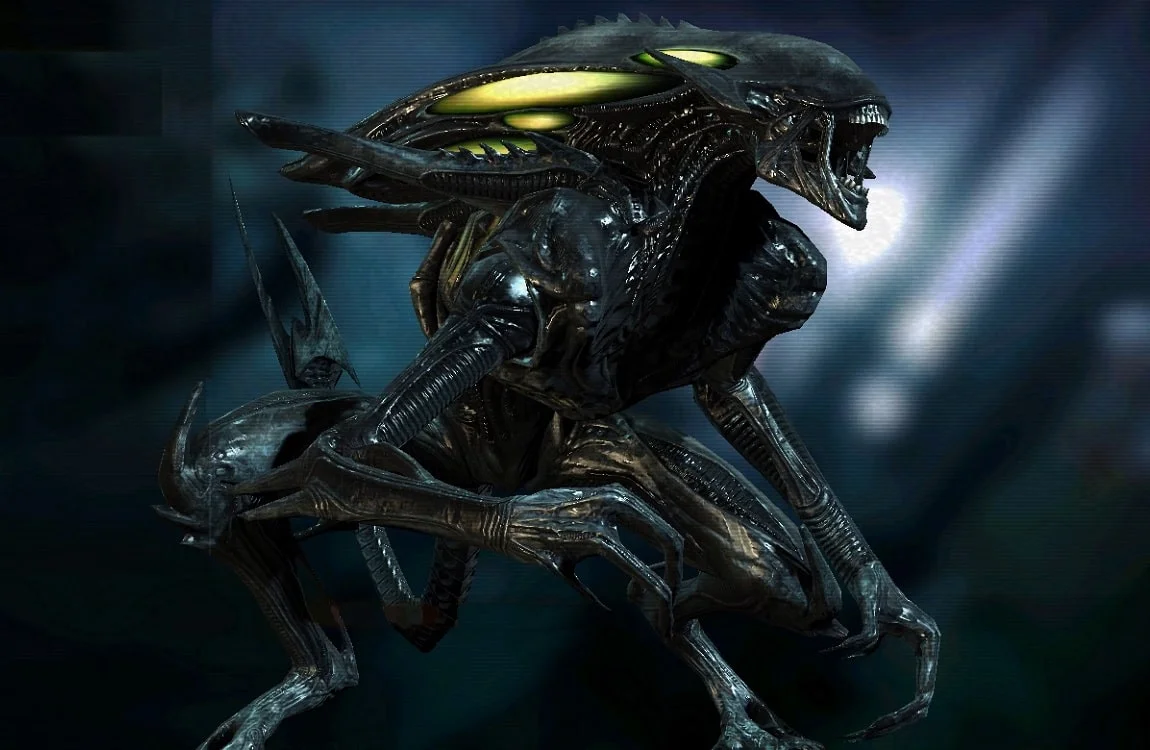
Aliens: Colonial Marines introduced several Xenomorph types that still show up in later game lore. The Spitter became one of the franchise's best-known acid-spitting variants, while the Crusher offered a heavily armored melee threat best attacked from behind. The Boiler acted as a suicide bomber-style Xenomorph, a job Aliens: Fireteam Elite 2 later gave to the Exploder, and the Raven served as a unique boss-scale creature guarding Weyland-Yutani's research core.
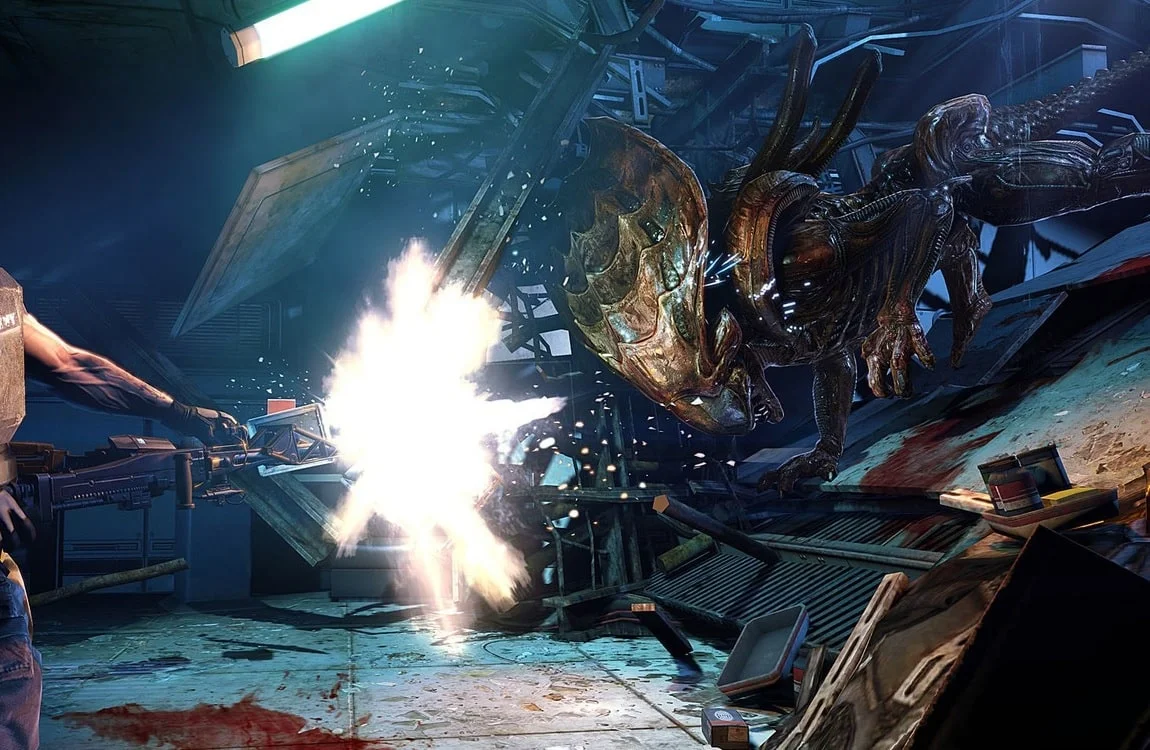
Standard Drones, Warriors, Facehuggers, and Chestbursters fill out the hive, alongside Weyland-Yutani mercenaries, sentry turrets, and synthetic security forces. The Spitter, Raven, and Crusher gave the game a distinctive enemy roster, with ties to broader lore on Xenomorphs from the games and Colonial Marine versus Queen battles. That roster was one of the stronger design choices even when AI and level design drew heavy criticism.
Gameplay And Features
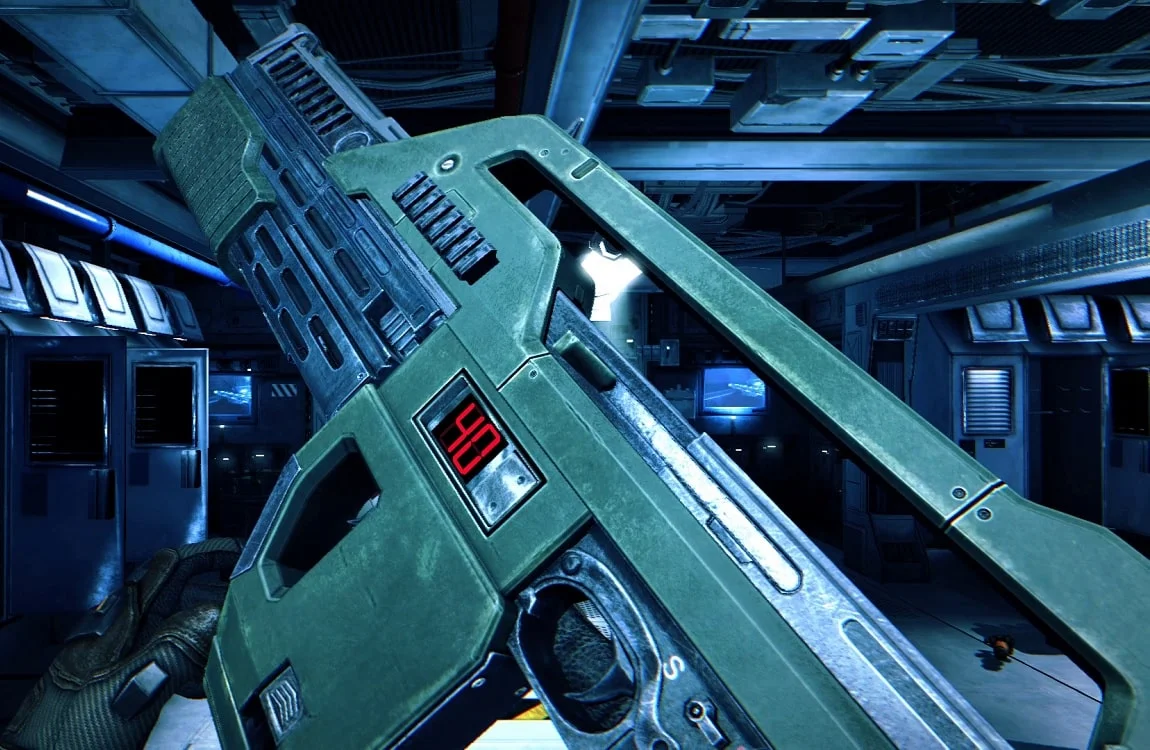
Colonial Marines plays as a linear first-person shooter with optional four-player cooperative campaign support. Players could customize weapons with attachments, deploy sentry guns in certain missions, and collect legendary weapons tied to characters such as Gorman and Hicks. The M41A Pulse Rifle MK2 became one of the game's most recognizable additions to the USCM arsenal and is still discussed alongside other Pulse Rifle variants.
Multiplayer shipped with competitive modes and an Escape mode that pitted marines against Xenomorph players, but the online community faded quickly after launch. Promotional material also highlighted a Survivor mode and strong squad tactics, yet many players felt the final AI behavior and level scripting failed to deliver the tension promised by early demos. The ability to place sentry guns remained one of the game's most genuinely Aliens-like gameplay features.
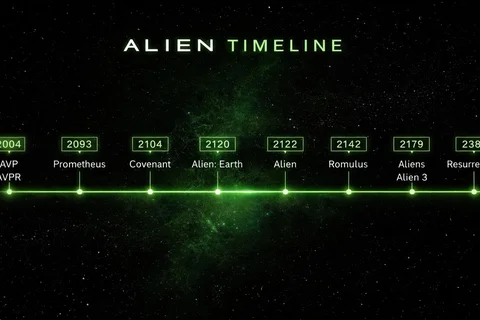
Alien Timeline Placement
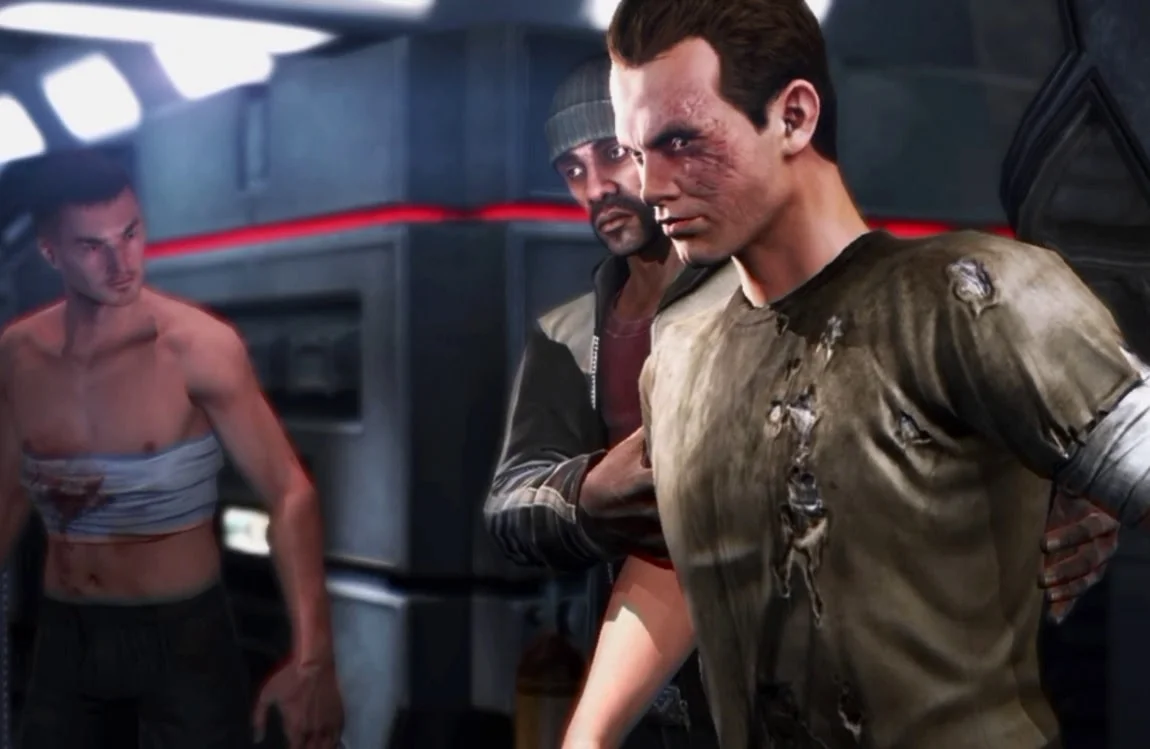
Aliens: Colonial Marines was originally marketed as canonical to the Alien timeline, set in 2179 shortly after Aliens. Its story attempted to explain the Sulaco's return to LV-426, the fate of Hicks, and the continued presence of Xenomorphs on the moon after the atmosphere processor detonation. That placement put it in direct conflict with Alien 3, Alien: Infestation, and later fan and official reassessments of the expanded universe.
The Hicks retcon and Sulaco crash storyline became especially controversial because they rewrote events established in the films and other licensed material. Over time, much of the game's plot has been treated as alternate-universe or non-canon by fans and later Aliens projects, even though its locations and weapons remain widely referenced in later Alien games and expanded-universe material. Its timeline role is still useful for understanding how the franchise tried to bridge Aliens into a larger action-game continuity during the early 2010s.
Development
Gearbox Software led development on Aliens: Colonial Marines after obtaining the license from Sega, with TimeGate Studios contributing additional work on the campaign and multiplayer. The project was announced in 2008 and shown through demos, including a widely praised E3 2011 presentation that later became central to the game's backlash. Gearbox marketed the title as an authentic Aliens experience with strong ties to the film's weapons, sound design, and squad combat.
Lance Henriksen returned as Bishop, while Michael Biehn reprised Hicks for the Stasis Interrupted DLC. The development history became infamous after players noticed major visual and gameplay differences between the demo footage and the released product, along with reports that parts of the project had been outsourced and rebuilt under tight deadlines. Those issues turned Colonial Marines into a warning about licensed-game marketing and production mismanagement.
Release And Reception
Aliens: Colonial Marines launched on February 12, 2013 for PlayStation 3, Xbox 360, and Windows. It received overwhelmingly negative reviews, with criticism focused on outdated graphics, broken enemy AI, weak level design, and the gap between preview footage and the final game. Many Aliens fans viewed it as a missed opportunity to create the definitive sequel to the 1986 film.
The game sold reasonably well initially because of preorders and franchise loyalty, but its reputation collapsed quickly and it became shorthand for disappointing movie tie-ins. It is often cited as a low point against which later titles such as Alien: Isolation and Aliens: Fireteam Elite were compared. Even so, it remains part of Alien gaming history because of its ambitious setting, new Xenomorph types, and lasting impact on franchise continuity debates.
Stasis Interrupted DLC
Stasis Interrupted was the main story-focused expansion for Colonial Marines, adding a campaign that reframed Hicks's survival after Aliens. Michael Biehn returned to voice Hicks, while the DLC showed Weyland-Yutani commandos infiltrating the Sulaco, capturing Hicks, and creating the circumstances that led into the main game's plot. It also expanded the role of Bishop and tied several loose threads together, though many fans still rejected the continuity changes.
Additional DLC focused on cosmetic weapon packs and multiplayer content rather than new campaign missions. Stasis Interrupted remains the most important post-release addition because it clarified the Hicks retcon and gave the game a stronger narrative hook than the base campaign alone provided.
Legacy
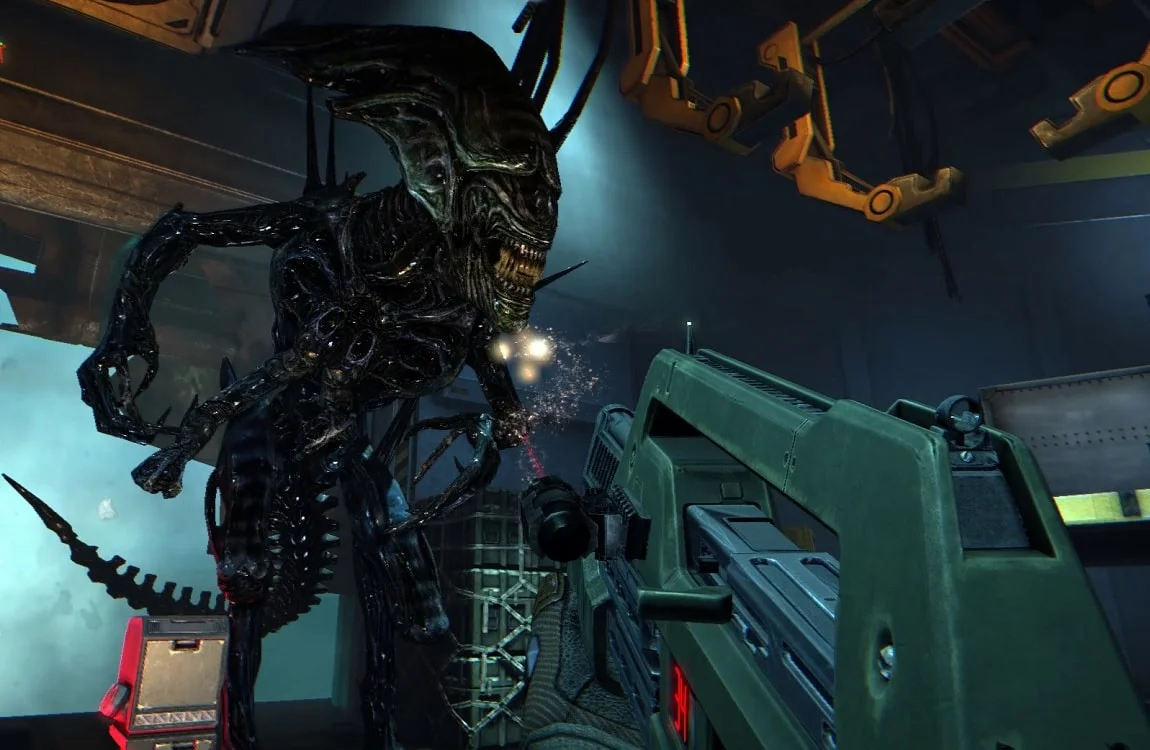
Gearbox's 2013 shooter became the licensed-game warning after the E3 2011 demo did not match the shipped game. TimeGate shared campaign work. Stasis Interrupted brought Michael Biehn back as Hicks and kept the Alien 3 body-double retcon. Isolation and Fireteam Elite were judged against it. Crusher and Spitter still showed up in later rosters.
External Sources
Tag Categories: Alien Games | Alien Merchandise