Alien: Isolation (2014): Plot, Lore & Game Overview

Alien: Isolation is a first-person survival horror game developed by Creative Assembly and published by Sega. Set in 2137, fifteen years after the disappearance of the USCSS Nostromo, it follows Amanda Ripley, the daughter of Ellen Ripley, as she travels to the decaying Sevastopol Station to find the Nostromo's recovered flight recorder. The game copies the slow-burn horror of Alien (1979) instead of squad-based action, putting the player up against one smart, mostly unkillable Xenomorph Drone that stalks Amanda through vents, corridors, and maintenance tunnels.
Game Overview
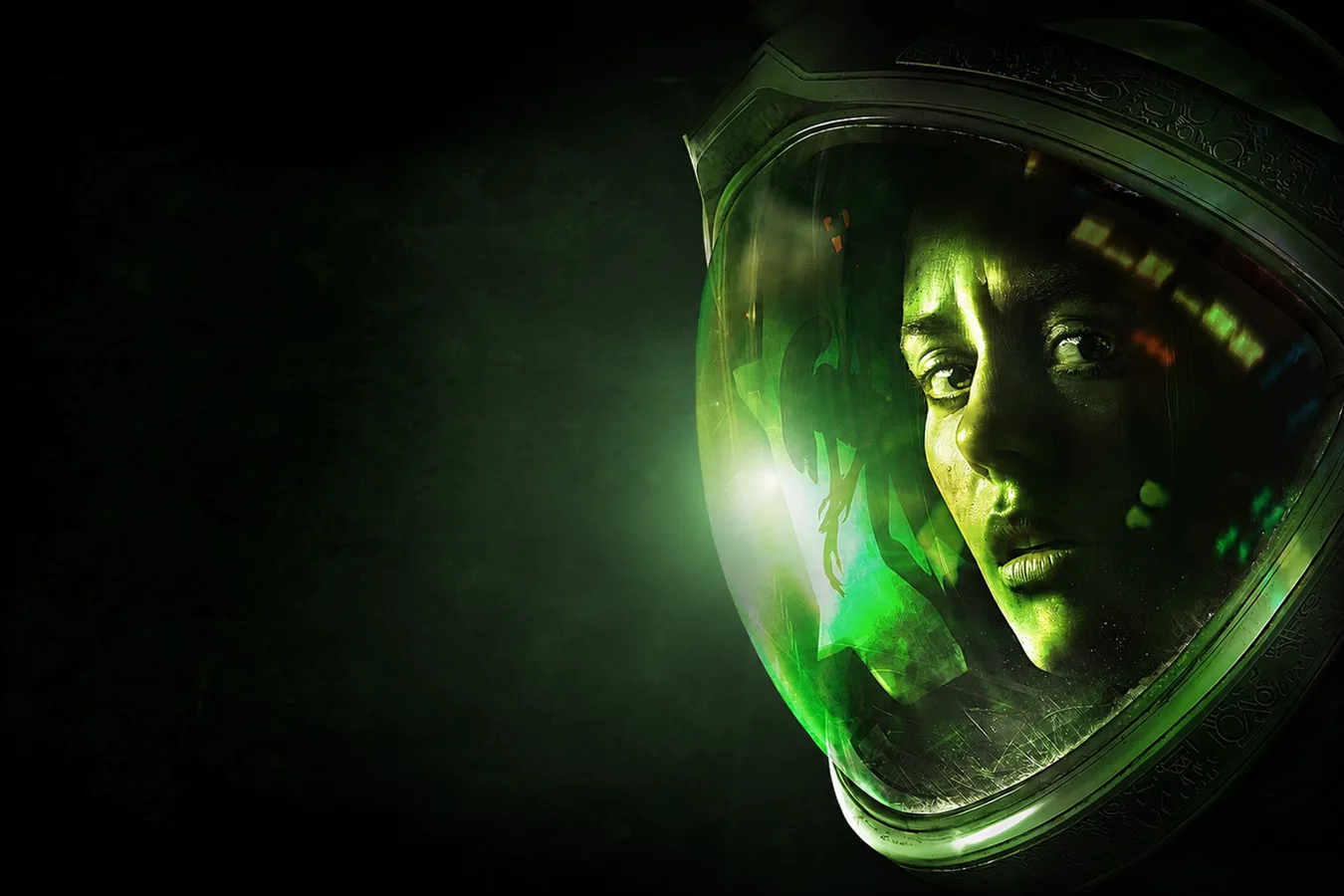
The game was built around tension, stealth, and limited resources instead of shootouts. Amanda had to hide in lockers and under furniture, craft supplies, and rely on the motion tracker to survive fights she could not win with a gun. The visuals copied the retro look of the 1979 film, from CRT monitors and analog interfaces to the cramped industrial layout of a dying space station.
The Xenomorph was the main threat, but Amanda also ran into hostile survivors, failing station systems, and Working Joe synthetics that went lethal when the Apollo AI turned them on humans. Sevastopol was already falling apart before the Alien showed up, and the outbreak made every section of the station worse.
Plot Summary
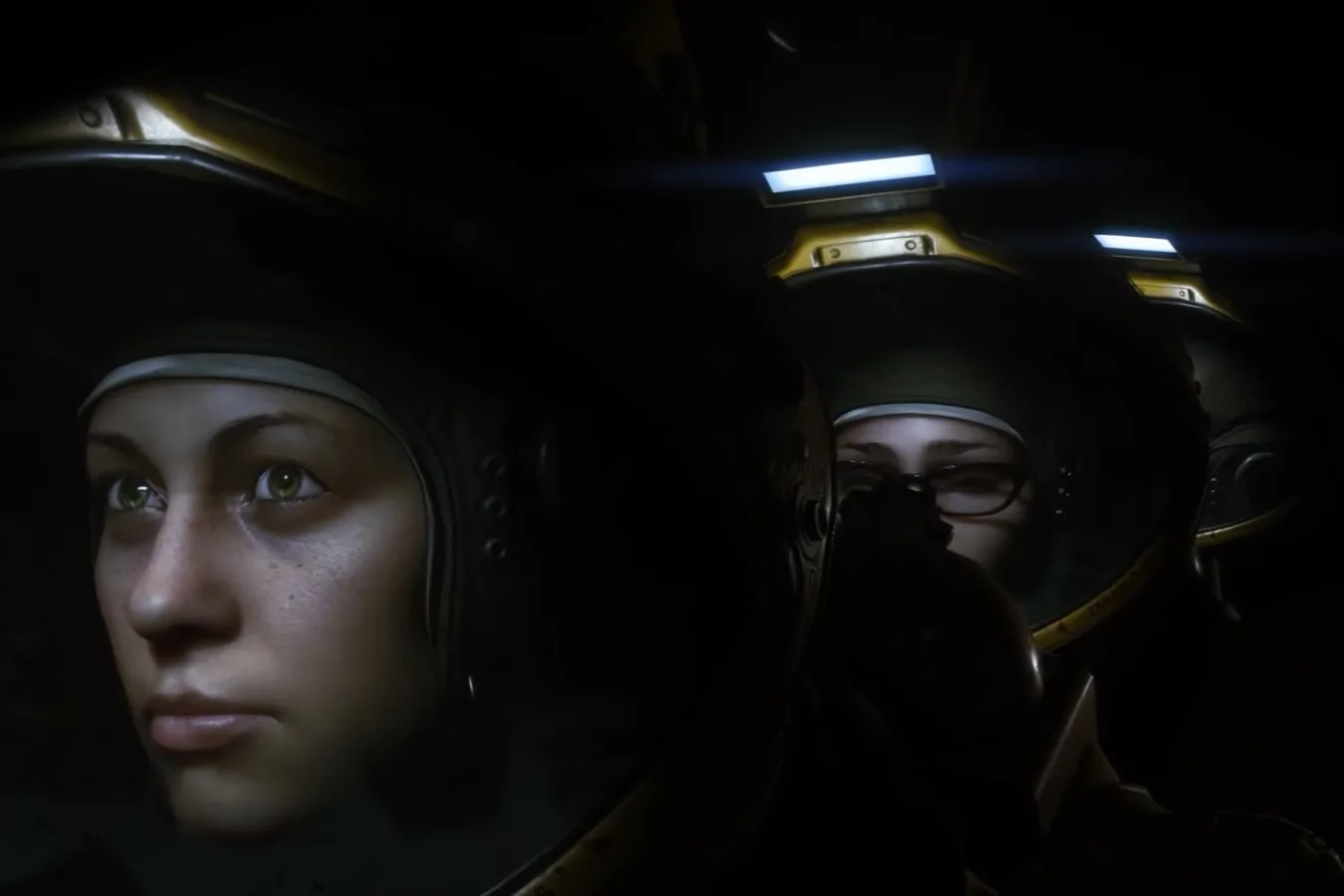
Christopher Samuels offered Amanda a consultant seat on the courier ship Torrens after a Nostromo flight recorder turned up at Sevastopol, a failing freeport run by the struggling Seegson Corporation. Lawyer Nina Taylor traveled with them for Weyland-Yutani. Captain Diane Verlaine would deliver the team, collect the black box, and leave. Amanda took the berth because the recorder was the first hard lead she had found in fifteen years on what happened to her mother after Alien.
On approach, Sevastopol's docking bay was a torn hole, and marshal traffic came through as static. Verlaine would not take the Torrens into that wreckage, so Amanda, Samuels, and Taylor crossed on an EVA cable. The line failed, and Amanda hit an airlock alone.
Survivor Axel put a gun on her, then bargained a path toward transit in exchange for a seat on the Torrens. Looters hunted anyone who looked useful. While they forced a paired door in the dark, an adult Xenomorph took Axel. Amanda was left in a station that had already lost most of its people to panic, locked doors, and one hunter in the vents.
In Lorenz SysTech she found the red Nostromo recorder with its lid forced. The screen read no data. A doctor named Kuhlman handed her a motion tracker in San Cristobal Medical, then tried to feed her to the creature and died for it. Marshal Jethro Waits and Deputy Ricardo were what remained of station security. Taylor was wounded. Waits needed transit running so they could reach marshal headquarters.
The outbreak had started with the salvage ship Anesidora. Captain Henry Marlow and his crew had found the derelict Engineer vessel on LV-426 decades after the Nostromo visit, following the same beacon that had pulled Dallas's crew off course. They brought an Alien egg aboard after Catherine Foster was attacked by a Facehugger. At a side console on the flight deck, Marlow shut the beacon so no other scavengers would follow. He then dragged Foster into Sevastopol medical, where a chestburster tore out of her. That single adult Xenomorph, later nicknamed Stompy by fans, killed most of the station. Waits locked Marlow in the brig and sent Amanda after the creature with fire, because a lobby blast had only driven it off.
Their plan to cage it failed in the open decks, so Waits sent Amanda into the shut-down Gemini Exoplanet Solutions module as bait. She lured the Drone into Project KG-348, the lab Seegson had used to study the gas giant below the station. Waits jettisoned that tower once the Alien followed her inside, with Amanda still in the module. She came back across the hull angry and alive, and the lone hunter was gone for a time.
Seegson sold the dying freeport to Weyland-Yutani after the Torrens left Earth. Special Order 939 ran under the Seegson interface and told APOLLO to cut the radios, lock the hull, and protect the specimen. Hazard Containment went to Omega, and the Working Joes started killing on sight. Amanda reached the marshal bureau after that attack and found Waits dead on the deck. Taylor had broken Marlow out of the brig for the LV-426 data, and both were gone. Ricardo had survived that massacre and stayed on the radio.
Samuels forced an interface with APOLLO at Android Processing and told the computer the infection was gone. The mainframe rejected him and would not let him disconnect. He opened core transit, gave Amanda access authorization, and died there. She used that clearance to reach APOLLO and saw the company order in plain language: keep the organism, treat the remaining humans as expendable. Audio logs and holograms of the original Nostromo crew sat in the same systems.
Amanda boarded the Anesidora after Marlow escaped. He had kept a piece of the recorder off the company copy. On a terminal he gave her the Nostromo final report, including Ellen's personal addendum. Ellen said the Alien had forced them to destroy the ship, that she was on the Narcissus, and that she still hoped to see Amanda. Marlow then started a fusion overload and meant to wipe Sevastopol so the company could not start the hunt again. Taylor hit him, and Amanda tried to shut the reactor from the wrong side of a sealed door. The overload wrecked the ship anyway. Taylor and Marlow both died. The blast tore an orbital stabilizer off Sevastopol and put the station into a decaying orbit around KG-348.
After the blast, Amanda found a nest in the Sevastopol reactor core, eggs and cocooned residents packed into the coolant tanks, with no Queen in sight. A purge wrecked that nest, and more adult Xenomorphs got into the corridors before it blew. Ricardo hid from looters and helped her realign the dishes so she could call the Torrens. The radio picked up a struggle, then cut out. A Facehugger had taken him, and she could not stay.
Verlaine brought the Torrens back in for a clamp pickup. The personnel umbilical was offline for decommissioning, so Amanda crossed on a towing cable in an EVA suit while the station tumbled toward KG-348. She blew the cables free, reached the Torrens airlock, and found no crew answering. An adult Xenomorph came through after her. She opened a hatch and blew both of them into space, got her helmet on, and stopped her spin. Verlaine did not answer. Sevastopol burned in that dying orbit, and an unidentified light closed on Amanda as she drifted.
Key Characters
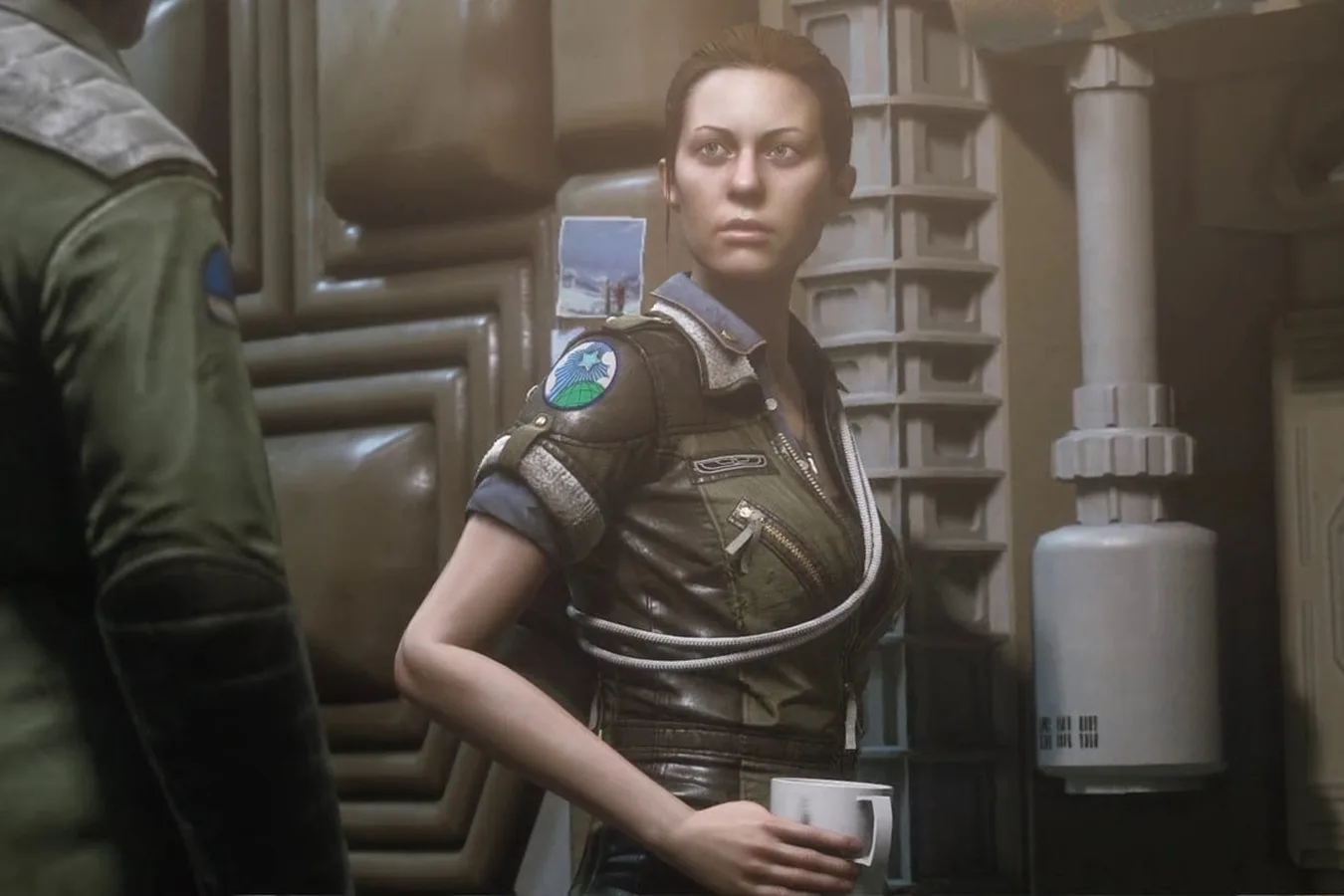
The game focused on Amanda Ripley and the survivors, corporate agents, and synthetics caught up in the station's collapse.
- Amanda Ripley - Ellen Ripley's daughter and the player character, an engineer looking for answers about the Nostromo.
- Christopher Samuels - A Weyland-Yutani synthetic who helped Amanda early on.
- Nina Taylor - A Weyland-Yutani legal executive with her own agenda on the salvage job.
- Henry Marlow - Captain of the Anesidora, who brought the Alien egg to Sevastopol from LV-426.
- Catherine Foster - Marlow's wife and the host of the chestburster that started the infestation.
- William Connor - A Seegson executive trying to keep the station running.
- Ricardo - A Colonial Marshal survivor who helped Amanda in the lower levels.
- Dr. Kuhlman - A station doctor played by William Hope, who also played Lieutenant Gorman in Aliens.
- Apollo - The station AI that ran Sevastopol's systems and later turned Working Joes on the survivors.
- The Sevastopol Xenomorph - A lone Drone that hunted Amanda through the game and killed most of the station.
Sevastopol Station
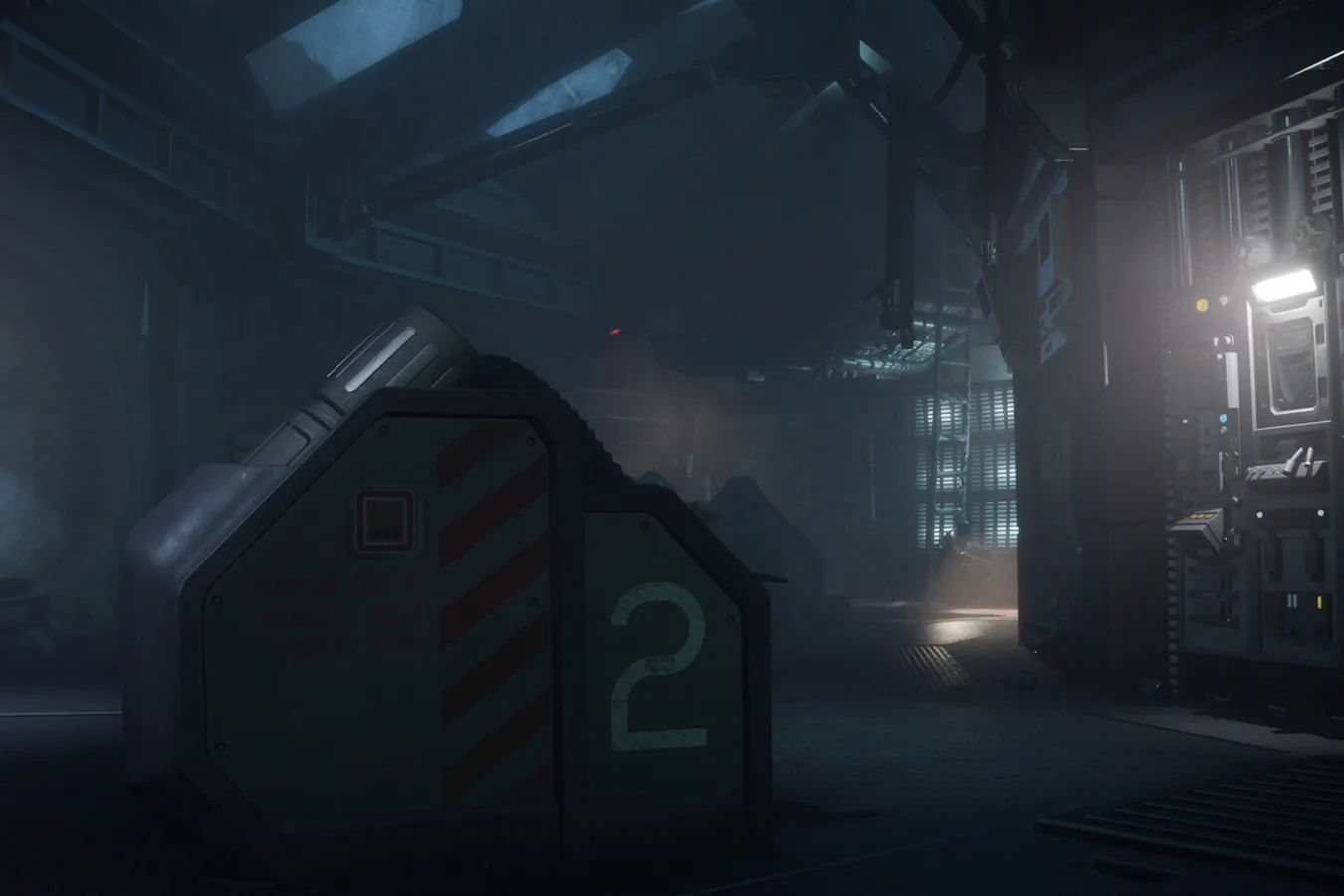
Sevastopol Station was a Seegson commercial hub built to compete with Weyland-Yutani. By 2137 it was already in financial trouble, long before the Xenomorph arrived. The game used its corridors, transit lines, medical bays, and Gemini labs as one large map that got worse the farther Amanda went.
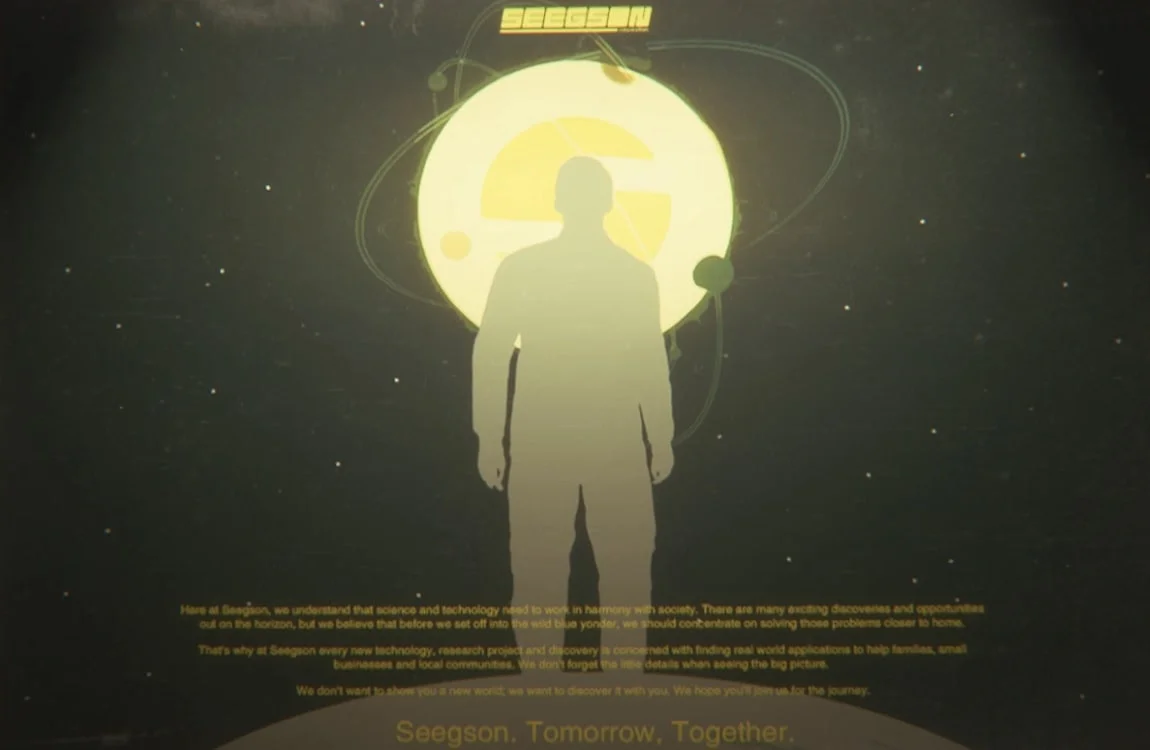
Power cuts, broken airlocks, fires, and desperate survivors added to the pressure. The station also used the same kind of analog tech seen in Alien, which kept the 1979 look intact. Later Alien media such as Alien: Romulus drew obvious comparisons to Sevastopol's worn-down design.
The Xenomorph And Other Enemies
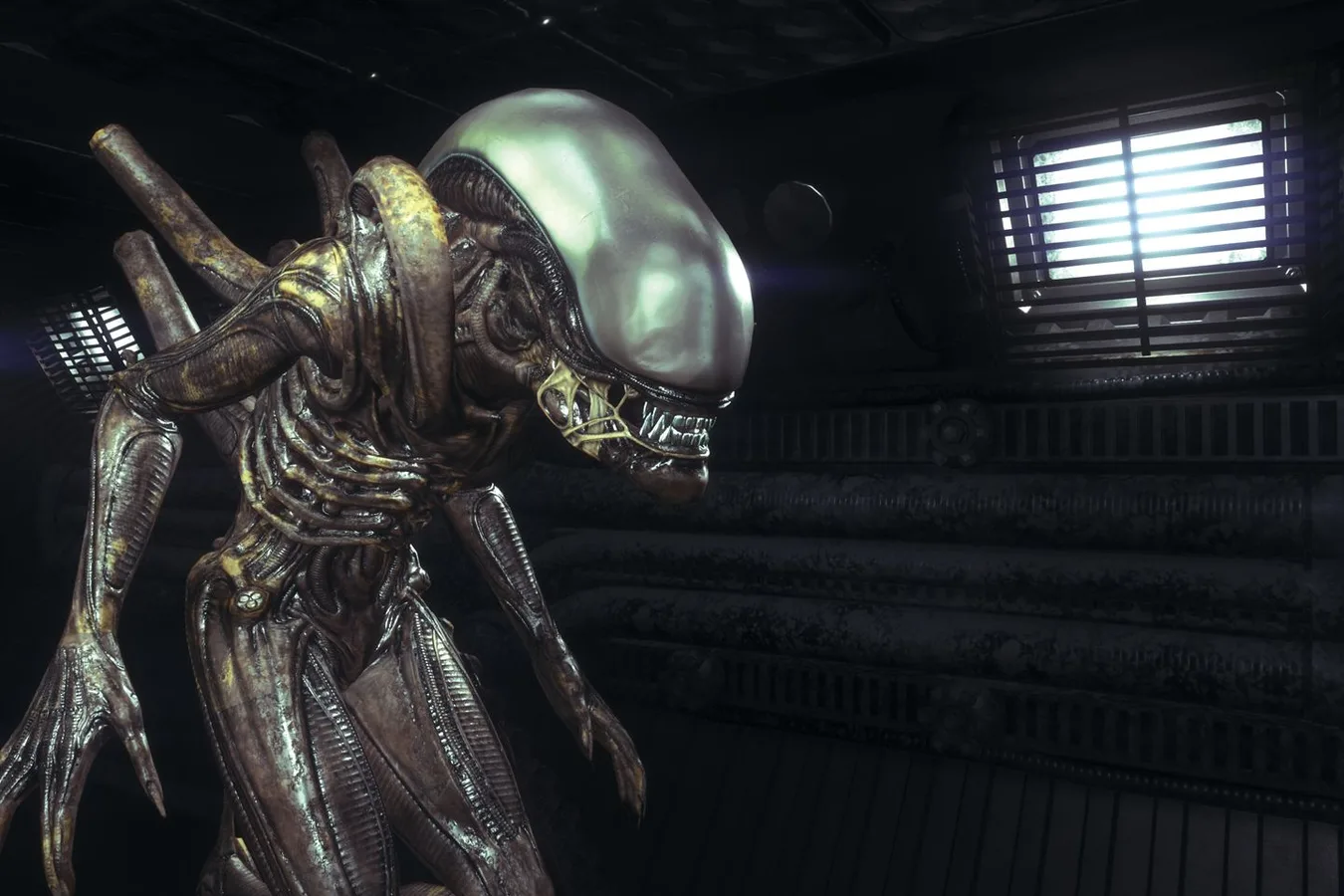
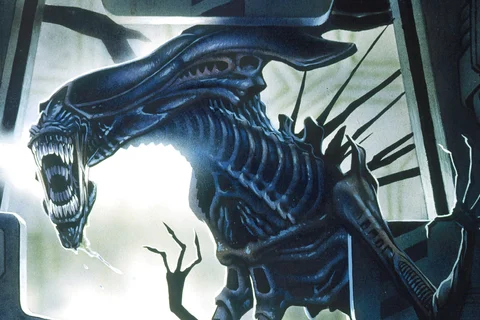
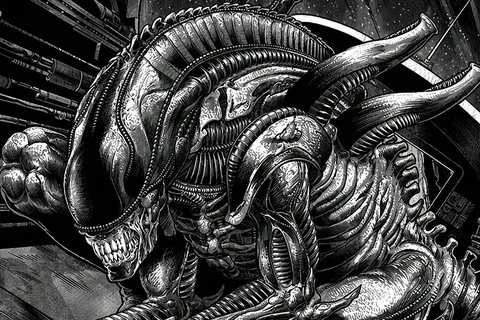
The Sevastopol Drone was the main enemy. Creative Assembly gave it random patrol routes, sharp hearing, vent access, and near-total immunity to bullets. Flamethrowers and explosives could scare it off for a while, but the Alien could not be killed in the main campaign.
Fans often treat it as an Alpha-class Xenomorph. On its own it wiped out most of Sevastopol and still shows up on lists of the deadliest Xenomorphs and in discussions of Drone behavior. Facehuggers, Working Joes, looters, and hostile survivors filled out the rest of the enemy roster.
Gameplay And Features
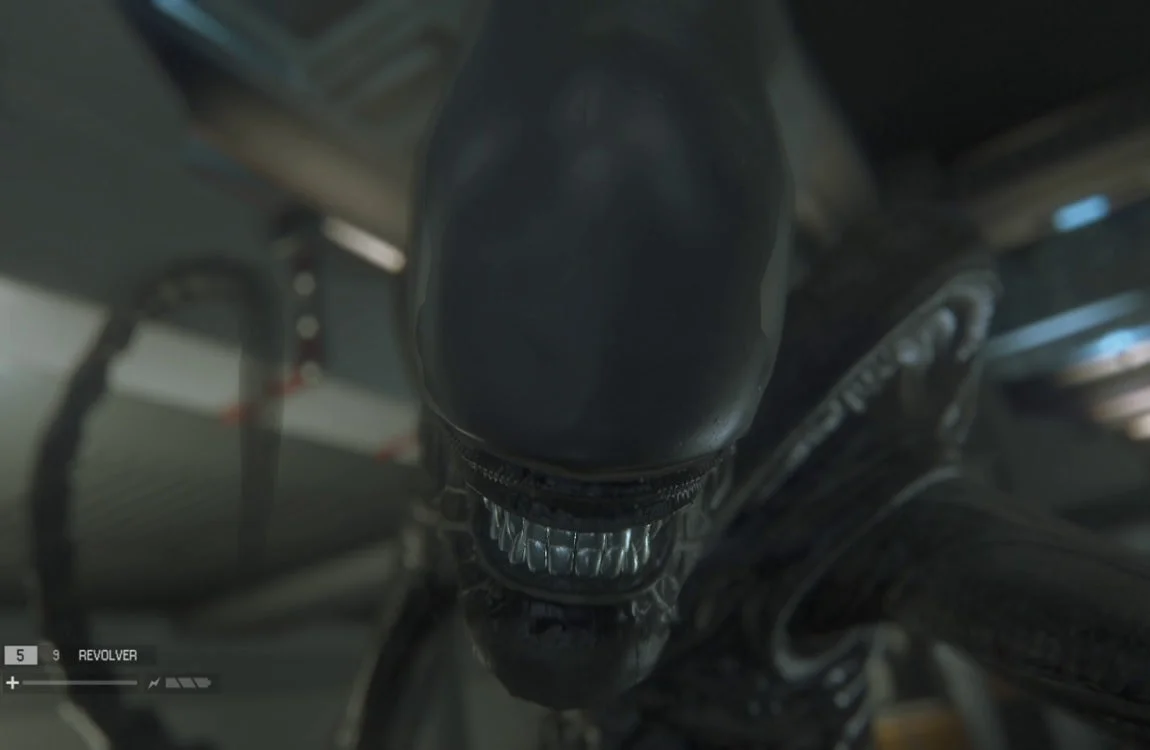
Alien: Isolation was a first-person game built on stealth, exploration, and survival. Amanda could craft medkits, molotovs, noise decoys, and other items from scavenged parts, but ammo and fuel were scarce enough that shooting was usually a bad idea. The motion tracker was the standout tool. It told Amanda just enough to know the Alien was close.
The Xenomorph ran on dynamic AI, not just scripted scenes. It reacted to noise, checked disturbances, moved through vents, and could show up in places that had felt safe a minute earlier. Human enemies and synthetics broke up the pacing and forced Amanda to deal with more than one threat at a time.
Alien Timeline Placement
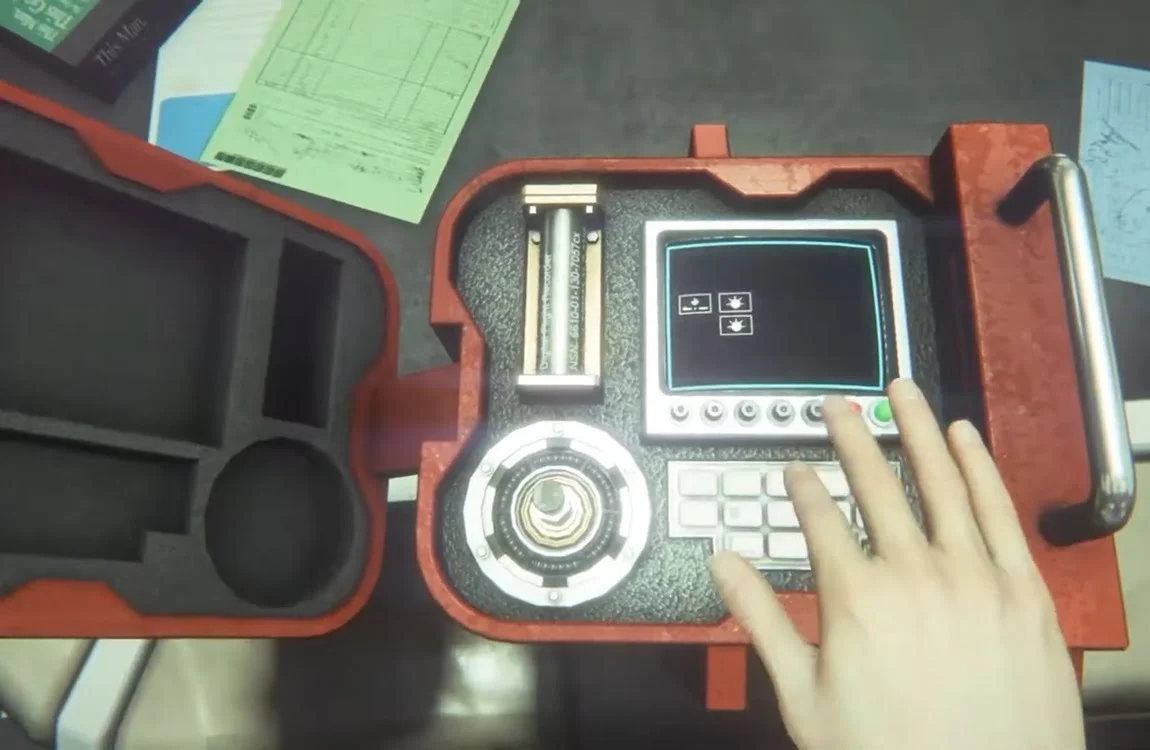
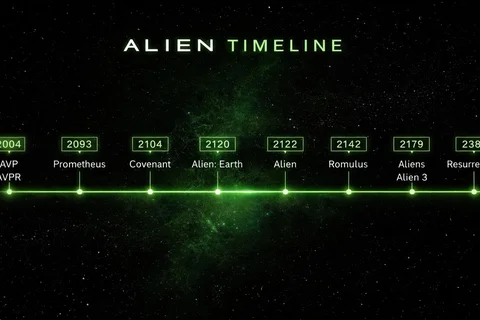
On the Alien timeline, Isolation took place in 2137, about forty-two years after Alien and well before Aliens. Ellen Ripley was still missing in the Nostromo lifeboat, and Amanda had spent years trying to learn what happened to her. The Anesidora reached LV-426 after the Nostromo disaster but before the Colonial Marines in Aliens, which is why the derelict and the eggs were still there.
The recovered flight recorder linked the game directly to the first film. The years after Isolation continued in Aliens: Defiance, Alien: Prototype, and Aliens: Resistance. The open ending set up a sequel, which was announced more than a decade later.
Prequel Comic
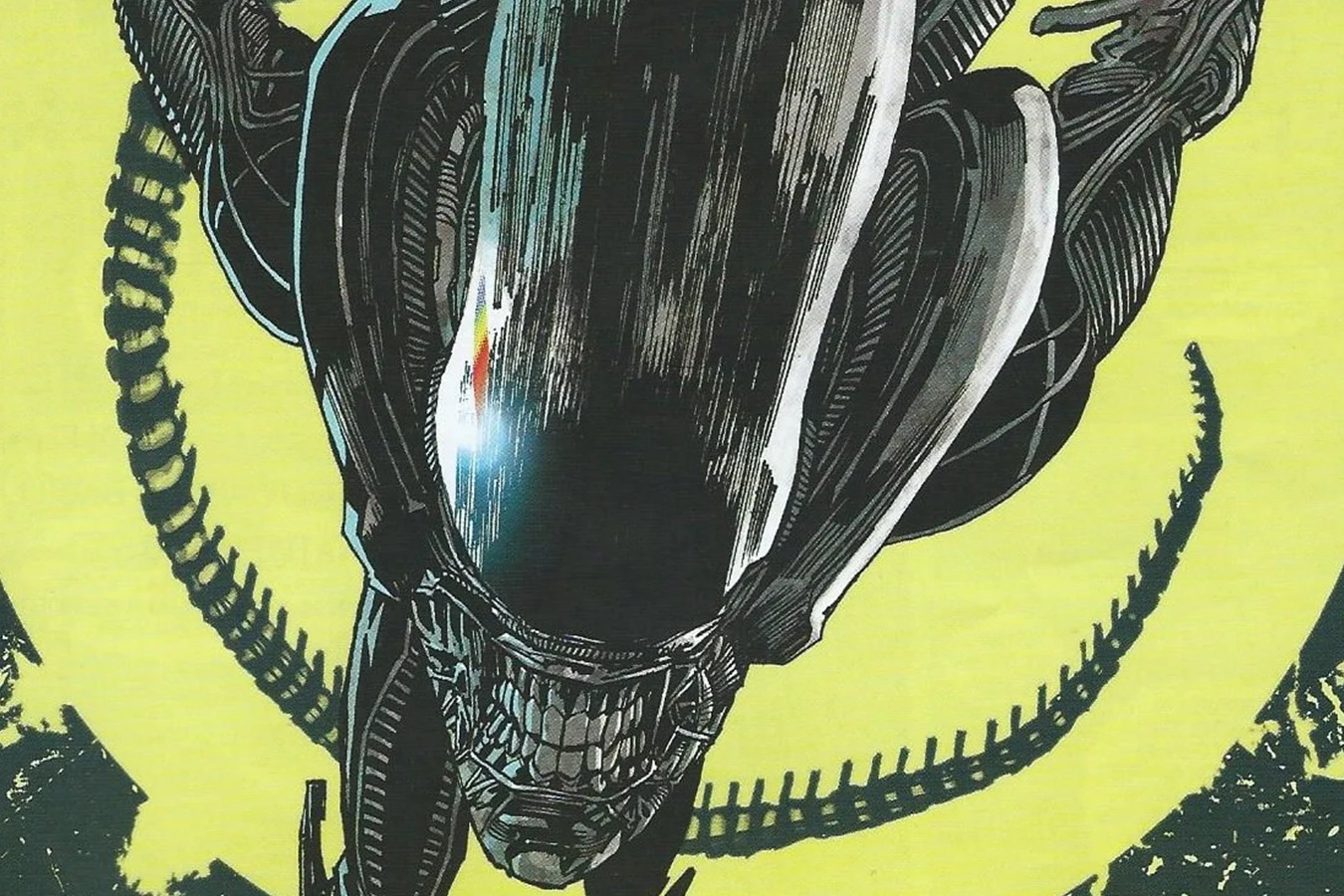
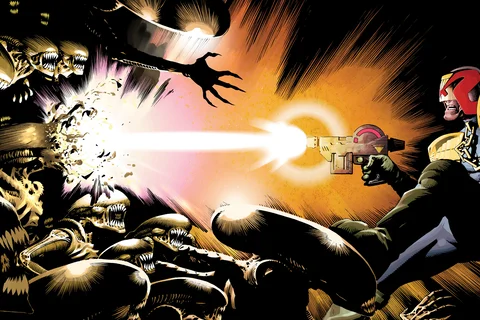
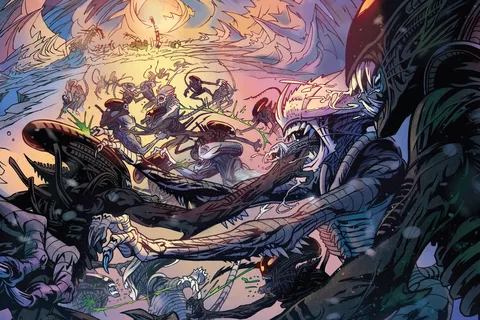
Dark Horse published a free Alien: Isolation one-shot in July 2014, ahead of the October game, at San Diego Comic-Con, PAX Prime, and London EGX. Dan Abnett and Dion Lay wrote it, with art by Henry Flint. Both writers also worked on the Creative Assembly campaign. The issue did not retell Amanda's run. It showed Sevastopol coming apart under one Xenomorph, hostile survivors, and Working Joes answering to Apollo.
Marshal Waits lost what remained of his team in Engineering and kept putting pins on the bureau board. Civilian Clark shot Marshal Ross, left him for the Alien, and died when Working Joe Chuck strangled him. Anesidora crewman Alan Meeks was implanted in San Cristobal while he dreamed of a warm place that was never a rescue. By the time Amanda met Waits in the game, those deaths were already marked on his board.
Novelization
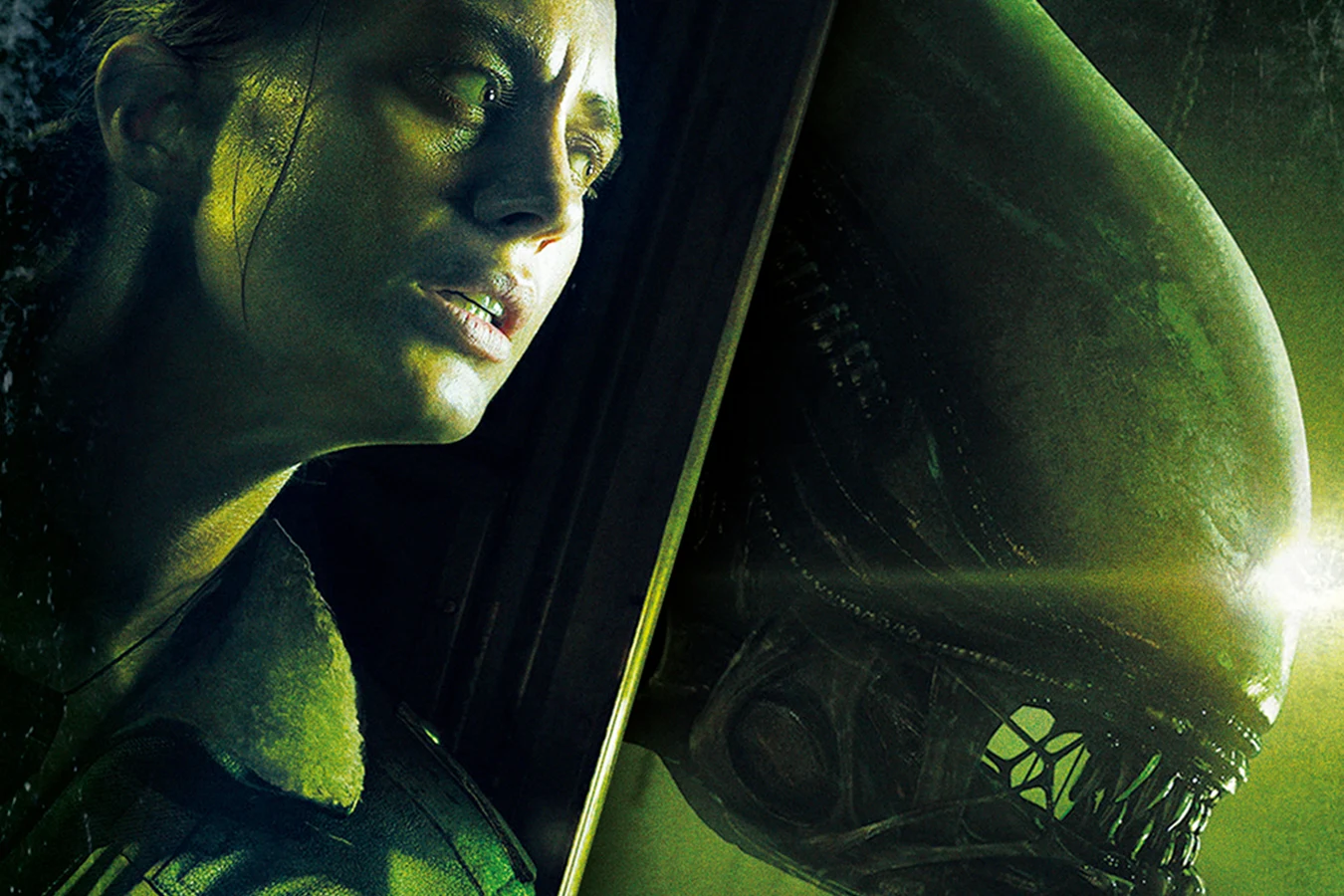
Titan Books published Keith R.A. DeCandido's Alien: Isolation novelization on 30 July 2019. The book keeps the Sevastopol hunt for the Nostromo flight recorder and adds Amanda's years of dead-end searches on Luna, her friendship with Marine Zula Hendricks, and Ellen's personal log that said she had lived. Station beats match the campaign, from Axel and the empty recorder through the Gemini eject and Marlow's overload. The novel leaves Amanda on a distress beacon above KG-348 after Sevastopol broke up and the Torrens was lost.
Development
Starting Out
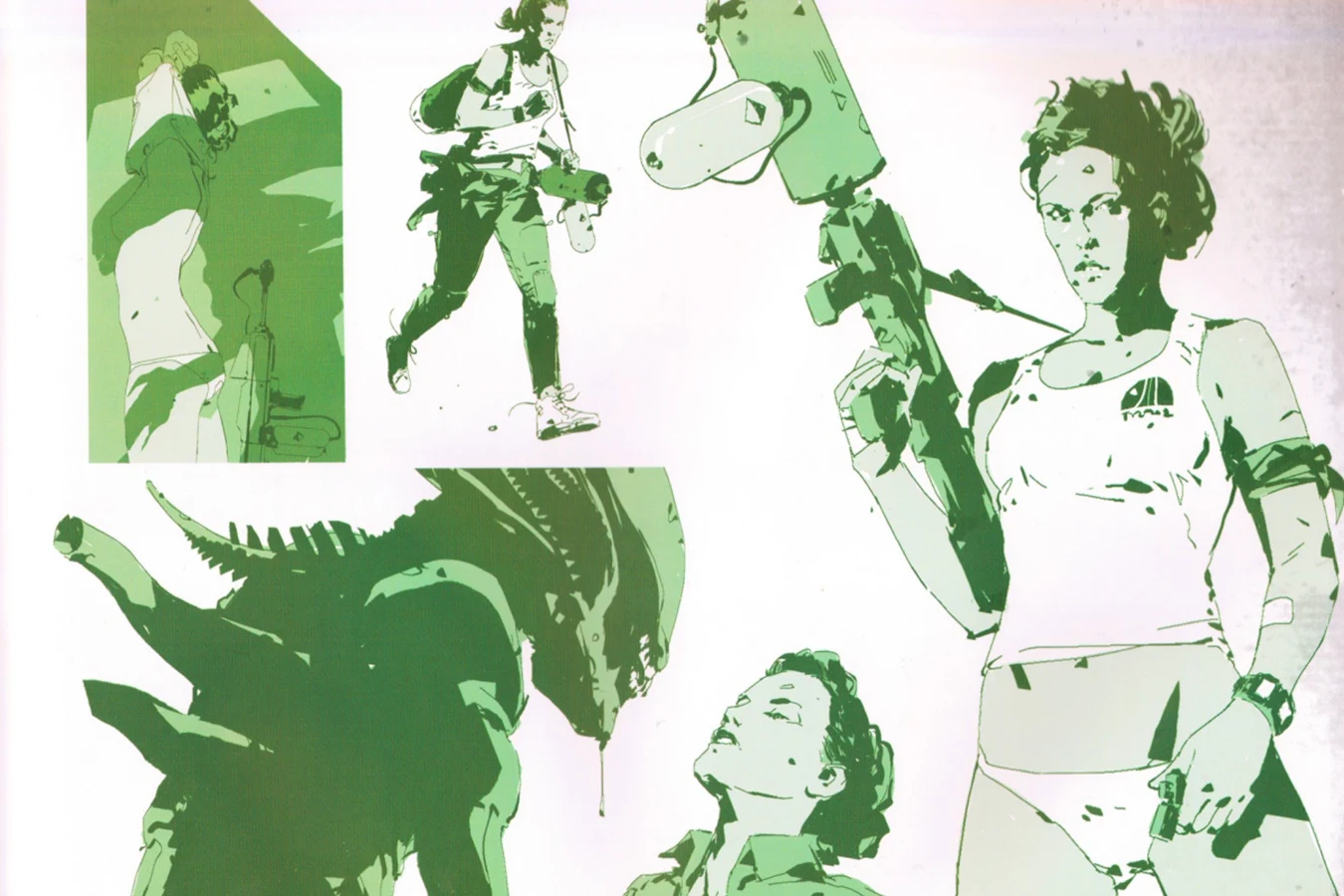
Creative Assembly came from the Total War strategy series. Isolation sat under creative lead Al Hope, with Jude Bond as lead artist, Tim Heaton as studio manager, and Gary Napper as lead designer. After the studio pitched the game, Twentieth Century Fox sent production-design archives from the 1979 film. Bond's team treated Alien as a used future and a haunted house in space, then checked new rooms against a simple rule: if the piece could not have been built on the Shepperton set in 1979, it did not go in.
Amanda Ripley was the lead because she was tied to the first film. She had appeared in a deleted scene from Aliens, and the team treated her as the person who would keep looking after the Nostromo vanished. Concept artists Bradley Wright, Calum Watt, Edouard Caplain, and Björn Hurri expanded that archive into new rooms, kits, and ships. The campaign used one persistent hunter instead of Xenomorph swarms, which was a commercial risk at the time.
Guns were blunt tools that could buy a few seconds against people and Working Joes, but the noise told the Alien where to look. Early builds kept purpose-built firearms out. A pump shotgun came in later, after an automatic 1970s prototype was dropped, and the finished gun kept a perforated barrel and pump handle that echoed the pulse rifle. The motion tracker copied the film unit, scanned only a narrow arc, and stopped Amanda from firing while she held it. Handmade grenades and charges stayed in, while larger improvised weapons were cut. The bolt gun stayed slow and hard on people, and it did nothing to the Xenomorph.
Characters And Costumes
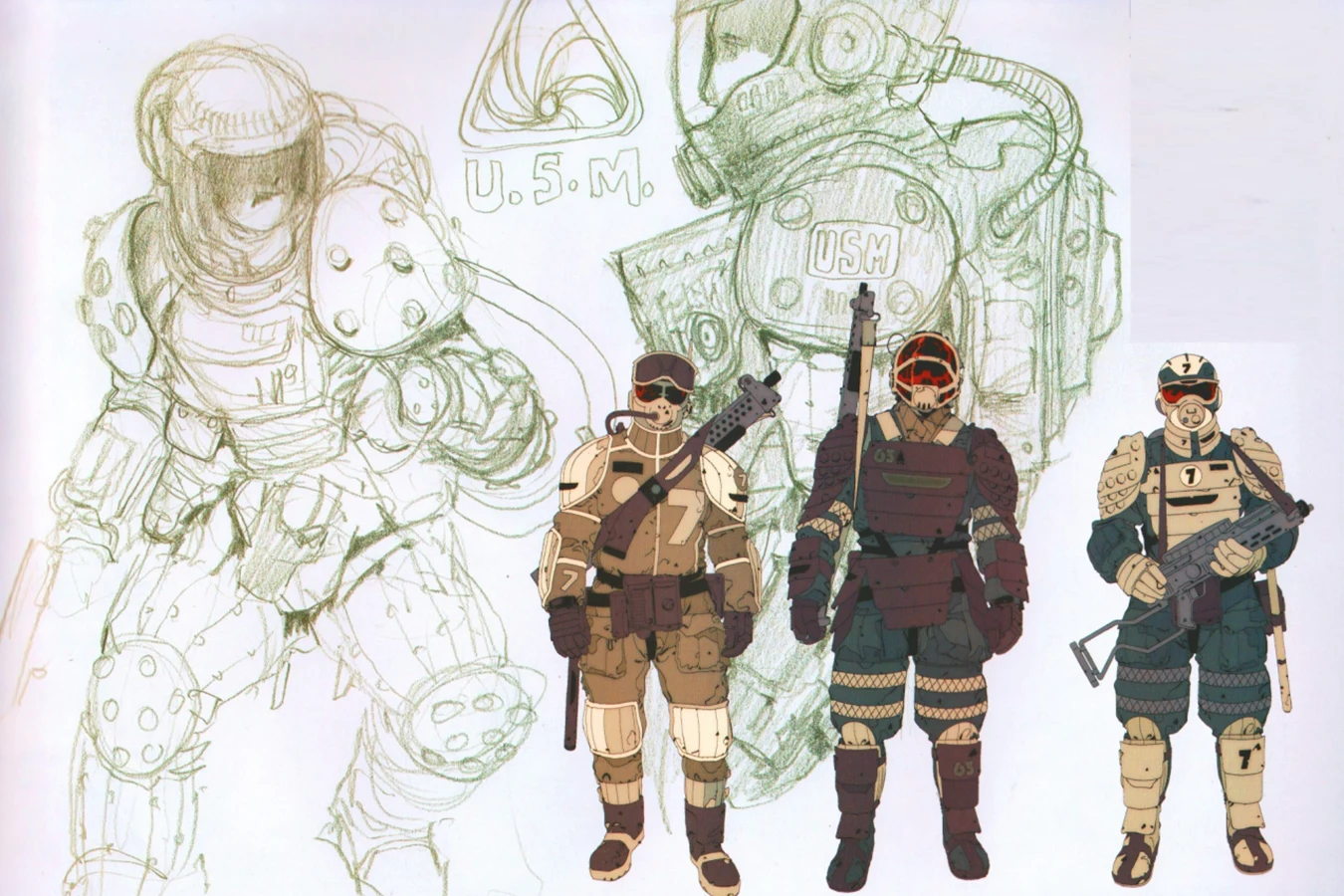
Welsh actress Kezia Burrows supplied Amanda's face. Bond's department pulled John Mollo and Moebius costumes apart, then rebuilt informal uniforms with personal touches, using 1970s photographs gathered by Caplain. Only three of Amanda's outfits reached the shipped game. Mollo's EVA suit returned unchanged, and a Seegson Private Guard kit was cut from play and left on a rack in Marshal HQ.
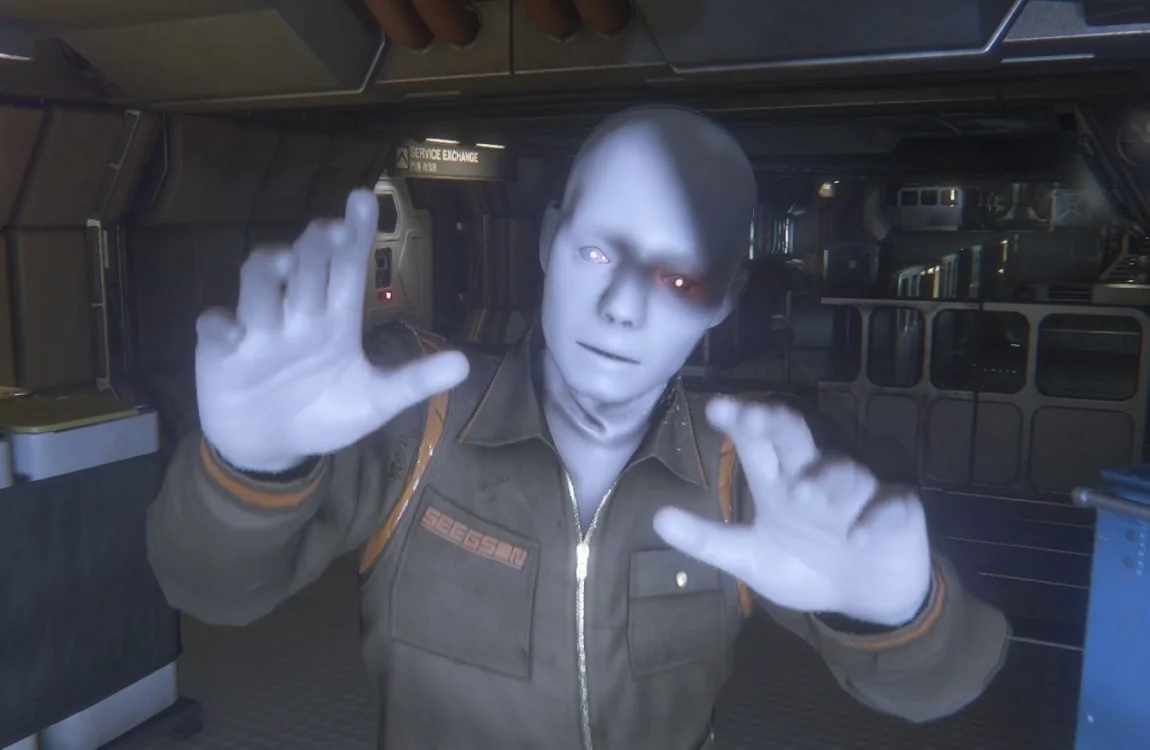
Working Joes were given the look of 1970s resuscitation dummies and a short spoken vocabulary, so nobody would mistake them for Weyland-Yutani synthetics. They were station labor units, not company androids.
Sevastopol And Ships
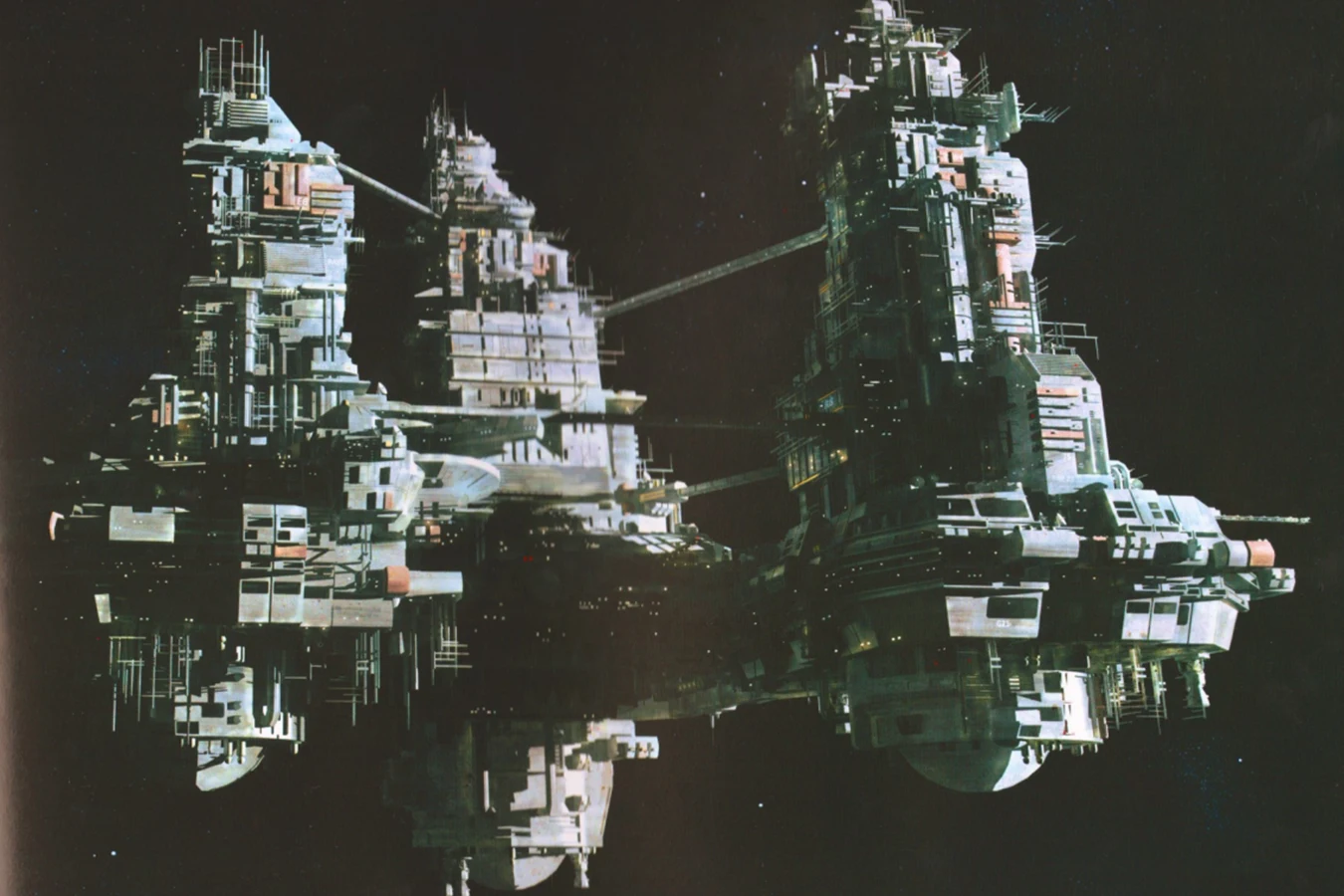
Sevastopol began as the Nostromo ore-refinery silhouette. Bond's team tried many outlines, including a cruciform station that never shipped, then locked three towers over a lower engineering deck. Habitation sat in one tower, technical systems in the second, and the hospital and labs in the third. Lorenz SysTech raised the freeport from 2095 to 2105, a bank held the title, and Seegson ran the systems that kept the place working.
Wright treated the Torrens and the Anesidora as lived-in salvage ships, mixing NASA Apollo shapes with unused 1979 production drawings. Ron Cobb's flat color blocking guided ship graphics and office interiors. For monitors, the art team damaged old VCR players and laid that analog noise over their own images.
The beacon on the LV-426 derelict was assembled from existing Space Jockey parts after new H.R. Giger shapes were tried and dropped.
The Xenomorph
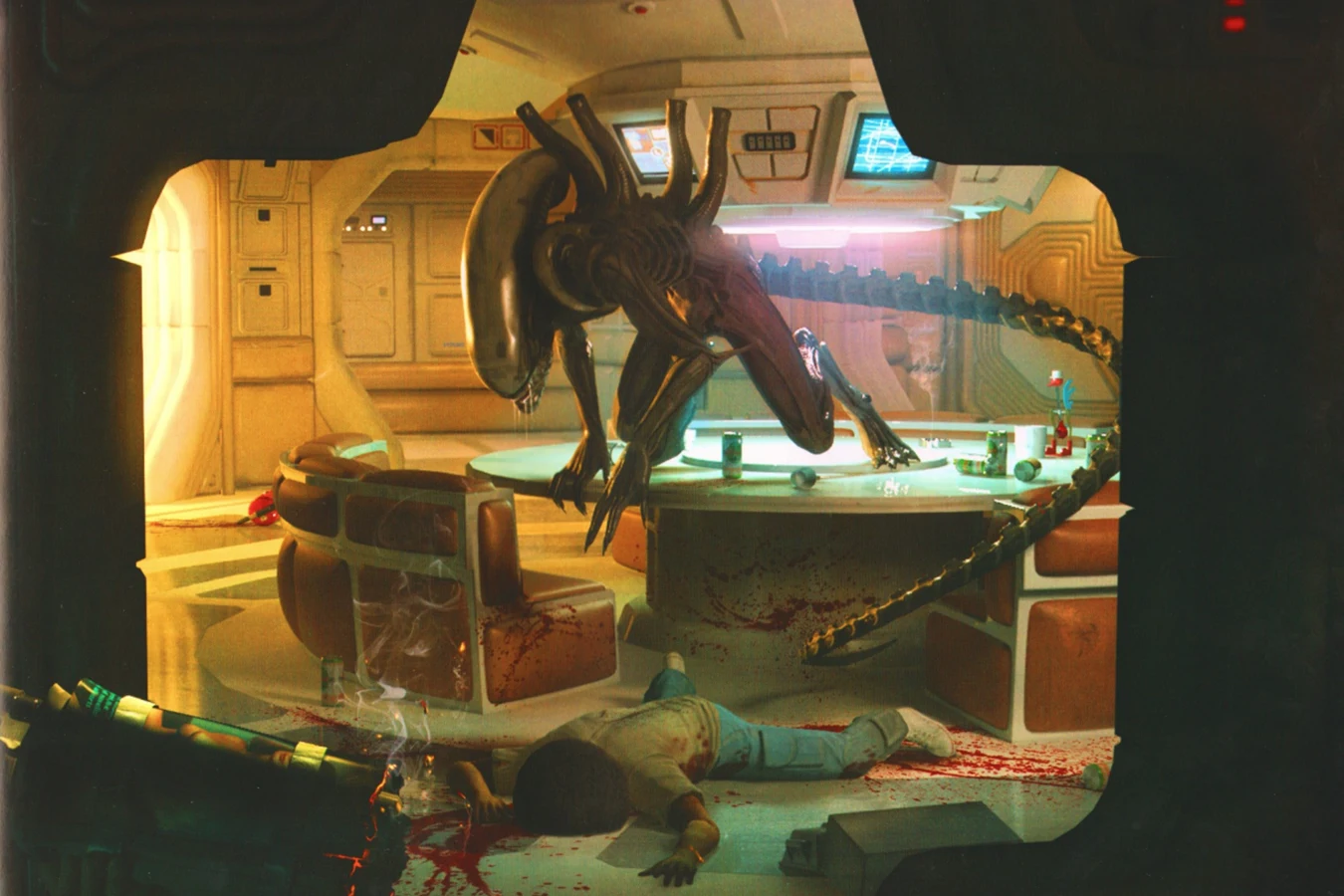
Hope wanted a physically huge Alien that looked down on the player. Napper's hunter heard noise, saw light and movement, and tracked more than one target at once, without a fixed patrol path. Tricks lost their value if Amanda reused them. The campaign left short gaps between hunts so the pressure could drop, then climb again.
Wright fitted the hive into the reactor core. Rounded coolant tanks looked like eggs, so he wrapped the room in resin until it looked like a humid mound, with missing residents stuck in the mass. Sketches from Watt, Hurri, and Wright treated the creature as an animal with a purpose, not a faceless spawn. Senior animator Ben Potts boarded a vent chase that later left the campaign after a mission change.
Release And Reception
Alien: Isolation came out on October 7, 2014 for PlayStation 3, PlayStation 4, Xbox 360, Xbox One, and PC. Nintendo Switch and mobile versions followed later. Reviews praised the atmosphere, the faithfulness to Alien, the sound design, and the Xenomorph AI. Many critics called it the best Alien game made up to that point.
Sales at launch were weaker, partly because Aliens: Colonial Marines had burned a lot of goodwill. Word of mouth picked up over time, and the game ended up on most lists of the best Alien games, usually above action titles like Aliens: Fireteam Elite.
DLC And Expansions
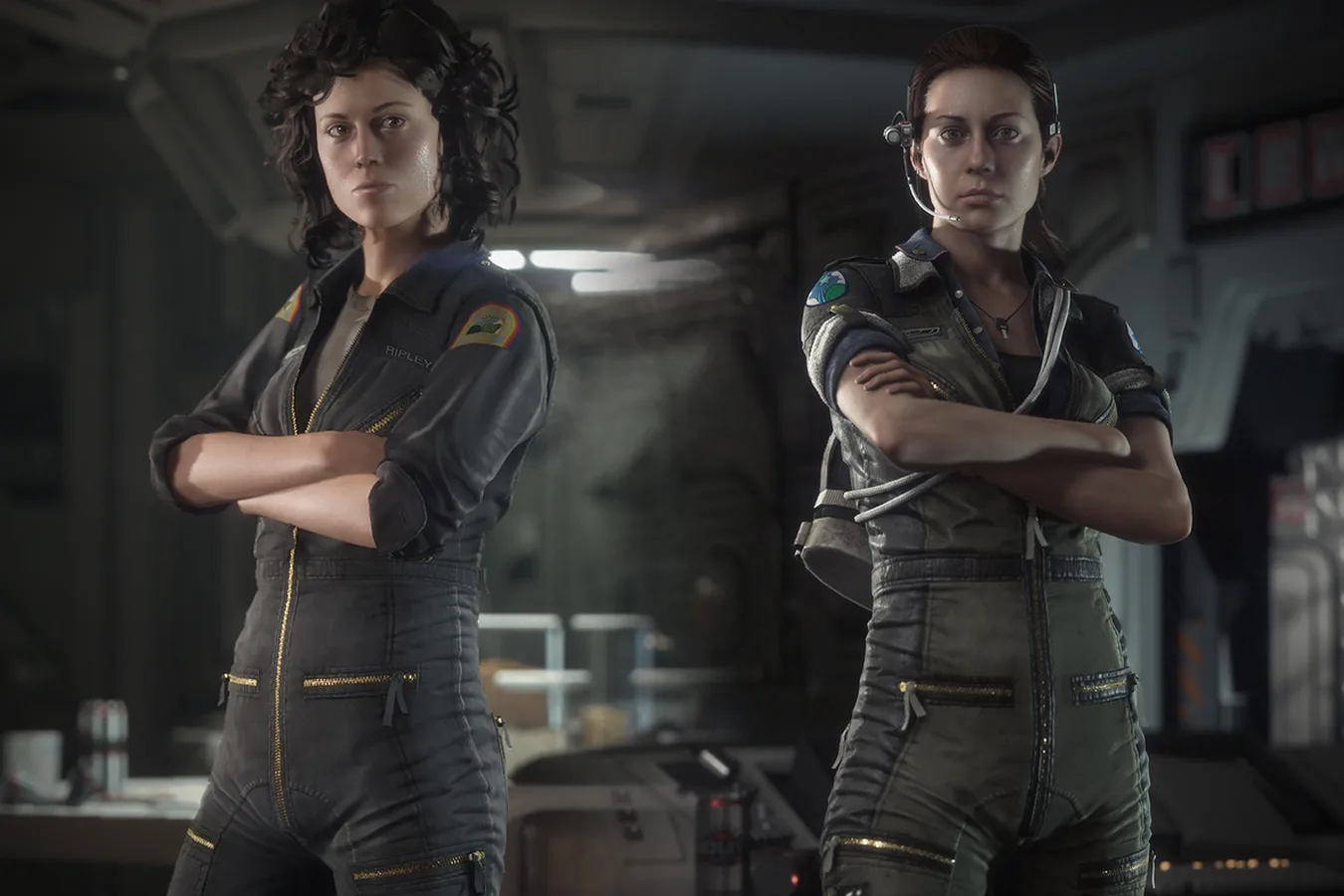
Several DLC packs came out after launch. Crew Expendable and Last Survivor were the standouts, letting players replay scenes from Alien on the Nostromo as Dallas, Parker, Lambert, and Ellen Ripley. Those two missions copied the film's mood better than anything else in the bonus content.
Trauma, Lost Contact, Safe Haven, and Corporate Lockdown added shorter scenarios and cosmetics but did not get the same praise. The base campaign was long on its own, with side objectives, hidden logs, and plenty of ground to cover across Sevastopol.
Legacy
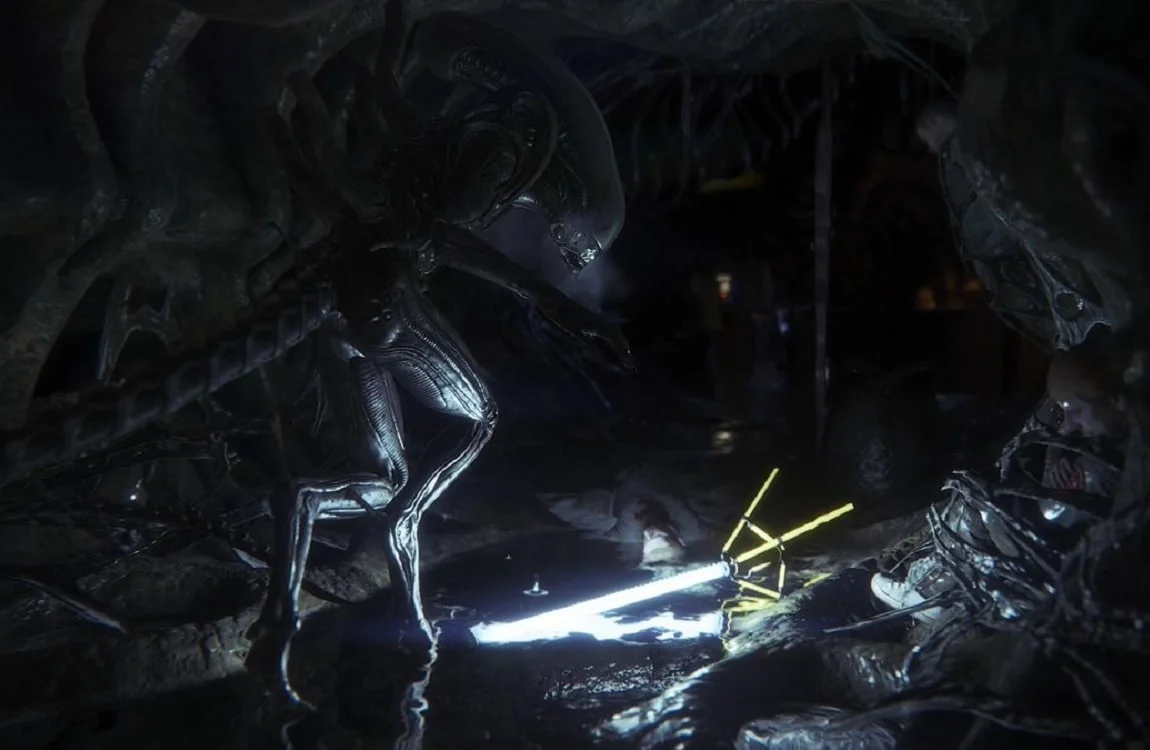
After Colonial Marines burned a lot of goodwill, Isolation became the Alien game people meant when they wanted 1979 horror instead of a squad shooter. Amanda Ripley on Sevastopol in 2137, one unkillable drone, and Working Joes under Apollo still hold up. Romulus later reused Isolation save-station design. Creative Assembly announced Isolation 2 more than a decade later.
Alien: Isolation 2
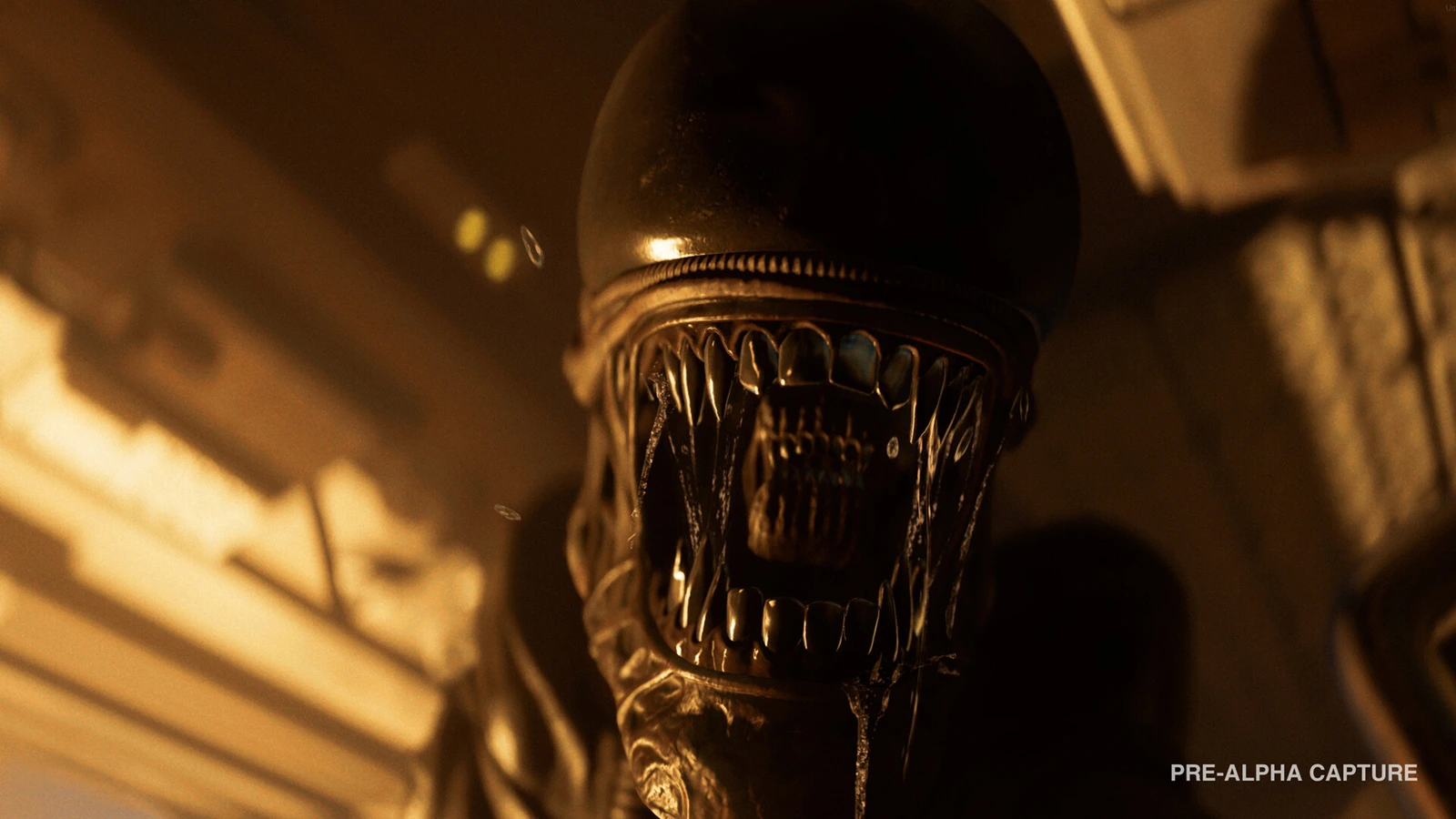
More than a decade later, Creative Assembly and Sega revealed Alien: Isolation 2 as a direct return to the survival horror formula that made the original stand out. The sequel was announced with pre-alpha trailer footage showing LV-921, the new Weyland-Yutani-linked Kurosaki Station, and another Xenomorph treated as an unkillable stalking threat rather than a normal enemy. Official details describe a brand-new protagonist, outdoor environments, harsher survival conditions, and new tools and tactics for surviving the cat-and-mouse struggle. The trailer also hints at a possible connection to the ejected Gemini Labs module from Sevastopol, raising the question of whether the sequel may follow the surviving Alien from the first game instead of introducing a completely unrelated creature.
External Sources
Tag Categories: Alien Games | Alien Merchandise