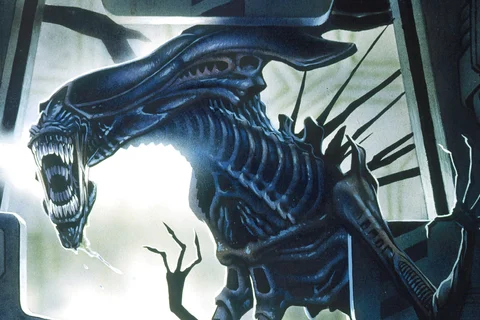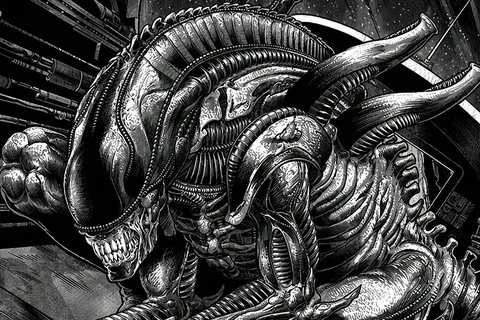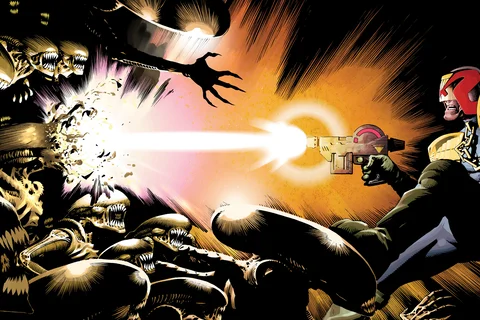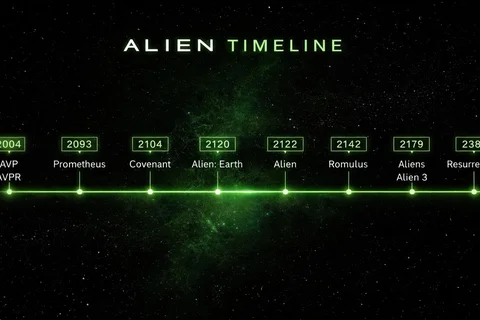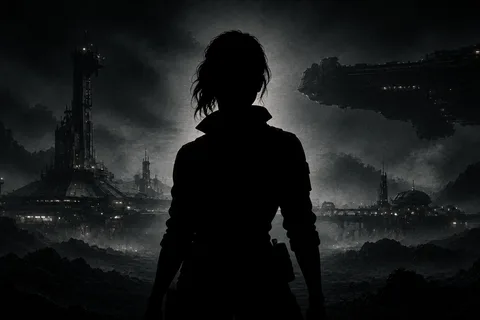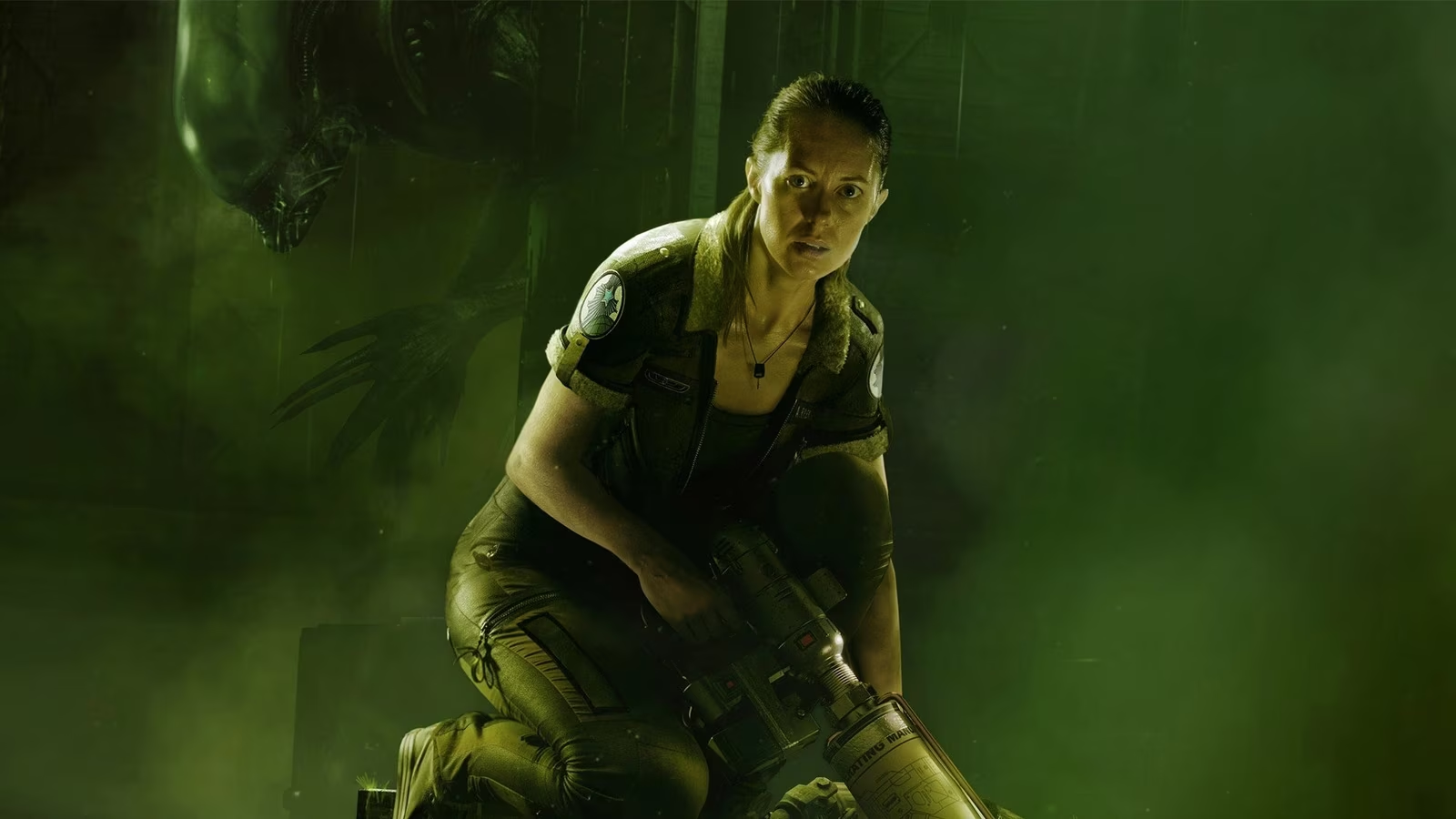

Amanda Ripley-McClaren was the daughter of Ellen Ripley and one of the most important human survivors in the Alien games and comics. Introduced in Aliens as the child Ellen never saw again after the Nostromo disaster, Amanda later became the protagonist of Alien: Isolation. Her story followed a pattern very similar to her mother's: a working-class woman pulled into Weyland-Yutani secrets, forced to survive a Xenomorph outbreak, and then drawn into a longer fight against corporate bio-weapons programs.
Daughter Of Ellen Ripley
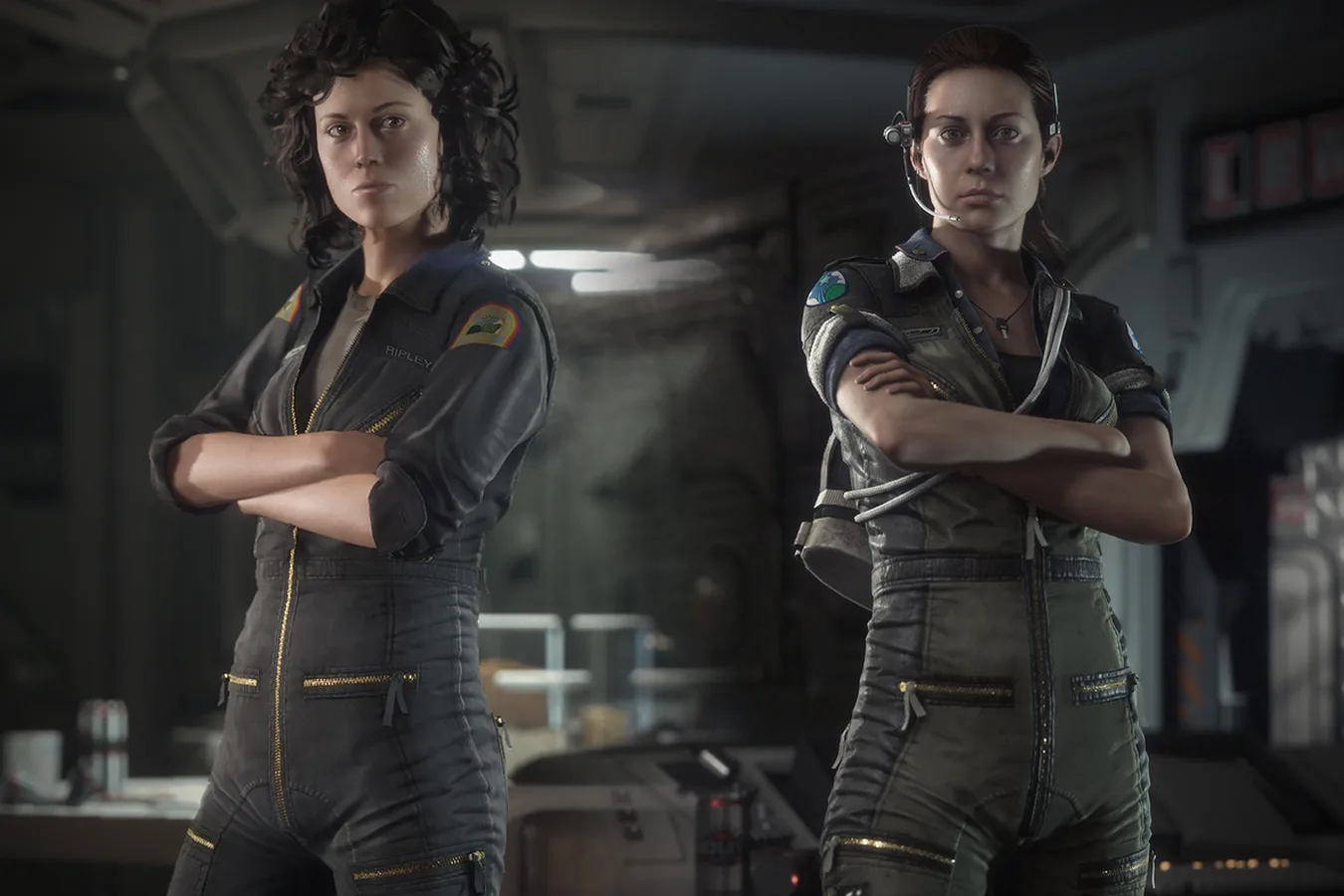
Amanda was still a child when Ellen Ripley left Earth aboard the Nostromo. Ellen expected to return in time for Amanda's eleventh birthday, but the Nostromo incident left her drifting in hypersleep for 57 years. In the Alien: Isolation novel, Amanda's biological father walked out when she was three and was never named. Her stepfather was Paul Carter, Ellen's second husband. After the divorce and Ellen's disappearance, he gave Amanda a place to live and little else, while Weyland-Yutani paid for counseling, parts of her schooling, and bail at least once.
Childhood And The Search For Ellen
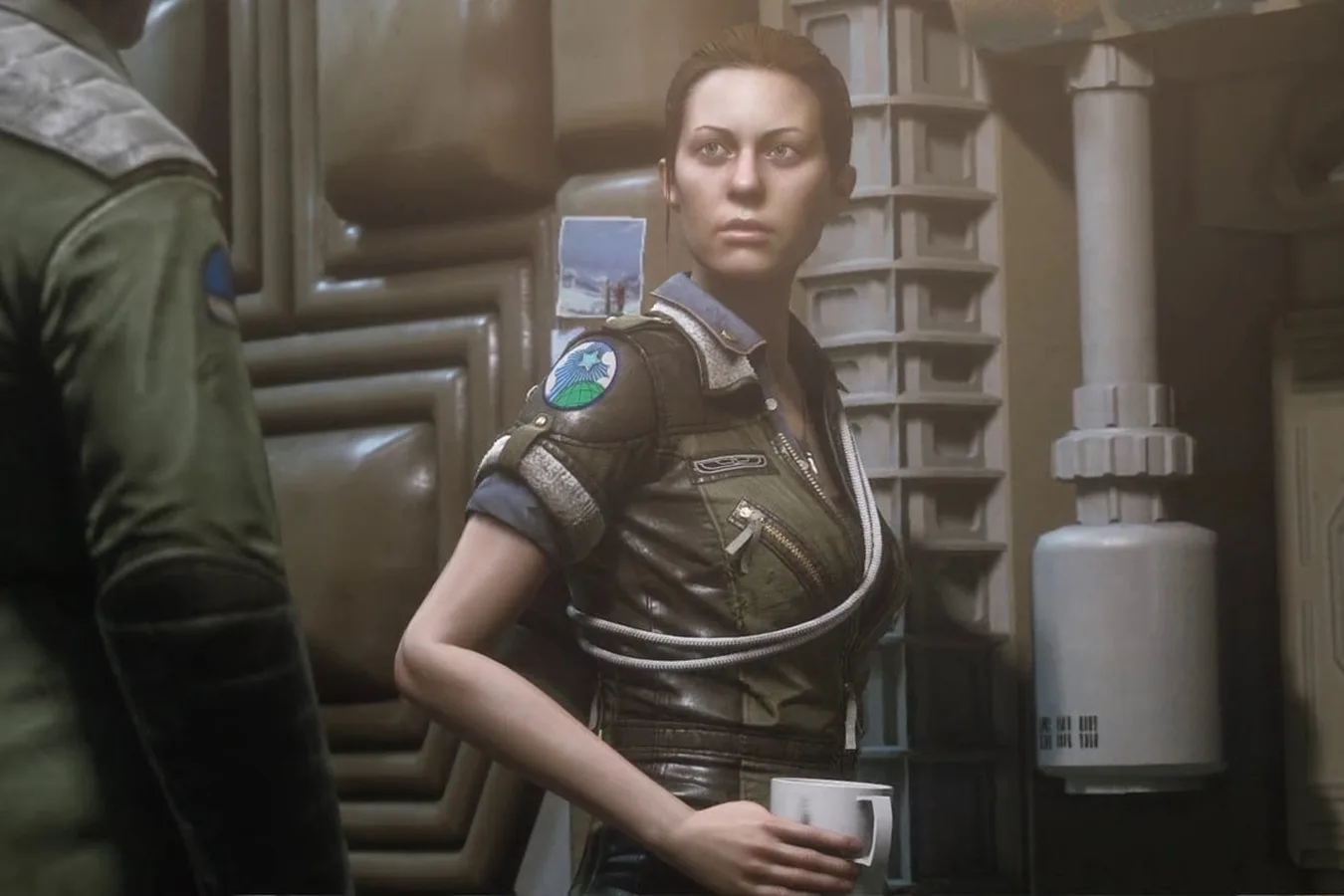
Before the Nostromo contract, Ellen had already taken Amanda on leave after a profitable run on the Sephoria, including a trip to Mars aboard the Tremolino where Dallas kept mangling Amanda's name as a joke. Ellen sold the Nostromo job as the payday that would clear their debts, get a better apartment, and put Amanda in a better school. The daily message recordings stopped once the ship left real-time range.
Years later, as a teenager at Delaj Technical Institute, Amanda was already outskilling a trade-school track. Principal Bieo pushed her toward harder work after a Pascoe-Keane internship, and classmate Marvin Okeke sold her a bootleg Weyland-Yutani service file on Ellen that covered Evansbrook Academy, officer training, and earlier ships, then cut off before the Nostromo.
By 2137, she was doing low-paid repair work for Dmitriy Slavashevich with a Mazursky D-121 welder when Christopher Samuels offered double pay and a consultant slot to recover the Nostromo flight recorder. The night before she left Earth, she quit Slavashevich and messaged Zula Hendricks, the Colonial Marine friend who later anchored her comic storyline. Aliens: Defiance opened with an Amanda cameo in that same Isolation-era window, already treating the two as known to each other.
Alien: Isolation - Arrival At Sevastopol
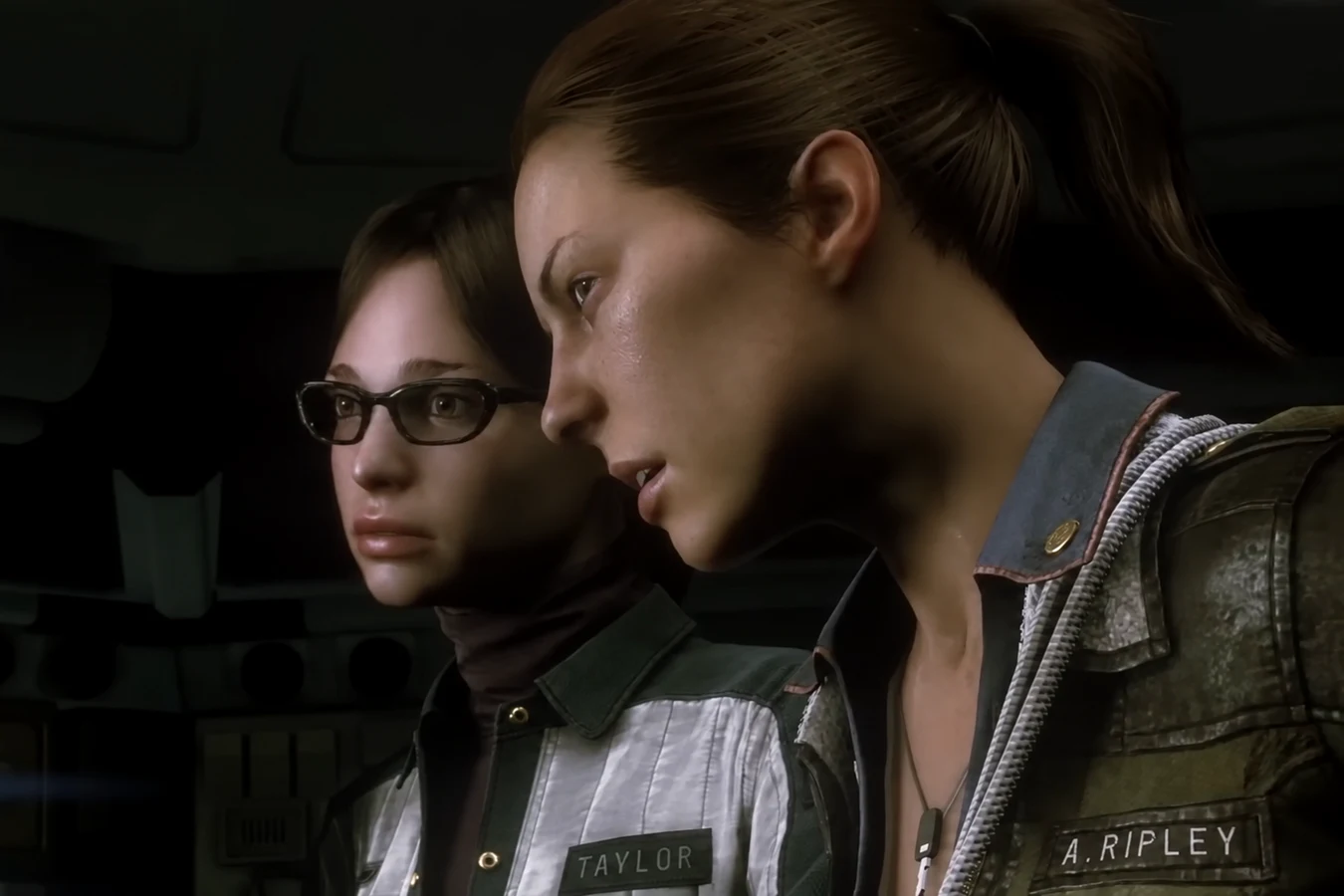
Amanda joined the Torrens after Samuels told her the Nostromo flight recorder had been recovered. The recorder had been taken to Sevastopol Station, a failing Seegson facility being stripped down before decommissioning. She traveled there with Samuels and Nina Taylor, hoping the black box would finally explain Ellen's disappearance. Instead of a normal corporate handoff, the Torrens crew found Sevastopol damaged, cut off, and already descending into violence, the same hours covered in the Alien: Isolation prequel comic.
Alien: Isolation - The Anesidora And The Derelict
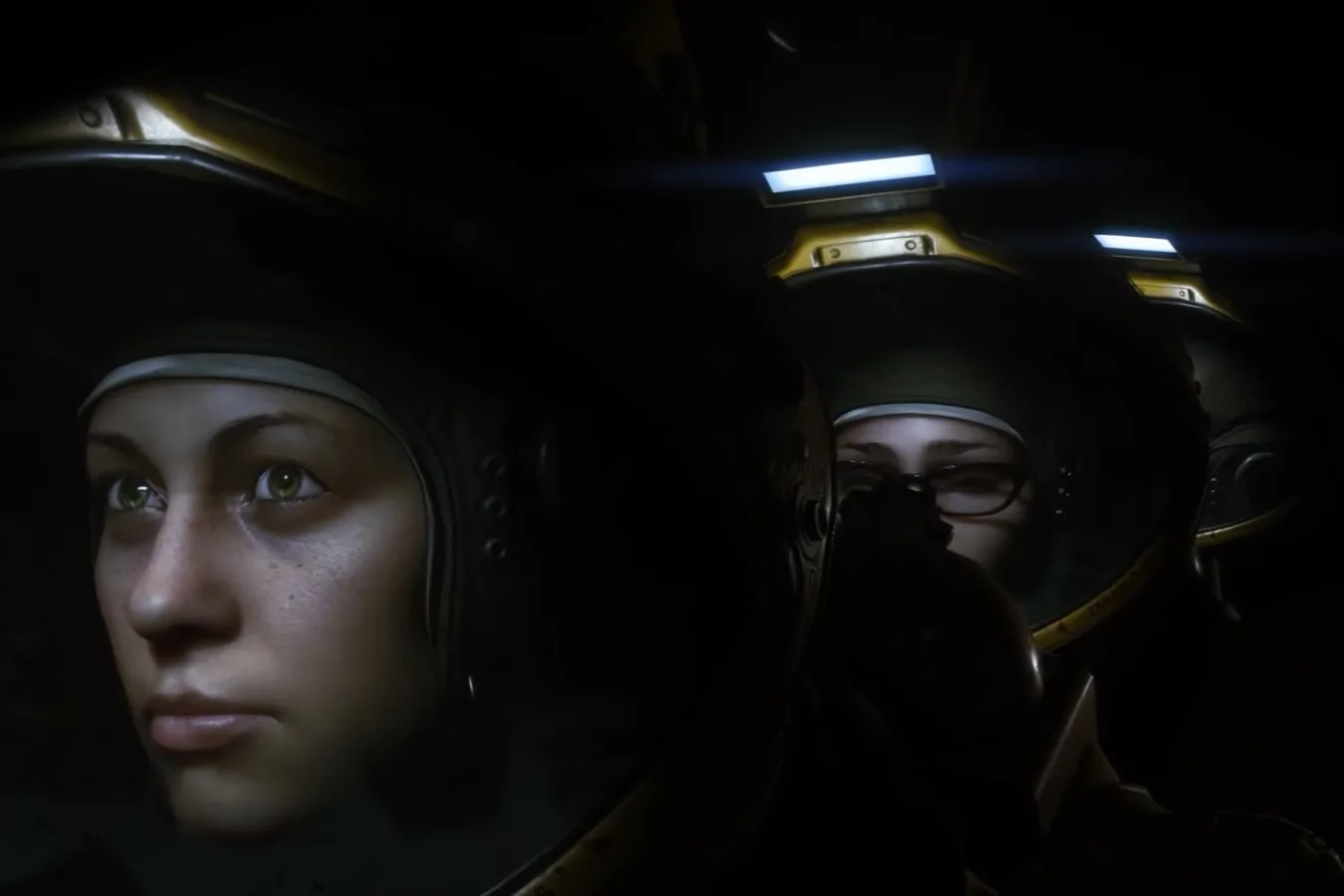
Amanda eventually learned that the outbreak began with the Anesidora, a commercial salvage ship commanded by Henry Marlow. Marlow's crew had found the Derelict Ship on LV-426 and brought an Alien egg aboard after Catherine Foster was attacked by a Facehugger. The resulting chestburster reached Sevastopol and grew into Stompy, the creature that killed most of the station's population. Amanda also managed to restore the Nostromo recorder, finally hearing Ellen's final message to her daughter after decades of silence.
Alien: Isolation - Surviving Sevastopol
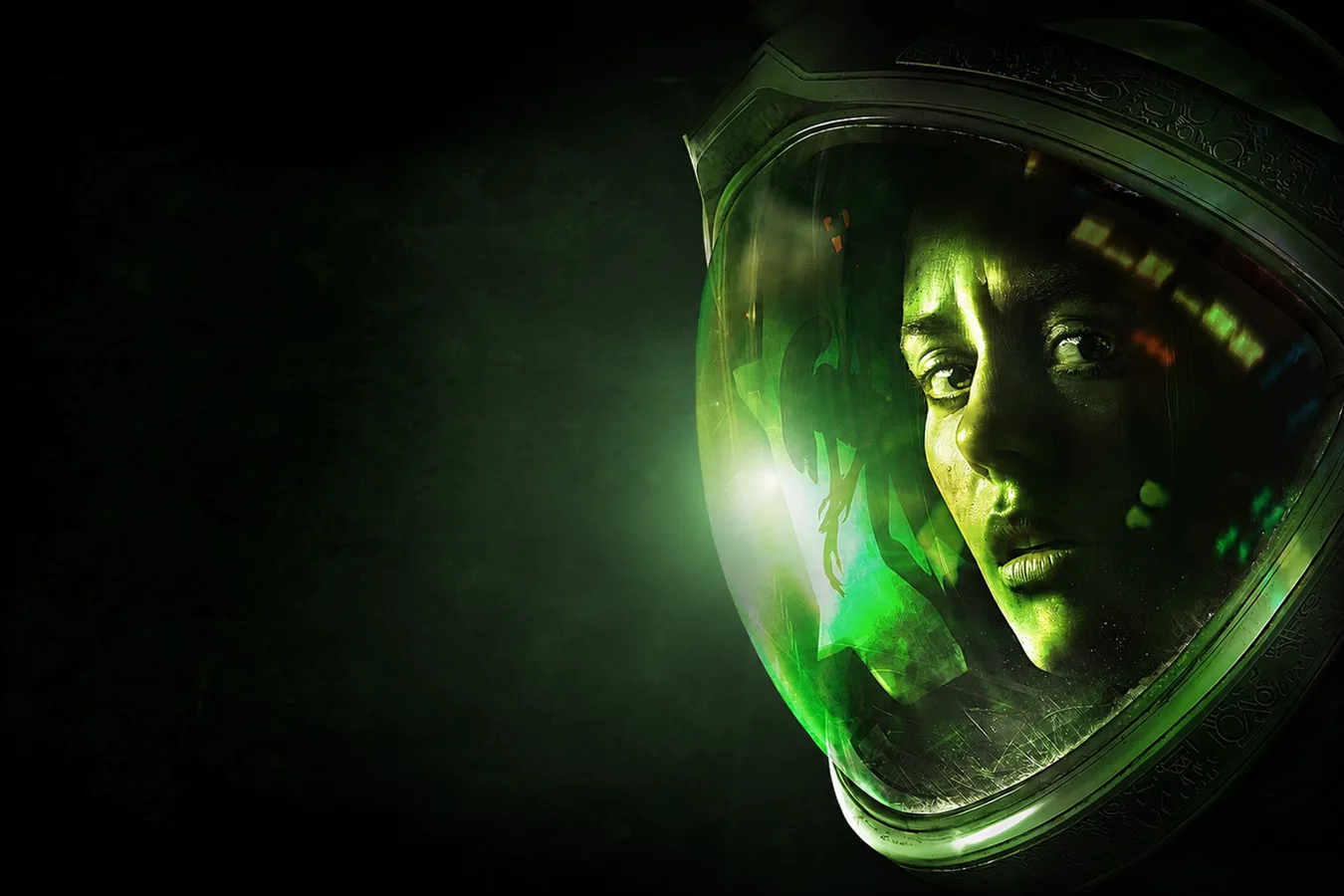
Amanda survived Sevastopol through engineering skill, caution, and stubborn persistence rather than military training. In the Alien: Isolation novel she leaned on tools like a Weinshelbaum K92 maintenance jack and a Halfin lockpick as much as guns, crawling ducts with scavenger Axel and rewiring shutters when Marshal Jethro Waits went dark on the radio. She still had to dodge the Alien, hostile survivors, failing station systems, and the Working Joe synthetics once APOLLO raised Hazard Containment to Omega and set the Joes hunting anything that moved.
Waits and deputy Ricardo were all that remained of station security. Their plan to cage the creature failed, so Waits sent Amanda up into the shut-down Gemini Exoplanet Solutions module as bait and jettisoned the tower once the Alien followed her inside. That only cleared the first problem. Christopher Samuels, revealed as a synthetic only late in the crisis, died trying to force APOLLO to lift the lockdown from Android Processing, but not before he opened the core transit and gave Amanda access authorization. She had worked an APOLLO mainframe back on Luna, so she used that clearance to reach the reactor nest and dump excess power through the overflow circuits, burning the nest even though more Xenomorphs had already escaped into the station.
With Sevastopol tumbling after the Anesidora blast, Captain Diane Verlaine brought the Torrens back in for a clamp pickup. The personnel umbilical was already offline for decommissioning, so Amanda crossed on the towing cable in an EVA suit while Xenomorphs followed across the clamps. She blew the cables free, reached the Torrens airlock, and found the ship silent. The novel and game both left her drifting after Sevastopol's destruction, with an unidentified light approaching as the last beat.
Alien: Blackout
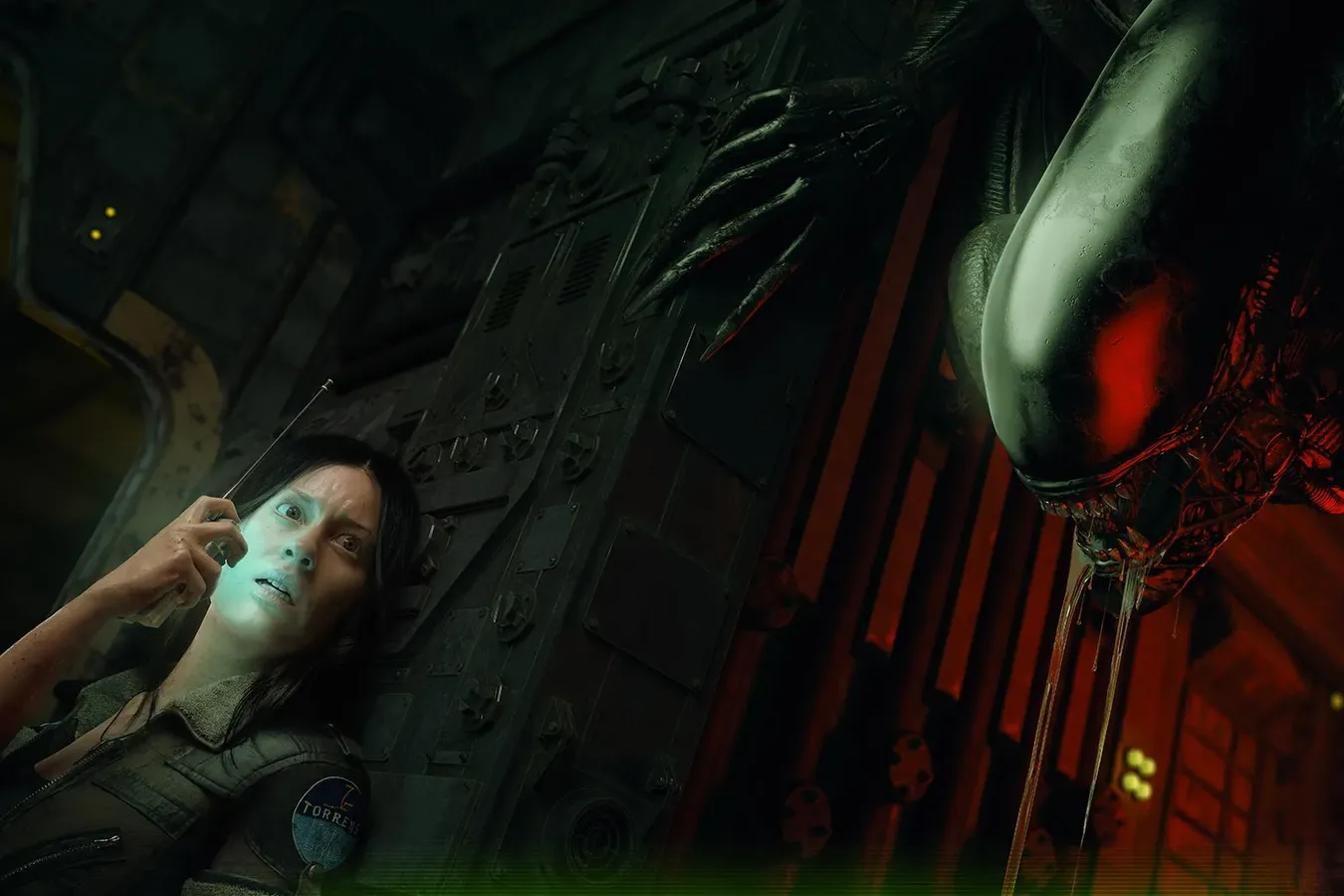
Alien: Blackout (2019) picked up in December 2137, right after Isolation's ending. Mendel Station crew pulled Amanda out of open space after she left the Torrens, put her in hypersleep, then mostly died in a fresh outbreak before she woke. She survived from a maintenance access point in the ducts, watching cameras and motion sensors, while the damaged courier USCSS Haldin docked for repairs. From that hub she talked the Haldin party through the corridors: scientist Andrew Thorncroft, crew Miwa Saito and Dougal Studwick, and company exec Naoko Yutani, a second cousin in the Yutani family.
She worked from a pad rather than on foot. She opened and sealed doors, burned limited station power on bulkheads and trackers, and had to cut power and lock her own room if the Xenomorph homed in on the maintenance hub. Mendel's AI turned against them under Special Order 941 after the original crew died, and shutting it down revealed a hive with more than one creature. Amanda got the survivors off on the Haldin, left a log that Mendel was destroyed, and noted a three-day run to the KOI-125.01 manufacturing colony before she tried for Earth.
Aliens: Defiance
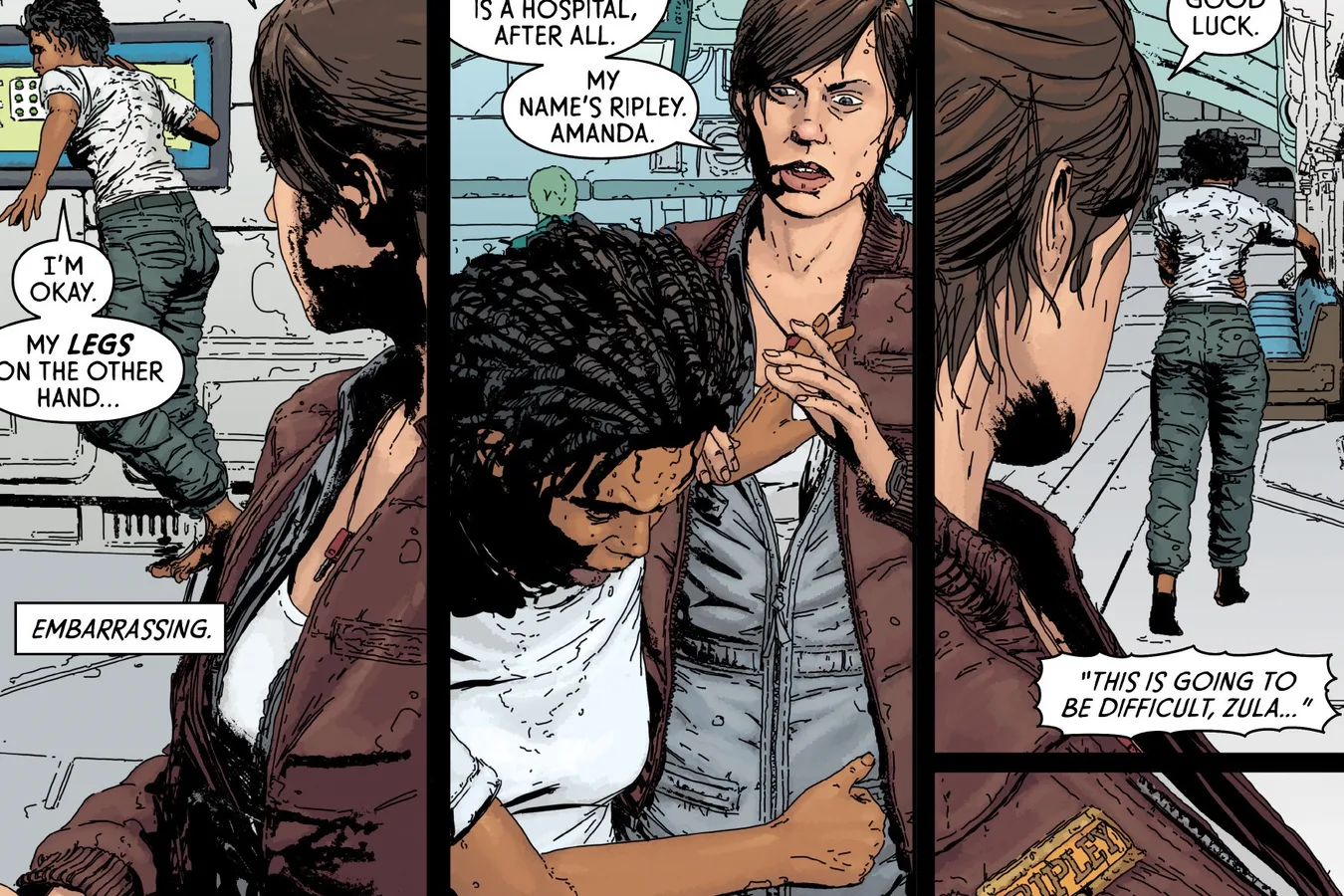
Aliens: Defiance centered on Zula Hendricks and the synthetic Davis, with Amanda limited to an early cameo in the Isolation-era window. Zula's fight against Weyland-Yutani's Alien research program became the bridge into the later Dark Horse sequels. Between those comics she trained Venture's Colony Protection Force on Jericho 3 in Alien: Prototype, then left for Earth to collect Amanda. Amanda was not the main lead the way she was in Isolation or Resistance, but Defiance locked in the ally and anti-corporate mission that pulled her back into the Xenomorph conflict.
Aliens: Resistance
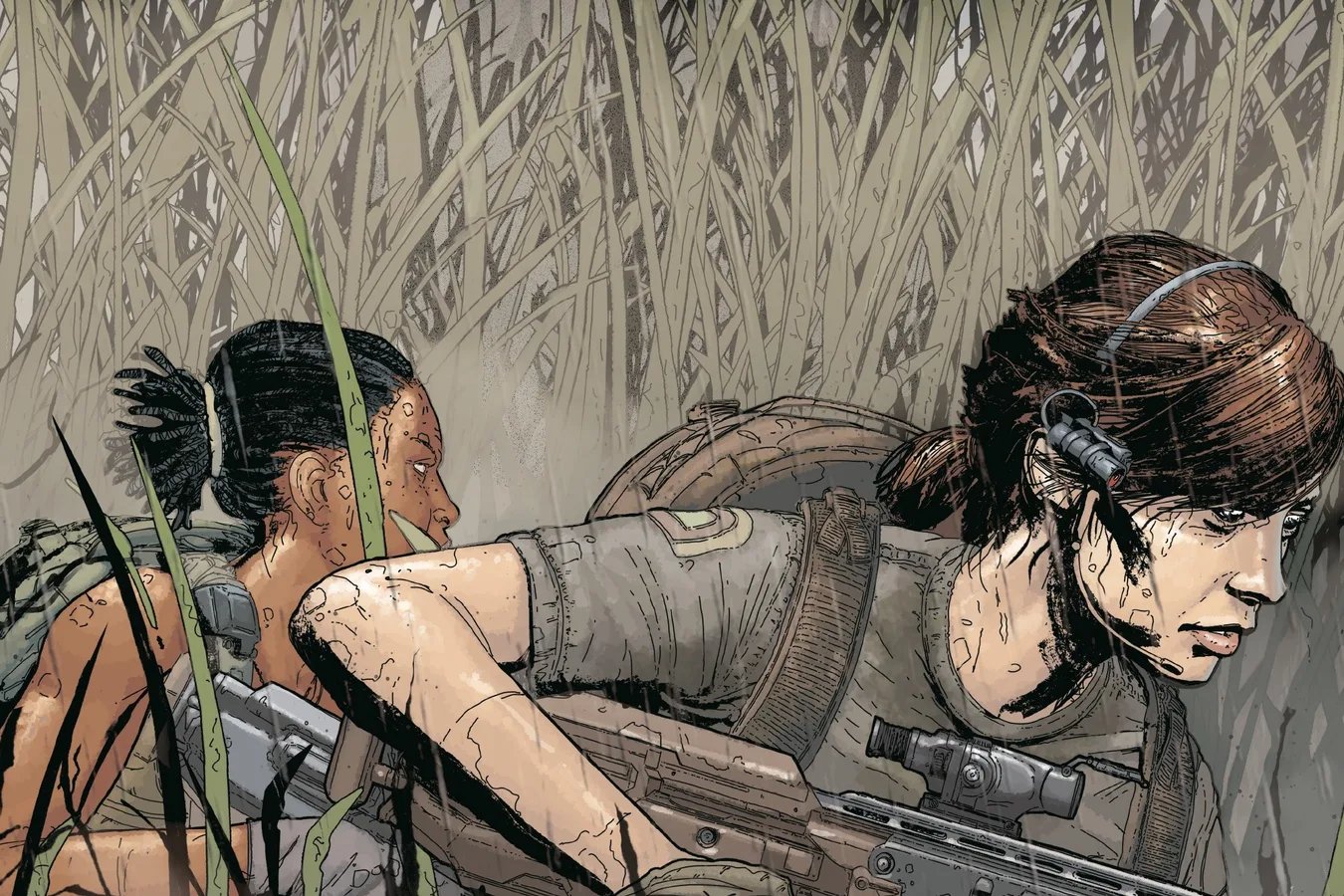
Aliens: Resistance brought Amanda back as a central character. After the Sevastopol incident, Weyland-Yutani kept her quiet about the Xenomorph threat and the corporation's role in covering it up. Zula Hendricks found Amanda on Earth and recruited her for a mission against a secret bio-weapons program, turning Amanda from a survivor into an active opponent of the company that had shaped both her life and her mother's. Together with Davis, Amanda and Zula infiltrated a classified facility, exposed more Alien experimentation, rescued the young colonist Alec Brand, and survived a desperate escape from a moon about to be destroyed by a nuclear failsafe.
Aliens: Rescue
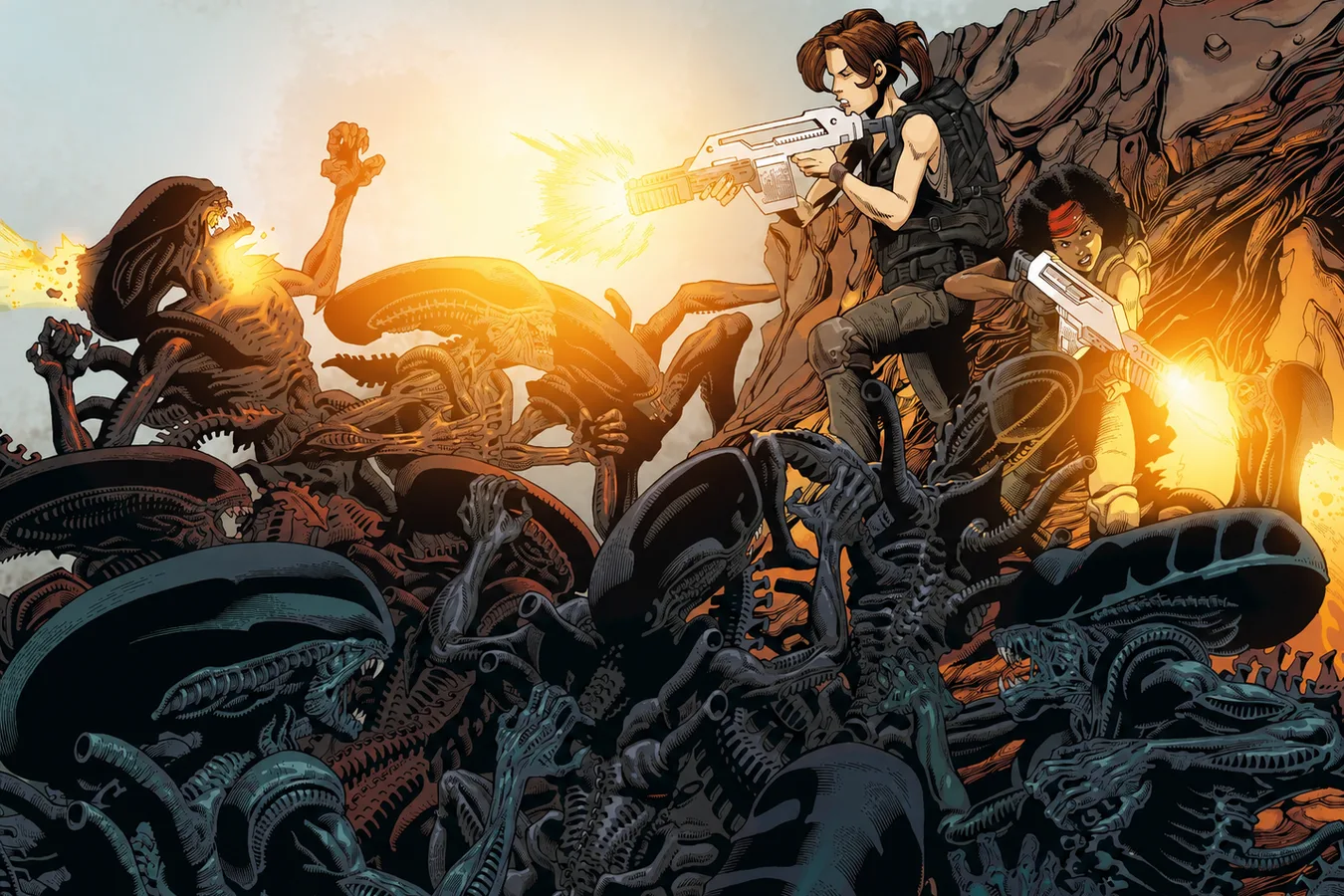
Aliens: Rescue continued the Amanda and Zula storyline after Resistance. Alec Brand, the boy they had saved, grew into a Colonial Marine and was drawn back to the same moon where Weyland-Yutani's program had nearly killed him. Amanda, Zula, Davis, and Brand returned to the site and discovered an even larger hive threat, including multiple Queens. The mission showed Amanda operating less like a frightened civilian survivor and more like a hardened veteran of several Alien encounters. She fought beside Marines while still trying to keep Weyland-Yutani from turning the creatures into private weapons. The Titan novel Alien: Enemy of My Enemy later picked Brand up as an adult Marine on BG-791 and LV-846.
Alien: Isolation 2
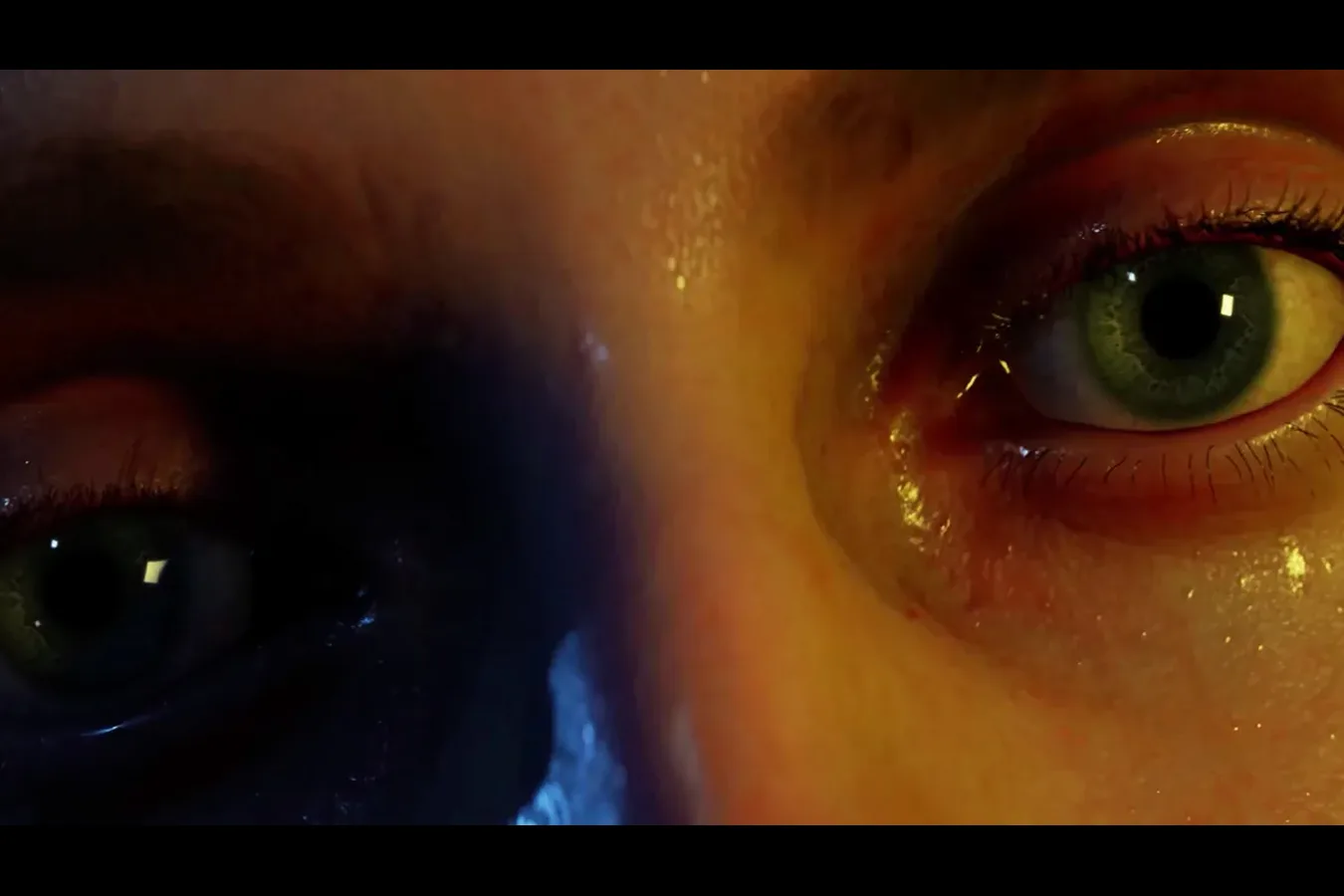
Alien: Isolation 2 complicated Amanda's post-Sevastopol timeline. Sega and Creative Assembly described the sequel as featuring a brand-new protagonist, a survey team, Kurosaki Station, and LV-921, where another unkillable Xenomorph stalked the player. At the same time, the reveal trailer included a close-up of a woman's eyes that looked enough like Amanda to raise questions about whether she appeared in the story, even if she was not the main playable character. Depending on when the sequel takes place, its events might conflict with Alien: Blackout and the Amanda/Zula comics, but it could still be made to fit if the game is set later, treats those events as background, or places Amanda in a supporting role after her comic adventures.
Death Or Cover Story?
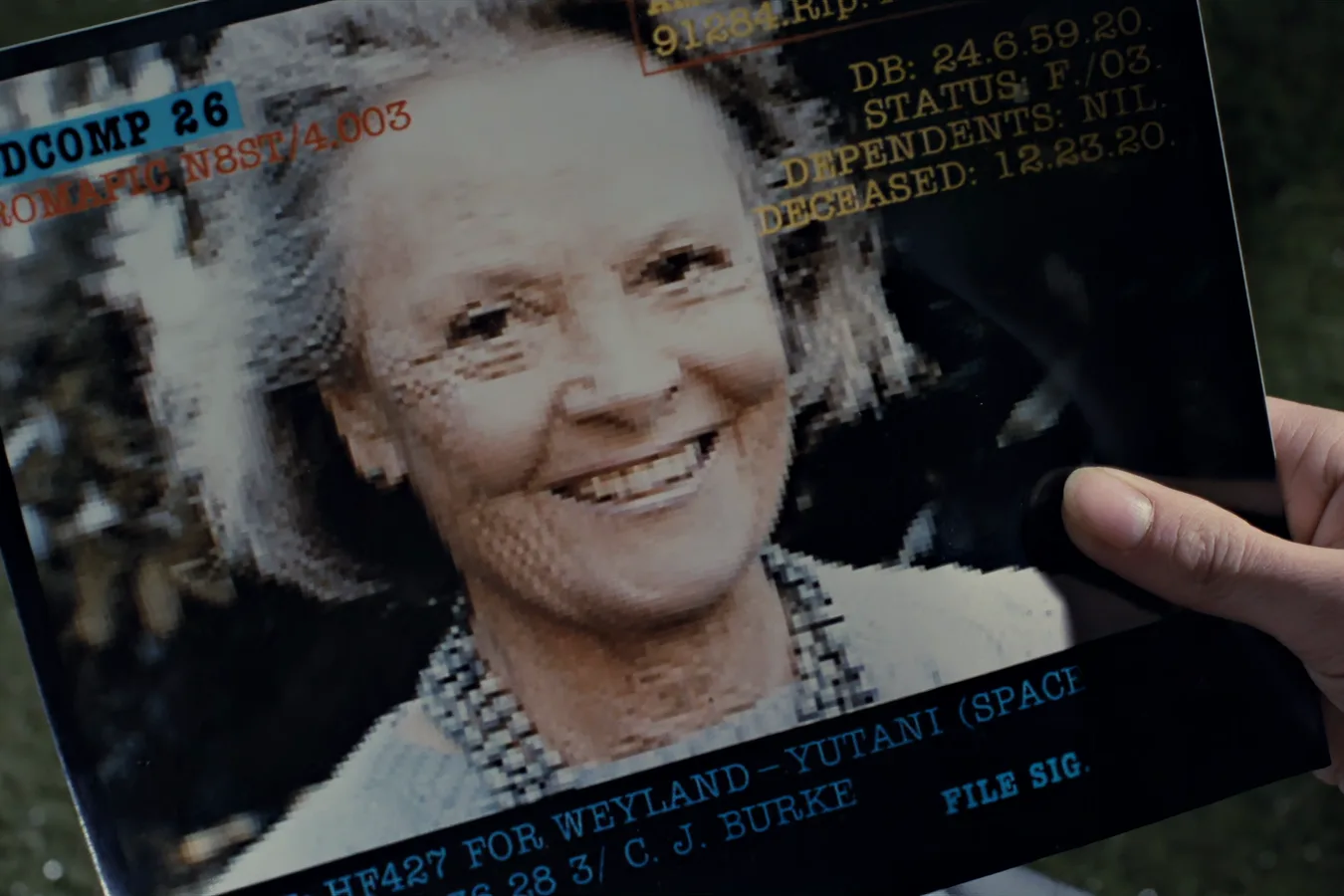
In the special edition of Aliens, Carter Burke showed Ellen Ripley an old photograph of Amanda and told her that her daughter had died two years earlier. The file identified her as Amanda Ripley-McClaren and stated that she had reached old age, died without children, and been cremated before Ellen could return from hypersleep. That scene underlined the tragedy of Ripley's lost decades and explained why Newt became such an important surrogate daughter figure.
Later expanded-universe material complicated that ending. The novel Alien: Colony War suggested that Amanda's reported death was not the whole truth: her husband Chad McLaren helped create a cover story while Amanda entered cryosleep, hoping a cure for her illness could be found in the future. Alien: Inferno's Fall, set in 2186, has Zula Hendricks treat Amanda as dead. If that version is accepted, Amanda may not have truly died before Ellen's return in 2179. The result was that Amanda had two competing fates: the simple tragic record shown in Aliens, and the expanded-lore possibility that she survived far beyond the date Weyland-Yutani claimed. Aliens: Original Sin later repeated the Aliens file, with Amanda dead and without children.
Legacy
Amanda Ripley began as a brief tragedy in Ellen Ripley's backstory, but Alien: Isolation turned her into one of the franchise's strongest human protagonists. She inherited Ellen's persistence without simply becoming a copy of her mother: Amanda was an engineer and investigator first, then a survivor, then an anti-corporate resistance figure. Across Isolation, Blackout, Resistance, and Rescue, her life became a second-generation version of the Alien story. Weyland-Yutani's obsession with the Xenomorph damaged not only Ripley, but also the daughter she left behind.
Behind The Scenes
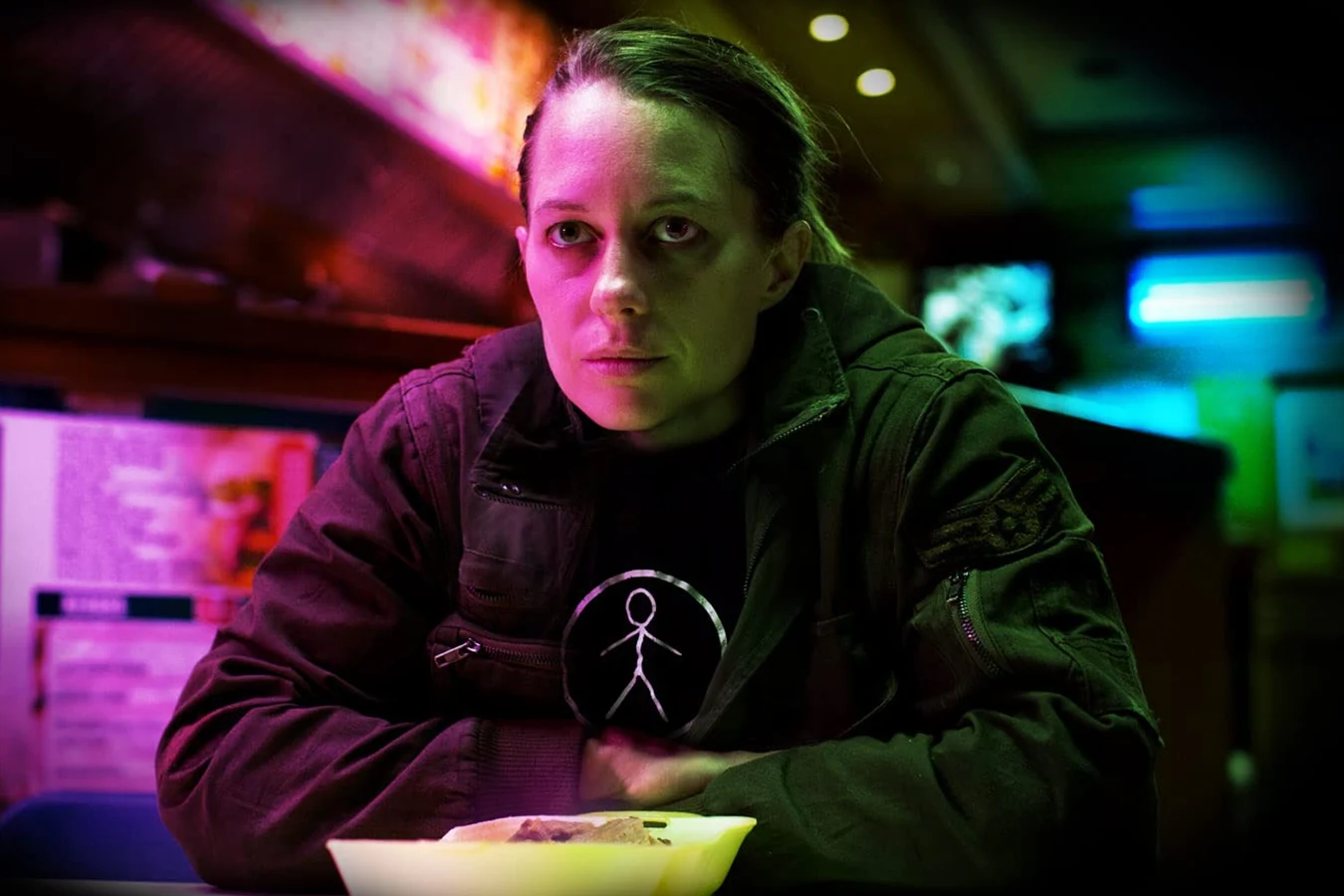
Creative Assembly cast Amanda through London agency SIDE, with theatre and games director Kate Saxon running both the audition and the later performance-capture sessions. Kezia Burrows supplied the likeness, full performance capture, and exertion sounds such as breathing and pain, while Andrea Deck recorded the spoken dialogue. Oxford studio Audiomotion shot more than two weeks of body and face capture plus trailer material, with props and partial sets built on the volume so climbs, crawls, and tool use matched the Sevastopol gameplay. Burrows had already done mocap leads on Remember Me and 007 Legends, and the split casting kept Amanda related to Ellen Ripley without copying Sigourney Weaver's face or voice.
Merchandise
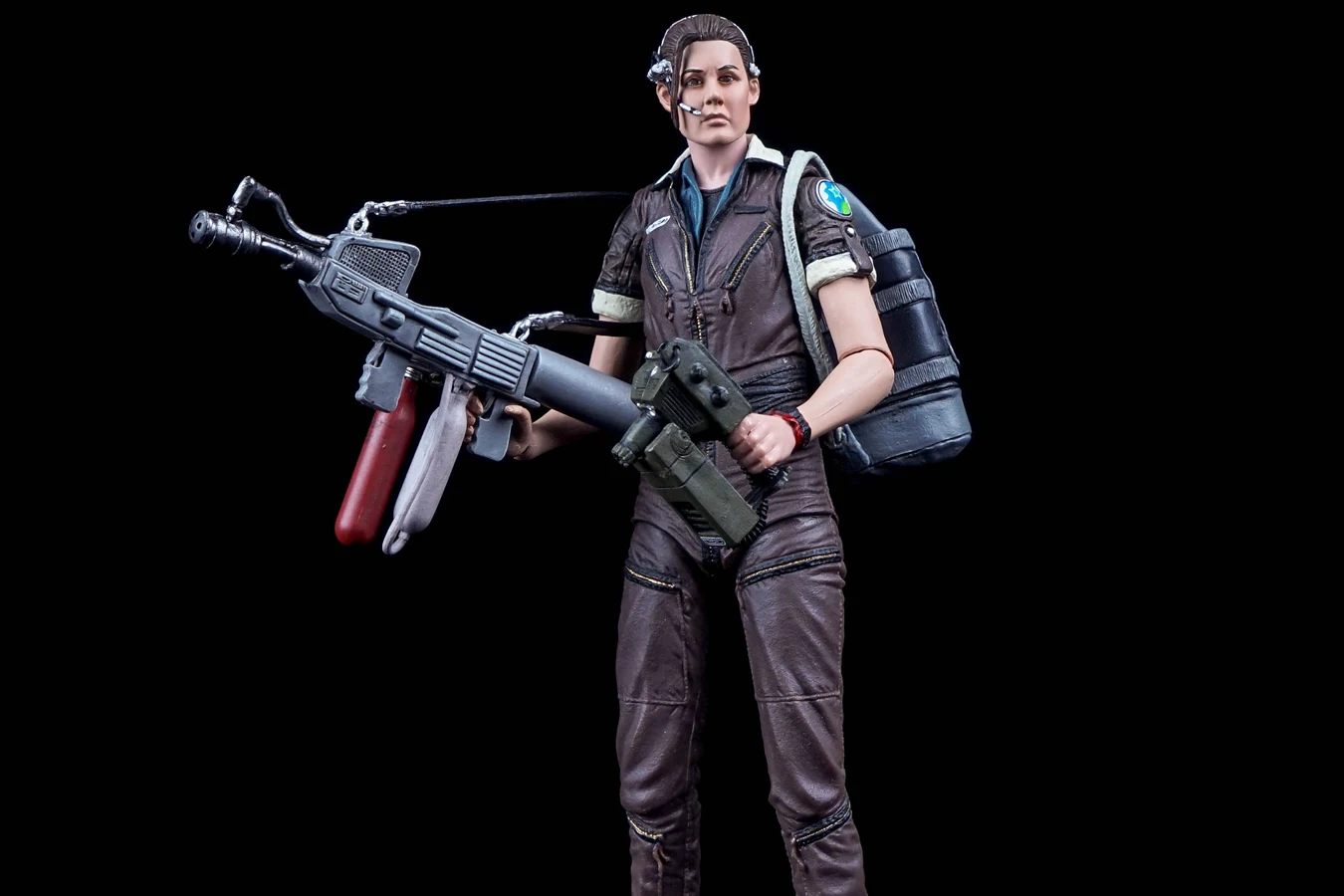
NECA put Amanda into its 7-inch Alien line with Series 6, built around Alien: Isolation. The assortment included two Amandas plus an Isolation Xenomorph: Amanda Ripley (Jumpsuit) with motion detector, flamethrower, and backpack, and Amanda Ripley (Torrens Spacesuit) with a removable helmet and handgun. Both reused Ellen Ripley body tooling with new Amanda head sculpts and Isolation gear, making her one of the few major game-only Alien characters to get a full NECA wave.
Appearances
- Aliens (1986, special edition photograph)
- Alien: Isolation (2014)
- Alien: Isolation (2019 novel, Keith R.A. DeCandido)
- Alien: Blackout (2019)
- Aliens: Defiance (2016-2017)
- Aliens: Resistance (2019)
- Aliens: Rescue (2019)
- Alien: Colony War (2022, fate referenced)
Tag Categories: Alien Universe Characters | Alien Lore | Xenomorph Encounter Survivors