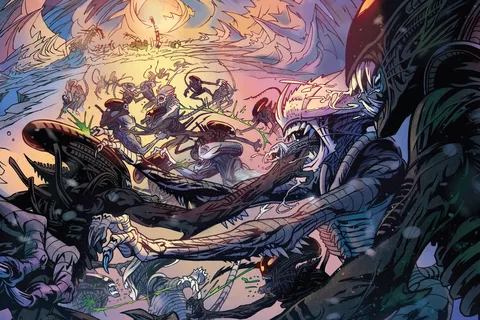
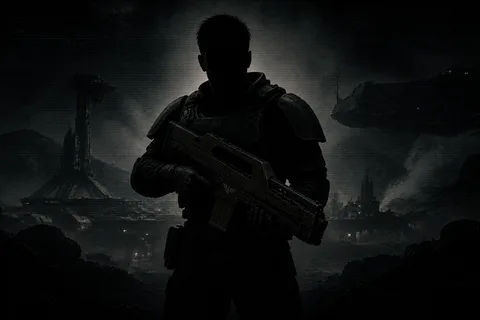
Aliens vs. Predator: Classic (1999): Full Game Overview

Aliens vs. Predator: Classic, also known as Aliens versus Predator, AvP 1999, or the Steam re-release Aliens versus Predator Classic 2000, is a first-person shooter developed by Rebellion Developments and published by Fox Interactive. Released in April 1999 for Windows PC, it gave players three separate campaigns as a Colonial Marine, a Xenomorph Warrior, and an unnamed Predator hunter. The game became one of the most influential crossover shooters of its era and still ranks near the top of our best Alien games and best Predator games lists decades later.
Game Overview
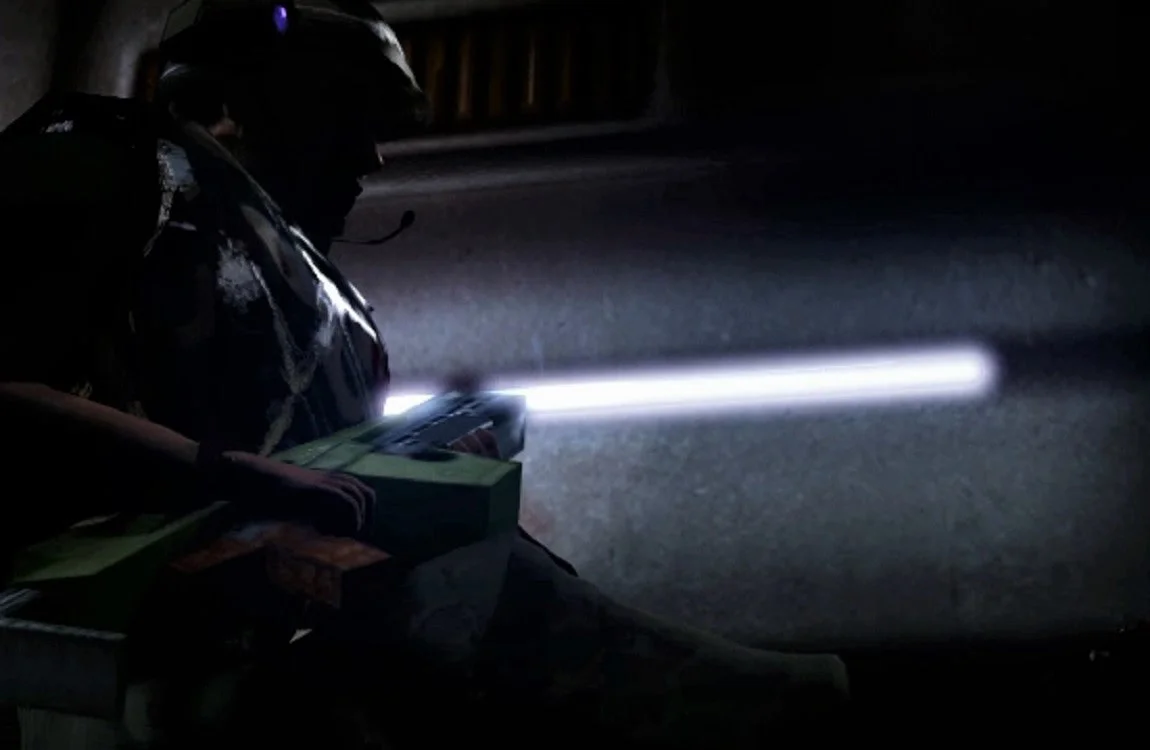
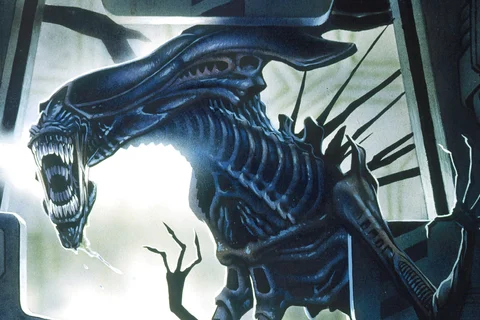
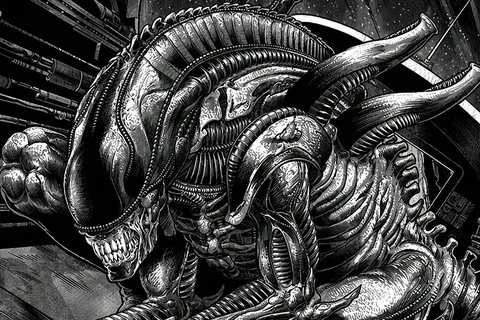
Aliens vs. Predator: Classic is built around three distinct first-person campaigns that share the same fast, lethal tone but rarely intersect in story terms. The Marine campaign played like a compressed Aliens (1986) shooter with tight corridors, sentry guns, and heavy Xenomorph swarms. The Alien campaign emphasized speed, wall-crawling, and brutal melee kills through echolocation-based vision, while the Predator campaign delivered cloaked hunts with wristblades, the plasmacaster, trophy collection, and some of the franchise's most memorable honor-code set pieces.
Rebellion's engine pushed dynamic lighting farther than most licensed shooters of the late 1990s. Players could shoot out lights to create darkness, which made the Marine campaign feel genuinely tense even in an action-heavy design. The game also included skirmish multiplayer and in-game full-motion segments that helped sell its cinematic set pieces, especially aboard Colonial Marine warships and on Gateway Station.
Plot Summary
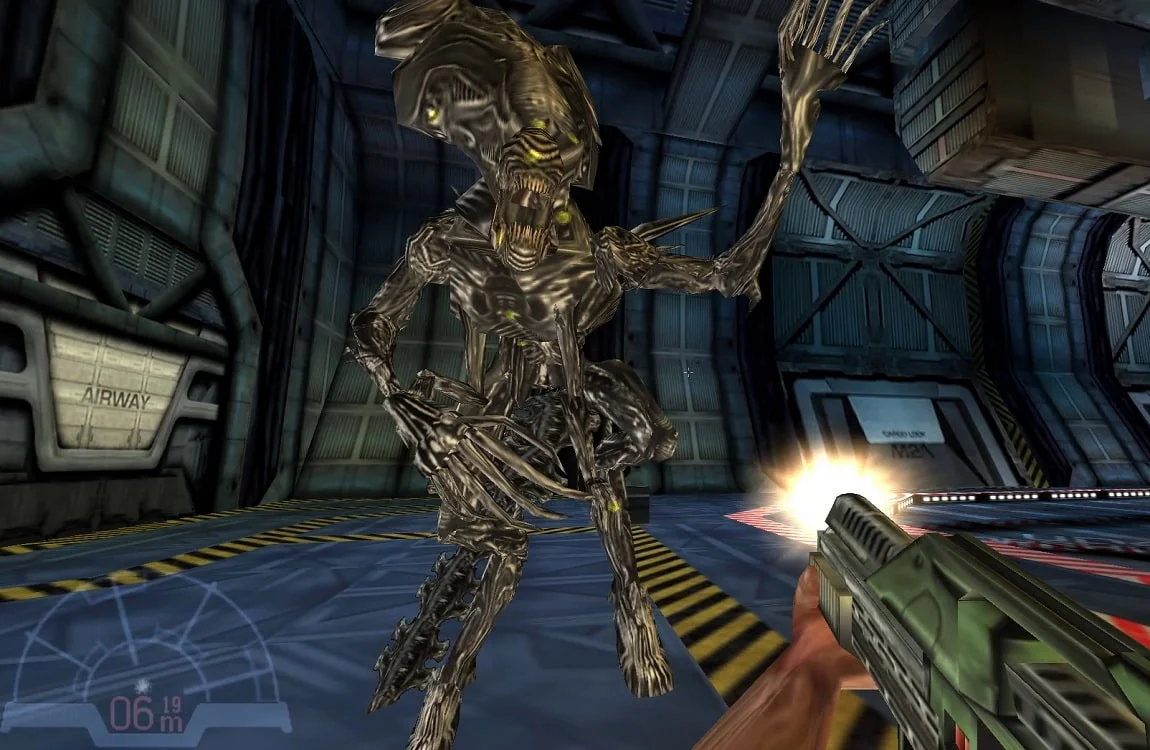
In the Marine campaign, Private Anderson responded to a new Xenomorph outbreak on LV-426 around 2189, roughly ten years after the destruction of Hadley's Hope. A rebuilt colony and atmosphere processor had been established near the Derelict Ship, but the infestation spread through the ruins, the orbital platform Odobenus, and the Conestoga-class warship USS Tyrargo. Anderson fought through hives, corporate labs, and a Xenoborg experiment before defeating a Xenomorph Queen in the Tyrargo hangar by overriding the ship's airlock safeties and jettisoning her into space.
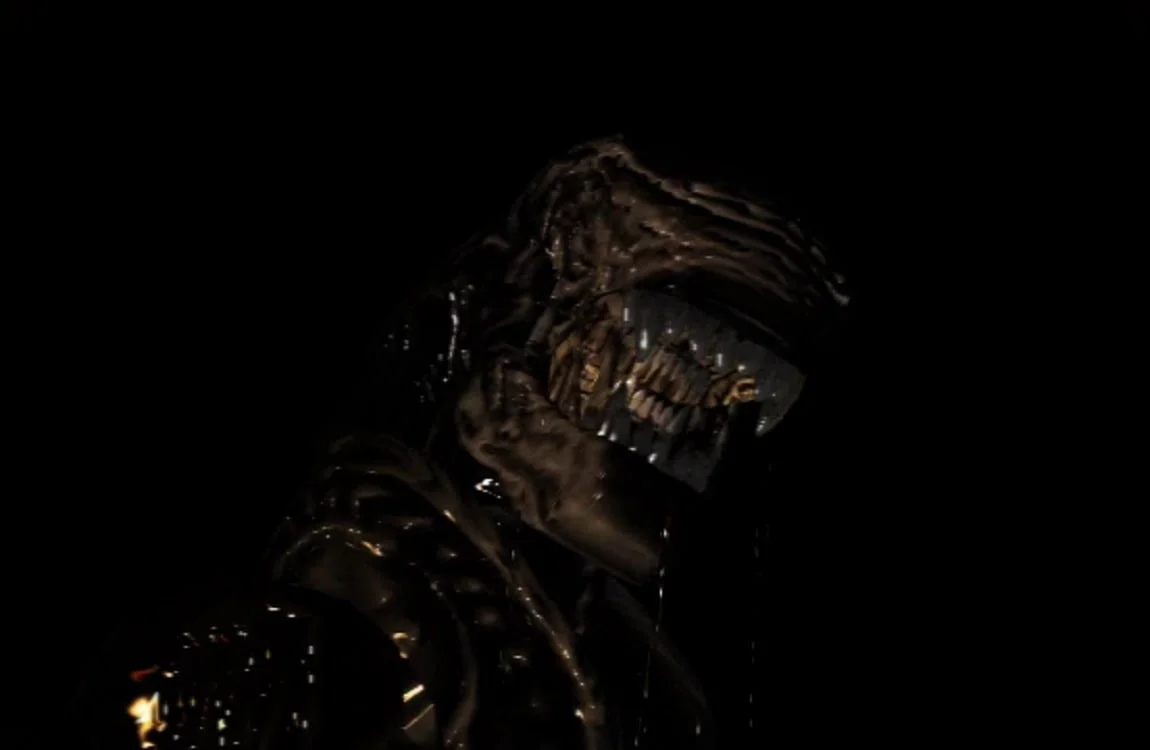
In the Alien campaign, the so-called Earthbound Alien awoke from hibernation inside an ancient Alien Temple on an unknown world and began a rampage that carried it through the freighter USCSS Ferarco, Gateway Station, and a shuttle bound for Earth. The Warrior killed Colonial Marines, freed a captive hive, and slaughtered two Predators who arrived to stop the outbreak. Its final fate remains unknown, but the 2189 Gateway incident is one of the clearest examples of Xenomorphs reaching Earth in expanded-universe lore.
In the Predator campaign, an unnamed Yautja hunter infiltrated the secret Colonial Marine base Area 52 to rescue a captured clan brother whose ship had been seized by humans. The rescue failed when the captive Predator was impregnated with a Predalien, forcing the hunter to kill the abomination and escape as the base self-destructed. Later missions took the Predator to Fury 161, roughly ten years after Ellen Ripley's death in Alien 3, where he hunted Xenomorphs among the prison ruins and defeated a Queen in an honorable duel using only melee weapons and his speargun.
Key Characters
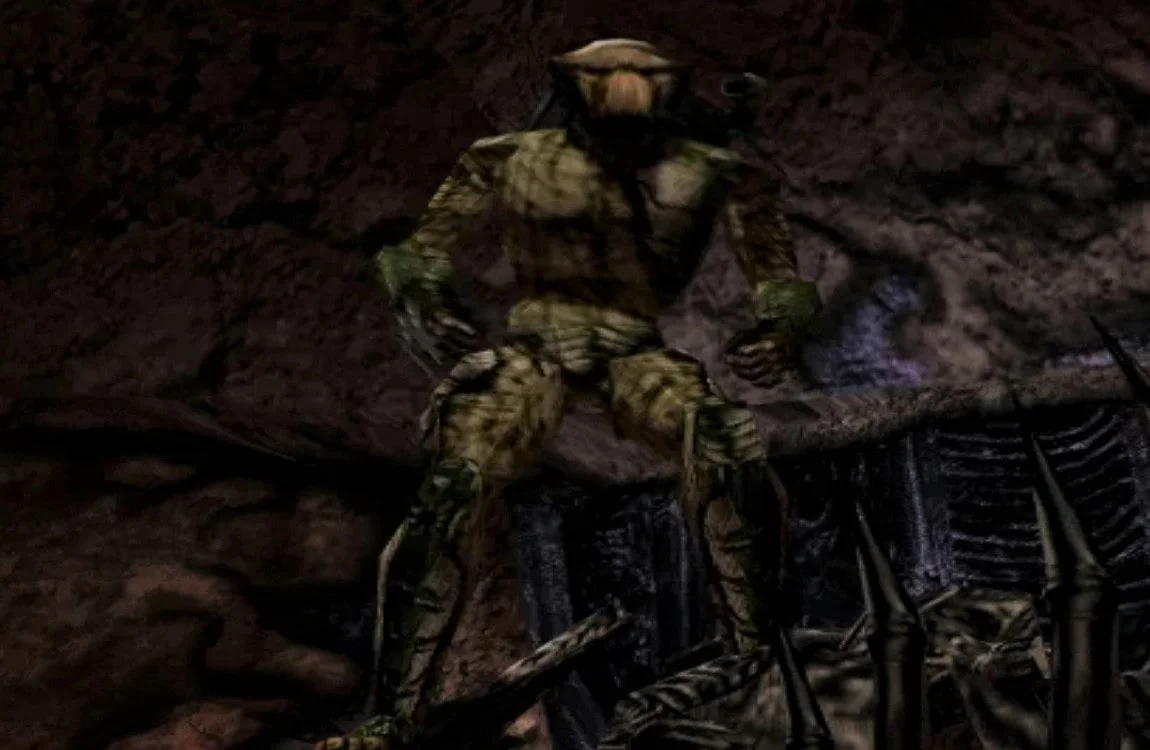
Classic's story is carried by its three playable protagonists and the locations that define each campaign rather than a large cast of named allies.
- Private Anderson - The playable Colonial Marine who fought through LV-426, Odobenus, and the USS Tyrargo.
- The Earthbound Alien - The playable Xenomorph Warrior whose rampage reached Gateway Station and possibly Earth.
- The Unnamed Predator - The playable Yautja hunter who raided Area 52, killed the Area 52 Predalien, and hunted on Fury 161.
- The Area 52 Predator - A captured Yautja whose impregnation created the Predalien and triggered the base's destruction.
- The Area 52 Predalien - A hybrid born from the captive Predator and held in stasis before the rescue mission collapsed.
- The USS Tyrargo Queen - The Xenomorph monarch Anderson jettisoned from the Conestoga-class warship in the Marine finale.
- The Fury 161 Queen - The Queen defeated by the unnamed Predator in a melee-only boss fight.
LV-426, Odobenus, And The USS Tyrargo
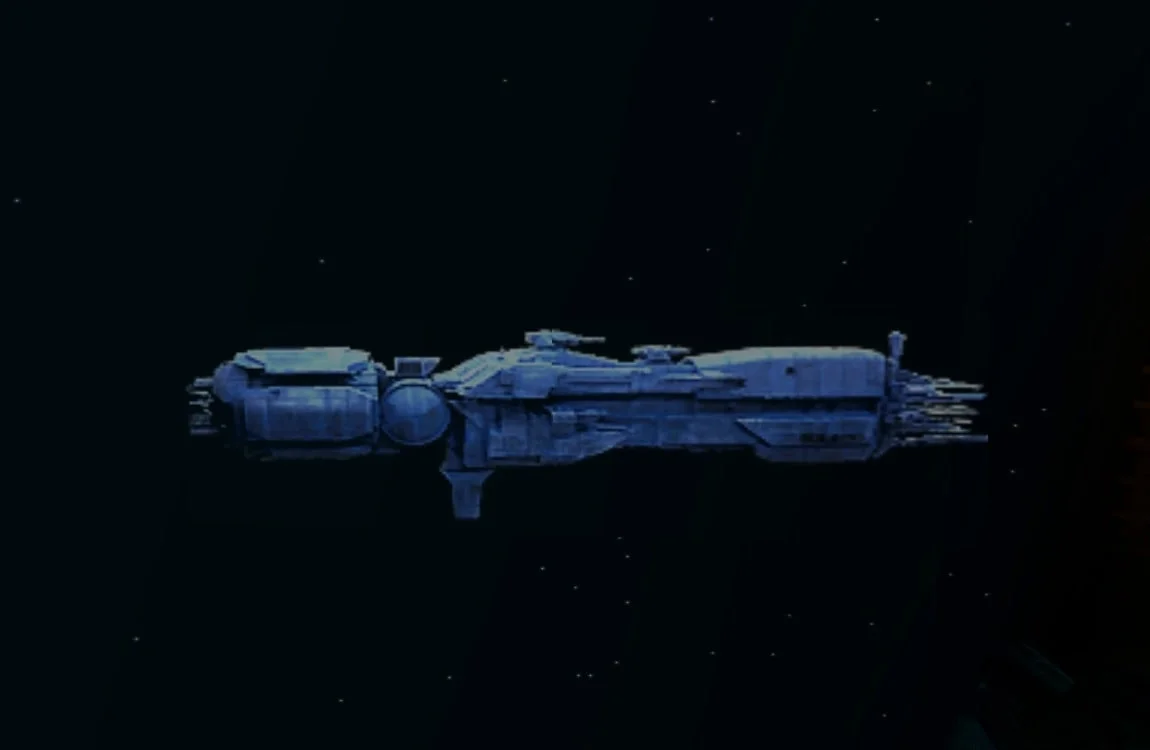
The Marine campaign returned players to LV-426 long after the events of Aliens, treating the moon as a recurring hotspot for Xenomorph outbreaks in expanded-universe fiction. Anderson explored the Derelict Ship, a rebuilt colony complex, and the atmosphere processor before moving into orbit aboard the Odobenus platform, where Weyland-Yutani experiments produced the Xenoborg. The campaign culminated aboard the USS Tyrargo, a Conestoga-class vessel heavily infested with Warriors, Praetorians, and a Queen.
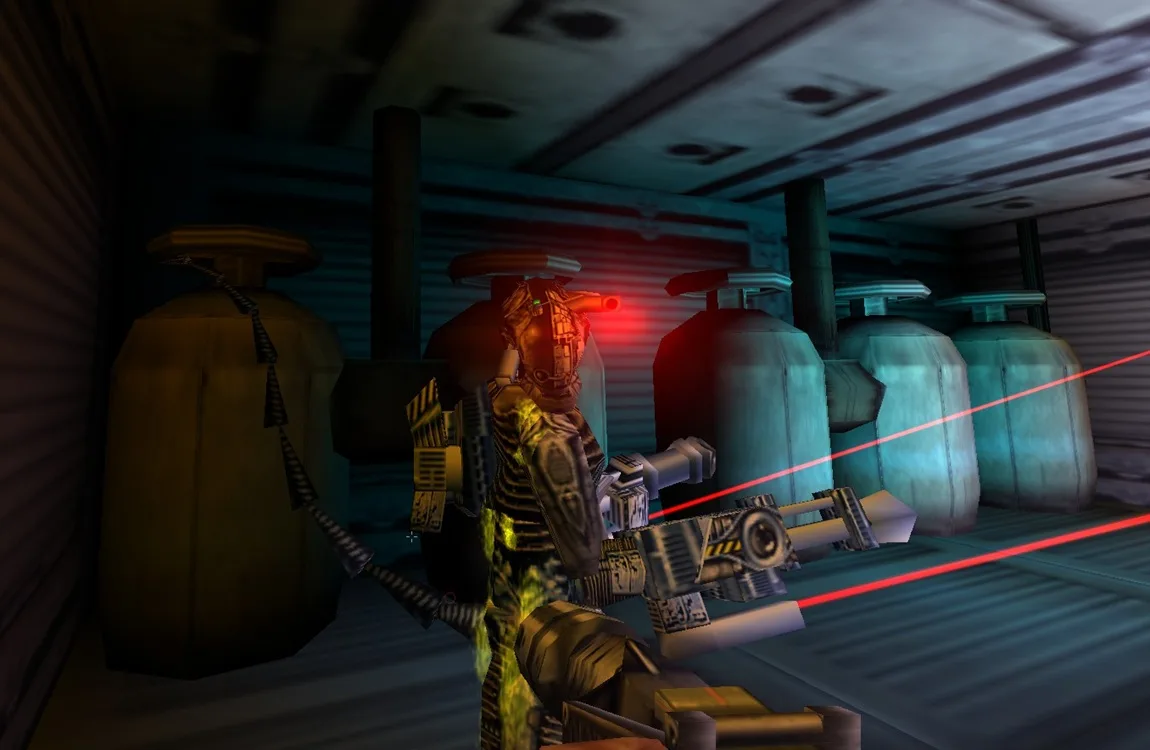
Our gameplay clip below shows the Derelict Ship sequence from Aliens vs. Predator: Classic, one of the game's strongest visual callbacks to the original Alien film and LV-426's Engineer mystery.
Anderson's airlock duel with the Tyrargo Queen became one of the most memorable Colonial Marine versus Queen fights in the franchise, echoing the hangar battle from Aliens but forcing the player to solve an environmental puzzle instead of relying on pulse-rifle damage alone. The Tyrargo itself joined the USS Verloc and USS Marlow as one of the most famous Conestoga-class ships in game lore.
Gateway Station And The Earthbound Alien
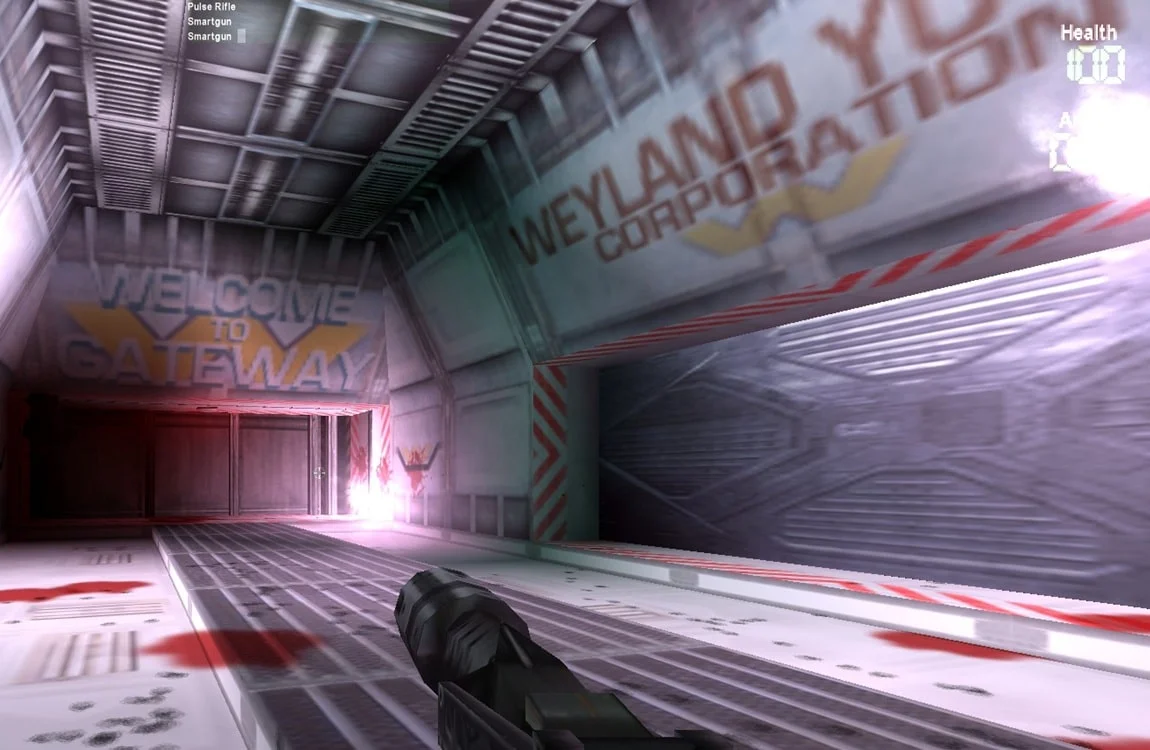
The Alien campaign's second act moved from deep space to Gateway Station in 2189, expanding the station beyond its appearance in Aliens with Weyland-Yutani towers, sentry-gun defenses, and transit systems. After the Ferarco was destroyed, the Earthbound Alien carved through the station's security forces and Predator hunters before boarding an outbound shuttle. Because later Alien continuity rarely acknowledged the incident, the Warrior's possible arrival on Earth remains one of the game's biggest unresolved lore hooks.
Area 52 And Fury 161
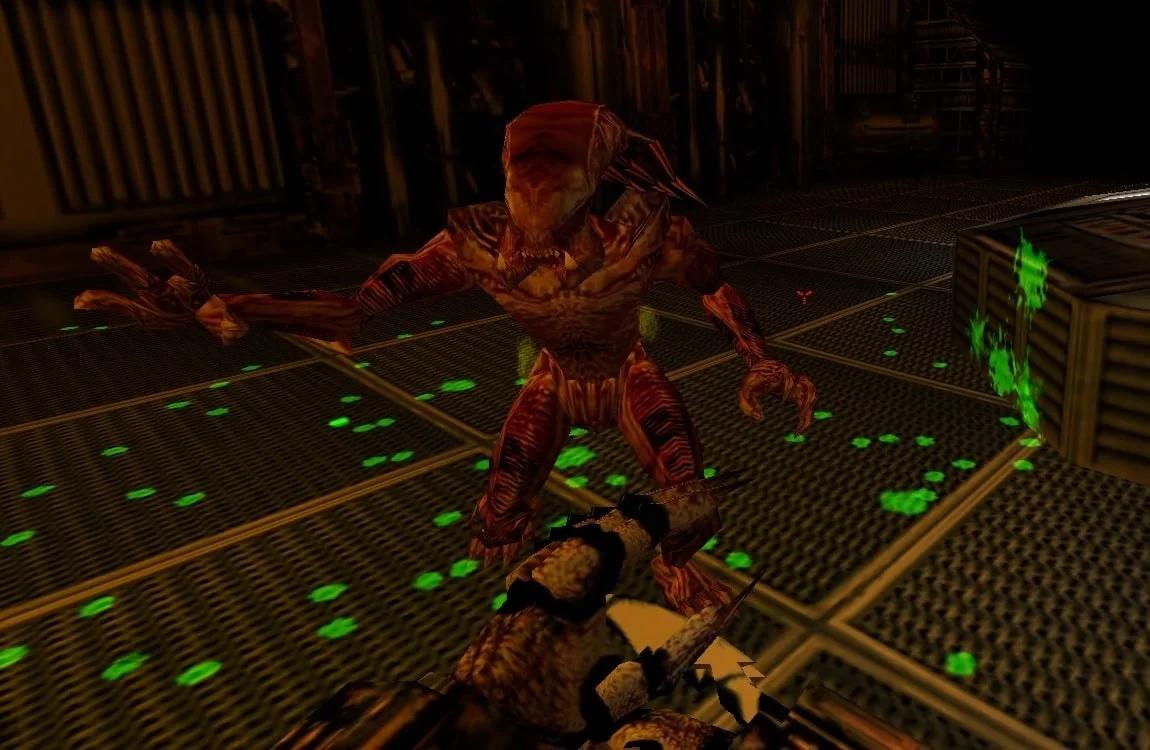
The first three Predator missions formed a connected rescue story at Area 52, one of the clearest examples of a captive Predator in franchise fiction. The unnamed hunter fought through Colonial Marine squads to reach his captured brother, only to find that human experimentation had already produced a Predalien abomination. After killing the hybrid and escaping with the Chicken Ship, the campaign shifted into standalone hunting scenarios, including a visit to Fury 161 where the Predator witnessed the wreckage of Ripley's EEV and hunted Xenomorphs across the prison world.
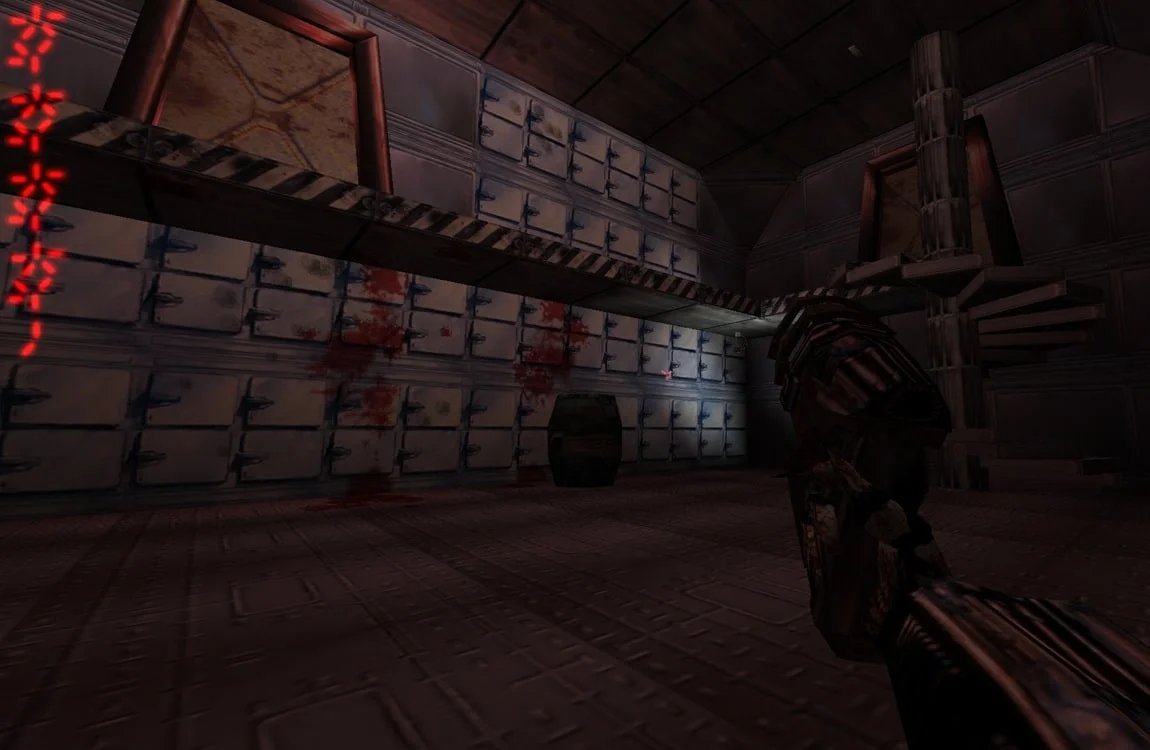
The Fury 161 finale became one of the franchise's best-known Predator versus Queen fights because the hunter voluntarily disabled his energy weapons and defeated the Queen using only wristblades, the combi-stick, and his speargun. That honorable restriction made the ending a fan favorite even among players who found the broader Predator campaign loosely connected.
The Three Campaigns

Each campaign offered a different way to experience the same crossover universe. The Marine story was the most linear and Aliens-like, with motion tracking, flamethrowers, pulse rifles, and large set-piece battles against swarms of Warriors and Praetorians. The Alien story turned the player into a fast predator rather than prey, using tail strikes, headbites, and wall-running to tear through Marines and Predators alike. The Predator story mixed stealth, open hunting, and trophy collection, although only the Area 52 arc formed a continuous narrative before the bonus-style later missions.
The campaigns rarely overlapped directly, which made Classic feel more like three strong short stories than one shared disaster. Monolith's later Aliens vs. Predator 2 would push much farther into interconnected storytelling, while Rebellion's own return in Aliens vs. Predator (2010) reused the three-campaign format on a new planet with very different characters.
Xenomorphs And Enemies
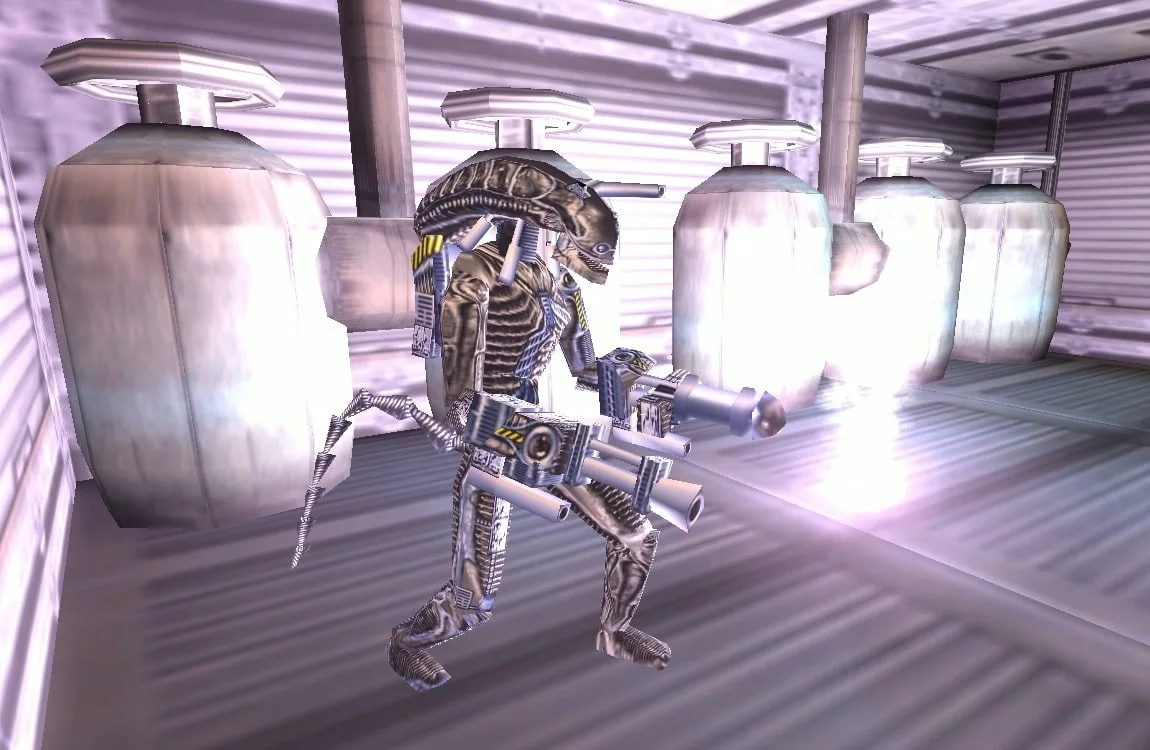
Aliens vs. Predator: Classic reused many core Xenomorph ranks while introducing a few memorable one-off threats. Drones, Warriors, Praetorians, Facehuggers, Chestbursters, and Queens filled out the hive forces across LV-426 and the Tyrargo. The Xenoborg was the game's signature corporate experiment, a cybernetically enhanced Xenomorph armed with heavy laser weapons and deployed aboard Odobenus as a slow but deadly boss enemy.
Human opposition included Colonial Marines, Weyland-Yutani security, and the hidden forces of Area 52. Predators appeared both as playable hunters and as enemy threats in the Alien campaign, while the Area 52 Predalien gave the crossover one of its earliest and most memorable hybrid bosses. The Earthbound Alien, the Xenoborg, and the Tyrargo Queen helped make Classic one of the densest game sources for Xenomorphs from the games.
Gameplay And Features
Rebellion built Classic around species-specific movement, weapons, and vision modes rather than a shared generic soldier template. Marines used the standard M41A Pulse Rifle, shotgun, smartgun, flamethrower, motion tracker, and deployable sentry guns, making the campaign one of the purest Aliens combat simulations of its generation. Xenomorphs relied on pouncing, wall-crawling, tail attacks, and echolocation vision, while Predators used cloaking, wristblades, the plasmacaster, the combi-stick, spearguns, and trophy-taking finishers.
Dynamic lighting remained one of the game's defining systems. Destroying light sources changed combat dramatically, especially for Marines who could not see Xenomorphs as easily in the dark. Skirmish multiplayer supported Marine, Alien, and Predator teams, and the Gold Edition added new weapons plus extra in-game full-motion segments that expanded the package without changing the core campaigns.
Alien Timeline Placement
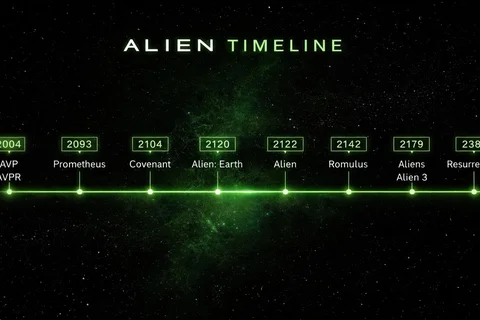
Aliens vs. Predator: Classic is generally treated as expanded-universe material rather than a direct continuation of the core film timeline. The Marine campaign on LV-426 around 2189, the Gateway Station incident in the same year, and the Predator's later visit to Fury 161 all sit decades after the events of the Alien films while still borrowing heavily from their locations and aesthetics. The game does not attempt to continue Ripley's story directly, but it repeatedly returned to film settings such as the Derelict, Gateway, and Fury 161.
Because the Earthbound Alien may have reached Earth and Anderson's LV-426 cleanup never appears in later film continuity, Classic occupies the same loose expanded-universe space as many AvP comics and novels. That makes it a common reference point for Gateway infestations, Conestoga-class warships, Predalien experiments, and honorable Predator Queen duels even when later stories ignore the specifics.
Development
Rebellion Developments created Aliens vs. Predator: Classic five years after its only prior crossover title, Alien vs. Predator: Jaguar on the Atari Jaguar, making this PC release the studio's defining entry in the franchise. Fox Interactive published the game under the 20th Century Fox license, and Rebellion focused on three playable species, strong film references, and technical showcase features such as destructible lighting. The project arrived at a time when PC hardware increasingly relied on 3D accelerator cards, and the box art prominently advertised that requirement.
The game's structure shaped nearly every major AvP shooter that followed. Monolith expanded the formula with longer interconnected campaigns in AvP 2, while Rebellion itself returned to the same three-species design when it developed AvP 2010 more than a decade later. Classic therefore sits at the root of the franchise's first-person shooter lineage even though its individual campaigns were relatively short by modern standards.
Release And Reception
Aliens versus Predator launched on April 30, 1999 for Windows PC. It received strong reviews, with praise for atmosphere, species variety, lighting, and the novelty of three campaigns, and some criticism for difficulty spikes, dated mission structure, and the loosely connected Predator story after Area 52. Many critics and players still considered it the best way to experience Aliens-style combat on PC at the time.
The game has remained influential long after its original retail release. It still places second on our best Alien games list and remains a regular recommendation for fans who want fast Xenomorph action rather than survival horror. Its reputation has aged especially well on PC, where the 2010 Steam re-release introduced widescreen support and continued compatibility with modern systems.
Gold Edition And Classic 2000
Aliens versus Predator: Gold Edition arrived in 2000 and became the standard way fans experienced the full game. The Gold release added dual pistols, the Skeeter launcher, and new in-game full-motion segments while keeping the original three campaigns intact. For many players, Gold Edition is the definitive version of Rebellion's 1999 design.
Valve's Steam re-release in 2010 sold the package as Aliens versus Predator Classic 2000, bundling the Gold content under a name that distinguished it from the unrelated 2010 reboot. That Steam version remains the easiest way to play the game today and is often the version referenced when fans call the title AvP Classic or Classic 2000.
Legacy
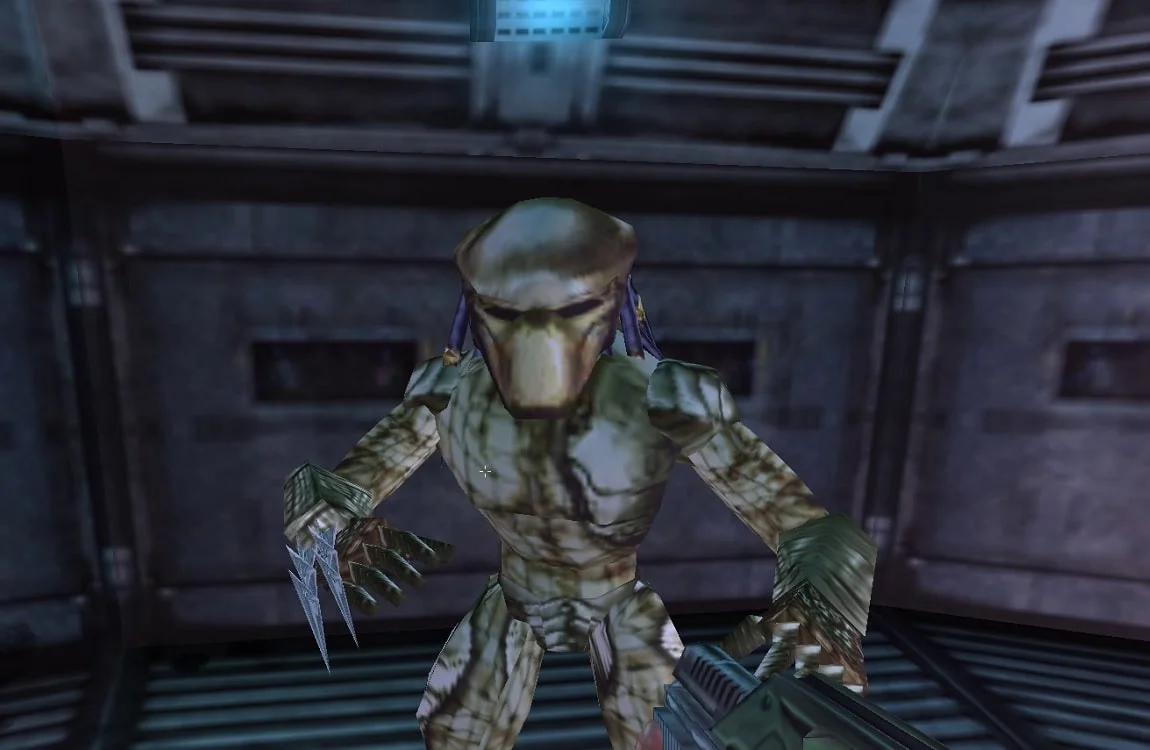
Rebellion's 1999 PC game set the three-campaign AvP shooter that Aliens vs. Predator 2 and the 2010 game kept. The Marine and Alien campaigns remain among the best Alien and Marine experiences in the games: pulse rifles, sentry guns, and dark swarms on one side, wall-crawling and echolocation on the other. The Predator missions are weaker. Area 52 and Fury 161 stay cramped next to later open hunts, even with the melee Queen fight at the end. Gold Edition in 2000 and Valve's 2010 Steam release as Classic 2000 are how most people play it now.
External Sources
Tag Categories: Alien Games | Alien Vs Predator Games | Predator Games | Alien Merchandise