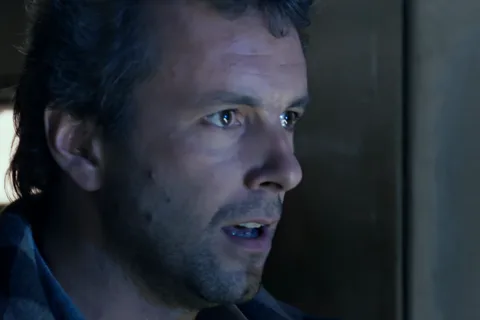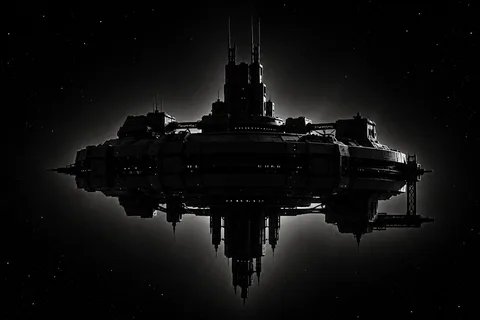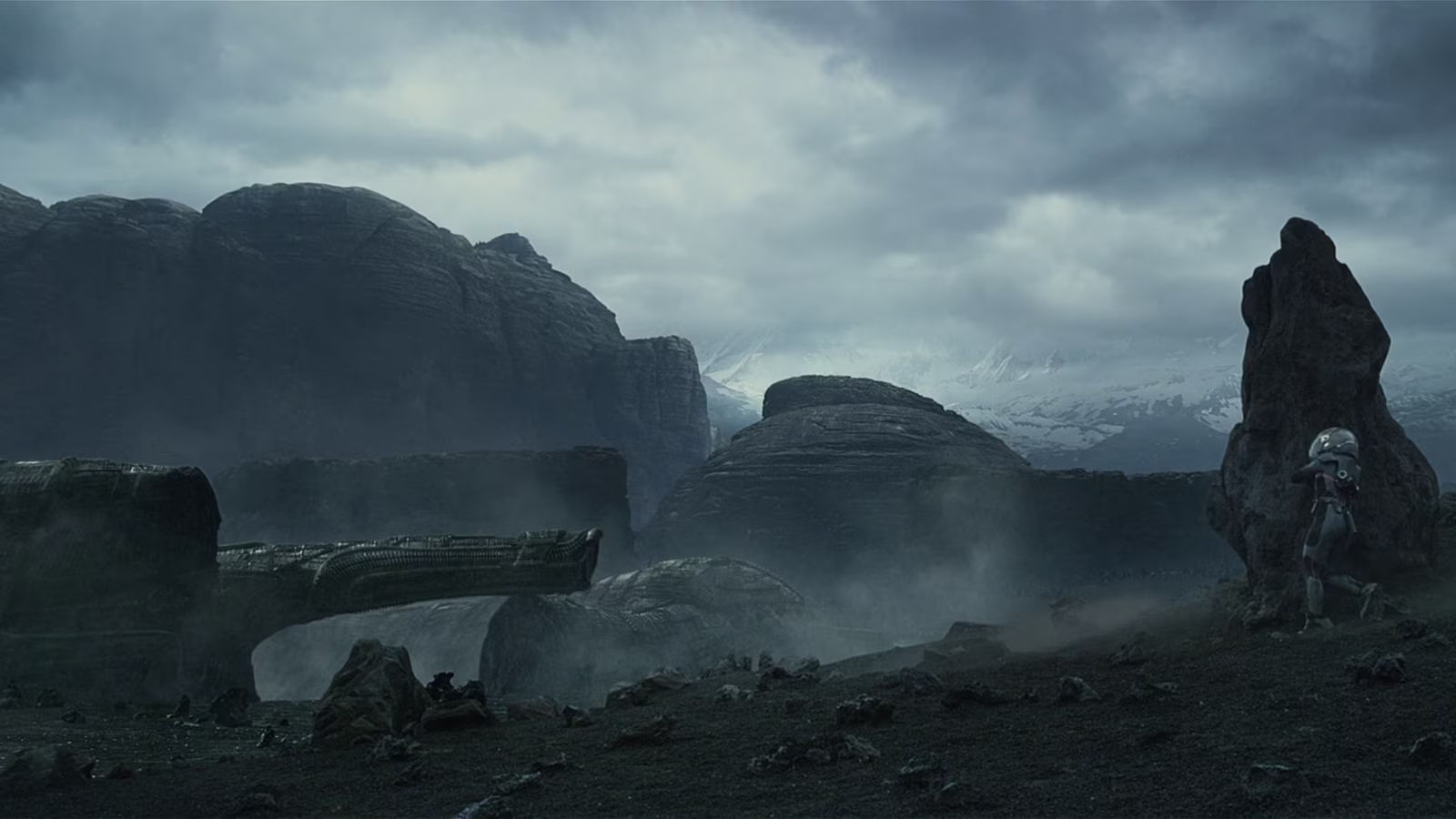

LV-223 from Prometheus is a planetoid in the Zeta Two Reticuli system connected to the broader history of the Engineer race. It is known for its barren landscape, violent weather systems, and dangerous bioengineering constructs. The moon became infamous after the events of the Weyland mission carried out by the USCSS Prometheus, leading to disaster for its crew. However, it is likely not the Engineer homeworld, nor the Xenomorph homeworld.
One Of The Moons Of Calpamos
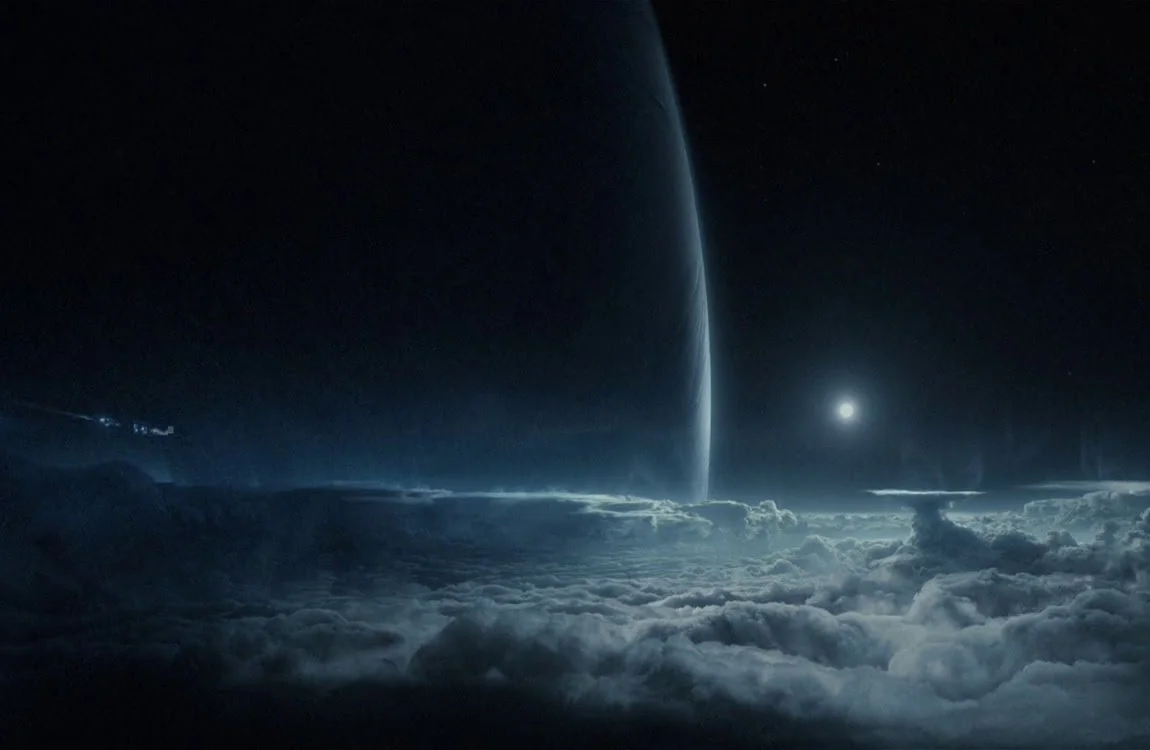
LV-223 orbits the gas giant Calpamos within the Zeta Two Reticuli system, about 39 light years from Earth. It shares this orbit with other smaller bodies, including LV-426, the more widely known world where the USCSS Nostromo crew later encountered the Xenomorph threat. Compared to its sister moon, LV-223 is larger, geologically more varied, and home to structures far older than any human civilization. Calpamos dominates the sky with its swirling bands of color and immense storms. The gravitational pull between the gas giant and its moons produces intense tectonic stress, shaping the rugged surface of LV-223 over millennia.
A View From LV-223 Orbit
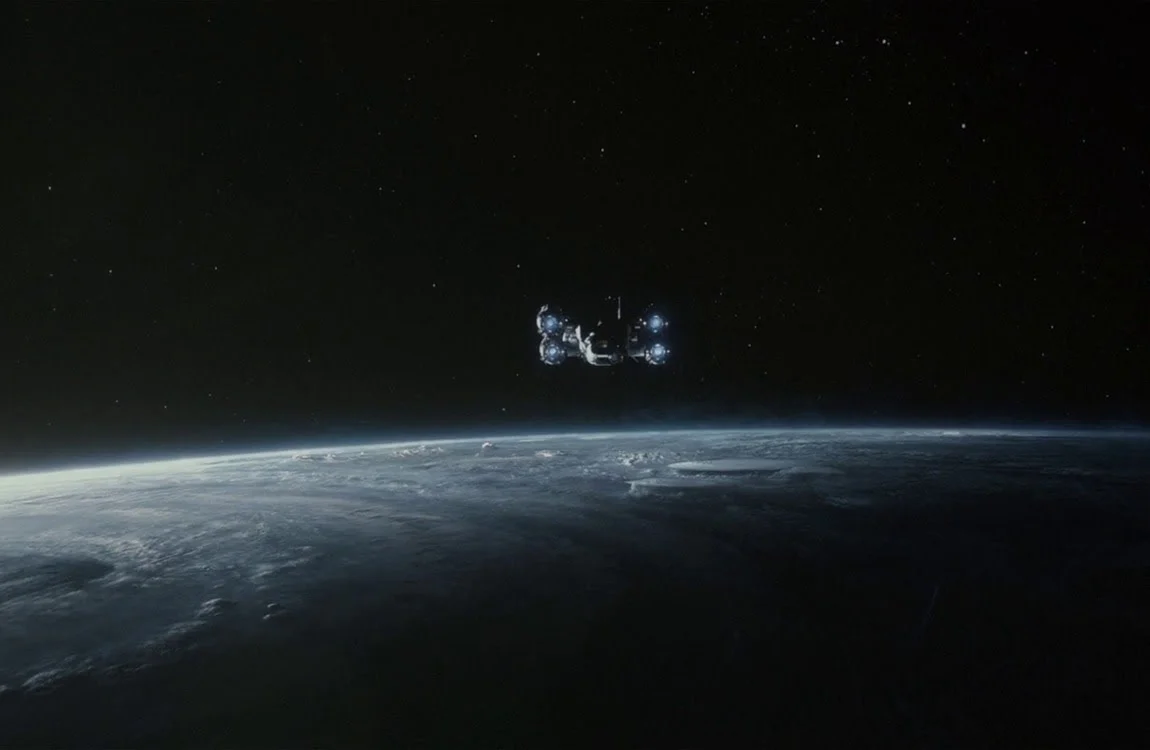
From orbit, LV-223 appears as a bleak and muted, fully covered by grey clouds. These clouds sweep across the upper atmosphere, carrying abrasive dust that contributes to the harsh environment experienced on the surface. Jagged mountain chains weave across the hemispheres, while darker regions hint at volcanic activity long since dormant. Several large artificial formations line up near the location where USCSS Prometheus landed, although they were not visible from orbit.
The Meaning Of "LV-223"
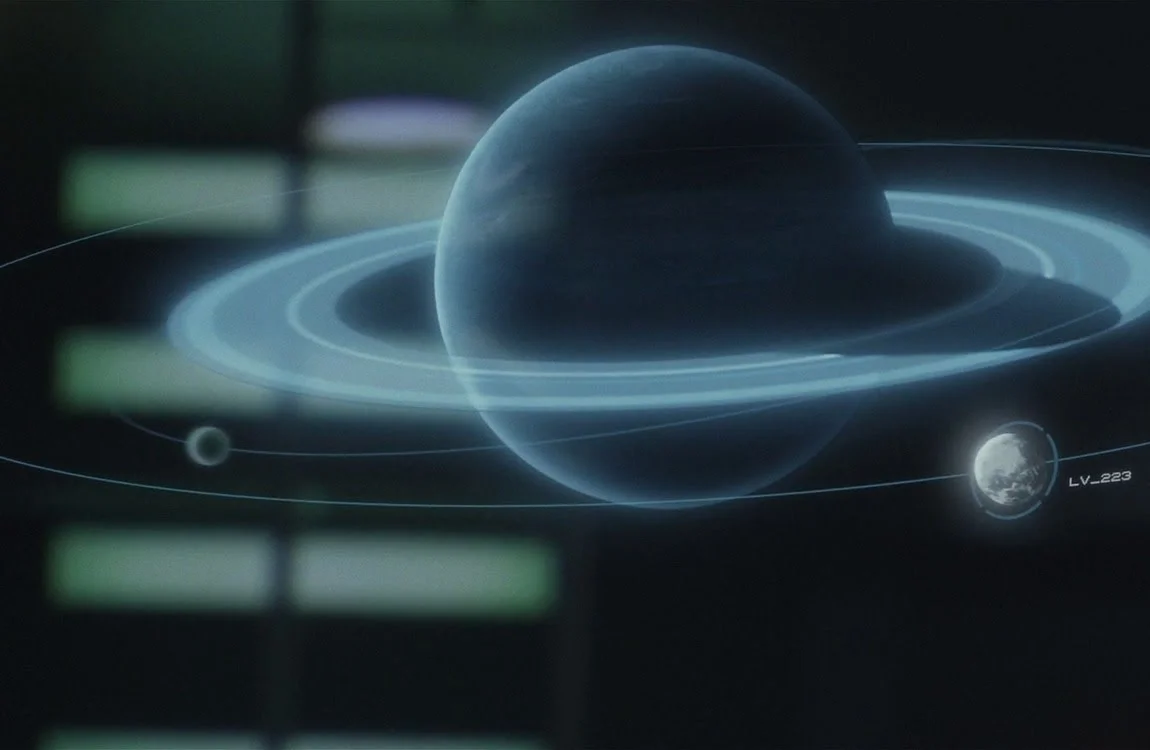
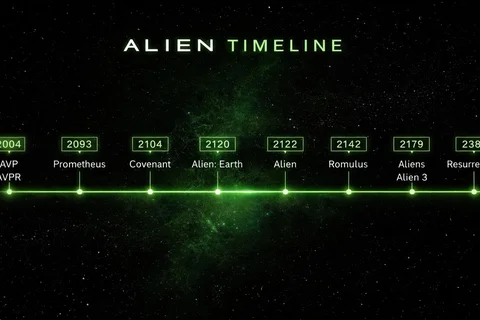
The LV designation is widely believed to stand for Life Viable, indicating that the planetoid is capable of supporting human habitation and suitable for potential colonization. The number 223 appears to be a simple serial code, which fits with the reference to "300 surveyed worlds" mentioned in the Weyland-Yutani briefing in Aliens. By contrast, LV-426 carries a much bigger number, reflecting the fact that it was explored long after the events of Prometheus. One of the highest known LV identifiers is LV-1201, the planetoid featured in Aliens vs. Predator 2, which takes place roughly fifty years after the events of Aliens.
Surface Of The Planetoid
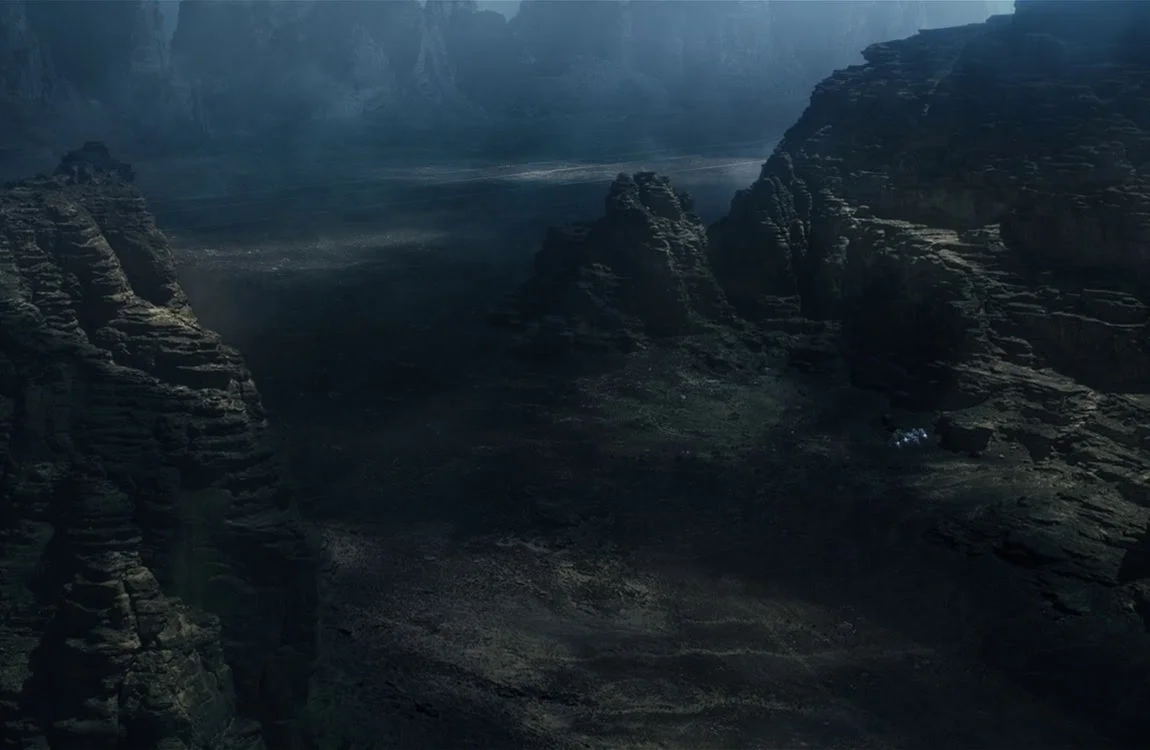
The surface of LV-223 is cold, windswept, and unpredictable. Temperatures fluctuate rapidly due to the thin atmosphere. Razor sharp rock formations jut out from the dusty plains, while valleys are filled with loose rubble and fine ash. Storms can form quickly, whipping sand and debris into dangerous spirals. Light often appears dim due to the thick cloud layers and the moon's distance from the system's star. The environment is inhospitable to unprotected humans, requiring specialized suits and equipment to move safely across the terrain.
The Engineer Bioweapons Facilities
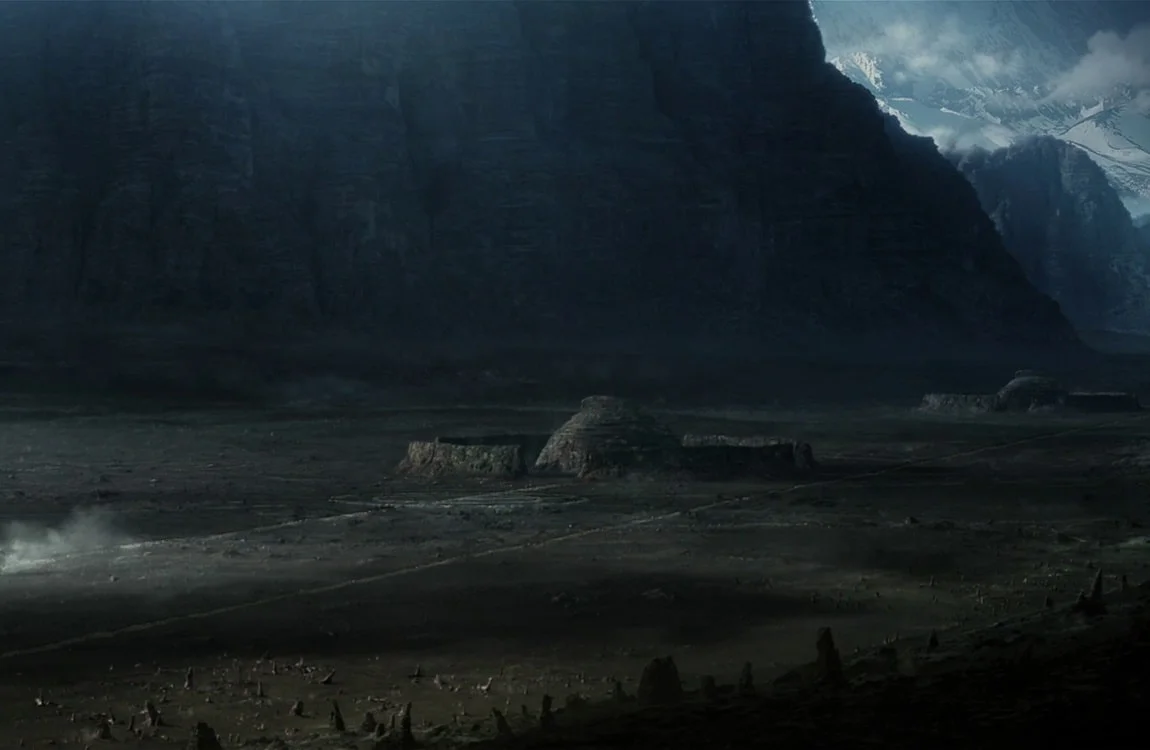
The most distinctive landmarks on LV-223 are the massive domed installations created by the Engineers thousands of years ago. These facilities are arranged in a pattern resembling a deliberate geometric layout and appear to have been used for advanced bioengineering experimentation. Inside the structures, long halls, urn chambers, and control rooms reveal the scale of Engineer craftsmanship. The urns stored within contain the mutagenic substance often called the black goo. This liquid is capable of rewriting organic material at rapid speed and unpredictable direction. As seen in the holograms in Prometheus, at least one facility had a bioweapons outbreak, resulting in the deaths of dozens of Engineers.
The Juggernaut Crash Site
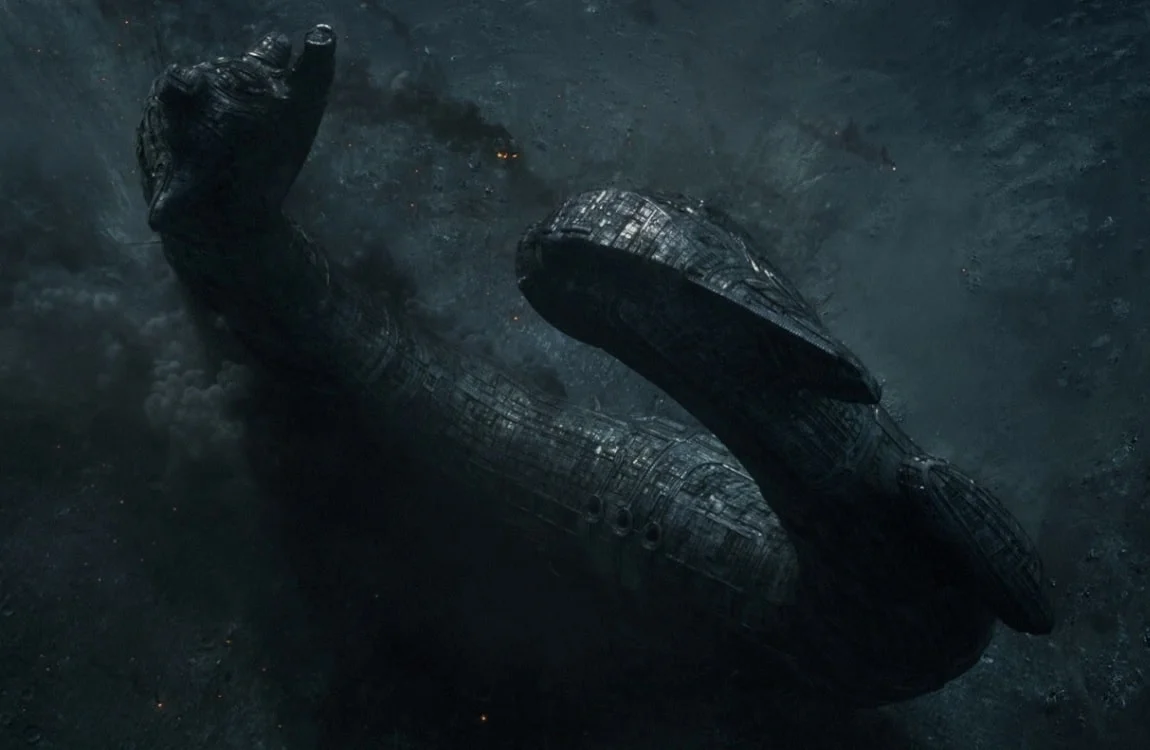
One of the most iconic locations on LV-223 is the resting place of the Engineer Juggernaut, sitting on the surface. The massive horseshoe-shaped spacecraft crashed after a violent confrontation between the surviving Engineer pilot and the crew of the USCSS Prometheus stopping his escape. Although the Juggernaut remained largely intact, the USCSS Prometheus was almost fully decimated, with only debris raining down on the surface. Although sitting upright at first, it soon crashed down and remains partially embedded in the rocky landscape, its hull fractured but still recognizable. Other Juggernauts remained in underground caverns, while a second one was taken by Dr. Elizabeth Shaw and the android David and crash-landed on Planet 4 in Alien: Covenant.
The USCSS Prometheus Escape Pod
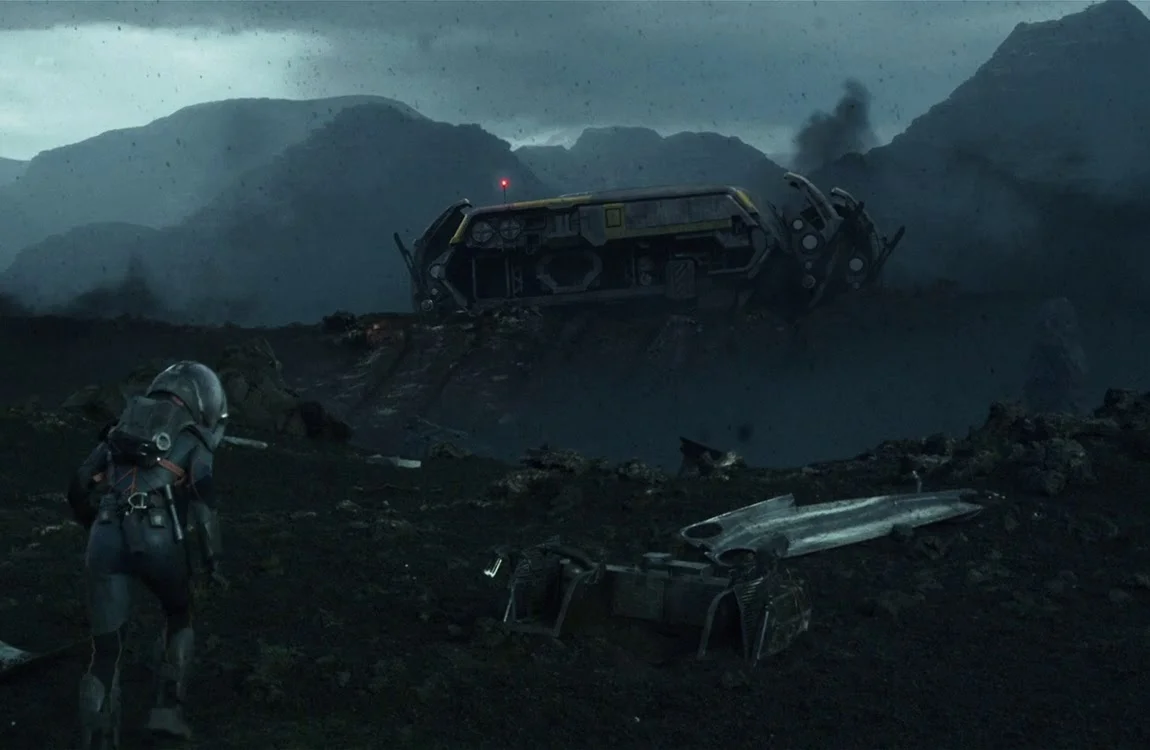
Near the Juggernaut lies what remains of the escape pod used by the Prometheus expedition. The pod was ejected during the final moments before ramming the Juggernaut and came down into the surrounding terrain. The interior once held emergency supplies, medical systems, and basic habitation equipment lasting for more than a year. The site is also remembered for the confrontation between Dr. Elizabeth Shaw and the surviving Engineer pilot. After the Engineer was taken down by a Trilobite creature, it gave birth to the Deacon creature. Dr. Shaw had no use for the escape pod, as she left on another Juggernaut.
Effects Of Black Goo Infestation
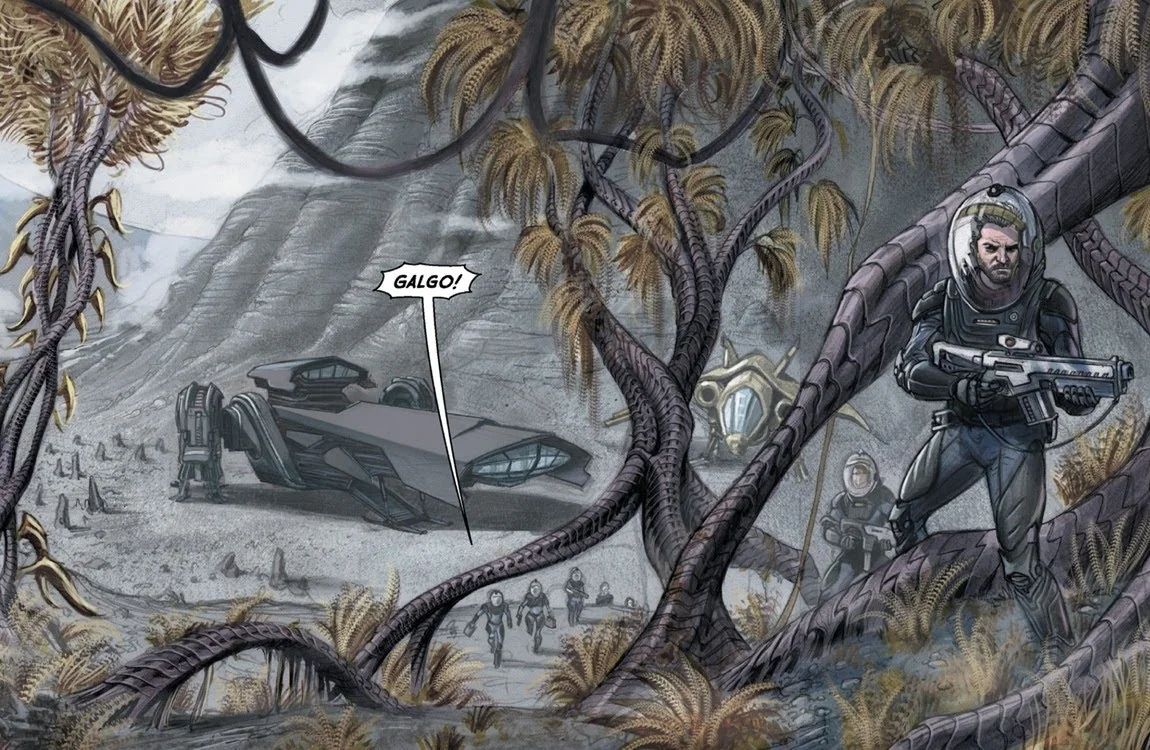
It is not clear if LV-223 had any natural fauna or flora, but it is unlikely due to the barren nature of the planetoid. However, after the events of Prometheus, the Black Goo Pathogen either leaked out of the crashed Juggernaut or the bioweapons facilities and started to change the ecosystem. Even brief exposure can rewrite biological structure, often resulting in uncontrollable growth, violent mutations, or rapid death. As seen in the Life and Death comic series by Dark Horse, in the span of about a hundred years, the planet grew lush and alien jungles with insects and bigger creatures.
The Onager Incident
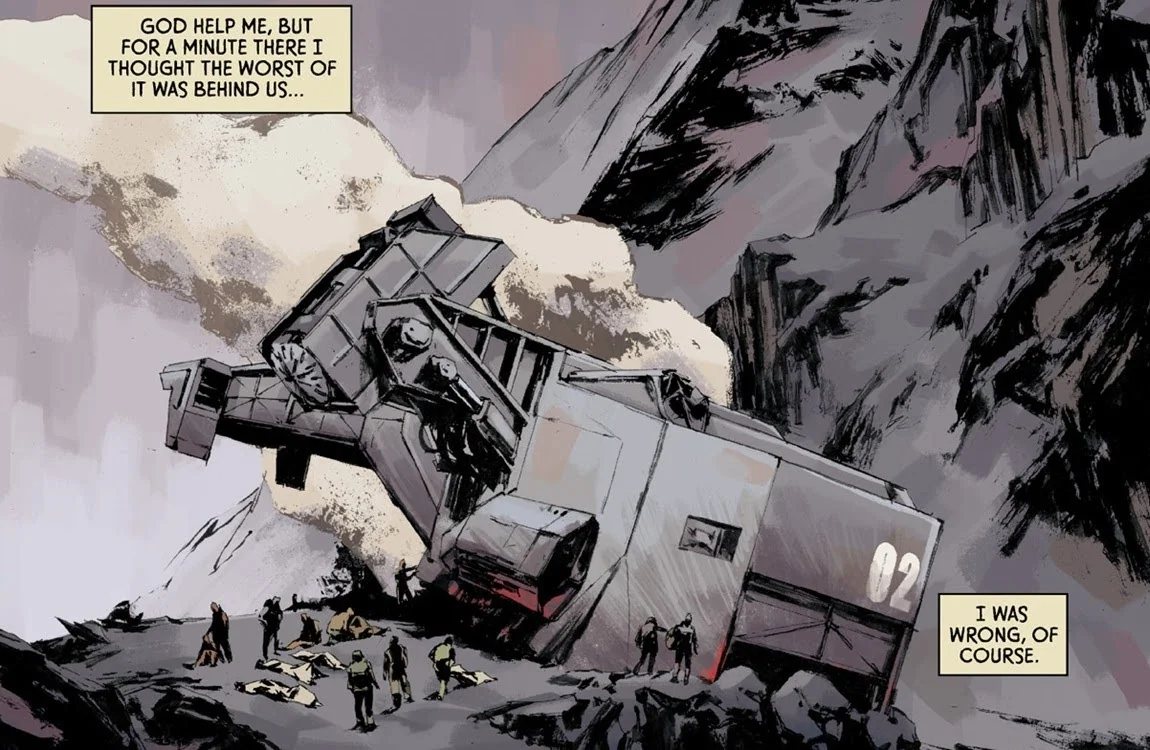
Years after the events of Prometheus, a group of thirty-eight colonists, surveyors, and miners aboard the vessel Onager from LV-426 fled the Xenomorph outbreak of Hadley's Hope and ultimately crash-landed on LV-223. Unknown to the crew, several Xenomorphs had hidden themselves aboard the ship before departure. Once the Onager came down on LV-223, the creatures broke free and launched a devastating attack, killing many of the survivors almost immediately. The remaining members of the group were forced to abandon the ship and scatter into the hostile terrain surrounding the crash site. For weeks, they were hunted across the moon's ravaged landscape, chased through ruins and natural hazards with no safe haven to retreat to. By the end of the ordeal, only a single survivor remained, driven to isolation and near madness while hiding in a cave and studying the lethal environment around him.
Mutated Plants And Animals
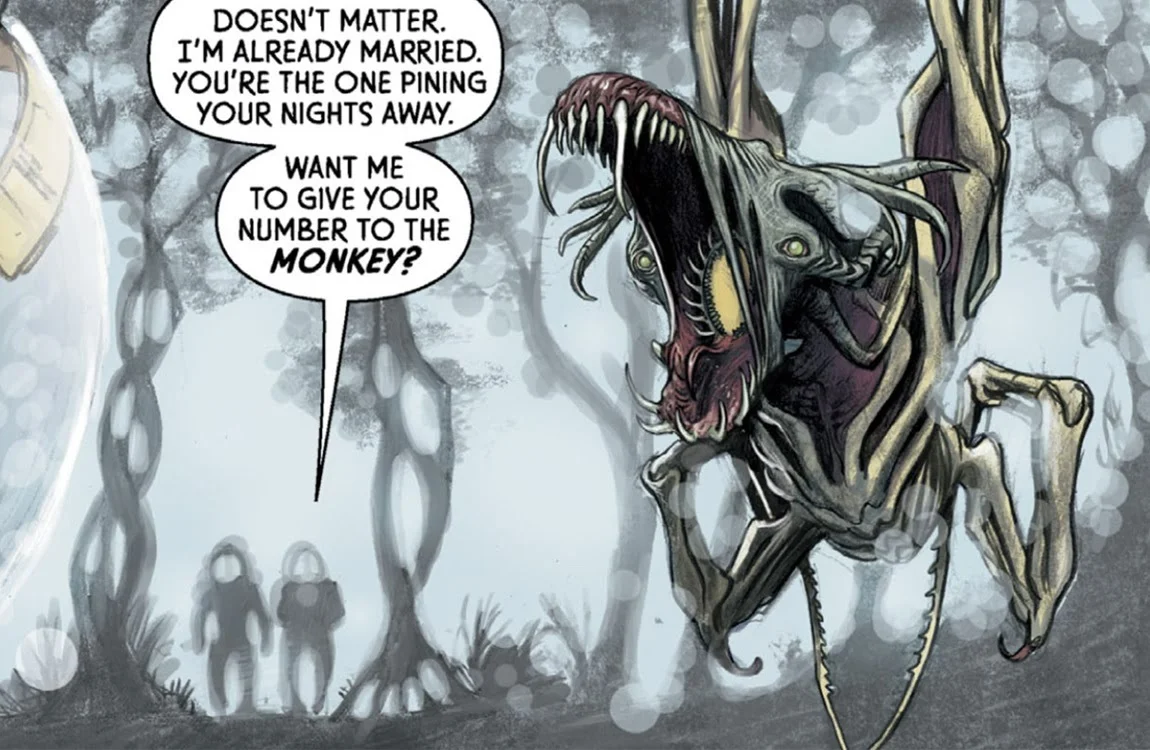
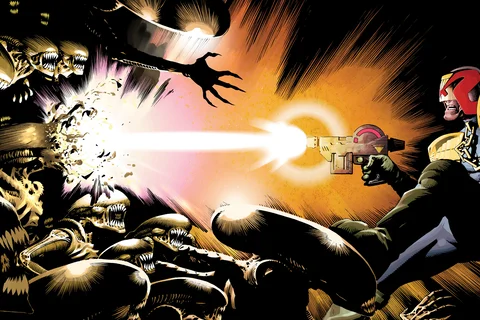
In 2219, a second human ship, the Geryon, reached LV-223 as part of a documentary expedition. The surface of the planet had changed considerably, now having a breathable atmosphere and lush jungles with tentacle-like vines. The crew of the Geryon encountered strange monkey-like creatures, dangerous shark-like fish, and even small ants. In addition to the Black Goo infected creatures, the crew had to battle the Xenomorphs from the Onager, which had further evolved and started killing the wildlife. Just like with the Prometheus crew, most of them were wiped out by hostile creatures on the planet. A lone Predator named Ahab came to LV-223 to hunt an Engineer, and succeeding in his task, started to hunt the larger wildlife, including a giant centipede.
The Deacon Mountain
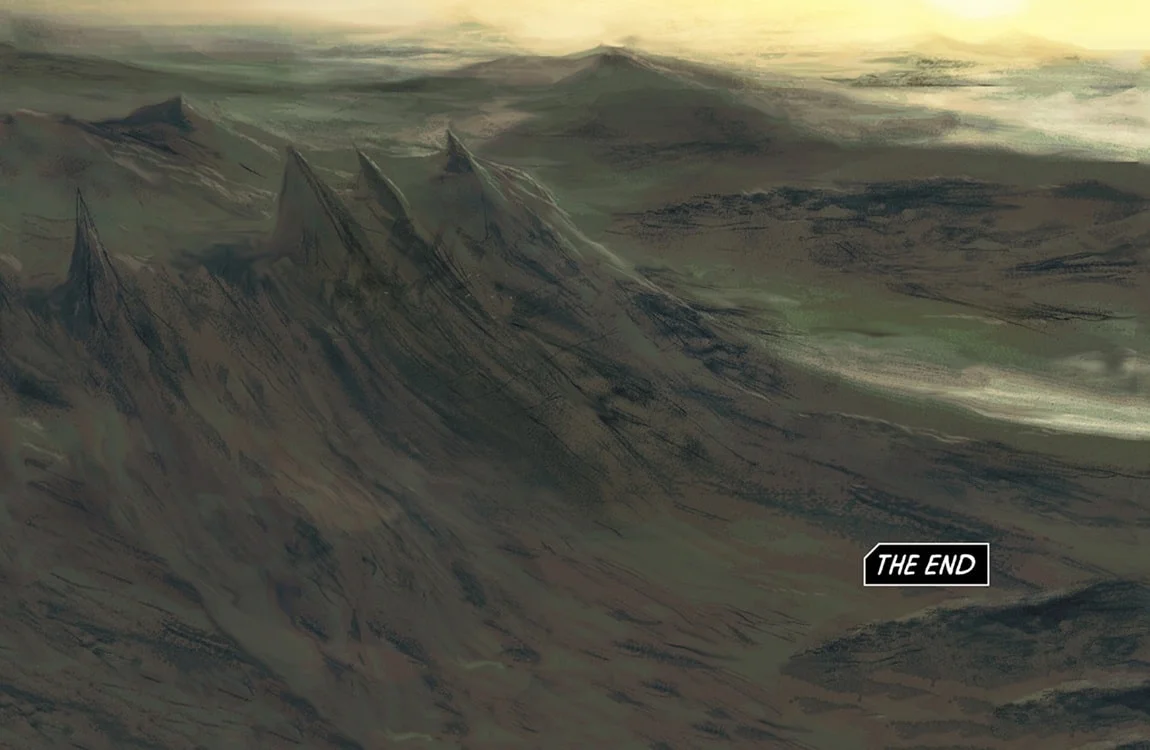
A striking landmark on LV-223 was a towering, spiked mountain whose silhouette echoed the shape of the Deacon, the creature from which it emerged. The Dark Horse Fire and Stone comic series suggests that this formation grew around the wreckage of the Prometheus, the crashed Juggernaut, and possibly remnants of nearby bioweapon structures. Its transformation indicates an extraordinary level of mutation, likely accelerated by the influence of the Black Liquid. With no prey and no purpose left on the desolate moon, the Deacon may have initiated this metamorphosis, becoming the core of the evolving structure.
Behind The Scenes
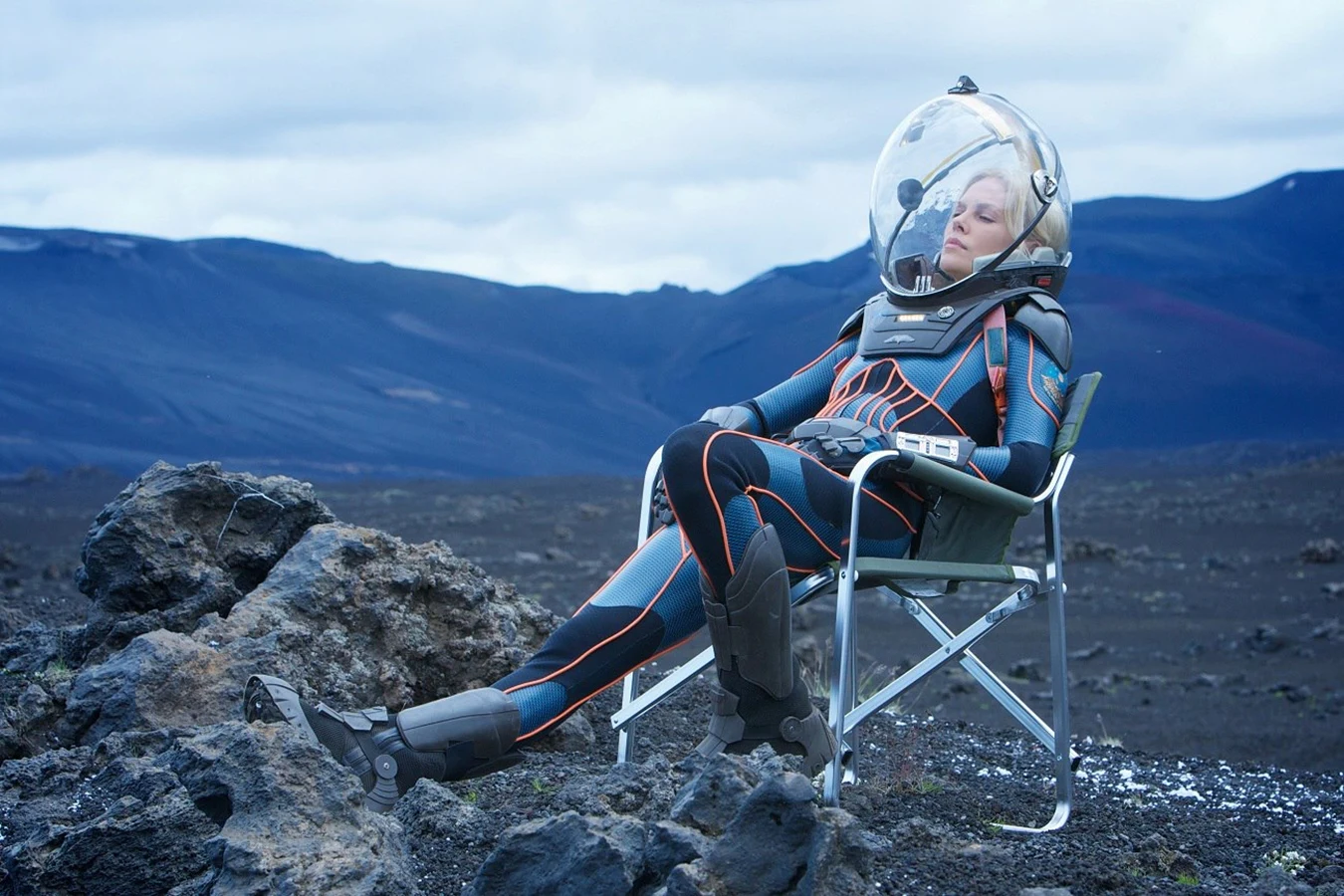
For Prometheus, Ridley Scott shot much of LV-223's surface on the volcanic ground around Mount Hekla in southern Iceland in July 2011. Morocco had been the first plan for those exteriors, but the production moved after regional unrest. Iceland's black rock and empty ridgelines gave the moon its barren look before digital extensions filled in the Engineer structures. The opening Engineer sacrifice was filmed separately at Dettifoss, while other desert material used Wadi Rum in Jordan. Between takes on the Hekla location, cast including Charlize Theron as Meredith Vickers worked in full EVA suits on the real volcanic soil that stood in for the planetoid.
Conclusion
LV-223 is a deadly planetoid in the Zeta Two Reticuli system, close to the legendary LV-426. Its history is marked by the deaths of large groups of Engineers and humans. In many ways, it is even more dangerous than LV-426, harboring hostile surviving Engineers, Black Goo–warped organisms, and, as shown in comics, even Xenomorphs. The planetoid even attracted the attention of Predators, who came to enjoy hunting the strange creatures.
Tag Categories: Alien Universe Planets | LV Planets | Space Jockey Lore | Prometheus Lore | Alien Lore