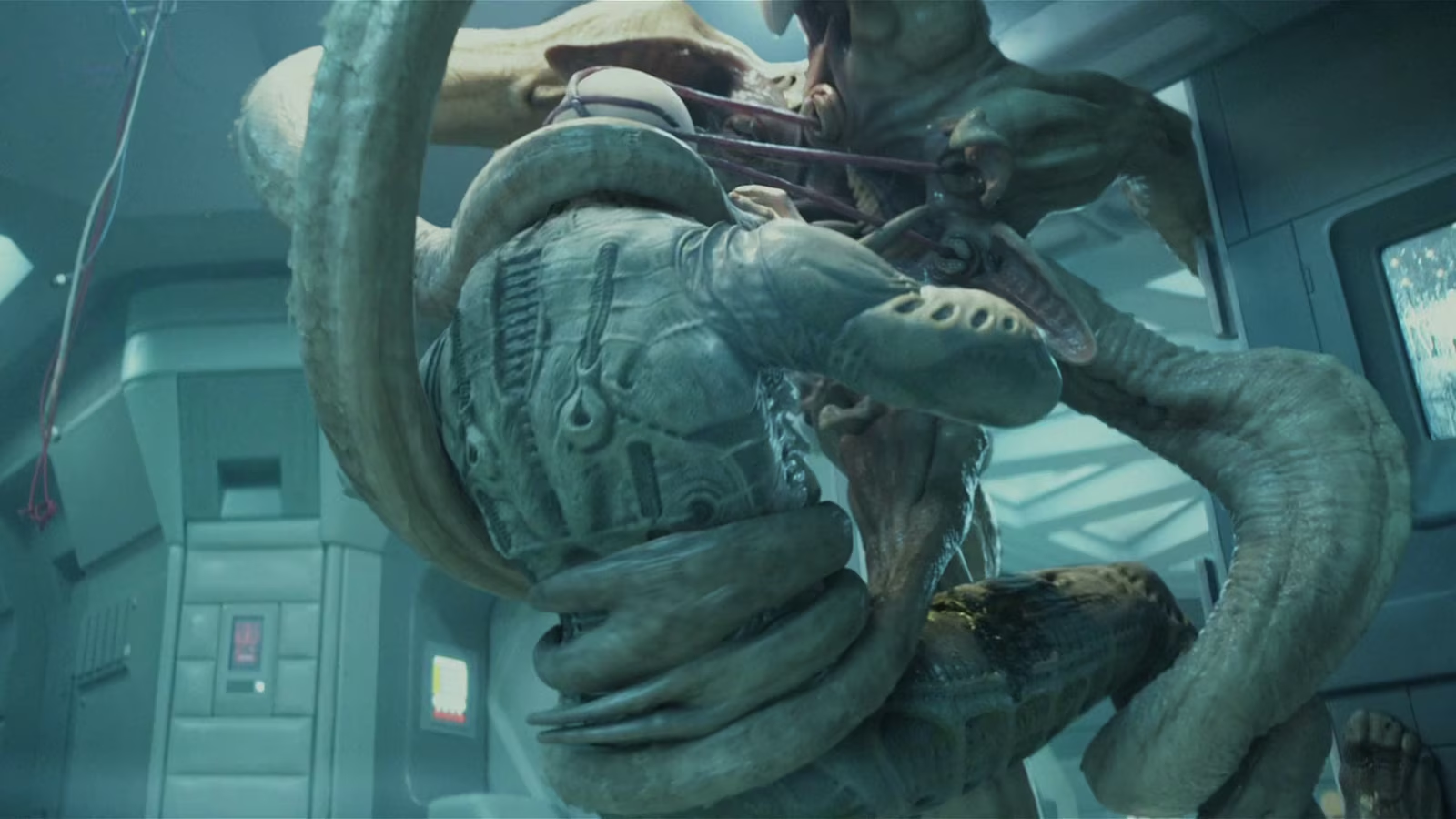

The Trilobite, also known as Heptopus tabellarium or "Cuddles", was a massive squid-like Proto-Xenomorph encountered in Prometheus. It developed from the organism surgically removed from Elizabeth Shaw after her infected partner, Charlie Holloway, impregnated her. Shaw used the Pauling MedPod 720i aboard the USCSS Prometheus to successfully remove the creature from her body after she was exposed to the effects of Chemical A0-3959X.91-15, better known as the black liquid pathogen. At that stage, the organism was small, pale, and tentacled, but it grew rapidly after being sealed inside the medlab. By the time Shaw returned with the awakened Engineer, the creature had become an enormous adult Trilobite. It burst from containment, attacked the Engineer, and used him as a host for the final stage of its strange life cycle. Although it resembled an oversized Facehugger, the Trilobite was part of the pathogen-based chain that produced the Deacon. Here is a full overview of the Trilobite, including its biology, role in Prometheus, connection to the Deacon, behind-the-scenes design, and other appearances in Alien lore.
A Giant Proto-Facehugger
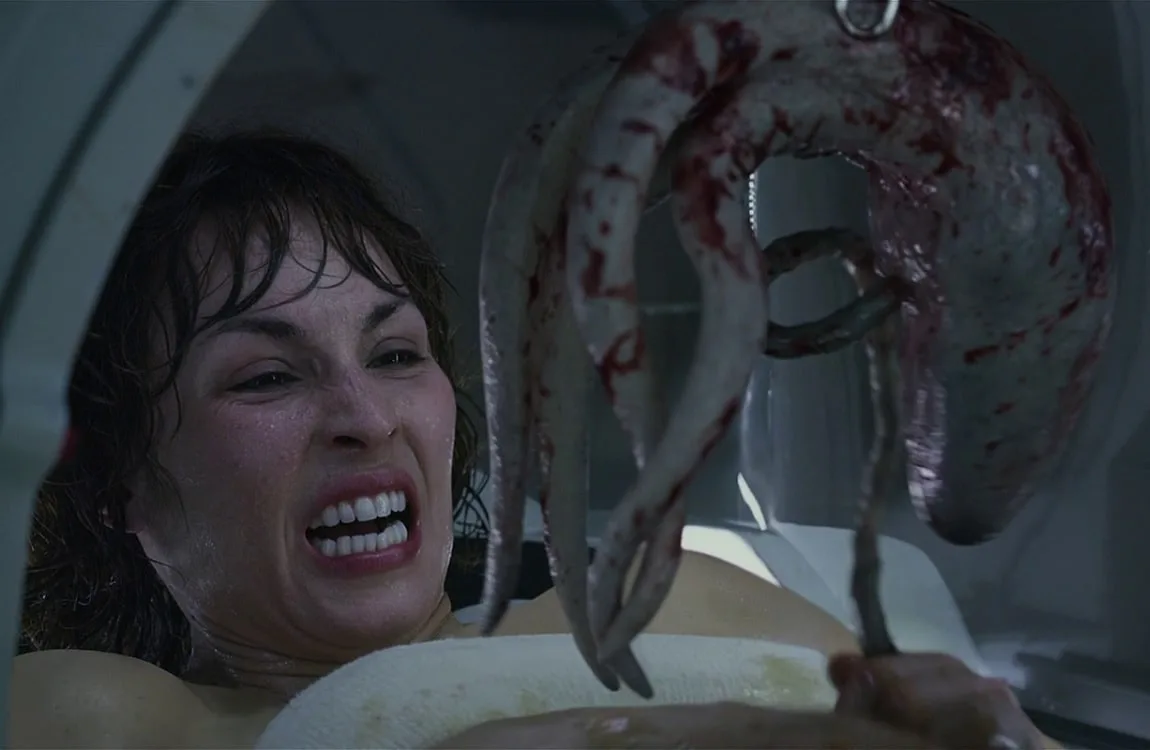
The Trilobite was not the same creature as a traditional Facehugger, but it clearly filled a similar role. Both organisms attached to a host's head, immobilized the victim, and delivered an embryo. The main difference was scale and origin. A Facehugger hatched from a Xenomorph egg and implanted a Chestburster, while the Trilobite developed from a pathogen-created organism inside Shaw and implanted the embryo that became the Deacon. The Trilobite was also much larger, more tentacled, and more squid-like than the crab-like Facehugger. In Alien lore, it functioned as a grotesque Proto-Facehugger created through the unstable biology of the black liquid.
Trilobite Biology
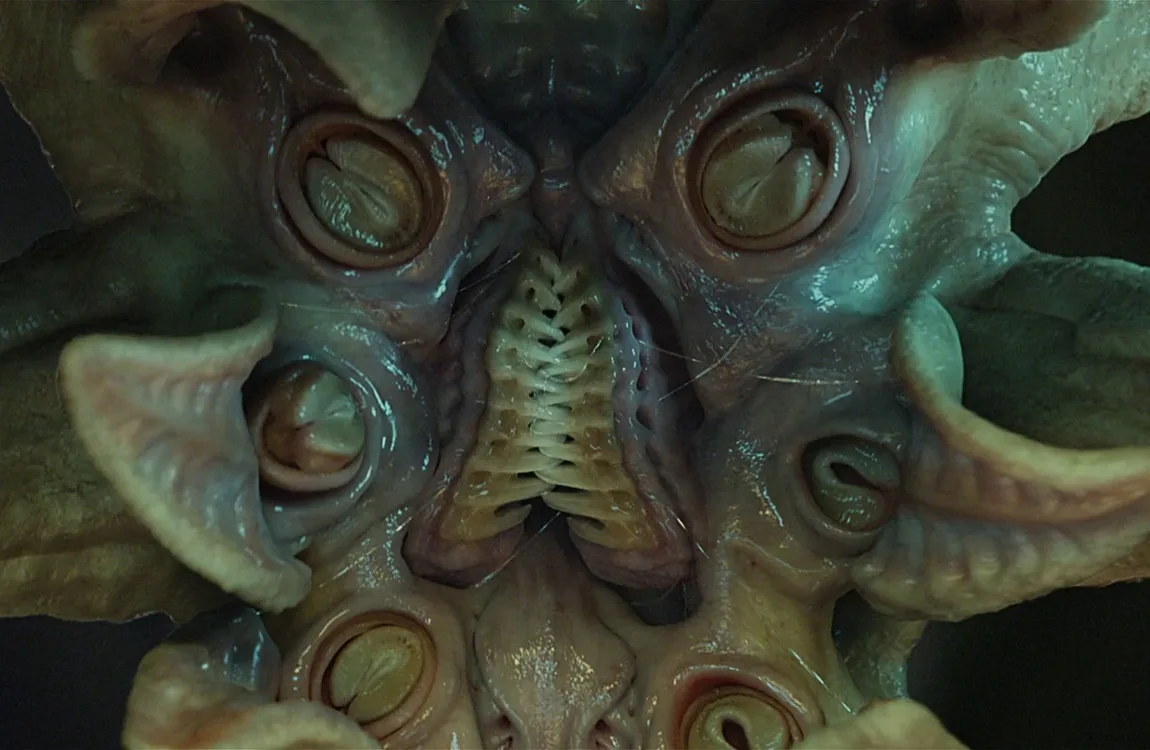
The adult Trilobite was about three meters tall and weighed roughly half a ton. Its juvenile form was much smaller and weighed only a few kilograms, but the creature grew at an extreme rate after Shaw removed it. The adult had pale skin, seven major arms, and a central oral proboscis used during implantation. Its body resembled a squid or octopus more than a traditional Xenomorph, but its function was similar to a Facehugger. It subdued a host by wrapping its arms around the victim, smothering them, and clamping over the head. Once attached, the Trilobite injected the host with a pathogen-based embryo that later developed into a Deacon.
Attack on the Engineer
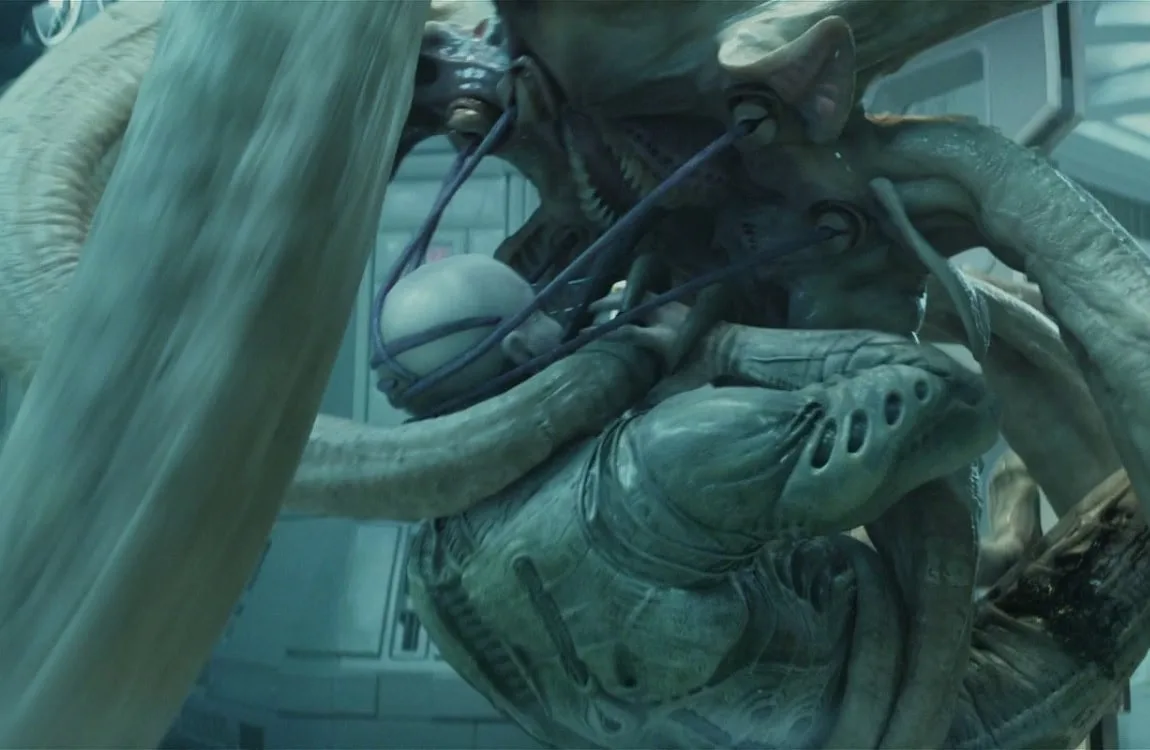
The Trilobite's main scene occurred near the end of Prometheus. After the Engineer survived the crash of the Juggernaut and reached the Prometheus lifeboat, he attacked Elizabeth Shaw. Shaw escaped by opening the medlab, where the fully grown Trilobite had been trapped since its removal. The creature immediately seized the Engineer with its long arms and pulled him into its body. Although the Engineer was much larger and stronger than a human, the Trilobite overpowered him and completed the implantation.
Implantation and Death
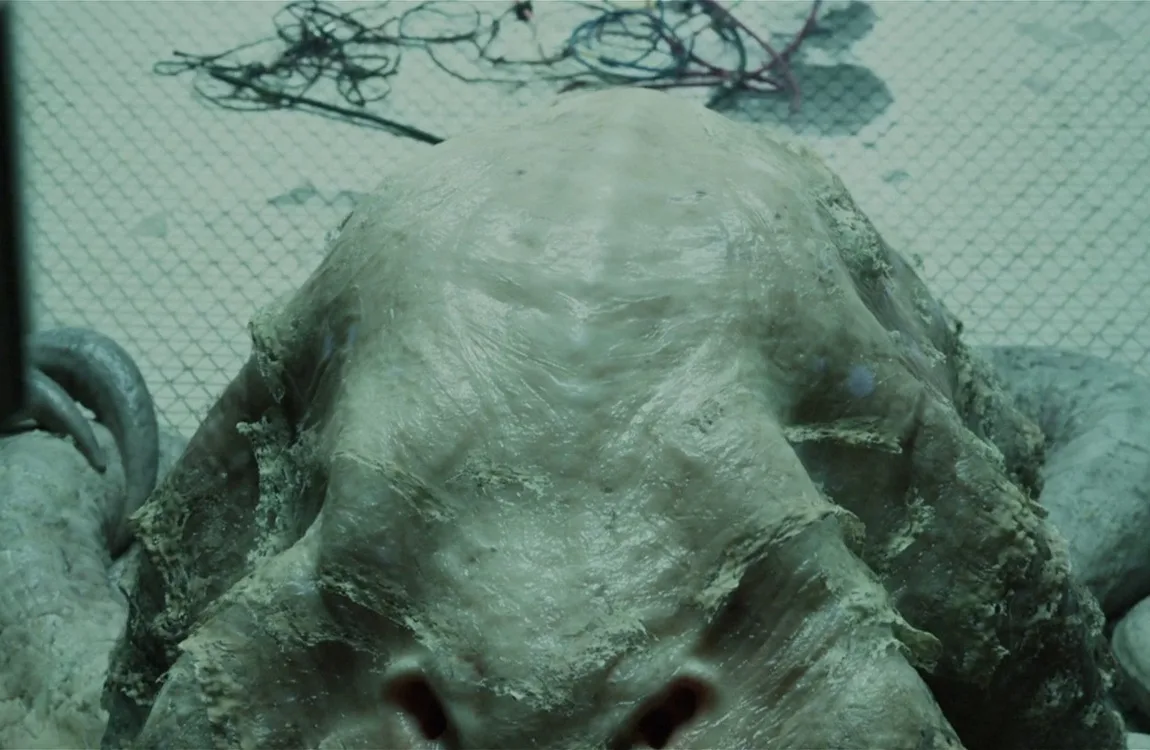
The Trilobite was not a long-term predator. Its main purpose was to capture a host and deliver the embryo that became the Deacon. After attaching to the Engineer, it used its proboscis to infect him with alien material. It then entered a catatonic state and remained wrapped around the host during the implantation process. Once the process was complete, the Trilobite released the Engineer and expired. This made it closer to a specialized reproductive stage than a conventional animal.
Connection to the Deacon
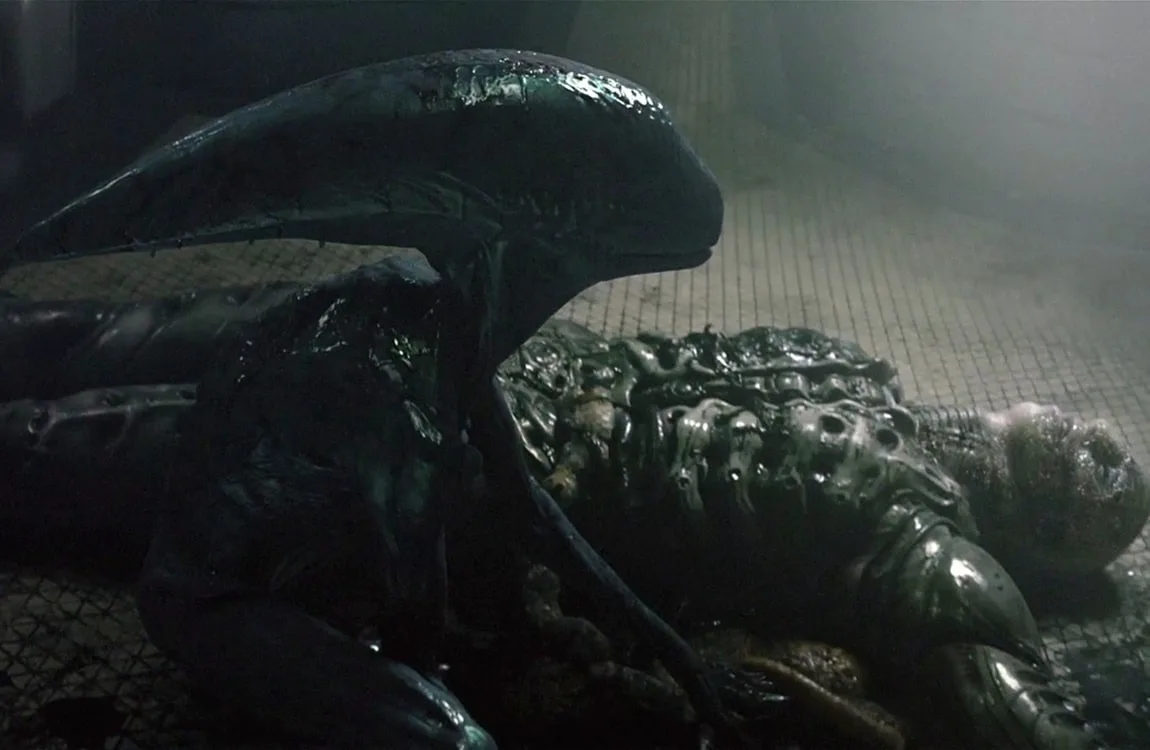
The Trilobite served as the delivery stage for the Deacon embryo. Its creation involved several steps: David infected Holloway with the black liquid, Holloway passed the infection to Shaw, Shaw removed the resulting organism, and that organism matured into the Trilobite. The Trilobite then used the Engineer as the final host. This chain made the Deacon different from a standard Xenomorph type, but it still followed a recognizable pattern of infection, implantation, and violent birth. The Trilobite therefore stands as one of the clearest links between the black liquid experiments and the later Xenomorph life cycle.
Behind the Scenes
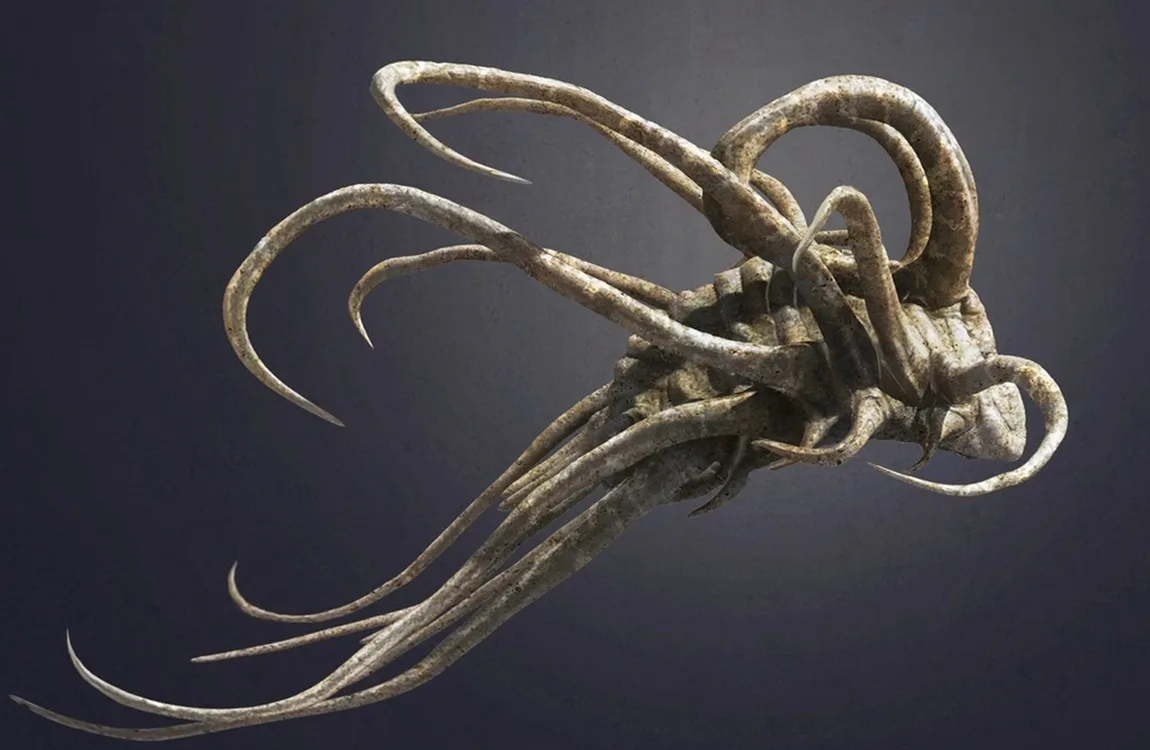
The Trilobite's name came from real-world trilobites, an extinct group of marine arthropods, although the final movie creature did not closely resemble them. Early designs explored a more fossil-inspired look, including concepts based on the trilobite genus Dicranurus, with horn-like head structures. The final design moved away from that direction and became a pale, squid-like organism with a disturbing soft-bodied appearance. Its skin color was influenced by the pale, flaky look of dead organic material preserved in formaldehyde. Creature artists including Ivan Manzella and Neville Page contributed concept work and digital design ideas for the Trilobite and its earlier forms. In Jon Spaihts' original Alien: Engineers script, a smaller "Octo-Facehugger" served a similar role and helped foreshadow the final Trilobite concept.
Other Appearances
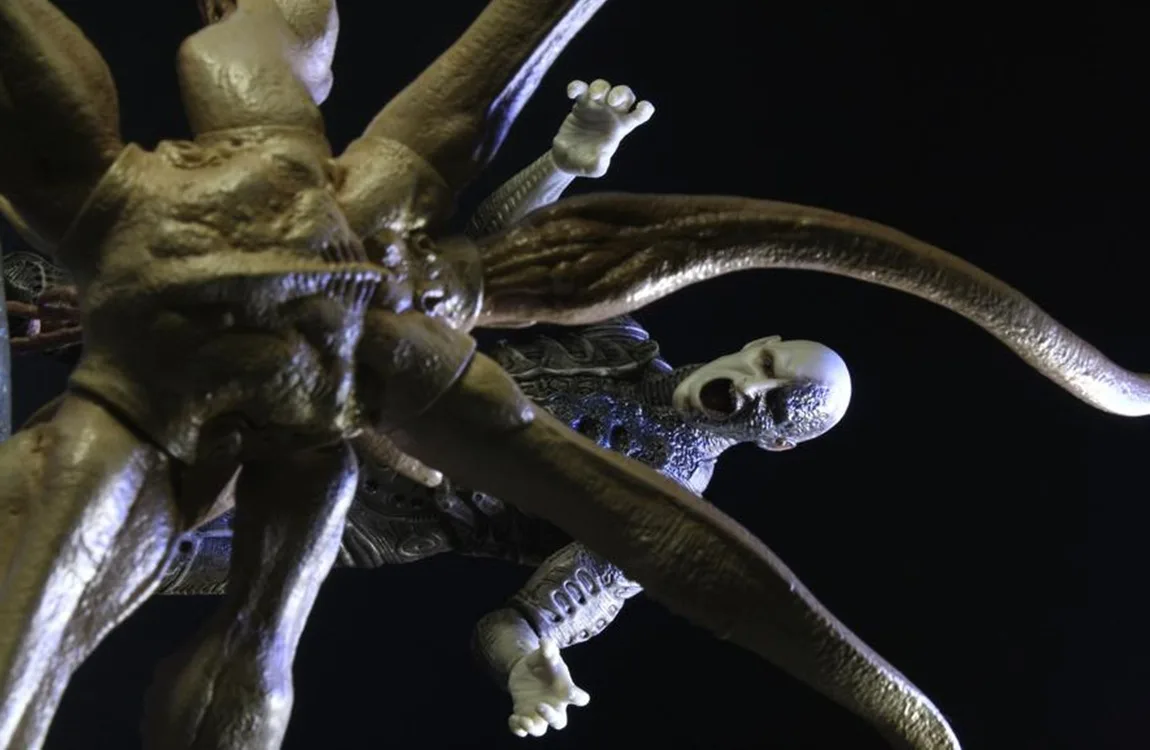
The Trilobite's main appearance was in Prometheus. It was later referenced or featured in expanded Alien material, including Alien: The Weyland-Yutani Report, Advent, Alien: Augmented Reality Survival Manual, Alien: The Roleplaying Game - Heart of Darkness, and Alien: The Roleplaying Game - Building Better Worlds. In Heart of Darkness, Trilobites appeared again during events connected to the Weyland-Yutani mining station Erebos and a living Proto-Hive. Aliens: Fireteam Elite 2 later used a similar oversized maw on the Harbinger, a pathogen hunter that pins Marines instead of implanting a host. The creature also received collectible merchandise, including NECA and Eaglemoss figures. Although it appeared only briefly in the film, the Trilobite became one of the most important Prometheus creatures because it directly created the Deacon.
Conclusion
In addition to the Hammerpede and Deacon, the Trilobite was one of the most important Proto-Xenomorph organisms introduced in Prometheus. It developed from the pathogen-created lifeform removed from Elizabeth Shaw, grew into a massive squid-like creature, and implanted an Engineer with the embryo that became the Deacon. Its seven arms, oral proboscis, rapid growth, and reproductive role made it a clear cousin to the Facehugger, even though it came from a different biological chain. In the larger Alien universe, the Trilobite showed how the black liquid could twist human and Engineer biology into a new life cycle. It also helped connect Prometheus to the wider Xenomorph mythos by presenting a brutal early form of host implantation before the familiar Facehugger and Chestburster cycle.
Appearances
- Prometheus (2012)
Tag Categories: Alien Lore | Prometheus Lore | Xenomorphs From The Movies | Pathogen Creatures