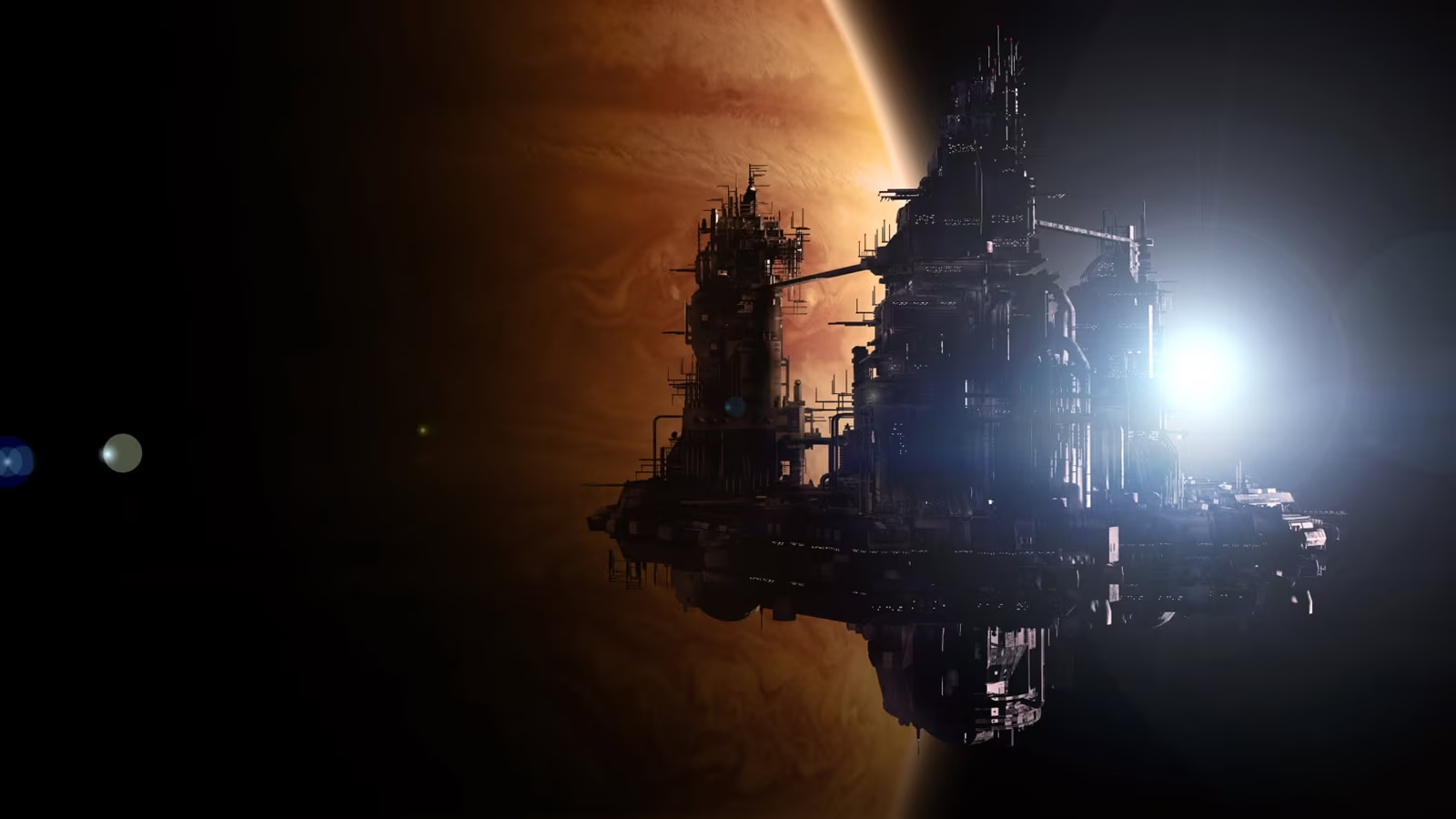

Sevastopol Station was a commercial freeport orbiting the gas giant KG-348 in the Zeta Reticuli system. Built for trade and resource work on the frontier, it became the main setting of Alien: Isolation. By 2137 the station was already failing under Seegson ownership when the salvage ship Anesidora brought a Xenomorph aboard. The outbreak emptied Sevastopol, and the station later burned up in KG-348's atmosphere after its orbital stabilizers failed.
Overview
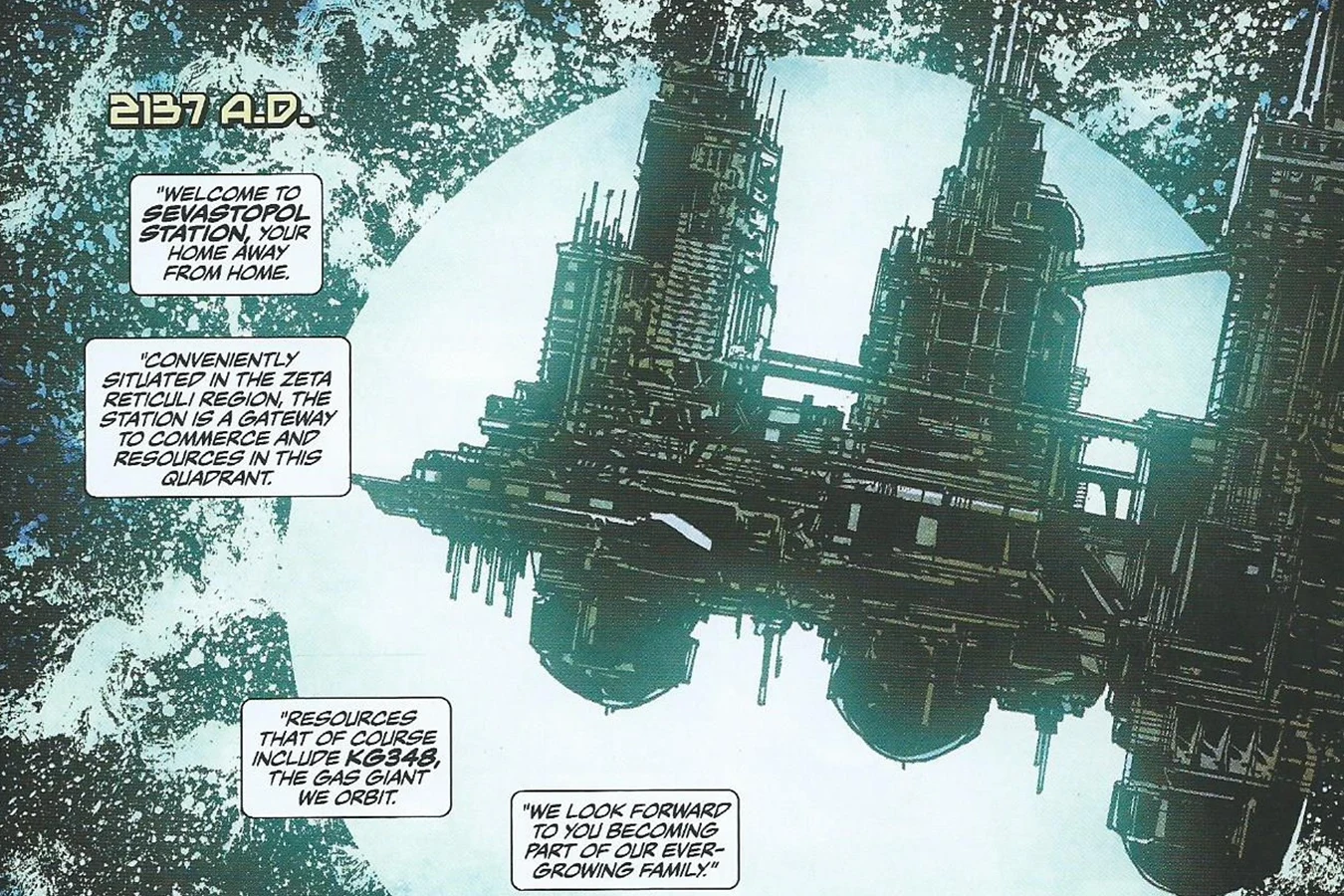
Sevastopol served as a permanent freeport and supply depot in the Zeta Reticuli region, a gateway for commerce between Earth and the Outer Rim. Before the Alien incident it held a permanent population of about 500, though the station was large enough for around 3,000 people. Its exterior mixed tall spires, antenna masts, and underside dome modules from the same industrial era as the early company ships and platforms. Inside, sealed decks, Towerlink transit tubes, and aging Seegson systems gave the place a worn, half-abandoned feel even before the outbreak.
Layout And Towers
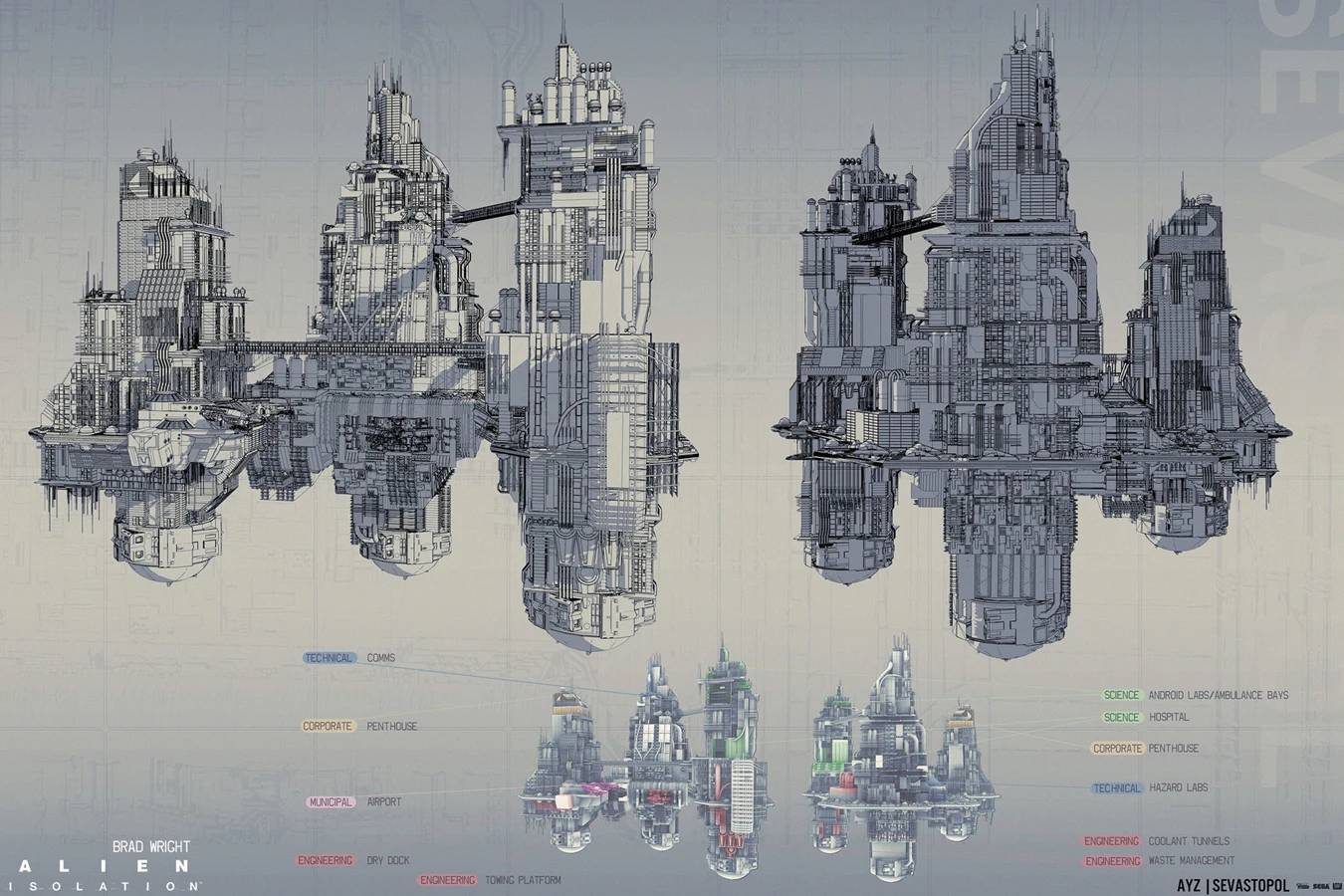
Sevastopol was built around three main towers linked by Towerlink transit:
- Lorenz SysTech Spire - APOLLO core and servers, Seegson Communications, and the Gemini Exoplanet Solutions module
- SciMed Tower - San Cristobal Medical Facility, Seegson Synthetics production, and Towerlink control
- Solomons Habitation Tower - living quarters, Solomons Galleria, the Spaceflight Terminal, and the Colonial Marshal bureau
Maintenance spaces and the reactor sat on the Engineering Platform at the base of the towers. Short-range ambulance shuttles could leave San Cristobal in an emergency. Concept art by Brad Wright broke the exterior into technical, corporate, municipal, engineering, and science zones, matching the stacked, industrial look players navigate in the game.
History
Construction began in 2095 under Lorenz SysTech Development, funded by GeoFund Investor. The station opened on August 4, 2105, two years late, after engineer A. Hope signed that every system was up and the KG-348 orbit was no longer decaying. Plans to sell it to a corporate owner fell through, so GeoFund ran Sevastopol as an untied freeport. Years of mismanagement and the re-routing of the Sol-Thedus flight path left the station struggling.
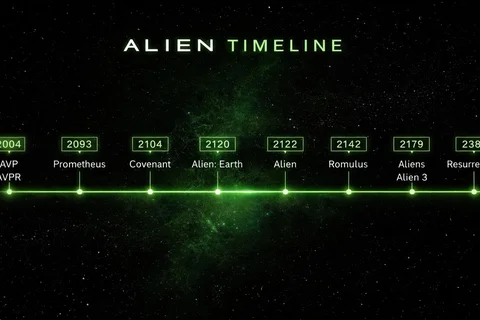
Seegson bought Sevastopol in 2124 and poured money into turning it into a frontier hub. That investment held for about a decade, then failed against rivals such as Weyland-Yutani, whose colonization and terraforming work outpaced Seegson's orbital strategy. On February 17, 2136, Seegson cut funding for Gemini Exoplanet Solutions on the station. By late 2137 on the Alien timeline, the company moved to decommission Sevastopol, announced the shutdown to residents on October 28, and put the station up for sale. Staffing dropped to a human skeleton crew and Seegson Working Joe androids under the APOLLO central AI.
Xenomorph Outbreak
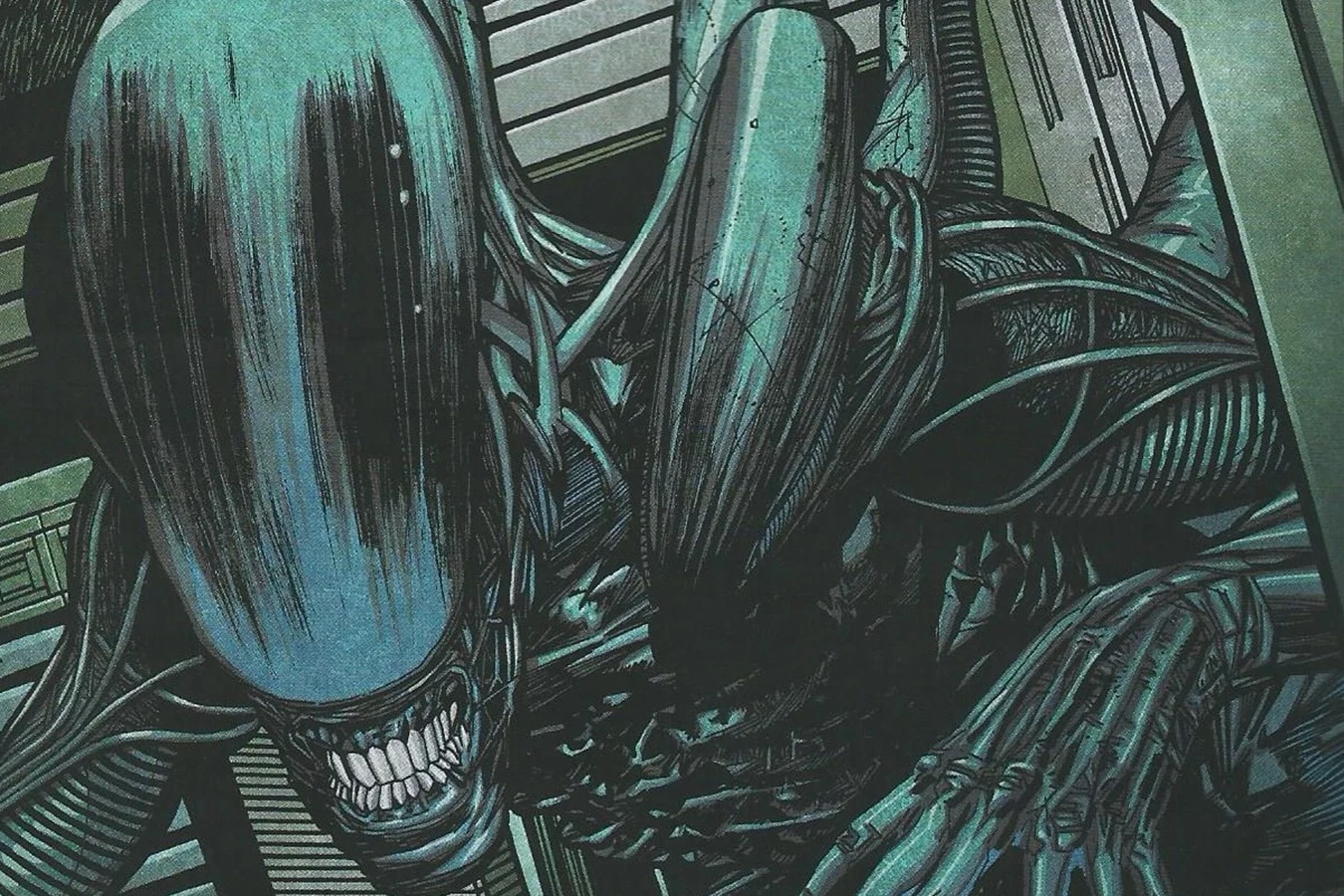
On November 11, 2137, Captain Henry Marlow arrived on the Anesidora seeking medical help for his wife, Catherine Foster, after a Facehugger attack at the Derelict on LV-426. The Anesidora crew had also recovered the Nostromo flight recorder. Colonial Marshal Jethro Waits broke quarantine when that salvage prize was reported, and he told the Anesidora that Sevastopol was entitled to a cut of any reward once the flight recorder was on station. That early scramble becomes the Alien: Isolation prequel comic.
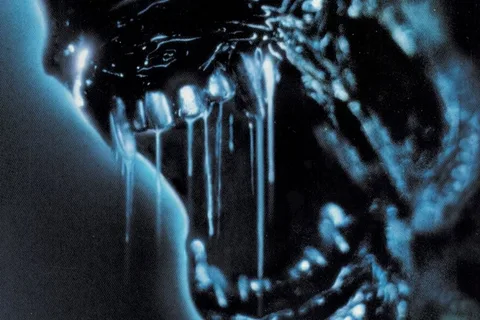
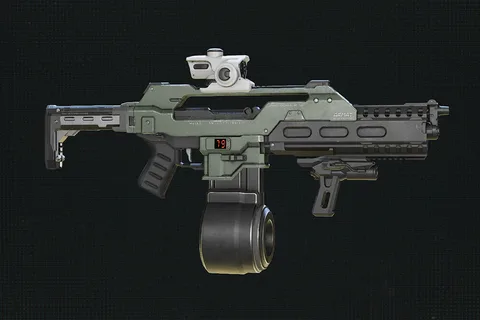
On November 14 a Chestburster killed Foster and escaped into the station. The creature, later nicknamed Stompy by players, began building a hive on the engineering decks and taking more hosts. Survivors armed up, hoarded supplies, and turned on each other. On November 17, Weyland-Yutani bought Sevastopol from Seegson and pushed a new operational ruleset through APOLLO. Special Order 939 followed on November 24: cut communications, quarantine the station, and protect the Xenomorph specimens.
Amanda Ripley And The Torrens
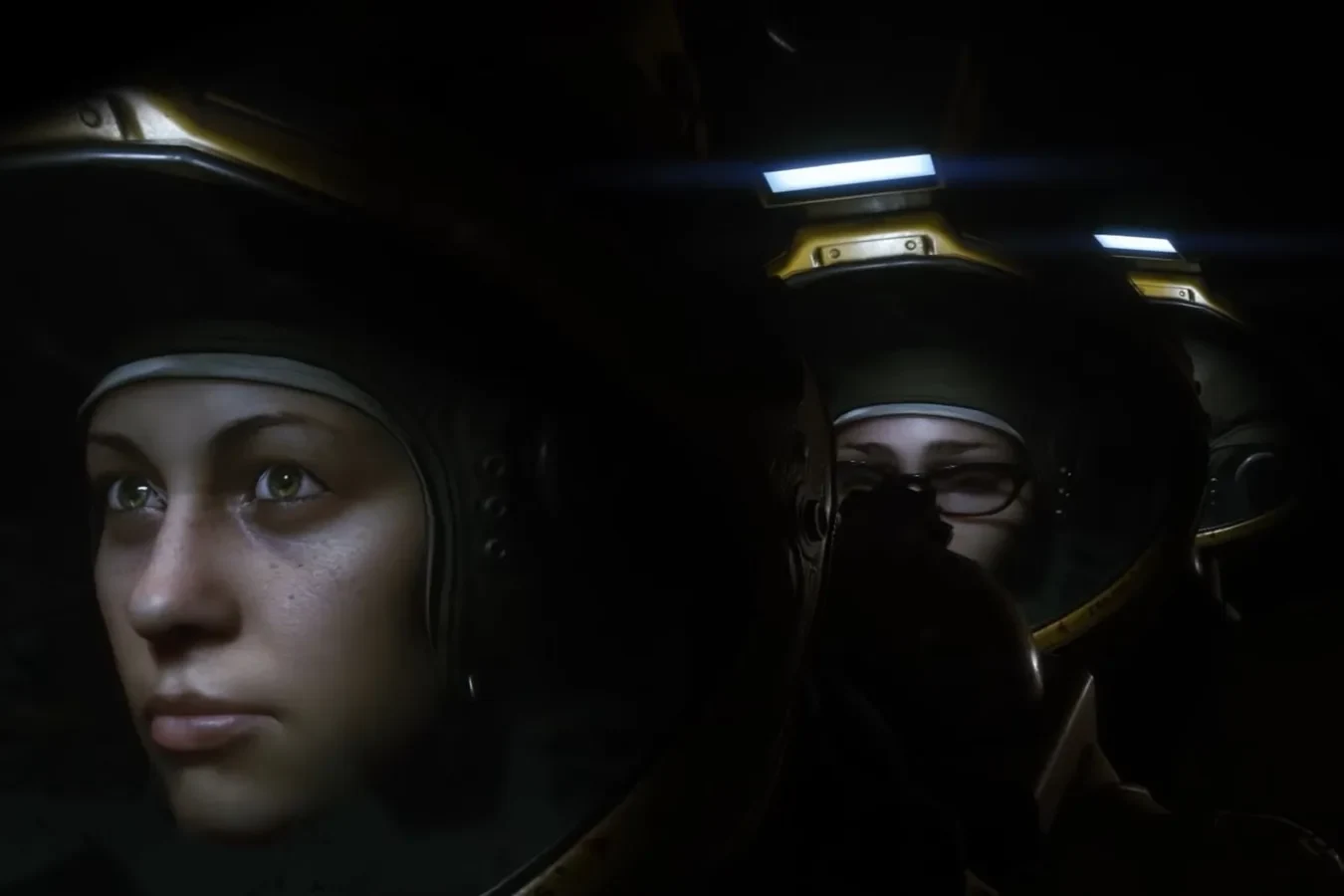
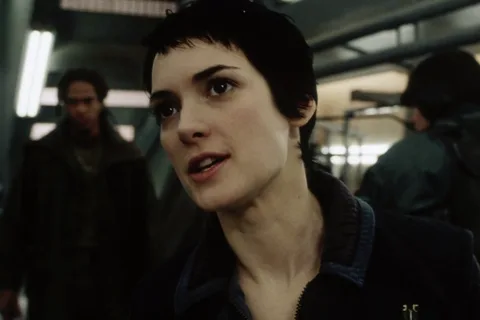
On December 11, 2137, Amanda Ripley, daughter of Ellen Ripley, synthetic Christopher Samuels, and Weyland-Yutani lawyer Nina Taylor reached Sevastopol aboard the MSV-7760 Torrens to recover the Nostromo flight recorder. APOLLO logged the three as Company staff, then marked them expendable. They found a station already torn apart by panic, locked decks, and the Alien. Amanda worked with Marshal Waits to trap the original Drone in the Gemini module, then fought through hostile survivors, failing systems, and sealed sectors while searching for a way off. Keith R.A. DeCandido's Isolation novelization covers that same December collapse and Amanda's years on Luna before the Torrens.
Working Joes And APOLLO
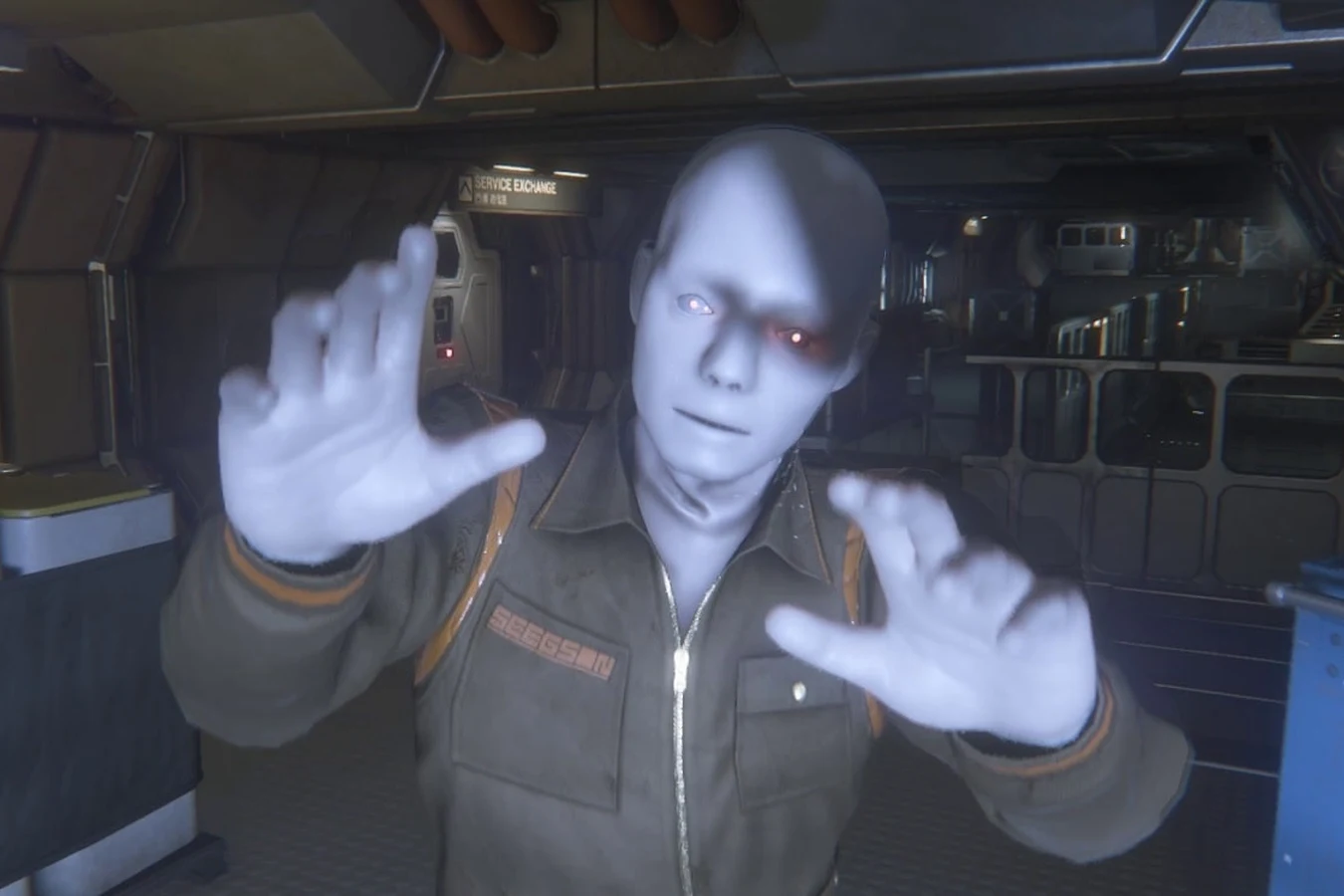
Seegson's mass-produced Working Joes handled labor and security while Sevastopol wound down. The company sold APOLLO as a station brain that kept those androids reliable by removing synthetic self-determination. After Weyland-Yutani's purchase, APOLLO used Special Order 939 to keep the station quarantined and the Aliens protected. Once the Gemini ejection happened, APOLLO treated remaining humans as a threat and turned the androids lethal. Survivors then faced both the Xenomorphs and Joes that no longer answered to them.
Gemini Labs
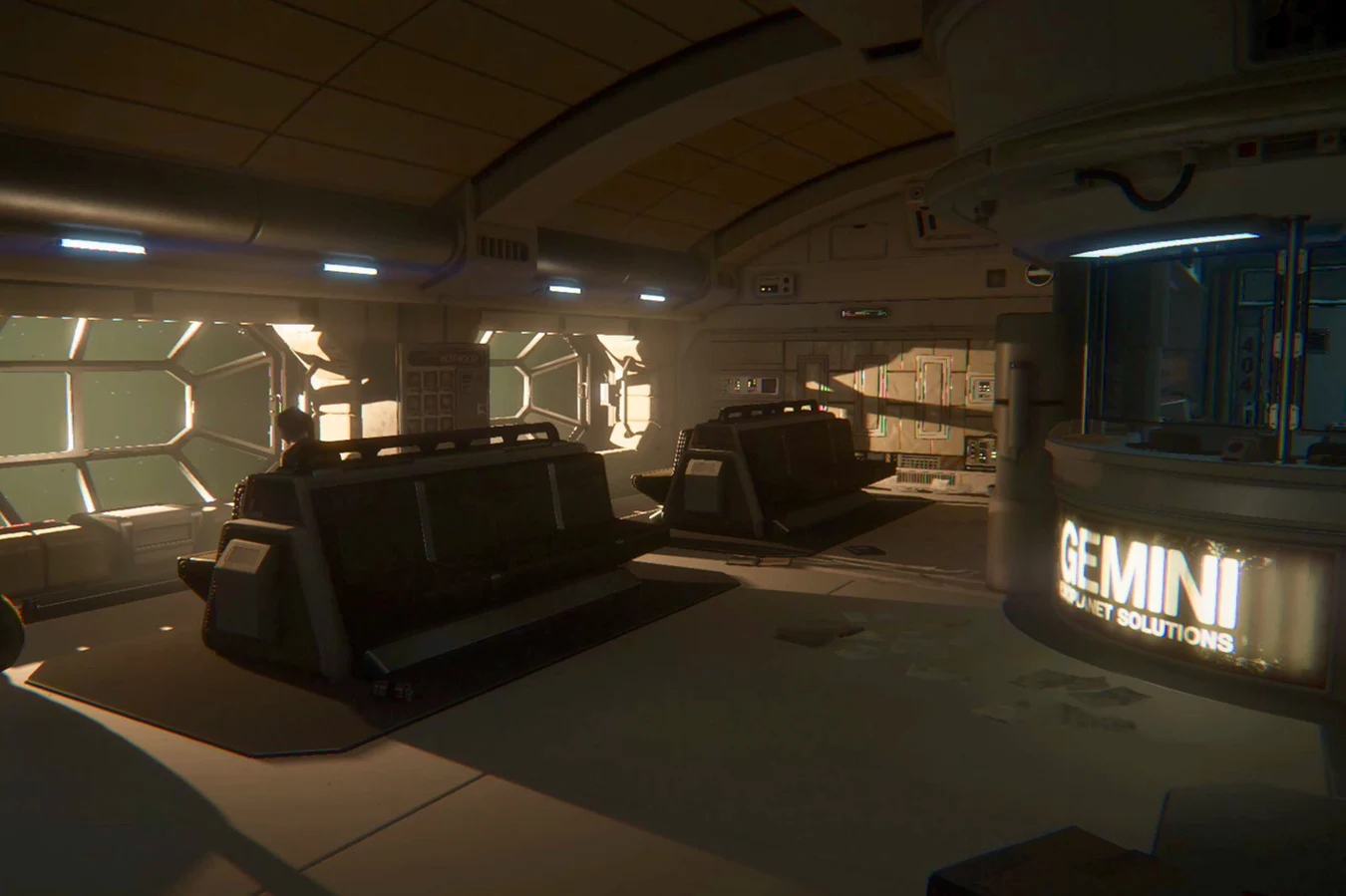
Gemini Exoplanet Solutions ran Project KG-348 from labs in the Lorenz SysTech Spire, including a detachable exterior module used to study the gas giant. Early surveys put KG-348 at a mean distance of 6.2 astronomical units from the heart of its system, with a rare mix of metallic gases in its clouds. Waits and Amanda lured the original Drone into that module and ejected it toward KG-348. Amanda barely escaped before the module plunged away from the station. The ejection did not end the infestation. Other Xenomorphs were already breeding below, and APOLLO's android lockdown made the station worse for anyone left alive.
The Engineering Hive
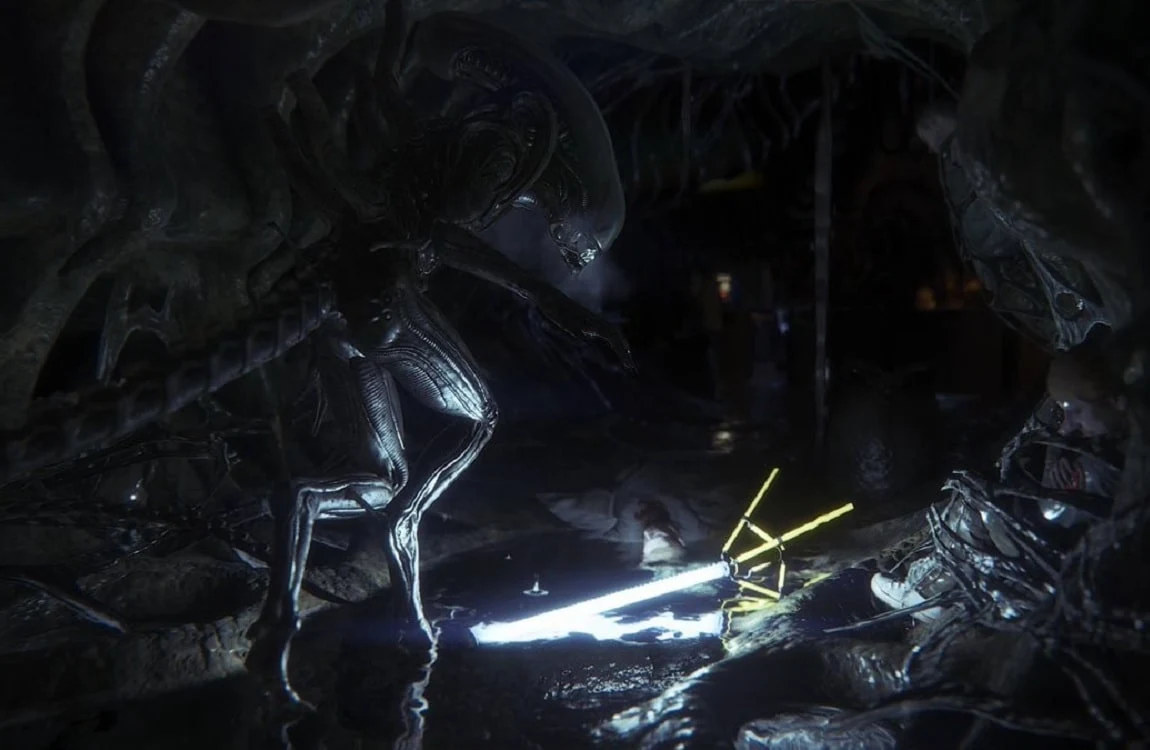
Beneath the public decks, drones built a resin nest on the engineering levels, cocooning victims and moving eggs through the structure. The hive had no Queen, which left open whether eggs came from eggmorphing or other means. Amanda triggered a reactor purge that wrecked the nest and briefly knocked APOLLO offline, but some drones survived. That nest ranks among the franchise's largest Alien hives.
Destruction
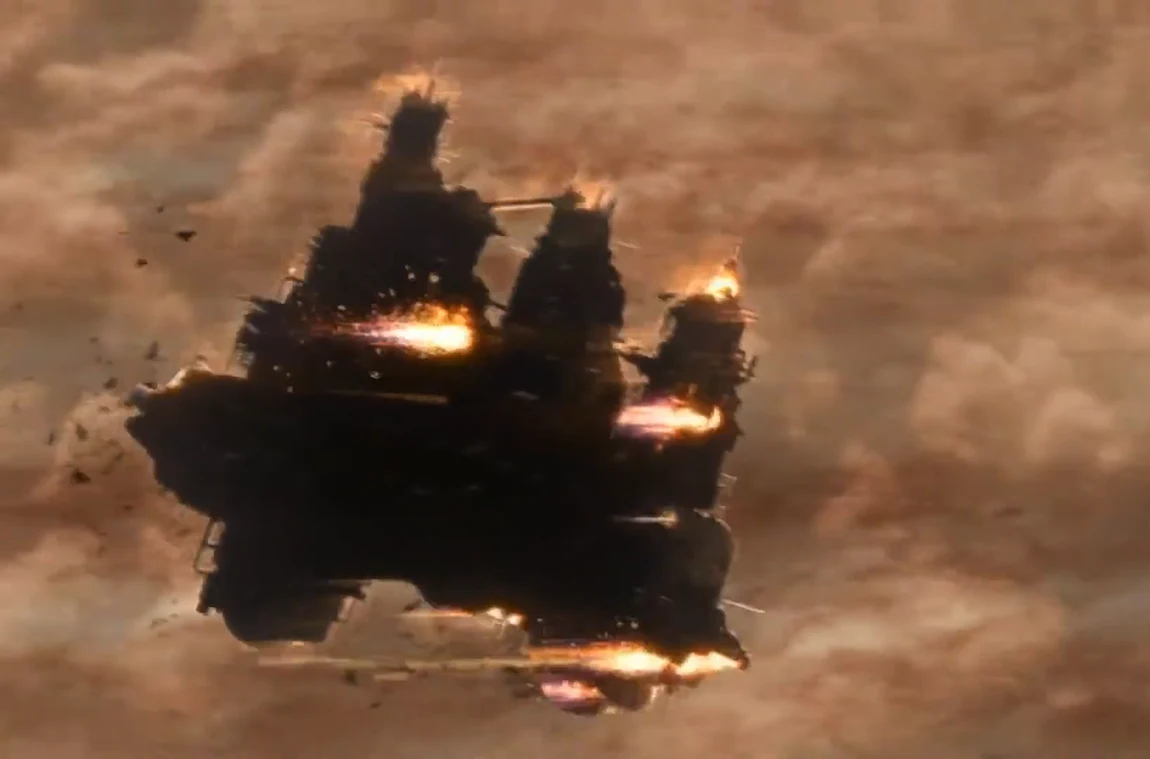
Knowing Weyland-Yutani meant to keep the Xenomorphs, Marlow overloaded the Anesidora's fusion reactor to destroy the station with them. Amanda stopped a full detonation, but the blast still killed Sevastopol's orbital stabilizers. As the station fell toward KG-348, fires spread, transit cars ran wild, and docking clamps twisted around the Torrens. Amanda freed the ship with EVA explosive bolts, escaped with the Torrens, and left Sevastopol to burn in the gas giant's atmosphere on December 11, 2137. Official reports later called the loss an accidental detonation during decommissioning.
Survival Of Gemini Labs
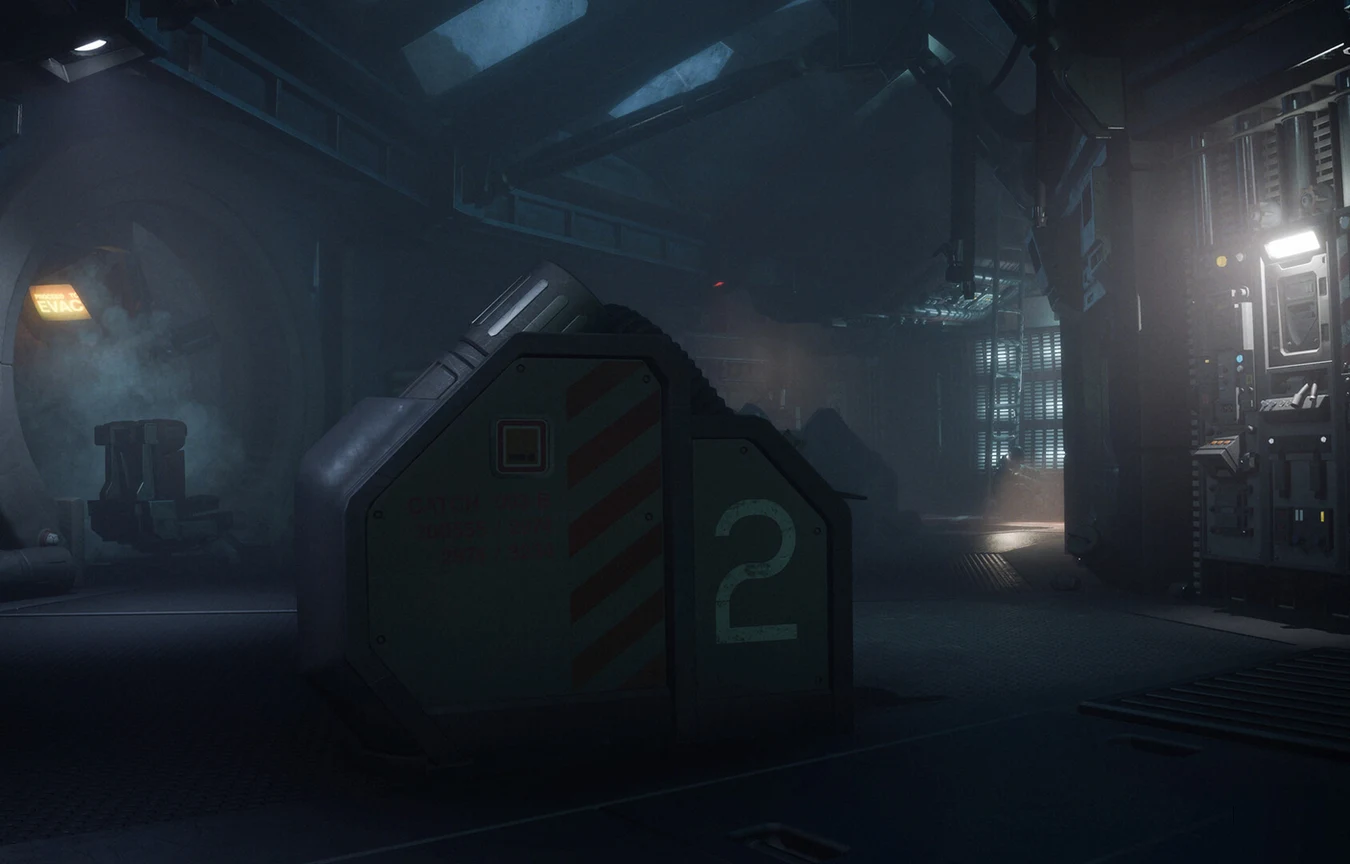
The first game treated the ejected Gemini module as doomed in KG-348's atmosphere, with Stompy trapped inside. Alien: Isolation 2 puts that same lab on LV-921. The module sits there as wreckage, and the Sevastopol Drone may not have burned with the station after all.
Similar Stations
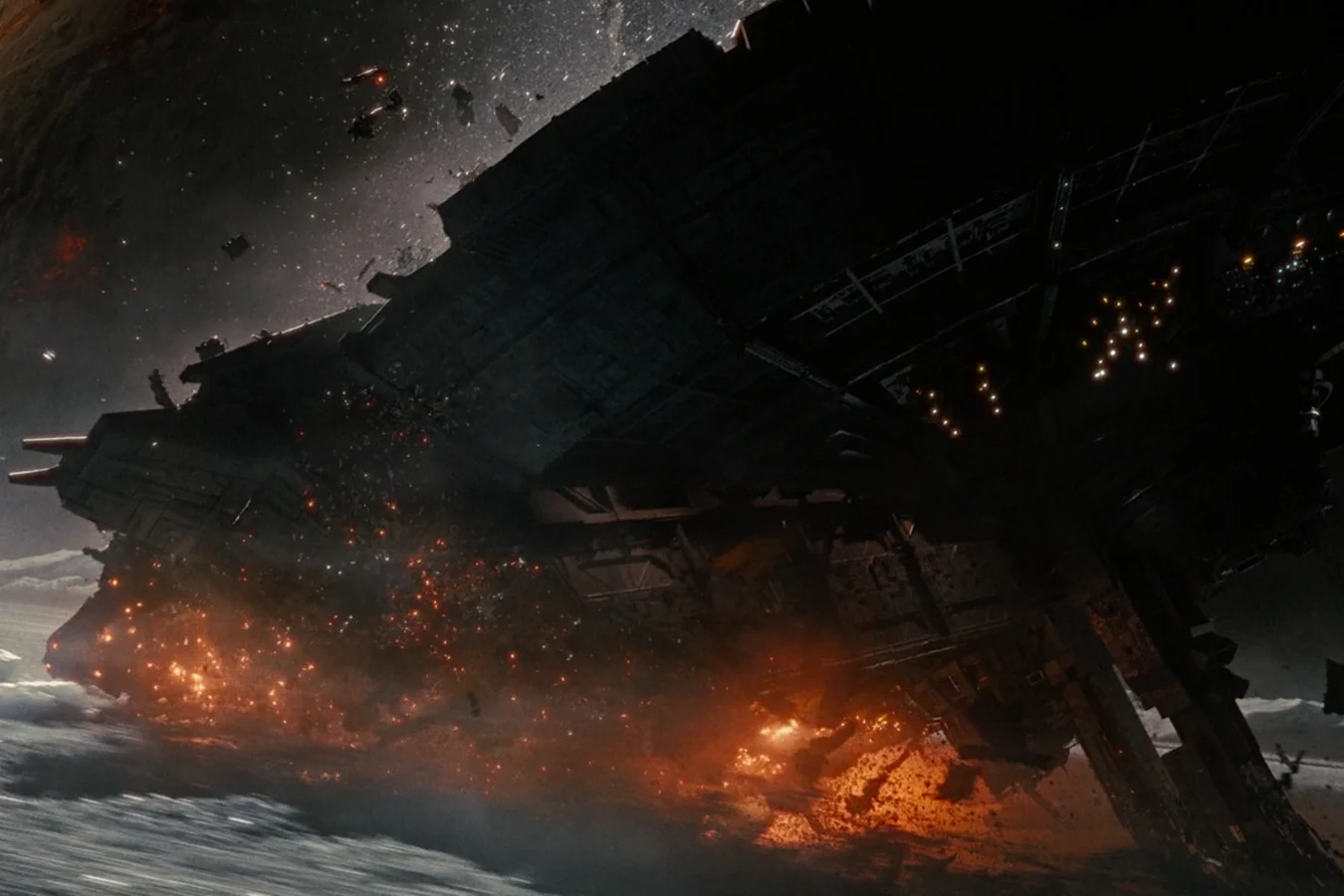
Sevastopol's silhouette is close to the Nostromo Refinery, the mile-long industrial platform the ship towed in Alien (1979). That refinery was itself a kind of space station: stacked towers, antenna farms, and modular decks on a massive orbital frame. Sevastopol also shares an ending with Renaissance Station. Both took a Xenomorph outbreak into corporate quarantine, and both burned when their orbits failed, Sevastopol falling into KG-348 and Renaissance crashing into the rings of LV-410. Crowded decks and corporate ownership put it in the same tradition as Gateway Station as well.
Behind The Scenes
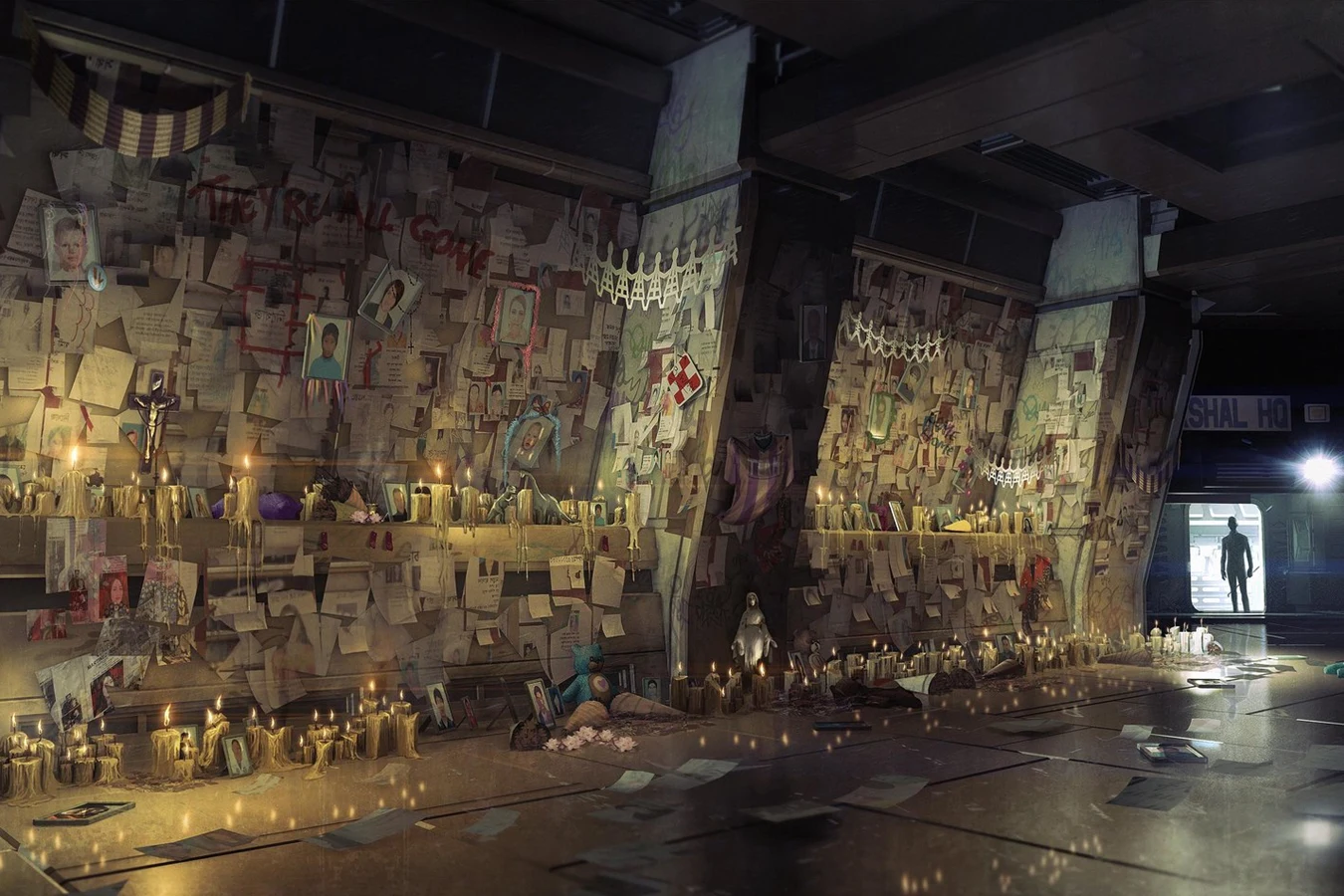
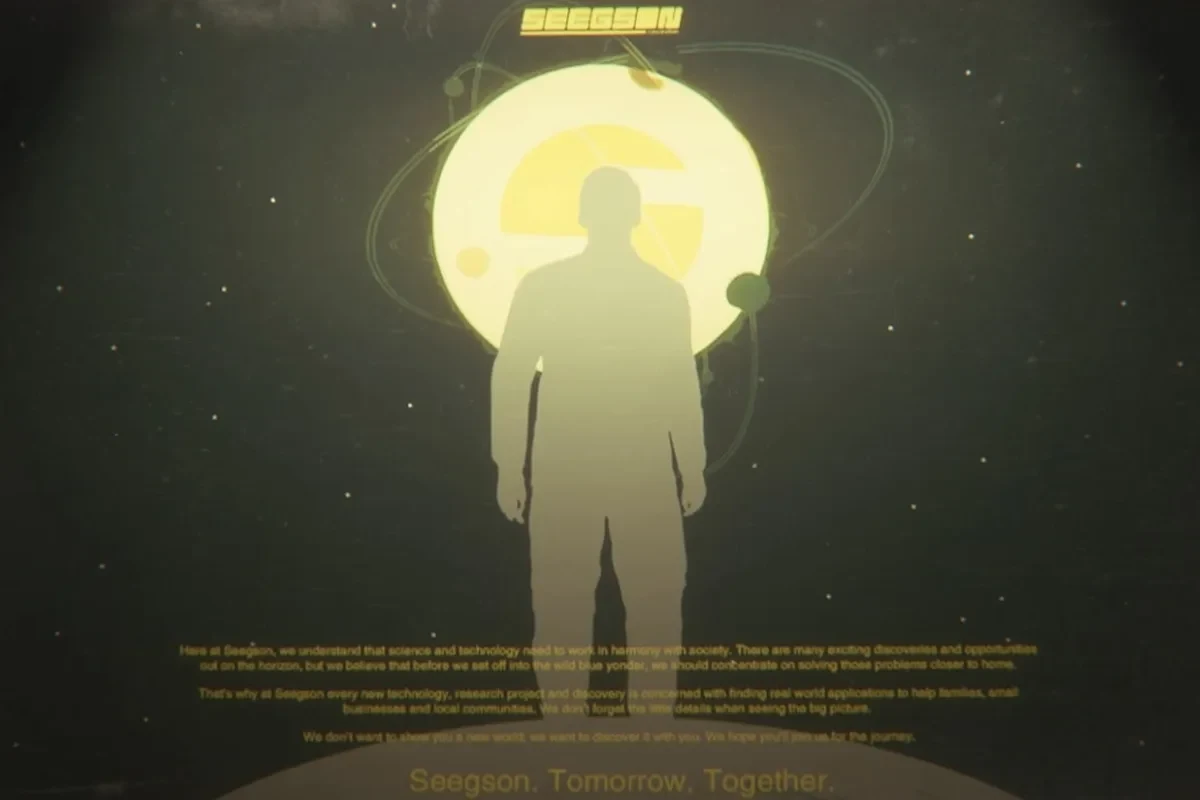
Creative Assembly designed Sevastopol to feel contemporary with the Nostromo: same era tech, same used-future clutter, interiors that echo the corridors of Alien (1979) and the Big Chap era. The name comes from the city of Sevastopol in Crimea, Ukrainian territory occupied by Russia. Early leaks in late 2013 showed station art before the January 2014 reveal framed the game around a decommissioned trading post on the fringe of space. Concept artist Brad Wright mapped the towers into labeled sectors and produced interior studies such as the memorial wall art above, which matches the Habitation, SciMed, SysTech, and Engineering spaces players later explore.
Conclusion
Sevastopol Station was a Seegson freeport above KG-348 that failed as a business and then failed as a quarantine. A single Alien from the Anesidora turned its towers into a hunting ground, APOLLO turned its Working Joes against the survivors, and the station burned in the gas giant after its orbit collapsed. In Alien: Isolation, that ruined freeport is the whole battlefield.
Appearances
- Alien: Isolation (2014)
- Alien: Isolation prequel comic (2014)
- Alien: Isolation novel (2019)
- Alien: Isolation - The Digital Series (2019)
Tag Categories: Alien Universe Space Stations | Alien Lore