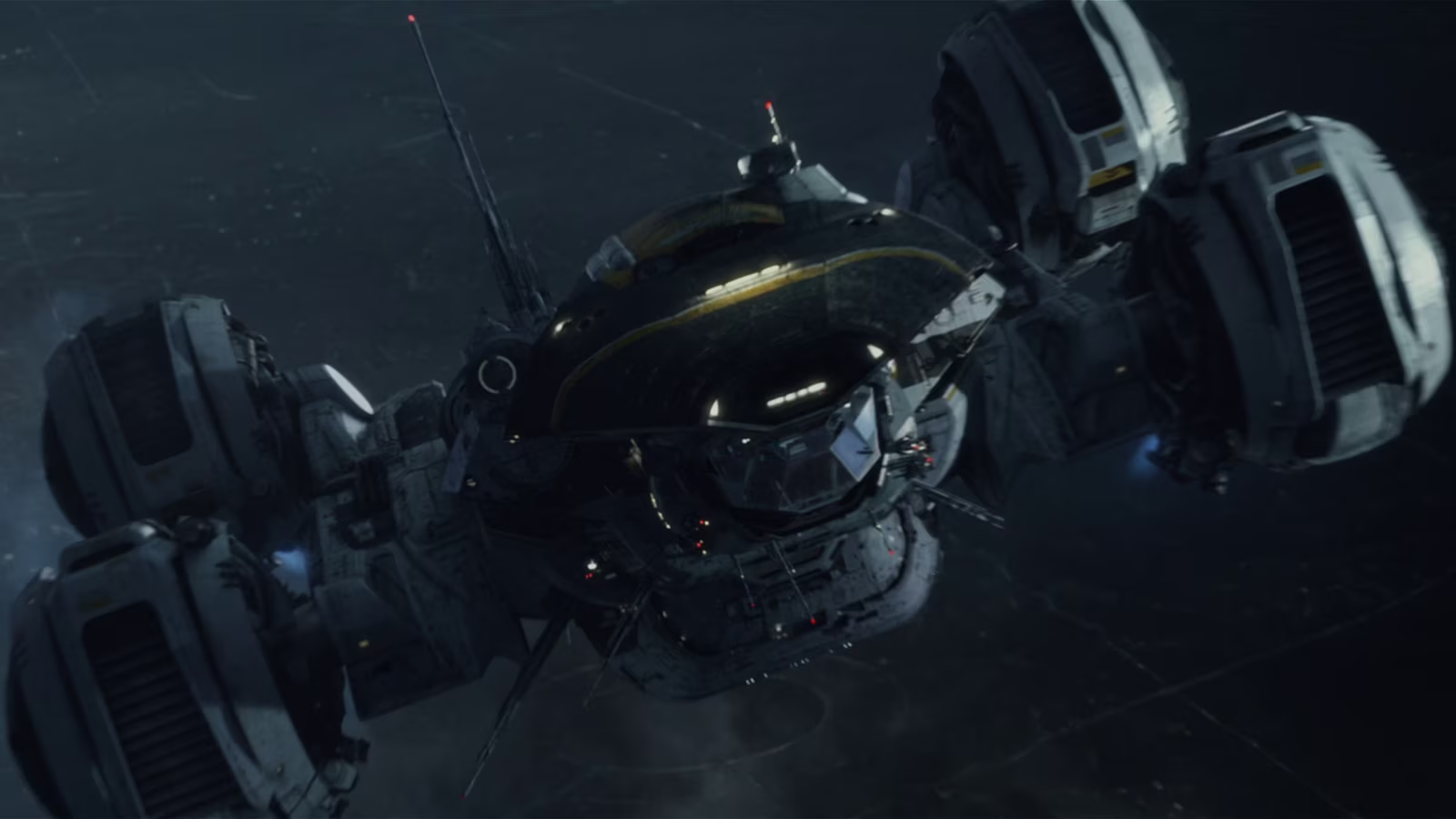

The USCSS Prometheus was a faster-than-light scientific exploratory starship in the Alien franchise, appearing in Prometheus (2012). Designed and operated by Weyland Corp, it was sent on a long-range expedition to investigate the mysterious moon LV-223 and the species later known as the Engineers. The mission ended in catastrophe when the ship and its crew encountered unforeseen dangers related to the Black Goo Pathogen.
Significance Of The Ship's Name
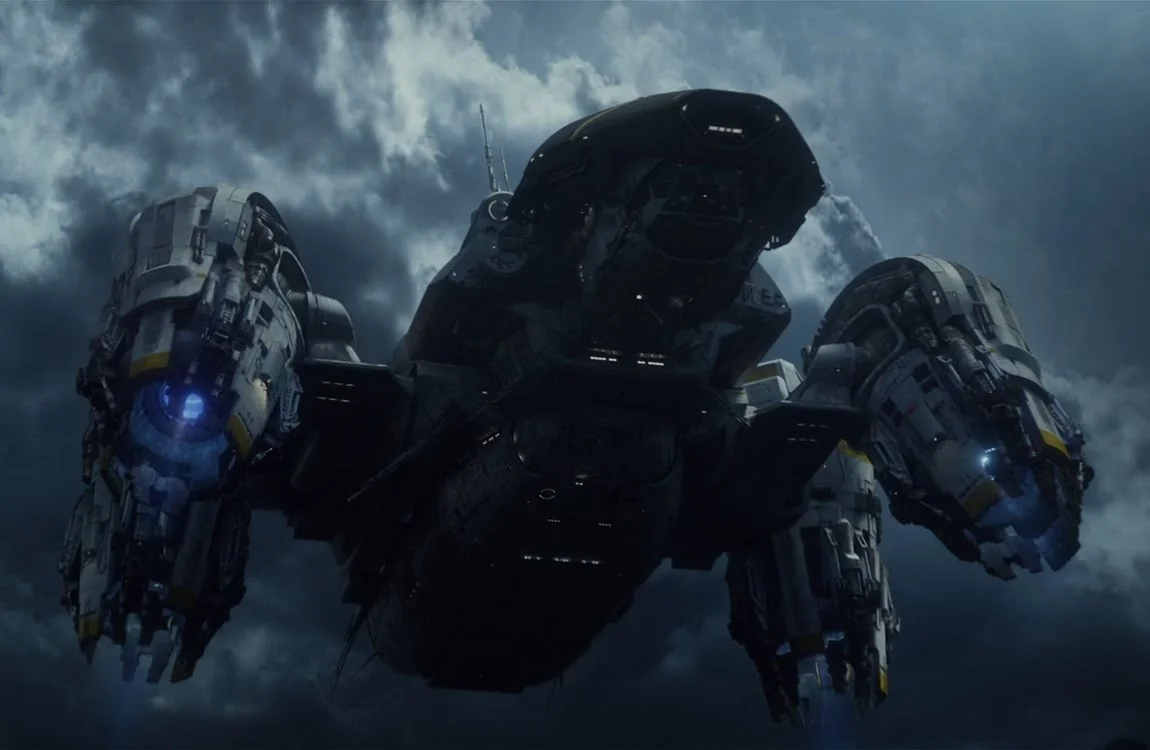
The USCSS designation beside the Prometheus means The United States Cargo Star Ship and most of the other Weyland-Yutani ships have the same indication. The Colonial Marine warships like the Sulaco are marked with USS, meaning just United States Ship. Unlike many other ships in the Alien series, the name "Prometheus" is not taken from one of Joseph Conrad's novels. The name Prometheus referenced the mythological Titan who brought knowledge to humanity, reflecting the expedition's goal of uncovering profound truths about human origins. It is also the name of the movie, just like the USCSS Covenant.
Origins and Design
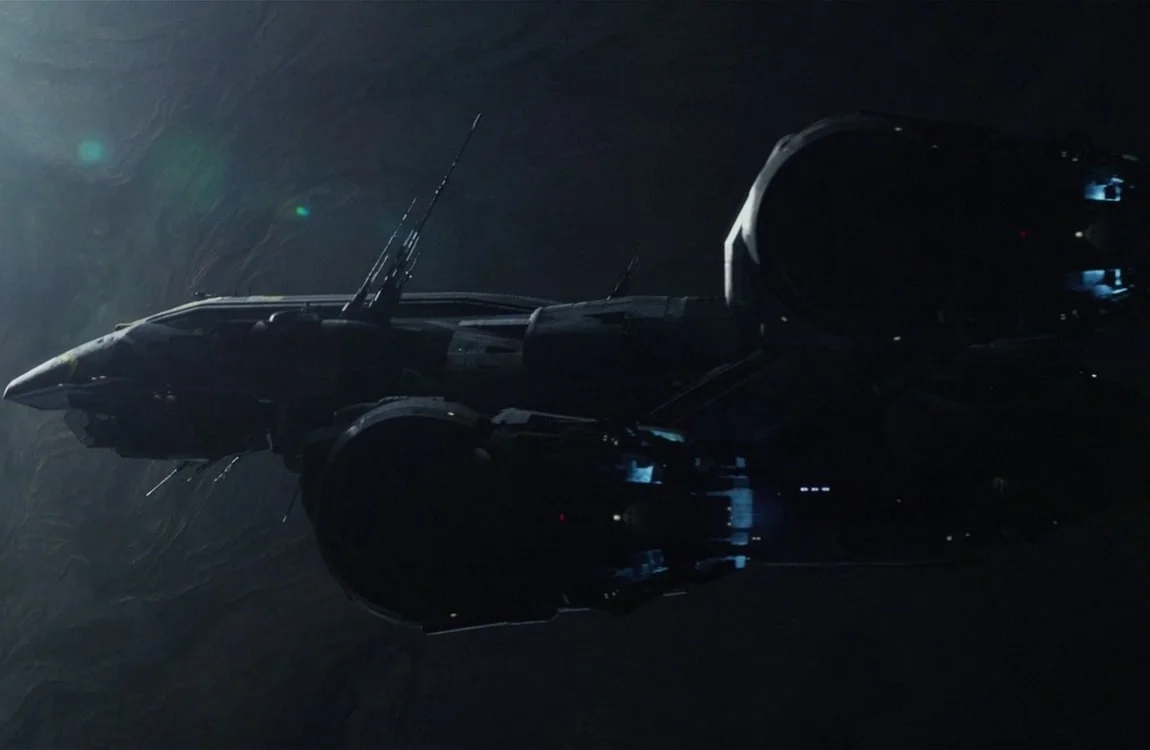
In the expansive Alien timeline, the Prometheus was unveiled by Weyland Corp on July 9, 2072, and its first flight occurred in 2073. The vessel was part of the Heliades series but was larger and featured redesigned structural elements and advanced systems intended to support extended deep-space missions. Funding came from corporate, government, and private sources. The mission of the USCSS Prometheus originated from the discovery of a recurring star map depicted in the artwork of several ancient and geographically unconnected human cultures, which archaeologists Elizabeth Shaw and Charlie Holloway interpreted as an invitation left by humanity's creators, the Engineers.
Specifications
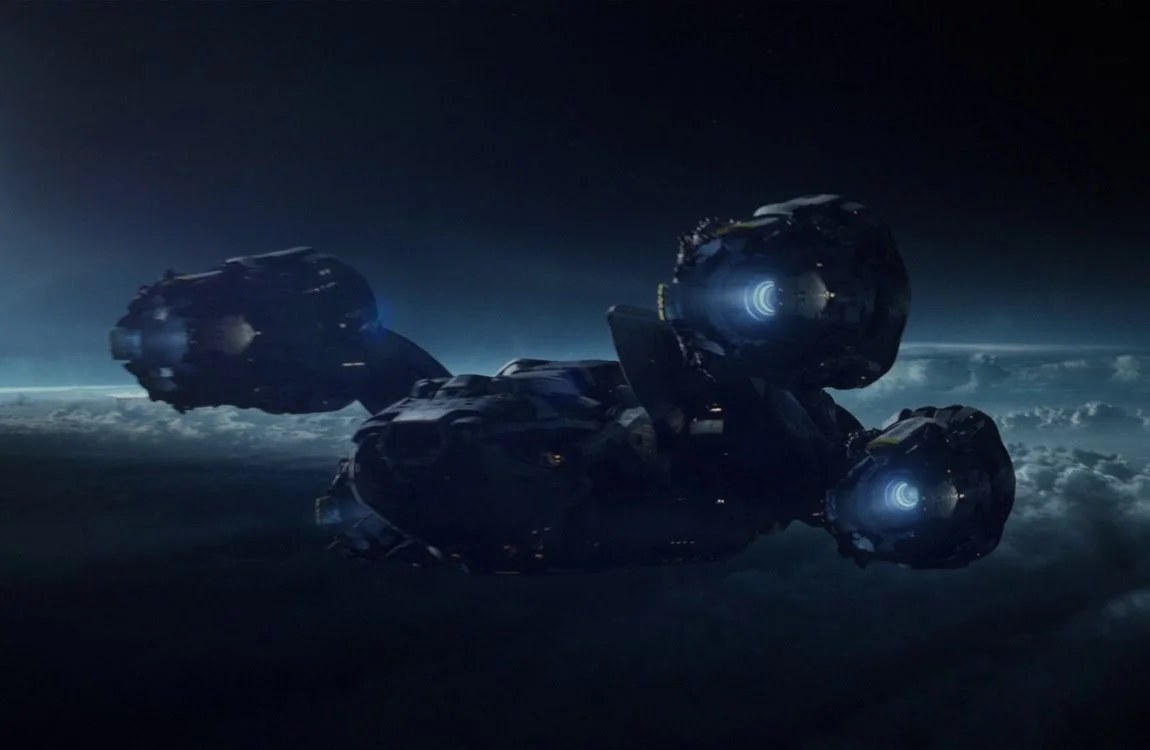
The USCSS Prometheus was a Heliades-class J Scientific Exploratory Vessel built and operated by Weyland Corporation. The Prometheus' size was approximately 130 meters (427 feet) in length, 48.75 meters (160 feet) in width, and 36.5 meters (120 feet) in height. It was powered by four nuclear-powered ion plasma engines driven by nuclear fission generators, enabling faster-than-light travel as well as vertical takeoff and landing capability. The maximum speed of the USCSS Prometheus was about 15 to 20 times the speed of light. The ship featured independent advanced navigation systems, extensive communications antennae, and sensor arrays designed for long-range reconnaissance. Although not intended for combat, the Prometheus carried an armory of pistols, shotguns, and flamethrowers. Its cargo capacity reached up to nine million tons and included five RT Series Group Transports, four NR-9 Series All Terrain Vehicles, two heavy mineral extractors, seventeen hypersleep chambers, eight Class-A individual crew ejection pods, and a Class D crew escape module integrated into the mission director's suite. At the time of its launch, the Prometheus was the most advanced and expensive deep-space exploration vessel ever constructed, with an estimated cost of one trillion dollars.
Crew and Human Element

The Prometheus carried a crew complement of seventeen personnel representing a wide range of scientific, technical, and security disciplines, under the command of Captain Idris Janek and mission director Meredith Vickers. Key members included pilots Emun Chance and Benedict Ravel, archaeologists Elizabeth Shaw and Charlie Holloway, and the synthetic android David, who served as mission attendant and remained active throughout the journey. Supporting staff included a biologist, geologist, medical personnel, mechanics, and mercenary security officers tasked with maintaining order during surface operations. Weyland Corporation founder Peter Weyland was secretly aboard the vessel in hypersleep, a fact concealed from most of the crew. While the human crew traveled to the Zeta Reticuli system in hypersleep, David maintained ship operations and studied human languages and behavior.
The Mission To LV-223
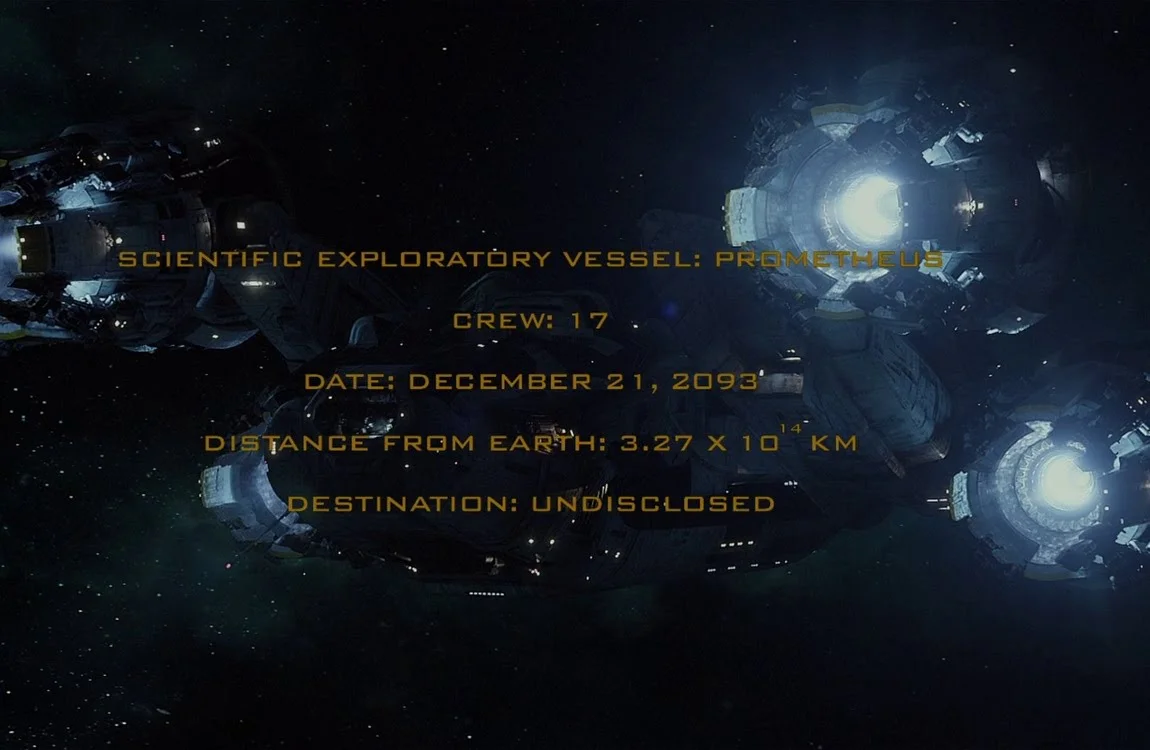
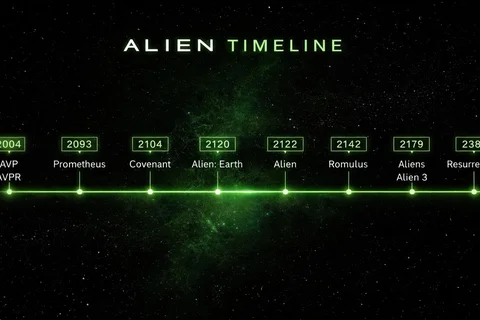
Weyland Corporation dispatched the ship in 2091 to LV-223, a moon orbiting the gas giant Calpamos in the Zeta Reticuli system. LV-223 was near LV-426 (Acheron from Alien and Aliens), one of the other moons orbiting the planet. After a two-year faster-than-light journey, the ship arrived in 2093, at which point the crew was fully briefed on the mission's true objective: to locate and study the Engineers and determine their role in the origin of human life. Mission director Meredith Vickers imposed strict protocols prohibiting unauthorized contact with any discovered lifeforms.
Landing On The Planet
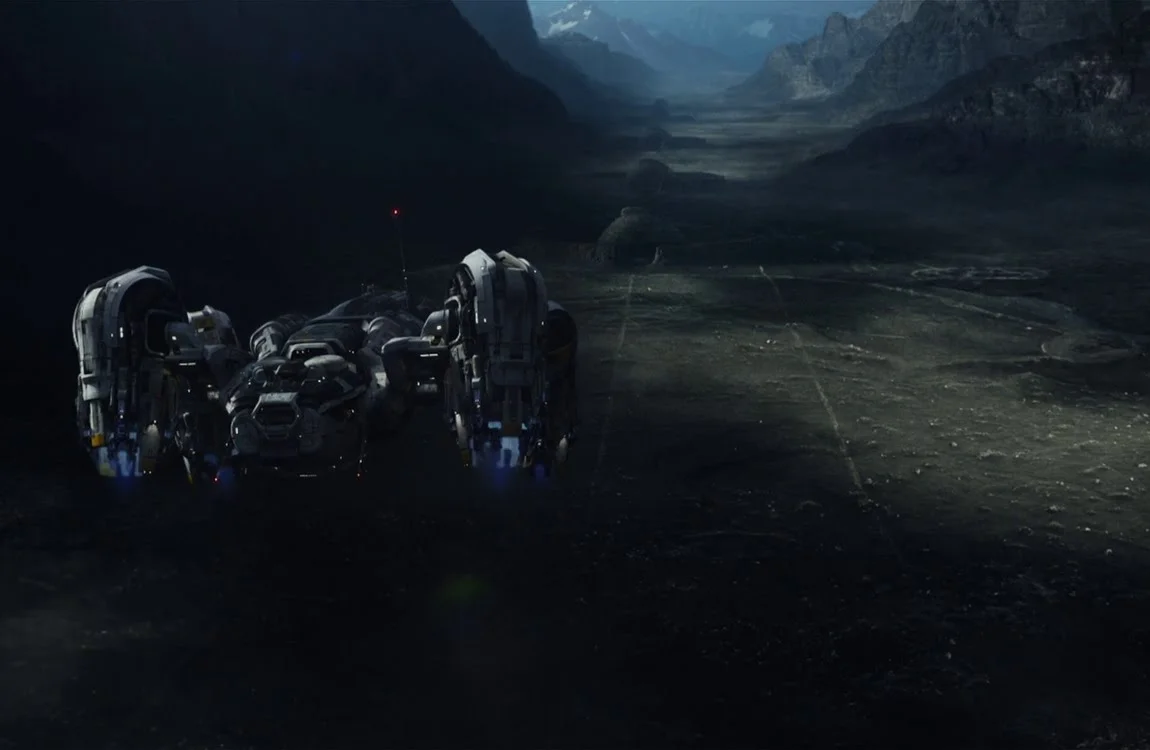
Following orbital surveys, the Prometheus conducted a controlled descent and landed on LV-223 near a massive artificial structure that exhibited clear signs of intelligent design and advanced engineering. Environmental conditions initially permitted the ship to serve as a ground-based command center for surface operations. An exploration team entered the structure and encountered holographic projections, deceased alien lifeforms, and a chamber containing sealed urns filled with an unknown black substance. As the team withdrew from the structure, two crew members became separated inside, setting the stage for the subsequent breakdown of the mission.
Surviving A Sandstorm & Attacks
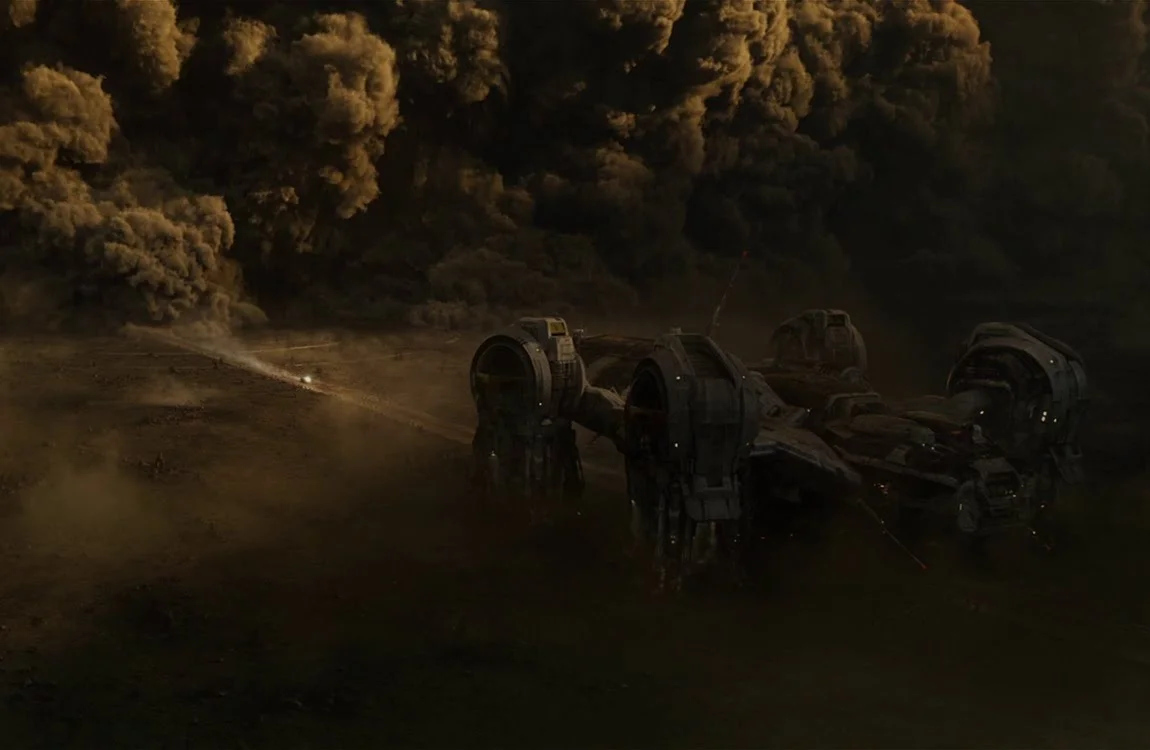
Shortly after the initial exploration, a severe electrical sandstorm forced the Prometheus crew to suspend surface operations and recall all personnel. Several expedition members remained trapped within the structure during the storm, where exposure to the black mutagenic substance resulted in extreme and unpredictable biological transformations. The situation escalated when infected individuals exhibited violent mutations. One of the heavily mutated crew members nearly breached the ship and killed multiple personnel before being neutralized in the hangar bay. These events revealed the substance to be an engineered bioweapon rather than a natural organism.
Crashing Into The Juggernaut
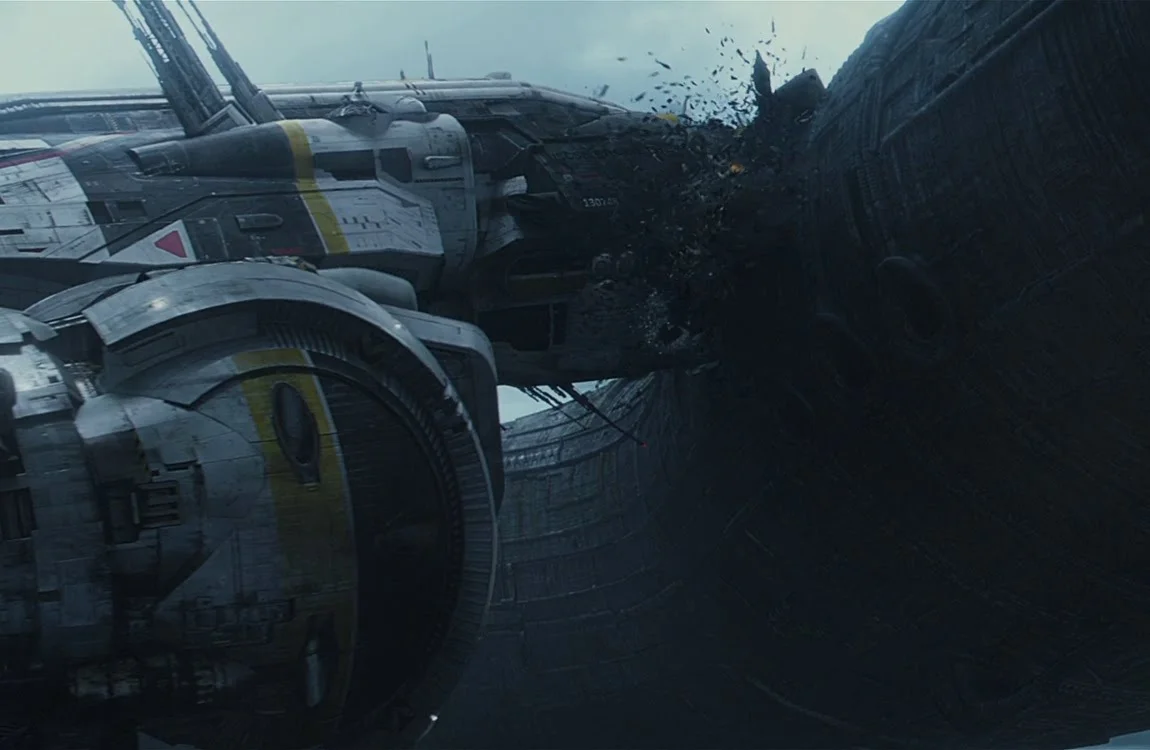
The captain of the Prometheus, Janek, chose to ram the ship into a large Engineer spacecraft known as the Juggernaut to prevent its potential departure toward Earth with a deadly biological weapon. The Prometheus hit the Juggernaut in the center, close to the three hole-like orifices. The collision destroyed the Prometheus, forcing the last survivor, Vickers, to abandon ship in an escape pod. However, the Juggernaut did not receive any visible damage, but the impact critically altered the ship's course, so it crashed to the surface. The wounded pilot emerged from the Engineer ship, seeking revenge.
The USCSS Prometheus Escape Pod
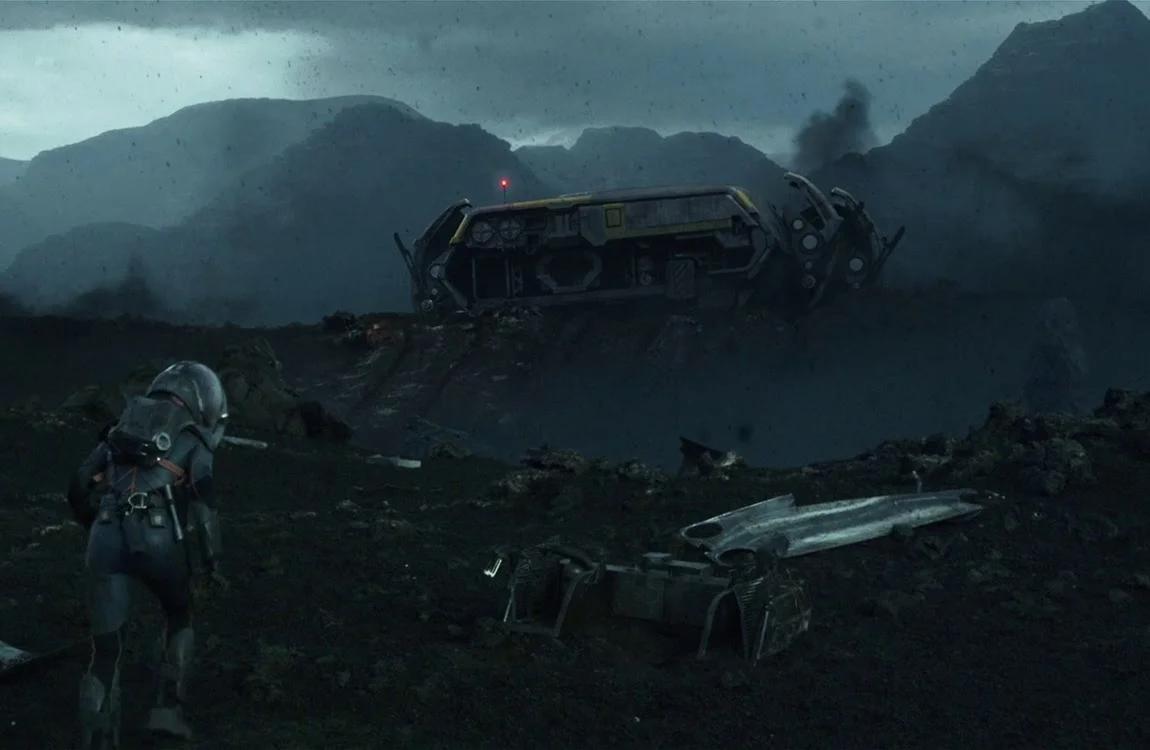
An escape pod with Meredith Vickers was ejected in the final moments before the Prometheus' collision with the Juggernaut and descended into the surrounding terrain. Its interior originally contained emergency supplies, medical systems, and basic habitation equipment designed to sustain occupants for over a year. The location later became the site of the confrontation between Dr. Elizabeth Shaw and the surviving Engineer pilot. After the Engineer was killed by a Trilobite creature, the organism gave birth to the Deacon creature. Dr. Shaw ultimately abandoned the escape pod, departing LV-223 aboard another Juggernaut.
Fate Of The Wreckage
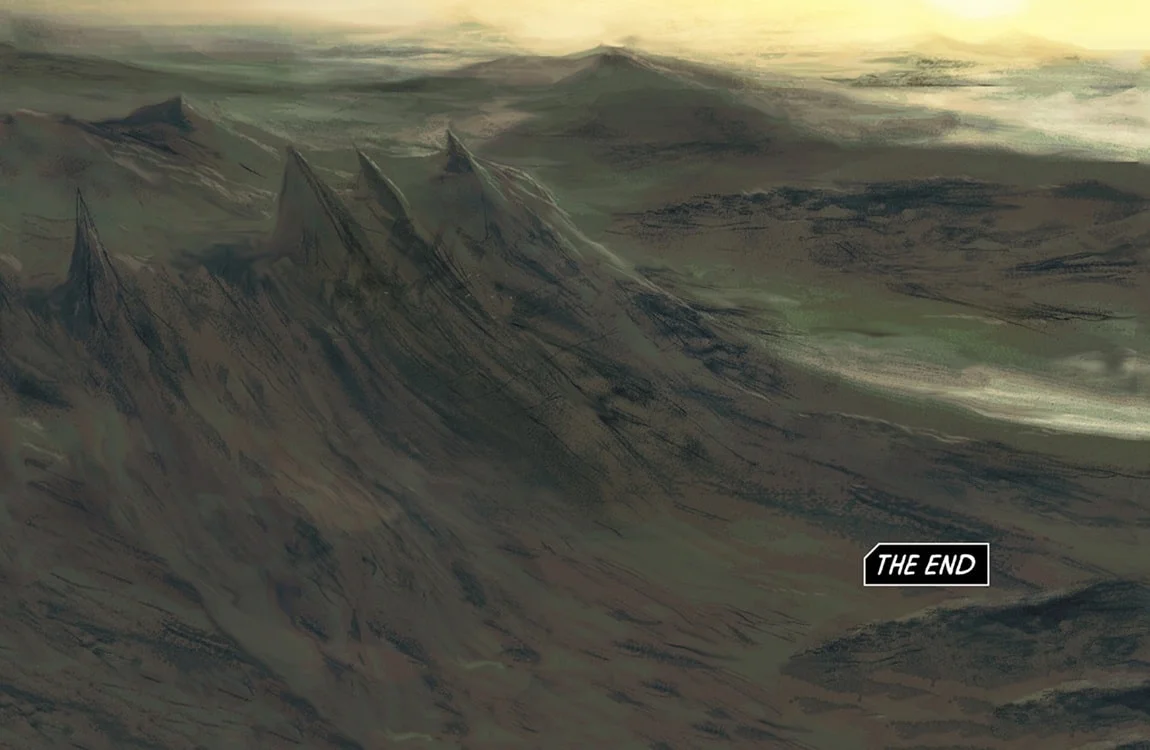
The USCSS Prometheus disintegrated upon its crash, leaving only smaller pieces raining down on the surface. Years later, a massive spiked mountain formation was discovered at the Prometheus crash site, whose silhouette closely resembled the Deacon creature from which it originated. Material presented in the Fire and Stone comic series indicated that this structure formed around the wreckage of the USCSS Prometheus, the crashed Engineer Juggernaut, and possibly the remains of nearby bioweapon facilities. The scale and nature of the formation suggested an extreme level of biological mutation, likely influenced by prolonged exposure to the Black Liquid. With no remaining prey or external stimuli on the barren moon, the Deacon was believed to have undergone this transformation, becoming the central mass of the evolving structure.
Behind The Scenes
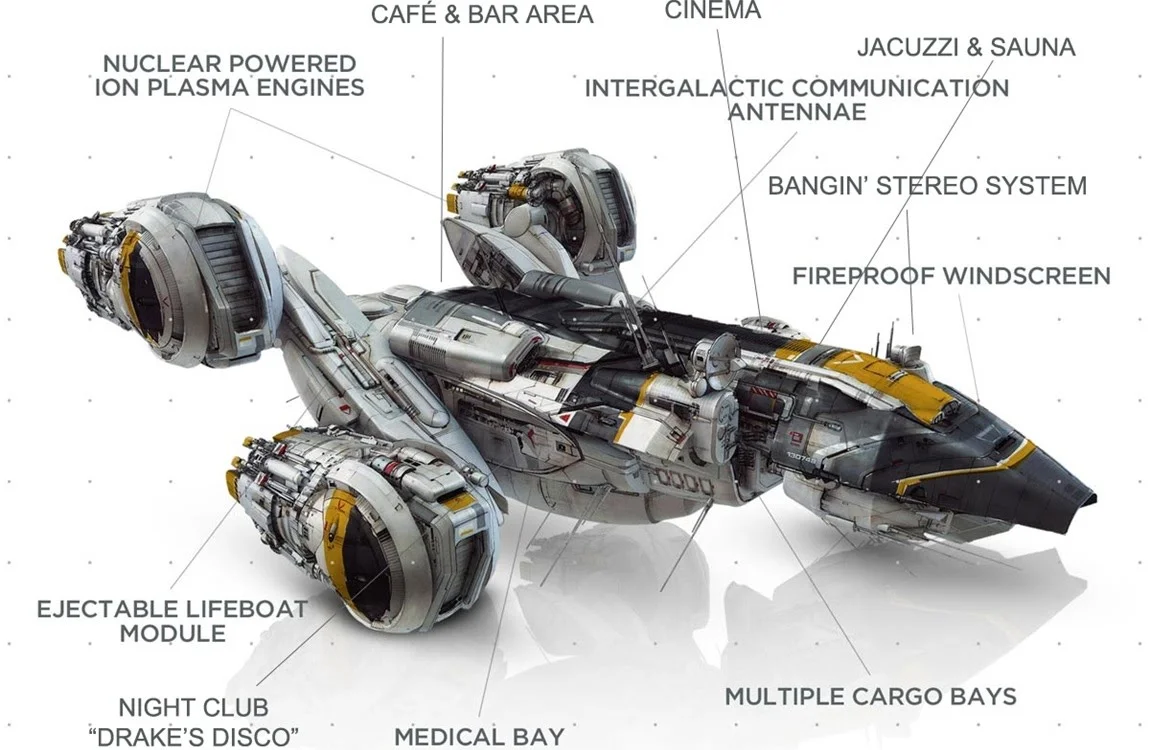
The interior of the USCSS Prometheus was constructed across a two-level set dominated by a large, faceted wraparound windscreen, with several crew positions appearing to project outward into open space. This design element originated from an unused early concept for the bridge of the USCSS Nostromo and was later adapted to emphasize the ship's advanced and spacious aesthetic. The vessel's overall design was intended to appear cleaner and more sophisticated than earlier spacecraft in the franchise, reflecting Weyland Corporation's financial power. Vickers' private quarters were deliberately designed to convey status and authority, featuring luxury furnishings such as chandeliers and a grand piano. The ship's vehicle hangar and garage sets were constructed on the backlot at Pinewood Studios in England.
Conclusion
The USCSS Prometheus was constructed as a long-range scientific exploration vessel intended to investigate humanity's origins. Its mission to LV-223 resulted in the discovery of Engineer technology and dangerous bioweapons, ultimately leading to the destruction of the ship. The events surrounding the Prometheus had lasting consequences for future expeditions. The ship and its mission remained closely associated with the catastrophic outcome of the LV-223 expedition.
Tag Categories: Alien Universe Ships | Weyland Yutani Ships | Prometheus Lore | Alien Lore