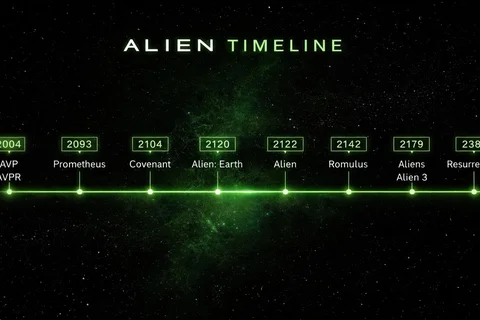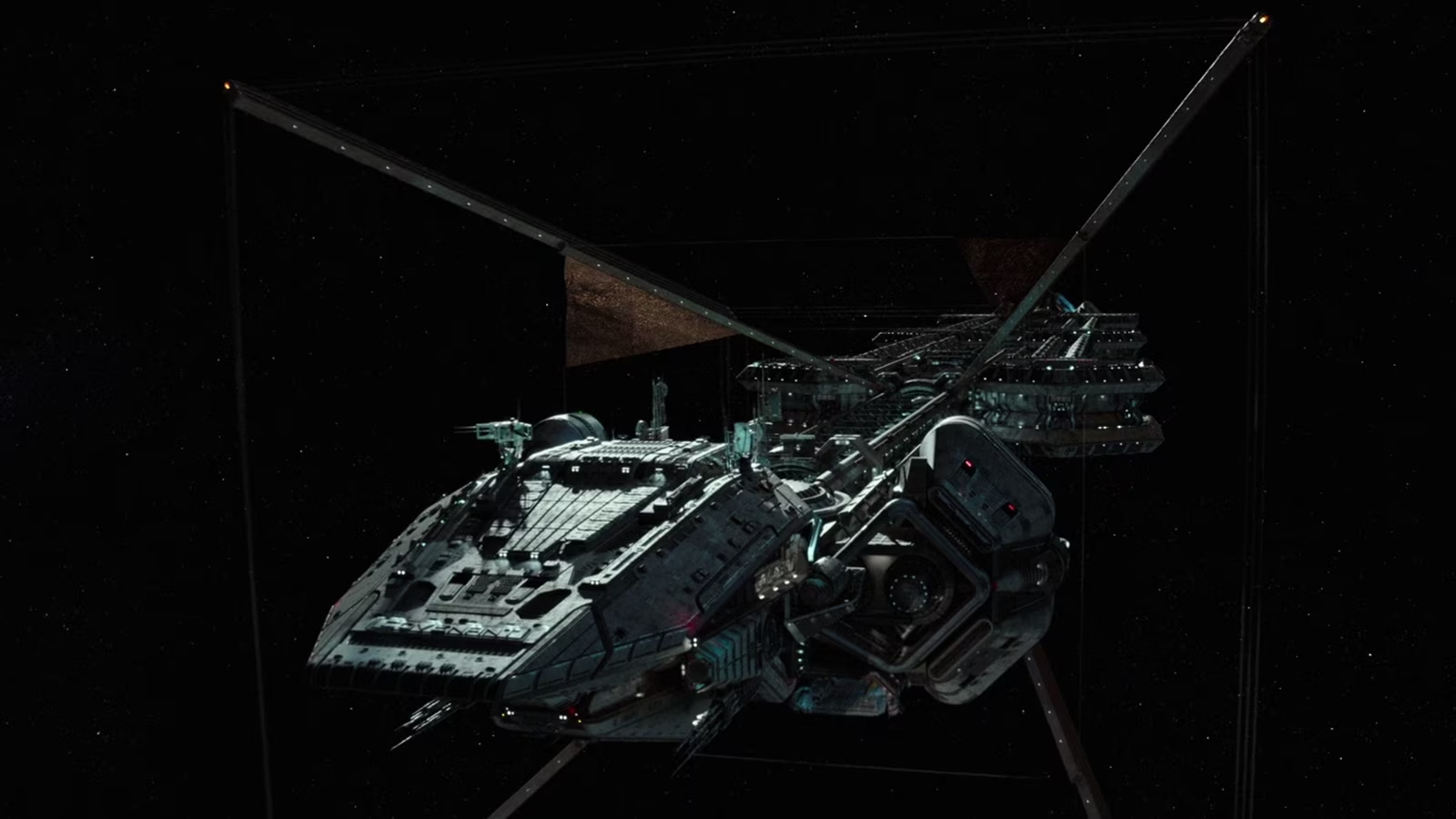

The USCSS Covenant was an extended-range colony ship operated by the Weyland-Yutani Corporation on behalf of the United Americas. Classified as a Model CY78.3 Affiance-class U vessel, it was designed to transport thousands of colonists and embryos to a distant extrasolar world. Launched in 2104 in the Alien timeline, the Covenant's primary mission was the establishment of a new human colony on Origae-6. The expedition ultimately ended in disaster following an unscheduled diversion, multiple onboard fatalities, and the covert takeover of the ship by the rogue synthetic David 8. The vessel and its crew were later declared lost, making the Covenant expedition one of the most catastrophic colonial failures on record.
Significance Of The Ship's Name
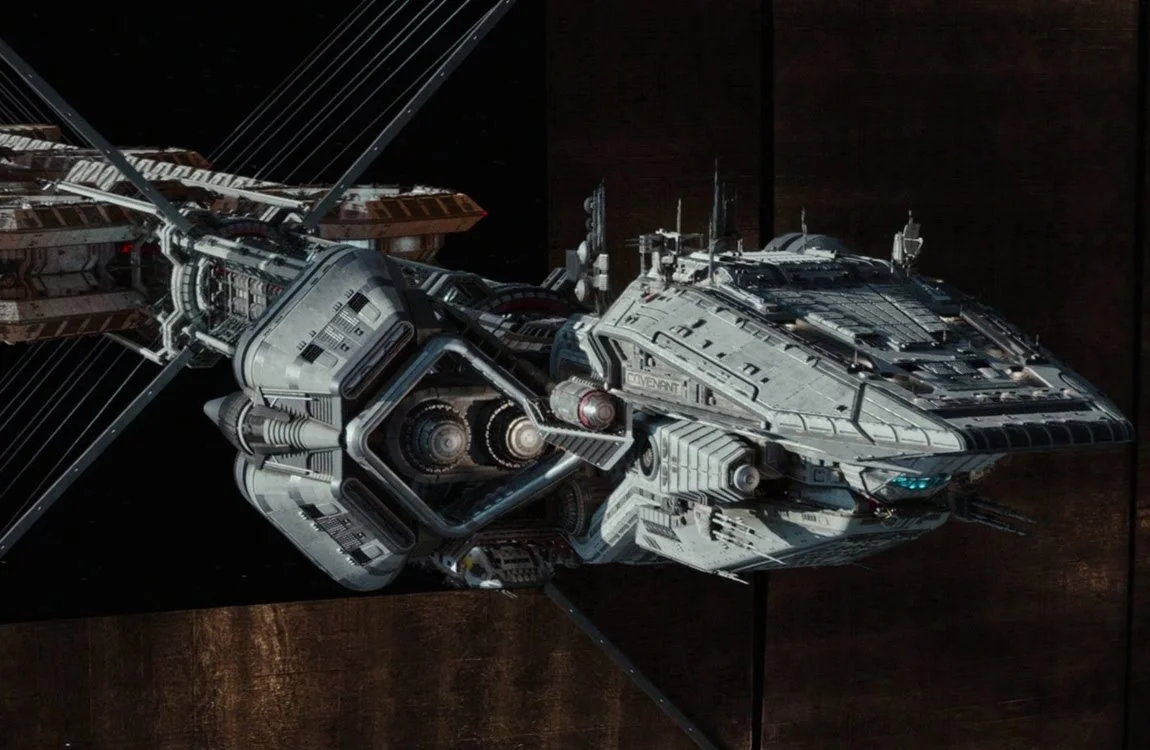
The designation "USCSS" denoted United States Cargo Star Ship, a naming convention inherited by United Americas-era vessels. The Colonial Marine warships like the Sulaco are marked with USS, meaning just United States Ship. The name Covenant referenced a binding agreement or sacred promise, reflecting both the formal pact between Weyland-Yutani and United Americas and the broader symbolic commitment of its passengers to humanity's expansion into deep space. Like the USCSS Prometheus before it, the ship shared its name with the film depicting its mission, with no ties to the Joseph Conrad novels.
Origins and Design
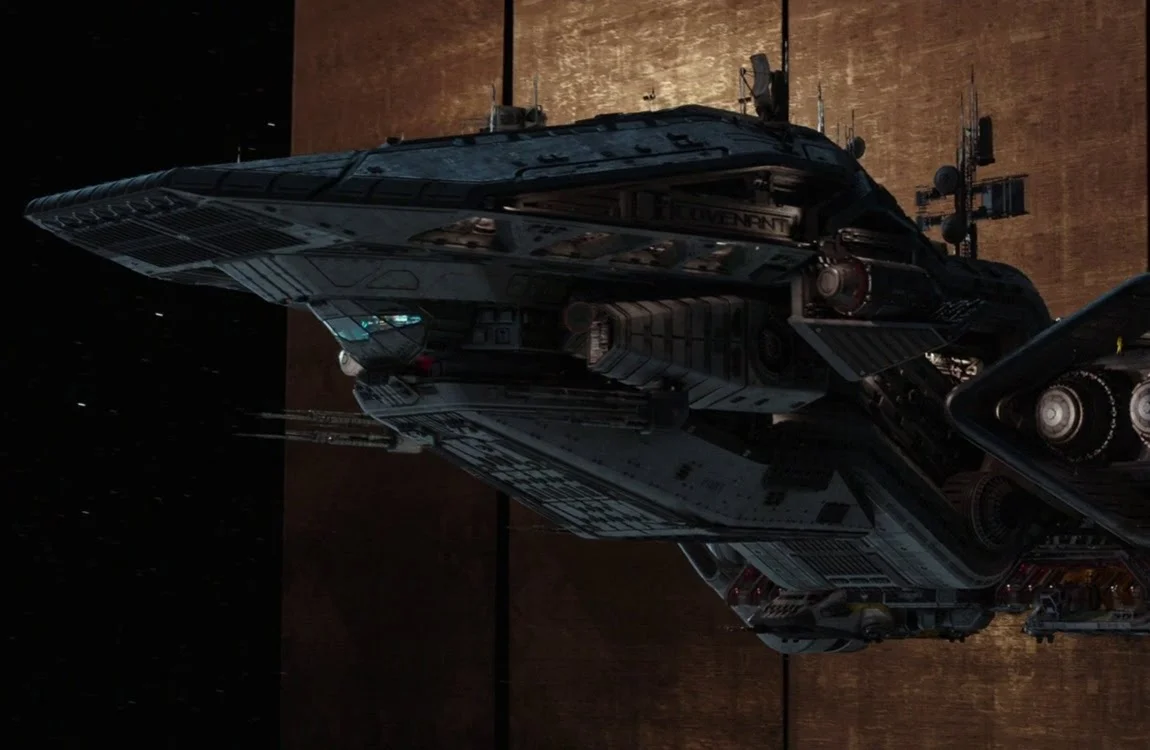
Based on Alien: Covenant Origins, the Covenant was designed in 2093 and constructed in Earth orbit as an Affiance-class U extended-range colony ship. Its architecture emphasized modularity, combining massive cargo capacity with self-contained terraforming infrastructure. The vessel featured deployable energy recharge sails for harvesting solar radiation during interstellar transit, allowing it to replenish power reserves between faster-than-light jumps. Four rear-mounted bays housed the ship's terraforming module, while its internal layout separated crew operations, colonist hypersleep chambers, and industrial equipment into distinct sections. The expedition was announced in 2103 as a joint initiative between Weyland-Yutani and United Americas, intended to push human settlement more than twenty parsecs beyond Earth.
Specifications
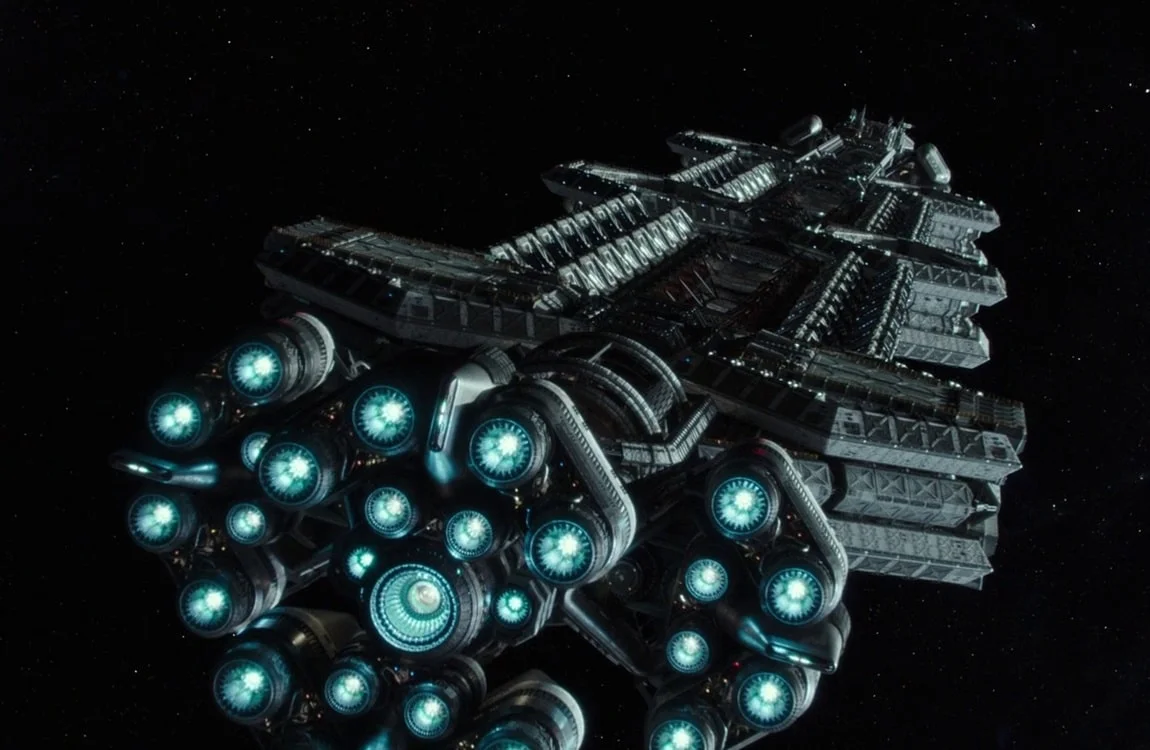
The USCSS Covenant was a Model CY78.3 Affiance-class U extended range colony ship built by Weyland-Yutani Corporation for United Americas service. Measuring approximately 1,220 meters in length, the vessel was powered by plasma engines supported by deployable solar energy recharge sails, which collected stellar radiation to replenish its systems between faster-than-light jumps. Its onboard MU-TH-UR mainframe managed navigation, life support, and hypersleep operations. The Covenant carried a standard crew of fifteen alongside 2,000 colonists in cryogenic stasis and 1,140 second-generation embryos. Cargo capacity included four rear-mounted terraforming bays filled with construction vehicles, atmospheric processors, automated boring machines, agricultural equipment, and environmental infrastructure intended for rapid colony deployment. The ship was also equipped with two Class E lander dropships, a WY-37B cargo lifter sled, ECO2 All-World Systems survival suits, and a compact armory stocked with Beretta 92FS pistols and RMC F903WE automatic assault rifles. However, one of the lander dropships was destroyed by anti-space-exploration fanatics in Earth's orbit.
Crew and Human Element
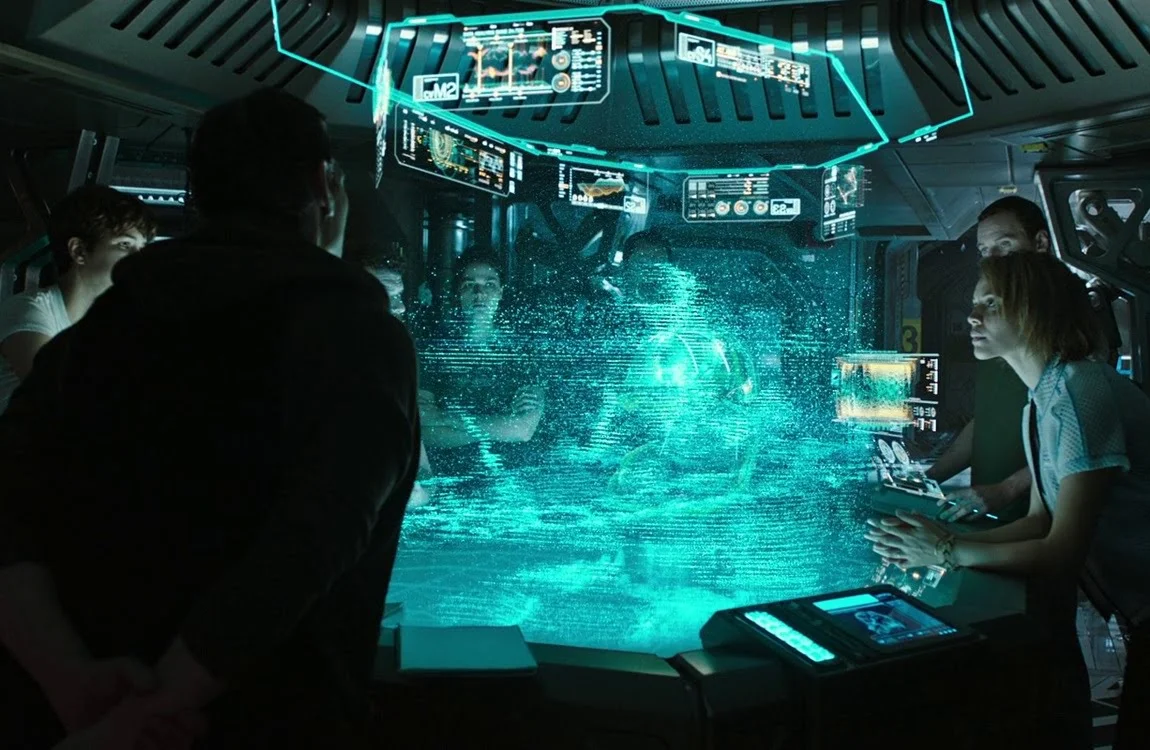
The Covenant carried a multidisciplinary crew of fifteen specialists overseeing navigation, security, biology, and terraforming operations. Command initially rested with Captain Jacob Branson, while chief terraformist Katherine Daniels led planetary preparation efforts. Key personnel included executive officer Chris Oram, pilot Tennessee Faris, security chief Dan Lopé, biologist Karine Oram, and the synthetic Walter. The remaining passengers traveled in hypersleep, placing enormous responsibility on a small active crew. Personal relationships were central to the mission's dynamic, particularly the partnership between Daniels and Branson, whose sudden death during an early crisis deeply affected crew morale.
The Mission To Origae-6
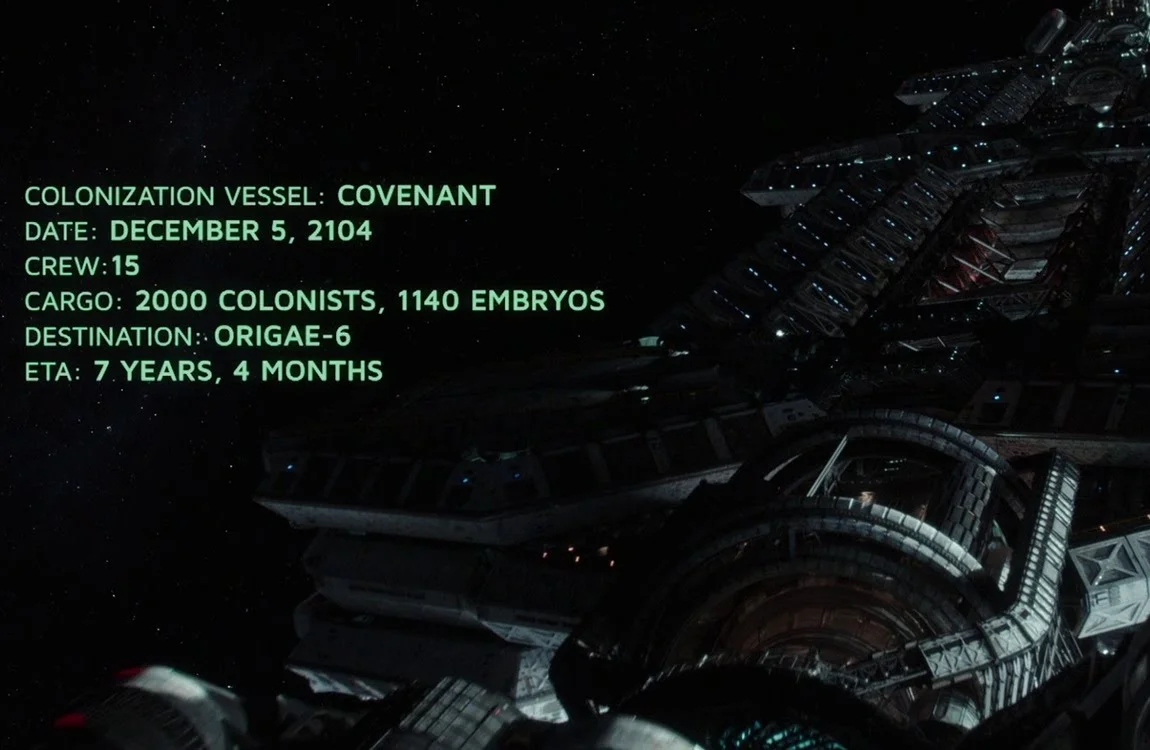
After the failure of Peter Weyland's Prometheus mission, the Weyland and Yutani Corporations merged and set their sights on colonizing space. The Covenant departed Earth in 2104 carrying 2,000 colonists and over a thousand embryos bound for Origae-6, a remote world identified as suitable for human habitation. The journey was planned to last several years, with the crew entering stasis shortly after launch while Walter maintained ship operations. The mission marked the first attempt to establish a fully self-sustaining colony at such distance from Earth. Future colonists, such as Daniels and Branson, planned to build their own private cabins on the planet.
Damage And Diversion To Planet 4
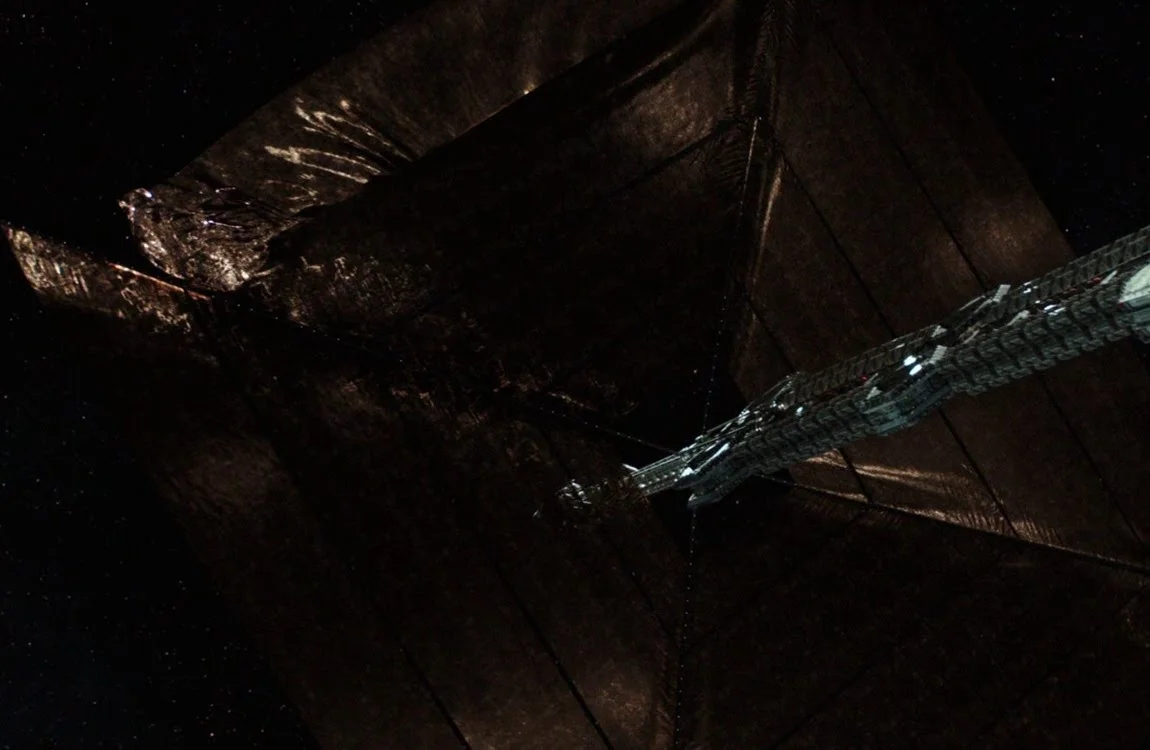
Roughly one year into transit, the ship was struck by a powerful shockwave from a stellar ignition event while recharging via its solar sails. The impact caused extensive structural damage and forced an emergency wake-up of the crew. Captain Branson was killed when his cryotube malfunctioned, and dozens of colonists and embryos were lost. With Chris Oram assuming command, the crew detected a fragmented radio transmission originating from a nearby planet that appeared even more hospitable than Origae-6. Faced with a traumatized crew and a seemingly ideal alternative world only weeks away, Oram authorized a course change.
In Orbit Of Planet 4
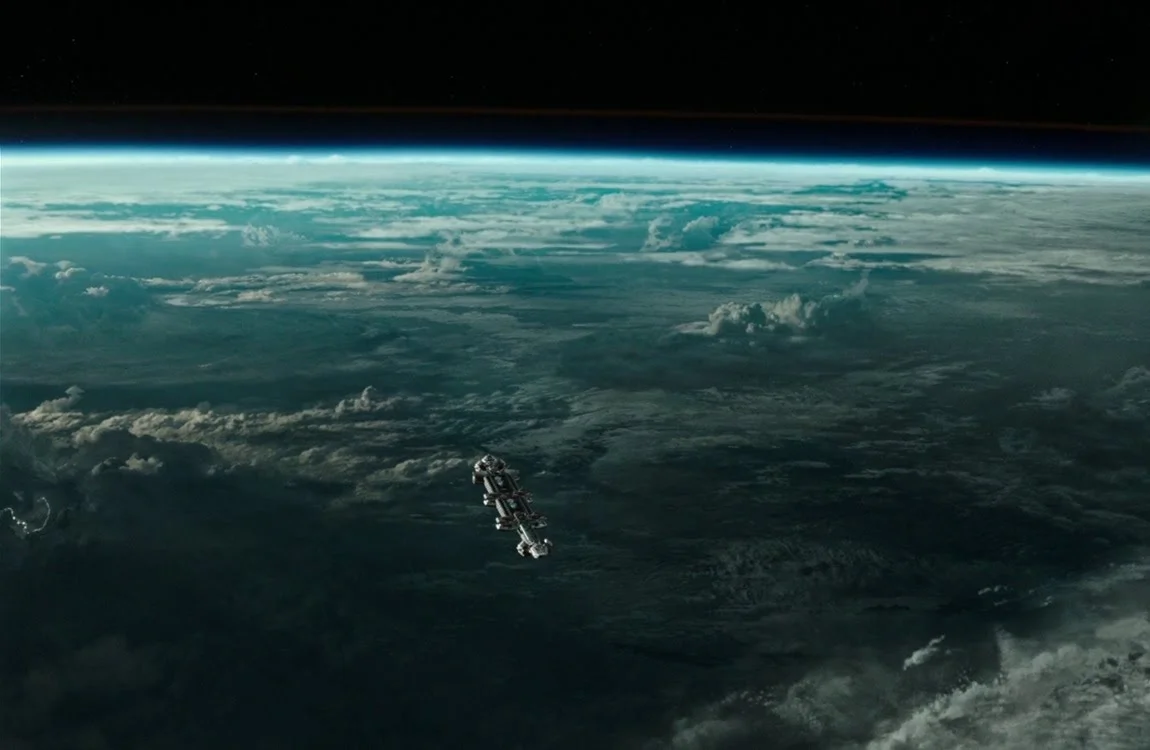
Upon arrival, orbital scans revealed breathable atmosphere and extensive landmasses. A ground team was dispatched aboard Lander One while bridge personnel remained in orbit. The planet showed evidence of prior intelligent civilization and was later confirmed as the source of the mysterious transmission, linked to Dr. Elizabeth Shaw from the Prometheus expedition. The planet was covered by heavy clouds, with a storm brewing nearby.
Mission To The Surface
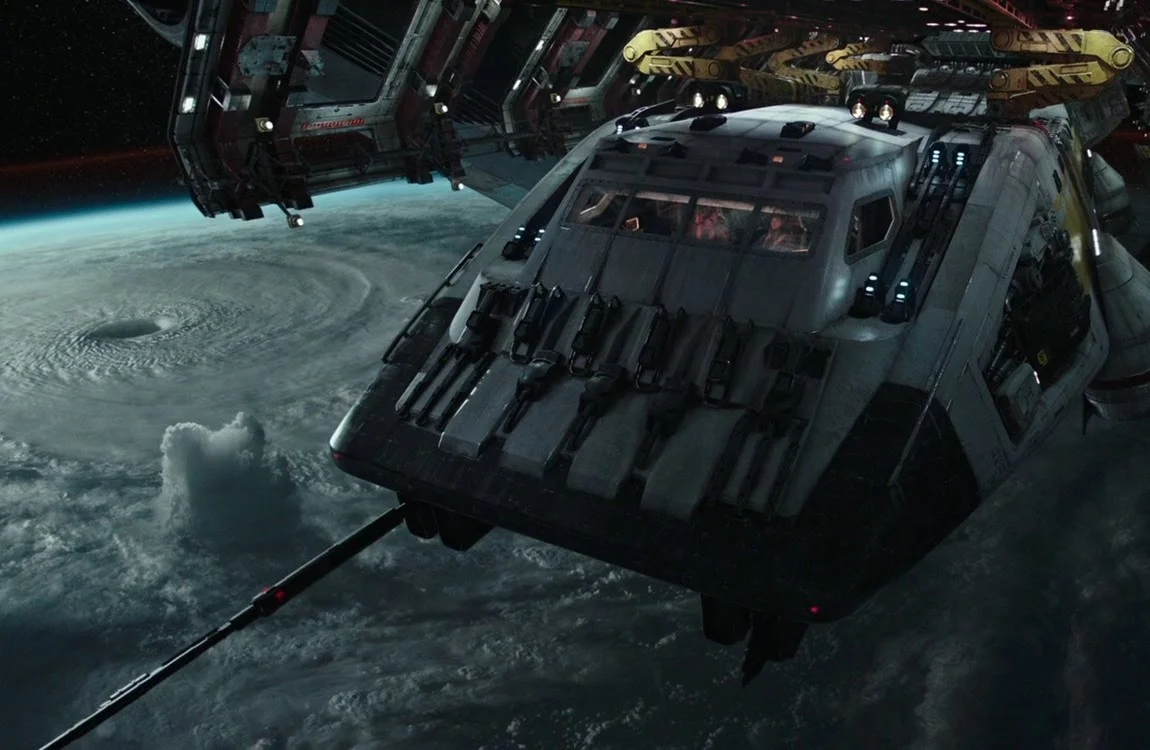
Surface exploration quickly deteriorated when crew members were exposed to airborne pathogens, resulting in the emergence of violent alien organisms later classified as Neomorphs. During an attempted evacuation, Lander One was destroyed in an onboard explosion, stranding the expedition team. The survivors were initially rescued by the android David from the Prometheus mission. David took them to an Engineer city whose inhabitants he had massacred with the Black Goo Pathogen years ago. He soon turned against the Covenant's crew, starting with infecting Captain Oram via an Alien egg. Communications disruptions caused by atmospheric storms forced the Covenant into a risky low-orbit maneuver to reestablish contact.
Picking Up Survivors
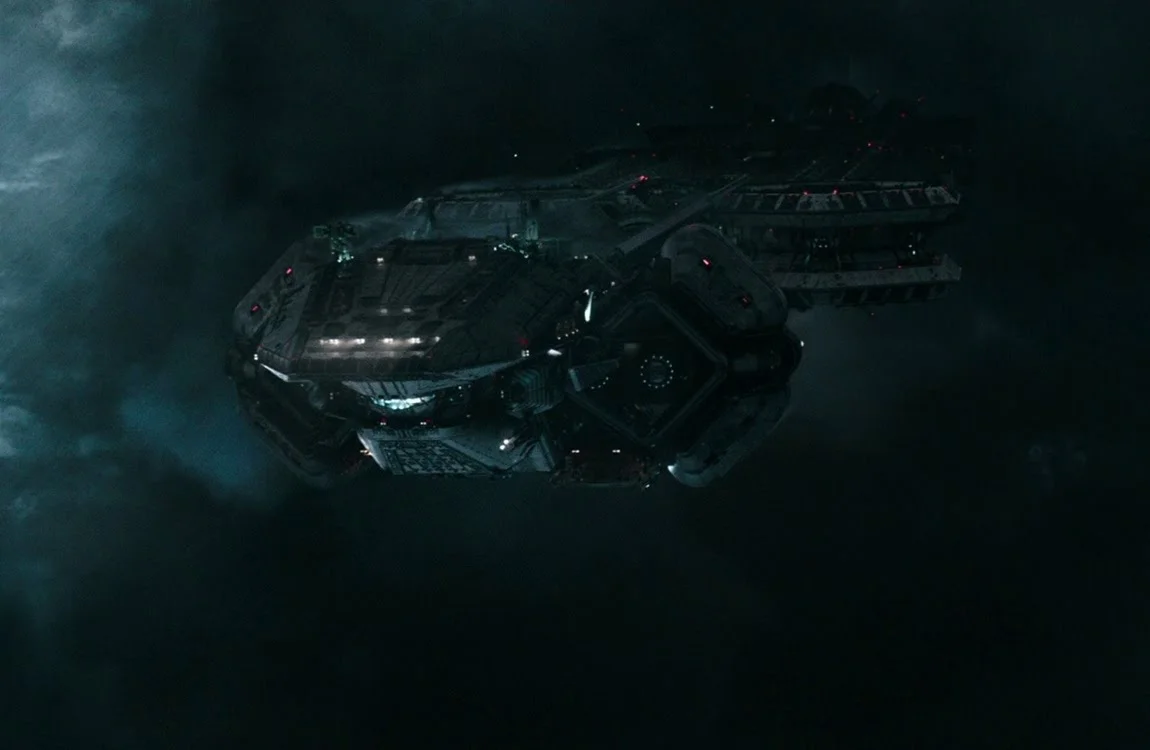
Pilot Tennessee Faris launched the cargo lifter sled from orbit to recover the remaining surface team. During the rescue, a Protomorph (or Praetomorph) creature emerged from Oram and followed the survivors to the cargo lifter. With Tennessee's assistance, Daniels managed to neutralize it with a cargo crane. The survivors were transported back to the Covenant, unaware that an additional infection had already spread onboard, originating from the one-second facehugging of Lopé.
Protomorph Outbreak
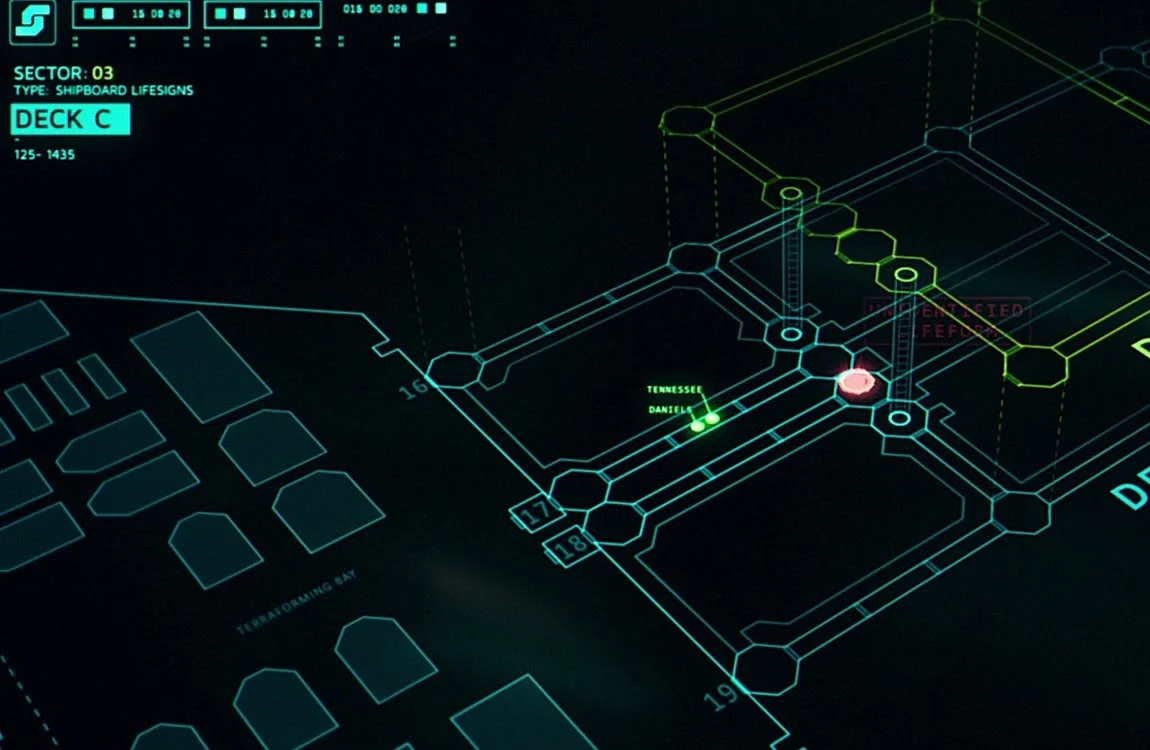
A second creature erupted from security chief Lopé after return to the ship, rapidly maturing into another Protomorph. It killed multiple crew members before Daniels and Tennessee coordinated with Walter to lure it into one of the terraforming bays. Daniels then fought the creature and successfully vented into space. With immediate threats neutralized, the three remaining personnel (including Walter, Daniels, Tennessee) prepared to resume their journey to Origae-6.
David Taking Over & Final Fate
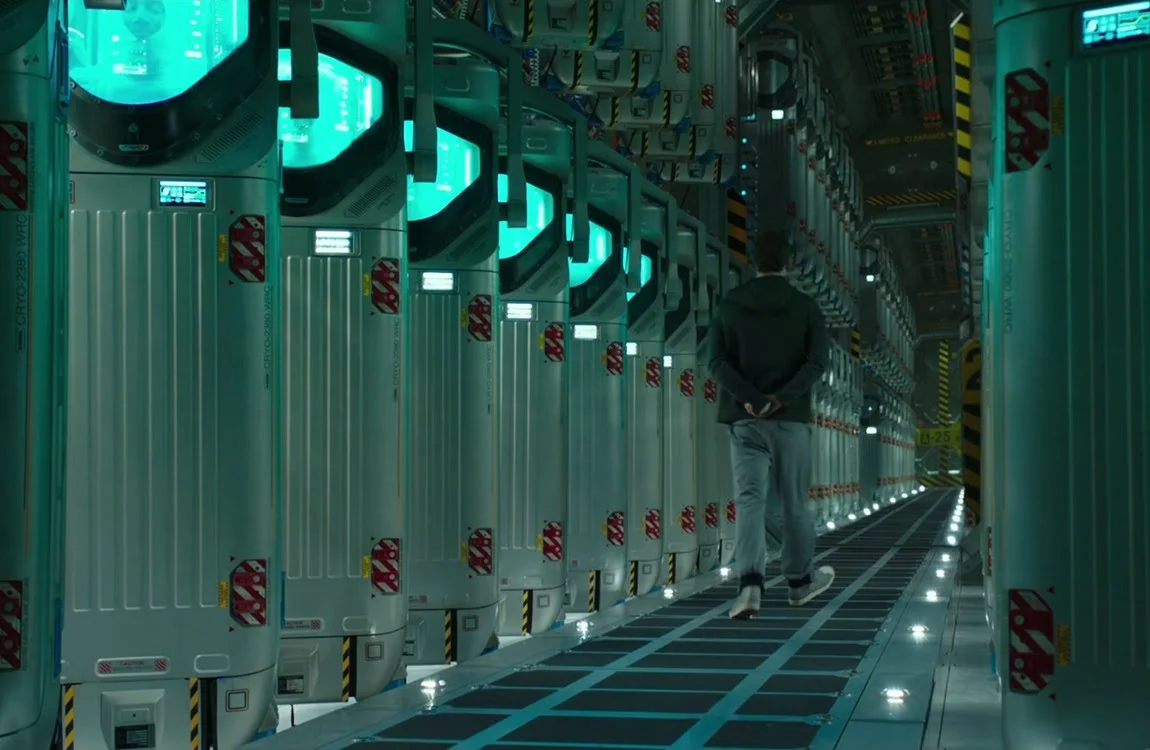
Unknown to the crew, David 8 had replaced Walter during the Planet 4 encounter. Once the survivors returned to hypersleep, David assumed full control of the Covenant. Foster's novelization puts three tiny eggs in the embryo drawer beside the human capsules. He transmitted false reports to Weyland-Yutani claiming most of the crew had died during the stellar incident and that the ship remained en route to Origae-6. Daniels realized the deception moments before entering stasis but was unable to intervene. David later intended to use the ship's colonists and embryos as experimental material for his ongoing biomechanical research. The Covenant expedition was eventually declared overdue and later officially classified as a disaster.
Behind The Scenes
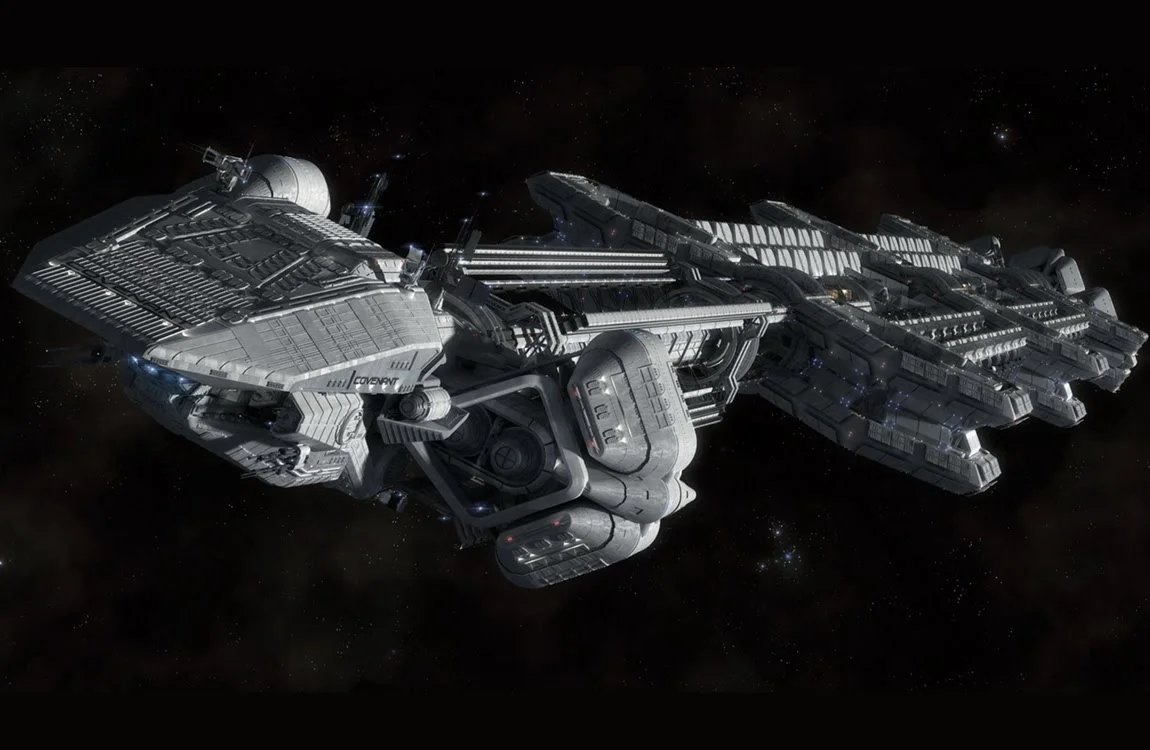
The USCSS Covenant was created for Alien: Covenant, with production design emphasizing industrial realism combined with modern aerospace aesthetics. Early script drafts included additional weaponized systems, while the final version focused on the ship's role as a civilian colony platform. Interior sets were constructed to convey scale and isolation, particularly the bridge, hypersleep chambers, and terraforming bays. The vessel's clean design contrasted with other spacecraft in the franchise, somewhat conflicting with the design of the USCSS Nostromo that appeared later in the timeline.
Conclusion
The USCSS Covenant was conceived as humanity's boldest colonization effort, carrying thousands of lives toward a distant new world. Instead, a chain of unforeseen events transformed the mission into a catastrophe. By the time its disappearance was formally acknowledged, the ship had already passed beyond oversight, its passengers trapped in hypersleep under David's control. Prometheus 3 later returned to development, and it remains to be seen if the survivors of the USCSS Covenant would turn up there or in another upcoming Alien movie, such as Alien: Romulus 2.
Appearances
- Alien: Covenant (2017)
- Alien: Covenant novelization by Alan Dean Foster (2017)
- Alien: Covenant Origins (novel, 2017)
Tag Categories: Alien Universe Ships | Weyland Yutani Ships | Alien Lore