Building Better Worlds: Alien RPG Campaign Book

Building Better Worlds is a 2024 campaign hardcover from Free League Publishing for Alien: The Roleplaying Game. Andrew E.C. Gaska and Dave Semark were the lead writers, and Tomas Härenstam edited the book and managed the project. It is the colonist and explorer follow-up to the Colonial Marines Operations Manual, written for open play on the Frontier in the 2180s, and the core rulebook is required. The 304-page printing carries a 2023 copyright and went on sale on 16 January 2024.
Book Overview
The hardcover is the second campaign module for the Alien rules, after the Marine book, and it is built for campaign play rather than a one-night cinematic. Chapters 1 through 5 are the players' section, a field guide to the Extrasolar Colonization Administration and the people, gear, and ships a colony actually uses. Chapters 6 through 10 are marked for the Game Mother. That half holds campaign advice, 36 charted worlds, the extrasolar species catalog, and the Lost Worlds sandbox. An appendix after the expeditions, Building Your Own Better World, starts on page 275 and runs the tools for a settlement the group founds itself.
The front and back endpapers print the Far Spinward Colonies in 2183, with one square equal to one parsec, or 3.26 light-years. The map marks Weyland-Yutani outposts and colonies from January Outpost and Dylan City around to Pelican Colony, Gorham's Colony, and Nightingale Colony. The in-universe motto over the players' chapters is "To find and forge our future." The book treats that line as the recruitment pitch, then spends the rest of the opening on why the pitch leaves out the debt, the dust, and whatever lives on the rock.
Pioneers Wanted
The opening chapter is written as a company briefing for people the Extrasolar Colonization Administration wants to move off Earth. Weyland-Yutani and the administration recruit for the outer colonies with shares in the settlement, room and board, three meals, and a small monthly stipend. Skilled colonists are offered more than untrained laborers. Training is not a gift. The cost is taken out of the first year's pay in twelve monthly withholdings. A colonist who misses too many shifts can be put on the next supply ship, and the fare is billed back to that colonist's account.
Everyone of legal age is expected to take a role, whether that is mechanical work, mining, or a homestead. Once a colony's atmosphere can sustain itself, the settler may keep company quarters or build a homestead out of scrap and cargo containers. Candidates leaving Sol on a Weyland-Yutani contract are tested at the research center on the Martian moon Phobos. They are strapped to a chair and run through sound, images, smells, and physical stress. The test wants both fear of the unknown and enough concern for the other colonists to keep a group alive on a barren world.
History Of Colonization
The Weyland Era
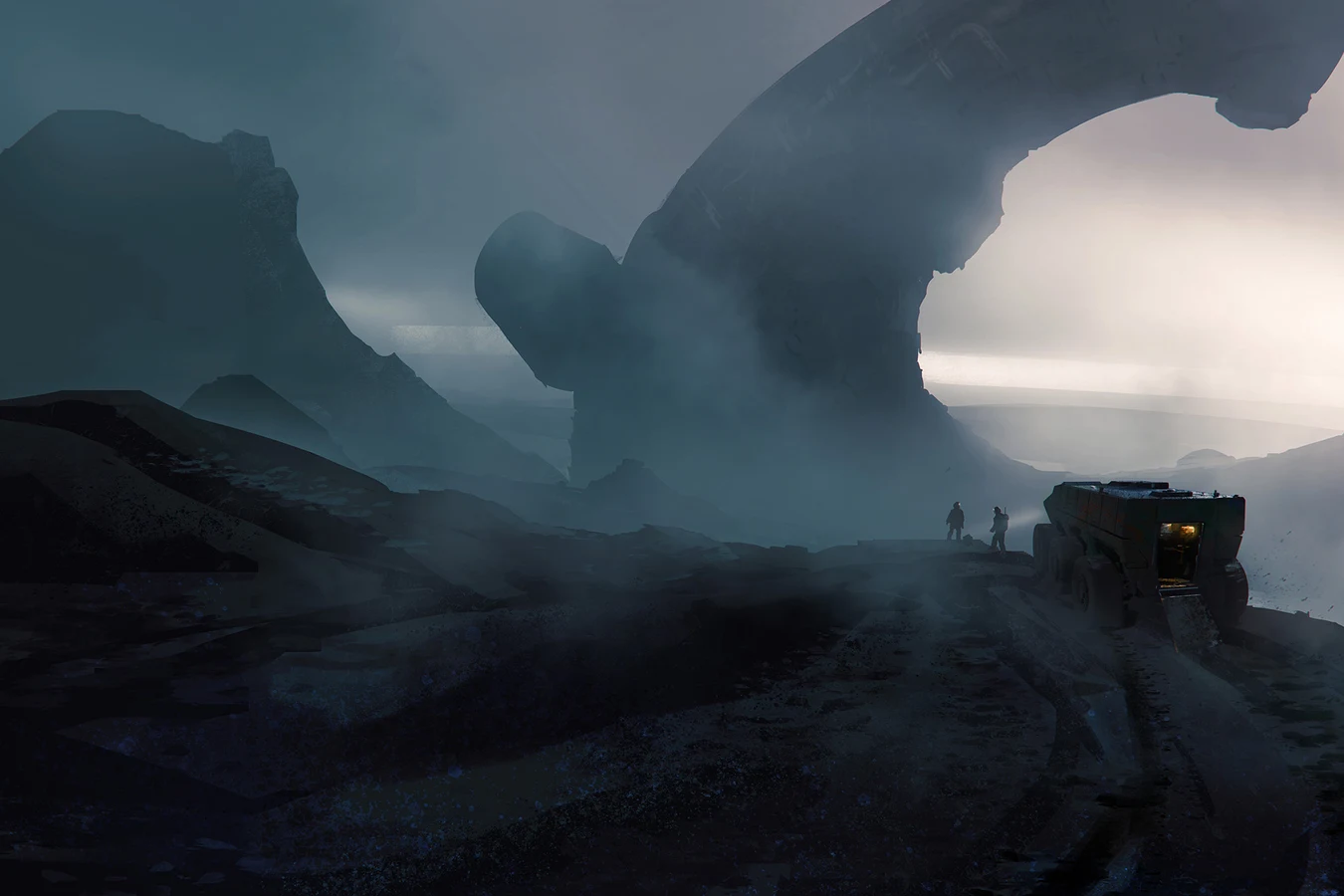
The history chapter starts with Sir Peter Weyland and a TED talk that laid out a five-decade plan for artificial people and extrasolar flight. Weyland Corp sponsored the NASA Kepler mission, and the funded search listed more than 6,500 worlds that could take human life within a year. San Francisco labs patented an automated atmospheric processor within two years of the cryosleep work. Hypersleep production followed, then a faster-than-light formula, lunar settlements, and the Heliades project for the first crewed FTL ship. Probes went out before the return data was in, and the company started crewed flights on that schedule anyway.
The first manned SEV missions, space exploration vehicular expeditions, left after probes tried to mine light metals on Gliese 581g and found that machines were not enough. Weyland said an Explorers Academy would open by 2036, and the company moved its headquarters to its Mars terraforming colony. An automated processor on GJ 667Cc produced the first terraformed atmosphere off Earth. A flyby of Zeta II Reticuli noted the planet Calpamos and moons that might be terraformed, then filed the system and forgot it because the probes found few resources. HD 85512 B was colonized to ease housing on Earth, and Britain gave Weyland a contract to run a Class E prison there.
The 20 Parsec Limit
Over the next two decades the company planted colonies in the Outer Veil, including about a dozen more than 30 parsecs from Earth. Supporting those Far Spinward Colonies strained the network. Colonial stocks fell, and the United Americas bailed out the firms that had paid for the push rather than let the financing collapse. The 20 Parsec Limit then drew the line. Any world more than 65.2 light-years from Earth lost any guarantee of government or company protection. Past that line, a colony was on its own. The book calls the cutoff that followed the Isolation, and by the 2180s those far colonies had been out of regular contact for nearly a century.
The same history runs through Hyperdyne's break with the Three World Empire. After deaths tied to the 120-A/2 synthetics, Hyperdyne recalled the line and moved into the Central Space Consortium to get out from under the liability. The empire wanted an Interstellar Commerce Commission investigation. Alexandria left the empire, and the '51 New Deal ended that core conflict by turning the consortium into the Independent Core System Colonies. In the Hyades Cluster, Hyperdyne left its own colonies short of supplies, the colonies revolted and joined the Union of Progressive Peoples, and Weyland-Yutani bought the damaged firm. Michael Bishop stayed with Weyland-Yutani as a synthetic engineer and took a chief-executive seat in the exchange that later let Hyperdyne out as its own corporation again.
Biological Disasters
The middle decades are a list of plagues the colonies could not wall off. Luna's Olympia colony took the XMB virus in 2094, and the quarantine in Sol lasted until 2110. Seegson closed deep-space stations, including Sevastopol, after an unidentified contagion. Over two years that outbreak also took Mendel Station, the Wright-Aberra refueling depot, and several ships. The Three World Empire then started Anchorpoint Station as a hub for later colonial missions.
The New Earth Plague killed 40 million in the condemned HD 85512 system between 2157 and 2160. Hadley's Hope was founded by Curtis Hadley on LV-426 in that same stretch, and the mining complex on LV-178 failed with the orbiting DSMO Marion, which broke up in the atmosphere. Survivors of the New Earth Plague were released and then turned away by most colonies. Henrietta De Pype opened Pype's Dream on Rim Colony as a place that would take them. A United Americas crop-blight virus later wrecked terraformed ecologies on several Three World Empire worlds, and the commission's extrasolar quarantine rules were adopted by the starfaring powers.
2179 and 2180 are marked as the Year of the Dragon. A contagion hit Fiorina 161, with further outbreaks on Rim Colony, Anchorpoint, and Rodina Station. Marine units answered viral outbreaks on LV-666 and Yaophora Station, and quarantine protocol destroyed those sites. An Interstellar Commerce Commission inquiry opened into the loss of Hadley's Hope, including the charge that the colony had been developing bioweapons. The Frontier War is the other pressure on the 2180s in this book. Colonists in hypersleep can wake to a different flag over the same rock, because the war moved borders while they were under.
Famous Pioneers
A short roll of missing explorers includes Captain J.V. Gorham and Theodora Nightingale, both marked missing in action in 2111. Eldridge Sanchez sponsored them. Gorham's name stays on Gorham's Colony in the far spinward map, and Nightingale's stays on Nightingale Colony. The Arcturian contact is dated 2124 to 2128 in the same chapter. A Weyland-Yutani SEV team recorded it as the first meeting with a sentient extrasolar people, then the Geholgod Institute found the Arcturians shared human DNA. News outlets called the story a rediscovered lost colony from the 2060s. The company did not answer, the Arcturus Loop trade route opened anyway, and Weyland-Yutani took medical and theoretical work from the pre-industrial settlements.
Organizations
The organizations chapter is a colonial directory, not a second printing of the Marine order of battle. Government entries cover the Central Confederation of Africa, the United Nations Interstellar Settlement Corps, Throop Rescue and Recovery, the United Americas, the Colonial Marshal Bureau, the United States Colonial Marine Corps, the United American Colonial Guard, and the Outer Rim Defense Fleet. On a colony those services show up as a marshal, a small Marine detachment, or a guard unit, not as a full assault carrier. The Union of Progressive Peoples is listed with the Progressive Peoples Cosmos Exploration Corps, and the Three World Empire with the Royal Expeditionary Group and Sir Peter Weyland's Explorers Academy.
Company entries run from Weyland-Yutani and Seegson through Hyperdyne, Omni-Tech Resources, Gemini Exoplanet Solutions, and the Kelland Mining Company. The ICSC Investment Group and the Geholgod Institute are written up beside them. The New Albion Protectorate closes the chapter as the independent government centered on LV-593, the British colony that left the Three World Empire. In this book the protectorate is a faction a survey crew can meet on the Frontier, and later a political problem aboard the far-spinward expedition, where sympathizers travel with the mission.
Making Frontier Colonists
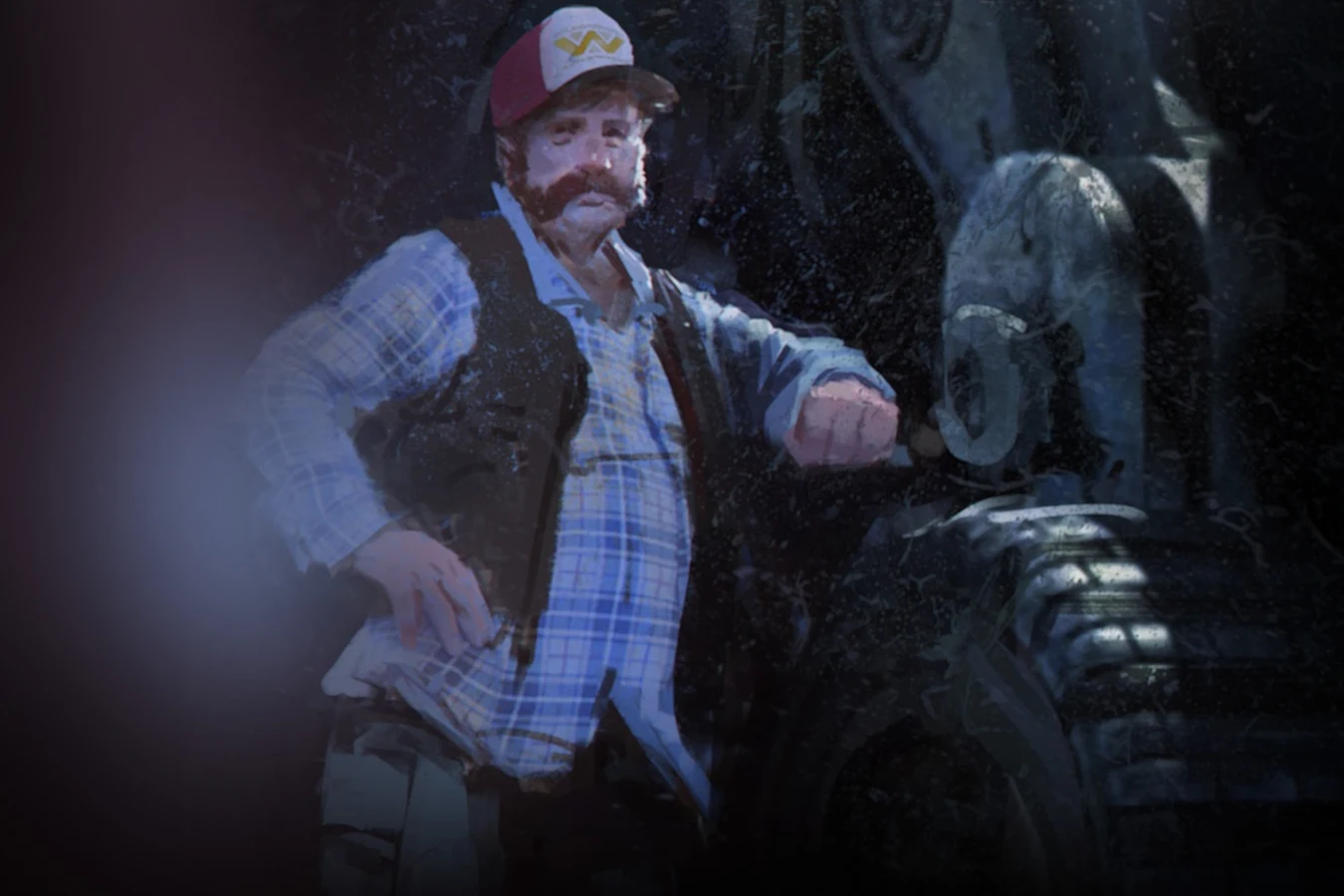
Character creation follows chapter 2 of the core rules, with a bond that explains why this group is on the same rock or the same ship. The printed bonds are a family that moved together, old friends, and other shared reasons that do not change the numbers on the sheet. Every core career can be taken onto the Frontier. A Colonial Marine in this book is usually a grunt held for disaster relief or a border argument, and the colony wants muscle more often than a bombardment. Each older career also receives two extra talent options and one extra gear choice, and the player starts with a single talent and two pieces of gear in total.
The frontier notes recast the other careers around settlement work. An officer may be a union steward or the company supervisor the steward is arguing with. A pilot flies a skiff, a low-orbit taxi, search and rescue, or a tractor, and the prize posting is a Magellan exploration ship. A roughneck keeps an atmosphere processor running, farms bugs, fungi, or hydroponics, or handles demolition. A scientist chases weather, tremors, local animals, or fossils, on a company contract or for a client who will not say why. Two new careers are added for this book alone.
Wildcatter
The Wildcatter is a prospector, a colony surveyor, or a land agent. Independents look for the strike that pays a government, a corporation, and a smaller cut for the person who found it. Company wildcatters pick building sites, estimate construction, and decide who owns which plot and what rent is owed. The key attribute is Agility, and the key skills are Piloting, Survival, and Observation. Career talents are The Right Path, Prospecting, Miracle Mechanic, Zero-G Training, and Calm Breather. The Right Path adds to piloting rolls in a ground vehicle or a submersible. Prospecting lets the player roll twice on the finds table and keep the better result. Sample names include Belinda Mulroony, Conor Smith, Sabine Goodman, Kamilla Daria, Zan Taiki, and Adam Orfeo.
Entertainer
The Entertainer is the performer, croupier, club owner, waiter, or barkeep who gives a shift crew somewhere to go after the processor work. The key attribute is Empathy, and the key skills are Manipulation, Command, and Observation. Career talents are Eagle Eye, Trustworthy, and Perform. Eagle Eye helps spot cheating and hidden items. Trustworthy helps when the character is trying to be believed. Perform uses Command to hold a crowd, and people watching take a penalty to notice anything else. The career is written for an established colony or a port more than for a first landing, which is why the book pairs it with the Wildcatter instead of replacing the roughneck.
Gear And Ships
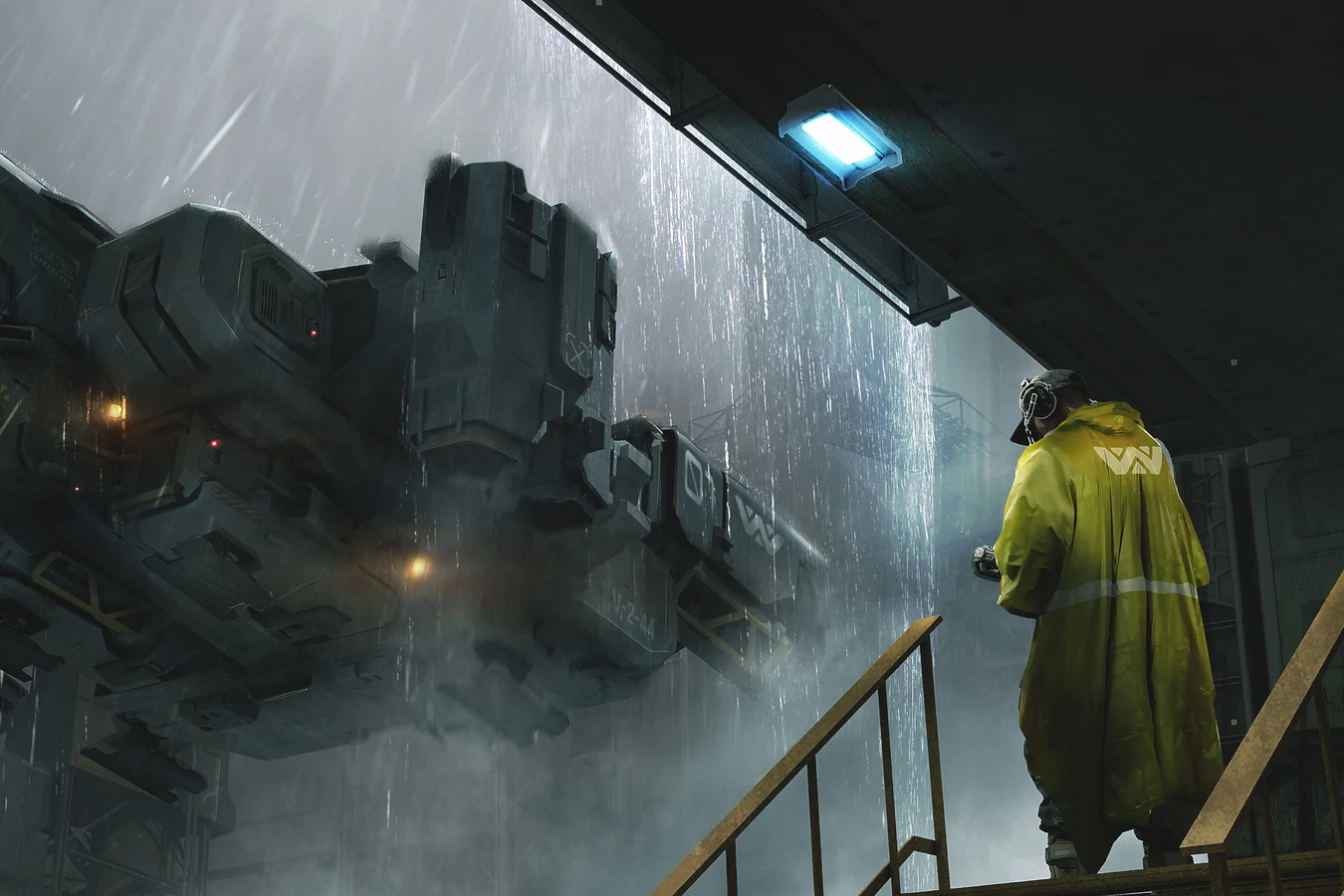
The gear chapter assumes a colony does not draw from a Marine armory. It adds pistols, rifles, and heavy weapons from colonial makers, plus ammunition, explosives, fatigues, and protective suits. Mining lasers and incinerators are written up as tools that can be turned on a person. Ground vehicles include the Alphatech XT-37C 4×4, the Weyland Rover group transport, the Weyland-Yutani 6×6 terra-truck, the Daihotai 8×8 tractor, the Mikoyan-Liu OX heavy multi-purpose vehicle, and a colonial construction vehicle. Air and short-orbit craft include the Cobb-C/D Grasshopper helijet, the UA Northridge UC-3G maintenance shuttle, a production Cheyenne UD-4B dropship, the EVA-7C rescue pod, and a Class E lander.
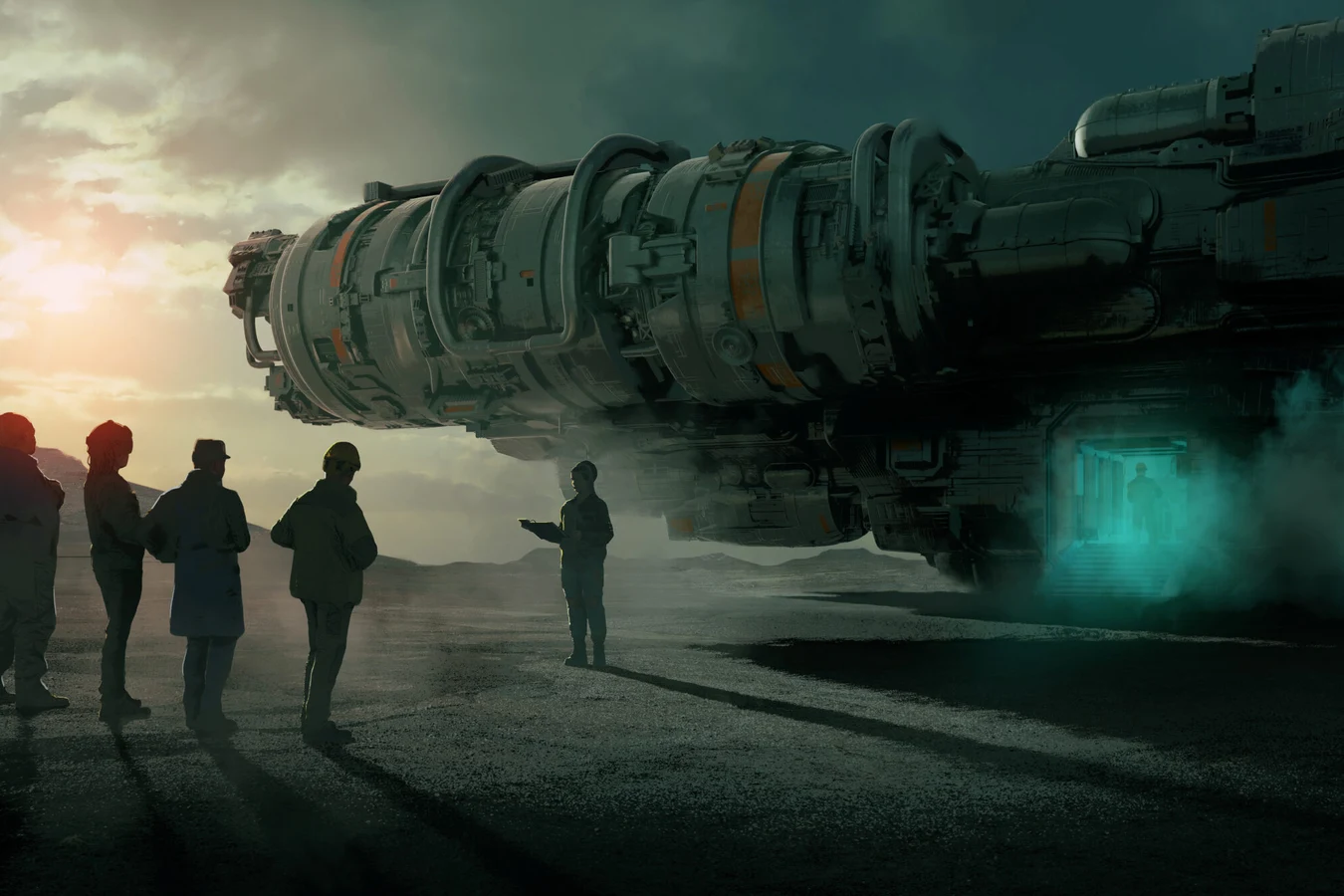
The spacecraft entries are colony and survey hulls rather than warships. A Weyland Class D Type 20 module is the science boat or lifeboat. The Lockmart 439SL is a Class 7 excavator. The Class J scientific exploratory vessel is the SEV hull used for survey work, and the campaign's support ships are Magellan-class examples of that type. Lockmart's TB22C Borrowdale-class is a modular colonial transfer vehicle, 900 meters long, with a MU/TH/UR 6000. Weyland-Yutani's CY78.3 Affiance-class extended-range colony ship is 1,200 meters long, with a crew of 16, the same computer, and an FTL rating of 12. An Affiance has to drop out of FTL and spread solar sails to recharge every 11 months, and that recharge takes 30 to 90 days. The largest hull in the list is the Lockmart and Welsun Type 3300B Deucalion-class expedition colony carrier, the type used for the mission ship in the campaign.
Campaigns On The Frontier
Chapter 6 splits long play into explorer campaigns and colony campaigns. Explorers live on the ship, survey a world, set up the first equipment, and leave. Colonists live on one world and try to make the settlement last. The book also allows a mix, where the same group plants a site and then ranges out from it. Settlement classifications and mission types come before the random trouble. Atmosphere processors are the machines that decide whether a colony can hold air, because a world that cannot keep an atmosphere does not become a homestead no matter what the contract promised.
Explorer work in the tables covers supply runs, salvage, surveys, prospecting, search and rescue, and scientific field trips. Colony trouble covers breakdowns, sabotage, political fights, civil unrest, family arguments, raiders, hunts, criminal cases, and the local environment. Separate tables cover a wildcatter's find, a tame Harvester used as mining equipment, a compression suit that fails, and other ways the setting raises stress without a creature in the room. A torn suit or a missed supply ship uses the same panic rules as a direct attack.
Systems And Colonies
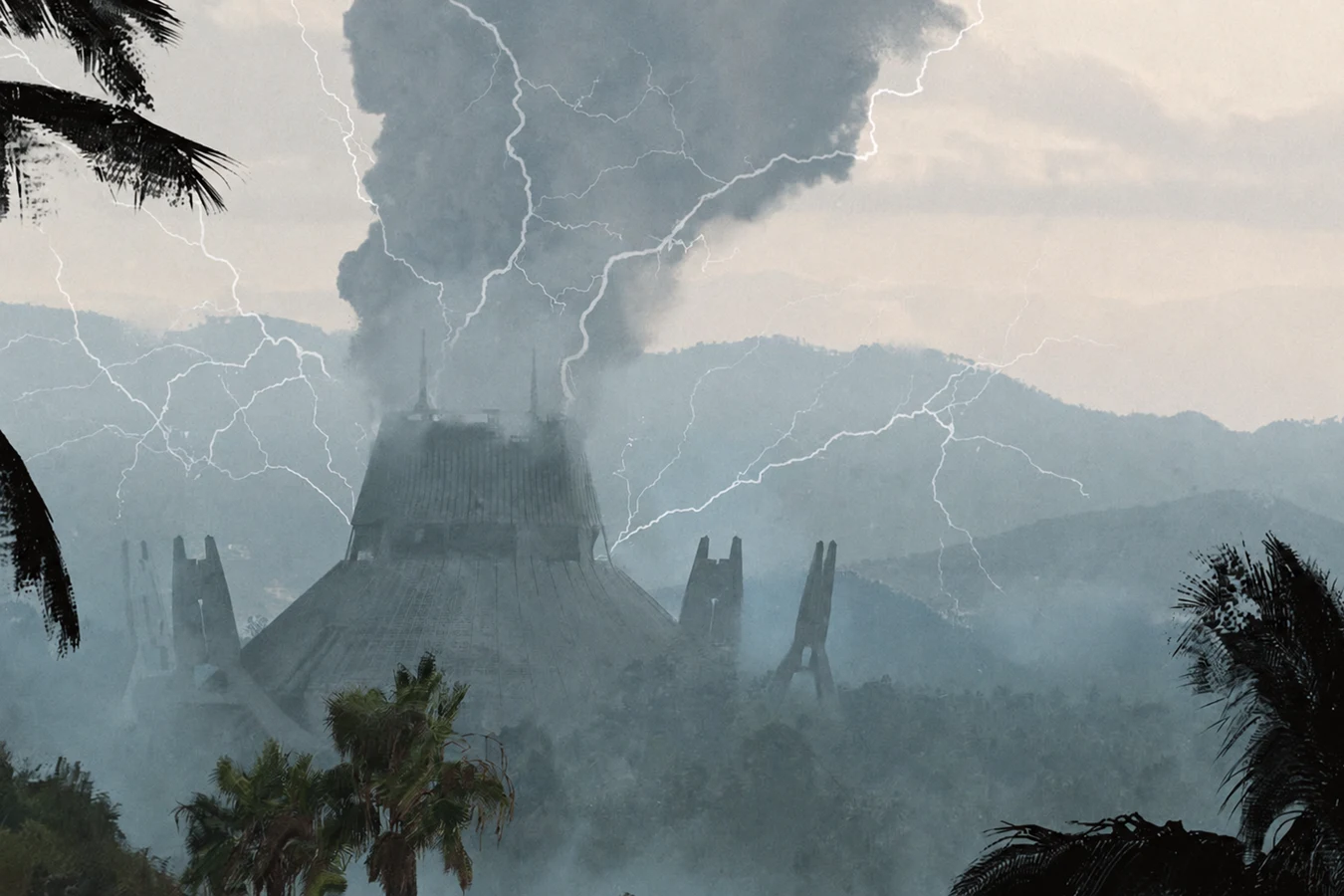
The systems chapter charts worlds in the Outer Rim Territories, the Frontier, and the Far Spinward Colonies. Each entry gives location, affiliation, classification, climate, mean temperature, terrain, colonies, population, and key resources. Outer Rim examples include Rim Colony and Pype's Dream in the GJ1105 system, Mira Ceti IV, and the Traon mining facility. The Frontier section is organized as the Weyland Isles and neighboring stars, including P Pelops, Beta Canum Venaticorum, Delta Trianguli, and Iota Persei.
Shānmén, cataloged GJ1187.03, is printed at −0.4 Rimward, 10.8 Spinward, on the outer edge of the Weyland Isles. The entry calls it a terrestrial world with breathable air, a mean temperature of 20 °C, jungle, rainforest, fungi, and rocky mountains. Affiliation is the Union of Progressive Peoples and the Jùtóu Combine. Five colonies and several outposts are marked destroyed after a Border Bomber strike, with a pre-bombing population above 20,000, and the key resources are Eitr and macrofauna research. Named sites on that spread are Sueños Grandes, New Luhansk, and Romashka Outpost. The facing notes say the local animals, from flying insects and predatory cats to large hawk-like flyers, were mutated after black pathogen was dropped into the air, and that UNISC sessions then discussed whether to destroy the planet.
Delta Trianguli is where the book places LV-593, the center of the New Albion Protectorate. Other Weyland Isles systems on the same map include Theta Persei, JPG-973, POL-6362, GL537, and GJ1227. The Far Spinward Colonies section explains the Isolation, then gives a system entry for each surviving or ruined settlement on the endpaper map. KOI-947.01, Pelican Colony, had fertile soil and fed the region before the cutoff, which is why food prices in the Middle Heavens jumped after contact failed. KOI-784.01 is Dylan City, a precious-metal mining colony the map treats as a former center of the far colonies. KOI-2650.01 is Gorham's Colony. KOI-610.01 is May Outpost. Capelli, Kareti, July, and Sanchez appear again in the campaign as worlds the Fulfremmen had reached.
Extrasolar Species Catalog
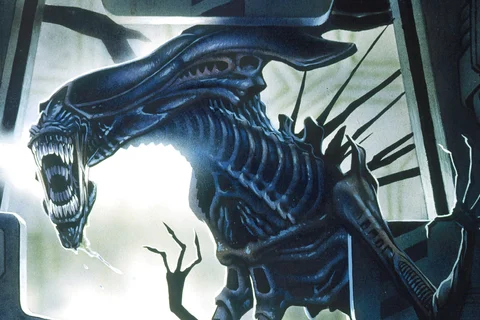
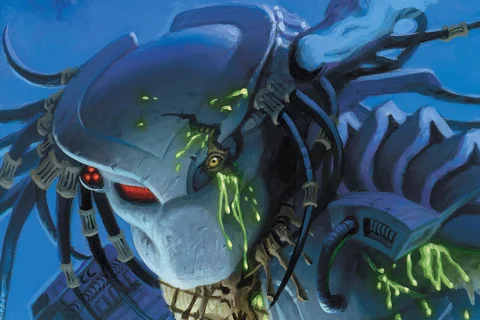
The catalog is framed as a redacted Weyland-Yutani file. The opening block is abominations produced by the black pathogen. Named forms include the Hammerpede, called a xenocobra here, a pathogen popper, and a stalker called the Venator. Human hosts are staged from the Tainted carrier through the Mutate, the Revenant, the Beluga-Head, and the Shambler. A spinward humanoid abomination is listed separately. The file then continues from those mutated animals and people into the later Xenomorph stages.
The Fulfremmen, also called the Perfected, are an intelligent people the Engineers made and then failed to erase. The catalog's name for the Engineers is Homo Genitor. In this account the Engineers were trying to recreate an older organism they called the Destroying Angel, and in that work they also produced humankind, the Arcturians, and the Protomorph. The Perfected and their proto-hive worlds nearly wiped Engineer space out. The Engineers answered by destroying infected worlds and their own colonies so the Perfected could not take them. Both sides were reduced to remnants. The Perfected went into hibernation until far-spinward colonists woke them.
Proto-xenomorphs are given their own life cycle, tied to a living proto-hive and its nodes. Stage I is the utero-pod, or womb-bat, with an alternate embryonic eye-worm. Stage II is the naiad, or squid-baby. Stage III is the Trilobite, called Cuddles in the file. Stage IV is the aethon, the juvenile the file calls a Deacon. Stage V is the adjutor, or archdeacon. The Xenomorph section then adds XX121 stage VIII, the Empress, a hive of hives, and a bioluminescent lambent variant, XX121LV. The Fulfremmen treat an Empress hive as a monument. Their practical problem, written into the campaign, is that they do not have FTL charts for the Middle Heavens or ships that can cross the gap.
The Lost Worlds
The Lost Worlds is the sandbox campaign, set in 2185 among the Far Spinward Colonies. The player characters are workers on a multinational expedition sent to find colonies that dropped out of contact, make the people safe, and bring the sector back under human administration. In 2180 the United Nations proposed that expedition. Recession, and the memory of what those colonies had exported, made the United Americas, the Three World Empire, and the Union of Progressive Peoples willing to pay. The Great Mother Mission was stood up under the United Nations Interstellar Settlement Corps, commanded by Governor Kholwa Abantu. The Great Mother Mission Accord of 2181 set the rules. The colony ship UNCSS Ìyánlá, a Deucalion-class carrier, launched in 2182.
Four Magellan-class support ships travel with the Ìyánlá: the UNCSS Solovetsky Island, Umsindisi, Chimata-no-kami, and Typhoon. The Solovetsky Island is the ship the player characters use. She carries a crew of up to 16, an FTL rating of 10, two Class D lifeboats, twelve Class A escape pods, four Daihotai tractors, four Alphatech 4×4s, two EVA-7C pods, and two heavy excavators. Cryosleep berths cover 18 people, with medpods for 12. A short haul can take up to 100. The usual watch is a commander, two pilot-navigators, two mechanics, two security officers, a scientist, a prospector, and an ICC protocol inspector. Tan Blatchman is that inspector in the commission's write-up of the mission. Weyland-Yutani's senior officer aboard the expedition is Director Kamal Vartouhi. Day-to-day running of the company interest, and of the Ìyánlá, is in the hands of Gaius, a platinum-edition Walter synthetic.
The accord's mandate is to make contact, give immediate help, survey the sector, plant new UN colonies, recover each colony's long-data disc, negotiate a return to UNISC oversight, and judge what the worlds are worth. ICC rules are supposed to bind every partner. The partners do not behave that way once news of the Frontier War reaches the fleet. Downtime tables include fights between United Americas and Union personnel, New Albion sympathizers inside the Three World Empire contingent, a quarantine laid on the Ìyánlá by the commission, and a maintenance failure that kills sleeping colonists. Replacement characters are written into the ship. The Ìyánlá is carrying colonists in hypersleep who can be woken when a specialist dies.
The hidden opposition is the Fulfremmen. After the Isolation they overran Capelli, Kareti, and July and turned those colonies into proto-hives. Sanchez was destroyed before that transformation finished. They lack charts and FTL ships for the trip back to the Middle Heavens, so the Great Mother Mission is a route home if they can take it. About a year before the campaign, a congregation of the Children of the Two Divines reached them. Some of the cult were altered. Others were left unchanged so they could pass as ordinary crew. Mother Ma'Kayla, a Hyperdyne 120A/3 synthetic, led that group and was infected with a 26 Draconis strain that works on synthetics as well as humans. She is a stage II abomination in the file, with an extended skull and lengthened limbs, and she remains an agent of the Perfected. Other factions in the sector include Gorham's Marauders and the Cooperative under the warlord Zhāngjié. Six expeditions can be run in any order. Each one plants a clue in a metapuzzle. The seventh session is the finale.
Expeditions
Home Sweet Home
Home Sweet Home sends the group to Gorham's Colony on KOI-2650.01, a dusty mining world with one occupied settlement and eight survivors. The Parks and Morino families at Tontas Ravine had a feud, set it aside to keep mining pentlandite, and picked it up again about twenty years before the ship arrived, after the trade with other colonies dried up. The landing starts the fight again. A sandstorm then breaks the facility open, and the local animals come in through the gaps. The group has to stop the families from killing each other and either repair the works or find another way off the ravine.
To Go My Own Dark Way
To Go My Own Dark Way is the Dylan Colony expedition, on precious-metal world KOI-784.01. Dylan had been a center of the far colonies before the Isolation. The people the group finds have lived as ferals for 40 years, and the text treats cannibalism as the habit that replaced the old town. The map of the site includes a ruined colony, jungle, a mining facility, a crashed ship, a camp, and an atmosphere processor. The expedition is a search of that wrecked ground, among people who no longer keep a council.
Leave All Else To The Gods
Leave All Else to the Gods is an order from Governor Abantu to colonize KOI-1966.03, a world a Gorham survey nicknamed Aljanna in 2100, just before the Isolation. That earlier crew left a forward camp and did not finish the survey. The new landing is supposed to plant a UN colony. Under the camp is an empty Engineer city, abandoned before the Perfected could destroy it, with residual power and blue light in the tunnels. The Gallery of the Ages was a laboratory and an archive for Engineer organisms. The temple is a pyramid reached from a juggernaut bay, with a ceiling 100 meters high and six head statues 20 meters tall around the altar.
The Devil Lives In Still Waters
The Devil Lives In Still Waters is the Cooperative expedition. Zhāngjié runs an authoritarian hold on the colony, and Stanley Sheppard, speaker for the Union Mutual Society, is secretly organizing Three World Empire insurrectionists who remember kidnappings and killings under that rule. Sheppard wants the off-world crew's help. The site under the settlement is a flooded Engineer shrine at Xian Hu Lake, with a pyramid, a cistern, and glyph murals that are one of the six metapuzzle clues. The Cooperative can become allies or enemies depending on what the group does with Zhāngjié, and they can also appear as raiders in the downtime events between expeditions.
Against A Sea Of Troubles
Against a Sea of Troubles starts from the support ship UNCSS Typhoon and the gas giant Palmyra, KOI-2702.07. Two moons matter. Azizo is a cool water world of seas and island chains, volcanically active, with iron-oxide dust in a red high atmosphere, gravity at half of Earth's, and temperatures mostly between 5 and 12 °C. Arzu is a cold, heavy super-Earth with a dense atmosphere, little surface water, and gravity at twice Earth's. Both moons orbit a gas giant, so their days are long twilight as often as true night. The expedition puts an Engineer juggernaut on that system, and a later clue from an orrery draws a line from Arzu to the station in the finale.
Let Sleeping Gods Lie
Let Sleeping Gods Lie is the survey of Pelican Colony. The group finds a world scoured by radiation, the wreck of a crashed ship, and primitive automatons that keep the colony running. Those machines are closer to automated power loaders than to synthetics, and they treat the visitors as a problem to be managed. The pirate ship Spirit of Trafalgar and the site Godafoss are part of the same expedition. The Guardian is an Engineer ship, a long horseshoe whose bulbous head is built to carry and amplify sound. A first gunshot or scream inside it fills the hull and forces a stamina check. The orrery clue recovered in this stretch says the Lychgate must be withheld from "our children," the Engineers' name for the Perfected.
In The Shadow Of Perfection
In the Shadow of Perfection is the finale, in three parts, and it is not one of the six that can be shuffled. The Lychgate is an Engineer station, twisted and biomechanical, in orbit where the orrery placed it. The outer ring leads into ambulatories, spiral tunnels about 100 meters wide, and from there into boom lattices that are two-meter tunnels between the larger passages. Antechamber tunnels drop toward a core chamber 300 meters across, with a smaller sphere at the center and a scaffold of girders built for bodies larger than a human. The hive on the station can drag captives off to be cocooned. The Ìyánlá is in play for the last movement, because the Fulfremmen want a ship and a chart that can carry their strain, and an Empress brood, back across the Isolation line.
Building Your Own Better World
The appendix is the toolkit for a colony that is not one of the seven written expeditions in the Lost Worlds. It extends the core book's star-system tables with radiation bands, atmospheres, and other planetary hazards. A colony sheet tracks the settlement's economy, spirit, science, and the policies, installations, and projects that change those scores. A low tax rate, for example, is written as a policy that helps economy and spirit and hurts science. Colony incidents, politics, and the planet's own strikes are separate tables, so a Game Mother can advance the settlement between ordinary scenarios instead of inventing a new world from nothing.
Behind The Scenes
Free League published the book with 20th Century Studios, and the copyright line is 2023. Martin Grip, Eelco Sebring, and Gustaf Ekelund illustrated it. Christian Granath designed the graphics. Maps were by Stefan Isberg, Granath, Semark, and Clara Fei-Fei Čarija. Brandon Bowling and Kosta Kostulas proofread. Dan Algstrand handled prepress, and Joe LeFavi of Genuine Entertainment handled brand management. Playtesters included the Semark and Schollaert-Semark households, Chris Webster, Connor Clarke, Dawn Traynor, Pete Newbold, and Tony Semark. Sales started on 16 January 2024, as a hardcover and as a PDF, and the book requires the 2019 core rules or the later Evolved core.
Evolved Edition
The 2024 hardcover was written for the 2019 Alien rules. Free League later listed a 256-page Evolved Edition that keeps the colonization history, the two new careers, the gear, the 36 worlds, the species catalog, and the seven expeditions, and sets the interior to the 2025 rule layout. A table that owns the 304-page book can keep using the Lost Worlds campaign if talents, gear, and creature statistics are lined up with the Evolved lists. The Far Spinward Colonies, the Great Mother Mission, and the Lychgate finale are the same trip.
Conclusion
Building Better Worlds is Andrew E.C. Gaska and Dave Semark's 2024 Free League campaign book for Alien: The Roleplaying Game. It gives explorers and colonists the administration, the careers, the trucks, and the map of the Far Spinward Colonies, then sends the Great Mother Mission out on the UNCSS Ìyánlá in 2182. The six expeditions can be taken in any order. The book ends them at the Engineer station called the Lychgate, where the Fulfremmen try to take a ship and a chart that would carry their pathogen, and an Empress, back toward the Middle Heavens.
External Sources
Tag Categories: Alien Merchandise | Alien Universe Reference Books