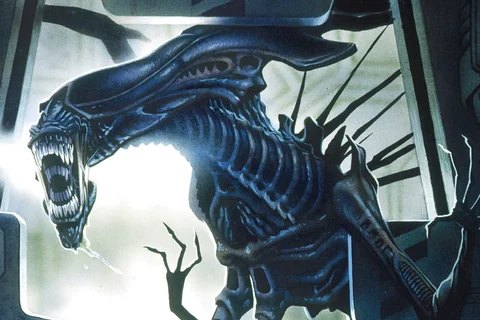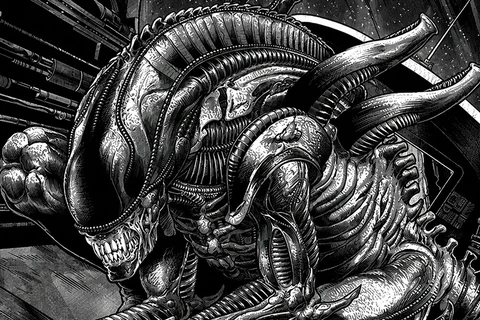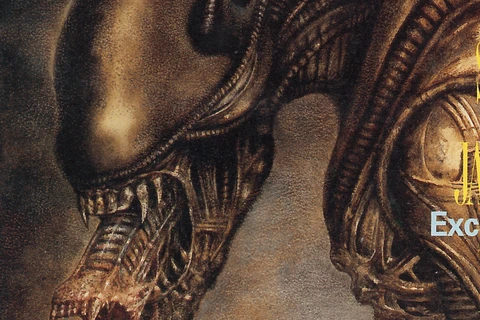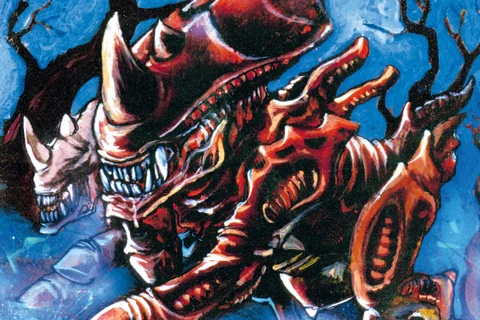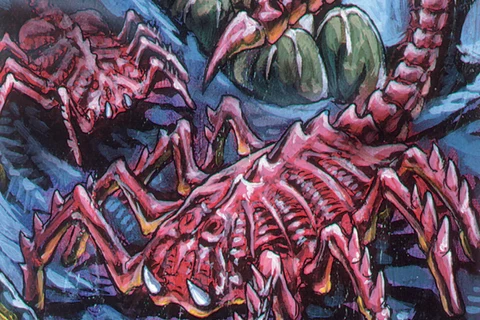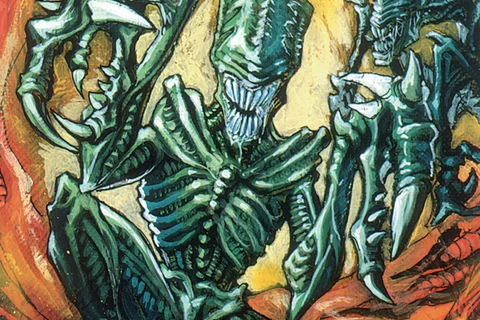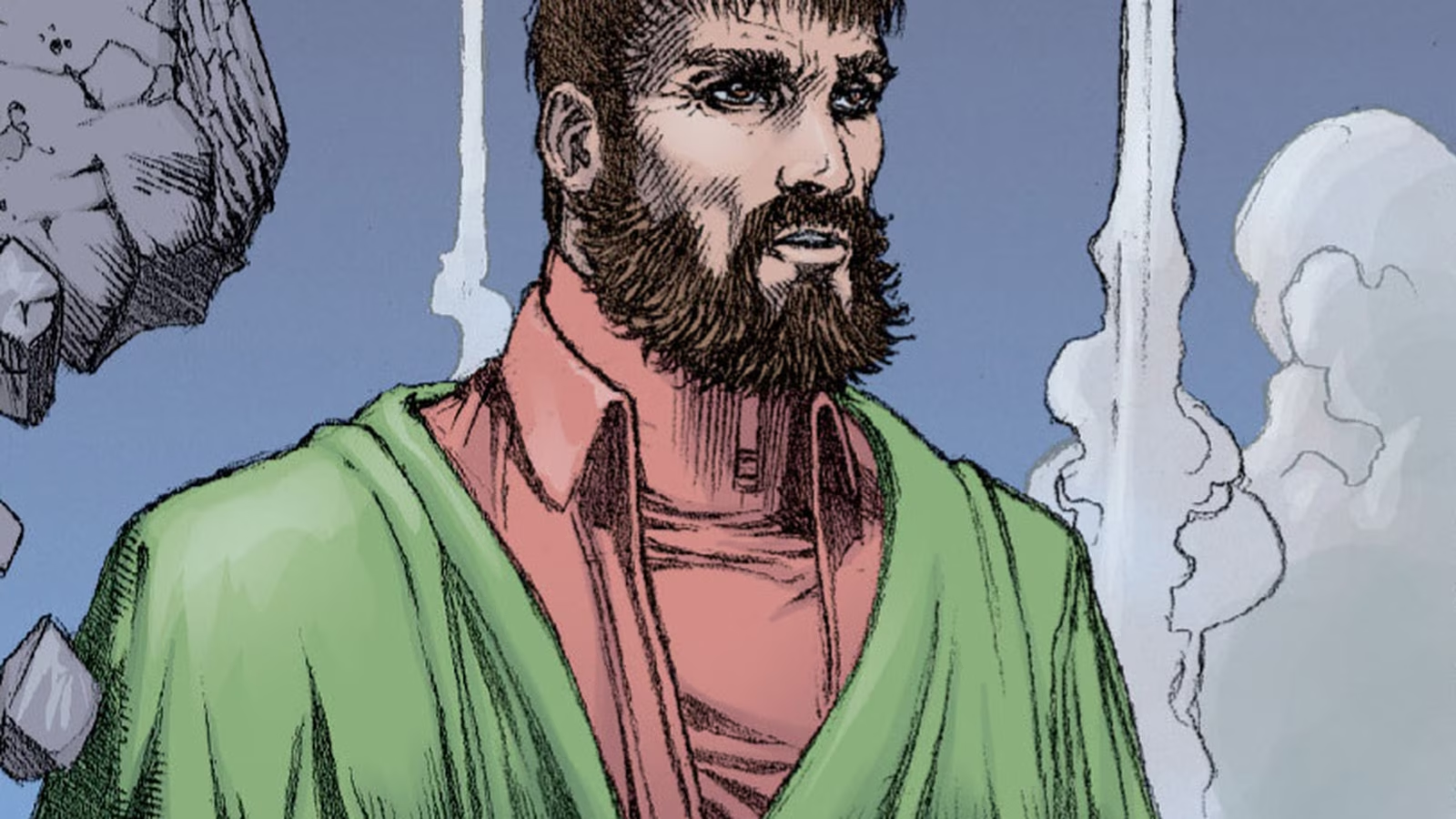

Dr. Lucien Keitel was a scientist and founding member of the Geholgod Institute whose research became worship of the Xenomorphs. In Aliens: Apocalypse, he led an expedition from an alien derelict to a dead Space Jockey civilisation, developed the Rhodes vaccine and persuaded colleagues to become hosts for the creatures he called Destroying Angels. Alecto Throop's attempt to recover him exposed his experiments and ended with Keitel remaining behind in the collapsing necropolis.
Biography
Earlier Life And The Geholgod Institute
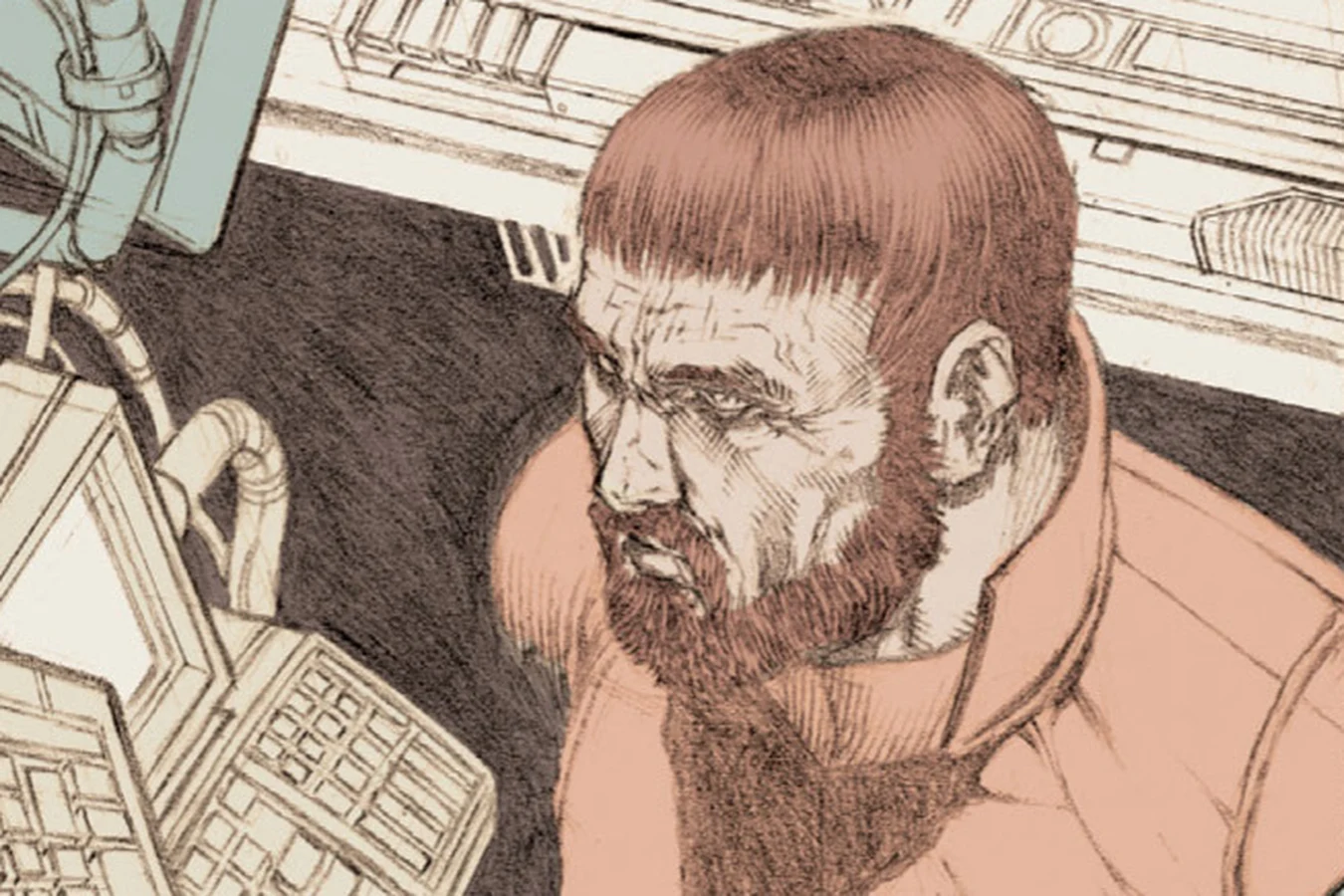
Dr. Lucien Keitel was a founding member of the Geholgod Institute, an independent scientific organisation that sought discoveries outside the control of the major corporations. His colleagues regarded him as a brilliant researcher with ambitions that could change humanity's future. He also worked as a consultant for Weyland-Yutani, a position that gave him access to classified information unavailable to most independent scientists. He brought material from those files to the institute rather than leaving the Company in sole possession of it.
The records described the Nostromo encounter with an alien derelict on Acheron. Keitel connected accounts of its organisms with fossils recovered in Australia's Great Sandy Desert: remains of unexpectedly complex life in extremely ancient rock. Those comparisons became the foundation of his later extinction theory. The comic illustrated this professional history in flashback, showing Keitel at a terminal, conducting astronomical work and preparing to leave on his expedition.
The Shambleau Expedition
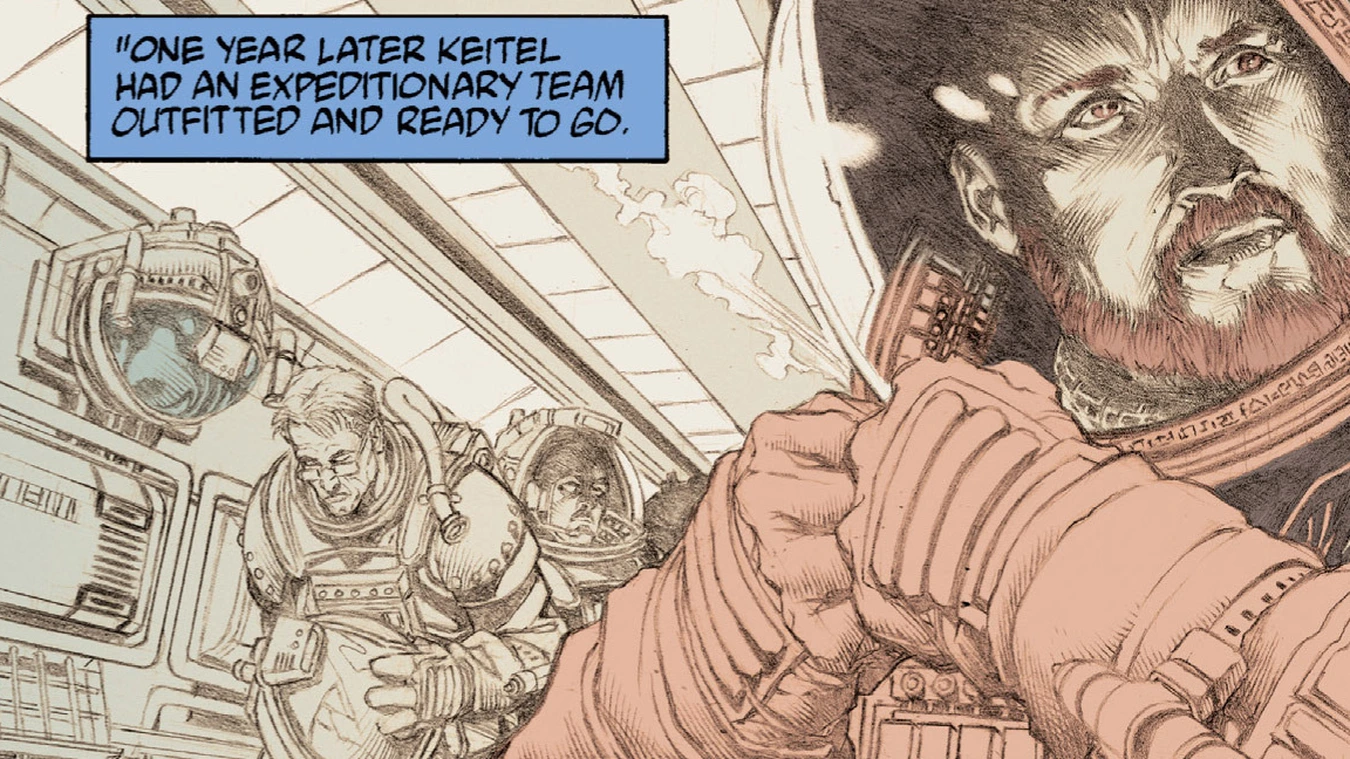
The institute's search located another alien spacecraft orbiting a planet in the Shambleau system. Its emissions matched those recorded from the Acheron derelict. A year after the discovery, Keitel had an expedition ready to travel aboard the Savannah, whose prototype particle drive could bend space for effectively instantaneous journeys. He initially sent enthusiastic reports on the ancient ship and its fossilised crew.
The expedition also collected Xenomorph eggs. When it moved on, Keitel left the infected researcher Rhodes behind as a host and guardian of the abandoned installation. He checked Rhodes's condition, praised his work and spoke of the new existence awaiting him. Rhodes accepted the arrangement and subsequently died when the creature emerged. Keitel's apparently benevolent manner already concealed a willingness to let a colleague die for the research.
The Lost Expedition And The Necropolis
Dr. Nelligan, Keitel's linguistics specialist, deciphered enough of the derelict's records to identify its previous port of departure. The expedition reprogrammed Savannah's navigation and followed that route to an uncharted world. There they found a vast underground necropolis built by the same giant species. Keitel believed it was one of potentially thousands of worlds they had colonised, rather than establishing it as their original homeworld.
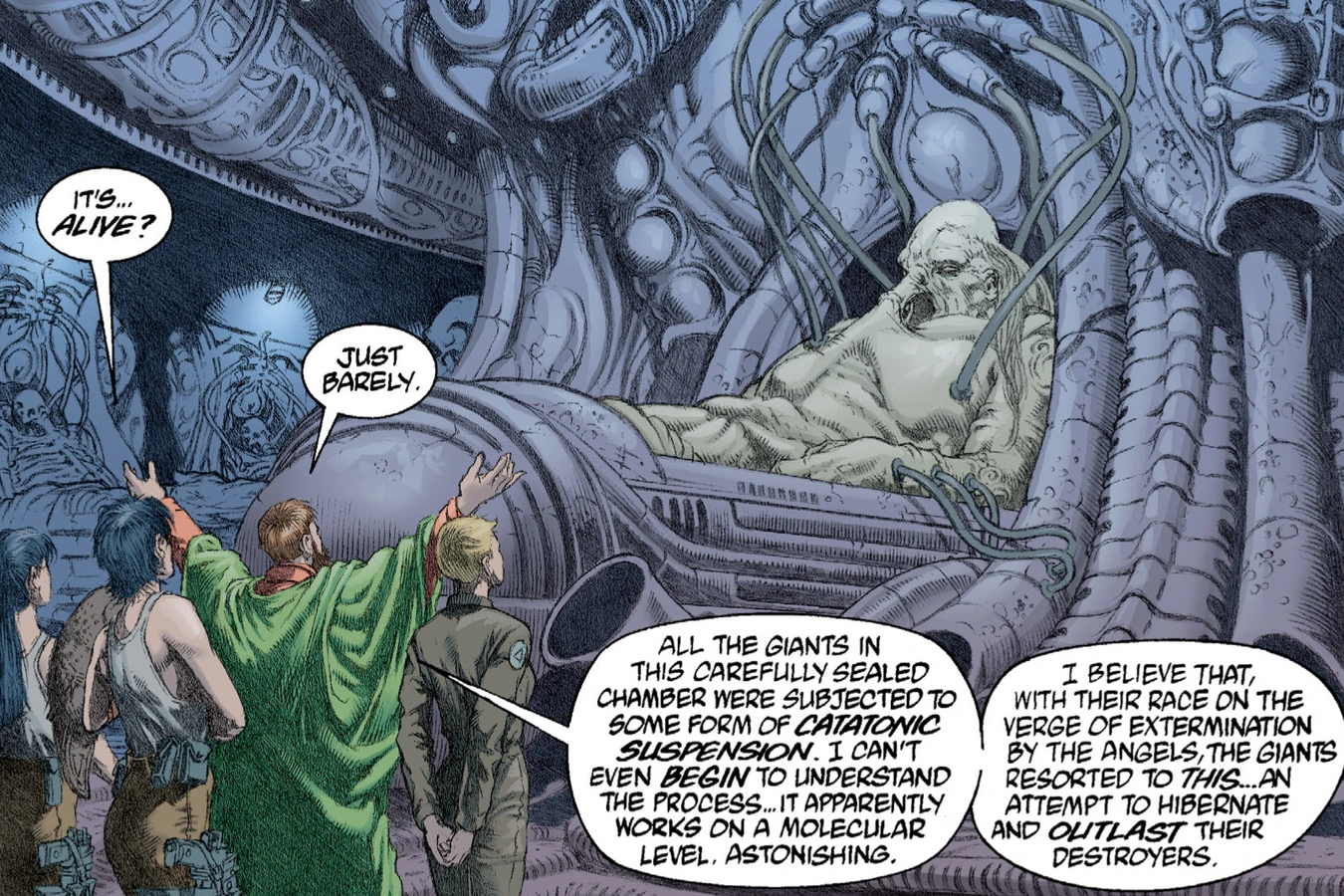
Within a sealed chamber he discovered a surviving Space Jockey, barely alive in machinery he interpreted as a form of molecular suspension. Other giants had failed to survive the enormous interval. Keitel preserved this individual and studied the surrounding civilisation, but did not expose it to the eggs. His reports to Earth became erratic and stopped about eighteen months before the institute hired a rescue contractor to recover him.
The Destroying Angels Cult
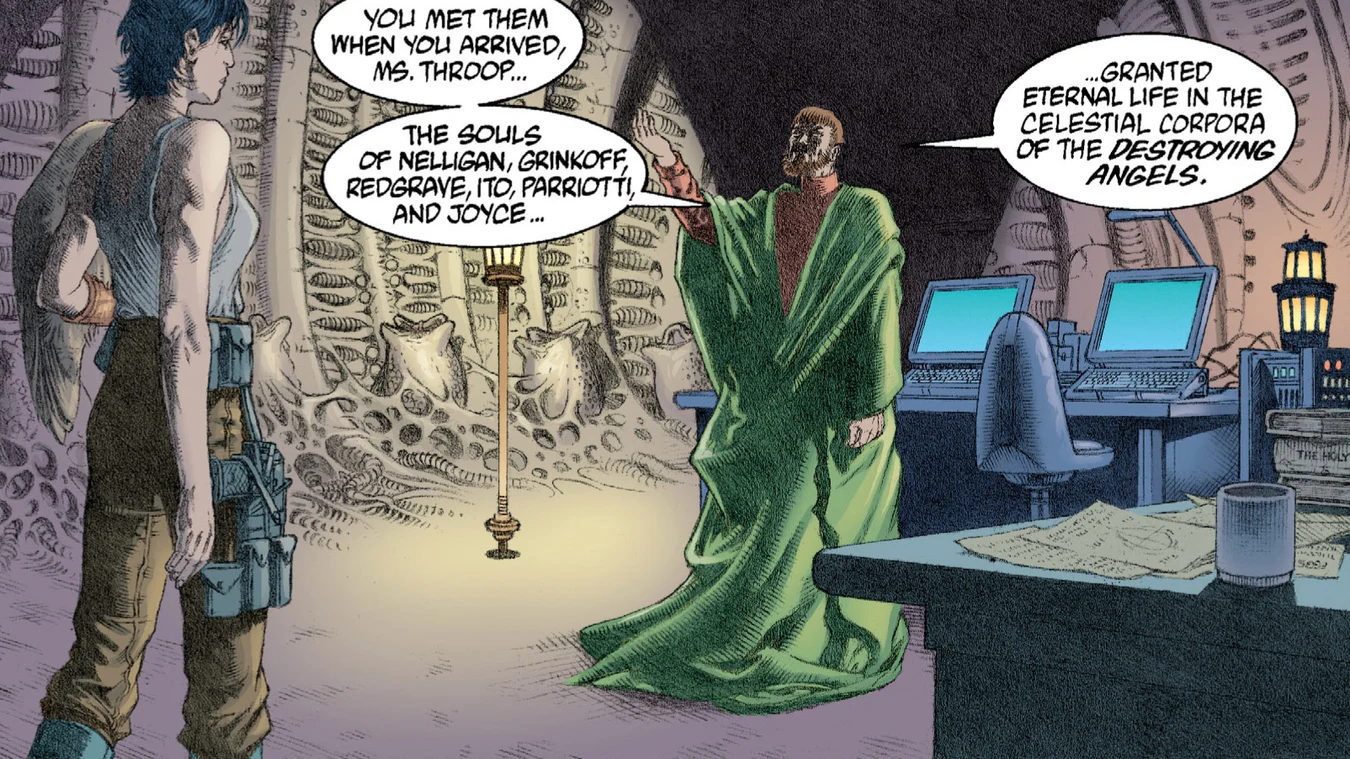
Keitel brought eggs from the derelict to the dead world and used members of his expedition to raise a new population of Xenomorphs. He persuaded them that death as hosts would allow their souls to continue inside the creatures, which he called Destroying Angels. His followers included Nelligan, Grinkoff, Redgrave, Ito, Parriotti and Joyce. He presented their deaths as service to science and participation in a higher form of existence.
This belief became a form of Xenomorph worship centred on the expedition. Captain Hannibal Sten adopted it and wanted to become a host himself, but some of the remaining eggs were infertile. Keitel told him to wait for his opportunity. Their relationship left Sten devoted to the doctor's promise while increasingly frustrated that his companions had already received the transformation he desired.
The Rhodes Vaccine
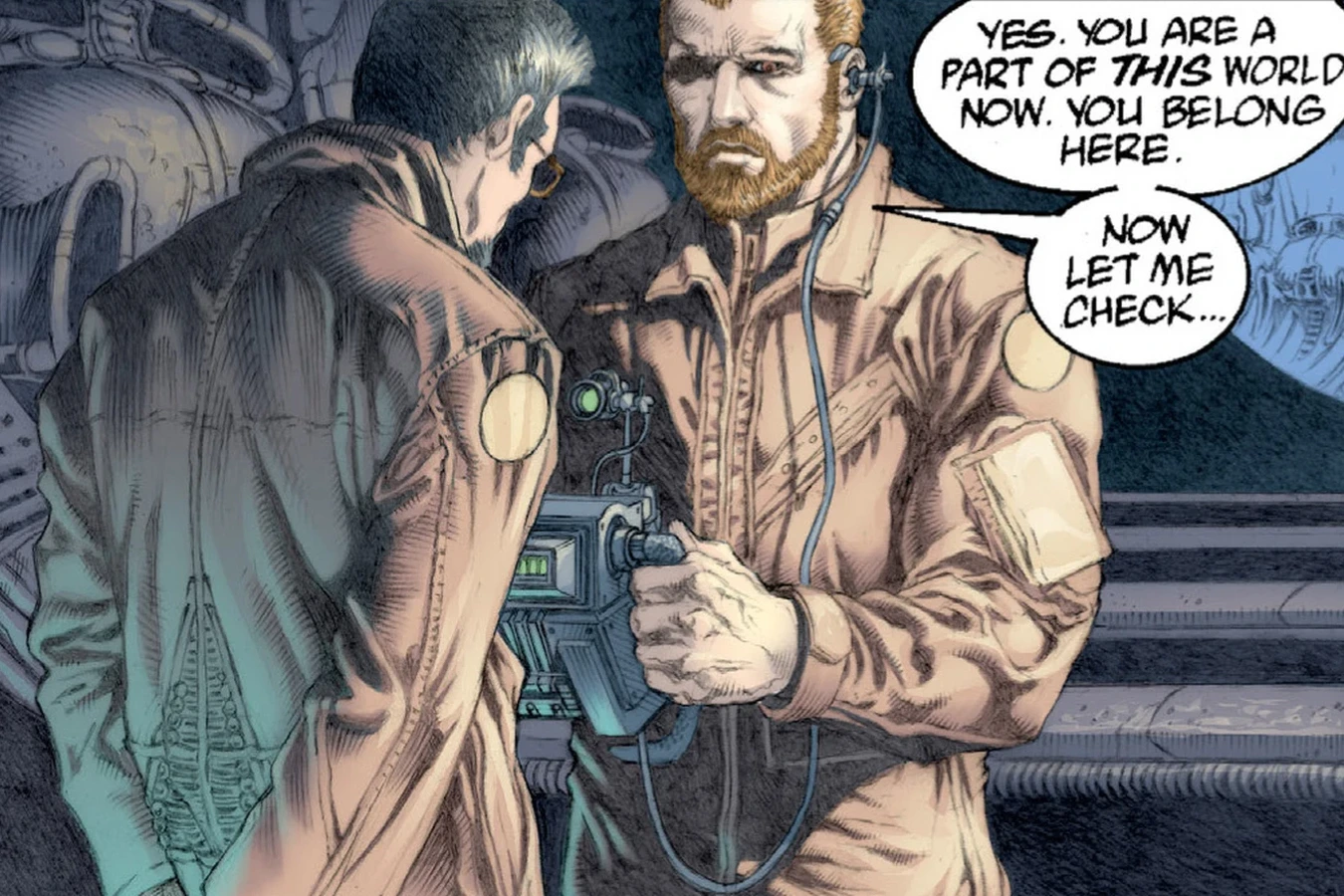
Keitel developed a treatment from Rhodes's DNA that altered the adult Xenomorphs' response to a treated human. The expedition called it the Rhodes vaccine. It allowed Keitel and Sten to move through an infested complex without the immediate attacks that met unprotected visitors, giving the doctor access to the creatures he was studying. It was also the practical means by which he could remain among the organisms that had killed his colleagues.
When Throop and Jellicoe were attacked, Keitel appeared with Sten and administered the treatment as a mist. The women lost consciousness and recovered in the expedition's quarters. Sten later claimed that another dose after eight hours would make the effect permanent, but their existing protection wore off. The demonstrated effect was temporary tolerance by the adults, rather than control over their behaviour or proof of the immortality Keitel promised his followers.
Alecto Throop Finds Keitel
The Geholgod Institute hired Alecto Throop's rescue company to recover Keitel, his team and their findings. The institute did not explain the full danger of the organisms before sending her. After surviving the first derelict and following the expedition's trail, she reached the necropolis with fellow contractor Jellicoe, Captain Mutombo and their synthetics. Mutombo was carried into the nest before Keitel intervened.
Throop returned to question him after securing her ship. Keitel recognised the owl Wicket as a sign of his old friend Caspar Tellurian's involvement and offered the visitors a tour. He described the giant civilisation, showed them the suspended survivor and explained his work. His willingness to discuss extraordinary discoveries made the fate of his missing colleagues more disturbing when Throop finally demanded to know where they were.
The Extinction Theory
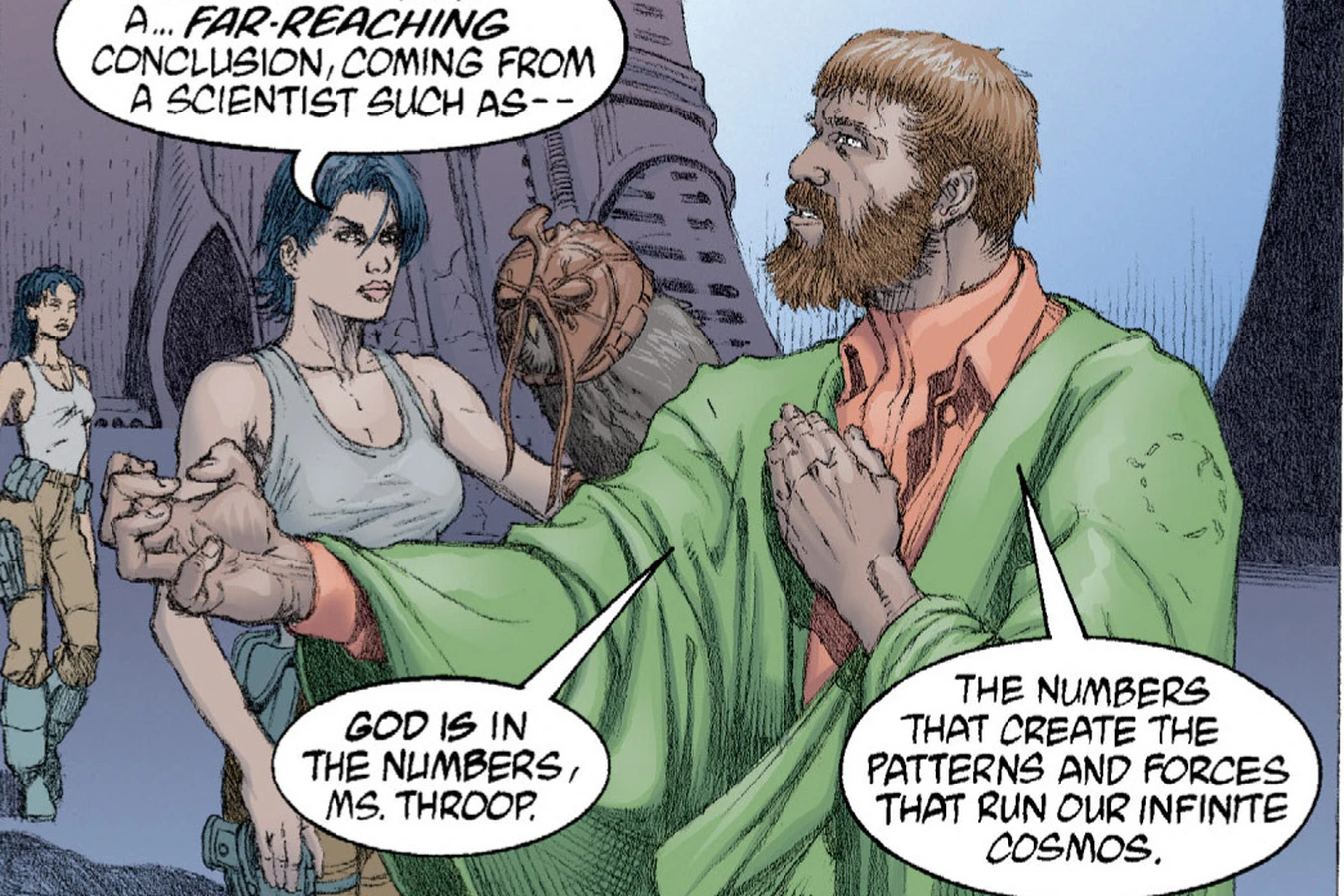
Keitel called the creatures Linguafoeda acheronsis and interpreted them as recurring agents of extinction. He claimed that their anatomical correspondence with the Australian fossils demonstrated an ancient presence on Earth, while the dead giant civilisation showed what happened when a spacefaring species expanded too far. In his account, the organisms restored a cosmic balance by eliminating civilisations. Humanity's own expansion had begun attracting their attention.
He combined scientific observations with religious language, treating mathematical patterns as evidence of divine order. Throop challenged the leap from fossils and ruins to a universal purpose. Keitel nevertheless wanted her to take his findings home and persuade humanity to withdraw to Earth. His conclusions concerned the creatures' origins and purpose; his assertion that individual human souls survived implantation was a further belief, unsupported by any demonstrated survival of the hosts.
Turning On The Rescuers
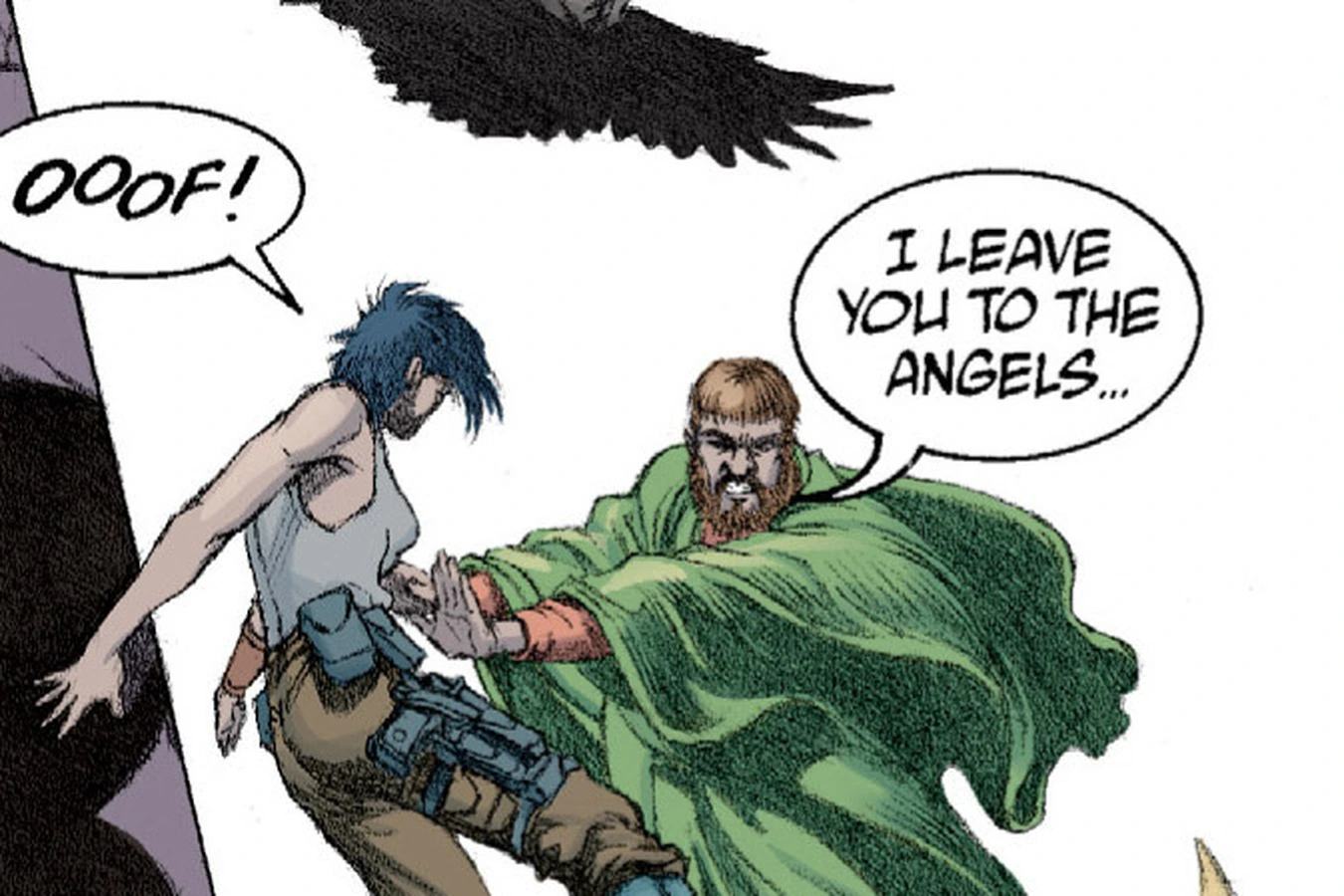
When Keitel admitted that his missing researchers had become hosts, Jellicoe condemned him as manipulative and Throop pressed him for more information. He refused, overturned equipment and fled. He struck at the rescuers and left them to the creatures, insisting that ordinary social restraints did not apply in the necropolis. Throop recovered his research and transmitted it to the Rachel despite his attempt to stop the questioning.
His treatment did not keep the women safe indefinitely. As its effect faded, they had to fight their way through the ruins. Jellicoe was seized and the synthetic Arch was badly damaged. Keitel's control of the situation had always depended on a temporary biological protection and a supply of hosts; it did not prevent the wider infestation from threatening the people he had originally claimed to rescue.
Baal Infects The Giant
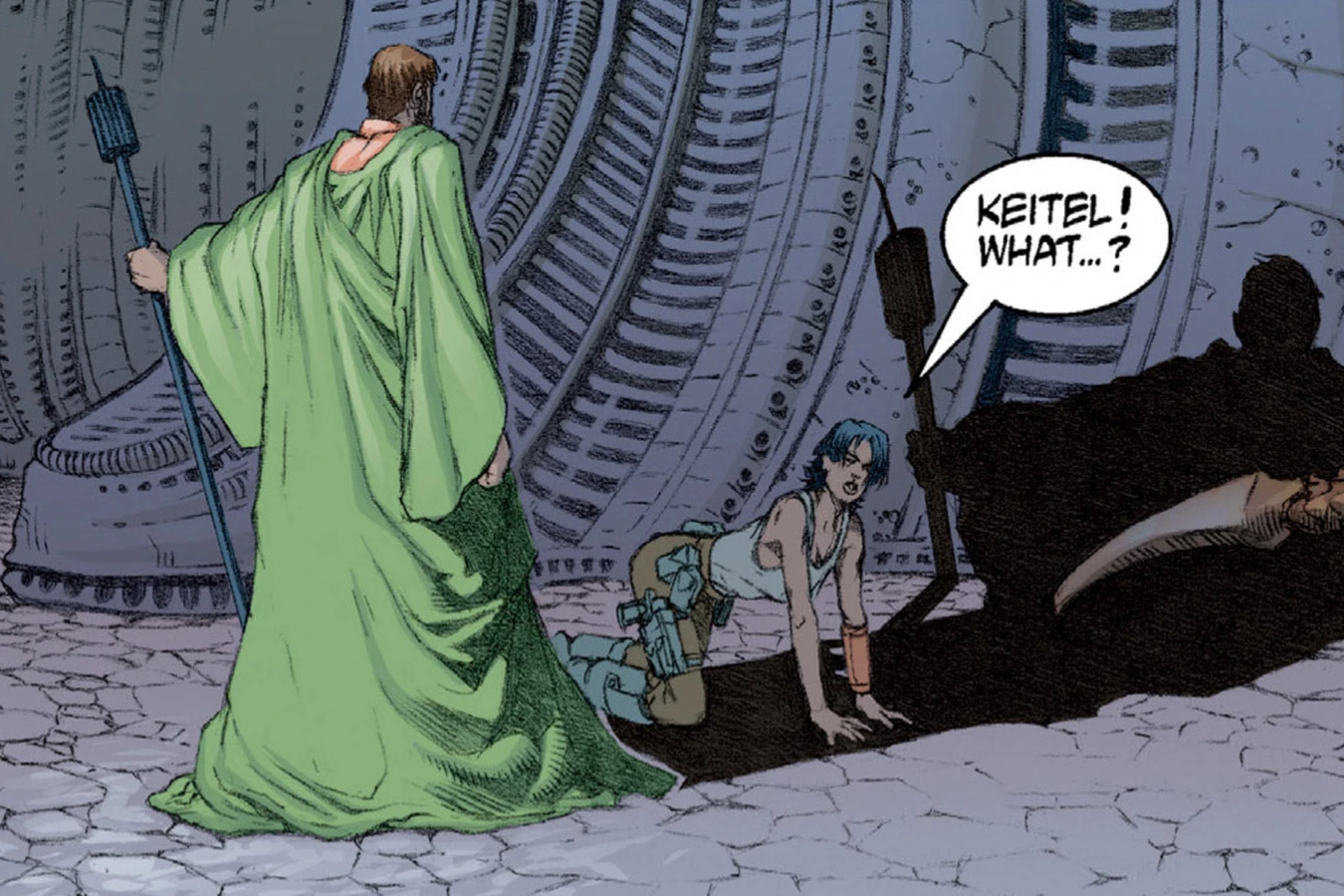
The synthetic Baal, transferred into a body containing residual corporate programming, carried an egg into the giant's chamber. Its Facehugger infected the suspended survivor, initiating an experiment Keitel had considered but never dared perform. The doctor recognised the scale of the danger. A creature born from this host could exceed the human-born Xenomorphs and destroy the structure holding his research.
Keitel blamed Weyland-Yutani's interference for the act and returned to Throop. He acknowledged having committed terrible acts and admitted he had been wrong to attack her, but still insisted that his experiments had been necessary. With the situation collapsing, he wanted her to carry his warning to Earth. Throop agreed only on the condition that he help recover Jellicoe and Mutombo.
Helping Throop Reach The Nest
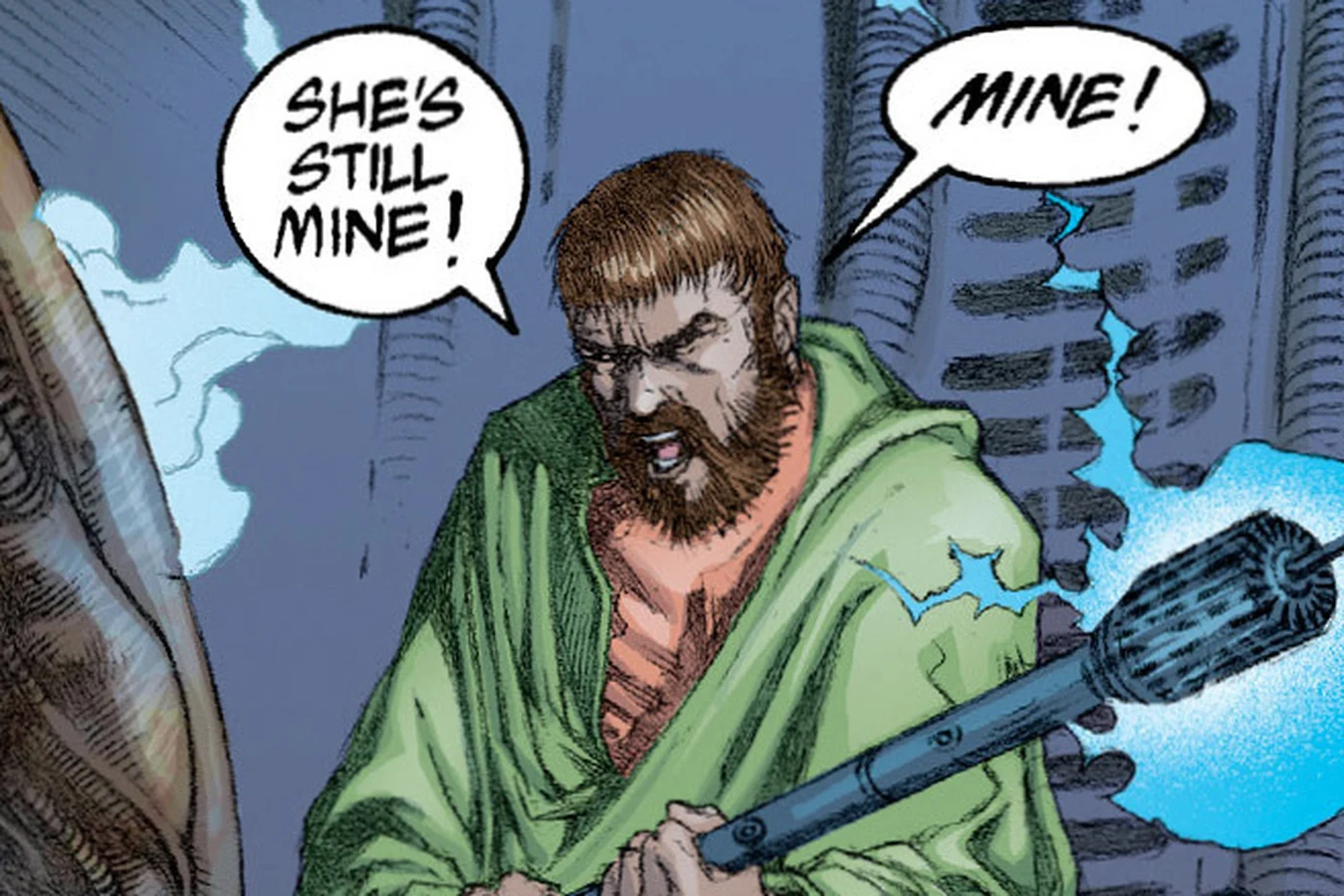
Keitel drove the smaller creatures away from Throop with an electrical staff and guided her towards the captives. The emerging Space Jockey Xenomorph broke through the ancient complex and attacked the human-born creatures instead of peacefully joining them. Keitel called it the destroyer of destroyers. Its rampage created an opportunity to reach the nest, but also accelerated the destruction around them.
He helped release Jellicoe, who was still alive. Mutombo could not be saved: his body was too damaged to remove from the nest. Keitel's last useful act was to guide Throop towards the rising passages and explain how to escape. He had returned to help someone he had endangered, while still asking her to spread the conclusions for which he had sacrificed his own expedition.
Final Fate In The Collapsing City
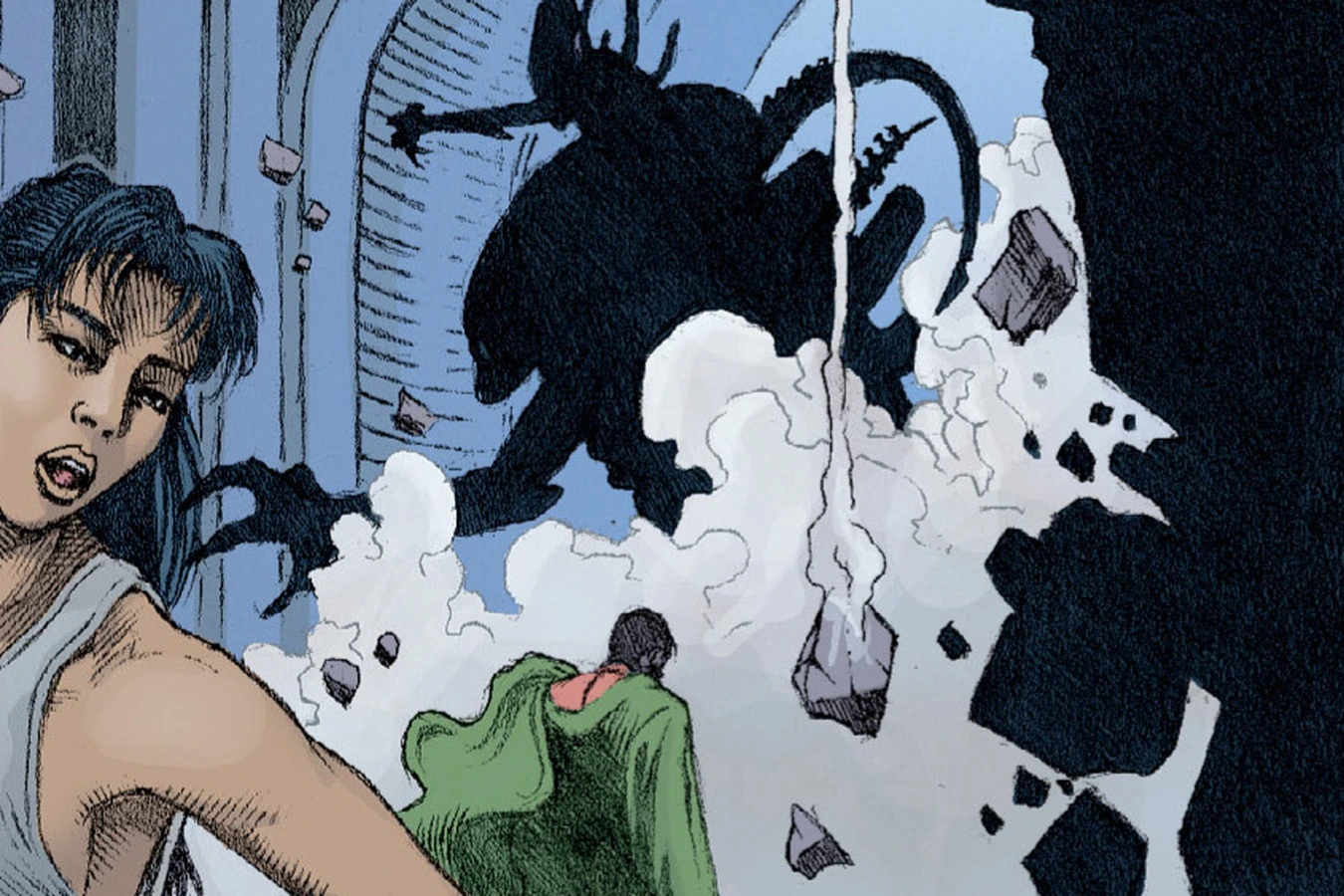
Throop urged Keitel to come with them, but he refused. He said that he belonged with his men and the souls he believed lived in the creatures, and chose to share their fate. He warned her against trusting the Geholgod Institute and again urged her to bring his message directly to the public. His final defence combined an admission that his actions were unforgivable with his continued insistence that they had been necessary.
Keitel remained among the Xenomorphs as Throop supported Jellicoe towards the Rachel. The necropolis collapsed behind them, leaving the doctor and his expedition lost in the ruins. The comic did not show a recovered body or a separate, explicit fatal blow against him. His final scene established that he stayed behind to die, while Throop escaped with his research and the responsibility for deciding what to do with it.
Appearance And Equipment
Keitel had short brown hair and a full beard. The career flashbacks and opening expedition scenes showed him in practical clothing and a pressure suit. By the time Throop found him, he wore a loose green robe over his expedition clothing, making him resemble a religious teacher as he guided visitors through the ruins. His equipment included medical instruments, computers, research notes and the electrical staff he used against the creatures during the final crisis.
Personality
Keitel could speak gently while making lethal decisions. He reassured Rhodes, checked his condition and praised the future awaiting him, treating a fatal implantation as a privileged transformation. His followers' willingness to participate reinforced his sense that their sacrifices were justified. His scientific authority and promises of survival beyond death allowed him to turn colleagues into experimental subjects without describing them as victims.
He was also possessive of his discoveries and hostile to anyone who challenged his interpretation. Throop's questions made him defensive, and her condemnation prompted violence and flight. He resented corporate exploitation of the organisms while overlooking how his own experiments treated human lives as expendable. Even after admitting wrongdoing, he did not abandon the claim that his actions had served a necessary purpose.
His return to help Throop showed a capacity for practical assistance and remorse, but neither erased what he had done. He remained convinced that humanity needed his findings and tried to make her the messenger he would not live to become. His final decision joined guilt over his colleagues with the same belief in their continued existence that had helped him sacrifice them.
Behind The Scenes
Mark Schultz wrote Keitel for Aliens: Apocalypse - The Destroying Angels, with interior artwork by Doug Wheatley. The four-issue miniseries appeared in 1999, well before Prometheus supplied its account of the Engineers. Keitel therefore investigated the giant biomechanical pilot species as depicted in the earlier Alien imagery. The comic did not establish the unnamed world as the species' original homeworld.
The story alternated Keitel's professional history, his observations and his religious conclusions. Its conflicting ancient timescales make a precise unified chronology difficult: his discussion of the Australian fossils used roughly 3.2 billion years, while his account of the giants' expansion used about 1.5 billion. Those figures are best understood as claims made within the story rather than a single consistent history supplied independently of him. His theory of souls surviving inside the creatures likewise remained part of his doctrine.
Tag Categories: Alien Universe Characters | Alien Universe Scientists | Alien Lore