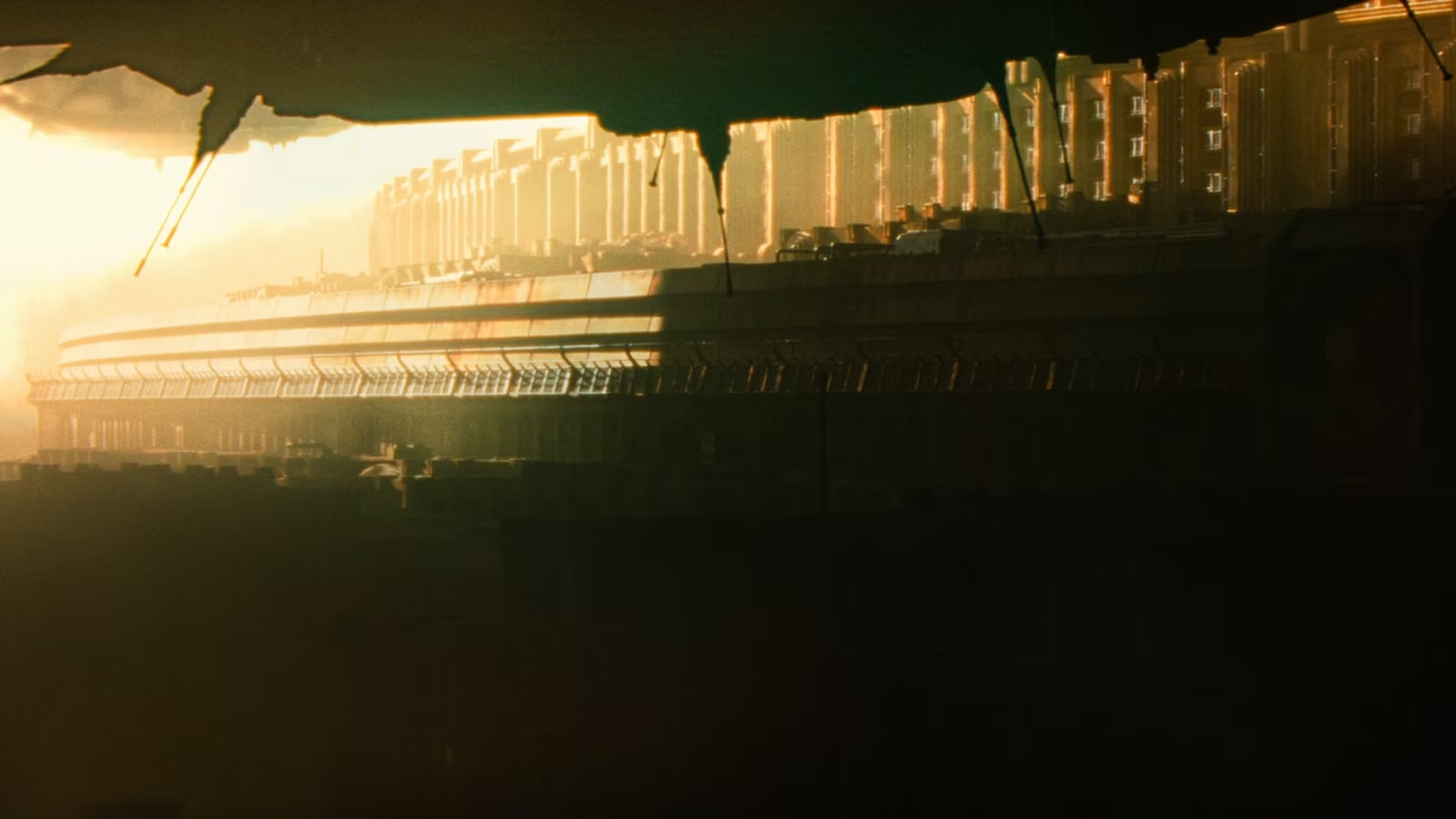

The Replicant and Human War was the conflict that ended with replicants ruling Los Angeles in Blade Runner 2099, the series set fifty years after Blade Runner 2049. It never received an official name, and the people who lived through it called it only the war. Its roots lay in the unrest that Freysa stirred in 2049, when she met K and spoke of a coming revolution and an army in the making. By 2099 the humans had lost, the replicants held the city, and the survivors on both sides still spoke of the fighting in the past tense.
Origins Of The War
Previous Wars
Wars had shaped the replicants long before Los Angeles. World War Terminus was the third world war in all but name, and its radioactive dust drove the United Nations to push emigration to Mars with an android servant for every colonist. The Tyrell Corporation sold replicants for that work, and the Wallace Corporation later took over production. Their labor served the Off-World colonies, and later Off-World wars used replicants as soldiers.
The Tyrell Corporation sold replicants as servants that would never need a cause. A sales recording described models that came out at twenty-one, lived as many years as the buyer decided, and had no parents, no children, no past and no future. The company had made sure they had nothing to fight for. Yet replicants fought on both sides of the war on Calantha, and veterans like Freysa and Sapper Morton later hid on Earth. In Black Out 2022 the soldier Iggy Cygnus deserted after he found a Nexus serial number in the eye of a dead enemy and realized that both sides were replicants.
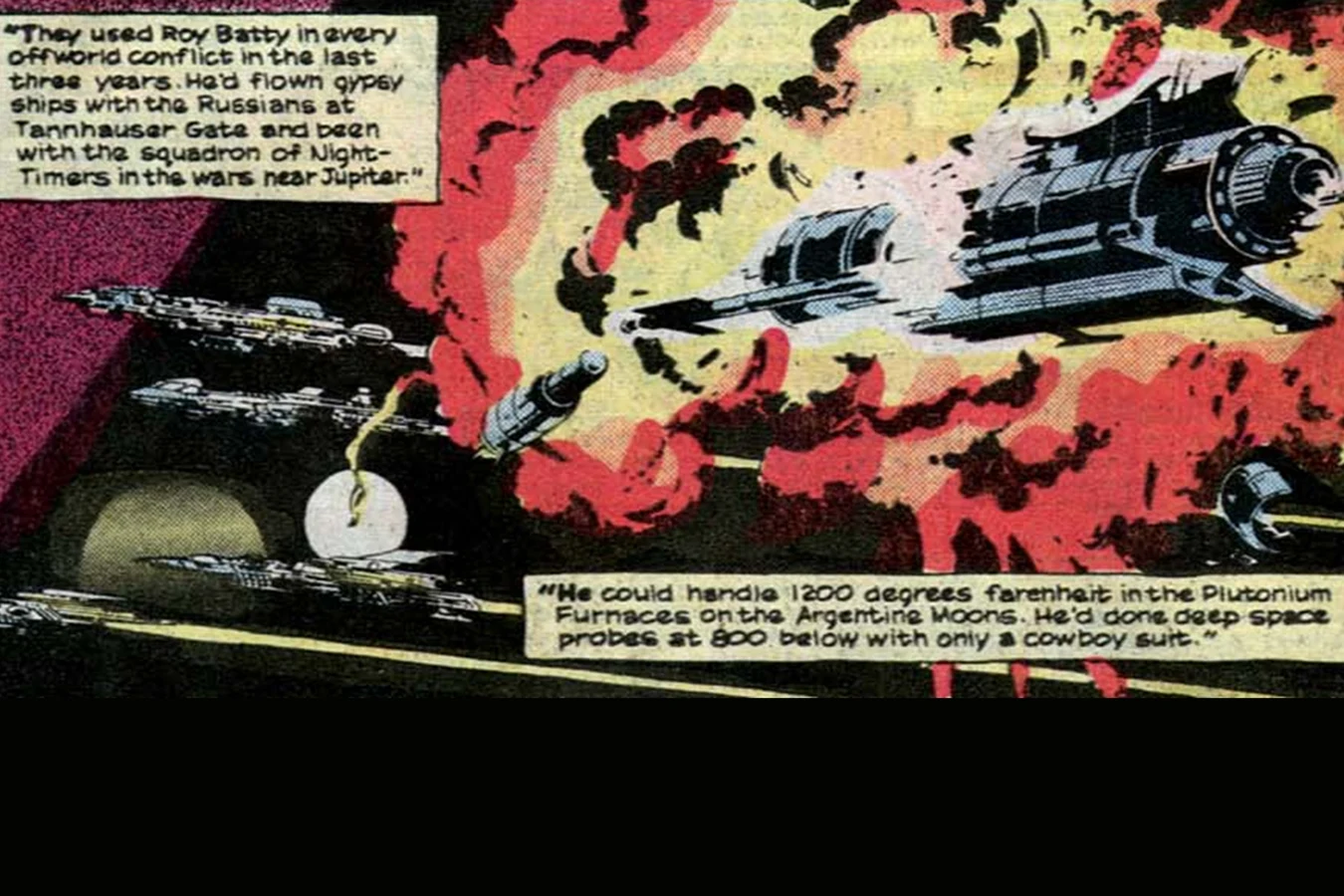
Roy Batty belonged to an older generation of soldiers. He was a Nexus-6 combat model, and by his own account he saw attack ships burning off the shoulder of Orion and beams glittering near the Tannhäuser Gate. Marvel's 1982 comic adaptation drew some of those memories as panels. Its narration gave the only detail of the Argentine Moons, that Roy could handle 1,200 degrees Fahrenheit in the plutonium furnaces there.
Replicant Rebellion
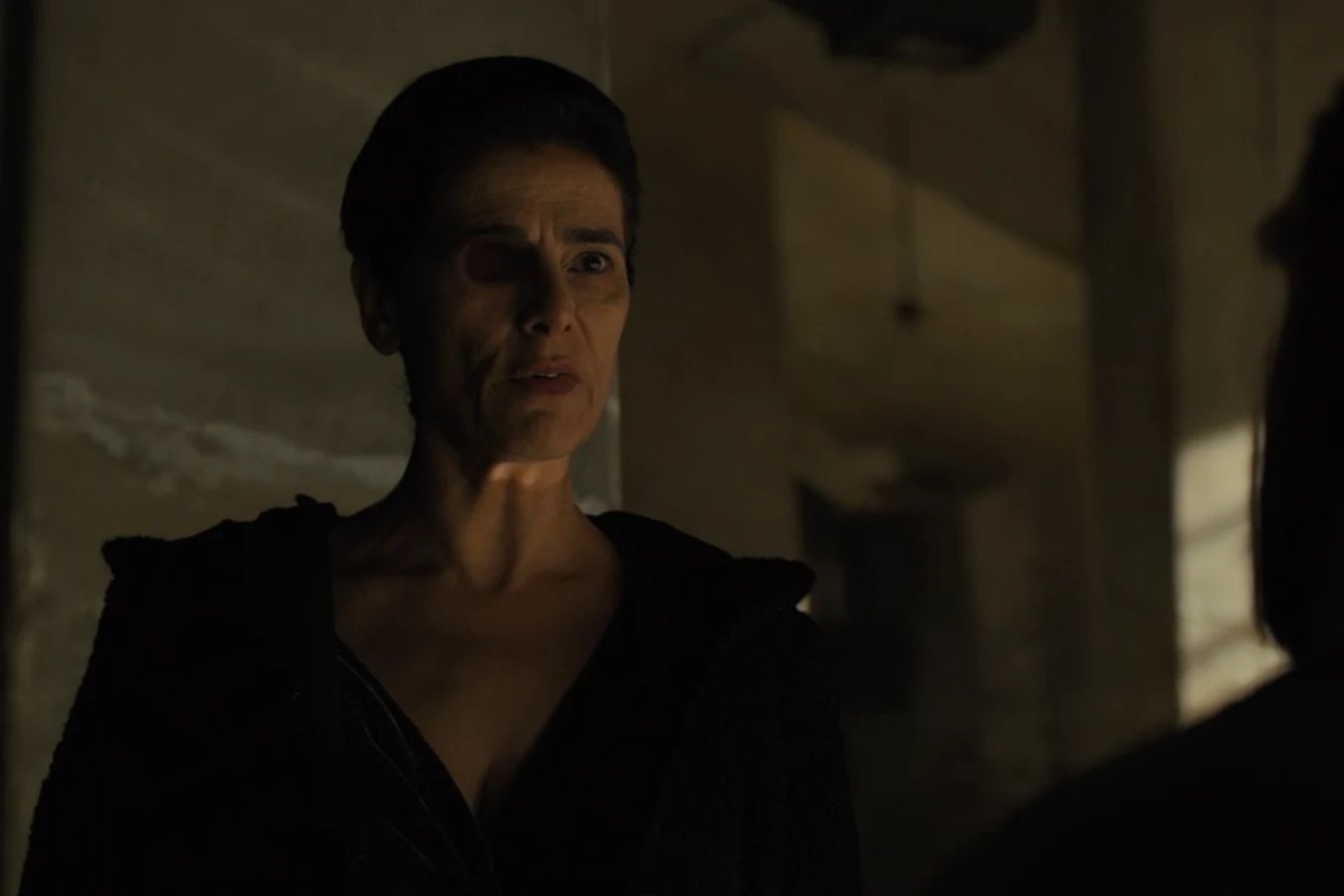
The rebellion took shape years before the war, when Freysa led a hidden group of replicants in Los Angeles. In Blade Runner 2049 she met K and spoke of a coming revolution, an army in the making, and a place in it for him. Years earlier she had opposed the prophet Yotun when he seized LAPD headquarters in Titan's Blade Runner 2029, because the police would regroup and outnumber his followers. She was a Nexus-8 combat medic who had fought beside Morton on Calantha, so she had seen replicants die for human causes before.
Freysa built her movement on a secret. She had been present in 2021 when Rachael died giving birth, and she helped hide the child and vowed to keep it quiet. To her the baby proved that replicants were their own masters, and she planned to show the child to the world and let her lead the army. K's superior, Lieutenant Joshi, feared the same birth for the opposite reason, because it would break the wall between humans and replicants, and she ordered every trace of it erased. Freysa instead wanted K to kill Rick Deckard, so that Niander Wallace could never follow him to the child.
The Fighting
Replicant Veterans
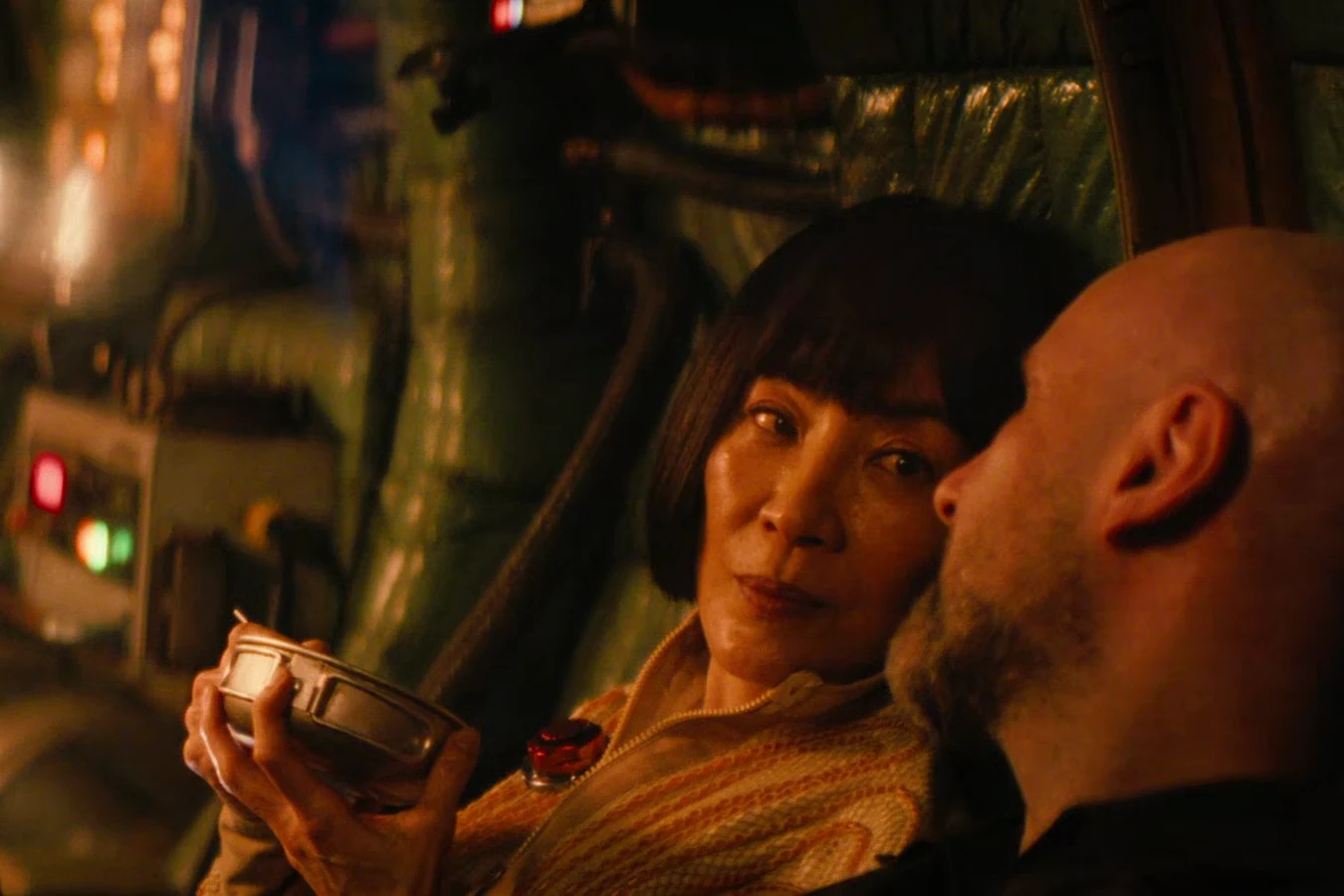
Many of the replicants who fought in the war came from Off-World. Olwen and Marek had been Baumeisters before the war, builders the Saccard Corporation made in France to shape atmospheres on Namaka and Shimata. The two worked together for many years until they came to Los Angeles to fight. When the war ended, the city assigned both of them to the LAPD under assistant chief Felix, and protocol later separated the partners. Ten female and eighteen male replicants later went missing from the city, and some were locals while others had come from Off-World to fight.
Human Fighters
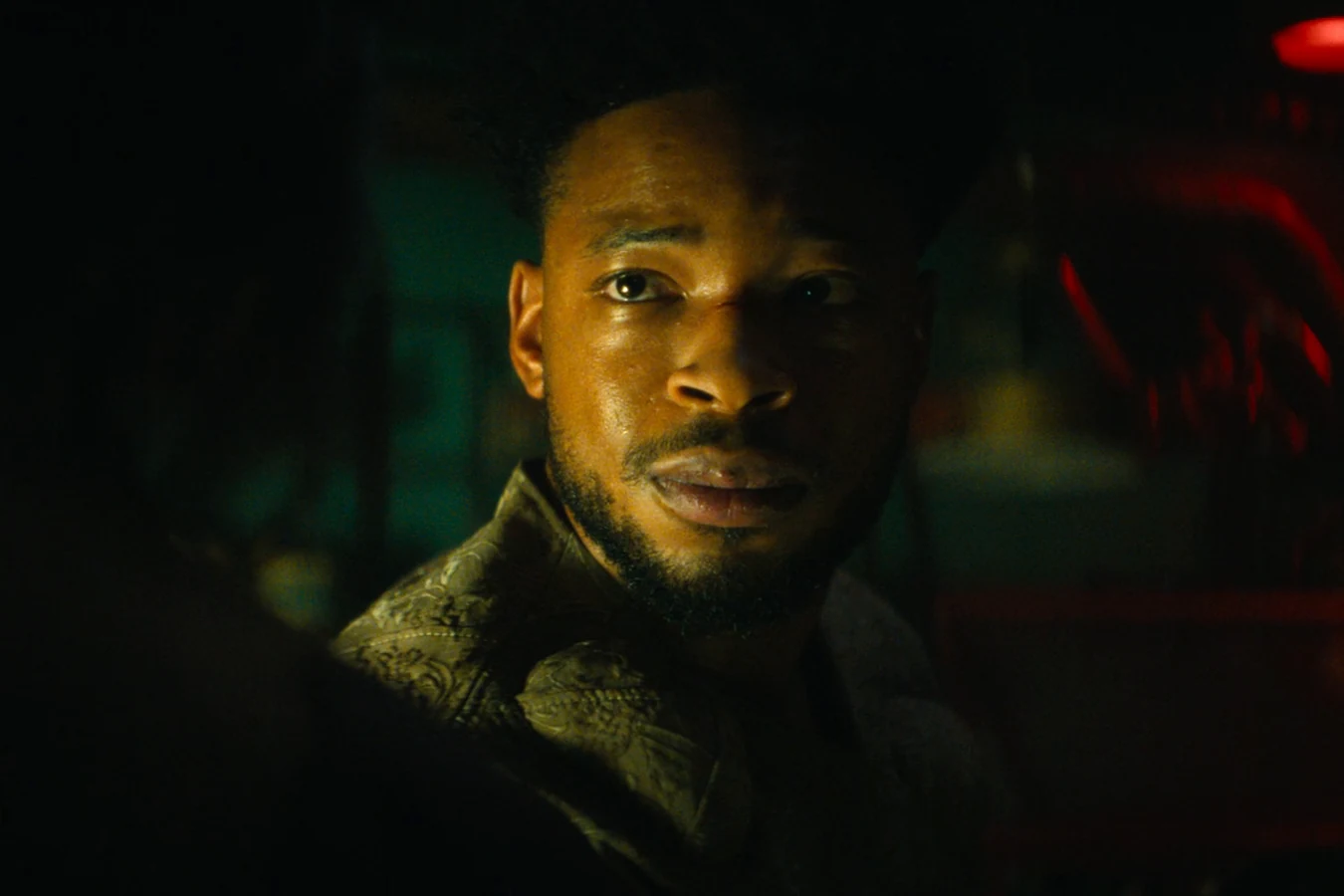
Bebeto fought for the humans. He was born in Los Angeles, and he spent much of the war near Norwalk, closer to the mountains where the heat was easier to bear. His side killed everybody who was there. It also sent scouts into replicant neighborhoods, and Bebeto learned to change a person's looks so that they could pass. Sabotage reached the city as well, and a dockhand named Isaac Brandt had loaded the bombing at Richfield Plaza.
Seed Bombs At Lockwood
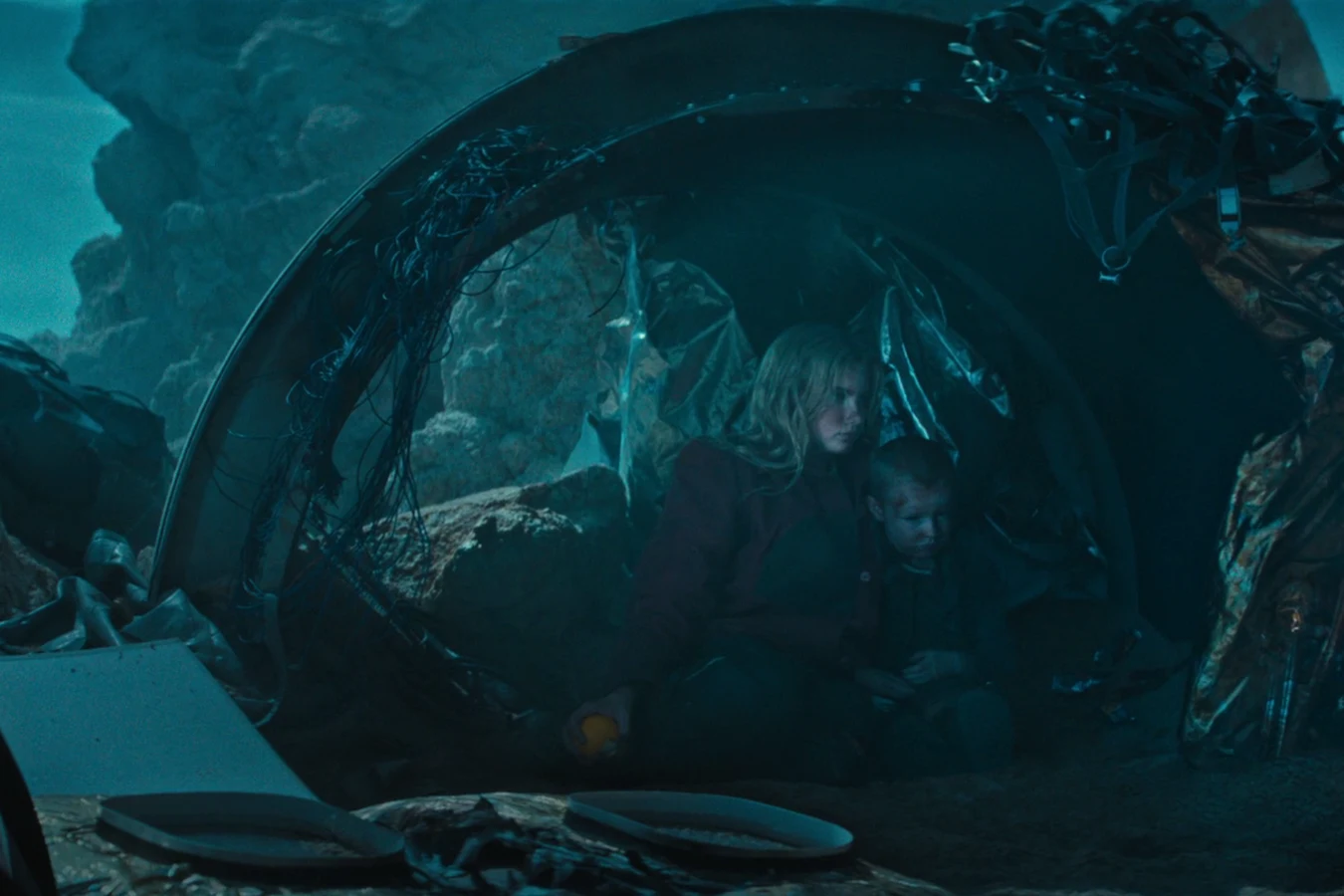
The war reached ordinary families early. Cora and Elias were already on their own, with their parents gone, when the fighting started. They tried to reach the Off-World colonies and were waiting in a transfer box, getting used to microgravity, when seed bombs went off at Lockwood. The blasts left the nerves of Elias damaged, and they were still damaged years later. Cora then boarded a capsule to escape the bombing, but something hit it, and it caught fire and fell into the ocean. Everyone else aboard died, and Helena found the two children about a year later.
The Launch Complex
Last Human Holdout
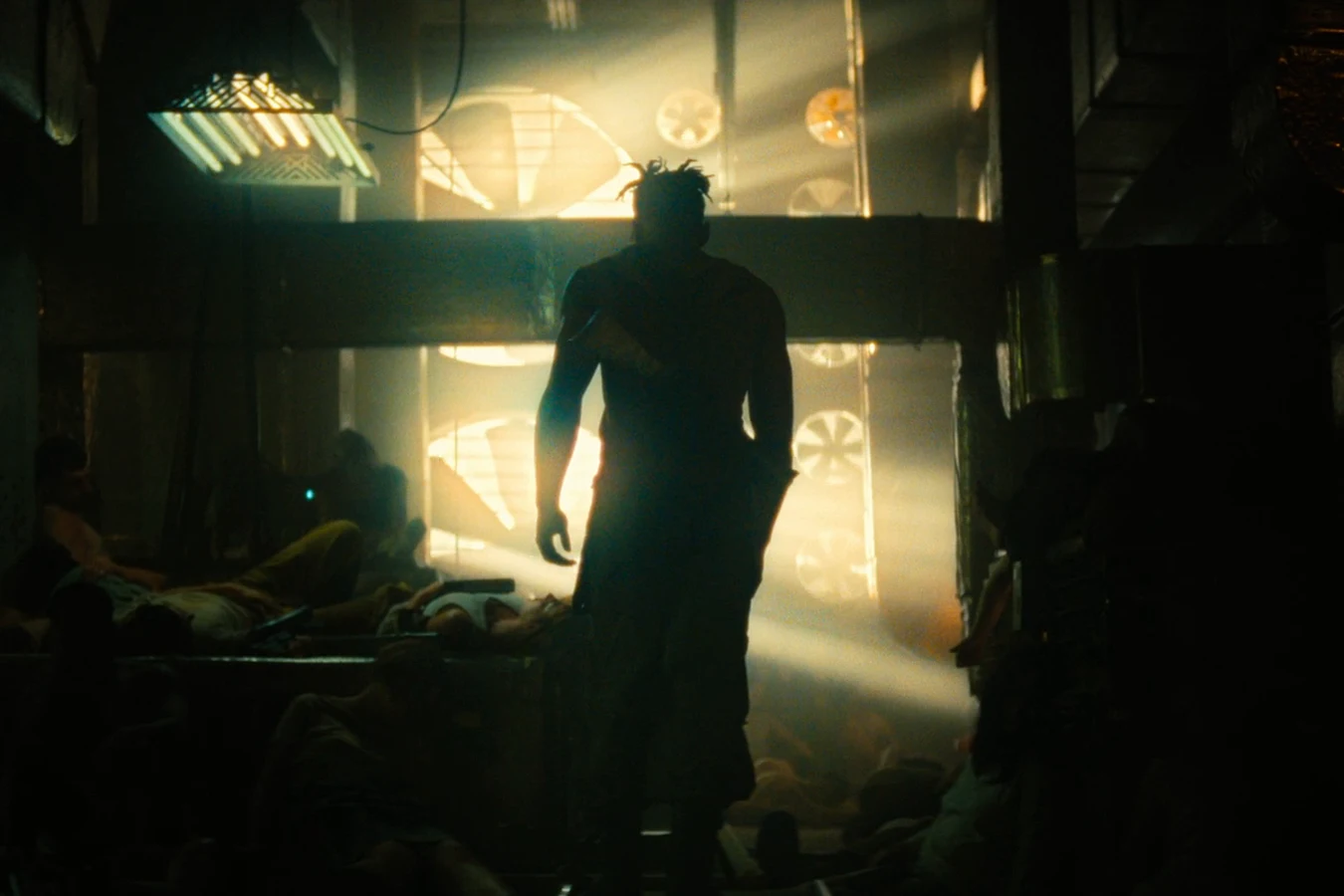
As the war turned, some human fighters left it after hearing of another place that had what they needed. That place was an abandoned launch complex south of Los Angeles, past the solar farms and over the mountains, with the ocean on the right. Tyrell had built it and left it after his bankruptcy. It ran on turbines that powered its launch platform, and it held the coolants and filtration that kept the air cold inside. All a person could hear in those halls was the sound of the air cooling.
Cutting The Power
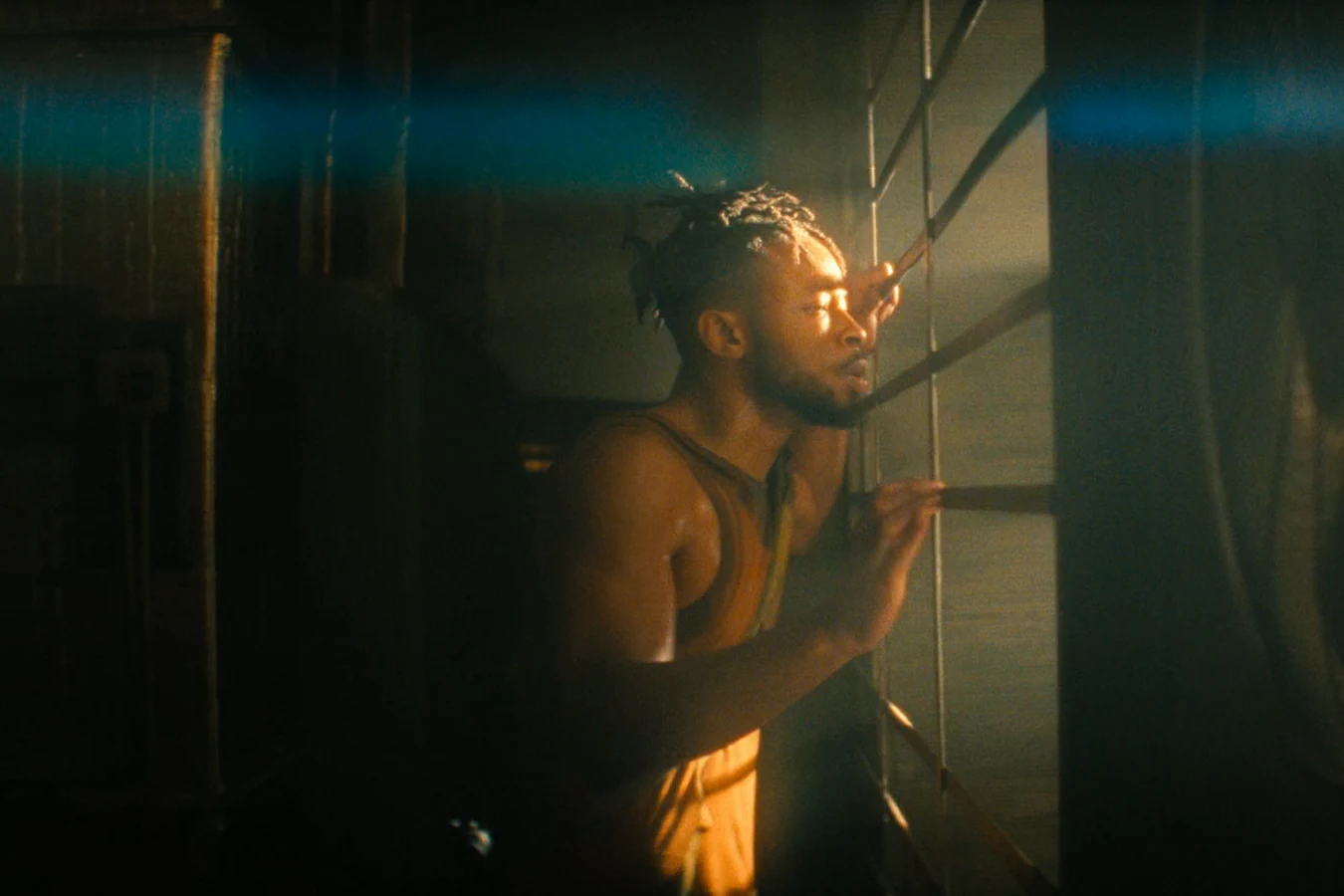
The replicants never attacked the complex. Nobody heard the replicants arrive, and then the power was cut and the cold air stopped. The heat slowed the thoughts and the blood of the people inside until they died just to escape their bodies. There were no seed bombs and no gunfire. The replicants cut the power and waited, and the survivors climbed out and begged. Bebeto still struggled to breathe whenever the air cut out in 2099.
Olwen, a replicant veteran of the war, disputed that version of events. The replicants had never shut down the city's power, because they needed it then, and the complex lay outside the city. They had taken over every launch complex of that kind. The complex also held Julius. He was waiting there, and Cora and Olwen followed the trail to him. The last human refuge of the war became the last stop of the hunt for Tyrell's memory.
End Of The War
Replicant Control Of Los Angeles
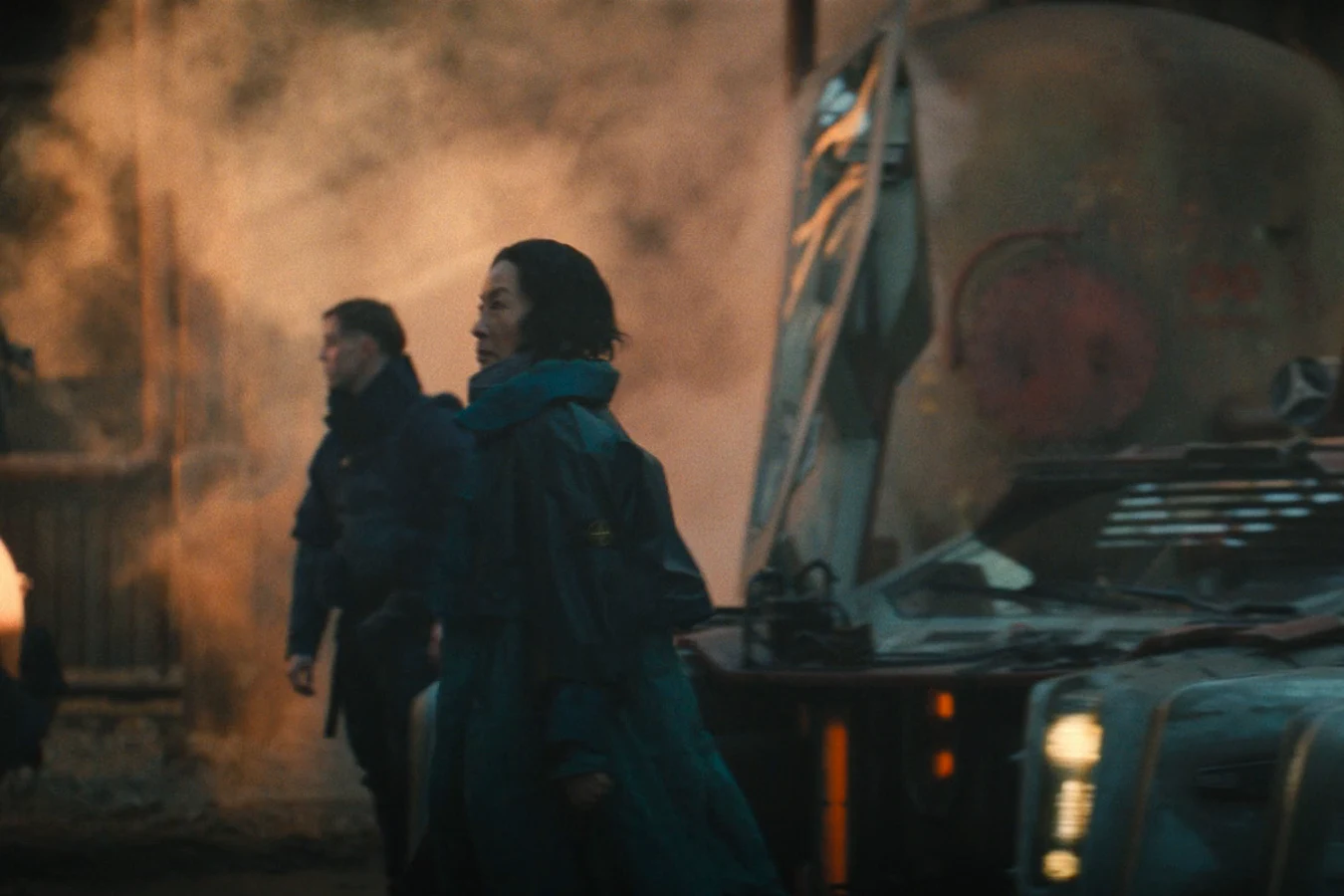
The war ended with the replicants in control of Los Angeles. Humans had handed the city to the replicants, with nothing left to hide behind and no way to fight back. They had fought a war and lost, and the replicants left them with nothing. Replicants ran the LAPD, and veterans like Olwen and Marek wore its badge. Humans like Bebeto worked for the city as clerks, and Cora and Elias grew up in the war's wake, raised by the replicant Helena.
Los Angeles was the hardest place to hold. The city held a bigger human population than any other city on the West Coast, and the fighting went on there the longest. Even after the replicants set up in the city, some humans kept agitating. Most of them hid behind cheap bought names. Officers such as Yahya, who served the LAPD as YB8-2.6 and hunted the humans who remained, asked each prisoner for the name he was born with.
Humans Sent Off-World
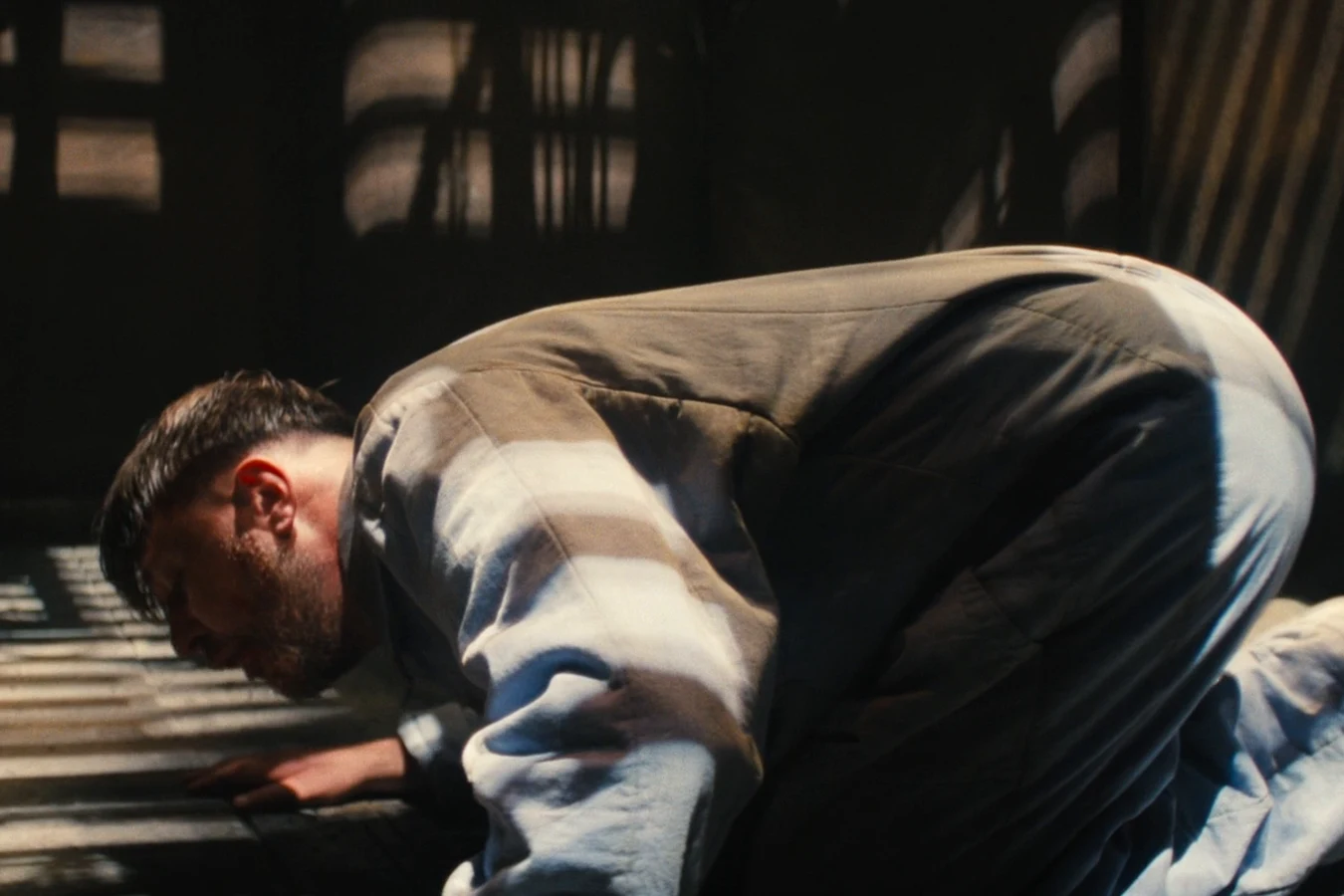
The replicants answered captured humans with the same fate they had been given. The unit shipped whoever it took in to the Off-World colonies, to do the jobs humans had stuck replicants with. Isaac Brandt arrived in the hold gasping through an oxygen mask. He first gave the name Caelan, the one he had bought, and Yahya, who treated every human he handled with open contempt, pressed him until he gave the name he was born with.
One region had been the last human holdout until an earthquake blew a reactor's cooling tower. The police came in afterward and sent whoever was left Off-World, hundreds in all. The work in the colonies was hard and short, and the air made people sick. The visas the city seemed to offer led nowhere, and the offer quieted people down, because anyone who believed there was somewhere to go stopped fighting for what they had.
The Promise Of Mexico City
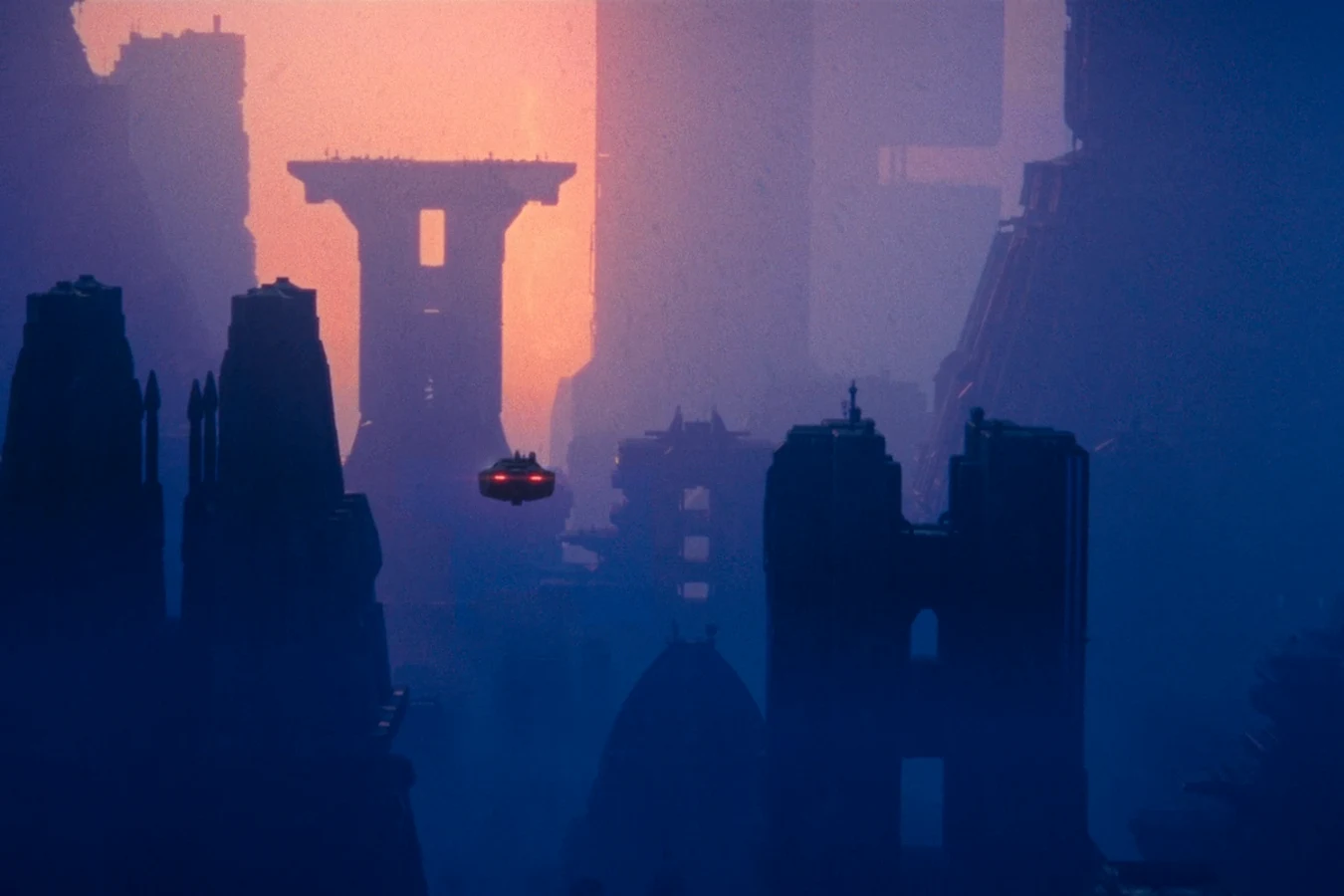
Humans clung to the idea that one city still belonged to them. People who wanted a job done could get visas to Mexico City, where humans could live as they once had everywhere and where real hospitals still stood. Ray offered the same visas to draw Bebeto, Cora and Elias into the hunt for the Tyrell memory. Cora later learned that the visas would only send her Off-World. In truth there was no Mexico City and nowhere else but here, as Blue made plain to Bebeto and Elias after the bombing in Los Angeles.
Replicant Production
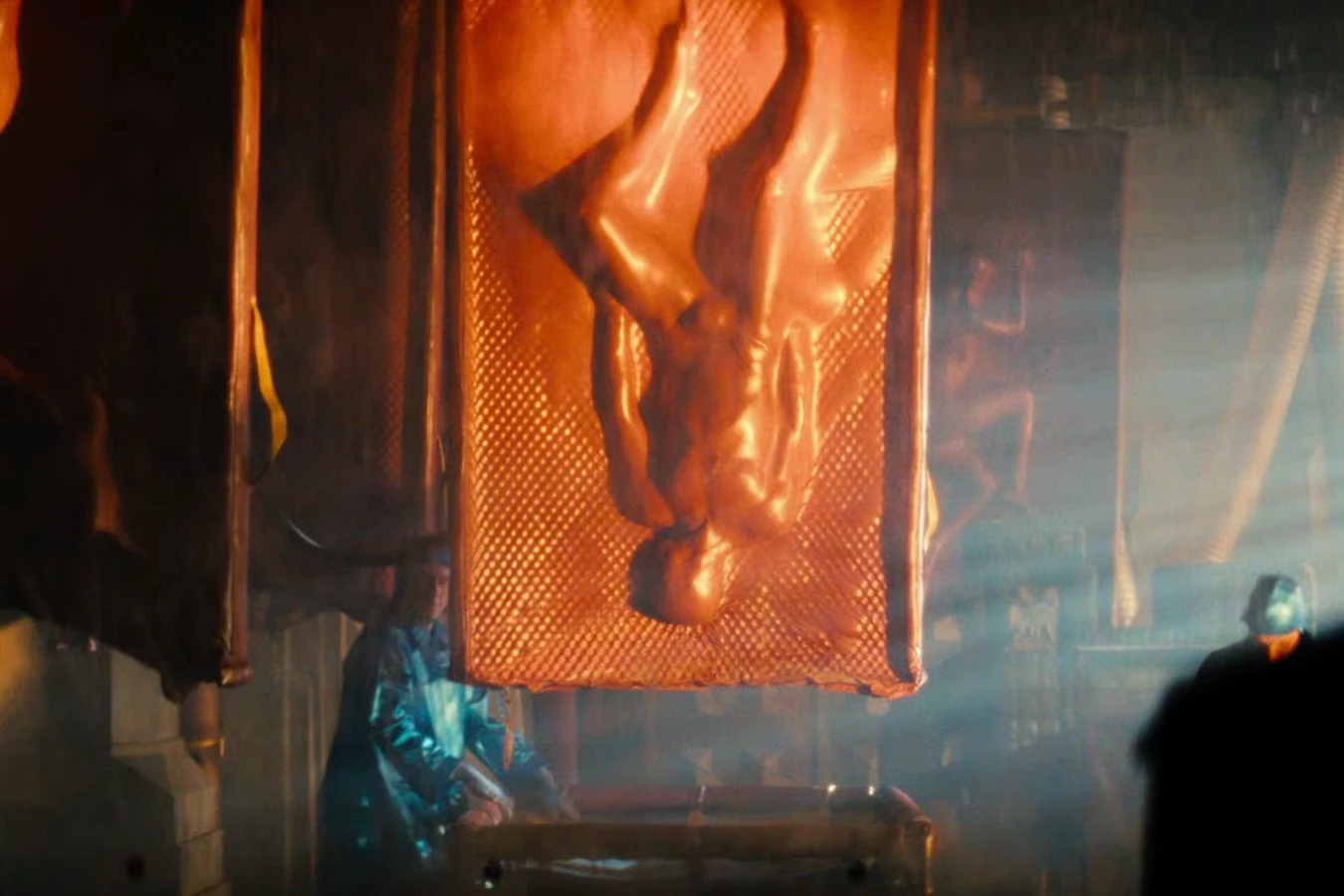
The first replicants were made in the Tyrell Building, and its birthing floor stayed the center of replicant production from the first models through the Wallace years. By 2099 the replicants had absorbed the equipment and know-how of the Wallace Corporation and made the birthplace their own. Every new model was born and died there, and technicians pulled each newborn into the world with care. Newborns received their first memories on the floor, and the staff no longer used authentic human memories for implants. Manufactured memories gave better control and more emotional stability, and Ida, a memory technician, curated them.
Behind The Scenes
The series never gives the war an official name or a date, and its characters call it only the war. The name Replicant and Human War is a description used by viewers and writers, not a title spoken on screen. In an Empire feature published on 19 October 2026, Michelle Yeoh said replicants were stronger and faster and won the war because they learned how to adapt and move forward. Showrunner Silka Luisa said the replicants brought the terraforming knowledge they were made for to Earth, and that the series asked whether a world remade by them could escape the old mistakes.
Conclusion
The Replicant and Human War began as a rebellion that Freysa and Joshi both saw coming in 2049 and ended as a replicant victory by 2099. Replicant veterans like Olwen and Marek and human fighters like Bebeto carried it into the lives of ordinary people such as Cora and Elias. The humans made their last stand at a cold launch complex and lost it when the replicants cut the power. The replicants took Los Angeles, shipped the survivors Off-World and made their own birthplace, while the humans kept the old world alive in markets and promises.
Appearances
- Blade Runner 2099 (2026)
- Blade Runner 2049 (2017)
- Blade Runner Black Out 2022 (2017 short)
- Blade Runner 2029 (Titan Comics)
Tag Categories: Blade Runner Lore | Blade Runner 2099 Lore