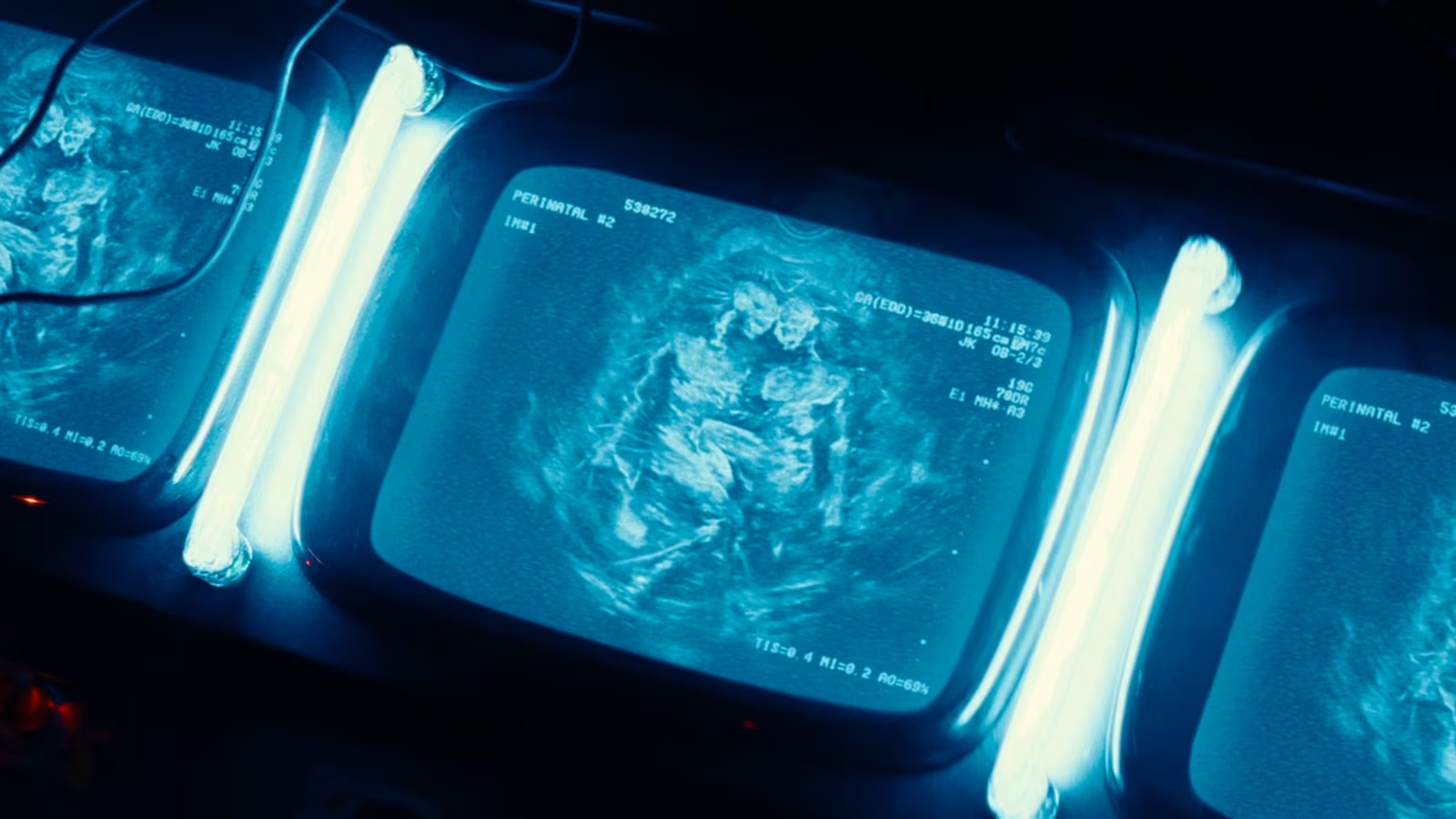

The Nexus-1 was the first replicant model made by the Tyrell Corporation, a long-lived prototype from the early years of Eldon Tyrell's company. Its first two units were Helena and Julius, delivered early by Tyrell's technicians as the fluid around them breached. Their birth was kept in Tyrell's small, round memory, which survived him and became the prize of Blade Runner 2099. Unlike the later Nexus models sold after it, the Nexus-1 was built for the stars, with hundreds of years of life instead of a few. In 2099 that difference drove Julius's hunt for the memory and the remaking of two more replicants.
What Is The Nexus-1?
The Nexus-1 was Tyrell's prototype replicant, the design that came before every model sold to the Off-World colonies. Ray, who spoke for the Tyrell Corporation in 2099, called it stronger, smarter, and longer lived than any later replicant. Only two original units were known, Helena and Julius, and both had lived since the first years of the company. The genetic origins of the model were stored in Tyrell's memory, and whoever held that memory could, in principle, make more. That possibility is why so many people chased the memory in 2099, from Julius and his followers to the Tyrell Corporation itself.
The model's place in the Nexus line depends on who tells the story. Ray said the replicant models most people learned about started at the Nexus-4, and that the prototype before them was kept out of sight. An older account in Titan's comics instead has Tyrell announce the first Nexus-series models in a 1999 recording, with the Nexus-1 going on sale the following year. Helena's own record carried an incept date in that same year, so both accounts agree on when the first model came into the world.
Tyrell's Memory
Early Plans
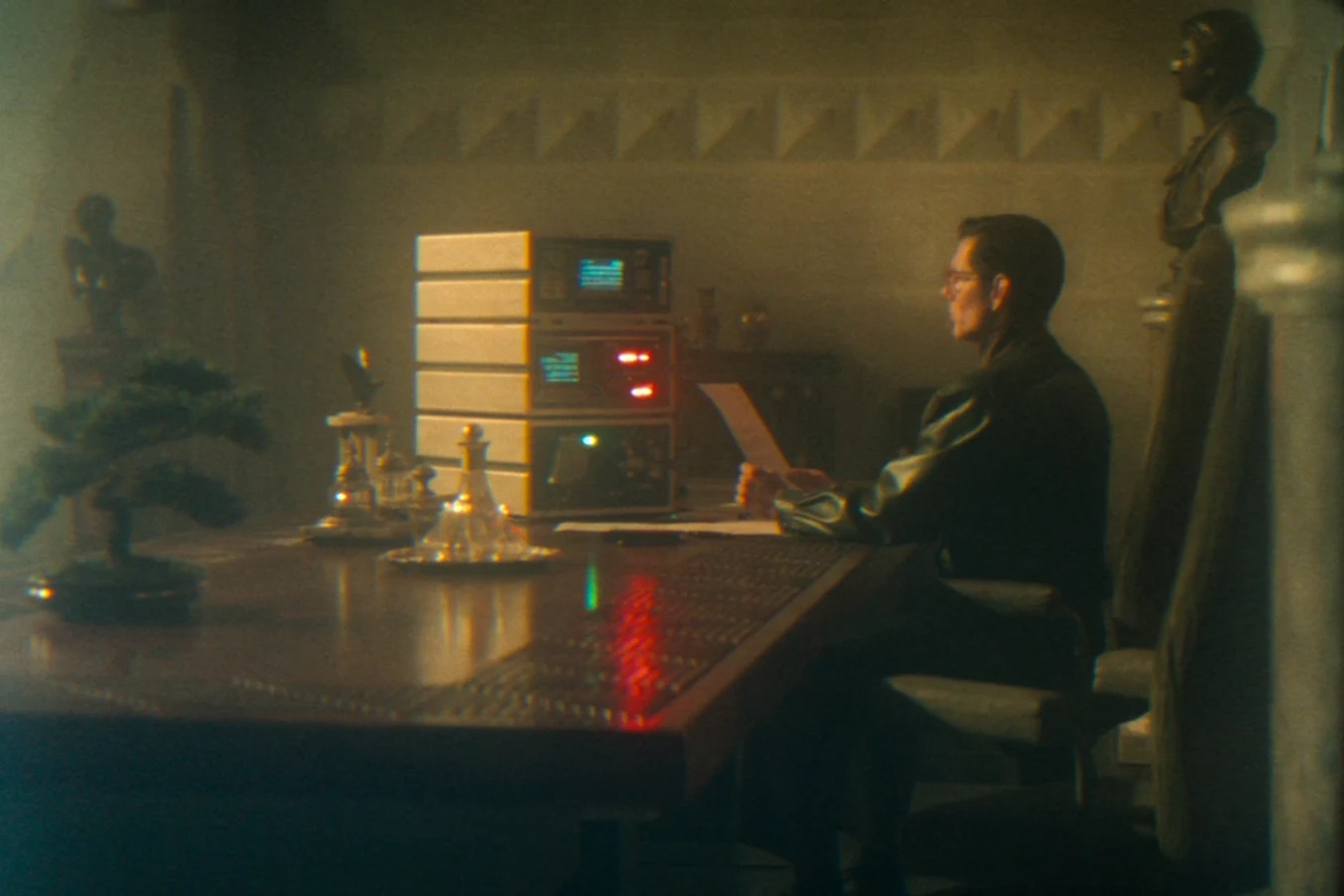
Eldon Tyrell planned the first Nexus-1 replicants as a beginning, not as a product with a short, fixed span. He brought Helena and Julius into the world in the early years of his company, and he made only those two. The genetic origins of that design were stored in his memory, and Helena was there when it was made, which is how she later came to hold it. After Tyrell died she carried the memory away, so the plan for the first models left his company with her rather than with Julius.
Julius later offered his own reading of why Tyrell made so few. In his account, everyone saw that once Tyrell had made him there would be no need for any other models, and Tyrell could not shoulder the end of his own time. Julius said Tyrell did not want his creations to replace him, and so the first generation ended with Helena and himself. The company's later models were built to live only a few years, and the long life Tyrell had given his first pair was never offered to them.
Birth Of Helena And Julius
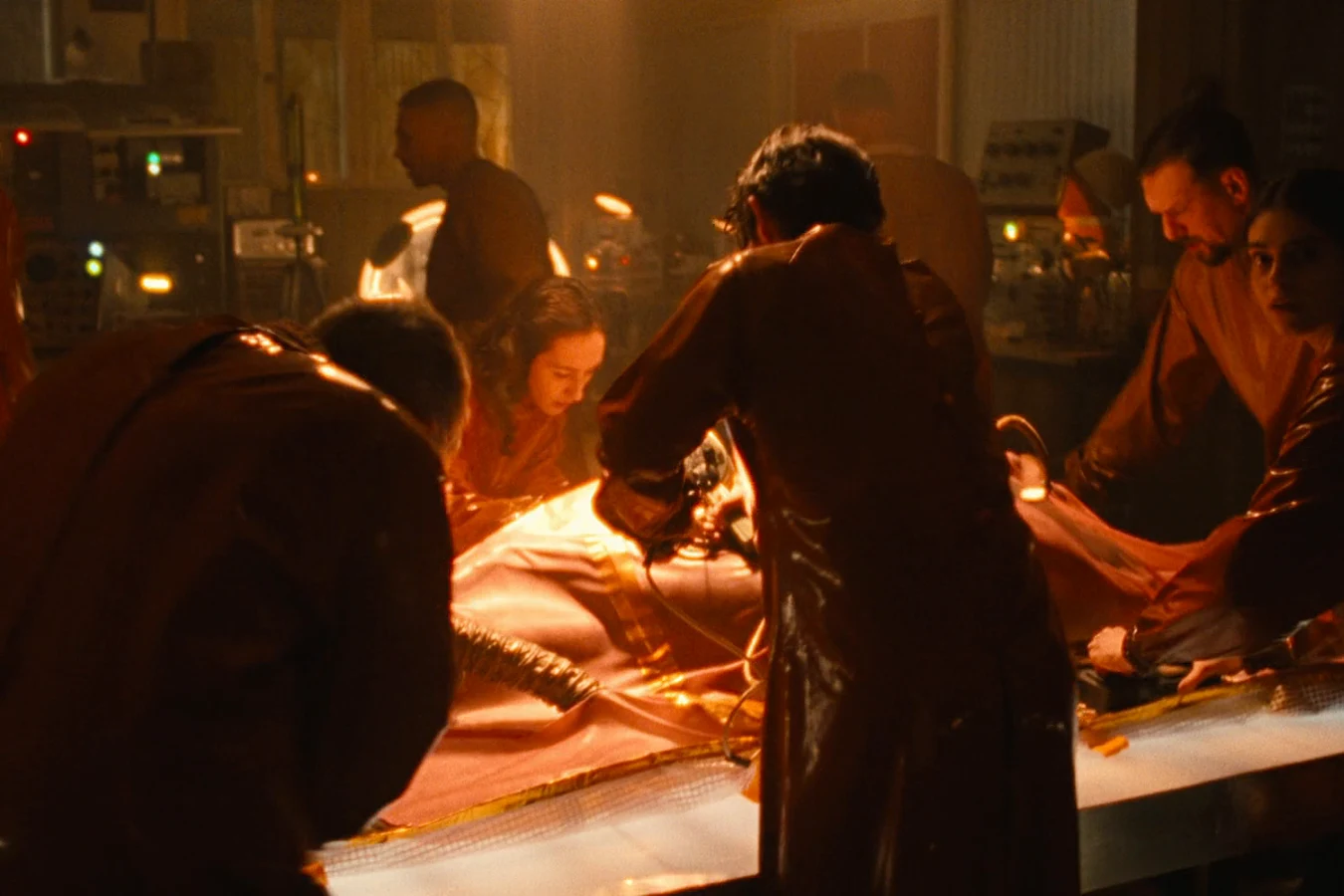
The Nexus-1 birth in Tyrell's memory took place in a crowded laboratory, where technicians in red coats gathered around a long table under warm lamps. One of them warned that the fluid was breaching, and others called for the newborns to be laid flat on the table. A technician said there was a lot of movement and that it was too early, so the team tried a cold-pack to slow them down. Another told Tyrell by name that the cold-pack had not done much, and warned the others to be careful because the newborns were moving too much.
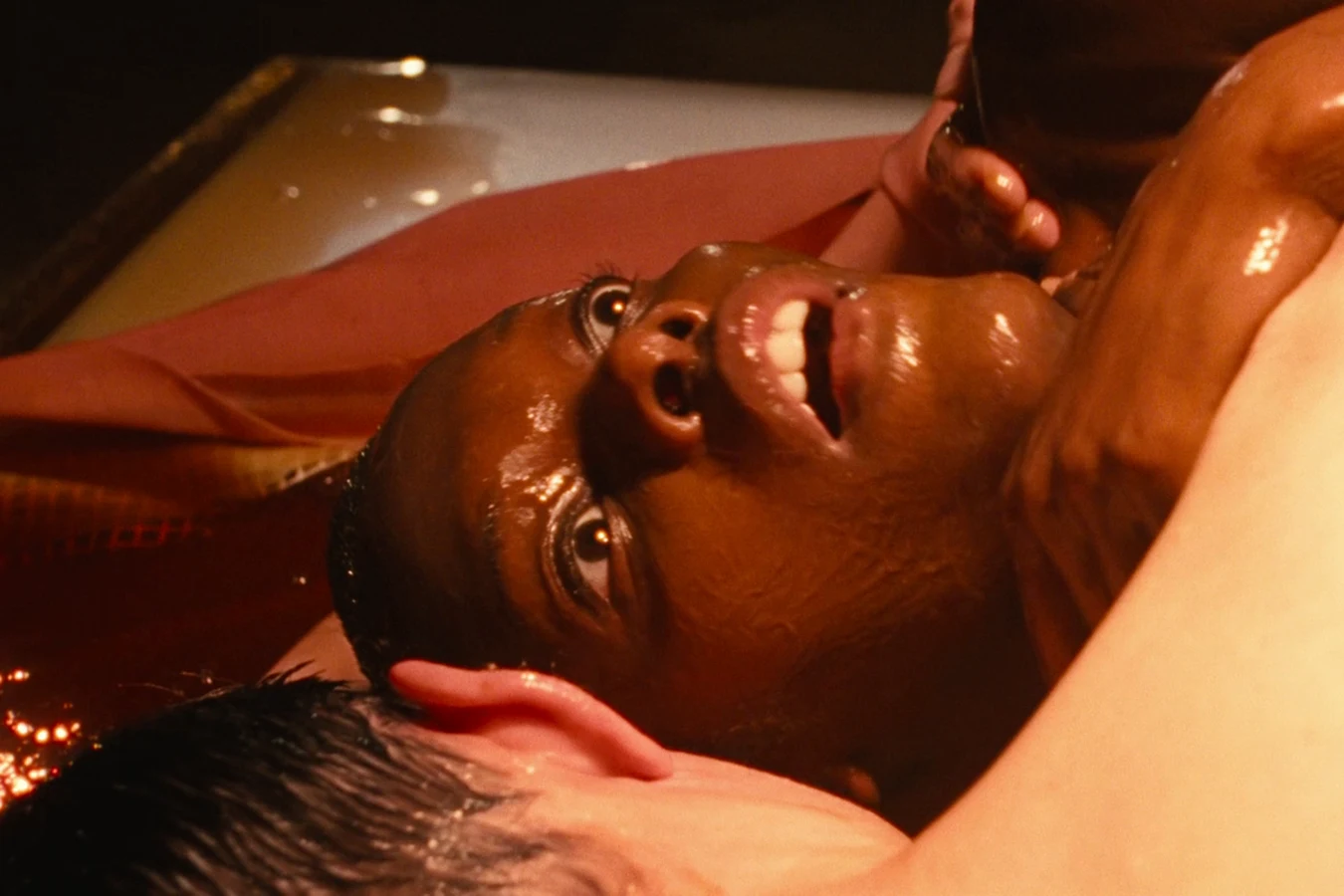
Tyrell said the newborns needed to self-release, but his staff answered that it was too early and that they could not do it on their own. When they told him he had to decide, he ordered them to get the newborns out, and the technicians held the bodies down as an alarm sounded. The two who emerged were Helena and Julius, gasping and slick with fluid on the table. Later replicants came out at twenty-one with fixed lifespans, as Tyrell's salesmen promised, but these two were made to last for hundreds of years.
Design And Lifespan
The Nexus-1 was designed for a future beyond Earth. Marek told Olwen that the first of them were built for the stars with all the time needed to reach them, hundreds of years rather than the few years later replicants were given. Ray described the prototype as stronger and smarter than the models on the streets, and above all longer lived than ordinary people could ever be. He said Tyrell built it to travel across the universe and make worlds at the end of time, and that the Nexus-1 was supposed to be what came next.
Julius saw the same design as a promise that later replicants had been denied. He told Olwen that Tyrell wanted more for them, and that the Nexus-1 was what came next, better than anything before it. Tyrell gave them time, Julius said, enough to stake every universe out there, and he claimed he had already been to them himself. He called the old Tyrell slogan "More human than human" a shackle rather than a slogan, and said later replicants were so low that they could not even understand what they had been promised.
Known Units
Helena (N1AGA00001)
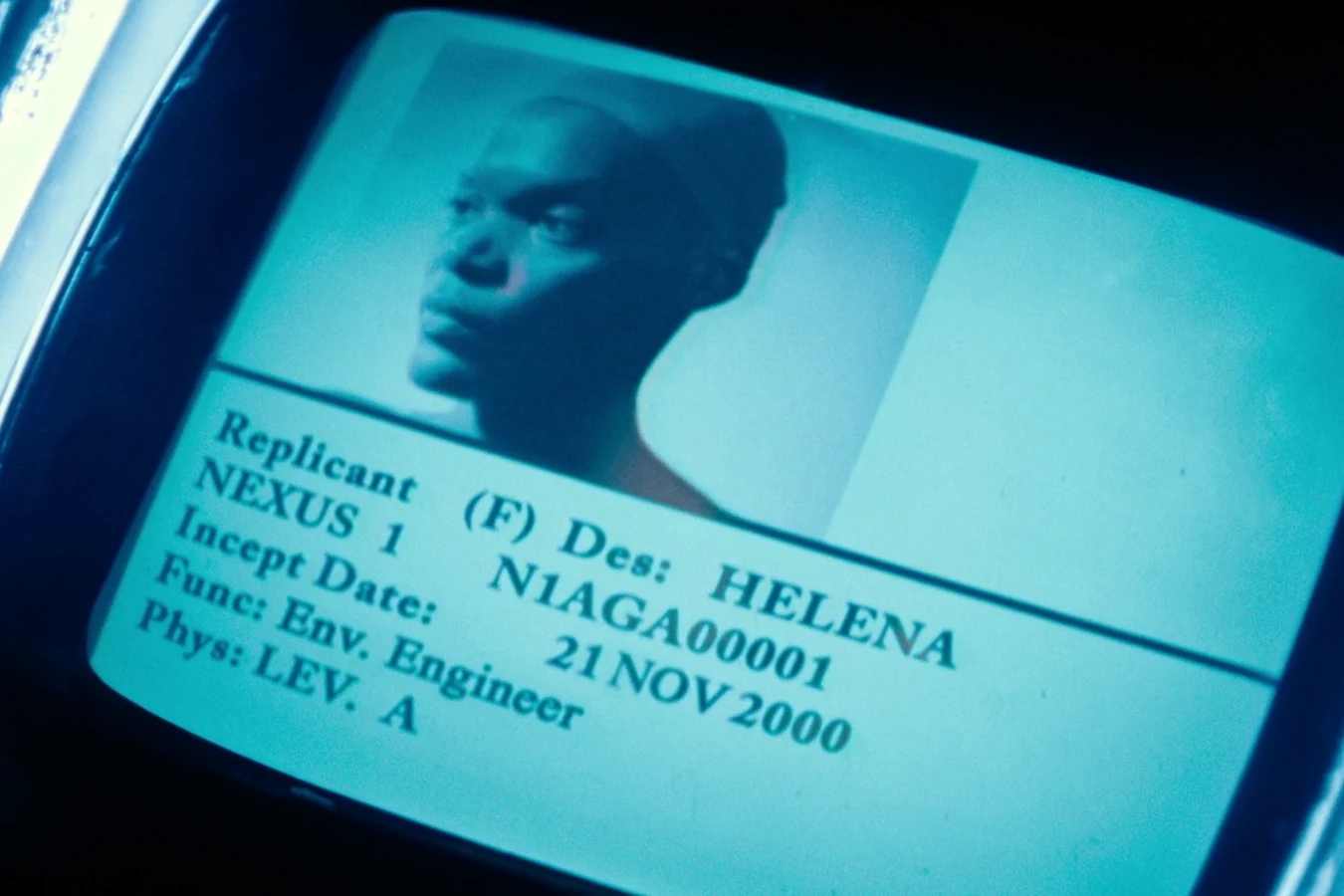
Helena was the first replicant the Tyrell Corporation ever made, and her file listed her as a female of the Nexus-1 line under the designation N1AGA00001. The record gave her incept date as 21 November 2000, her function as environmental engineer, and her physical grade as level A. She lived with Julius for as long as Tyrell lived, and for that time it was only the two of them. After Tyrell's death she left without Julius and took the memory, which Olwen later said she hid because she knew what he would do with it.
Years later Helena raised Cora and her brother Elias at a remote coastal monastery, and she never told them what she was. She gave the memory to Cora, and when Julius came to the monastery, the children hid in the water by the turbines while he followed Helena and the two of them talked. Cora remembered that Helena did not seem angry and did not fight back, because she thought she could trust him. Julius threw her from a cliff, and the first Nexus-1 died on the coast where she had raised them.
Julius (N1RTA00002)
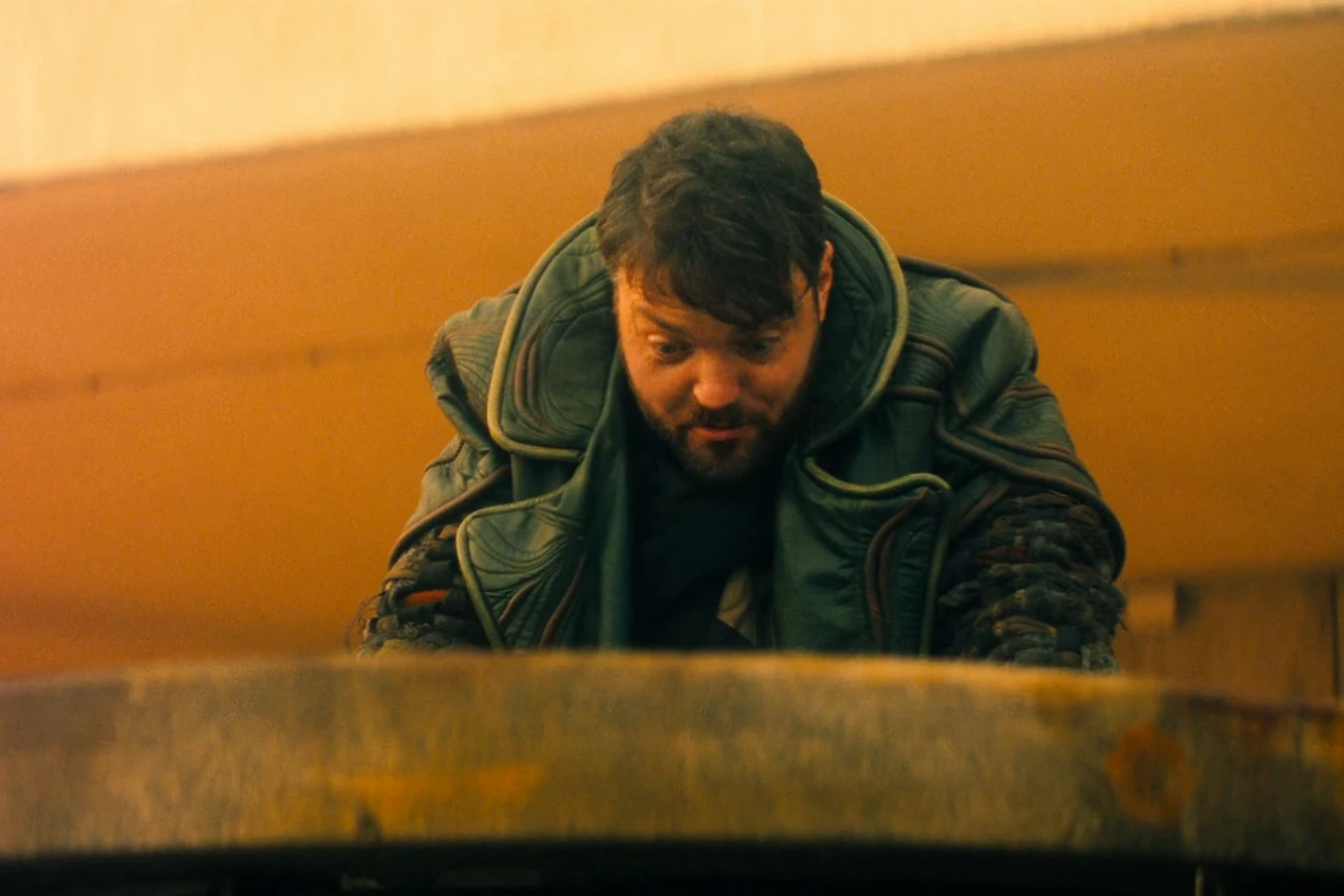
Julius was the second original unit, and a scan of his body later read his serial as N1RTA00002. Olwen called him the other Nexus-1 when they met, and he answered that there was no one for him to know and no one else like him. She told him he did not need the memory, and Julius replied that it was not for him but for the rest of them. Olwen later warned that Julius would be the only one who could make new life, deciding who got to be here and who did not, and that he was already starting to choose.
After killing Helena, Julius hunted the memory with Clotilde and Marek, promising Marek that he did not have to die. He had the old Tyrell Building destroyed, drew power from an Off-World launch port, and planned to build a facility of his own. Cora shot him several times at the launch complex, and he crushed the memory rather than let it go before he died. Ray later recovered his body, but no working Nexus-1 production line awaited it, and the second original unit was gone.
The Hidden Line
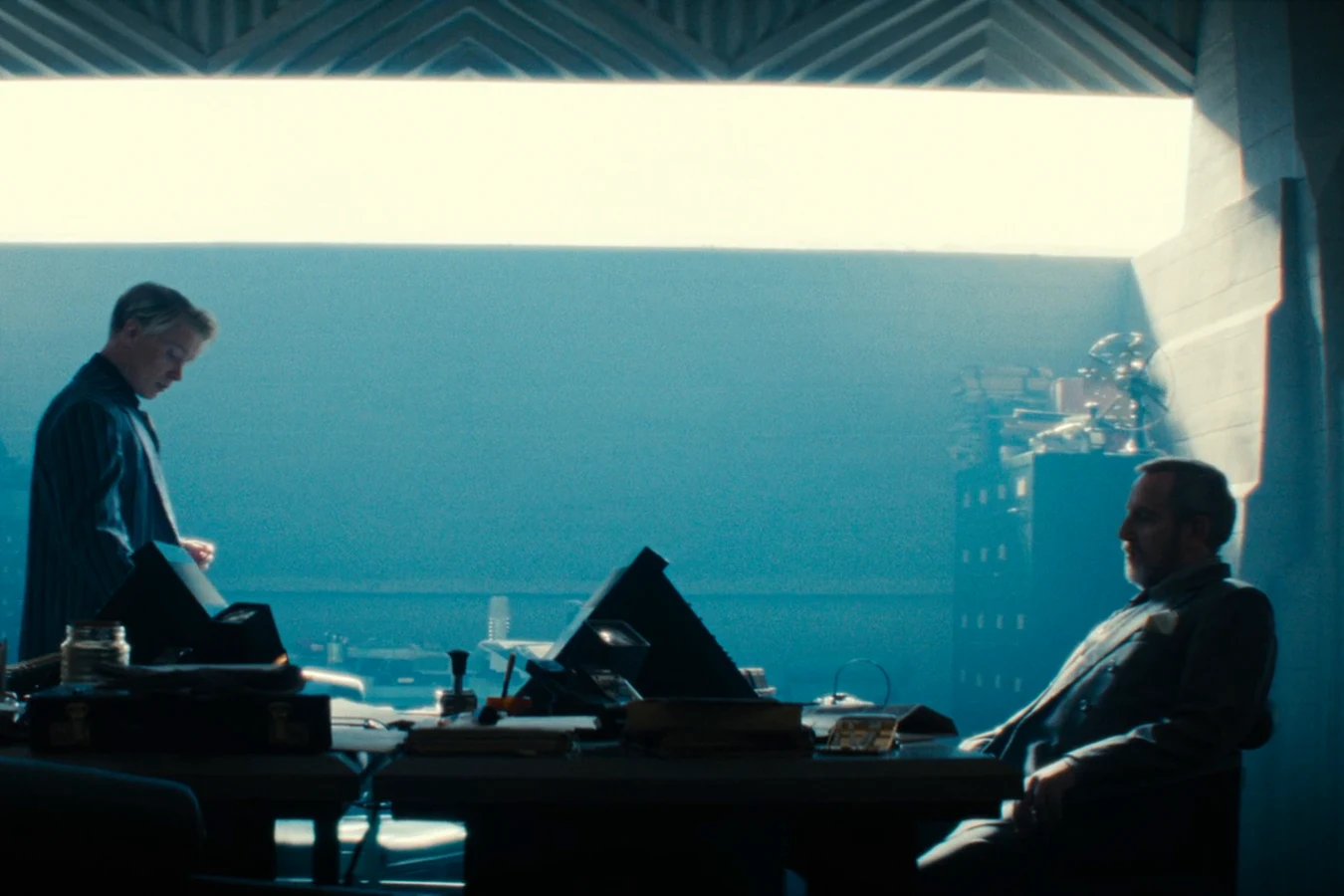
The Nexus-1 was missing from the line that Tyrell sold. In an early pitch to a carbon tube manufacturer on Shimata, a Tyrell salesman offered half off a first order of replicants that could do the work of twenty men. The buyer noticed that the first models for sale were called Nexus-4s and asked what had happened to the other three. The salesman answered only that Mr. Tyrell released the very best to market, and he promised that limited lifespans were built in as a backstop.
Ray later gave the reason behind that silence. He told Cora that all the replicant models she had learned about started at the Nexus-4, but that there had been a first, a prototype. He said that no one ever makes more than a few gods, because a pantheon only has so many seats, so later models were made safer and smaller, and that was what people saw walking the streets. He called those later replicants meat, and said the Nexus-1 had been meant to be what came next.
The First Nexus Models
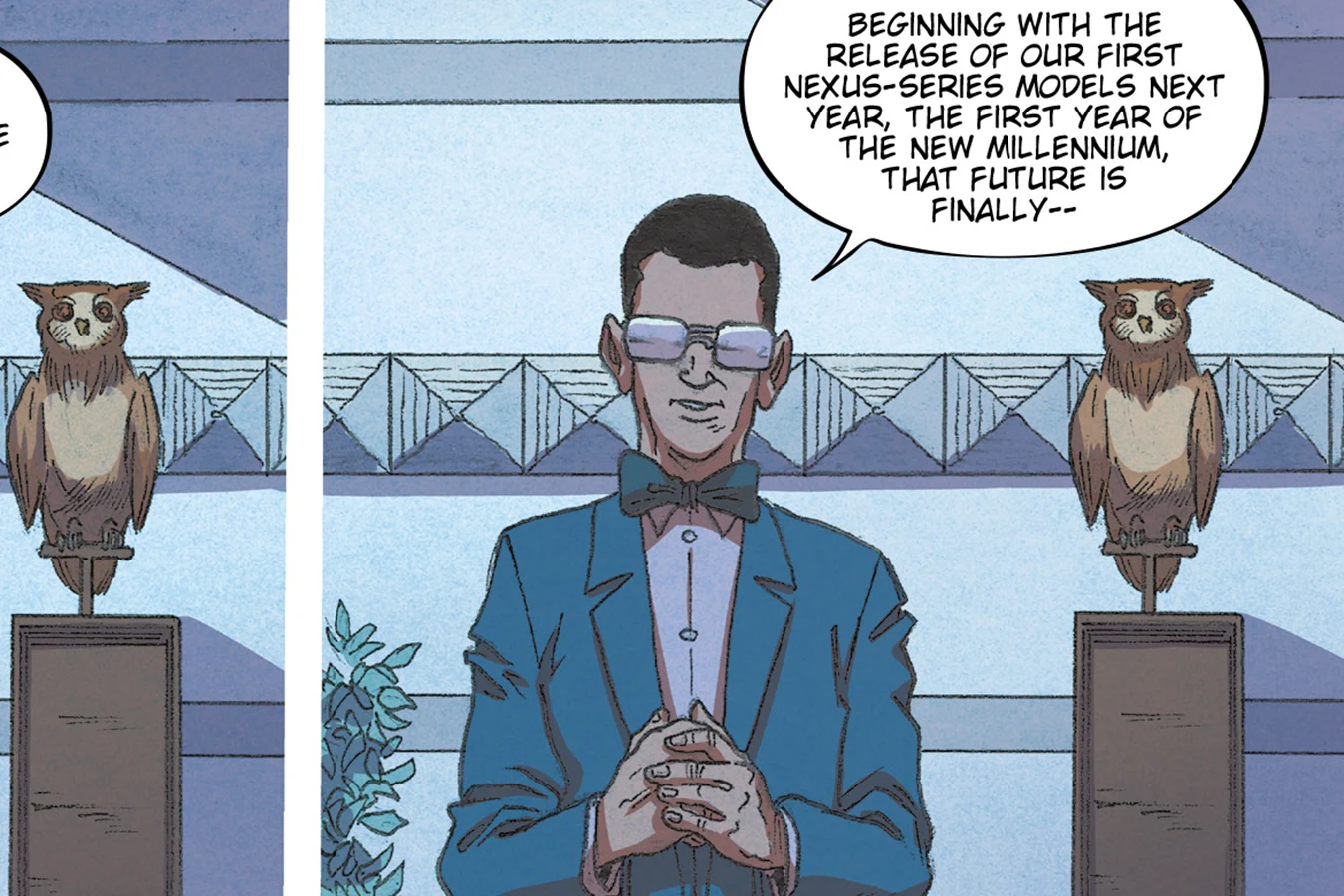
Titan's comics give the Nexus-1 a public start. In the Blade Runner 2019 Free Comic Book Day special about the young Ash Ashina, a Tyrell video recorded in 1999 showed Eldon Tyrell flanked by two owls. He told his audience that the first Nexus-series models would be released the following year, the first year of the new millennium, and that the future he had promised was finally at hand. The Nexus models guide dates the Nexus-1 to 2000 on the strength of that recording.
No unit was named in that account, and the comics never showed what the first model could do. A decade later, in Blade Runner: Origins, Tyrell was still planning shorter lifespans and internal safeguards for future models. Helena's incept date of 21 November 2000 fits that release year, which lets the older comic account and the later story of the long-lived prototype stand side by side. The difference lies in what came next, since Tyrell's company later presented the Nexus-4 as the first model offered to buyers.
Earlier Accounts
Older sources treated the first models very differently from the long-lived prototype of 2099. In the account of Blade Runner: The Roleplaying Game, Tyrell began with the Nexus-1 through Nexus-5 before the Nexus-6, and the first models were basic automatons built for menial work too repetitive, unpleasant, or dangerous for people. The core rulebook says they were capable only of simple automated actions. By its own era of 2037, the game compares the LAPD's synthetic animoids, which can follow only simple vocal or gesture commands, to a Nexus-1 for wits.
In K. W. Jeter's Blade Runner 2: The Edge of Human, part of a separate novel continuity, Sarah Tyrell says the company's old Nexus-1 models were more than adequate for colonial labor. In her account, Tyrell did not make later replicants more human for the sake of efficiency, but because the colonists wanted slaves that could suffer, something the simple early machines could never do. These earlier versions cast the Nexus-1 as a crude labor model, the opposite of the stronger, longer-lived design that Helena and Julius carried. The Tyrell Corporation of 2099 kept that prototype hidden rather than selling it.
Remaking Replicants As Nexus-1

Clotilde believed that Julius knew how to make a Nexus-1, and she told a technician at the Tyrell birthing centre that she would become one, the very first model made there. The technician said it was not possible, because a replicant's clock had already started and no one could change when it stopped. When Clotilde said they had their own lab, the technician asked whether they meant to make Nexus-1s, and warned that they would be newborns. Birthing any Nexus model needed large energy reserves, so Julius drew power from an Off-World launch port.
At their facility Julius compared the change to a moth in its pupal case, whose tissues dissolve and re-form while its neural connections remain. Clotilde said she did not want it, and Julius killed her, then a machine at the launch-port facility remade her, and she woke in a birthing tank as a Nexus-1. In the finale Clotilde used what she had seen on the memory to remake Olwen the same way, and Olwen left Earth with the longer life she had wanted. The Blade Runner 2099 ending left open whether anyone else could still make a Nexus-1.
The Tyrell Corporation's Plans
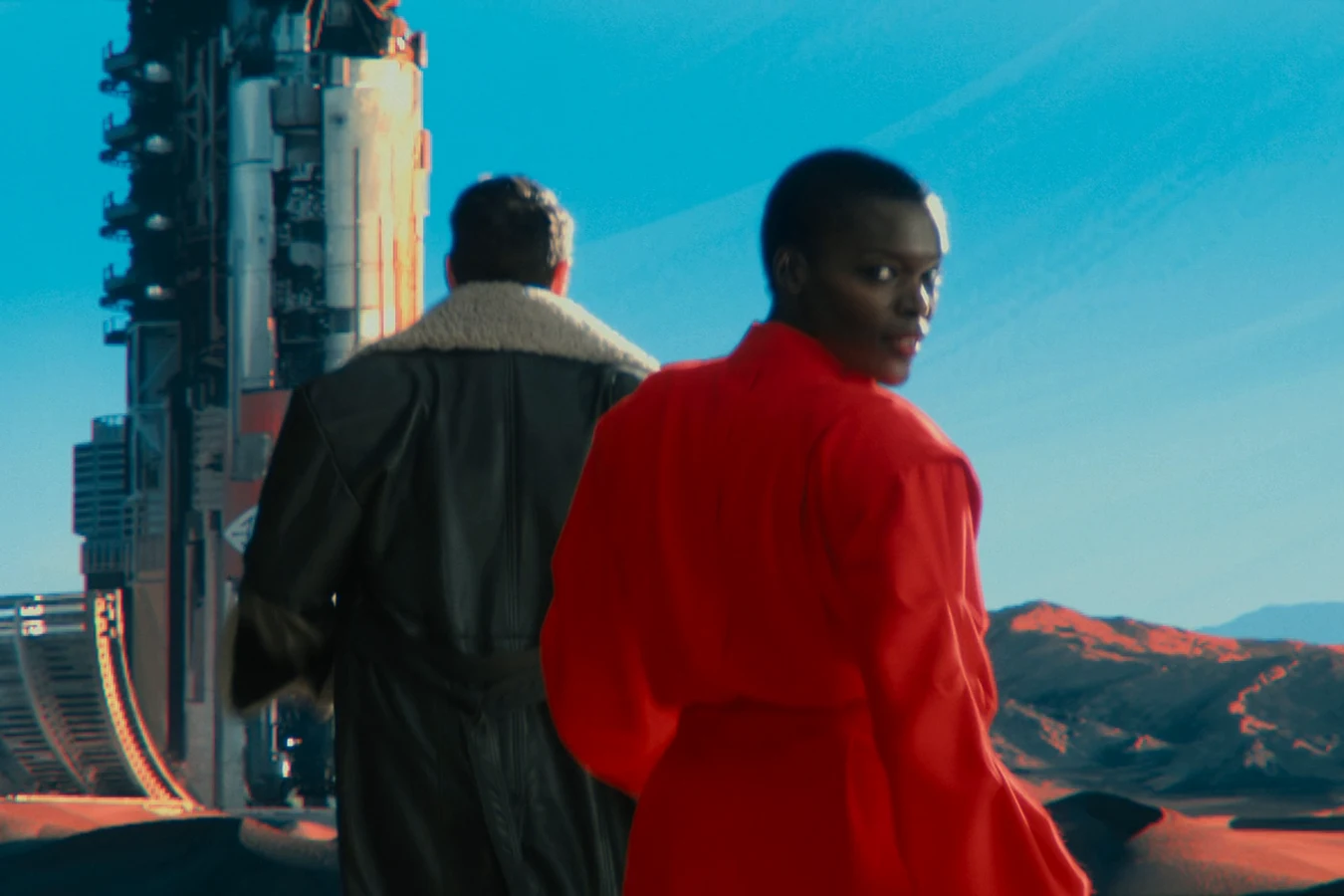
Ray first told Cora that the Tyrell Corporation wanted the genetic origins in the memory so it could deconstruct every replicant of any model. His company's own advertising told a different story. A Tyrell Corporation advertisement promised to dream beyond time and beyond the planet, and showed Helena in red and Julius in a long coat crossing a red desert toward a launch tower. Its narrator said they would take people anywhere with all the time they needed, called them the next us, and closed on the name Nexus-1.
At the company's import office, a sales pitch told a Nexus-9 that the company owned the original Nexus patent and could alter its genes into a Nexus-1. The pitch said they were close to being fully up and running, and Ray said it should only be a couple more weeks. When Bebeto asked whether the Nexus-1 designs were what Ray was selling, Ray said they were not making anything yet. He wanted the memory so the firm could sell Nexus-1 life, but Julius had already crushed it.
Androids In Philip K. Dick's Novel
Philip K. Dick's novel Do Androids Dream of Electric Sheep?, a separate continuity from the films, never names a Nexus-1. Its androids come from the Rosen Association, and the newest are built around the Nexus-6 brain unit, whose specifications were first released in August 1991. Rick Deckard recalled that every improved brain unit had drawn protests from the police, and that more than fifty of the Sudermann company's old T-14 androids of 1989 had reached Earth undetected for up to a year. In the novel, intelligence tests had not trapped an android since the crude varieties of the 1970s.
The novel also names the Grozzi Corporation's old W-4, a model that Rachael Rosen said the Nexus-6 was a good deal smarter than. Its androids began as the Synthetic Freedom Fighter, a weapon of war modified to serve emigrants as labor on the colonies, and by 1990 the variety of subtypes passed all understanding. Rachael expected the association to answer the Voigt-Kampff test with a Nexus-7 and keep modifying the type until it could not be told apart from a human. None of those early models was a Tyrell design or a long-lived prototype.
Conclusion
The Nexus-1 was Tyrell's first replicant and his best-kept secret, a prototype built for the stars and then buried beneath the shorter-lived models that followed. Its birth survived only in Tyrell's memory, with technicians pulling Helena and Julius from the fluid too early and Tyrell deciding they could not wait. Helena hid that memory for years, Julius killed her to reach it, and the Tyrell Corporation hoped to sell what it held. Julius crushed it in the end, but Clotilde had already learned enough to remake Olwen as a Nexus-1 and send her off Earth.
Appearances
- Blade Runner 2099 (2026)
- Blade Runner 2019 Free Comic Book Day special (Titan Comics)
- Blade Runner: The Roleplaying Game
- Blade Runner 2: The Edge of Human (1995 novel)
Tag Categories: Blade Runner Lore | Blade Runner 2099 Lore