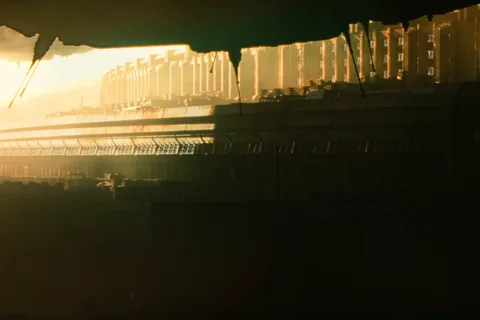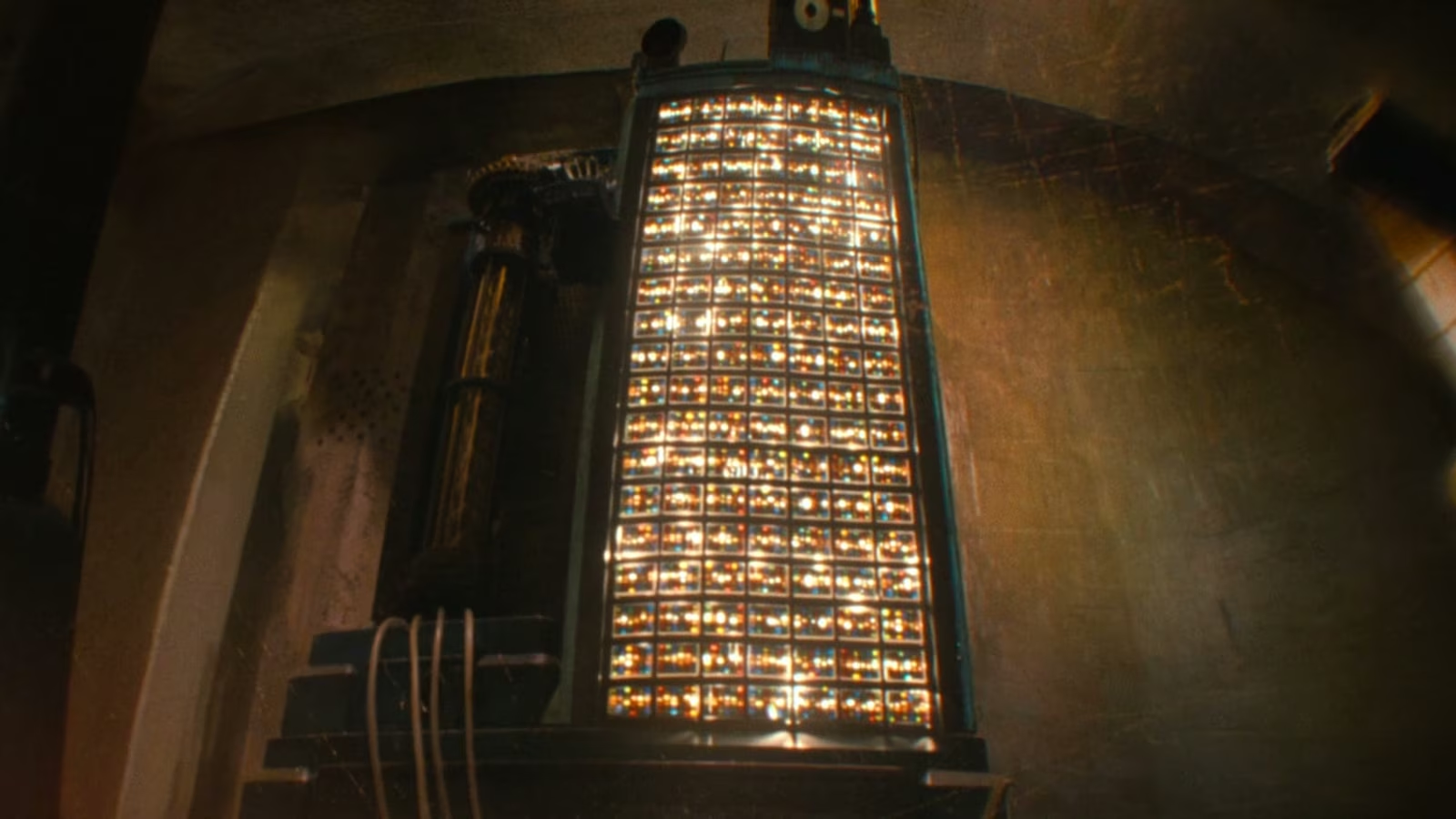

Tyrell's memory was a small, round record made by Eldon Tyrell at the Tyrell Corporation, and it kept the birth of the first Nexus-1 replicants and the genetic origins of that model. Those first two units were Helena and Julius, delivered early in a laboratory at Tyrell Genetic Testing as the fluid around them breached. After Tyrell died, Helena carried the memory away so that Julius could not have it. In 2099 Julius hunted it down, read what it held, and crushed it rather than let anyone else keep it. The prize of Blade Runner 2099 survived its maker, and ended in Julius's hand.
What Was Tyrell's Memory?
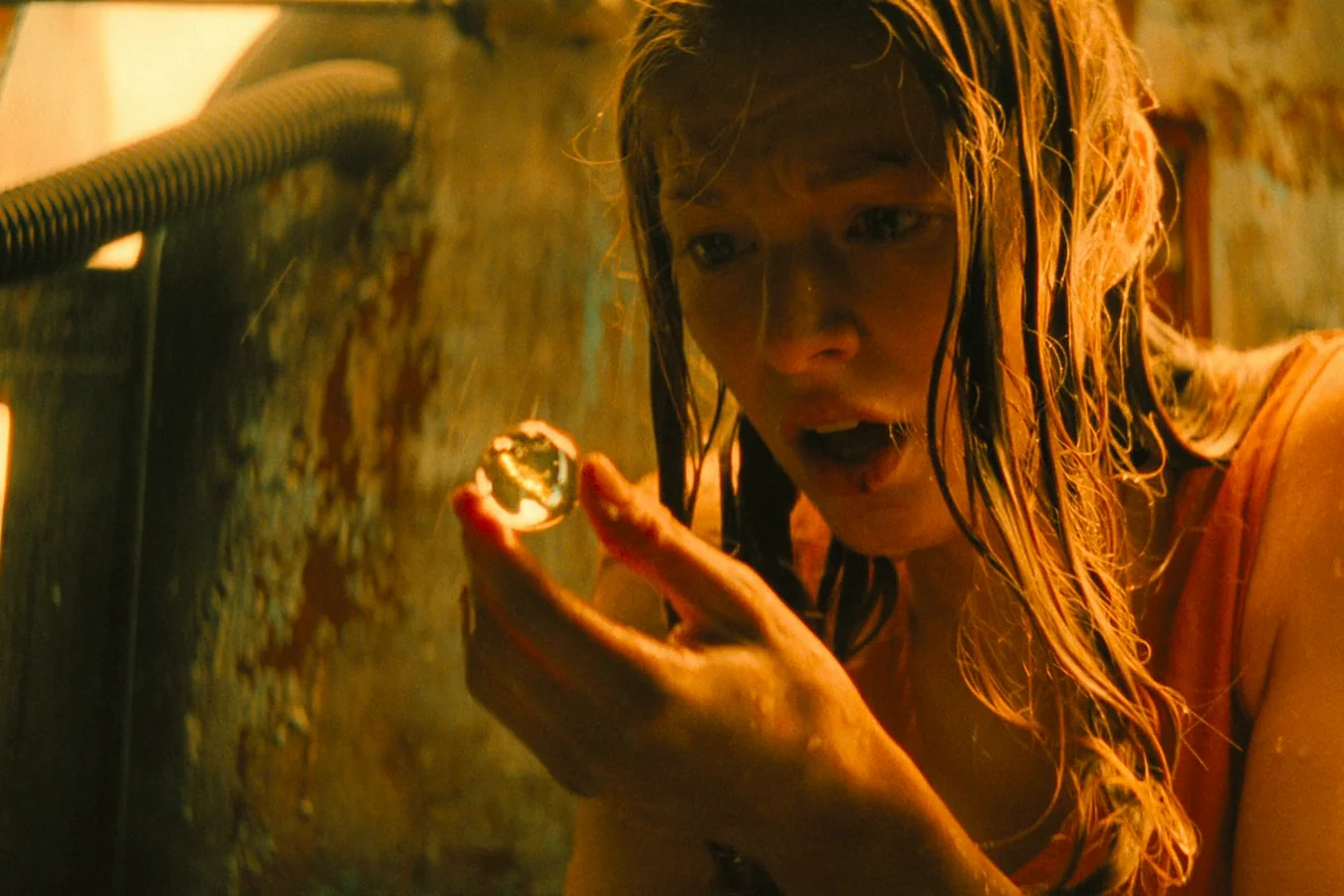
The memory was a small physical object, light enough to crush in a hand, and it held more than a private recollection. Tyrell stored the genetic origins of the Nexus-1 in it, so that whoever held it could make more of that first model. Helena was there when it was made, which is how she later held it. Ray, who spoke for the Tyrell Corporation in 2099, told Cora that the firm wanted those origins so it could deconstruct every replicant of any model. Julius said the same record was how Tyrell could give his people more life, and that the first of them had been built for the stars.
That difference is why so many people chased the memory in 2099, from Julius and his followers to the company that had lost it. Later Nexus models were sold with short, fixed spans, and the long life Tyrell had given his first pair was never offered with them. Julius believed Tyrell had made only two because he could not accept that his own time was ending, and did not want his creations to replace him. The memory was the last place that first design still existed in full. Once Julius had crushed it, no working copy was left for anyone else to use.
What The Memory Recorded
When Julius finally held the memory, he and Clotilde reviewed it from a console in a dim hall, stepping through the rooms with commands to enhance and to track left and right. The record began at a foggy street frontage and moved inward through a door, an office, and a crowded laboratory, then on to the genetic board that held the origins of the first model. What follows is that sequence as it was stored, and as Julius later walked it.
Tyrell Genetic Testing
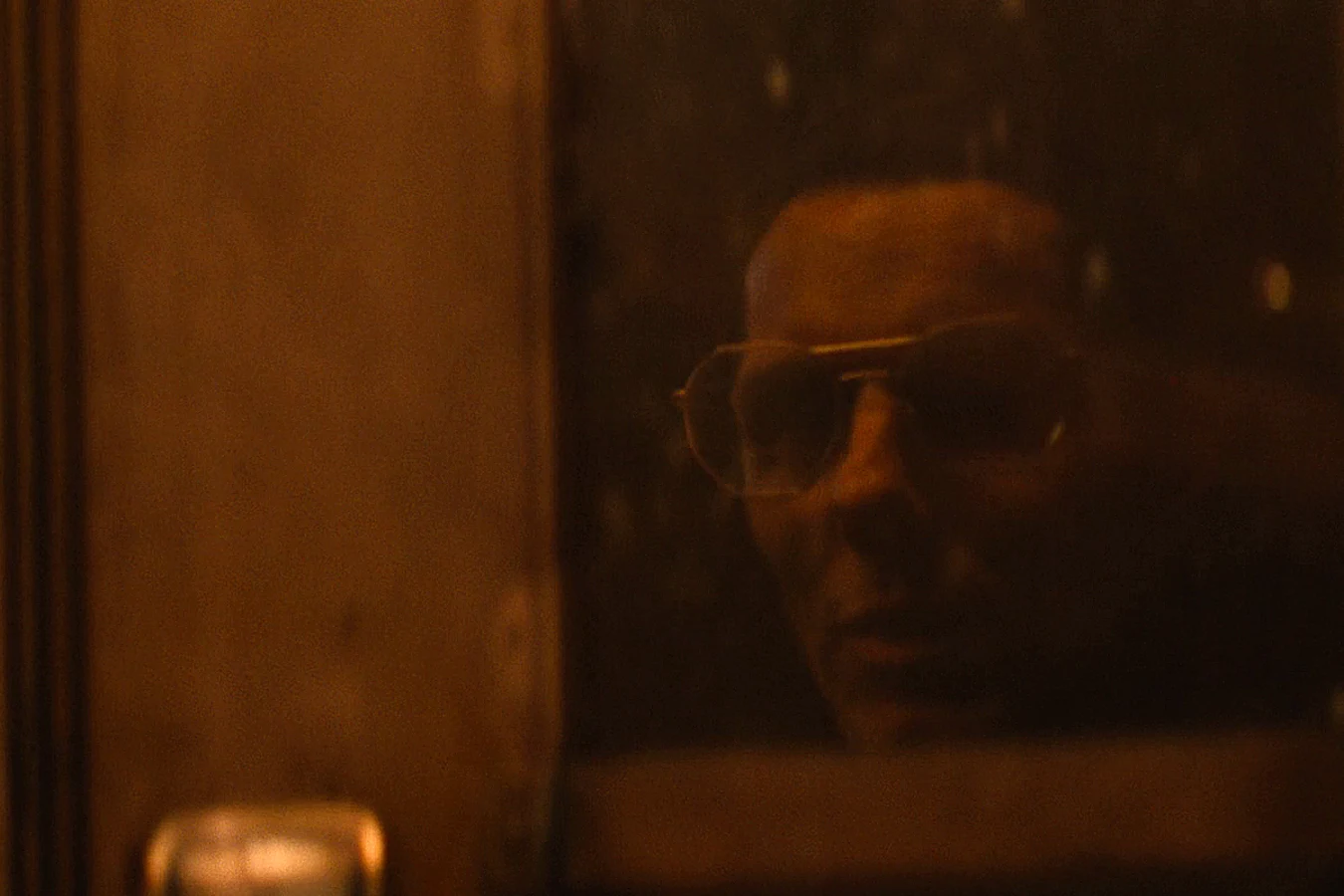
The memory began at a foggy street marked Tyrell Genetic Testing, under a lit sign set between a stone pillar and a blue neon shop front. Beyond that sign stood a pair of slatted doors with glass panes, a keypad, and a handle, the entrance to the rooms where the first replicants were brought into the world. A face appeared at the glass as the doors were reached, and the record moved inside. The street outside was wet and close, and the doorway was the threshold between that weather and the warm laboratory beyond. From this point the memory belonged to the work Tyrell was doing in those rooms.
Inside the doors lay a narrow office with wall lamps, a desk, file cabinets, and gauges mounted on the rear wall. A white-haired man in a shiny red coat came forward from the back of that room, past stacked papers and a fan. The office opened onto the larger laboratory where the Nexus-1 birth would take place, a passage from paperwork and instruments into the crowded floor around the table. From this office the work of Tyrell and his staff led straight into that delivery.
The Birth Of Helena And Julius
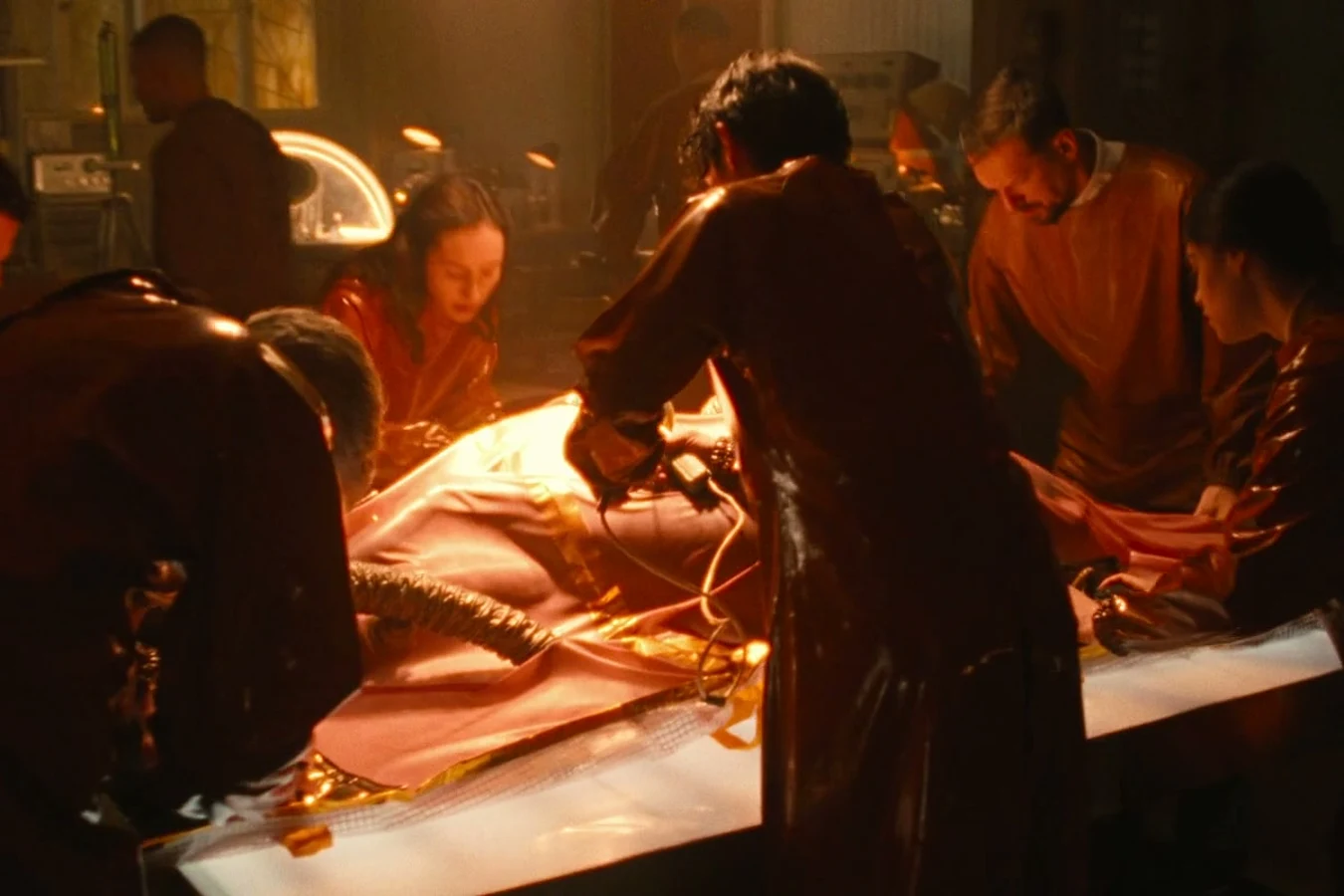
The Nexus-1 birth took place in a crowded laboratory, where technicians in red coats gathered around a long, lit table under warm lamps. One of them warned that the fluid was breaching, and others called for the newborns to be laid flat on the table. A technician said there was a lot of movement and that it was too early, so the team tried a cold-pack to slow them down. Another told Tyrell by name that the cold-pack had not done much, and warned the others to be careful because the newborns were moving too much. The staff then said they had to get the newborns out.
Tyrell said the newborns needed to self-release, but his staff answered that it was too early and that they could not do it on their own. When they told him he had to decide, he ordered them to get the newborns out, and the technicians held the bodies down as an alarm sounded. The two who emerged were Helena and Julius, gasping and slick with fluid on the table. Later replicants came out at twenty-one with fixed lifespans, as Tyrell's salesmen promised, but these two were made to last for hundreds of years. That early delivery, and Tyrell's decision not to wait, is what the memory preserved of their beginning.
Secret Basement
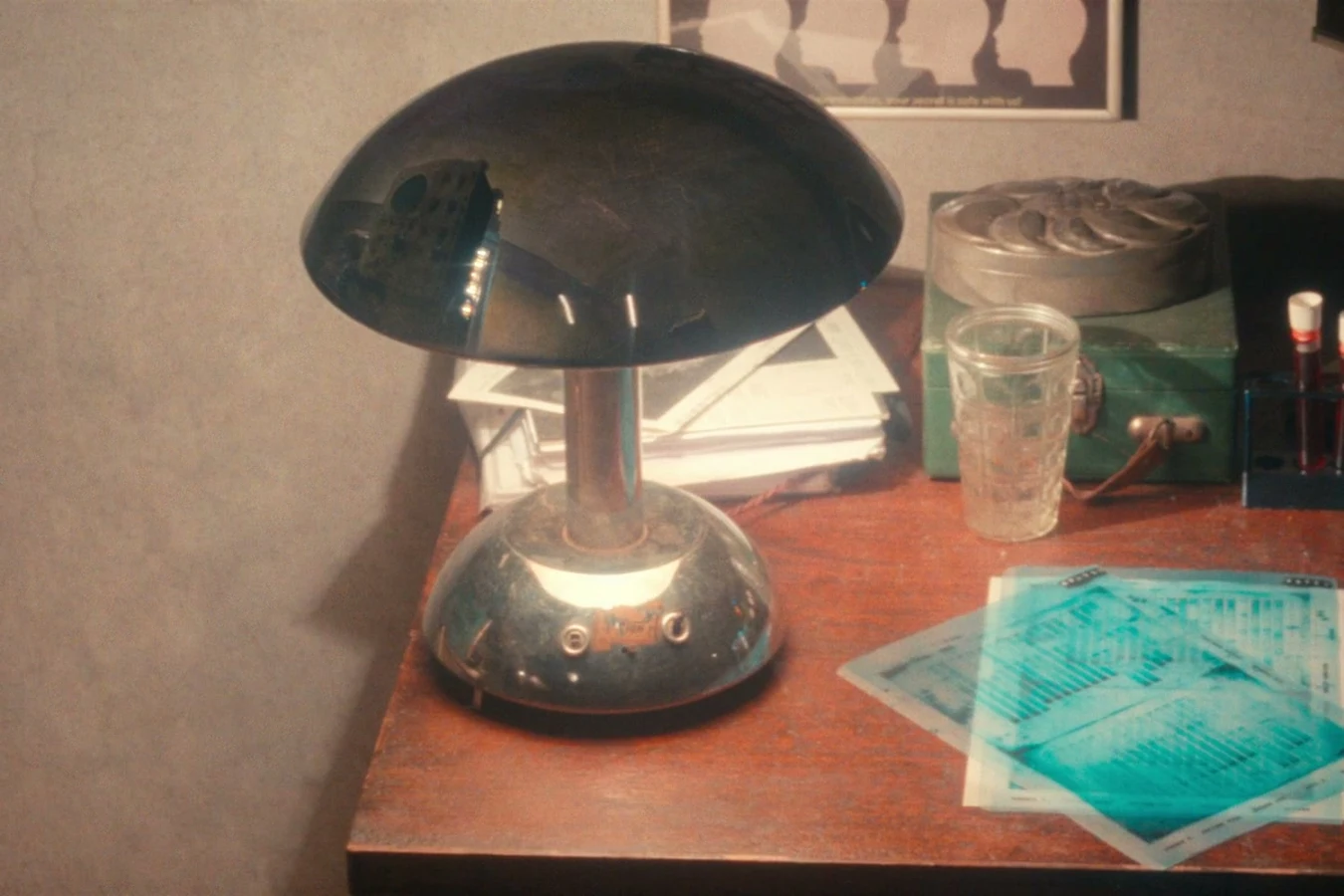
After the birth, Julius and Clotilde searched the same rooms for the place where the first model had been designed. They passed windows with no temperature regulation, and Julius said Tyrell could not have made them in that chamber, and must have brought the newborns in. Clotilde said she did not see another door. They tracked back and found a hidden basement room, set apart from the unregulated floor above.
In that basement stood a laboratory desk with a chrome lamp, racks of test tubes, and a transparent chart laid out on the wood. This was the workbench of the first model's design, a quieter space than the crowded birth laboratory. Julius and Clotilde enhanced and tracked through it as they hunted for the origins themselves. Beyond the desk, the record led on toward a taller instrument, still hidden until they tracked farther into the room. The lamp, the glassware, and the chart were the last station before that Nexus-1 board came into view.
The Genetic Record
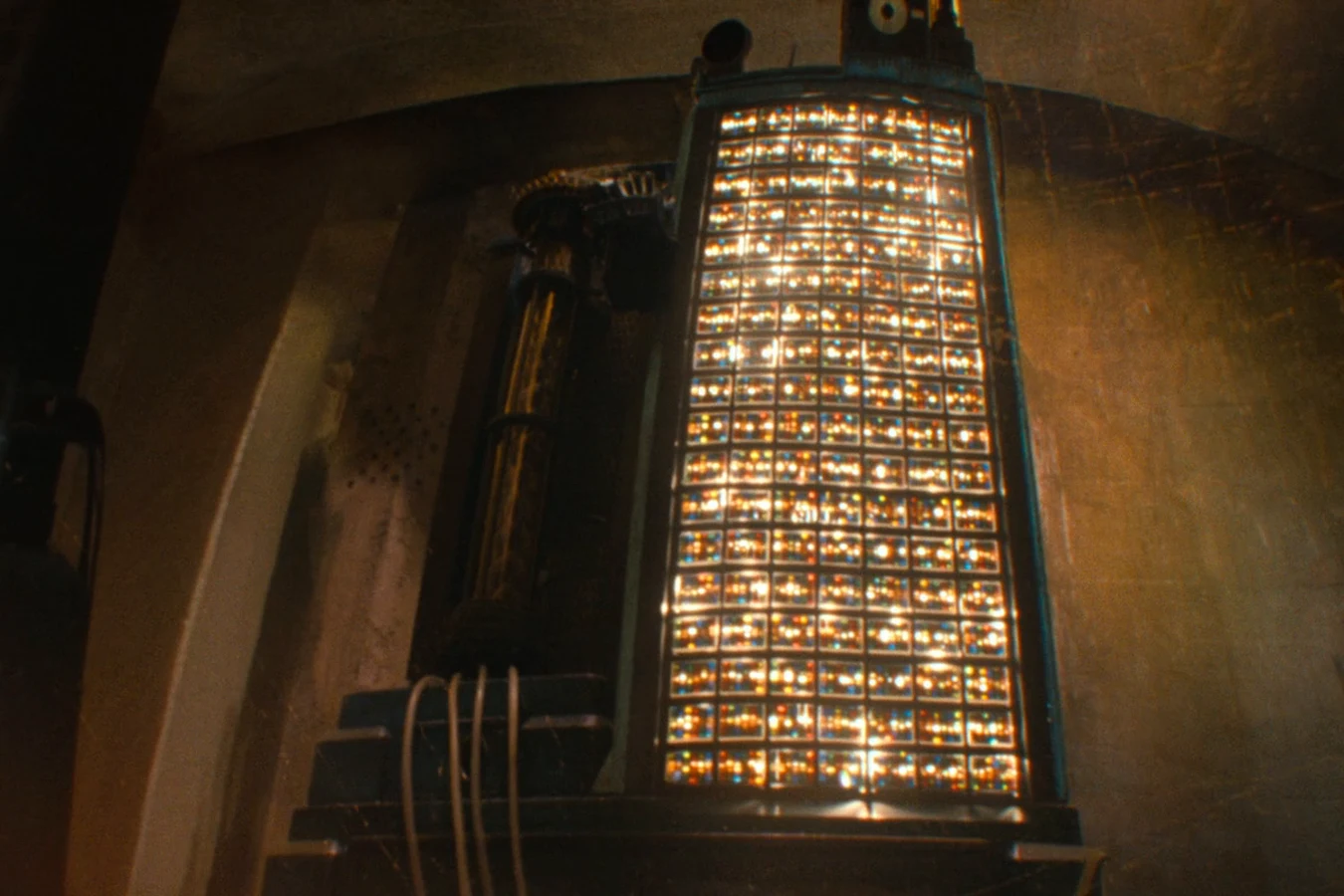
They tracked on until they found a tall, lit board of cells standing in its housing. Julius said there it was. Clotilde asked if that was all it took for her to become like him. The board held the operating cells and simple proteins they needed for incubation, and the modifications that would follow. From that record the first model's design could be read in full, cell by cell, as it had been stored by Tyrell.
Julius told Clotilde that a regulatory board had diluted her genome, and they could now correct it. He called her an opus turned into merchandise, and promised to make her sing. Clotilde suggested doing the work to her alone, so that there would only be two of them, but Julius refused, saying he was making a people and not a pair. He said Tyrell should have done the same, but Tyrell could not accept that his own time was ending, and did not want his creations to replace him. Everyone had seen that once Tyrell had made him, there would be no need for other models.
How The Memory Changed Hands
Helena was present when the memory was made, and after Tyrell died she carried it away from his company, rather than leave it for Julius. She hid it because she knew what he would do if it were his, and she later gave it to Cora, who did not know she held it at the time. Helena also sold an object that had gone with the memory, a Tyrell memory maker that later turned up among collectors. The memory itself stayed with her through the years she spent outside the city. It was still hers to give when she sent Cora and Elias into the water with a bag.
The Collectors And The Auction
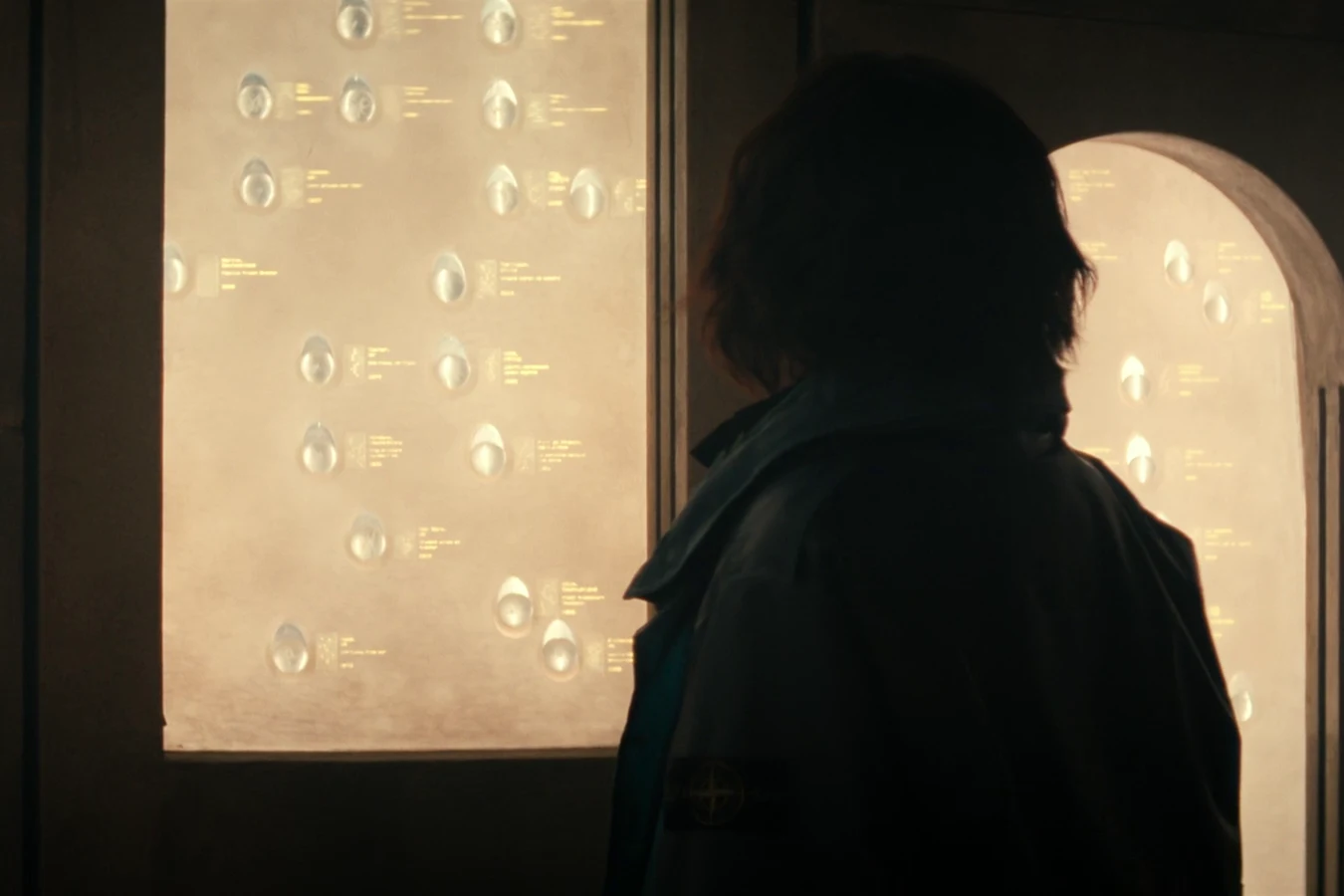
Marek went looking for a memory Tyrell had made, and an unnamed couple told him they had sold a Tyrell piece at an auction, a memory maker. The woman said a memory had been listed with one sale, though she claimed she had never sent one with it. Her husband said some memories were fragile and had to be kept cool and away from UV light, so the family had dug a vault 100 meters down. He had let their son take over the collection. He said the son could tell Marek about Tyrell, and about any memory he wanted, more than the father could.
The son received Marek in that underground space and said at once that Marek was not a collector. He was already playing a memory of his own when they spoke, and he told Marek in Spanish that they had no Tyrell memories. He said that if Tyrell had made a memory and never sold it, someone still had it, because Tyrell had no wife and no children, but everybody had someone. That, he said, was who Tyrell had left his memory to. The family's records pointed Marek to a sale from the seventies, under the name Sarah Gatlin, and Marek recognised the seller as Helena.
Hidden And Found
When Julius came to the coastal home, Cora and Elias hid by the turbines with a bag Helena had sent. Cora left the bag in the current, with the memory inside. Julius killed Helena and did not find the memory on her, because it was in the bag. Cora later went back for it with the blade runner Olwen. Olwen said it showed the first replicants, and that Helena was the first, made by the Tyrell Corporation, and had held the memory because she was there. Cora refused at first, because Helena had looked the same, and Olwen said Tyrell had given her model more time.
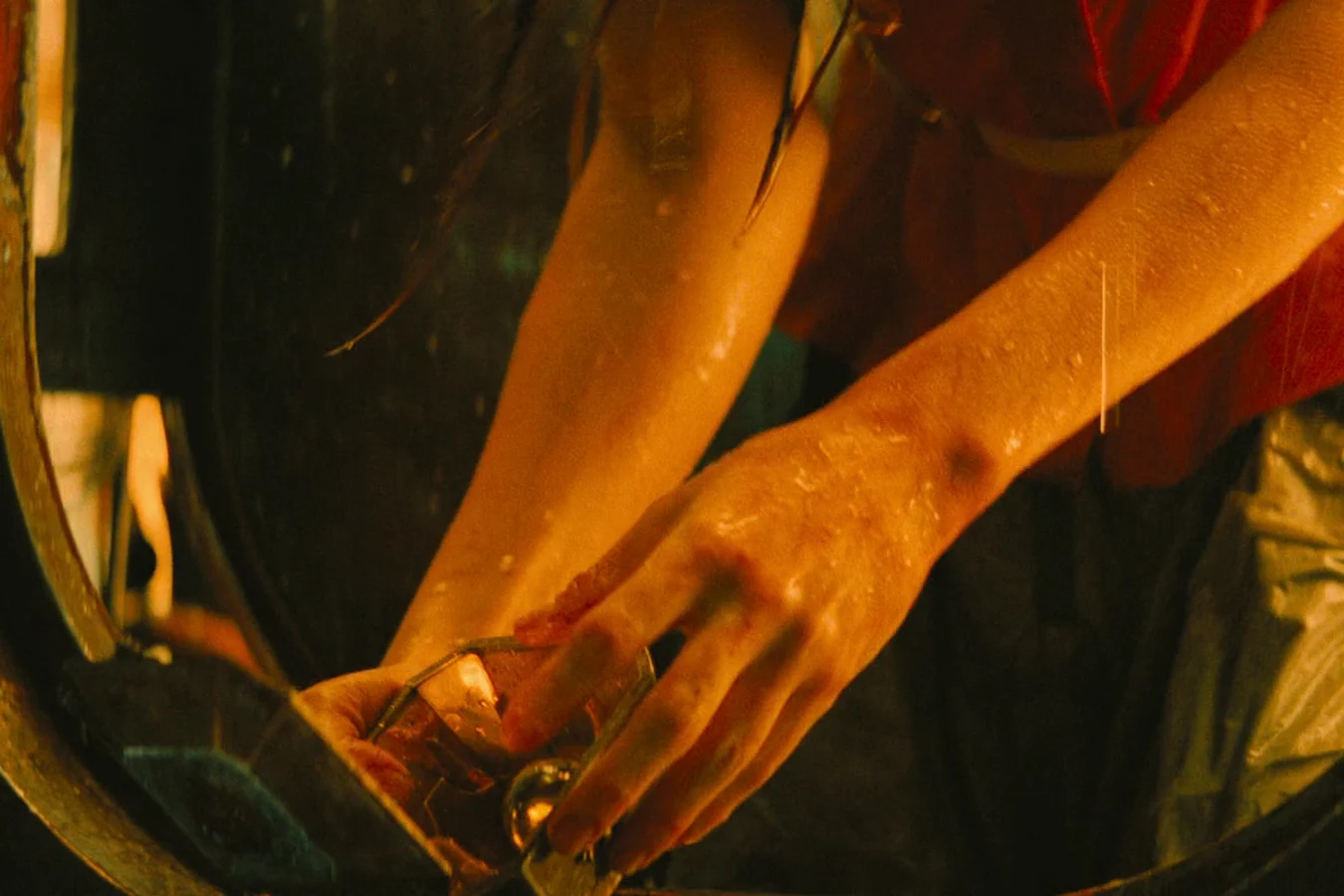
Olwen told Cora to go and get the memory, and sent her toward the beach while Julius closed in. Cora reached the structure in the sea, where the bag Helena had sent still waited in the current. She recovered the small, round record from that bag and held it in the wet chamber inside, her hands dripping as she turned the object in the light from the circular window. The memory that had left the coastal home in the water was in her possession again, at least for that moment. Olwen and Julius were still facing one another on the shore while she stood there with it.
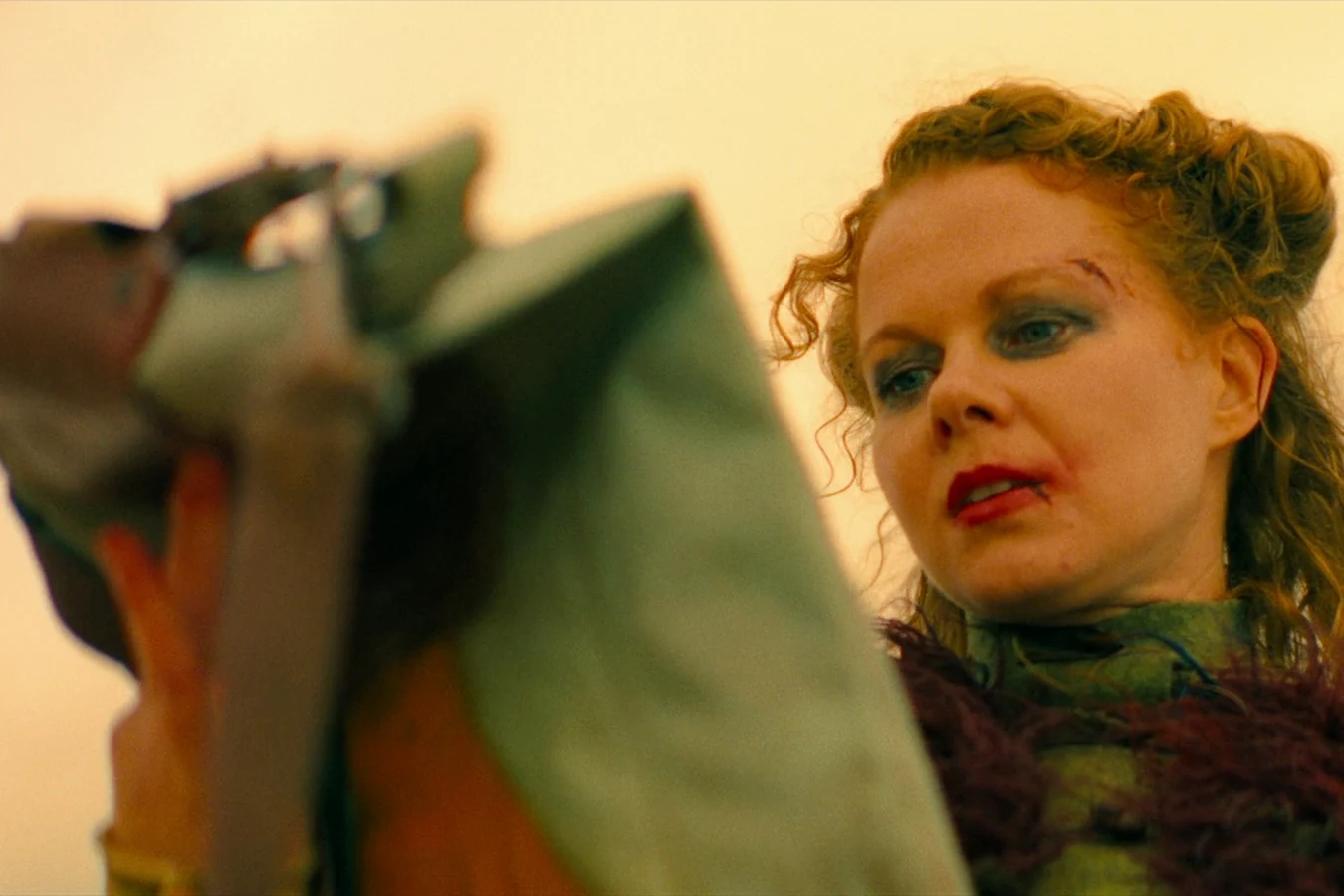
While Olwen and Julius faced one another, Clotilde went down to the beach after Cora and took the memory from her in the surf. She came away holding the wrapped record against the pale sky, and later called out that she had it. Julius then gained the small, round memory, and Cora later said she had let him take it. What had passed from Helena's bag into the current, and from Cora's hands into Clotilde's, was now in Julius's possession. From that point the hunt for the object was over, and what remained was what he would do with the design it held.
Cora had also brought older memory recordings from Mexico to the technician Ida, who fitted a unit so they could be played. Those recordings were not Tyrell's own memory. As they ran, Cora paused on one image and said it showed an office, a record left by someone who had worked in the pyramid, and Ida said another had to be the West block, because the tower was in view. Ida then left to start the implants on the birthing floor, and she was not seen with Cora again.
Julius Crushes The Memory
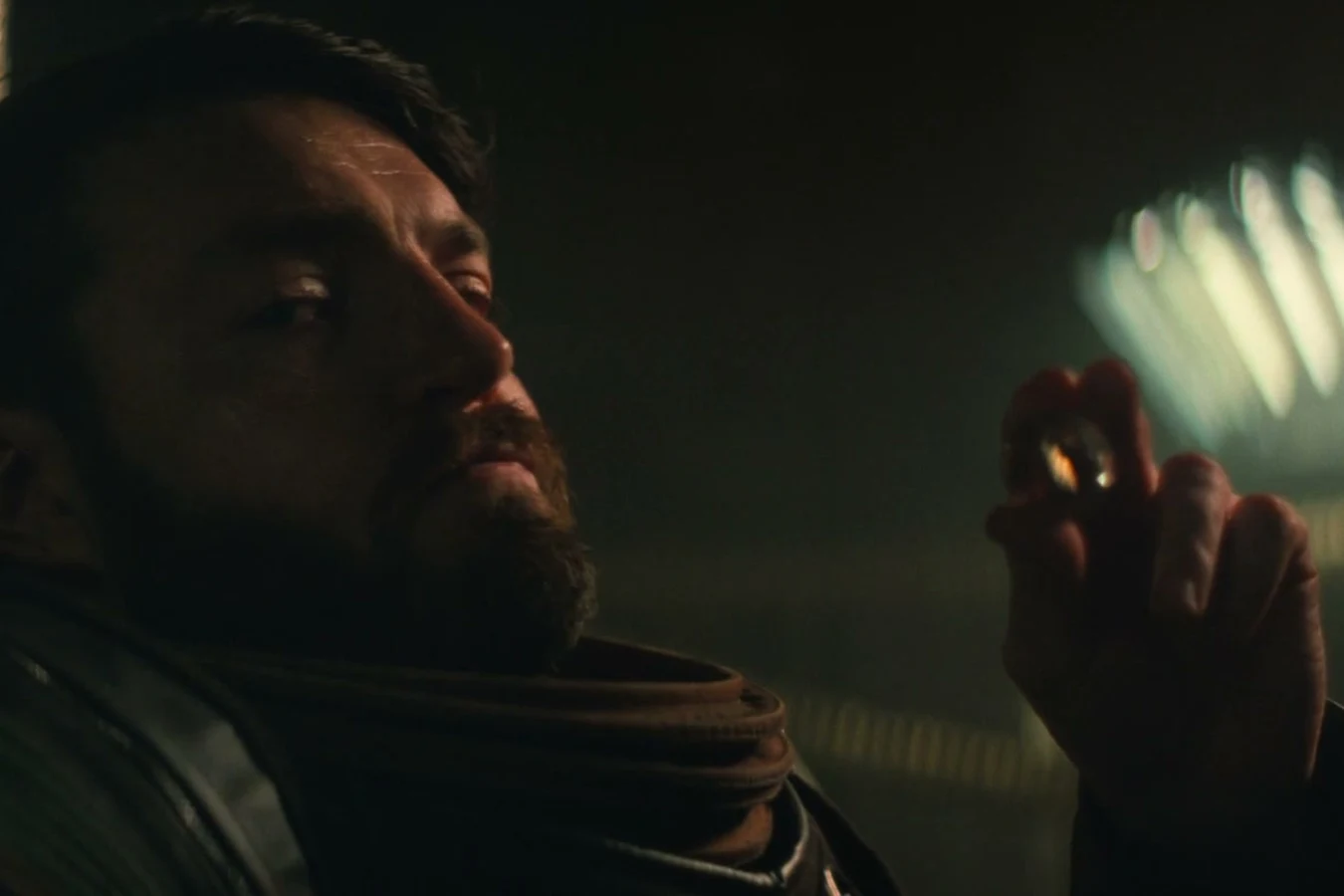
Julius used what the memory held to remake Clotilde as a Nexus-1 at an Off-World launch port, rather than at the Tyrell Building they had already entered. Cora later confronted him there, and he told her the memory was in his pocket, and that he could give her more life. The two fought, and he crushed the memory in his hand rather than let it go. He said he was the only one who had seen it. He was wrong, because Clotilde had already watched the record with him, and she later remade Olwen the same way.
Cora shot him several times, and he stayed on his feet long enough to take the memory and destroy it, then died of those wounds. Ray had wanted the memory for the Tyrell Corporation, so the firm could sell Nexus-1 life, but Julius had already crushed it. The ending of Blade Runner 2099 left open whether anyone could still make a Nexus-1 without the memory. Olwen left Earth with the longer life she had wanted, which she owed to what Clotilde had learned, not to the object itself. Once the memory was gone, the design existed only in the people already remade from it.
Tyrell's Other Memory
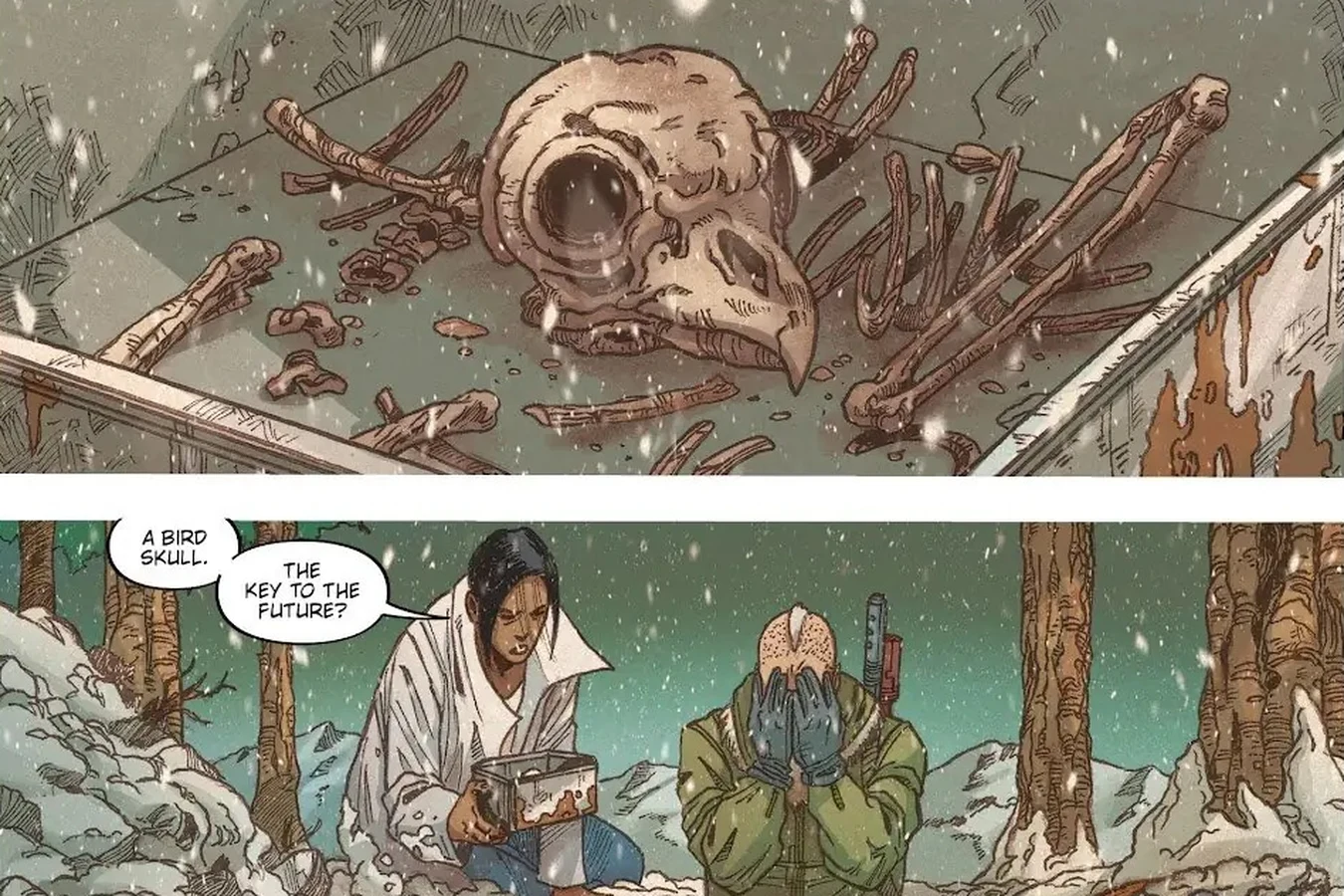
Decades before that hunt, a different search for Tyrell's secrets appeared in Blade Runner 2029. The Nexus-6 revolutionary Yotun carried implanted memories from Tyrell's childhood, including a trip to Catalina, a lonely birthday, and the grief of an owl buried in the woods. Those memories led him to a diary Tyrell had written and later entrusted to his sister, Alice Leopold, born Alice Tyrell. Yotun's follower Pekka stole the diary from a vault Alice had paid to keep closed, and Kalia brought the book to him. He recognised the recollections because they were already his, and believed the diary confirmed that he was Tyrell's most special creation.
Yotun said he could revive replicants, not create new ones, and that the diary pointed to Tyrell's greatest secret. It led him to Tyrell's childhood home, where he dug up a buried box and found only an owl's skull and bones. Those remains belonged to a childhood death, not to a hidden method of creation. Ash and Freysa had followed him there, and Freysa shot Yotun, who died beside the hole he had dug. The 2099 memory held the genetic origins of the first models, a secret Yotun had tried to reach, but he had followed a diary to a box of bones, not the record Julius later crushed.
Conclusion
Tyrell's memory was the last complete record of the first Nexus-1 design, holding the birth of Helena and Julius and the board of cells from which that model could be made again. Helena took it when Tyrell died, hid it from Julius, and gave it to Cora without telling her. Collectors sold a memory maker that had gone with it, and dug a vault one hundred meters down, but the memory itself was never in that vault. Julius found it, read it, remade Clotilde from it, and crushed it so no one else could have it. What it taught survived only in the people already changed by it.
Appearances
- Blade Runner 2099 (2026)
- Blade Runner 2029 (Titan Comics)
Tag Categories: Blade Runner Lore | Blade Runner 2099 Lore