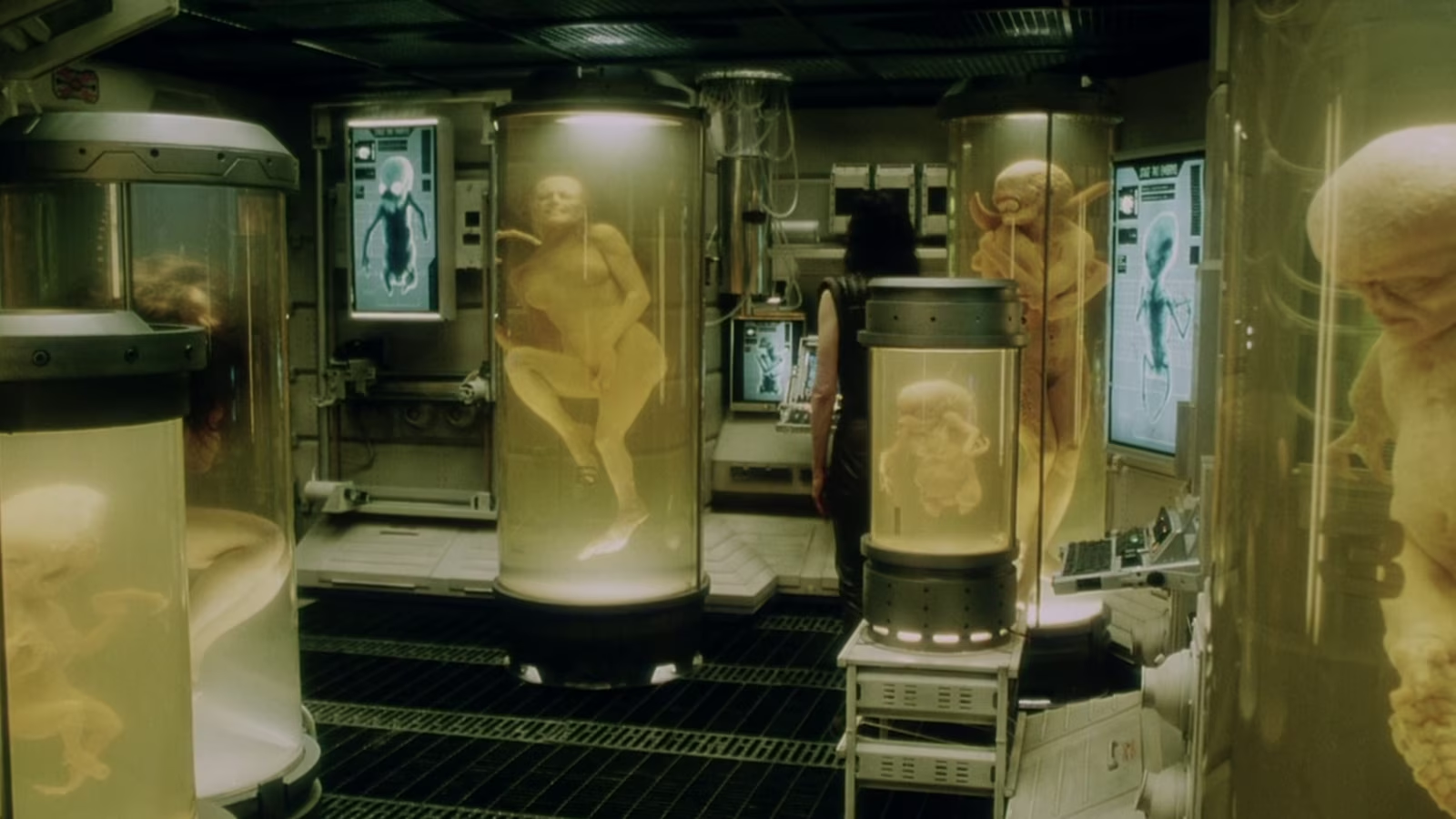

The failed Ripley clones were the first seven attempts by United Systems Military scientists to rebuild Ellen Ripley aboard the USM Auriga in 2381. Dr. Mason Wren's team wanted the Queen embryo a Super Facehugger had left inside Ripley when she died on Fury 161. That embryo had already rewritten her cells like a virus, the same DNA reflex running both ways, so every clone grew as a human-Alien mix. Ripley 1 through Ripley 6 died and were stored in preservative tanks. Ripley 7 lived long enough to beg for death. Ripley 8, the first clone stable enough for surgery, found that room during the outbreak in Alien: Resurrection and burned the lab.
Each Individual Clone Explained
Blood, marrow, spleen, and spinal fluid from Fiorina 161 sat unused for twenty-five years after Alien 3 and were nearly destroyed twice. Mason Wren took the project ten years before the Auriga outbreak, but the cloned cells only survived after the team moved onto the ship in the last two years. A. C. Crispin's Alien: Resurrection novelization is the clearest record of each tank they kept once those cells finally held. Wren's staff had to take the mixed DNA apart down to the RNA, rebuild it, and force it to grow far faster than a normal body. Only the specimens that reached a late stage received a number. The rest never left the first cell divisions.
Ripley 1
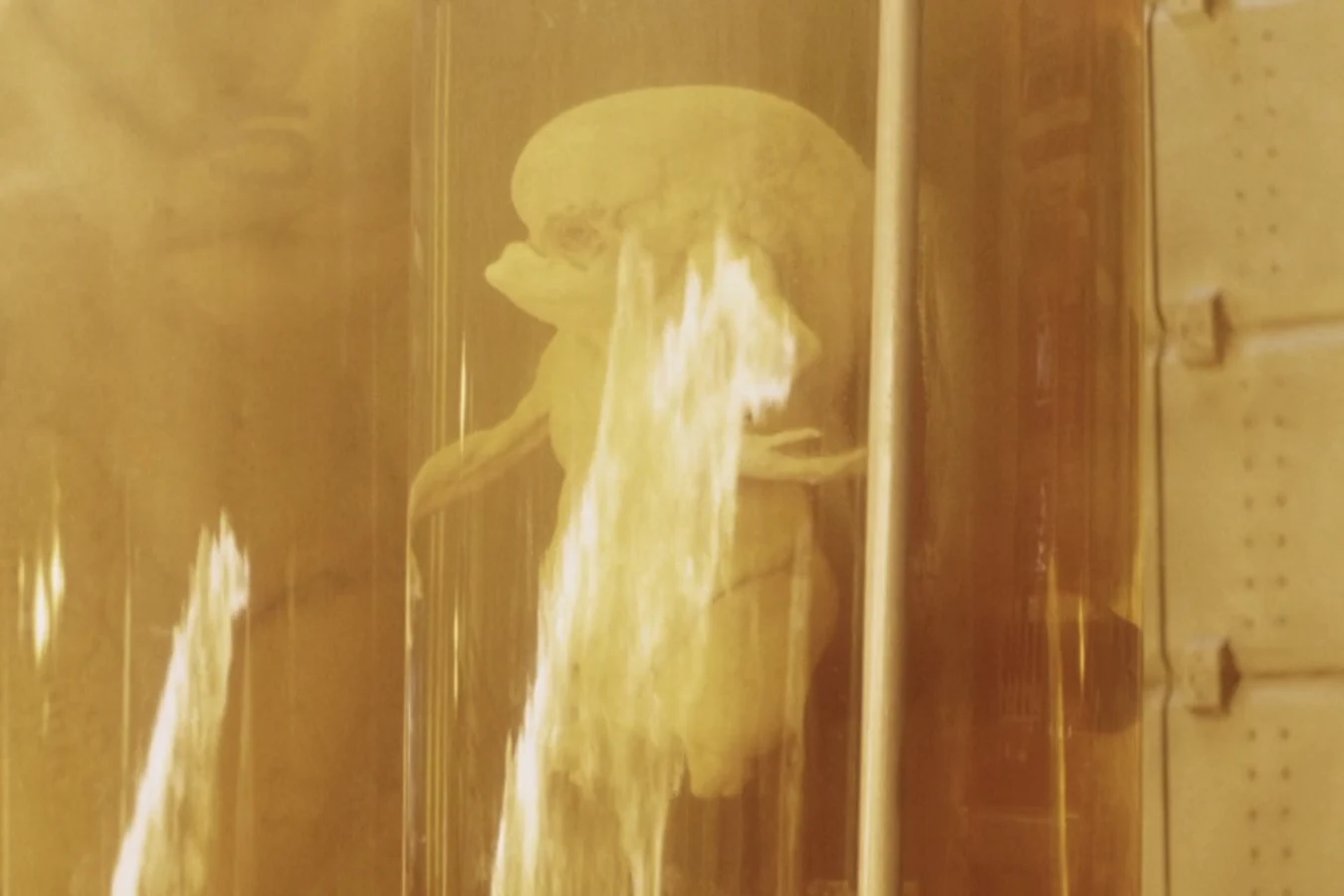
Ripley 1 was the size of a fully grown human fetus and floated in a labeled preservation jar. The body was so deformed that Ripley 8 could barely tell it had been meant as a person. Wren's later clones lived longer and put on more mass, which is why this first attempt stayed so small. It was the point where the mixed DNA first held together long enough to be stored instead of discarded with the unlabeled cultures.
Ripley 2
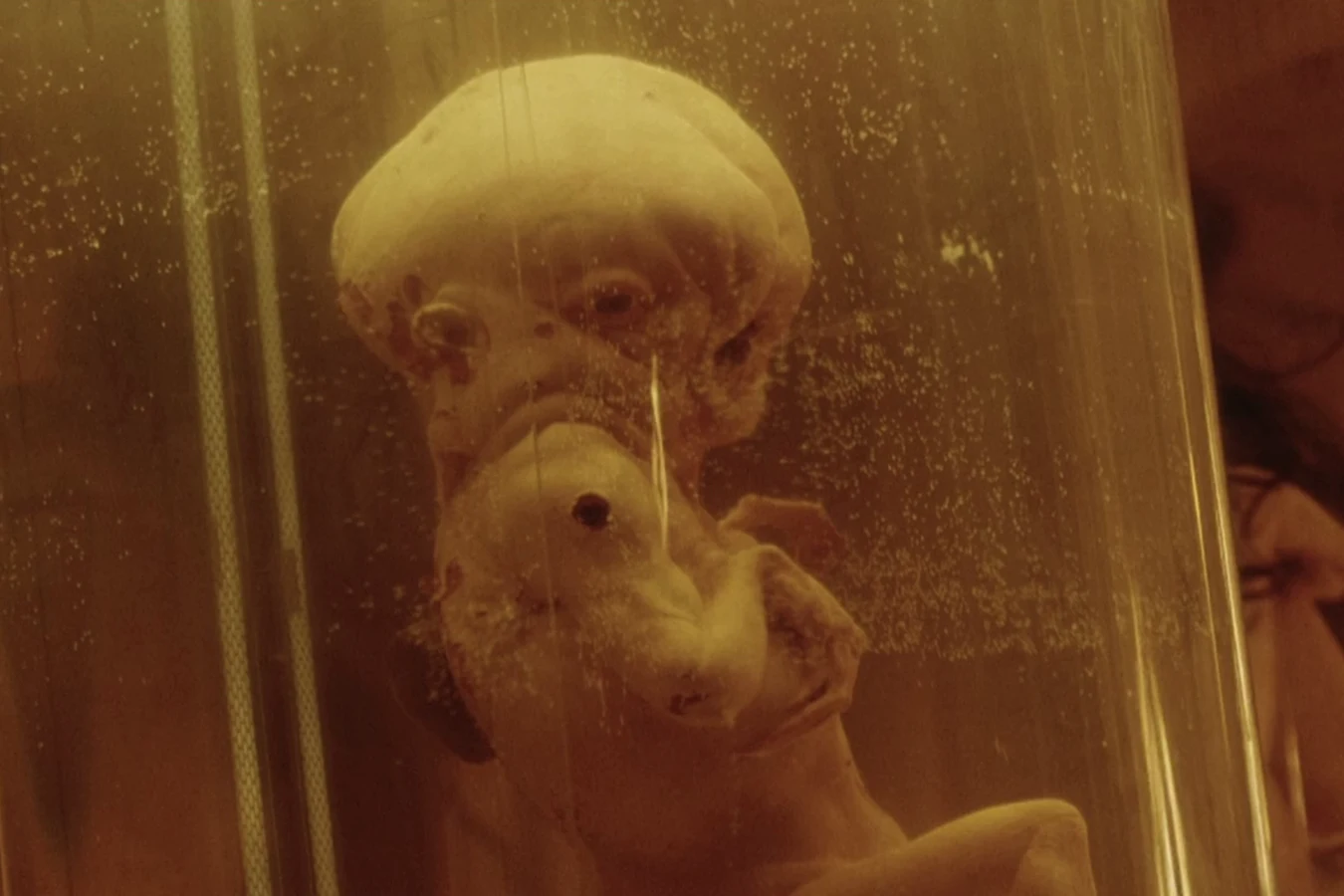
Ripley 2 had reached the size of a small child and was already split down the middle, half human and half Alien. Ellen Ripley's face sat on an elongated head, and dorsal horns broke from the back. Ripley 8 felt the scars along her own spine when she saw those growths, the same vestigial buds Wren had watched appear on later specimens and hoped he could cut away. The jar made the mix obvious: a child's body carrying royal Alien growths before the team had any control over which traits won.
Ripley 3
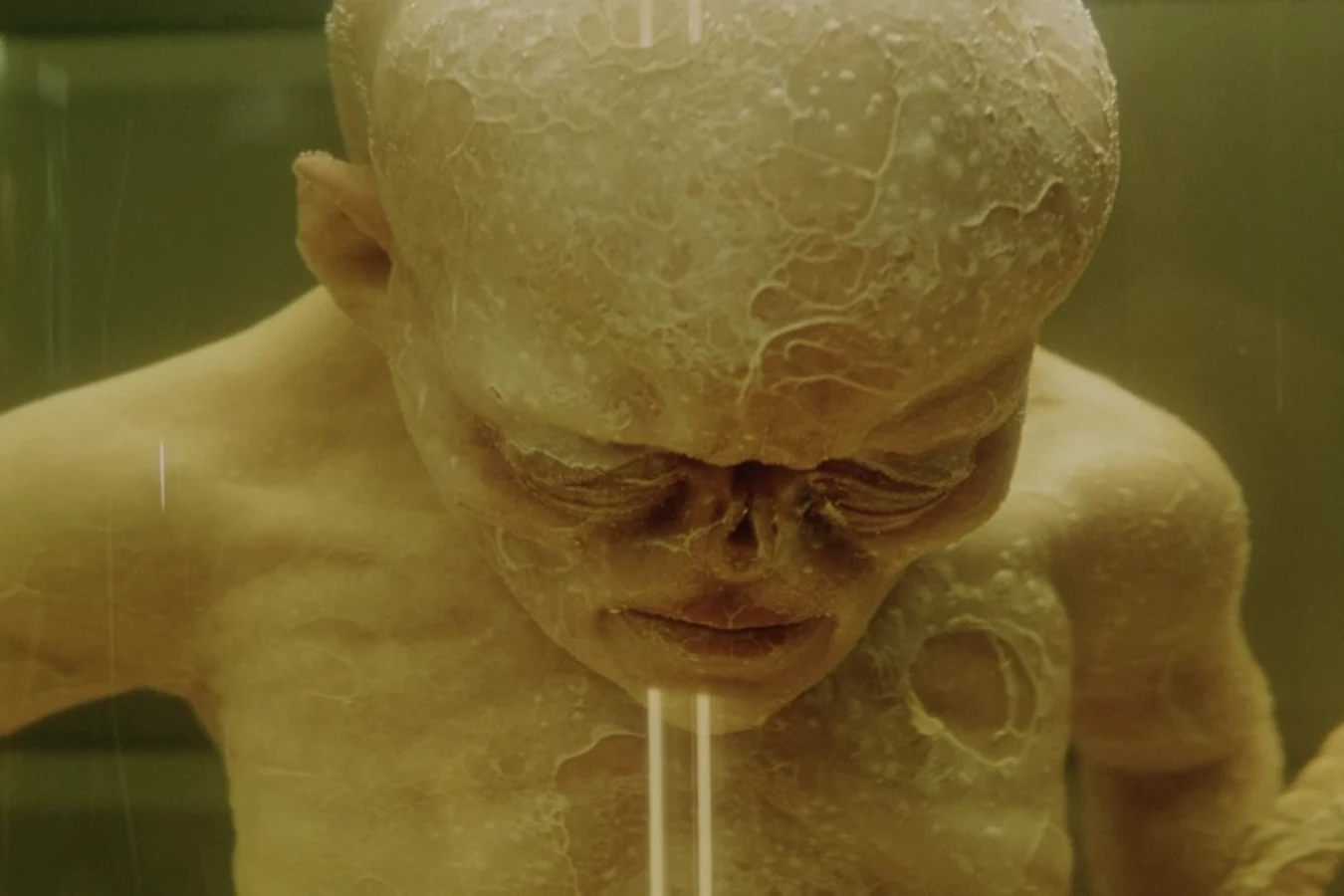
According to the novelization, Ripley 3 was about two years old, had a tail, and had no face. That blank front was the whole point of the specimen: enough of a body to keep growing, nothing left that could be read as Ripley. However, in the movie, it clearly had a face. Accelerated growth had pushed the clone past the fetal stage, then stopped it in a child's shape that could not finish a human head. Among the numbered tanks, this was the one that looked least like a person and still too complete to throw away.
Ripley 4
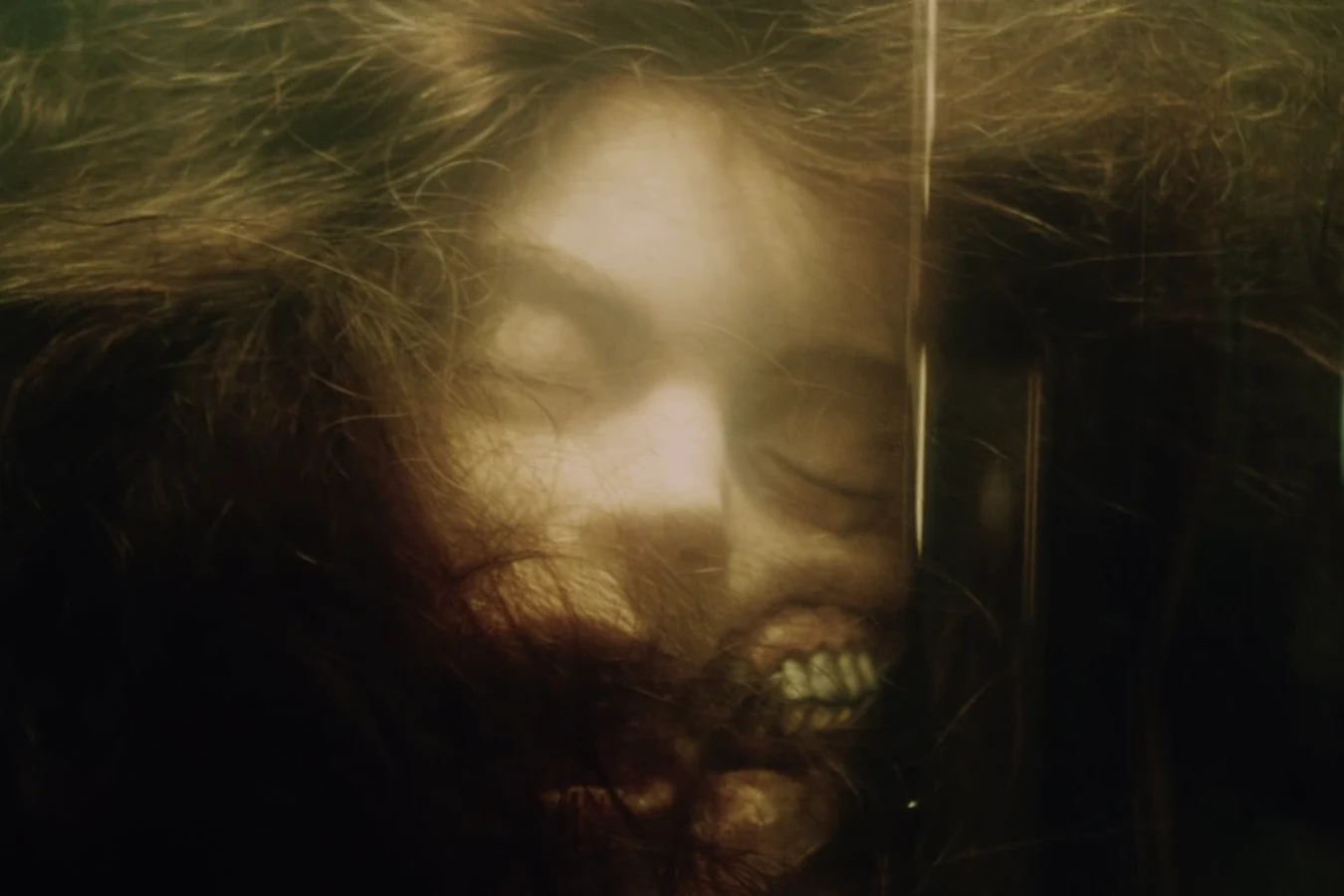
Ripley 4 was about four years old, with an exoskeleton and the rigid, fanged inner jaw coming out of a half-human face that could not support it. The tongue belonged on an adult Warrior, not in a child's mouth, and the bone around it had never been built to house that strike. Later clones gained more mass and lasted longer, but they did not become cleaner copies of Ripley. They became more stable hosts for Alien parts that kept erupting in the wrong place.
Ripley 5
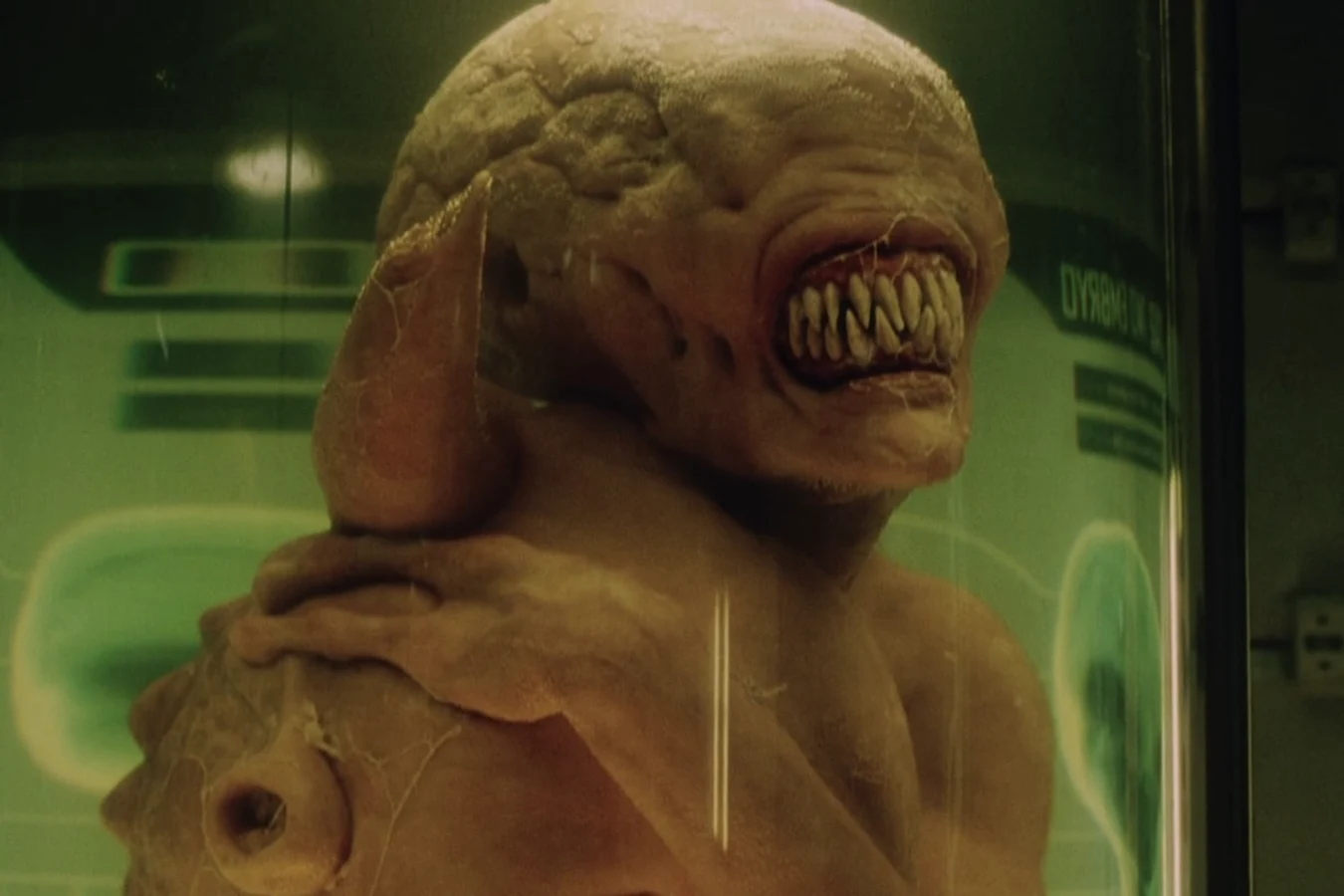
Ripley 5 had nearly reached adulthood. The dorsal horns were still there, but they had shrunk to leftover buds, while the head was a full Queen crest grafted onto a twisted human female body. That was the clone that finally looked like Wren's real target: a grown host built around royal Alien tissue. Ripley 8 wept when she reached this tank. The thing in the jar was close enough to a woman, and close enough to the Queen cut out of her, that the two halves no longer looked like an accident.
Ripley 6
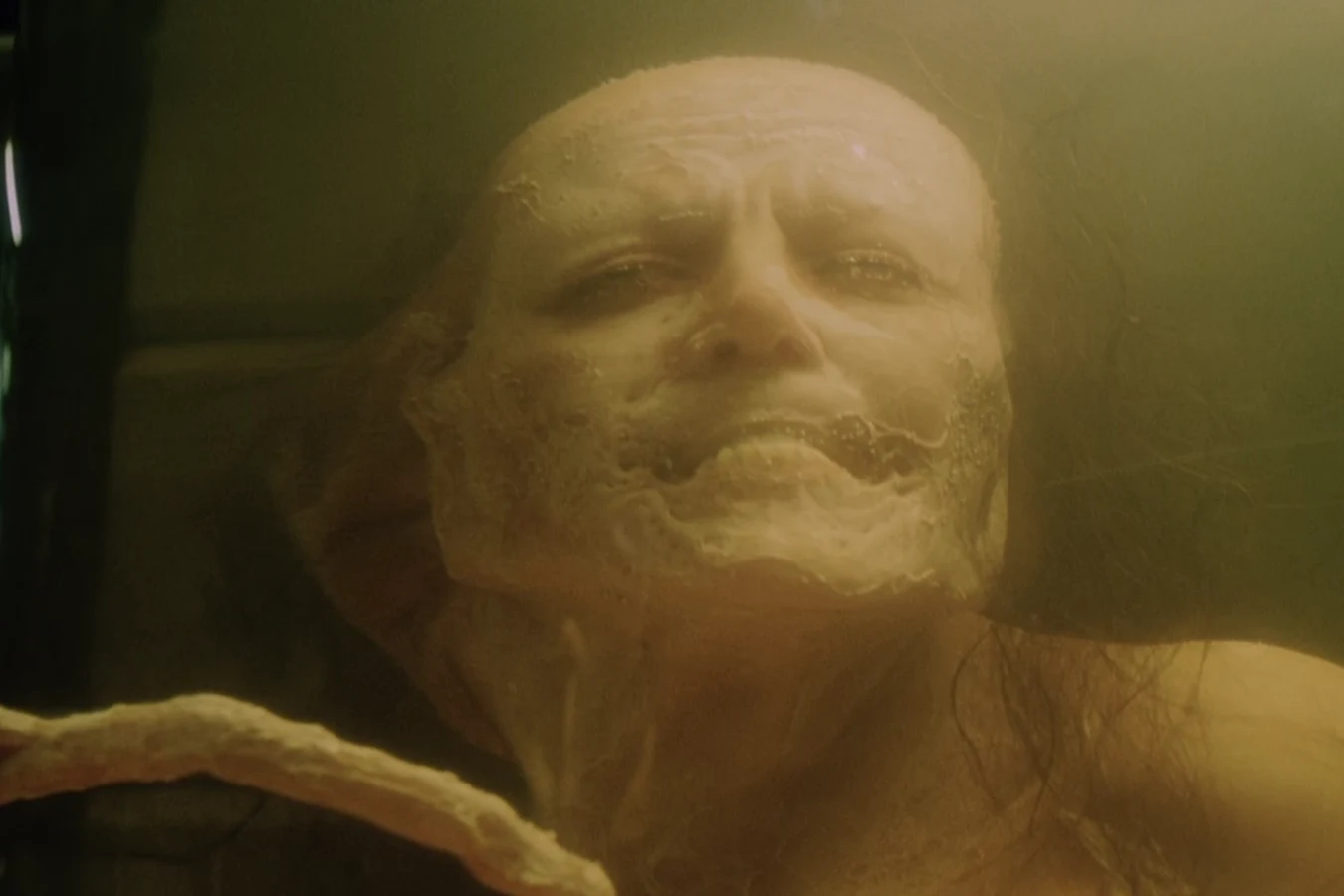
Ripley 6 was nearly adult and looked far more like Ripley than the earlier jars. Her face sat on a long, bizarre skull. The hands matched Ripley 8's hands, down to the same strange long nails, and the eyes were open. Ripley 8 stopped on those eyes and wondered what they had seen, and whether the tank was a preview of her own future. This was the last dead specimen on the shelf, close enough to Ripley 8 that the room no longer felt like a collection of monsters. It felt like a line of sisters.
Ripley 7
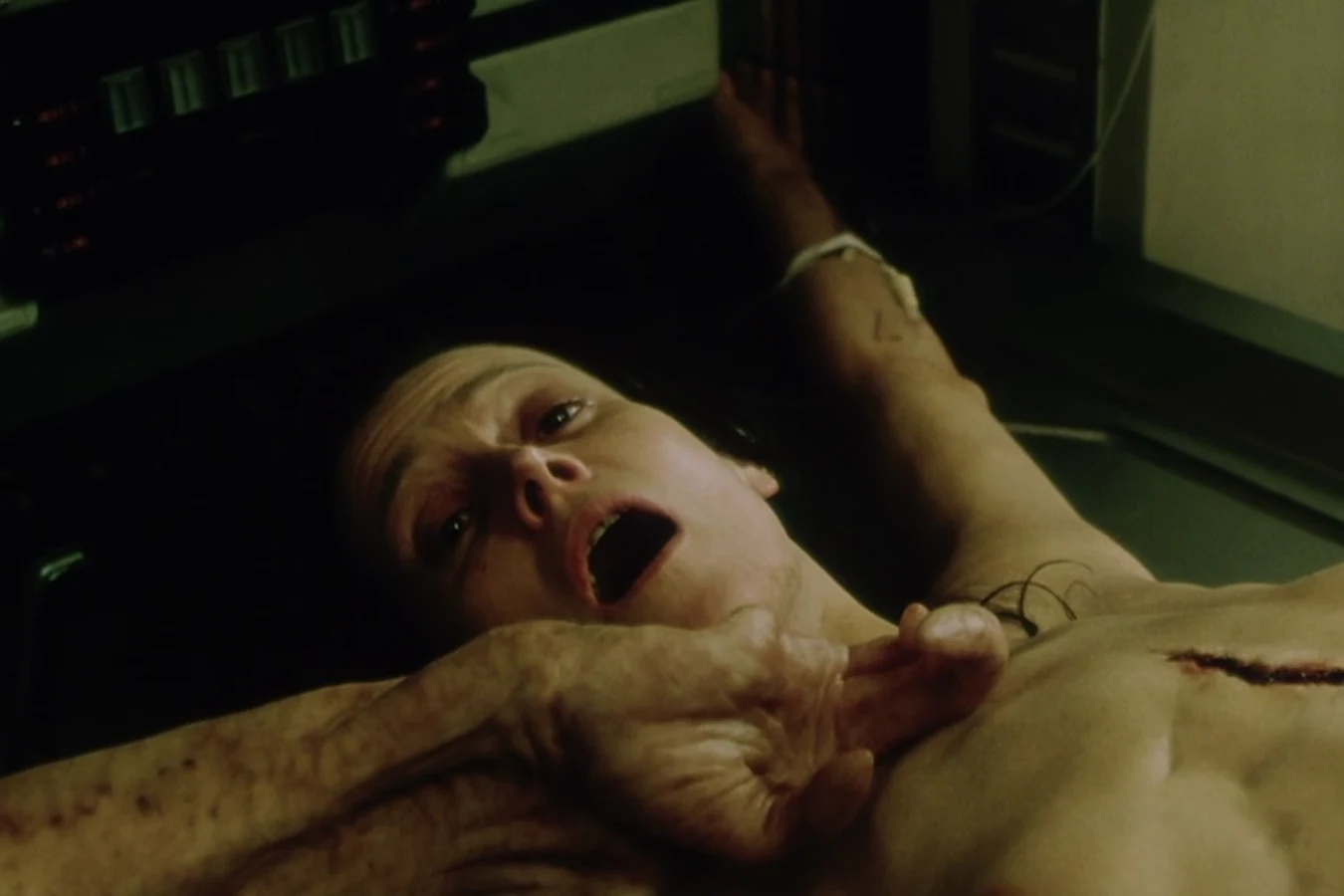
Ripley 7 was not in a jar. The number was painted on a large, square, opaque unit with electrical leads and live gauges, an intensive-care hydro-bed that kept a living body fed through a web of tubes. Twisted limbs were strapped down. Spare bits of brown wavy hair clung to a misshapen head that still wore Ripley's face. The number 7 was marked on her arm, and one hand had collapsed into a claw. The eyes were bright, human, and awake. They recognized Ripley 8 when she walked around the unit.
She had silver fangs and ropes of clear mucus sliding off the chin, then formed two words: Kill me. The film kept a more human mouth on the same wrecked body, with the damage pushed into the bloated torso and the opened chest Wren's team had already cut. Ripley 7 had looked human enough for a Queen extraction, then failed anyway, which is why she was still on the table instead of in a tank. Ripley 8 loaded the flamethrower Call handed her, a weapon Distephano had pulled from a cache he knew, and burned her sister first.
Ripley 8

Ripley 8 was the first clone Wren judged stable enough to cut. Dr. Jonathan Gediman removed a Queen chestburster from her while she was still anesthetized, one of the few live extractions that left the host alive, then they sealed her and kept her as a leftover specimen. Wren sliced leftover dorsal buds off before she woke. She also had acidic blood, strength, and scraps of Ellen Ripley's life already in her head. She woke knowing what a pulse rifle was and what a Xenomorph was, then later found the numbered door marked 1-7, matched it to the 8 on her own arm, and walked in anyway.
After she emptied the flamethrower into Ripley 7 and the tanks, the lab was a melted wreck and the sprinklers had no water left to stop her. She dropped the empty weapon, shut the door on the fire, and turned on Wren. Call stopped that killing, then punched Wren herself. Johner treated the whole burn as wasted ammunition. Ripley 8 did not.
Plans For Even More Clones
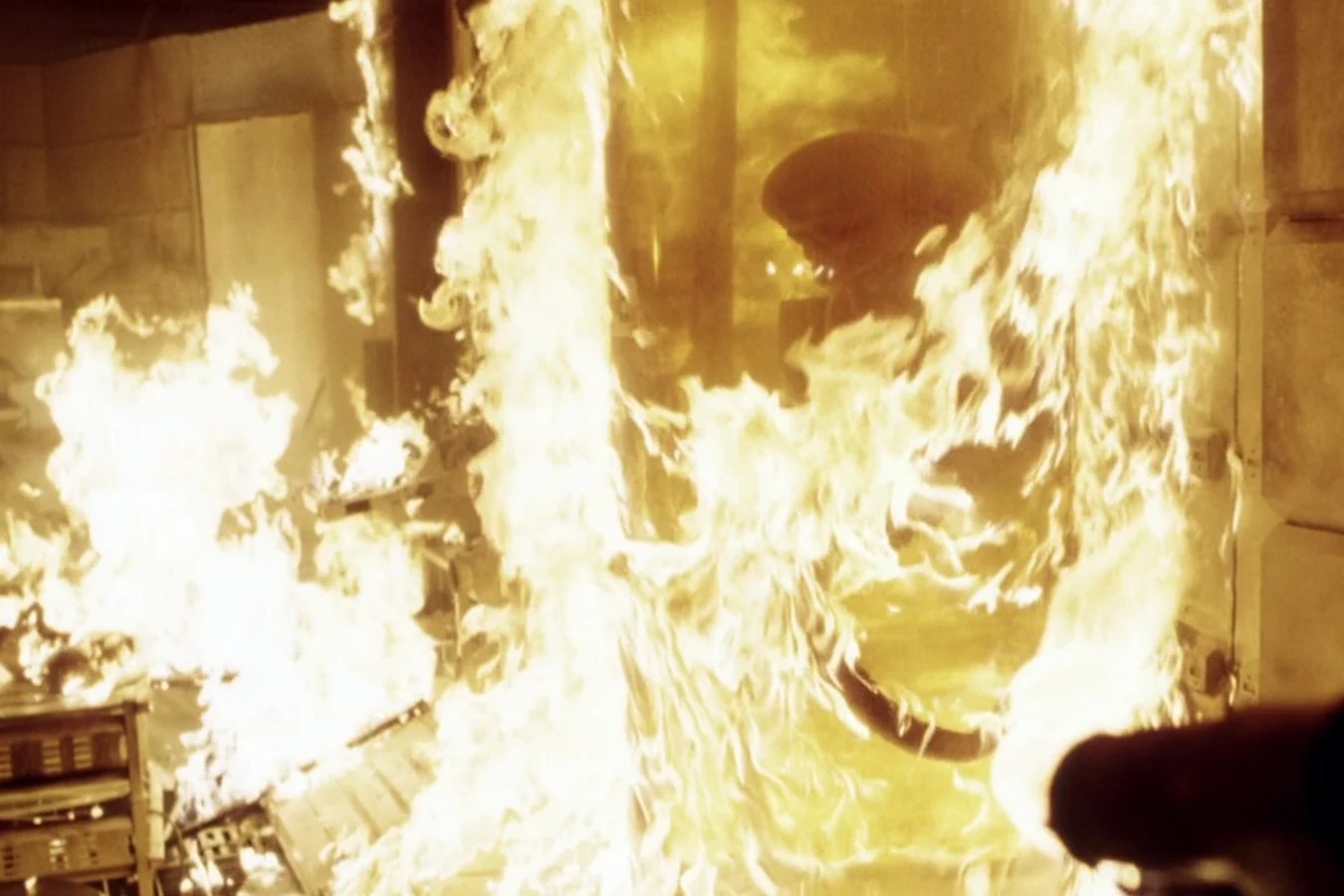
The fire in the clone lab did not end Wren's plans. While he ran for the Betty, he still regretted losing the Ripley clone, then decided he no longer needed her. The Auriga already held more loose Aliens than he had ever expected to study, and he had plenty of samples of Ripley 8's current body on ice. Those samples made the next step simple: grow hundreds of Ripleys, each with a Queen already forming inside.
Ripley 8 had already seen the other end of that plan when she walked the numbered tanks. The seven failures on display were only the clones that reached a late stage of development. Hundreds, maybe thousands, of cell cultures never got past the eight-cell or sixteen-cell mark, and those batches never received a number. Wren's later plan just scaled the same method up, with a working host template on ice and a Queen line he thought he could reprint at will.
Failed Ripley Clones In The Alien: Resurrection Comic
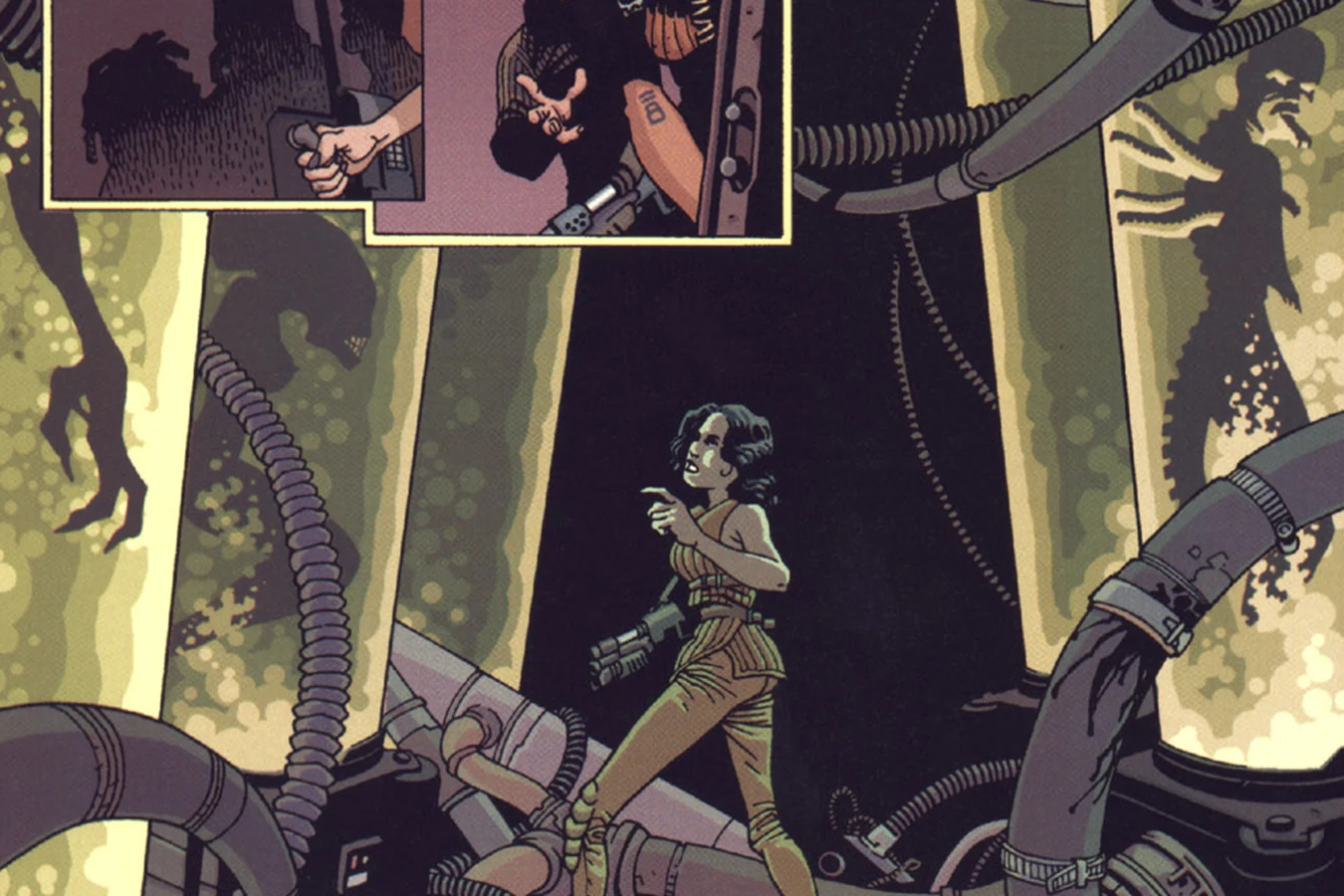
Dark Horse compressed the film into two issues in late 1997, scripted by Jim Vance from Joss Whedon's screenplay and drawn by Eduardo Risso, with covers by Dave McKean. Marvel reprinted that adaptation in Aliens: The Original Years Volume 3 in 2022. The clone-lab scene stayed in, but Ripley 8 wrecked the room with a shockrifle instead of a flamethrower, and her own acid blood was colored green like a pure Xenomorph's.
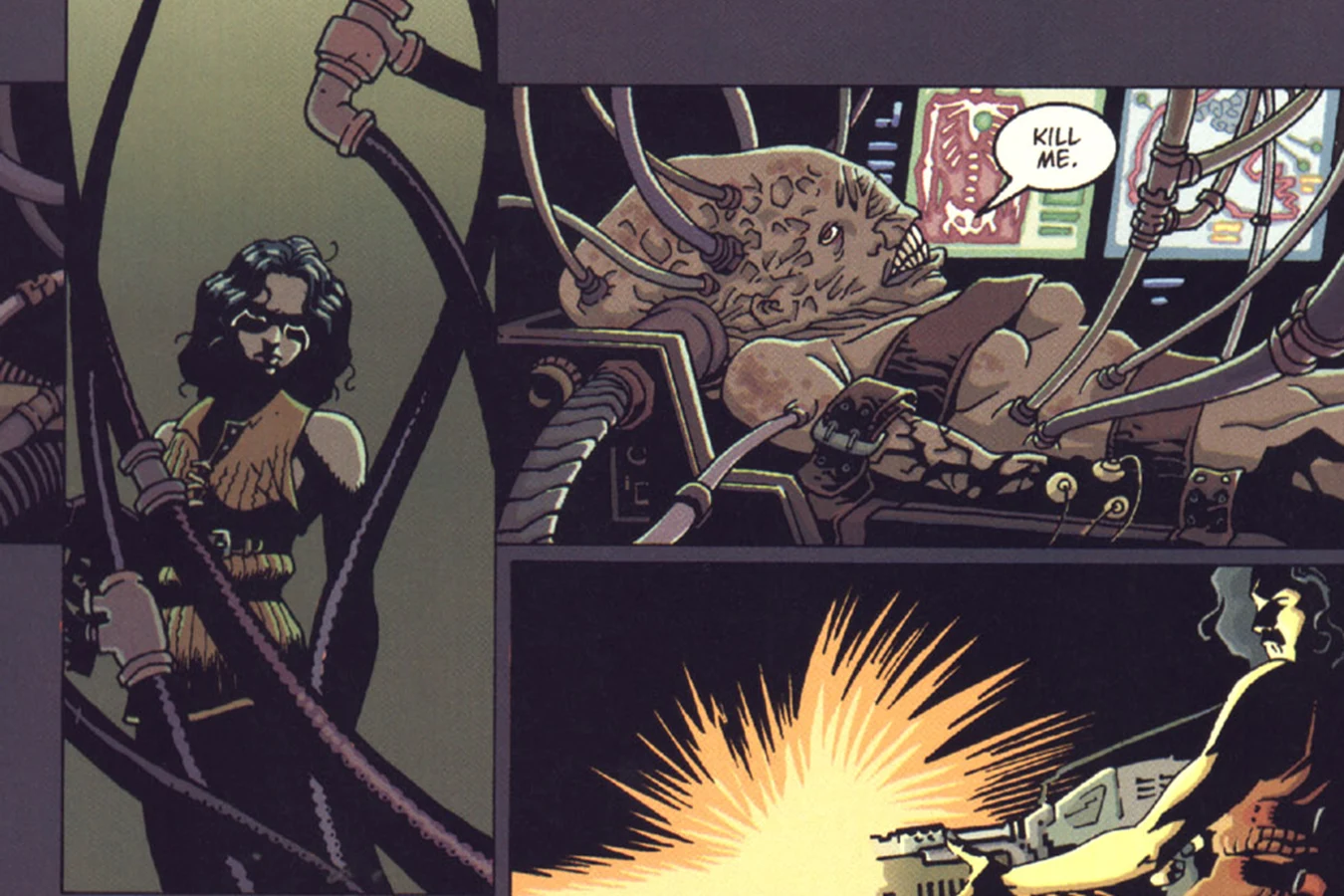
The biggest change in the tanks is Ripley 7. Risso drew that living clone with a swollen, Xenomorph-like head instead of the closer copy of Ripley's face used in the film and the novel. The body was still strapped and wrecked, but the skull read as Alien first, human second, so the plea for death came from a creature that looked much nearer to the hive than to Ellen. That one redesign was the clearest split between the comic lab and the movie corridor.
Ripley Clones In The Alien: Resurrection PS Game
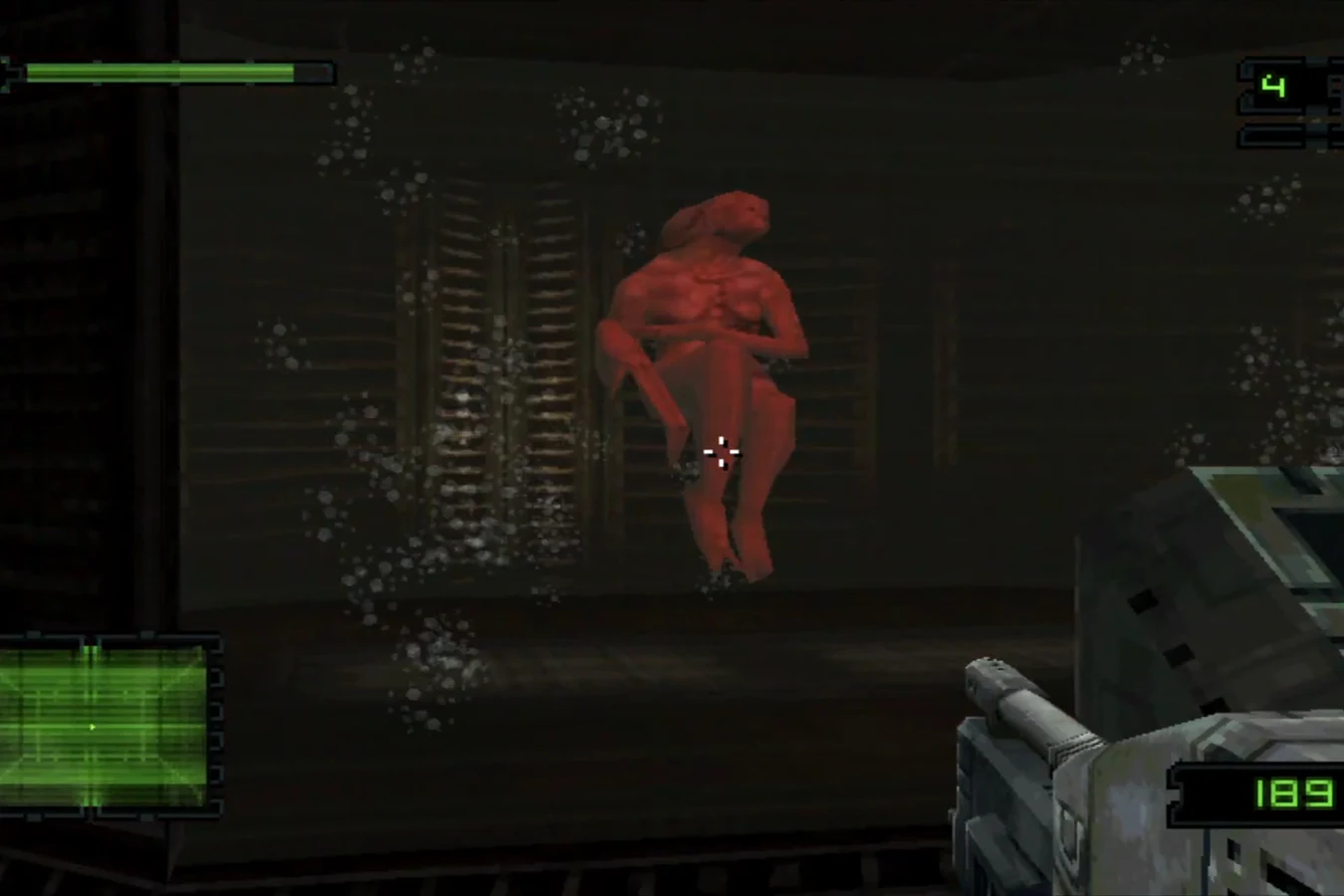
Argonaut's Alien Resurrection game for PlayStation, released in 2000, turned the clone lab into a level instead of a single corridor. The third mission was titled Clone Research and was played as Ripley 8, after she had already broken out of detention. She had to move through the research wing, collect security cards, and destroy the failed clones laid out on the tables. Clearing those specimens was a stated objective, separate from simply finding a way out of the department, and the game still saved the Newborn for the final boss.
Similar Failed Experiments In Aliens: Rogue
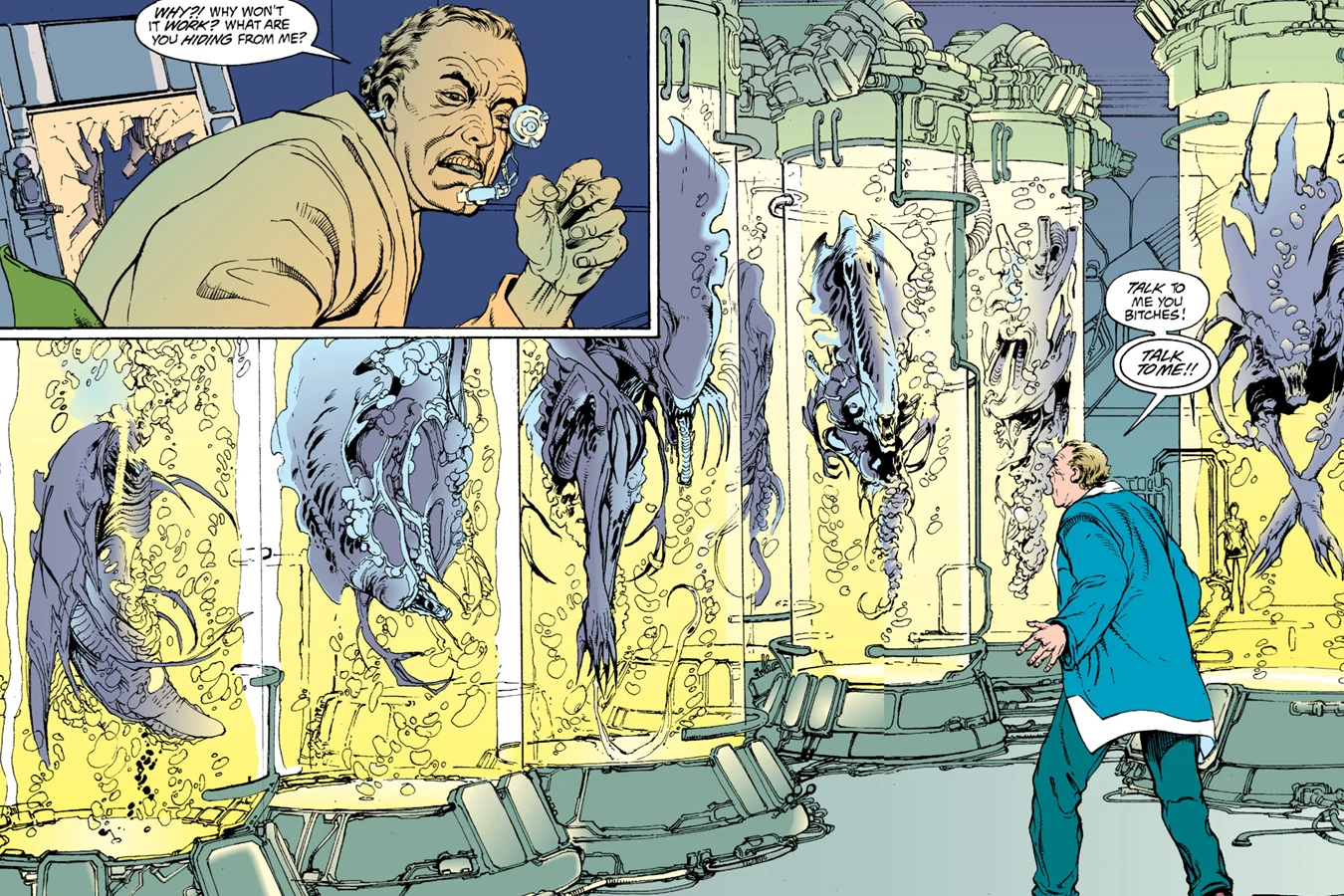
Four years before Resurrection reached theaters, Aliens: Rogue had already put a scientist in a corridor of ruined hybrids. At Charon Base, Professor Ernst Kleist ran Project Chimera for the Z.C.T. corporation, made quieter Drones from docile animal hosts, then failed when he tried to grow a tame Queen. The Queen embryos that lived came out malformed, died young, and sat in tanks. Kleist kept at least nine of them on display. Human DNA from captured spy John Cray finally produced the Rogue, a huge male hybrid meant to replace a Queen as a control mechanism, but it broke out, attacked the natural Queen, and lost. Sandy Schofield's 1995 novel, from Ian Edginton's 1993 comic, is the fuller version of those failed Queens.
Behind The Scenes
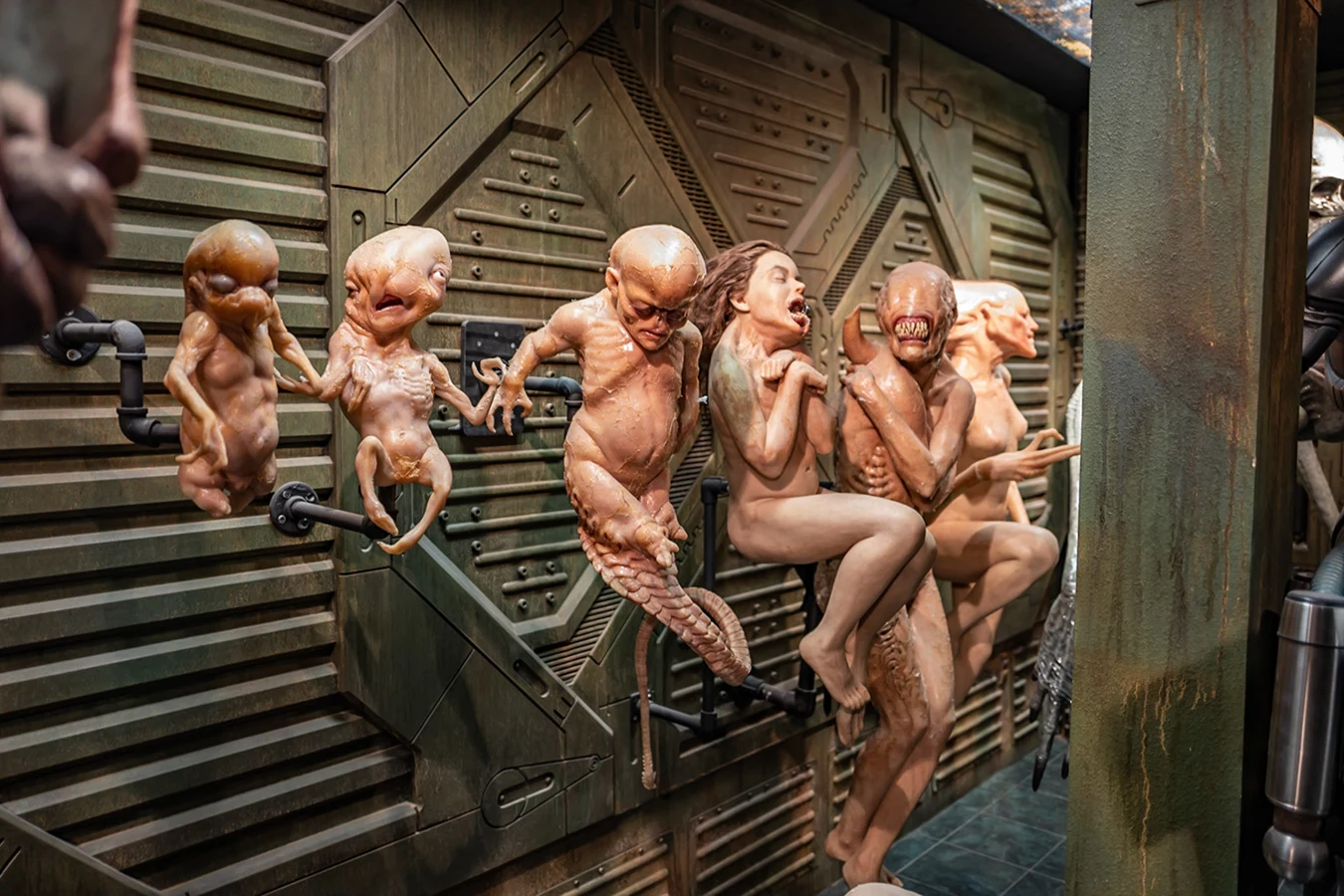
Amalgamated Dynamics built the clones for director Jean-Pierre Jeunet in 1996, after Joss Whedon put the aborted-clone corridor into the script. Alec Gillis and Tom Woodruff Jr. treated Ripley 1 through 6 as a design set: approved drawings went to clay, then the finished bodies were pickled in the giant numbered containers. They used medical reference of birth abnormalities and then laid Alien traits over those shapes. Woodruff kept a human eye on those wrecked embryos so they stayed tragic instead of only monstrous.
Ripley 7 was a mechanical puppet blended to a makeup piece on Sigourney Weaver's neck, just under the jaw. She lay on a slant board with her head coming up through the table while six or seven puppeteers under the floor made the silicone body breathe, twitch, and move. The scene was shot on two days: one to lock Weaver into the rig as the failed clone, and one for Ripley 8 to play against a replica head mounted on that same body. ADI held up a mirror when she asked to see the grafted body, and she used that first look in the performance. At the end of the scene she torched the hero puppet into silicone jelly.
Weaver had signed onto Resurrection in part for that corridor. Gillis later called the failed clones, especially Ripley 7, the Alien work he was most proud of. Fox's earlier Resurrection idea, from producer Jorge Saralegui, had been to clone Newt instead of Ripley, then send that copy out as a scout. Weaver refused that version, and the numbered Ripley tanks became the surviving record of how the sequel brought her back.
Conclusion
Ripley 1 through Ripley 7 were the cost of getting a usable Ripley back, and they stayed on the Auriga until Ripley 8 burned them. She killed the one sister who could still ask for it, then left Wren with ice samples he never got to use.
Appearances
- Alien: Resurrection (1997)
- Alien: Resurrection novelization by A. C. Crispin (1997)
- Alien Resurrection (1997 comic)
- Alien Resurrection (2000, PlayStation)
Tag Categories: Alien Universe Characters | Alien Lore | Xenomorphs From The Movies