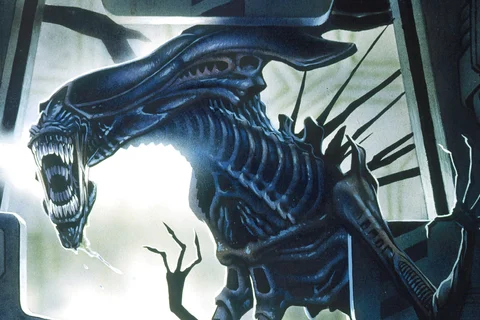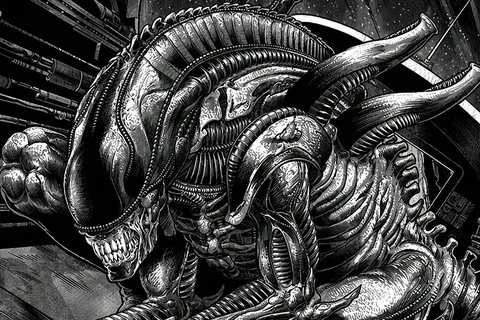

The DNA reflex is one of the most important biological traits of Xenomorph XX121. It is the process by which a developing Xenomorph inherits traits from the host organism that carries it: when a Facehugger implants an embryo, the young Alien does not simply grow as an isolated parasite but develops inside the host body and incorporates part of the host's biology into its own form. Expanded lore sources suggest that the embryo absorbs and rewrites portions of the host's genetic material during early development, allowing the Chestburster to adapt its skeletal structure, posture, and even some instincts before it matures into an adult Xenomorph. This explains why Aliens born from different hosts can look and behave differently. A human-born Xenomorph usually grows into a tall bipedal Drone or Warrior, while a dog-born or ox-born specimen can become a faster quadrupedal Runner. The same process also created more extreme hybrids, including the Predalien and the goat-influenced Alpha Xenomorph from Alien: Bloodlines. Here is a full overview of the DNA reflex, including why it matters and how it shaped some of the most famous Xenomorph variants in Alien lore.
Why Xenomorphs Use Host DNA
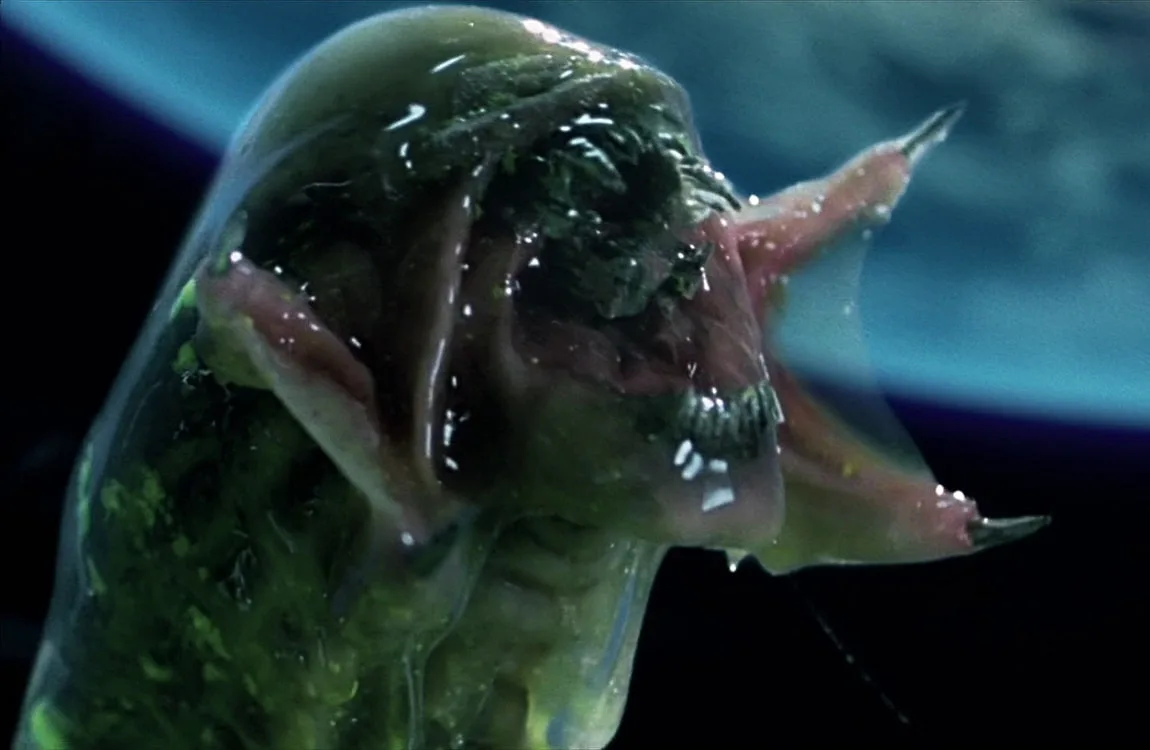
The most likely purpose of the DNA reflex is adaptation. A host is usually native to the environment where the Xenomorph will be born. By taking traits from that organism, the Alien gains a body that is better suited to local conditions. If the host is a fast four-legged animal, the Xenomorph may become a low, agile quadruped. If the host is a Yautja, the Xenomorph may gain greater strength, mandibles, and trophy-taking instincts. If the host is human, the Xenomorph usually becomes a tall biped that can move through human-built corridors, ships, and colonies with terrifying efficiency. A hive that spreads through different animals, soldiers, livestock, and alien species can generate a range of Xenomorphs with different strengths.
Human-Born Xenomorphs
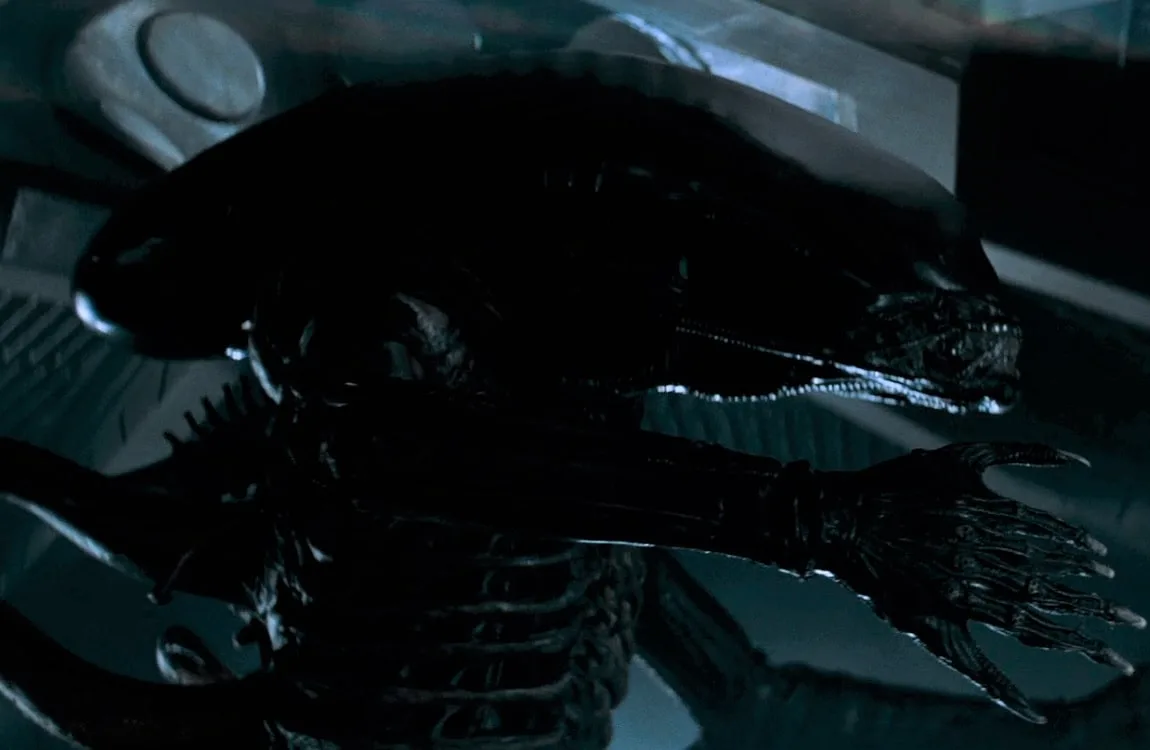
Human-born Xenomorphs are the most familiar form of the species. Big Chap from Alien, the Warriors from Aliens, and many later Drones all came from human hosts. The Necromorph on Jericho 3 also came from a human host, and it kept Hassan Bagrov's leftover cellular necrosis. These specimens usually walk upright, stand roughly human-sized or taller, and have a body plan suited for climbing, crawling, ambushing, and moving through human environments. Their bipedal stance is one of the clearest examples of the DNA reflex in action. The Alien is still biomechanical and inhuman, but its adult posture reflects the creature that carried it.
The Runner Xenomorph
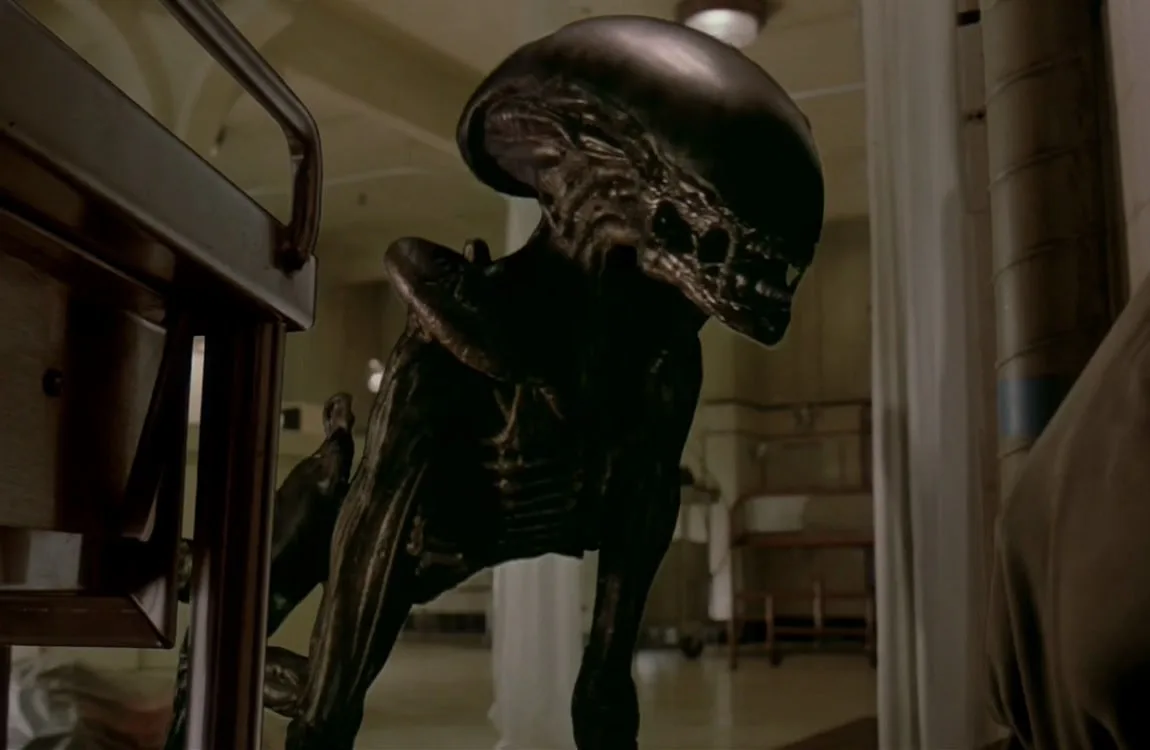
The Runner Xenomorph from Alien 3 is one of the clearest examples of the DNA reflex. Unlike most human-born Aliens, the Runner moved on four limbs and had a sleeker, faster body. Depending on the version of the story, it was born from either a dog or an ox. In both cases, the adult creature reflected its animal host through its low posture, speed, and bestial movement. This showed that host DNA could alter the Xenomorph's overall structure, not just minor details. The Runner also changed how audiences understood the species. Before Alien 3, the adult Alien was mostly associated with humanoid hosts. Later games, comics, and books expanded this idea into a wider biological rule.
The Rhino Alien
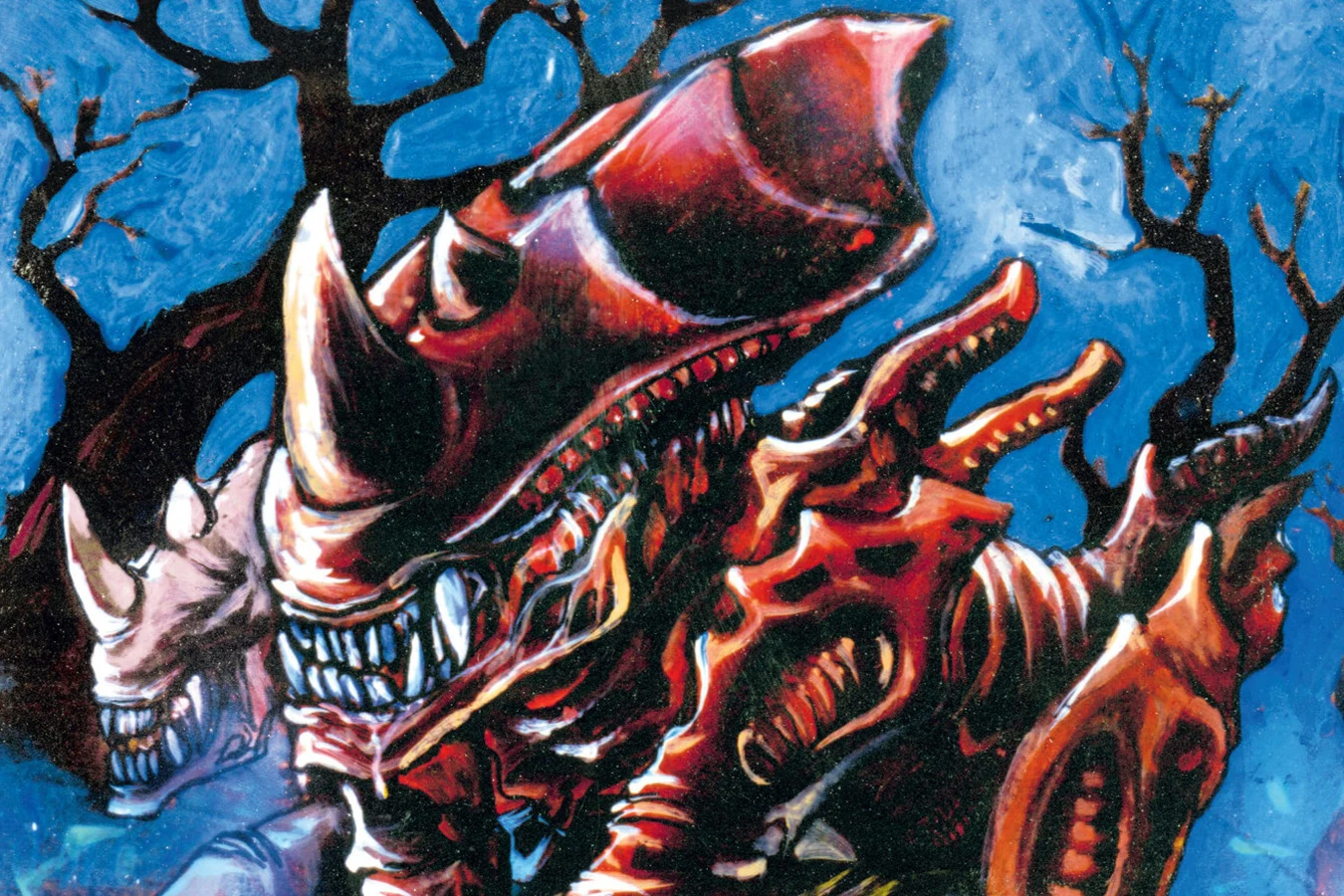
The Rhino Alien pushed that animal-host logic into Kenner's 1990s toy line. Born from a rhinoceros rather than a dog or ox, it kept a thick torso, a horned snout, and a low charging stance instead of a humanoid warrior silhouette. Kenner released it in the early 1990s Space Marines line with the mini-comic Aliens: Ice Storm. The figure's spring-loaded "power ramming" head-butt played that inherited charge as the toy's main attack. NECA later issued a Kenner Tribute remake at about 10 inches, with modern articulation on the same bulky host body.
The Predalien
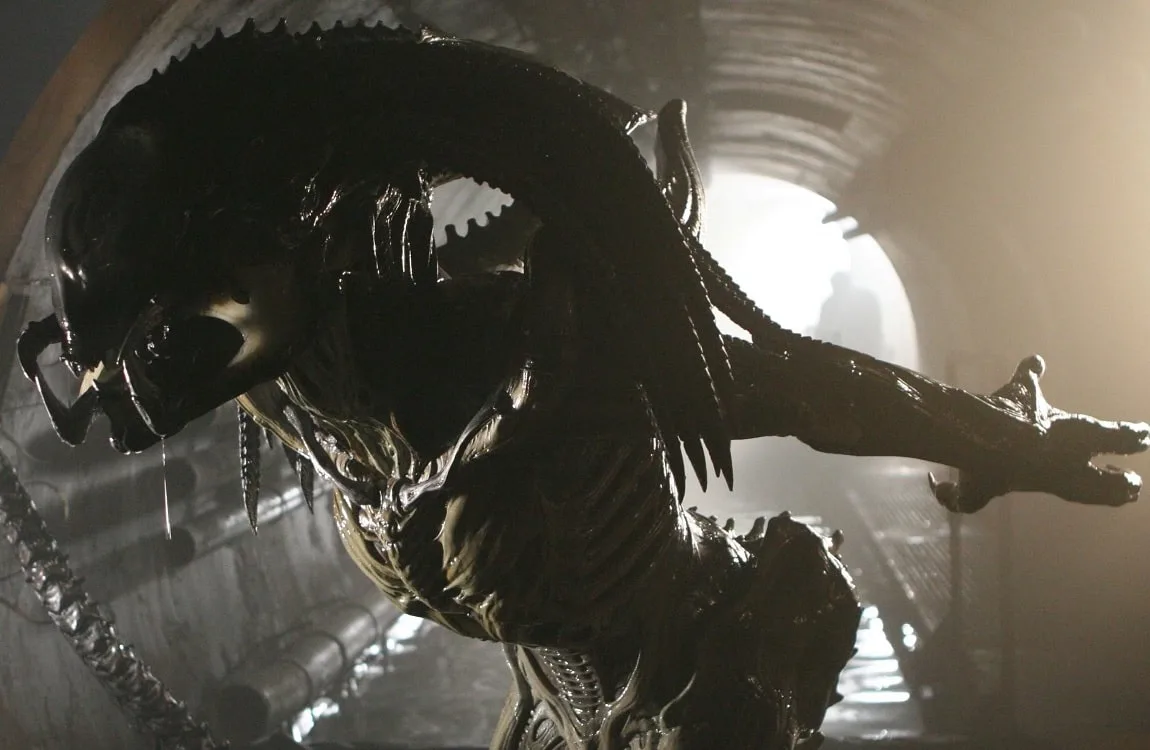
The Predalien is the most famous extreme result of the DNA reflex. Born from a Yautja host, it combines the Xenomorph's core biology with several Predator-like traits. These can include mandibles, dreadlock-like appendages, greater physical strength, and a broader head shape. Some versions of the Predalien also appear to inherit behavioral traits from their host species, including more ritualistic violence and trophy-like mutilation. When a Xenomorph embryo uses that biology as raw material, the adult Alien becomes stronger and more physically imposing than most human-born Drones. It is still a Xenomorph first, but the host influence makes it a specialized predator built from one of the galaxy's deadliest species.
The Alpha Xenomorph And Goat DNA
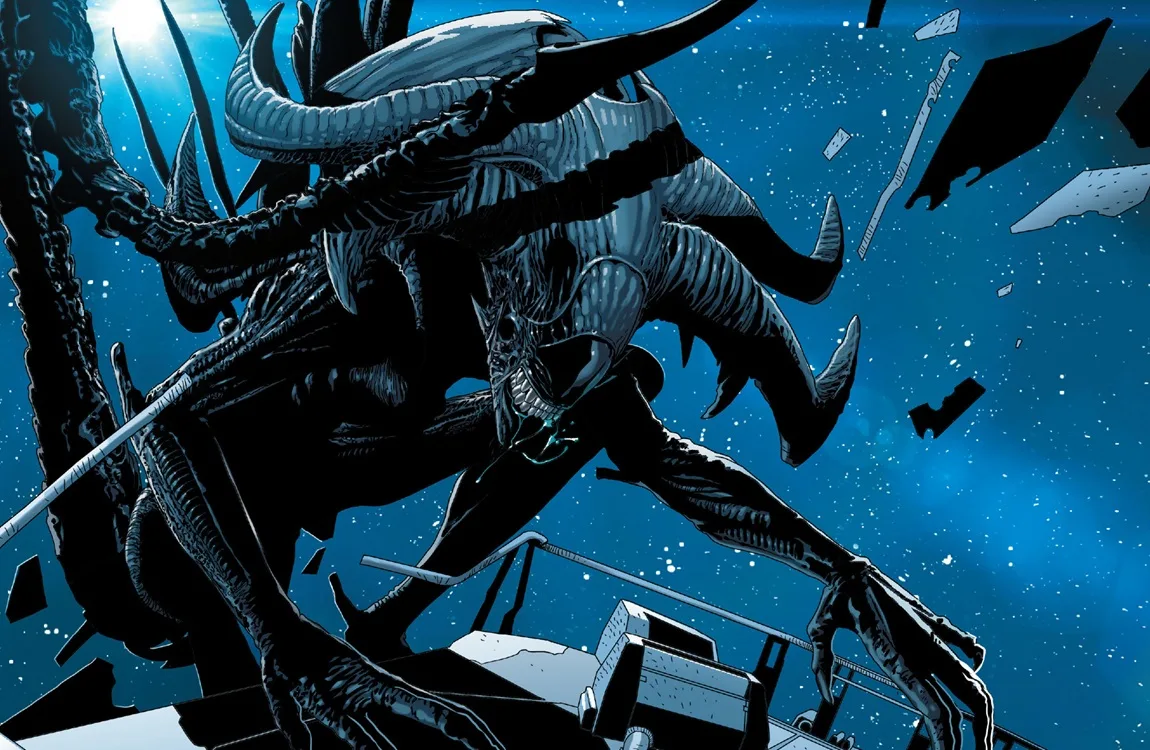
The Alpha Xenomorph from Alien: Bloodlines showed another unusual version of the DNA reflex. The creature was connected to Gabriel Cruz, but its development was also influenced by Corcoran Highland Goat DNA from the livestock ship Hadley. This helped explain its large horn-like cranial crest and more bestial appearance. The Alpha was still a Drone, but its body was far more distinctive than a typical human-born Xenomorph. Its case showed that the DNA reflex could produce strange results when multiple biological influences were involved in an outbreak.
Mental Traits And Instincts
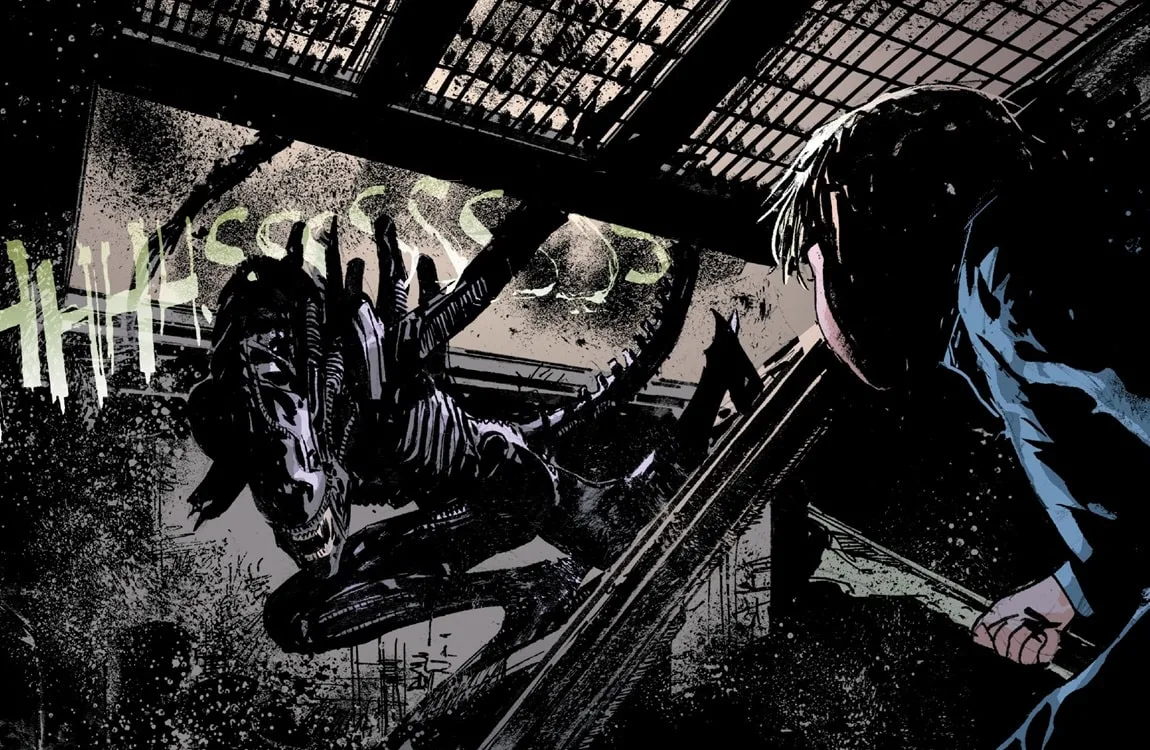
The DNA reflex may also influence the mind of a Xenomorph, although this is less certain than the physical changes. Some sources suggest that inherited traits could include instincts, intelligence, or behavioral tendencies. The Predalien is the best example, as some versions display hunting and mutilation behaviors that resemble Yautja customs. This does not mean the adult Xenomorph keeps the host's memories or personality. Instead, it may inherit broad instincts or neurological advantages that shape how it hunts. However, the Alien: Dust To Dust comic suggested that a Xenomorph born from a mother recognized and hesitated when attacking her child, suggesting some faint memories can be carried over.
Purebreeds And Transbreeds
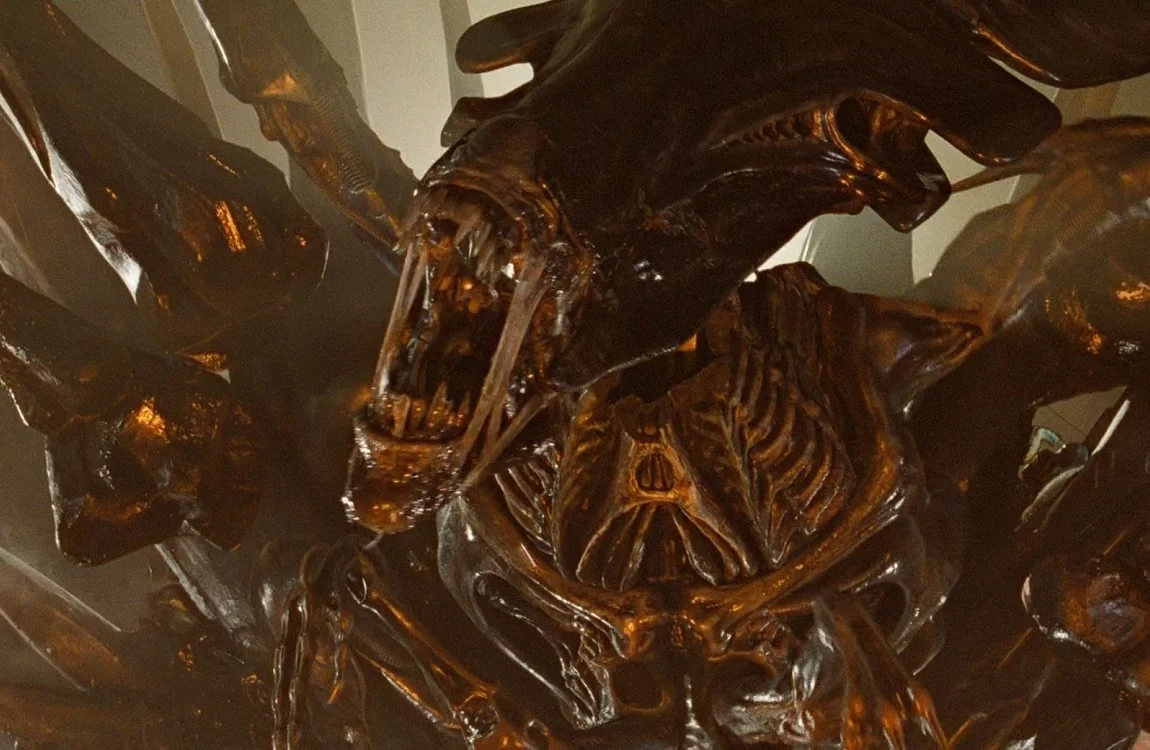
Some Alien media divides Xenomorphs into purebreeds and transbreeds. Transbreeds are Xenomorphs that show visible traits from their host, such as Runners and Predaliens. Purebreeds are forms that are considered mostly unaffected by host DNA. These can include higher or more specialized castes such as the Queen, Praetorian, and other advanced hive forms. In this view, purebreeds represent the species' more stable and true biological forms. This distinction is not always treated consistently across Alien media. Some Queens appear to ignore host traits completely, while rare examples may still show signs of inherited biology. One explanation is that higher castes either suppress the DNA reflex or lose host traits as they mature.
The DNA Reflex And Ripley's Clone

The DNA reflex does not only move host traits into the Xenomorph. Xenomorph genetic material can also rewrite the host. A. C. Crispin's Alien: Resurrection novelization describes the Queen embryo in Ellen Ripley as acting like a virus, invading every living cell and forcing those cells to change around its growth. That is why United Systems Military scientists could grow both Ripley 8 and a Queen from one blood and tissue sample taken on Fiorina 161.
The mixed DNA was in chaos. Dr. Mason Wren's team aboard the USM Auriga had to take it apart down to the RNA, reconstruct it, and get it functioning before a stable clone survived. The work still produced failed attempts and genetic abnormalities before Number 8.
Connection To The Black Goo
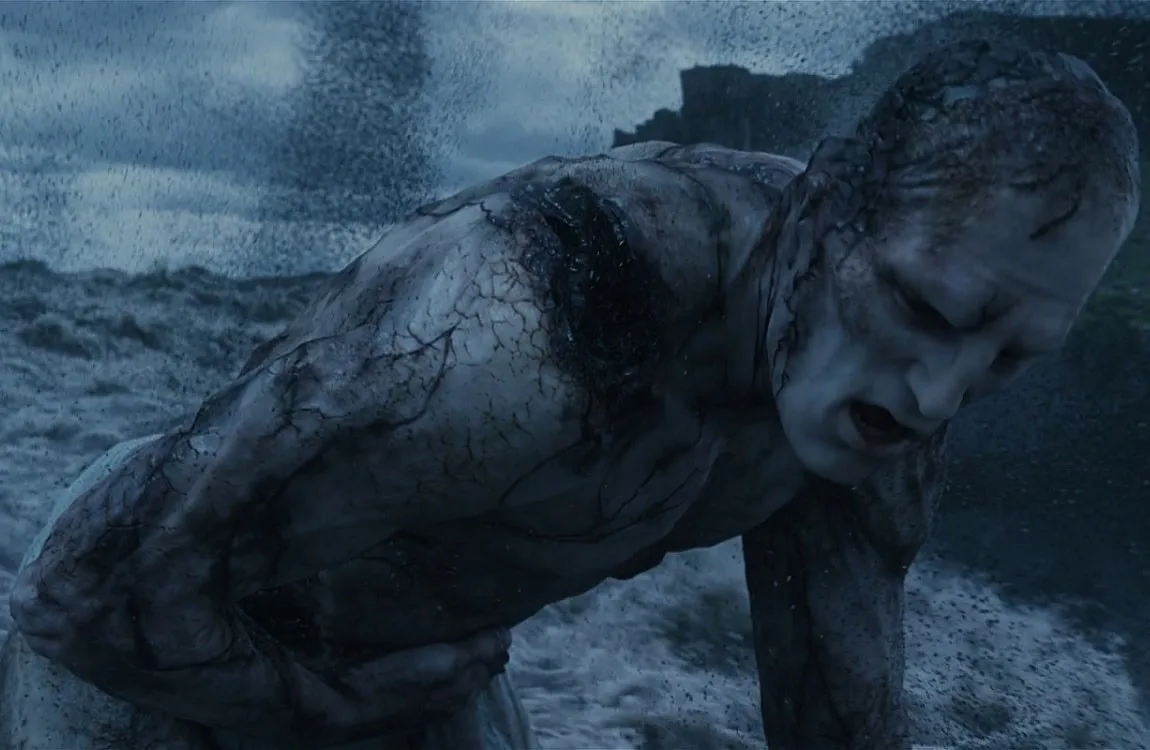
Later Alien stories connect Xenomorph-like biology to mutagenic pathogens, especially the black goo used by the Engineers. The black goo changes organisms by rewriting or corrupting their biology, often producing hostile creatures that reflect parts of their original hosts. In Alien: Inferno's Fall, that rewrite on Shānmén produced pale human-born forms, rust-red wildlife, and two giant Engineer-born Xenomorphs without a Facehugger cycle. This resembles the DNA reflex, although the two processes are not always presented as the same thing. Some novels and expanded lore suggest that Facehuggers may use a mutagenic agent during implantation, helping the embryo form from the host's tissues. If true, the DNA reflex may be a controlled version of the same kind of biological rewriting seen in Engineer experiments.
Conclusion
The DNA reflex is the Xenomorph's ability to inherit traits from its host during gestation. It explains why human-born Drones, animal-born Runners, Predaliens, and other hybrids can all belong to the same terrifying species while still looking and behaving differently. The process likely helps the embryo survive inside the host and helps the adult Alien adapt to its environment after birth. Although some details remain uncertain, the DNA reflex remains one of the most important concepts in Xenomorph biology. It turns every host into a genetic opportunity and makes every new Alien outbreak potentially different from the last.
Sources
Movies
- Alien (1979)
- Aliens (1986)
- Alien 3 (1992)
- Alien: Resurrection (1997)
- Aliens vs. Predator: Requiem (2007)
- Prometheus (2012)
Comics
- Alien: Bloodlines (2021)
- Alien: Dust To Dust (2018)
- Aliens: Ice Storm (Kenner Space Marines mini-comic)
Books
- Alien: Resurrection novelization by A. C. Crispin (1997)
Tag Categories: Xenomorph Behavior | Xenomorph Appearance | Alien Lore