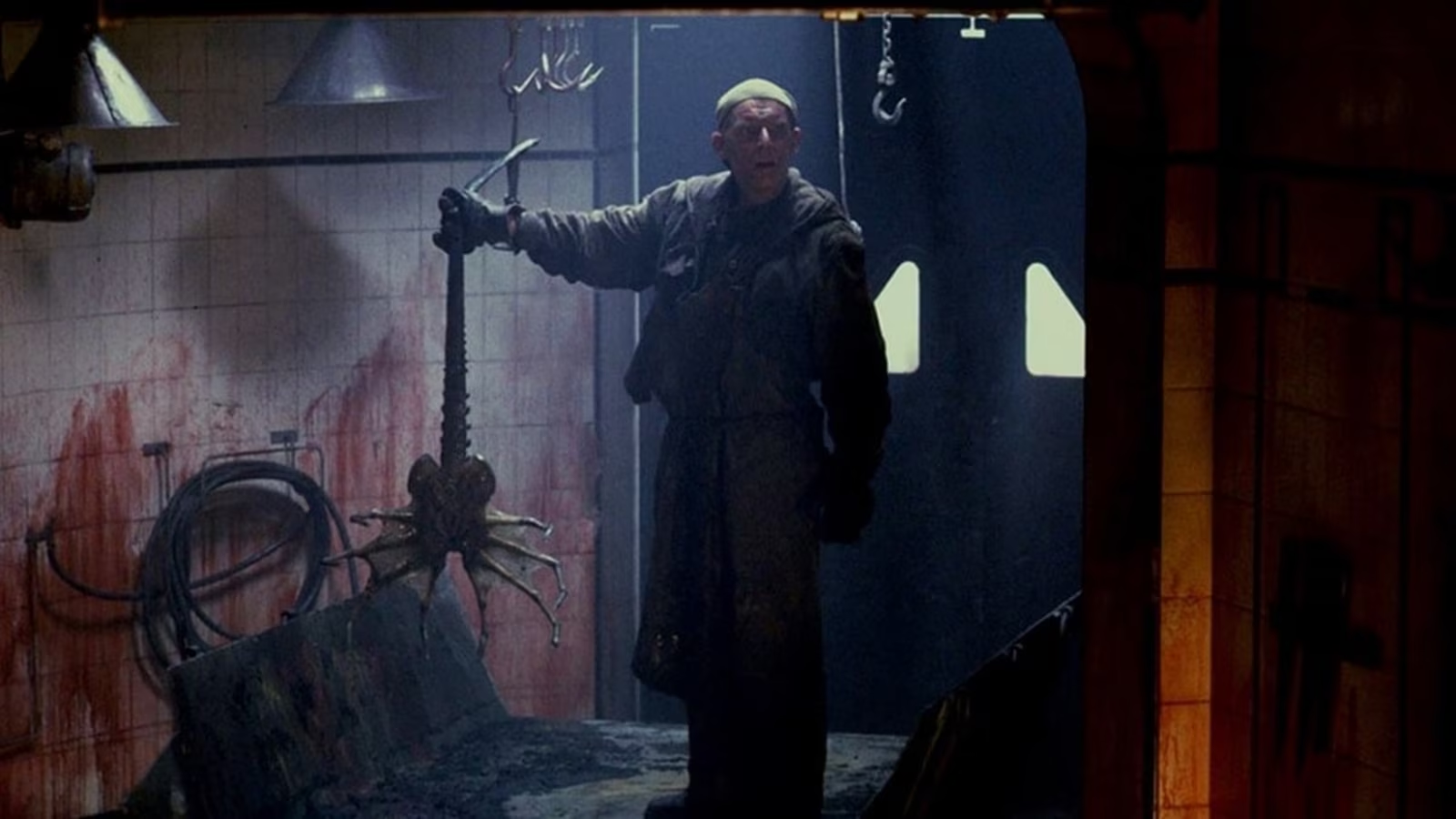

The Super Facehugger, also known as the Royal Facehugger or Queen Facehugger, was a rare Facehugger variant capable of implanting a future Xenomorph Queen. Unlike a regular Facehugger, which usually died after impregnating a single host, the Super Facehugger could implant more than one embryo before expiring. Its most important embryo was a Queen, while the second was typically a regular Xenomorph that acted as a potential guard for the developing Queen. The Super Facehugger first appeared briefly in the Alien 3 Special Edition, also known as the Assembly Cut. In that version, Murphy found the dead creature near the corpse of the ox Babe after the E.E.V. crashed on Fiorina 161. The Royal Facehugger concept explained how Ellen Ripley carried a Queen embryo while a separate animal host produced the film's adult Runner Alien, resolving how both hosts could be infected after only one egg was seen aboard the Sulaco in Alien 3. Here is a full overview of the Super Facehugger, including its biology, Alien 3 role, behind-the-scenes origin, and appearances in expanded Alien media.
Super Facehugger Biology
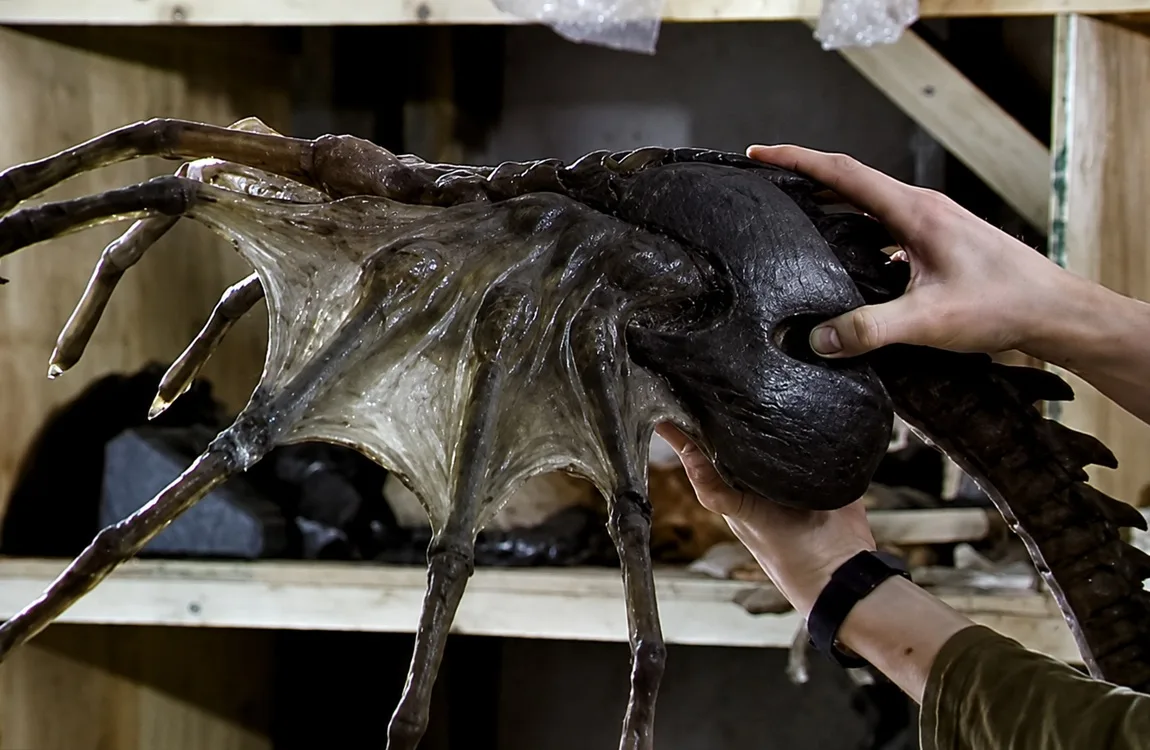
The Royal Facehugger was larger and more specialized than a normal Facehugger. It retained the same basic body plan, including long grasping digits, a tail, and a mouth tube used to implant embryos into hosts. However, it also had stronger armor, webbed claws, and a more aggressive appearance than an ordinary Facehugger. The Alien 3 design drew visual influence from the Alien Queen, giving the creature a more armored and royal look. Some comic versions used a different design, keeping a more typical Facehugger color scheme while adding spines along the back and spotted air bladders. Its special biology existed for one purpose: to ensure the birth and protection of a new Queen.
Implanting Multiple Embryos
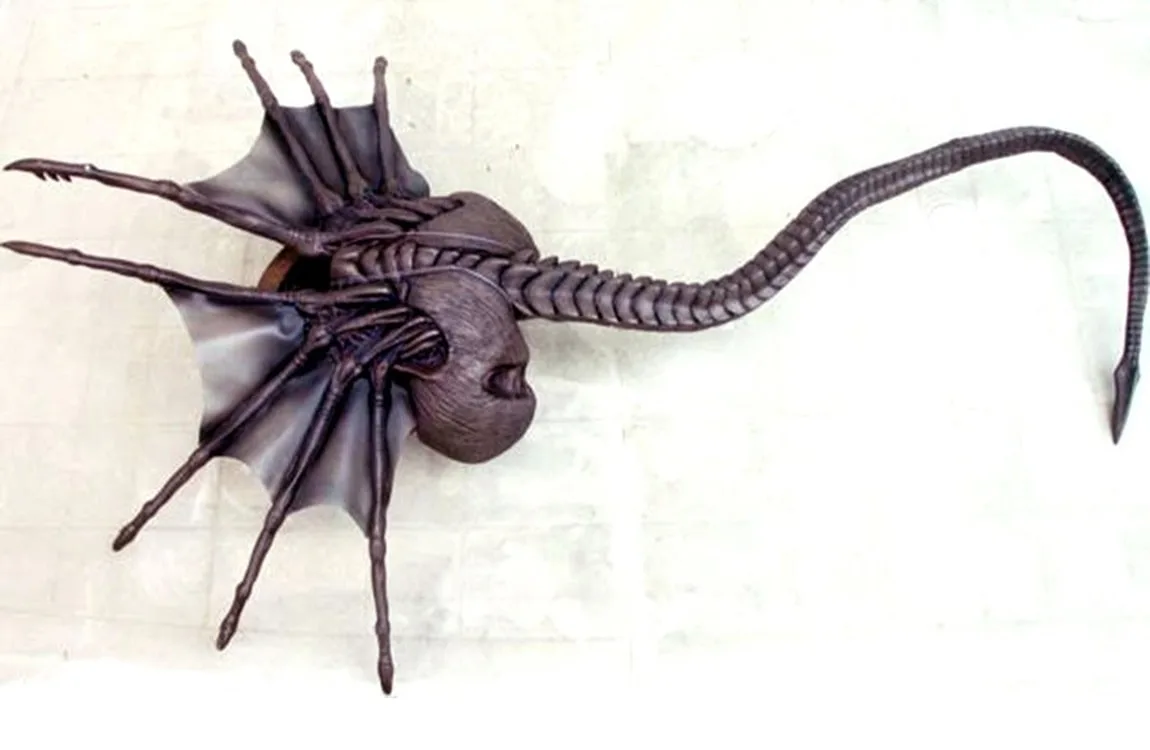
The Super Facehugger's defining trait was its ability to impregnate at least two separate hosts. One embryo developed into a Queen Chestburster, while the other developed into a regular Xenomorph. This second creature likely served as a guard for the infant Queen, helping protect the hive's future reproductive center until she matured. A regular Facehugger usually completed its biological mission after one implantation and died soon afterward. The Royal Facehugger did not die immediately after the first host. Instead, it survived long enough to find another victim and implant a second embryo before finally expiring. This made it one of the most dangerous and efficient early-stage Xenomorph life cycle forms.
Role in Alien 3
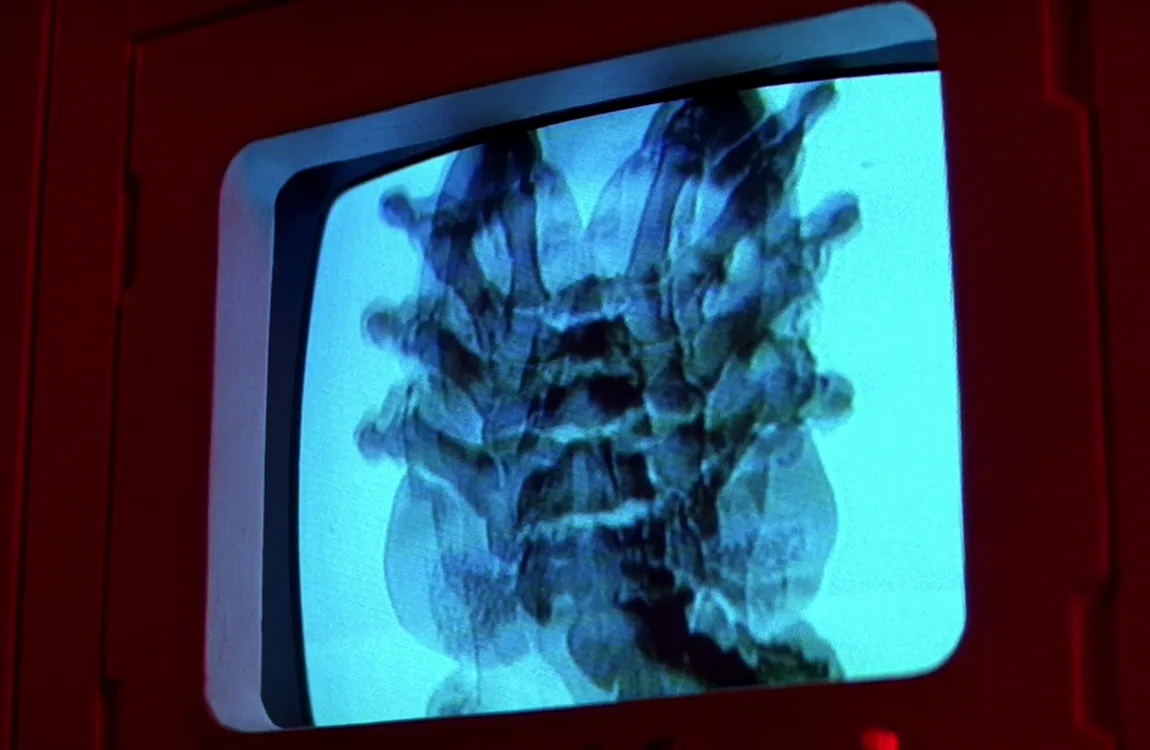
In Alien 3, a Facehugger emerged aboard the USS Sulaco after Ripley, Newt, Hicks, and Bishop entered hypersleep. The creature infected Ripley with a Queen embryo and caused the disaster that led to the survivors being ejected in an Emergency Escape Vehicle. The E.E.V. crashed on Fiorina 161, a prison planet also known as Fury 161. In the theatrical cut, the second host was Murphy's dog Spike, which produced the Runner Alien. In the Assembly Cut, the second host was the ox Babe, which was attacked after the prisoners pulled the E.E.V. from the water. Murphy later found the dead Super Facehugger in the slaughterhouse near Babe's body. This brief scene gave the Royal Facehugger its clearest on-screen appearance.
Behind the Scenes
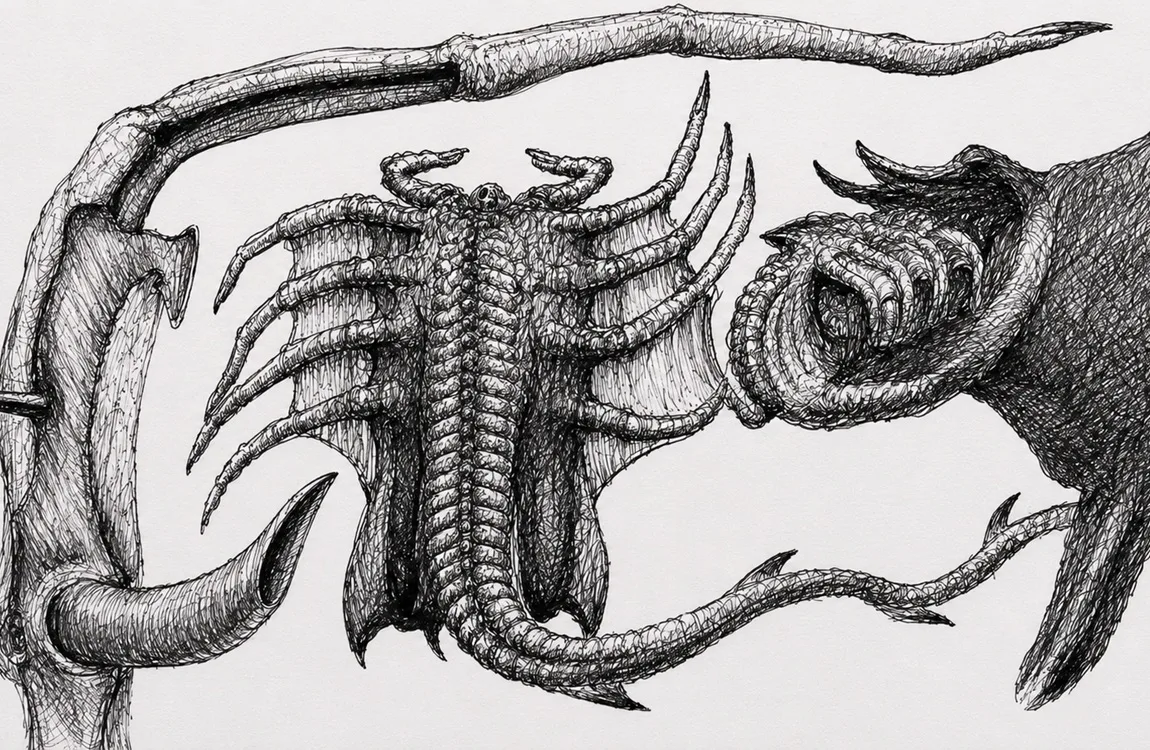
The Super Facehugger went through several behind-the-scenes changes during Alien 3's troubled production. H.R. Giger was asked to design an "aquatic" Facehugger for an early version of the film, where the creature would have moved through water and attacked an ox. This idea influenced the webbed digits and larger body of the final Royal Facehugger design. Alec Gillis and Tom Woodruff Jr. later developed a version inspired by the Alien Queen, emphasizing armor plating and a more threatening silhouette. Effects artist Chris Halls sculpted the Royal Facehugger model. The creature was intended to have a more visible role, but many of the ox scenes were removed or changed during editing and reshoots. As a result, the theatrical film gave viewers a much less distinct Facehugger.
Other Appearances
The Royal Facehugger appeared in several Alien and Alien vs. Predator stories outside the films. It was featured in the Alien 3 novelization, Alien 3: The Gun, Aliens: Armageddon, and Alien: Sea of Sorrows. It was also mentioned in Alien: River of Pain. Comic appearances, including Aliens vs. Predator: Deadliest of the Species, often used a different design with back spines instead of the armored Queen-inspired movie look. Although it rarely appeared directly, the creature became a useful explanation for rare Queen embryo implantations across expanded Alien lore.
Merchandise
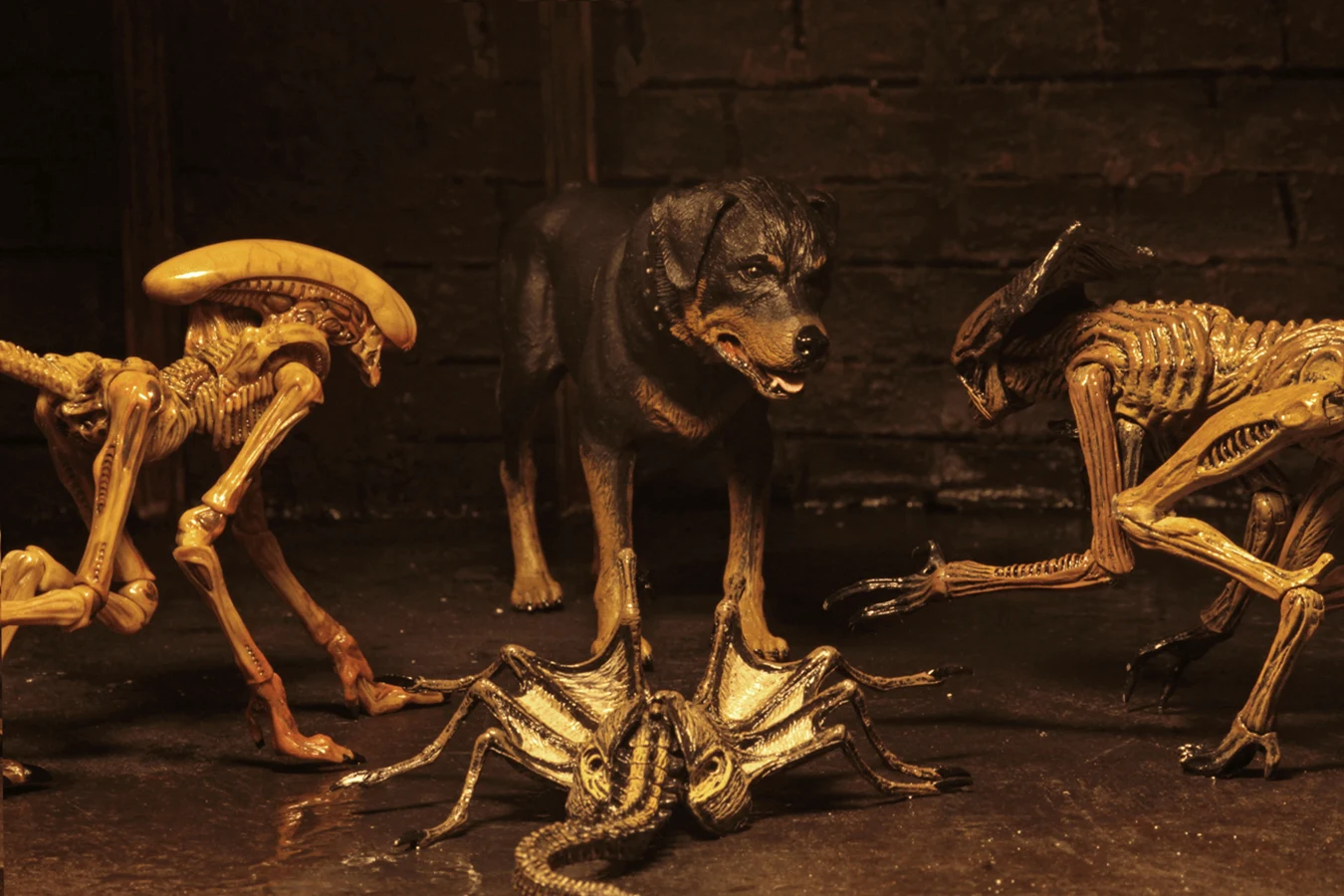
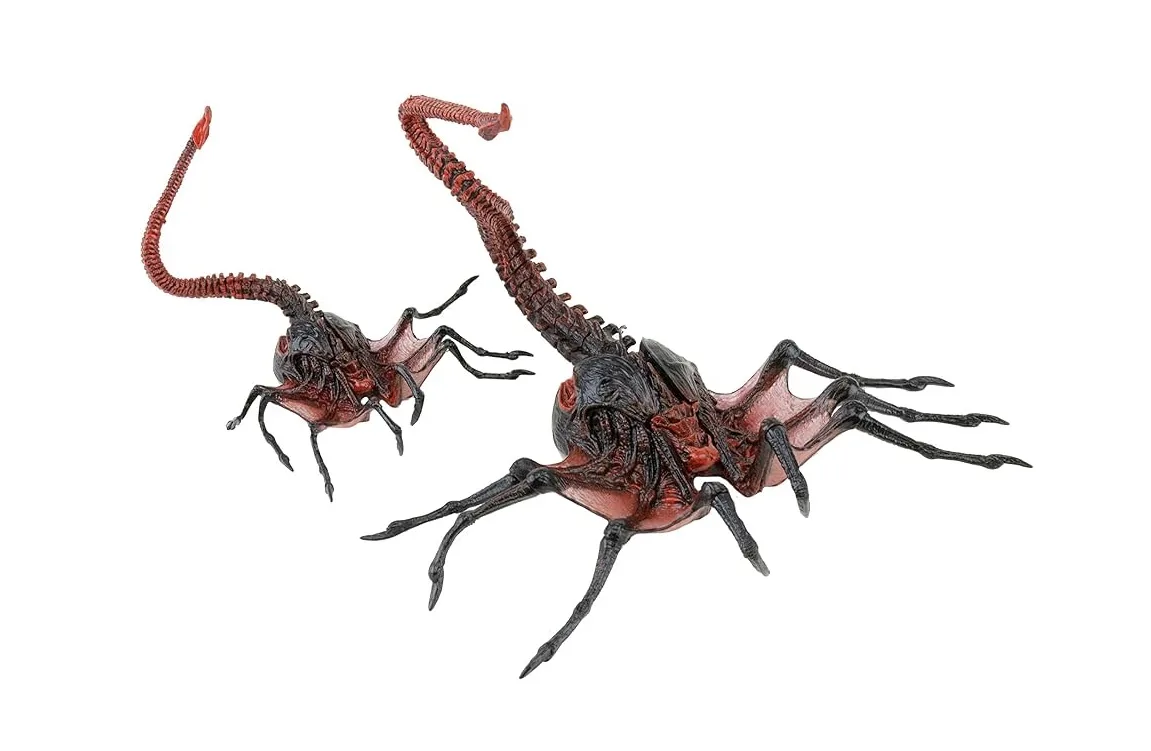
NECA put the Royal Facehugger into its 7-inch Alien line in the Alien 3 Creature Pack in May 2019. The window box scaled the Queen Facehugger to the rest of the figures and gave it a bendable tail. The same pack included the Bambi burster, a Queen Chestburster, and Spike the Rottweiler, who had a ball-jointed neck and interchangeable heads.
Conclusion
The Super Facehugger was one of the most important Facehugger variants in the Alien franchise. Larger, stronger, and more specialized than a normal Facehugger, it carried the ability to implant a Queen embryo and a second regular Xenomorph embryo before dying. Its brief appearance in the Alien 3 Assembly Cut helped explain how Ripley became host to a Queen while another creature was born on Fiorina 161. Expanded media later reinforced the Royal Facehugger as a rare but vital part of the Xenomorph reproductive cycle. Though it appeared only briefly on screen, the Super Facehugger remains one of the most memorable and lore-significant Xenomorph variants.
Appearances
- Alien 3: Special Edition (2003)
Tag Categories: Alien Lore | Xenomorphs From The Movies