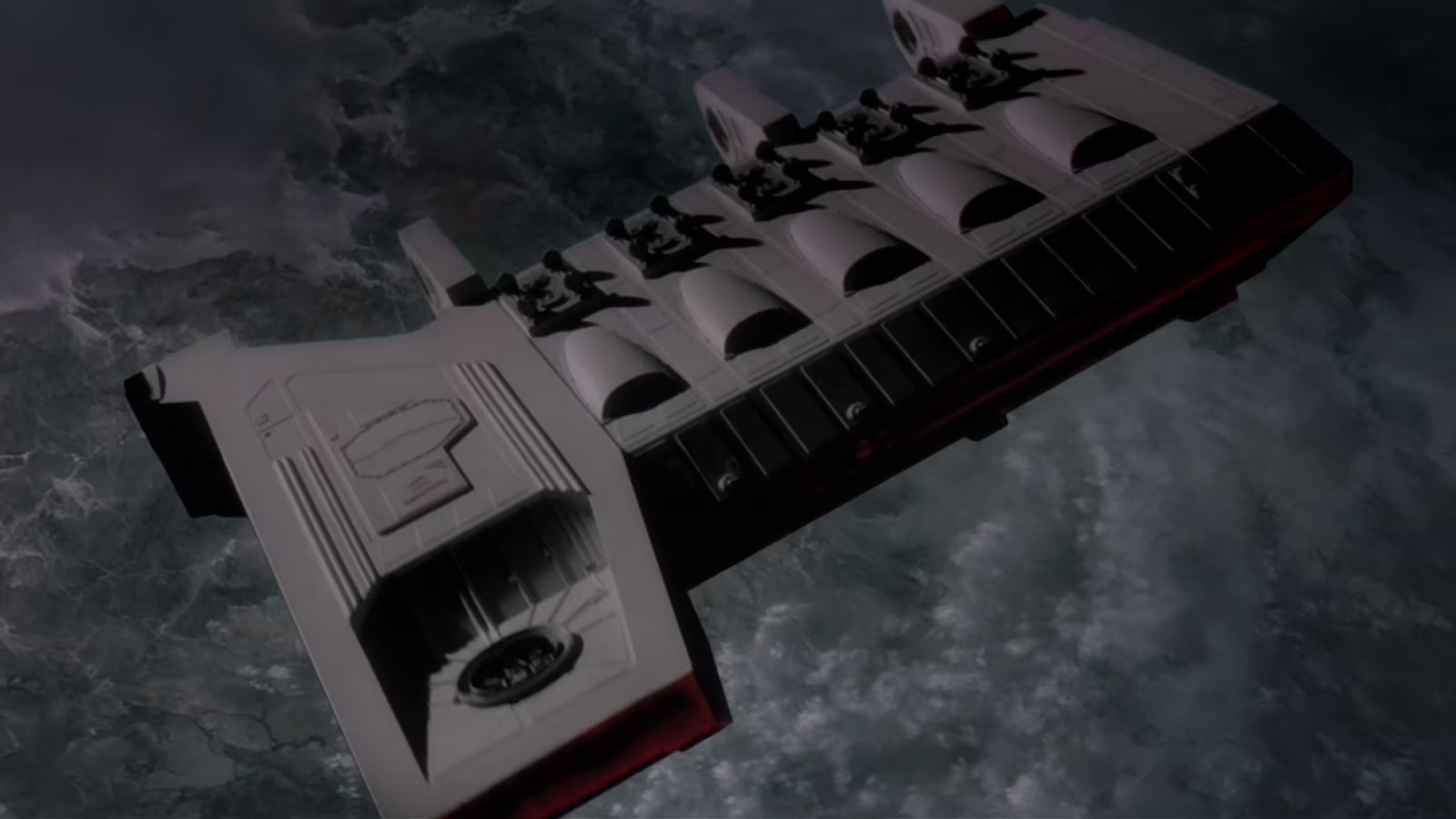

The Type 337 Emergency Escape Vehicle, usually shortened to "EEV", was the United States Colonial Marine Corps standard escape pod manufactured by Bodenwerke Gemeinschift. It was built to get personnel off a doomed ship fast, even if everyone was in hypersleep and no one was awake to push buttons, following Interstellar Commerce Commission directives that aimed to reduce preventable losses caused by incompatible escape gear and unfamiliar procedures. A Type 337 carried up to five passengers, measured 13.2 meters (43.3 feet) long, and used an asymmetrical "L"-shaped configuration with one section dedicated largely to life support systems and drive components. The USS Sulaco carried Type 337 units, and one damaged EEV became the opening disaster of Alien 3, when EEV Unit 2650 was ejected in 2179 after an onboard fire caused a "stasis interrupted" event triggered by a Facehugger originating from a mystery egg, then attempted to reach Fiorina "Fury" 161 and crashed during landing. In this article, we explain what the Type 337 was, how the Sulaco stored and launched it, what went wrong near Fury 161, and what the vehicle could do when it actually worked.
Sulaco's EEV Hangar
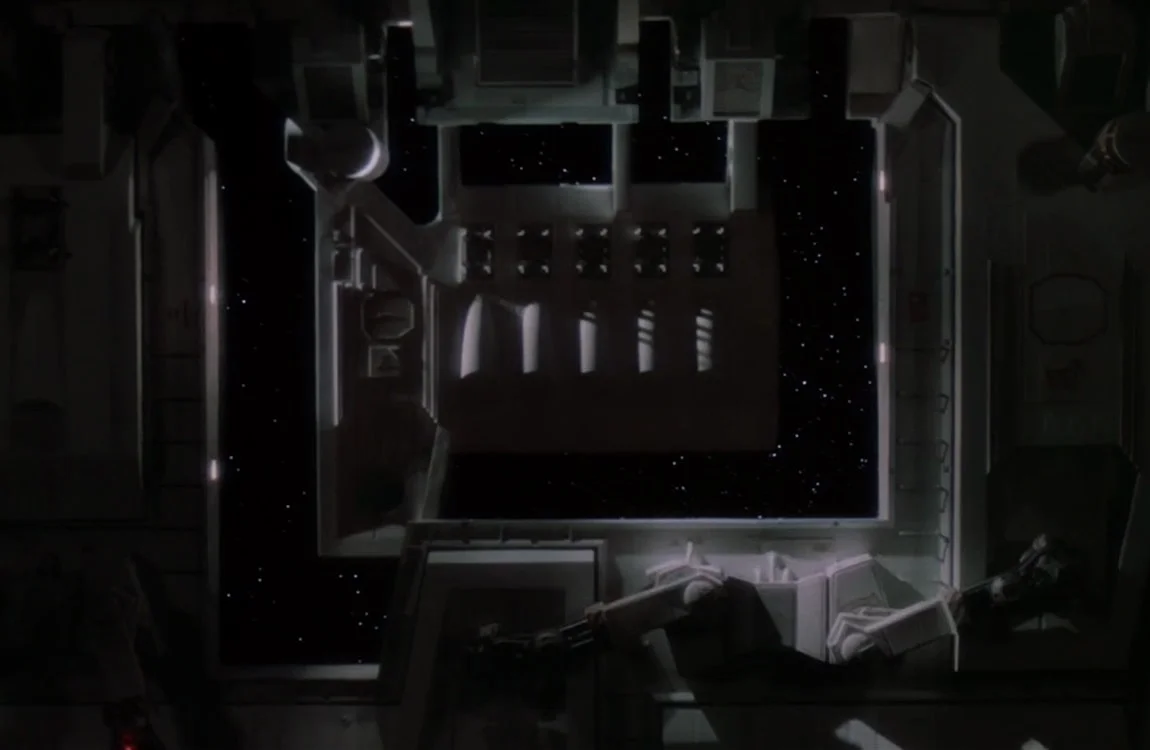
The Sulaco stored multiple Type 337 units in a dedicated bay arrangement. Blueprint material depicted bays of ten EEVs, reflecting how USCM ships treated evacuation as a large-scale, system-driven process rather than a single lifeboat solution. The EEVs latched directly to the mother ship through escape hatches. Access happened via a large docking ring, with the underside of the EEV aligned to the ship's escape hatch system. Along the trailing edge, the craft used three large titanium support struts that housed ICC standard retaining lugs which physically locked the EEV to the ship until launch. While docked, an outboard umbilical connected the EEV to the mother ship until the moment of release. This helped keep systems integrated right up to launch, including power and data links that fed mission parameters into the pod.
Homing In On A Beacon
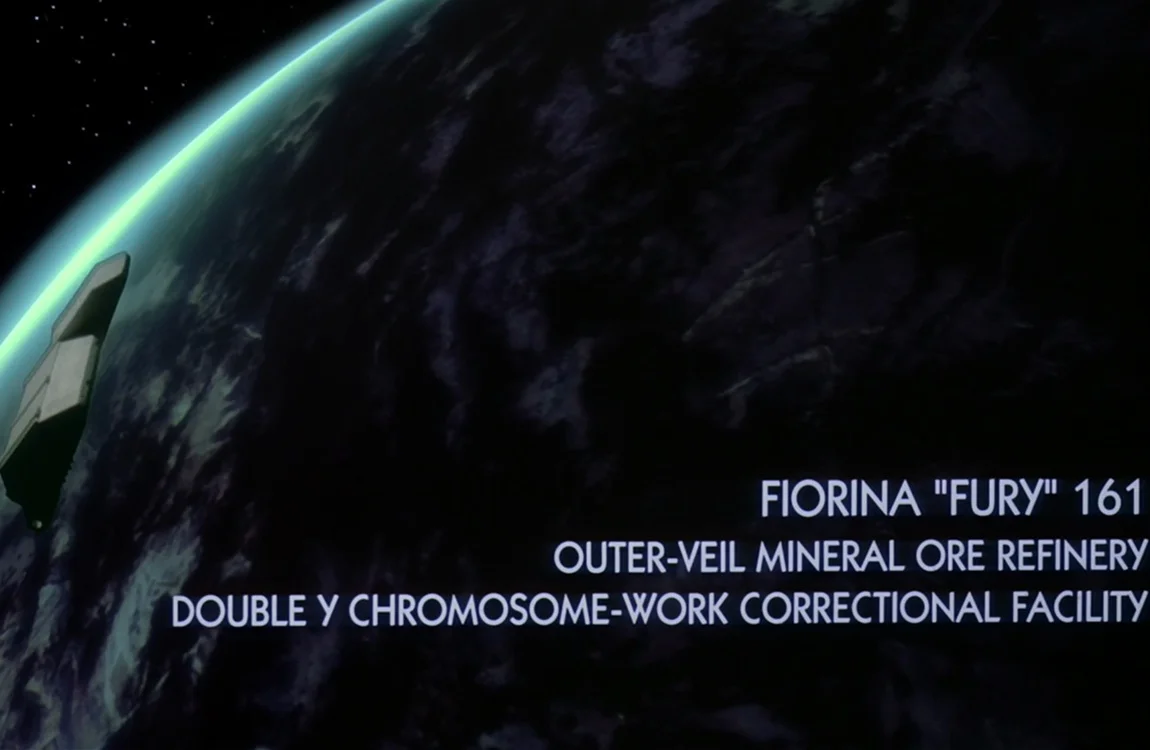
Once clear of its parent vessel, the Type 337's onboard computer initiated search-and-rescue behavior. It activated a distress and location beacon and scanned nearby space for rescue craft or a viable landing option. Typically, the EEV tried to home in on the nearest navigational beacon, like a space station or colony world. The Type 337's hyperdrive range sat around 1.4 parsecs, and its guidance logic preserved enough thruster fuel for docking or a powered re-entry. Paradoxically, it would have been safer to just keep drifting in space, like the Narcissus shuttle did between Alien and Aliens.
Attempted Landing On Fury 161
Returning from LV-426 near Fury 161, the EEV detected the prison planet's beacon and began to set course for it. It then attempted a planetary approach using its "dead drop" landing model. The pod fell unpowered from orbit until it hit denser atmosphere, then used thrusters to slow descent, deployed a tricycle undercarriage, and tried to set down with the limited fuel it had left. In the Sulaco incident, the EEV did not complete a clean landing. Alan Dean Foster's Alien 3 novelization tied the failure to damage sustained during the evacuation event, including critical guidance and landing capability loss. Instead of setting down safely, the craft impacted the water at an acute angle, turning a procedure meant to preserve life into a crash that killed most occupants.
Salvage And Recovery
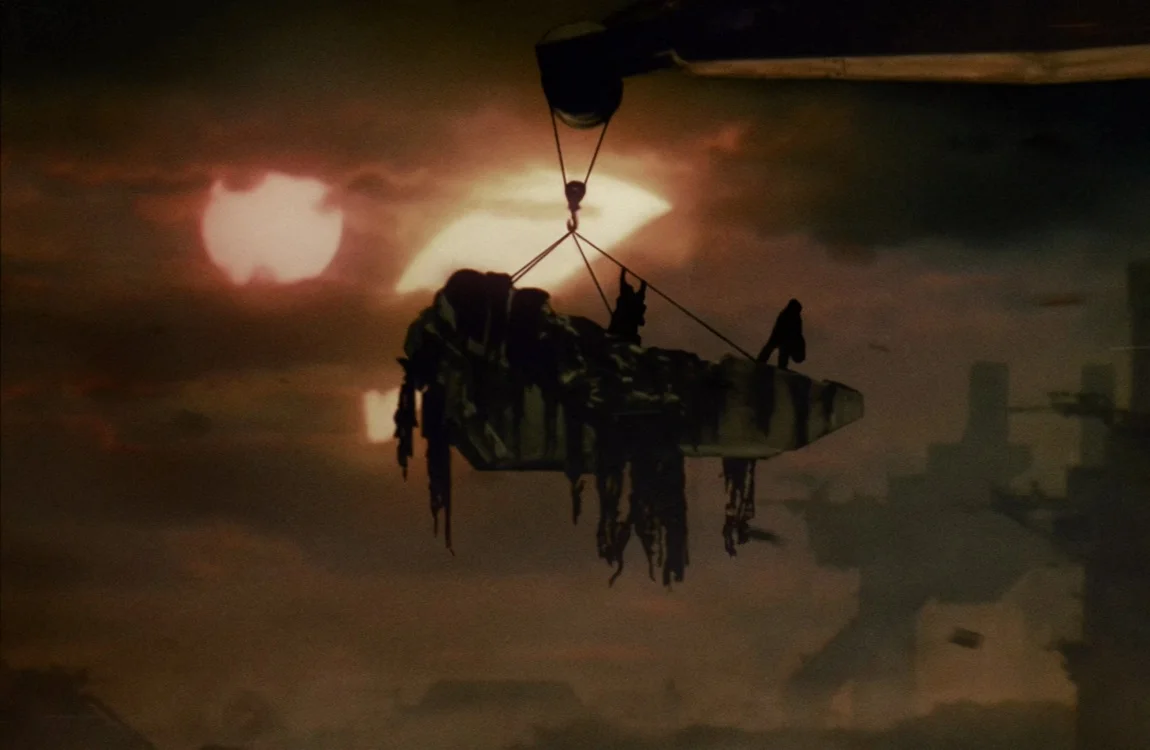
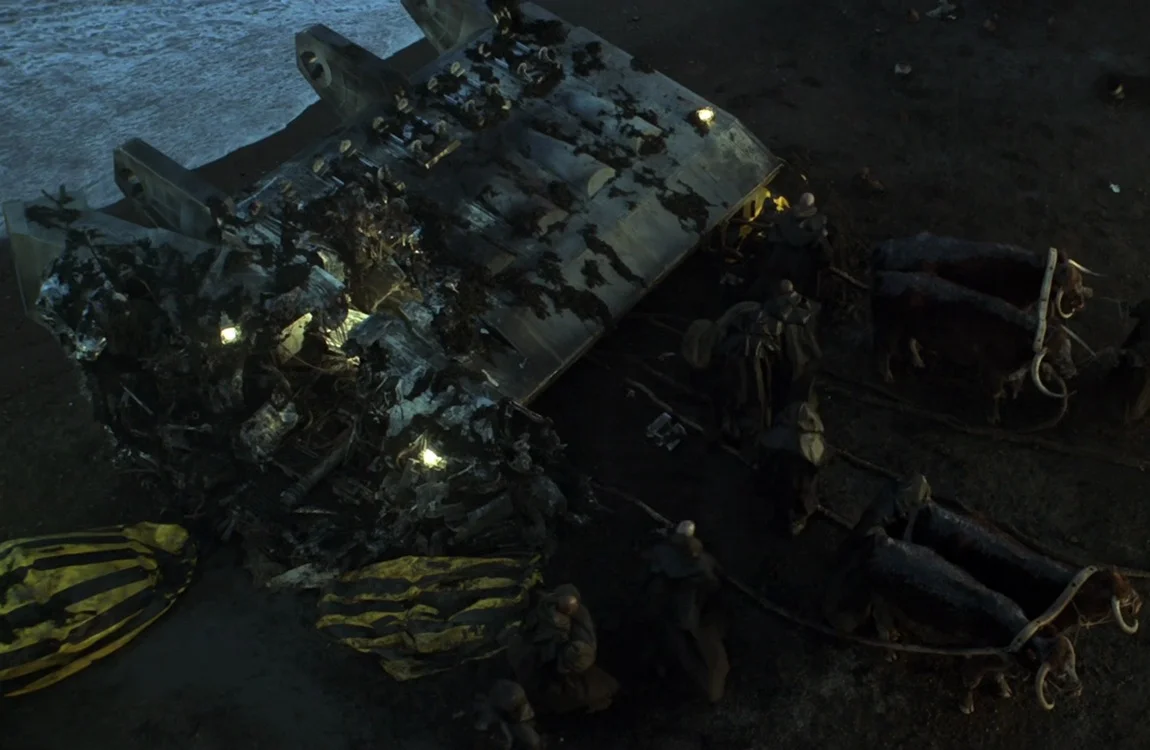
The EEV crash killed Rebecca Jorden (Newt) and Corporal Dwayne Hicks, while the android Bishop was hopelessly damaged. The damaged vehicle ended up in the ocean and later reached shore via a group of oxen who pulled it from the water. Ellen Ripley was either recovered from a cryopod, or from the beach, depending on which version of the movie you watch (Theatrical vs. Special Edition). It was then lifted to a scrapyard, where it was further inspected by the staff of Fury 161 and Ellen Ripley. In the end, Fury 161 was closed down and its materials were sold as scrap, possibly including the EEV wreckage. In Aliens vs. Predator Classic, a lone Predator hunted on Fury 161 ten years after Ellen Ripley's death, and witnessed the EEV wreckage still in the same place.
Cryosleep & Neuroscanner Capabilities
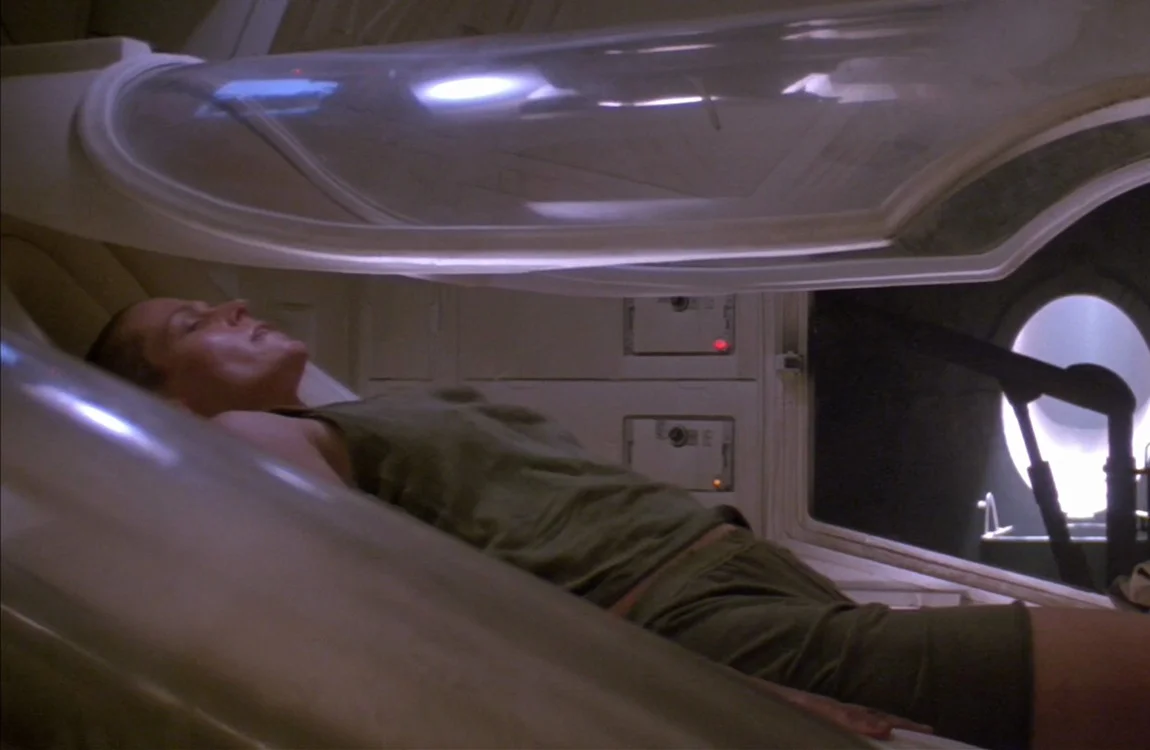
One of the Type 337's defining advantages was automated cryotube ejection. If the crew was in hypersleep and there was no time to wake anyone, the ship's computer could initiate a full evacuation cycle by itself. Cryotubes disconnected from the ship and dropped through transport shafts to the escape hatches. Tubes autoloaded into available EEVs and plugged into the pod's life support. Once underway, the EEV maintained hypersleep for the duration of travel because the life support window was limited. The Type 337 also carried a built-in neuroscanner system positioned above each cryotube, functioning as a rapid medical diagnostic tool that could scan and assess a subject's bio-functions within moments of activation. It also carried a NcMary OV-122 Flight Recorder, which recorded flight data not only for the EEV but also for the parent ship it had been attached to.
Other EEV-s
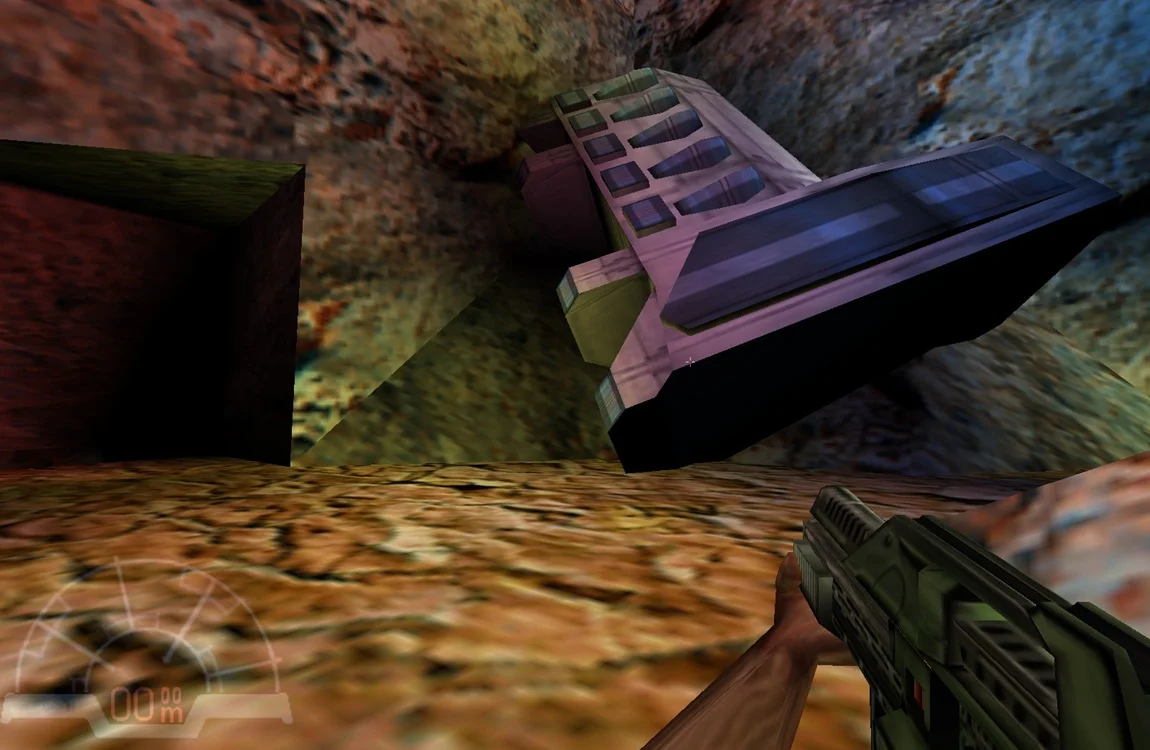
The Type 337 was not a one-off specialty craft. It was the standard escape vehicle used across multiple USCM ship classes, including Valley Forge-class, Conestoga-class, and Bougainville-class starships. In the Sulaco incident, the Alien 3 novelization described more than one EEV being launched. Damaged pods become hazards themselves, while one EEV fired retro-rockets too close to the ship and collided with the Sulaco, worsening the situation. A burning Type 337 was also shown crashed in the jungle in Aliens vs. Predator (2010), implying another guidance and landing failure event. An EEV appeared in the Aliens vs. Predator Classic scenario named "Stranded", involving a lone Colonial Marine crashing on a desolate planet and seeking shelter in a bunker.
Behind The Scenes
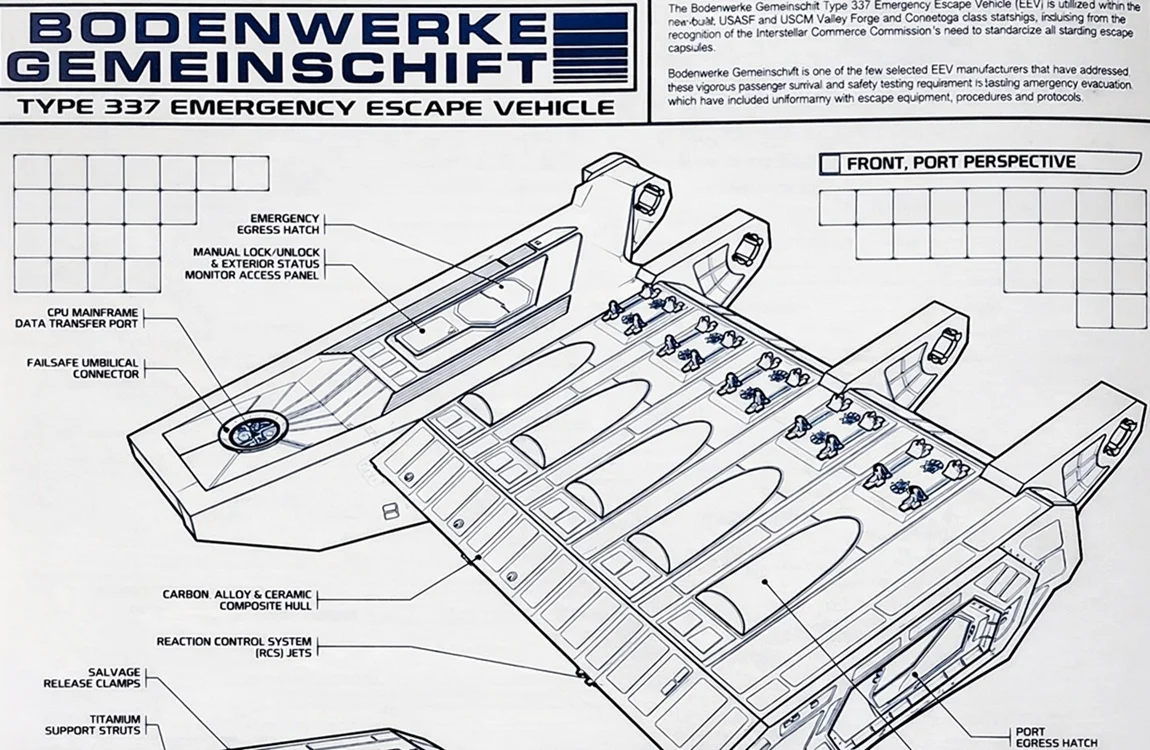
Early concepts for the EEV leaned toward a more traditional small craft, similar in spirit to the Nostromo's Narcissus lifeboat. The final on-screen design shifted to a capsule-like section of the Sulaco's hull that separated during launch. The final concept was credited to Norman Reynolds and was based on an unused Ron Cobb concept for an escape capsule from Alien. This explained why the Type 337 felt like a functional piece of ship architecture rather than a standalone shuttle. A detailed blueprint of the EEV appears in the Alien: The Blueprints book by Graham Langridge.
Conclusion
The Type 337 EEV was designed to give crews a fighting chance when a ship became unrecoverable, even if everyone was asleep and the computer had to do everything. It combined standardized hardware, fast automated evacuation, hypersleep support, rescue signaling, and even recovery-friendly features like external cryotube salvage clamps. However, escape systems still depended on components surviving a catastrophe, and a single chain of failures could turn a lifeboat into a coffin.
Sources
Movies
Books
- Alien 3 (novelization) (1992)
- Alien: The Blueprints (2019)
Games
- Aliens vs. Predator Classic (1999)
- Aliens vs. Predator (2010)
Tag Categories: Alien Universe Ships | Alien Universe Vehicles | Colonial Marine Lore | Alien Lore