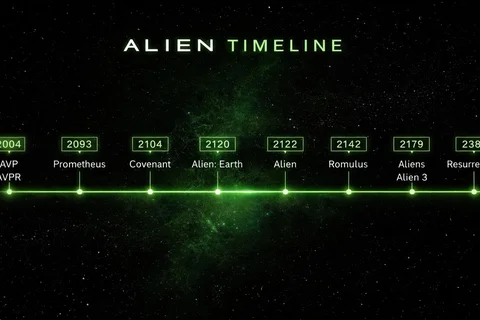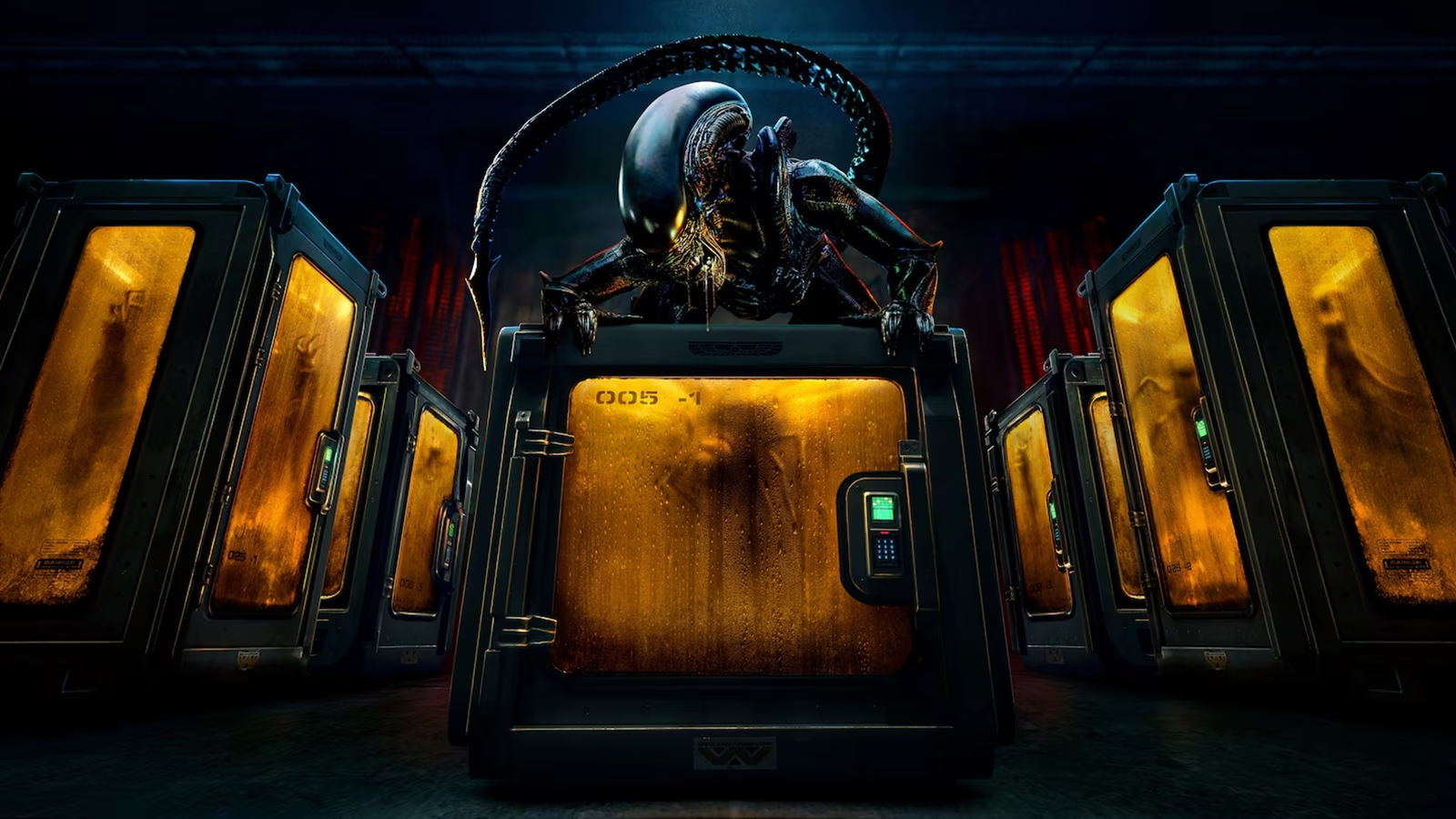

Alien: Earth expands the franchise beyond a single monster by putting five alien species aboard the Weyland-Yutani research vessel USCSS Maginot. The ship spent 65 years collecting specimens for corporate study, then crashed in New Siam in 2120 and spilled that cargo into Prodigy-controlled territory. Below are the five creatures recovered during the Maginot mission, from the familiar Xenomorph to the new parasites, insects, and predatory flora that shared its holds.
1. Xenomorph
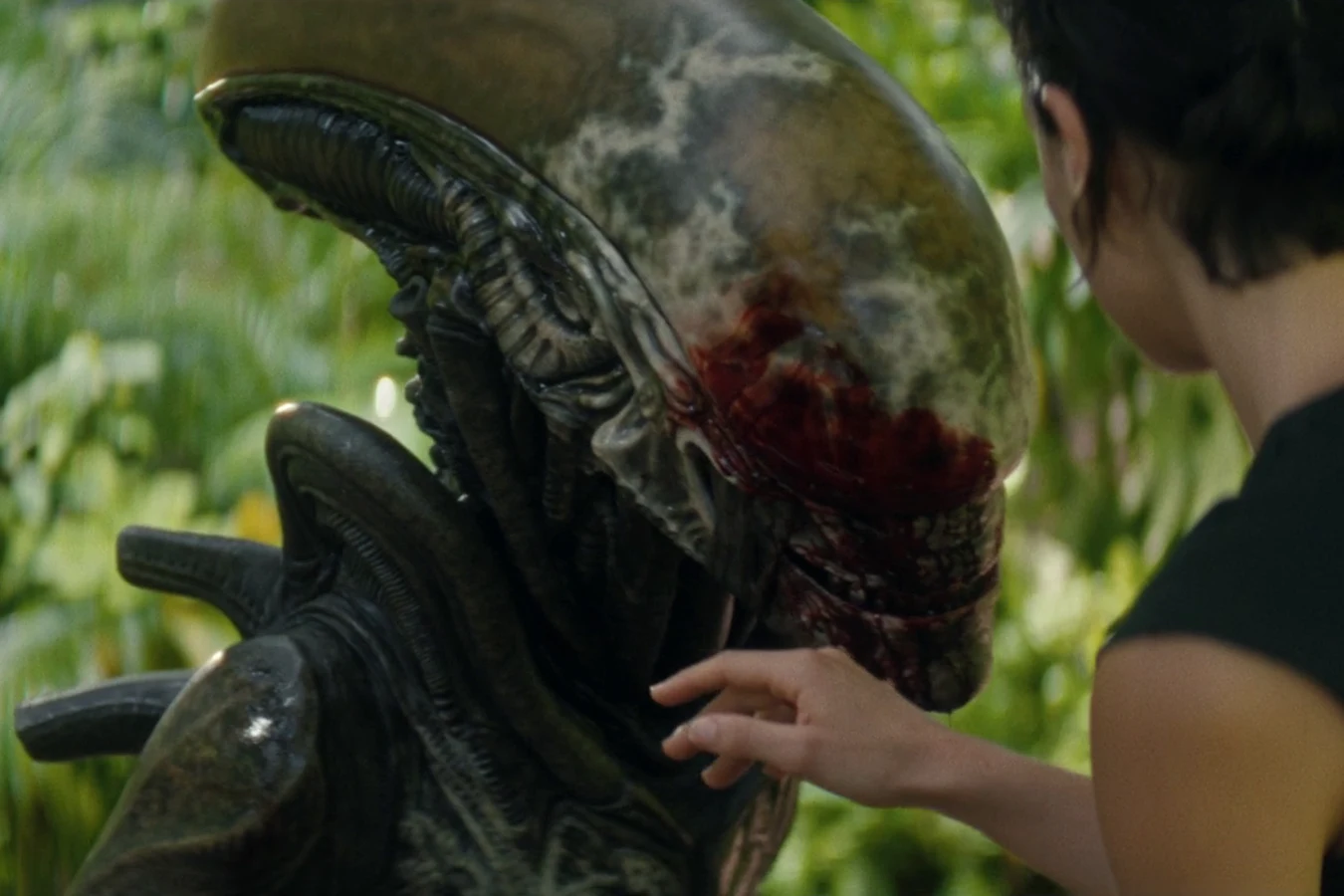
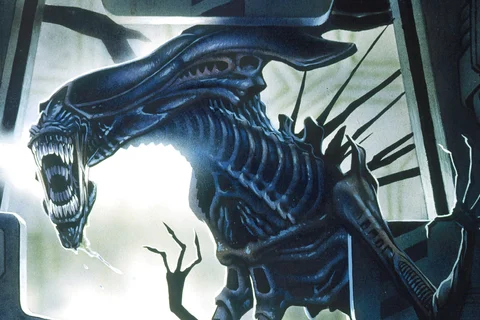
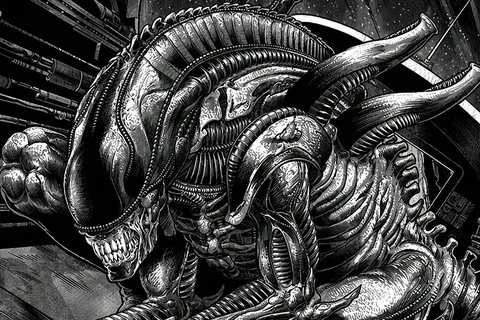
The Xenomorph remained the Maginot's most valuable prize and the species the franchise audience already knew. The ship carried Alien eggs and Facehuggers, and at least one organism ran through the full Xenomorph life cycle into an adult after containment failed near Earth. After the crash, a Xenomorph hunted through the wreckage and surrounding city before Prodigy hybrids and security forces intervened. Later research on Prodigy Island pushed the company beyond salvage into active breeding and observation, including the juvenile later called the Prodigy Drone. In story terms, the Maginot incident helps explain how Weyland-Yutani already understood the organism two years before the USCSS Nostromo was diverted to LV-426.
2. Blood Tick
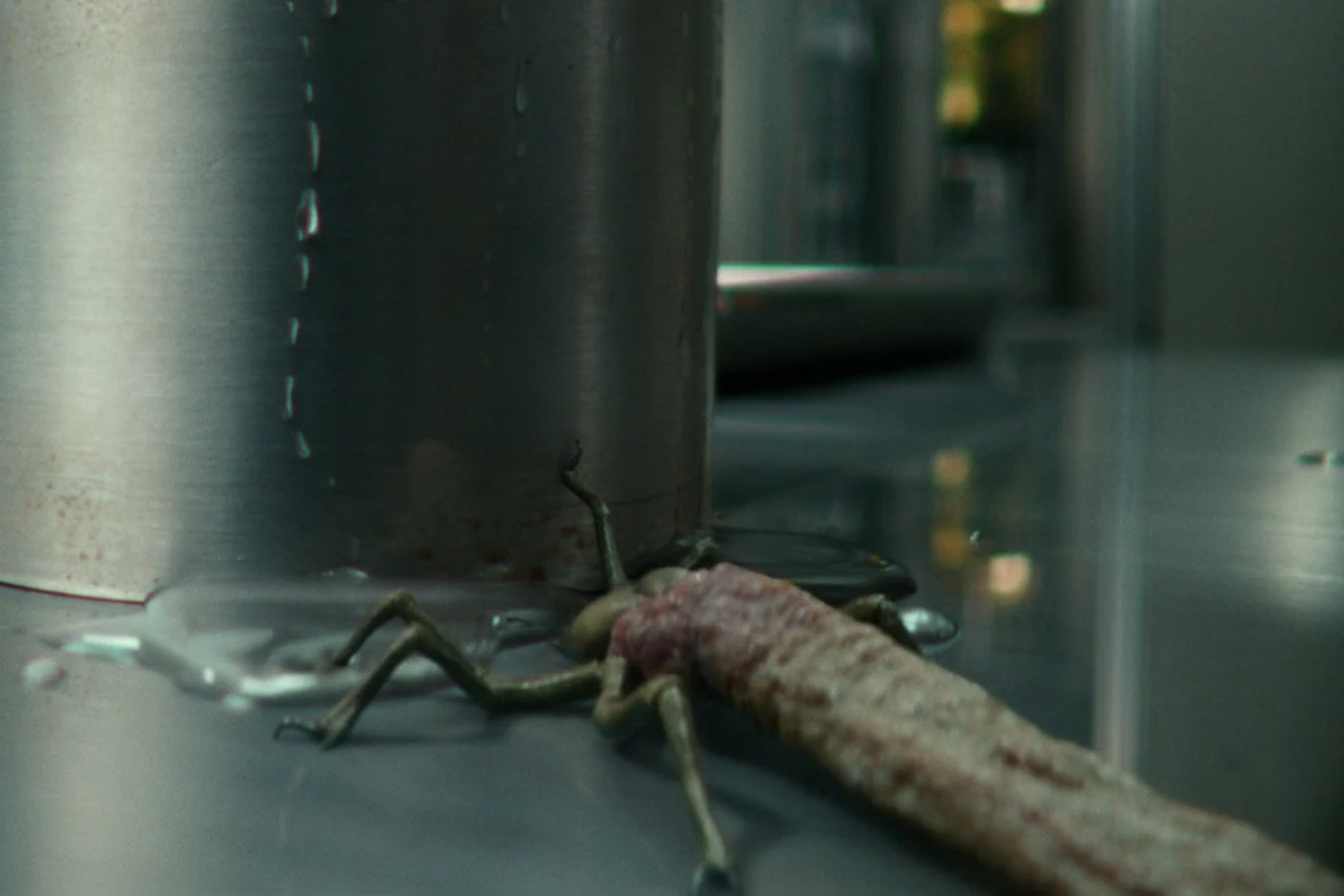
The Blood Tick, catalogued as Species 19, was a small leech-like parasite that fastened to a host and drained oxygen-rich blood until its body swelled into a bloated sac. Maginot science officers starved specimens, then watched one feed on a dead rat, proving the organism would take carrion when live prey was unavailable. The ticks also showed real problem-solving: one escaped a jar, contaminated a water bottle with offspring, and later crawled into food stores. When apprentice engineer Malachite drank the infected water, juvenile ticks lined his esophagus; attempts to extract them released a toxin that killed the patient and attending crew. After the crash, ticks attacked bound Prodigy soldiers in the wrecked lab, latching onto necks and finishing them in seconds before the specimens were recovered for study on Neverland.
3. Fly
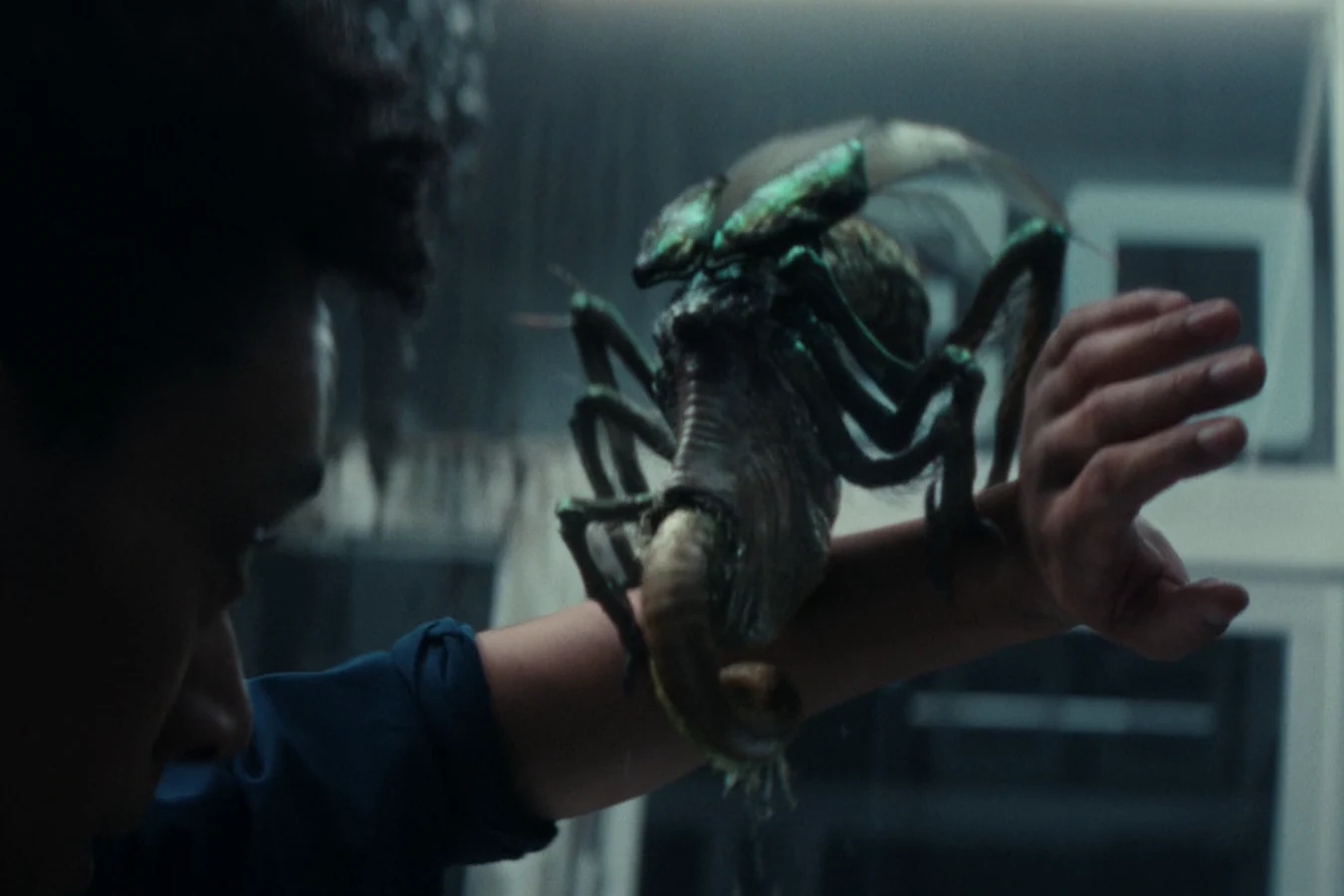
The Fly was an insectoid species with a hard carapace, six legs, wings, and a trunk-like appendage used for both attack and feeding. Unlike the blood-drinkers, it targeted metals, alloys, and minerals, the same materials used in android and hybrid construction. Specimens survived the Maginot crash still sealed, then were transferred with the rest of the zoo to Prodigy's Neverland facility. During lab feeding, hybrid Tootles was trapped inside a Fly enclosure after a neighboring specimen startled him; a Fly emerged from its nesting cocoon, sprayed corrosive fluid across his face, and began consuming his synthetic body. Loose Flies later melted through security hardware before Prodigy soldiers forced them back into containment, confirming that the species was as dangerous to machines as to flesh.
4. D. Plumbicare
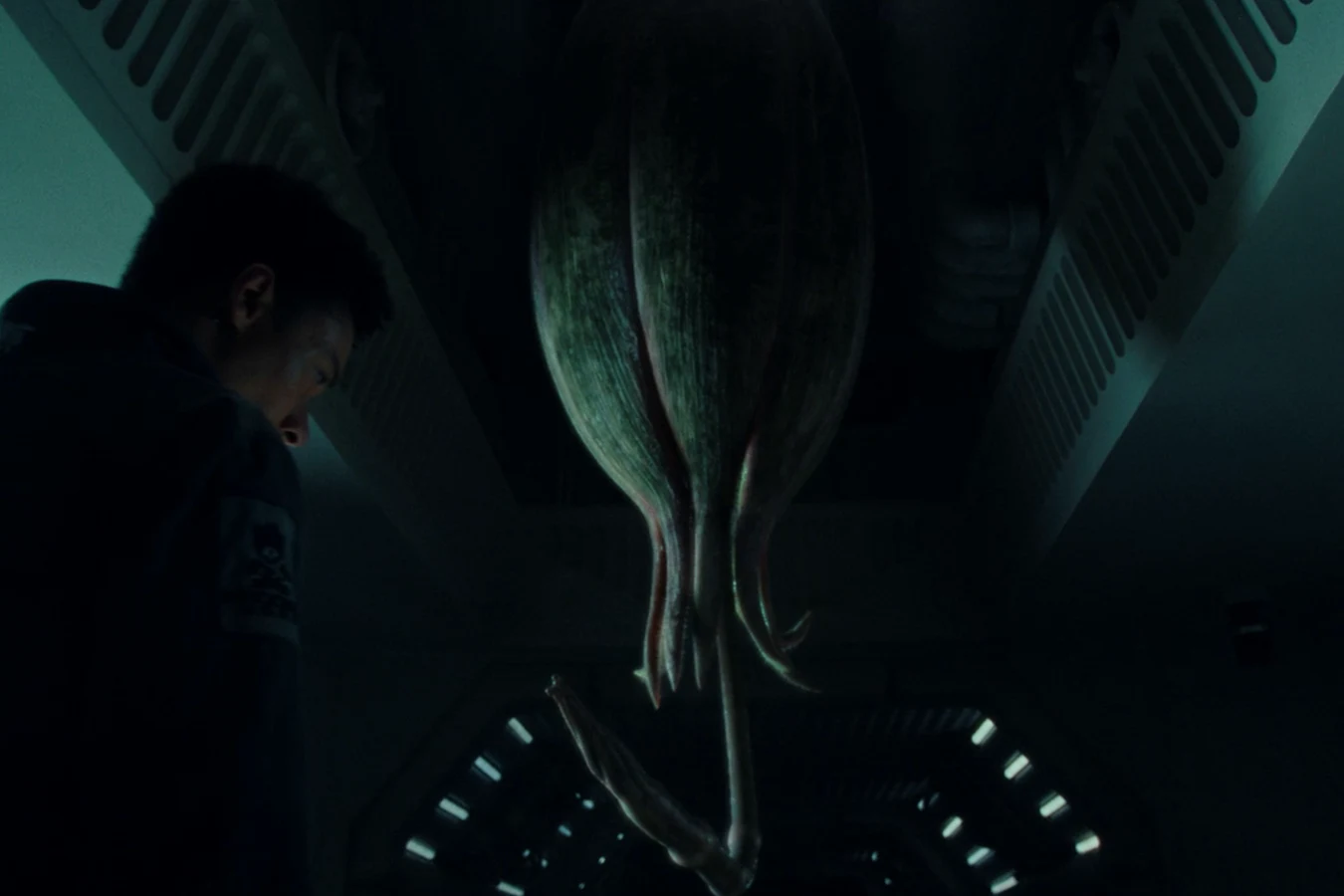
D. Plumbicare, also called the Orchid, looked like a hanging plant pod but behaved like a predator. Maginot records compared it to the terrestrial genus Drosera, noting mucilage to lure prey, a sensing stamen, and leaf-like structures that closed into a mouth. Captive animals died by asphyxiation, dissolution, or exhaustion; in hard conditions the organism also consumed nearby flora. When threatened, it sealed shut so tightly that crew pressure tests could not reopen it. After the crash, one specimen hung in a Maginot corridor where synthetic advisor Kirsh and the hybrids first studied it, and a later containment breach on Neverland let it drop from a ceiling and kill Prodigy soldier Siberian.
5. T. Ocellus
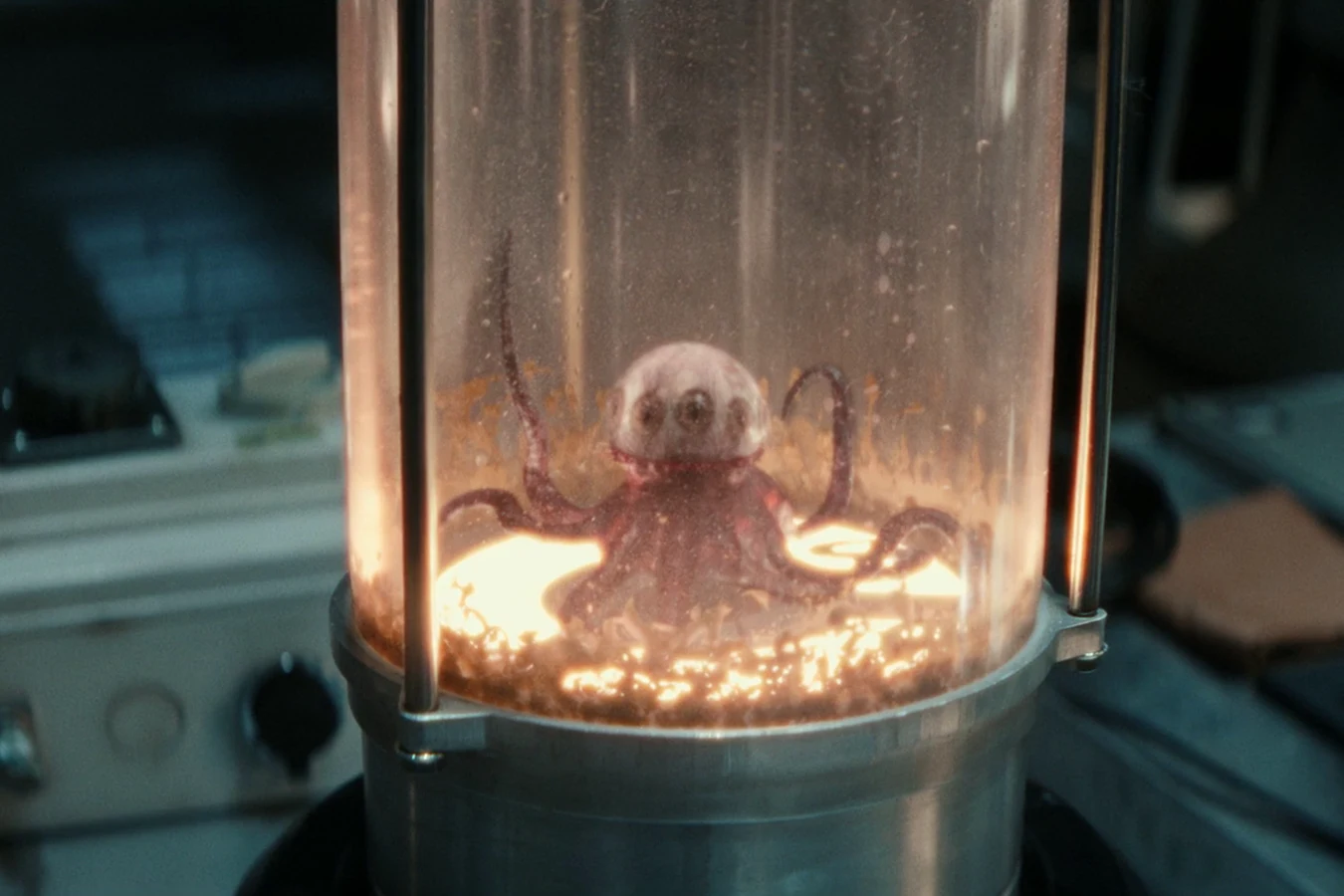
T. Ocellus (Trypanohyncha Ocellus, also Species 64 or the Eye Octopus) was a cephalopod-like parasite built around a multi-iris ocular body and retractable tentacles. It tore out a host's eye, seated itself in the socket, and overrode neurotransmission to run the body, living or dead. Aboard the Maginot it infected the ship's cat Rascal and engineer Shmuel, and even fought a Xenomorph when the two predators crossed paths. On Neverland, Prodigy kept a specimen in a sheep and watched it demonstrate near-human problem solving, including answering mathematical prompts by tapping a hoof. Of the five Maginot species, T. Ocellus stood out less for raw kill power than for intelligence, disguise, and the ability to turn any suitable host into a weapon.
Conclusion
The Maginot did not bring one bioweapon home. It brought a zoo: a classic Xenomorph lifecycle, blood-draining ticks, metal-eating Flies, a carnivorous Orchid, and an eye-stealing parasite smart enough to negotiate with its captors. Once those specimens reached Earth and then Neverland, the conflict between Weyland-Yutani and Prodigy stopped being theoretical and became a race to study, contain, and exploit every organism that survived the crash. Season 2 is still ahead, but the five creatures already define why Alien: Earth is not only another Xenomorph outbreak story.
Appearances
- Alien: Earth (2025)
Tag Categories: Alien Earth Lore | Alien Lore