Aliens: Halál: The Hungarian Aliens Comic Adaptation

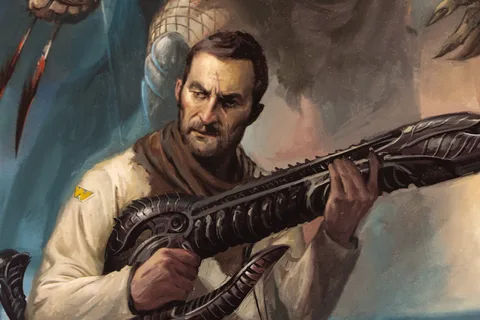
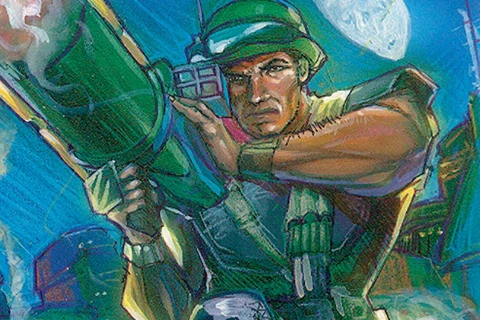
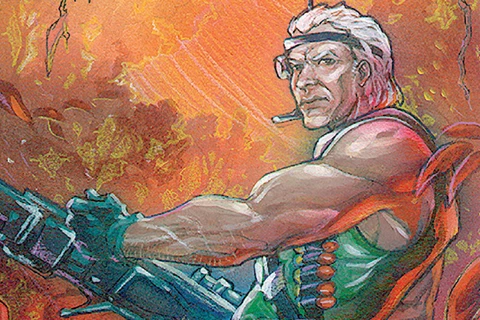
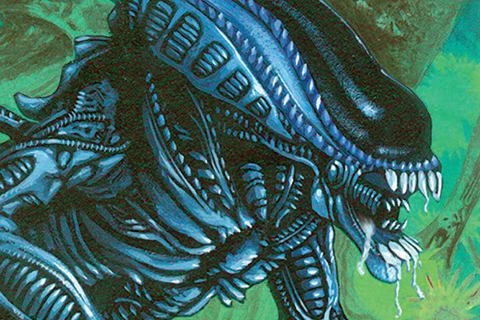
Aliens: Halál, published as A bolygó neve: Halál (The Planet's Name: Death), was Attila Fazekas's Hungarian adaptation of Aliens. Its 17 black-and-white story pages condensed Ripley's return to the colony, the Marines' disastrous mission and her rescue of Newt. The familiar plot was accompanied by distinctive designs: eyed, tentacled aliens, a heavily segmented Queen, altered vehicles and a reworked power loader. The 1988 Budapest Film edition paired the story with The Terminator in a flip book. It was separate from Dark Horse's later Newt's Tale adaptation and was produced without the film rights holder's authorisation.
Plot Summary
The Return To The Colony
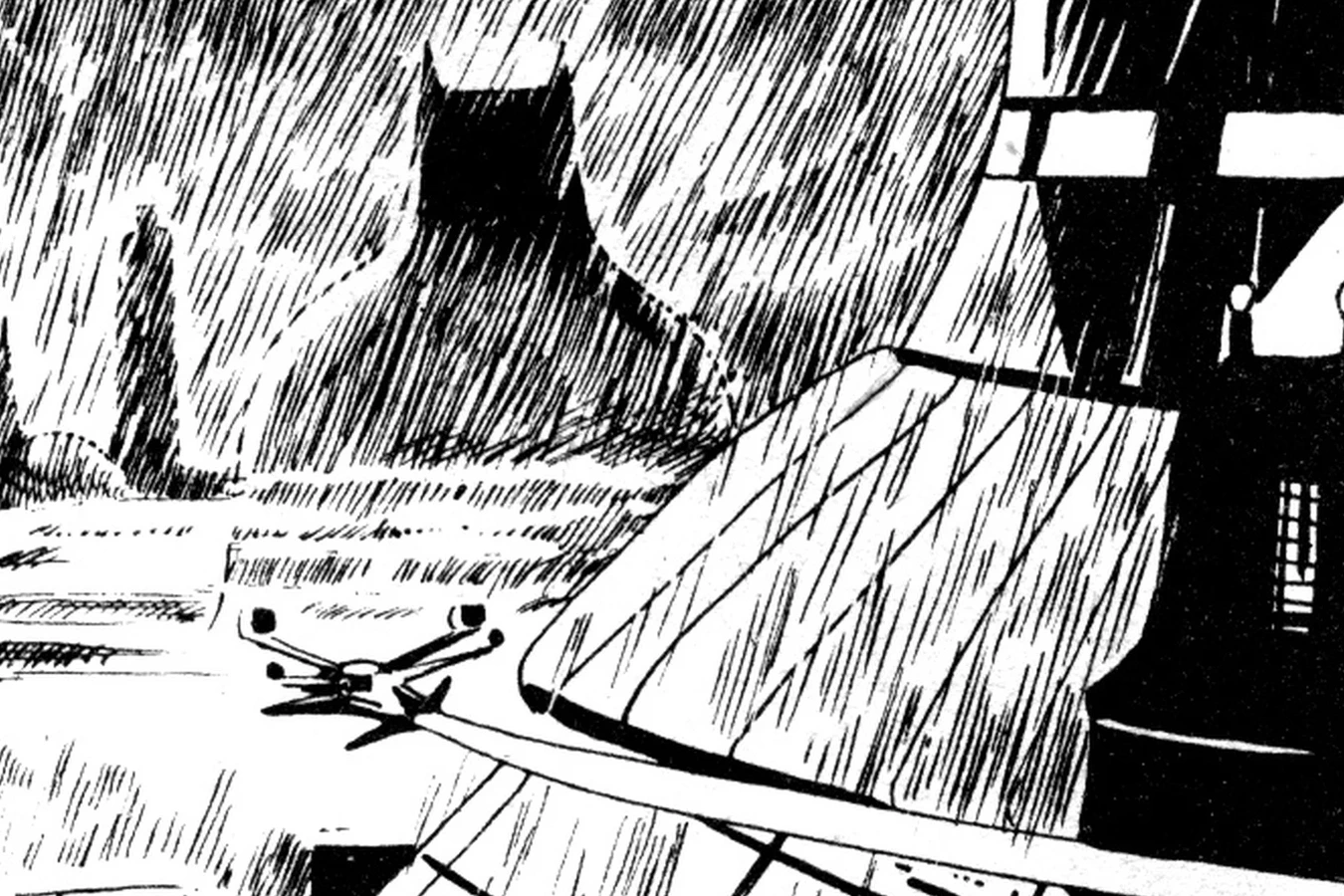
The opening narration summarised the loss of the Nostromo, Ripley's long hypersleep and the disbelief that greeted her account of the alien. Contact with the colony then failed, prompting a military expedition. The story moved directly into the voyage and briefing, with Apone waking the Marines and Ripley warning them about the creature's rapid growth and corrosive body fluids. The transport descended through heavy rain, and the squad approached the apparently deserted settlement in an armoured vehicle.
Newt, The Survivor
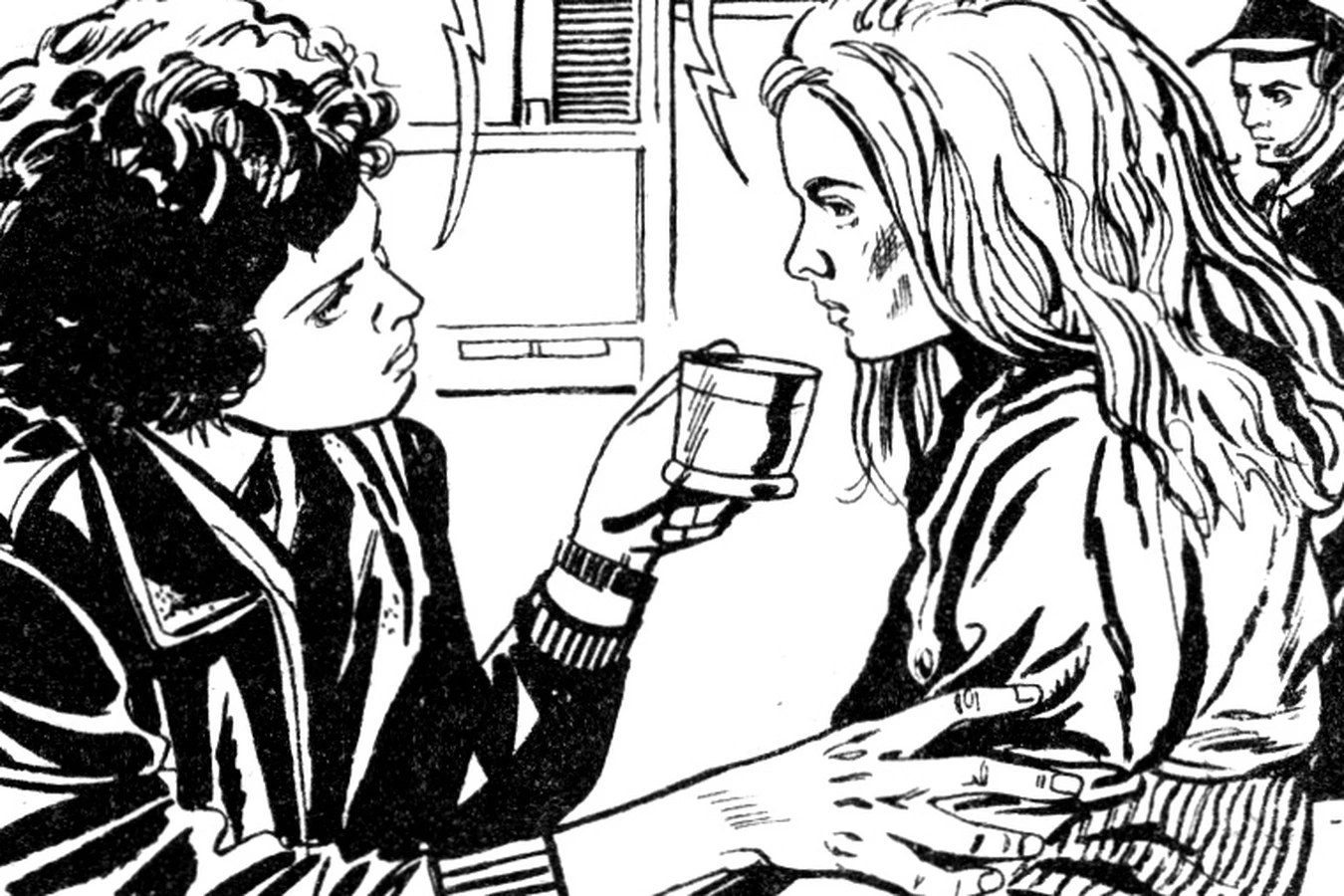
The Marines searched damaged corridors and found evidence that something had burned through the structure. A movement detector revealed a child hiding nearby. She fled, bit a Marine who tried to restrain her and was eventually cornered by Ripley. The girl explained that everyone else was dead and insisted that the soldiers could not protect them. Ripley offered her cocoa and tried to reassure her. This compressed introduction established Newt as the colony's surviving child without showing her family's earlier encounter with the eggs.
The Cocooned Colonist
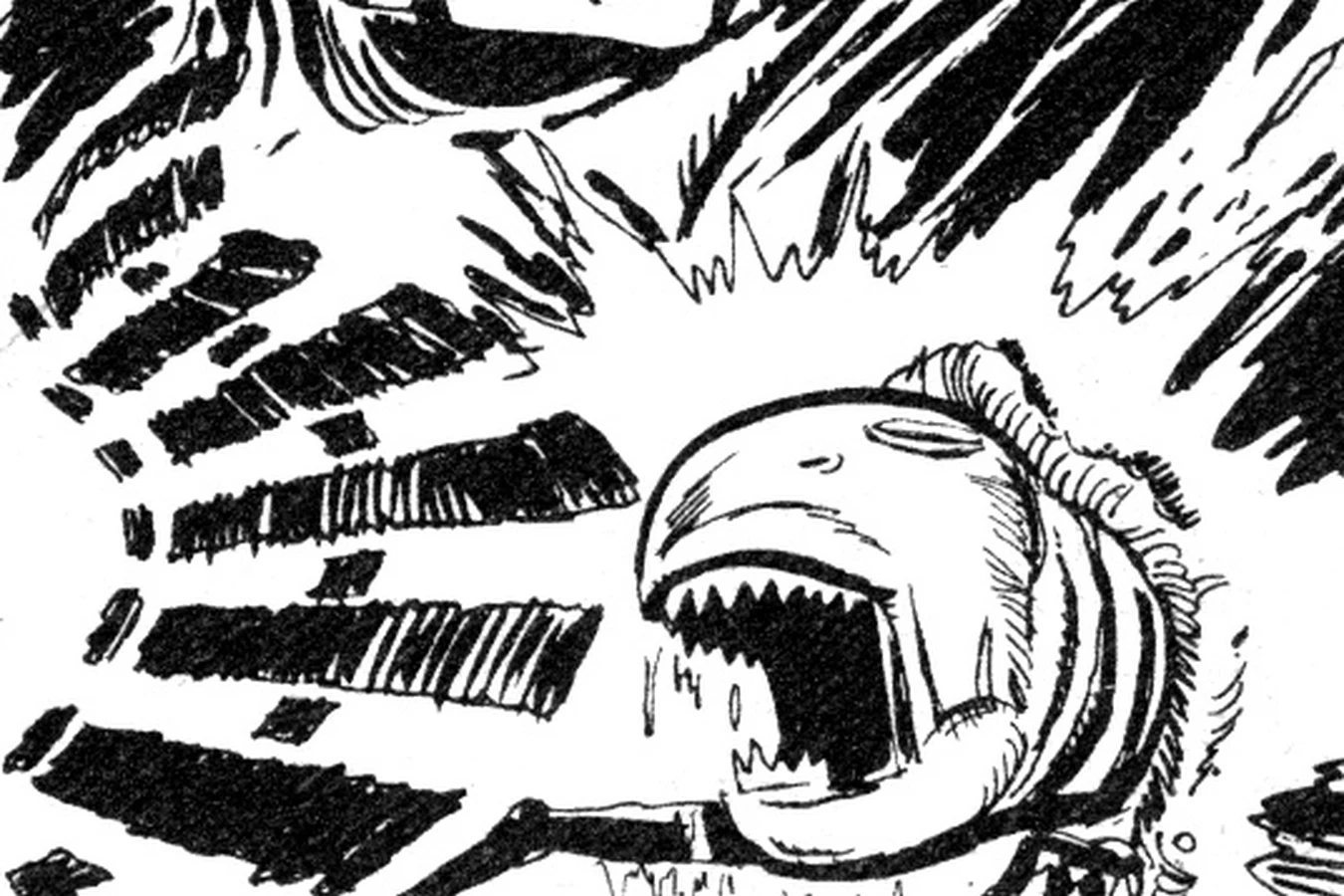
Preserved parasites in laboratory cylinders confirmed the infestation. Ripley demanded their destruction and reminded Burke that he had promised not to bring a creature home. Bishop located the colonists through their implanted transmitters, and the Marines entered the processor complex. Ripley realised that firing explosive ammunition near the fusion reactor could destroy the facility, so the lieutenant ordered it collected. Deeper inside, the squad found people trapped in organic material. One was still alive, begging to be killed before a Chestburster tore from the body.
The Hive Ambush
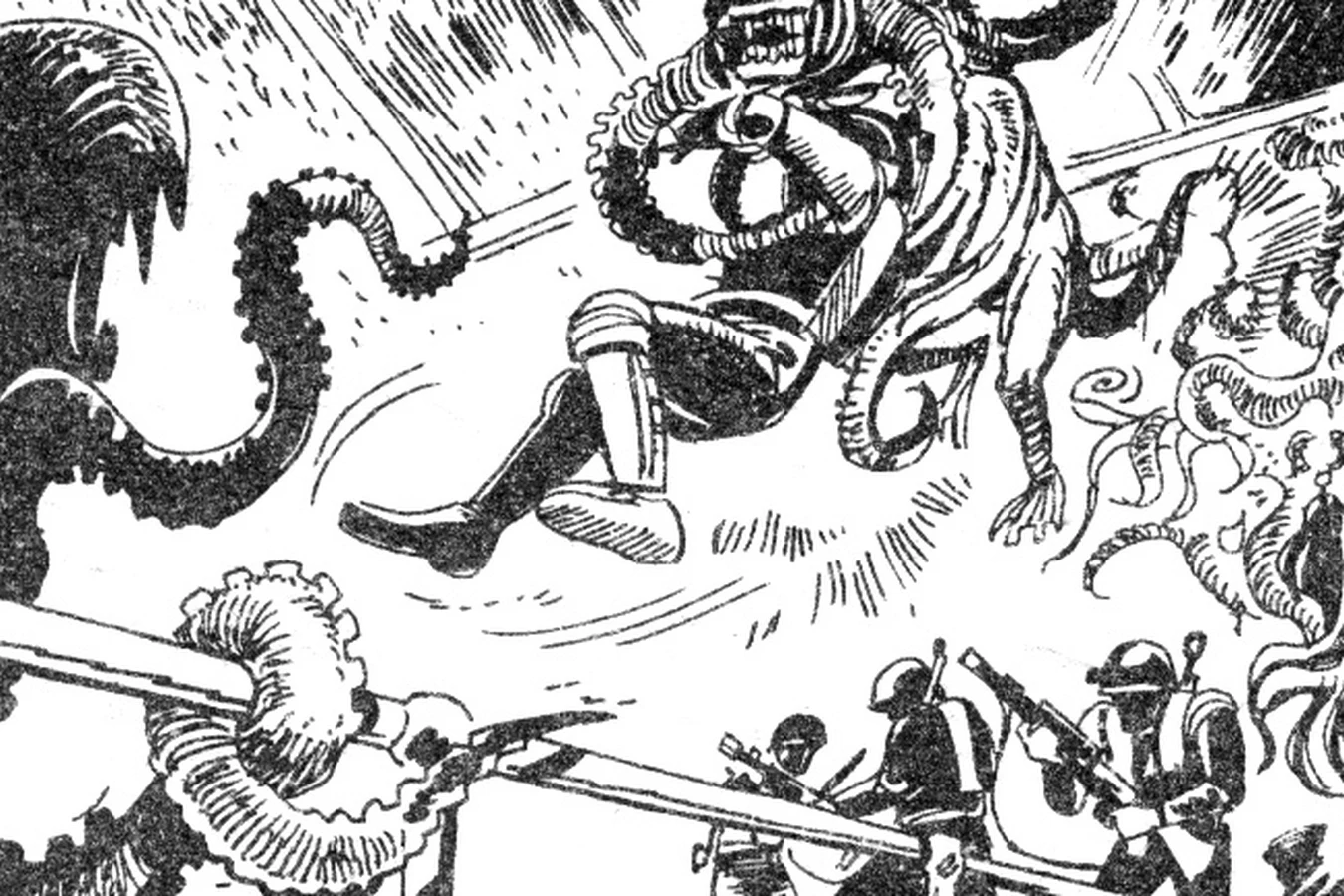
The Marines burned the newly emerged creature, and the nest erupted around them. Large aliens closed in from several directions, their long limbs and curling appendages filling the walkways. Despite the prohibition on shooting, the soldiers fired as the assault overwhelmed them. The lieutenant froze while watching their helmet-camera feeds from the vehicle. Ripley demanded a retreat, took the controls herself and drove the armoured carrier through the structure to reach the surviving Marines.
The APC Escape
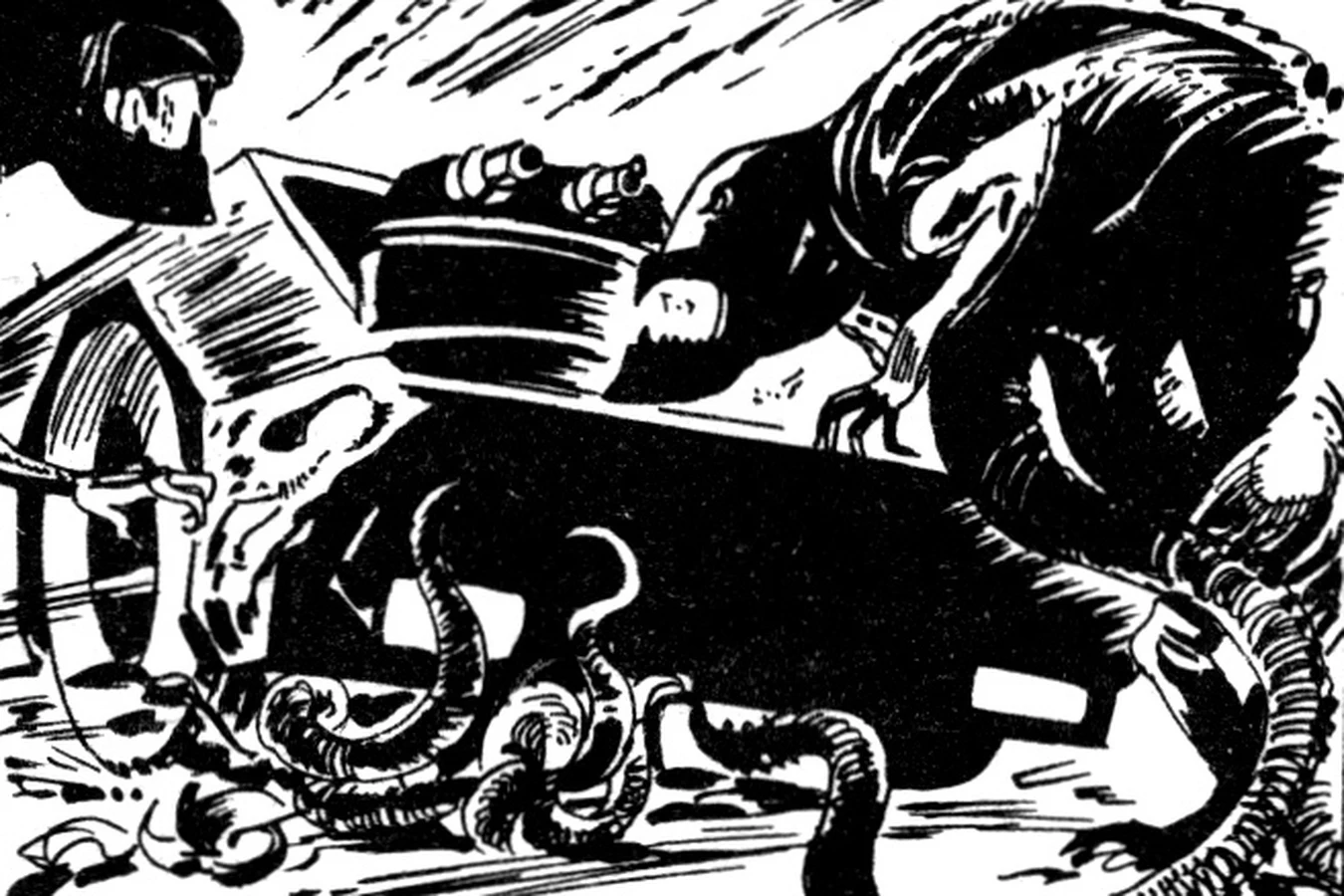
The narration named the surviving soldiers as Corporal Quick, Vasquez and Hudson. An alien forced its way into the open carrier, and the Marines shot at its head before the vehicle accelerated through the pursuing creatures. Once they had reached a safer area, Ripley stopped to assess their losses. The lieutenant had suffered a concussion, leaving the corporal as the senior effective Marine. Burke opposed destroying the installation because of its commercial value, but the survivors accepted Ripley's proposal to eliminate the infestation.
The Dropship Crash
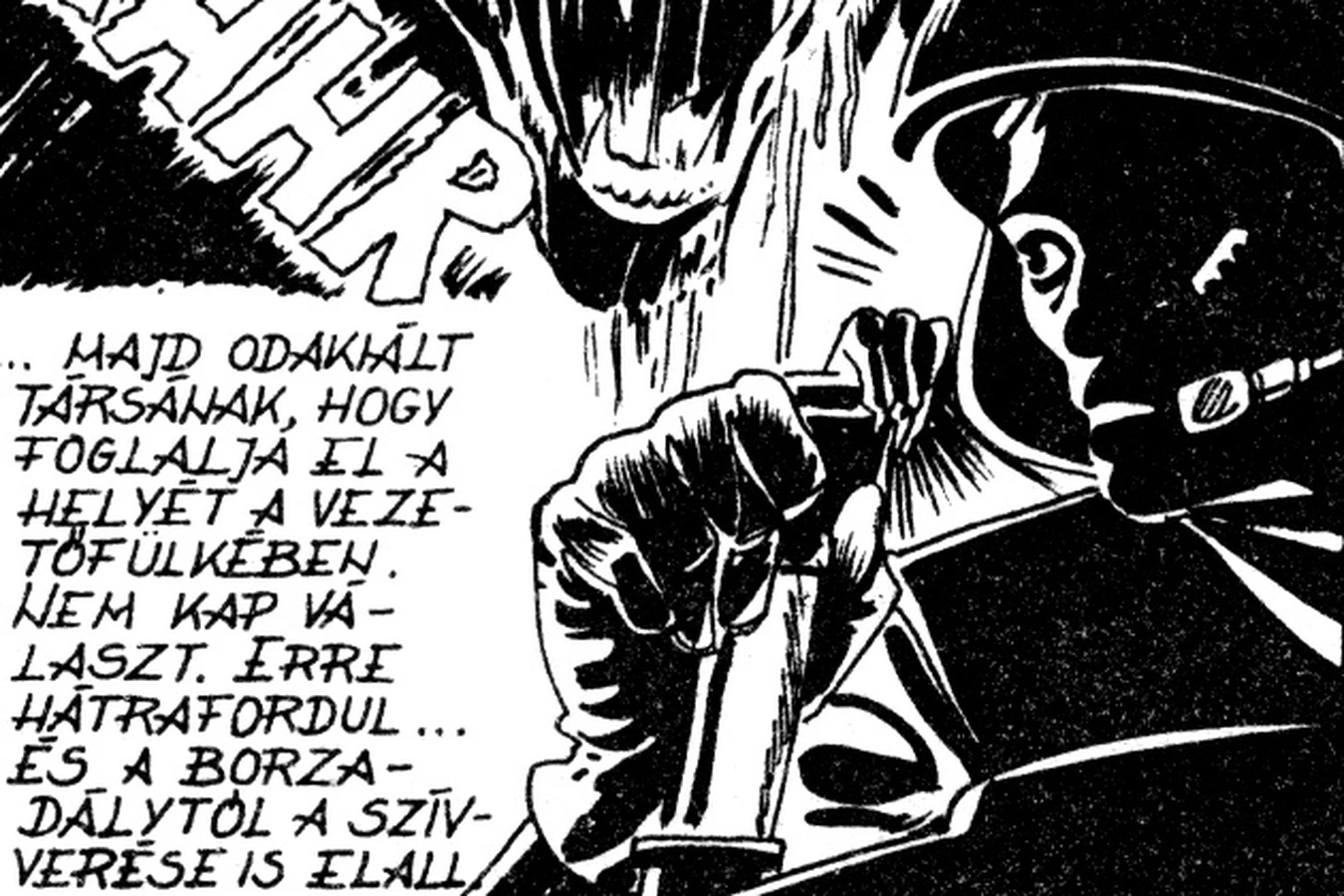
The dropship was ordered to the processor to collect the survivors. Inside its cockpit, the pilot called to the crew member outside and turned when no answer came. An alien was waiting behind her. She lost control of the aircraft, which crashed and exploded near the waiting group. Their immediate escape route was gone. Bishop calculated that help would take seventeen days to arrive, while the survivors doubted they could hold out for seventeen hours. They barricaded themselves inside the colony.
Burke's Living Specimens
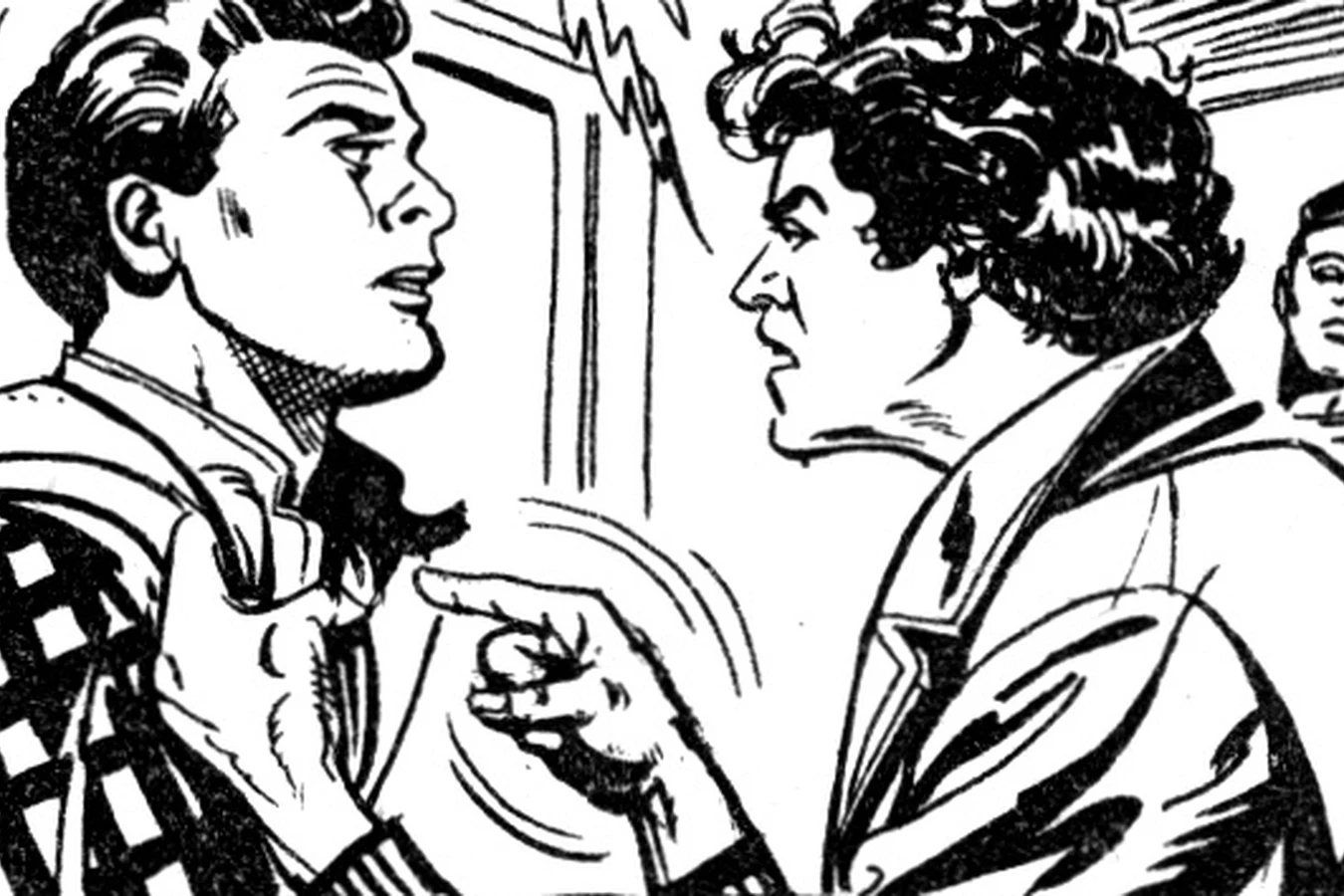
The corporal gave Ripley a tracking device, which she placed on Newt's wrist so that she could find her if they became separated. Bishop examined one of the laboratory organisms, but revealed that he had orders to preserve two others for transport. Ripley confronted Burke over the broken agreement. He defended the creatures' financial value and proposed that they could return as wealthy heroes. A reactor warning interrupted them: the damaged facility was approaching a catastrophic explosion, making a replacement dropship their remaining chance of escape.
The Medlab Trap
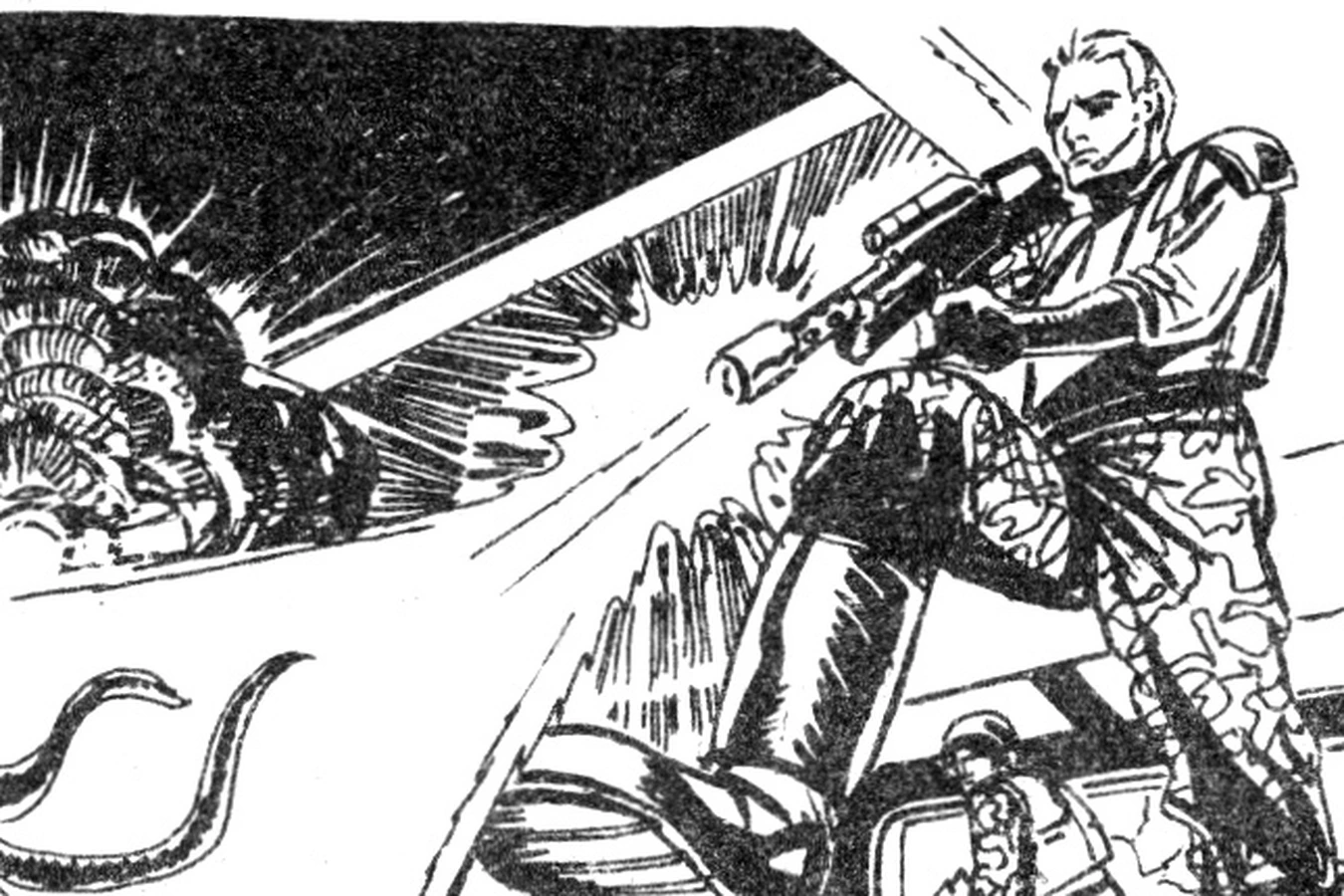
Ripley returned to the laboratory and found Newt asleep beneath a bed. After lying beside her, she awoke to discover the specimen cylinders empty, her weapon missing and the door locked. Burke watched through a monitor but ignored their calls. Ripley finally broke a sprinkler head, triggering the fire alarm and bringing the Marines to the room. They destroyed the loose Facehuggers. Ripley accused Burke of trying to carry the organisms through quarantine inside their bodies, leaving them to emerge only after the return journey.
The Ceiling Assault
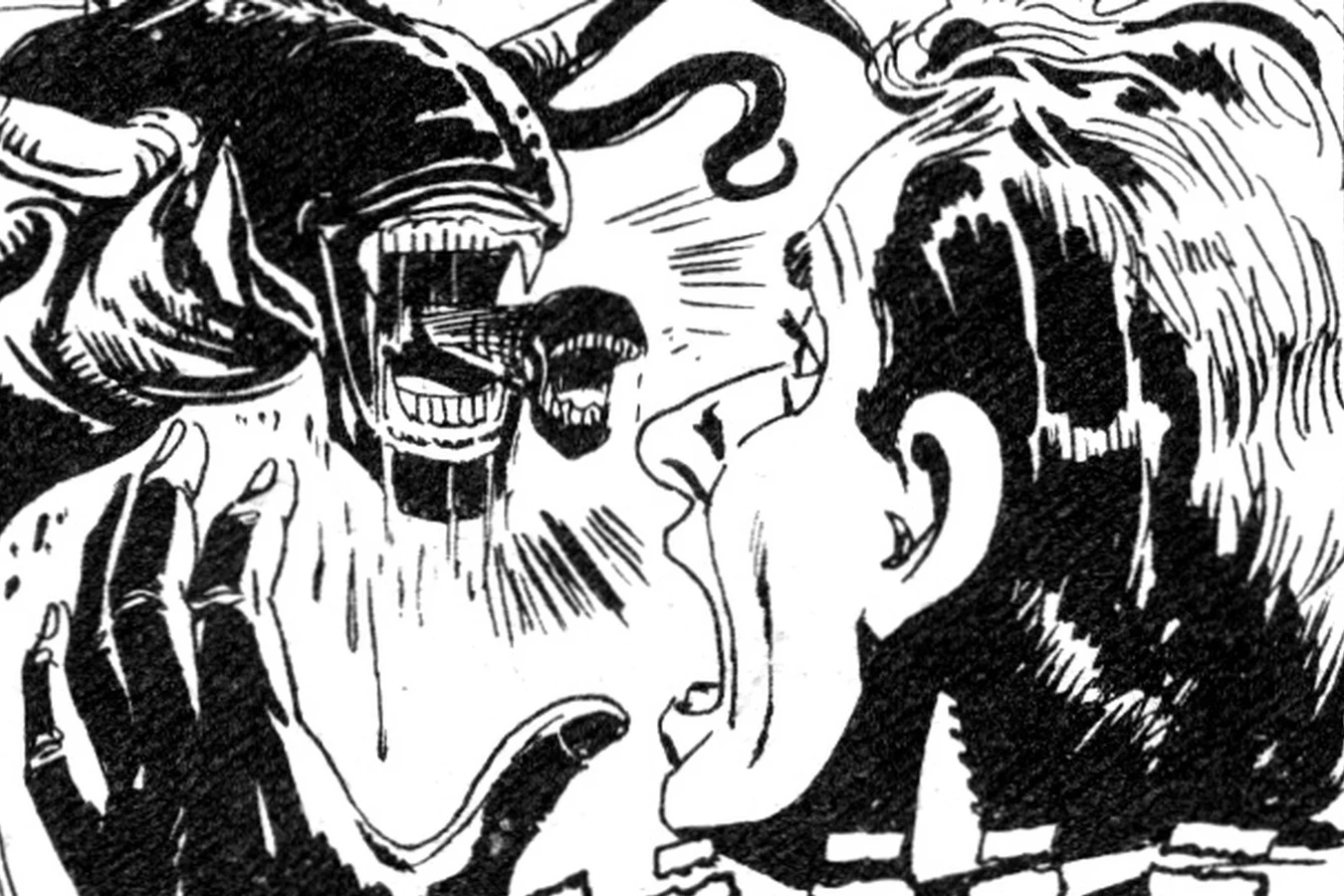
The motion detector showed creatures closing to impossible distances. The corporal lifted a ceiling grille and found the aliens above them. As the room came under attack, Burke tried to escape through a door, only to meet an alien on the other side. The remaining survivors withdrew through the service passages. Vasquez and Hudson covered their retreat, firing as the creatures pressed closer. This version moved the two Marines towards a shared last stand rather than reproducing Hudson's disappearance beneath the floor from the film.
Vasquez And Hudson's Sacrifice
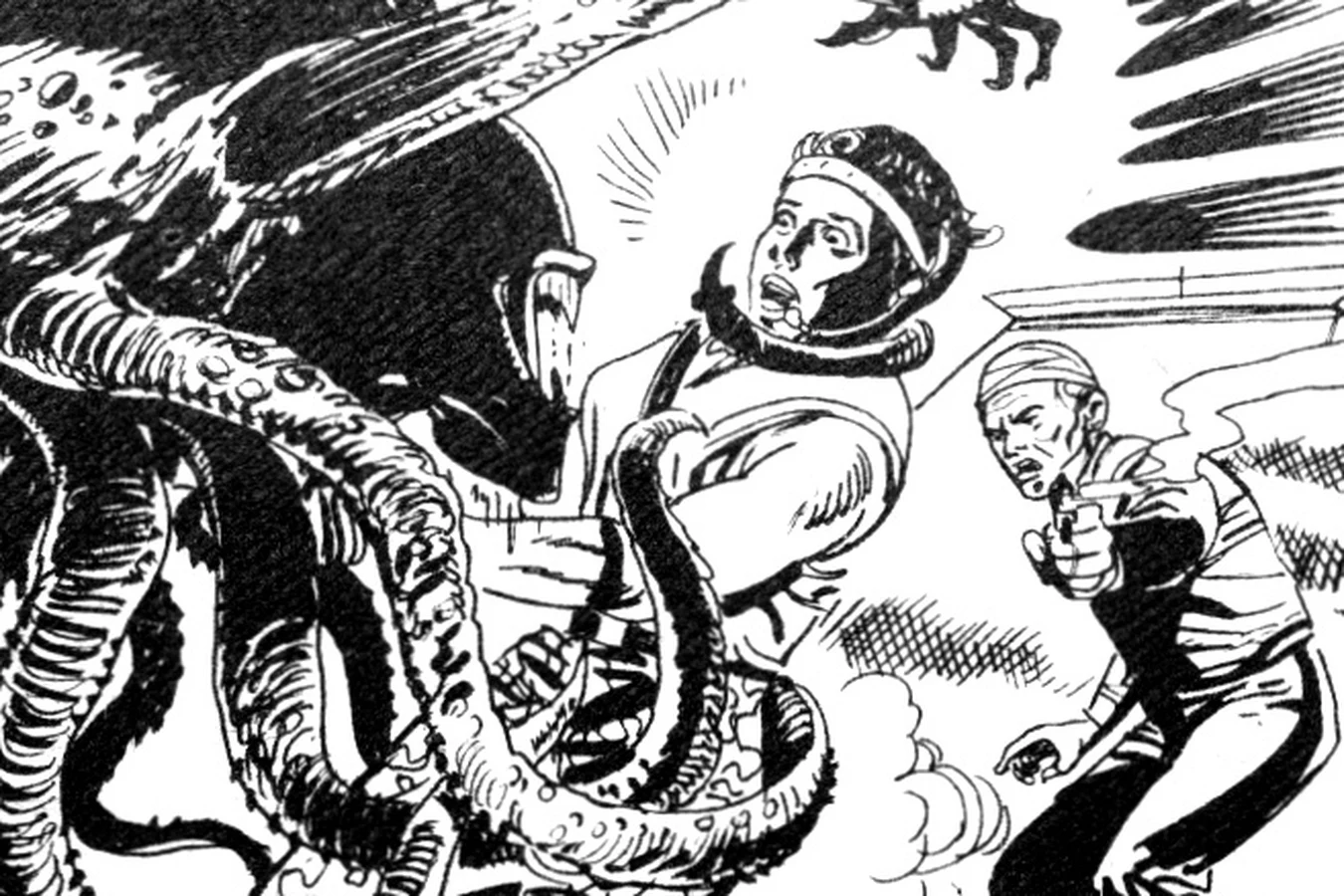
Tentacle-like limbs caught Vasquez, wrapping around her body and neck. Hudson tried to pull her free but could not break the creatures' grip. Seeing no escape, he armed a grenade. The blast tore apart the attackers and killed both Marines. The captions named him Hudson, although the artwork gave him a bandaged head resembling Gorman in the film. The adaptation therefore paired Vasquez with a character identified as Hudson in its narration while visually echoing Gorman's final scene. Bishop meanwhile succeeded in bringing the second dropship down remotely, but Newt fell into a flooded area and was taken before the survivors could board.
Rescuing Newt
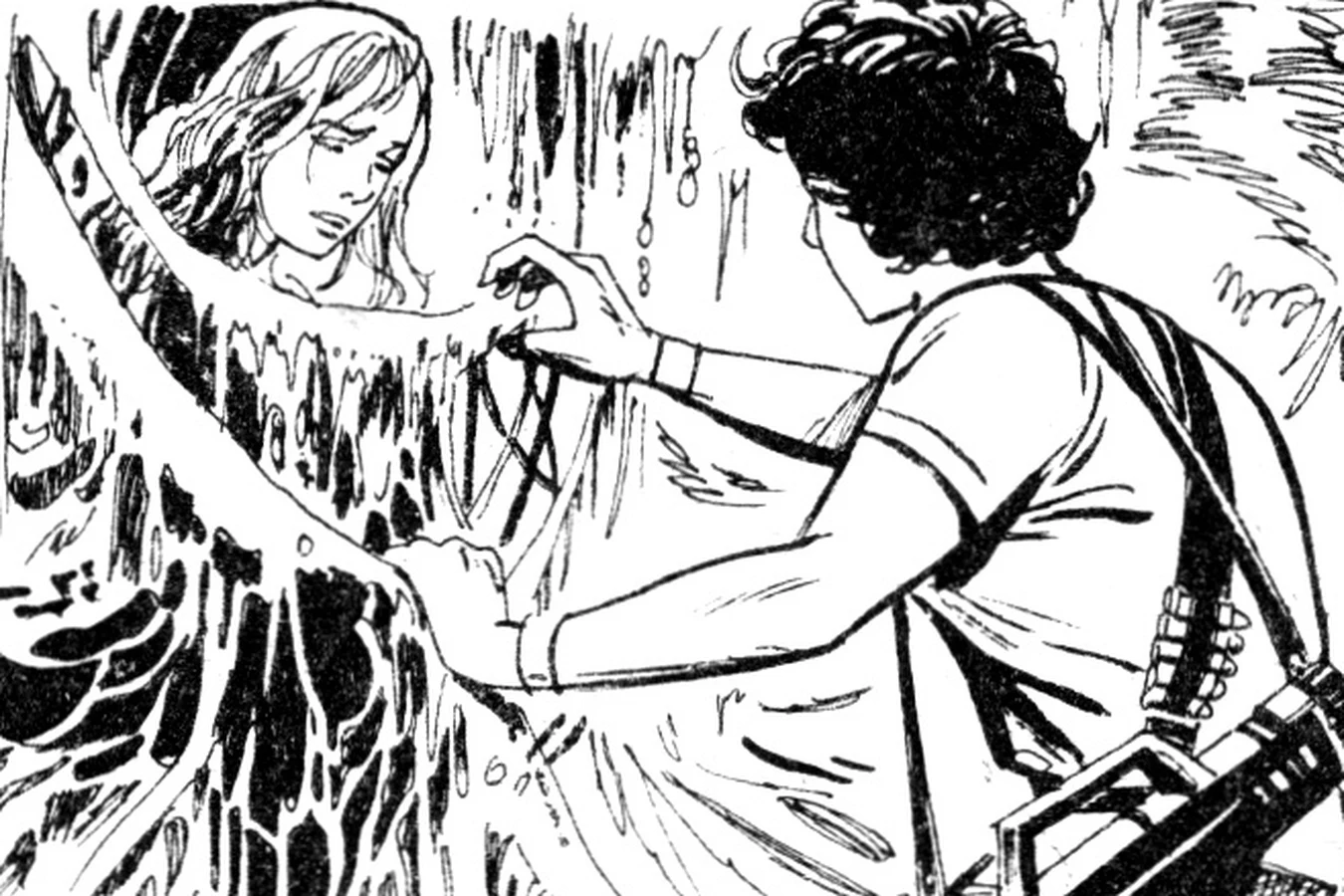
The wounded corporal reached the waiting aircraft with Ripley's help. She insisted on returning for Newt instead of leaving the colony. With the reactor countdown approaching its end, Bishop flew her back towards the complex. Ripley left him with the ship and followed the tracking signal through the structure. She found the girl fixed in organic material, with a parasite moving towards her. Ripley removed the immediate threat and pulled Newt free before trying to find the way back to the landing site.
The Alien Queen
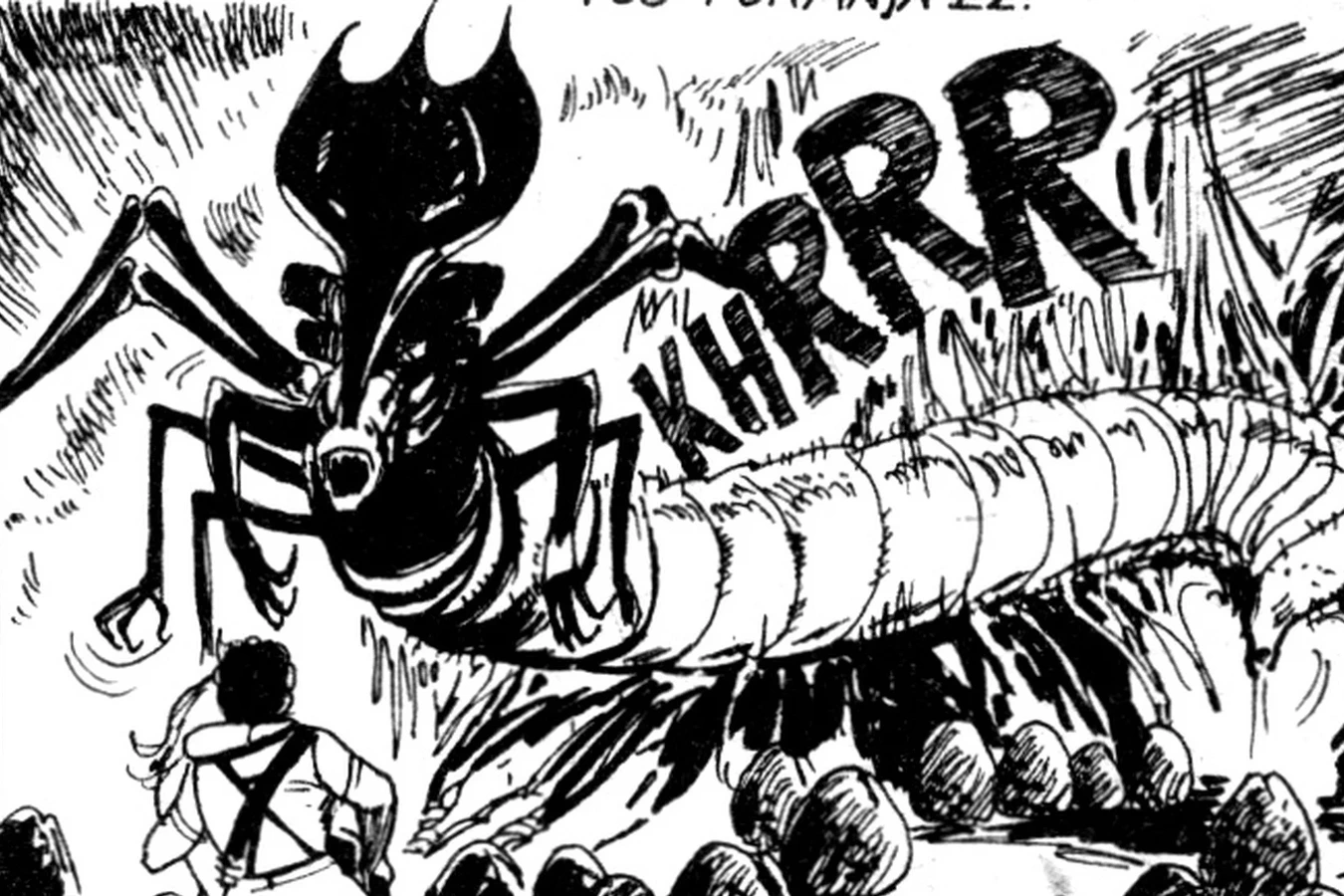
Ripley and Newt reached a chamber full of eggs and confronted the creature producing them. The Queen was drawn with a huge segmented body, multiple limbs and upright dorsal structures, giving her a strongly insect-like silhouette. Ripley turned her flamethrower on the nest and escaped with the child. Their ship cleared the area just before the nuclear explosion destroyed the installation. Back aboard the cruiser, the apparent safety ended when the alien stowaway struck Bishop.
The Power Loader Duel
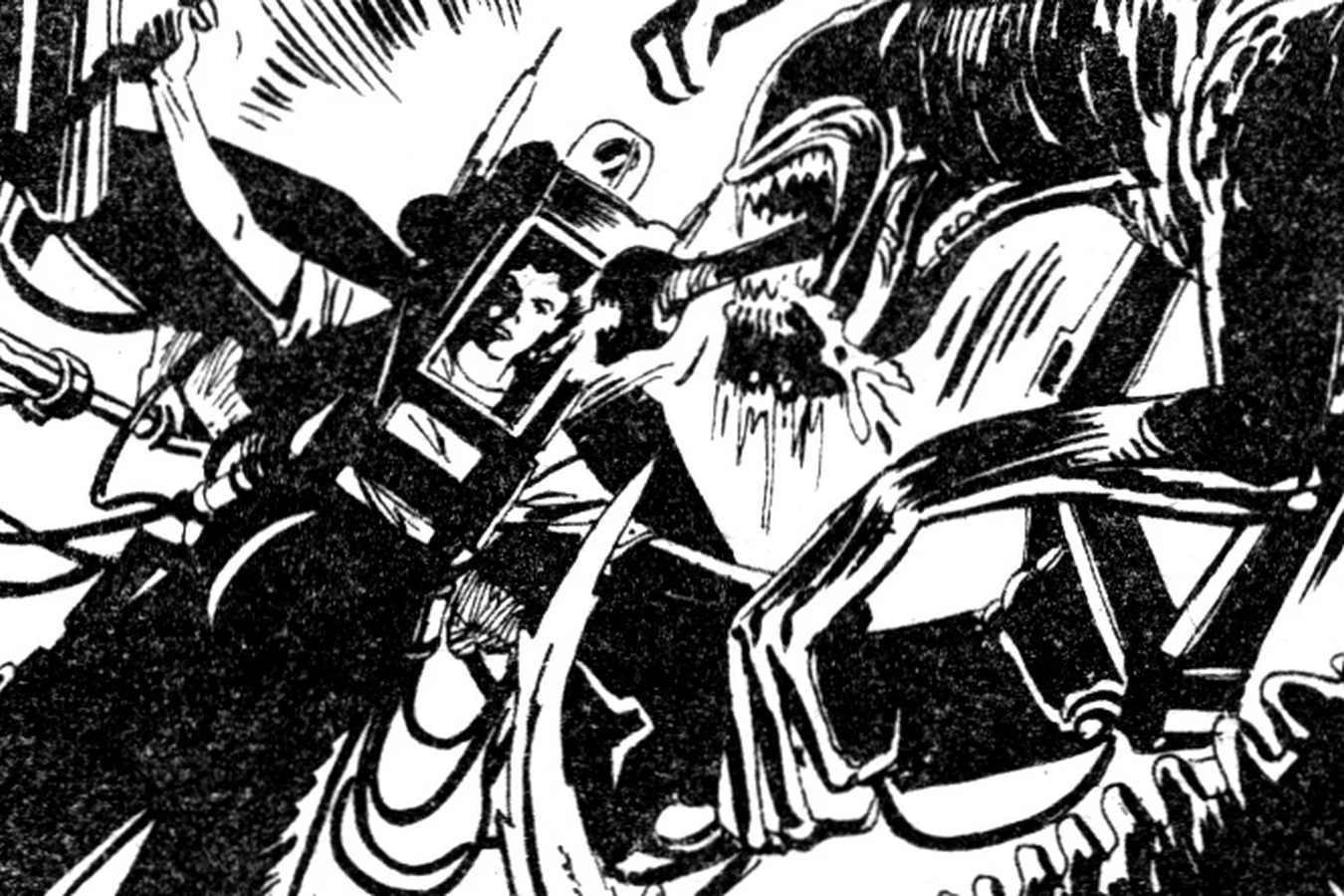
The attack tore Bishop in two, but his remaining body continued to function. Ripley climbed into a cargo-handling machine and used it to grapple with the creature. The power loader amplified her strength enough to hold the alien and force it towards an open airlock. She released herself from the machine and climbed towards the controls. The alien caught her with a long appendage as she opened the outer door, while the escaping air swept Newt towards the opening.
The Airlock And The Survivors
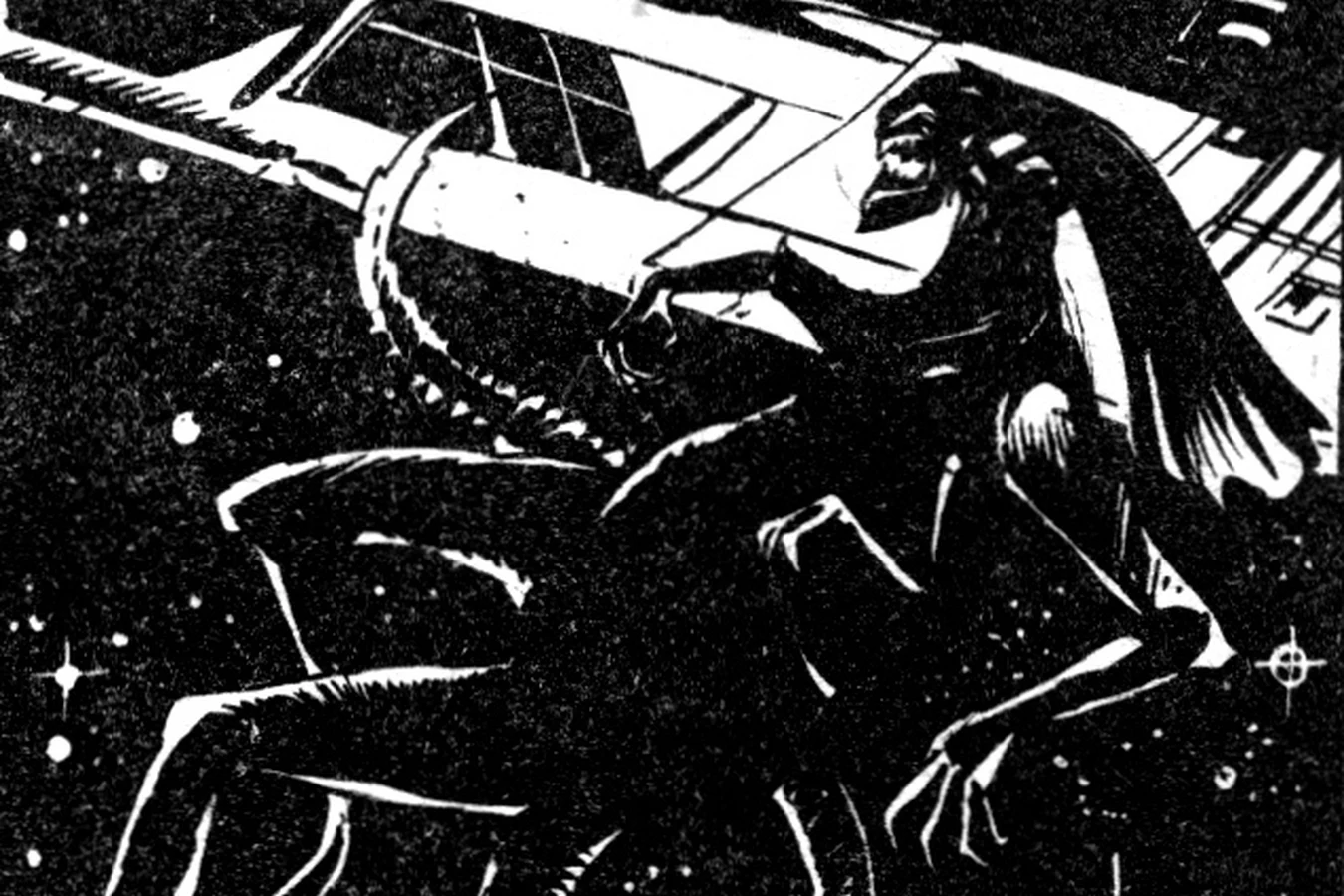
Bishop caught Newt with his remaining arm before she was lost through the airlock. Ripley broke free, and decompression carried the alien and loader into space. She closed the outer door and finally reunited with the child. The wounded corporal was placed in hypersleep for the journey home, while Ripley reassured Newt that they would also sleep until they arrived. The final panel showed the cruiser leaving, ending the adaptation with the same four survivors as the film but after a substantially redesigned confrontation.
Key Characters
- Ellen Ripley: The returning survivor, whose warning about the aliens was vindicated by the colony's fate. She took command during the ambush and twice returned for Newt.
- Newt: The surviving child, first encountered hiding inside the colony. Ripley's tracker allowed her to be found after her capture.
- Hicks / Quick: The corporal who supported Ripley, gave her the tracker and helped destroy the parasites in the laboratory. The lettering shifted between Hicks, Qick and Quick.
- Bishop: The synthetic who traced the colonists, examined the organisms and remotely retrieved the second dropship. He saved Newt even after being torn apart.
- Burke: The Company representative who tried to preserve the parasites and arrange their transport inside human hosts, before encountering an alien during his escape.
- Vasquez And Hudson: The Marines who covered the retreat and died together when Hudson detonated a grenade after trying to rescue Vasquez.
- The Lieutenant: The inexperienced commander who froze during the hive attack, was injured during the escape and lost effective command to the corporal.
Differences From The Film
The first page used narration to cover the Nostromo disaster, Ripley's recovery and the loss of contact with the colony. The expedition was already under way when the illustrated action began. Newt's family history and much of Ripley's life before the mission were omitted, allowing the story to reach the colony quickly.
The corporal was initially called Hicks, but later passages used Qick and Quick before the closing survivor list returned to Hicks. The changes did not introduce separate characters: the same corporal inherited command, protected Ripley, supplied the tracker and survived wounded. His flamethrower also replaced the film's shotgun in the attack on the cocooned host.
The grenade sacrifice changed its participants. The captions named Hudson as Vasquez's companion and identified him as the Marine who armed the grenade, giving him the role played by Gorman in the film. Vasquez was caught by several long appendages rather than simply wounded during the retreat. Burke's fate was shown as a close confrontation with an alien after he tried to leave the others.
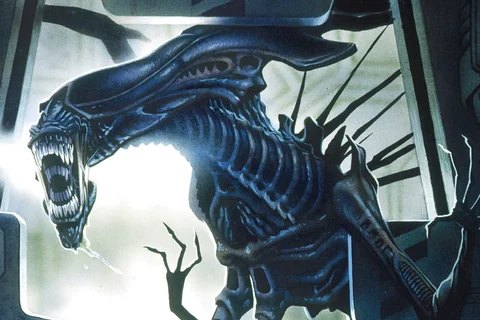
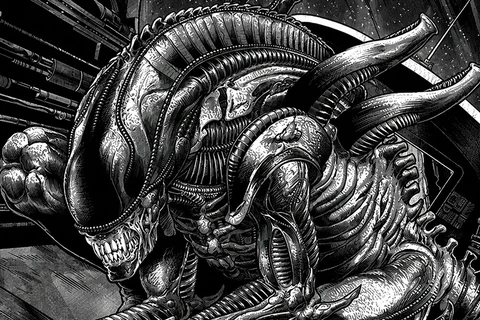
The creature designs were especially distinctive. The chestburster had visible eyes and a large toothed mouth, while adults carried multiple curling, tentacle-like appendages. The Queen had an elongated, segmented lower body and a strikingly insect-like head. One narrative caption went beyond the film by describing the aliens as creatures made by intelligent beings from another world and brought to the colony planet accidentally. That explanation belonged to this adaptation's narration, rather than establishing an origin for the film creatures.
Editions And Publication
The original Hungarian title was also the local title of the film; Halál means death. The colour cover carried the Filmsikerek képregény változata banner and Budapest Film logo. Its black-and-white narrative occupied 17 pages and ended with panel 105. The reverse side of the publication contained A halálosztó, an adaptation of The Terminator.
The combined Budapest Film edition was catalogued as a 32-page Hungarian booklet published in Budapest in 1988. Some English-language lists instead give 1987. The 1988 date is supported by Hungarian edition records and the contemporary-release context described in Index's retrospective, so it is used here for this flip-book edition.
Behind The Scenes
Fazekas's adaptation belonged to a Hungarian tradition of short film comics used alongside theatrical releases. Budapest Film commissioned the strip, but the adaptation was made without authorisation from 20th Century Fox. It should therefore be distinguished from the licensed Dark Horse adaptation, despite being sold through a Hungarian film distributor.
Index's retrospective reported that Fazekas photographed important moments during cinema screenings and supplied details himself where reference photographs were missing. That working method helps explain the contrast between recognisable scenes and freely redesigned vehicles, equipment and anatomy. The colourful cover promoted the film's characters and alien threat, while dense captions carried much of the compressed story inside.
External Sources
- Régikönyvek: 1988 flip-book edition, publisher and physical details
- Index: Hungarian release history, Fazekas's artwork and adaptation differences
Tag Categories: Alien Comics