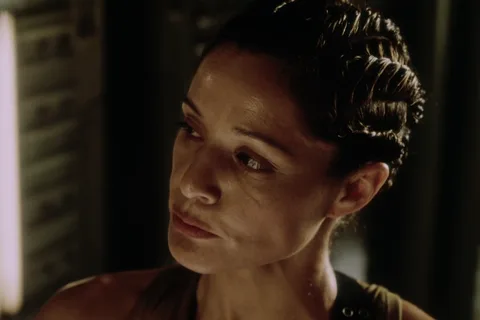
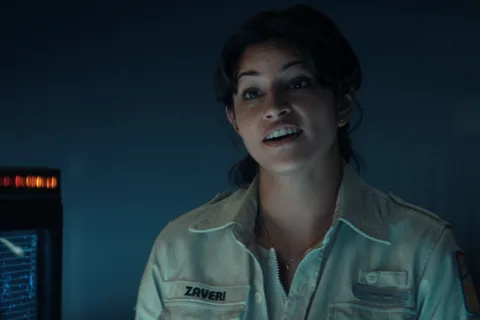
Alien Novelization: Plot, Lore & Movie Differences

Alien is a 1979 novel by Alan Dean Foster, published by Warner Books in June 1979, after the 1979 film opened on 25 May. It followed warrant officer Ellen Ripley and the crew of the commercial tug Nostromo from the freezers to an unnamed moon after Mother, the ship's Mind Bank, woke them for a signal of possible intelligent origin. Foster stayed close to Dan O'Bannon's screenplay, but he woke the crew naked, gave the Chestburster arms and legs, and gave the grown one eyes. Ripley blew the tug and its oil refinery, then burned that adult Alien off the Narcissus with Jones still in the box.
Plot Summary
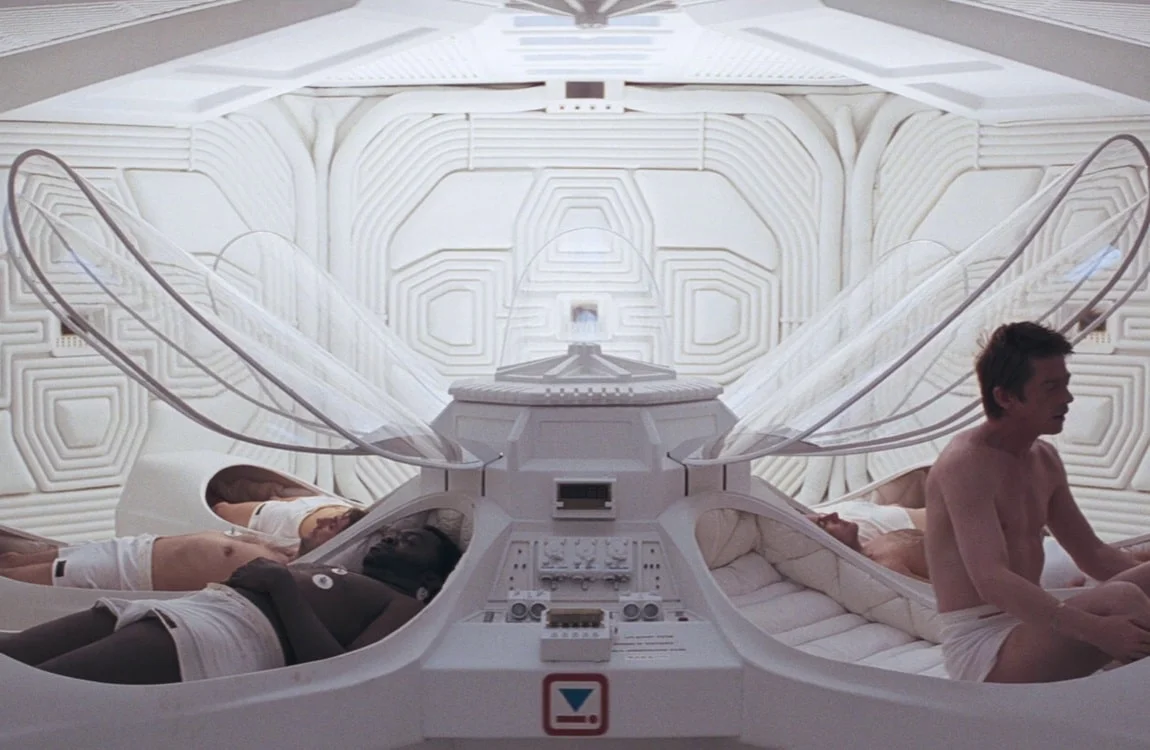
The tug sat in deep space with seven people and a cat in the freezers. Foster called them dreamers, and treated recorded dreams as a paid trade. Ripley came closest to that talent, and none of them was a professional at it.
Seven Dreamers
Mother woke them into cold syrup with no clothes on. Parker treated that as Company policy, a way to save power until the last second. Ripley lifted a soaked yellow tom from one of the tubes and treated Jones as crew, not equipment. Ash sat up feeling dead, and watched Kane more closely than the others.
Captain Dallas kept his beard into the freezer, a habit nobody else on the tug would take in. Executive officer Thomas Kane was good at the job and short of the drive to command, and Lambert ran the plots. Engineering technician Brett answered most things with a single right, and stayed in Parker's shadow on purpose.
The Signal
Lambert called Antarctica traffic control with registration 180 246 while the tug towed crude oil and a working refinery. No one answered. Dallas went to Mother and came back with a garbled transmission from an unlisted system. Ash recited the contract: any systematic signal of possible intelligent origin had to be investigated, or they forfeited pay and bonuses.
The book never names Weyland-Yutani. The crew works for the Company, and the Company wrote that clause. Kane treated it as a duty to go after survivors. Ash treated the same line as a way to keep their pay.
The Landing
They dropped the refinery into a holding orbit and took the tug into thick black cloud. Mother handled the last metres, and the landing struts hit rock about four metres up. A circuit snapped, lights failed, and pipes in engineering burst. Parker and Brett fought an electrical fire after dust poured through the intakes, then spent hours welding linings they could not properly drydock.
Ash put the source of the signal about 3000 metres northeast, over mostly level lava, in air too cold and wrong to breathe without suits. Dallas took Kane and Lambert out, and kept Ripley aboard because three was the limit off the ship. Parker and Brett wanted full shares if the landing party found anything valuable. Ripley sent them back to the welds under the contract they had.
Ash stayed in the science blister and watched the suit cameras. Ripley sat the empty bridge with Jones and tried a board Mother had failed on, because she would not sit and do nothing. Two days before they had left Thedus, the Company had swapped their old science officer for Ash. Dallas had done five hauls with the man Ash replaced.
The Derelict
Kane topped a rise and found a U-shaped hull that looked grown, not welded, one horn bent in sharper than the other. Dallas thought the thicker front held living space and the horns held the drive. Mother had no match for the type. Inside, ribbed grey walls held dust, shattered grey fragments, and an empty tan urn that had survived better than the rest of the chamber.
Lambert's finder tagged a still-running portable transmitter as the distress call. One metal bar on that panel kept moving in its groove without a sound. There is no fossilized Space Jockey in a chair in this text. Dallas treated the open hull as empty of living crew, then found a smooth shaft in the floor with no ladder and no bottom his light could reach.
Kane went down that shaft on a cable, against Dallas's warning not to rush. Below he found a chamber stocked with sealed leathery eggs about a third of a metre high, set out with wasted space between the rows. When he tugged one, raised spots formed on the top, the shell went clear, and a Facehugger looked back at him, a many-fingered hand-shape with a palm tube and a coiled tail.
The Airlock
The ovoid burst and the creature glued itself to Kane's faceplate, then burned through the glass. Dallas and Lambert hauled him back across the lava and into the lock with suit air to spare. Ripley held the inner hatch under quarantine rules: twenty-four hours of decontamination before anyone came aboard. Dallas and Lambert wanted Kane in the infirmary at once.
Ash hit the emergency override from inside the ship. The inner hatch opened while the outer stayed shut, and Dallas carried Kane into the corridor. Lambert blamed Ripley for leaving them outside with night coming on. Parker backed the warrant officer, because Kane had not been able to avoid the thing and nobody knew what it could do once it was in the air.
Kane
Dallas tried to pull the creature off by hand. Ash used pliers, and blood ran down Kane's cheek when the tissue would not let go. They cut the thing and its blood ate the deck. Ash later scanned a long flexible tube from the palm down Kane's throat, sitting at the end of his esophagus, and treated that tube as the reason Kane stayed oxygenated with his mouth and nose blocked.
The creature dropped off on its own. Tiny black sucker marks ringed Kane's face, and the infirmary door stayed sealed while they hunted the empty floor for the hand-shape. Kane woke after a couple of days, remembered his own name and their faces, and could not remember the moon. He felt beaten all over, asked for food, and ate three helpings of recycled meat and vegetables at the mess table while Jones ate from a dish in the centre.
Parker wanted Kane frozen until a doctor on Earth could look at him. Dallas would not freeze a man whose condition they did not understand, and the autodoc had done nothing useful. They had already docked the refinery, set course for Earth, and taken the tug to light plus four. Then Kane seized in his chair.
A pale toothed skull punched through his shirt. The infant had no eyes and no other outside organs, then a compact body with clawed arms and legs shoved Kane's insides aside without tearing them and ran for the corridor. Ash compared it to wasps using spiders on Earth. A dark blot on the medical scan had sat over Kane's chest the whole time, and Ash treated this stage as able to block the scanners.
Brett
They hunted with a tracker, a shock tube, and a net, expecting something Jones's size. Ripley jammed the tube into a locker and they netted the cat by mistake. Brett went after Jones through an equipment bay of stacked pods and replacement modules. A hand closed around his throat and lifted him into the dark.
Ripley and Parker arrived in time to see dangling feet and a man-shaped outline with eyes far too big for its head. The thing they had been hunting was no longer small. Brett's last scream stayed with Parker, who had known him a long time. Parker wanted a laser next. Dallas and Ash refused, because a wounded creature that size held enough acid to open the hull and the decks.
The Food Locker
They tracked the creature into a food locker and Dallas filled the doorway with fire, then found no body. Ash treated the adult as a later stage, not a finished one, and would not promise that the next change would be smaller. Fire was the one test he would still try, because cold on the moon had not stopped the eggs.
Dallas's plan was to drive the creature down a shaft into an airlock and blow it into space. Parker treated the shock tubes as useless against a body that size. Lambert suggested a live wire across a corridor, and Ash rejected that too. The creature was using the shafts the way Jones did, not walking the obvious halls.
Dallas
Dallas crawled the air shafts with an incinerator to drive the creature toward an open lock, with Ripley waiting at that hatch and Parker and Lambert on another grille. Lambert's tracker showed a double signal once he reached a main mixing chamber and sat on the catwalk. The Alien was under the walk, took him from below, and Ripley heard one scream down the shaft before the tracker faded to a single fading mark. That left Ripley, Parker, Lambert, and Ash.
Ash
Ripley reached Mother and pulled Special Order 937. Ash tried to stop her, and Parker and Lambert walked into that fight. They tore his head loose and found wiring, not blood. Ripley burned the locomotor circuits with the shock tube, then had Parker power the head on a mess counter.
Ash first treated the order as locked. Parker reached for the power line, and the head recited it. He had been sent to turn the Nostromo off course, to make Mother wake the crew, and to feed them the emergency-call story. Company probes had already read the transmission as a warning, not a distress call. At the source they were to study a hostile life form and bring it back for commercial evaluation, using discretion.
Ripley filled in the rest, and Ash did not correct her. Moving a dangerous organism to Earth was banned, so a tug crew that hit one by accident could walk it past customs while Company men stood ready to take it off the inspectors' hands. The crew had not been told because they might have refused, and looking like they did not know was part of that plan. Their lives were expendable. Surviving long enough to collect shares was a secondary hope, not the point of the job.
Ash had opened the lock, let the infant grow in Kane, and sounded the airlock klaxon to save the adult. The derelict signal had been too late to save anyone. It was a detailed warning, not a plea for help. Those explorers had set down in the course of ordinary work, met the same spore pods Kane did, and got the beacon running before they were overcome. The transmission did not say whether the pods had started on that moon or come from somewhere else. Ash treated the senders as larger than humans, and possibly smarter.
He did not think the crew could kill the Alien. He thought he might match it if they rebuilt him, because it would not treat a machine as food or a threat. They would not put him back together. If the creature had the run of the ship at Earth, it could infect a boarding party before anyone understood the scale of it, the way no one had ever wiped out a simpler parasite. Ash offered to brief that party if they left him switched on.
His last word was a request to try talking to it, in case it was truly intelligent. Asked if he had tried that himself, he would not say. Ripley pulled the power. Parker later treated reconnecting him as a faster death, because a loyal Company machine would not leave three witnesses for the port authorities.
Parker And Lambert
Mother showed less than twelve hours of oxygen left. Lambert held a card of red suicide capsules. Ripley refused that end and went back to Lambert's earlier plan: bleed spare air into portable tanks, load food, leave in the shuttle, and let the tug blow with the creature on it. Parker liked watching Company property go to pieces more than he liked the pills.
Ripley went after Jones on the bridge while Parker and Lambert stacked canisters and boxes at the food locker. The tracker by Lambert turned bright red as Parker dropped a load of cartons. The Alien came out of the airshaft behind her. Parker could not use the flamethrower without hitting her, so he swung it like a club.
The clubbing did nothing, and one strike broke Parker's neck. The Alien went back to Lambert, and Ripley heard her over the open comm until that channel went quiet. Ripley checked the locker herself and found both bodies gone into the shaft.
The Narcissus
Below the engine room Ripley found Dallas cocooned and able to focus on her, partway through being turned into an egg. A second, smaller, harder shell hung beside him, the colour and shine of the empty urn on the derelict, and that shell was Brett. Dallas wanted her to kill him, and she burned the cocoon and the compartment around it.
She armed the hyperdrive overload, remembered Jones, and found the Alien in the shuttle lock. She turned the cooling back on too late. Mother gave her the minutes, she dumped Jones in the cabin, and the retainer bolts blew as the Nostromo and then the refinery went up.
The Alien had been in the shuttle the whole time. It shook Jones's box, and Ripley went into a locker, put on a pressure suit, and drove a steel shaft through its midsection. Yellow blood hissed on the metal. She blew the rear hatch, the creature caught her ankle, the hatch crushed that grip, and the secondary engines burned what was left until it burst in vacuum.
Ripley repressurized the cabin, opened the box, and logged ident W5645022460H as last survivor, with a statement waiting for the authorities about Company policy. She thought she might reach the frontier in about four months if a beacon net picked up the SOS. Then she took Jones into the tube. The book ends on that sleep, not on a salvage pickup.
The Alien
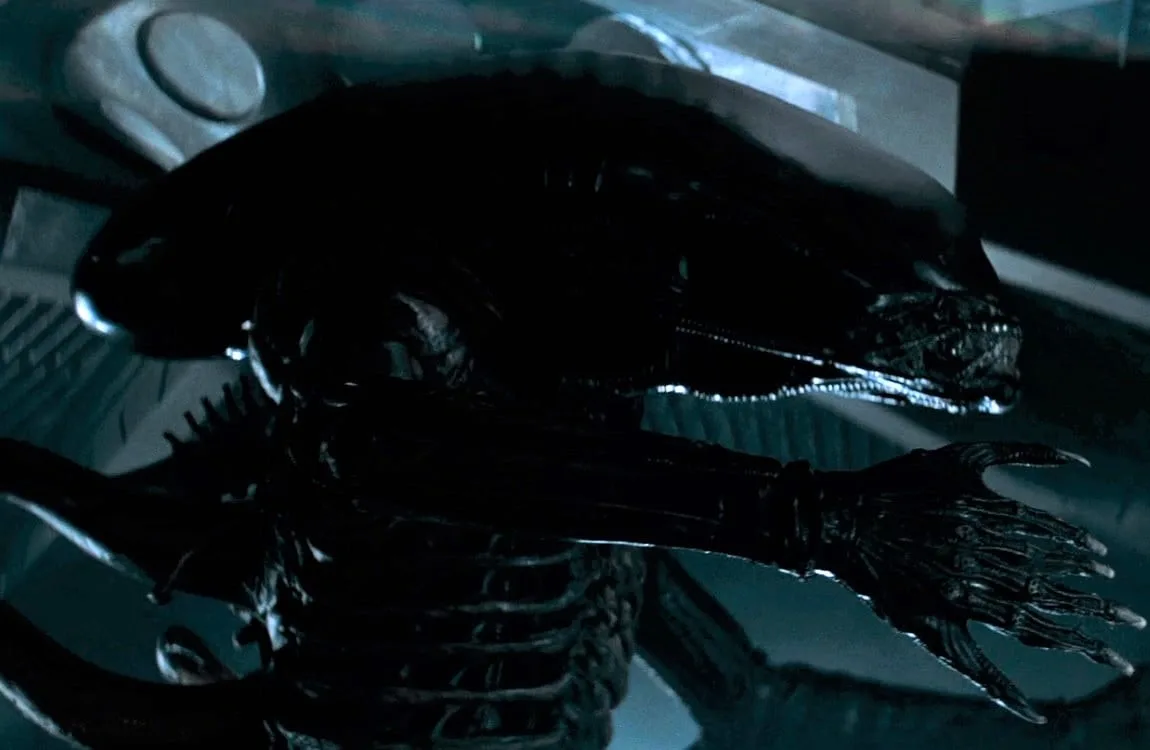
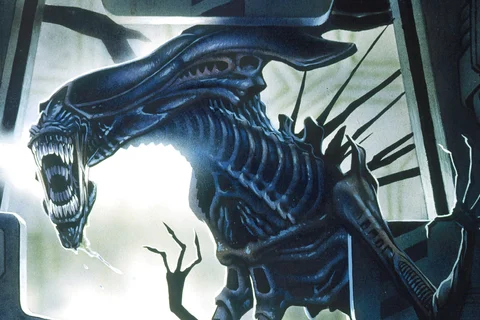
The book never uses the word Xenomorph. The creature is the Alien, the thing, or an alien. It is the film's Big Chap in role, not a later hive caste. Foster had not been shown H. R. Giger's finished suit, so the adult is a huge man-shaped outline with wet, oversized eyes, not a catalogue of biomechanical plates.
The first form is a skeletal hand with extra fingers, a palm tube, a tail, and a glazed patch on the back that moves like an eye. It melts helmet glass, feeds Kane air, and leaves black dots around his face when it drops off. The second form has arms and legs and no eyes, and it hides in lockers and stores. The third form takes Brett from above, uses the shafts the way Jones does, and later cocoons Dallas instead of leaving a clean kill.
Ripley finished it with a shaft, a hatch, and engine exhaust, not only an airlock shove. Yellow blood ate metal on the way out. The film keeps the hatch and the engines and drops the steel rod. Jones lived because the box held.
Key Characters
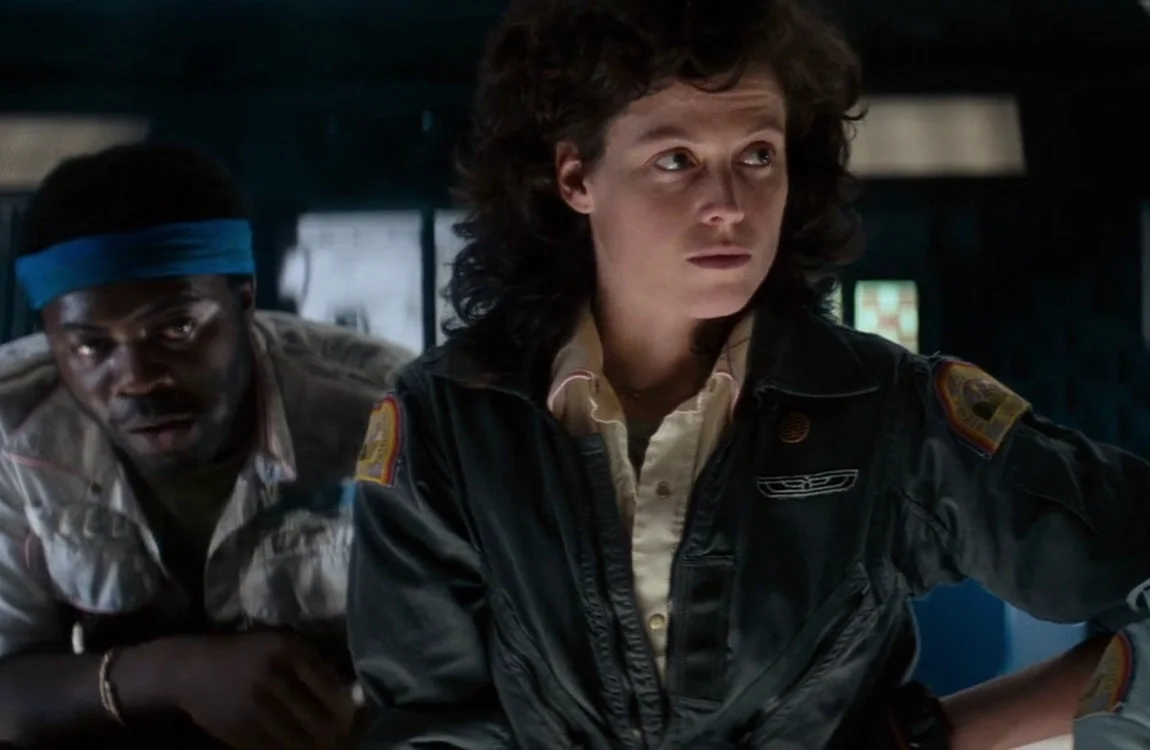
- Ellen Ripley was the warrant officer who held the airlock, pulled Special Order 937, and left on the Narcissus with Jones. Her logged ident was W5645022460H.
- Dallas was the captain who kept his beard in the freezer, led the walk to the derelict, and died in the air shafts. Ripley later burned his cocoon.
- Thomas Kane was the executive officer who went down the egg shaft, brought the hand-shape through the lock, and died at the mess table when the infant tore out.
- Lambert was the navigator who called Antarctica, walked the lava with Dallas and Kane, and died with Parker while they tried to leave.
- Parker was the engineer who welded the ruined intakes, netted Jones by mistake, and helped tear Ash apart. He died with Lambert.
- Brett was Parker's technician, short on words, sent after the cat, and taken from above in the equipment bay.
- Ash was the science officer swapped in at Thedus two days before departure. He was a Company machine under Special Order 937, and they wrecked him in the mess.
- Jones was a large yellow ship cat who slept the freezer, spoiled one hunt, and left in the box with Ripley.
- Mother was the Nostromo Mind Bank that woke the crew, hid the warning, and counted down the overload after Ripley turned the cooling back on too late.
Place In The Books
The novel is the first Alien book, published with the film in 1979, years before Foster's Aliens novelization in 1986 and the later Dark Horse and Titan novels. It is a film novelization, not a comic expansion and not part of the Alien vs. Predator line. The moon is unnamed. Later stories call that rock LV-426.
The book never names Weyland-Yutani, Acheron, or a Space Jockey. Dallas, Kane, and Lambert find a still-running portable beacon and an empty urn, then Kane goes down to the eggs. Foster later novelized Aliens and Alien 3 for Warner, and those three books later sat together in one omnibus. This one ends with Ripley and Jones alone on the Narcissus, four months from the frontier on paper, and decades from Gateway in the films that follow.
Editions
Warner Books released the first edition as a mass-market paperback in June 1979 at $2.25. The Internet Speculative Fiction Database lists 270 pages. The printed credit is a novel by Alan Dean Foster based on the screenplay by Dan O'Bannon, from a story by O'Bannon and Ronald Shusett.
Futura published a UK paperback the same year. Titan Books later kept the text in print as Alien: The Official Movie Novelization, with the egg-and-tagline cover still in common use: a cracked ovoid leaking green mist under "In space no one can hear you scream" and the line "A Novel by Alan Dean Foster." In October 1993, Warner UK and Sphere published The Complete Alien Omnibus, a single paperback of about 650 pages that bound this novel with Foster's Aliens and Alien 3 novelizations. It sold for £8.99. The Predator novelizations never shared a single English reprint like that.
Behind The Scenes
Alan Dean Foster was born on 18 November 1946. By 1979 he was already a working science-fiction novelist and a regular film-tie writer, including uncredited work on the Star Wars novel published under George Lucas's name. Warner hired him for Alien from O'Bannon's screenplay. He was not allowed to see Giger's finished creature, so the adult stays a shape and a pair of oversized eyes.
The opening pages invent prodreamers, people paid to have their dreams recorded for other people to play back. Jones gets stretches of his own, including a string game Lambert plays that the cat treats as work. Those pages are Foster's, not Scott's. The chapters then stay with the crew and, later, with Ripley alone.
Book-only material sits around a shared plot: the naked freezer wake, the oil refinery tow, the Antarctica call, the Thedus swap, the food-locker feed, the steel shaft on the Narcissus, and the missing fossil pilot. The film keeps clothes in the tubes, a fossil in the derelict chair, and a hatch-and-engines finish without the rod. Foster later novelized Aliens and Alien 3 for Warner, turned down Alien: Resurrection after fights on the third book, and came back for Alien: Covenant and its Titan prequel. The International Association of Media Tie-In Writers named him a Grand Master in 2008.
Conclusion
Alien is Alan Dean Foster's 1979 novel of the film, published by Warner Books. It covers Ellen Ripley and the Nostromo from the freezers to the Narcissus, with a Chestburster that runs on claws and an adult Alien that looks back with eyes. The book ends with the tug and refinery gone, the creature burst in vacuum, and Ripley taking Jones into the tube.
External Sources
- Alien at the Internet Speculative Fiction Database
- The Complete Alien Omnibus at Little, Brown
- Alan Dean Foster at Wikipedia
Tag Categories: Alien Merchandise | Alien Movie Novelizations