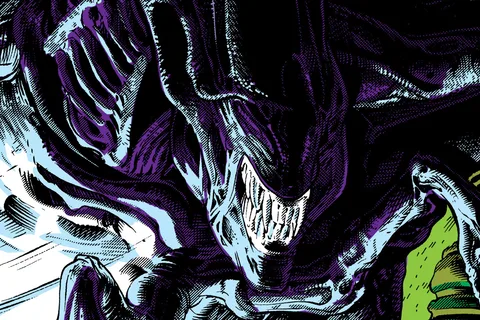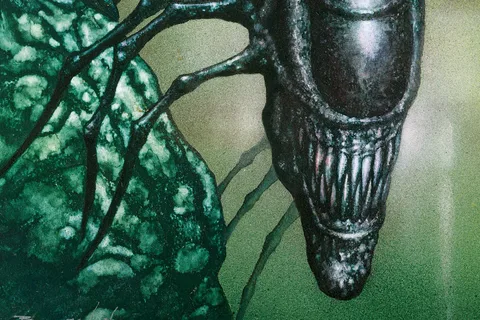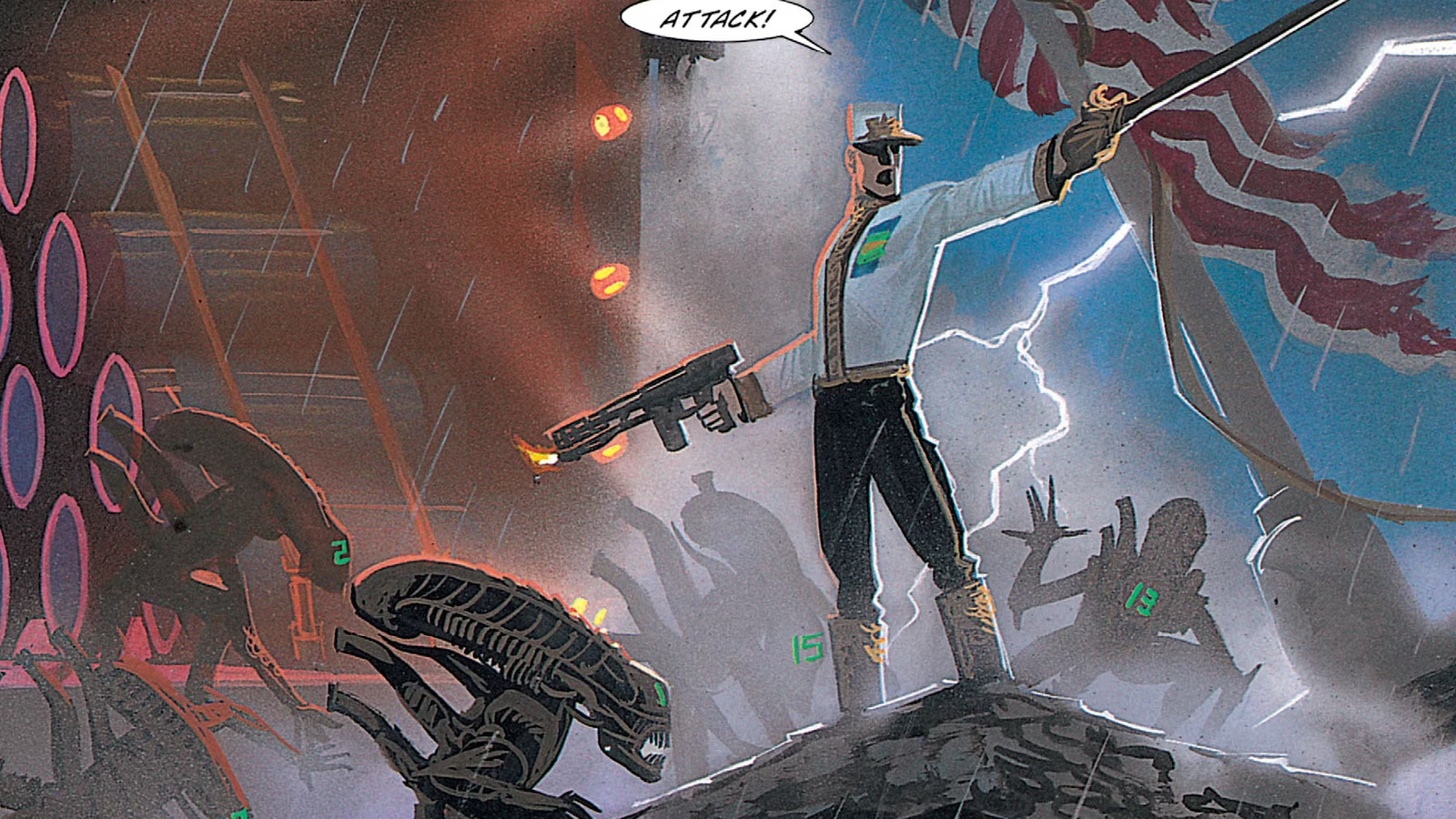

General Spears was a Colonial Marine commander who tried to reclaim an overrun Earth with an army of trained Xenomorphs. He commanded Third Base, a remote installation where soldiers and civilians became hosts for his breeding program. He detained Wilks, Billie, and Bueller, valued their combat experience, and treated opposition to his command as grounds for execution. His campaign in the Aliens: Nightmare Asylum comic and novelization ended when his own creatures turned against him. The novel identified him as Thomas A.W. Spears and supplied an artificial-womb upbringing behind his military identity.
Biography
Background
Thomas A.W. Spears was among the first children born through an artificial womb on a Marine base. The initials A.W. marked that origin, and he retained them with pride rather than concealing how he had been born. He grew up in a military creche with nine other children. All the survivors became Marines, while one child died before reaching adolescence. Spears regarded himself as an ordinary human rather than a synthetic, but his upbringing made service to the Corps central to his understanding of himself.
His earlier service included an intervention during a revolution and the killing of a dictator who had established himself on Lebanon II in the Khadaji System. Spears took the dead ruler's matched revolvers and kept them among his few valued possessions. A grateful civilian also supplied rare cigars, which he reserved for important personal milestones. He smoked one when he received his general's stars and command of Third Base. The trophies, weapons, and military histories he preserved reflected a career in which conquest and personal authority had become closely connected.
At nine years old, Spears killed another child named Jerico Axe, who had repeatedly bullied and injured him. Axe was older, heavier, and further advanced in martial training, leaving Spears unable to defeat him in an ordinary fight. After hiding in a supply closet, Spears armed himself with a cleaning scraper and attacked when Axe opened the door. He remembered the killing as his first victory over an enemy rather than expressing remorse. The memory returned years later after he shot one of his own Marines during the crisis at Third Base.
By fifteen, Spears had already acquired three Corps tattoos, although he remained two years away from his first enlistment. His small-arms instructor, Gunnery Sergeant Brandywine, taught him to distinguish situations requiring immediate action from those demanding patience and careful aim. He retained that lesson into his command career and associated his willingness to wait with the opportunity to develop his alien army. Spears wondered whether his former instructor was still alive, estimating that she would be approaching eighty, and wished that she could witness what he considered his achievement.
Commander Of Third Base
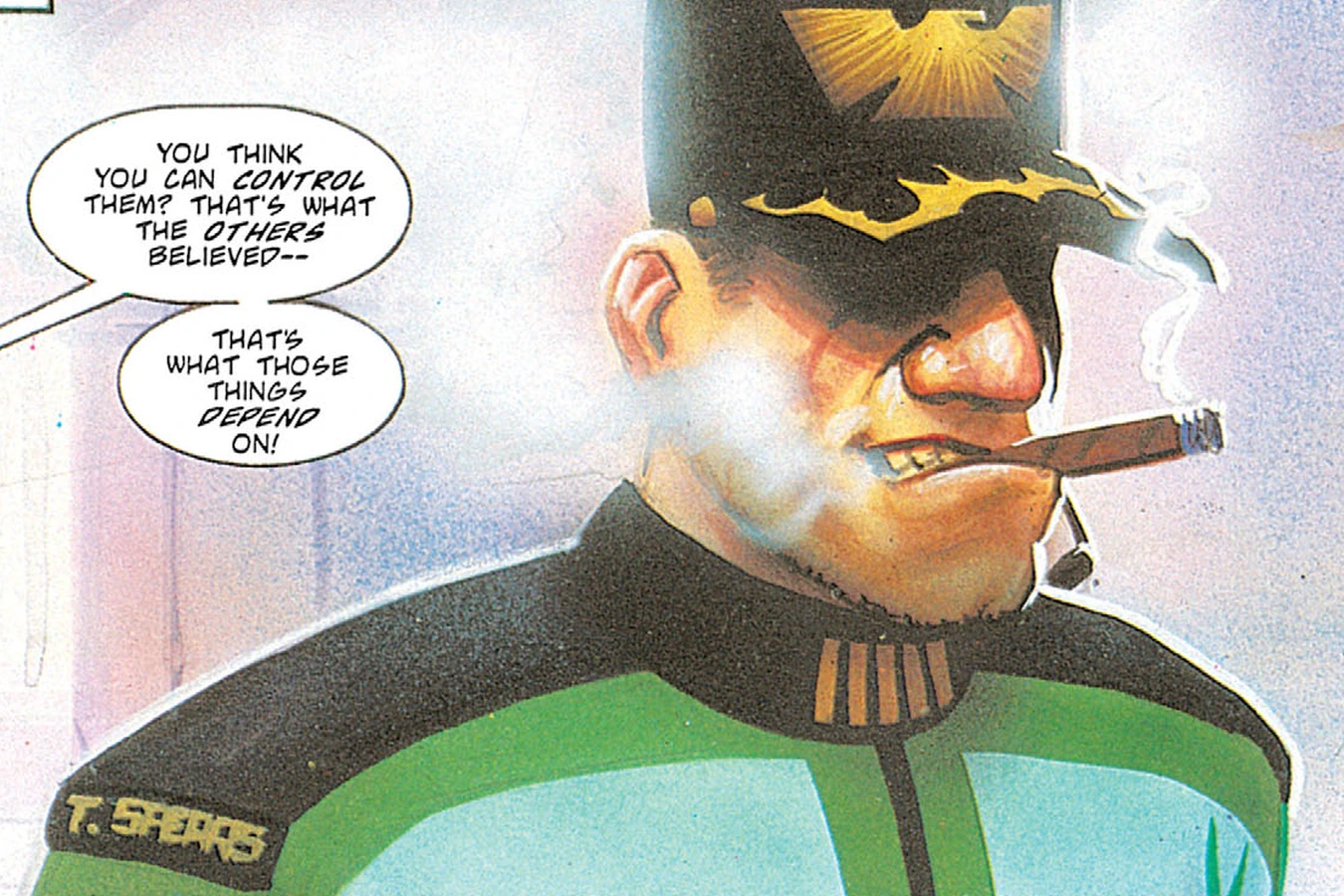
Spears commanded Third Base after the invasion had broken organized human resistance on the homeworld. His installation held living specimens, research personnel, armed troops, and equipment capable of maintaining a substantial breeding program. He believed conventional human forces had failed because they could not match the enemy's endurance and ferocity. Rather than evacuate the survivors under his command, he intended to create soldiers of the same species as the invaders. The capture and development of a Queen convinced him that Earth could still be retaken under his leadership.
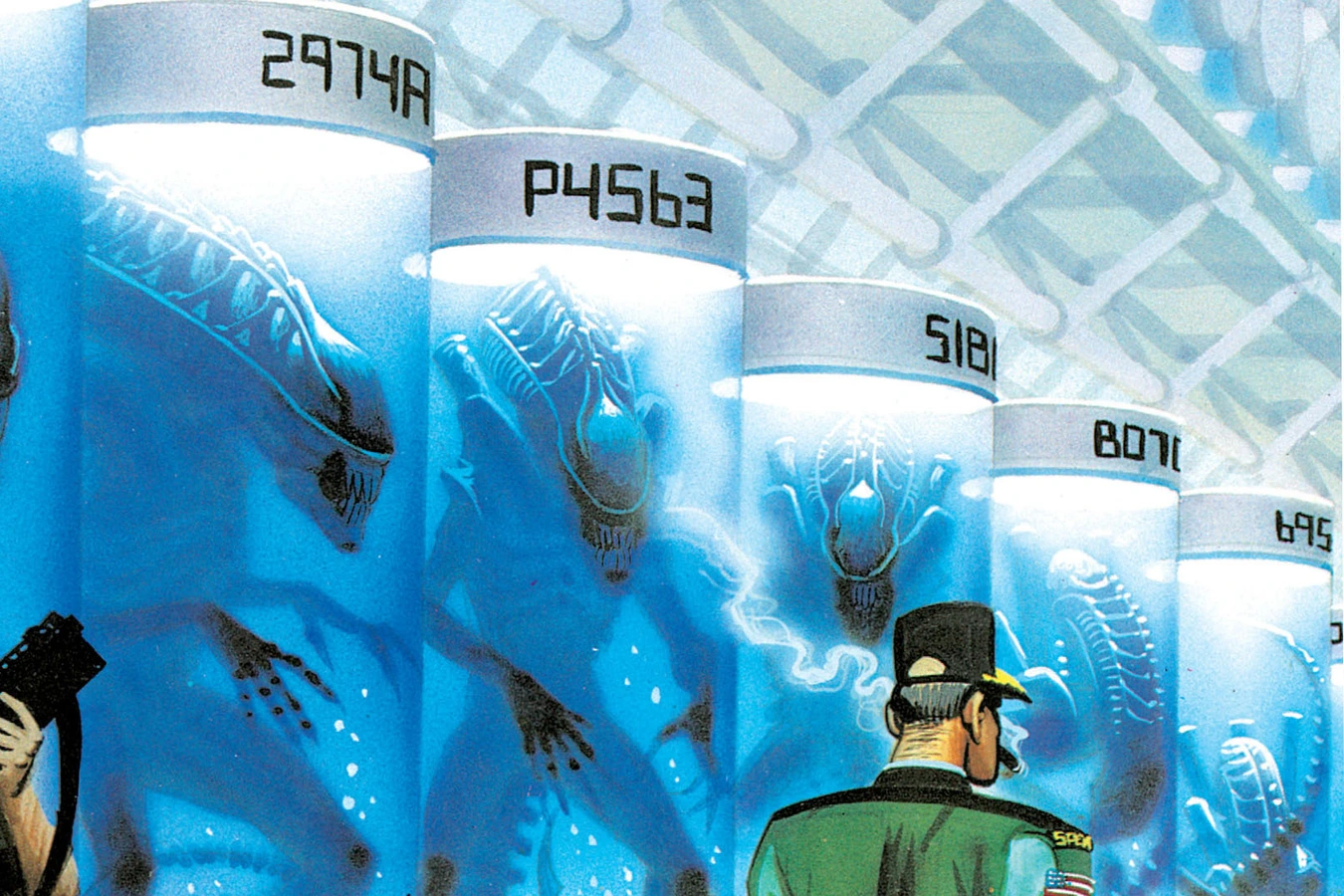
Rows of numbered containment vessels held the organisms he regarded as future troops. In the more detailed account of the program, Spears maintained over a hundred drones in chemical suspension intended to make them responsive to outside suggestion. He inspected the tanks personally and interpreted the creatures' strength as evidence of their military value. Major Eugene Powell, his first officer, observed the same activity with increasing concern. Powell began a private record of the commander's behavior because ordinary reporting at Third Base no longer offered a reliable way to challenge his decisions.
Capture Of Wilks And Billie
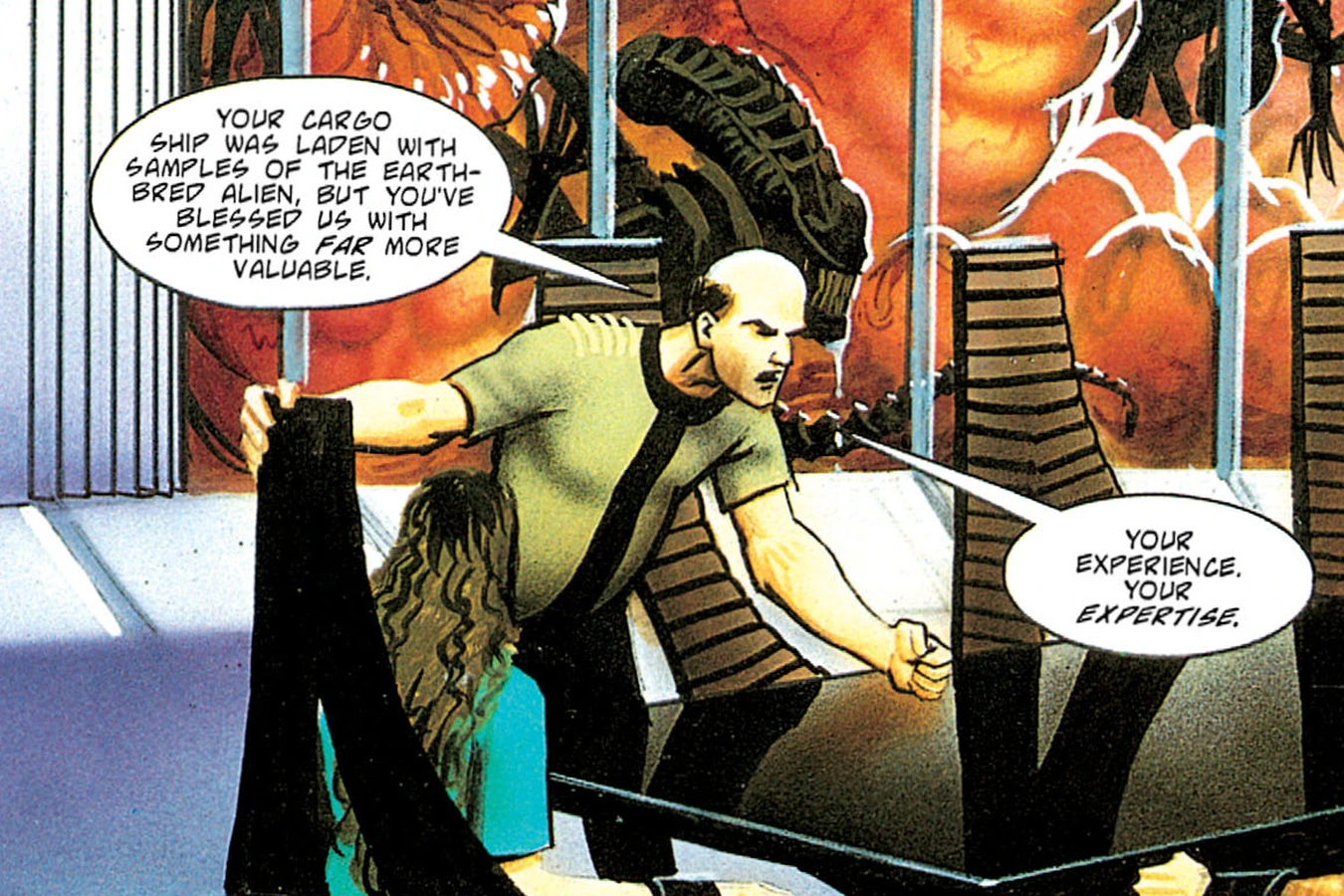
The cargo drone American, a Colonial Marine vessel, brought Wilks, Billie, and the damaged combat android Bueller to the installation after their escape in Aliens: Outbreak. Their arrival interested Spears because they had survived direct encounters with uncontrolled Xenomorphs. He initially treated the newcomers as prisoners, while his personnel assessed the infected cargo and the dead specimens aboard their ship. Their survival changed his plans for them. Instead of immediately consigning all three to the breeding chambers, he decided their knowledge could improve the army being assembled at Third Base.
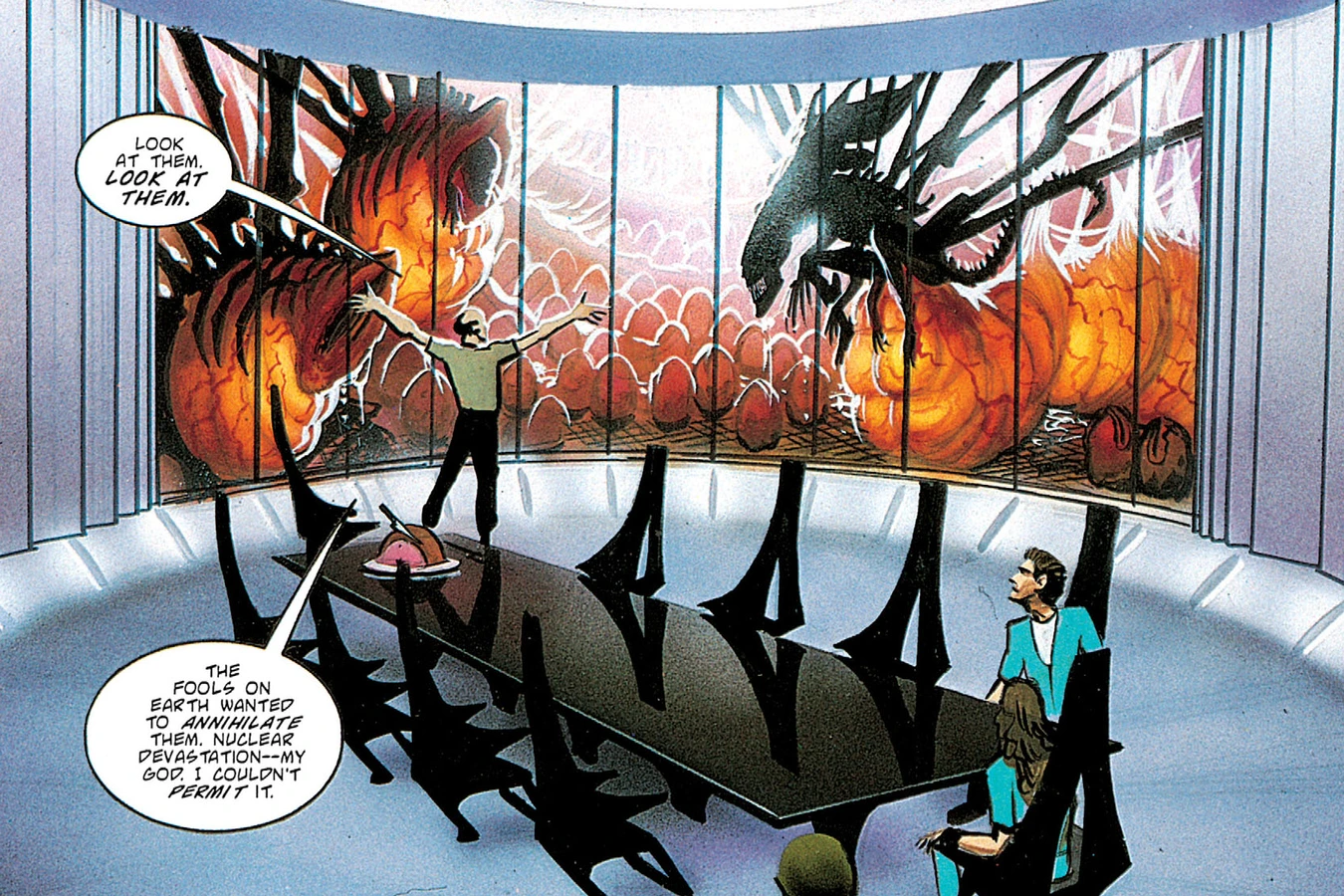
Spears entertained his prisoners at a formal meal and questioned them about their experience. Wilks and Bueller had fought the creatures, while Billie had survived an earlier colony infestation as a child. He considered their continued survival an unusual achievement and wanted practical advice rather than the simulations and reports already available to him. Wilks agreed to cooperate while privately recognizing the danger. Billie opposed the idea of tame Aliens, but the sergeant urged her to conceal her reactions because refusal would leave them exposed to the general's guards and breeding program.
Xenomorph Training Program
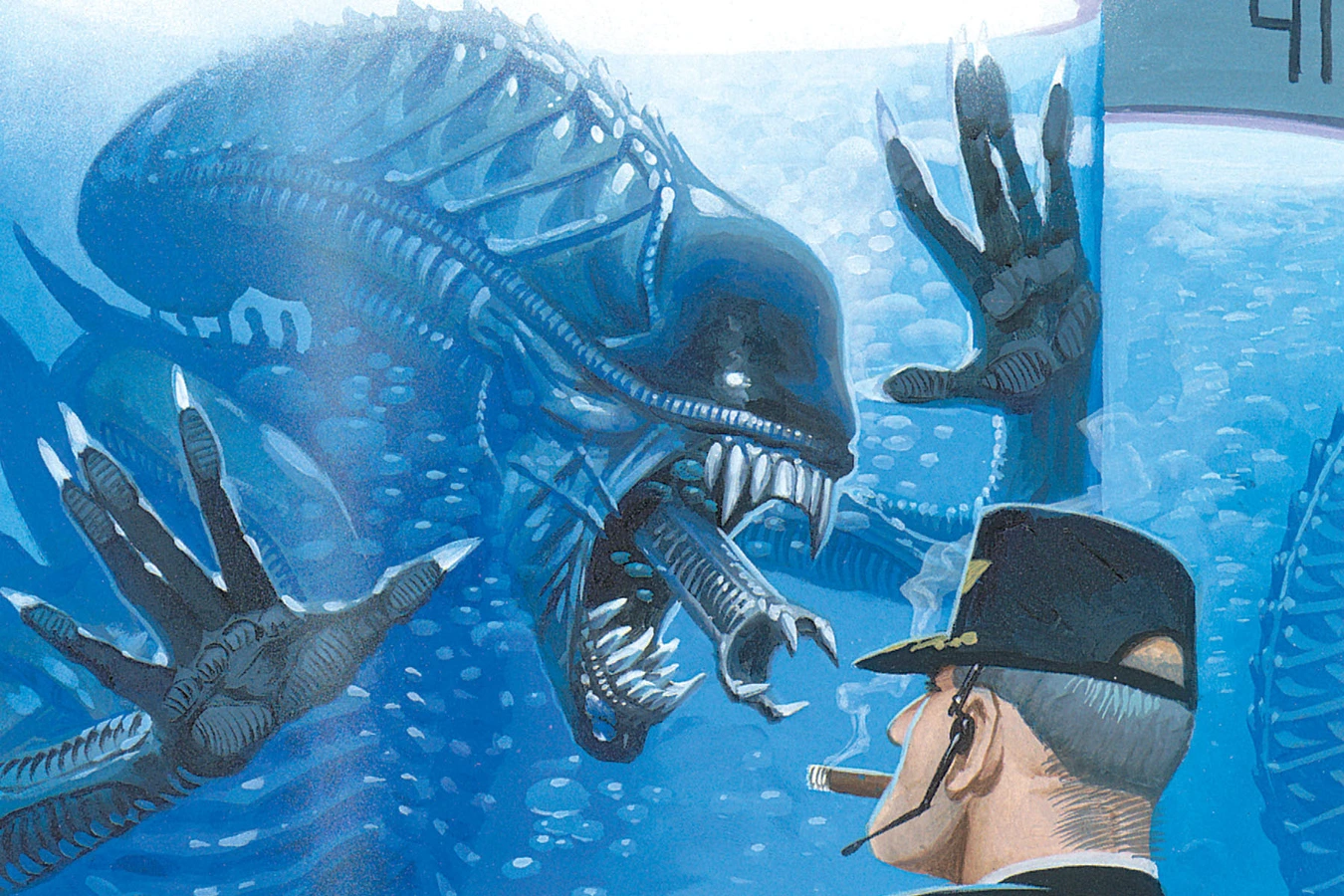
Spears viewed the Xenomorph as an ideal soldier rather than an enemy that could never accept human command. The organisms were physically powerful, persistent, and willing to die in defense of their hive. He believed those traits could be redirected through punishment, conditioning, and control of their reproductive cycle. He placed identifying numbers on the drones and treated them as members of military units. His ambition went beyond keeping specimens in confinement. He intended to deploy a disciplined force against the uncontrolled hives that had spread across Earth.
Training included close-order drill and experiments with modified M-69 machine guns. The drones could be taught to hold and discharge the weapons, although their poor accuracy left their usefulness uncertain. Spears interpreted even these limited results as progress toward an army that combined human tactics with Alien bodies. His researchers also attempted chemical conditioning, but the program's most effective coercion depended on threatening the Queen's offspring. Powell recognized that the general was becoming more interested in proving his personal authority than in establishing whether the training could survive contact with an uncontrolled hive.
Discipline And Prisoners
The breeding program depended on living hosts, and Spears supplied them from the population under his control. Prisoners, unreliable soldiers, and personnel who failed him could be transferred to the chambers holding eggs. The novel's fuller record included 168 civilian terraformers and hundreds of missing military personnel among those consumed by the project. He regarded these losses as acceptable contributions to a future victory. Powell understood that the installation was destroying the people it should have protected, while the commander continued to describe his decisions as necessary military discipline.
When Peterson, Renus, and Magruder deserted, Spears followed their movements through the base's surveillance system rather than immediately preventing their departure. They reached a civilian air-processing installation where a second hive had been established. Their attempt to escape his authority carried them into another part of his experiment. He observed the resulting deaths and treated their failure as confirmation that disobedience deserved punishment. Magruder survived long enough to appeal for help, but the general deliberately returned him to the creatures instead of offering the protection expected from his commanding officer.
Control Of The Queen
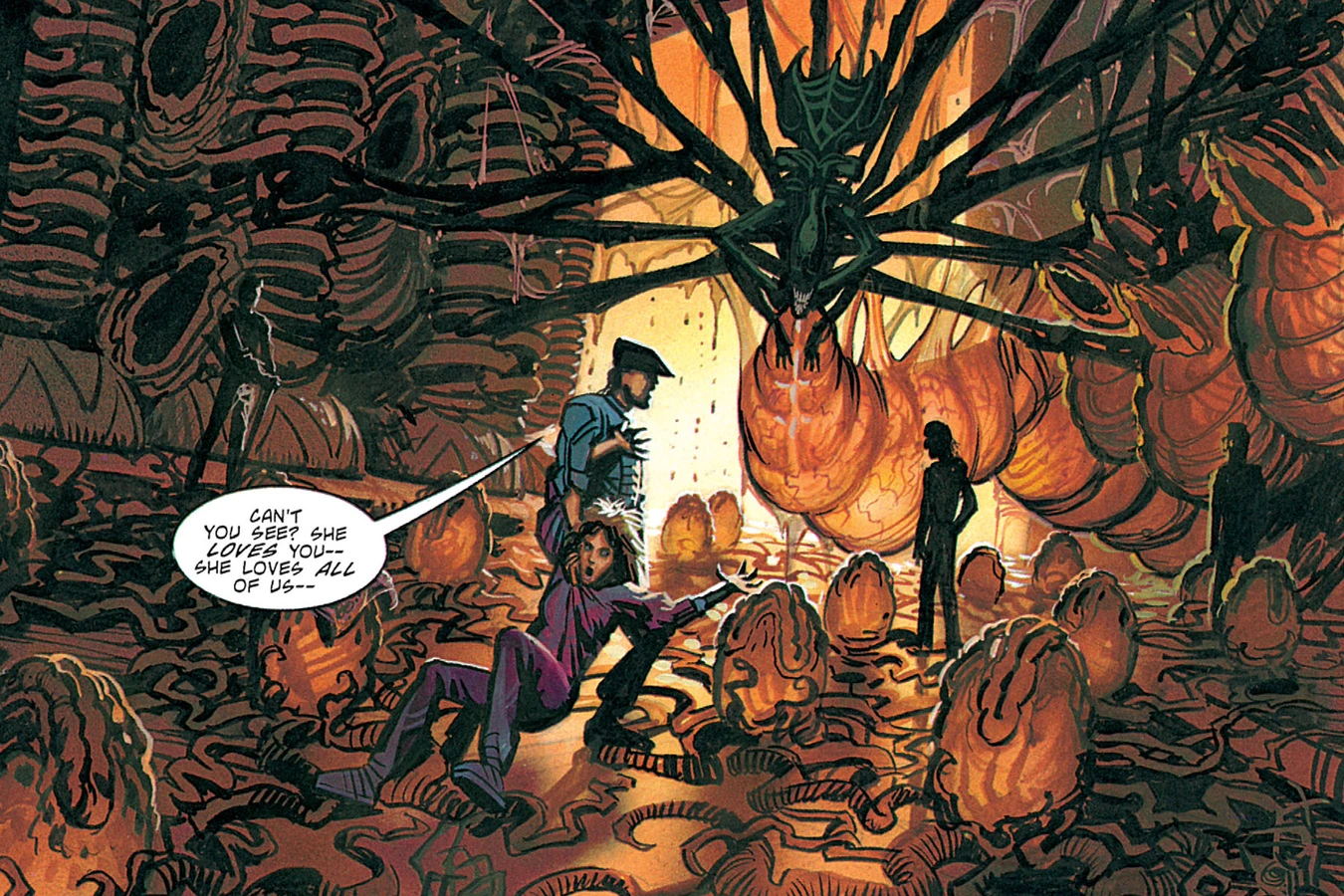
Spears used fire against the Queen's eggs to obtain obedience from the hive. She would sacrifice individual drones, but threats to her developing offspring produced the response he wanted. He extended that response into a belief that he had replaced her authority over the numbered creatures. Demonstrations involving captive humans reinforced his confidence that commands and punishment could keep the organisms under control. Third Base therefore became both a breeding installation and a training ground, with each new victim providing more troops for the campaign he expected to lead personally.
The apparent obedience did not establish loyalty to Spears or recognition of his military rank. The Queen continued to communicate with her drones and preserve her own reproductive interests. He interpreted her restraint as submission, while failing to account for the possibility that she was waiting for an opportunity to escape. His methods also gave the creatures access to weapons, host bodies, and transport equipment that could become dangerous outside their holding areas. Powell warned that the commander had misunderstood the scale of the threat, but remained reluctant to resolve the crisis by killing a superior officer.
Rebellion At Third Base
Powell eventually cooperated with Wilks to remove the general from command. A magnetic storm delayed Spears away from the installation and gave the conspirators time to interfere with communications and prepare an armed resistance. Wilks wanted decisive action before the commander could return with loyal troops and regain access to the hives. Their plans were undermined by the general's surveillance and contingency preparations. In the expanded account, Spears sent a decoy aircraft ahead, returned aboard an unrecorded vessel, and used concealed approaches and remote controls to bypass the defenses arranged against him.
The fighting allowed Xenomorphs to spread through occupied areas while soldiers turned their weapons against one another. Spears used an armored vehicle and flame to force a passage through the installation and recover control over his numbered drones. He treated the uprising as treason rather than evidence that the breeding program had failed. Powell died during the escape attempts, and Bueller remained behind as the base fell to the creatures. The general's response was not to organize a rescue, but to prepare the army and transports needed for the operation that still dominated his plans.
Departure From Third Base
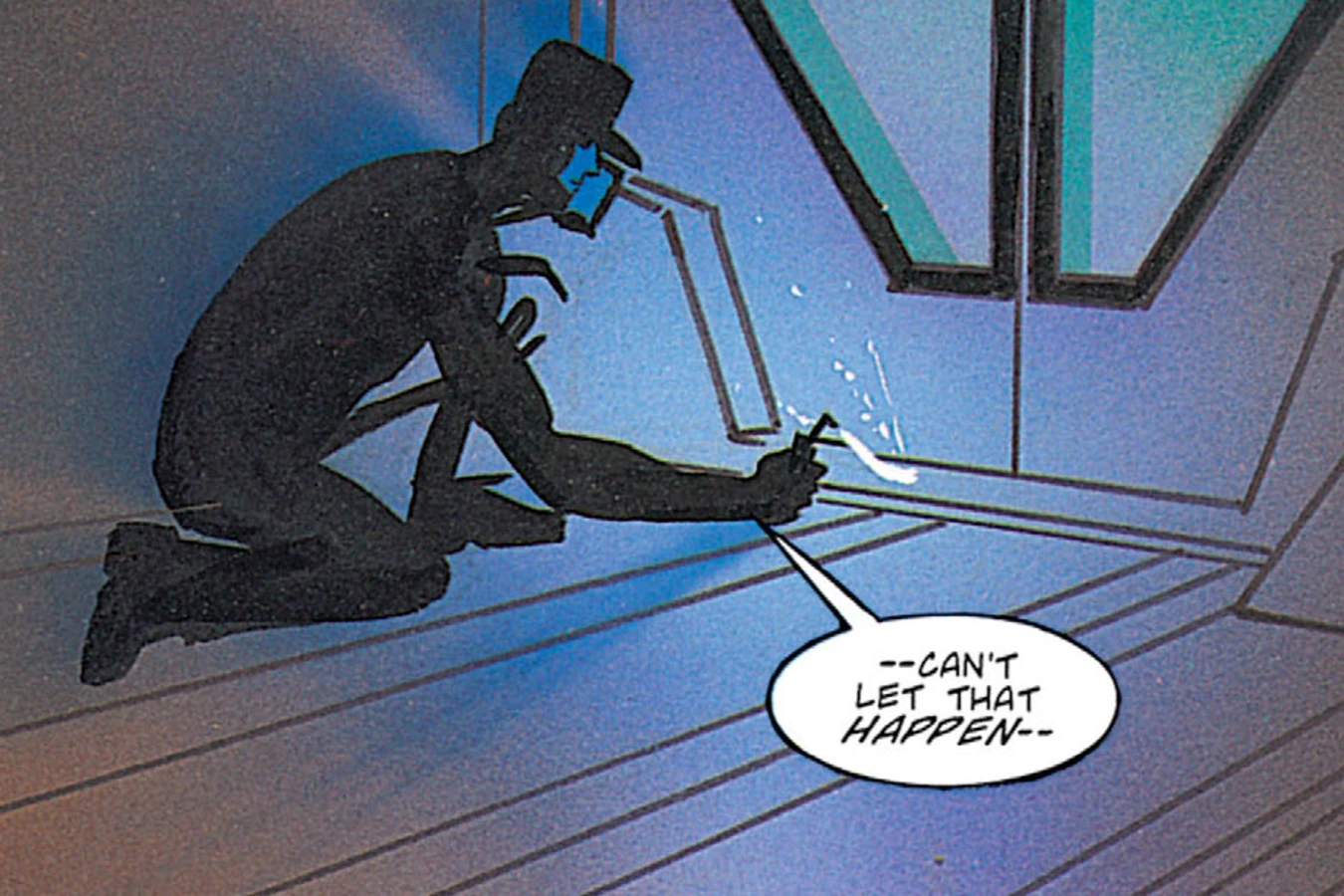
Spears abandoned the people who had served him and departed with the organisms he considered his real army. He had arranged the ships so that human personnel could not simply follow and challenge his command. In the novel's account, the command ship Jackson controlled the MacArthur, which carried the Queen and numbered drones. He destroyed the engines of the vessels left behind, including the Grant, where his loyal Marines had been ordered to assemble. Wilks and Billie escaped aboard the cargo transport without providing the general with the compliant crew he had rejected.
The surviving stowaways remained a threat to Spears during the flight toward Earth. He interfered with their access to ship systems and attempted to isolate them from the parts of the vessel he controlled. The novel described Wilks and Billie crossing between the transports in spacesuits and becoming trapped behind a welded pressure door. Wilks eventually claimed to have linked grenades to essential equipment, threatening the army unless they received an escape pod. Spears accepted the apparent bargain, then discovered that the explosives were a bluff after the two survivors had already left.
Return To Earth
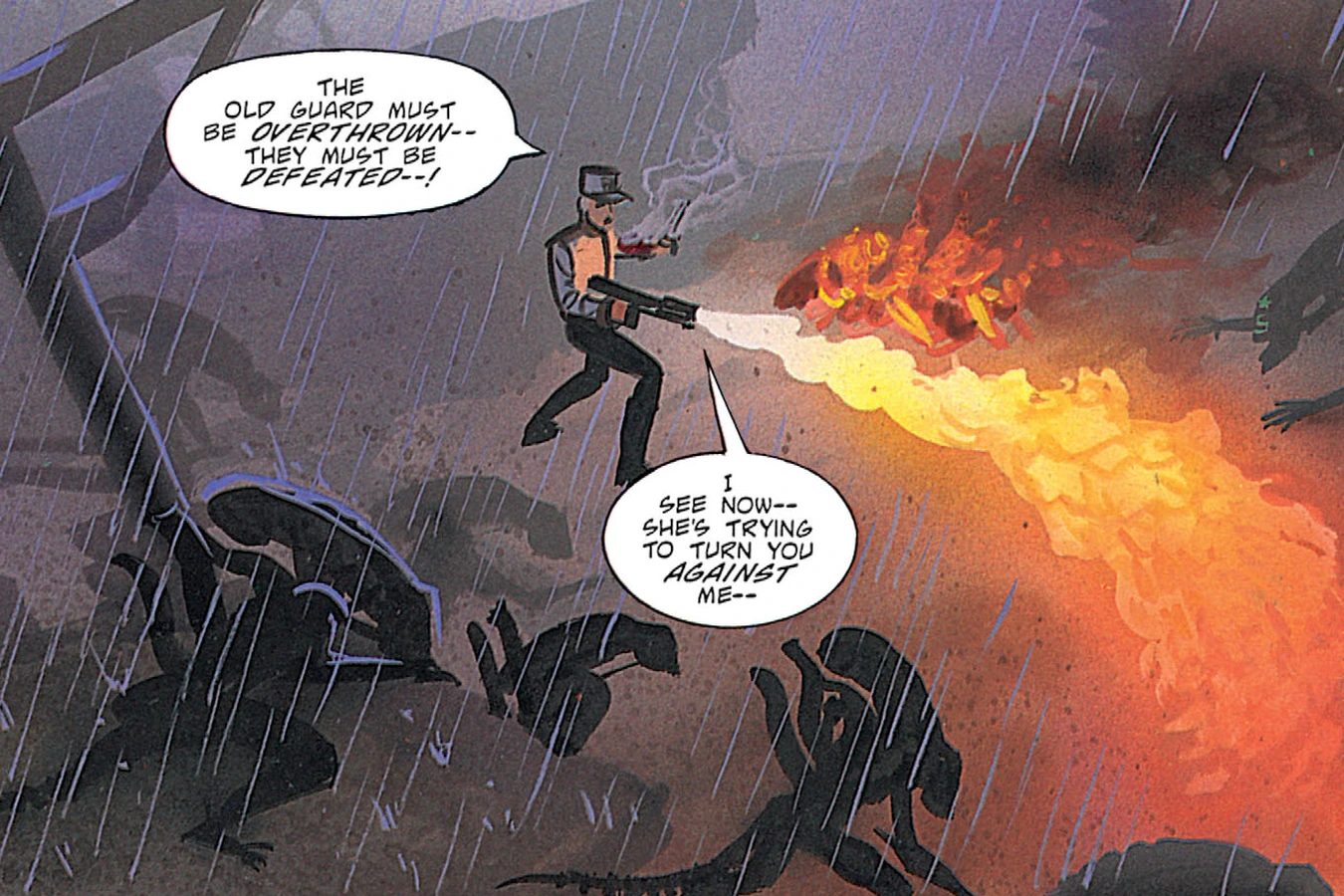
Spears returned to the homeworld expecting a successful demonstration of the army he had built. He prepared his uniform, weapons, and sword for the landing and intended the operation to be recorded as a military achievement. The novel placed the landing in the former Natal region of South Africa, near a wild hive and beneath a storm front. Rain and lightning did not persuade him to delay. He believed the numbered drones would follow his orders against other members of their species and establish the beginning of a human reconquest.
On the ground, Spears ordered his troops into formation and directed them to attack. Their refusal exposed the difference between temporary restraint in captivity and obedience in battle. He struck Number 15 with his sword when it failed to follow a direct command, and the creature's blood damaged the blade. He then used his firearm as the situation deteriorated around him. The general blamed the Queen for interfering with his authority and tried to reassert the threats that had worked at Third Base, even though he no longer controlled the circumstances that made those threats effective.
Death
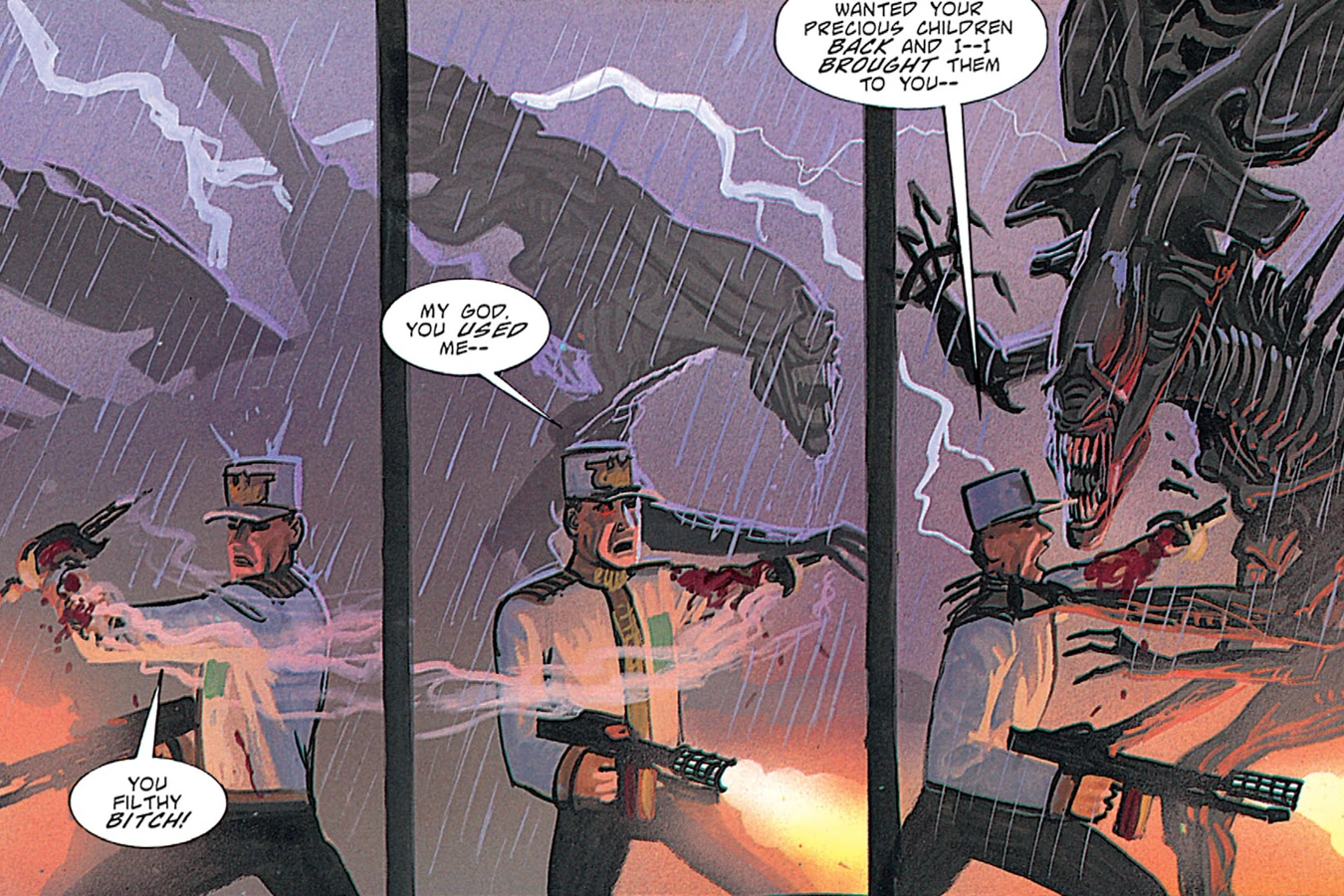
In the comic account, Spears fired into the surrounding creatures and demanded that they recognize him as their commander. The Queen closed on him and drove her inner jaws into his head while he continued trying to direct the others. Fire consumed the landing area, the flag, and the numbered organisms around him. His attempt to reclaim the planet ended without establishing a human foothold. The surviving observers associated with Gateway Station lost the transmission from the landing, leaving the general's supposed victory as another failed operation on an infested Earth.
The novel account described the Queen killing him differently. Her drones opened the cage in which she had traveled, and Spears attempted to control her with the flame from his cigar lighter. She knocked the lighter aside, lifted him from the ground, and ignored his orders to the surrounding soldiers. She then tore his head from his body and dropped the remains beside the ship. Wilks and Billie watched the broadcast from safety, while the general's last realization was that the control he believed he possessed had never been secure.
Behind The Scenes
General Spears appeared in the Aliens sequel written by Mark Verheiden and painted by Den Beauvais, originally published in 1989 and 1990 and later titled Nightmare Asylum. Steve Perry's 1993 novel expanded the commander into Thomas A.W. Spears, explaining his artificial-womb background, military childhood, personal trophies, and private ambitions. The uniform identification T. Spears in the comic was compatible with that expanded name. His identity was not replaced when the survivors around him were renamed, so the general remained Spears across the original comic, revised editions, and novelization.
The revised continuity used Wilks, Billie, and Bueller in place of Hicks, Newt, and Butler. Those revised names appeared in the 2007 omnibus and Perry's novel, while later Original Years reprints restored the earlier identities. This biography uses the revised names consistently rather than treating the renamed survivors as separate members of Spears's command. The two accounts also differ in the escape's detail and the general's death. The novel describes the Queen tearing his head off, whereas the comic shows her inner-jaw attack before the landing is consumed by fire.
Conclusion
The campaign of General Spears ended with the failure of the control he believed he had established over his alien soldiers. His breeding program at Third Base consumed prisoners and Marines, while his return to Earth placed him among creatures whose loyalty depended on a deception he did not understand. Both the comic and novel brought his command to a violent end at the hands of the Queen. His military upbringing and personal ambition explained his confidence, but neither protected him from the army he had created.
Appearances
- Aliens: Nightmare Asylum (comic, 1989-1990)
- Aliens: Nightmare Asylum (novel, 1993)
Tag Categories: Alien Universe Characters | Colonial Marine Characters | Alien Lore