Aliens vs. Predator: Extinction (2003): Full Game Overview

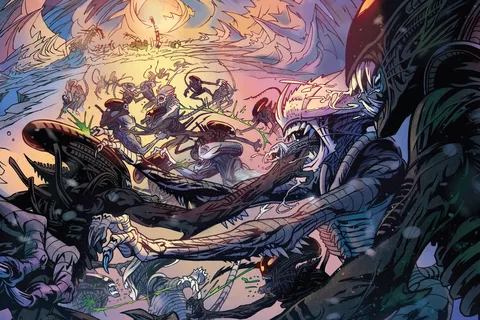
Aliens vs. Predator: Extinction, also written as Aliens versus Predator: Extinction, is a real-time strategy game developed by Zono and co-published by Electronic Arts and Fox Interactive. Released in 2003 for the PlayStation 2 and Xbox, it remains one of the only console RTS titles in the franchise and one of the few games to let players command full Colonial Marine, Xenomorph, and Predator armies rather than a single soldier. The story unfolds on the resource-rich world LV-742, where a dormant hive, a rival Yautja clan, and Weyland-Yutani experiments escalated into a three-way war. It still ranks highly on our best Alien games and best Predator games lists despite its dated graphics and awkward console controls.
Game Overview
Aliens vs. Predator: Extinction plays from a top-down real-time strategy perspective with three separate single-player campaigns of seven missions each. Each faction gathers resources, breeds or builds units, upgrades abilities, and uses terrain to survive escalating battles against the other two species. The Marine campaign emphasizes combined-arms squads and orbital support, the Alien campaign focuses on infestation, hive growth, and capturing hosts, and the Predator campaign delivers small elite war parties with cloaking, trophies, and shrine-based technology.
Visually, the game borrowed the orange-shouldered Marine look and slightly stylized character proportions from Monolith's Aliens vs. Predator 2, even though its gameplay was entirely different from the PC shooters that defined most of the series. That cartoon-adjacent presentation aged quickly, but the faction asymmetry and mission structure still make Extinction one of the more distinctive entries in the crossover lineup.
Plot Summary
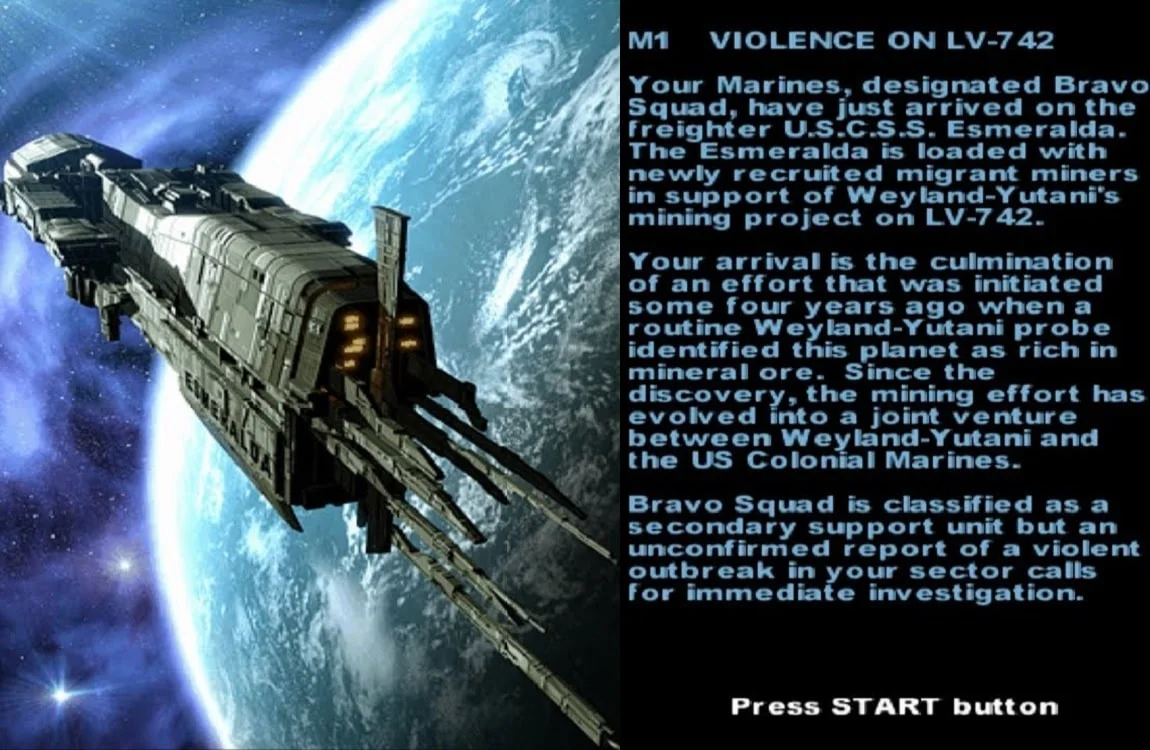
The conflict on LV-742 began when human colonists discovered a dormant Xenomorph hive beneath the planet's surface. The initial settlement was overrun, and later Colonial Marine reinforcements from the USCSS Esmeralda failed to contain the outbreak for long. As Bravo Squad fought through jungles, deserts, and research installations, a Poacher clan of Yautja arrived to hunt both humans and Xenomorphs while competing for favor from the Council of Ancients on Yautja Prime.
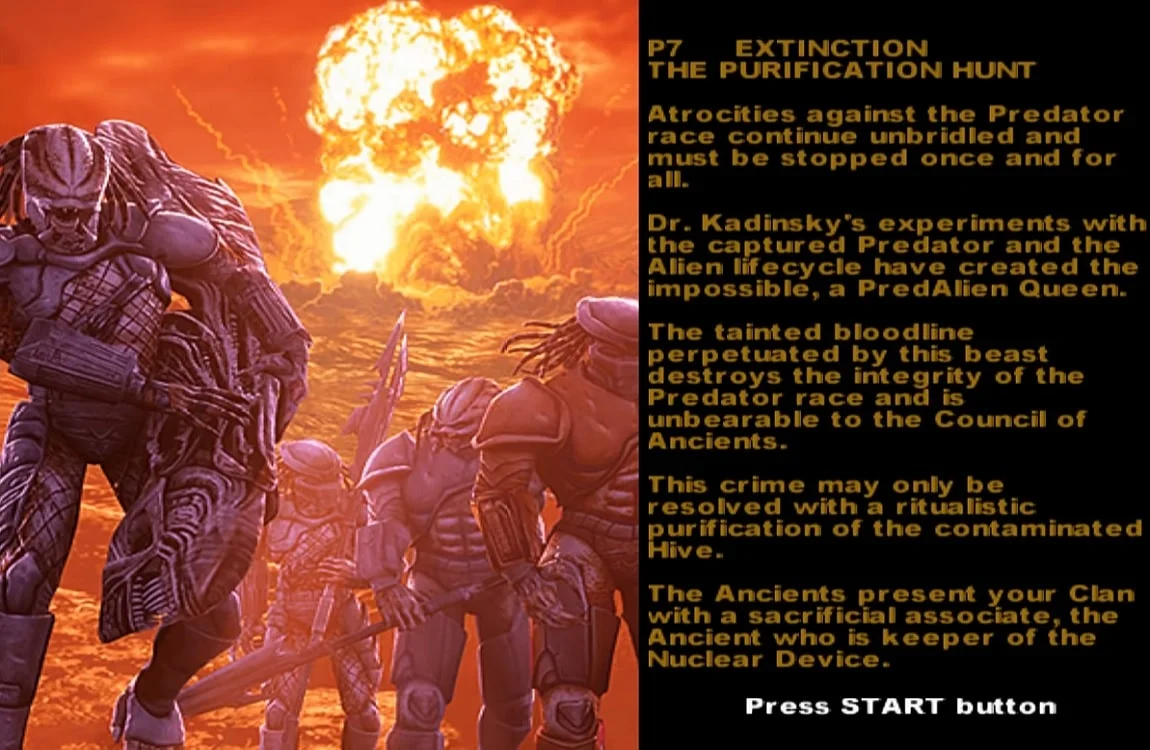
Weyland-Yutani scientist Dr. Kadinsky soon escalated the war by creating the gold-skinned K-Series Xenomorphs, a genetically engineered strain bred to rival the pure hive. His experiments culminated in a Predalien Queen created by splicing Yautja DNA into a captive Xenomorph Queen, an abomination that drew the full attention of the Council of Ancients. The Alien campaign ended with the original hive exterminating the K-Series, the Marine campaign followed Bravo Squad's attempt to contain LV-742 from orbit, and the Predator campaign concluded with military-caste hunters destroying the contaminated Queen and both rival factions.
Key Characters And Factions
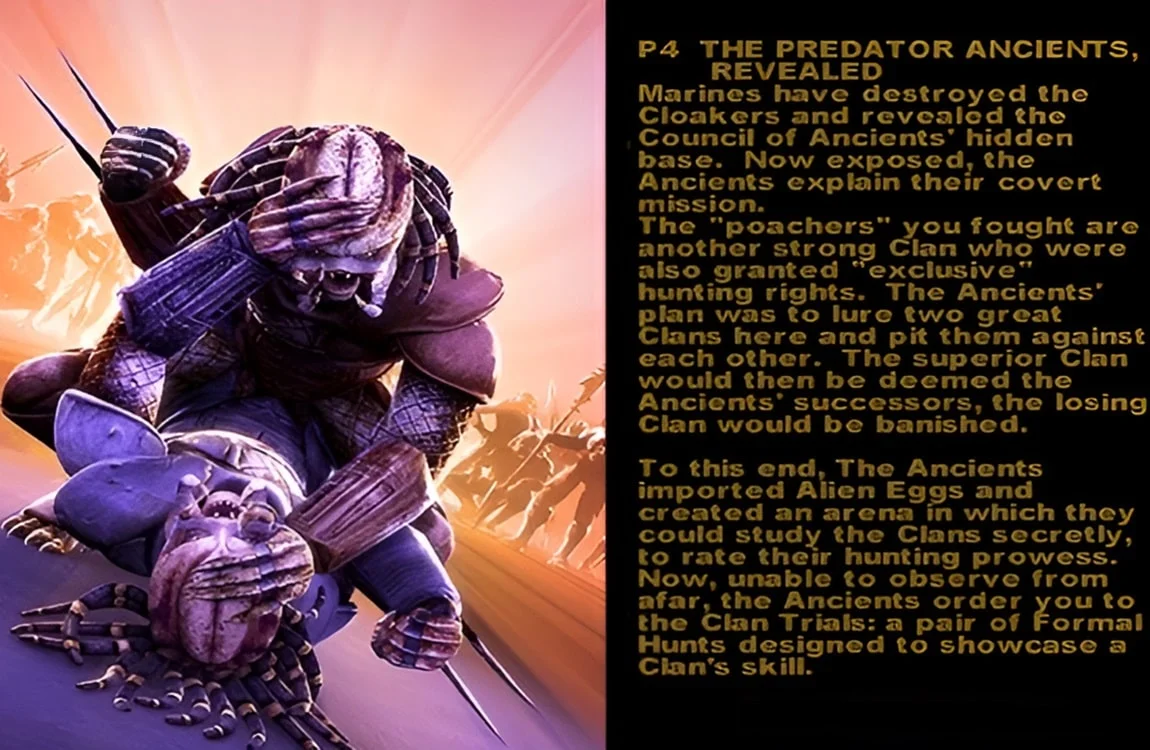
Extinction is driven by faction leaders and unit archetypes rather than a large cast of named film characters.
- Bravo Squad - The Colonial Marine fireteam deployed from the USCSS Esmeralda to contain the LV-742 infestation.
- Dr. Kadinsky - The Weyland-Yutani scientist who bred the K-Series Xenomorphs and created the Predalien Queen.
- The Poacher Clan - A rival Yautja faction, also called the Rival Clan, competing for hunting rights on LV-742.
- The Council of Ancients - The ruling authority on Yautja Prime that intervened after Kadinsky's experiments.
- The Pure Hive Queen - The original LV-742 Xenomorph monarch whose brood fought to purge the K-Series strain.
- The Predalien Queen - Kadinsky's hybrid monarch, later hunted as an insult to Yautja biology.
- Hydra and Blazer Predators - Heavy military-caste hunters sent to LV-742 once the conflict became a full-scale war.
LV-742 And The Esmeralda
LV-742 was a frontier world valued for its minerals, varied environments, and long history as a Predator hunting ground. Maps ranged from jungle and tropical zones to desert canyons, caves, and Weyland-Yutani laboratories hidden near the original hive. That mix gave each campaign a different tactical feel even though all three species fought over the same battlefields.
The USCSS Esmeralda served as the Marines' orbital base throughout the war, deploying Bravo Squad, resupplying forces with dropships, and supporting ground teams with the experimental AURORA laser targeting system. The ship's role made Extinction an important reference point for Colonial Marine ships in game lore, even though the vessel itself was otherwise a standard Conestoga-class warship.
The Three Campaigns
Each campaign contains seven missions with rising unit counts, tougher enemy compositions, and more complex objective chains. The Marine missions task players with holding colonies, escorting synthetics, destroying hive zones, and surviving Predator ambushes while managing medics, heavy weapons specialists, and APC support. The Alien missions begin with a small brood, force the player to infest captured humans and animals, and later require direct war against both the K-Series and Predator strike teams. The Predator missions start with the Poacher clan's trial hunts before the Council of Ancients deploys larger military forces to destroy Kadinsky's lab and the Predalien Queen.
Because the campaigns tell the same war from three angles, Extinction offers one of the clearest three-way AvP conflicts in licensed fiction. The structure resembles a compact version of the interconnected storytelling Monolith pushed further in AvP 2, but with strategy gameplay instead of first-person action.
K-Series Xenomorphs And Dr. Kadinsky
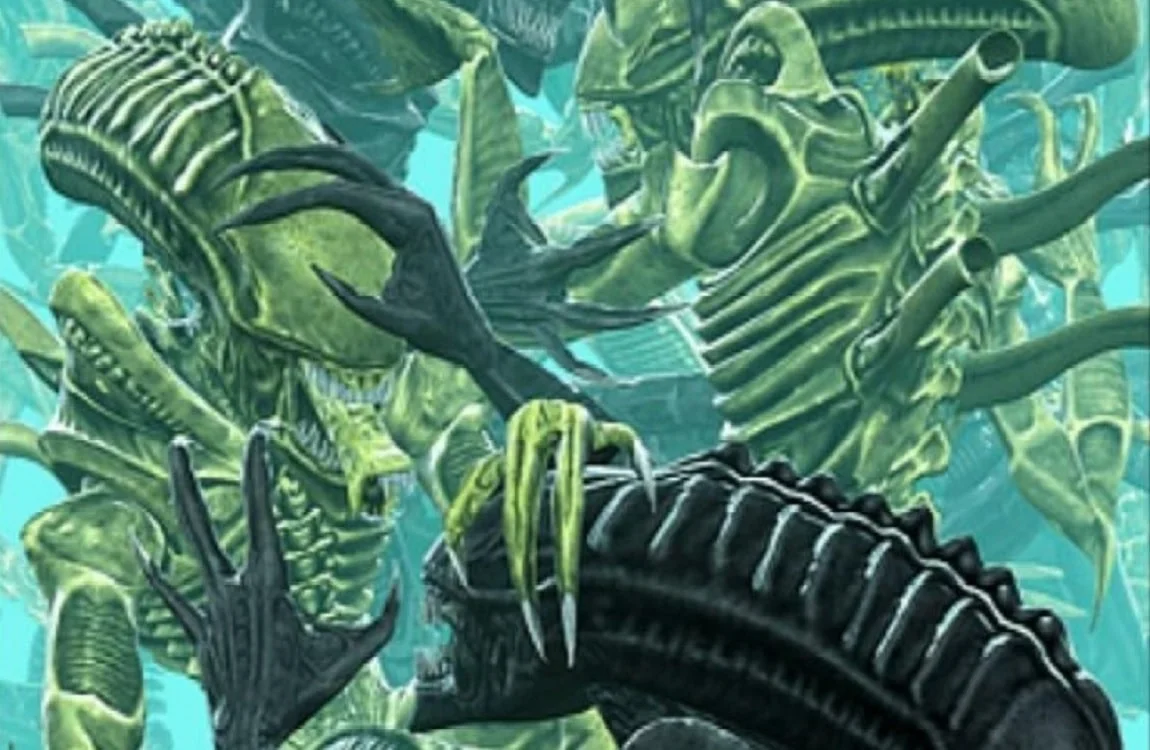
Dr. Kadinsky's hidden Weyland-Yutani program produced the K-Series, a gold- and silver-skinned Xenomorph strain bred to surpass the pure hive on LV-742. These creatures included their own Queen and Praetorians, and they became the central threat of the Alien campaign's second half. The pure hive treated them as an intolerable genetic corruption and ultimately exterminated the entire K-Series brood.
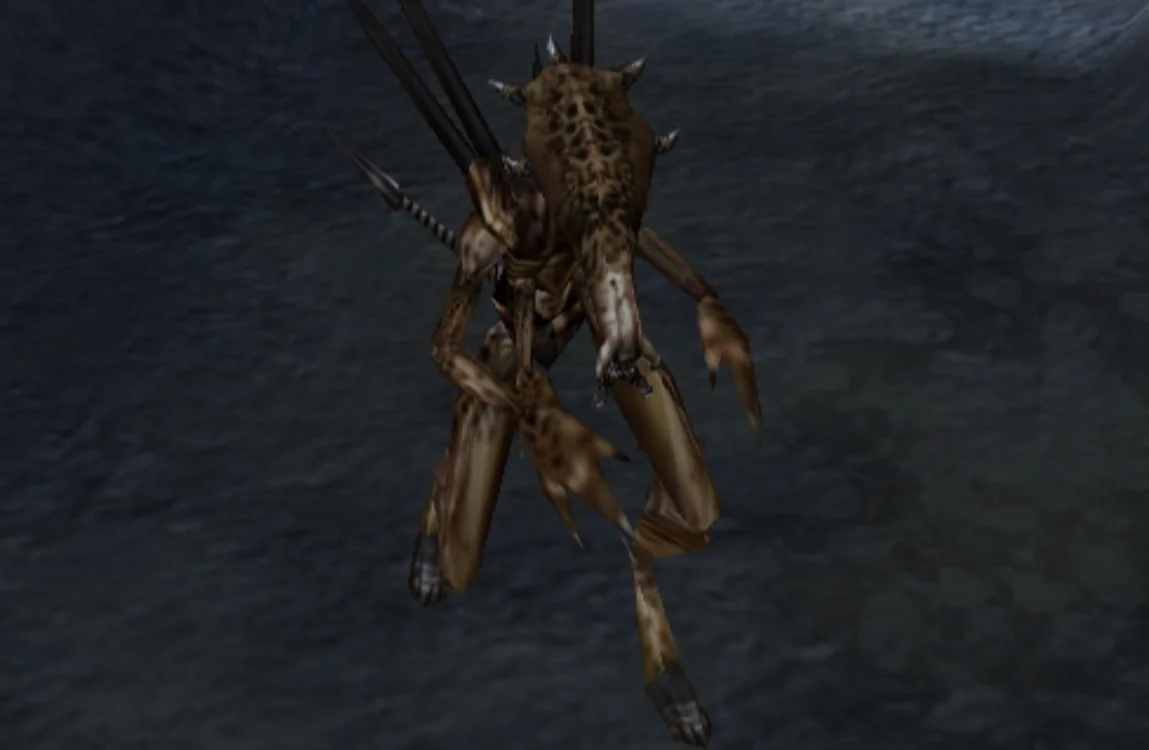
Kadinsky's greatest crime in Yautja eyes was the Predalien Queen, a hybrid monarch created through direct DNA splicing rather than natural host impregnation. The creature became one of the most important Predaliens in expanded lore and triggered the full-scale Extinction War on LV-742. A few escaped K-Series specimens were hunted down afterward, cementing the strain as a failed rival to the pure Xenomorph brood seen in Xenomorph types and Xenomorph hybrids.
Xenomorphs, Predators, And Marine Units
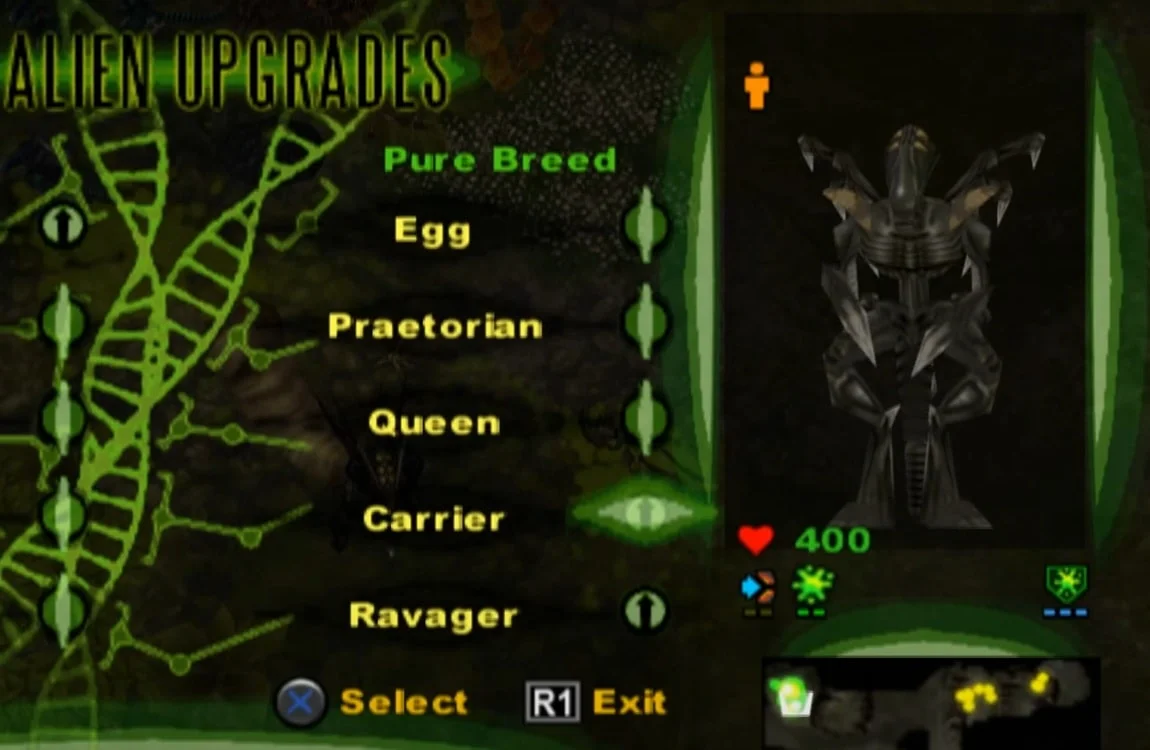
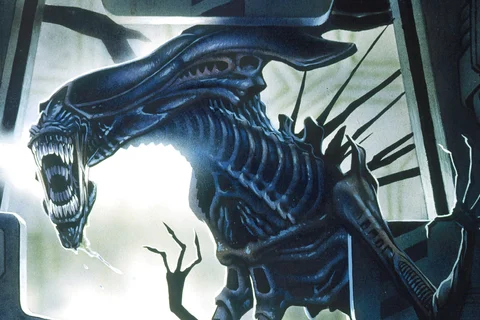
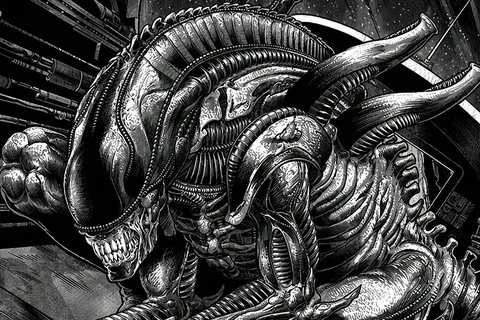
The Alien faction revolves around infestation and evolution. Players begin with Drones and Warriors, then unlock Praetorians, Carriers that launch Facehuggers, Predalien warriors, and finally the Queen herself. Carriers in particular made Extinction the first Alien game to emphasize kidnapping hosts and growing an army through capture on a strategic scale.
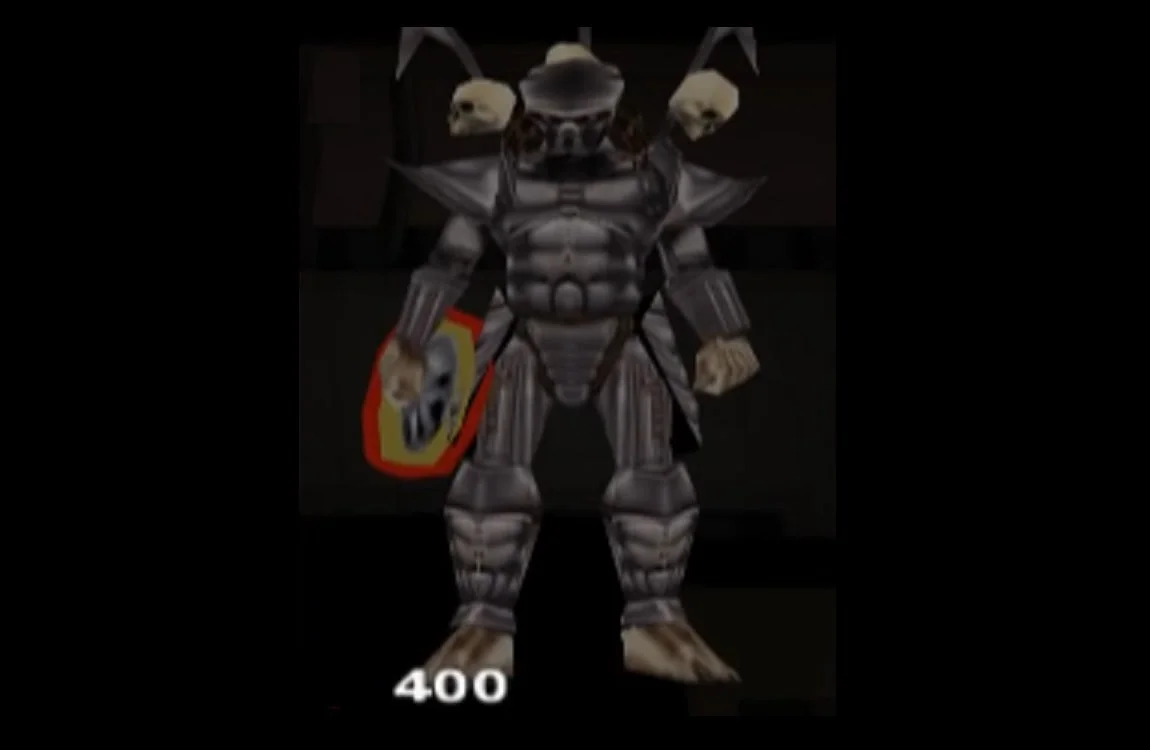
The Predator roster introduced several classes that later became fan favorites, including the Stalker, Brawler, Spear Master, Hunter, and Disc Master. Late-game missions add the heavily armed Hydra and Blazer units, while shrine structures and Predator vehicles such as the Pred-Gun give the faction a unique base-building loop. Marines field pulse-armed infantry, synthetics, flamethrower teams, and M57 Smartgunners tied to the broader Colonial Marine weapons arsenal.
Gameplay And Features
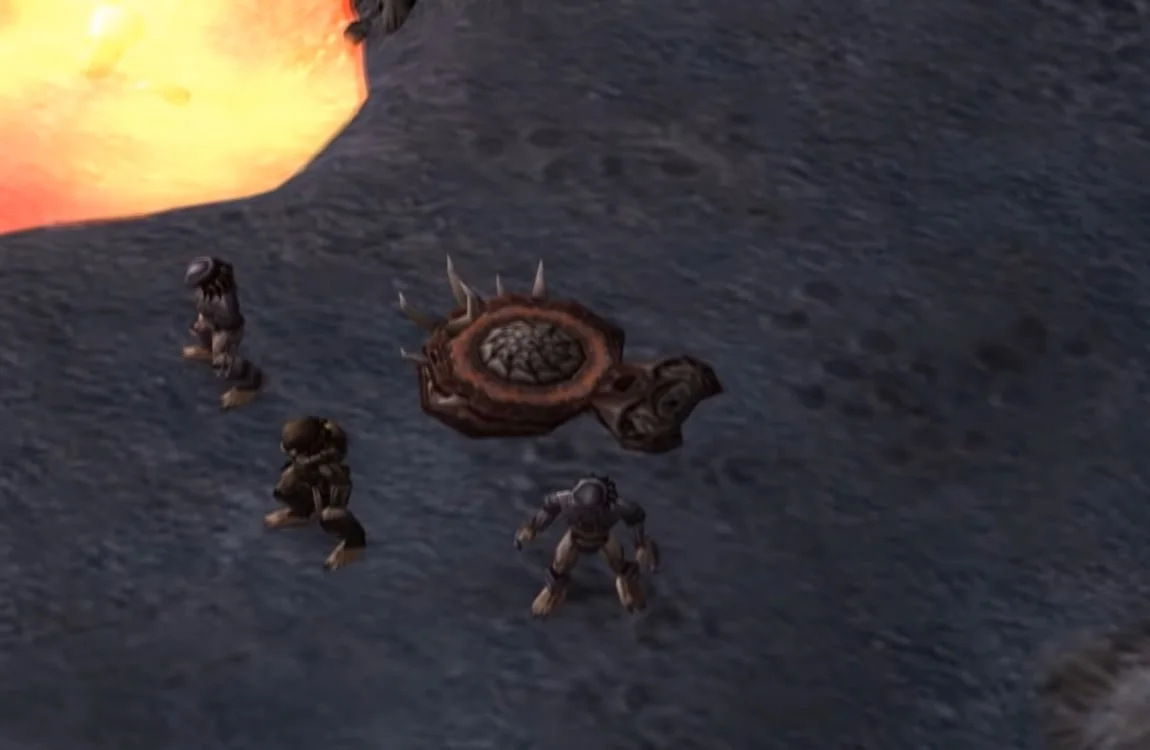
Extinction uses classic RTS mechanics adapted to a console controller, including unit selection, waypoint orders, resource collection, and structure building. Each species upgrades its forces through mission progression rather than a sprawling tech tree, keeping the campaigns focused but limiting long-term replay depth. Predators rely on honor thresholds and trophy mechanics, Aliens depend on hosts and hive expansion, and Marines use dropship reinforcement timers and orbital strikes from the Esmeralda.
The control scheme was the game's biggest weakness. Real-time strategy on PlayStation 2 and Xbox never felt as precise as mouse-driven PC strategy games, and Extinction suffered from that limitation more than most genres would. Even so, commanding a growing Xenomorph hive or a cloaked Predator strike team remained satisfying, and the three campaigns offered far more asymmetry than most licensed console titles of the era.
Alien Timeline Placement
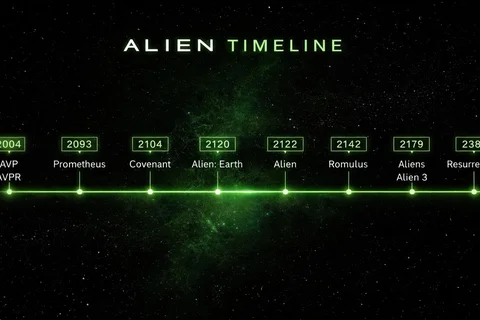
Aliens vs. Predator: Extinction is generally treated as expanded-universe material set long after the core Alien films. LV-742, the Esmeralda deployment, and Kadinsky's open Xenomorph experimentation place it in the same loose continuity family as AvP 2, AvP Classic, and the crossover comics. The game does not tie directly into Ripley's story, but its K-Series conflict and Predalien Queen became recurring references in later lore articles.
Because none of the film canon acknowledges LV-742 or Kadinsky's program, Extinction occupies the same optional expanded-universe space as many other AvP games. That has not stopped the K-Series, Poacher clan, Predalien Queen, and Extinction War from becoming some of the most cited game-original elements in the franchise.
Development
Zono developed Aliens vs. Predator: Extinction after years of work on licensed action games, taking the franchise in a direction none of the major PC studios had attempted. Fox Interactive handled the Alien vs. Predator license while Electronic Arts published the console release, placing the title alongside EA's broader early-2000s genre experiments. The team leaned heavily on AvP 2's visual tone while designing entirely new strategy systems for each species.
The decision to keep the game console-exclusive proved controversial almost immediately. Strategy fans wanted a PC port with mouse controls, but Extinction never received one, leaving PlayStation 2 and Xbox as its only platforms. No expansion followed, so the base twenty-one-mission campaign remains the complete package.
Release And Reception
Aliens vs. Predator: Extinction launched in April 2003 for PlayStation 2 and May 2003 for Xbox. Critics praised the three-faction concept, faction-specific mechanics, and faithfulness to Alien and Predator unit fantasies, but many reviews criticized the clumsy controls, dated presentation, and steep difficulty spikes. Over time it became a cult favorite rather than a mainstream hit, especially among fans who wanted a true three-way AvP strategy game.
The game has aged visually, yet its design still stands out because no later title replicated its format. Rebellion returned to three-campaign shooters in AvP 2010, while later Alien games moved toward survival horror or co-op action, leaving Extinction as the franchise's only real-time strategy entry.
Legacy
Extinction remains the franchise's only RTS: Marine, Xenomorph, and Predator armies on LV-742, including the Predalien Queen, K-Series, and the USCSS Esmeralda. Console controls dated fast. No remaster followed, and later AvP games went back to shooters.
External Sources
Tag Categories: Alien Games | Alien Vs Predator Games | Predator Games | Alien Merchandise