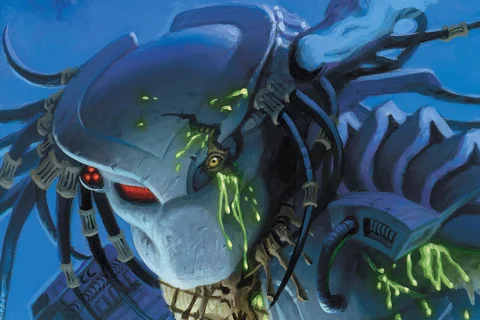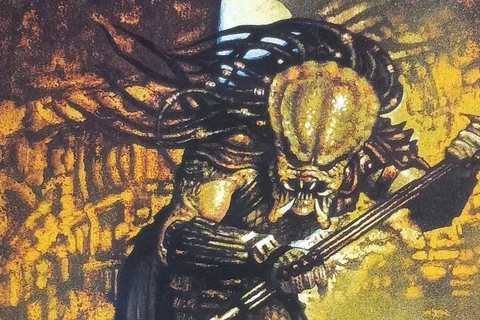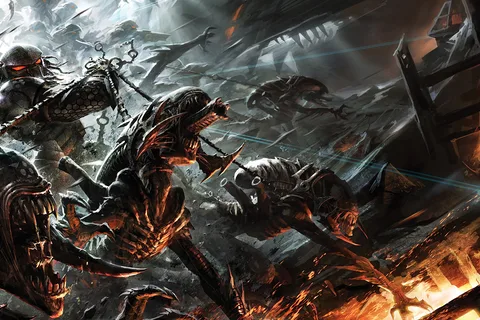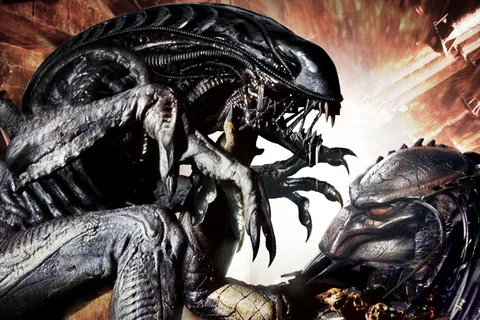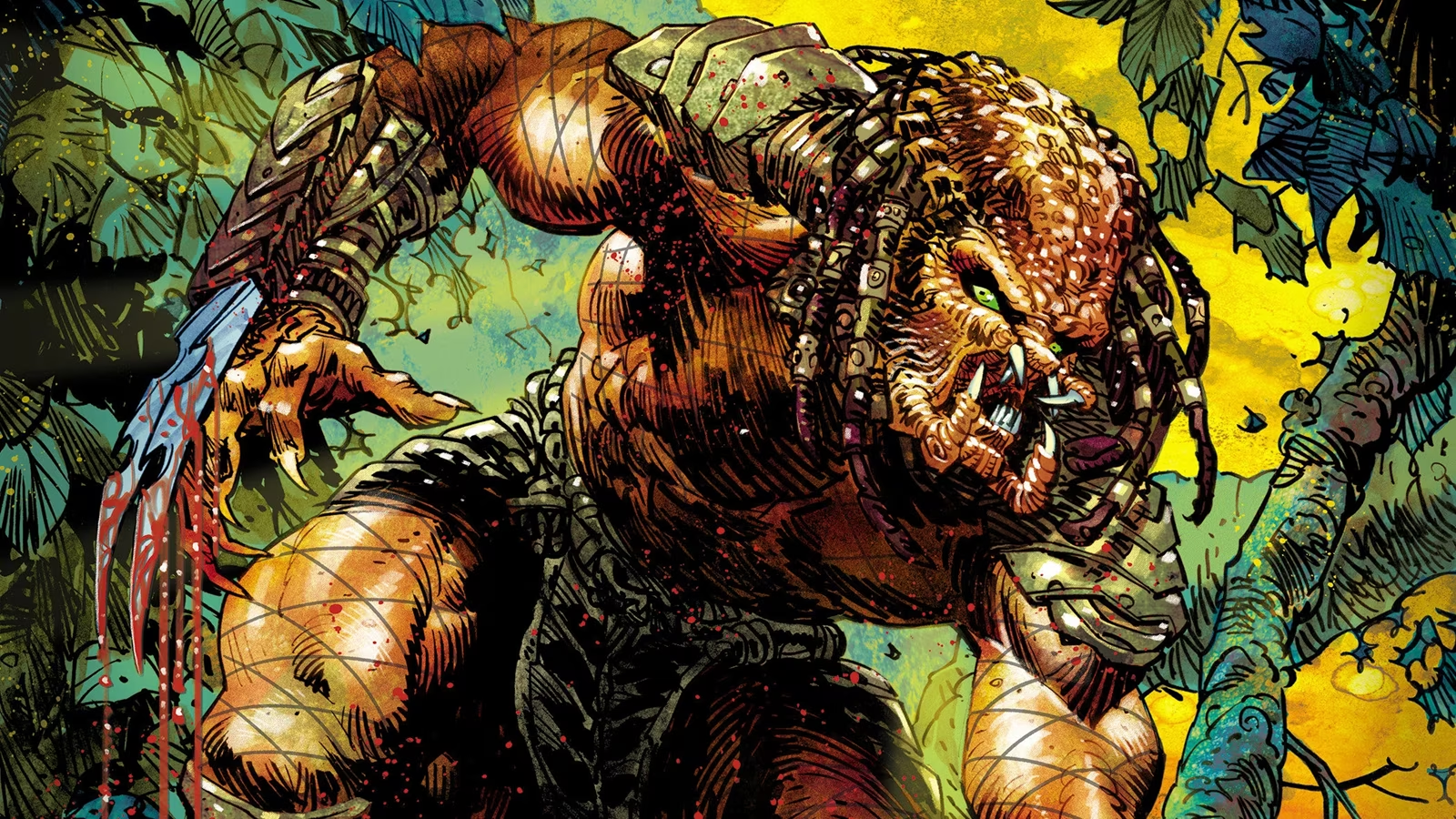

Predator: Bloodshed is a five-issue Marvel comic that finished in June 2026, written by Jordan Morris and illustrated by Roland Boschi. Set in 2035, it followed an illegal underground martial arts tournament called the Garden, where Earth's best fighters competed for prize money until a Yautja walked into the ring and turned the bracket into a slaughterhouse. The series arrived after Marvel's superhero crossovers and returned the license to a simpler hunt story: worthy prey gathered in one place, with the hunter working through the roster one fight at a time. Bloodshed was not the first time organized combat had appeared in Predator lore, though. From game preserves and Yautja Prime arenas to human fight clubs and even Mortal Kombat brackets, tournament-style hunts had taken many forms across the expanded universe.
Comic Overview
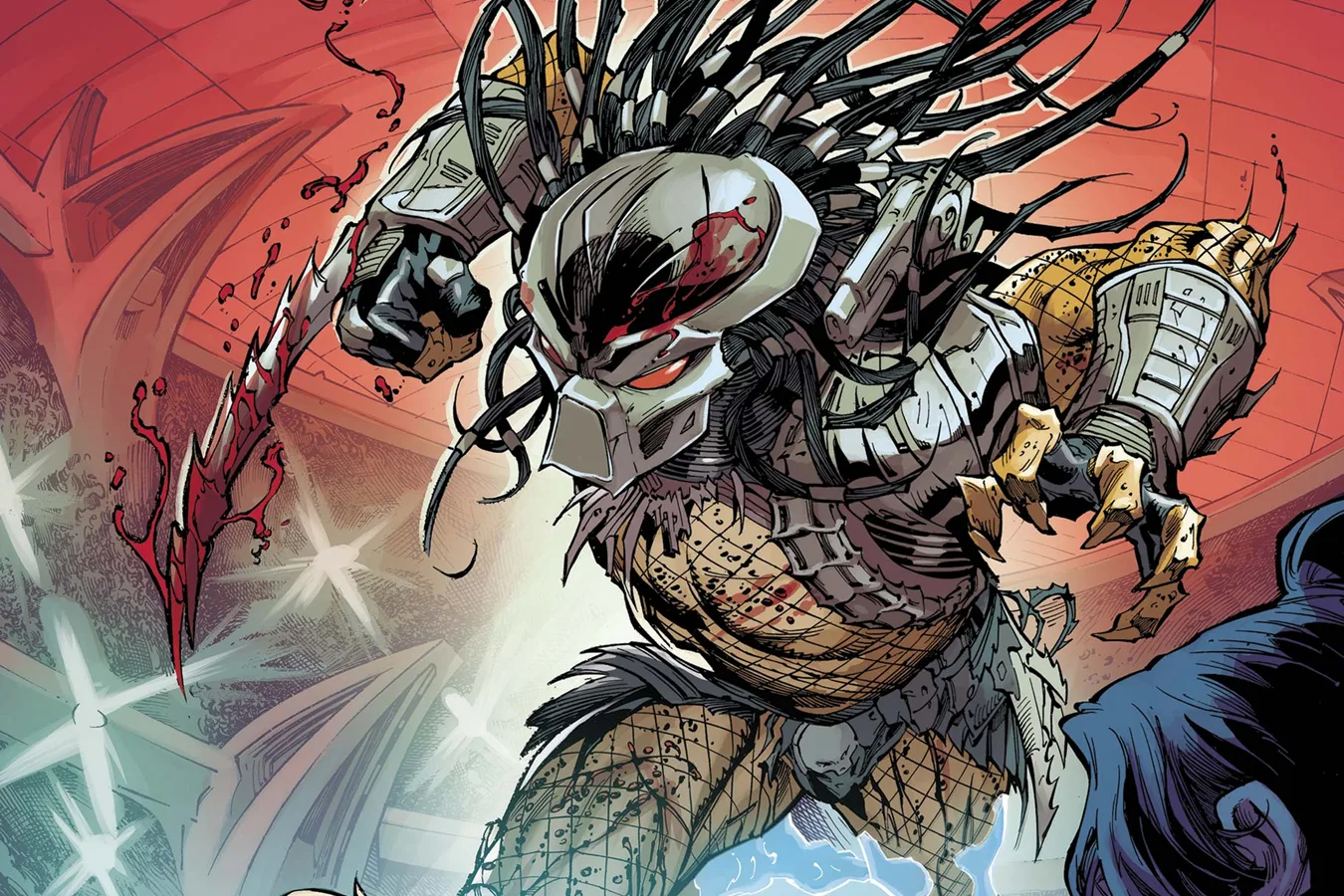
Predator: Bloodshed was published by Marvel Comics from February through June 2026 as a five-issue limited series. It followed Predator: Badlands in Marvel's Predator line and was preceded on Free Comic Book Day by the backup story Together Forever, which introduced fighters Sara and Abigail. Morris, known for work on fighting games and martial arts fiction, built the book as a deliberate mash-up of 1980s and 1990s tournament fiction and classic Yautja horror. Cover art came from Ken Lashley and Romulo Fajardo Jr., while Boschi's interior pages emphasized fight choreography, body language, and brutal close-quarters violence. Unlike Marvel's crossovers with Wolverine, Spider-Man, or the X-Men, Bloodshed stayed grounded in human combatants with no superpowers beyond cybernetic upgrades.
The Garden was run by a shadowy organizer named Mr. McGrath for an audience of ultra-wealthy spectators. The tournament allowed cybernetic enhancements, ignored drug testing, and treated death as part of the entertainment. That setup gave the Yautja exactly what many hunts in the franchise depended on: a collection of skilled, dangerous prey confined to one location. When the Predator arrived, the comic shifted from sports satire to survival horror, but the tournament frame never disappeared. Every kill still happened under lights, in front of a crowd, and inside rules the hunters could break at will.
The Garden Opens
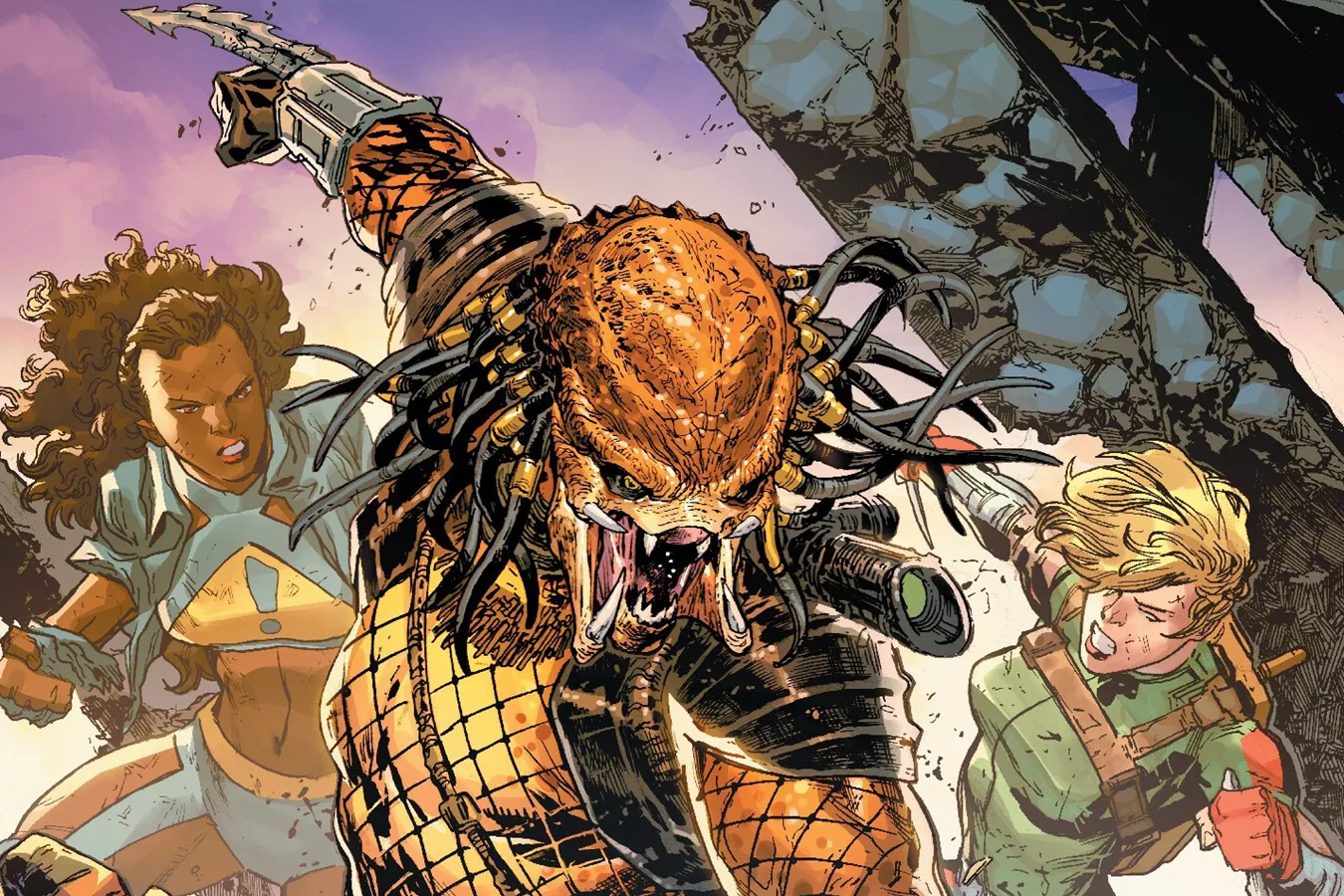
The first issue established the tournament and its stakes. Kai Daniels, a retired fighter, returned to the ring because his son needed expensive medical treatment and the Garden prize money was his only realistic option. Kai was the emotional anchor of the series: a man who once lived for combat but now wanted to go home to his family. Other competitors included cybernetically enhanced brawlers, underground champions, and fighters hiding secrets about why they entered. Among them were Sara and Abigail, two elite combatants who respected each other's skill and grew closer as the body count rose.
Parallel to the tournament ran an undercover police thread. Officer Jakob and his partner Sota had been investigating illegal fight rings when Sota turned up skinned in classic Yautja trophy fashion. Jakob entered the Garden to find out what happened, adding a mystery layer beyond the simple "Predator in a ring" premise. When the Yautja finally appeared in issue #1, the underground bracket collapsed instantly. Fighters who had been trying to win prize money discovered they were now prey in a hunt they never agreed to join. Survivors barricaded themselves together while the broadcast continued, because McGrath and his investors would rather keep filming than evacuate.
The Predator Hunt
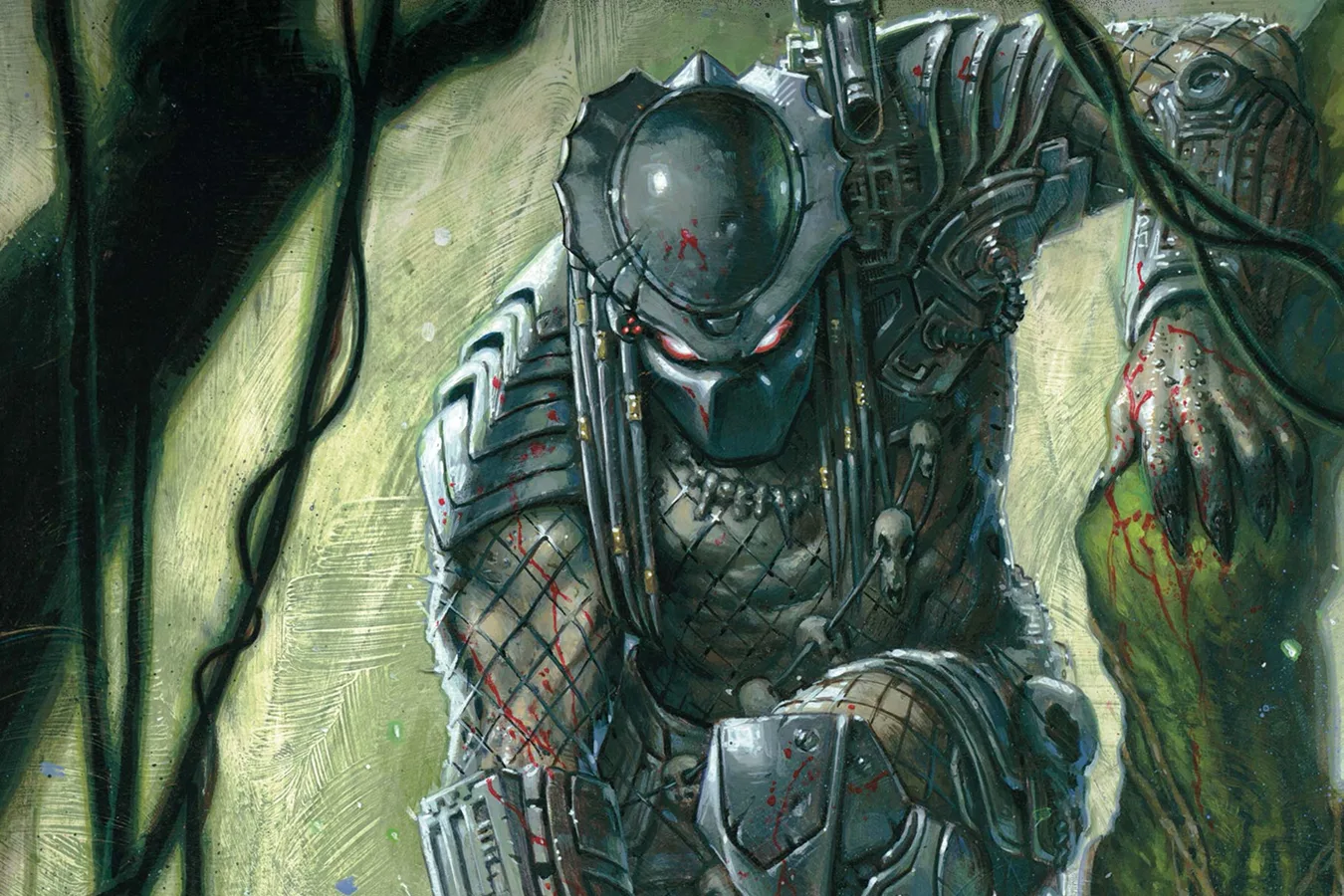
Issues #2 and #3 turned the tournament into a siege. The surviving fighters realized that more than one competitor was hiding an agenda, and trust broke down almost as quickly as the Yautja picked off isolated victims. The hunter worked through the roster methodically, using wristblades, a shoulder cannon, and the same trophy-taking habits seen across the franchise. Jakob got his revenge attempt against the creature that killed Sota, but the Predator proved too strong and the officer died after landing a few solid hits. The comic treated his death as tragic rather than triumphant, which kept the focus on ordinary humans rather than action-hero invincibility.
The Yautja also installed a roof device that generated a force field around the arena. When a rescue ship tried to extract survivors, the barrier destroyed it, confirming that escape was not an option. This trap transformed the Garden from a tournament into a sealed hunting ground, much like the game preserves and arena complexes Yautja clans had used elsewhere in lore. By issue #3, the remaining humans understood they had to cooperate against both the alien hunter and the human systems keeping them inside. Sara, Abigail, and Kai emerged as the core trio who might actually survive if they stopped treating the event like a bracket and started treating it like a hunt.
VIP Massacre And Two Predators
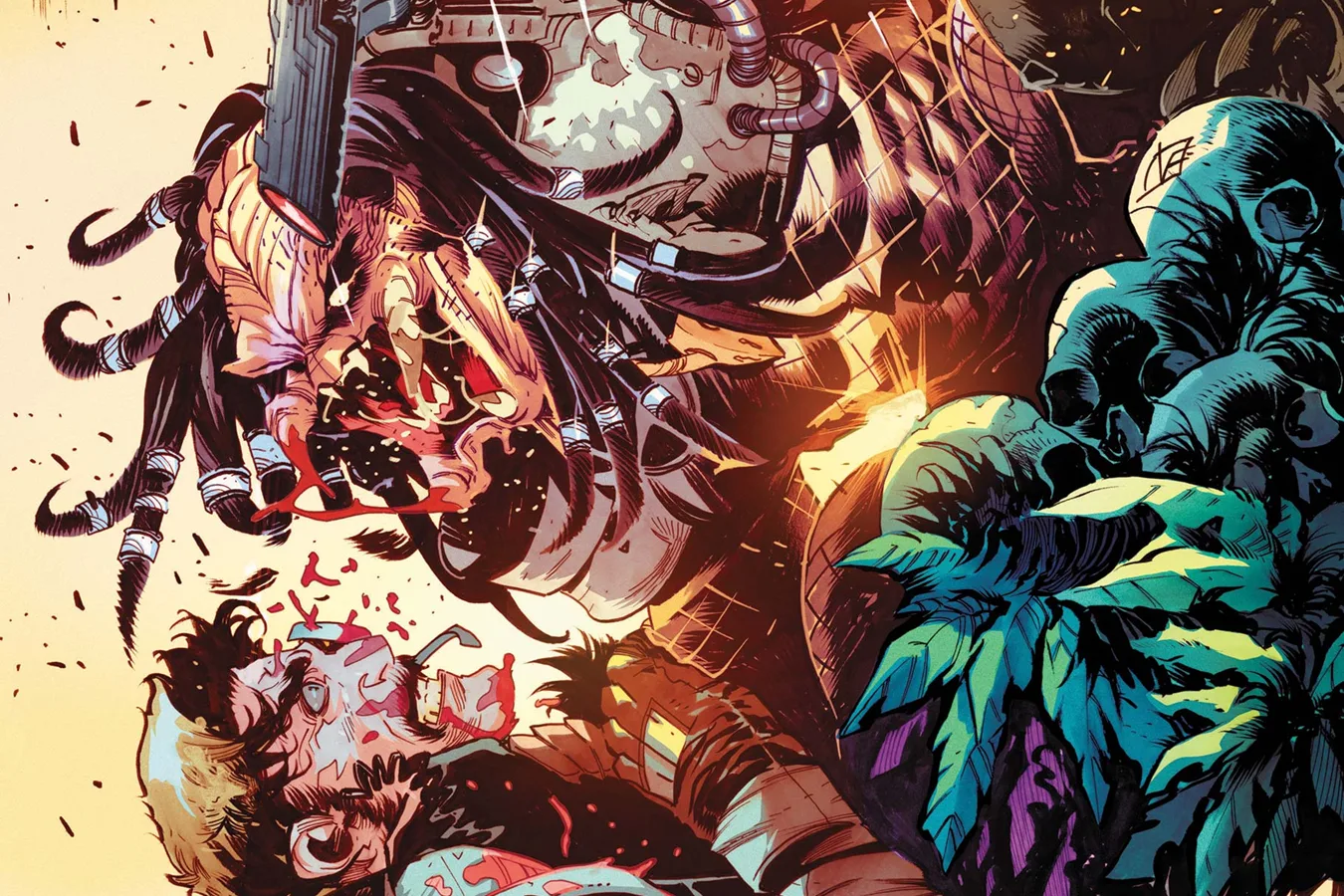
Issue #4 shifted the violence toward the audience. The Yautja tore through McGrath's VIP section, slaughtering the wealthy spectators who had paid to watch people die for sport. The sequence was deliberately satirical: the same elites who had treated fighters as disposable entertainment became trophies themselves. Morris used the moment to flip the power dynamic without making the Predator heroic. The creature was still a killer; the comic simply enjoyed watching the organizers receive the same brutality they had sponsored. The escalation continued when a second Yautja arrived, turning the finale into a two-on-three fight against Kai, Abigail, and Sara.
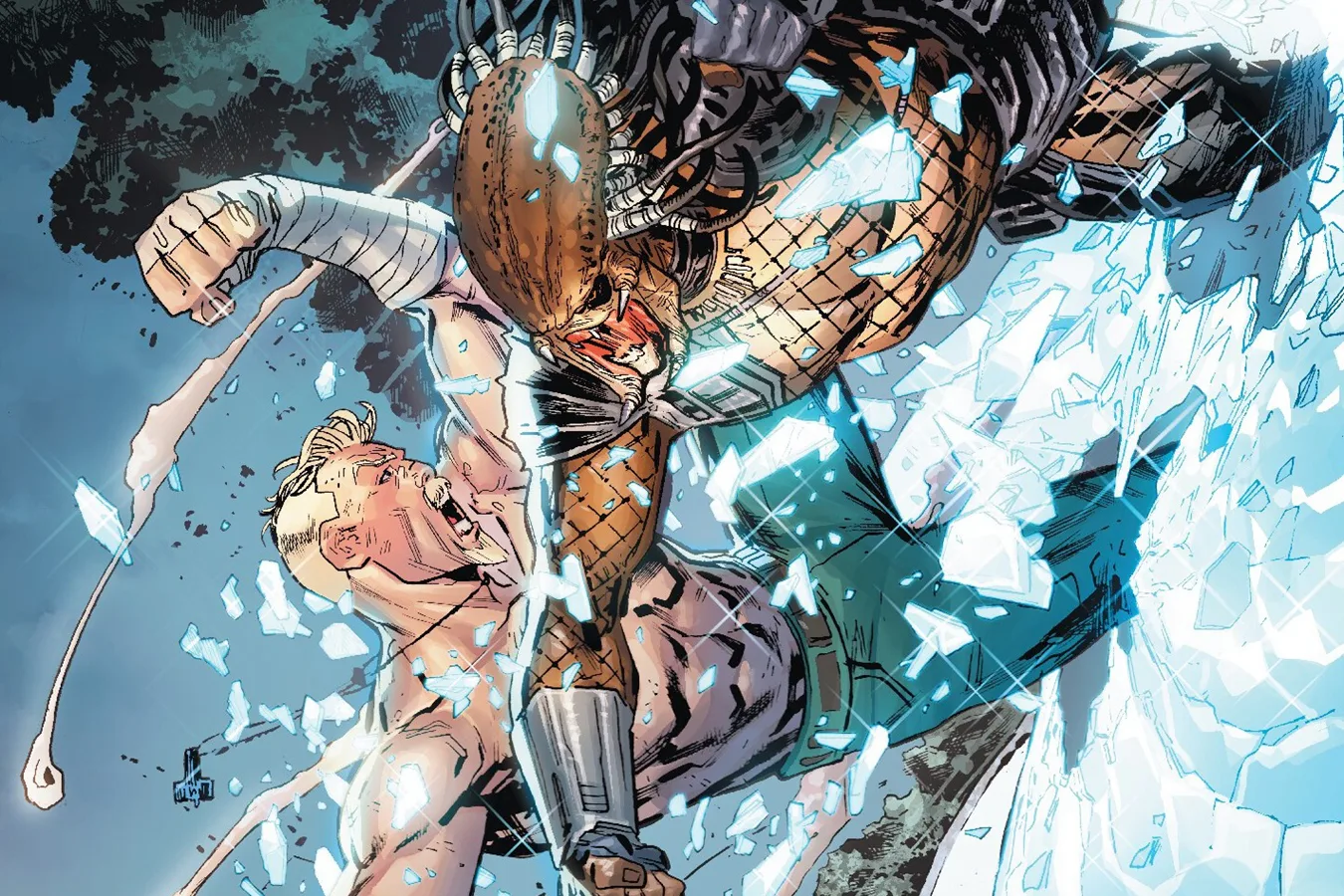
Sara took the spotlight in issue #5, dueling one of the injured hunters one-on-one in a sequence that paid direct homage to classic Predator film fights. She managed to take one Yautja down, but the surviving hunter killed her by ripping out her spinal enhancement in a vicious finishing move. Kai and Abigail reached the force-field generator and shut it down through luck, desperation, and teamwork rather than a clean martial arts victory. The epilogue jumped six months ahead and showed the survivors living with new body enhancements and a seemingly happy ending, until the final panel revealed three Yautja watching them from a distance. Bloodshed ended as a complete story, but the stinger left clear sequel bait.
Predator Game Preserves
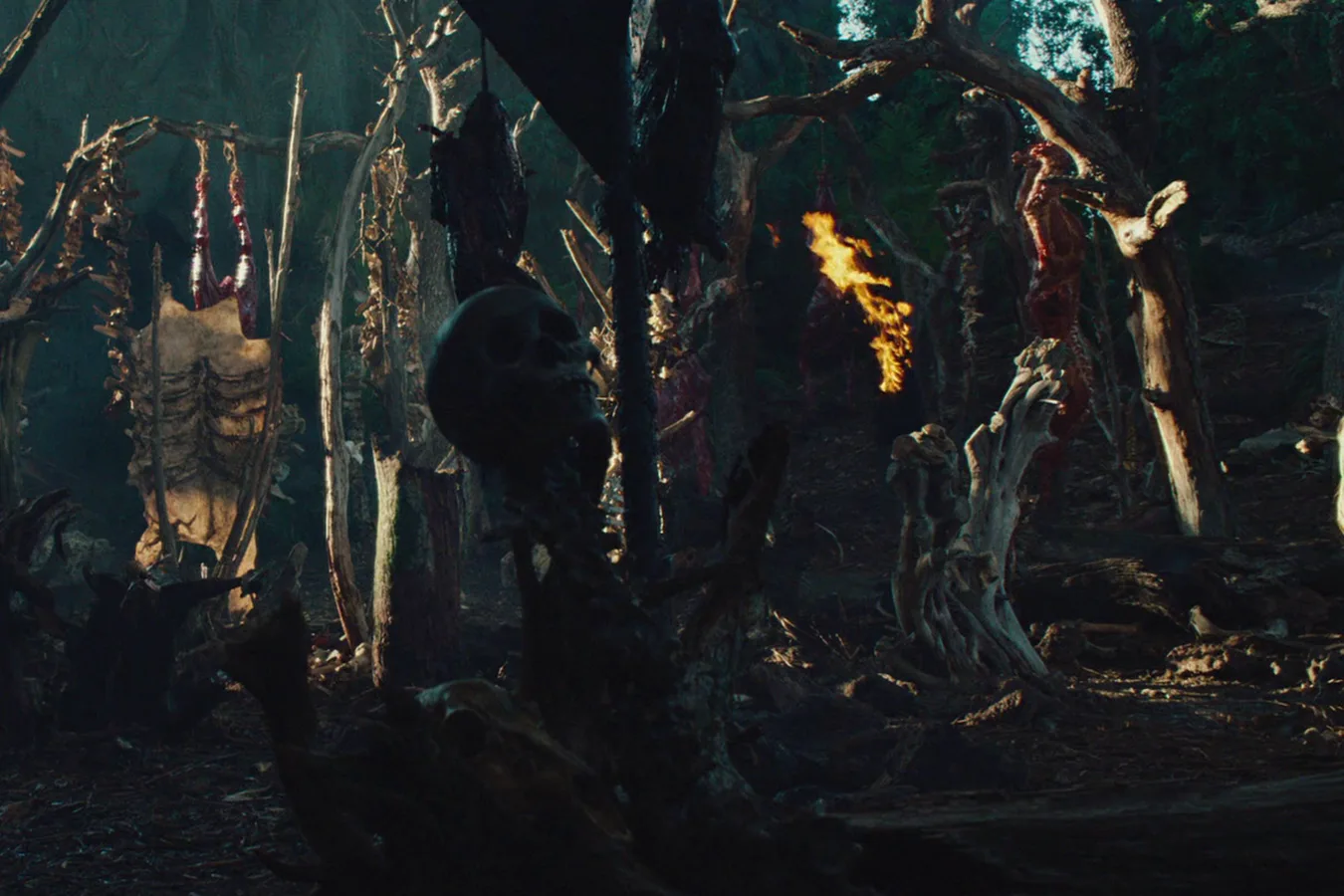
Yautja tournaments were not new in Predator lore long before Bloodshed put humans in an underground bracket. One of the clearest film examples was the Game Preserve Planet from Predators (2010). Instead of prize money and scheduled rounds, the Super Predator clan kidnapped elite killers from Earth and dropped them into a controlled wilderness by parachute. Soldiers, mercenaries, yakuza enforcers, and serial killers woke up already inside the hunting ground with no idea how they got there.
There was no formal bracket, but the effect was the same: a group of dangerous humans trapped together while Yautja observers watched from the treeline. Royce, Isabelle, and the rest had to cooperate against alien terrain, hostile flora, and hunting dogs before the Super Predators themselves joined the hunt. The planet was the arena, and the prey never signed up for any of it. Both humans and Predators fell one by one, until only two humans remained.
Predators Fighting For Leadership
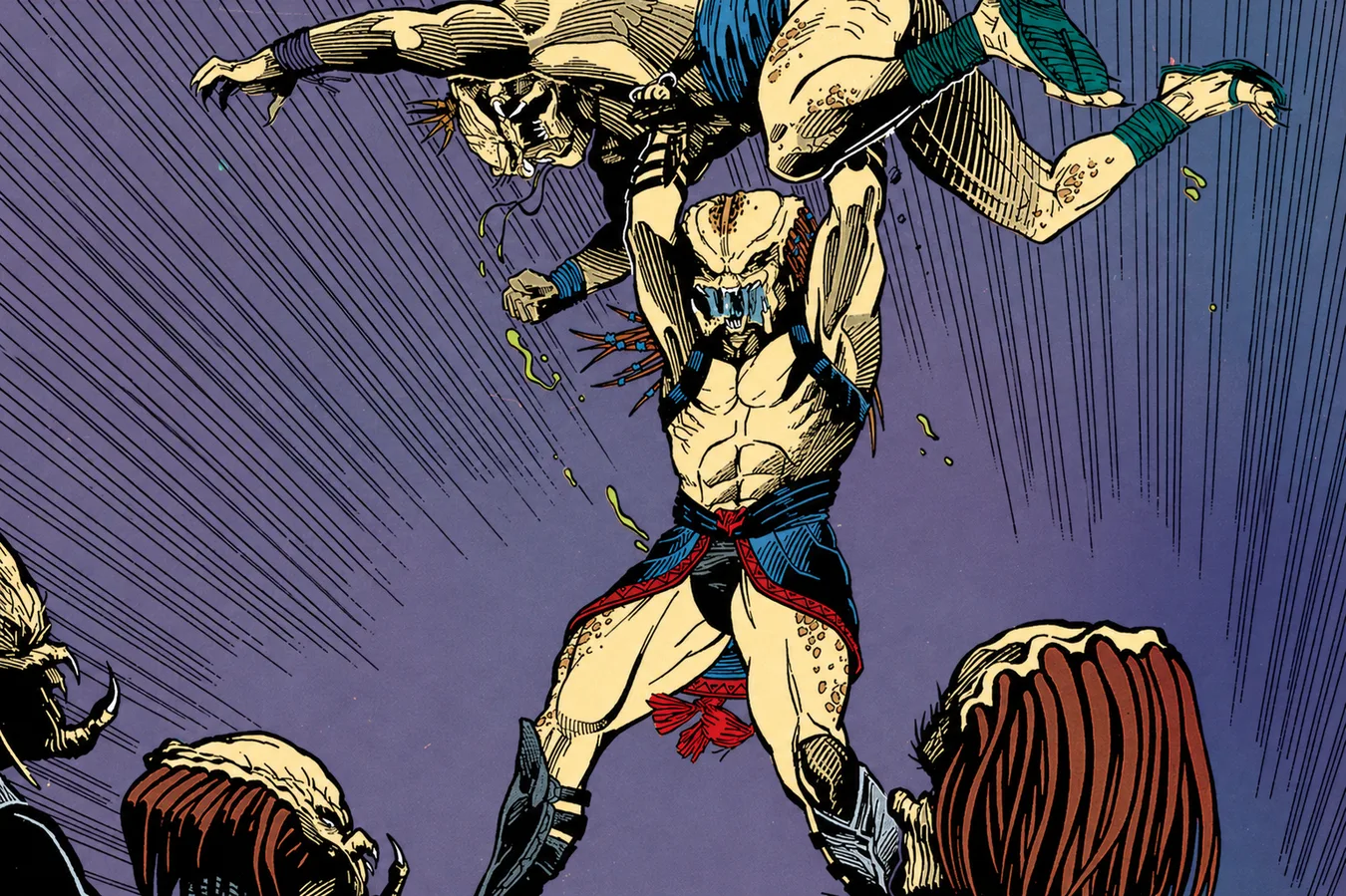
Yautja tournaments were not always about humans. In the three-part Aliens vs. Predator prequel from late 1989, unblooded hunters prepared for their initiation aboard a Yautja mothership while Predators fought for the right to choose the hunting grounds. Top-Knot had already won that privilege, but hunt leader Dachande challenged him in the ship's arena, overpowered him, and threw him out of the ring. Dachande chose Ryushi, a seeded world with a human colony the Yautja did not yet know about, while Top-Knot led a separate marsh hunt in Aliens vs. Predator: Blood Time and blooded a young hunter there. No human spectators watched, but the brawl worked like a tournament outcome: one winner picked the battlefield, the loser took another assignment.
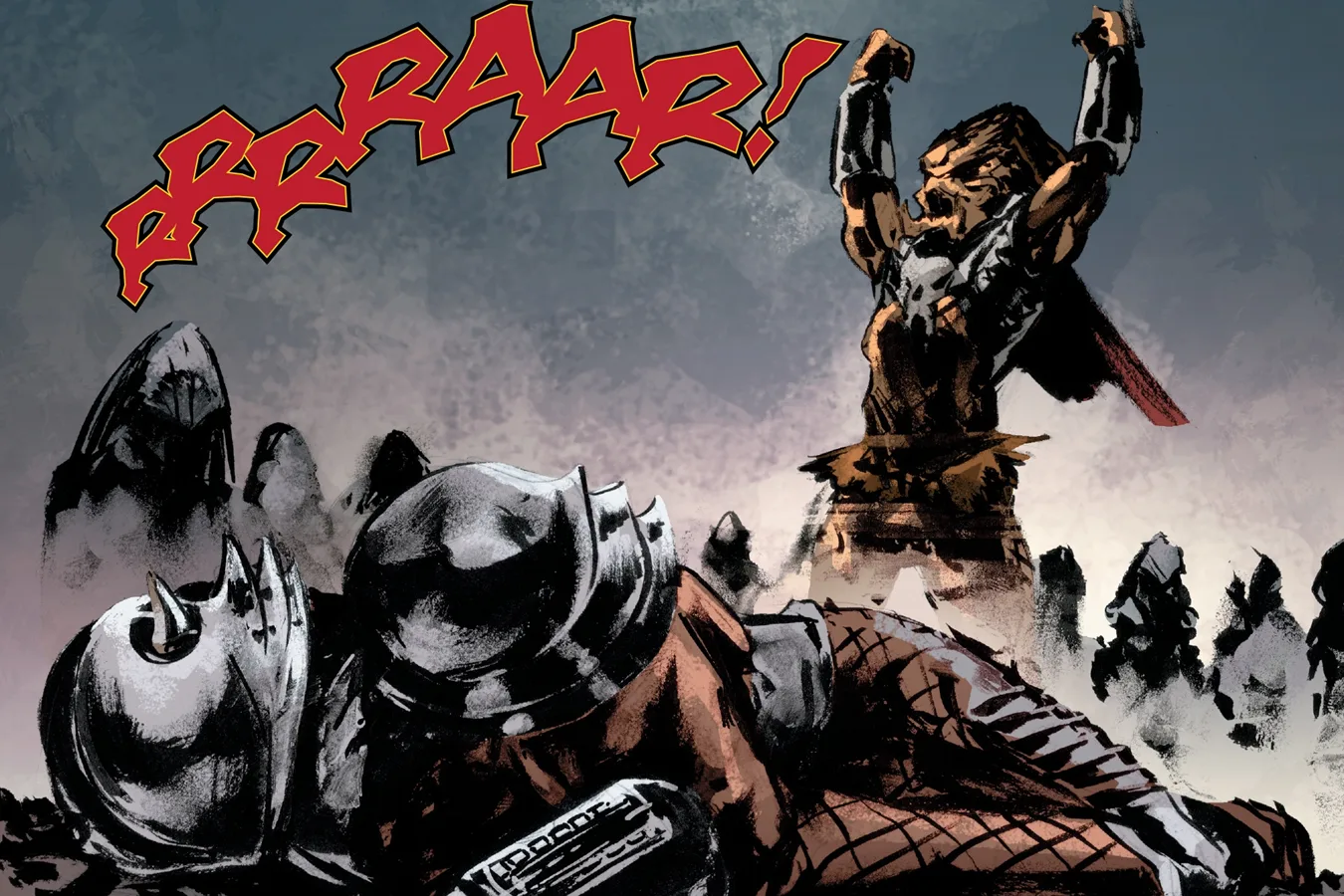
The Life and Death comic line revived the same idea decades later. On LV-797, Ahab sought control of the Tartarus Clan by challenging its champion, Hornhead. Hornhead was a massive warrior famed for raw strength, and the duel between the two hunters decided who would lead the clan's next major hunt against Engineers and Xenomorphs. Ahab won, took Hornhead's skull as a trophy, and pushed the Tartarus Clan deeper into the events that followed across the Fire and Stone saga.
Killer Of Killers Arena
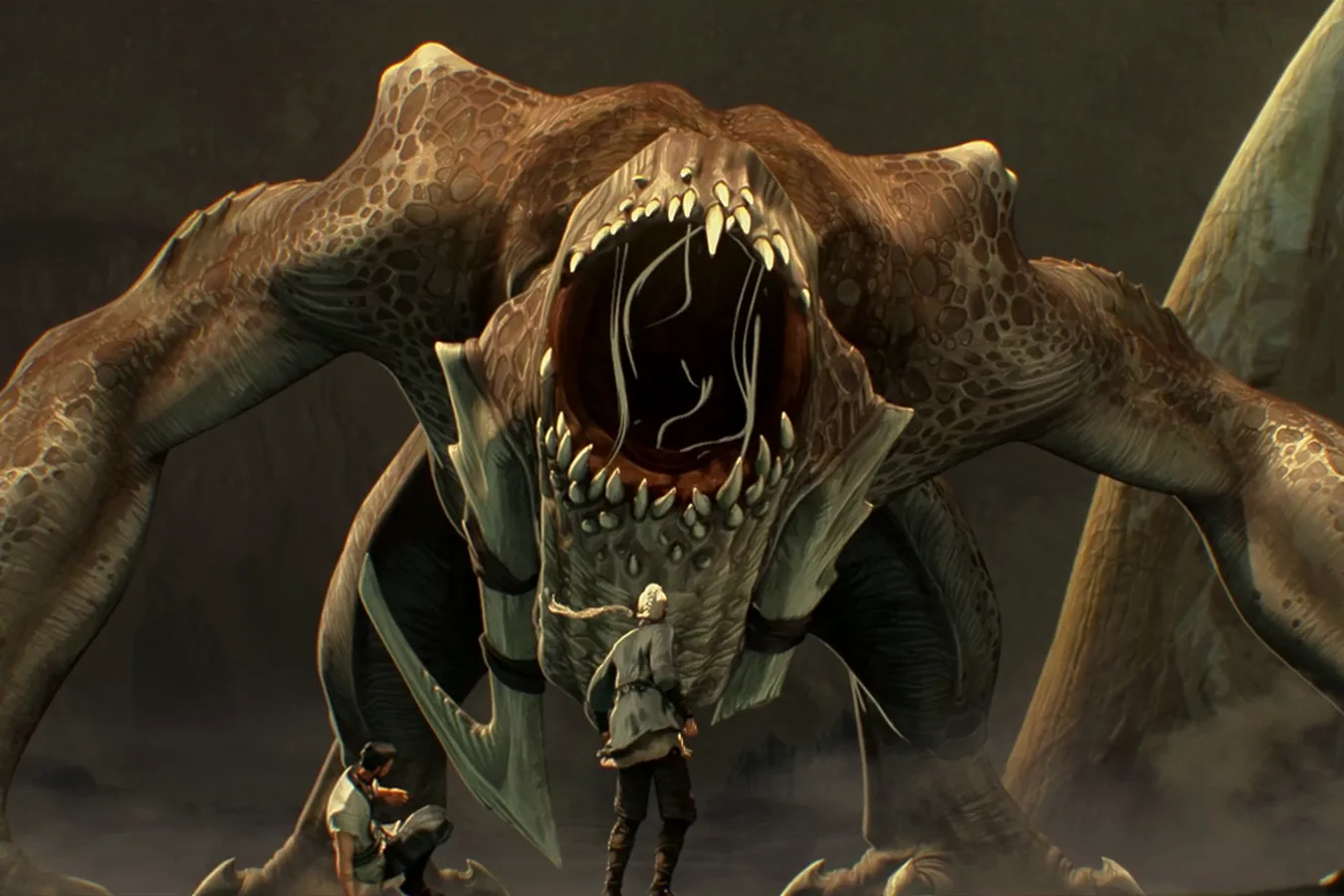
Predator: Killer of Killers was the purest Yautja-run version of the tournament hunt. The Grendel King, a desert warlord on Yautja Prime, captured legendary warriors who had already killed Predators, including Ursa, Kenji, and Torres. He revived them from cryostasis, strapped explosive collars around their necks, and forced them into a colosseum death match. The humans had to fight each other first, then face a giant alien beast, and finally confront the warlord himself if anyone survived. The structure was explicitly gladiatorial: rounds, spectators, weapons dropped into the ring, and a boss fight at the end. Human versus human, human versus monster, human versus Predator, and even Predator versus Predator when the Grendel King executed a disobedient hunter as a warning. The film's ending, with Dutch, Harrigan, and Naru stored alongside other captives, suggested the arena system was larger than one clan leader.
Predator In Mortal Kombat
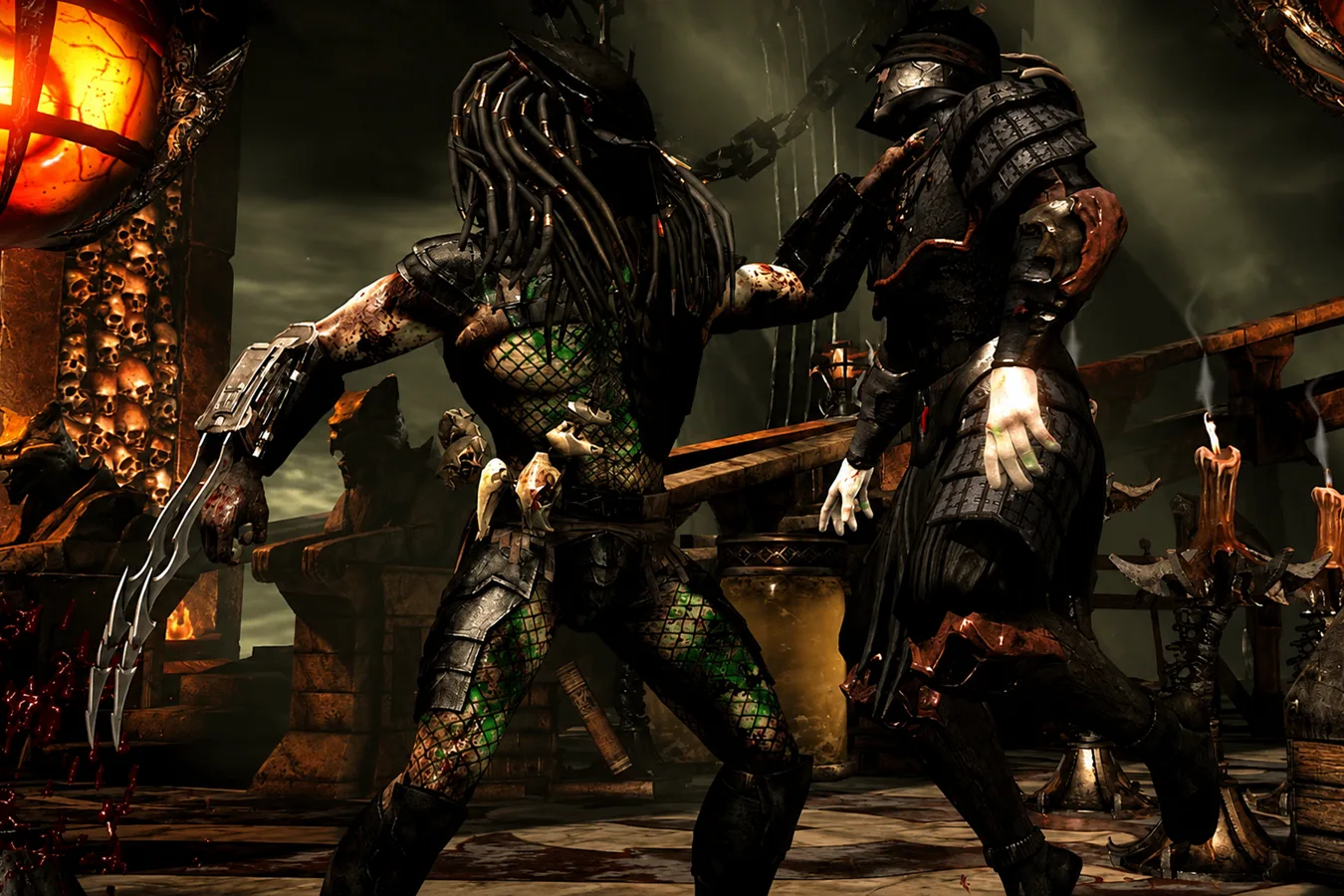
Tournament hunts also appeared outside strict AvP canon in licensed crossovers. The Predator was added to Mortal Kombat X and Mortal Kombat XL as downloadable guest content, where he fought through a bracket of Earthrealm and Outworld warriors using fatalities, brutalities, and three combat variations. In Mortal Kombat terms, the Predator was just another fighter climbing a ladder toward a final boss. In Yautja terms, that ladder was a hunt across multiple worthy opponents with spectators watching every round. Morris acknowledged that fighting-game structure as an influence on Bloodshed, and the connection was visible in both works: escalating opponents, signature finishers, and a final confrontation against the strongest enemy left standing.
Mortal Kombat also gave the Predator one of his most overpowered expanded-universe endings. After defeating Shinnok, the hunter studied sorcery and became the Apex Predator, powerful enough to decimate entire realms. That story was semi-canon within Mortal Kombat lore, not part of the Alien or Predator film timeline. NetherRealm treated the guest character as a real participant in its universe, complete with arcade endings, trophy rooms, and interactions with characters such as Erron Black and the Alien.
Warrior Predator And The Blood Ring
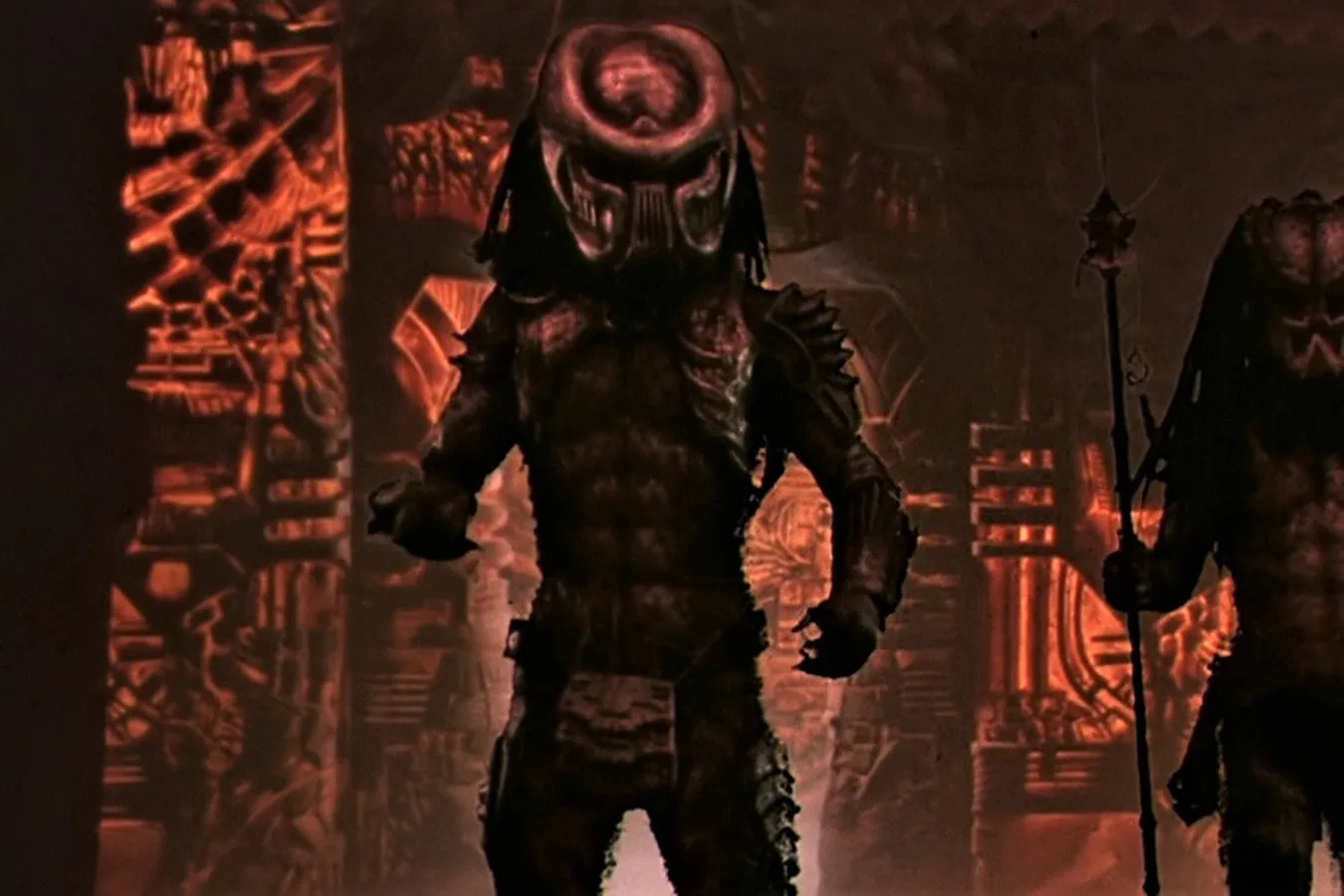
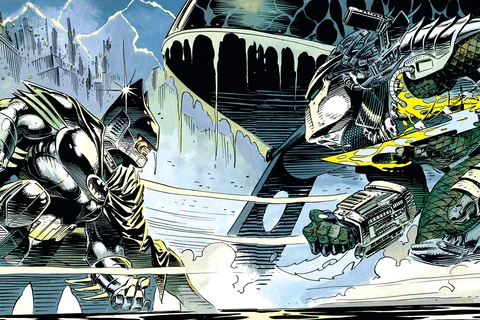
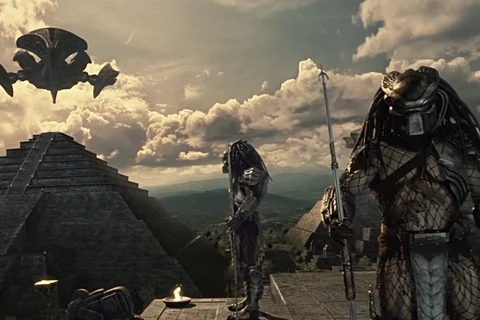
Not every Yautja tournament was a one-off hunt. Some hunters spent their careers inside formal combat sports. The Warrior Predator, one of the Lost Tribe Predators from Predator 2, also known as Ram, was described in expanded material as an Elite Yautja forged in the Blood Ring, a Yautja fighting sport where ranged weapons were forbidden and victory depended on close combat alone. Similar arena warriors appeared elsewhere in the franchise, including the massive Gladiator Predator from Predator: Hunting Grounds and the even larger arena champion who fought Batman in Superman and Batman vs. Aliens and Predator.
Gameworld
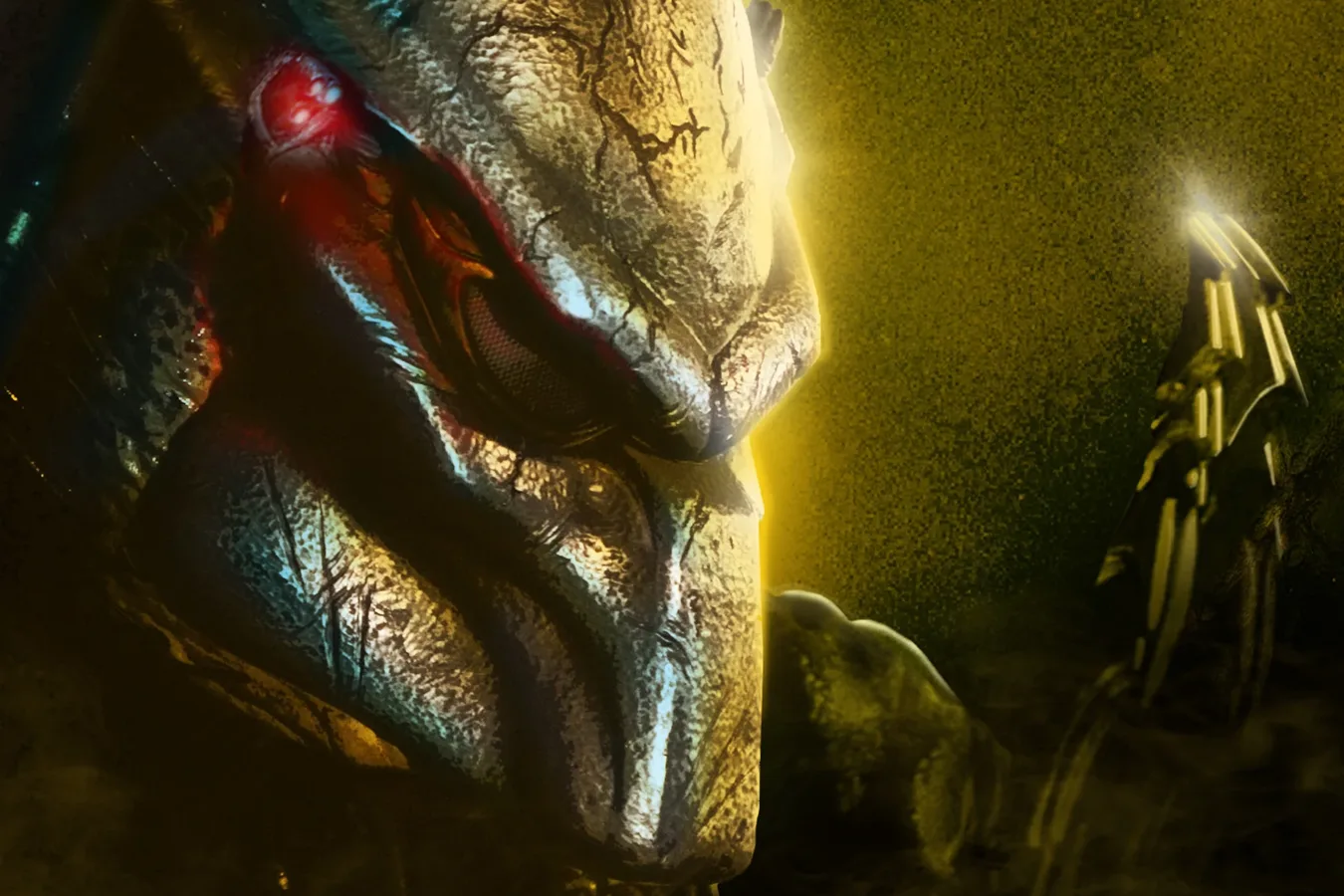
Human-run tournament fiction also existed in prose. Gameworld, a 2017 short story by Jonathan Maberry from the anthology Predator: If It Bleeds, was one of the best non-comic examples. The story followed former special forces operative Hogarth Fix, who entered a brutal unarmed death tournament on an asteroid between Mars and Jupiter to pay for his daughter's cancer treatment. The club's owner, billionaire ex-sumo champion Sake Chiba, pitted fighters against each other and against genetically modified creatures in bouts where only one competitor left alive. Fix eventually faced a captured alien called the Nightmare Kid, a juvenile Yautja recovered from a wreck on Ceres.
The bout went wrong when an adult Predator arrived to retrieve the juvenile, slaughtering Gameworld's staff and turning the tournament site into a hunting ground. Fix helped the younger creature survive, and the story ended with him alone in Chiba's open vault surrounded by prize money. A sequel story, The Fix Is In, continued Fix's run of bad luck with Predators. Gameworld predated Bloodshed's premise by nearly a decade: humans built a death tournament, a Yautja entered the ring, and the organized sport collapsed the moment real hunters arrived. Bloodshed simply moved that idea into a near-future MMA setting with televised bloodsport instead of an asteroid club.
Conclusion
Predator: Bloodshed worked because it joined a long pattern in the franchise rather than inventing one from scratch. The Garden gave the Yautja a perfect collection of skilled prey, but the comic's real value was how clearly it showed the format: bracket, trap, escalation, final hunt. That same structure had appeared in game preserves, warlord arenas, leadership duels, Blood Ring champions, Mortal Kombat brackets, and human death tournaments like Gameworld. Some were run by Yautja, some by humans, and some by opportunists who thought they controlled the violence until a hunter proved otherwise. Bloodshed was the freshest example, but the history of Yautja tournament hunts had been building across comics, films, games, and prose for decades.
Related Sources
- Predator: Bloodshed #1-5 (Marvel Comics, 2026)
- Predators (2010)
- Predator: Killer of Killers (2025)
- Aliens vs. Predator (Dark Horse, 1989)
- Aliens: Life and Death (Dark Horse, 2016-2017)
- Mortal Kombat X / XL (2015)
- Predator: If It Bleeds - Gameworld (2017)
External Sources
Tag Categories: Predator Comics | Predator Lore | Predator Merchandise