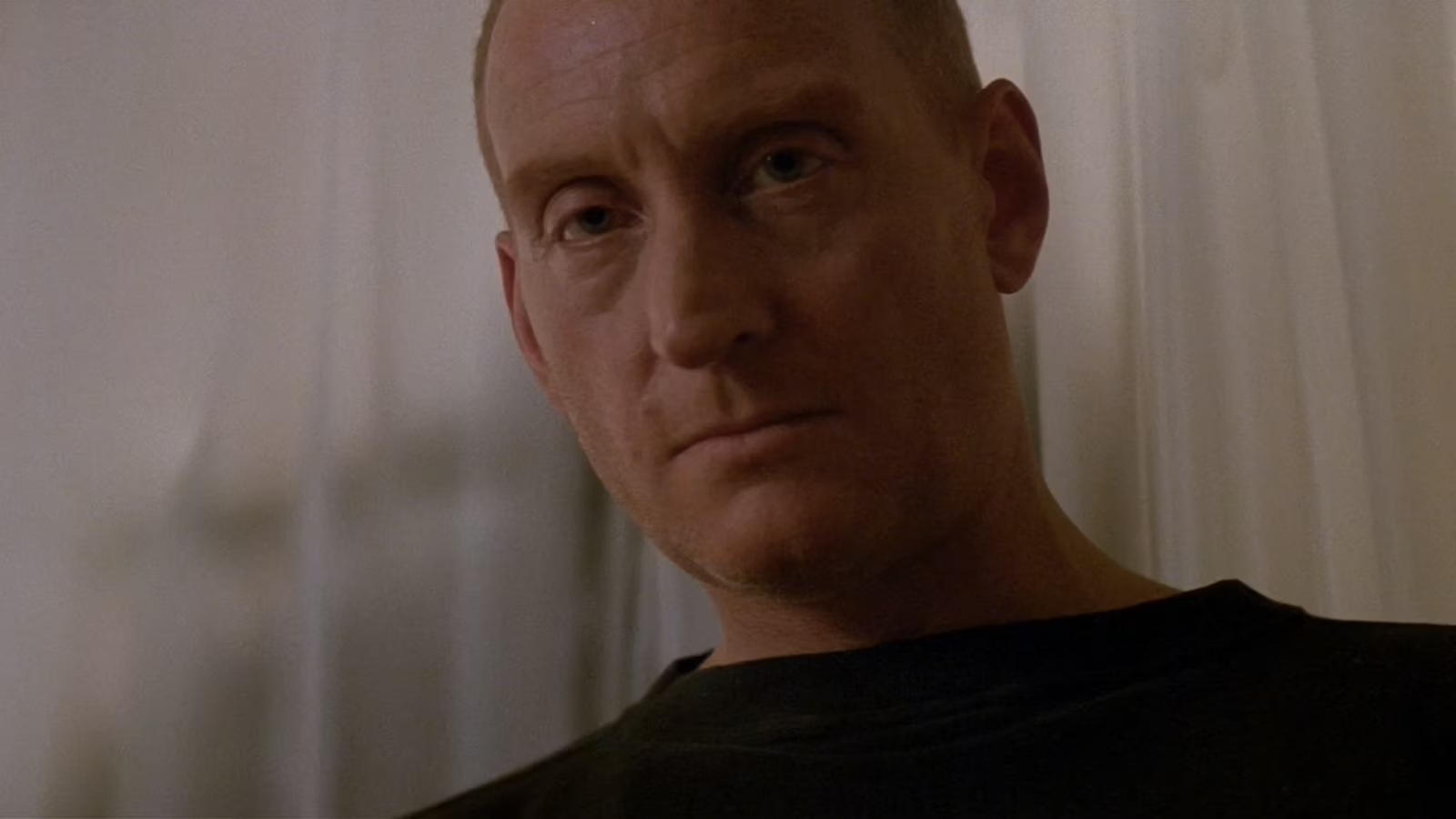

Jonathan Clemens was the chief medical officer of the Fiorina 161 Class C Work Correctional Unit in Alien 3, played by Charles Dance. A former inmate whose medical license had been cut to a 3-C rating after eleven patients died under his care, he stayed on when Weyland-Yutani left a few double-Y chromosome prisoners to look after the old mine. In 2179 he treated Ellen Ripley after her EEV crashed, opened Newt's body at her request, and became her lover. The Dragon killed him in the infirmary moments after he told her how he came to the planet.
Biography
Medical Career And Conviction
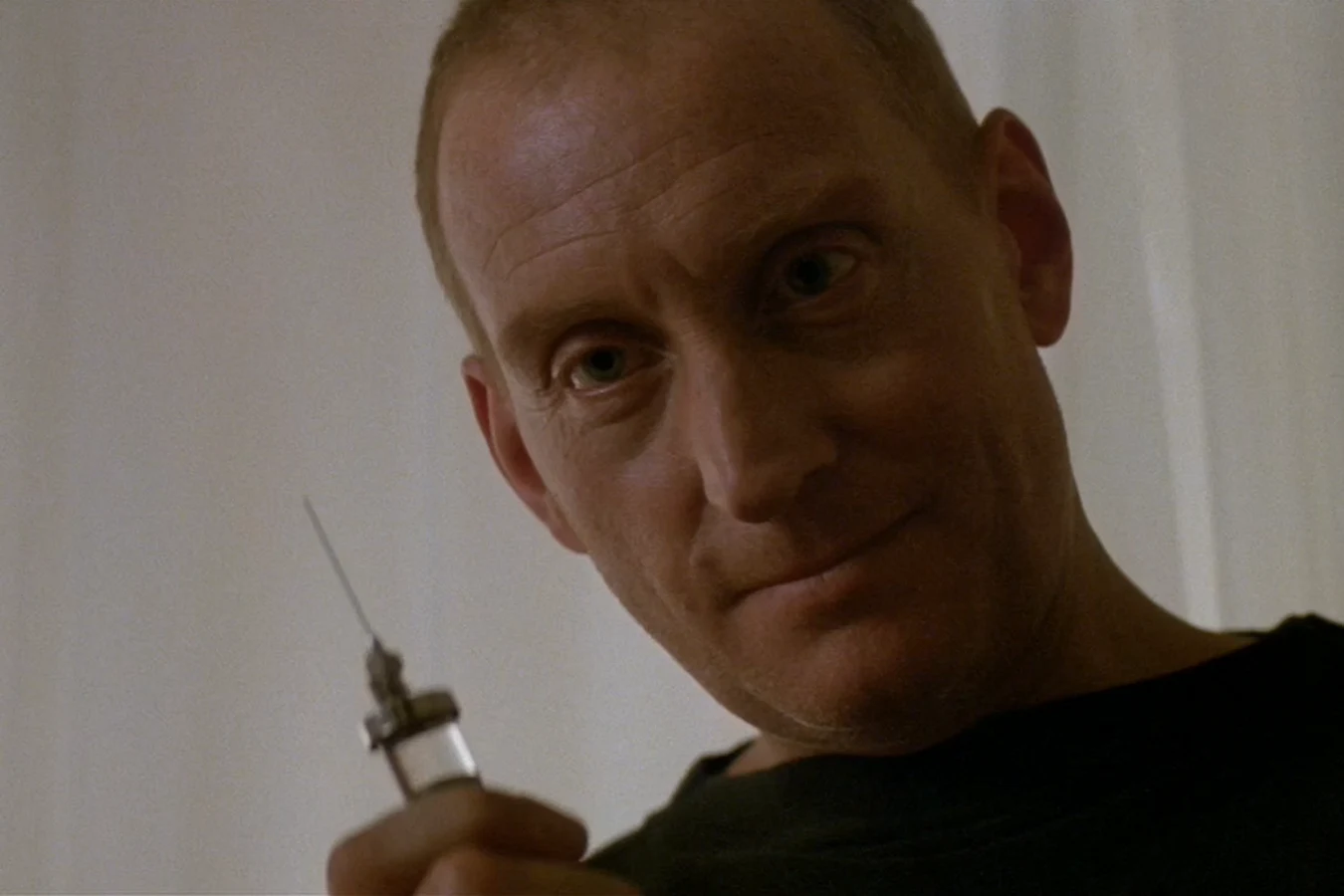
Clemens told Ripley the story of his fall in the infirmary, after she pressed him about the bar code tattooed on the back of his head. He called it a long, sad story, and more than a little melodramatic. After his student years he had become secretly addicted to morphine, yet he was still considered most promising, a man with a future. During his first residency he worked a thirty-six-hour stretch in the emergency room, then went out and got more than a little drunk. He was called back when a boiler blew in a fuel plant and left thirty casualties.
Eleven of them died, not from the accident, but from the wrong dosage of painkiller he prescribed. He received seven years in prison, and his license was reduced to a 3-C rating. At least, he said, he got off the morphine. Those eleven deaths were the reason for the code on his skull and for his years on Fiorina. When Ripley said she was sorry, he answered that he thought he had been let off lightly, and then asked whether she still trusted him with a needle.
In Alan Dean Foster's Alien 3 novelization, the drug is Midaphine, a chain of peptides that made him feel invincible and that he stole from whatever facility employed him. Clemens still finished medical school in the top five percent of his class. The fuel station disaster came at three in the morning, when he was high after a thirty-six-hour shift and decided to handle the rote cases himself before anyone noticed. The novel adds lifetime probation and severe limits on what and where he could practise. He kicked the habit in prison, but the relatives of the dead made sure the restrictions were never lifted.
Medical Officer On Fiorina
Clemens served his time at Fiorina 161 and got to know the prisoners quite well. When the Company wanted to close the facility, Dillon and the other converts asked to stay, and they were left as custodians with two minders and a medical officer. Clemens stayed with them because nobody else would employ him. He wore a prison bar code tattooed on the back of his shaved head, and he kept apart from both the brothers and Superintendent Andrews. The prison had once held five thousand convicts, and only twenty-five remained to keep the furnace pilot light burning.
Foster's novel makes him less free than the film does. There Clemens was still a prisoner serving sentence, a notch above the general population, and neither Andrews nor his assistant Aaron ever let him forget it. He earned more than the other inmates, had larger quarters, and was the only man on the planet who could treat them. The Company had gutted the old mine hospital and left the prison a small semi-surgery with ample supplies. Andrews valued his conversation but distrusted him, and the two men spent their meetings testing the limits of his independence.
Finding Ripley On The Beach
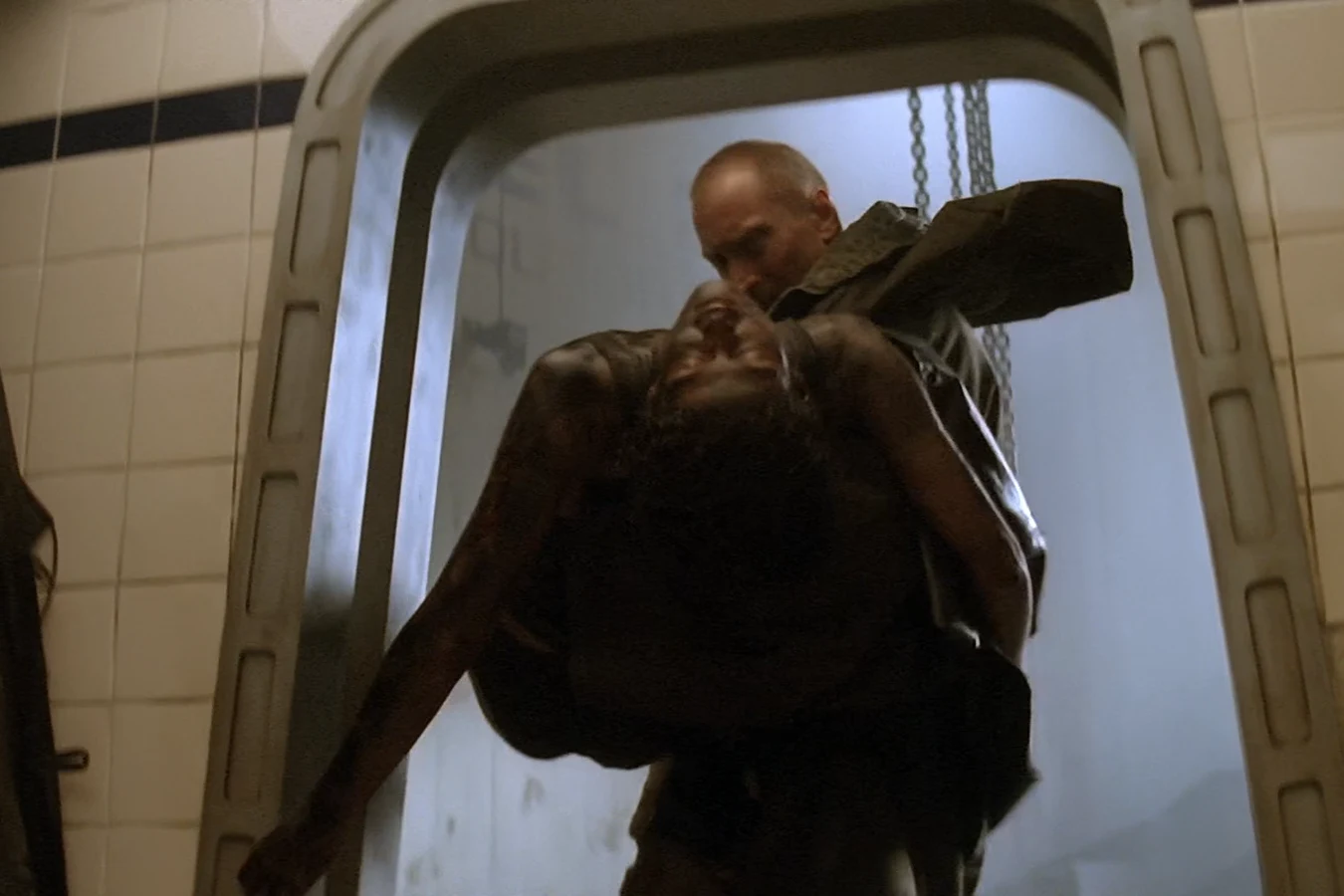
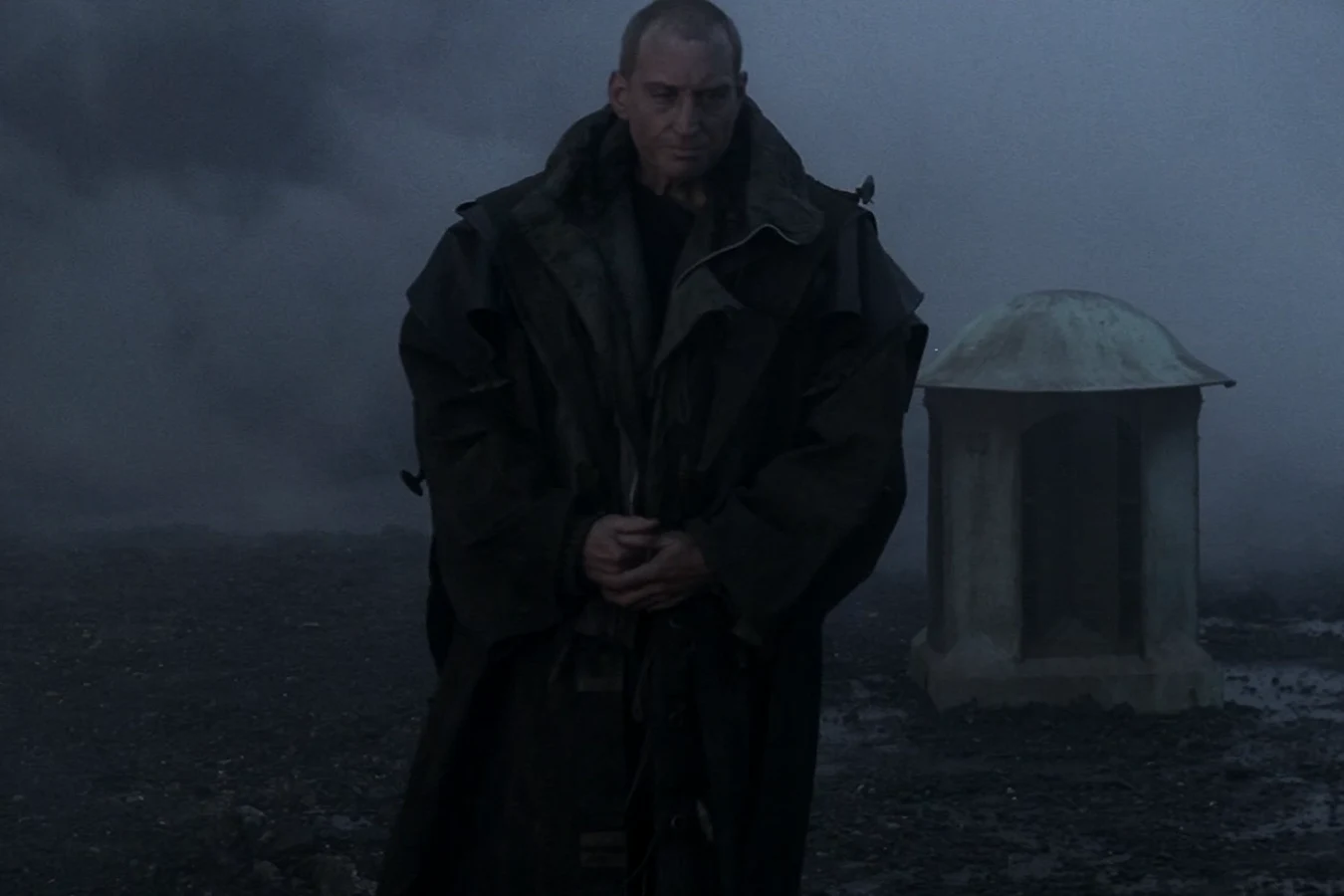
In the 2003 Assembly Cut, Clemens was walking alone along the shore in a long hooded coat when the EEV fell out of the clouds and struck the sea. The pod had been ejected from the Sulaco, and of the four aboard only Ripley was still alive. He found her lying unconscious in the surf and carried her back toward the complex. Oxen then hauled the wrecked pod up the beach. The theatrical cut drops his walk and the discovery on the shore.
Foster's novel follows the longer version. Clemens saw a glowing sliver of metal fall into the ocean, paused, and finished his walk before he came on a woman alive at the waterline. Leaving her to fetch help risked her life and exposed her to the small predators of the shallows, so he heaved her onto his shoulders and carried her to the weather lock. At the bug wash he ordered three naked prisoners out onto the beach to look for others and to notify Andrews. He did not dare set her down in front of them.
Treating Ripley
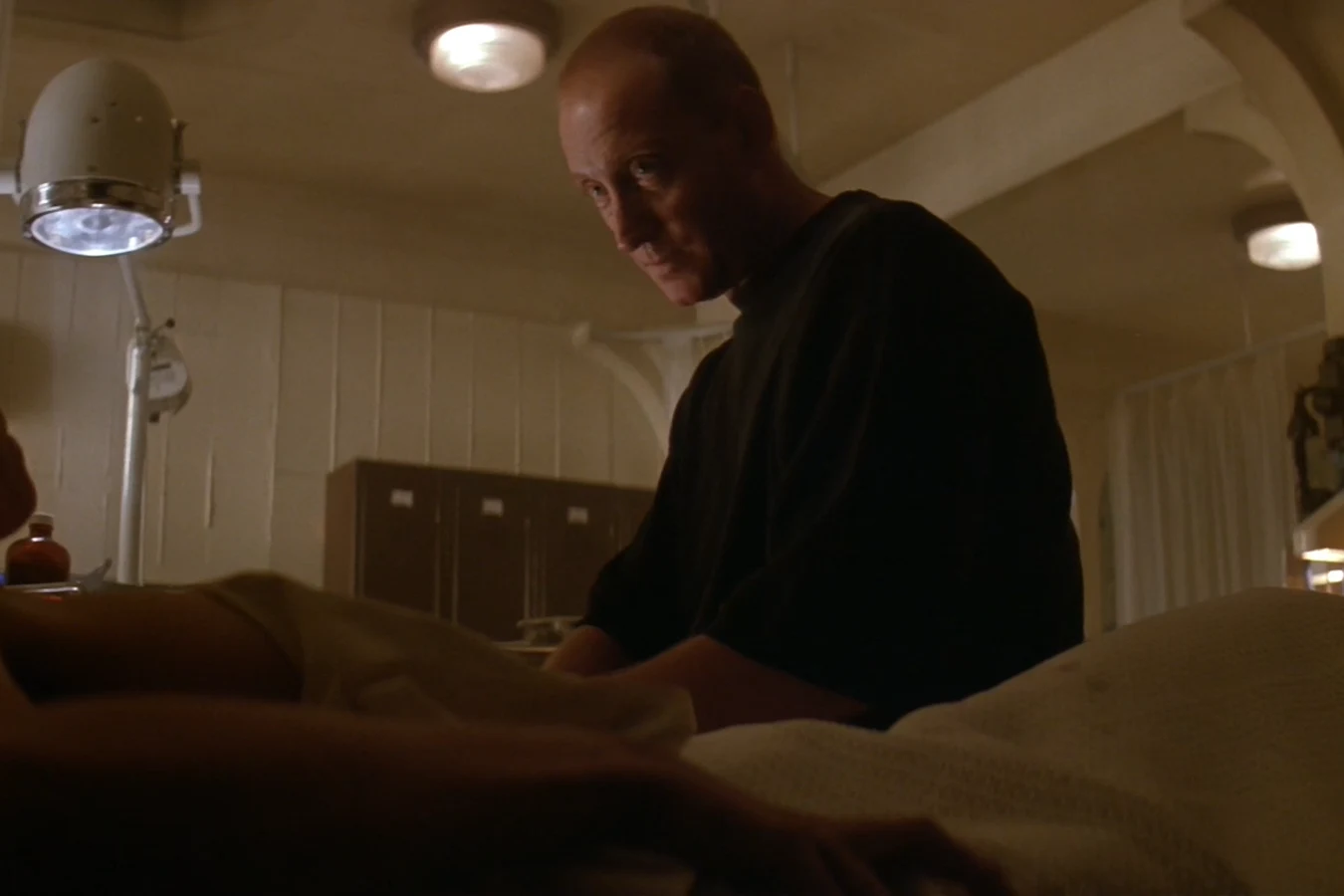
Clemens woke Ripley in the infirmary with a little cocktail of his own mix, which he called an eye-opener, and then gave her a stabilizer. He introduced himself as chief medical officer of Fury 161, one of Weyland-Yutani's backwater work prisons, and warned her about the lice. When she asked about the others, he told her they had not survived. She insisted on seeing the ship at once. He suggested clothes, given that the inmates had not seen a woman in years, and added that neither had he.
At the wreck he told her that the android Bishop had been found in pieces and dumped on the rubbish tip, that Corporal Hicks had been impaled by a safety support, and that the girl had drowned in her cryotube. Ripley found an acid mark on Newt's tube and asked to see the body. In the novel, Clemens had treated her blind, because her ID tag was damaged in the crash, using an IV of glucose, antibiotics, sleep modifiers, and painkillers. He watched for a reaction to any of it and was relieved when none came.
The Autopsy Of Newt
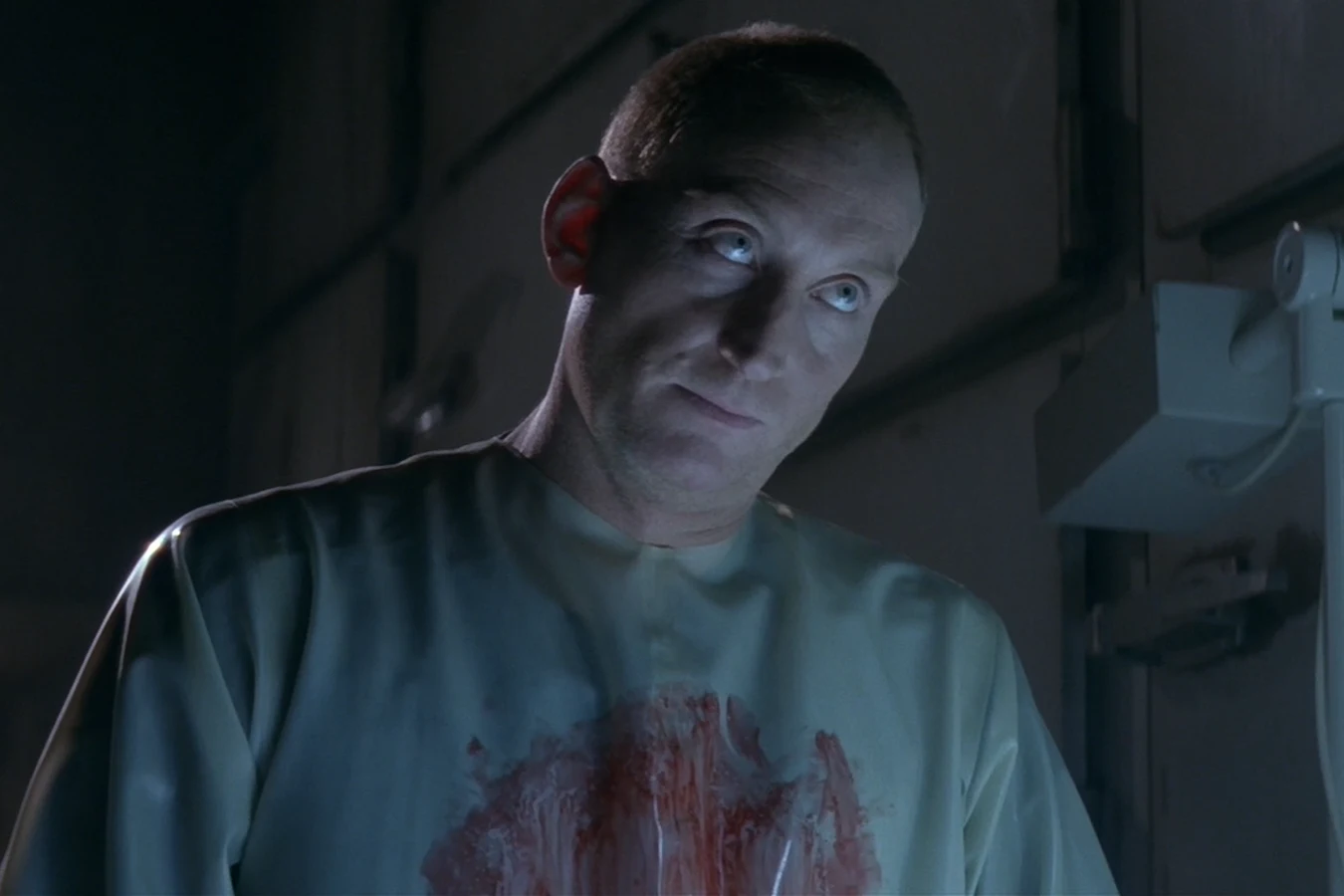
In the morgue, Ripley asked for a moment alone with the body and then demanded an autopsy. Clemens reminded her that the girl had drowned. When she named possible contagion and said cholera, he answered that there had not been a case of cholera for two hundred years. He did it anyway, and found everything in place, with no sign of infection or disease and lungs flooded with fluid. Ergo, he told her, she drowned. Since he was not a complete idiot, he then asked what they were really looking for.
Andrews and Aaron walked in on the open body. Clemens told the superintendent that the lieutenant was feeling much better and that he was performing an autopsy in the interest of public health, because there did not seem to be time to ask. When Ripley asked for the bodies to be cremated, he backed her and said an outbreak of cholera would look extremely bad on a report. Andrews gave way. In the novel Clemens admitted to himself that he was badly out of practice and not at all sure why he was doing it.
The Cremation And The Assembly Hall
At the cremation, Dillon spoke over Newt and Hicks as the bodies dropped into the furnace. In Foster's version Clemens stood next to Ripley, and when she staggered and clutched his arm he held his ground while the men looked on with sympathy. Afterward she shaved her head against the lice, and he asked how she liked her new haircut. He explained the brothers' faith as a millenarian apocalyptic Christian fundamentalist brew. When she asked how he had landed this wonderful assignment, he steered the talk back to what she had been looking for in Newt.
He reminded Ripley that he had gone out on a limb for her with Andrews and damaged his less than perfect relationship with the superintendent. In the novel the talk took place in the empty assembly hall, where Clemens poured a short whiskey from a metal flask while prisoner Martin swept nearby. He told her the converts had found religion about five years earlier and that the Company let them stay because it made them quieter. He was still waiting for an answer when she changed the subject entirely.
A Night With Ripley
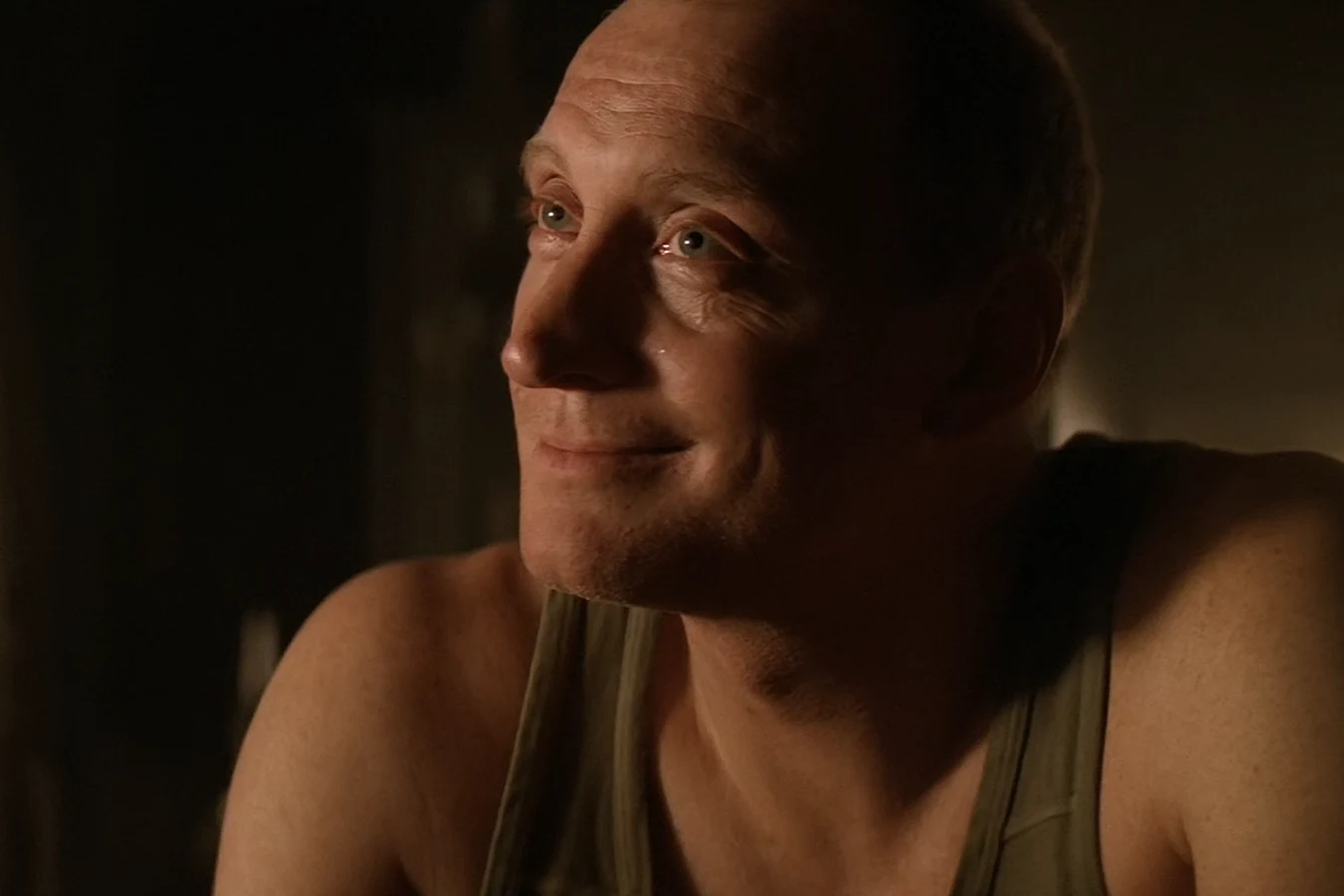
Ripley asked him whether he was attracted to her, and in what way soon became clear. He called her very direct, and she replied that she had been out there a long time. They slept together in his quarters. Afterward Clemens thanked her for her affections but pointed out that they had deflected his question, and he still wanted to know why the bodies had to be burned. She told him she had a bad dream in hypersleep and had to be sure what killed Newt, and she admitted she had made a mistake.
Then she said she had made another one, fraternizing with a prisoner. Clemens insisted he was not a prisoner, and she pointed to the bar code on the back of his head. He agreed it deserved an explanation, but said now was not the moment. The intercom cut in with Aaron calling him to a ventshaft, because one of the prisoners had been diced. In the novel his quarters held a synthesizer he had adjusted to turn medical rubbing alcohol into something drinkable, a hobby he kept from Andrews, and he joked that the place was not Sorbonne Centrale.
Murphy's Death And The Acid Burn
The dead man was Murphy, pulled into a ventilation fan. Clemens remarked that there was not much to say, since death was instantaneous, and Aaron agreed. When the others put it down to a sudden rush of air, Clemens pointed out that the fan had been blowing. He then noticed a pitted burn on the duct floor nearby and said he did not know what it was, and Andrews told him to report to his quarters in thirty minutes. In the novel he lingered after the search party left to study the damaged metal again.
He found Ripley wandering unescorted and warned her that it would anger Andrews. He told her a prisoner had backed into a nine-foot fan, then described the burn as rather like the one she had found on the girl's cryotube. He wanted to help, he said, but needed to know what was going on. She asked instead for a computer with audio so she could access the flight recorder, and for Bishop, the android that crashed with her. He pointed her toward the rubbish tip but said he could not join her, because he had a previous engagement.
The Meeting With Andrews
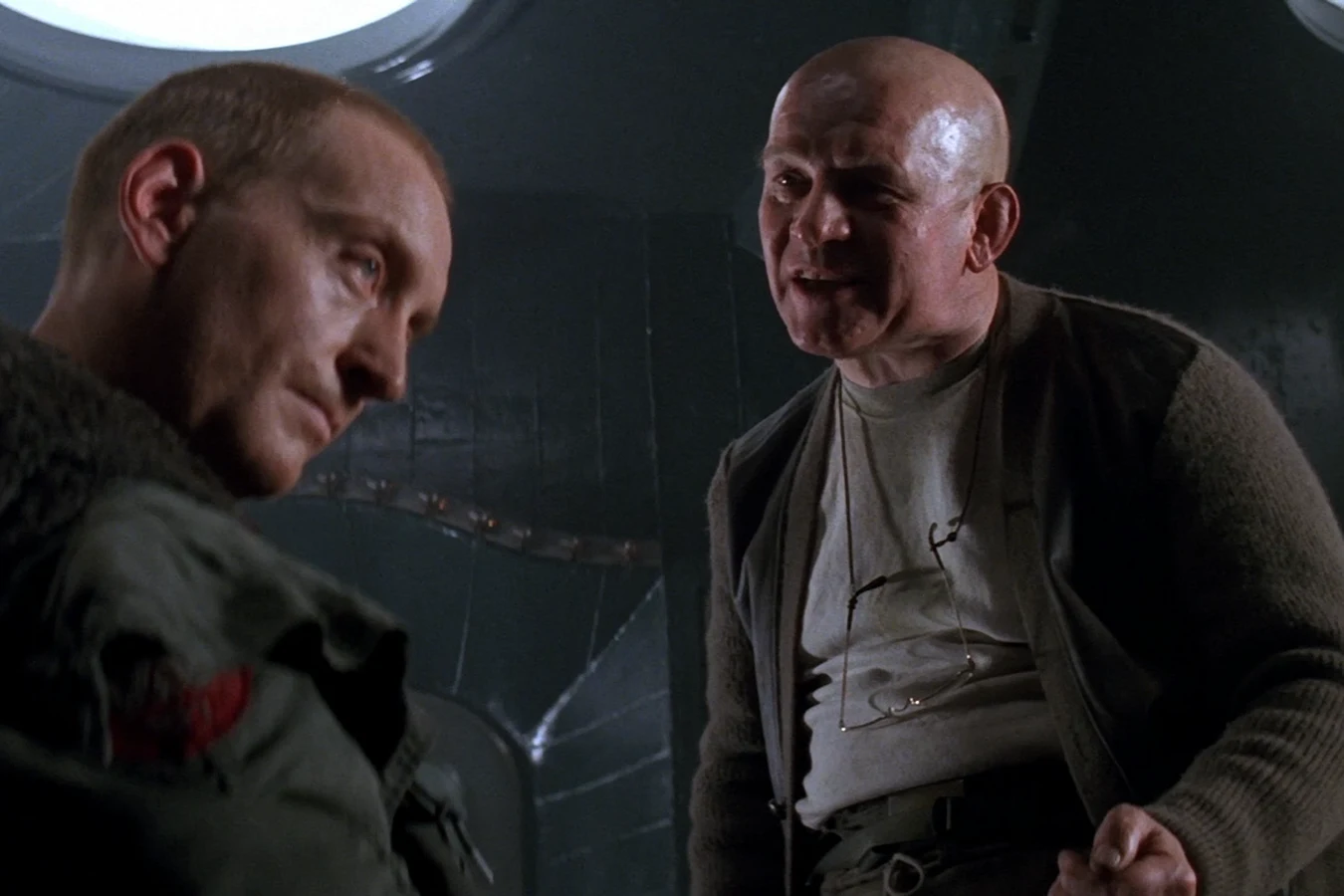
Andrews greeted him by calling him a piece of shit and promising to cut him in half if he crossed him again. At 0700 hours the superintendent had received the first high-level message the installation had ever been sent, telling him the woman was high priority and had to be looked after. He blamed Clemens for letting her out of the infirmary. Clemens answered that he was a doctor and Andrews was the jailer, and that he found the superintendent unpleasant to be around. Andrews threatened to tell Ripley about his sordid history and asked whether there was anything he should know.
Foster stretches the scene over cups of tea. Andrews called Clemens unpredictable, insolent, and possibly dangerous, one of the quiet, smart prisoners who cause the really serious problems, and said he would not let him within light-years of the operation if he did not need a medical officer. Clemens told him only that Ripley belonged to a combat team that came to grief and that the rest was classified. He kept the burn to himself. Andrews ordered him to report anything disruptive, and Clemens agreed with a brisk yes.
Death In The Infirmary
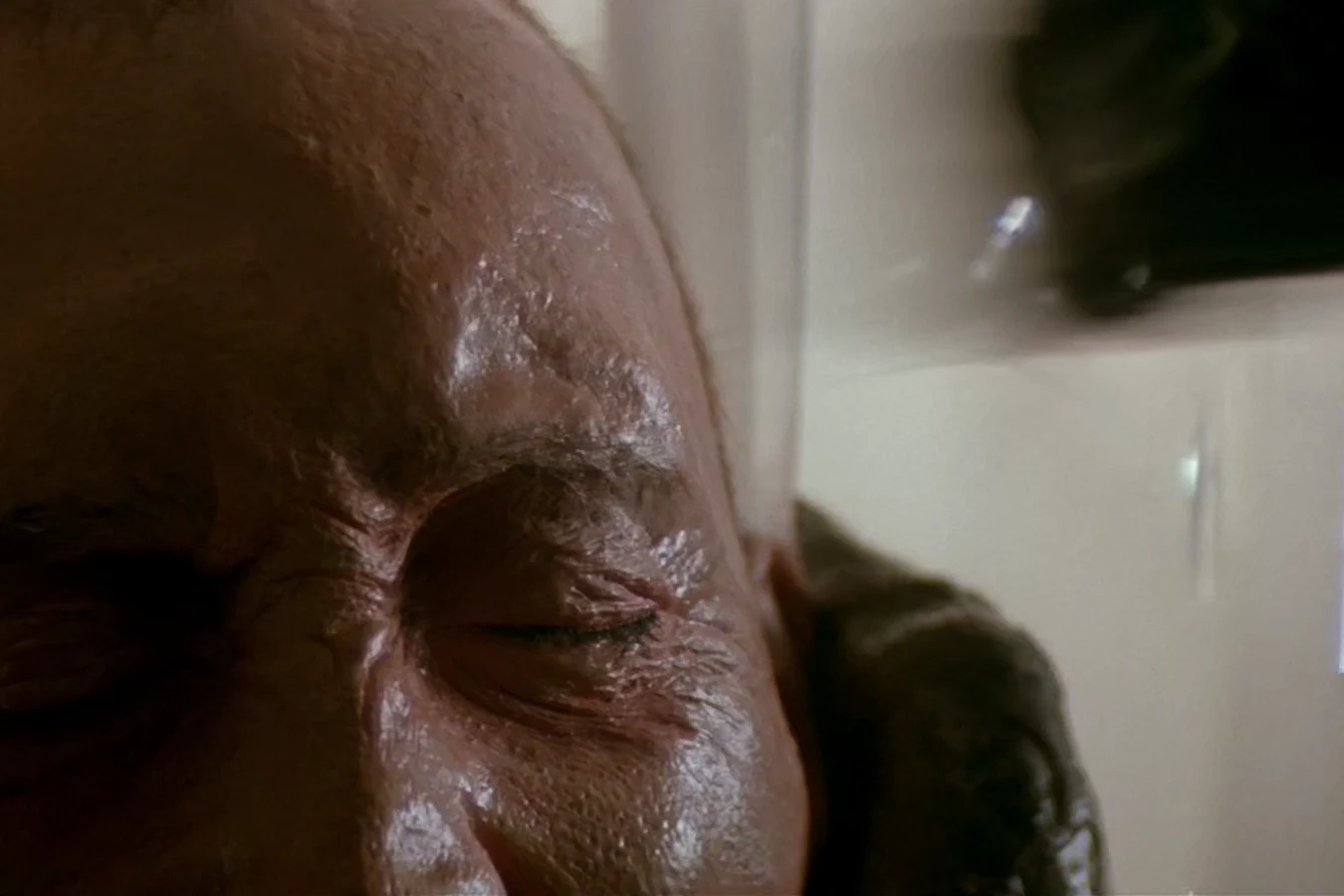
After Golic came back raving about a dragon that had killed Boggs and Rains, he was brought to the infirmary in a straitjacket. Ripley backed his story, and Andrews confined her there with him. She asked Clemens whether there was any way off the planet, and he told her the supply ship came every six months, though someone was being sent for her soon. Nobody, he added, had ever been in a hurry to get there before. He offered her one of his special cocktails while Golic told her to get married and have kids, and then she asked him to level with her about his past.
Once he had told her about his conviction, Ripley let him give her the injection. Behind him, the Runner that a Facehugger from the pod had planted in an ox, a dog in the theatrical cut, came down from the ceiling. It seized Clemens and killed him in seconds, a few feet from her. The creature then brought its head to hers and turned away without harming her, because she carried a Queen embryo, as she learned later. She ran to the mess hall, where Andrews was briefing the prisoners, and told them the creature had killed Clemens.
In Foster's novel the alien dropped silently from the ceiling as Clemens leaned toward her with the injector, and Ripley saw that its head was fuller and its body more massive than any type she had met before. Clemens noticed only that she seemed to be having trouble breathing. The alien ripped his head off and flung it aside. Golic, still strapped down, called the creature over and begged to be let loose. Later Ripley lit a narcostick in the assembly hall, remembered him, and decided it was better not to think of him at all.
Personality And Traits
Clemens was an educated outsider among double-Y inmates. He answered Andrews with formal politeness and needling jokes, and he pushed his small authority as medical officer as far as it would go, from the autopsy to the cremation. He protected Ripley from the first day and risked his standing with the superintendent to help her. He also wanted answers, and he kept asking what she was hiding until the moment he died. In the novel he rarely dealt with the prisoners except those who came to sick call, and he took long walks alone on the beach.
Guilt was at the centre of him. He never claimed his sentence was unfair, and in the novel he told Ripley he had wiped out eleven lives casually, with a dumb smile on his face. He said he deserved all of it, because he had destroyed eleven families, and that a place like Fiorina helped a man learn to live with what he had done. Foster also gave him a talent for recombinant synthetic chemistry, which he used for the private still in his quarters, and a stubbornness that, in Andrews's view, kept him from admitting he had no pride left to defend.
Clemens In The Alien 3 Comic
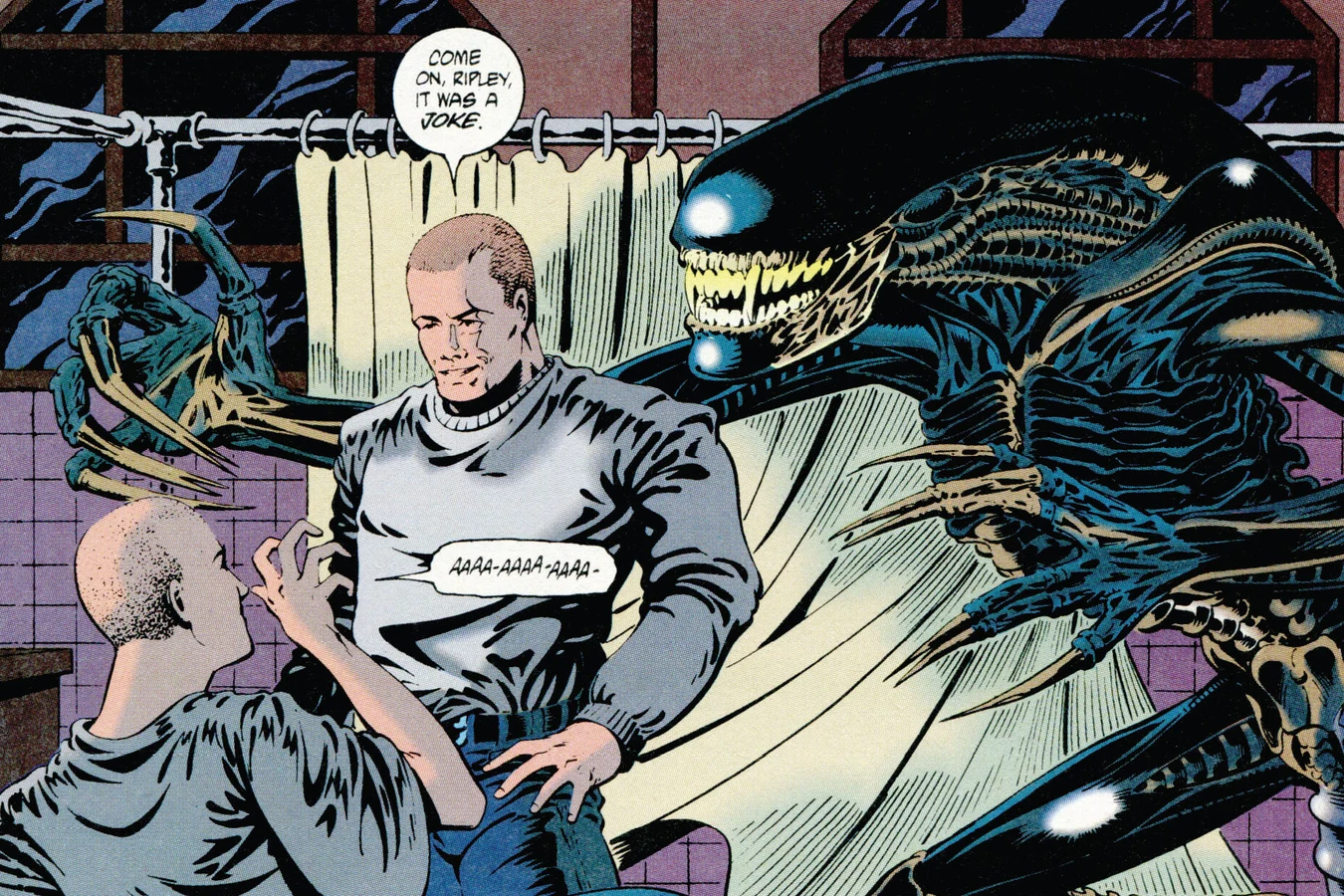
Dark Horse's three-issue Alien 3 comic from 1992, written by Steven Grant, keeps Clemens as the medical officer who treats Ripley, searches the wreck with her, and opens Newt's chest. The art gives him short hair instead of a shaved head, and he wears a grey sweater and jeans. His confession follows the film closely, with the morphine, the drink after his shift, the boiler on a fuel station, and the eleven dead. The comic shortens his shift to thirty hours, and he says his license was dropped to a 3C and that he kicked the habit on Fiorina.
He asked Ripley whether she trusted him with a needle now. When she began to scream at the creature rising behind him, he told her it was a joke. The Dragon's tail took his head off in a single stroke, with the syringe still in his hand. Golic then called it over from his restraints and offered to be its friend. In this version the creature was born from the prison dog Sparky rather than an ox, and it killed Andrews soon after.
Behind The Scenes
Charles Dance played Clemens for David Fincher at Pinewood Studios. Genre fans knew him then as the villain Sardo in The Golden Child and as the lead of the Phantom of the Opera miniseries. In an interview during the shoot he described Clemens as very much a loner, not at all popular with the other members of the staff. He also admitted that the powers that be at Fox had simply decided it was time Ripley had a man. He said the two characters were drawn together because neither of them had been with a partner in a very long time.
Dance called the 29-year-old Fincher another Spielberg and said he would jump off Waterloo Bridge for him. An Empire set visit found that he and Charles S. Dutton preferred not to give interviews on the floor. Years later he told SFX the film was not a nightmare but certainly not an easy shoot, and that what reached the screen was quite removed from the script. He thought it a pity that the only man Ripley ever had a relationship with was killed off a little early. Fincher cast him again as William Randolph Hearst in Mank in 2020.
The character began as Brother John in the first draft by John Fasano, from a story by Vincent Ward and Fasano, dated 29 March 1990. John was a monk healer on the wooden orbiter Arceon, teased by Brother Kyle as a would-be doctor of physick, and the script followed him as much as Ripley. Walter Hill and David Giler's December 1990 revision kept him as Clemens, now chief medical officer of Fury 161. That draft already had him witness the crash, carry Ripley to safety, and reveal his past only through dialogue.
The 2003 Special Edition, the Assembly Cut made for the Alien Quadrilogy set, restored his walk on the beach, the crash he watches, and the discovery of Ripley in the surf. The same cut replaced the theatrical dog with an ox. The film never gives his first name, and Jonathan comes from S. D. Perry's Alien: The Weyland-Yutani Report in 2014. Foster's novel swaps the film's morphine for an invented drug called Midaphine. The comic, by contrast, keeps morphine.
Famous Quotes
- "Just a little cocktail of my own mix. An eye-opener."
- "Given the nature of our indigenous population, I would suggest clothes."
- "It's stenciled on the back of your shorts."
- "There hasn't been a case of cholera for two hundred years."
- "Now, since I'm not a complete idiot, want to tell me what we're really looking for?"
- "I really appreciate your affections. But I am aware that they deflected my question. In the nicest possible way, of course."
- "Not much to say, is there? Death was instantaneous."
- "Poor sod backed into a nine-foot fan."
- "It might be better if I left. I find you unpleasant to be around."
- "It's a long, sad story, and more than a little melodramatic."
- "Do you still trust me with a needle?"
Conclusion
Jonathan Clemens was the disgraced doctor who stayed on Fiorina 161 because nobody else would employ him. He treated Ripley, opened Newt for her, backed the cremation against Andrews, and became the only man she was ever involved with on screen. He found the acid burn in the ventshaft and kept asking what she was hiding. He told her about the eleven patients he killed and asked whether she still trusted him with a needle. The Dragon killed him in the infirmary in 2179 before she could answer.
Appearances
- Alien 3 (1992)
- Alien 3 novelization (Alan Dean Foster, 1992)
- Alien 3 comic (Dark Horse, 1992)
- Alien: The Weyland-Yutani Report by S. D. Perry (2014)
Tag Categories: Alien Universe Characters | Alien Lore