
The Lunar Maru was a luxury passenger liner and the flagship of the Red Giant Line in Aliens: Havoc. Its public role concealed a Weyland-Yutani research operation in which Gropius Lysenko experimented with Xenomorphs and Royal Jelly. After an outbreak and a deliberate shutdown of its systems killed the passengers and crew, the ship drifted in an asteroid belt for months. A Trispast Salvage team boarded the derelict, discovered the experiments and eventually restored its engines, escaping aboard the liner with evidence of the Company's activities.
Design And Propulsion
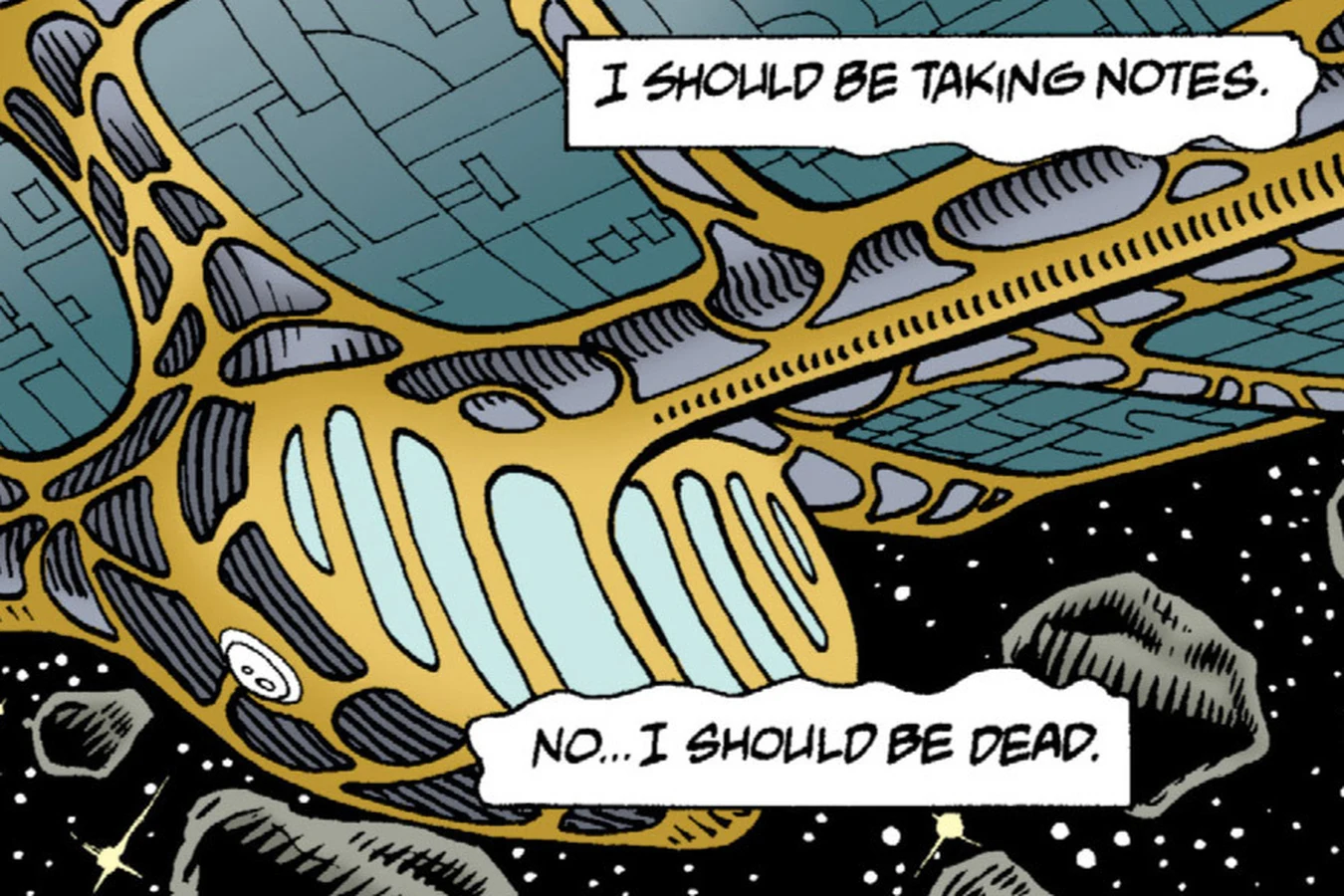
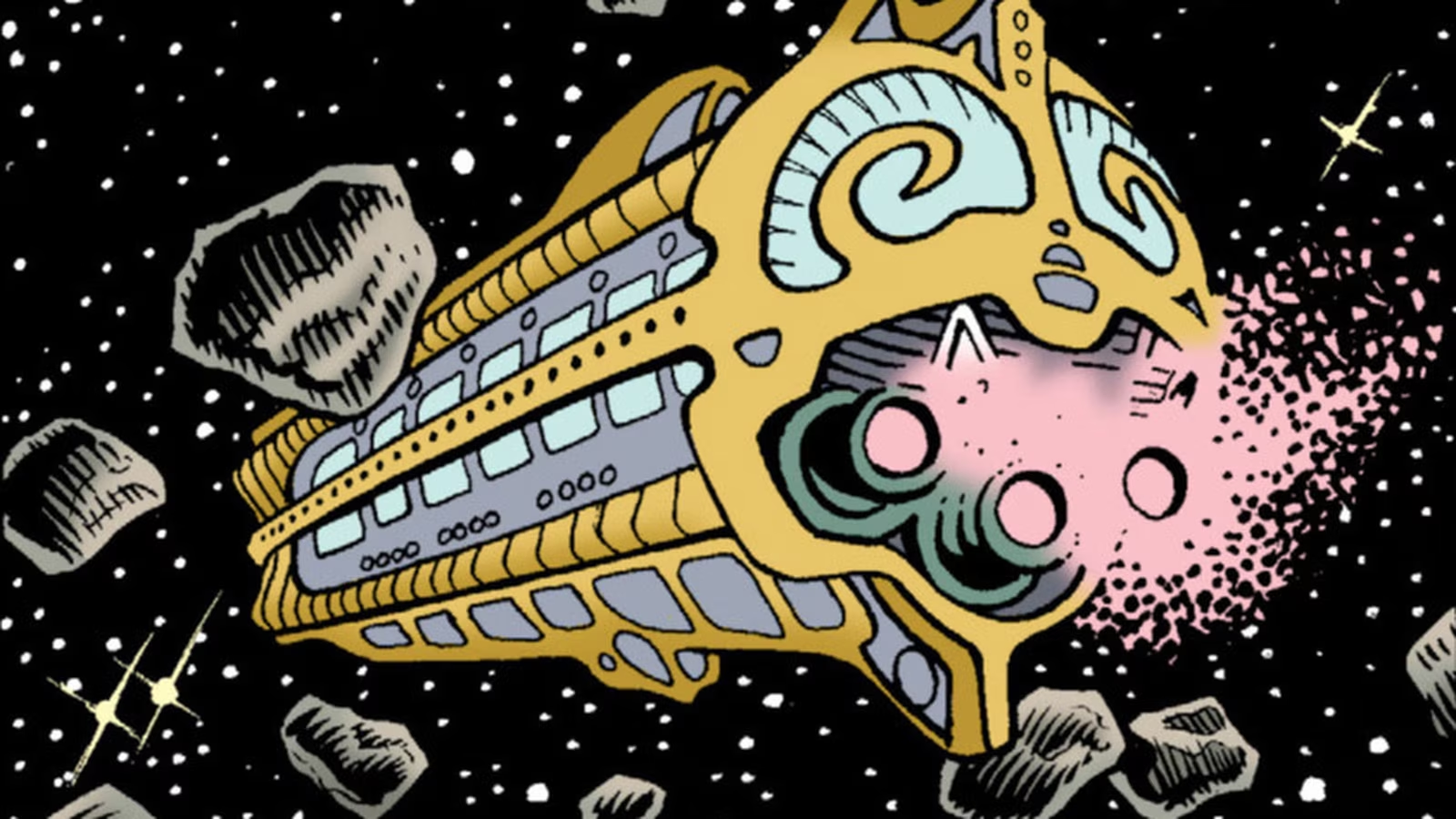
The Lunar Maru was built for long-distance passenger travel, with a decorated exterior and extensive windowed areas. Its public rooms used elaborate frames and ornamental fittings rather than the exposed industrial interiors of its service decks. Large observation ports allowed passengers to look directly into space, while the inhabited sections were connected to machinery and cargo-handling areas behind the passenger accommodation.
The Propulsion System supported hyperspace travel and a gravity drive. During the liner's final voyage, it left hyperspace unexpectedly and became stranded among asteroids. The salvage team later found that the bridge could not bring the engines online because the Xenomorph nest obstructed sequencing coils near the gravitron chamber. Once they cleared the infestation, the engines fired and the gravity drive carried the ship out of the belt.
Passenger Facilities
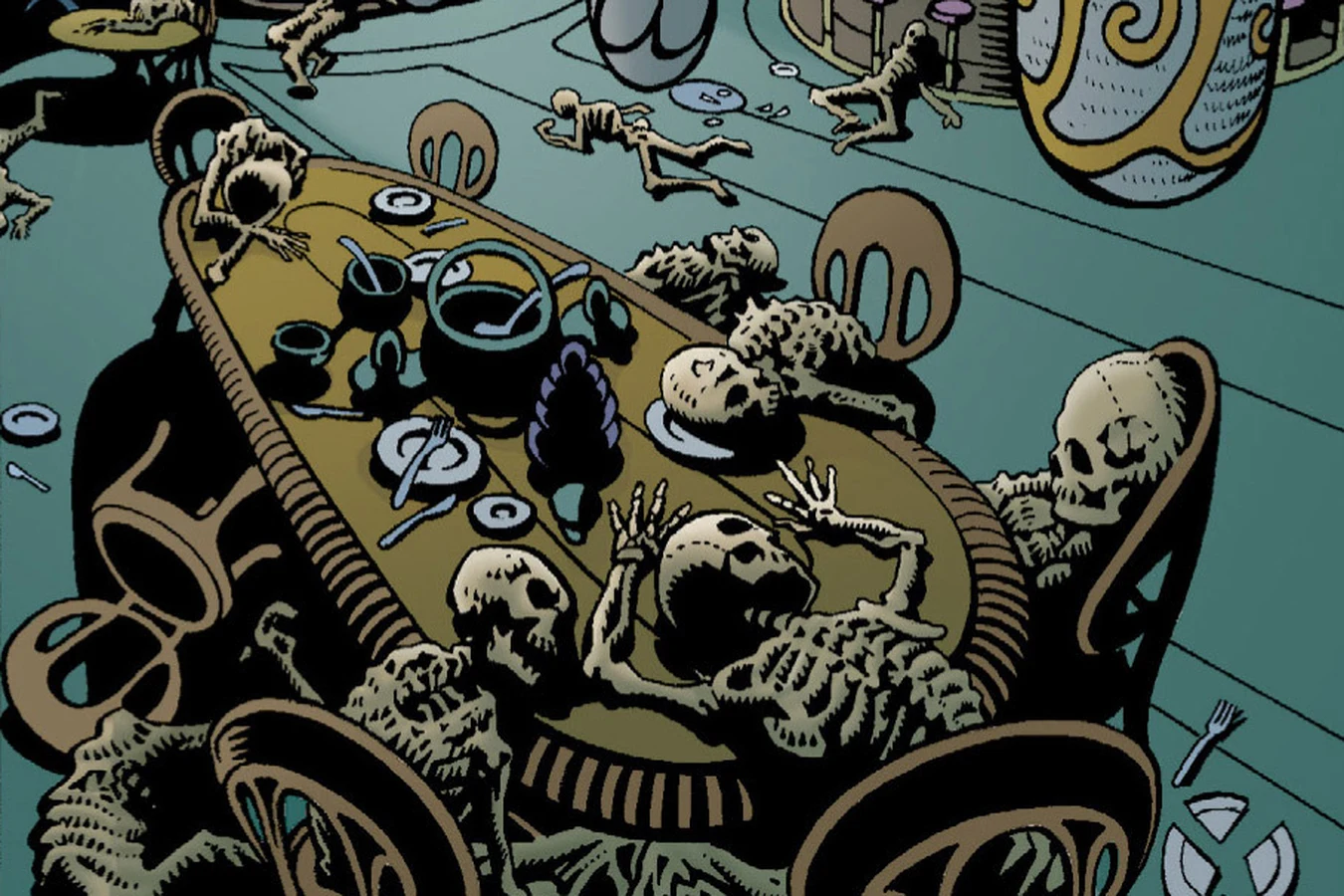
As the Red Giant Line flagship, the Lunar Maru offered private staterooms, furnished dining areas and spacious passenger lounges. Its rooms contained tables, chairs, decorative columns and ornamental lighting. Lysenko occupied a substantial stateroom of his own. The salvagers encountered human remains among these furnishings, showing that the system shutdown had killed people throughout the occupied passenger sections.
The Observation Windows were large enough to reveal nearby vessels in the asteroid belt. Ziska's team watched the St. Clair through one of these ports before it struck an asteroid. During a later attack, Cleg's uncontrolled gunfire shattered a viewport and exposed the compartment to vacuum. A closing bulkhead isolated the breach, allowing the surviving salvagers to continue into other parts of the liner.
Bridge And Support Systems
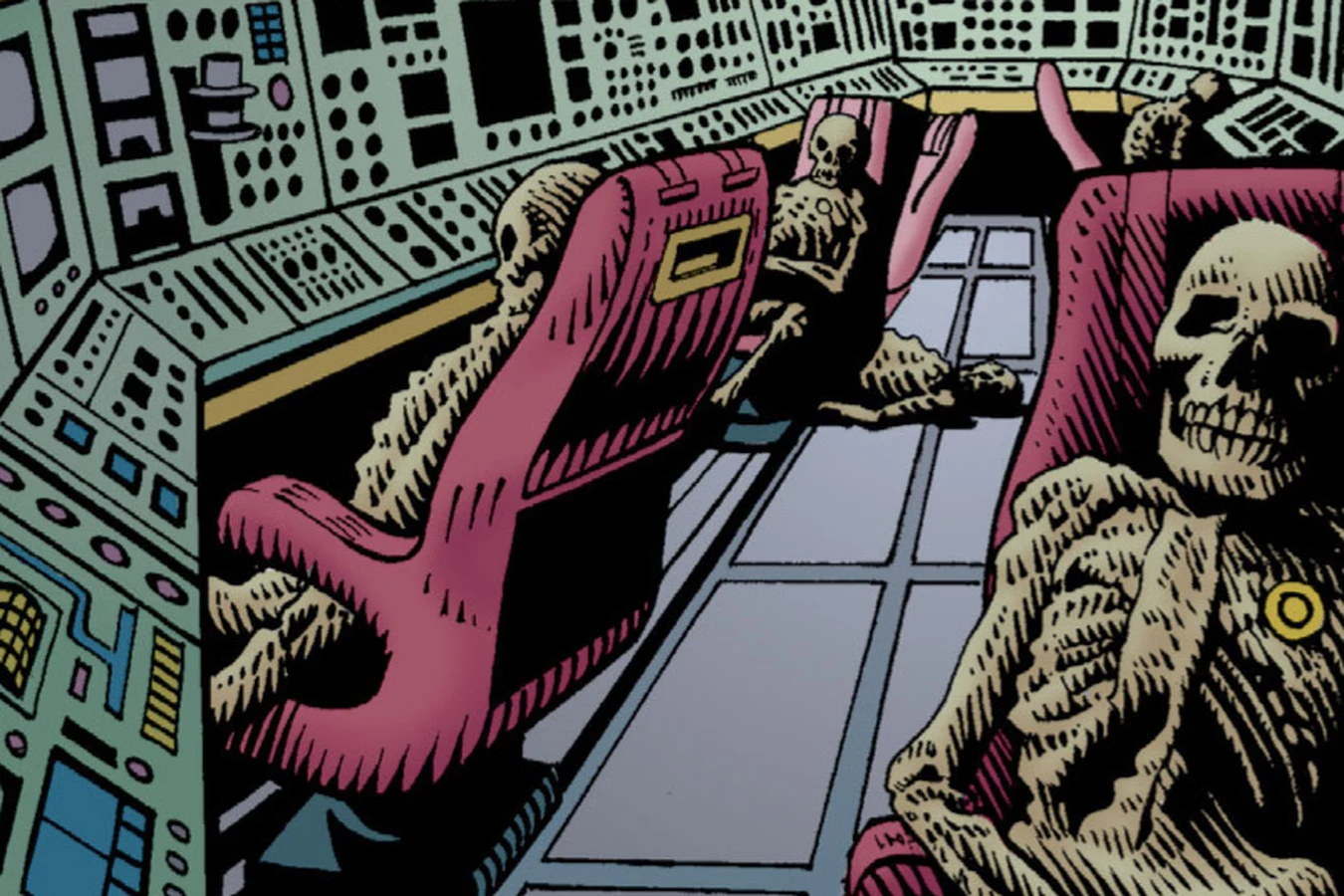
The Bridge contained the liner's main control positions and provided access to its operating systems. Other working areas included engineering compartments, service corridors and a freight-tube network. The salvagers used one of those tubes to travel toward engineering when Xenomorphs cut off their route through the passages. Its transport machinery remained useful even while the main engines were disabled.
The Life-Support System had been switched off rather than destroyed. Hyde's survey team found it operational, and Ziska authorized a restart after Reyes reported the hull breaches contained. Restoring the systems allowed the boarding party to remove their helmets, but also awakened the dormant creatures. Docking access included a service airlock used by the salvagers' shuttle, while the ship's internal bulkheads could seal damaged compartments.
Concealed Research Facilities
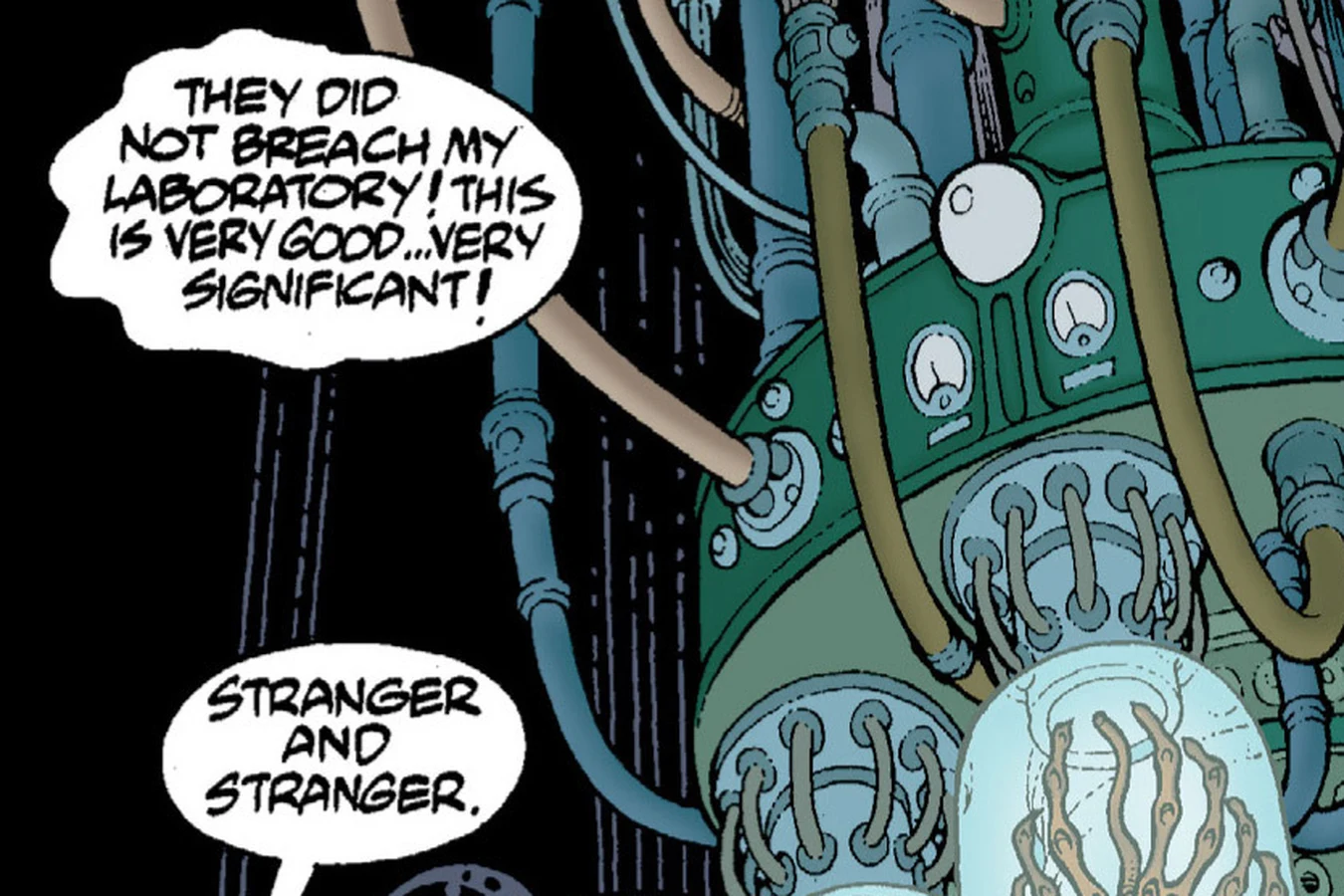
Lysenko's Laboratory was concealed behind his stateroom, with specimen vessels, research equipment and supplies of Royal Jelly. The installation supported experiments on the psychoactive properties of substances derived from the creatures. The Red Giant Line's passenger service provided cover for this work, allowing Company research to operate aboard a commercial liner without its passengers knowing what was being transported.
A separate, carefully hidden chamber held thirty Xenomorph Eggs secured with timer clamps. Lysenko's Records described his self-experimentation and the resulting ability to separate his consciousness from his body. His laboratory remained intact through the outbreak, allowing the salvage team to recover the notes and an altered Jelly sample. Battle later used both to devise a countermeasure against the colony.
Security And Containment
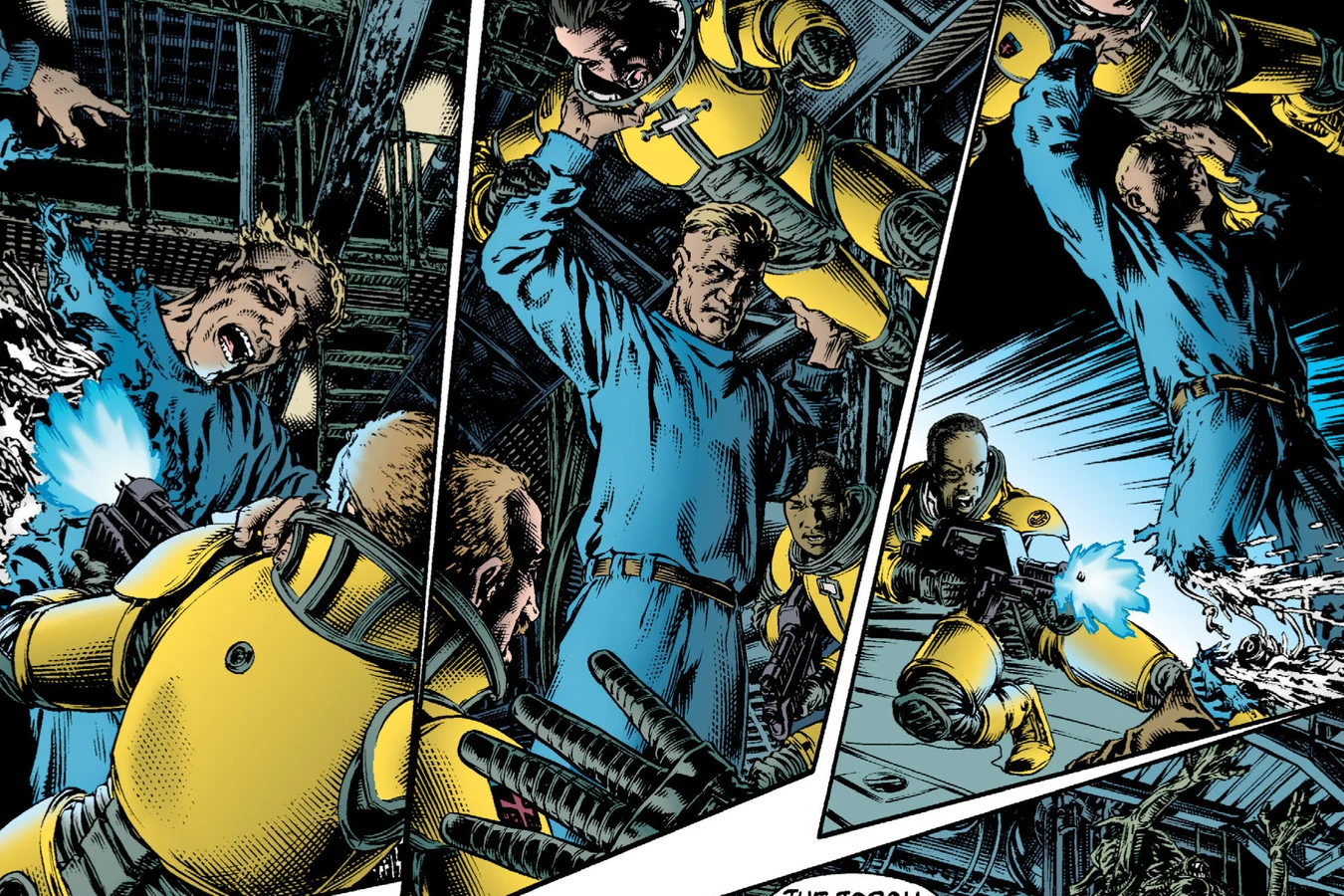
The Ship's Security included armed personnel and concealed caches of M41 pulse rifles. Lysenko directed the salvagers to those weapons after they were abandoned aboard the liner. Fire-suppression sprinklers and portable particle shields also became important to their survival. Ziska used the shields against the creatures, and Battle adapted the sprinklers to distribute her treatment over the nest.
Company synthetic operatives served among the Crew as sleeper agents tasked with containing threats to Weyland-Yutani's interests. When the outbreak became uncontrollable, they seized the ship's systems and shut them down. The action disguised the infestation as a different kind of disaster while killing the remaining humans aboard. Some operatives survived until the salvagers reached engineering and attacked them there.
Service History
The Research Voyage
The Lunar Maru operated as a passenger liner while Lysenko conducted experiments out of sight of its guests. Weyland-Yutani had recruited him from Neo-Pharm, and his work involved genetically altering Royal Jelly to make the creatures' minds accessible to human understanding. Testing the preparation on himself gave him an unanticipated ability to leave his body and inhabit other people.
Lysenko discovered that a host's impulses could influence his behaviour. After committing an atrocity against a passenger, he fled from security into the Egg chamber and removed the clamps from its contents. Ten Eggs hatched and their Facehuggers infected ten people, including the scientist. He abandoned his body as the parasite attached to him, leaving his consciousness aboard the ship.
Infestation And Abandonment
Ten adult Xenomorphs developed from the infected hosts, and the outbreak spread through the Lunar Maru in a single day. Company operatives shut down the liner to conceal what had happened. The human passengers and crew died, but the creatures endured the resulting conditions in hibernation. The vessel transmitted a fragmentary distress signal and remained trapped in the asteroid belt for months.
The Company then used Trispast Salvage, another business under its control, to investigate and recover the liner. Ziska's boarding team came from the St. Clair with repair equipment and pressure suits. They found the bodies, sealed the damaged sections and restored the ship's systems. The returning atmosphere and power awakened the Xenomorphs, turning the recovery operation into a fight to escape.
The Salvage Operation
The Salvagers were abandoned when their shuttle returned to the St. Clair without them. That ship was subsequently destroyed in an asteroid collision, which Lysenko attributed to a Xenomorph carried aboard the departing shuttle. With their original transport lost, Ziska and his companions had to recover the Lunar Maru itself. Lysenko guided them between temporary human hosts, revealing his laboratory and the cause of the disaster.
The creatures had established a nest around the Sequencing Coils, preventing the engines from responding to the bridge. Cleg died after his gunfire broke a viewport, and Drowser was killed during the advance toward engineering. The remaining team fought through Xenomorphs and Company operatives to reach the machinery, carrying Lysenko's altered Jelly and the research notes that explained its effects.
Recovery And Departure
Battle arranged for the experimental Jelly to be spread over the nest's remaining twenty Eggs through the fire-suppression system. Ziska threw his burning torch into the colony to trigger the sprinklers. The treatment accelerated hatching and produced parasites with psychic abilities they could not control. Their influence overwhelmed the other creatures, exploiting a weakness created by the altered Royal Jelly and allowing the survivors to reach the engines.
Ziska, Battle, Phibbs And Avril restored propulsion and escaped aboard the Lunar Maru. They intended to reach a government-run port before the Company found them, so that the evidence could be made public. Lysenko watched the departure and prepared to rest after his final intervention against the creatures. The ending left the liner operational and underway, without depicting its arrival or establishing a later destination.
Behind The Scenes
Mark Schultz introduced the Lunar Maru in the two-issue Aliens: Havoc miniseries, published in 1997. Its artists' jam format passed the story between more than forty illustrators, with Pamela Rambo providing colors and Clem Robins supplying the lettering. The liner's public rooms, concealed research spaces and machinery formed the setting shared by those different visual treatments.
The Lunar Maru's Exterior appeared during the final departure, showing its decorated hull, long rows of windows and prominent projecting fins. The earlier ships seen through its observation ports were the approaching salvage vessels, rather than additional views of the liner. Its illustrated systems established how the survivors could recover it, but the comic did not assign a named ship class, numerical dimensions or passenger capacity.
Conclusion
The Lunar Maru combined luxury passenger accommodation with concealed Company research. Its laboratories and Egg cargo caused the infestation, while its shutdown systems, freight tubes, weapons caches and sprinklers shaped the salvage team's response. The liner ultimately survived the disaster and carried four salvagers away from the asteroid belt with evidence of the experiments aboard it.
Appearances
- Aliens: Havoc #1-2 (1997).
Tag Categories: Alien Universe Ships | Weyland Yutani Ships | Alien Lore