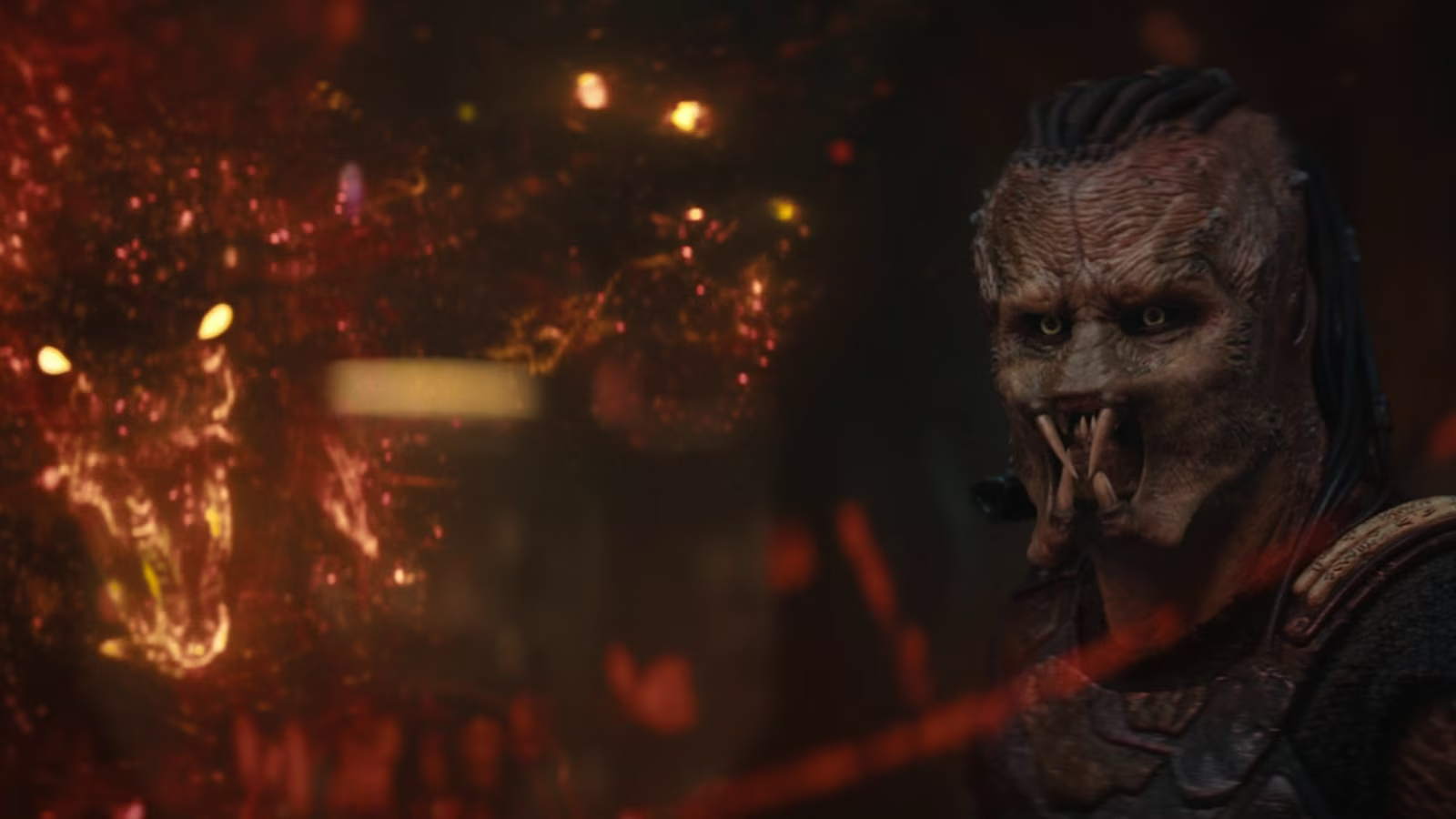

Yautja do not hunt for food alone. They take trophies, climb clan rank, seek a parent's approval, and in some cases look for a death in combat that their people will remember. The sections below cover those aims, along with stolen technology and the few Elders who leave the hunt.
The Hunt as Ritual

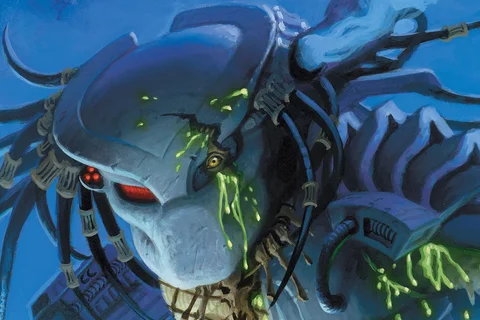
At the core of Yautja culture is the hunt. Predators treat themselves as warriors first, and clan life is built around finding prey that can fight back. The hunt is not only a way to eat. It is the test that shows whether a Yautja can follow the honor rules and come back with proof. Killing a harder target, such as an Alien Queen or an Engineer, raises that hunter's standing more than an easy kill.
Trophies and Honor

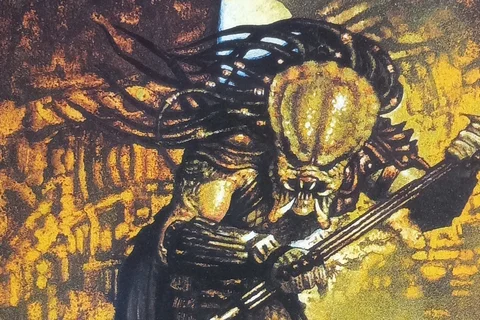
The chase is only half of it. Collecting trophies is a required part of Yautja culture after a successful hunt. Those trophies are often skulls and spinal columns, kept as proof of who the hunter beat. A trophy collection marks honor inside the clan, not decoration for its own sake. A harder kill sits higher in Yautja society than a weak one. The skulls go on trophy walls where other hunters can see them.
Cultural Hierarchy and Rank

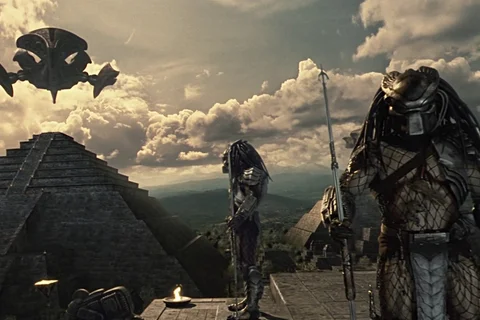
Yautja society operates under a strict hierarchical structure governed by a Code of Honor. Young Predators aspire to climb the ranks by successfully completing hunts and accumulating noteworthy trophies. Higher ranks bring more privileges and respect inside the clan. That is why Predators keep looking for harder prey instead of repeating easy hunts. At the top of the hierarchy sits the Predator King, the leader of the Yautja race.
Recognition From Parents

Not every Yautja hunted purely for trophies or rank—some were driven by something more personal: earning recognition from their parents. Predator: Badlands made this painfully clear through Dek, a young runt dismissed as weak by his father, clan leader Njohrr. Desperate to prove he belonged, Dek set his sights on an impossible first hunt: traveling to Genna to kill the Kalisk, a legendary beast feared even by Njohrr. When Njohrr went so far as to order Dek's execution, Dek's older brother Kwei defied him, only to be killed for it. In the end, Dek did return from Genna, but did not kill the Kalisk. Instead, he defeated his father Njohrr, only to be confronted with his mother, whom he feared as well.
Respect for Adversaries

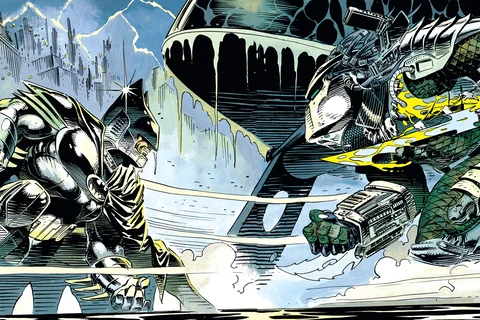
Yautja do not treat every kill as the same. They look for opponents who can fight back, and they count a fair fight as worth more than an ambush on the weak. Strength matters, but so does how the prey thinks and moves. Beating a worthy opponent is one of the main ways a hunter gains honor. They also honor people who have killed a member of their clan, sometimes by giving those survivors trophies.
Glorious Death

A Glorious Death is a real aim in Yautja culture, not only a last resort. Some Predators pick fights they may lose, facing numbers or a stronger enemy on purpose. Falling against a hard opponent is treated as an honorable end, not a failure of the hunt. That death is meant to be remembered in Yautja history alongside the trophies the hunter already took. How a Predator dies can matter as much as how many skulls they brought home.
Technological Advancement

Hunting is not the only drive. Yautja also want better tools than the prey they face. They are known for advanced weaponry, cloaking devices, and medical gear that can keep a hunter in the field. Better kit makes the next hunt safer and more impressive inside the clan. Much of that technology was taken from other races rather than invented from nothing. The clearest case is the insectoid Amengi, whose gear the Predators seized and kept using.
To Retire In Peace

To Retire in Peace is the other end of that career. Some older Yautja, often called Elders or Ancient Predators, stop hunting after years of trophies and live among family and clan instead. They have already proved themselves in enough fights that leaving the field is allowed. The aim is a quieter life, not another climb in rank. That path is less common on Yautja Prime, but it is recorded as a real choice rather than a disgrace.
Conclusion
Yautja want hunts, trophies, rank, and sometimes a death that other hunters will remember. Some also want better stolen technology, and a few Elders want to leave the field after that work is done. Those aims follow the honor code. A hunter who ignores them is unusual among the clans.
Tag Categories: Yautja Society | Yautja Behaviour | Predator Lore