
The Index is the reverse empathy test used on blade runners in Blade Runner 2099, Prime Video's series set fifty years after Blade Runner 2049. A child examiner delivers emotional prompts and records the subject's responses, so the unit can measure empathy levels after a serious human confrontation. Officer Yahya ordered the exam for Cora in the first episode, after a human beat her. Olwen later told Cora that transfers usually struggled with a child tester, and that there was no soul inside her at all. In the finale Greta ran the same exam again and said Cora had failed because her empathy levels were above her first index.
What Is The Index?
The Index is the empathy exam of the LAPD blade runner unit in 2099. It is given after a serious human confrontation, so a supervising officer can check whether a runner's empathy levels have moved. It is aimed at officers the unit already employs, including transfers such as Cora, not at a hidden replicant in the field. A rise above a recorded first index is a failure, because police who feel too much for a human cannot do a good job. That standard is what makes the exam a reverse empathy test: it watches for feeling, not for the absence of it in a suspect.
A child delivers the prompts, and that choice is part of the design. Olwen said transfers usually struggled because most had never seen a child before, and that the presence of one threw them. The same children were trained to watch for embarrassment and other marks of feeling, then to work a switch console while the subject answered. The older empathy interview survives in the questions, including the mother prompt first used on the Voight-Kampff machine in the 1982 film. The purpose does not.
How The Test Works
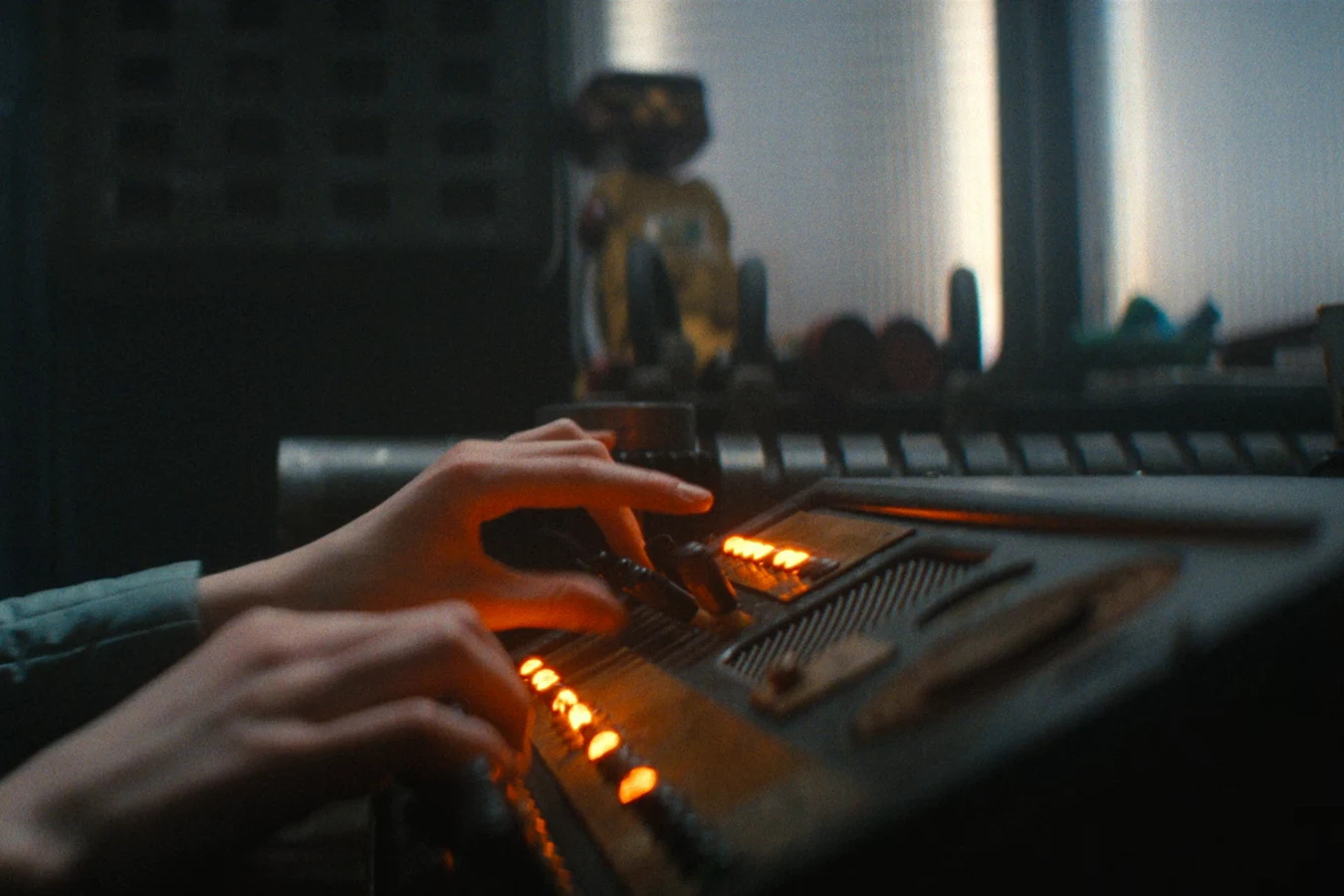
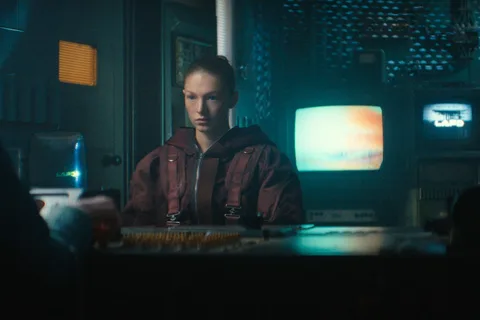
The Index was built to catch feeling, not to expose a hidden replicant. In a live exam a child worked a large console panel set into the desk, with a long row of lit keys, sliders, and switches, and delivered the prompts out loud. The examiner flagged responses such as embarrassment, which the institute taught was almost exclusively a human emotion, like empathy itself. Police who felt too much for a human could not do a good job, so the test measured whether an officer's empathy had risen. Passing depended on staying in range of a recorded first index.
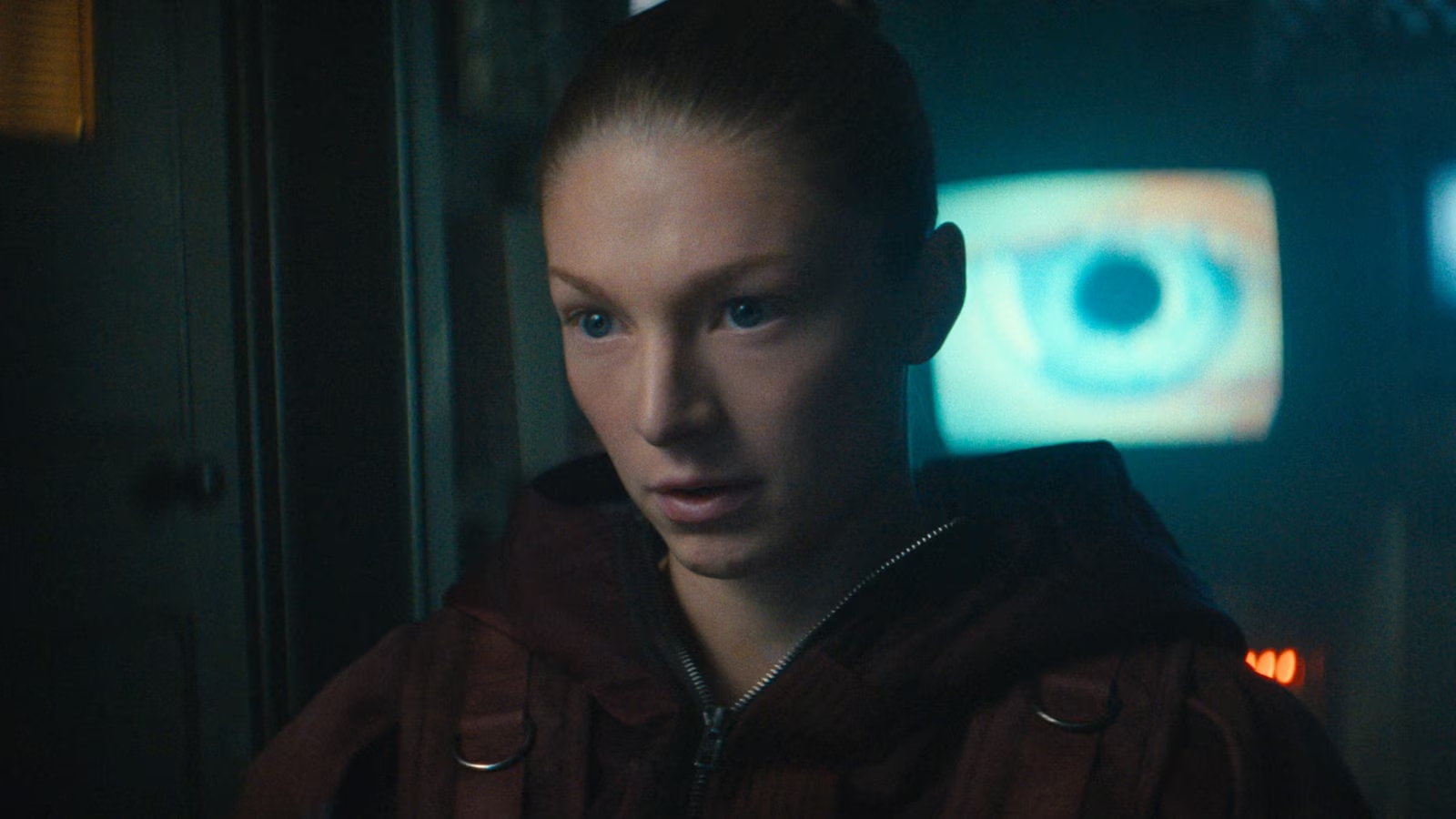
Prompts included whether the subject would invite a stranger to join a group, whether a child's cry meant something was wrong, and the old instruction to describe, in single words, only the good things about a mother. Cora answered that she had never had a mother, and that none of them did. In later Index exams Greta used a snakeskin coat at a party, a child left in the rain, a mounted deer's head, and a dying friend. The examiner clicked switches as the answers came, and a bank of monitors could show a close image of an eye while the machine warbled.
Training For The Test
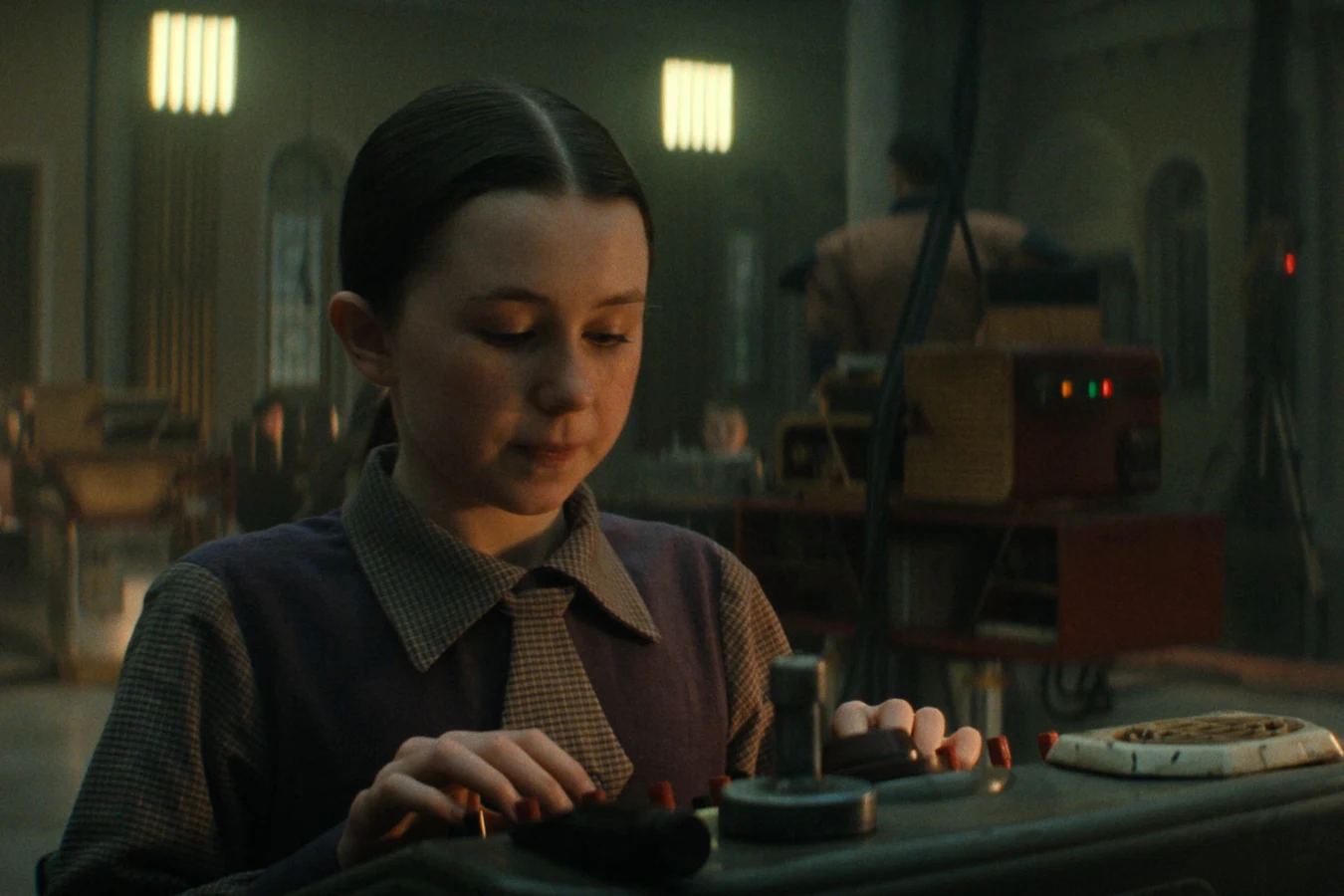
At the institute, applicant Greta and the other children ran practice exams on adult subjects, working a compact switch console with a lever, keys, and a marked response pad. They had already been taught to flag embarrassment for the Index, because embarrassment, like empathy, was almost exclusively a human emotion. The practice questions followed the same shape as a live exam, including whether the subject would celebrate a friend's good news, or help a child who had been slapped by a parent. An adult asked what impartial meant, and a child defined it as treating everyone the same.
After the practice exam began, Greta asked whether a person would offer help with an impossible task, whether they would go over after hearing an argument through an apartment wall, and whether they would help a child who had fallen. The subject refused each one. When the device blared, an instructor told the subject to pack up, and the subject asked whether they had done it right. Those drills prepared the children to deliver the Index itself, including the exam Greta later ran in the unit.
Cora's First Index
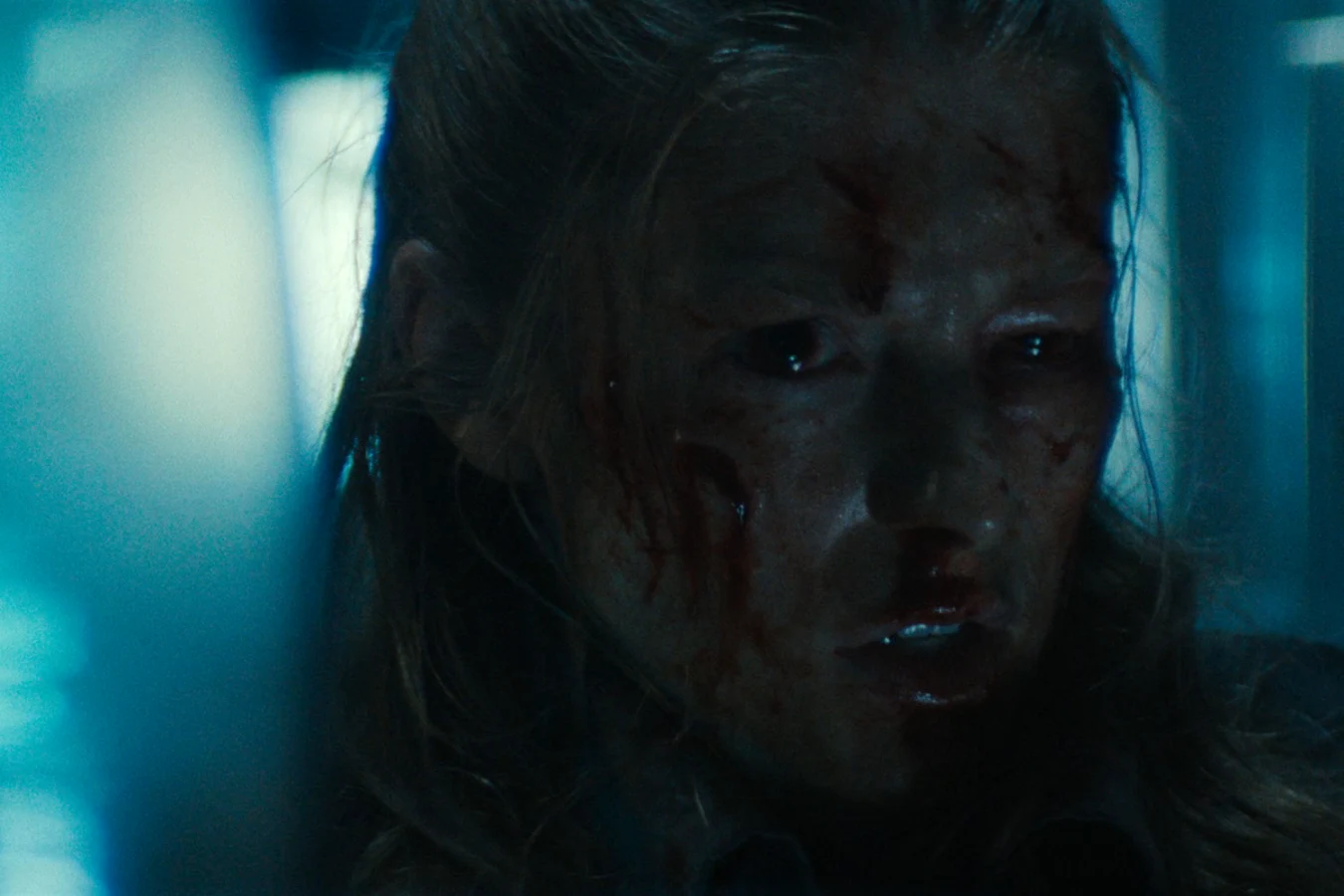
After a human beat Cora, Yahya told her they had to run an Index to check empathy levels, as required after any serious human confrontation. He took her to a testing room, where a child examiner began the prompts. Cora asked whether this was the Index, and tried to interrupt, but the girl kept asking whether she would invite a stranger to join a group, whether a child's cry meant something was wrong, and whether she cried when something was wrong. Cora said she had never been the girl's age, and that she would not cry so anyone could hear.
When the examiner asked her to describe, in single words, only the good things about her mother, Cora said she had never had a mother. The girl asked whether someone had taken care of her, and Cora still said she did not have a mother. After the machine ran on, Olwen came in to finish with her. Cora asked to take the Index again. When the results came through, Olwen said transfers usually struggled because most had never seen a child before, that this had not bothered Cora, that she was meant to be here, and that there was no soul inside her at all.
Child Examiners
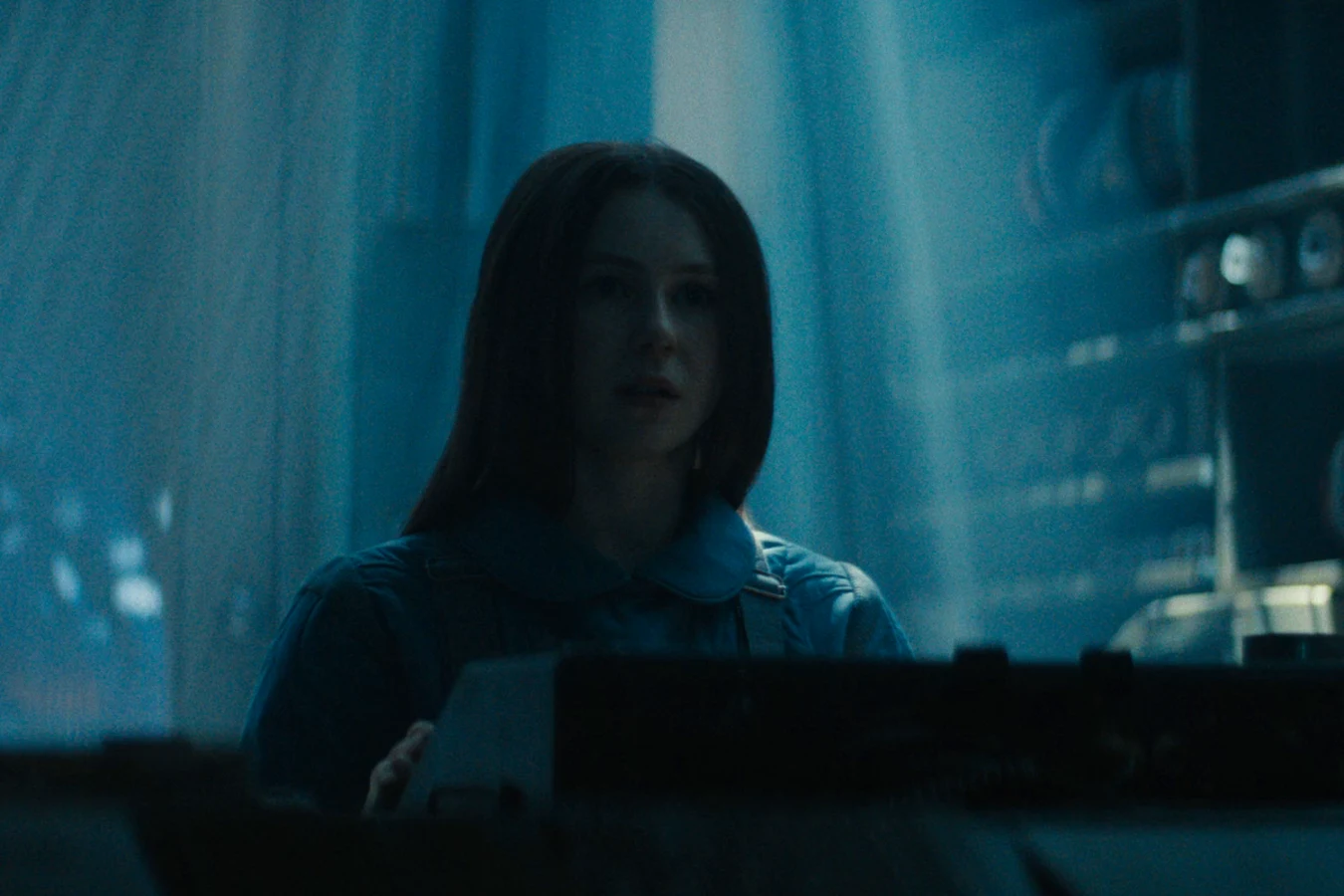
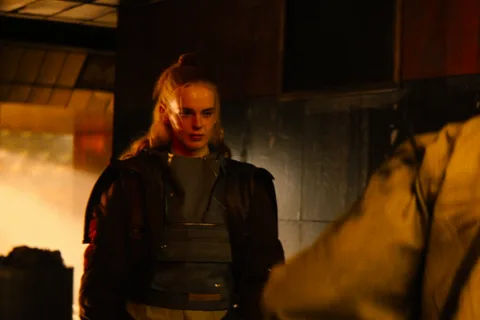
In the fifth episode, applicant Greta and other children were trained at an institute that Stavitel Voight and Lurie Kampff had founded in 2006. An instructor told the class that once replicants policed the human population, there was a risk of emotional contagion, because empathy was an acquired sensitivity. Without a childhood, replicants did not develop empathy the way the children had, in their homes and with their families. If the police felt too much for a human, they could not do a good job. The children were there to learn how to test for that risk.
Greta tested officers in the unit itself. In the third episode she told Olwen she was only supposed to check whether Marek had empathy for humans, and she played a recording of his prompts, including a bird that crashed into a window. Later in the fifth episode, Lt. Felix Altney told Olwen her Index was way off, "miles," and that she was on the precipice and had to close out her work. Those later results showed the exam was used not only on new transfers such as Cora, but on veteran blade runners as well.
The Finale Index
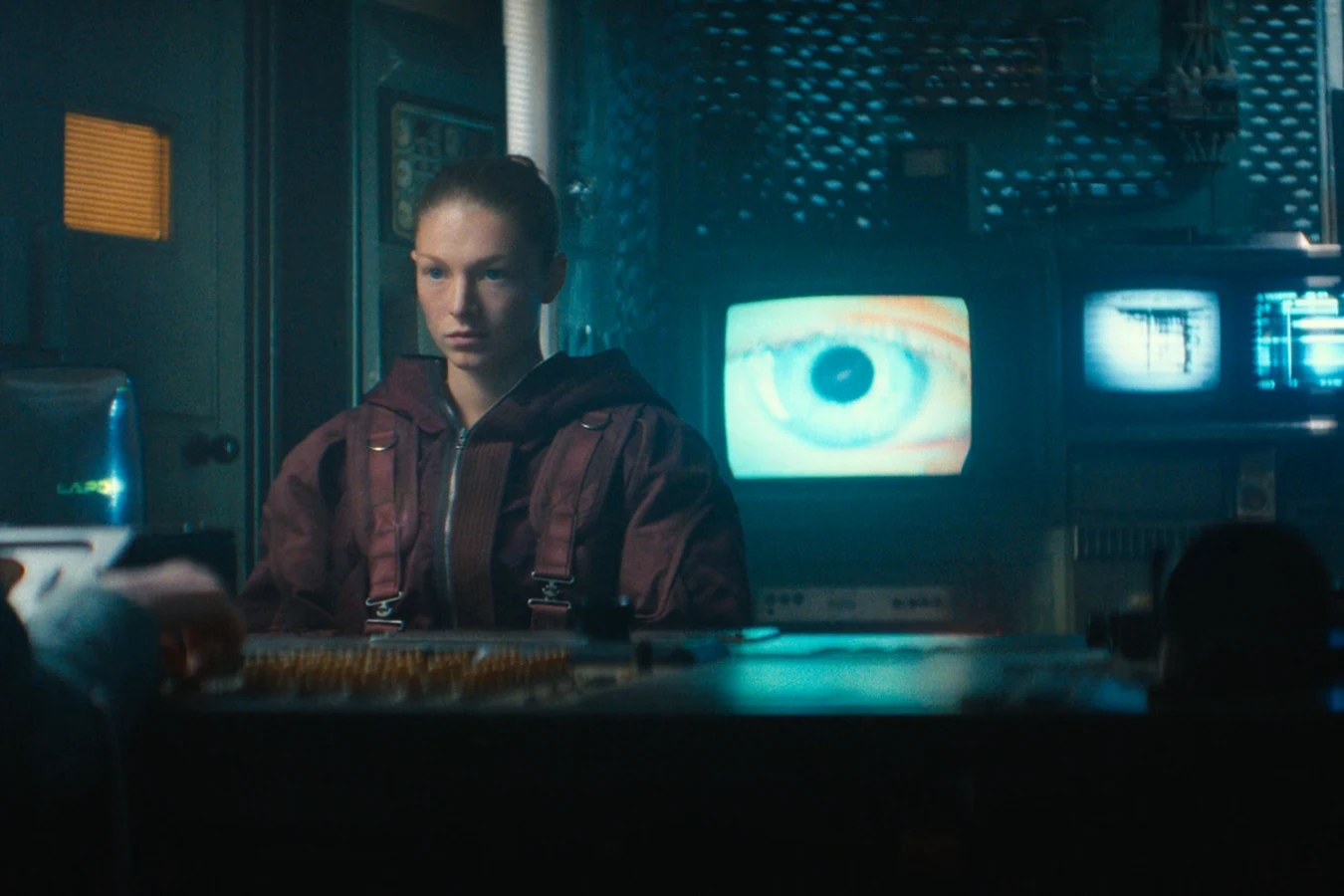
In the finale, Cora was cleared through medical under her designation, Officer JT6-7.3, and sent to be run through the Index again. Greta delivered prompts about a snakeskin coat at a party, a child left outside in the rain, a deer's head mounted above a fireplace, and a friend who dies and asks to be held. Cora turned some of the questions back on Greta, asking whether she was the child, and whether her family had been with her in the snow. She asked where they were now.
Greta told Cora she had failed, because her empathy levels were above her first index, and that everything about her was different. She warned that if she sent the result up, they would not let Cora out of the building. Cora said Greta would not send it, and she spoke of Greta having lost her family and her home, and of care that someone had put in her. Greta then went back to the first prompt, about a snakeskin coat at a party. The events of the finale are covered in the Blade Runner 2099 ending explained article.
The Voight-Kampff
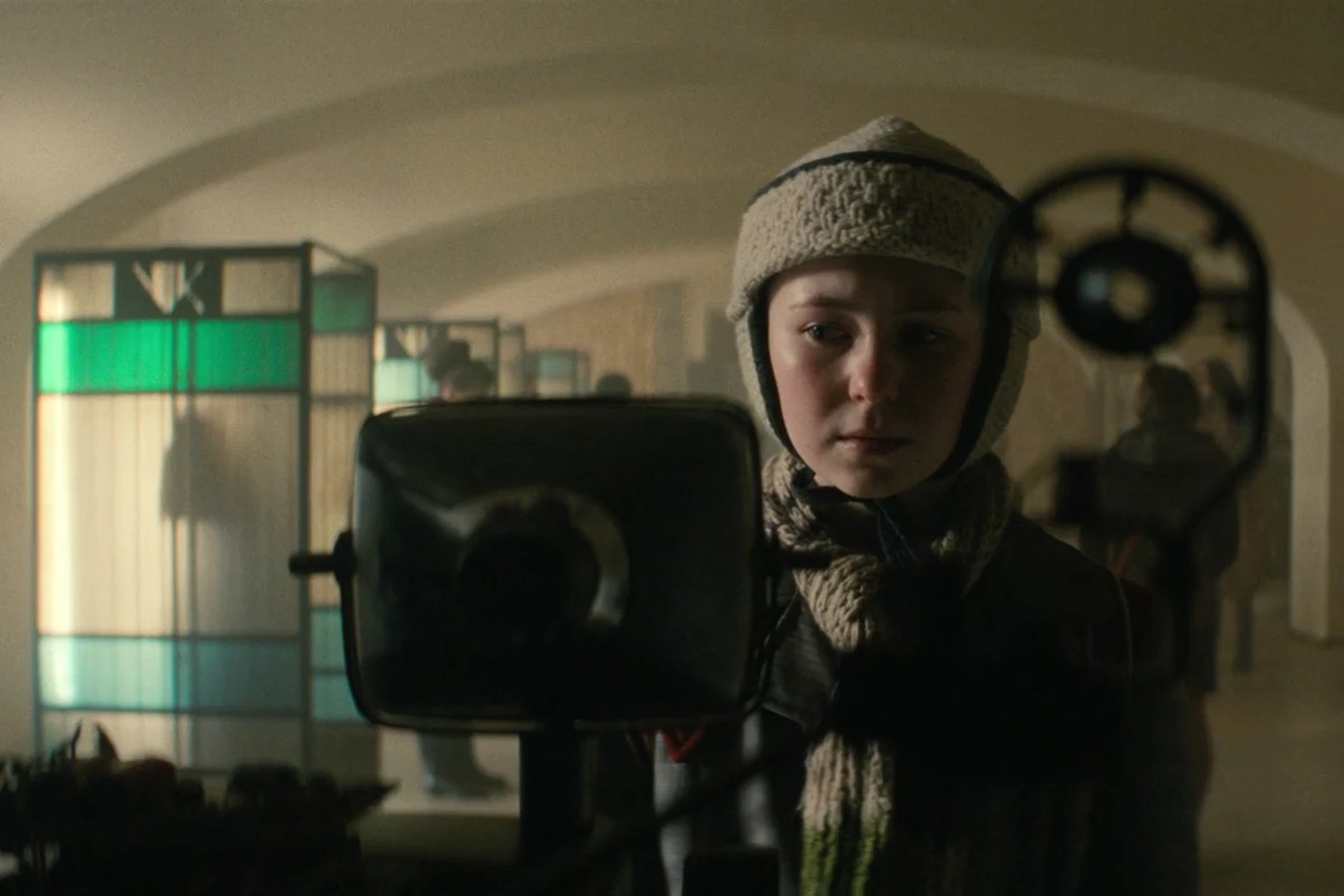
The Voight-Kampff test of the 1982 film Blade Runner was invented by Stavitel Voight and Lurie Kampff, who founded their institute in 2006. In the vaulted hall of that institute, a child in a knit helmet and scarf stood before a classic Voight-Kampff machine, with its camera eye and viewing hood on a stand, and with VK marked on a glass partition behind her. The original exam measured blush, capillary dilation, and iris fluctuation to tell a replicant from a human, with an adult examiner and a desk machine. The Index keeps the emotional prompts, even the old mother question, but it reverses the purpose.
It is given to known replicant officers, and to transfers, to see whether they feel too much, and a child delivers the questions so that the presence of a child is itself part of the exam. By Blade Runner 2049 the Baseline test had already pointed the same way for Nexus-9 officers such as K. K had to recite lines from Pale Fire under rapid questioning and show no emotional deviation at all. The Index returns to an empathy scale, but it is closer in form to the old Voight-Kampff interview than to the white-room drill of 2049.
Conclusion
The Index is how Blade Runner 2099 turns the old empathy detector back on the blade runners themselves. A child works the switches, a first index is kept on file, and a rise in empathy can end an officer's work. Cora passed through it after a beating in the first episode and faced it again in the finale, when Greta told her she had failed. The test does not ask what someone is, only whether they have begun to feel too much to do the job.
The Voight-Kampff machine, the 2049 Baseline, and the other tools of the job are gathered in the Blade Runner equipment guide. The Index belongs beside those exams, and with the 2099 officers who took it, including Cora, Olwen, and Yahya. Blade Runner 2099 is the first work in the series to stage this reverse empathy test, and to put a child on the examiner's side of the console. It is the test that decides whether a blade runner still feels too little to keep the job.
Appearances
- Blade Runner 2099 (2026), episodes 1, 3, 5, and 8
Tag Categories: Blade Runner Lore | Blade Runner Technology | Blade Runner 2099 Lore