Aliens: Rogue Comic: Plot, Characters & Book Differences

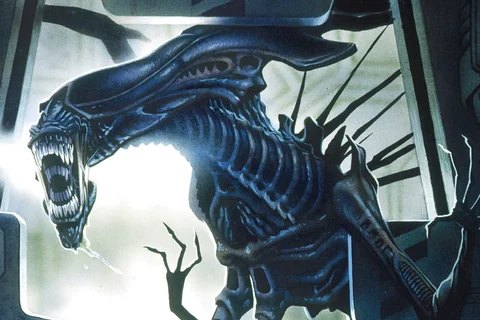
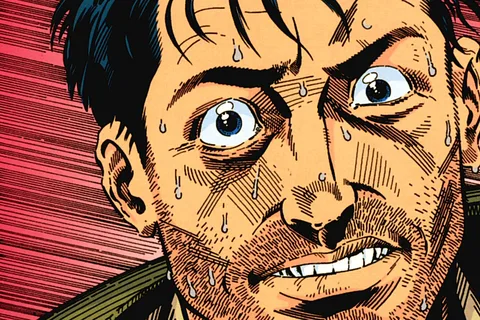
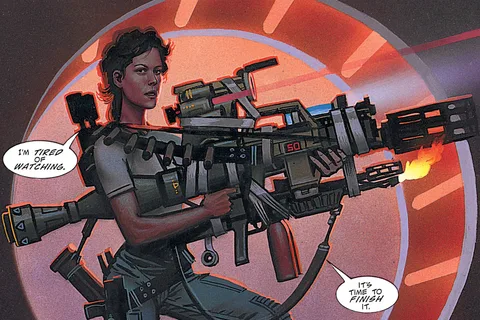
Aliens: Rogue was a four-issue Dark Horse series published from April to July 1993, written by Ian Edginton and drawn by Will Simpson, with colors by Robbie Busch, lettering by John Costanza, and a painted title illustration by John Bolton. It followed Captain Joyce Palmer of the transport Caliban as she ferried Grant Corporation spy John Kray to Charon Base, a remote mega-corporation outpost of the Z.C.T. Corporation run by the mad scientist Professor Ernst Kleist. Kleist's Project Chimera used staff and Colonial Marines as hosts, then built a male Xenomorph King from Kray's tissue. The King broke out of confinement, fought the Queen, and Palmer's crew escaped as Charon tore itself apart.
Plot Summary
Marines Hunt A Warrior
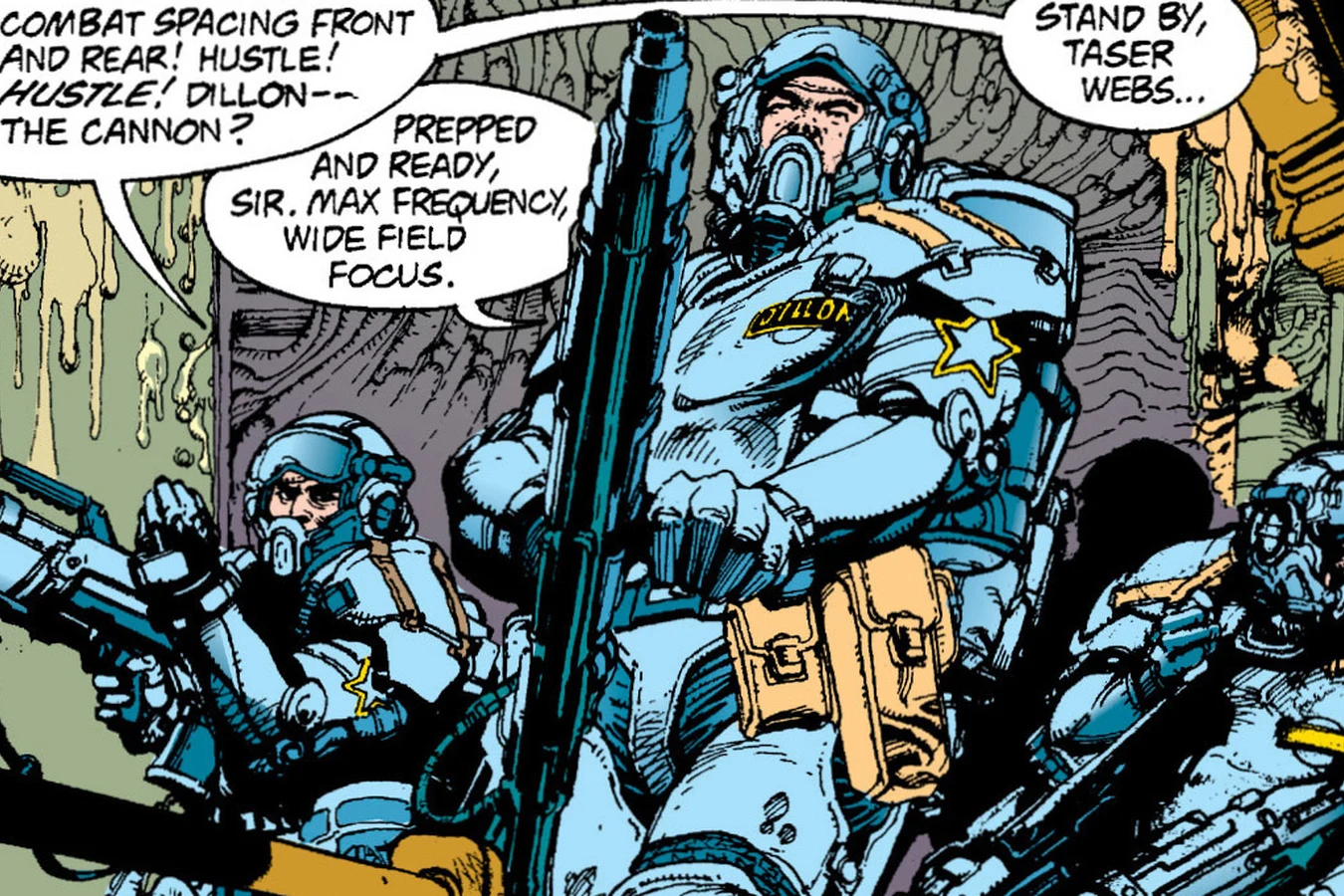
On Charon Base, a Marine squad led by Sergeant Reuben Green moves into a hive to take a mature Warrior intact, with firearms slung and taser-webs only unless Green gives the order. The opening captions frame a culture that has already turned the Alien into product, with drugs processed from a matriarch's royal jelly sold commercially and new economies built on a creature that once used people as breeding stock. Humans, the narration says, do not just conquer their fears. They market them, and in doing so forget they were once prey.
The first capture still costs them. A Marine named Boone is caught and killed when the hunt goes loud, and a weapon in the stack starts a critical countdown that nearly cooks the rest of the team as they drag one live specimen out. Back at the labs, Kleist congratulates Green on the catch and then complains that they slaughtered the other Warrior. Corporal Choi blows up at him, furious that Boone is dead and that the director cares more about lost bugs than lost men. Green, a thirty-year Marine, tells the corporal to rein it in before he says something he will regret.
Caliban Reaches Charon Base
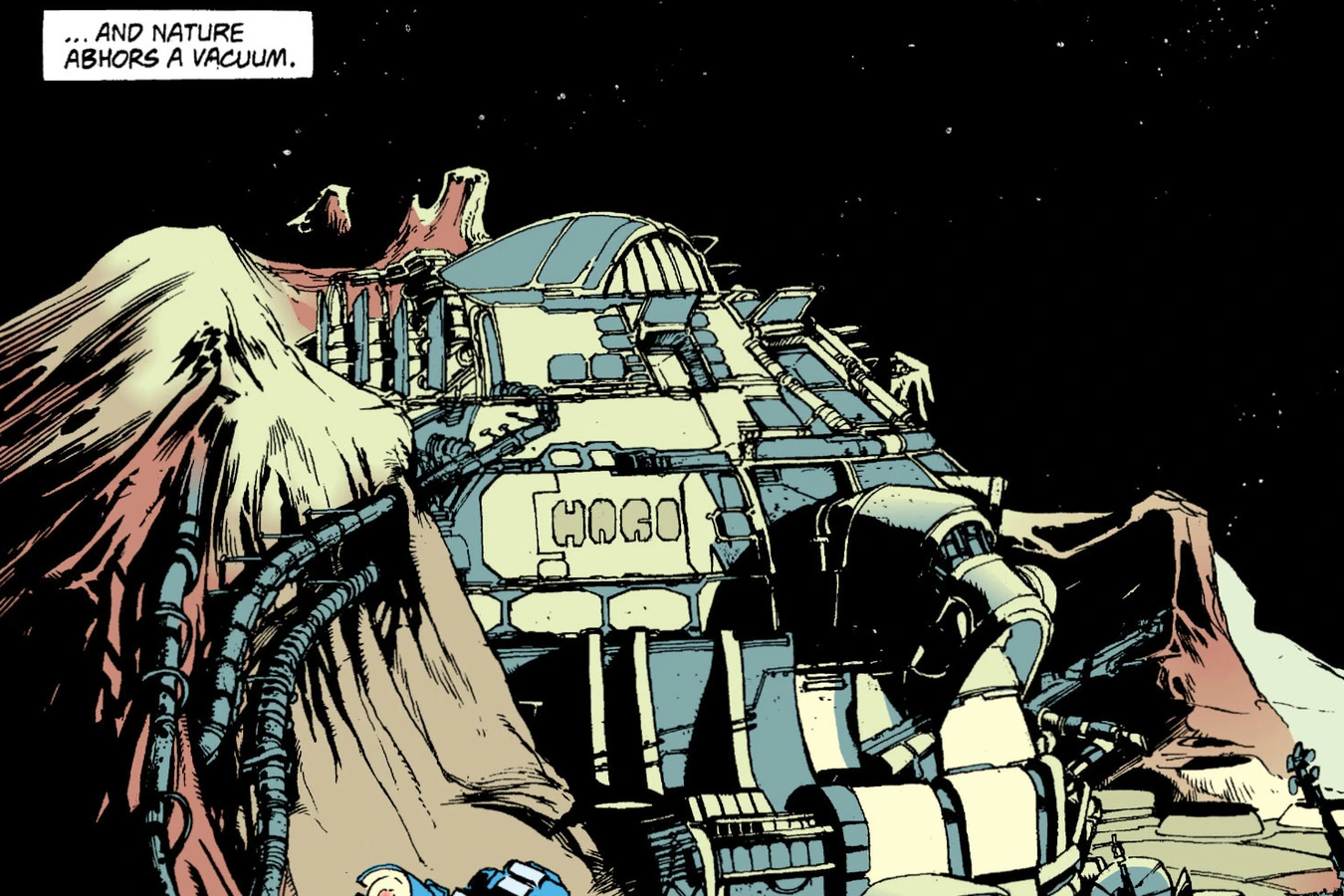
The commercial transport Caliban calls Charon flight control for clearance and slides into Hangar Twelve, a squat load of metal docking at an outpost carved into rock and ice. Captain Joyce Palmer keeps her co-pilot, Jason Deegan, on a short leash as they tuck the ship in and walk the crew through decontamination. Waiting on the deck is Professor Ernst Kleist, director of the facility, all courtesy and tight control as he welcomes a passenger introduced as Mr. Kray. Kray will not talk about his brief. The work, he says, is classified on a need-to-know basis, and the pilots do not need to know.
In a private briefing, a recorded message from a Z.C.T. official named DeSouza tells Kleist that Project Chimera has drawn the wrong kind of attention, including an Asian-Chinese consortium that has already tried to infiltrate the company. A recent update was intercepted, decoded, and seeded with viral time bombs, so Earth can no longer trust the existing data trail. Kleist is ordered to cease all transmissions until further notice. The company has sent Kray to collect disc copies of everything on site, and the message credits him with stealing a gel that drops Alien blood to the pH of water and with scoring the specs for the Marines' taser-web launchers.
Corporal Choi Is Left In The Hive
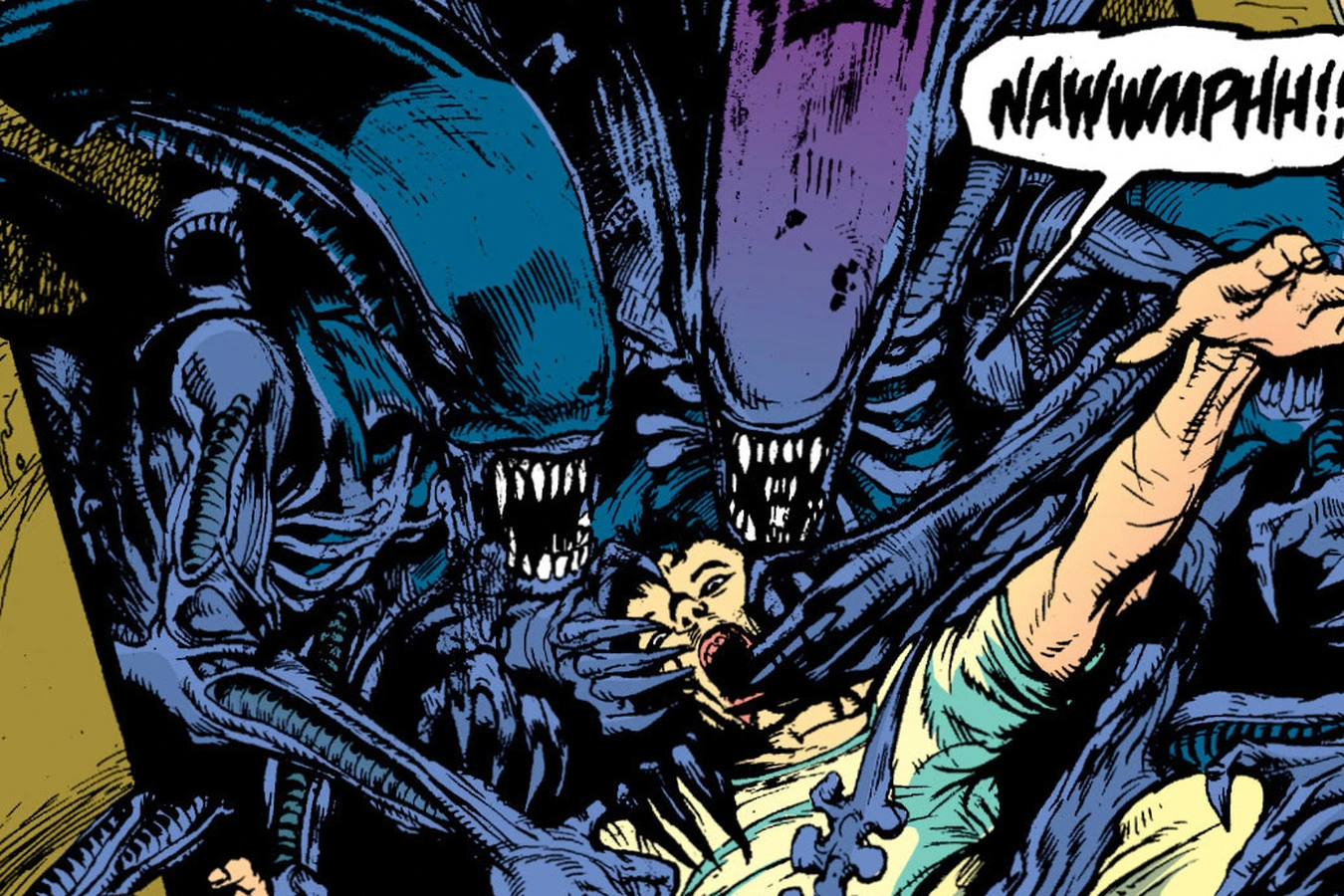
Choi does not let Boone's death go. He tears into the science staff until Kleist's people tag him and drag him under as an example. A security man then wakes the corporal, wounds him, and tells him he was a dead man the minute he smeared one of the director's precious specimens, and that crossing the professor is never a wise move. The man leaves him in the hive rather than finish the job himself, saying Choi might be lucky if he bleeds to death before implantation. Warriors close in and take him while he is still conscious enough to understand what is happening.
Green later tries to force a meeting and is stopped by Grace, Kleist's synthetic assistant, who drops the sergeant hard enough to make the point. When Green finally reaches the director, he calls Kleist a murderer for what was done to his man. Kleist answers that Corporal Choi deliberately destroyed an expensive specimen and that, as director, he authorized the maximum penalty. This is a scientific research establishment, not a military outpost, and the Marines work under his jurisdiction. Mr. Larson is told to relieve Green of all duties, and Grace is to arrange the team's return to Earth, an offer that will not mean what it sounds like.
Kleist Walks Among The Hive
Kleist takes Kray on a tour of his little world, starting with a dissection medium adapted from the pH gel. He talks through the DNA reflex, the way an adult Alien inherits physical traits from its host, and through the dummy cloned tissue he grew for implantation and gestation. The real prize, he says, is the creature itself, bioengineered into a tool instead of an adversary, with hostility spliced out through the DNA of more passive animals. Sheep, llamas, and some cattle gave the best early results. There were setbacks, and he has still not produced the equivalent of a queen, because royal jelly alone is not enough.
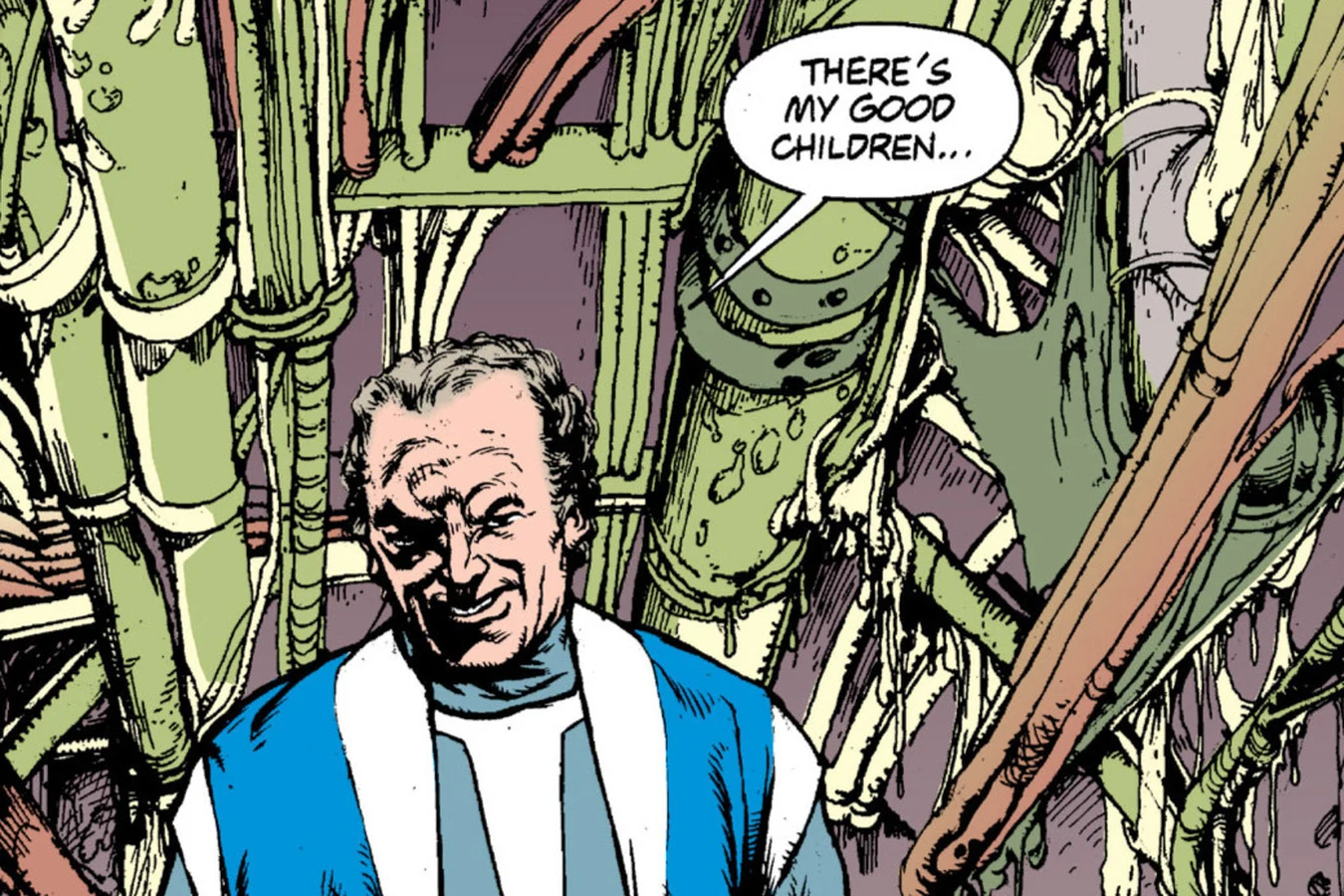
For walking the live hive he carries a compact disruptor he compares to a dog whistle, a smaller cousin of the large device used to secure wild specimens for study. It scrambles whatever passes for an Alien central nervous system, and with it he can move among the drones as if they were pets. Stay close, he tells Kray, make no sudden noise, and keep calm. In the resin he calls the creatures to him like a proud parent, smiling as they gather and saying, there are my good children. The demonstration is meant to prove control, and it also shows how far that need has already gone.
Failed Queens
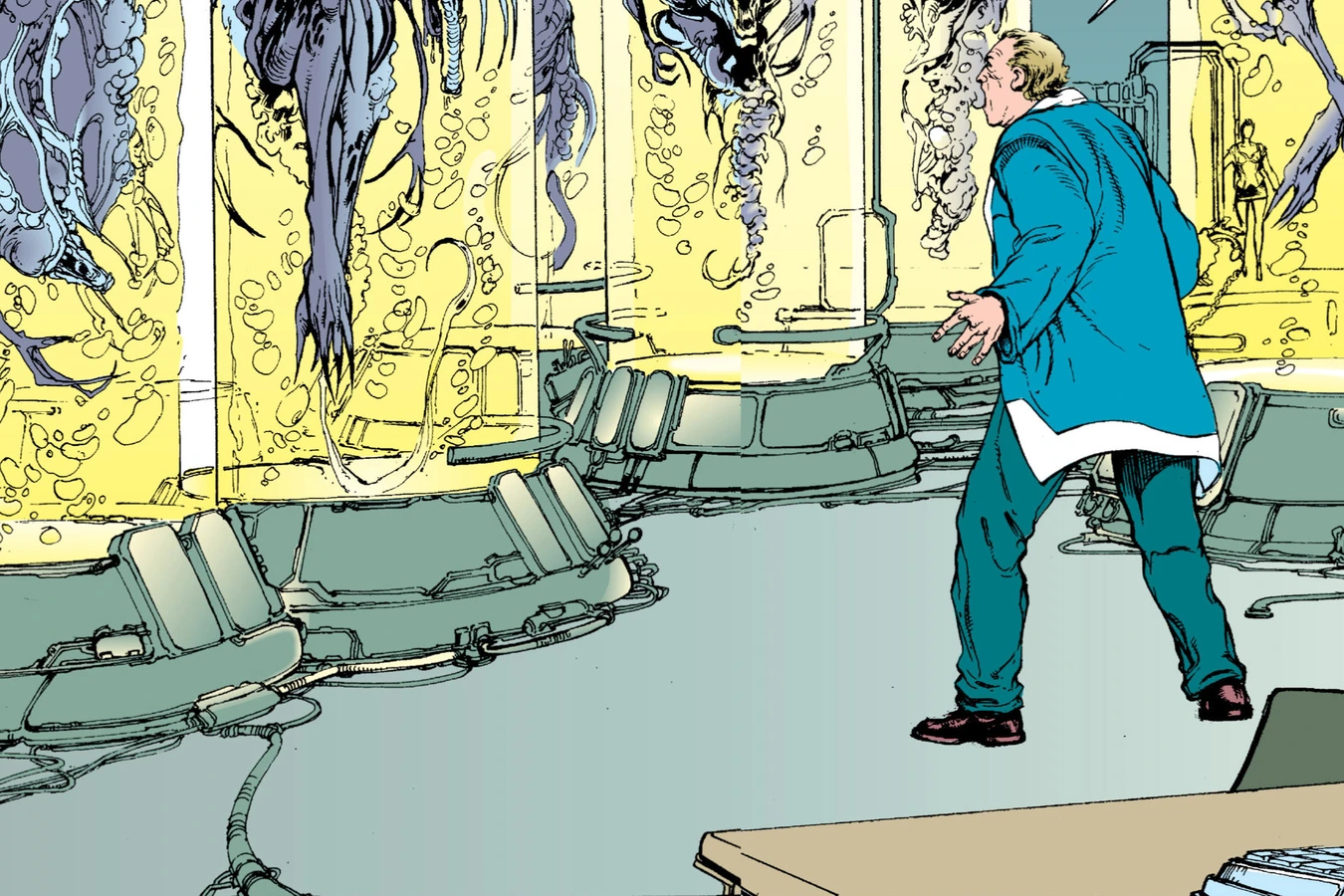
The queens that will not submit end up as specimens in a gallery of tanks, a mute jury of dead mothers and gene-spliced failures that Kleist still talks to as if they might answer. He asks what they are hiding from him, rages that they refuse his gifts, and then slips into pleading. He nurtured them, sculpted their genes, and crafted their flesh into new vehicles, and they still defied him. The queens, he tells himself, are the ones who always refuse to run to heel. Progress, in his mouth, is just another word for the lives already spent to fill those tanks.
Away from the labs, Palmer takes Kray to a quiet vantage on the base, a place she uses to get clear of the grunts and greasers. She has two boys, Aaron and Shaun, living in Geneva with her mother after their father vanished during the war, and the Charon haul pays five times what she could earn in the core systems. That is why she took the job, and why she still calls herself their mom from a rock months away from Earth. Kray asks her to meet him on the Caliban in an hour, because the whole base is wired for sound and vision.
Tattoo On The Host
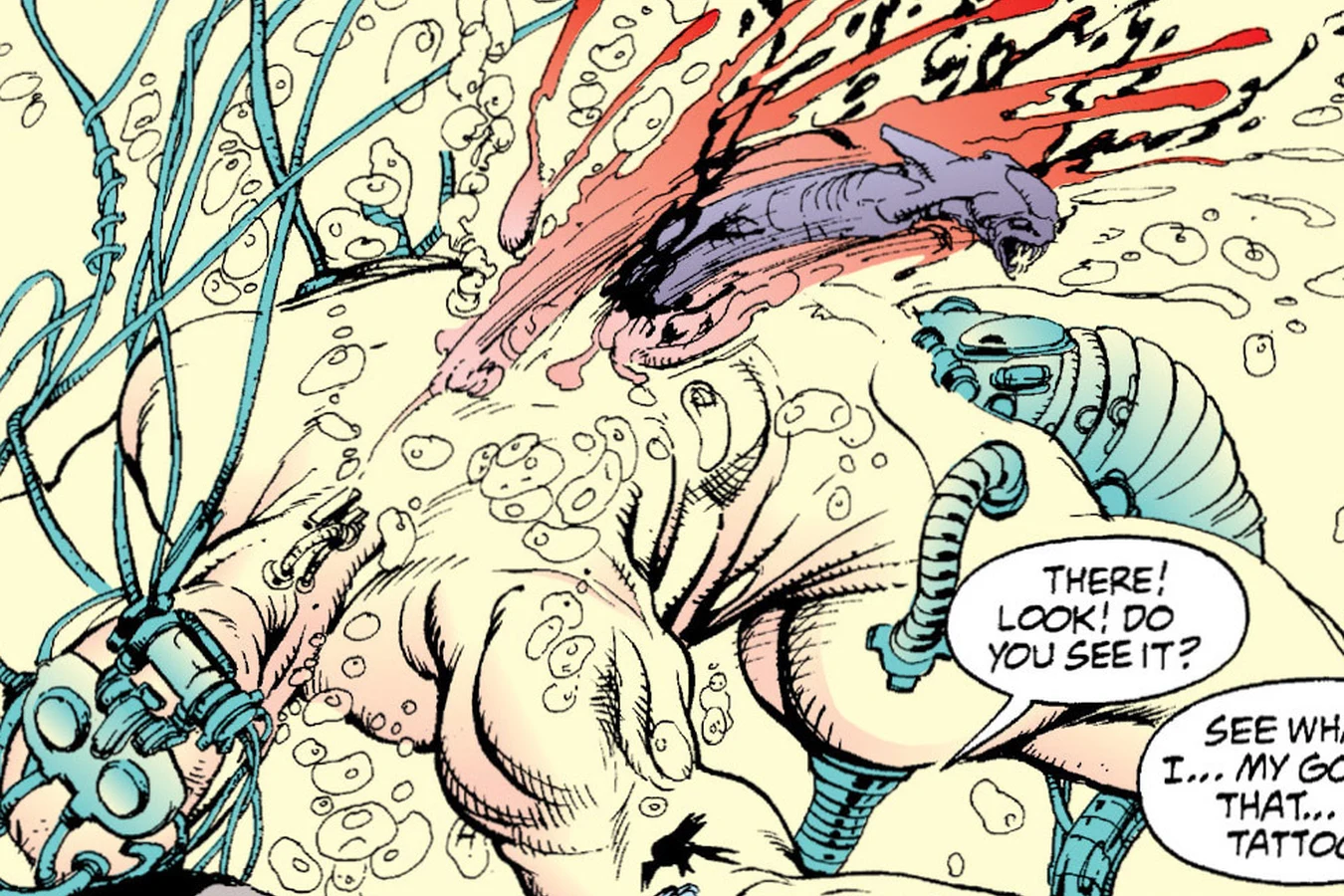
On the Caliban, Kray shows Palmer exactly how Kleist gets his results. A recording from the labs catches a host in mid-emergence, and Kray tells her to look past the chestburster to a mark on the body. The man is Billy Sinclair, an old buddy who got that tattoo on shore leave in Melbourne ten years earlier and who, on paper, died the previous month in a faulty airlock. Explosive decompression should have left nothing to bury, and yet there he is, used as livestock. The tape is full of others, some faces Kray already knows and some too far gone to name.
Palmer calls Charon a gulag, six months' communication time from Earth, a place where Kleist can do anything he likes and write it off as another accident. Only a few people know the truth, and they keep a low profile, because Larson's boys pay a surprise visit to anyone who talks too much. She wants to live long enough to see her kids again, and she is already risking everything by talking to him. She wants Kray to get word out and stop Kleist. He tells her she does not know what she is asking, just as the hangar around them stops being safe.
Larson Raids The Caliban
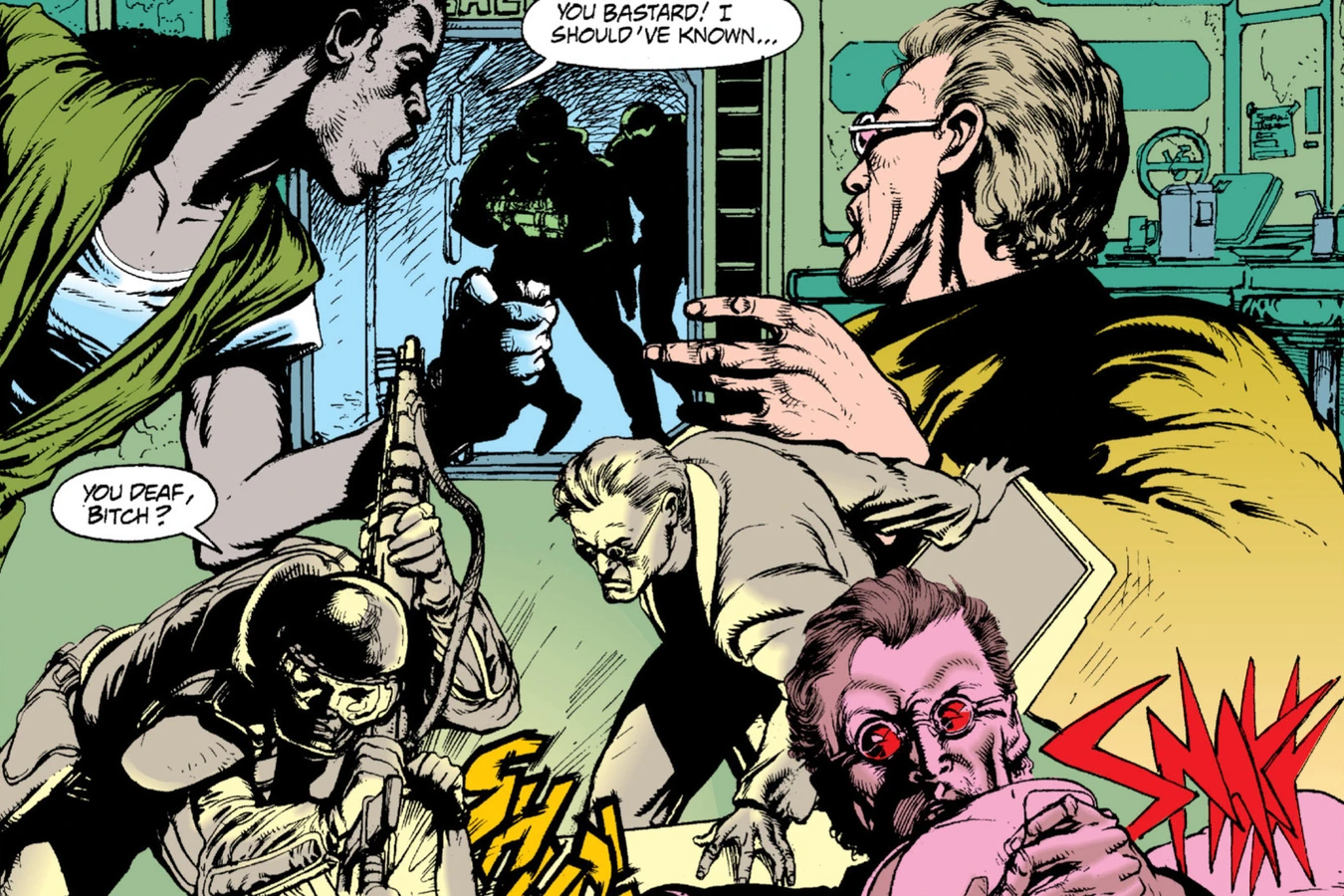
Larson hits the Caliban with a full security stack and orders all units to close in, shoot to wound only, because he wants them alive. Palmer realizes too late that the meeting was never as private as it felt and that Kray's arrival has been watched from the start. Hands go up, weapons come out, and the captain is dragged down in her own ship while Kray is taken with her. Deegan is not in a position to stop it, and for a moment it looks as if the only story left on Charon will be the one Kleist chooses to write.
At the same time, the surviving Marines are told their tour is over. Gear is stowed, weapons are racked, and the plan, as Green hears it, is a rendezvous with the battle cruiser Saudakaur and a long sleep in deep freeze on the way home. Relief mixes with the loss of people they already buried. Then the doors lock on remote, a bypass fails, and the ship turns toward the Alien sector instead of the cruiser. Green reads the setup at once. Kleist is not sending them home. He is dropping them into the hive, and he has bigger fish to fry.
Marines Dumped In The Hive
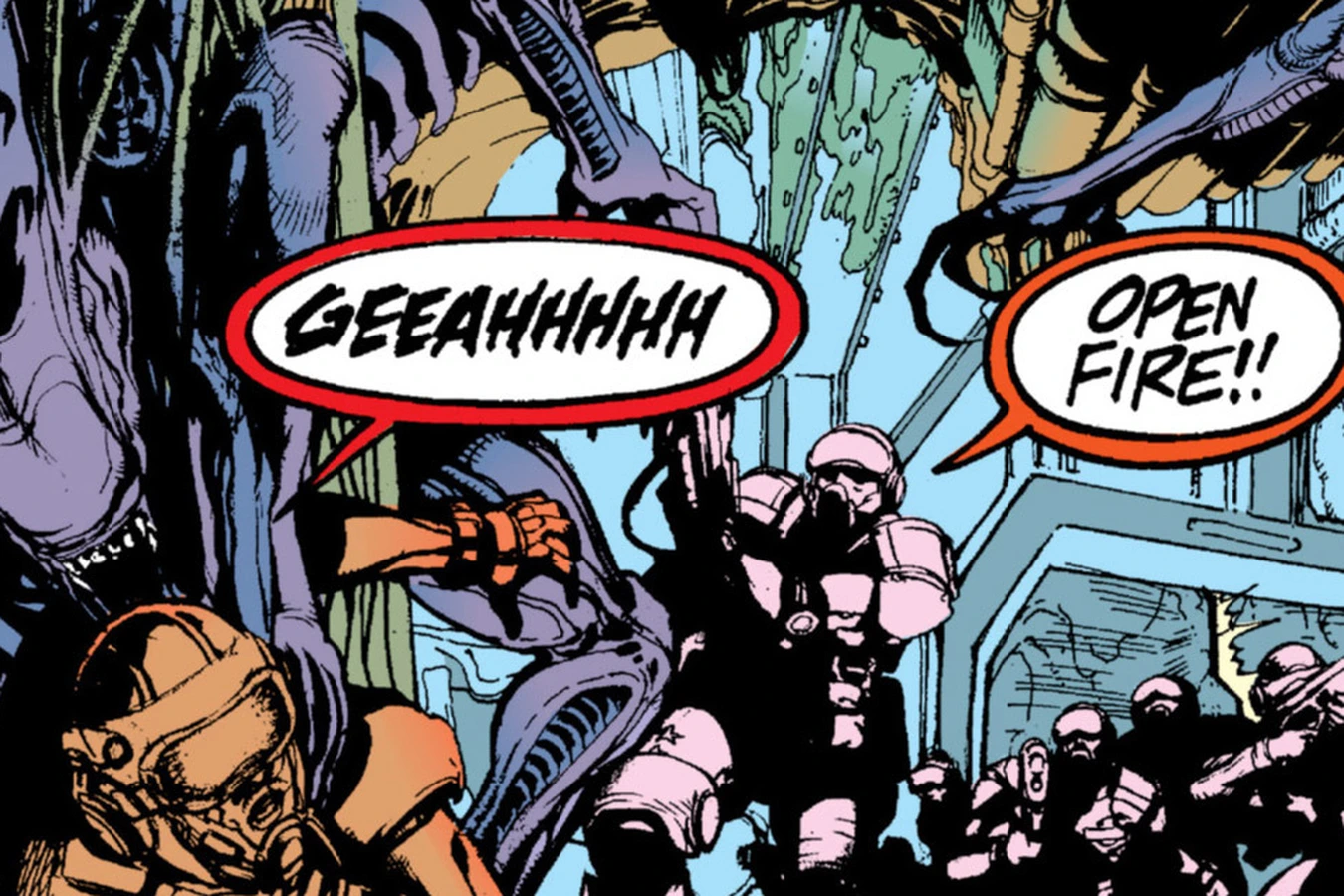
The airlock cycle dumps Green and his remaining men straight into the hive. They come out shooting, try to keep combat spacing, and watch the first wave fail to go down. The guns are loaded with blanks. Once that fact lands, there is no fallback and no second chance, only resin, teeth, and a kill arranged in advance. Most of the unit dies there. Green does not, and he makes himself a promise on the way out: he is coming for Kleist, once and for all.
In the labs, Kleist's people already know the passenger calling himself a grade-twelve Z.C.T. operative is not John Kray. Genuine operatives above grade nine carry a security code on the right kidney, and this man does not. The DeSouza message was a plant, meant to make Kleist so paranoid about infiltration that he would hand over the Chimera data without a second thought. They have known he works for the Grant Corporation all along, and they let him feed them the taser and pH gel material so they could map his contacts. Palmer, they tell him, is being held, and a worse fate is waiting if he keeps pretending.
The Queen In The Hive
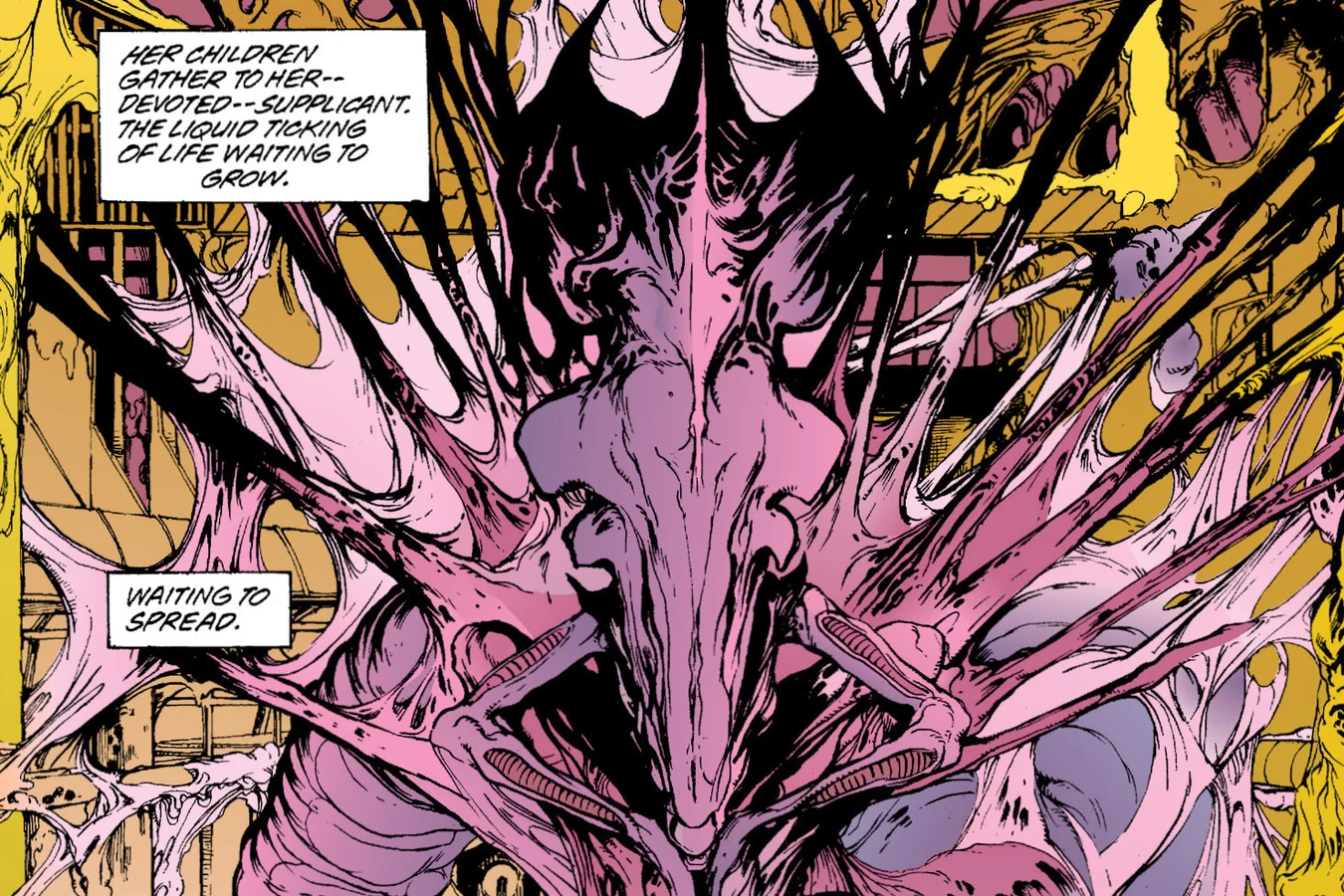
Deep under the base, the Queen holds her court in resin and dripping dark. Her children gather to her, devoted and waiting, while eggs and living freight tick over in the quiet. The narration treats her patience as a royal virtue, the long stillness of a mother who can afford to wait because the hive will spread when she is ready. Nothing in that chamber belongs to Kleist except the arrogant idea that it might. The Queen is not a specimen in a tank. She is the old hive order still holding the center of the rock, and she has not agreed to be replaced.
Kleist, already tasting triumph, talks about science as an art of endurance and sudden inspiration rather than a straight line of theories. The unexpected irony, he says, is that the man who came to steal his life's work has handed him his greatest success. Creating a new order from the flesh of the old demanded something radical, something extreme, a step into territory where the laws of nature and science have not yet been written. He is no longer trying only to culture a queen he can command. He is about to unveil a monarch of his own making, and he wants an audience for the birth.
An Alien King
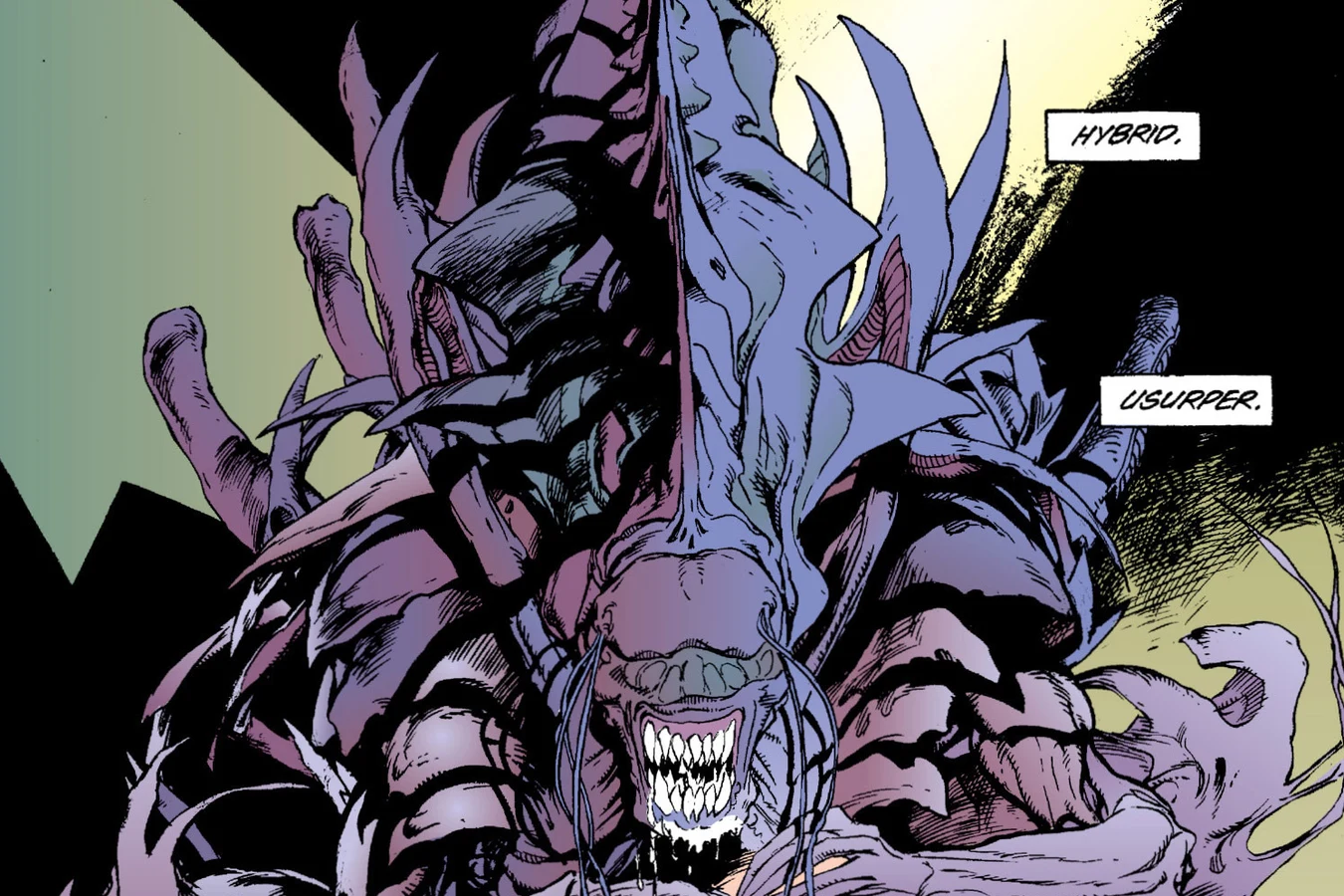
The thing in the tank is not a queen. Kleist names it in a rush of pride: an Alien King, a Chimera, a hybrid, a usurper, monarch of the new. He had Kray brought in to see it, and he introduces the creature as Kray's son. Only a scraping of the spy's tissue went into the mix. The rest is a cocktail of Alien DNA, concentrated male hormone, and a biochemical soup Kray would have killed to steal, now grown into a body large enough to dwarf the drones around it. For Kleist, this is the vindication of every questionable thing he has already done on Charon.
The new male does not tear Kray apart. It seems intrigued by him, a reaction Kleist has never seen in a conventional specimen, and the professor lets himself believe he has finally done it. Remove the matriarchal ties and the desire to breed, he reasons, and the ferocity might become redundant, leaving a truly tame Alien. If he can substitute a genetic command matrix of his own, whole hives could be bio-programmed for any task, organic software that would let flesh prevail over the machine. He congratulates Kray on being liked enough to live, then makes it clear that he himself will not be nearly so kind.
A Rogue Male
Palmer is being walked to the Alien sector when she breaks away from her escorts and nearly gets herself killed in a dead-end airlock run. Sergeant Green is the one who pulls her out of it, a battered leftover of the unit that was supposed to die in the hive. There is no cavalry, he tells her, just him, because the rest of the heroes are dead or worse, and he has scores to settle. She can handle herself. Before long the two of them cross paths with Kray, who has also slipped his keepers, and the three of them start looking for a way off the rock.
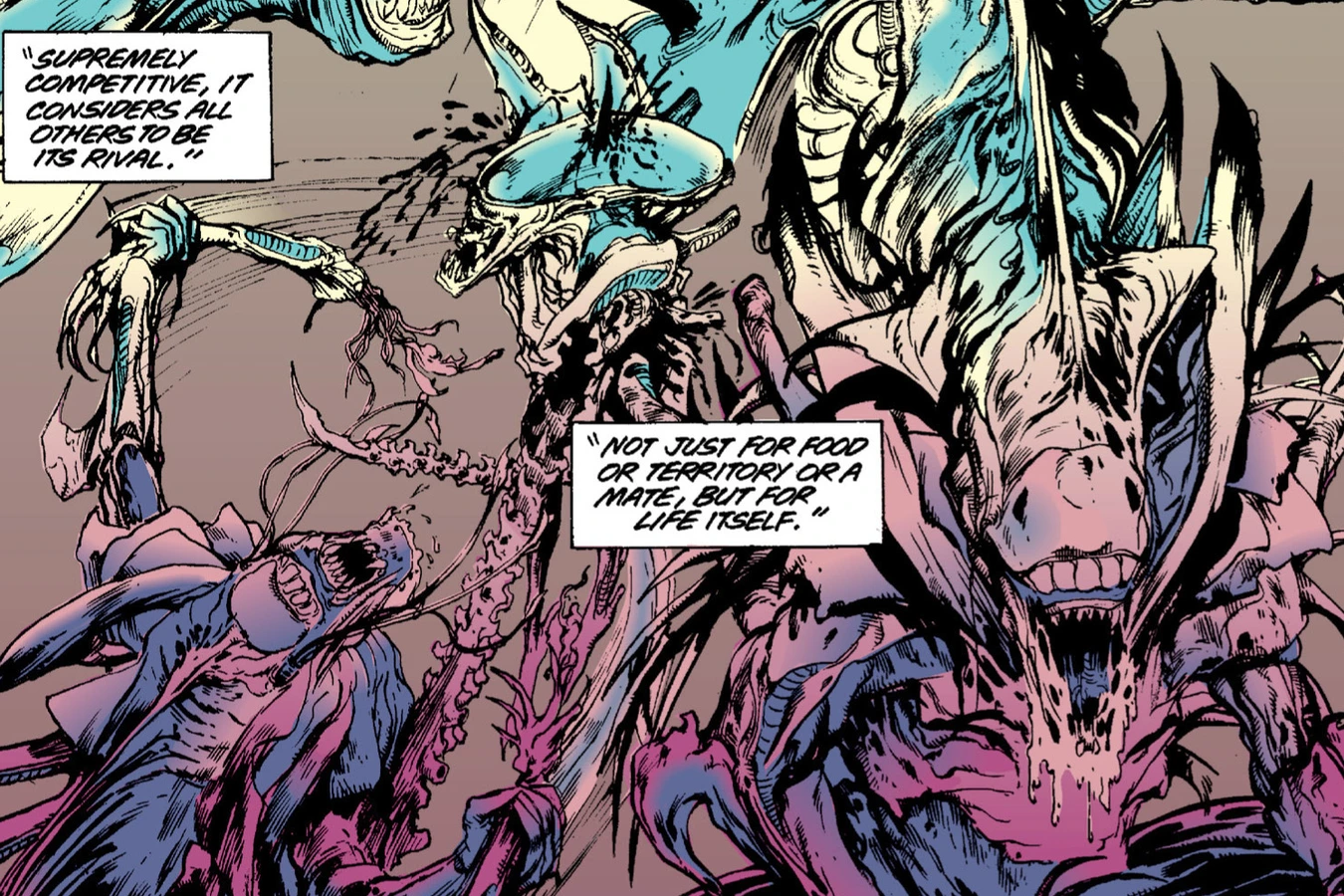
Kleist, talking it through with Grace, finally admits he was a fool. The King spared Kray not because its savagery had been bred out, but because Kray was strapped down and was not perceived as a threat. What they have is, in essence, a Rogue male, a living engine of destruction, supremely competitive, a creature that treats every other life as a rival for life itself. He still calls it the perfect prototype for Z.C.T.'s bio-weapons arsenal. Then the instruments pick up two transmissions on a frequency the base should not even be able to broadcast, a silent challenge passing between King and Queen.
Security Opens Fire
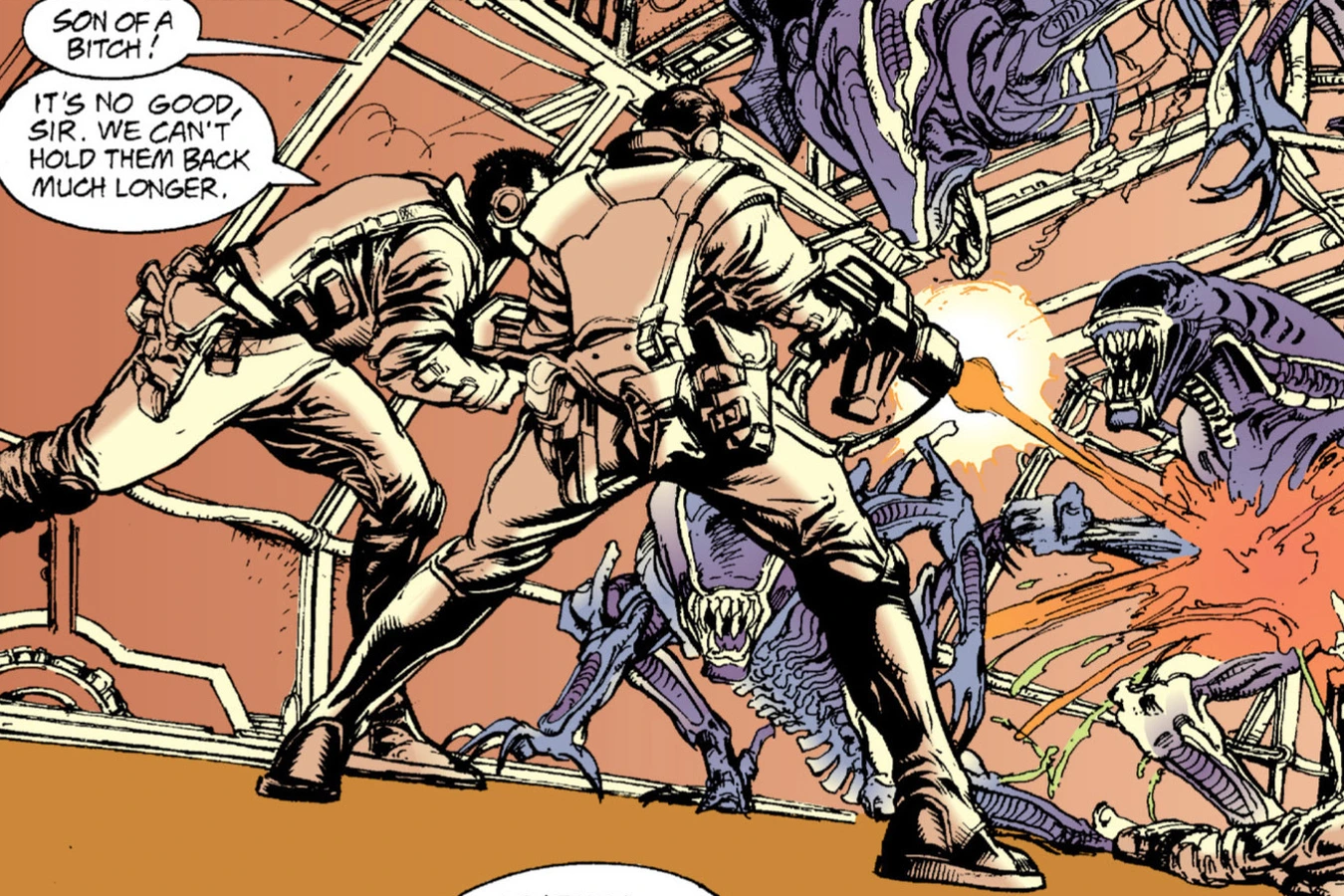
In the old penal-colony access tunnels, Palmer and Kray talk plainly for the first time. She gambled her life on a man she had called a company stooge, and he admits he was an agent for Grant Corp, or at least was until today, after the people he came to rob let him hang himself with his own rope. She no longer cares who signs his checks. She just wants off Charon, and she will not leave Deegan behind, because a good captain does not desert her crew. They collect the co-pilot, trip a station alarm, and watch armored security pour through the corridors toward something else.
Larson's men meet the King in the open and learn how large Kleist's triumph is. They aim for the limbs to cut down the acid spray and still cannot hold the line. The retreat toward engineering starts with grenades and a hull bubbling as Alien blood eats the hull. Kleist is furious that someone initiated a security alarm and countermanded him, because he does not want the King scratched. Grace tells him his manner seems irrational. He answers that in a godless universe there is only man and the Alien, and that the latter's empire will be destroyed by its own kind, the killing stroke bio-programmed by human intellect.
Queen Versus The King
Palmer, Kray, and Deegan lose their first path to the hangar when pressure seals drop after a major hull breach, a wound in a station that was supposedly built to withstand a battle-cruiser barrage. The only route left runs through the red labs, an accessway used for transporting specimens that feeds toward the hangar bay. They take it because the options are running out, and because the things that just opened the hull will be swarming the rest of the base soon enough. Behind them, Charon's security line is already coming apart.
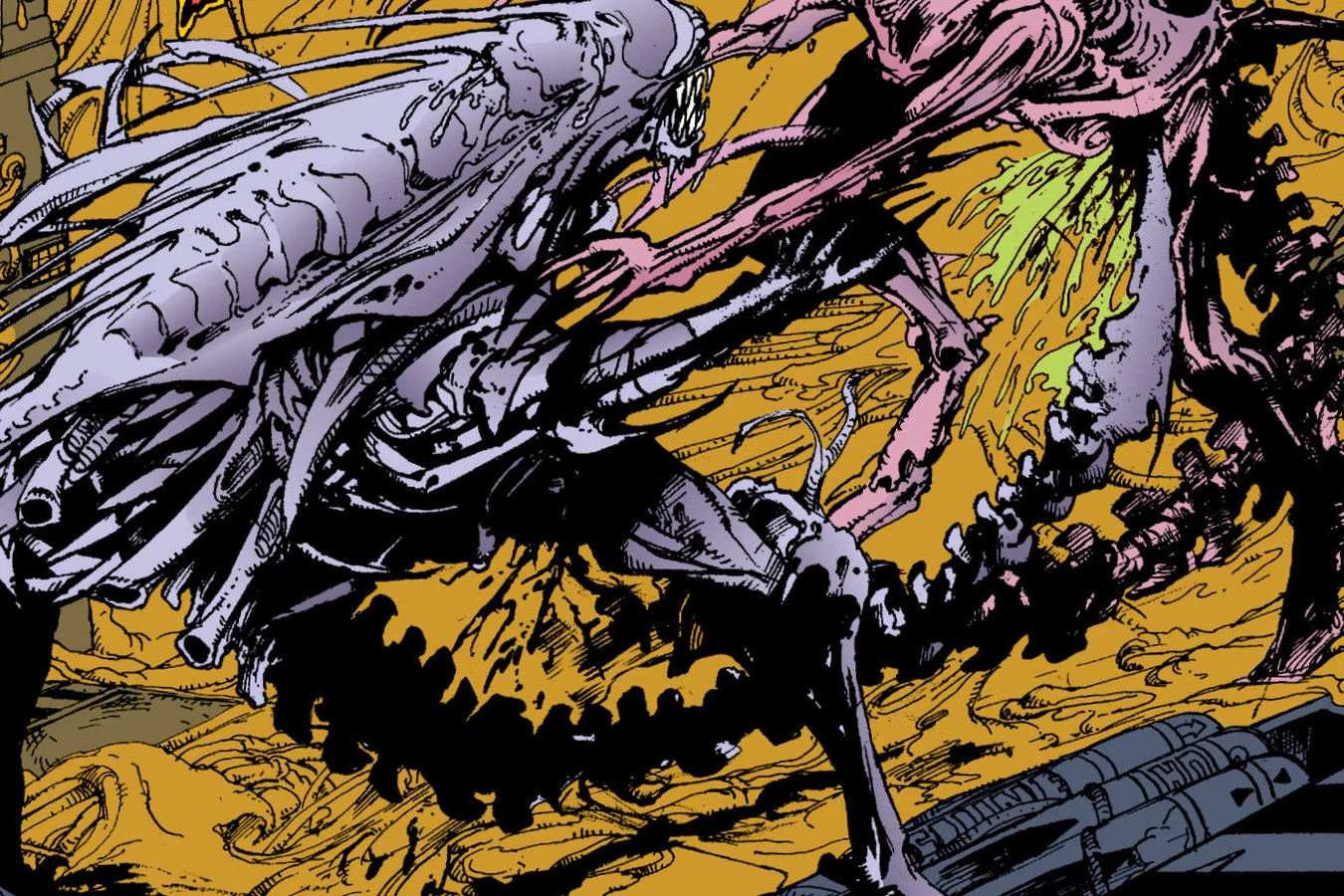
Kleist and Grace go the other way, into the hive. The Queen's elite are already dead on the floor, identifiable by oversized mandibles, the remains of a praetorian guard that could not protect her. The King and the Queen meet in the open and tear into each other while a heavy disruptor lies in the muck at the edge of the fight. Grace cannot guarantee the professor's safety and wants to withdraw. Kleist calls that absurd. What they are witnessing, he says, is biological anarchy, the slaughter of the old by the new, and he provided the catalyst. He intends to see the King claim his birthright.
Kleist Taunts The Queen
Green finds Larson first. The security chief is trying to walk live specimens out for the industrial underground, already counting the money. Green wants Kleist. Larson claims the professor is as good as dead, that the new freak's holding tank burst open from the inside, and that those things do not always kill you when they take you. Green gives him the same chance Larson gave the Marines, leaves him to the aliens, and keeps moving. On the hangar run a drone gets too close to Palmer, and she begs Kray to kill her before the blood can do it the slow way.
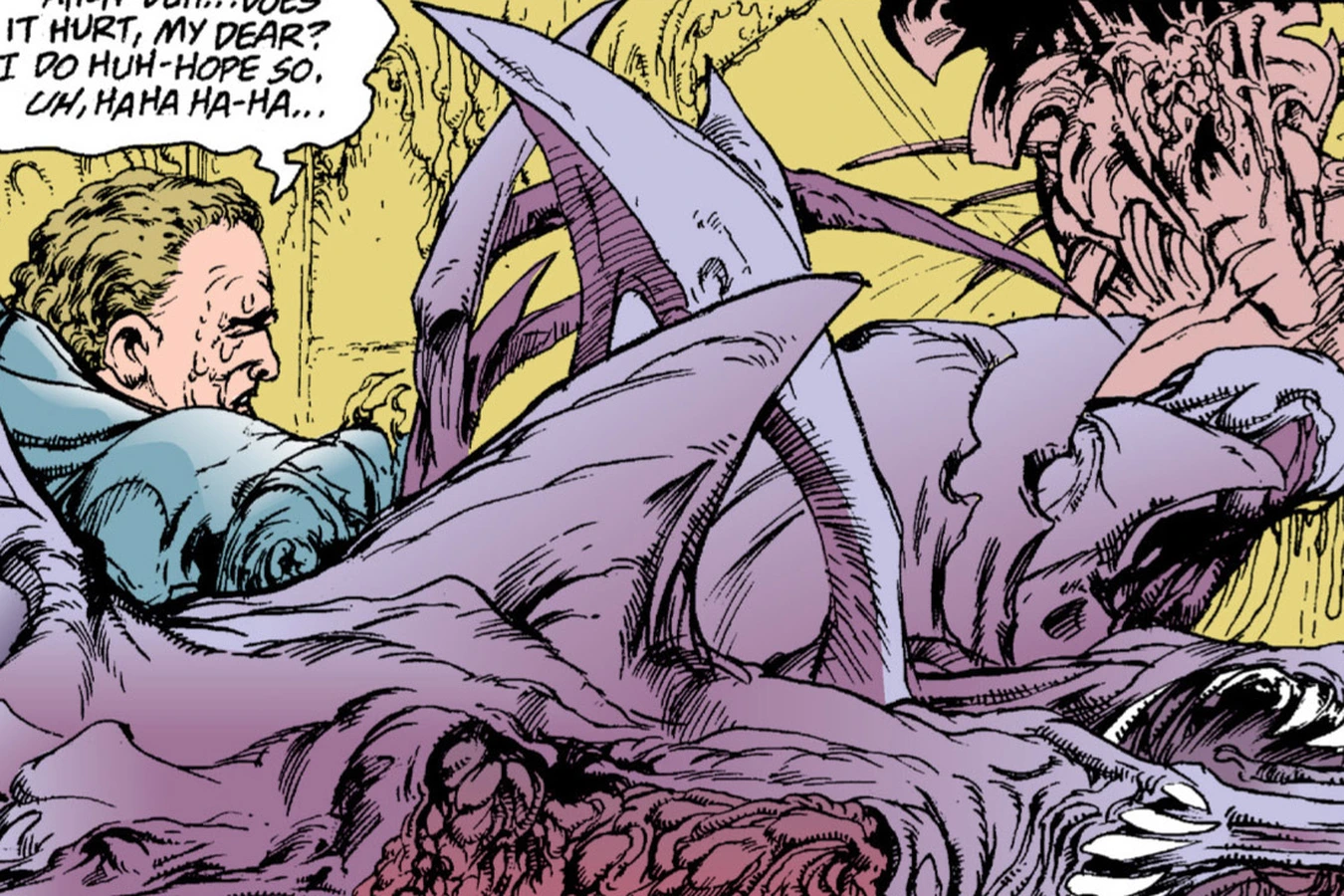
Kleist gets the audience he wanted, just not from a safe distance. He is already in the Queen's coils when he tells her she cannot destroy what is his, that the King is better than she is, and that she is obsolete. He orders Grace to remove that obscenity from his sight, and the Queen tears her apart when she opens fire. Still caught in the wounded matriarch's grip, he slurs a taunt about whether it hurts. The fight has pulled him into the body he meant to replace, and Charon is a collapsing hive with its maker trapped inside.
Sound Cannon Goes Critical
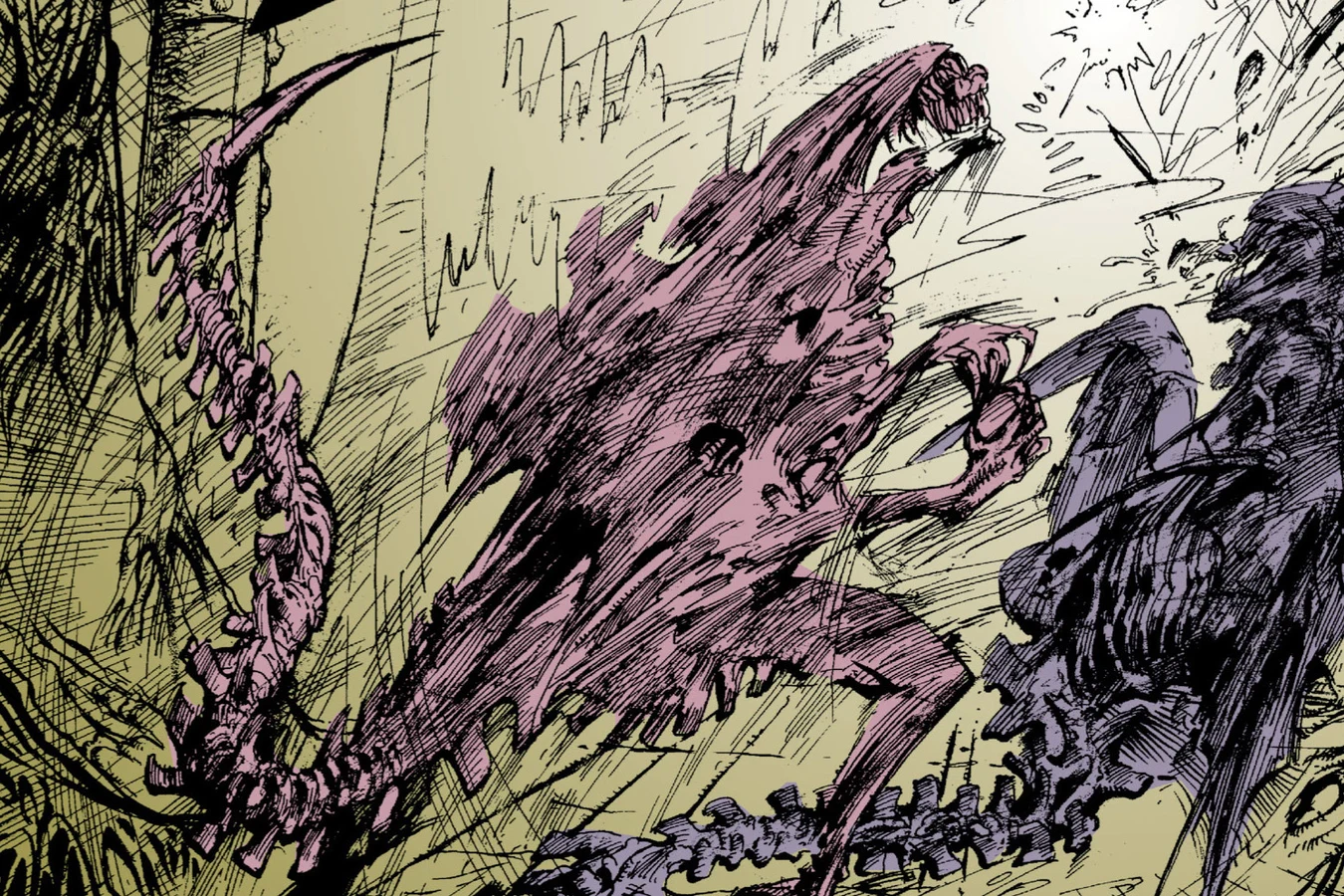
The large disruptor at the edge of the fight, Kleist's sound cannon, does not stay a spectator's tool. Tangled with the Queen, he turns it on her and tells her he will see her in hell as the warnings climb and the device goes critical. The blast reels the Aliens in the chamber, Queen and King both caught in the field as the weapon cooks itself. The people still moving through the base have no cannon of their own, and they can only watch the creatures stagger long enough to open a path.
Green, Palmer, Kray, and Deegan reach the hangar while that window holds. The sergeant is sorry they did not run into Kleist on the way, and then there is no time left for scores. Deegan starts the civilized departure, bay door override, gravity couplers ditched, maneuvering thrusters on Palmer's mark. She tells him to forget the checklist and just punch it. The Caliban is still their ship, and the only good left on Charon is the chance to leave it behind.
Caliban Escapes Charon Base
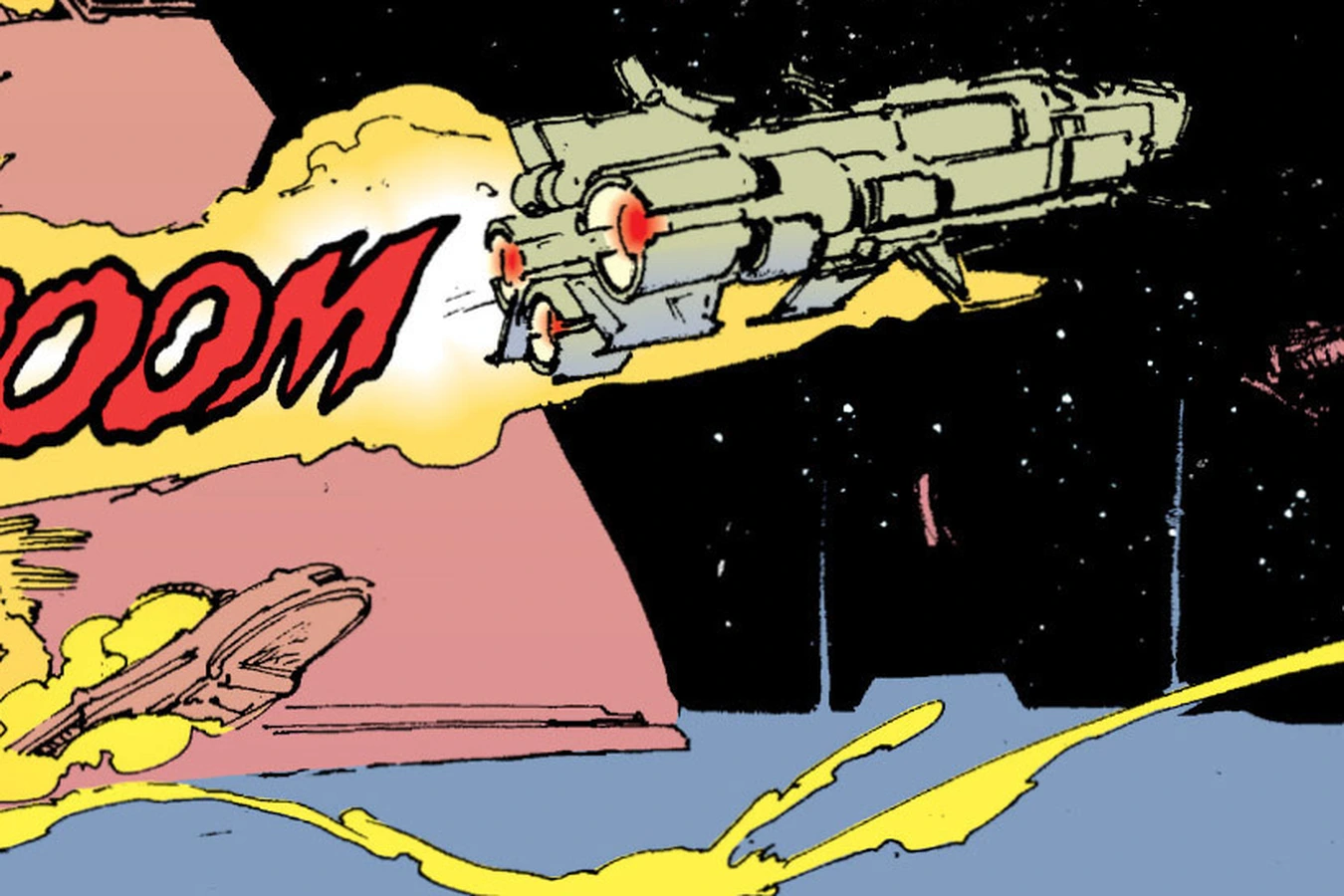
The Caliban clears the bay on raw thrust as the hangar blows behind it, a hard punch off a station that is already coming apart. Palmer, Deegan, Kray, and Green are the ones who make it through the doors. Kleist does not appear on the flight deck, and the people who want a last look at him do not get one. From the cockpit the base is just fire, debris, and a rock that has finally spent its experiments. For a few minutes nobody talks about companies, codes, or kings. They are busy staying in one piece.
They hold orbit for three days, watching the wreck and listening for anyone left alive. The only thing they pick up is static. In a closing log, Captain Palmer sets course for Earth and a rendezvous with Moreno Station in eight months, and she does not dress the failure up as a win. Mankind's prized intellect, she says, has become conceit, a habit of putting on technology and calling it omnipotence. They cannot control the creatures, and they cannot call them evil, yet they still allow men like Kleist to assume power. This is Captain Palmer of the Caliban, signing off.
Key Characters
- Captain Joyce Palmer commanded the transport Caliban and took the Charon haul to support her sons Aaron and Shaun in Geneva. She brought Kray's evidence of human hosts to light, escaped Larson's raid, and signed off after holding orbit over the ruined base.
- John Kray arrived as a supposed Z.C.T. operative sent to collect Project Chimera data. He was a Grant Corporation spy using a faked DeSouza message, was found out by the missing kidney code, and furnished the tissue Kleist used to grow the King.
- Professor Ernst Kleist directed Charon Base for Z.C.T. and ran Project Chimera, from failed queens and live-host "accidents" to the Rogue male he hoped to command. He walked the hive with a personal disruptor, refused to leave the King-Queen fight, and was not among the Caliban's survivors.
- Sergeant Reuben Green led the opening Warrior hunt, lost Boone and then Choi, and was relieved of duty before Kleist dumped his remaining Marines into the hive with blank ammunition. He survived, saved Palmer, left Larson to the aliens, and escaped on the Caliban.
- Jason Deegan was Palmer's co-pilot on the Caliban, a loose talker who still knew the ship's corners and the old specimen accessways. He opened the last sealed door to the hangar and flew the escape with her.
- Grace was Kleist's synthetic assistant, the one who put Green on the floor, managed the professor's appointments, and stayed with him into the hive even as she called his manner irrational. When he ordered her to fire on the Queen, the matriarch tore her apart.
- Larson ran Kleist's security, led the raid on the Caliban, and helped arrange the Marines' supposed trip home. Green caught him trying to steal specimens for sale and left him in the same kind of trap he had built for everyone else.
- Corporal Choi and Boone were Green's Marines. Boone died in the opening hunt. Choi was left in the hive as punishment after he destroyed one of Kleist's specimens, and Warriors took him.
Editions
Dark Horse published Aliens: Rogue as four color issues from April to July 1993, written by Ian Edginton and drawn by Will Simpson, with colors by Robbie Busch and lettering by John Costanza. Ryder Windham and Anina Bennett edited the series, Will Simpson drew issue covers, and John Bolton contributed the painted title illustration used on this page. Dark Horse collected the story in a 1994 trade paperback, again in 1997 as Aliens, Vol. 6: Rogue with a painted John Bolton cover, and in Aliens Omnibus Volume 3 in 2008. Marvel later reprinted it in the Aliens: The Original Years Omnibus line and in an Epic Collection of the original years.
Behind The Scenes
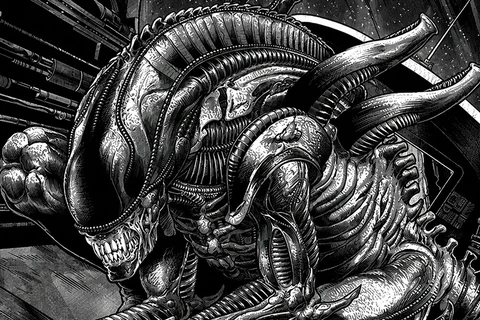
The four issues introduced the Alien King to Dark Horse continuity as a laboratory-made male, a hybrid Kleist named Chimera, usurper, and Rogue, rather than a natural caste of the hive. That design, and Kleist himself, carried into later comics when the professor survived off the page and returned as the Father of the Bug-Men in Aliens: Colonial Marines, where Lieutenant Joseph Henry killed him. Sandy Schofield novelized the series for Bantam in 1995 as Aliens: Rogue, a fuller prose take that spells the Grant spy as John Cray. The comic itself letters the name Kray, and that is the spelling this overview follows.
On AvP Central the story already appears in the Xenomorph King profile, the Colonial Marine comics list, and the novel page, which had to stand in for a dedicated comic overview. This article covers the four-issue plot itself, from the taser-web hunt and the tattooed host to the King-Queen fight, the sound cannon's last discharge, and the Caliban's three days in orbit. Later collections kept those beats intact for readers who came to the story through the omnibus editions rather than the 1993 floppies.
Aliens: Rogue Book Vs Comic: Key Differences
Sandy Schofield's 1995 Bantam novel Aliens: Rogue keeps the same spine as the four-issue comic, then expands the cast and changes who lives. The Grant spy is John Kray in the comic and John Cray in the book. The novel also puts a headcount on Charon Base. Two years earlier the rock held more than 1,500 people and about 40 Marines. By the time the Caliban docks, Hank puts the count under 1,400, with 20 Marines and more than a hundred security.
In the comic a security man wounds Corporal Choi, leaves him in the hive, and walks away, after which Warriors take him while he is still conscious. The novel names that man Bergren, Larson's second in command, and gives Choi a harder ending. Bergren webs him, dumps him just inside the west airlock, and shoots him in the leg. Choi then palms a boot knife and flicks it underhand into Bergren's chest, a turn the comic never grants him. An adult Xenomorph still breaks Choi's back and drags him toward the hive center.
The comic wipes almost all of Green's remaining Marines in the hive after Kleist dumps them with blanks, and only the sergeant gets out. In the novel the platoon cuts through unused prison tunnels and loses only Lynch on the second blast. The survivors join a civilian revolt the comic never stages, take the armory, and help clear a path to the hangar. Green, McPhillips, Dillon, and Young board the Caliban, while Robinsen's sweep does not make orbit. Hank, who in the comic only clears the ship by radio and then drops out, stays in the book, joins the revolt, and leaves with Palmer.
In the comic John Kray, Joyce Palmer, Jason Deegan, and Sergeant Reuben Green are the ones who make it off Charon on the Caliban. The novel kills Cray in the labs with a Warrior's inner jaw through the chest, and it also changes Kleist's death. In the comic he turns the sound cannon on the Queen while she has him in her grip, and the blast catches both Queen and King. In the novel the Queen cuts off his right arm, the severed arm still holds the cannon, the impact jams the trigger, and the weapon goes critical beside him.
Kitchen worker Andy Carrier finds the living heads and wakes as one of them in the novel, while the comic's Paulie Finn has his throat cut when he is found. Palmer's sons are Aaron and Shaun in the comic and Drake and Cass in the book. The tattooed host is Billy Sinclair in the comic and Jerry in the novel, and the Z.C.T. official is DeSouza in one and G. D. Squaza in the other. Grace is torn apart in both versions, but only the novel lets her call Kleist a real ass as she dies, and only the novel colors her blood white.
Conclusion
Aliens: Rogue is the Dark Horse series that turned a company research station into a test bed for a male Xenomorph, and then let that experiment off the leash. Joyce Palmer, John Kray, Jason Deegan, and Sergeant Reuben Green got off Charon on the Caliban, while Ernst Kleist stayed behind with the Queen, the King, and the weapon built to master them. The comic remains the source for the Rogue Alien King and for the version of Kleist who later walks back into Colonial Marines as the Father. Three days of static over the wreck is all the ending Palmer can offer, and it is enough.
External Sources
Tag Categories: Alien Comics