Aliens: Incubation: Plot, Characters & Lore

Aliens: Incubation was a twelve-page comic written by Ron Marz and illustrated by Bernie Wrightson, first published in Dark Horse Presents #101-102 in September and October 1995. It followed an extraterrestrial crew overwhelmed by Xenomorphs and a human geologist who discovered their crashed spacecraft in an Earth jungle. His reconstruction of the infestation became a final recorded warning, later connected to the events of Batman/Aliens.
Plot Summary
The Unknown Spacecraft
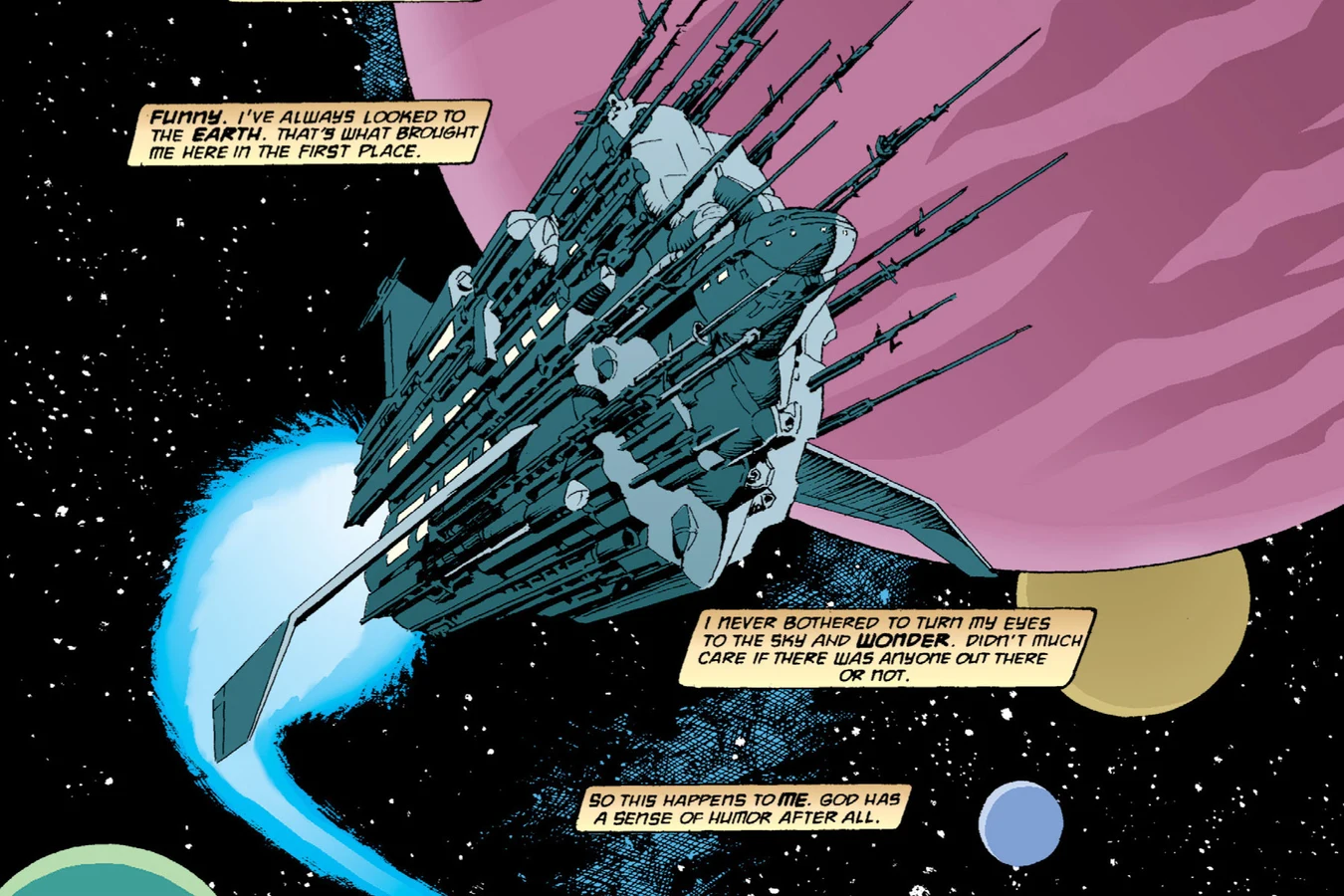
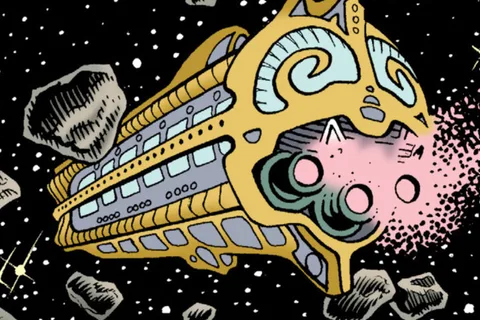
An Extraterrestrial Crew travelled aboard a spacecraft equipped with a bridge, living spaces and medical facilities. Its occupants were humanoids with large eyes and long fingers, but their species and homeworld were unknown. The human geologist who later examined their wreck could not establish whether they had been explorers or warriors, or what had brought them into contact with the parasite that destroyed them.
The geologist reconstructed the Ship's Infestation from the remains he found inside. He believed that someone had taken a Xenomorph Egg aboard without recognizing its danger. His account treated that initial discovery as a deduction, rather than something he had witnessed. Whatever its origin, a parasite reached one of the crew while he was working at a console.
The Parasitic Infection
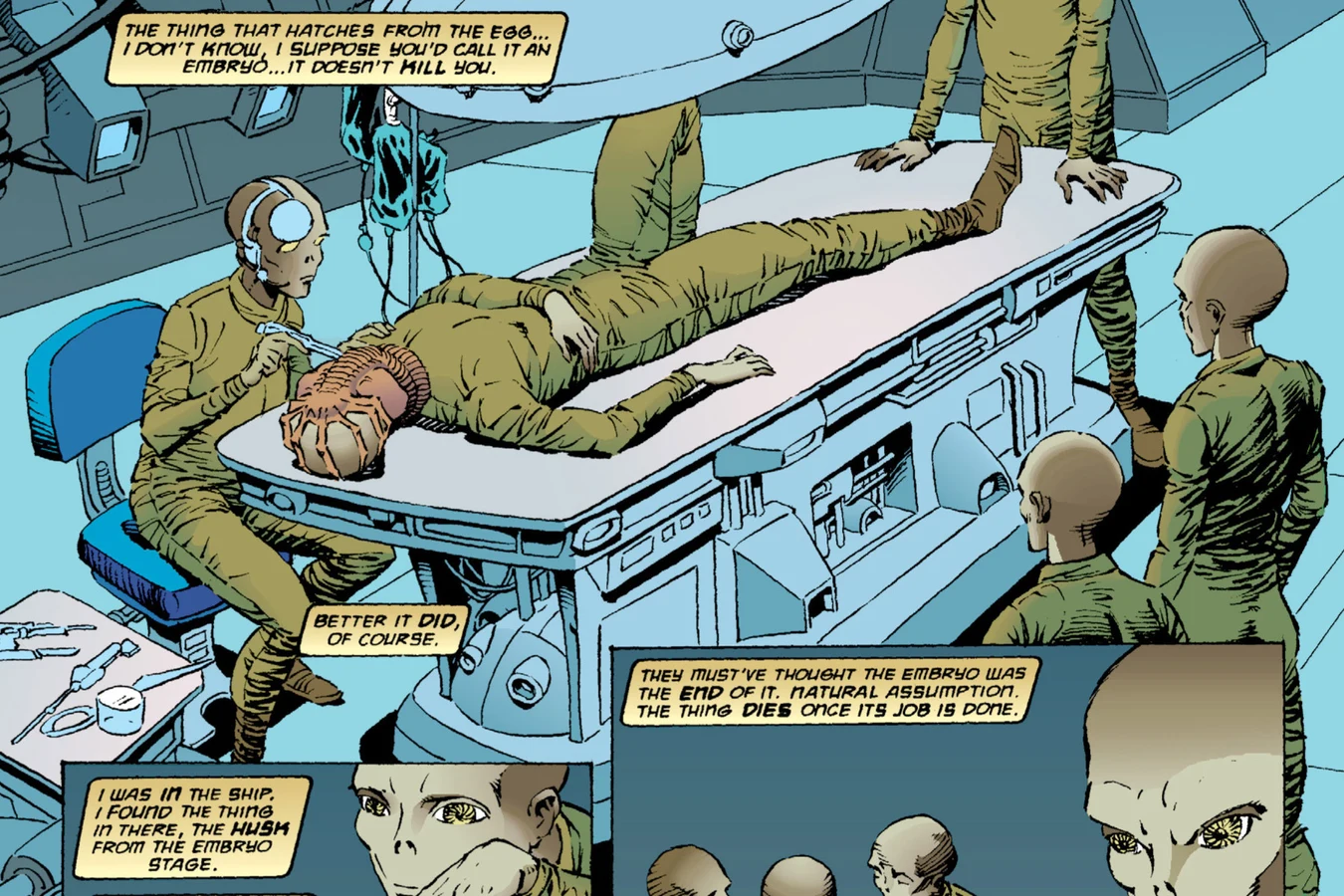
A Facehugger attached itself to the crewman's face and coiled its tail around his neck. His companions placed him on a medical table and examined the organism with their instruments. The parasite held its victim alive while it implanted a Xenomorph embryo inside him. The crew's medical equipment did not prevent the infection.
The Facehugger eventually detached and died, leaving its host able to move around the ship. The geologist later found its husk and concluded that the crew had mistaken its death for the end of the danger. The infected crewman returned to the ship's equipment, apparently free of the organism that had covered his face. The developing creature remained inside him after the parasite detached.
The Chestburster's Birth
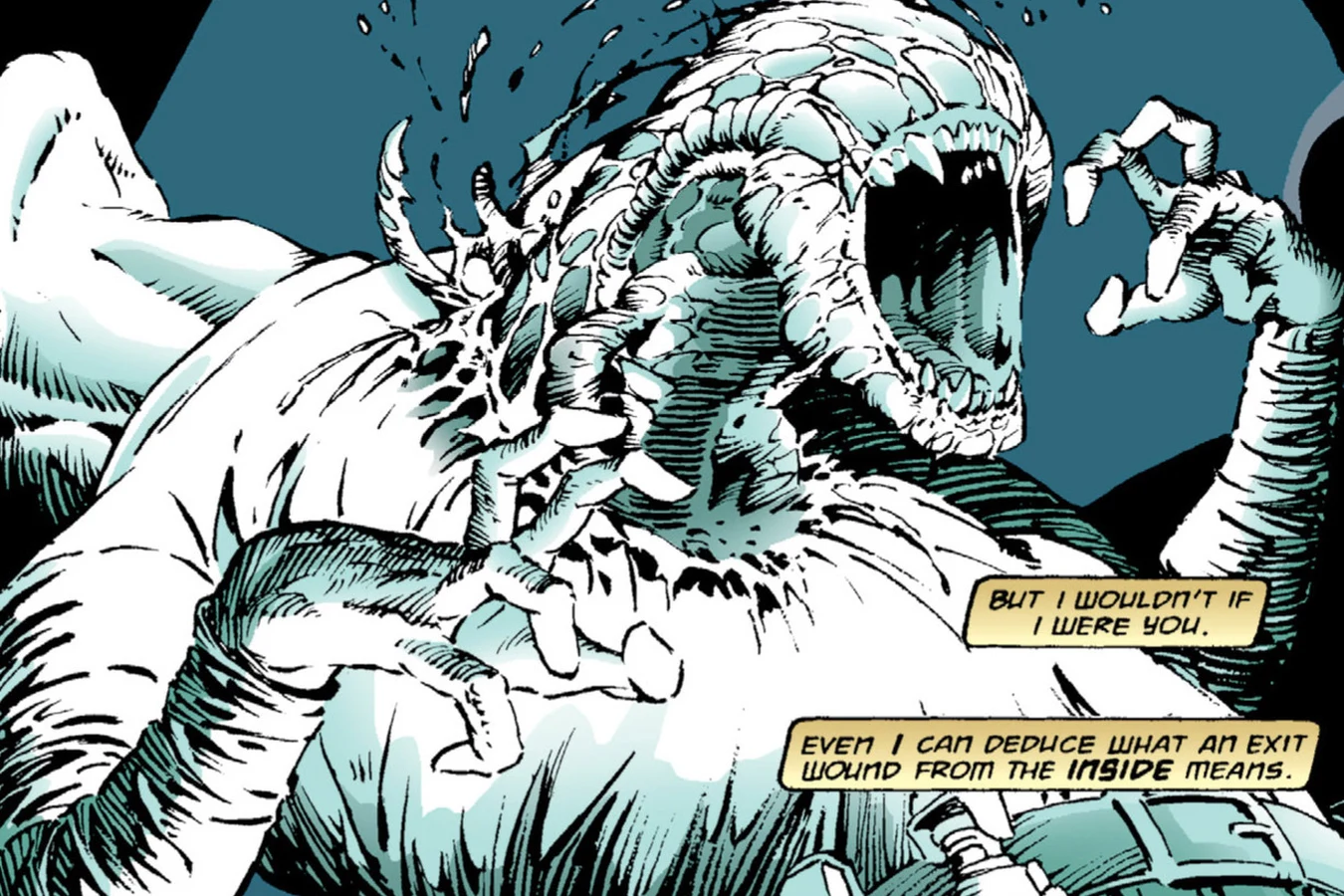
The infected Crewman developed pain in his chest while handling a tool near the ship's equipment. A Chestburster tore through his torso, killing him as it emerged. The parasite's death had ended the attachment to his face, but had left a growing Xenomorph inside his body. His apparent recovery had concealed the next stage of the infection.
The young Xenomorph crawled away from its host and escaped into the spacecraft. His companions later found the body with a large opening in its chest and began searching for the creature responsible. The geologist used those remains, together with the dead Facehugger, to reconstruct how the parasite had used the crewman to reproduce.
The Hunt Aboard The Ship
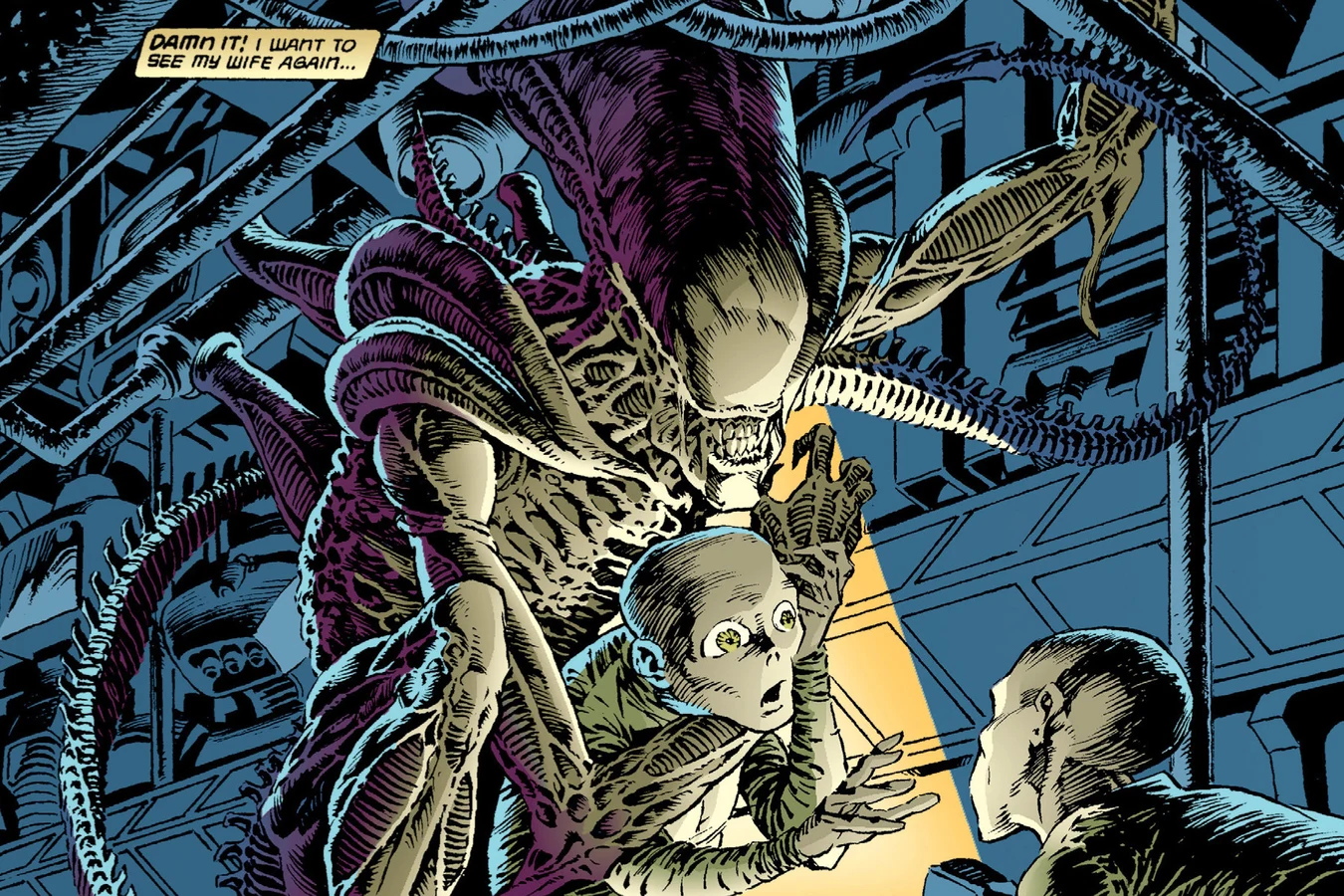
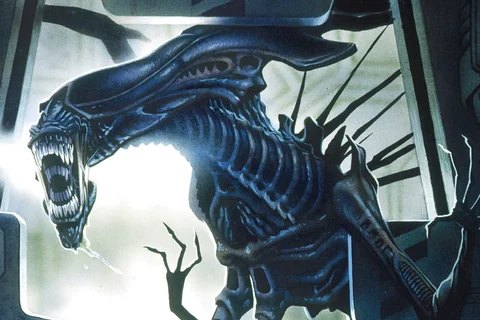
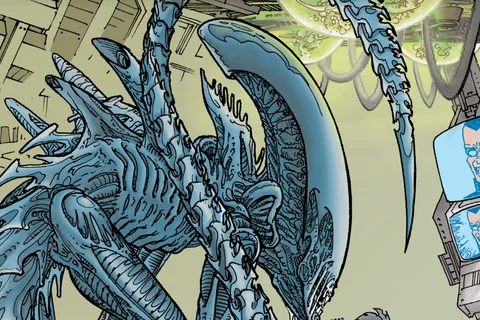
The creature grew into an adult Xenomorph and attacked the crew inside their own ship. The Xenomorph approached through the overhead machinery and seized a crewman while his companions carried lights and handheld weapons. Its strength and ability to move through the vessel's confined spaces allowed it to reach people searching for it.
The Xenomorph struck one victim through the head with its inner jaws, but did not immediately kill everyone it caught. It carried away at least one crewman alive. The survivors faced an animal that used their corridors and equipment as cover, and their attempts to locate it exposed them to further attacks. The geologist believed that some of their resistance came from the hope that taking action might give them a chance of survival.
The Captive Hosts
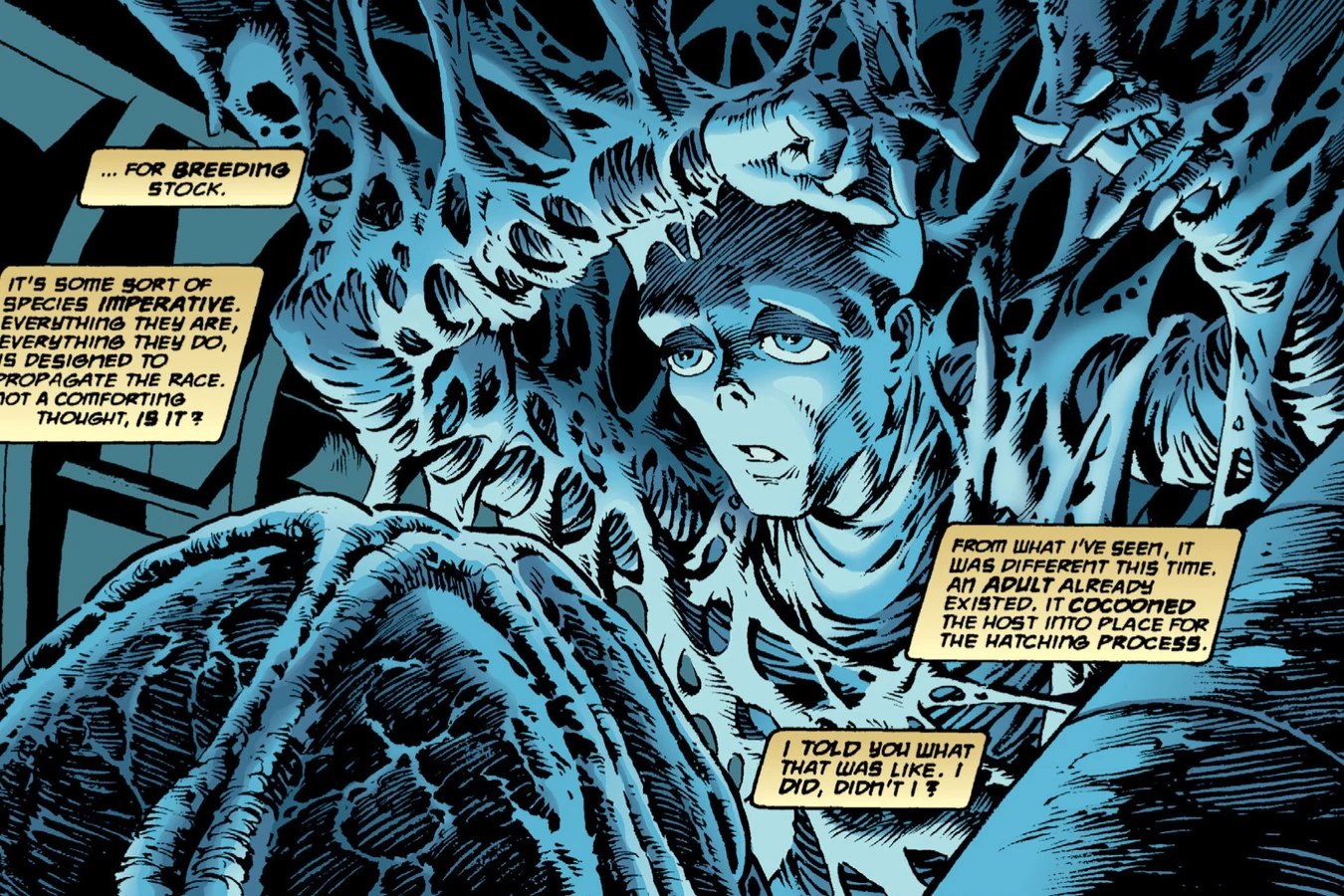
The captured crewman was restrained in Resin and exposed to another Facehugger. Unable to escape, he remained conscious while the parasite approached his face. A second Xenomorph subsequently emerged from his chest. The creature that had first hunted the crew had therefore secured a host for another generation, allowing the infestation to continue within the spacecraft.
More Xenomorphs occupied the passageways as the remaining crew tried to hunt them down. Their weapons gave them a means of fighting back, but the creatures approached from several directions and concealed themselves among the machinery. The ship's narrow interior left the survivors with few routes away from the infestation.
The Crew's Last Stand
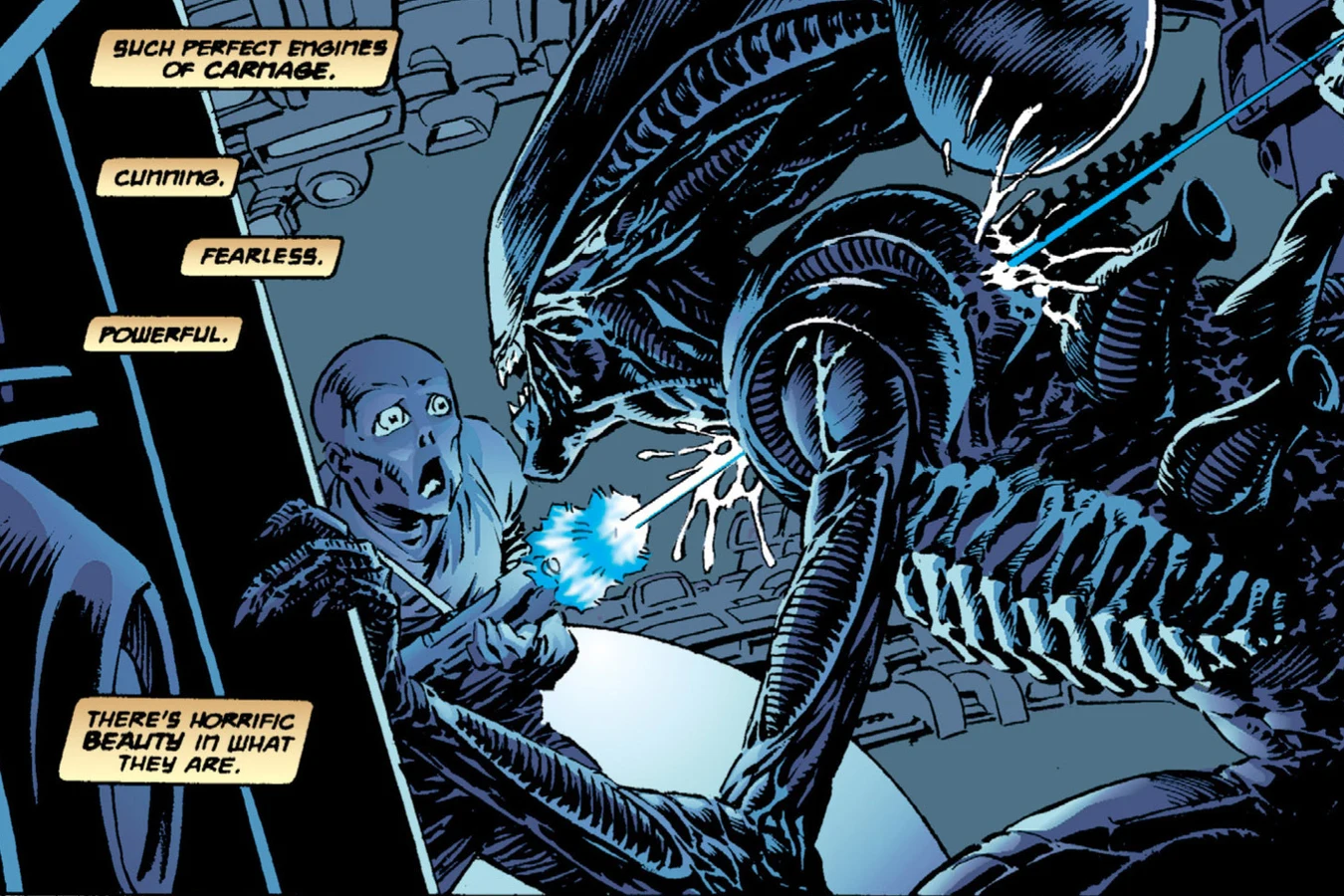
An armed Crewman retreated into a compartment and waited near the doorway, holding his gun ready. A Xenomorph reached around the entrance and attacked him at close range. He fired into the creature as it advanced, wounding it inside the confined space. The confrontation left him exposed to its blood as well as its claws and jaws.
The Xenomorph's Blood splashed over the crewman's head and hand, burning through his flesh. His weapon could wound the animal, but firing at such close range left him unable to avoid the acid it released. The geologist later connected the corroded cockpit equipment with a confrontation of this kind, believing that a dying crewman's attempt to defend himself had also disabled the ship's guidance.
The Crash On Earth
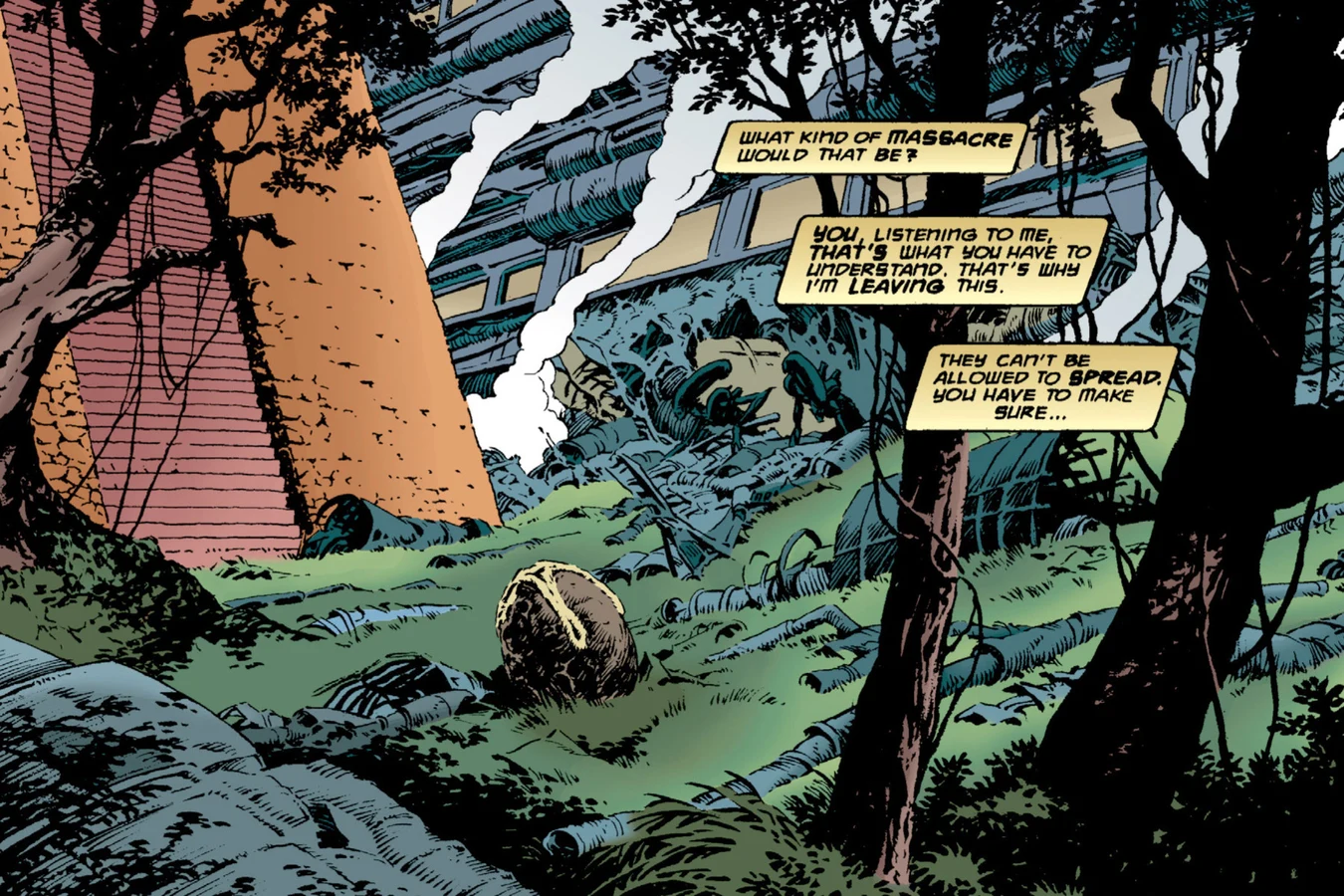
A wounded Xenomorph released acidic blood in the ship's cockpit. The geologist found extensive corrosion there and proposed that a dying crewman's final shot had damaged the guidance system by wounding the creature. This was his explanation for the wreck, rather than a confirmed account of the pilot's final actions. He did not believe that the vessel had deliberately travelled to Earth.
The Spacecraft came down in a jungle beside ancient stone ruins, bringing its surviving parasites into an infestation on Earth. A geologist collecting soil samples entered the wreck and found the evidence from which he pieced together the crew's fate. He feared that similar accidents could carry the creatures between worlds, and that a crash in a major city would expose many more people to them.
The Geologist's Warning
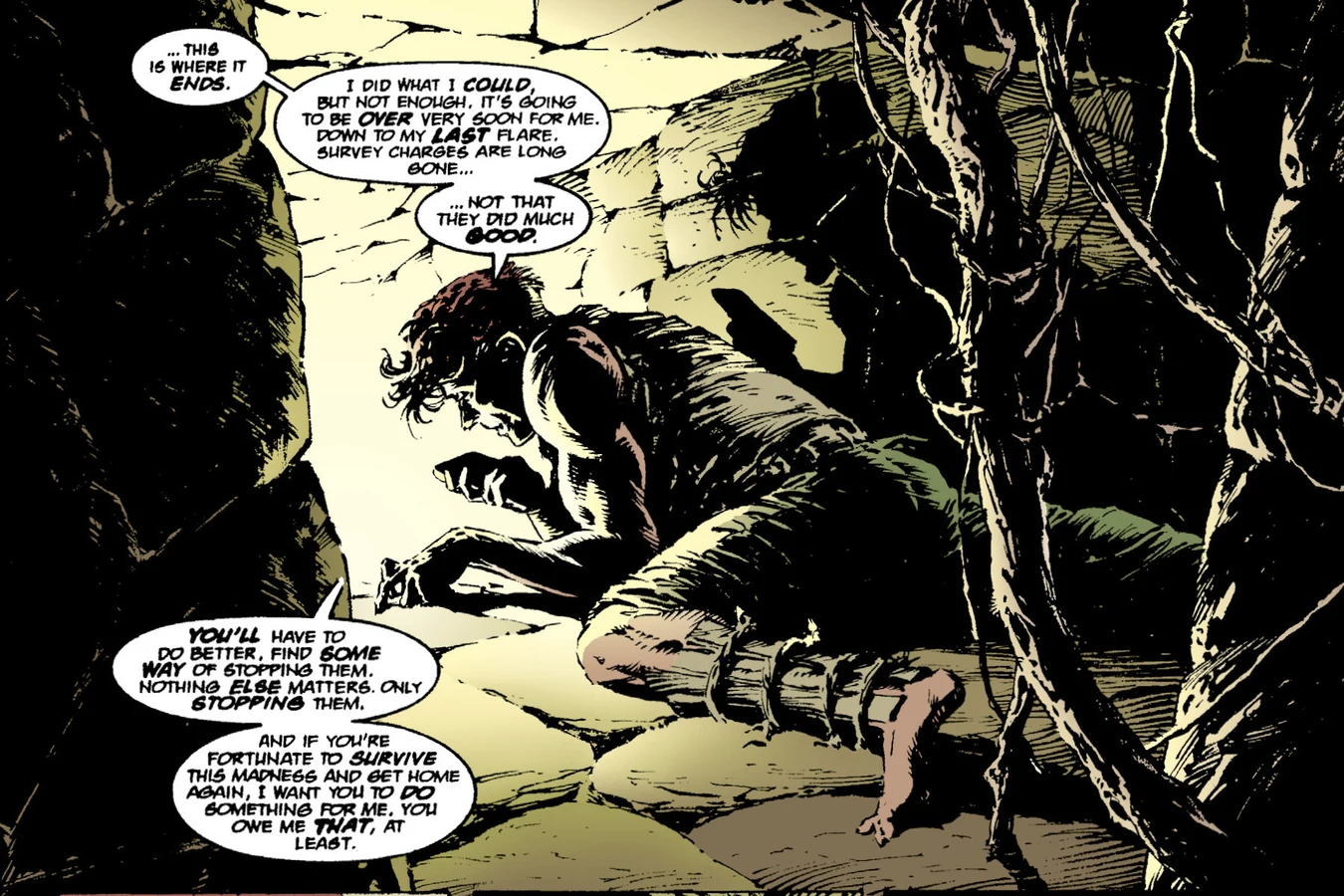
The Geologist survived long enough to leave a recorded account from the stone ruins. Wounded and nearly exhausted, he had used his survey charges against the infestation and had only one flare remaining. He believed his efforts had failed to stop the creatures. In the recording, he warned whoever found him that preventing their spread was more important than anything else.
His Final Message also asked a survivor to find his wife and young daughter and tell them that he loved them. A Xenomorph approached from behind while he spoke, interrupting the farewell. The recording ended with the machine beside blood on the stone floor. No rescue followed within the story, leaving his account as a warning for the next people to enter the ruins.
Key Characters
- The Geologist was a human researcher collecting soil samples in the jungle. He entered the crashed spacecraft, reconstructed the infestation from its remains and recorded a warning before a Xenomorph reached him. Batman/Aliens subsequently identified him as Abel Barrett, a Wayne Tech employee.
- The Extraterrestrial Crew were humanoid space travellers whose species and mission were not named. Their treatment of an infected colleague failed to prevent the first Chestburster's birth, and their survivors were killed or captured as the infestation spread.
- The Xenomorphs reproduced through the ship's crew and survived its arrival on Earth. The first grown creature captured a living host, while the resulting infestation overwhelmed the remaining crew and threatened the geologist outside the wreck.
Editions
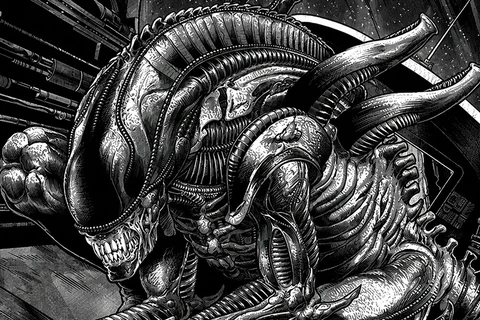
Dark Horse Presents #101-102 first published Incubation in two installments with September and October 1995 cover dates. The story was written by Ron Marz, illustrated by Bernie Wrightson and lettered by Sean Konot. The collected credits separately attributed the title illustration to Wrightson with Matthew Hollingsworth. Its original anthology appearance was in black and white.
The Batman/Aliens trade paperback included a colored version of the twelve-page story in November 1997. Dark Horse later collected it in Aliens Omnibus Volume 5 in 2008, alongside stories including Alchemy, Kidnapped and Survival. The omnibus reproduced Wrightson's Xenomorph title illustration before the story and its credits.
Marvel collected Incubation again in Aliens: The Original Years Omnibus Volume 3 in 2022. The hardcover's contents included the relevant material from Dark Horse Presents #101-102 among its anthology stories and longer miniseries. A direct-market cover variant also used Wrightson's Xenomorph illustration, linking the later collection's packaging to the artwork associated with Incubation's first publication.
Behind The Scenes
Ron Marz And Bernie Wrightson subsequently created Batman/Aliens, published in 1997. That story returned to the jungle wreck and identified the dying researcher as Abel Barrett. Batman found his remains and recovered the recordings, which explained the infestation he encountered. Incubation therefore supplied the earlier events behind the crossover, although Batman himself did not appear in the short story.
Incubation followed another intelligent species through the Xenomorph life cycle before revealing the human who had reconstructed its fate. The geologist acknowledged gaps in his knowledge, including the crew's origins and how they first encountered an Egg. His explanation of the crash depended on corrosion found in the cockpit. These limits distinguished what he discovered in the wreck from what he believed had happened aboard it.
Conclusion
Aliens: Incubation traced an infestation from an extraterrestrial ship to a jungle on Earth. Marz and Wrightson ended the short story with the geologist's interrupted farewell, leaving his recordings to connect the wreck and its victims to Batman/Aliens.
External Sources
- Dark Horse catalogue: Aliens Omnibus Volume 5
- Marvel catalogue: Aliens: The Original Years Omnibus Volume 3
Tag Categories: Alien Comics