Alien: Icarus: Marvel Comic Overview

Alien: Icarus was a Marvel comic that put synthetics, not Colonial Marines, at the center of a classic Xenomorph retrieval mission. Written by Phillip Kennedy Johnson and illustrated by Julius Ohta, the six-issue arc followed Steel Team, a legendary synthetic special-operations unit pulled out of retirement when a nuclear disaster on the farming colony Demeter-2 threatened more than a billion lives across twenty-four worlds. The United Systems Army needed a modified Xenomorph egg from the abandoned Weyland-Yutani research planet Tobler-9, and Steel Team was the only crew ruthless and durable enough to walk back into a fully infested hive world to get it.
Comic Overview
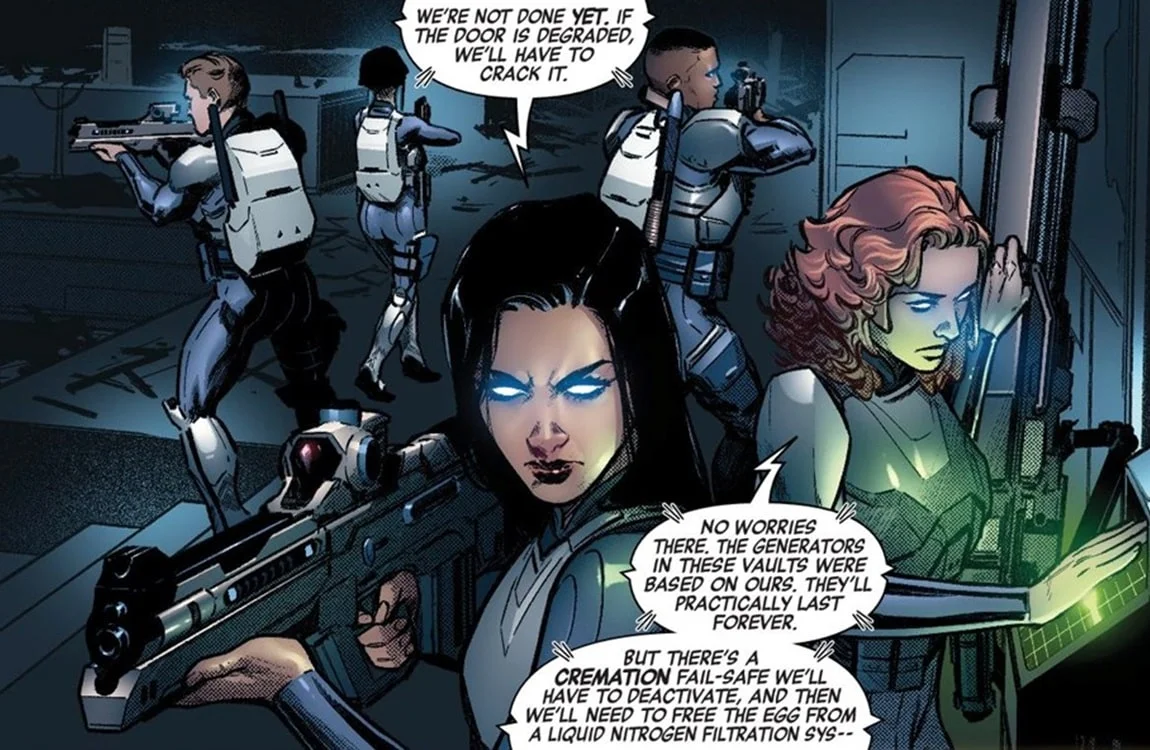
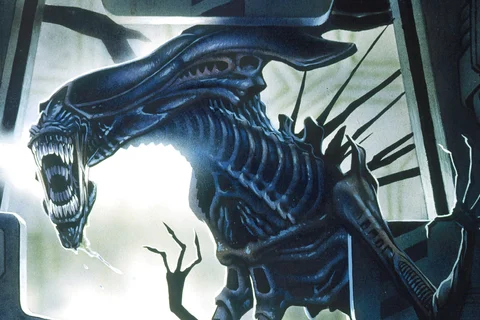
Alien: Icarus was published from September 2022 through February 2023 as Alien (2022) issues #1-6 and later collected as Alien Vol. 3: Icarus. It served as the third and final chapter of Phillip Kennedy Johnson's opening Marvel Alien saga after Alien: Bloodlines and Alien: Thaw, continuing the Alpha Xenomorph era's focus on corporate betrayal, synthetic distrust, and bio-weapons research run catastrophically out of control. Julius Ohta handled the interior art with colors by Yen Nitro, while Bjorn Barends provided the main cover artwork that showed a Xenomorph standing over the wreckage of a synthetic soldier.
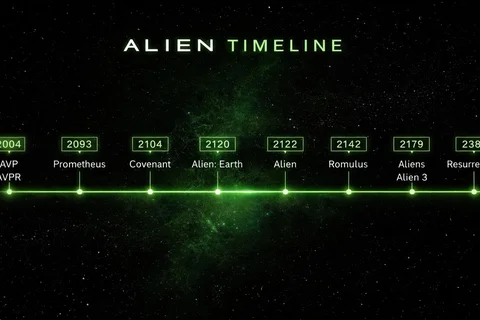
Set in 2217, roughly a century after the events of Alien, the story placed humanity in a wider war between the United Systems and Weyland-Yutani. Tobler-9 itself had fallen twelve years earlier after the company pushed its XX121 research too far, leaving the planet irradiated, overgrown, and ruled by a massive Xenomorph hive. The Icarus strain developed there was engineered for radiation resistance using host-specific breeding and experiments tied to the Black Goo pathogen, linking Engineer biotech to modern corporate Alien programs.
Plot Summary
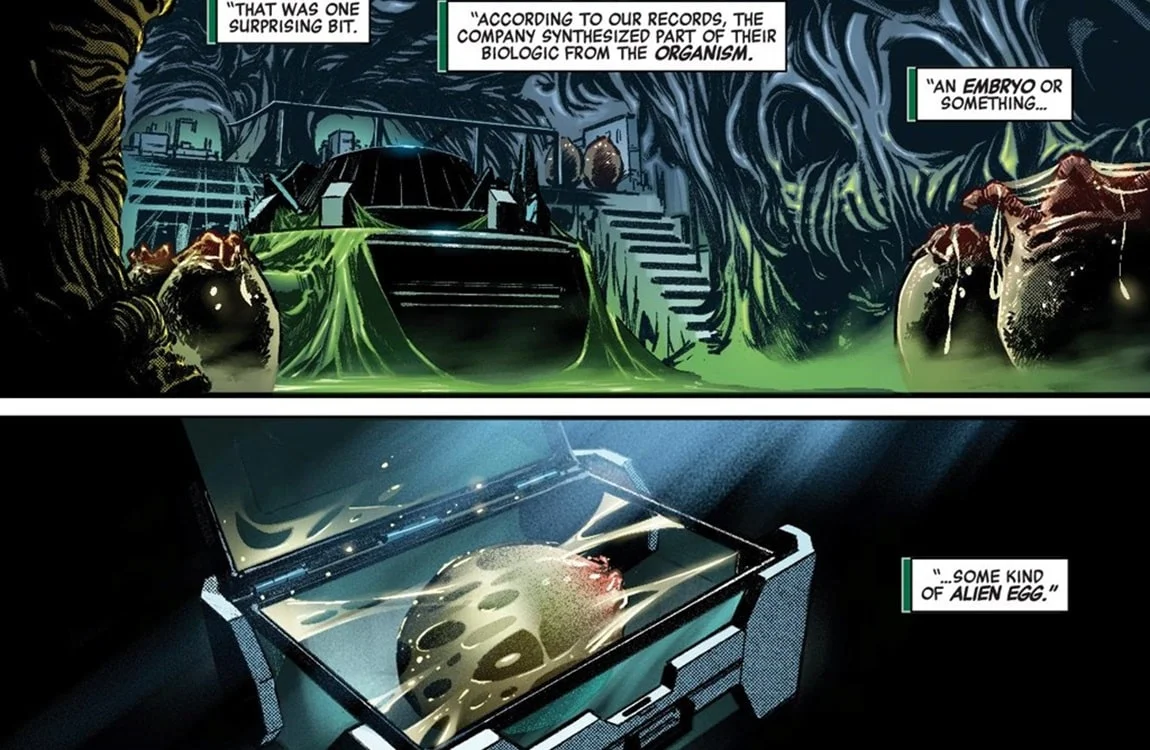
The arc opened with Lieutenant General George March recruiting Steel Team from their hidden settlement on Europa-5. The synthetics had already been betrayed once by the United Systems and wanted nothing to do with humanity, but March offered full citizenship in exchange for one mission: descend to Tobler-9, enter a buried Weyland-Yutani lab, and recover the biotechnology that could immunize colonies against the fallout spreading from Demeter-2. Steel Team accepted, traveled aboard a Bougainville-class ship, and dropped to the surface in a UD-4L Cheyenne dropship.
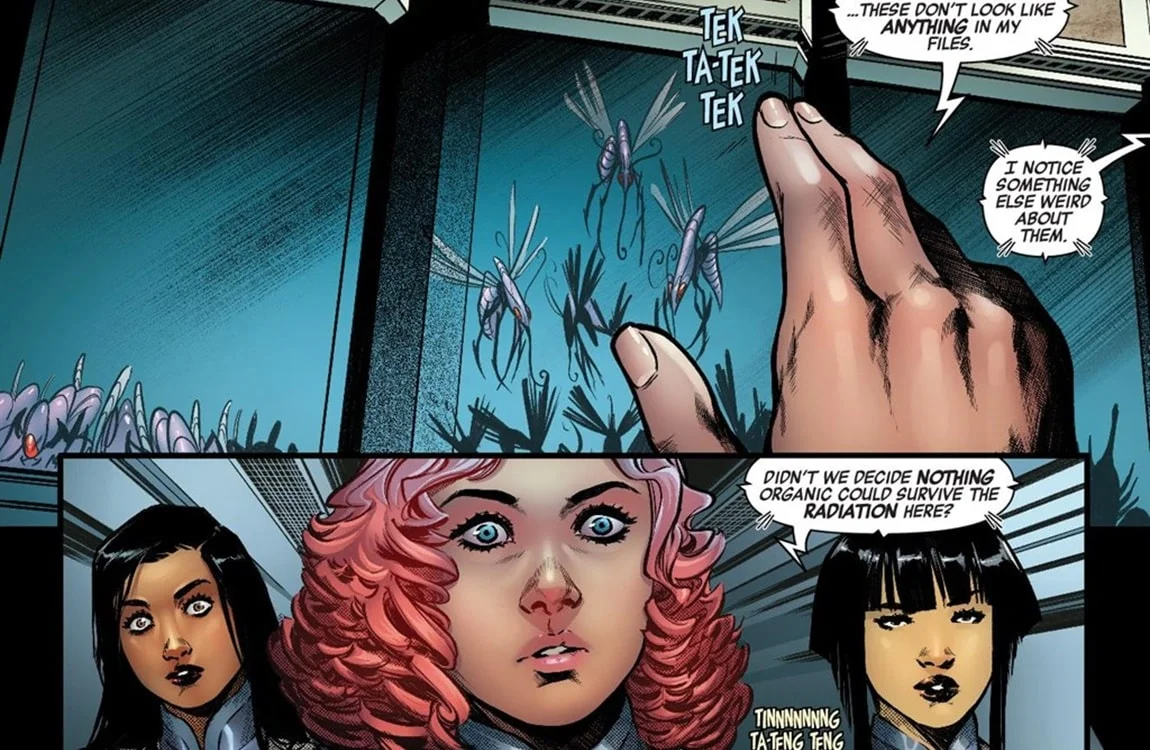
On Tobler-9, the team found the target egg missing but collected samples of mutated insects from the lab. A Praetorian-led ambush nearly ended the mission until a band of human scavengers intervened with flamethrowers and led the synthetics to an underground bunker colony that had somehow survived decades in the ruins. Freyja, the most empathetic member of Steel Team, bonded with a deaf child in the settlement, while Eli's hatred of humans led him to deliberately let colonist Lee become infected after she broke open a specimen jar containing one of the lab insects.
Colony leader Melody struck a bargain with the synthetics: help clear a subterranean nest and kill the Queen in exchange for access to eggs from the Icarus strain. Her real plan was very different. Melody deliberately trapped Steel Team inside the hive to keep Weyland-Yutani's research from ever leaving Tobler-9 again, triggering a brutal fight with the Queen and her Praetorians that left Nora destroyed and Seth grieving behind while the humans stole the dropship.
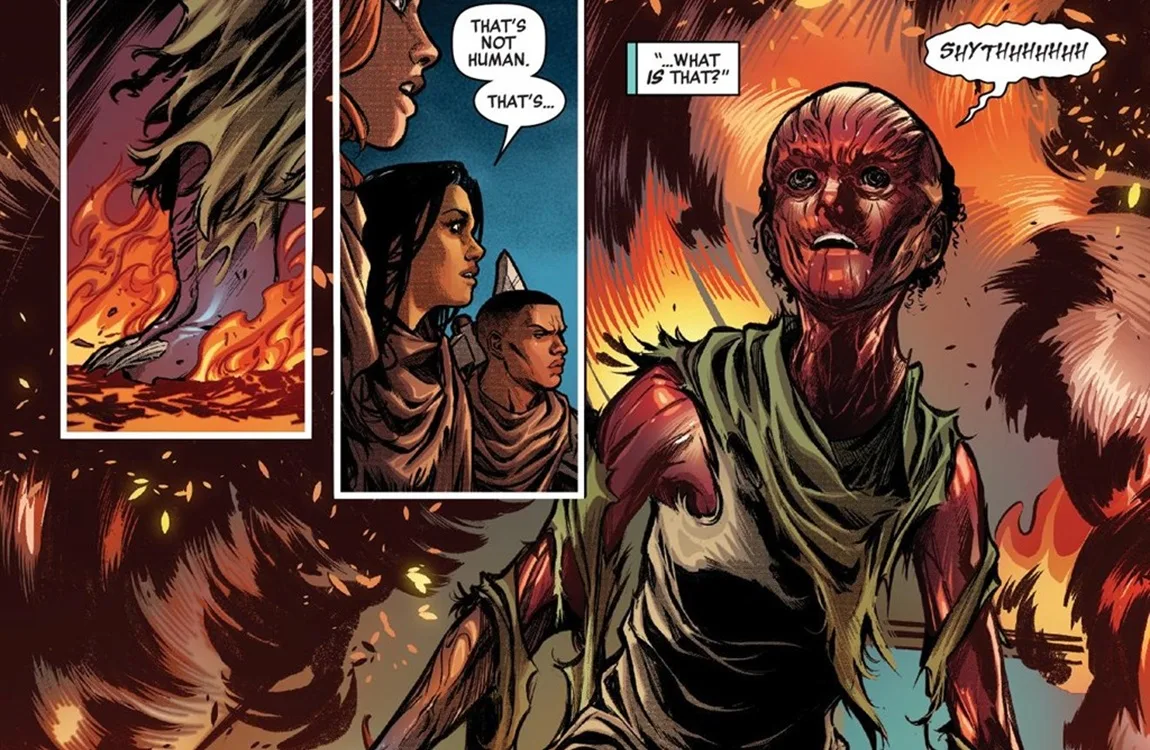
Lee's infection then escalated into something far worse than a normal Xenomorph life cycle. She mutated into a Xenomorph hybrid able to command the hive, slaughtered Melody and the other scavengers when their stolen ship crashed, and returned to the bunker with an army of Drones at her back. The surviving colonists were wiped out in the assault, although Freyja rescued the deaf boy before a dying human triggered a nuclear device that obliterated the bunker. By then Steel Team was disintegrating: Seth was nearly killed by Lee, Astrid took a fatal headbite from the Queen, and Eli's rage led him to throw the boy into a nest before Freyja finally shot the Queen dead.
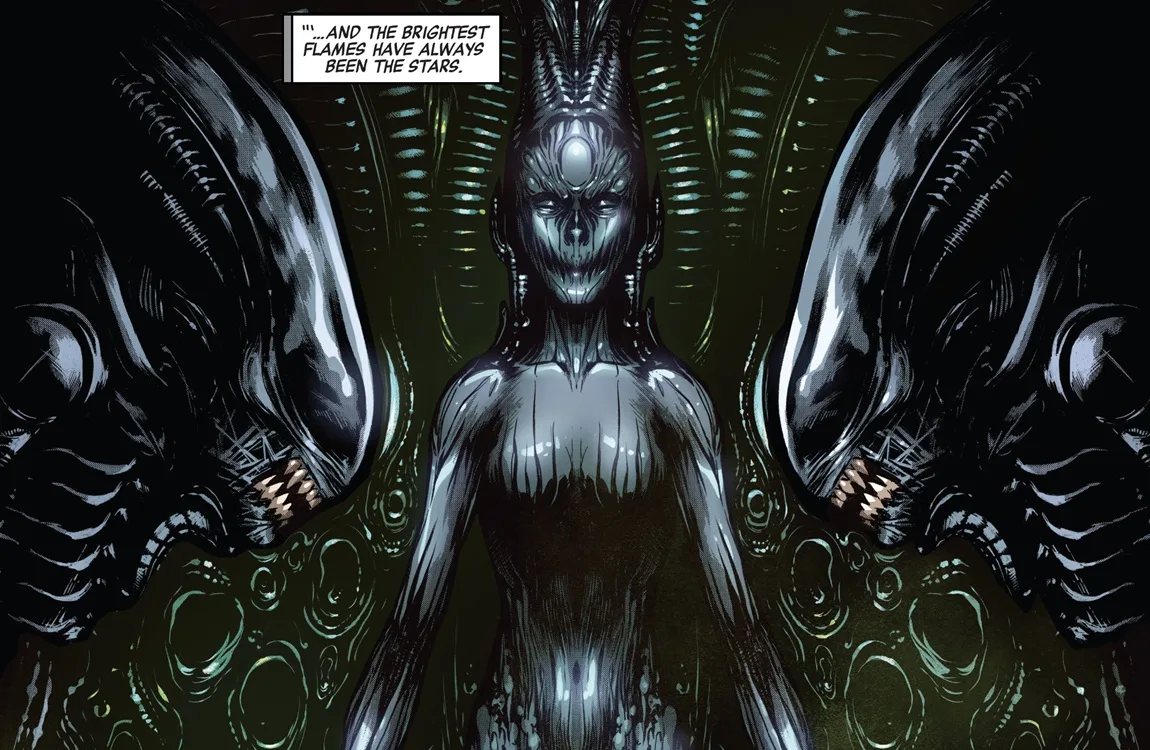
General March arrived for extraction just in time to die at the hands of the fully transformed Lee, while Freyja, Eli, and the boy escaped aboard a United Systems vessel. The ending suggested Lee had become a new kind of leader for the Xenomorph species and a parallel to the mysterious Woman in the Dark visions from Alien: Bloodlines, leaving Tobler-9 with a queenless but still lethal hive and humanity clutching the genetic cure it had sacrificed an entire synthetic team to obtain.
Key Characters
- Freyja - Steel Team leader and the synthetic most willing to trust the human survivors, especially the deaf boy who unknowingly carried the cure.
- Eli - The team's cynic, whose deliberate sabotage of Lee set the hybrid catastrophe in motion.
- Seth and Nora - Synthetic partners whose bond anchored the early mission before Nora was destroyed in the hive.
- Astrid - Steel Team operative killed by the Queen during the final extraction attempt.
- Melody - Former Weyland-Yutani employee and leader of the Tobler-9 scavengers, willing to sacrifice Steel Team to keep Icarus research buried.
- Lee - Colonist infected by lab specimens who became a Xenomorph-human hybrid and hive leader.
- General George March - United Systems officer who reactivated Steel Team and died during the botched extraction.
Timeline And Canon
Alien: Icarus belonged to Marvel's licensed Alien comic continuity rather than the film timeline of Ripley or Hadley's Hope. It directly followed the events and themes of Johnson's Bloodlines arc, including references to Weyland-Yutani sabotage on Euridice and the broader XX121 arms race between megacorporations and the United Systems. The 2217 setting placed it decades before later Marvel stories such as Aliens: What If?, Aliens vs. Avengers, and Alien: Paradiso, but it helped establish the modern Marvel line's focus on synthetic soldiers, mutated strains, and corporate science gone lethal.
Legacy
Icarus remains a key Marvel Alien story for readers interested in synthetic warfare and experimental Xenomorph biology. It introduced the radiation-resistant Icarus strain, expanded Tobler-9 into a major hive-world setting, and gave Steel Team a permanent place in the site's combat android coverage. Johnson's broader run divided fans used to Dark Horse's older continuity, and Icarus in particular reused familiar outbreak beats on another Weyland-Yutani facility. Even so, the Lee hybrid, the tragic human betrayal, and Freyja's final stand made the arc one of the stronger entries in Marvel's first Alien wave and a useful bridge into later lore about the Goddess and pathogen-twisted creatures. It did not rank among the franchise's all-time essentials and was not included on our best Alien comics list.
External Sources
Tag Categories: Alien Comics | Alien Merchandise