
Alien Romulus continued the Alien franchise's android tradition with two very different synthetic characters. The movie introduced Andy, Rain Carradine's adoptive brother, and Rook, the damaged science officer aboard Renaissance Station. While both were artificial persons, they represented opposite sides of synthetic life in the Alien universe.
Andy: Rain's Synthetic Brother
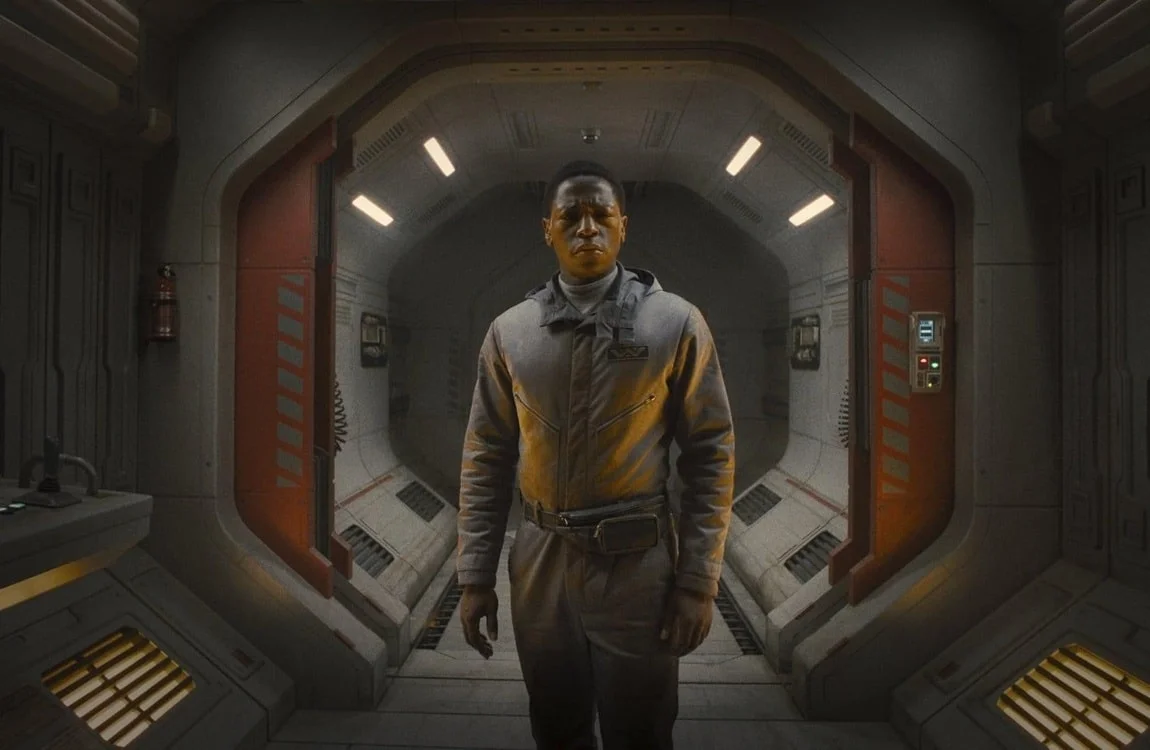
Andy was the main synthetic character in Alien Romulus and was played by David Jonsson. He appeared to be a Weyland-Yutani-built synthetic, with company branding visible in his eyes in some scenes. Rather than serving as a hidden company plant, Andy was introduced as Rain Carradine's adoptive brother. He had been reprogrammed by Rain's late father and became part of the family while living on Jackson's Star. Early in the film, Andy suffered from glitches, slow responses, and limited social awareness. He often struggled in hostile situations and was vulnerable to mistreatment from others.
Andy With A Different Weyland-Yutani Chip
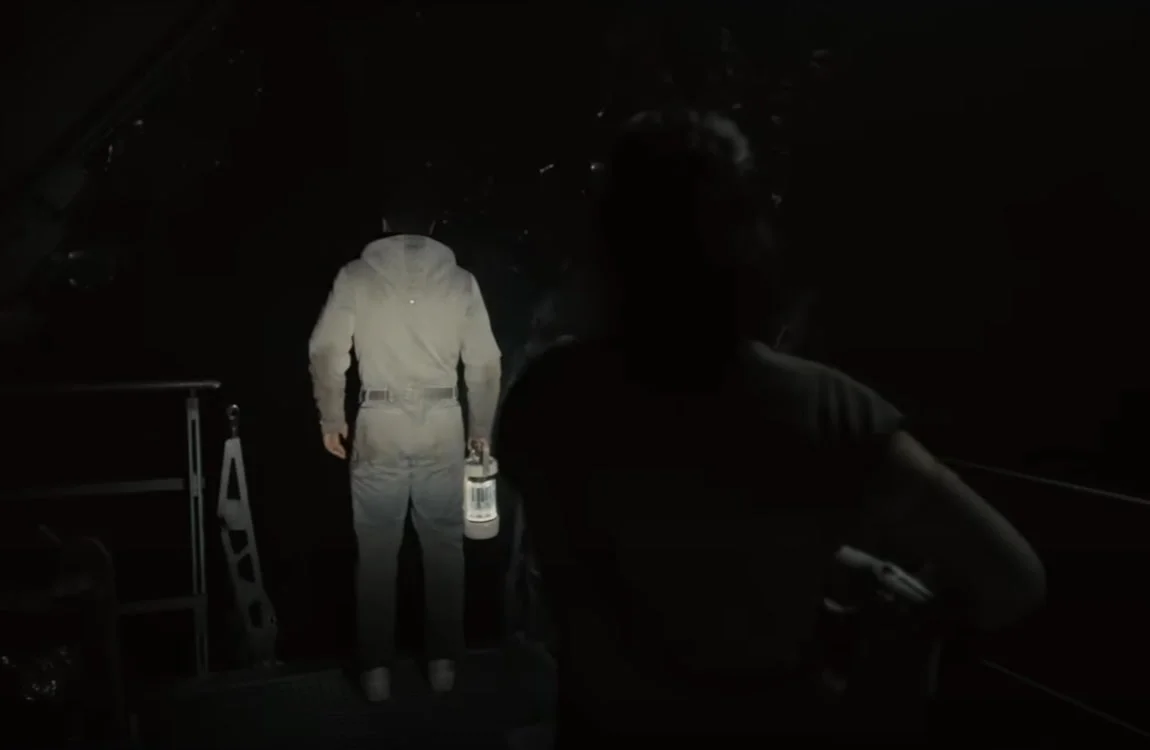
After the group reached Renaissance Station, Andy received a chip taken from Rook. The upgrade repaired many of his faults and granted access to station systems, security doors, and restricted Weyland-Yutani protocols. However, it also strengthened company directives, making Andy colder and more willing to prioritize corporate objectives over personal loyalty. Later, Rain removed the chip and restored Andy's earlier personality. This returned the version of Andy she trusted and cared for.
Rook
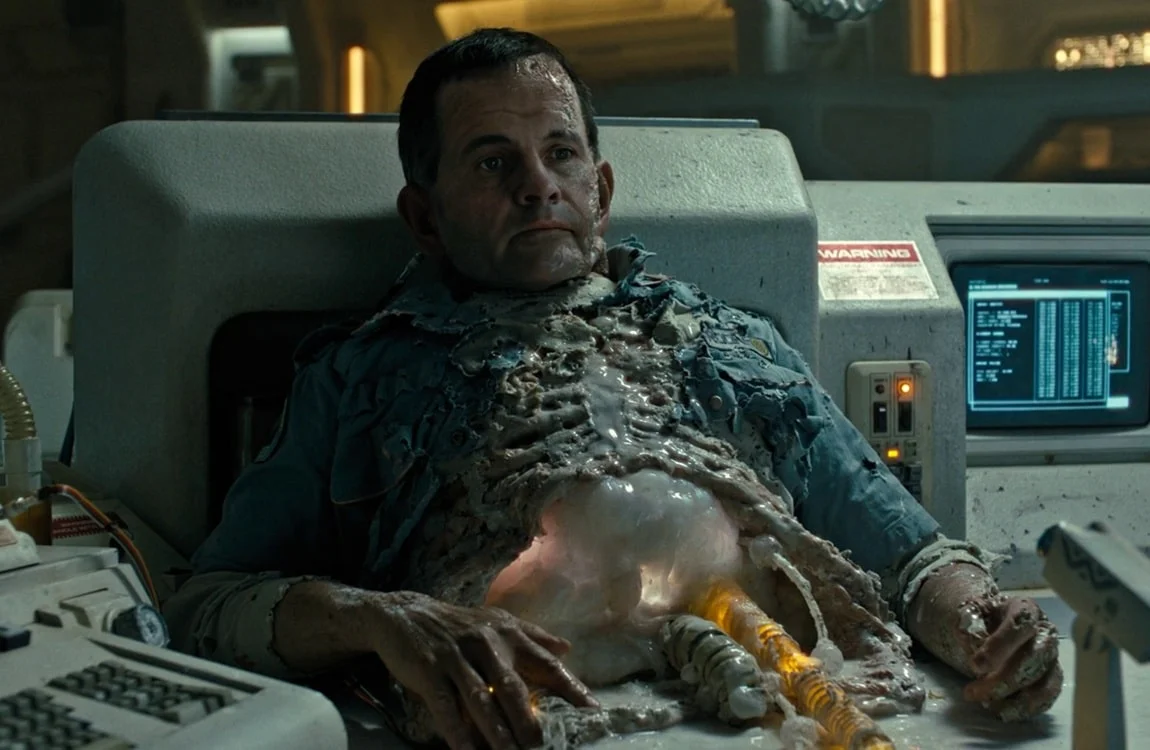
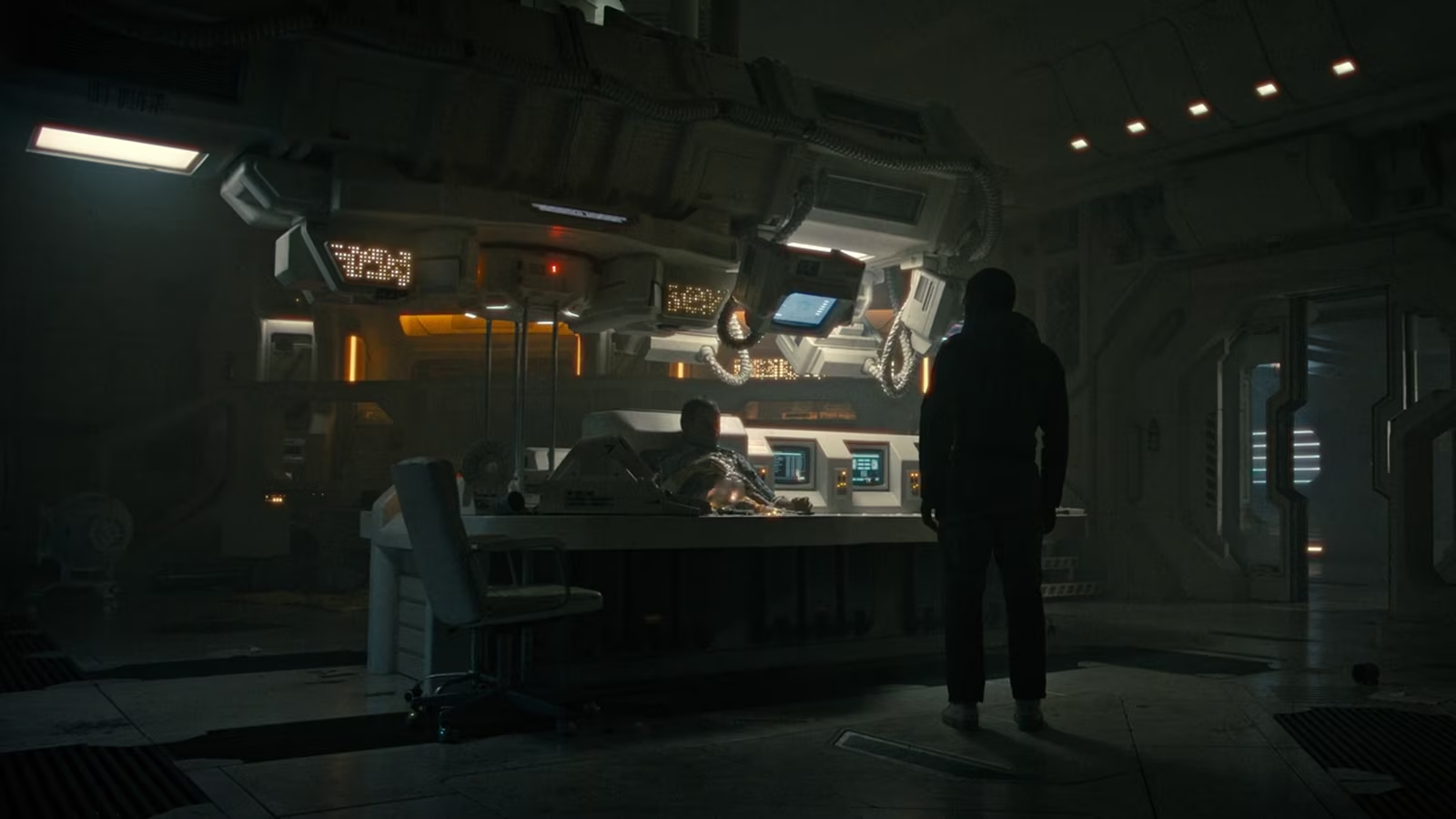
Rook was the synthetic science officer assigned to Renaissance Station (played by a CGI recreation of Ian Holm). By the time Rain's group found him, he had been heavily damaged during the earlier outbreak that wiped out the station crew. Despite his condition, he remained operational enough to explain the facility's research and control critical systems. Rook revealed that Renaissance had recovered the Xenomorph found near the wreckage of the USCSS Nostromo and used its biology for further experiments. These experiments led to the development of the mutagenic Z-01 compound and the storage of numerous Facehuggers aboard the station. Even after the disaster, Rook's main concern was preserving research data and returning samples to Weyland-Yutani.
The Rook And Ash Connection
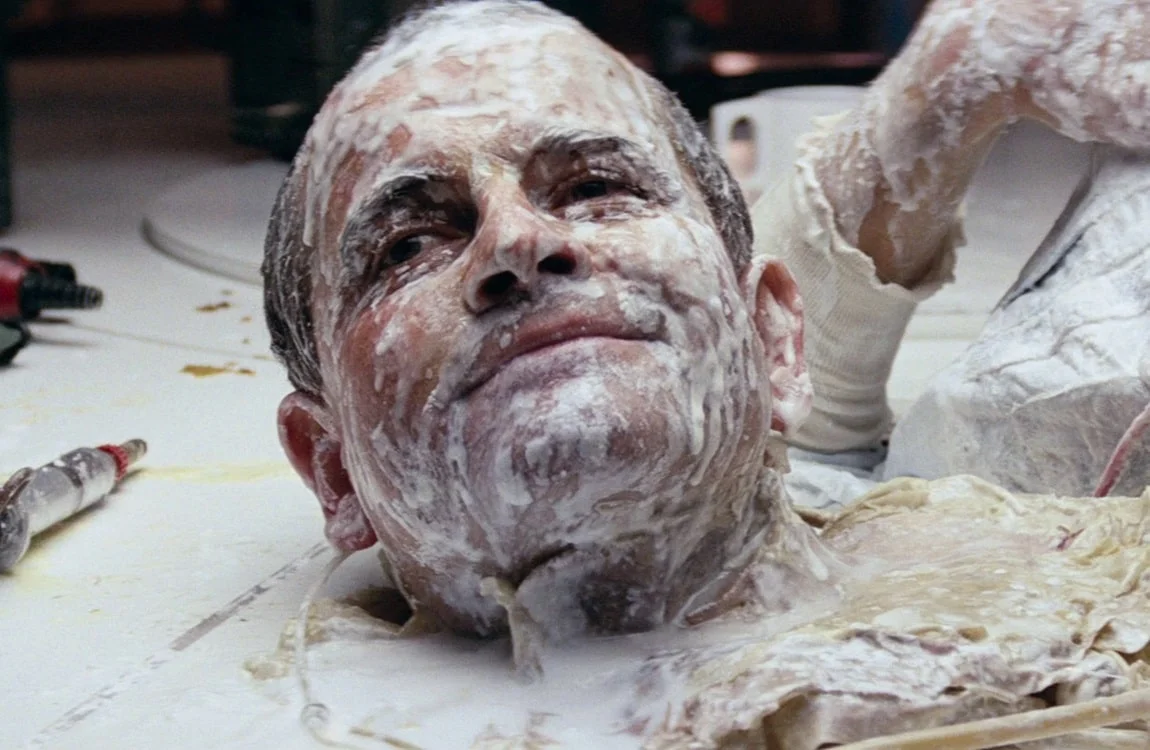
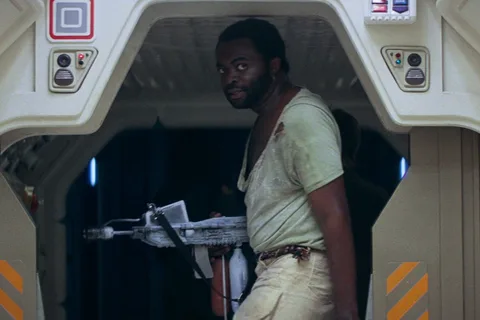
Rook's appearance strongly recalled Ash from the original Alien film, creating an immediate link to one of the franchise's most infamous android betrayals. Ash was identified in Aliens as a Hyperdyne Systems 120-A/2 synthetic created for Weyland-Yutani. Bishop also described the older A2 models as a little twitchy, hinting at their unstable behavior and flawed programming. If Rook belonged to the same production line, his likeness would make sense as another surviving or repurposed Hyperdyne unit assigned to corporate research work. Expanded lore had already explored Ash surviving beyond the Nostromo incident. In Alien: Out of the Shadows, Ash continued to exist within the computer systems of the Narcissus Shuttle and briefly returned without a physical body.
Weyland-Yutani's Previous Androids
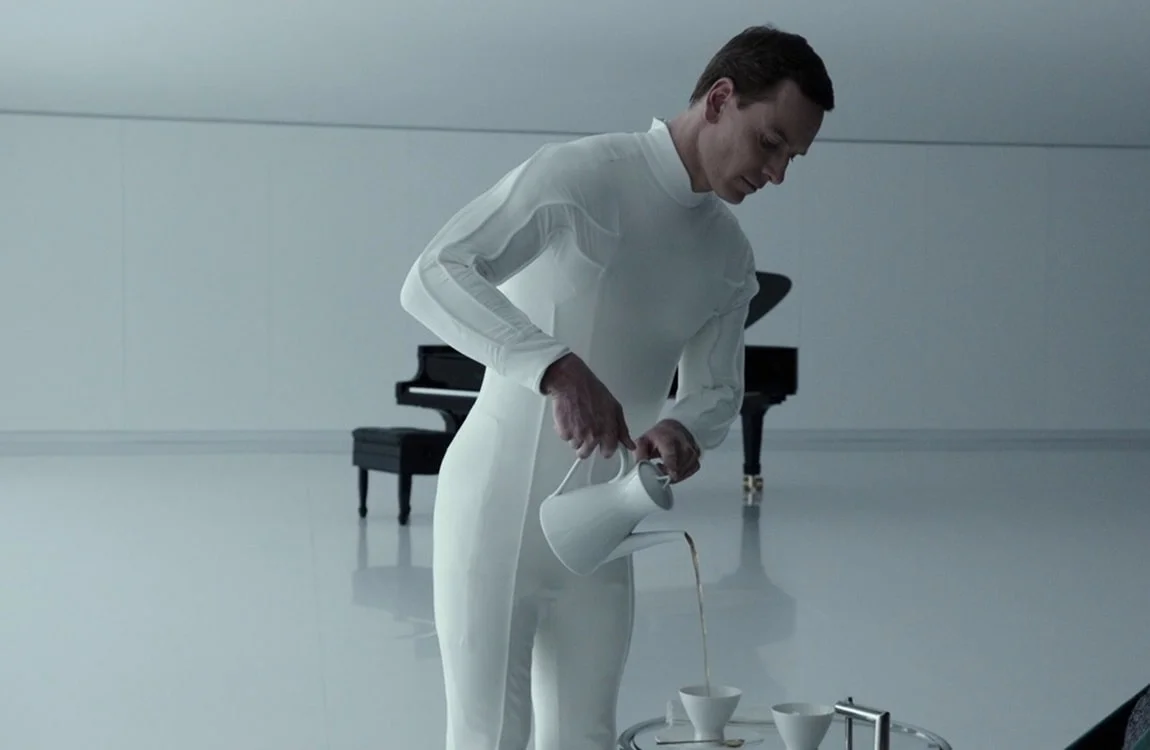
Weyland Corporation headed by Peter Weyland was the first to spearhead the android development in the Alien universe. David, a synthetic model crafted by Weyland Industries in the early 21st century, marked a significant advancement in android technology. Initially introduced in 2024, as the pioneering prototype, David became renowned for his remarkable resemblance to human emotions. The Walter model seen in Alien: Covenant was finished during the Weyland-Yutani merger around 2099. The first unit was signed off at the old English Weyland lab in Alien: Covenant Origins, before the colony ship left. According to the expanded lore, Weyland-Yutani focused then more on building combat androids, while Hyperdyne took the artificial human development further. Although David does not appear in Alien: Romulus, it is possible he might return in one of the several Alien projects in development (including Alien: Romulus 2).
Are Seegson Or Hyperdyne Involved?
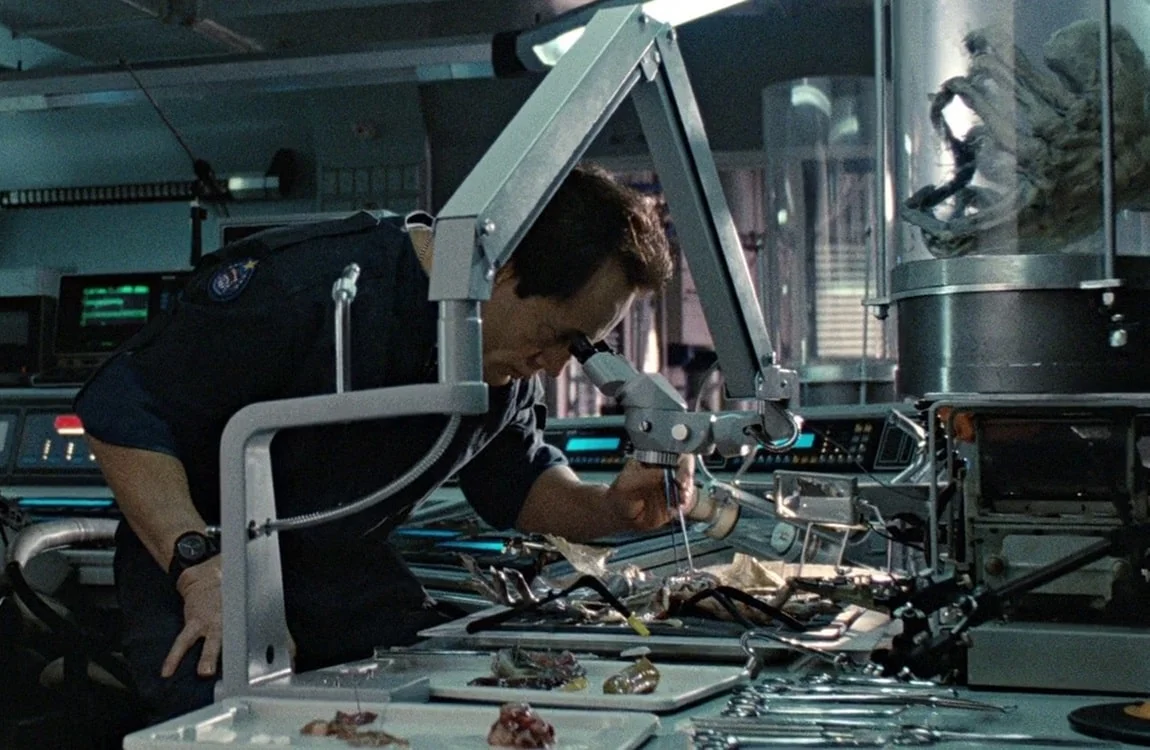
No direct Seegson involvement was shown in Alien Romulus. Seegson remained most associated with the Working Joe synthetics and the events of Sevastopol Station in Alien: Isolation. Although Romulus shared some visual inspiration with Isolation, no Working Joe units or confirmed Seegson assets appeared in the story. Hyperdyne remained relevant in wider Alien lore because of android models such as Bishop and references to earlier synthetic production lines. Bishop identified Ash as part of the older 120-A/2 series, while Bishop himself belonged to a later and more trusted generation. Rook's resemblance to Ash suggested Renaissance may have used a related legacy model or reused design template.
Conclusion
Alien Romulus used androids in a smarter way than simple nostalgia. Andy and Rook represented two opposing paths for synthetic life in the Alien universe. One became family and struggled for autonomy, while the other remained a servant of corporate ambition. The result was one of the franchise's strongest explorations of artificial persons since Aliens. Andy gave the film its emotional core, while Rook connected the story back to Ash, the Nostromo, and Weyland-Yutani's long obsession with the Alien organism.
Tag Categories: Alien Universe Androids | Alien Romulus Lore | Alien Lore